Historical Artifacts

A collection of ancient fragments, including pottery shards and textile pieces, representing various cultures and eras in history.
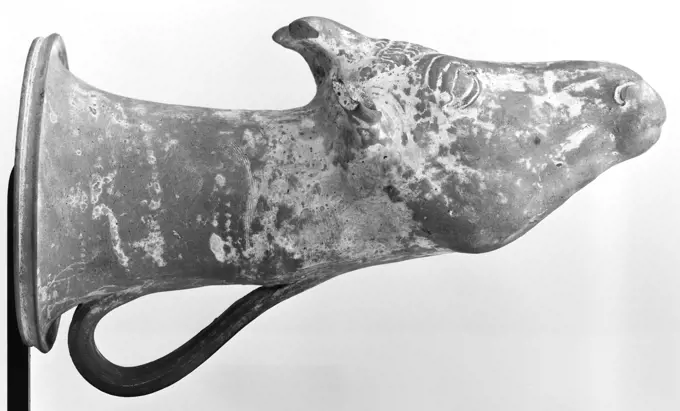
Canosan Goat Head Rhyton; Canosa, South Italy; about 320 B.C; Terracotta; 19.5 × 9.4 cm (7 11,16 × 3 11,16 in.)
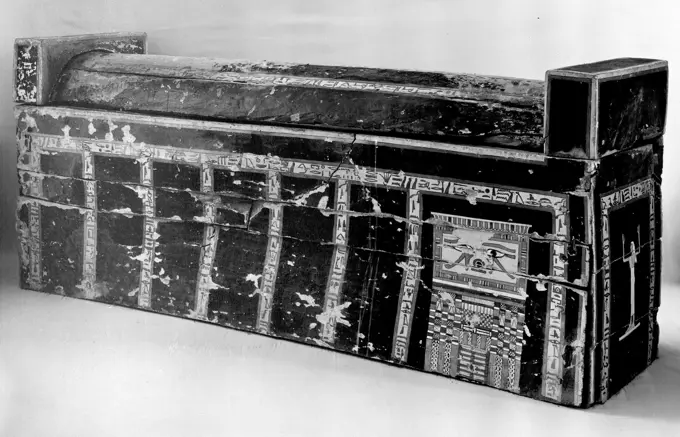
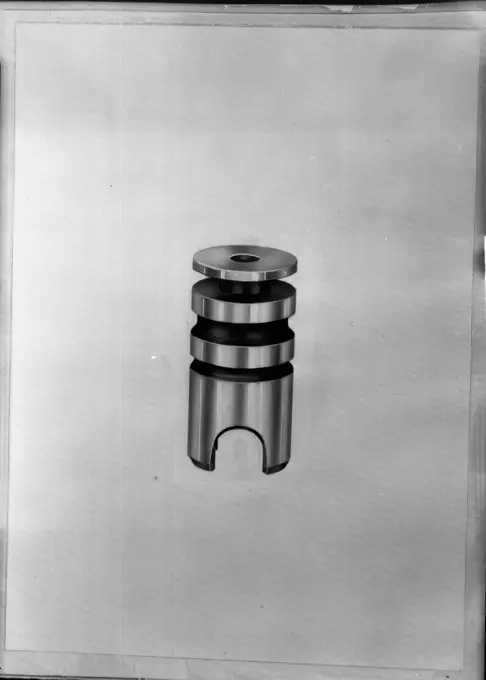
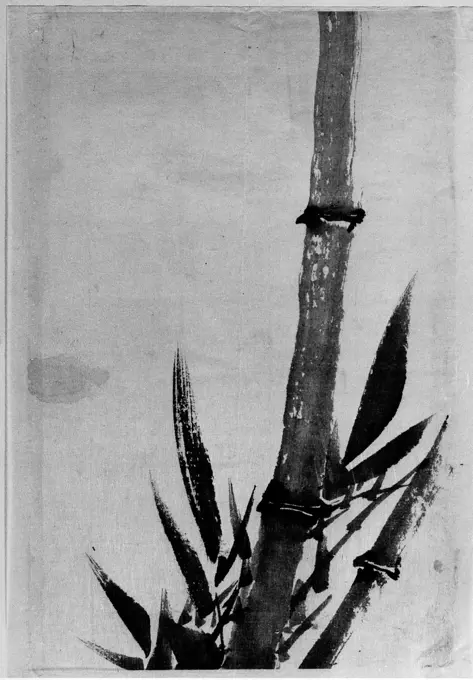
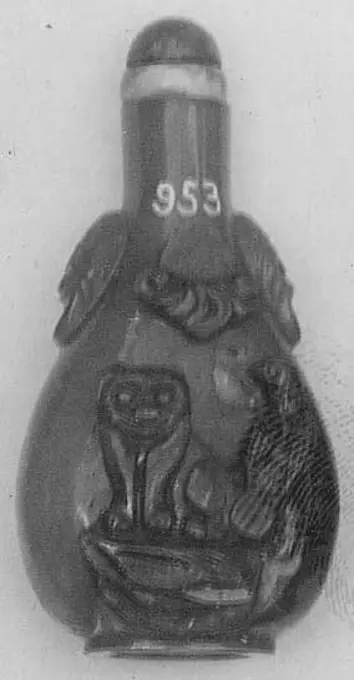
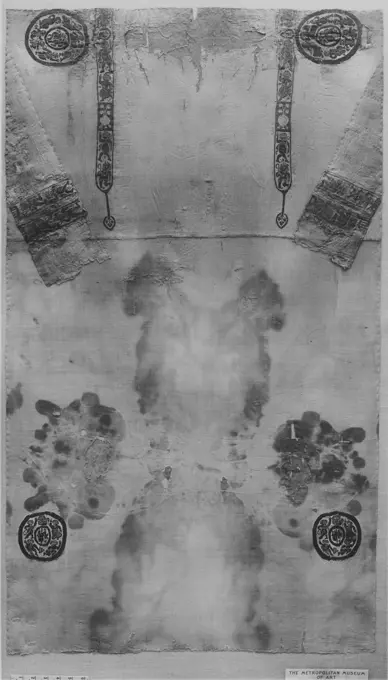
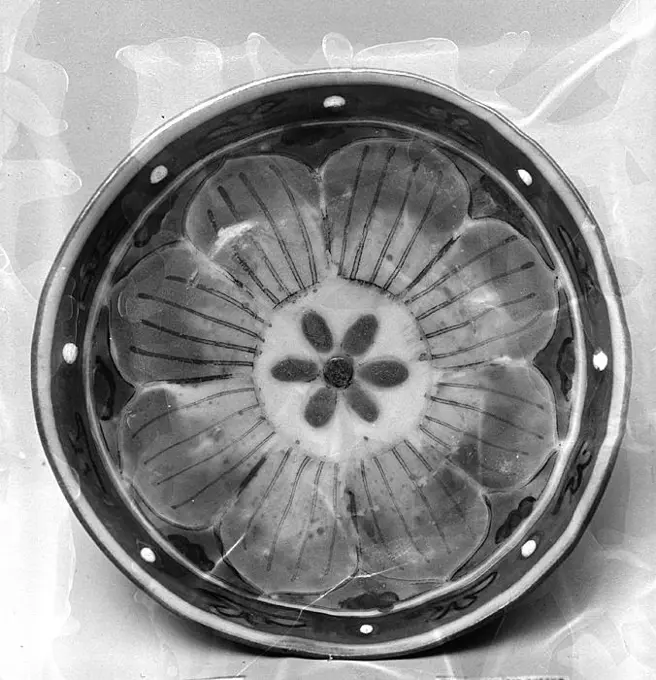
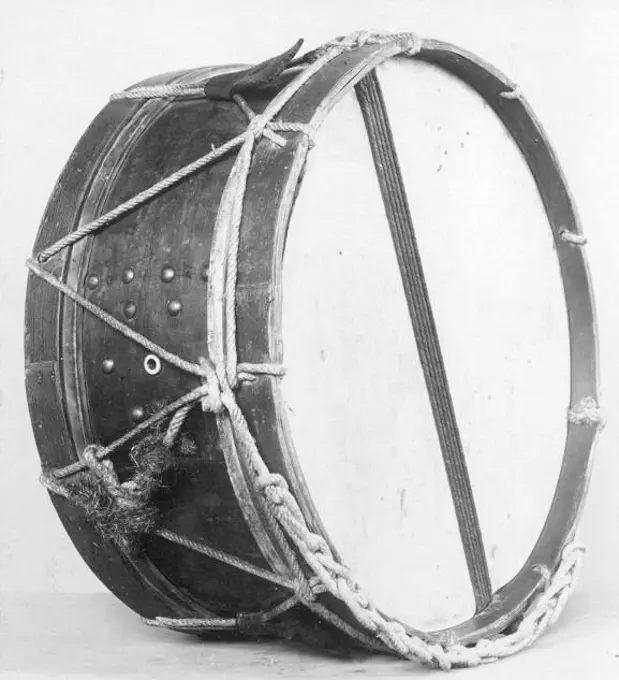
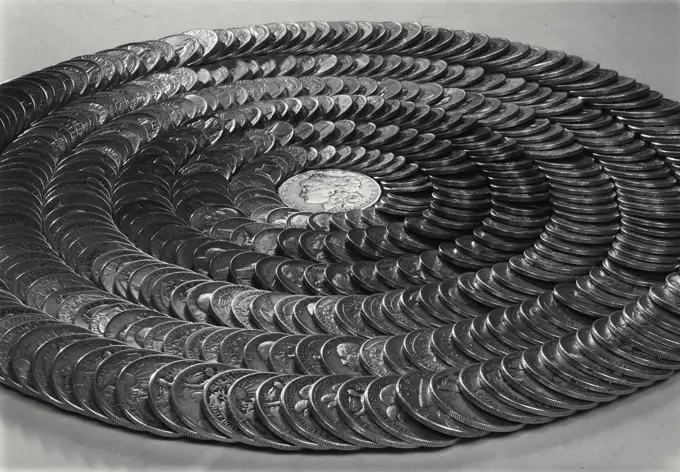
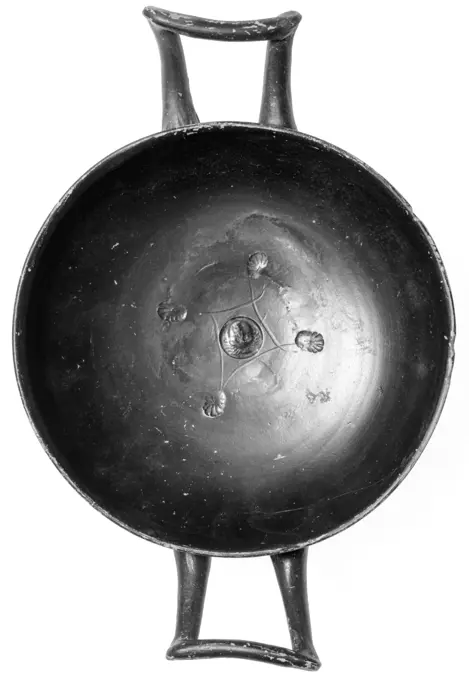
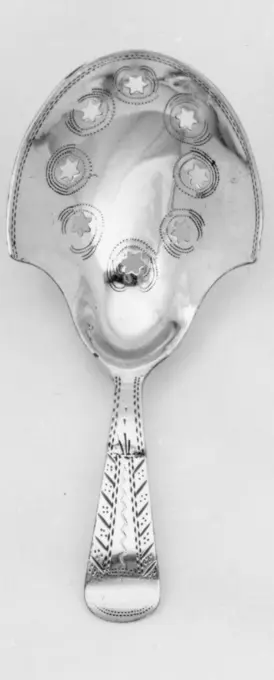
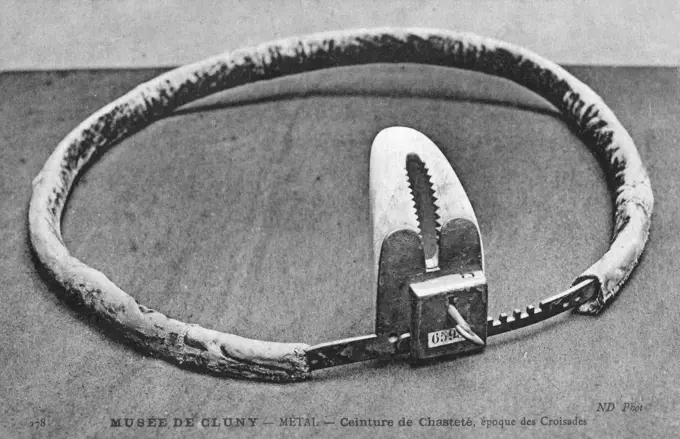
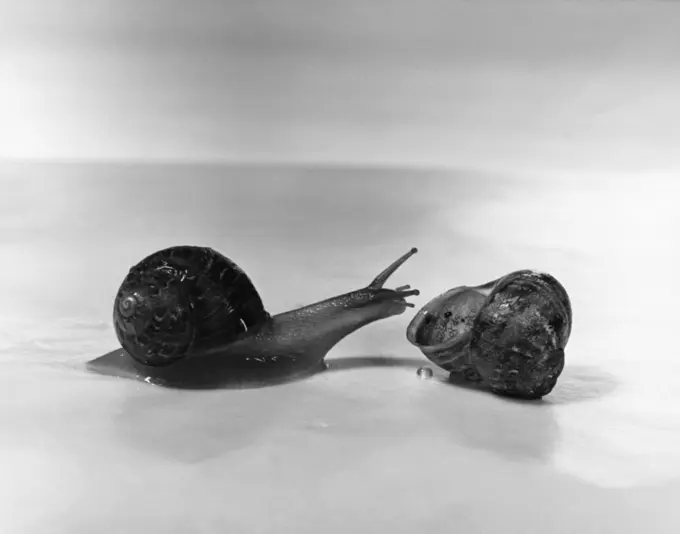
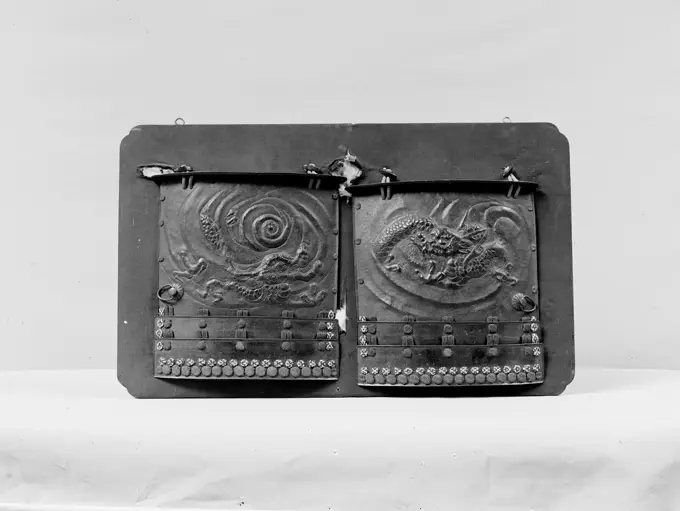
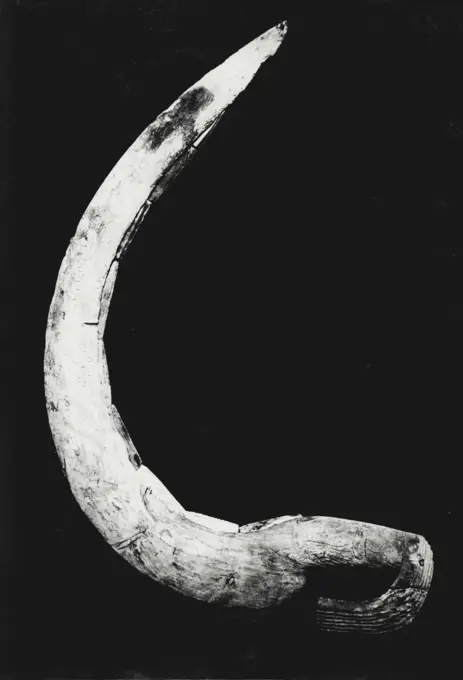
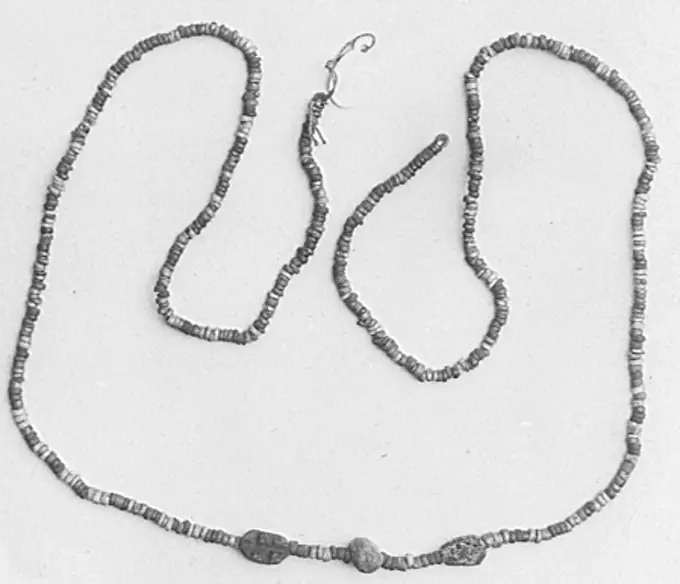
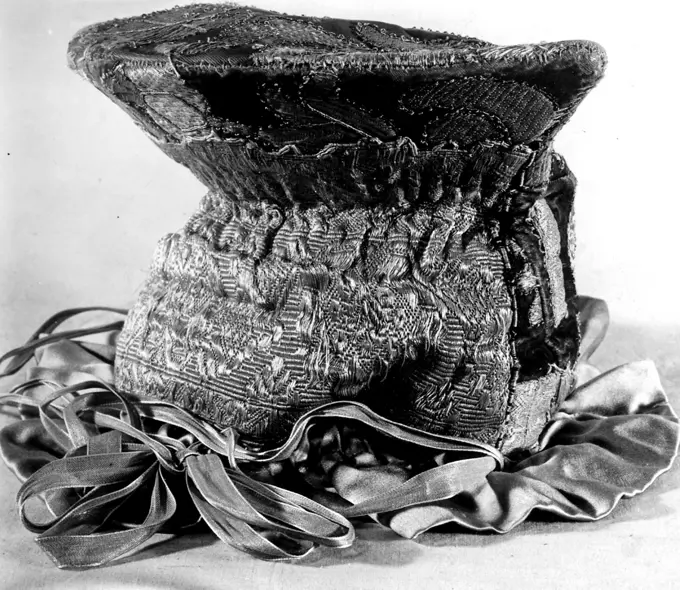
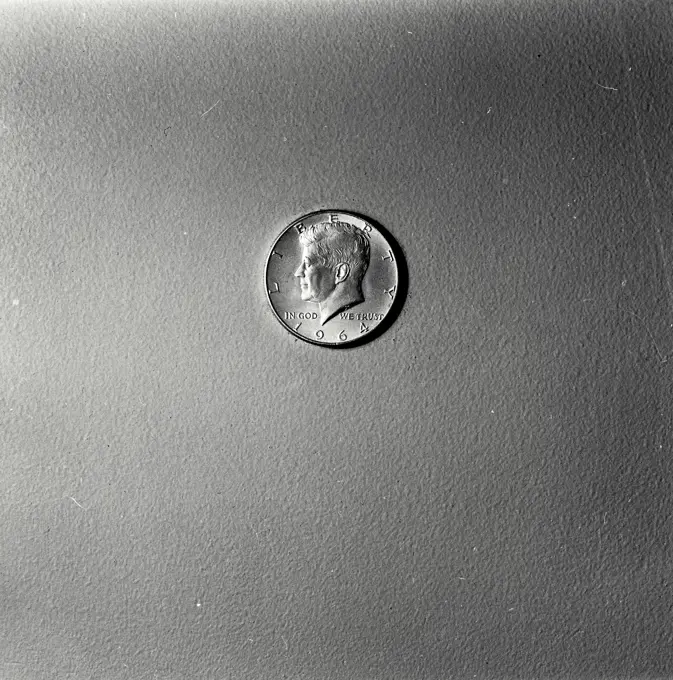
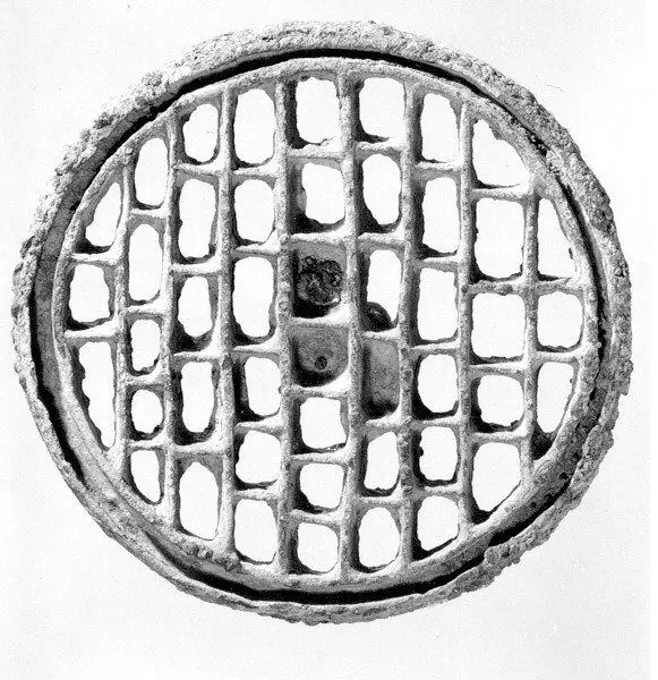
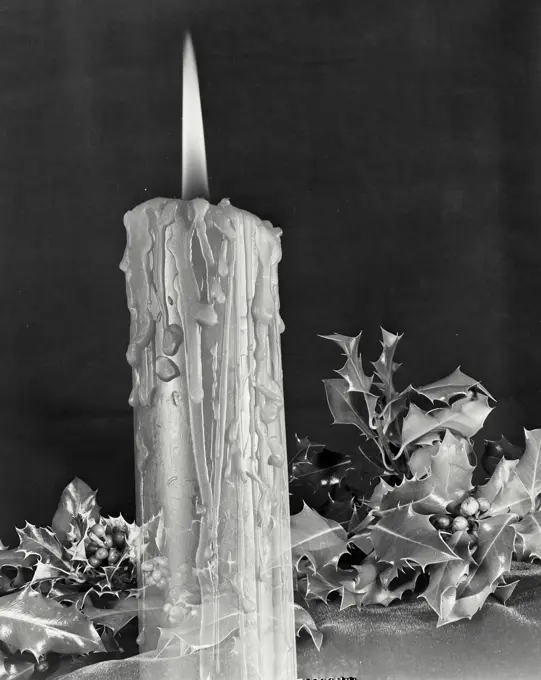
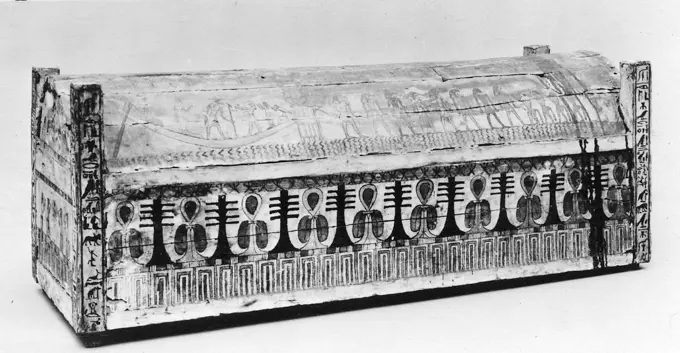
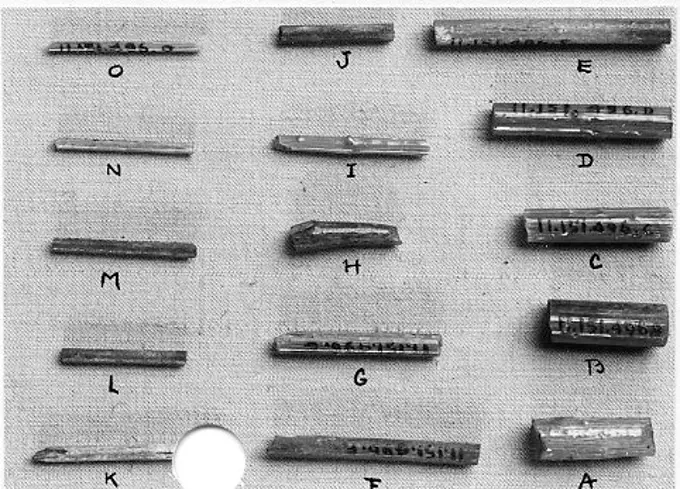
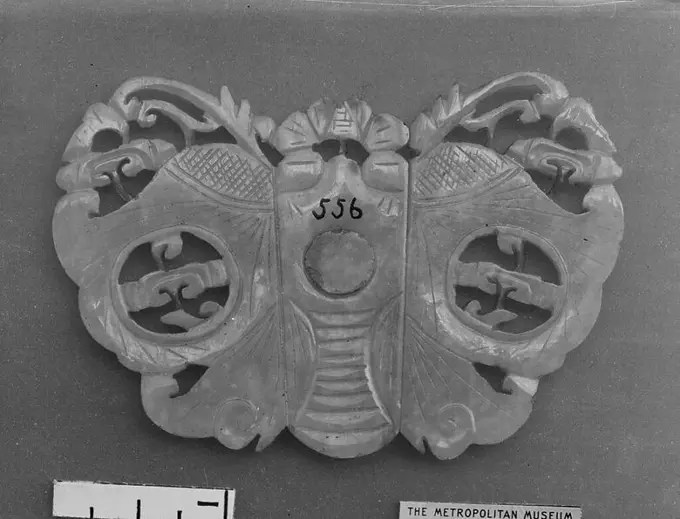
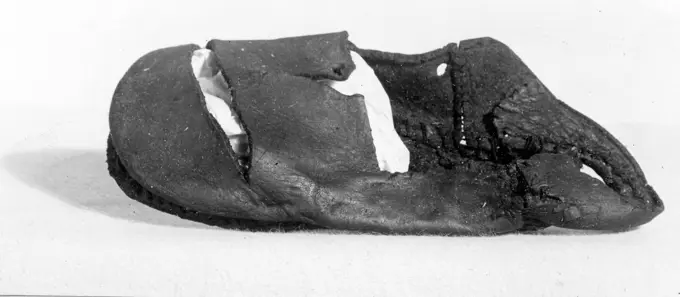
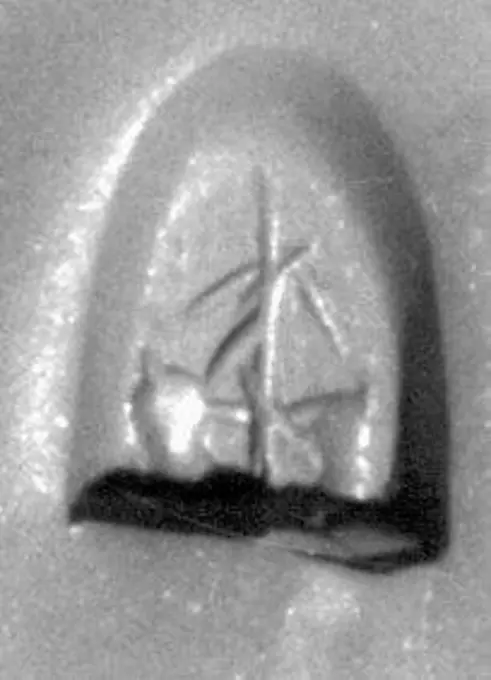
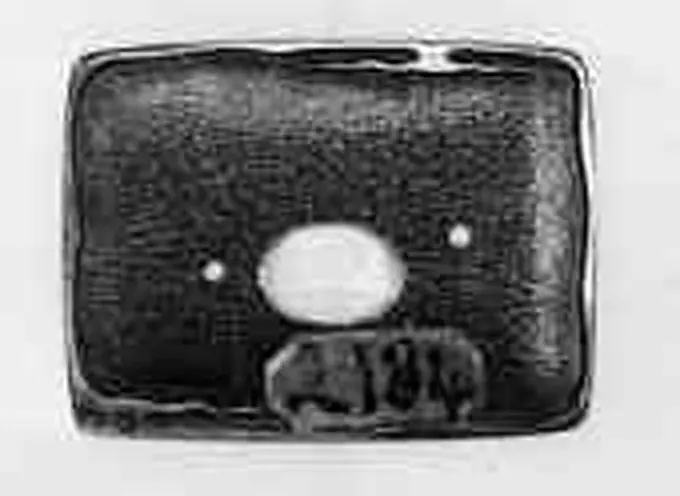
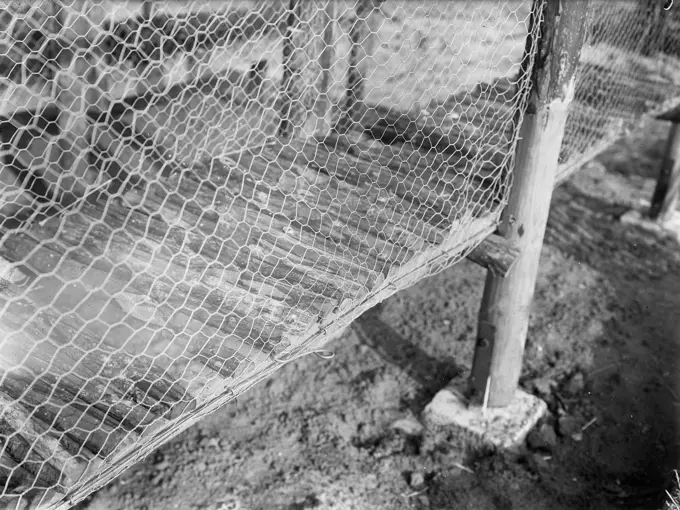
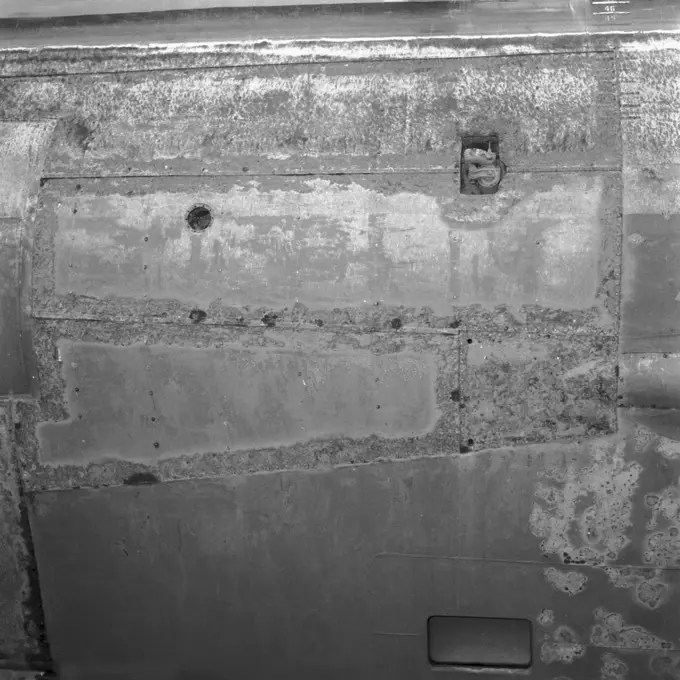
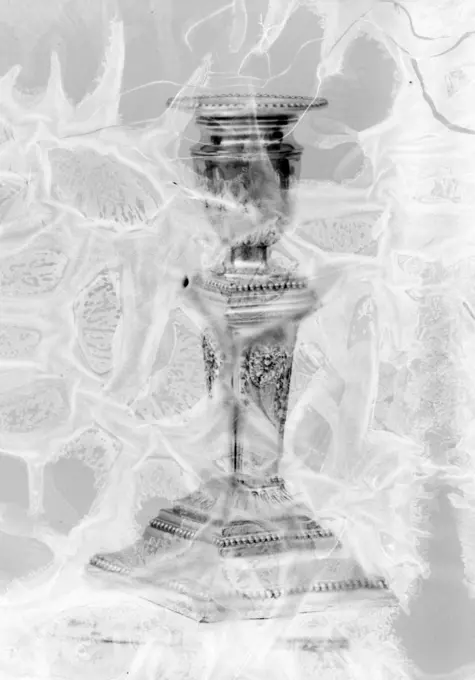
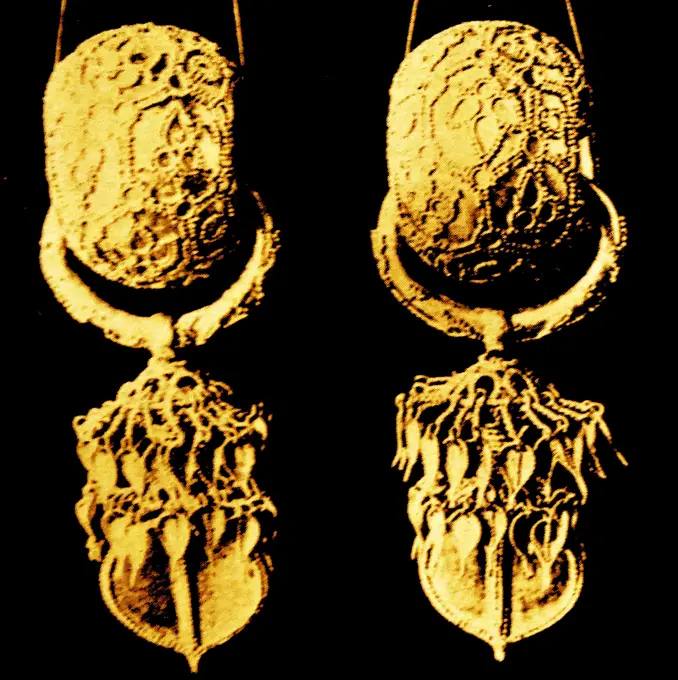
Attic Black-Figure Eye Cup Fragment. UnknownDamaged post at mile 1182 on Svartön.Scarf late 18th century. Scarf. late 18th century. Silk, cotton. Attributed to Turkey. Textiles-EmbroideredLappet. Flanders, Brussels. Date: 1735-1740. Dimensions: 61.9 × 12.6 cm (24 3/8 × 5 in.). Linen, bobbin part lace of a type known as "Brussels". Origin: Brussels. Museum: The Chicago Art Institute, Chicago, USA.Grunge human shoe print (shoe mark) vector illustrationHinge 1700-1800. Hinge. 1700-1800. Wrought ironCoffin of Ikhet ca. 1802-1640 B.C. Middle Kingdom This coffin, which is inscribed for a man named Ikhet, and another inscribed for a woman named Netnefret (32.3.429a, b), are decorated in the same manner, perhaps even by the same painter. In each case, the eye panel at the head end of the left side is placed above a polychrome palace facade with a double door that is clearly bolted shut. This is a "false door" through which the spirit may leave and re-enter the coffin. These coffins are similar in style to two other black-painted coffins in gallery 109 (32.3.428a, b; 32.3.431a, b).. Coffin of Ikhet. ca. 1802-1640 B.C.. Sycomore wood. Middle Kingdom. From Egypt, Upper Egypt, Thebes, Asasif, East of Pabasa and north of Padiamenemopet, MMA excavations, 1919-20. Dynasty 13Coin dated A.H. 145/ A.D. 762. Coin. dated A.H. 145/ A.D. 762. Copper. Excavated in Iran, Nishapur. CoinsPriest's Robe (Shichij) Japan. Priest's Robe (Shichij). Japan. Silk, metallic thread. Edo period (1615-1868). Textiles-CostumesPiece 1760-70 French. Piece 223783Vase fragment 1st century B.C.-1st century A.D. Roman Ivy. Signed (REN) for M. Perennius.. Vase fragment. Roman. 1st century B.C.-1st century A.D.. Terracotta. VasesReproduction. >>Child's Shoe Made 1501-1600 England. Leather with slashed toe .It is a solid metal component having two pointed toothed edges. It ha a nut and bolt system and is fitted to the other main parts, vintage engraved line art illustration. Bicycle Accessories 1900.Bamboo 18th-19th century Attributed to Katsushika Hokusai Japanese. Bamboo 48890Sweden, Blekinge, Blekinge, Karlskrona, Karlskrona, external marina (depicted, town).Sweden, Blekinge, Blekinge, Karlskrona, Karlskrona, External War Gogs (depicted, City)Attic Red-Figure Calyx Krater Fragment. UnknownEarring 11th-13th century. Earring 453240Snuff bottle with stopper 18th-19th century China. Snuff bottle with stopper 41129Whistle 19th century possibly Brazilian. Whistle. possibly Brazilian. 19th century. Wood. Brazil. Aerophone-Whistle Flute-whistle fluteModels of pinnacles of towers of Sagrada Familia, Barcelona. Author: ANTONI GAUDÍ (1852-1926).Tunic 4th century. Tunic. 4th century. Linen, wool. Attributed to Egypt. TextilesSaucer with floral pattern 19th century China. Saucer with floral pattern 46170Two flower smells of Bärenklaublättrigen Waldrebe (Clematis Heracleolia)female handbag closeupSnare Drum mid to late 19th century American Side drums were the most important instrument in the infantry of European armies and were commonly in use in the colonies of British North America beginning in the middle of the seventeenth century. Such drums were part of the "field music" along with fifes and used to provide cadences for marching armies as well as to signal all aspects of an infantry soldier's day from sounding a wake up alarm, to signaling meals, calling soldiers for drill practice, announcing mail call, and telling soliders when to go to bed. This drum was worn on a sling to the players side, hence its name. Snares, or cords, strung across the bottom head rattled when the drum was played and gave it a characteristic buzzing sound.Technical description: Birchwood shell with reddish brown varnish. Brass tack design reinforcing glued shell overlap, consisting of two parallel, vertical lines of four tacks each. In between the two vertical lines is a circle consisting of sixVintage Photograph. Coins laid out around one central coin from a side angle.Toggle 17th century China. Toggle. China. 17th century. Jade. JadeCampanian Black Kylix (Stemless). UnknownTextile Fragment 11th century. Textile Fragment 448614Disk China late 19th to early 20th centuryChild's Cap or Bonnet Made 1825-1850 Europe. Cotton, machine-made net; embroidered with cotton and linen in cross, darning, eyelet, and trammed overcast stitches .Joseph Taylor, Caddy Spoon, 1806/7, silver.Mus饠de Cluny (Cluny Museum) A metal chastity belt from the time of the Crusades.  Bottle 18th century Dutch or German. Bottle. Dutch or German. 18th century. Glass; pewter. GlassConch shell and a snailPair of Shoulder Guards (Sod) 18th century Japanese. Pair of Shoulder Guards (Sod). Japanese. 18th century. Iron. Armor Parts-Arms & ShouldersPoll photo collection. Product photos; silverware. Spoon with flowers of the fa. Gerritsen & Van Kempen in Zeist. January 1, 1930. Utrecht (province), ZeistA 5,500 Year-Old-Tomb At Sakkara: Marvelous Discoveries -- One of the wooden sickles which was found in the tomb. It is about 33 inches long and the cutting edge is formed by a series of flints. June 15, 1936. String of beads ca. 2040-1458 B.C. Middle Kingdom-Early New Kingdom. String of beads. ca. 2040-1458 B.C.. Faience (blue). Middle Kingdom-Early New Kingdom. From Egypt, Upper Egypt, Thebes, Asasif, Courtyard CC 41, Tomb R 2, Burials G x, MMA excavations, 1915-16. Dynasty 11-early 18Saltcellar () 18th-19th century Italian, Venice (Murano). Saltcellar (). Italian, Venice (Murano). 18th-19th century. Glass. GlassBelt, 20th century, 40 x 4 1/2 in. (101.6 x 11.4 cm), Cotton, Mexico, 20th centuryStone corner column tank decorated with large leaves and ends with an astragal, excavation of the hotel-god, end of the twelfth century (Cat 41) Anonymous. Stone corner hatch decorated with large leaves and finished by an astragal, search of the hotel-Dieu, late twelfth century (Cat 41). Pierre.Göta lion damage in shoulder carrier.Göta Lion (depicted - name)Headdress Made 1801-1900 Russia. Vologda .knocker in morocco africa old and historyVintage Photograph. Kennedy Half Dollar (Front View)Compartmented stamp seal ca. late 3rd-early 2nd millennium B.C. Bactria-Margiana Archaeological Complex. Compartmented stamp seal. Bactria-Margiana Archaeological Complex. ca. late 3rd-early 2nd millennium B.C.. Copper alloy. Bronze Age. Bactria-MargianaVintage Photograph. Large candle with holly surrounding.Collection of the Dutch Heidematschappij. Left and right after third borrowing in the middle of it. undatedSweden, Blekinge, Blekinge, Karlskrona, Karlskrona, external marina (depicted, town).Sweden, Blekinge, Blekinge, Karlskrona, Karlskrona, External War Gogs (depicted, City)Outer Qersu Coffin of the Priest Hor 664-332 B.C. Late Period. Outer Qersu Coffin of the Priest Hor 558421Misa do przędzenia. unknown, authorZil 19th century Turkish. Zil. Turkish. 19th century. Brass or bronze. Turkey. Idiophone-ConcussionTrophy of musical instruments detail 18th century French. Trophy of musical instruments detail. French. 18th century. Carved and gilded wood. WoodworkHalf Shawl. France, probably Bayeux. Date: 1855-1865. Dimensions: 135.5 × 290.3 cm (53 3/8 × 114 1/4 in.). Silk, bobin straight lace (made in horizontal strips). Origin: France. Museum: The Chicago Art Institute, Chicago, USA.Rods of Green Glass ca. 1295-1070 B.C. New Kingdom, Ramesside. Rods of Green Glass 558917Technical recording T.B.V. The Royal Netherlands Marechaussee (KMar).Girdle buckle. Culture: China. Dimensions: H. 2 3/16 in. (5.6 cm); W. 3 1/4 in. (8.3 cm); D. 3/16 in. (0.4 cm). Museum: Metropolitan Museum of Art, New York, USA.Field Marshal Montgomery Hat: The hat which was presented to Montgomery by the Australian 9th. Division in the Western Desert on August 9th. 1942, which Montgomery has presented to Mr. Beasley, Australian High Commissioner in London. The hat is to be placed in an Australian museum. August 22, 1947. (Photo by Sport & General Press Agency, Limited).Child's Shoe Made 1501-1600 England. Leather .Piece 18th century French. Piece 224244Panel. Dimensions: H. 5 3/8 in. (13.7 cm)W. 3 3/8 in. (8.5 cm)D. 11/16 in. (1.8 cm). Date: 13th century.This panel is one of five of identical design (07.236.26, 07.236.28, 07.236.29, 07.236.30, 07.236.46); a carved ivory plaque, inlaid into wood and framed by thin strips of ivory and wood. The carving on the plaque consists of an intertwined floral scroll overlaid by a beaded cartouche terminating in a bud. Originally, there would have been more panels, arranged around a central plaque in the shape of a star or a half-star. Museum: Metropolitan Museum of Art, New York, USA.Stamp seal ca. 3rd-7th century A.D. Sasanian. Stamp seal. Sasanian. ca. 3rd-7th century A.D.. Carnelian. Sasanian. Iran, Qasr-i Abu NasrSalt Box. Culture: American. Dimensions: 21 3/8 x 7 1/2 x 6 in. (54.3 x 19.1 x 15.2 cm). Date: ca. 1850. Museum: Metropolitan Museum of Art, New York, USA.Block Fragment. Culture: French. Date: ca. 1130-40. Museum: Metropolitan Museum of Art, New York, USA.Clasp 19th century Japan. Clasp 60078Poll photo collection. Still life of a red cabbage with a loose leaf next to it. 1933Fragment early 19th century British, Buckinghamshire. Fragment 215398Stamp seal (scaraboid) with monster and divine symbols 7th - 6th century B.C. Assyro-Babylonian. Stamp seal (scaraboid) with monster and divine symbols. Assyro-Babylonian. 7th - 6th century B.C.. Brecciated brown, white, and red Chalcedony (Quartz), pseudomorph possibly after gypsum. Neo-Assyrian / Neo-Babylonian. MesopotamiaTobacco box late 16th century Dutch An oblong box with rounded ends. The lid is engraved with an outdoor scene set in an octagonal field. A man offers his sweetheart a heart with crossed arrows. The scene is flanked by leaf scrolls and the inscription: Mijn lief/mijn hart (My love/my heart).The underside is similarly decorated. In the center the same couple reach out to each other. The inscription reads: Mijn trou/ ontfangt (Receives my / faithfulness).Lined rims. The front side and rounded ends are decorated with leaf scrolls, the back side has a geometrical ornament.. Tobacco box. Dutch. late 16th century. Brass, copper. Metalwork-BrassTrophy of musical instruments detail. Culture: French. Dimensions: Overall: 26 1/4 × 11 in. (66.7 × 27.9 cm). Date: 18th century. Museum: Metropolitan Museum of Art, New York, USA.Close-up of crochet curtain on window, Budva, MontenegroFragments of a Plate 9th-10th century. Fragments of a Plate 449628Strip 17th century Italian. Strip. Italian. 17th century. Metal thread, bobbin lace. Textiles-LacesStamp seal 2nd-1st millennium B.C. Iran. Stamp seal. Iran. 2nd-1st millennium B.C.. Alabaster, iron-oxide vein. IranSnuffbox first quarter 19th century Swiss. Snuffbox. Swiss. first quarter 19th century. Gold, enamel. Metalwork-Gold and PlatinumStamp seal (scaraboid) with cultic banquet scene 9th - 7th century B.C. Syro-Anatolian-Levantine. Stamp seal (scaraboid) with cultic banquet scene. Syro-Anatolian-Levantine. 9th - 7th century B.C.. Mottled orange Jasper (Quartz). Iron Age II. Levant or Syria or AnatoliaNetsuke Basket 19th century Japan. Netsuke Basket 62215Ball syringe from f 2.cank syringe for aircraft. Mounted on a wreath. Basket for aircraft. Mounted on a wreath.STRATY WOJENNE MNKDouble balance, vintage engraved illustration. Magasin Pittoresque 1878.Collection of the Dutch Heidematschappij.  unknown Brush Washer late 18th century China. Brush Washer. China. late 18th century. Stoneware with flambé glaze (possibly Guangdong ware). Qing dynasty (1644-1911), Qianlong period (1736-95). CeramicsCortina D'Ampezzo (Italy) 1/25/1956. Coinciding with the celebration of the Olympic Games, an exhibition was held through which the evolution of alpine sport could be followed through the years. In the image, some skis from around 1900.Fronton ornament. Culture: French. Dimensions: Overall: 8 1/4 × 12 1/2 in. (21 × 31.8 cm). Date: 18th century. Museum: Metropolitan Museum of Art, New York, USA.Buni 19th century copy of 1500 B.C. object Egyptian. Buni. Egyptian. 19th century copy of 1500 B.C. object. Wood, parchment. Egypt. Chordophone-HarpSälen (depicted - name).Sälen (depicted - name)Decorative set of old key with old dry withered flower floral still life, key, plant parts, artisticShields of the native Australian indigenous. Queensland, Australia. Old 19th century engraved illustration, Journey to Northeast Australia by Carl Lumholtz 1880-1884 from Le Tour du Monde 1889One Bronze Pendant on Ring. UnknownOne Bronze Pendant on Ring. UnknownCandlestick ca. 1775-80 British. Candlestick. British. ca. 1775-80. Sheffield plate. Metalwork-SilverplateRichard Tepe, Still Life: Cherries, c. 1910, pigment print on paper , autotype.Pepper caster 1704-8 Rainaud Levieux. Pepper caster. French, Nîmes (Montpellier Mint). 1704-8. Silver. Metalwork-SilverLotus Inlay New Kingdom, Amarna Period ca. 1353-1323 B.C.Collection Dutch Heidematschappij. Woodworking, trunks, necklaces, tie. undatedGold Ear Pendants, Excavated from a tomb of a couple (Bubu, husband and wife) in Kyongju that dates back to Silla period (57 BCE - 668)Frauenköpfe, Frisuren und Kopfbedeckung um 1860, Baschlik, eine kapuzenartige Haube mit zwei langen Zipfeln, die wie ein Schal um den Hals geschlungen werden können, Historisch, digital verbesserte Reproduktion einer Vorlage aus dem 19, Jahrhundert 1f-4999655Stamp seal ca. 5th-7th century A.D. Sasanian. Stamp seal. Sasanian. ca. 5th-7th century A.D.. Carnelian. Sasanian. Iran