Historical Artifacts

A collection of ancient fragments, including pottery shards and textile pieces, representing various cultures and eras in history.
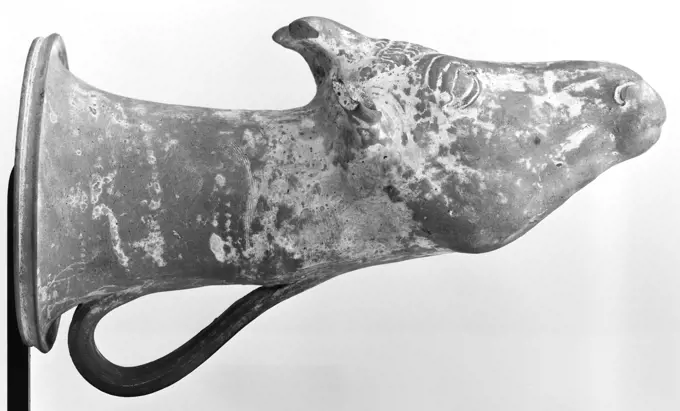
Canosan Goat Head Rhyton; Canosa, South Italy; about 320 B.C; Terracotta; 19.5 × 9.4 cm (7 11,16 × 3 11,16 in.)
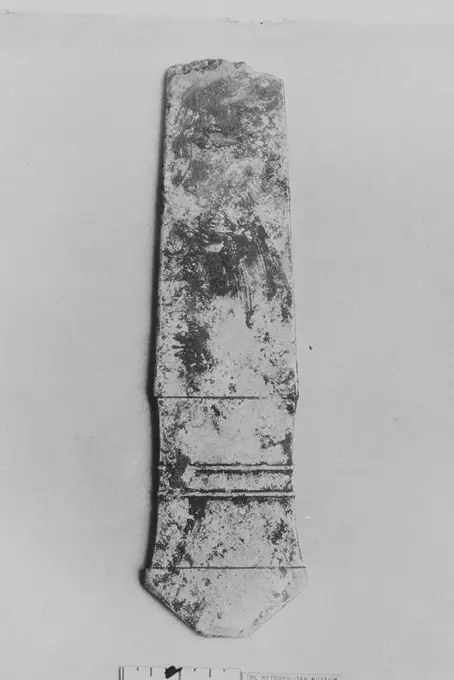
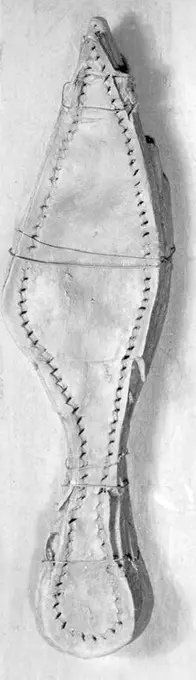
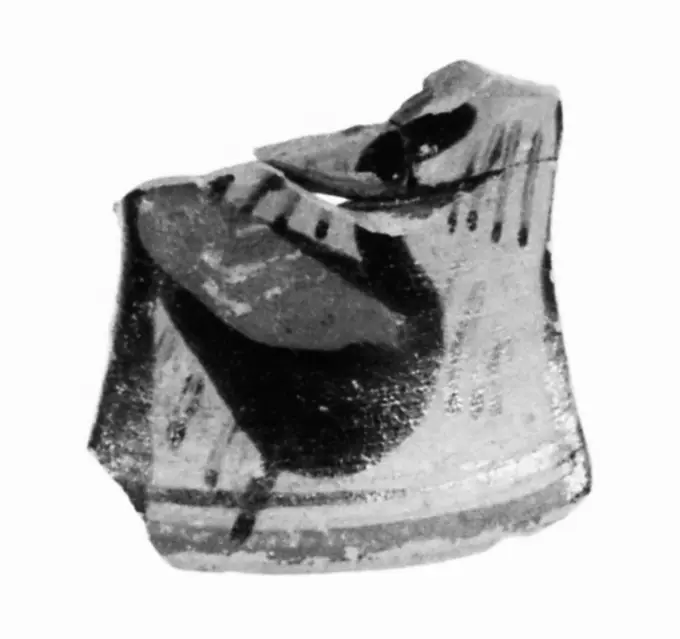
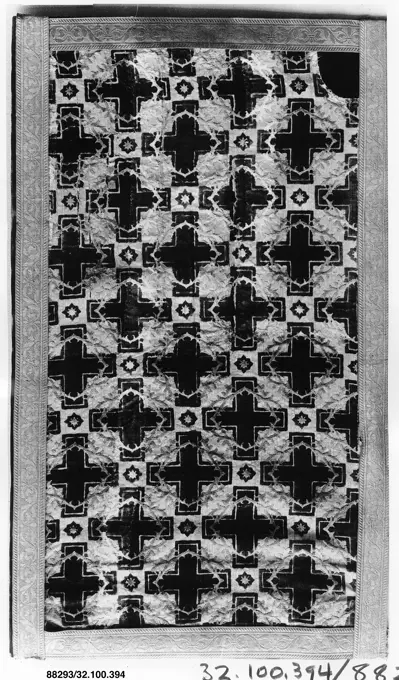
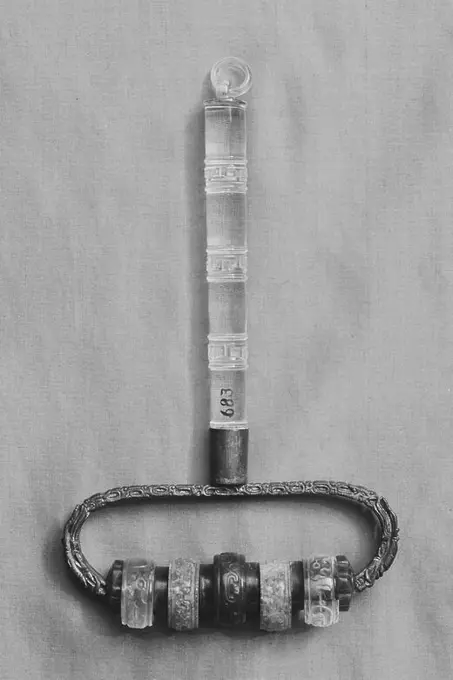
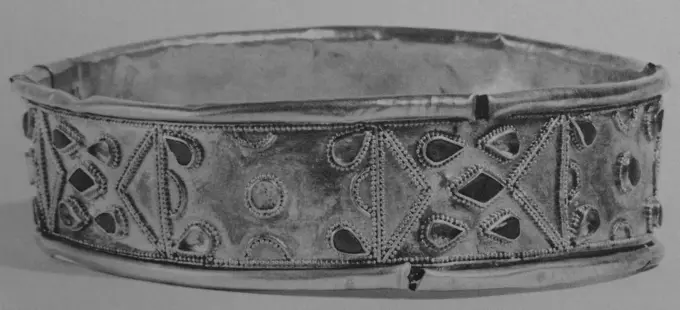
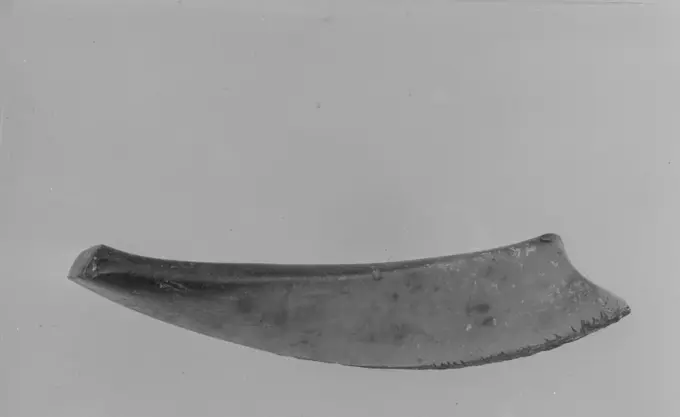
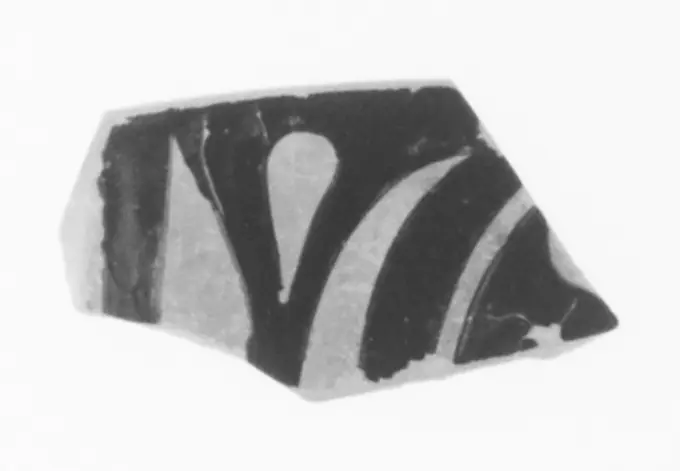
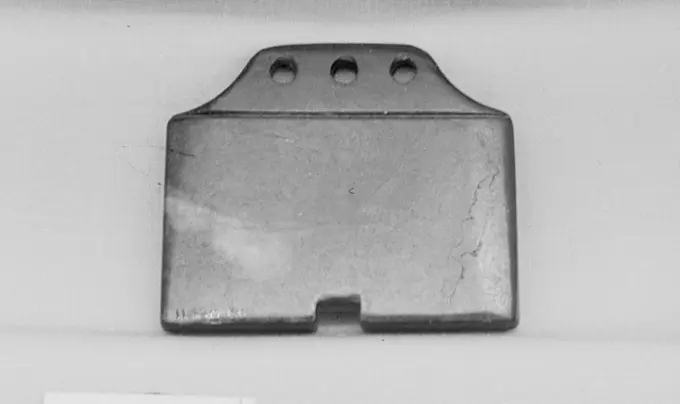
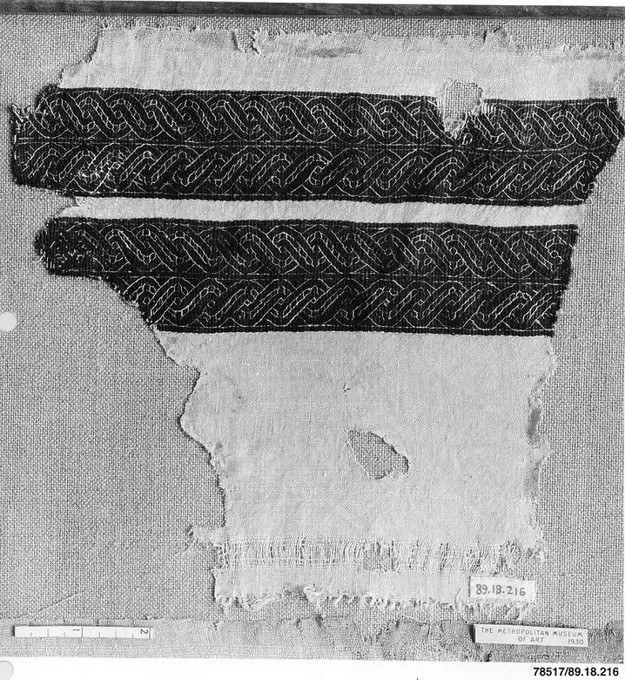
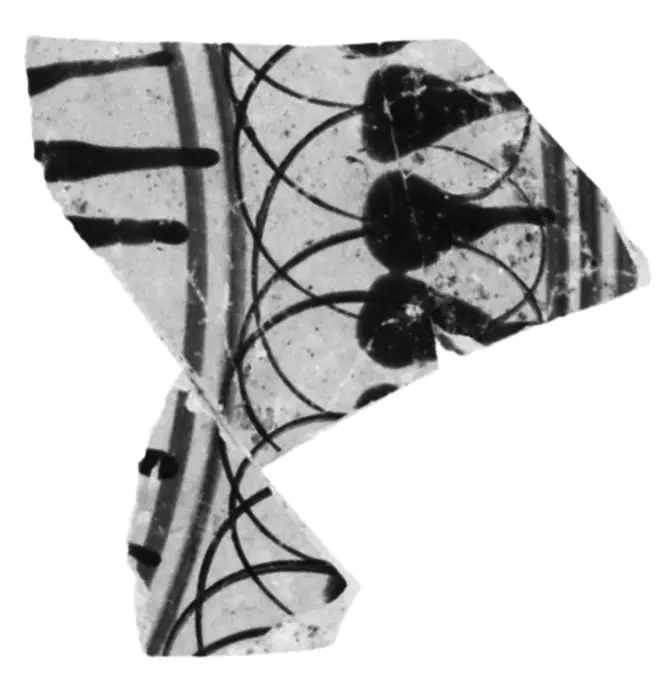
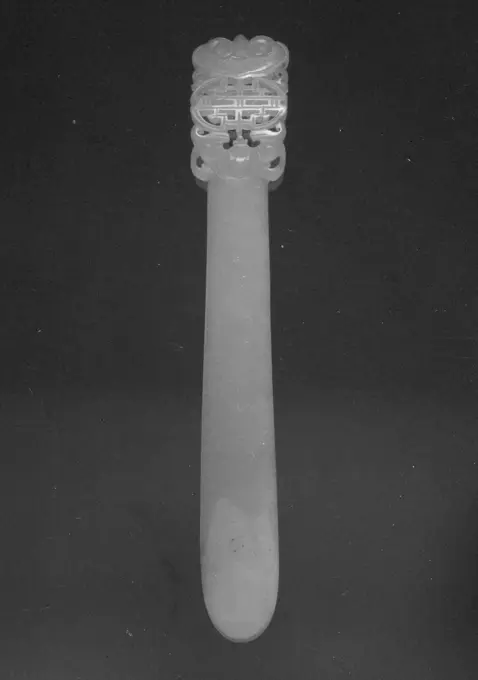
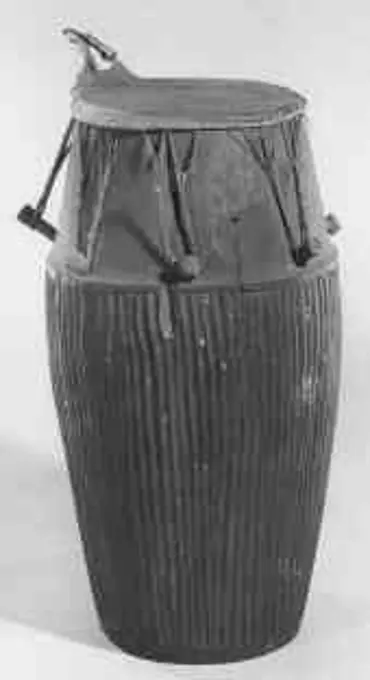
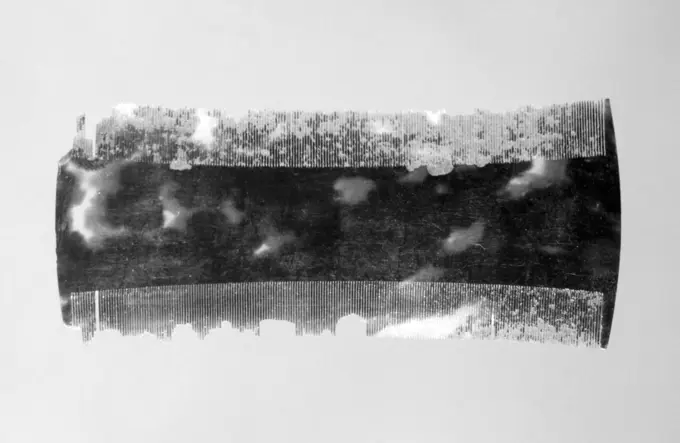
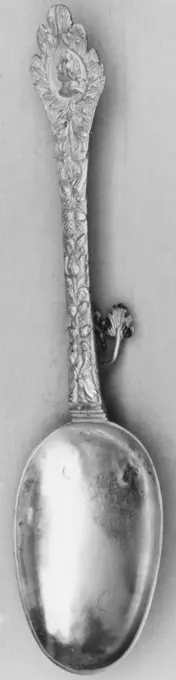
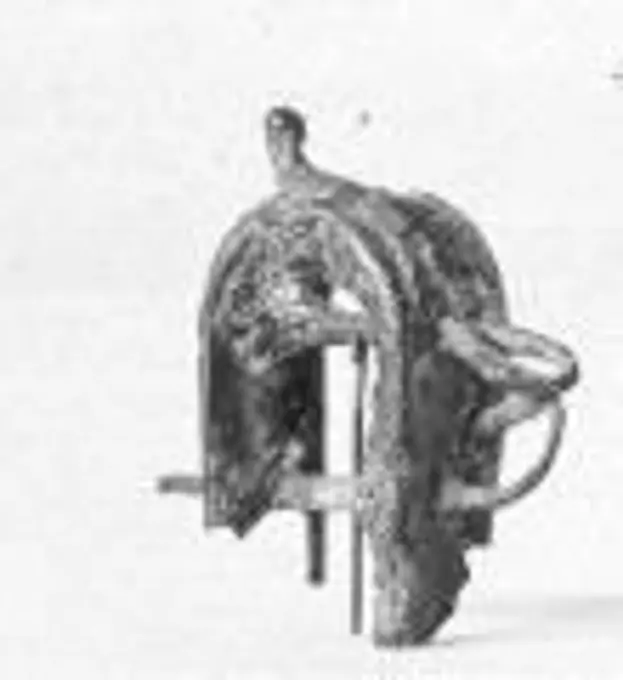
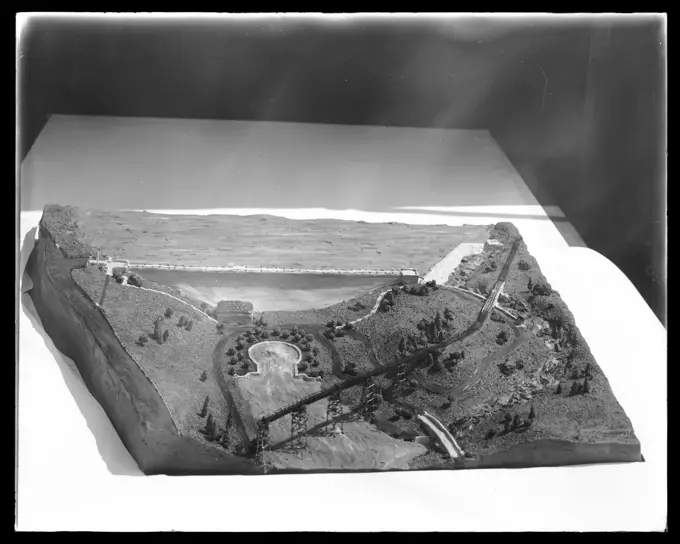
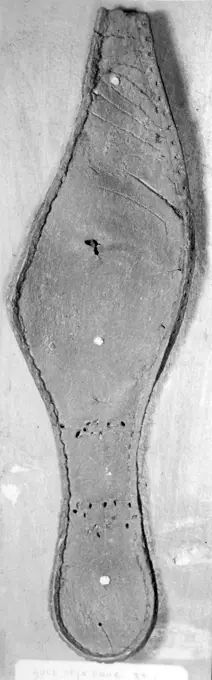
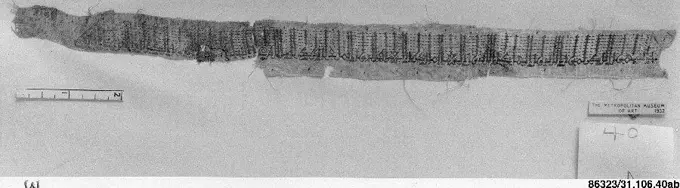
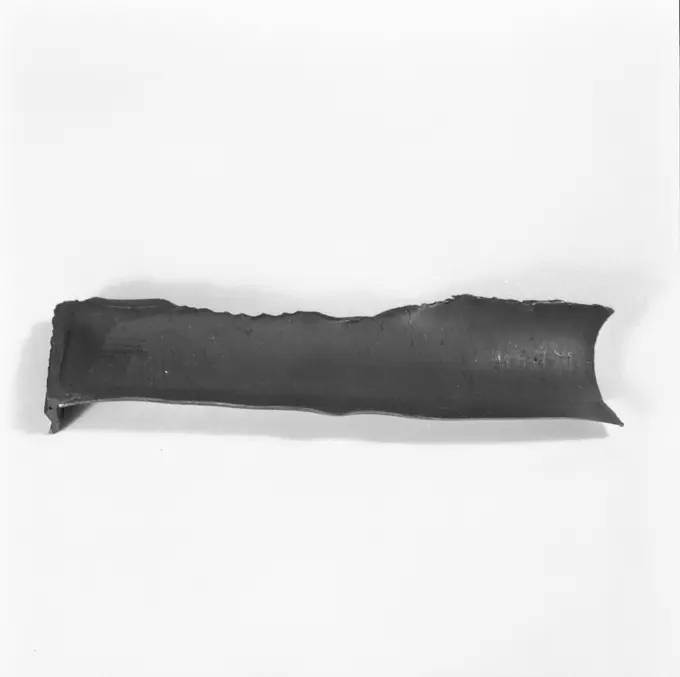
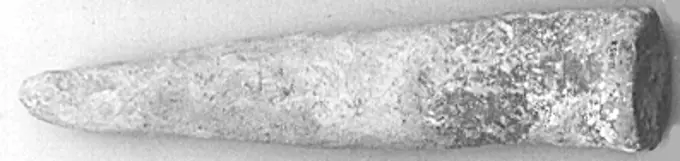
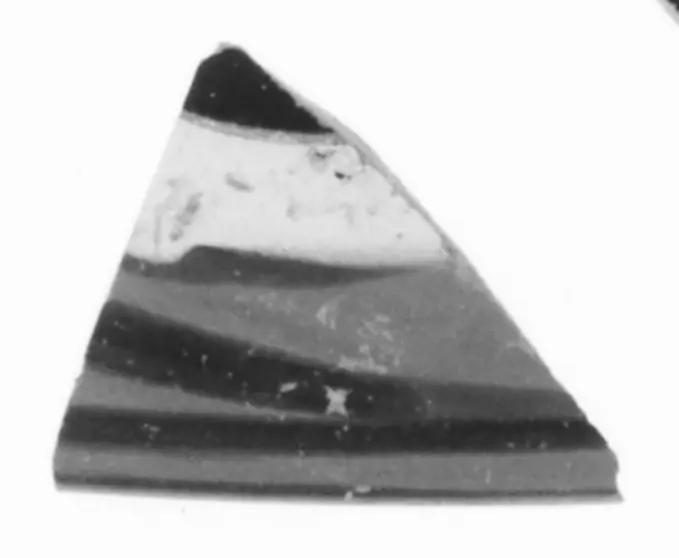
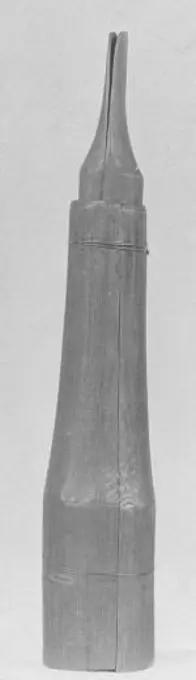
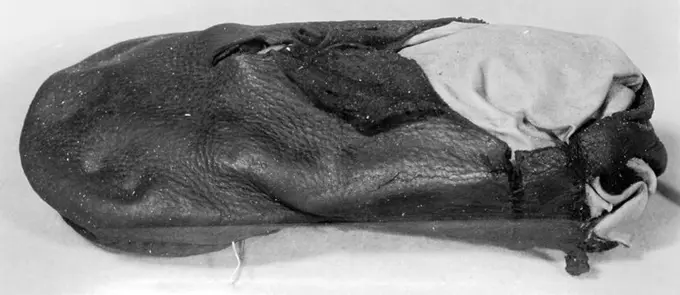
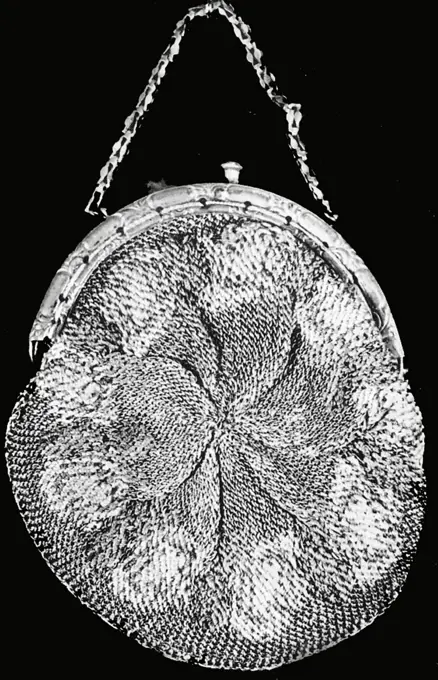
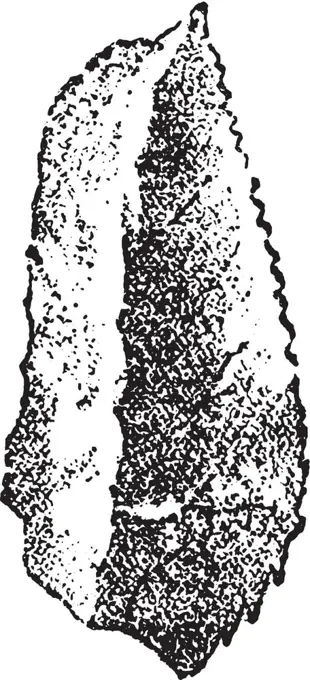
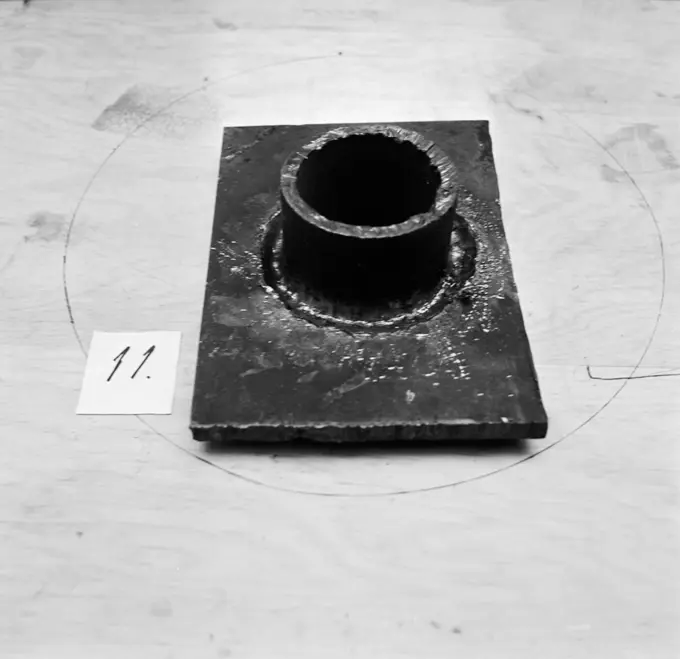
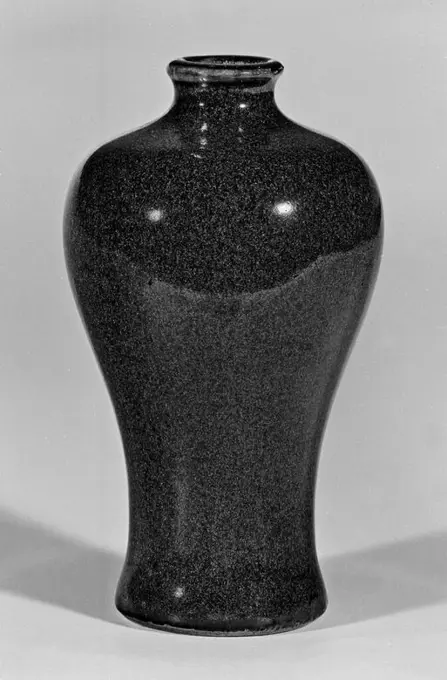
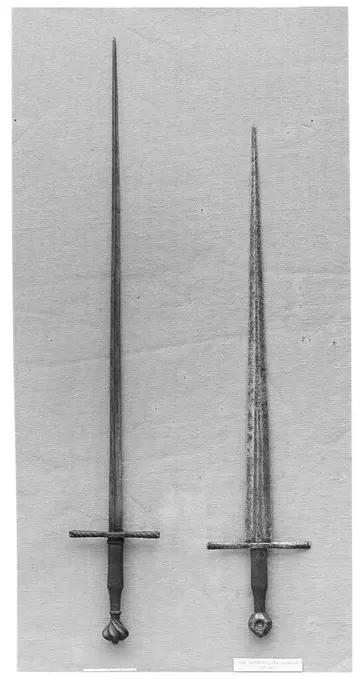
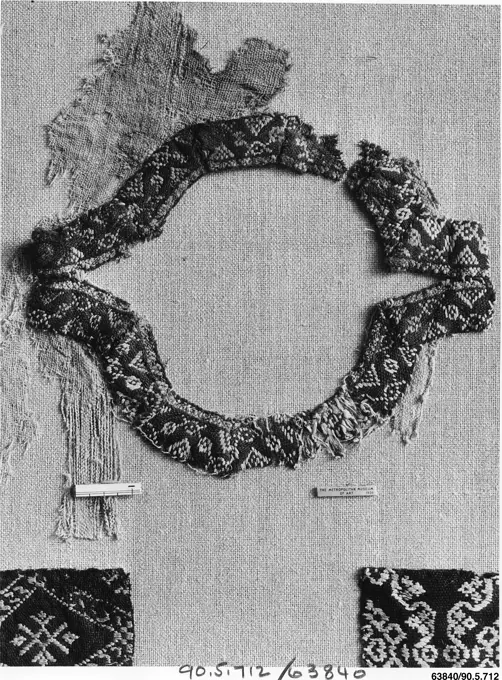
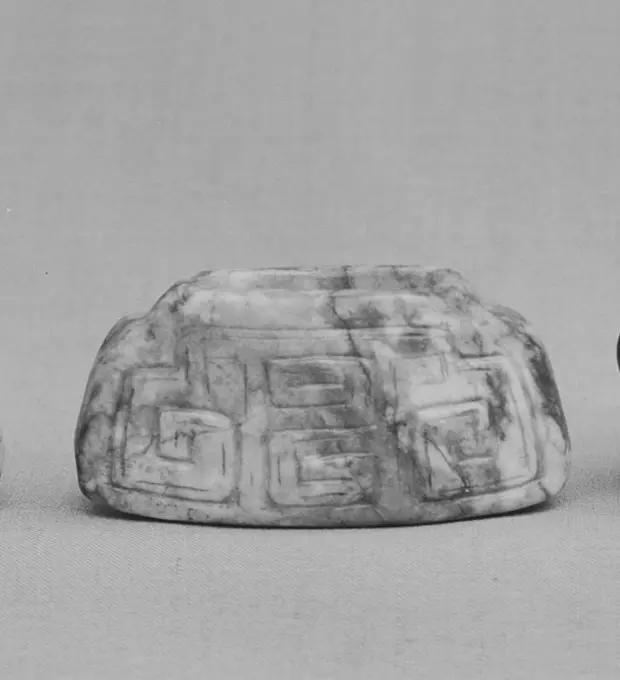
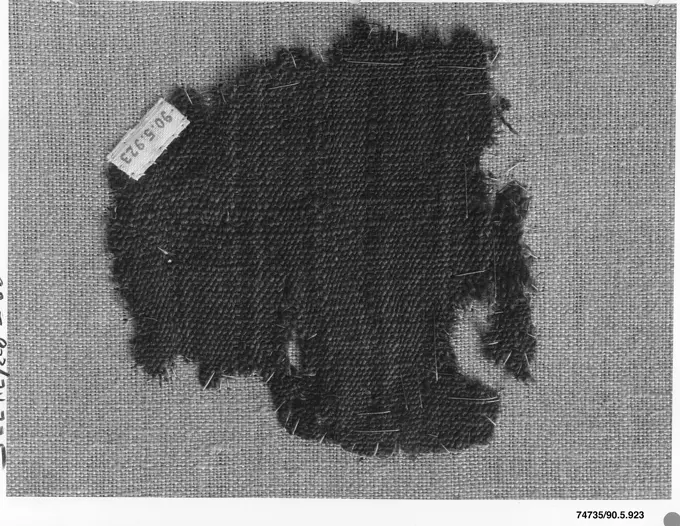
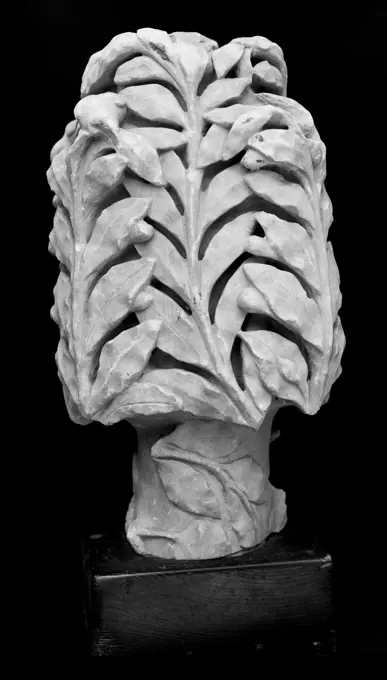
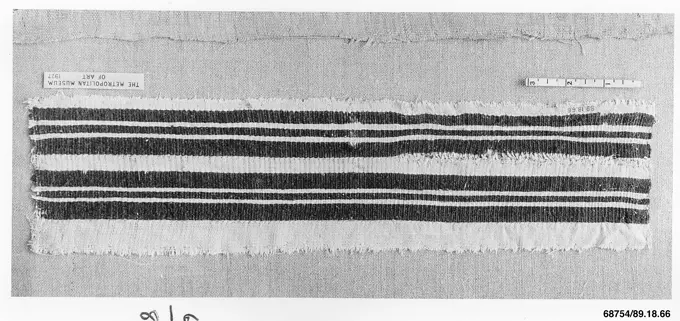
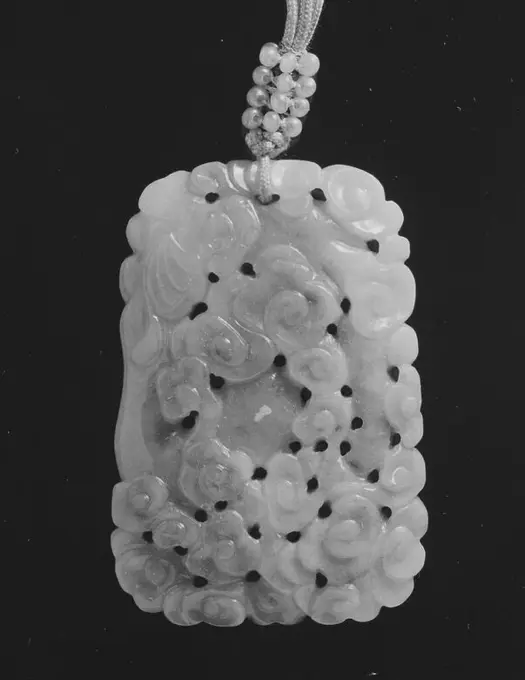
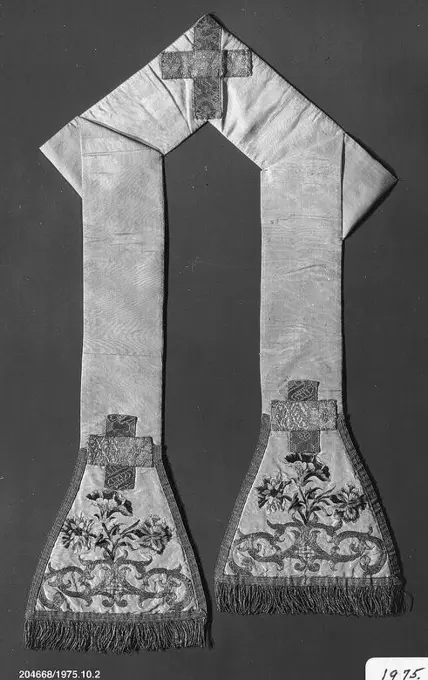
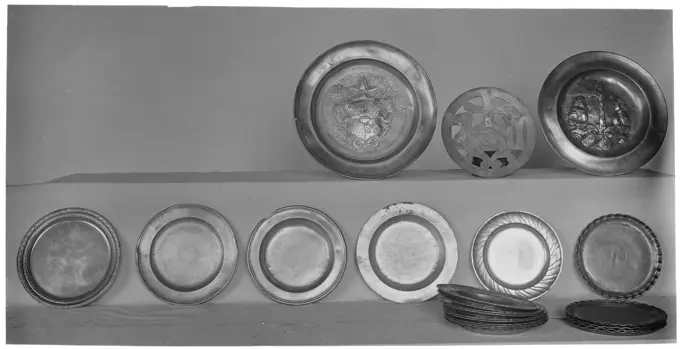
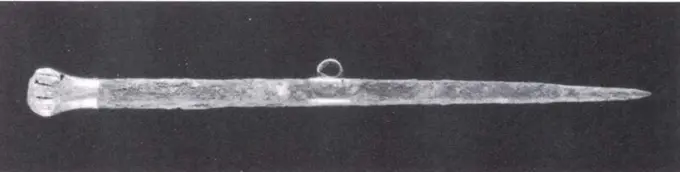
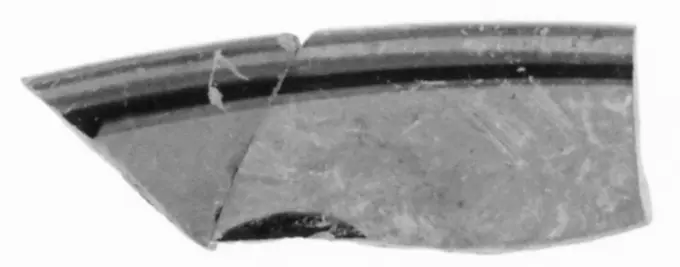
Attic Black-Figure Eye Cup Fragment. UnknownTextile Fragment 18th-19th centuryShard 15th century Korea. Shard. Korea. 15th century. Pottery. Joseon dynasty (1392-1910). CeramicsUpper Part of a Dagger. Culture: China. Dimensions: H. 5 1/8 kn. (13 cm); W. 1 1/4 in. (3.2 cm). Museum: Metropolitan Museum of Art, New York, USA.Produktbild.Canosan Goat Head Rhyton; Canosa, South Italy; about 320 B.C; Terracotta; 19.5 × 9.4 cm (7 11,16 × 3 11,16 in.)Sole of a Clog. England; Taken from London Wall 1901. Date: 1401-1500. Dimensions: 24.7 × 6.5 × .2 cm (10 1/2 × 2 9/16 × 1/16 in.). Origin: England. Museum: The Chicago Art Institute, Chicago, USA.Detail.Sweden, Blekinge, Blekinge, Karlskrona, Karlskrona, External War Gogs (depicted, City)Attic Black-Figure Hydria Fragment. UnknownSpirit Feels Dust GustBarkcloth Fragment (Kapa) 19th century Hawai'i. Barkcloth Fragment (Kapa) 310421Attic Black-Figure Pyxis Fragment (comprised of 2 Joined Fragments). UnknownFragment early 19th century Russian. Fragment 222570Massage implement. Culture: China. Dimensions: L. 10 in. (25.4 cm). Date: 18th century. Museum: Metropolitan Museum of Art, New York, USA.Klong Khek late 19th century Thai. Klong Khek 500921Samuel Pemberton, Caddy Spoon, c. 1800, silver.Fragment late 18th century French. Fragment 222154Gold Bracelet from the period of Korean Three Kingdoms (57 BCE - 668) despite the existence of more than 70 tribes throughout Korean territory at the time.Fragment 1700-1800 American. Fragment. American. 1700-1800. Free-blown non-lead glass. Made in Wistarburg, New Jersey, United StatesHandle ca. 6th-8th century A.D. Sasanian or Islamic. Handle 322826Sleeve Band 19th century China. Sleeve Band. China. 19th century. Silk, metallic thread; on silk. Qing dynasty (1644-1911). Textiles-EmbroideredSherd ca. 2900-2500 B.C.. Sherd. ca. 2900-2500 B.C.. Ceramic, paint. Early Bronze Age. Syria, Tell BrakAttic Black-Figure Eye Cup Rim Fragment. UnknownFragment of Rug 18th century China. Fragment of Rug 68445Attic Red-Figure Statuette Kantharos Fragment (comprised of 2 joined fragments; part of 85.AE.326.D). Attributed to Onesimos (Greek (Attic), active 500 - 480 B.C.)Girdle pendant China. Girdle pendant. China. Jade. Han dynasty (206 B.C.-A.D. 220). JadeFragment. Dimensions: 8.75 in. high 9.50 in. wide (22.22 cm high 24.13 cm wide). Date: 3rd-4th century. Museum: Metropolitan Museum of Art, New York, USA.Attic Black-Figure Neck Amphora Fragment (comprised of 4 Joined Fragments). UnknownAttic Red-Figure Astragalos Fragment (comprised of 3 joined fragments). Attributed to Syriskos (Greek (Attic), active 480 - 460 B.C.)Hairpin 19th century China. Hairpin. China. 19th century. Jade. JadeSeal China. Seal. China. Jade. Han dynasty (206 B.C.-A.D. 220). SealsDrum 19th century Ashanti (Asante) Africa. Drum. Ghanaian. 19th century. Wood, hide, associated human skulls. Ghana. Membranophone-single-headed / biconical drumProduktbild.Attic Black-Figure Band Cup Fragment. UnknownChild's Shoe. England. Date: 1501-1600. Dimensions: 17 × 7.5 × 5.5 cm (6 11/16 × 2 15/16 × 2 1/8 in.). Leather with buckle; part of heel and strap missing. Origin: England. Museum: The Chicago Art Institute, Chicago, USA.Attic Black-Figure Eye Cup Fragment. UnknownAttic Black-Figure Eye Cup Fragment. UnknownAttic Panathenaic Amphora Fragment. UnknownVase late 17th-early 18th century China. Vase. China. late 17th-early 18th century. Porcelain with crackled green glaze (Jingdezhen ware). Qing dynasty (1644-1911), Kangxi period (1662-1722. CeramicsDogdog late 19th century Javanese. Dogdog 501340Lice comb (part of a set) 1848-49 Russian The firm of Nicholls & Plincke was founded by members of the relatively large community of English silversmiths and craftsmen working in Saint Petersburg. After 1840 it was one of the most important retailers of luxury items before Carl Fabergé overshadowed all competitors. Several contemporary Saint Petersburg newspapers praised the high-quality products of the magasin anglais Nicholls & Plincke.According to the donor's family tradition, this rare set with more than fifty items bearing the monogram CMI was "originally made for and used by Colin Macrae Ingersoll 1819-1903, when he accompanied his father, Ralph Isaacs Ingersoll 1788-1872, to the Court of Czar Alexander II of Russia, where the latter served President James Knox Polk 1795-1849 as Minister Plenipotentiary from 1846 to 1848.. The family story has always been that the set and case were made for stagecoach travel in Russia."Plain silver objects—like the ewer and the cup of tSweden, Blekinge, Blekinge, Karlskrona, Karlskrona, external marina (depicted, town).Sweden, Blekinge, Blekinge, Karlskrona, Karlskrona, External War Gogs (depicted, City)Fragment (Band). Probably central coast, Peru. Date: 1000-1476. Dimensions: 50.8 x 2.5 cm (20 x 1 in.). Slit tapestry. Origin: Peru. Museum: The Chicago Art Institute, Chicago, USA.12/31/1910. The mysterious event in Puebla de Montalbán. Piece of Stocking That Appeared Adhered to a Leg of the Corpse. (photo Fernandez) -Approximate date.Beads, imitation 30 B.C.-A.D. 364 Roman Period. Beads, imitation. 30 B.C.-A.D. 364. Faience. Roman Period. From Egypt, Upper Egypt, Thebes, Deir el-Bahri, Tomb of Neferu (TT 319, MMA 31), MMA excavationsSplit-top spoon with case early 18th century German, Nuremberg. Split-top spoon with case 188161 German, Nuremberg, Split-top spoon with case, early 18th century, Silver, 7 3/8 in. (18.7 cm). The Metropolitan Museum of Art, New York. Gift of Mrs. Samuel P. Avery, 1897 (97.2.127a, b)Seshesh 1st-2nd century Roman The use of sistrum (or seshesh) was associated with the Egyptian God of Hathor. The shape of the sistrum resembles the symbol ankh meaning life. The instrument was eventually co-opted and used for other Egyptian Gods and was also used in Greece and Rome. Technical description: This fragment of a sistrum consists of a fragment of the hoop and two metal bars. A protrusion on the top of the hoop may have originally represented an animal (as on other similar instruments), but is so heavily corroded that it is impossible to discern.. Seshesh. Roman. 1st-2nd century. Leaded bronze.. Idiophone-Shaken-jingleWachusett Department, model of Wachusett Dam, made by Mary Frances Connolly (1903-1984), Water Division, Metropolitan District Commission, Clinton, Mass., 1930 , waterworks, dams, models representationsSnuff Bottle China. Snuff Bottle 41273Sole of a Shoe Made 1450-1470 England. .Textile Fragment 10th century. Textile Fragment 455302Detail.Sweden, Blekinge, Blekinge, Karlskrona, Karlskrona, External War Gogs (depicted, City)Unattributed Trebizond Coin. UnknownFunerary cone ca. 2124-1981 B.C. Middle Kingdom. Funerary cone. ca. 2124-1981 B.C.. Pottery, paint. Middle Kingdom. From Egypt, Upper Egypt, Thebes, Dra Abu el-Naga, Tomb CC 7, Carnarvon/Carter excavations, 1913. Dynasty 11-17Textile Fragment 2nd-6th century. Textile Fragment 443606Attic Black-Figure Eye Cup Fragment (comprised of 2 Non-Joining Fragments). UnknownSweden, Blekinge, Blekinge, Karlskrona, Karlskrona, external marina (depicted, town).Sweden, Blekinge, Blekinge, Karlskrona, Karlskrona, External War Gogs (depicted, City)VaseReed Pipe 19th century Native American (Haida or Tlingit). Reed Pipe. Native American (Haida or Tlingit). 19th century. wood. British Columbia, Canada. Aerophone-Reed Vibrated-pipeTextile Fragment 4th-5th century. Textile Fragment. 4th-5th century. Wool, linen; plain weave, tapestry weave. Attributed to Egypt. TextilesWelded rails, 1907 and 1899 railsThe Village Doctor Follower of Jan Havicksz. Steen (Dutch, 1626-1679). , 17th century. Oil on panel, 13 1/2 x 11 1/8 in. (34.3 x 28.3 cm).   European Art 17th centuryBear's Paw Shoe. England. Date: 1501-1600. Dimensions: 24.5 × 14 × 6.5 cm (9 5/8 × 5 1/2 × 2 9/16 in.). Leather. Origin: England. Museum: The Chicago Art Institute, Chicago, USA.Millefleurs ground with two armorial medallions. unknown c. 1530 Tapestry Dimensions: H 9'5" x W 20' Tapestry Materials/Techniques: unknown Culture: Flemish Weaving Center: unknown Ownership History: French & Co. purchased from R. Heilbronner (with 1/2 interest) 2/24/1920; sold to J. L. John Long Severance 6/23/1923.Attic Black-Figure Band Cup Fragment. UnknownModel of Zonguldak Harbor. Photographs of Marshall Plan Programs, Exhibits, and PersonnelSamo (depicted - name).Samo (depicted - name)Shard 15th century Korea. Shard. Korea. 15th century. Pottery. Joseon dynasty (1392-1910). CeramicsCoat of arms 17th century Spanish. Coat of arms 228839Dish 1832-38 Tucker and Hemphill. Dish 3337Bottom part of an Alabastron. UnknownTextile Fragment 3rd-4th century. Textile Fragment 443269Stamp seal ca. 3rd-7th century A.D. Sasanian. Stamp seal. Sasanian. ca. 3rd-7th century A.D.. Chalcedony, milky. Sasanian. Iran or MesopotamiaPurse Made 1801-1900 France. Knitted of metal thread made with metal strip wrapped on a silk core. Embroidered in silk in tent stitch .Kohl tube, incised ca. 1550-1295 B.C. New Kingdom. Kohl tube, incised. ca. 1550-1295 B.C.. Blue faience. New Kingdom. From Egypt, Upper Egypt, Thebes, Asasif. Dynasty 18Viol Bridge and Tail-Piece 17th century Italian. Viol Bridge and Tail-Piece 505587Flint scraper of Perigord, vintage engraved illustration. From Natural Creation and Living Beings.Sweden, Blekinge, Blekinge, Karlskrona, Karlskrona, external marina (depicted, town).Sweden, Blekinge, Blekinge, Karlskrona, Karlskrona, External War Gogs (depicted, City)Gallipot. Culture: China. Dimensions: H. 2 3/4 in. (7 cm); Diam. 1 5/8 in. (4.1 cm). Museum: Metropolitan Museum of Art, New York, USA.Sword. Culture: German. Dimensions: L. 40 1/2 in. (102.9 cm); W. 8 1/8 in. (20.6 cm); Wt. 2 lb. 13.5 oz. (1289.9 g). Date: 15th century. Museum: Metropolitan Museum of Art, New York, USA.Fragment of a Tunic 5th-6th century. Fragment of a Tunic 444191Snuff bottle with stopper China. Snuff bottle with stopper 41654Sword guard China. Sword guard 42787Textile Fragment 6th century. Textile Fragment 444391Sampler 19th century German. Sampler 228616Decorative Architectural Terminal. UnknownTextile Fragment 3rd-4th century. Textile Fragment 443271Chalice Veil Italian, Venice 17th-18th centurySampler 19th century German. Sampler 228610in iran antique door entrance and      decorative handle for backgroundNo maker's mark, Caddy Spoon, 1820, silver.Pendant. Culture: China. Dimensions: H. 2 1/16 in. (5.2 cm); W. 1 3/8 in. (3.5 cm). Date: 20th century. Museum: Metropolitan Museum of Art, New York, USA.PONCHETE VIOLIN ALEMAN.Shard 15th century Korea. Shard. Korea. 15th century. Pottery. Joseon dynasty (1392-1910). CeramicsFlower Vase in "Crane's Neck" shape mid-18th-late 19th century Japan. Flower Vase in "Crane's Neck" shape. Japan. mid-18th-late 19th century. Bronze. Edo period (1615-1868). MetalworkAbruzzo, L'Aquila, Celano, General views, Italy, 20th century, photo, photography, EuropeStole. Culture: Italian. Dimensions: Neck to hem in back: L. 37 inches (94.0 cm) (folded from center, including 1 inch fringe). Date: mid-18th century. Museum: Metropolitan Museum of Art, New York, USA.Bowl sherd ca. mid-3rd millennium B.C.. Bowl sherd 326123Plate Dutch 18th century View more. Plate. Dutch. 18th century. Pewter. Metalwork-PewterPin ca. 1000 B.C. Iran. Pin 326031