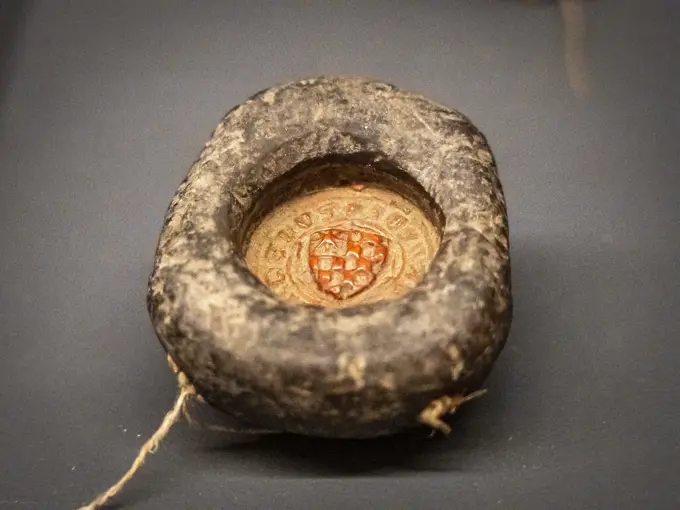
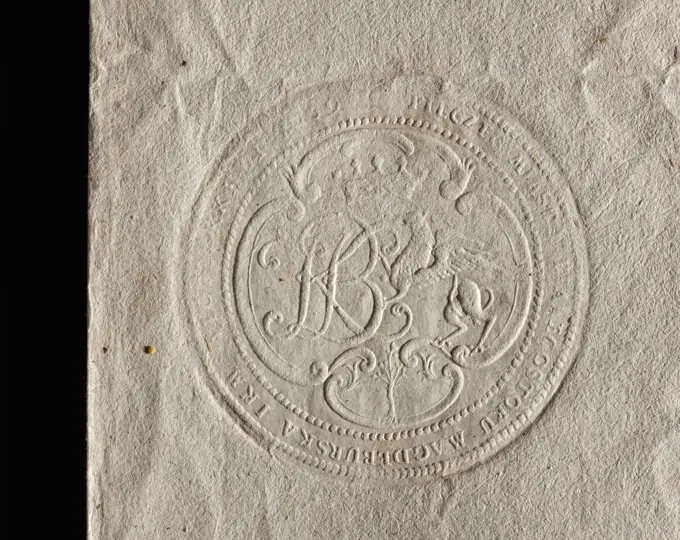
Historical Artifacts and Coins

A selection of ancient coins and bronze mirrors depicting intricate designs, showcasing historical craftsmanship and cultural significance.
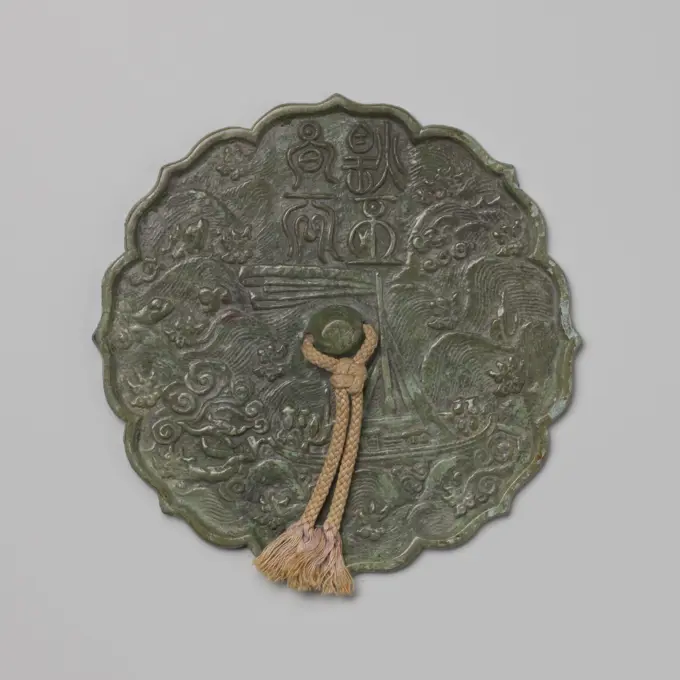
Bronze mirror depicting sea waves and a boat with inscription, anonymous, c. 1200  Korea bronze (metal)  Korea bronze (metal)
Bronze mirror depicting sea waves and a boat with inscription, anonymous, c. 1200 Korea bronze (metal) Korea bronze (metal)
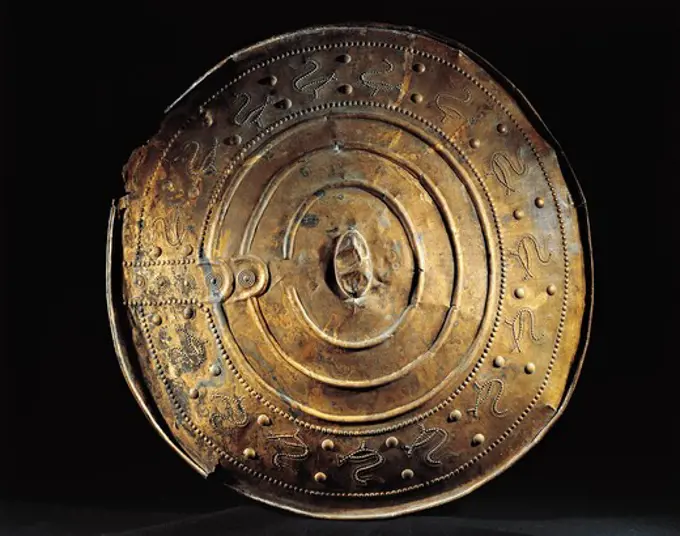
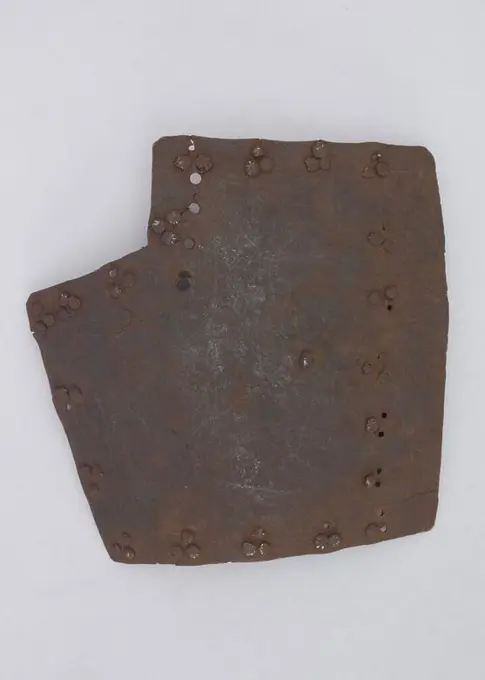
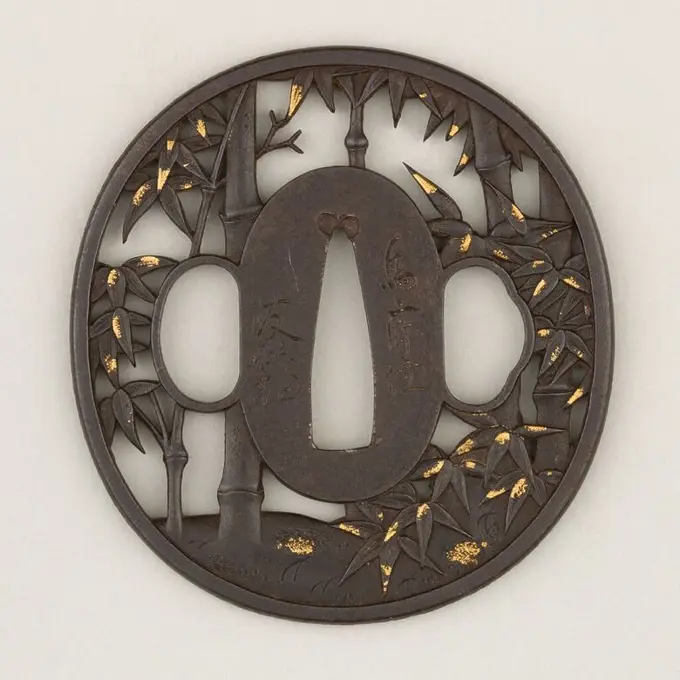
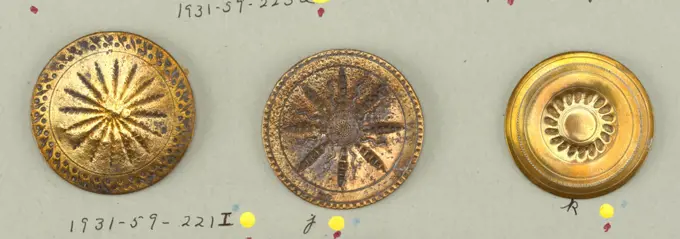
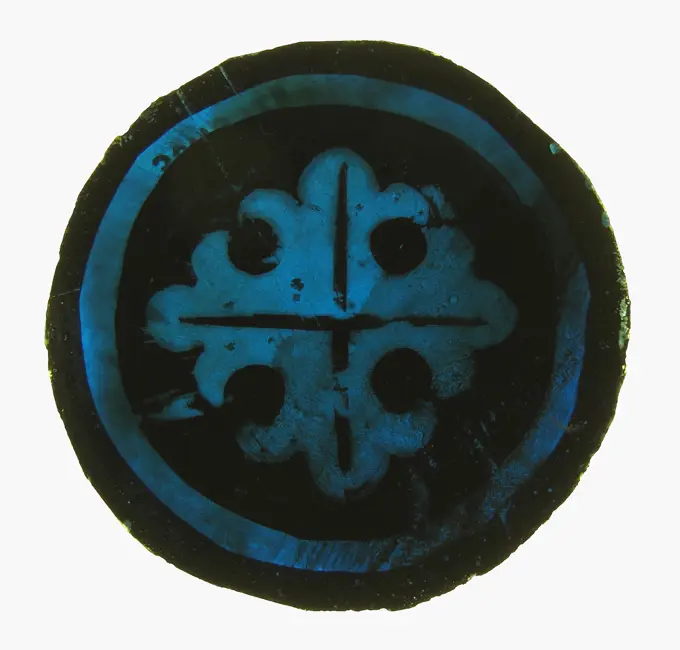
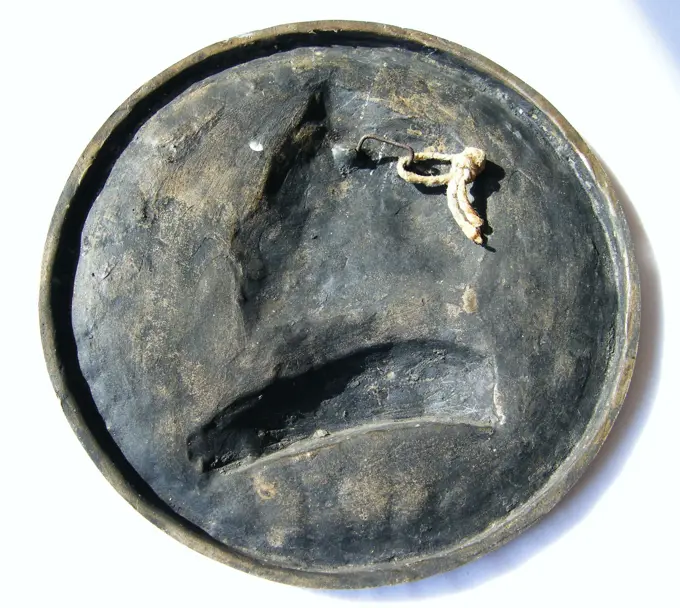
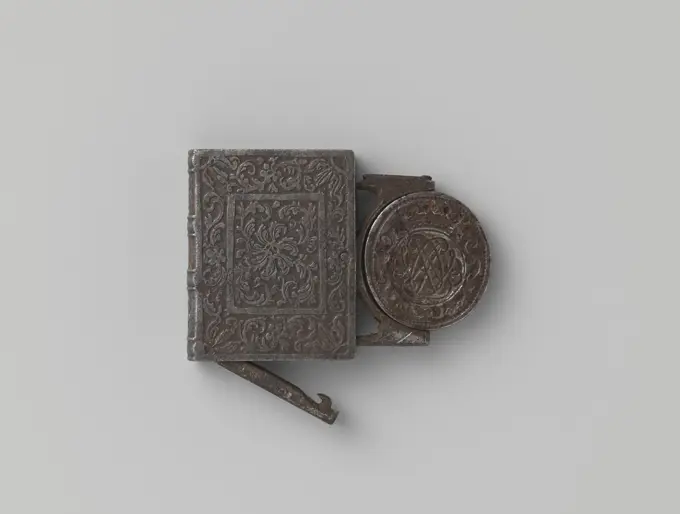
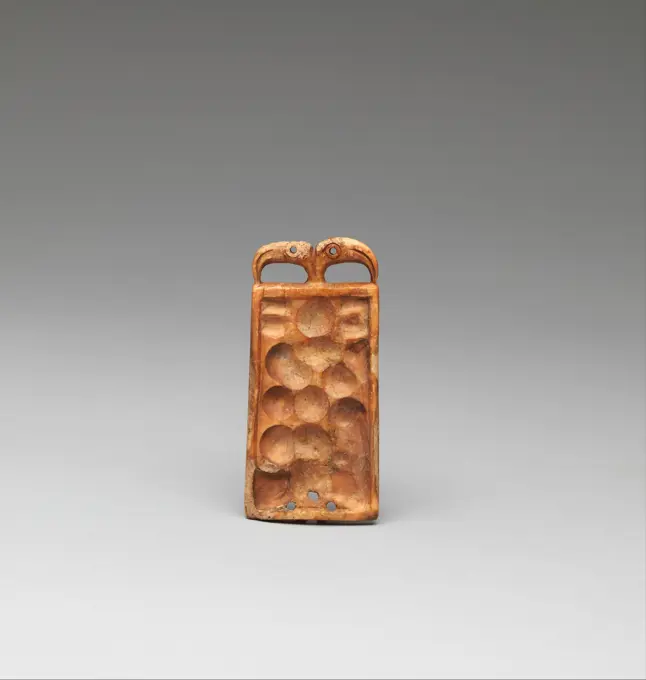
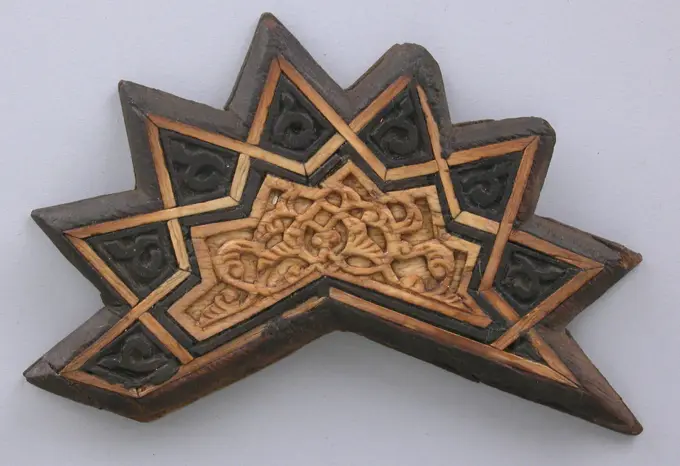
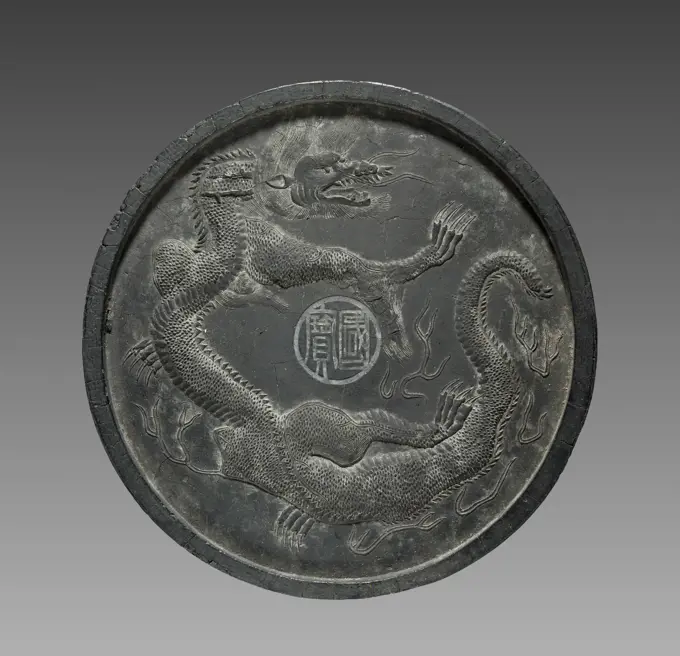
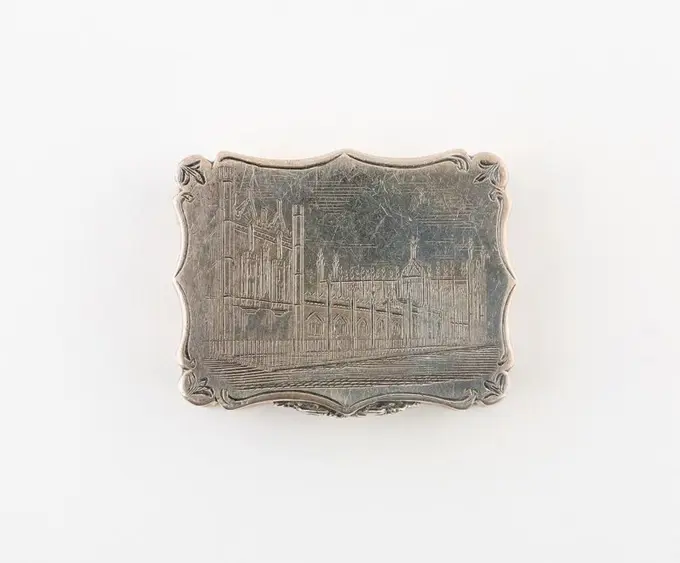
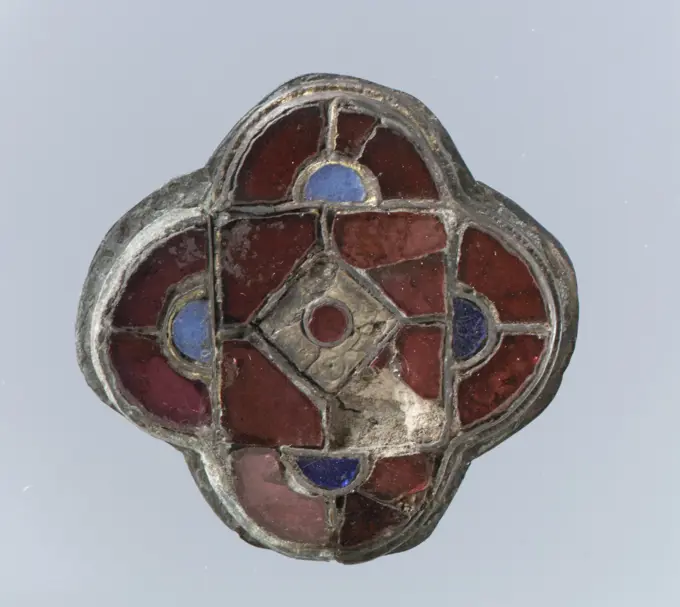
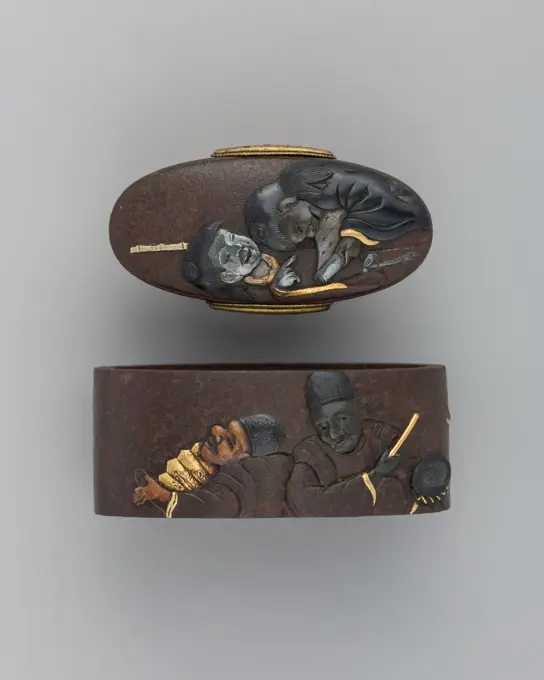
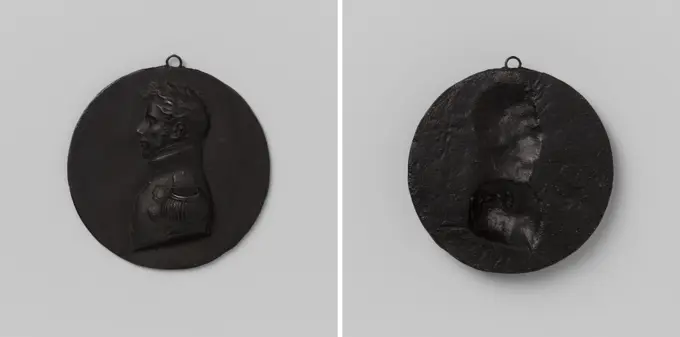
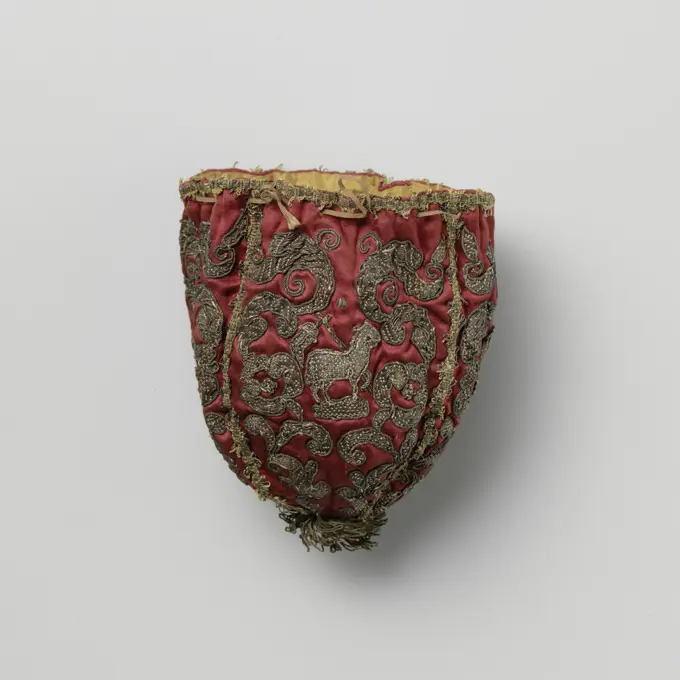
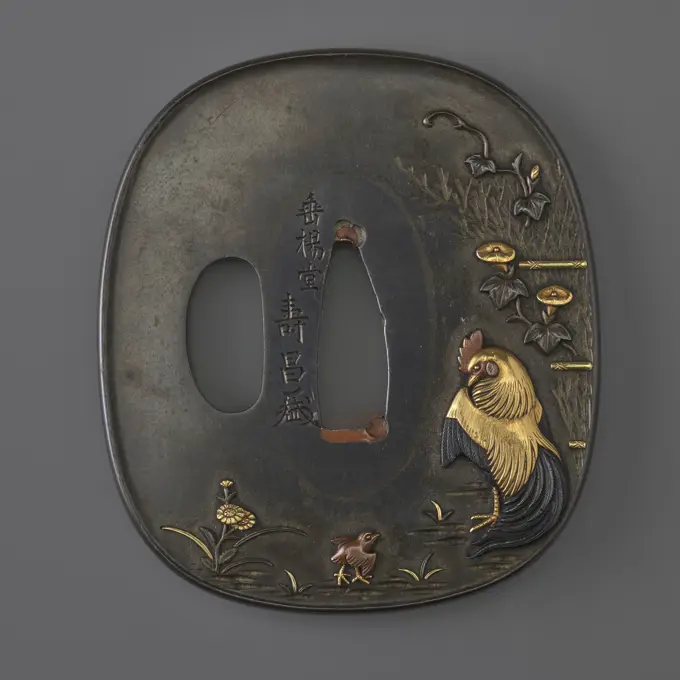
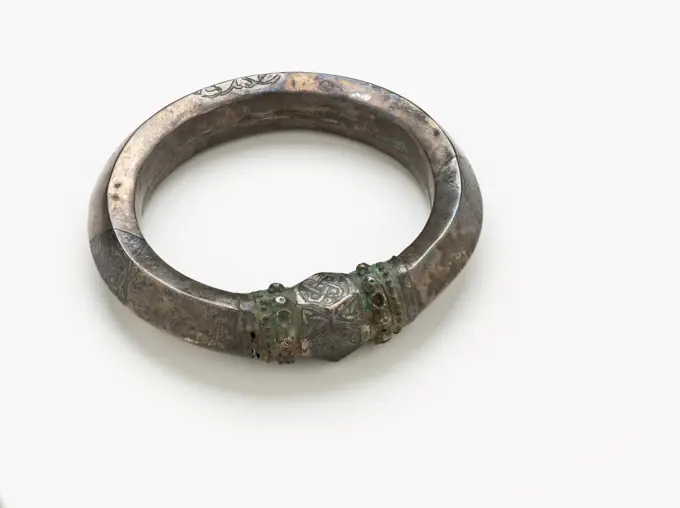
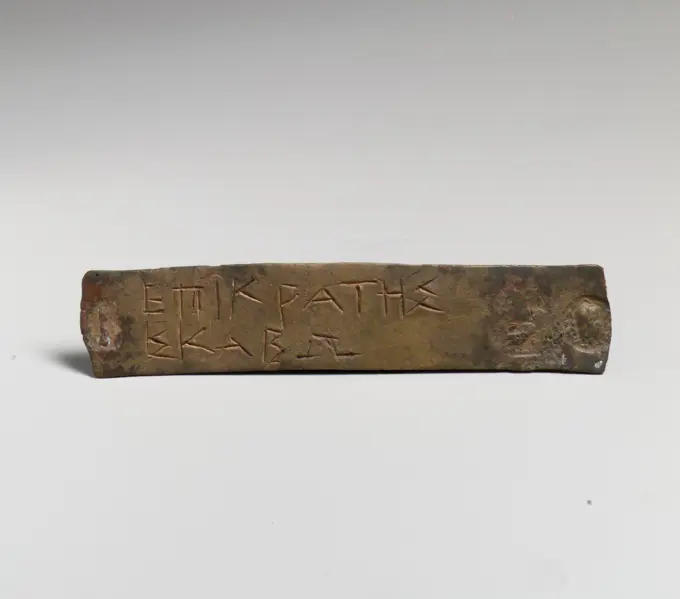
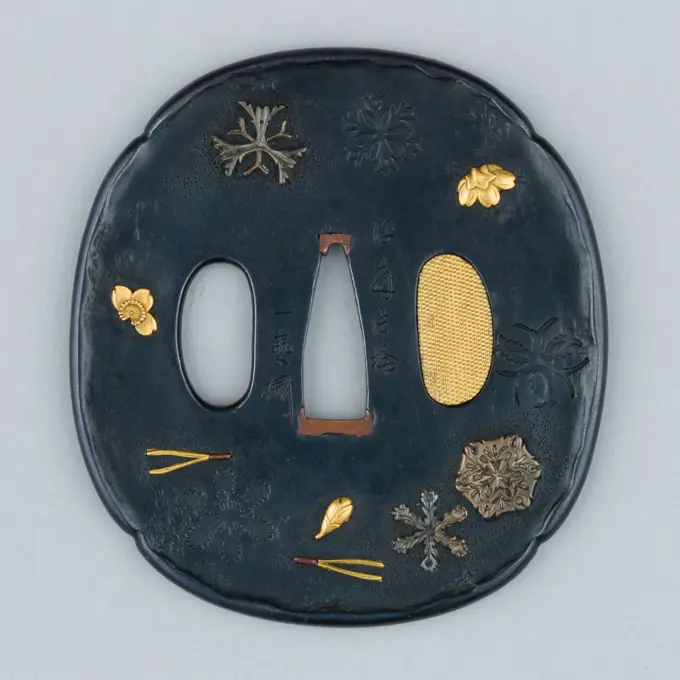
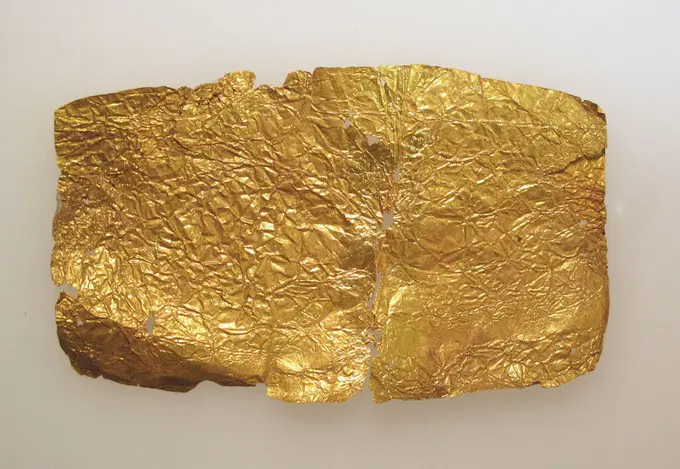
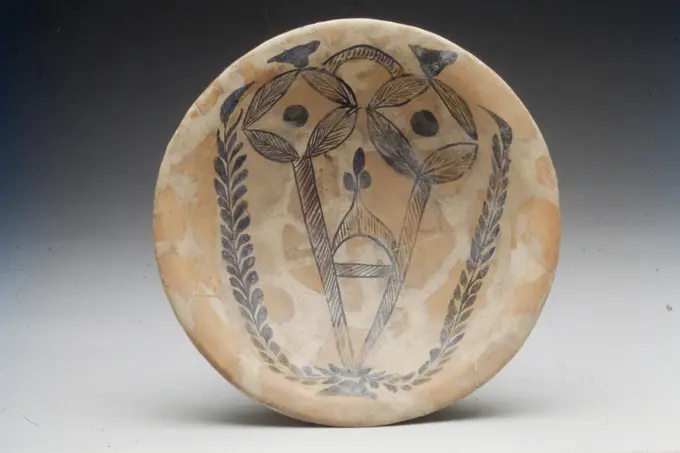
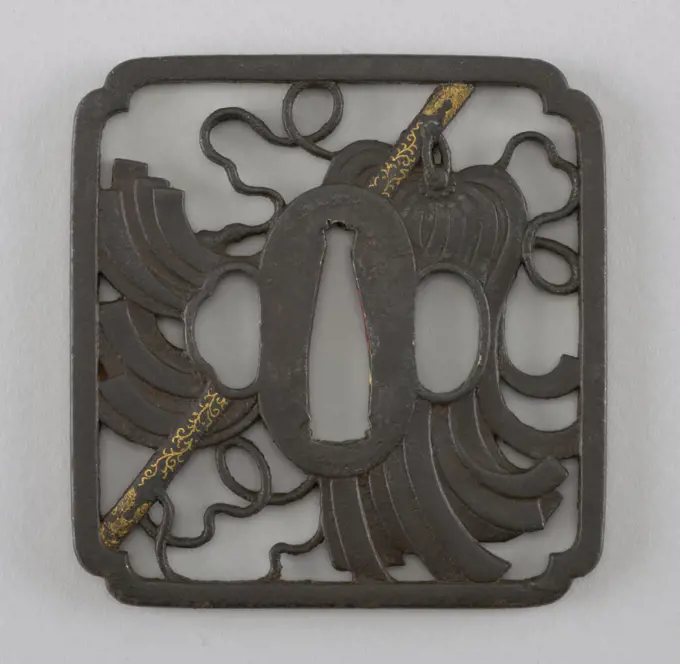
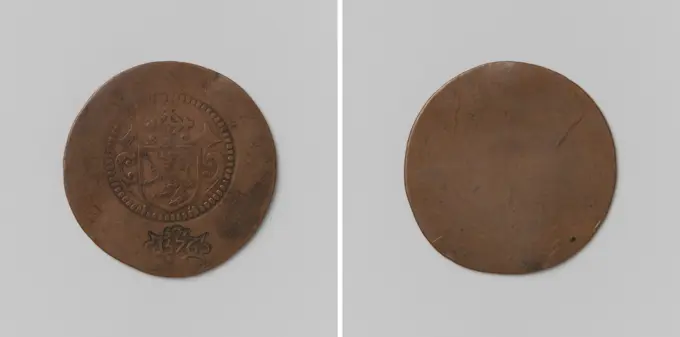
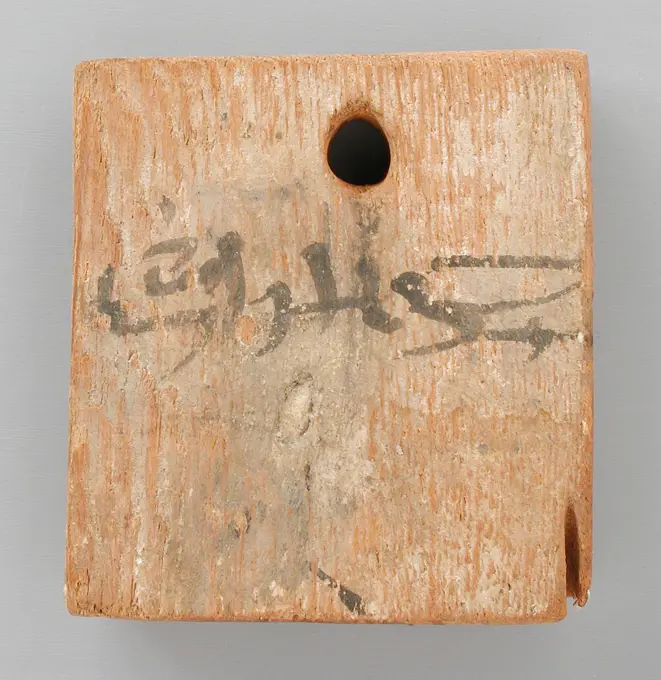
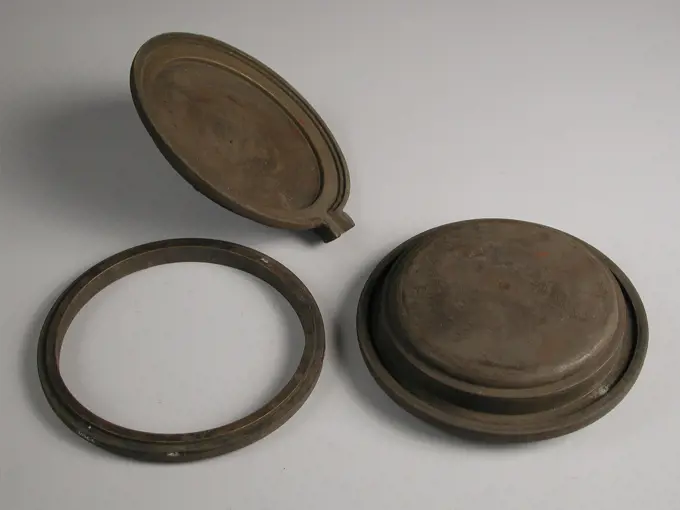
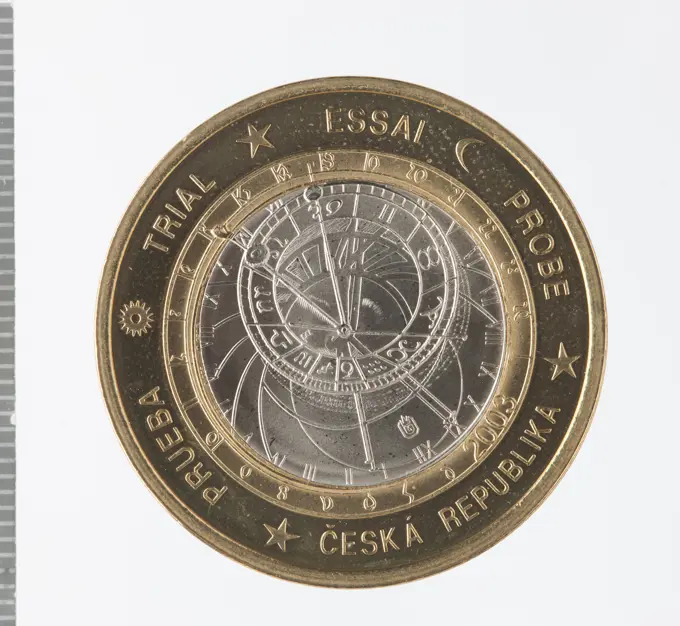
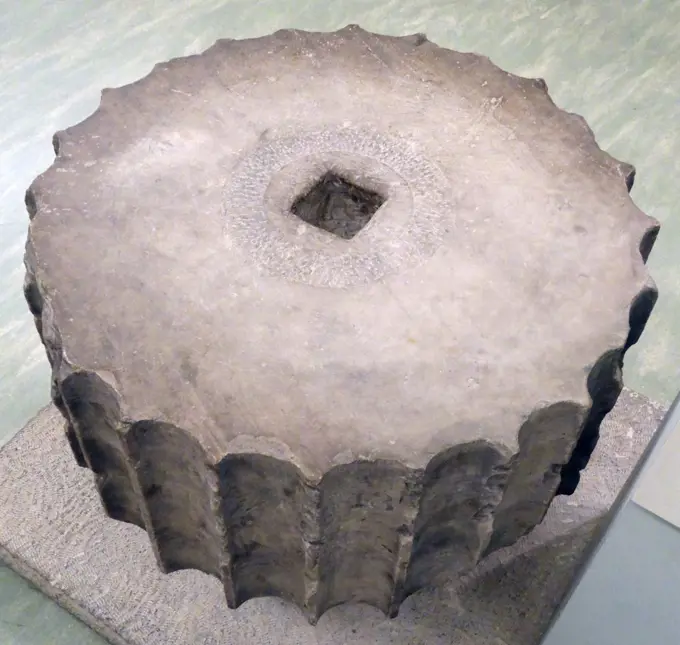
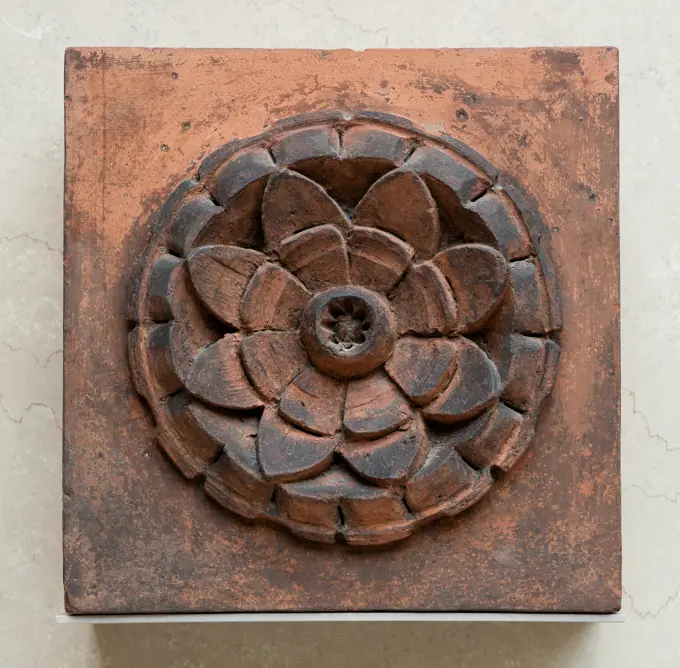
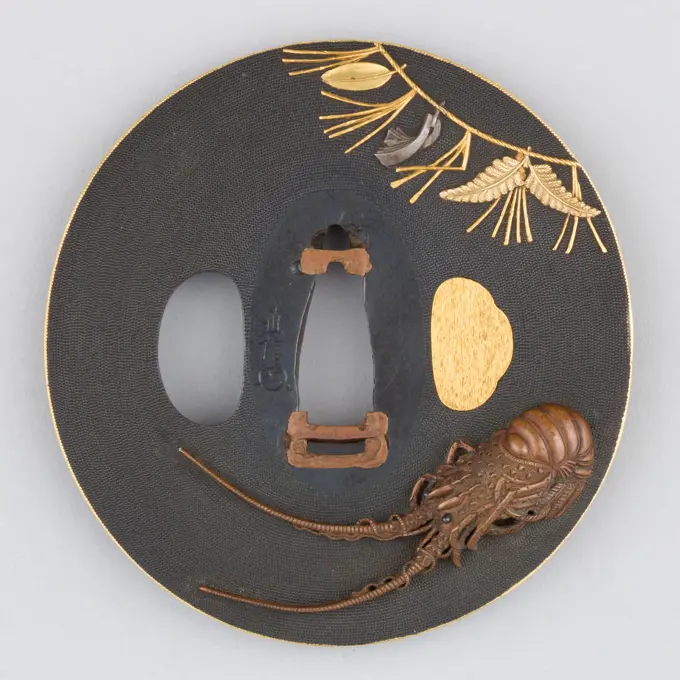
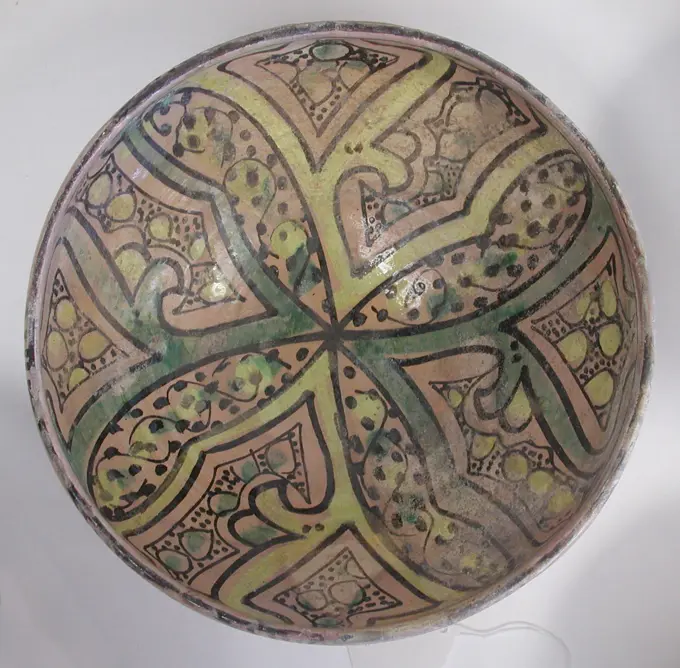
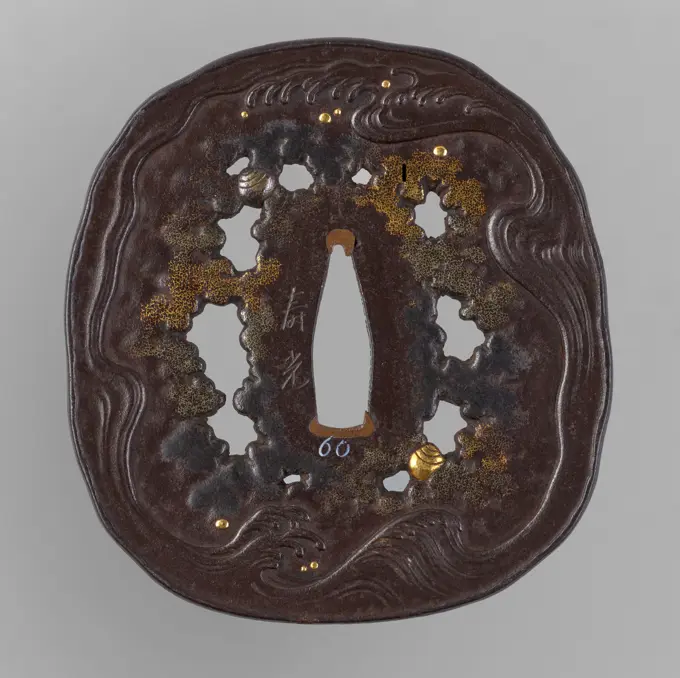
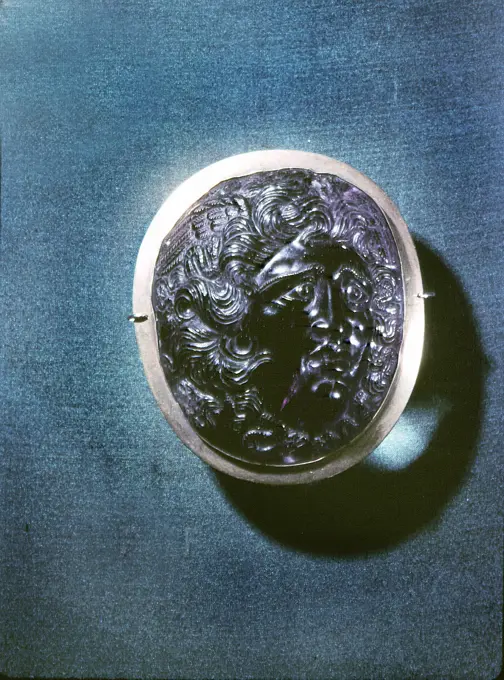
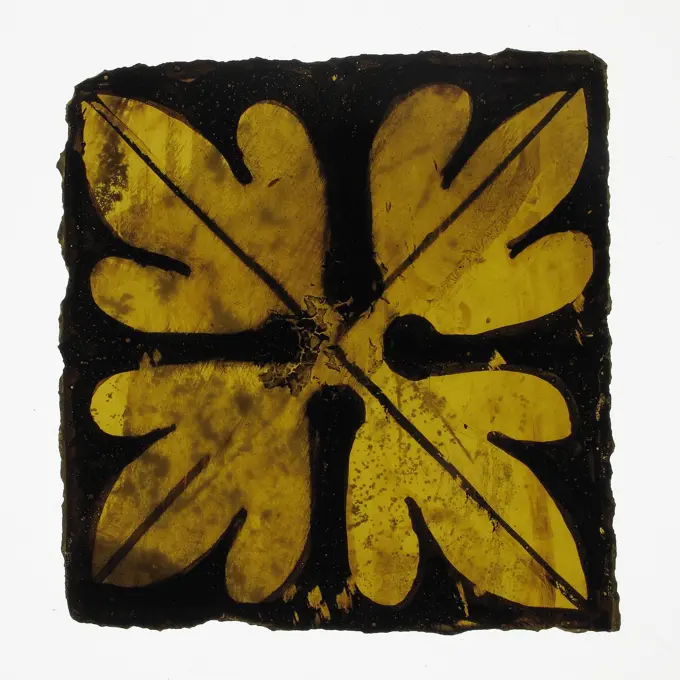
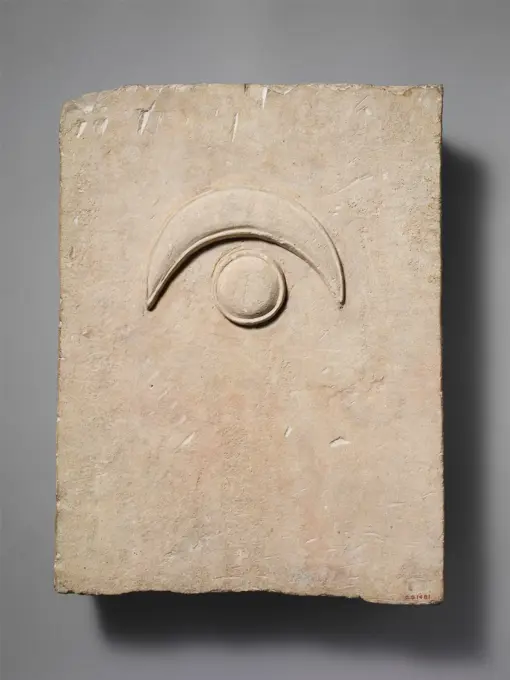
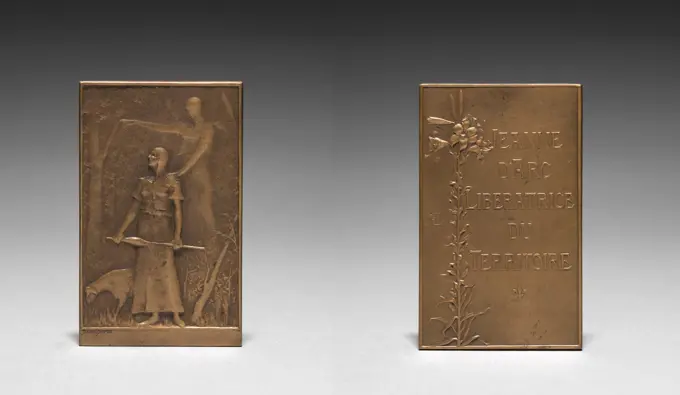
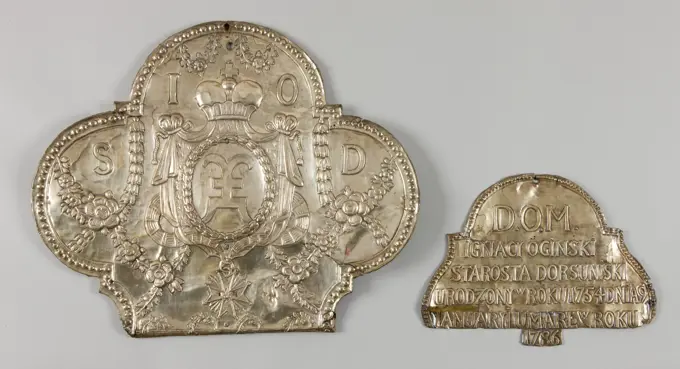
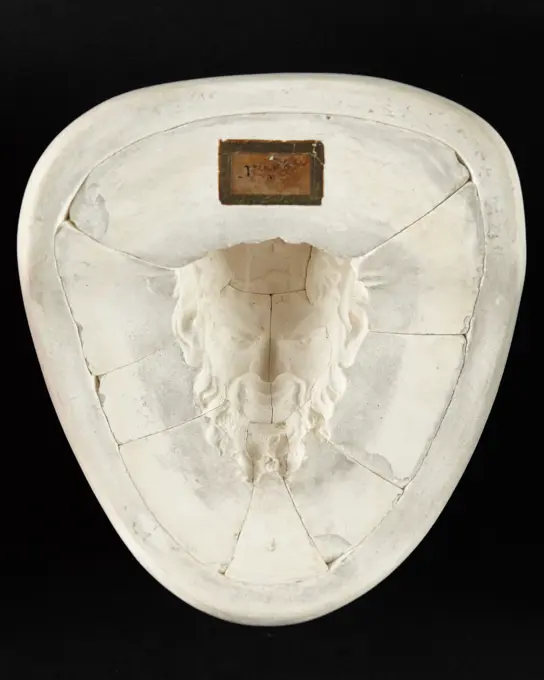
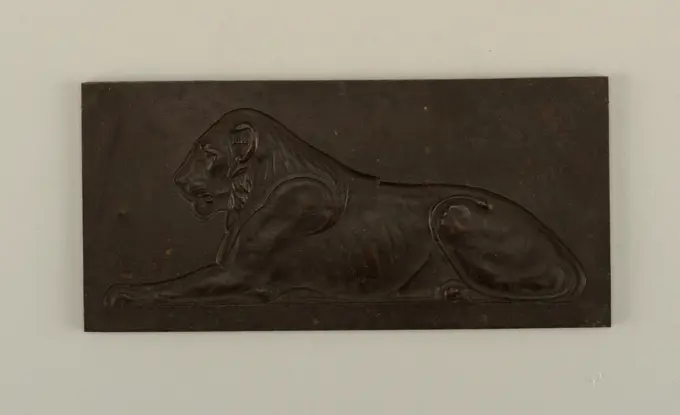
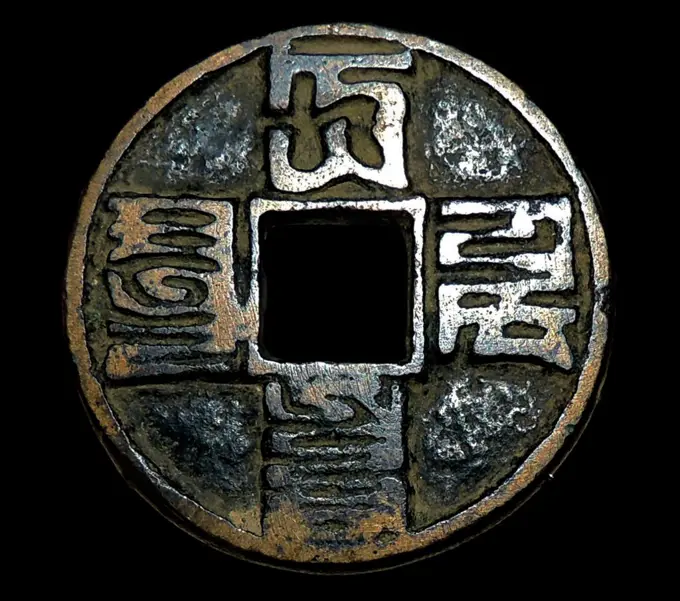
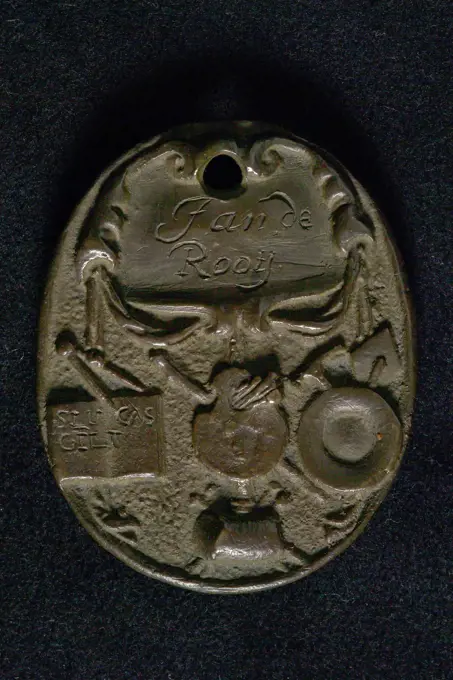
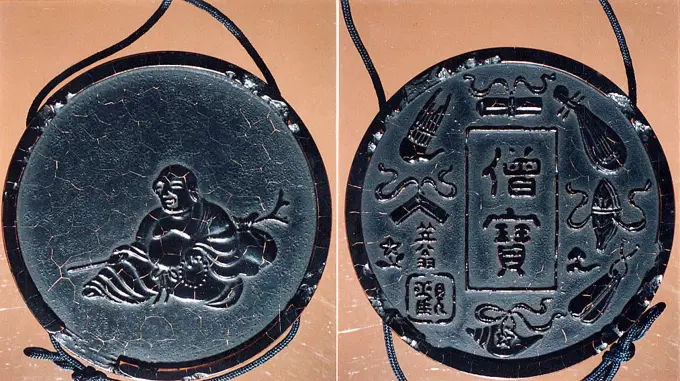
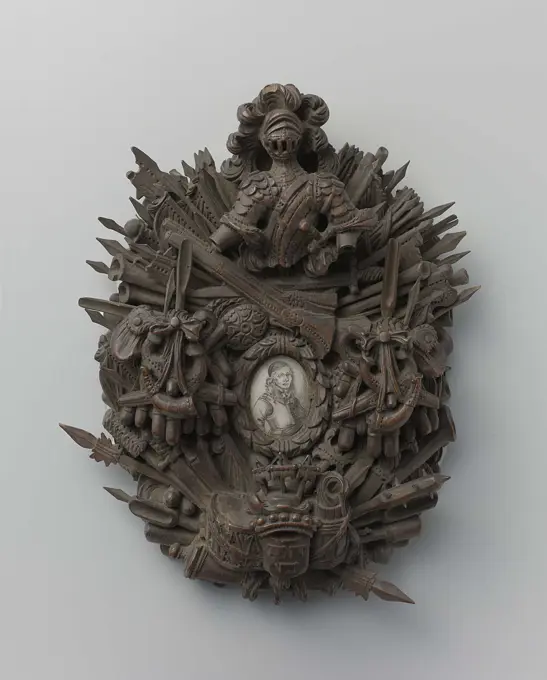
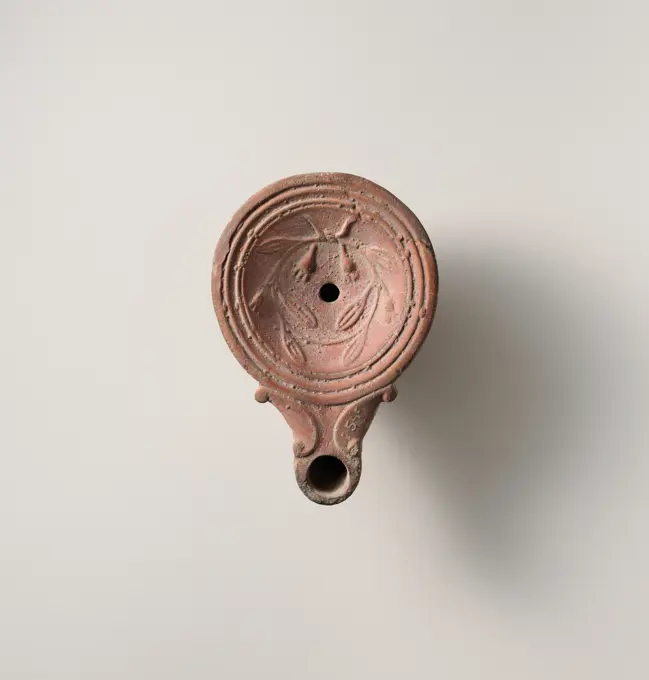
Terracotta oil lamp ca. A.D. 50-100 Roman, Cypriot Loeschcke Type 4. Mold-made. Deep body. Discus: myrtle wreath in relief, with a single filling hole at center; band of lines and grooves around edge. Volutes flanking nozzle, with large wick hole. Incised base ring, and slightly concave base.Complete, but some cracks and severe flaking of surface on underside around the nozzle.. Terracotta oil lamp. Roman, Cypriot. ca. A.D. 50-100. Terracotta. Early Imperial. TerracottasBronze shield from Nackhalle, SwedenParrilla para chimenea. Museu Català de les Arts i Tradicions Populars.Glass Fragment 13th-14th century French or British. Glass Fragment. French or British. 13th-14th century. Colorless glass. Glass-StainedBowl, 11th-12th century, 4 x 7 1/4 in. (10.16 x 18.42 cm), Earthenware with incised white slip, Iran, 11th-12th centuryBronze Schijf from V.O.C. ship De 'Witte Leeuw', Before 1613  Bronze round disk or wheel with a round hole and 6 spokes in the middle. Presumably intended for the great coverage and the Kardeelblok of the East Indians De Witte Leeuw. With this heavy hoist, the large RA, to which the mainsail was attached, could be lifted or lowered.  bronze (metal)   Sint-HelenaBrigandine Plate. Culture: Italian. Dimensions: H. 6 11/16 in. (17 cm); W. 6 3/4 in. (17.1 cm); Wt. 13.9 oz. (394.1 g). Date: 1400-1450. Museum: Metropolitan Museum of Art, New York, USA.Dirck Hartogh dish, Anonymous, 1600 - 1616Sword Guard (Tsuba). Culture: Japanese. Dimensions: H. 2 5/8 in. (6.7 cm); W. 2 1/2 in. (6.4 cm); thickness 1/8 in. (0.3 cm); Wt. 2.2 oz. (62.4 g). Date: 18th century. Museum: Metropolitan Museum of Art, New York, USA.Buttons, copper, flat circular buttons ornamented with engraving and gouging in various patterns., Components -a/-l, -n/-p are on card 47, France, late 18th century, costume & accessories, Decorative Arts, ButtonsA fireplace with two crowned medallions in diamond. A fireplace with two crowned medallions in diamond.Glass Fragment 13th-14th century European. Glass Fragment. European. 13th-14th century. Pot metal glass. Glass-StainedRound Box 15th-16th century Italian. Round Box 468352BronzeGussMedaillon Franz Xaver Gabelsberger (one-sided)Scarab Inscribed with a Decorative Motif ca. 1479-1458 B.C. New Kingdom. Scarab Inscribed with a Decorative Motif. ca. 1479-1458 B.C.. Steatite (glazed). New Kingdom. From Egypt, Upper Egypt, Thebes, Deir el-Bahri, Temple of Hatshepsut, Foundation Deposit 7 (G), MMA excavations, 1926-27. Dynasty 18, earlyStamp stamp in the form of a book .. Stamp stamp of iron (), In the form of a book.Sword Guard (Tsuba) ca. 1615-1868 Japanese A tsuba is a sword guard and part of a sword mounting. It is mounted between the swords blade and grip to protect the users hands.. Sword Guard (Tsuba) 34466Ornament 4th century () Old Bering Sea In the last two millennia before the Common Era, the peoples who established themselves along the rim of the North Pacific Ocean between Asia and America were dependent for their livelihood to a great extent on the resources of the sea. Walrus, seal, and whale were significant to subsistence, and all were hunted. On the American side, the Bering Sea Eskimo were careful to decorate the ivory and wood tools with which they hunted. The beautifully balanced and elegantly incised objects were functional tools that were incised with spirit images and designs that honored the animals the hunters sought. Harpoon heads and foreshafts, and the socket pieces known as winged objects are salient examples. Also carved of walrus ivory were human figures, most frequently female. The purpose to which the enigmatic but equally elegant figures were put is unclear. Some authorities call them dolls-originally, they may have been dressed-while others call them ceremonGoldweight Fish, 20th century, 2 x 1/2 in. (5.08 x 1.3 cm), Bronze, Ghana, 20th centurySiege of Amsterdam by Willem II, Prince of Oranje-Nassau ,, 1650  Unilateral, square plaque with dull corners and hole in it. Front: inscription within Lauwerkrans and Dischanging. Reverse: Blanco. Netherlands copper (metal) engraving  AmsterdamVotive tablet 6th century China. Votive tablet 61613Three hundred and fifty -year -old commemoration of the redemption of Middelburg 1924, Roline Maria Wichers Wierdsma, 1924 history medal Bronze medal, on the front a stylized crowned eagle with heart shield fortress between 15 and 24, on the reverse the word majesty in a carns of rays at the top interrupted by free - neat.  bronze (metal) striking (metalworking)Panel 13th-14th century There are two panels of this design; mirror images of each other (07.236.66 and 07.236.67). They were probably part of the the same object, with other geometric elements filling in the negative space created between the two pieces. The craftsman deliberately used a darker wood for the inlay, both carved and unadorned, to heighten the contrast with the ivory. Apart from the more elaborate arabesque in the ivory, the four-sided wood inlay is carved with a simple tendril. Also worth noting is the way in which the plain ivory strips are laid out to give the impression of two intertwined stars. Similar elements of design are seen in another panel in the collection (07.236.101).. Panel 445085Türklopfer TürklopferMirror, 1615-1868. Japan, Edo period (1615-1868). Bronze; diameter: 6.4 cm (2 1/2 in.); overall: 11.2 cm (4 7/16 in.).SIUAN-KI INSTRUMENTO ASTRONOMICO (D TCHEOU. Location: MUSEO REAL ARTE CHINO. STOCKHOLM.Tile with rosette in oval. Tile with a rosette within an oval. In two corners, loops.Inscribed Marble. Egypt, 1st Dynasty (circa 3050 - 2850 BCE) (inscription likely modern). Tools and Equipment. MarbleInk Cake with Dragon in Relief, 1621. China, Ming dynasty (1368-1644). Ink cake; diameter: 15 cm (5 7/8 in.).Box. Box 244471Vinaigrette with View of Kings College, Cambridge. Nathaniel Mills; Birmingham, England. Date: 1845-1846. Dimensions: 4.1 × 3.2 cm (1 5/8 × 1 1/4 in.). Silver and silver gilt. Origin: Birmingham. Museum: The Chicago Art Institute, Chicago, USA.Quatrefoil Brooch second half 6th century Frankish. Quatrefoil Brooch 465334 Frankish, Quatrefoil Brooch, second half 6th century, Silver-gilt, garnets, blue glass, mother-of-pearl, Overall: 1 1/4 x 3/16 in. (3.2 x 0.4 cm). The Metropolitan Museum of Art, New York. Gift of J. Pierpont Morgan, 1917 (17.192.29)Shaving Dish. Culture: American. Dimensions: Diam. 8 13/16 in. (22.4 cm). Date: 1769. Museum: Metropolitan Museum of Art, New York, USA.Sword-Hilt Collar and Pommel (Fuchigashira) late 18th-early 19th century Japanese A fuchigashira is a pair of matching sword fittings comprising the fuchi (collar at the base of the grip of the sword hilt) and kashira (pommel cap at the end of a sword hilt).. Sword-Hilt Collar and Pommel (Fuchigashira). Japanese. late 18th-early 19th century. Iron, gold. Sword Furniture-Fuchi-KashiraTile with Arms of Thomas Coke early 16th century British The Latin inscription on this tile reads: "Pray for the souls of Thomas Coke and his wife Alice." The rectangular shape and the technique are characteristic of the tilers of Malvern, who supplied thousands of tiles for the pavings and wainscots of Great Malvern Priory, among them many with coats of arms.. Tile with Arms of Thomas Coke 668679Marriage of Willem Frederik George Lodewijk, Erfprins der Nederlanden and Anna Paulowna, Grand Prin of Russia in St. Petersburg, Leonhard Posch (attributed to), 1816  One -sided plaque to wear eye. Front: breastpiece man to the left. Reverse: Blanco. Berlin iron (metal) casting  Sint-PetersburgBursa, dark red, decorated with ecclesiastical symbols in sewn -in gold thread, including cross -bearing lamb of God, anonymous, c. 1600 - c. 1699 Bursa, dark red, composed of four parts. Decoration of sewn -in gold thread: twice a heart, a cross -bearing lamb of God and a flamed globe on chalice, all within floral frame. At the top a linging cord, a brush of gold thread at the bottom. Lined with yellow side. Europe iron (metal). Bursa, dark red, composed of four parts. Decoration of sewn -in gold thread: twice a heart, a cross -bearing lamb of God and a flamed globe on chalice, all within floral frame. At the top a linging cord, a brush of gold thread at the bottom. Lined with yellow side. Europe iron (metal).Jelec (Tsuba); Suiyôdô, Toshimas; 19th century (1801-00-00-1868-00-00);Chinese Bronze Mirror, T'ang Dynasty, 618-906. Artist: Unknown.Water Filter 10th-12th century. Water Filter. 10th-12th century. Earthenware. Attributed to Egypt. CeramicsPRISOSED OMMERSCHANS, house coin beaten at the burden of the society of beneficiality worth ten cents. Front: value indication within pearl edge; Left: Brand. Downside: blankGrahal-Manzara. Carnavalet 2013-2016 collection sites. Numismatics. At the Bustier Law of Le Peletier de Saint-Fargeau on the right on Piédouche.Carnavalet Museum, Medals CollectionProject Graly-Manzag 2013-2016 Carnavalet Museum, Medals CollectionSilver () Bracelet, wide with several facets closed by a small shaft with bead work and engraved design on the facets, 4 1/4"D. Jewelry and Adornments; bracelets. Silver ()Bronze juror's identification ticket 4th century B.C. Greek, Attic Inscribed "Epikrates of the deme political district of Scambonidae"Each Athenian citizen on jury duty for a given year was issued a bronze plaque carrying an official stamp and his name. On the day of a trial, the prospective jurors appeared before a magistrate in charge of selecting a jury and their plaques were placed in a device that ensured random selection.. Bronze juror's identification ticket 247975Table clock tiled Arendt, JohannPlate in the shape of a warrior with halberd. The plate consists of a saddress on the pedestal with halibrated in the left hand, and belongs to a door knocker (BK-NM-9070-2).Sword Guard (Tsuba) 1788-1875 Japanese A tsuba is a sword guard and part of a sword mounting. It is mounted between the swords blade and grip to protect the users hands.. Sword Guard (Tsuba) 30033Frontlet of gold leaf. Dimensions: Other: 2 7/16 × 4 1/16 in. (6.2 × 10.4 cm). Museum: Metropolitan Museum of Art, New York, USA.Bowl with abstract (Anthropomorphic) design, 9th-10th century, 2 1/8 x 8 in. (5.4 x 20.32 cm), Earthenware with overglaze decor in cobalt blue, Samarra ware, Iraq, Abbasid period (750-1258)Bowl (one of a pair) second half 15th century French. Bowl (one of a pair) 200268Tsuba, Iron, gold, This iron tsuba is kaku mokko (square with lobed corners) in shape and has a kaku mimi (square outer rim). Marubori-Sukashi (round openwork carving) shows a design with a military baton decorated with kin hira zogan (flat gold inlay), At the center is the nakago-ana, an opening through which the sword passes. Surrounding this is the seppadai, a flat oval area that is migaki (burnished). The outer rim is round, or maru-mimi. On either side are ryo-hitsu, openings for the kozuka (utility knife) and the kogai (skewer tool). At right is sashi ura, the side which faces the blade, whose opening takes the hangetsu-kei (half moon) shape. Opposite is sashi omote, the side which faces the sword hilt. Its tri-lobed opening is of the suhama type, and symbolically represents the coastline of Horai, the holy island of the Immortals., Japan, early 18th century, metalwork, Decorative Arts, TsubaIndia, Udaipur, Lake Palace Hotel, MosaicEmergency coin from Zierikzee, later exit of the stamps for an emergency coin of the siege, Anonymous, 1576 coin. siege coin One -sided emergency coin of the siege of Zierikzee. Front: two stamps above each other: coat of arms in pearl edge; Below that: year in Cartouche. Reverse: Blanco Netherlands copper (metal) striking (metalworking)  ZierikzeePrehistory, Italy, Bronze Age. Ornamental object. From Fiave', province of Trento.Label with Hieratic Inscription. Egypt, Third Intermediate Period (1080 - 711 BCE). Tablets. WoodRound three-piece mold for lid of chamber pot, mold casting tool tools base metal bronze, cast turned Round three-piece bronze mold for casting large lid of chamber pot or bedpan Rotterdam tin foundry tin stainer tin Meeuws Druy craft Forms originate from origin 18th century Rotterdam tinnegieter J Druy. The large molds that were not signed or dated were the property of the tinker guild and were rented to the small tin caster.Mirror, 1615-1868. Japan, Edo period (1615-1868). Bronze; diameter: 11.8 cm (4 5/8 in.); overall: 22.3 cm (8 3/4 in.).Euro Collection  a coin pattern, 1 euro for the Czech Republic; 2003Greek Ionic column drum, from the interior order of the Propylaea, Parthenon, Athens. 5th century BCPlanets-manager. Cornalet Collection Sites 2013-2016. Numismatic.Raymond, E.G., Store and Flats Rosette Fragment from Facade 1884 Chicago. Unglazed Terra-cotta . Treat & Foltz (Architect)Sword Guard (Tsuba) ca. 1615-1868 Japanese A tsuba is a sword guard and part of a sword mounting. It is mounted between the swords blade and grip to protect the users hands.. Sword Guard (Tsuba) 34429wooden board isolate on white wooden board isolate on white with clipping path - wood sign tag Copyright: xZoonar.com/DenisxMudrakx 9738529Bowl 9th century. Bowl 449791Rod. Medallion. Geoffroy St Hilaire. Patinated plaster. Nineteenth century. Museum of Fine Arts of the City of Paris, Petit Palais. 58760-17 Inscription, medallion, inventory numbers, numismatics, patina patina, reverse, 19th centurySword Guard (tsuba). Tanaka-Toryusai, school, Toshimitsu, metalwork artistButton (France); franceArcher's Ring 18th century Turkish. Archer's Ring. Turkish. 18th century. Ivory, brass. Archery Equipment-Archer's RingTobaccoBoxRoman cameo, 1st cent. AD Gorgon's head. ITALY.Pere Bernés, Cruz de los esmaltes, 1360, Museu-Tresor de la Catedral de Girona / Museo Tesoro de la Catedral de Gerona.Carnavalet museum, medal collection Right the monument of the Battle of Golden Spurs, erected in 1906 in Kortrijk; Reverse shields to the arms of the city of Courtrai crowned with towers, surrounded by the date of 1302, all in a circular medallion surrounded by cut and radiant leathers; Below, a five -line cartridge, surrounded by oak branches and bay branches.Glass Fragment 15th century European. Glass Fragment. European. 15th century. Pot metal glass. Glass-StainedFragment of a limestone funerary stele with a disk and a crescent 2nd half of the 6th century B.C. Cypriot Crescent and disk in high relief and painted red sash.. Fragment of a limestone funerary stele with a disk and a crescent 242426Medallion: Jeanne d'Arc. Daniel Dupuis (French, 1819-1899). Bronze; overall: 6.7 x 4.2 cm (2 5/8 x 1 5/8 in.).Fragment board from v.O.c.-ship the 'white lion'. Fragment board from v.O.c.-ship the 'white lion', 50%% present.Two Plaque from Ignacy Ogiński's CoffinSword Guard (Tsuba) 18th century Japanese A tsuba is a sword guard and part of a sword mounting. It is mounted between the swords blade and grip to protect the users hands.. Sword Guard (Tsuba) 642487Mask form SèvresPlate, LionBronze Dayuan coin, worth 10 standard coins. Yuan dynasty, issued 1308. The inscription is in a script which transliterates the Chinese.Fragment of a Bowl 12th-13th century. Fragment of a Bowl 447215Oval guild medal of the painters and artists or St. Lucas in Rotterdam, guild penny penny identification carrier brass, An ox's head with the St. Lucasschild in the mouth between two laurel branches, no Rotterdam guild St. Lucas guildCase (Inrō) in the Shape of an Ink Stick with Design of Hotei (Putai) (obverse); Musical Instruments (reverse) 19th century Attributed to Shibata Zeshin Japanese. Case (Inrō) in the Shape of an Ink Stick with Design of Hotei (Putai) (obverse); Musical Instruments (reverse) 45446. In pearl engraved oval portrait of man, breastpiece, in a carved wooden table in the shape of a getting trophy: excessive edited, made up of weapons and arms holdings. On the downside piece of paper recorded by means of four stamps of the same weapon as a first. Reverse on label (practically unreadable): Frierik (...) von Ste (...) Rsteijn Great vader of H (...) Gruter (Grubter). Lack of clarity about the name. Can also be Hammerstein. The mother-of-pearl portrait is of a martial advantage.Mexico.Mexico city.National Museum of Antropology.Maya culture.Marker of the ball game.Classic early 59 AC. Chinkoltic in Chiapas..Plaque from a Book Cover or Portable Altar with Saint Thomas and the Lion of Saint Mark mid to late 12th century South Netherlandish. Plaque from a Book Cover or Portable Altar with Saint Thomas and the Lion of Saint Mark 464412Citizens 'Citizens' Badge of the Capital City of Warsaw, a student of 6 weekly legal and criminal law courses Lipczy Ski, Stanis AW (1867 1939)Calligraphic relief tile with turquoise glaze, from Iran. Dated 13th CenturyButton, Metallic foils, painted paper, metal, glass, Component -b is on card 67, France, late 18th-early 19th century, costume & accessories, Decorative Arts, ButtonBowl 9th-10th century. Bowl 455071Flower Stone carving at Changwateshwar Temple near Saswad, Maharashtra, IndiaEpiscopal seal, red and yellow stamped wax, 13th century, Huesca Diocesan Museum, Aragon community, Spain.bake  Municipal town of Bia White; 1759 (1759-00-00-1759-00-00);Gryf (coat of arms), urban seals, seals at documents, official seals, seals with griffin, seals with a monogram, Żurakowski, Witold ( -1927)- collectionTegel, Anonymous, 1720 - 1730 tile Tile with a blue painted lion framed by a medallion with in the corners, Régence ornament. MarseilleMontpellier earthenware. tin glaze majolicaFireback horse above town with towers, text justitia premo majorum, fire place cast iron, cast Rectangular in the middle an oval frame with jumping horse above walled city On both sides of the picture bunches of grapes; in the four corners different types of leaves and fruit In the top of the oval list: IUSTITIA PREMO MAIORVM living environment interior heating jurisdictionItalic civilizations, Piceni, 8th century b.C. Bow fibula. From Moie di Pollenza, province of Macerata.Augustin Dupré (1748-1833). Punch: discount box, 1776. Steel, irregular octagonal block. Paris, Carnavalet museum. Medal, numismatics