Historical Artifacts and Coins

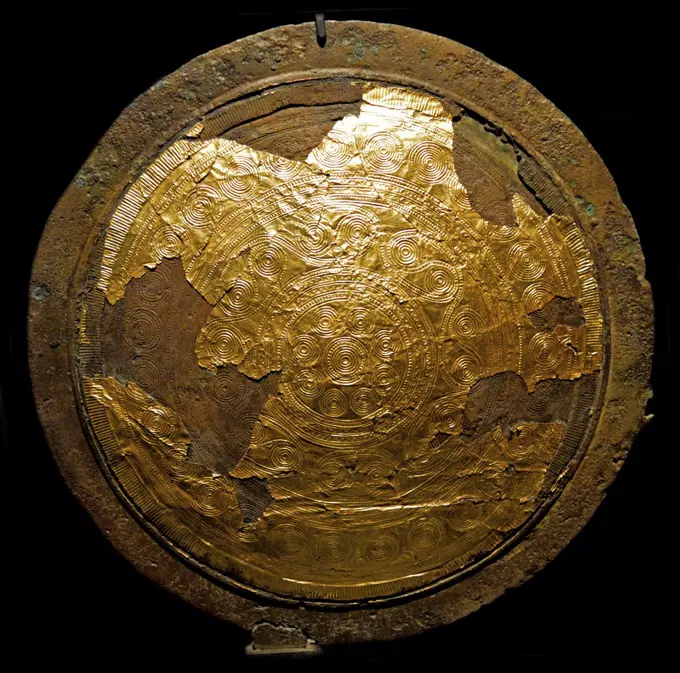
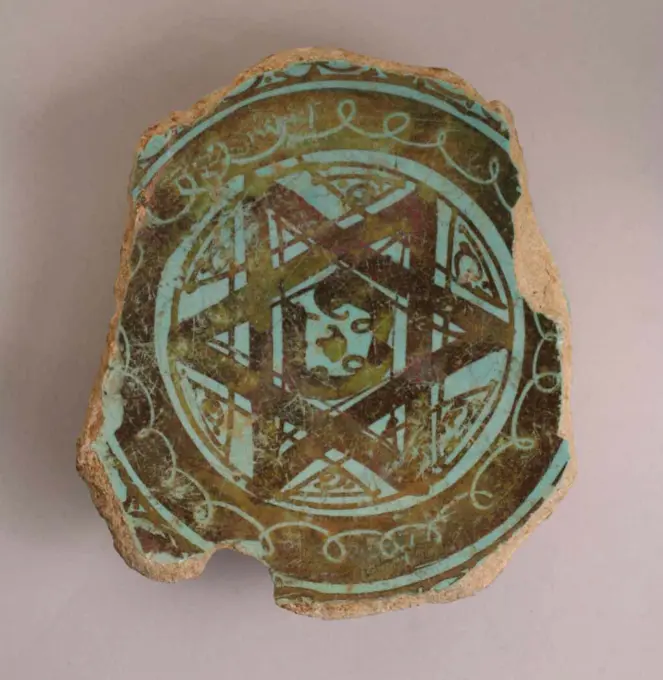
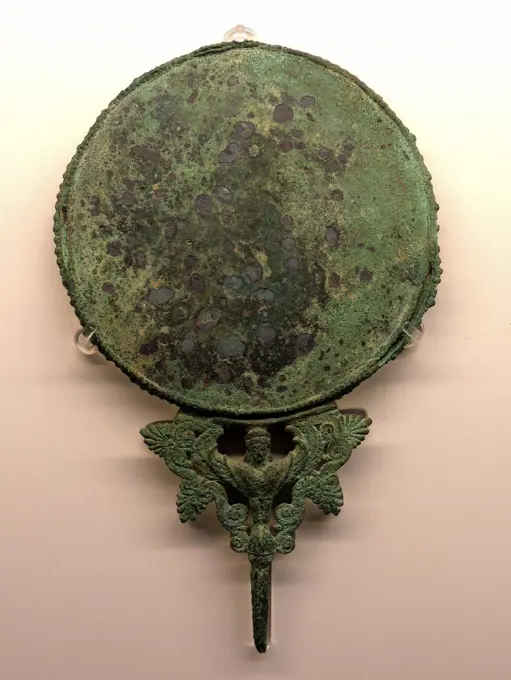
A selection of ancient coins and bronze mirrors depicting intricate designs, showcasing historical craftsmanship and cultural significance.
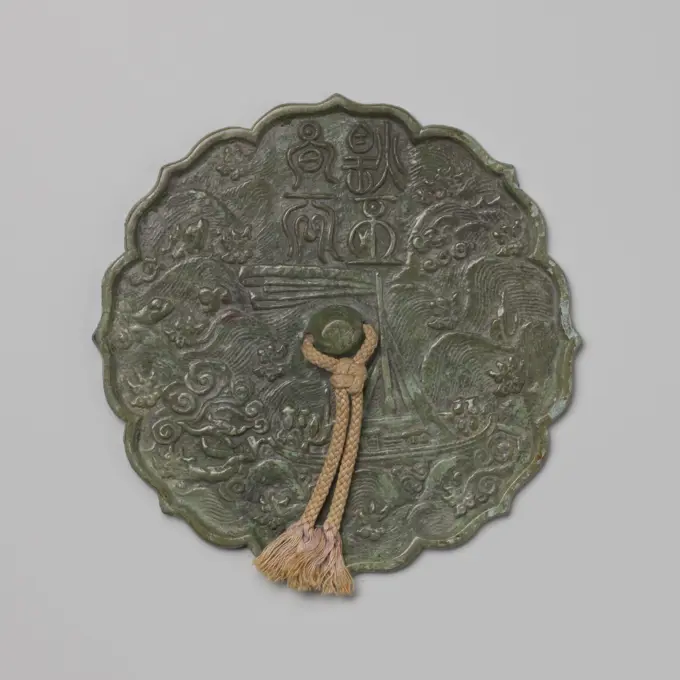
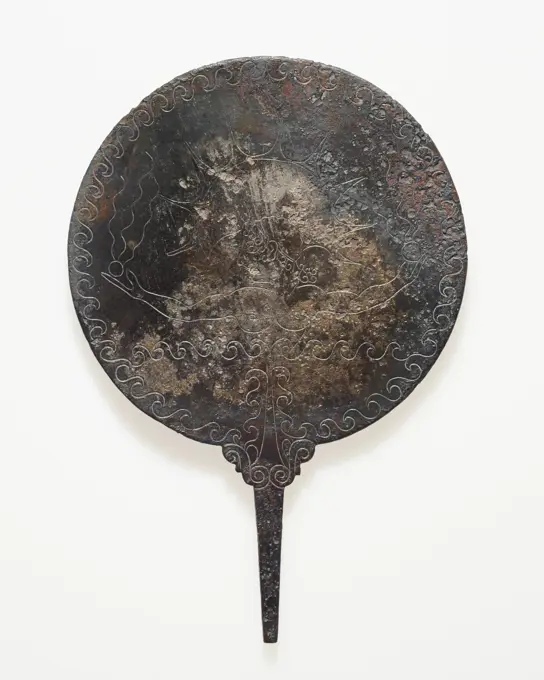
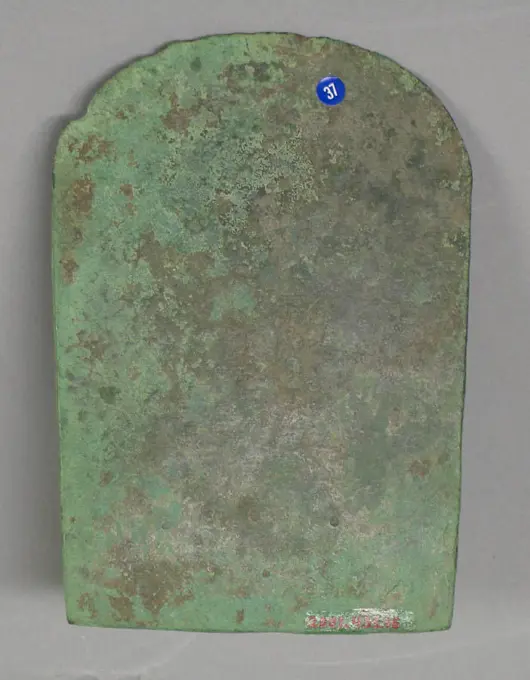
Bronze mirror depicting sea waves and a boat with inscription, anonymous, c. 1200  Korea bronze (metal)  Korea bronze (metal)
Bronze mirror depicting sea waves and a boat with inscription, anonymous, c. 1200 Korea bronze (metal) Korea bronze (metal)
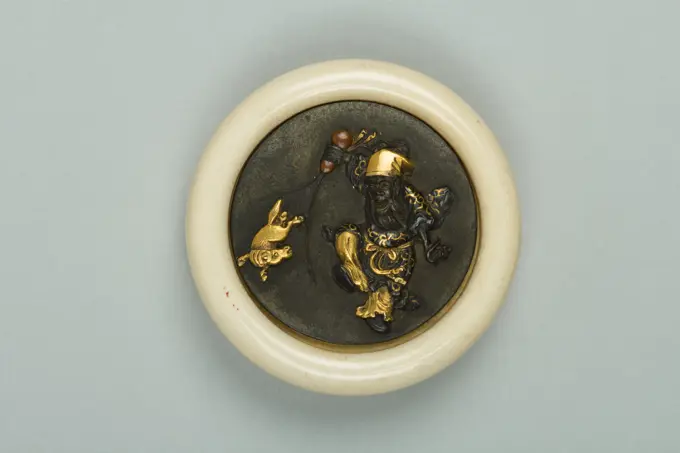
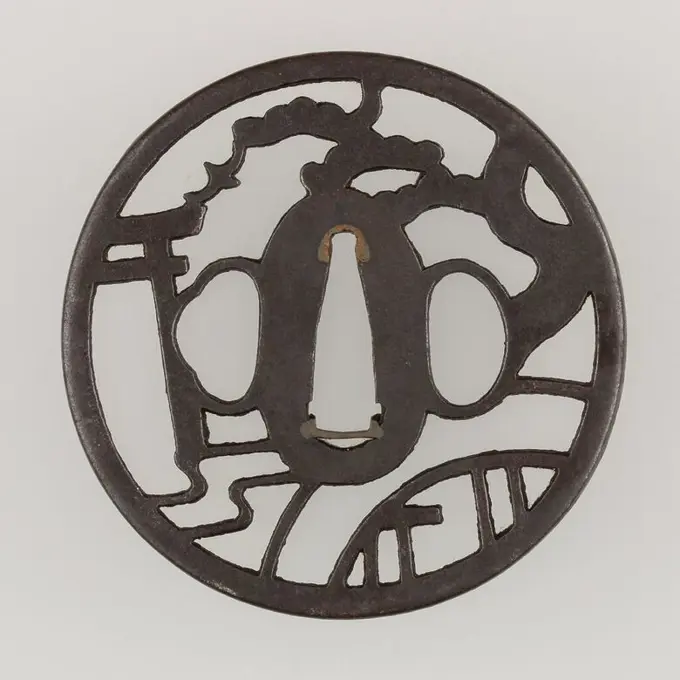
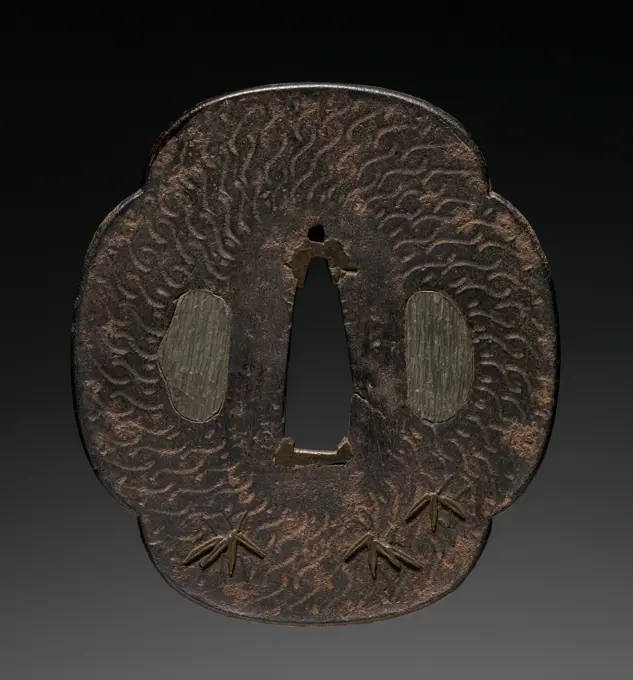
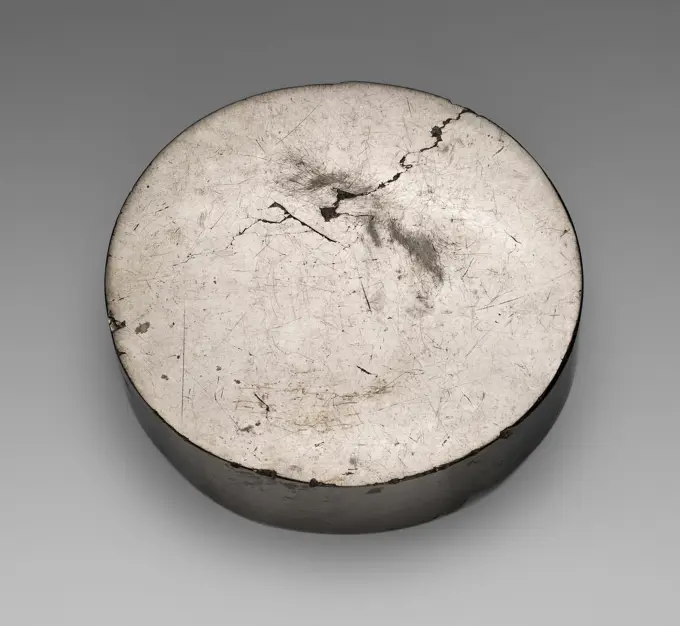
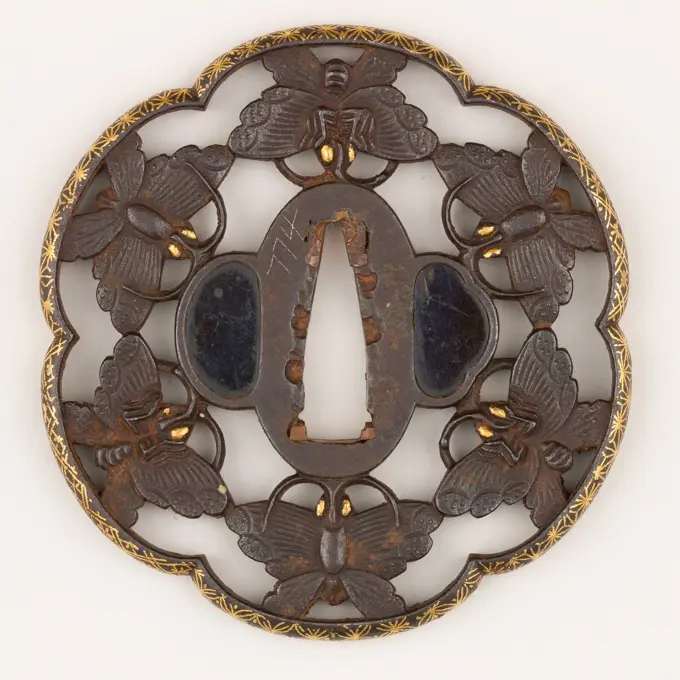
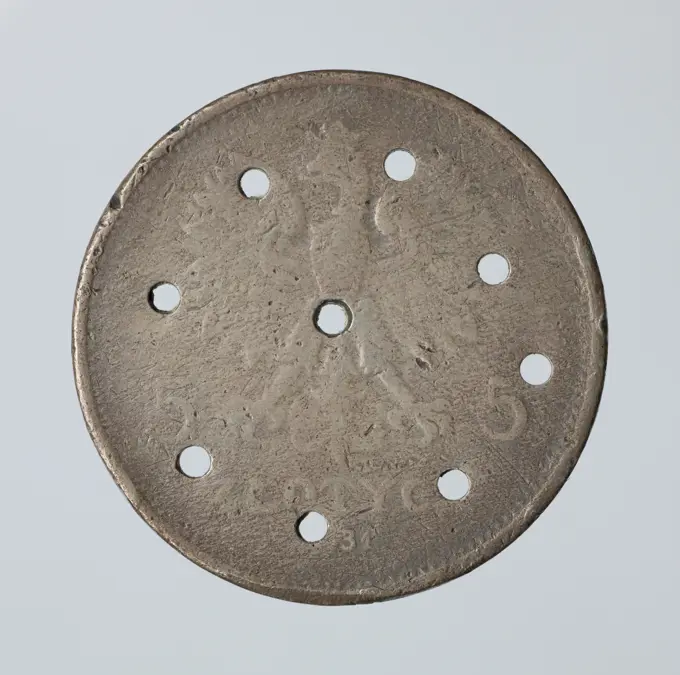
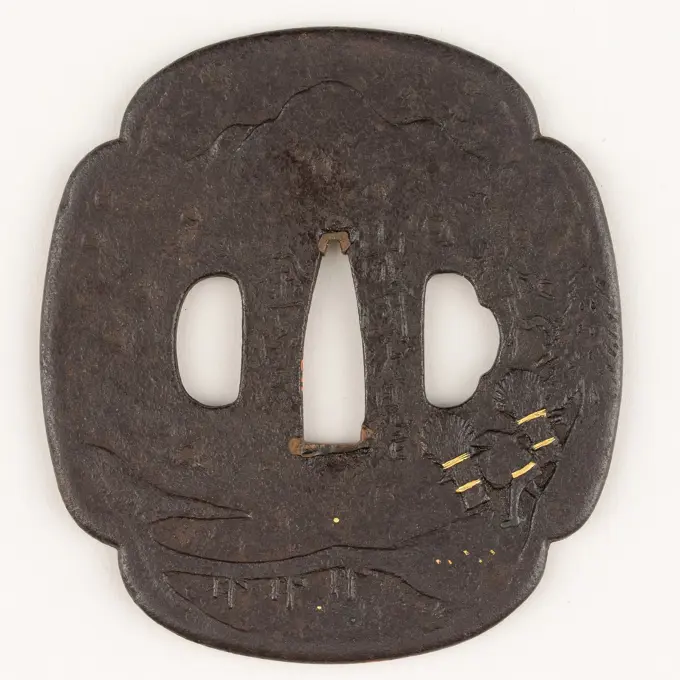
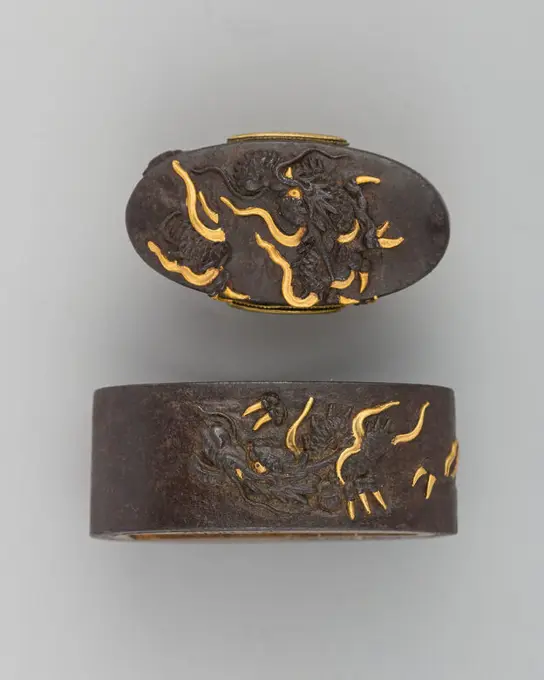
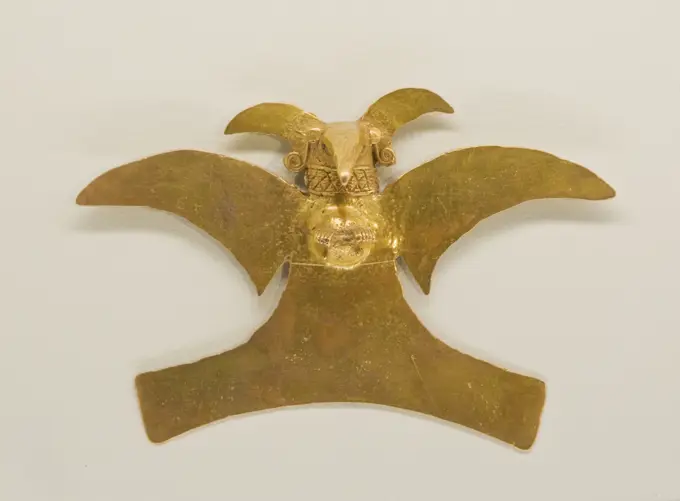
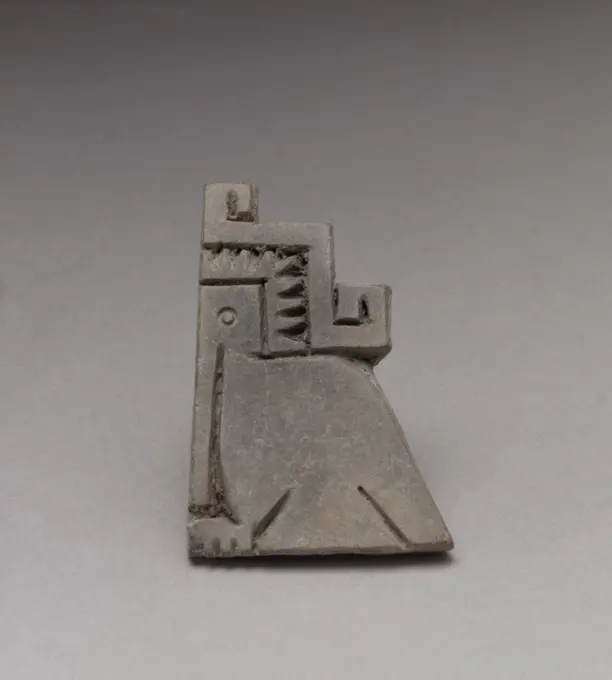
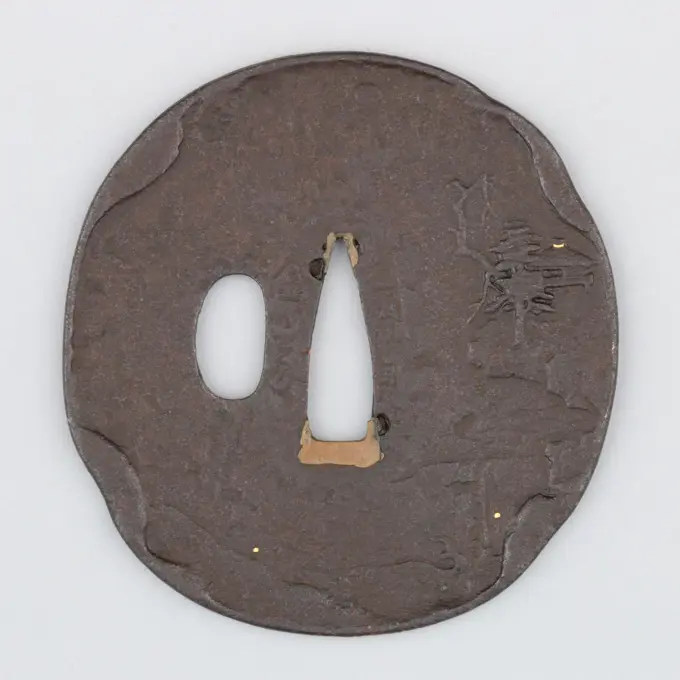
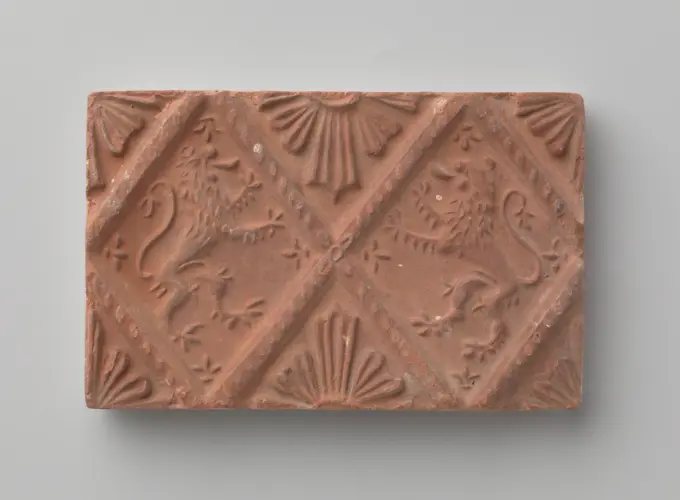
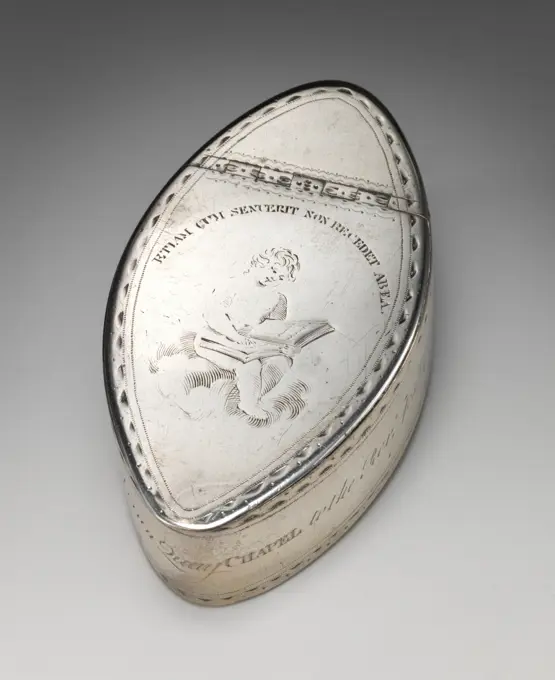
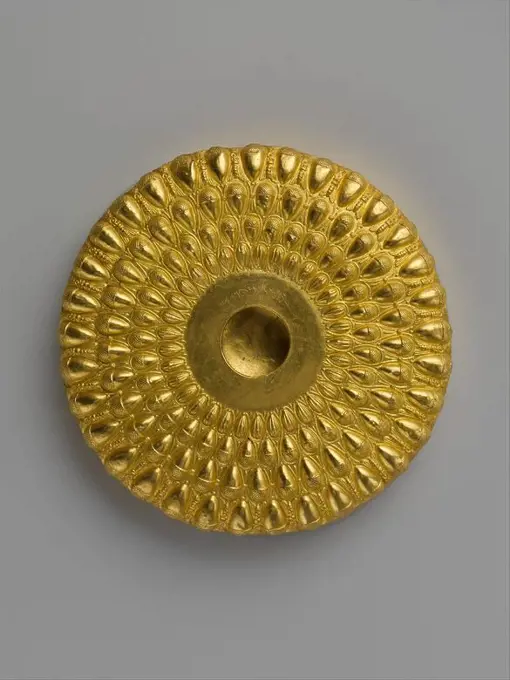
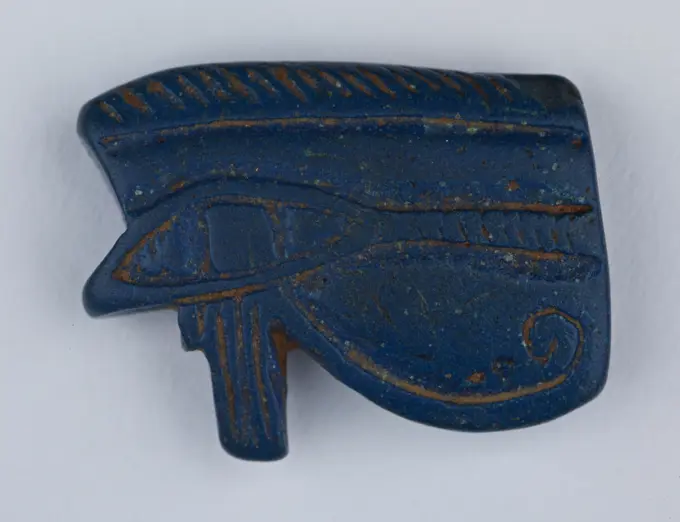
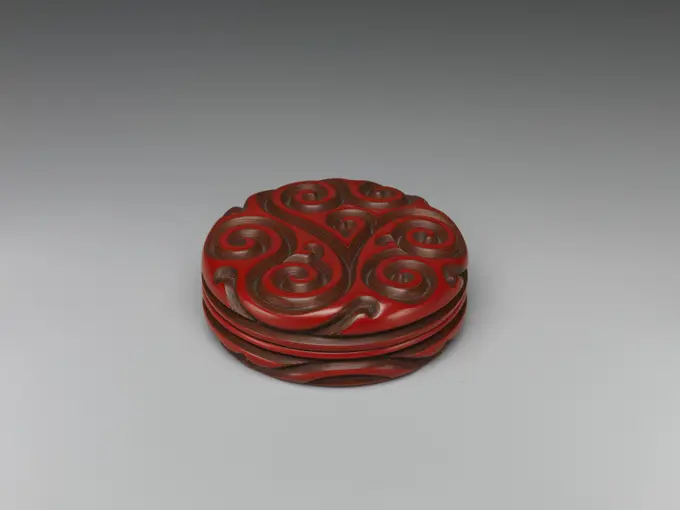
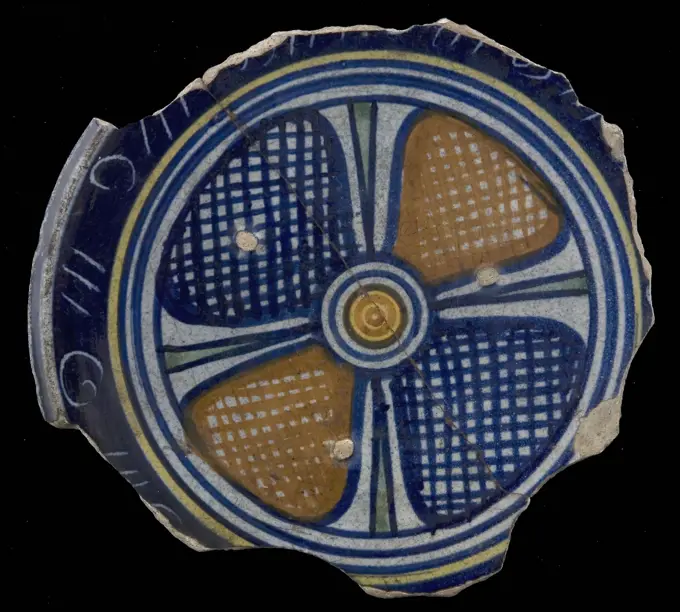
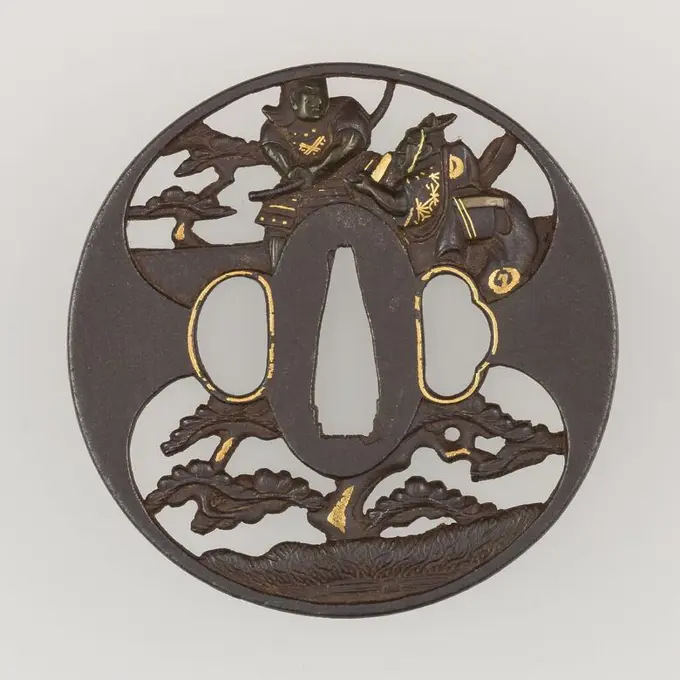
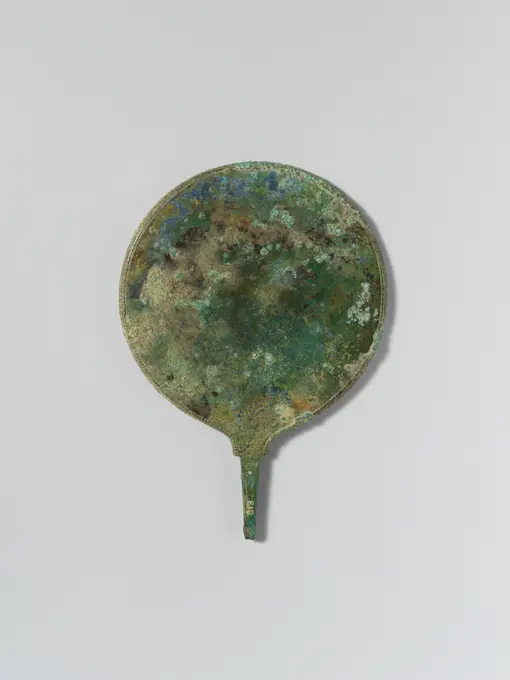
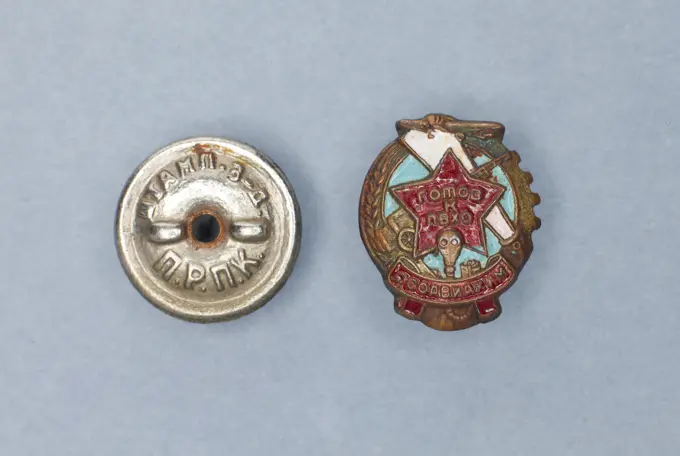
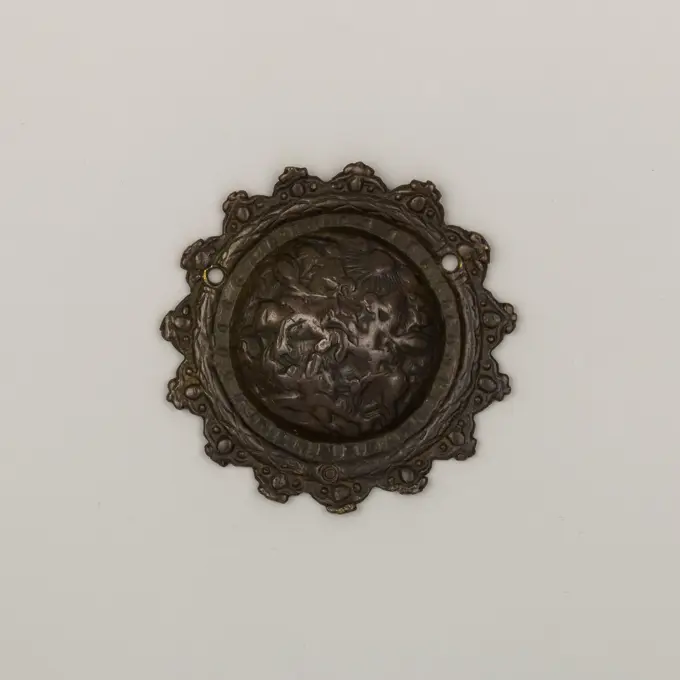
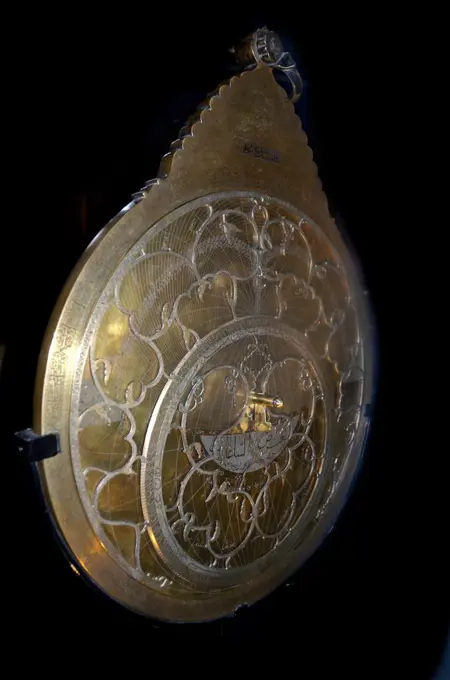
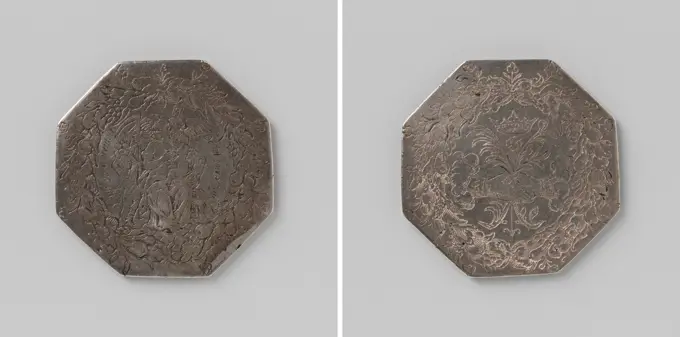
Sharf of yellowish pottery, with a foot ring, with blue glaze on the front, with a painting with leaves and flowers on the flat in brown, blue, orange, yellow and white, and around circles in brown and yellow, anonymous, 1600 - 1650  Northern Netherlands earthenware. glaze majolica  Northern Netherlands earthenware. glaze majolicaBelt Ornament 14th century possibly Spanish. Belt Ornament. possibly Spanish. 14th century. Bronze. Miscellaneous-Buckles & OrnamentOval lid with floral ornaments, lid closure holder soil find silver tin metal, engraved Oval flat lid with bent edge and hinge archeology Rotterdam rail tunnel store store transport Soil discovery: trajectory rail tunnel Rotterdam.Netsuke 19th century Japan. Netsuke. Japan. 19th century. Ivory with metal disk. Edo (1615-1868) or Meiji period (1868-1912). NetsukeDeath of Jacob Jansz van Loosen, Vaandrig der Schutterij, Anonymous, 1649  Silver rectangular medal with beveled corners. Front: Vaandrig with banner in right hand; In the background: tower and trees. Reverse: inscription above skull. Netherlands silver (metal) engravingScarab of Queen Nebuhetepti ca. 1802-1640 B.C. Middle Kingdom. Scarab of Queen Nebuhetepti. ca. 1802-1640 B.C.. Steatie, green glaze, gold. Middle Kingdom. From Egypt. Dynasty 13Hearing stone with representation of two climbing lions, c. 1875 - c. 1900 Hearing stone with representation of two climbing lions, placed in profiled window. The half windows at the top and bottom are filled with star motif. Netherlands earthenware Hearing stone with representation of two climbing lions, placed in profiled window. The half windows at the top and bottom are filled with star motif. Netherlands earthenwareFloor tile: All Dinc has tough. Floor tile decorated with a square with a coat of arms around which the inscription: all Dinc has-bees-ties. In the corners, a quarter of rosette.Sword Guard (Tsuba). Culture: Japanese. Dimensions: Diam. 3 1/8 in. (7.9 cm); thickness 3/16 in. (0.5 cm); Wt. 2.9 oz. (82.2 g). Date: late 18th-early 19th century. Museum: Metropolitan Museum of Art, New York, USA.as. Hadrian (Roman emperor; 117-138), emperorPlate, Jean Bellekin, 1600 - 1699 An engraving on mother -of -pearl in a black wooden frame with the presentation of a rider fight. Marked.  mother of pearl. wood (plant material) engraving An engraving on mother -of -pearl in a black wooden frame with the presentation of a rider fight. Marked.  mother of pearl. wood (plant material) engravingscrew on white backgroundEmilia-Romagna Ferrara Ferrara Museo Civico di Schifanoia85. Hutzel, Max 1960-1990 General Notes: INCOMPLETE RECORD--NEGATIVES PROCESSED, PRINTS FILED German-born photographer and scholar Max Hutzel (1911-1988) photographed in Italy from the early 1960s until his death. The result of this project, referred to by Hutzel as Foto Arte Minore, is thorough documentation of art historical development in Italy up to the 18th century, including objects of the Etruscans and the Romans, as well as early Medieval, Romanesque, Gothic, Renaissance and Baroque monuments. Images are organized by geographic region in Italy, then by province, city, site complex and monument.Hearing stone with representations of two kings, placed in two windows, Anonymous, 1561 Hearing stone of two kings, placed in two windows and accompanied by the year 1561. The half and quarter windows on the top and bottom are filled with rosettes. Southern Netherlands (possibly) earthenware Hearing stone of two kings, placed in two windows and accompanied by the year 1561. The half and quarter windows on the top and bottom are filled with rosettes. Southern Netherlands (possibly) earthenwareSword Guard (Tsuba), 1615-1868. Japan, Edo period (1615-1868). Iron; diameter: 7.8 cm (3 1/16 in.).Sword Guard, early to mid-1800s. Japan, Edo period (1615-1868). Iron; overall: 6.8 x 7.4 cm (2 11/16 x 2 15/16 in.).Grahal-Manzara. Carnavalet 2013-2016 collection sites. Numismatics.Divination Mirror 900 BCE-600 BCE North Coast. Anthracite . CupisniqueDecorative Door Boss And Nail; steel-plated wrought ironSword Guard, late 1500s-early 1600s. Japan, Momoyama period (1573-1615). Iron; overall: 9.6 x 9.6 cm (3 3/4 x 3 3/4 in.).Carnavalet museum, medal collection Law Louis-Napoléon Bonaparte in uniform (bicorn, boots) represented in Hanneton, holding in its two anterior legs a scepter and a crown; On both sides, a bottle, a dying dove, a broken column and a pot; Reverse registration on five lines.Scale or teapot, octagonal, made of red-tray pottery. On the flat a radiant sun in relief .. scale or teapot position with raised edge of red-trays. Pottery. The flat has a radiant sun in relief and the inner edge leaflets in Relief. The scale is not glazed.Sword Guard (Tsuba) Depicting Six Connected Butterflies (つ蝶繋透鐔) ca. 1615-1868 Japanese This tsuba shows an openwork (nikubori ji-sukashi) of six butterflies which are arranged circumferentially around the center, and in an alternating manner of one butterfly facing upwards and the next downwards. The eyes are highlighted in gold and the rim is decorated with a slightly different pattern on each lobe.. Sword Guard (Tsuba) Depicting Six Connected Butterflies (つ蝶繋透鐔) 25675Mirror 4th-5th century Japan. Mirror. Japan. 4th-5th century. Bronze. Kofun period (ca. 300-710). MetalworkSquare Plaque. Culture: Vicús. Dimensions: Height 2-5/8 in. (6.7 cm). Date: 3rd century B.C.-A.D. 2nd century. Museum: Metropolitan Museum of Art, New York, USA.Fars that coin is coin, 5, 19311, Rebracation of Island oflandsSword Guard (Tsuba) 1600-1625 Japanese A tsuba is a sword guard and part of a sword mounting. It is mounted between the swords blade and grip to protect the users hands.. Sword Guard (Tsuba) 33377Head Pendant, 100 BC - 300. Mexico, Guerrero, Mezcala. Polished green stone; overall: 6.5 x 6.6 x 2.5 cm (2 9/16 x 2 5/8 x 1 in.).Panel 13th-14th century. Panel 445109Shield painted withAmazonomachyBouwfragment, anonymous, c. 1400 - c. 1950 A black painted diamond -shaped ornament, presumably from a front door. The panel with sloping sides is flattened at the top, within which a cut leaf rosette. The outer edge is deposited with a pearl edge. See also: BK-18861-B/C. Northern Netherlands (possibly)Netherlands (possibly) wood (plant material). oak (wood). paint (coating) A black painted diamond -shaped ornament, presumably from a front door. The panel with sloping sides is flattened at the top, within which a cut leaf rosette. The outer edge is deposited with a pearl edge. See also: BK-18861-B/C. Northern Netherlands (possibly)Netherlands (possibly) wood (plant material). oak (wood). paint (coating)Ten Stuiver, emergency coin from Amsterdam, beaten during the siege from the silver of the Nieuwe Kerk, Anonymous, 1578 - 1631 coin. siege coin Unilateral, diamond -shaped emergency coin with beveled corners. Front: three stamps above each other; From bottom to top: mint masters: fire sample; city coat of arms: crowned coat of arms, left still part of number 5, to the right of 7 visible; year above mark 10. Downside: Blanco Amsterdam silver (metal) striking (metalworking)  AmsterdamKnighthood, c. 1870 - c. 1930    zinc. wood (plant material) printing blockMirror, 3rd century BCE, 7 3/4 x 5 1/4 in. (19.69 x 13.34 cm), Bronze, Italy, ancient Etruria, 3rd century BCEWood carving on which three tulips, anonymous, 1600 - 1700 Wood carving on which three tulips in vase. Remains of polychromy.  wood (plant material) cutting Wood carving on which three tulips in vase. Remains of polychromy.  wood (plant material) cuttingJewelry Mold with Figures in a Temple. Culture: India (Deccan Plateau). Dimensions: H. 2 1/4 in. (5.7 cm); W. 4 1/2 in. (11.4 cm); D. 13/16 in. (2.1 cm). Date: ca. 1st century. Museum: Metropolitan Museum of Art, New York, USA.Sword Guard (Tsuba) late 16th century Japanese A tsuba is a sword guard and part of a sword mounting. It is mounted between the swords blade and grip to protect the users hands.. Sword Guard (Tsuba) 29958Fragment of a Bowl 14th-15th century. Fragment of a Bowl. 14th-15th century. Earthenware; incised decoration through white slip and coloring under transparent glaze. Attributed to Egypt, Fustat. CeramicsSword Guard (Tsuba) 1867 Japanese A tsuba is a sword guard and part of a sword mounting. It is mounted between the swords blade and grip to protect the users hands.. Sword Guard (Tsuba) 34919Sword-Hilt Collar and Pommel (Fuchigashira). Culture: Japanese. Dimensions: Fuchi (a); H. 1 1/2 in. (3.8 cm); Wt. 1.2 oz. (34 g); kashira (b); H. 1 5/16 in. (3.3 cm); Wt. 0.5 oz. (14.2 g). Date: early 19th century. Museum: Metropolitan Museum of Art, New York, USA.Dish 3rd-7th century. Dish 446079Costa Rica, San Jose, Gold Museum (Museo Oro), Gold Ornamental FigureThe Trundholm sun chariot (Danish: Solvognen); is a late Nordic Bronze Age artefact discovered in Denmark. It is a representation of the sun chariot; a bronze statue of a horse and a large bronze disk; which are placed on a device with spoked wheels. It was discovered in 1902 in a peat bog on the Trundholm moor on the northwest coast of the island of Zealand (Sjælland) in DenmarkFragment of a Bowl 10th-12th century. Fragment of a Bowl 454745Box with Cover China. Box with Cover. China. Cinnabar lacquer. Qing dynasty (1644-1911), Daoguang period (1821-50). LacquerGrahal-Manzara. Carnavalet 2013-2016 collection sites. Numismatics. Right registration in two crowns, oak and bay leaf.Flat Stamp 8th-12th century Manteño Ceramic stamps, both cylindrical and flat, are thought to have been used to decorate textiles and/or the human body. They were made by many Ecuadorian peoples from the beginning of the first millennium B.C. until about 700 A.D., when patterns on textiles began to be woven into the fabric structure rather than stamped on to it. The stamps are carved into a wide range of motifs, from animal, human, and floral to imaginative geometric and abstract designs. This flat stamp, in an almost cubist approach to the form, depicts a bird with an angular step-fret design behind its head. The head, crest, and long beak are shown in profile while the body with partially spread wings and tail is shown from the back and one foot is seen from above. The stamp has a small handle in back.. Flat Stamp 316446Bliżej Kultury Antoninus Pius, Mint of RomeSword Guard (Tsuba) 18th century Inscribed by Omori Teruhide Japanese A tsuba is a sword guard and part of a sword mounting. It is mounted between the swords blade and grip to protect the users hands.. Sword Guard (Tsuba) 33366Sword Guard (Tsuba) ca. 1615-1868 Japanese A tsuba is a sword guard and part of a sword mounting. It is mounted between the swords blade and grip to protect the users hands.. Sword Guard (Tsuba) 34490Sword Guard (Tsuba) 1750-1800 Japanese A tsuba is a sword guard and part of a sword mounting. It is mounted between the swords blade and grip to protect the users hands.. Sword Guard (Tsuba) 33385Aimé-Jules Dalou (1838-1902). "Peasant with a loud manure of manure". Terracotta, 1894. Museum of Fine Arts of the City of Paris, Petit Palais. Farmer, date, base base, label, fork, manure, numero inventory, peasant, stir, terracottaSword Guard (Tsuba) ca. 1615-1868 Japanese A tsuba is a sword guard and part of a sword mounting. It is mounted between the swords blade and grip to protect the users hands.. Sword Guard (Tsuba) 33476Penning, anonymous, c. 1850 - c. 1899 medal Bronze medal with button and ring.  penning: bronze (metal)Hearing stone with representation of two climbing lions, c. 1875 - c. 1900 Hearing stone with representation of two climbing lions, placed in profiled window. The half windows at the top and bottom are filled with star motif. Netherlands earthenware Hearing stone with representation of two climbing lions, placed in profiled window. The half windows at the top and bottom are filled with star motif. Netherlands earthenwareJar Lid with Throne Name of Seqenenre Tao II. Egypt, New Kingdom, 17th Dynasty, reign of Seqenenre Tao II (1600 - 1571 BCE). Furnishings; Serviceware. CalciteCarnavalet museum, medal collection Right in the midst of 13 medallions of laurels containing the names of politicians involved in the events of May 15, 1848, a crown of spine surrounded a bust of Marianne on a piedestal, surrounded by tools and weapons.Batter of a Missaalband, Anonymous, c. 1450 - c. 1500 Ten fittings of a missal band, from brass. The ten volumes are cut from copper plate, driven, engraved and sponed. A copper button with seven facets has sounded on each of them. They are equipped with holes on the corners or along the edge to be able to stock nails, with which they were contested on the book band. Four corner pieces have a rim turned backwards on two sides. The remaining four have that only on the top or bottom (these were placed against the back of the book). Two sides of each corner piece are trimmed with an open edge of cross flowers. The field in the middle is taken by three stilled tiflines. The ornament on the center pieces consists of a plant with three leaves and two flowers in a pot on the corners. The four parts in between are taken by fantasy drugs. Germany (possibly) brass (alloy) cutting / engraving Ten fittings of a missal band, from brass. The ten volumes are cut from copper plate, driven, engraved anHearing stone with representation of two climbing lions, c. 1875 - c. 1900 Hearing stone with representation of two climbing lions, placed in profiled window. The half windows at the top and bottom are filled with star motif. Netherlands earthenware Hearing stone with representation of two climbing lions, placed in profiled window. The half windows at the top and bottom are filled with star motif. Netherlands earthenwareSword Guard (Tsuba). Culture: Japanese. Dimensions: H. 2 1/2 in. (6.4 cm); W. 2 3/8 in. (6 cm); thickness 3/16 in. (0.5 cm); Wt. 3.3 oz. (93.6 g). Date: ca. 1615-1868. Museum: Metropolitan Museum of Art, New York, USA.Blok z dekoracją reliefową. warsztat nubijski, workshopPlate ca. 1500-1525 Italian or Portuguese Deeply embossed scrollwork relief fills the center of this small plate, and tiny repoussé figures of late Gothic wild men and animals amid foliage appear in a hunting scene on the rim. The lavish decoration of this plate is characteristic of a group of Portguese plates and vessels of the fifteenth century, and reflect the general tendency of this period of toward abandoning simple motifs in favor of more elaborate and complicated designs. Later Portuguese examples generally depict scenes of a more classical nature such as the history of Troy. Larger dishes of this type were intended to be used as basins made as sets with equally sumptuous ewers, but the small size of this example precludes such a possibility. So small a plate, called a salva in Portuguese, would hardly have been intended for regular service use at the table, although it might, on special occasions, have served as a dish for a few choice pieces of fruit.. Plate 463553Gun Shield Made 1535-1545 Italy. Steel, iron, wood, wool textile, and hemp fiber .Fragments of faience plate on stand surface, spell-plate, wall plate soil find ceramic earthenware glaze tin glaze, hand-turned baked painted glazed fried Fragments of spell plate. Faience sign on stand. Delftware Whole white glazed blue decor In the mirror with double-grain foliate wreath in the middle spell in graceful writing letters. Yellow shard scattered with crushed red pottery. Only at the top with shoulder between the mirror and the flag still legible: * s Den Broek v * not body archeology Rotterdam City Triangle New Haven indigenous earthenware serving serve humor Soil discovery Nieuwe Haven Rotterdam.Hearing stone with representation of two climbing lions, c. 1875 - c. 1900 Hearing stone with representation of two climbing lions, placed in profiled window. The half windows at the top and bottom are filled with star motif. Netherlands earthenware Hearing stone with representation of two climbing lions, placed in profiled window. The half windows at the top and bottom are filled with star motif. Netherlands earthenwareDevice, Optical (Germany); woodSilver-gilt cup (one of a pair) 4th-3rd century B.C. Greek, South Italian The cups are decorated on the interior with an outer band of gilding engraved with ivy leaves and tendrils and, within a star pattern, a central medallion depicting Dionysos, the god of wine, with his customary attribute, an ivy-tipped thyrsos (staff). Such decoration is highly appropriate for a pair of drinking cups. Unusually, their bowls were hammered from thin sheets of silver rather than cast, making them lightweight and easy to use.. Silver-gilt cup (one of a pair) 256176Hearing stone with representation of two climbing lions, c. 1875 - c. 1900 Hearing stone with representation of two climbing lions, placed in profiled window. The half windows at the top and bottom are filled with star motif. Netherlands earthenware Hearing stone with representation of two climbing lions, placed in profiled window. The half windows at the top and bottom are filled with star motif. Netherlands earthenwareNail 16th century German. Nail 468903Plaque 7th-8th century. Plaque 449523Sword Guard (Tsuba) 1829 Japanese A tsuba is a sword guard and part of a sword mounting. It is mounted between the swords blade and grip to protect the users hands.. Sword Guard (Tsuba) 34962Round Plaque 3rd century B.C.-A.D. 2nd century Vicús. Round Plaque 315532Hearing stone with representation of two climbing lions, c. 1875 - c. 1900 Hearing stone with representation of two climbing lions, placed in profiled window. The half windows at the top and bottom are filled with star motif. Netherlands earthenware Hearing stone with representation of two climbing lions, placed in profiled window. The half windows at the top and bottom are filled with star motif. Netherlands earthenwareTegel, Anonymous, 1720 - 1730 tile Tile with a purple painted landscape within a circle with in the corners, curly ornament. MarseilleMontpellier earthenware. tin glaze majolicaImitation Luster Bowl, inscribed "Blessing" 10th century This piece copies a known type of tenth-century monochrome luster-painted ware from Iraq, of which several fragments were found in the Nishapur excavations. Unlike the bowls from Iraq, whose shape is based on that of Chinese porcelains, the bowls made in Nishapur have straight walls and a flat base. It is inscribed with two instances of the word "blessing"facing up on one side and down on the other.. Imitation Luster Bowl, inscribed "Blessing" 449732Half Daalder, emergency coin from Haarlem, beaten during the siege, Henrick Cornelisz. Leeuwen, 1572 coin. siege coin Unilateral, rectangular emergency coin with beveled corners. Front: three stamps above each other; From bottom to top: Master sign: Half Leeuw; City coat of arms: Conversely, sword with two stars on either side, a cross on the point of sword; year. Reverse: Blanco Haarlem silver (metal) striking (metalworking)  HaarlemAx 1500-500 B.C. India. Ax 50618Snuffbox 1795 James Kennedy. Snuffbox. Irish, Dublin. 1795. Silver. Metalwork-SilverGold phiale (libation bowl). Culture: Greek. Dimensions: H. 1 7/16 in. (3.6 cm); diameter 9 1/4 in. (23.5 cm). Date: 4th-3rd century B.C..Inscribed on the base sketchily in Greek, "Pausi ," and more deeply engraved in Punic (Carthaginian) characters, an indication of weightThis libation bowl, decorated with bees, acorns, and beechnuts, is worked in repoussé. Phialai decorated with acorns were being made by the late sixth century B.C. and must have been traditional. Acorns could also be seen on the phialai held by the caryatids of the Erechtheum on the Akropolis in Athens, as we learn from Roman copies found in Hadrian's villa at Tivoli. Museum: Metropolitan Museum of Art, New York, USA.Nose Ornament 6th-7th century Moche (Loma Negra). Nose Ornament. Moche (Loma Negra). 6th-7th century. Gold, silver, gilded copper, stone. Peru. Metal-OrnamentsAmulet - WadjetBliżej Kultury Mint of JekaterinburgBowl withRabbitIncense box with fragrant grass” design 14th century China Carved lacquers in which a predominant color—in this case red—is interspersed with black, yellow, and sometimes green, were common in the late thirteenth and the fourteenth centuries. The additional colors add subtlety and a richness not found in lacquer with a single-color covering produced in later periods.This box has the signature of Yang Mao incised into the bottom. Yang worked in the fourteenth century and is one of the few lacquer artists whose name is preserved in written records. While it is not possible to be certain if Yang made this box or if the signature was added later, the quality of the lacquer used, the three different colors layered onto one another, and the depth of the carving suggest that it may have been made in his workshop.. Incense box with fragrant grass” design 57780Marie Antoinette, Queen of France Benjamin Duvivier (1730-1819). Marie Antoinette, Queen de France. MEDAL, 1781.Fragment 14th century. Fragment 446420Iron door bolt, anonymous, c. 1700 - c. 1800  An iron door bolt, consisting of a flat long horizontally placed key, behind which there is a quadrangular openwork and driven plate. This plate that is divided into two equal halves by a key is decorated above and below by four Acanthus volutes. The button of the Grendel consists of a bending steel that ends in a flower bud. Marked. Germany iron (metal)  foliage ~ ornamentBronze mirror with a Siren between the mirror and the handle tang. Made in southern Italy, perhaps at Locri, about 480 BCWoodblock for The Green Woodpecker, from A History of British Birds 1792-1802 England. Wood engraving block . Thomas BewickFragment majolica dish, yellow, orange, green and blue on white, decor with four-lobed floral pattern with orange and blue shaded surfaces with green wedges in between, sgraffito border, dish crockery holder earth discovery ceramics pottery enamel, total, sgraffito archeology Rotterdam decorate soil history Rotterdam 1940.Model for a decorative element of a chatelaine, anonymous, c. 1775 - c. 1800 The model driven from plate for a mold has a decoration consisting of a vase in a medallion with two garlands above it. Amsterdam copper (metal) The model driven from plate for a mold has a decoration consisting of a vase in a medallion with two garlands above it. Amsterdam copper (metal)Sword Guard (Tsuba). Culture: Japanese. Dimensions: Diam. 3 1/8 in. (7.9 cm); thickness 1/4 in. (0.6 cm); Wt. 4.2 oz. (119.1 g). Date: 18th century. Museum: Metropolitan Museum of Art, New York, USA.Bronze mirror late 5th century B.C. Etruscan Symmetrical volute and palmette. Bronze mirror 246544Buttons, steel, circular, flat buttons with bevelled edges; in the center, a facetted steel boss, surrounded by a ring of roses, in steel, against a yellow ground., Component -a is on card 48, Component -e is on Cooper Union Exhibition card 5, France, 1800-1850, costume & accessories, Decorative Arts, ButtonsCarnavalet museum, medal collectionThe badge of the Soviet All Union Organization of Defense Sports OssoaviachimBit Boss late 16th - early 17th century German, possibly Augsburg The central part of this bit boss is adorned with a Roman battle among horsemen and foot soldiers, as well as a nude man wrestling with two lions. Above them, a sun in splendor appears among the clouds.The composition is probably based on a bronze plaquette, The Lion Hunt, made by Moderno (Galeazzo Mondella), ca. 1500 (see 18.70.5). German bronze founders would regularly use Italian medals or plaquettes as models for their works, including bosses, like this one, which decorated the sides of horse bits. They also produced similar decorative elements for powder flasks, staff weapons or even pistols. This Lion Hunt type was among the most popular designs, and could be combined with different types of rims (see also 42.50.163 and 42.50.180).. Bit Boss. German, possibly Augsburg. late 16th - early 17th century. Copper alloy. Equestrian Equipment-BitsBrass astrolabe with silver inlay 171 A.D. The data provided in the gazeteer would have been used by an educated person to calculate from each location the direction of Mecca.Shortness of marriage, Anonymous, 1600 - 1699  Silver octagonal medal. Front: sitting woman sucks the child on her lap; In addition to her child, who keeps basket with fruits above his head; Behind them winged man with an hourglass on head and scyth in hand inside change and wreath of fruits and leaves. Road side: two collapsed hands from clouds keep flour, palm and olive branch under the crown within the edge of fruits and leaves. Netherlands silver (metal) engraving nursing, sucklingPlanets-manager. Cornalet Collection Sites 2013-2016. Numismatic.