Historical Artifacts and Coins

Images of ornate tsubas, ancient coins, and scarabs, highlighting intricate designs and historical significance from various cultures.

Pendant, 19thcentury, Silver, 1 1/2 × 1 × 1/4 in. (3.81 × 2.54 × 0.64cm), Country Mauritania, Tuareg,Islamic, 19thcentury, Jewelry
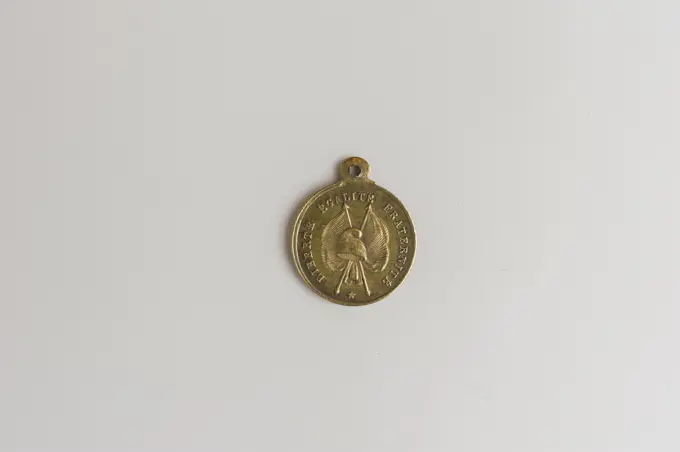
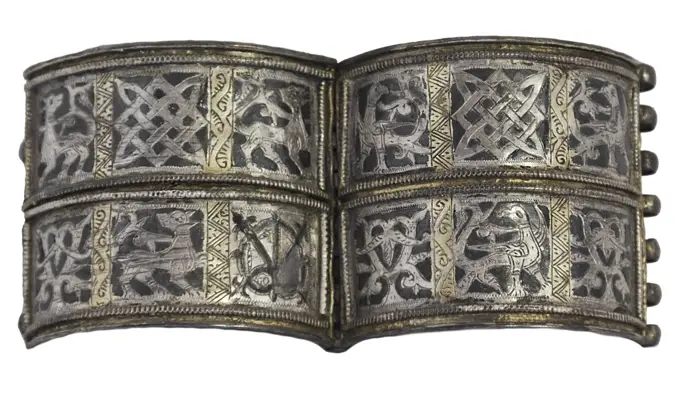
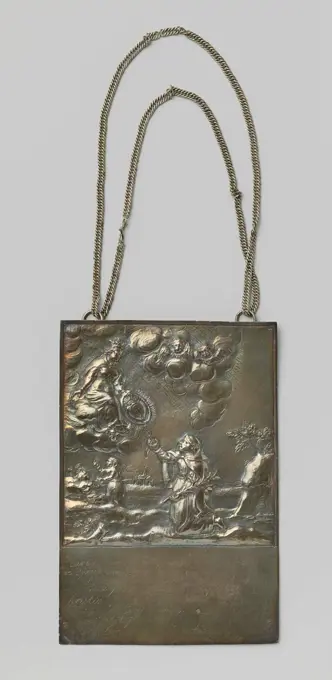
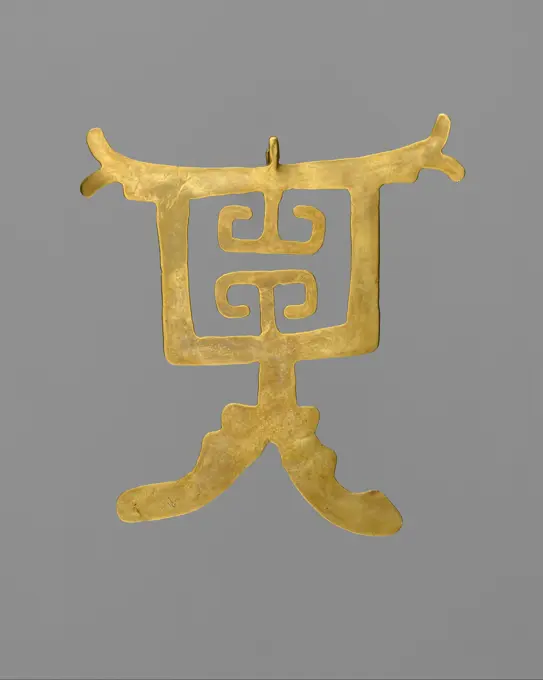
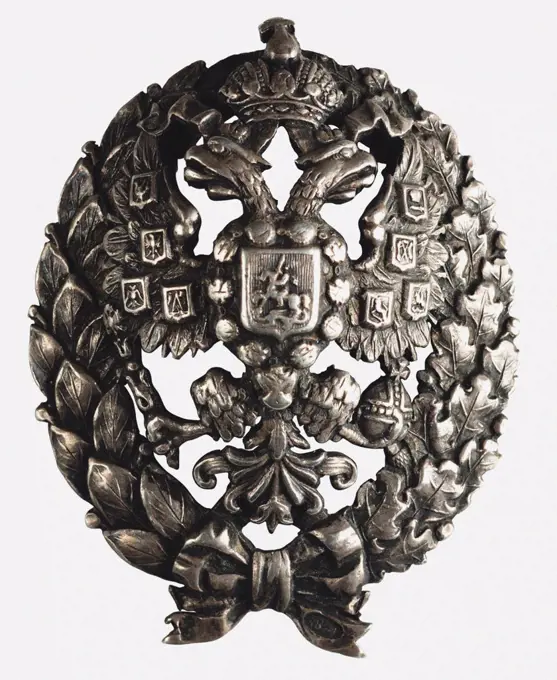
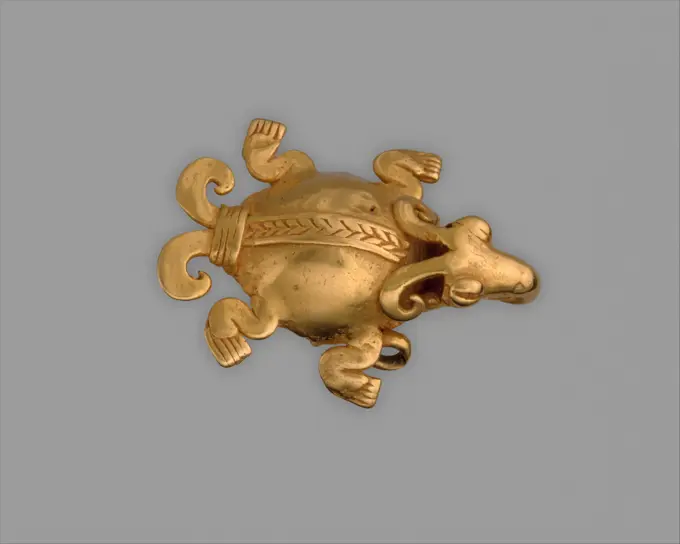
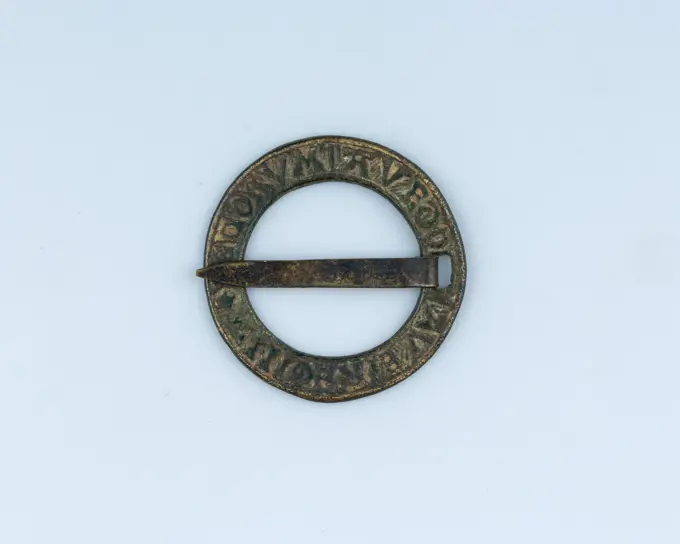
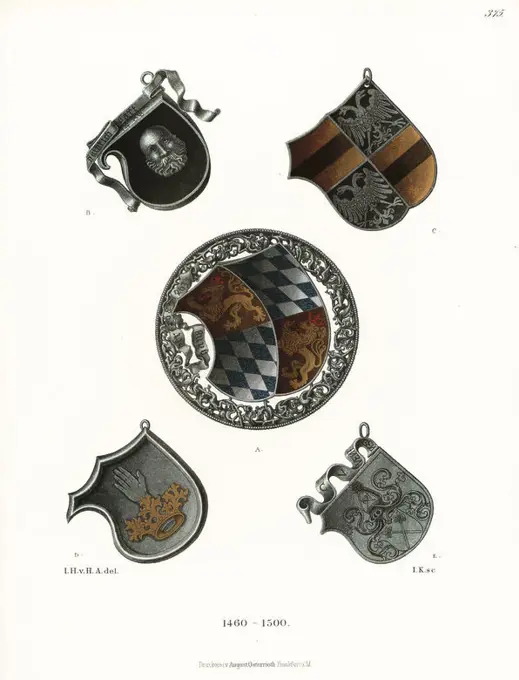
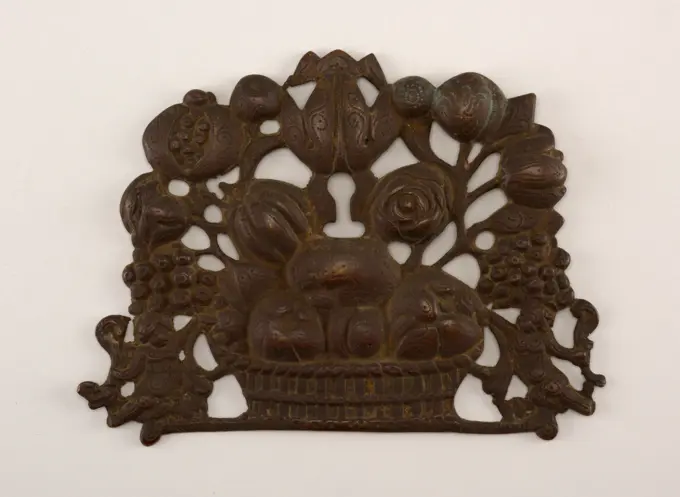
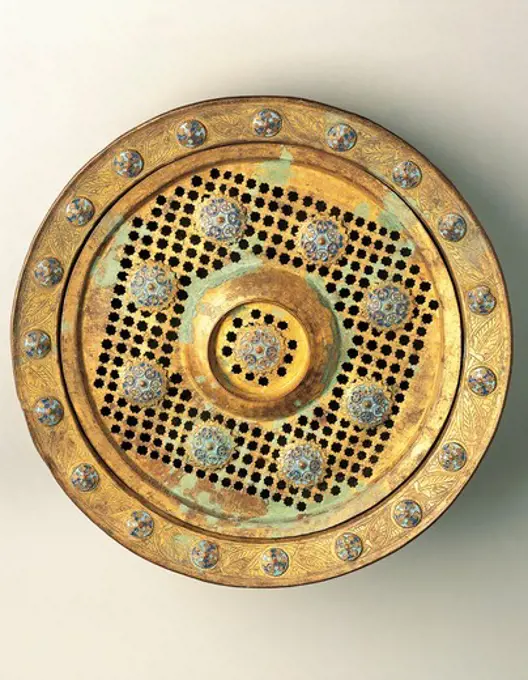
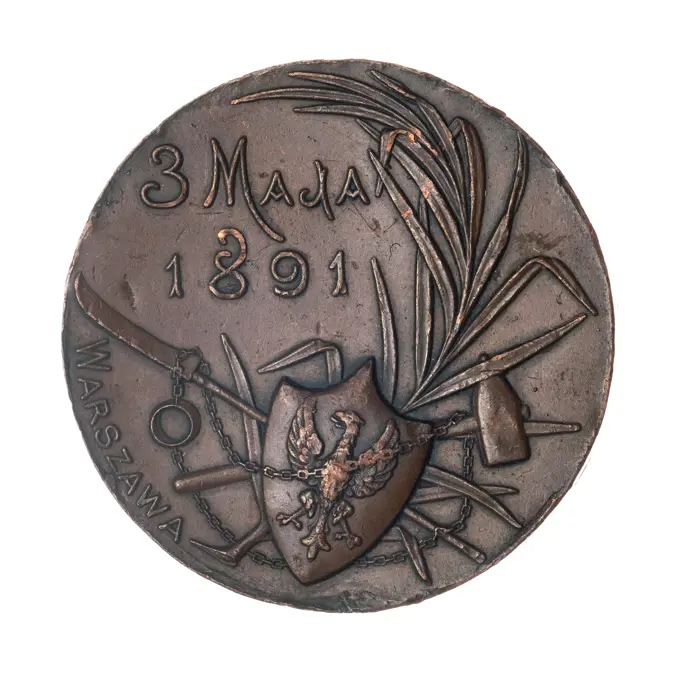
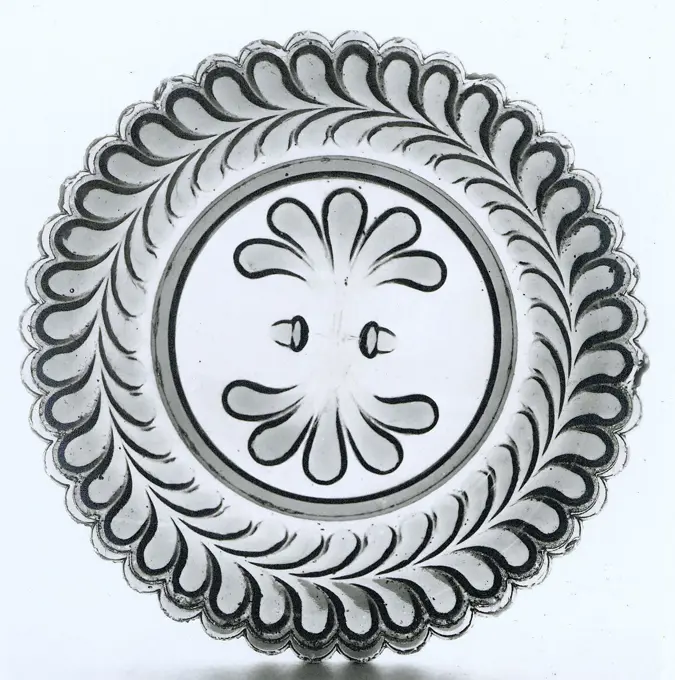
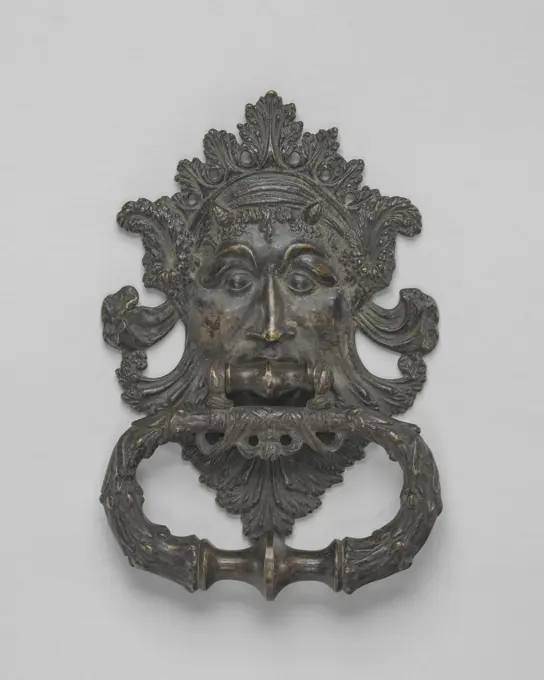
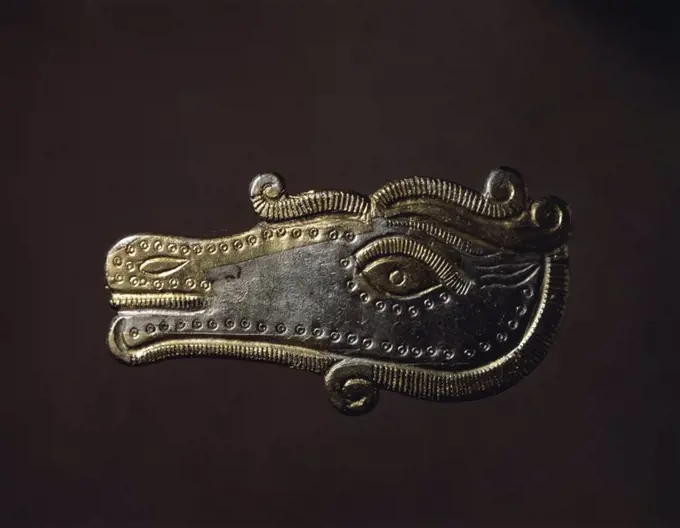
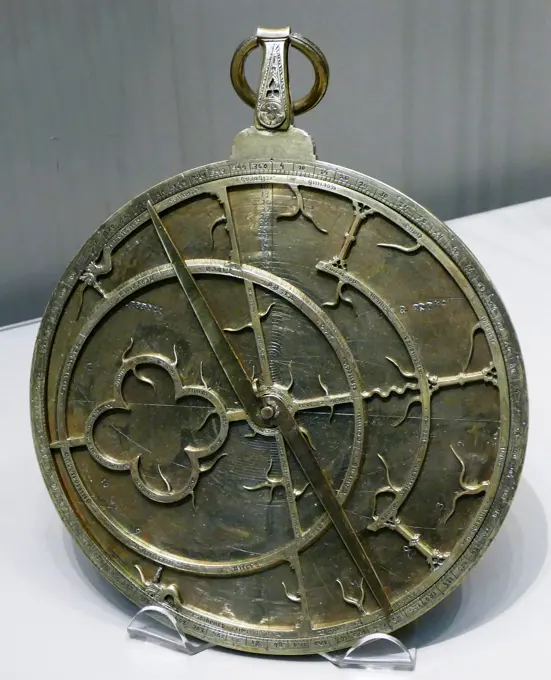
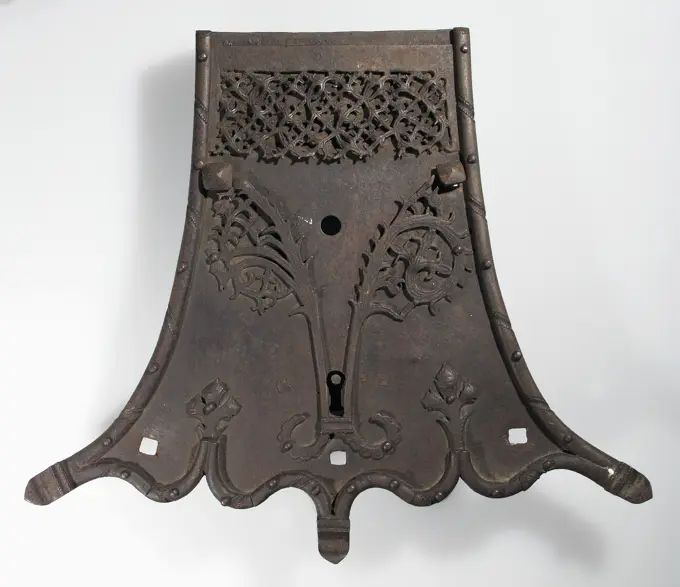
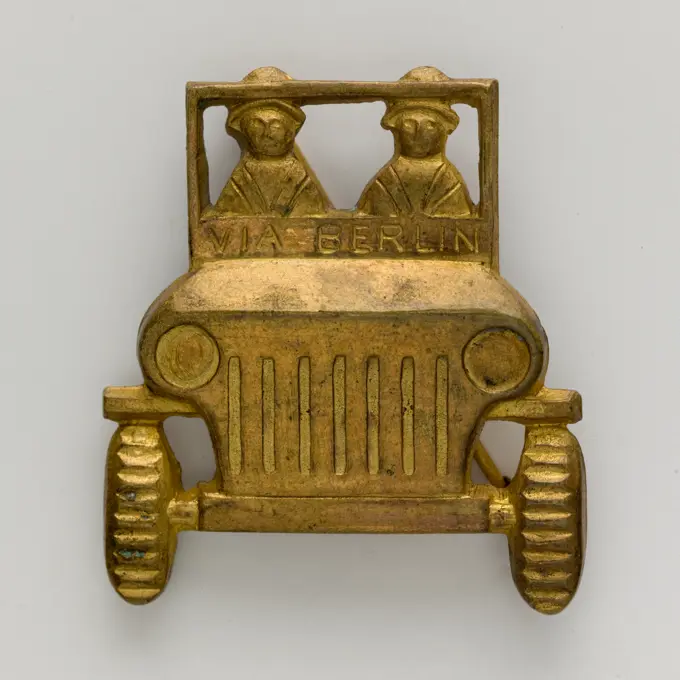
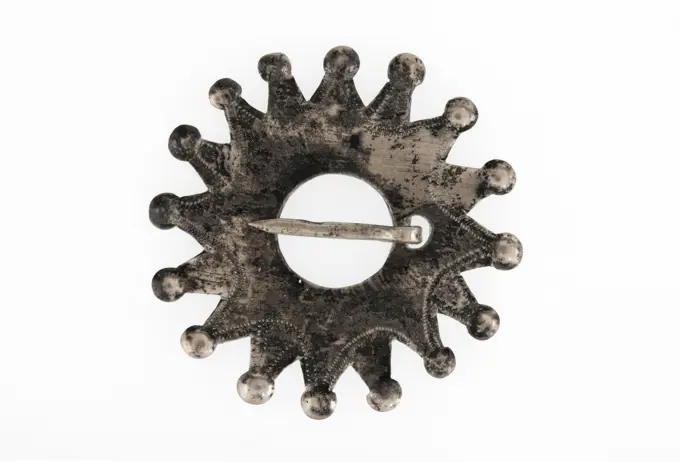
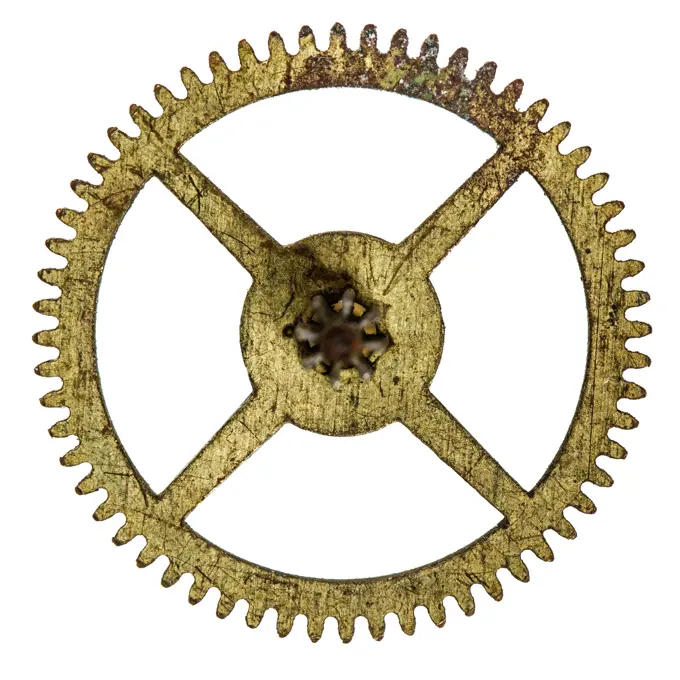
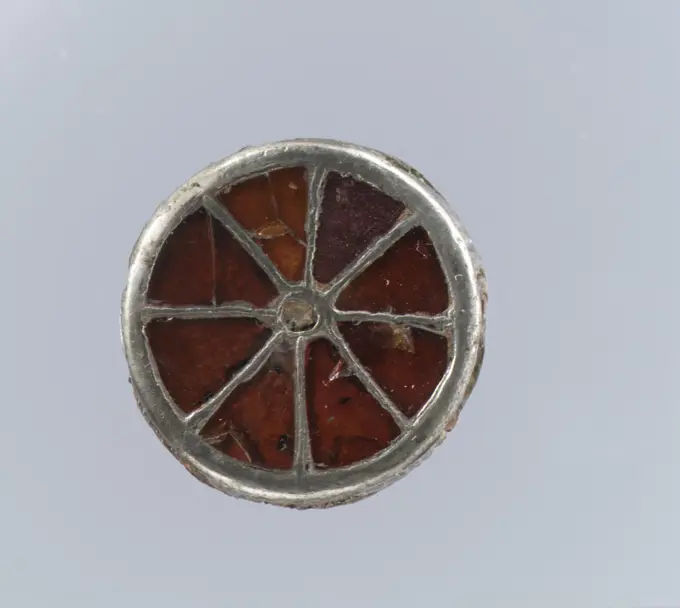
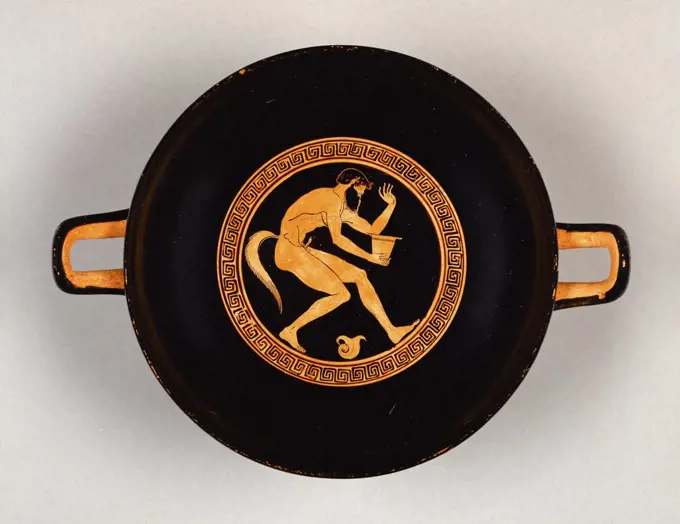
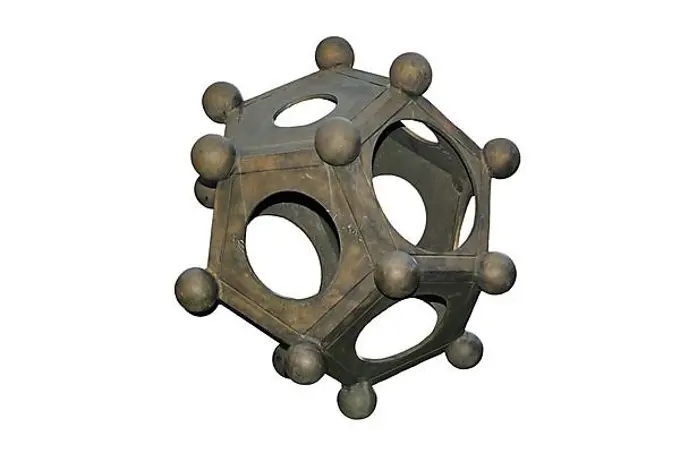
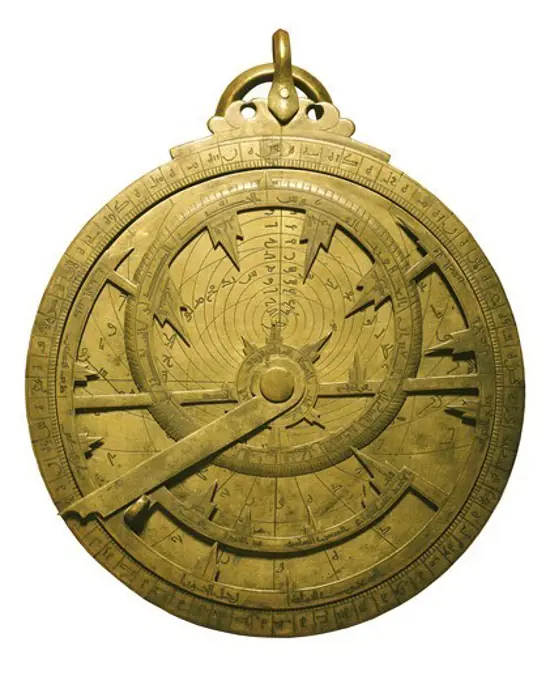
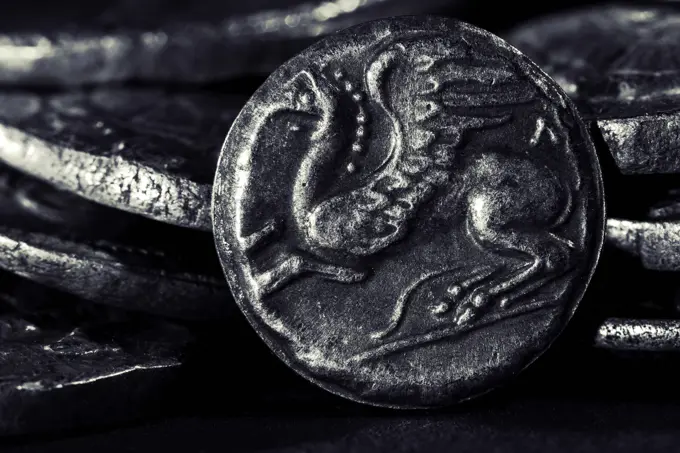
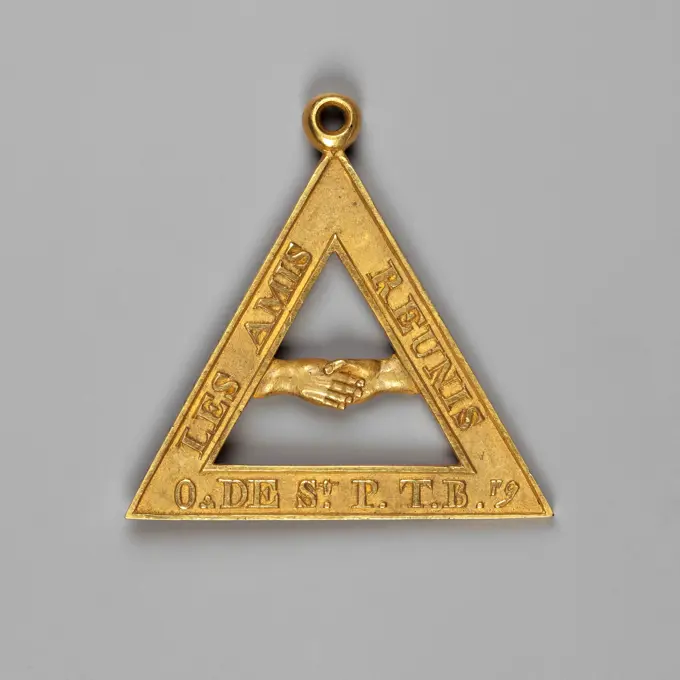
Drawer Pull (Germany); wrought and pierced ironFragment, Carved wood covered with gesso and gilded, Trophy composed of musical attributes: harp, tambourine, sheets of music, with garland of flowers., France, ca. 1725, ornament, Decorative Arts, FragmentLid 12th-13th century This bowl belongs to a group known as Garrus ware, named after a district southwest of the Caspian Sea, where examples were reportedly found. They epitomize two of the most typical Garrus ware designs: vegetal motifs within interlaced frameworks, and animals in heraldic poses. The designs are carved through the creamy slip coating the body, exposing the reddish earthenware, to which darkening agents are applied. Finally the whole piece is covered with the transparent glaze.. Lid. 12th-13th century. Earthenware; white slip-covered, carved decoration under a monochrome glaze (Garrus ware). Attributed to Iran. CeramicsOrnaments (Russia); silk, metal, pearlsPlanets-manager. Cornalet Collection Sites 2013-2016. Numismatic.Sword Guard, 1615-1868. Japan, Edo period (1615-1868). Iron; diameter: 7 cm (2 3/4 in.).Belt buckle. Buckle from silver. The buckle has a simple, abstract, symmetrical form. There is a hammer tree structure in the silver.Anthropomorphic Pendant 5th-10th century Tolima. Anthropomorphic Pendant 312489Ivory Puzzle in a box, Anonymous, 1800 - 1850 Square ivory box with a sliding lid. In the box a puzzle of seven pieces. On the lid a company of two sitting and two standing ladies in a garden with trees and pavilions against an openwork background of geometric motifs. Houses and trees in relief on the sides; On the bottom a flower in low-relief. The puzzle pieces are equipped with openwork flower vines. China ivory cutting Square ivory box with a sliding lid. In the box a puzzle of seven pieces. On the lid a company of two sitting and two standing ladies in a garden with trees and pavilions against an openwork background of geometric motifs. Houses and trees in relief on the sides; On the bottom a flower in low-relief. The puzzle pieces are equipped with openwork flower vines. China ivory cuttingPendule Lantman. Pendula of red copper with brass on wooden bays. Signed in the foot edge: G.H. Lantman. 1929.Anonymous, specialty of French telegraph specialty (memory of the military service of Louis Pouly in the transmissions, to Lalbenque) (attributed title), 1930. Metal. Museum of the Liberation of Paris - General Leclerc Museum - Jean Moulin Museum.Plate 1830-50 American. Plate 6068Wallet. XXth. GAL1958.68.13Plaque. Turkey, 16th century. Metal. Steel, cutNative american hand drawn doodles vector imageLP initial (Puławy Legion) on the shoulderman of the gala uniformPlanets-manager. Cornalet Collection Sites 2013-2016. Numismatic.Snuff box or patchbox.  Maker: M. R., AmericanMaker, possibly by: Moses Rutter, American, active ca. 1811Maker, possibly by: Michael Roberts, New York, active ca. 1786Maker, possibly by: Michael Roberts, Philadelphia, active ca. 1791 to 1796Bracelet from Old Ryazan, Ancient Russian Art  Mourning miniature for S.Myers.  Artist: UnknownMount; bronze, giltLoop .Seal stamp in the form of a book., C. 1599 - c. 1624 Seal stamp of iron (), In the form of a book.  iron (metal) Seal stamp of iron (), In the form of a book.  iron (metal)Large order sign of the Order of the Reunion of Vice Admiral A. A. Buyskes, Anonymous, c. 1811  Ordet mark consisting of a twelve -pointed white enameled star with pearls, in between a bundle of arrows with ribbon with inscription, in the middle medallion with blue edge with inscription. Front laurel wreath and inscriptions. Reverse: Throne for which two children with lying Wolvin. With hinge attached to the opened crown, with blue band with inscription, the spikes supported by eagles. France gold (metal). casting / striking (metalworking) / forging / sewingScabbard slide 4th-2nd century B.C. China. Scabbard slide 45169traditional Chinese decorationEscutcheonForty Stuiver, emergency coin from Breda, beaten during the siege by Spinola, Anonymous, 1625 coin. siege coin Single -sided, diamond -shaped emergency coin of Breda. Front: five stamps: a large in round pearl edge, around four beating; Middle stamp: Crowned coat of arms within Covering; Thinking around four: above: number 40, right: city coat of arms: three crosses, below: rose and left: city coat of arms: three crosses. Reverse: Blanco Breda silver (metal) striking (metalworking)  BredaFour Continents, Bronze, All relief plaques rectangular with domed tops and projections to the side, probably made to fit into a specific framework or piece of furniture., (a) Asia seated holding a gadrooned lamp in one hand and a leafy branch in the other, a camel's head coming in on the left; (b) Europe, seated holding a cornucopia of fruit and wheat above a helmet, on one side, the other arm around a tempietto a horse's head above, and with bishop's mitre in front and with ewer and basin below, and below her feet, a classical bust on books, a palette and brushes above a recorder or flute; (c) Africa-female African seated figure, her tightly curled hair in close cropped cap, one hand raised holding a crab, the other resting on a lion, a palm tree in the crook of her arm; (d) America, a Native American seated in feather skirt and with feather headdress, bare chested and barefoot, a rugged landscape with tree to one side, holding a parrot out on his hand above an alligator under his foTwenty Stuiver, emergency coin from Amsterdam, beaten during the siege from the urban silver, Roelant Goverts Pigge, 1578 coin. siege coin diamond -shaped. Front: two stamps above each other; From bottom to top: mint masters: letters P and G; city coat of arms: crowned coat of arms in cartouche between the year; Left and right of Kroon Letter X Inside Round Pearl Edge. Reverse: inscription Inside Lauwerkrans Amsterdam silver (metal) striking (metalworking)  AmsterdamMaria appears at the holy Antonius of Padua. Rectangular, silver plaque, hanging on a chain. The Blessed Virgin, on a left on a cloud with the moon at her feet, presents the for her kneeling holy a shield with crowned heart and cross, the sign that offers protection against fire, plague and magic. Antonius wears a lily branch in his left arm, two cherubs above him. On the left side of the second plan he heals a bully; In a burning church building. On the underside a sloppy, later applied inscription.Pendant 4th-10th century Capulí The most abstract Precolumbian works in gold come from the deep shaft tombs of the Capulí era in the Colombian/Ecuadorian highlands. The richest Capulí tombs, some as deep as 130 feet, contained many offerings of ceramics and precious metals. The gold objects display simple elegance and abstract natural forms. On this pendant, the suspension loop, located on most Precolumbian pendants where it cannot be seen, has been integrated into the overall composition and is visible at the top. Some scholars read the pendant as a bird with spread wings and tail, the suspension loop representing its head. The pendant was cut from hammered sheet; it has a well-polished surface. An ancient repair is present on the lower right projection of the ornament.. Pendant. Capulí. 4th-10th century. Gold. Colombia. Metal-OrnamentsWatch ca. 1660 Watchmaker: Nicolas Massy. Watch. French, Blois. ca. 1660. Leather, gold. HorologyGraduates badge of the Nicholas General Staff Academy, Orders, decorations and medals  Medallion (France); Jean-Baptiste Nini (Italian, active Italy and France, 1717 - 1786); earthenware, salmon coloredLocket. Enoch Stanton; American, 1745-1781; Stonington, Connecticut. Date: 1766-1776. Dimensions: 3.2 × 1.9 cm (1 1/4 × 3/4 in.). Gold. Origin: United States. Museum: The Chicago Art Institute, Chicago, USA.Knife Handle (Kozuka). Culture: Japanese. Dimensions: L. 3 13/16 in. (9.7 cm); W. 9/16 in. (1.4 cm); thickness 1/4 in. (0.6 cm); Wt. 1.2 oz. (34 g). Date: ca. 1615-1868. Museum: Metropolitan Museum of Art, New York, USA.. Oval lobed tsuba for a dagger with a Hitsu opened to the outside; Constructed from 17 layers of alternating red-root and shakudo, visible in the volutes in the redhead surface (Guri-Bori technique).Carnavalet museum, medal collection Right registration on two lines in a triangle in the center on which are placed two keys in a necklace, all surrounded by a bay wreath.Glass mosaic face bead 1st century A.D. Roman, Egyptian Translucent grayish green and opaque red ground, with details in opaque white and red, and translucent deep purple, appearing black.Section of an oval mosaic composite bar; flat with rounded edges; hole horizontally through bead.Circular female face with variations on either side; hair rendered as alternating vertical black and white stripes on forehead and down one side of head; almond-shaped eyes, eyebrows, nose, and slit mouth with red lips; circular frame in purple. One tiny red bead wedged in hole on one side.Intact but large cracks or incisions in surface; dulling, pitting, and iridescent weathering.. Glass mosaic face bead. Roman, Egyptian. 1st century A.D.. Glass. Early Imperial. GlassButton (England); Manufactured by Wedgwood (United Kingdom); stoneware (jasper), steel; Diameter: 3.8 cm (1 1/2 in.)Turtle Pendant 11th-16th century Veraguas. Turtle Pendant. Veraguas. 11th-16th century. Gold (cast). Panama. Metal-OrnamentsPullBuckle 15th-17th century European. Buckle. European. 15th-17th century. Bronze, patina. Miscellaneous-Buckles & OrnamentArmorial shields of members of the crossbowmens guild in Munich, late 15th century. A Hans Duke of Bavaria, 1463, B Hainrich 1486, C Hans Duke of Saarwerden, D unknown, E C. von Venningen of the Rhineland. Chromolithograph from Hefner-Alteneck's Costumes, Artworks and Appliances from the Middle Ages to the 17th Century, Frankfurt, 1889. Illustration by Dr. Jakob Heinrich von Hefner-Alteneck, lithographed by I.K. Dr. Hefner-Alteneck (1811 - 1903) was a German museum curator, archaeologist, art historian, illustrator and etcher.Buckle 17th century. Buckle 446158August III SAS (1733-1763), Toruń Szeląg, 2 Pieces on the Mint Belt, Toruń; 1760 Mennica Toruń, August III Sas (Polish king; 1696 1763)Carnavalet museum, tokens collectionMount; 1904-21-24Brooch -Fireplace;  XVI W (1501-00-00-1600-00-00);Mayaca calendar Massed Mayakalender MassedGilt and Glass Button, 1770-1800. Made in Birmingham, maker unknownKey plate made of iron iron, decorated with rank motifs, anonymous, 1600 - 1699 Elongated, openwork key plate made of iron. Central is a keyhole with above and under a straight track. From there, different rank and leaf motifs spring. West-Europa iron (metal). tin (metal) forging / engraving Elongated, openwork key plate made of iron. Central is a keyhole with above and under a straight track. From there, different rank and leaf motifs spring. West-Europa iron (metal). tin (metal) forging / engravingMaker: Unknown, Rape ofEuropa, 16thcentury, Gilt bronze, 10.3 × 7.3 cm (4 1/16 × 2 7/8in.), Made in Flanders, Flemish orGerman, 16thcentury, NumismaticsFestive decoration in the form of six-pointed star, isolated on white background Festive decoration in the form of six-pointed star, isolated on white background Copyright: xZoonar.com/OleksandrxKostiuchenkox 10009564Blotter (USA), ca. 1910-20; Made by Louis Comfort Tiffany (American, 1848-1933); glass, bronze; Overall: 5.2 x 14.9 x 7.6 cm (2 1/16 x 5 7/8 x 3 in.)Close up of vintage compassCopper basin with enameled and engraved decorationsIn a century -old Anniversaries 3 May Constitution;  1891 (1891-00-00-1891-00-00);Constitution of May 3 (1791), Partage Plus, anniversary, secession (style), coat of armsDish. Maker, probably by: Boston and Sandwich Glass Works, American, 1826-88Italian 16th Century, Door Knocker, 16th century Door KnockerPendant with chain, 2 x 2 x 7/16 in. (5.08 x 5.08 x 1.11 cm) (pendant only), Silver, wood (), Sierra LeoneH. Wittmann. "Hitler-Jugend commemorative badge 1923-1933 München". Metal. 1933-1933. General Leclerc Museum of Hauteclocque and the Liberation of Paris, Jean Moulin Museum. 158812-29Silver relief of head of deer from Craiova Scythian culture 4th century BC. Museum: NATIONAL MUSEUM, BUCAREST, RUMANIA.Cylinder seal ca. 1961-1917 B.C. Middle Kingdom. Cylinder seal. ca. 1961-1917 B.C.. Blue steatite. Middle Kingdom. From Egypt, Memphite Region, Lisht South, tomb of Senwosretankh, Pit 47, MMA excavations, 1933-34. Dynasty 12Greek Ornament and Etruscan OrnamentHorse Trappings. Culture: Spanish. Dimensions: Overall: 1 3/8 x 2 3/8in. (3.5 x 6cm). Date: 14th century. Museum: Metropolitan Museum of Art, New York, USA.Planispheric astrolabe 1342. made by Blakene from gilt copper alloy. EnglishGoldweight Two Crossed Crocodiles, 19th-20th century, 1/2 x 1 11/16 x 1 5/8 in. (1.27 x 4.29 x 4.13 cm), Brass, Ghana, 19th-20th centurygold on the wall gold on the wall Copyright: xZoonar.com/OxanaxRishnyakx 4354401Dishes of white -baking earthenware, with a foot ring, with a painting in blue of an Asian -looking landscape with person in a robe, around it stripes and circles, anonymous, 1600 - 1650  Northern Netherlands earthenware. glaze majolica  Northern Netherlands earthenware. glaze majolicaLock 15th-16th century European or German () The decoration of Gothic iron locks and keys was often elaborate and of the highest standard of workmanship. The motifs were frequently drawn from Gothic architecture, reproducing on a miniature scale complicated tracery patterns and even tiny statuettes. A number of these tiny locks were compound, with some of the mechanisms concealed from view, and required two or even three keys used in sequence to open them. It has been suggested that the greatly expanded use of locks on doors, or coffrets and other types of storage chests was a result of the increasing urbanization of life and the new emphasis on material wealth and private ownership which developed in the late Middle Ages.. Lock. European or German (). 15th-16th century. Iron. Metalwork-IronMOBILEUR CEETIER N ° 101, armed by naval troops (CM, TDM). Enamelled metal. 1962-1988. General Leclerc Museum of Hauteclocque and the Liberation of Paris, Jean Moulin Museum. Military badgeBricklayer, stonemason, leader, plumbing and pumpmakers' guild of Amsterdam, Gildepenning van Corneelis Wansbeek, Master Metselaar, Anonymous, 1772 medal Silver medal in cable edge to carrying eye and carrying ring. Front: Crowned, lying trowel inside wreath of palm branches. Reverse: Inscription Boven Bloemtak Amsterdam silver (metal) engraving  AmsterdamCircular seal with nastaliq inscription. unknown, craftsmanWar 1939-1945. Jeep -shaped brooch "via Berlin". Metal. 1944-1945. General Leclerc Museum of Hauteclocque and the Liberation of Paris, Jean Moulin Museum. Pin, war 1939-1945, war 39-45, Second World WarBowl. unknown, craftsmanBrooch -Golden round frame with Greek Meander pattern. Golden round frame with traditional vintage Greek Meander pattern on the blue background for design template. Gold pattern for decorative tiles and platesMount; L x W x D: 10.7 x 10.2 cm (4 3/16 x 4 in.)Button, Copper, Octagon buttons ornamented with flower and leaves (Incised carving), On card E, China, 19th century, costume & accessories, Decorative Arts, ButtonPinion of old clock mechanism, isolated on white background Pinion of old clock mechanism, isolated on white background Copyright: xZoonar.com/OleksandrxKostiuchenkox 9750414A woven wicker ballTibetan Buddhist tingsha cymbals isolated on whiteDisk Brooch 6th century Frankish. Disk Brooch 464899 Frankish, Disk Brooch, 6th century, Silver, garnets with patterned foil backings, central inlay, Overall: 7/8 x 7/16 in. (2.2 x 1.1 cm). The Metropolitan Museum of Art, New York. Gift of J. Pierpont Morgan, 1917 (17.191.20)Attic Red-Figure Cup; Makron, Greek (Attic), active about 490 - 480 B.C.; Athens, Greece, Europe; about 480 B.C.; Terracotta; Object (restored): H: 8.2 x W (handles): 25.9 x Diam.: 19.4 cm (3 1/4 x 10 3/16 x 7 5/8 in.), Object (foot): Diam.: 7.9 cm (3 1/8 in.)Replica of Roman dodecahedron, 1st 4th century hollow instrument with a regular dodecahedral shape against white backgroundArabian flat astrolabe from 10th century. ITALY. TUSCANY. Florence. Galileo Museum. Proc: SPAIN.Silver paragnatide (cheekpiece) from a helmet. Goldsmith art. Scythian Civilization, 4th Century BC.Ancient Greek Coin, Thrace, Abdera, Griffin seated left and Kantharos in square, Silver Ancient Greek Coin, Thrace, Abdera, Griffin seated left and Kantharos in square, Silver 365-345 BC Copyright: xZoonar.com/AleksandarxVukicevicx 22057808Snuff box, Horn and tortoise shell, Round box, removable lid. The base stamped with crown and monogram; circle of evenly spacede fluer de lys. Inscription: 'Boite Royale de France. Annee 1823.', France, 1823, Decorative Arts, Snuff boxLock. Culture: European or German (). Dimensions: Overall: 9 to 17-1-4 x 15 1/4 in. (22.9 x 38.7 cm). Date: 15th-16th century.The decoration of Gothic iron locks and keys was often elaborate and of the highest standard of workmanship. The motifs were frequently drawn from Gothic architecture, reproducing on a miniature scale complicated tracery patterns and even tiny statuettes. A number of these tiny locks were compound, with some of the mechanisms concealed from view, and required two or even three keys used in sequence to open them. It has been suggested that the greatly expanded use of locks on doors, or coffrets and other types of storage chests was a result of the increasing urbanization of life and the new emphasis on material wealth and private ownership which developed in the late Middle Ages. Museum: Metropolitan Museum of Art, New York, USA.Planets-manager. Cornalet Collection Sites 2013-2016. Numismatic.Ornament with back-to-back lions Achaemenid ca. 6th-4th century BCE This gold applique depicts two rampant lions back to back with their noses touching and tails intertwined. The lions feet are placed on the outer edge of the applique, which is bordered by three thick lines of gold. The lions mouths are open with their tongues sticking out. Their manes are rendered as thick lines radiating from the backs of their heads. Some musculature is indicated on their bodies with incised lines.This applique was made by hammering a single sheet of gold and cutting out the openwork parts. It would have been attached originally to clothing, along with many other similar appliques. Some of the reliefs from Persepolis depicting the Persian king show decorations on his robe that are probably meant to represent appliques like this. Lions, signifying strength and raw power, were a popular feature of Achaemenid art, especially royal iconography. View more. Ornament with back-to-back lions. Achaemenid. Badges from the scout work exhibition in Warsaw 1916Basket, 1900-1942, 7 7/8 x 7 7/8 in. (3.8 x 20.0 x 20.0 cm), Natural plant fibers, United States, 20th centuryBliżej Kultury And country. Medaljernia A. Nagalski Warsaw ul. Bielańska 16, Kencbok, Bronisław Sylwin (1898 1940)Badge of "Les Amis Reunis", Saint-Petersburg;  1810 (1850-00-00-1850-00-00);Dedications, Freemasonry lodges, Freemasonry, hands in a hug (symbol), triangle (Masonic emblem), FreemasonryTextile Fragment 5th century Coptic. Textile Fragment. Coptic. 5th century. Linen, wool. Made in Byzantine Egypt. Textiles-Woven