Historical Artifacts and Coins

Images of ornate tsubas, ancient coins, and scarabs, highlighting intricate designs and historical significance from various cultures.

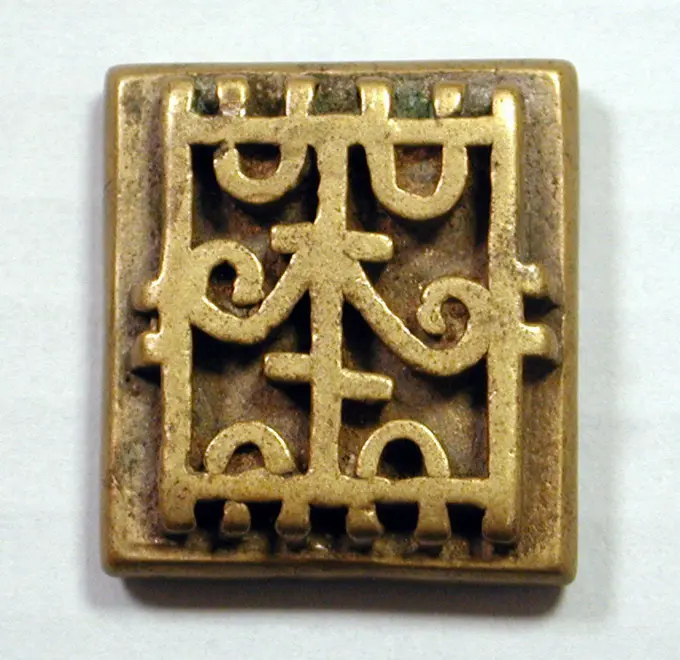
Pendant, 19thcentury, Silver, 1 1/2 × 1 × 1/4 in. (3.81 × 2.54 × 0.64cm), Country Mauritania, Tuareg,Islamic, 19thcentury, Jewelry
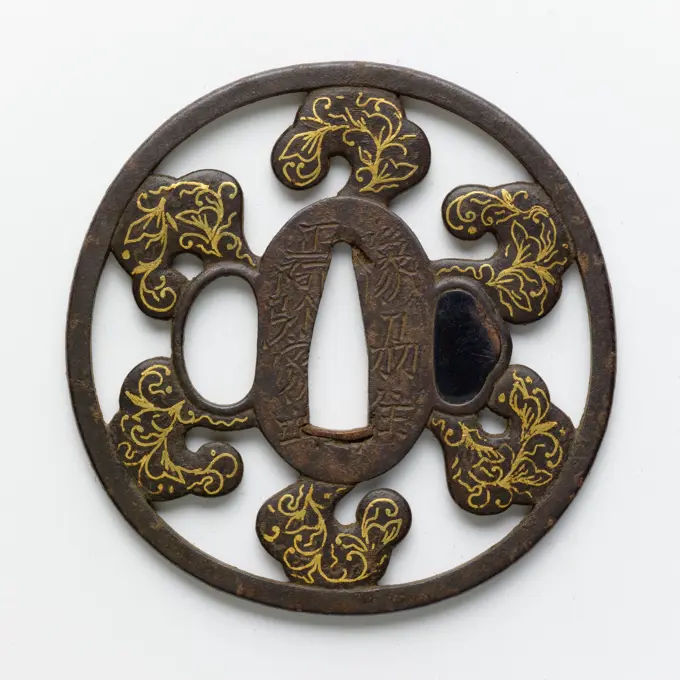
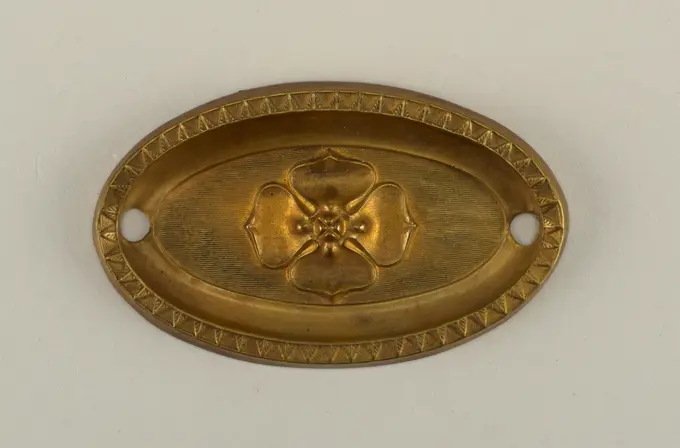
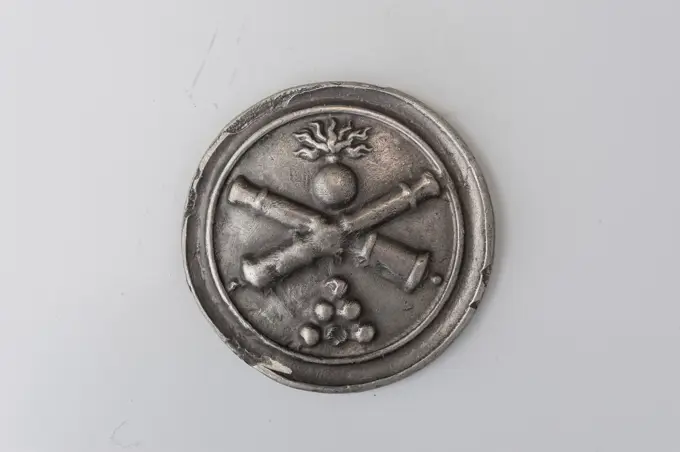
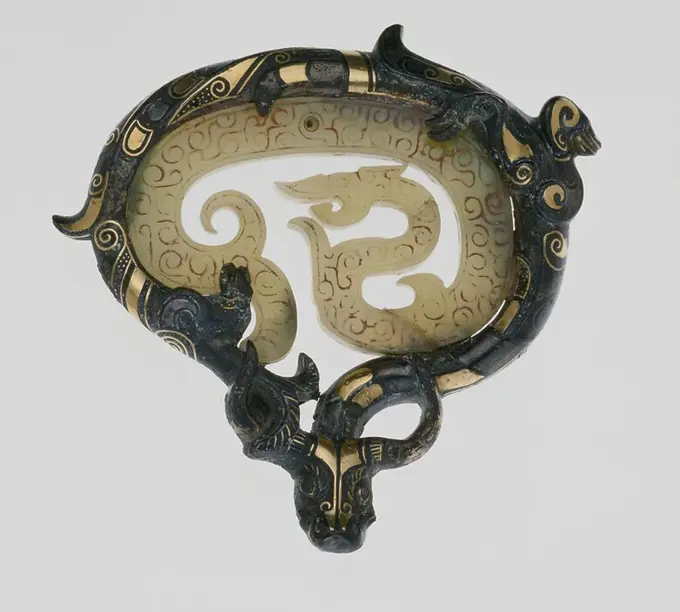
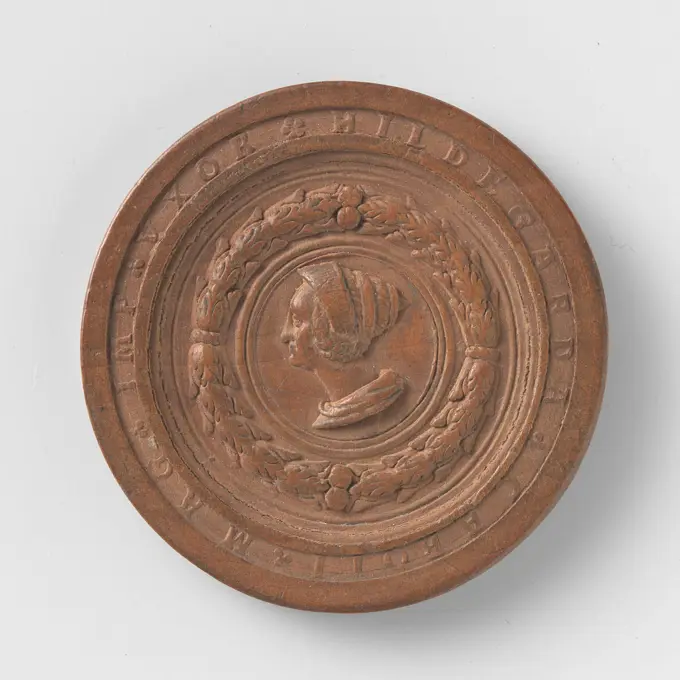
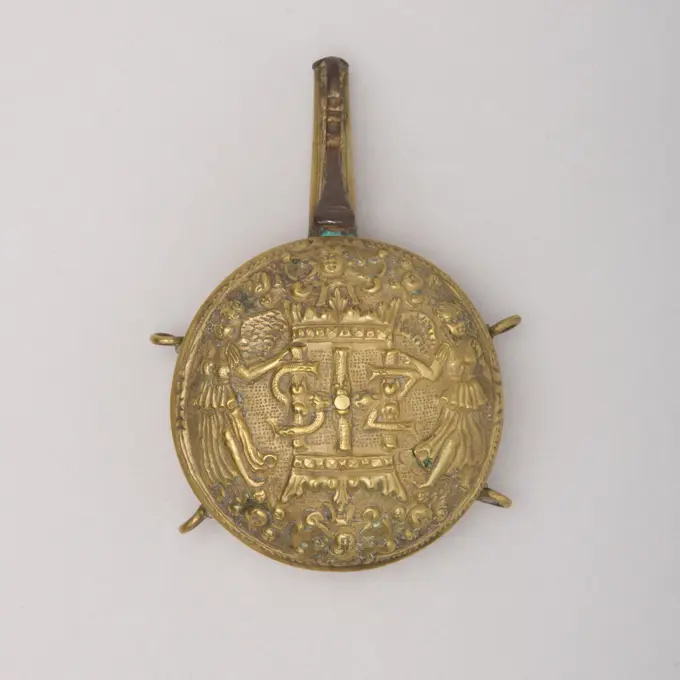
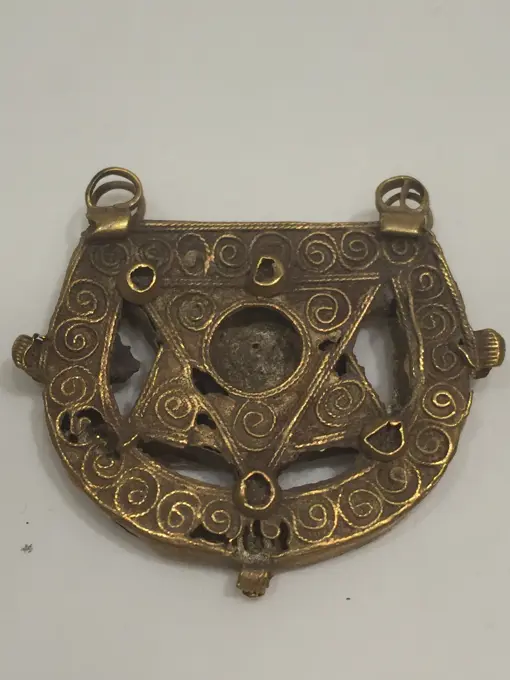
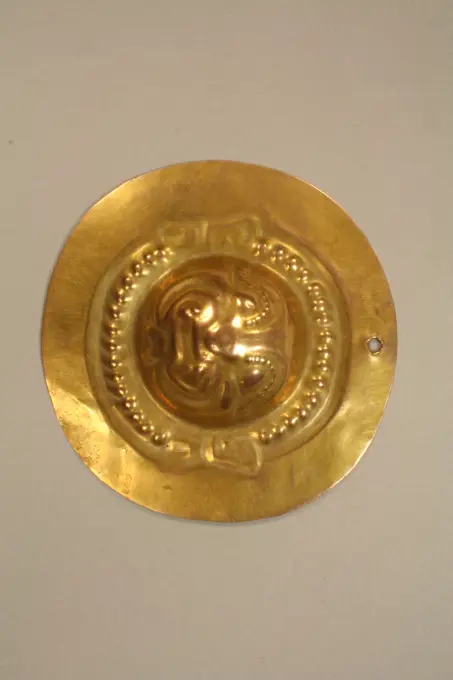
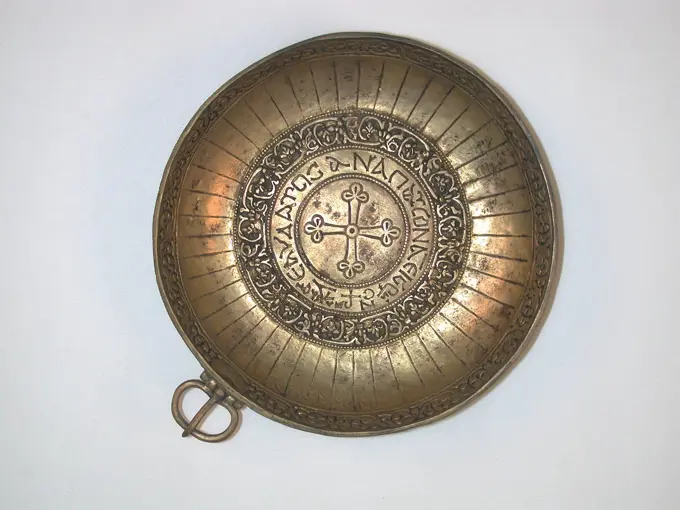
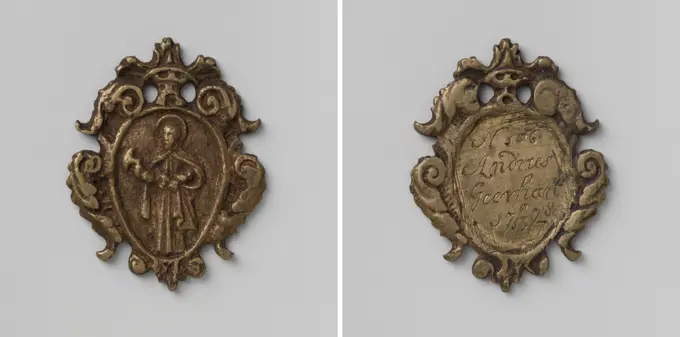
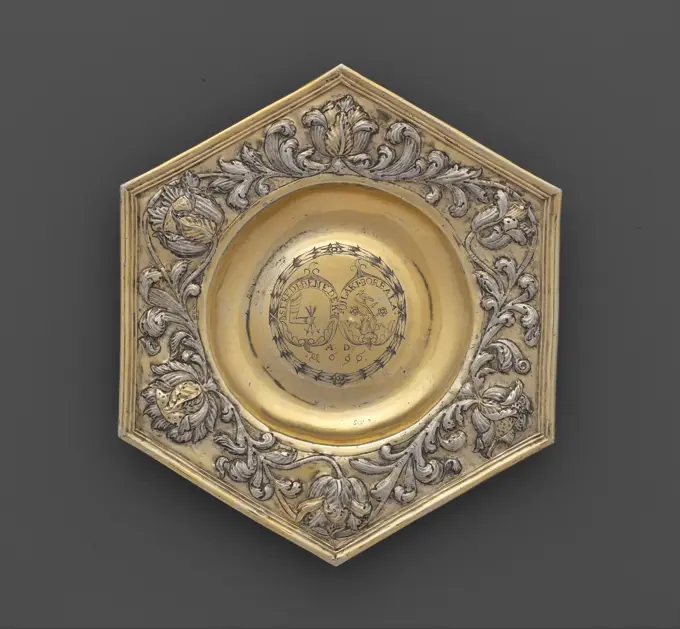
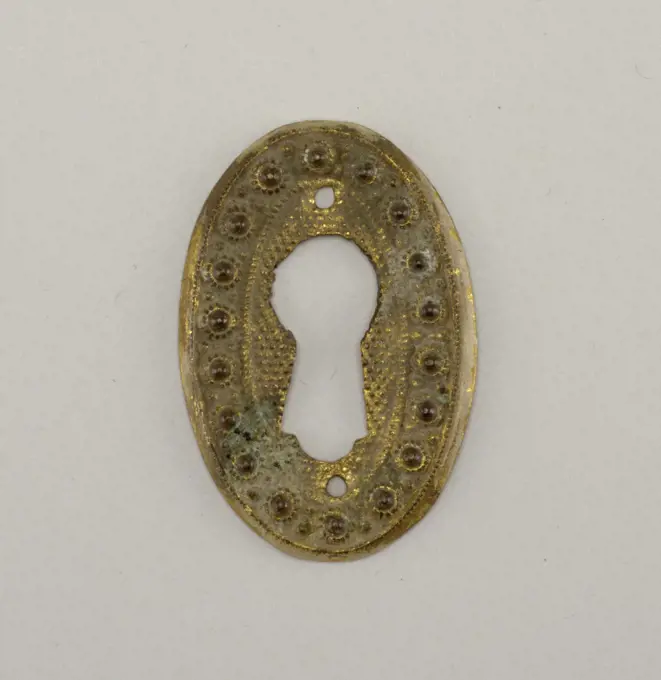
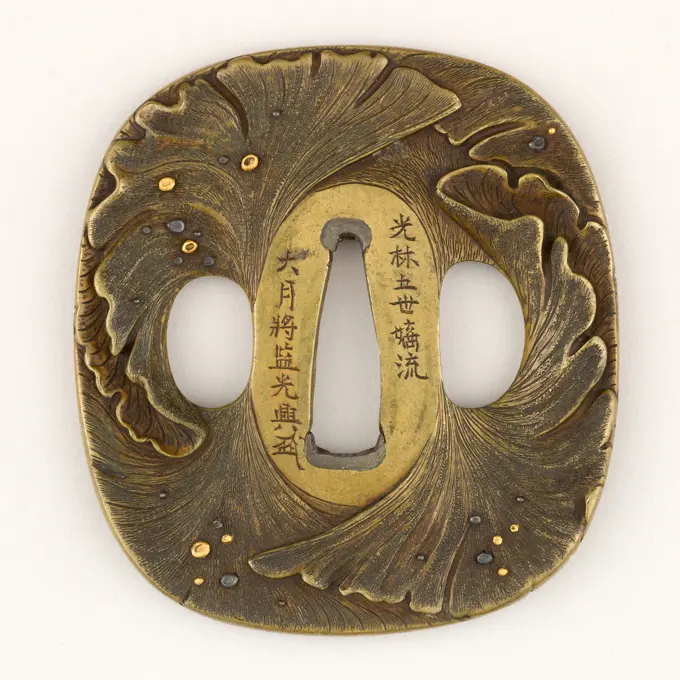
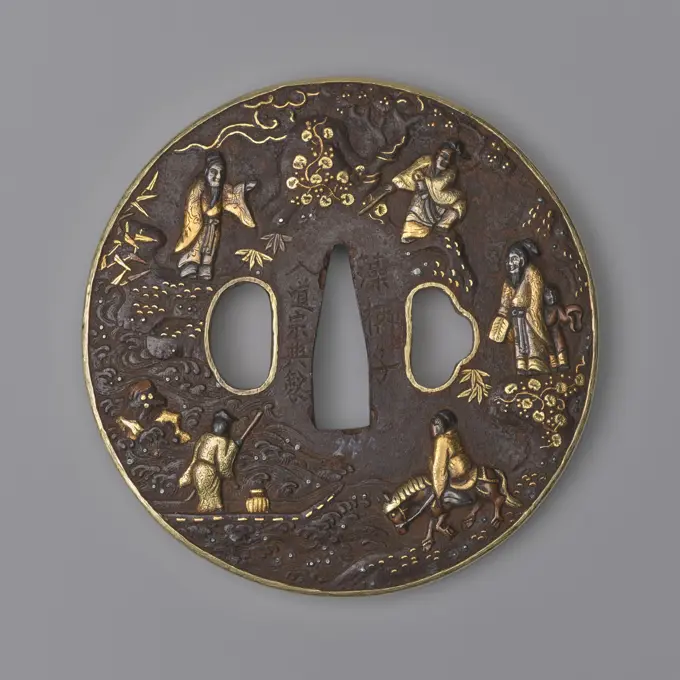
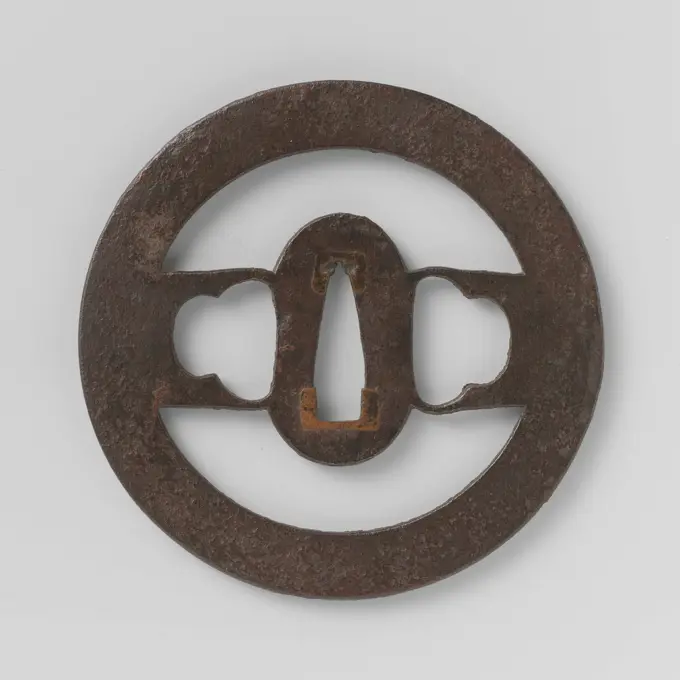
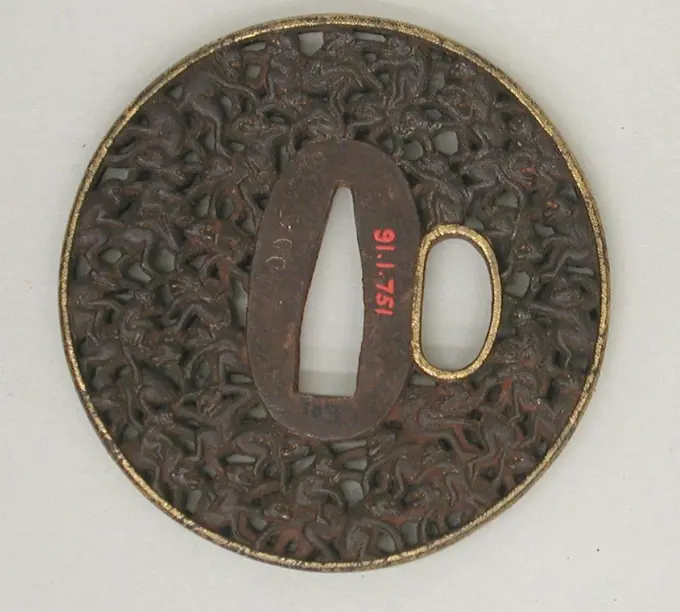
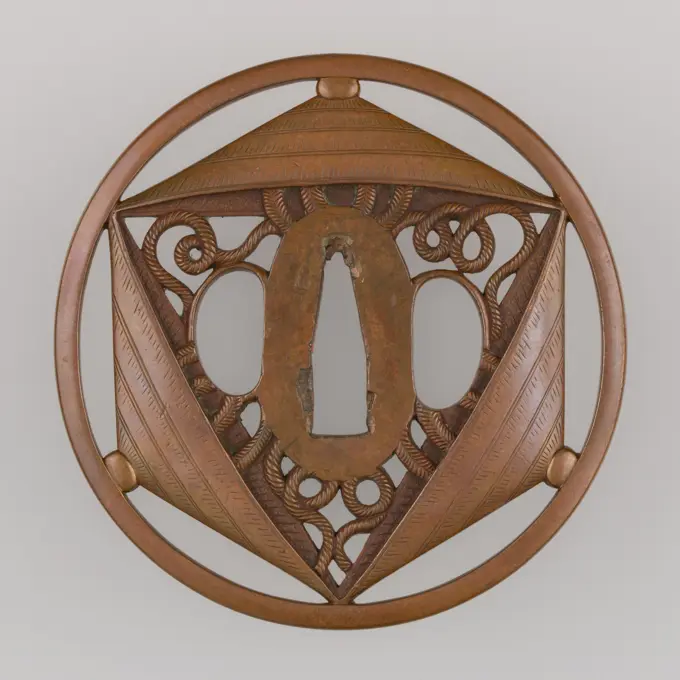
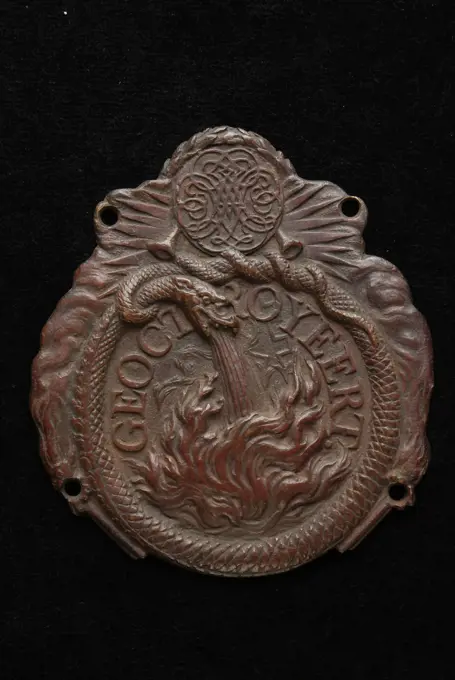
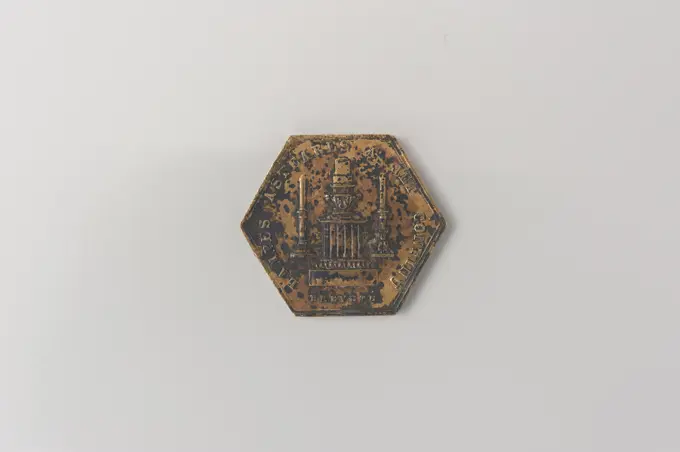
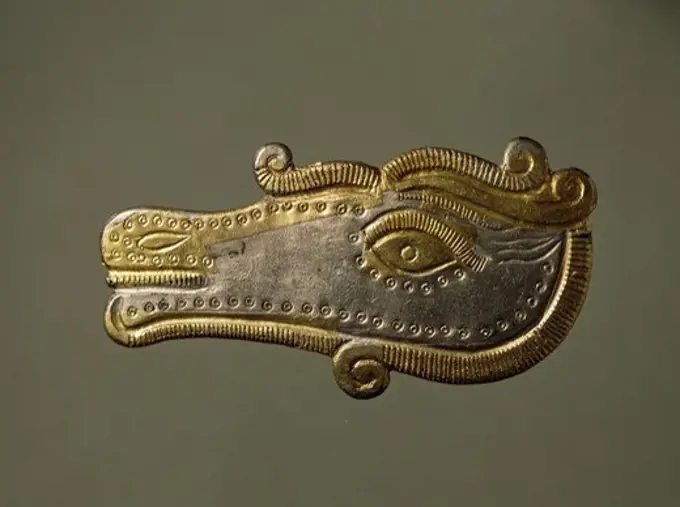
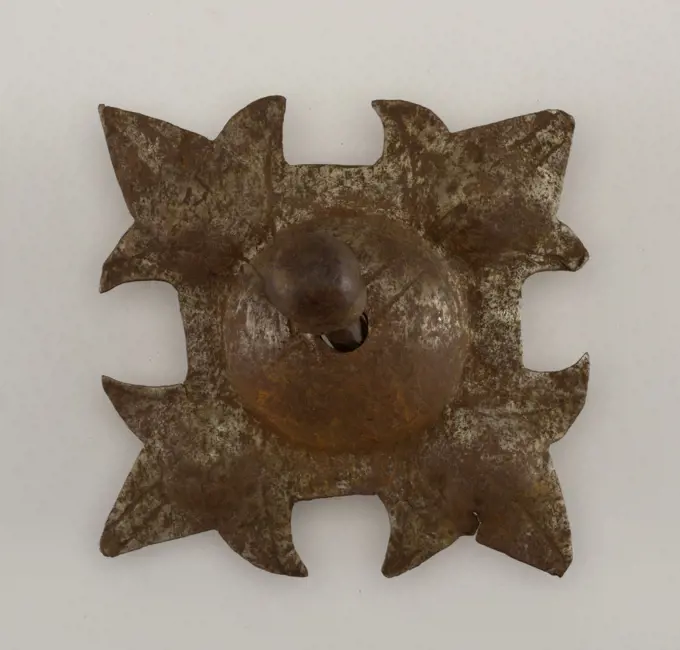
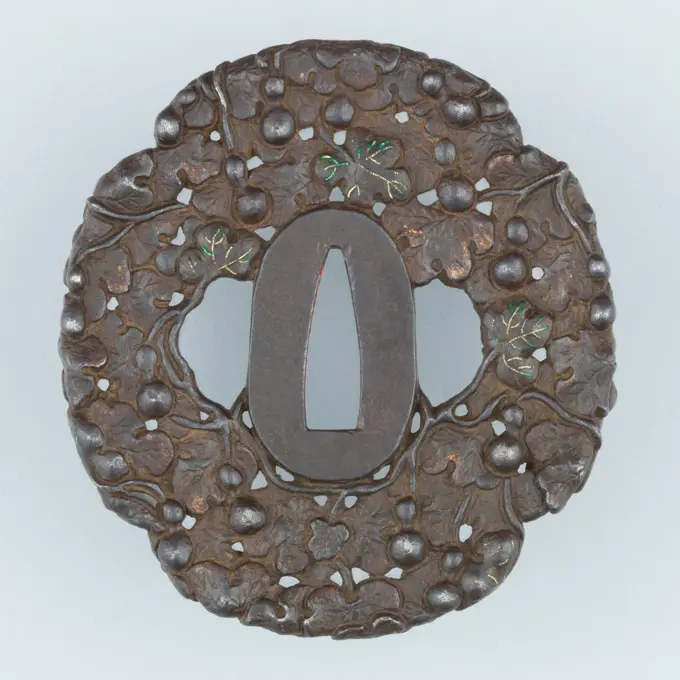
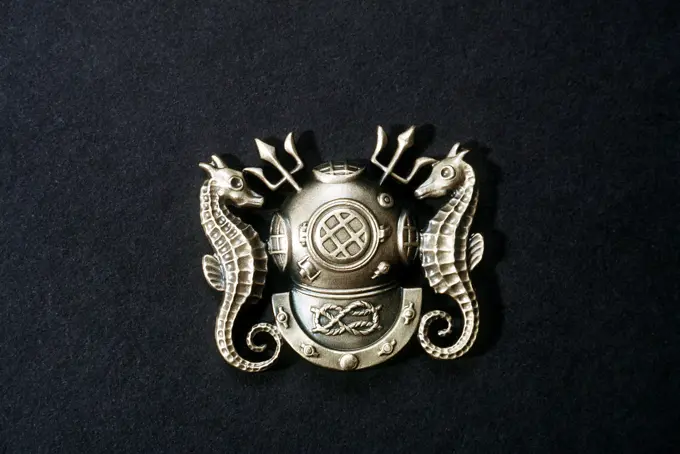
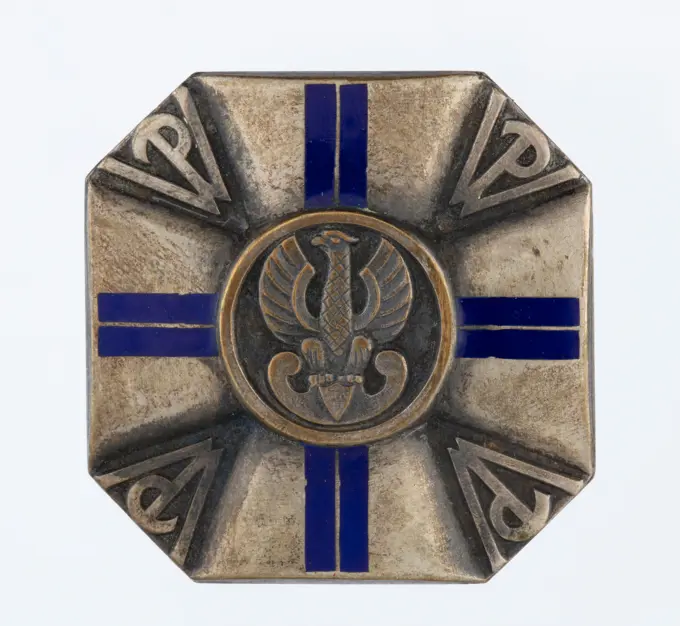
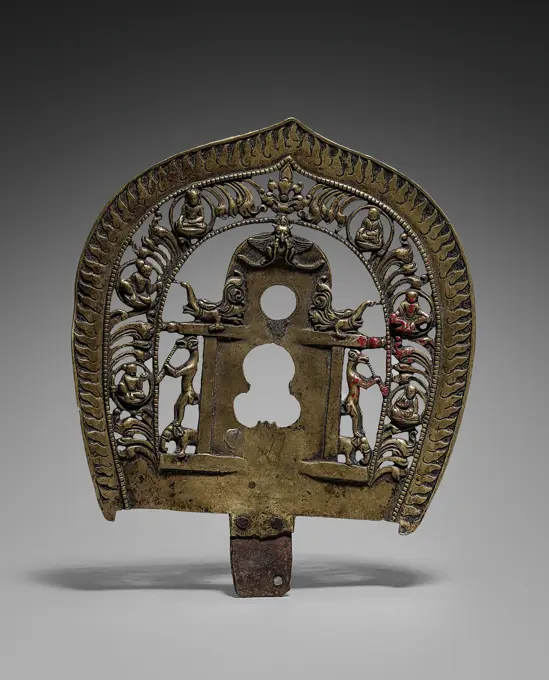
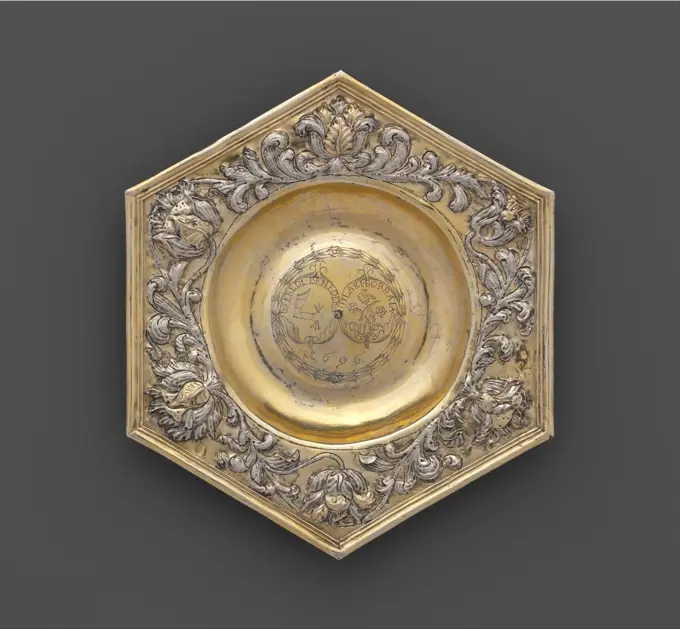
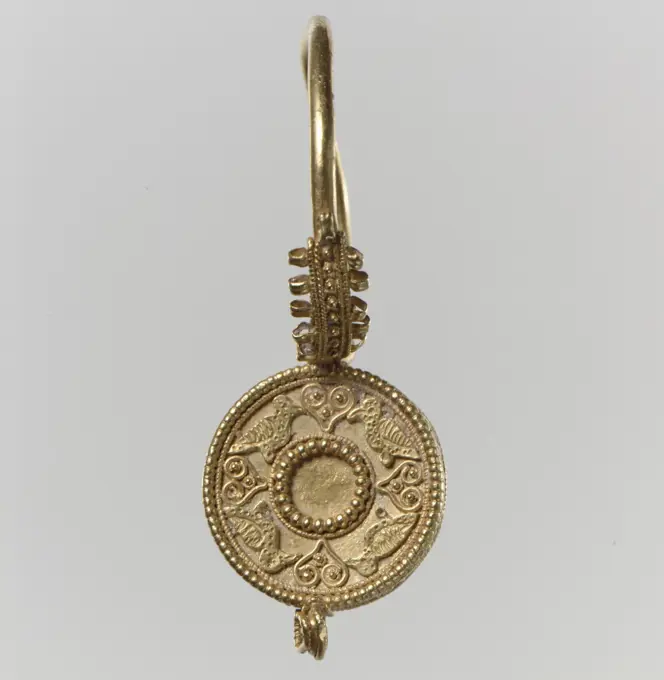
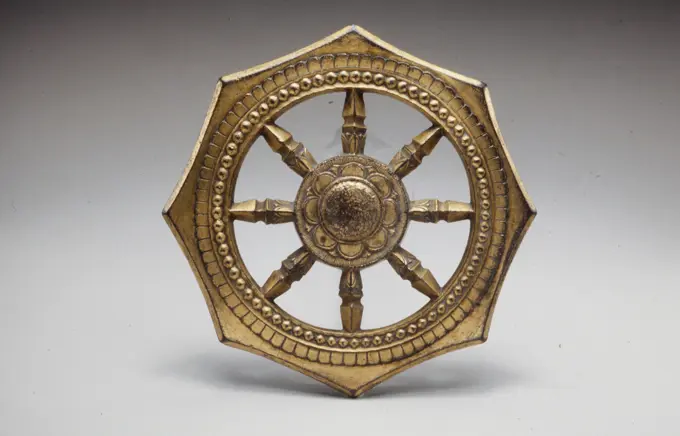
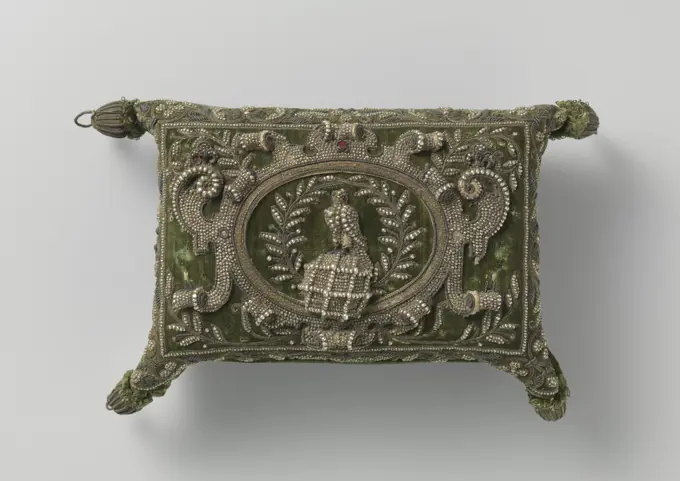
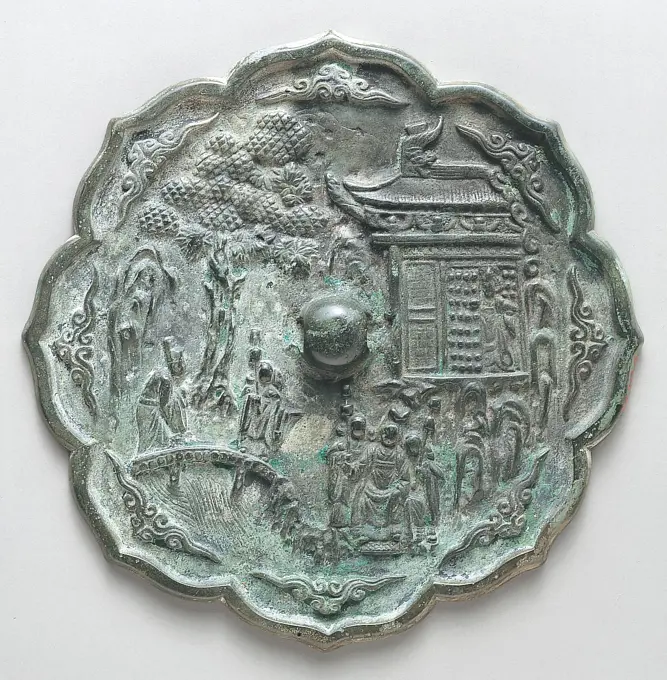
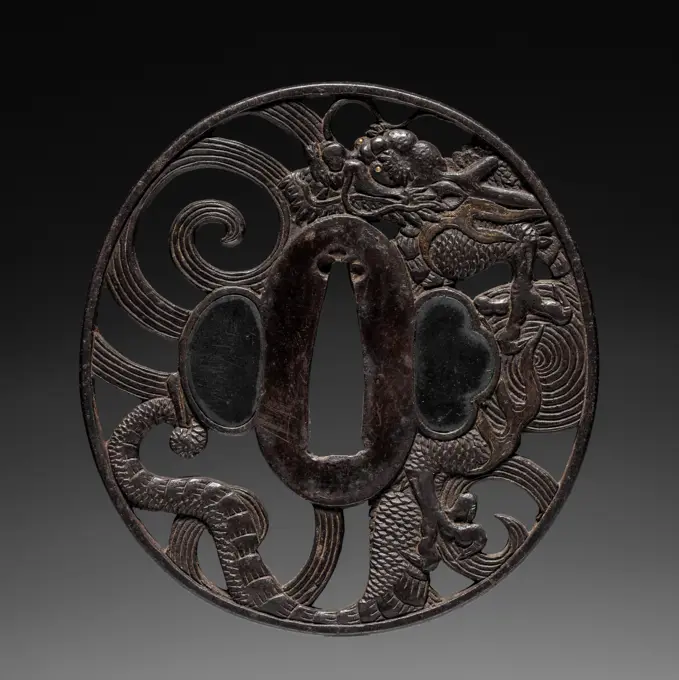
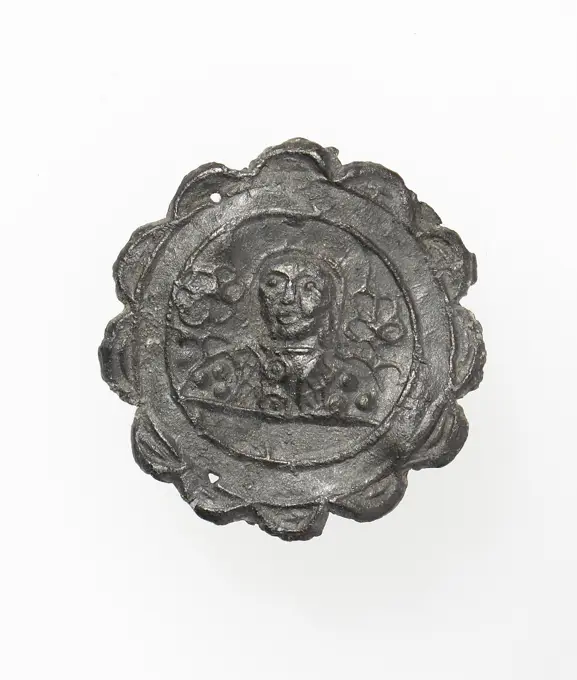
Hand guard, anonymous, 1700 - 1900 Round tsuba with in a positive silhouette and increased relief three of the valuables of Daikoku: the hat and the cloak of invisibility and the hammer, all with gold nunome-zogan; The Kogai-Hituana is filled with Shakudo. Japan iron (metal). gold (metal) Round tsuba with in a positive silhouette and increased relief three of the valuables of Daikoku: the hat and the cloak of invisibility and the hammer, all with gold nunome-zogan; The Kogai-Hituana is filled with Shakudo. Japan iron (metal). gold (metal)False Coin, Russia, Paweł I (1796 1801), Trial Ruble; 1796 unknownSword Guard (Tsuba). Culture: Japanese. Dimensions: H. 3 1/8 in. (7.9 cm); W. 3 in. (7.6 cm); thickness 3/16 in. (0.5 cm); Wt. 4.2 oz. (119.1 g). Date: ca. 1615-1868. Museum: Metropolitan Museum of Art, New York, USA.Scarab with Name of the Queen of King Ahmose ca. 1550-1525 B.C. New Kingdom. Scarab with Name of the Queen of King Ahmose. ca. 1550-1525 B.C.. Steatite, gold mounting. New Kingdom. From Egypt. Dynasty 18Fars that coin is coin, 5 ,Frame; carved and gilt pinePendant, 19thcentury, Silver, 1 1/2 × 1 × 1/4 in. (3.81 × 2.54 × 0.64cm), Country Mauritania, Tuareg,Islamic, 19thcentury, JewelryMountTsuba. Signed: in-shû-jû shôami ie tatsu, school shôami. Japan. Iron inlaid with gold, Shakudô, XVIIth century. Paris, Cernuschi museum. Metal alloy, white weapon, armament, Asian art, Japanese art, weapon custody, object of art, metal object, armament piece, shakudo, tsuba, 17th 18th XVII 17th 17th 17th centuryBliżej Kultury unknownMountMountCarnavalet museum, medal collectionPlanets-manager. Cornalet Collection Sites 2013-2016. Numismatic.. Round Tsuba with embossed (Hikone-Bori) and Gold Nunome-Zogan Yoshitsune and Benkei in a boat, which is attacked by the Spirit of Tomomori; Signed "Goshi Hikone Ju Soheishi Soten".Sword Guard (Tsuba). Culture: Japanese. Dimensions: H. 3 in. (7.6 cm); W. 2 7/8 in. (7.3 cm); thickness 1/4 in. (0.6 cm); Wt. 5.4 oz. (153.1 g). Date: ca. 1615-1868. Museum: Metropolitan Museum of Art, New York, USA.. Oval tsuba in the shape of a crane with three boy in a pine; Details in gold Nunome-Zogan; Signed with a stamp in gold-inserted work.Garment Hook. China. Date: 310 BC-90 BC. Dimensions: 8.3 × 8.3 × 2.0 cm (3 1/4 × 3 1/4 × 13/16 in.). Bronze inlaid with gold and silver and inset with jade. Origin: China. Museum: The Chicago Art Institute, Chicago, USA.Myddelton Biddulph Armorial Medallion. Designed by Augustus Welby Northmore Pugin (English, 1812-1852) for Chirk Castle Red Drawing Room and Saloon; Wales, Wrexham, Chirk. Date: 1841-1851. Dimensions: 42.2 x 36.3 cm (16 5/8 x 14 1/4 in.). Linen, plain weave; appliquéd with silk, plain weave with supplementary pile warps forming cut solid velvet; embroidered with silk and silk-wrapped cotton in paper padded satin stitches; couching. Origin: Wales. Museum: The Chicago Art Institute, USA. Author: AUGUSTUS WELBY NORTHMORE PUGIN.Half of date disk with portrait: Hildegard. Hildegarda. Caroli. ALLOWED. Imp. Vxor (Hildegard, 1st wife of Charlemagne)Dish 16th century German. Dish. German. 16th century. Brass. Made in Nuremberg, Germany. Metalwork-Copper alloyMount, fire-gilt bronze, foliage; acanthus leaves, with seeds in the center., ca. 1780, metalwork, Decorative Arts, MountSword Guard (Tsuba) 18th century Japanese A tsuba is a sword guard and part of a sword mounting. It is mounted between the swords blade and grip to protect the users hands.. Sword Guard (Tsuba) 29985Hand guard, anonymous (possibly), 1800 - 1900 Hexagonal tsuba with an openwork decoration of fish and dragons in the middle of stylized tendrils, bordered on the bottom by waves, at the top by clouds; Details in gold nunome-zogan. Japanchina iron (metal). gold (metal) Hexagonal tsuba with an openwork decoration of fish and dragons in the middle of stylized tendrils, bordered on the bottom by waves, at the top by clouds; Details in gold nunome-zogan. Japanchina iron (metal). gold (metal)Powder Flask ca. 1575-85 German The only known example of its kind, this flask is constructed of a wooden core, which is overlaid with a copper-alloy sheet that was chased in low relief, in the same manner as the stocks of a small group of firearms associated with the court of Duke Julius of Brunswick-Lüneburg (1528-1589) and thought to have been made in his dominions. The group includes three wheellock pistols that are preserved in the Deutsches Historisches Museum, Berlin (inv. unknown), the Kestner Museum, Hannover (inv. WM I. 227), and the Royal Armouries, Leeds (inv. XII.1176), respectively; a wheellock gun in the Anton-Ulrich-Museum, Brunswick (inv. unknown); and a wheel- and matchlock gun in the Tøjhusmuseet, Copenhagen (inv. B 70). As with most of these weapons, the flask prominently features the dukes monogram, the meaning of which remains uncertain. Even though it was probably intended to complement a firearm, its decoration does not appear to match closely any of the examplEarring probably 11th-13th century These earrings ( 95.16.2 and .3) were discovered in al-Hillah, Iraq, and are of a known type produced in the 11th -13th centuries. The hexagram in the center probably alludes to the apotropaic Seal of Solomon, a motif which is found on other objects from this period and place. According to legend, King Solomon received the Seal in the form of a signet ring directly from God, which gave him the power to command animals, and supernatural beings (jinn). The Seal of Solomon became a popular talismanic motif throughout the Islamic world and can be found on the surfaces of many objects.. Earring 444835Mammalian disk A.D. 800-1500 Carchi-Nariño, Capulí This disk, most likely a pectoral or ear ornament, is made of metal sheet. The design shows a mammalian face with semicircular eyes above which there are eyebrows comprised of circular dots. The creature has a triangular nose, a mouth in the shape of a double-headed arrow, and a trapezoidal element that extends from the mouth and suggests a tongue. Ears are outlined in a relatively rectilinear fashion on either side of the face, perpendicular to the central relief, and each ear shows an ornament hanging from it. The sheet is made of gold. There may be some copper present given the pink tones of certain areas of the relief decoration. To create the object, metalworkers engaged in a multi-step process. They likely chiseled the circular shape from a larger sheet. In order to produce the decoration, the metalworkers placed the sheet in a hemispherical cavity and hammered the sheet to fit into this cavity, creating the basic hemispherical rPanel from a Minbar 13th-14th century Although the pattern of this group of panels appeared as early as the late twelfth century in Azerbaijan and is recorded as late as 1480-81, it enjoyed a particular vogue in Cairo between 1330 and 1350. A number of minbars in Cairo with this pattern and from this period bear very close resemblance to these pieces.. Panel from a Minbar 445035Cup or Bratina 19th century Scythian. Cup or Bratina 463222Skin buyer, tanner and shoemakers' guild of Alkmaar, guild pin of Andries Geerhart with no. 186, anonymous, 1778 medal Irregular brass medal, consisting of egg -shaped shield, surrounded by cartouche of browse work. Front: St. Crispinus with shoemaker's knife in the right and fold of his cloak in the left hand. Reverse: inscription. Alkmaar brass (alloy) casting / engraving  AlkmaarHexagonal dish 1696 Hungarian, Transylvania The center of each dish in this set (acc. nos. 2010.110.42-49) bears an engraved laurel wreath encircling a coat of arms. Small differences in these arms could be the result of different masters working quickly to complete what was probably a much larger set for a wedding that was fast approaching. The bold blossoms in the six corners symbolize both the wish for abundance throughout marriage and the transitory glories of earthly existence. Salgo acquired two of these dishes at a later date from the others, but all eight pieces belonged to the same set of fourteen dishes that were once part of the Andrássy treasury.LiteratureEuropean Silver. Sale cat., Sothebys, Geneva, November 15, 1983, p. 19, no. 53.European Silver. Sale cat., Sothebys, Geneva, November 14, 1984, n.p., no. 34.Judit H. Kolba. Hungarian Silver: The Nicolas M. Salgo Collection. London, 1996, p. 86, no. 64.ExhibitedRégi ezüstkiállításának leíró lajstroma. Exh. cat. Museum of . Rounded rectangular tsuba in the shape of a mon, made up of a five-pointed leaf with gomoku-Zogan in brass and red chopper.. Star-shaped tile of quartz frying, with a painting in luster with flowering plants and a band with a (psuedo) inscription.Gold Weight: Geometric 18th-19th century Akan peoples. Gold Weight: Geometric 317673Peace of Munster. Silver medal. Front: Seven women's figures with coat of arms dancing to hat with inscription inside laurel wreath. Reverse: Inscription within Lauwerkrans.Escutcheon, Brass, Vertical ellipse. Large keyhole pierced through field of small repoussé dots, surrounded by band of higher relief dots., England, ca. 1820, metalwork, Decorative Arts, Escutcheon. Oval Tsuba from buyer with an iron border; On the front in Iroe-Taka-Zogan a boat amid from reed, showing two birds; on the back reed; The Kogai-Hitsu is filled with shakudo; Signed "otonyoken miboku".Half of desk disc with portrait: Leontia. Leontona. Phoc. Imperator. VXOR (Leontina, Fold from Phocas)Scarab Inscribed with the Throne Name of Thutmose I ca. 1504-1492 B.C. New Kingdom. Scarab Inscribed with the Throne Name of Thutmose I. ca. 1504-1492 B.C.. Steatite, glazed. New Kingdom. From Egypt. Dynasty 18Sword Guard (Tsuba) ca. 1780-1830 Japanese Both sides of this tsuba are interpreted in relief, depicting in a dynamic manner overlapping gingko leaves with dew drops highlighted in gold and shibuichi. Mitsuoki (興), real name Ōtsuki Kihachirō (大月喜八郎), later Ōtsuki Gozaemon (大月五左衛門), was born in Meiwa three (明和, 1766) as son of the third Kyōto-based Ōtsuki master Mitsuyoshi (芳, 1747-1816). Thus, he is traditionally counted as fourth generation Ōtsuki and so his statement of him being the fifth generation Kōrin (林, which was the art name of the founder of the school) needs further research. In any case, Mitsuoki was the most artist of the school. He studied painting with the Maruyama School masters Ganku (岸駒, 1749/1756-1838) and Nagazawa Rosetsu (長沢蘆雪, 1754-1799) in Edo and established his workshop Yamashiro’ya (山城屋) after his return to Kyōto around the age of 50. It is said that up to his death in Tenpō five (天保, 1834), he had trained more than twenty sword fitting makers.. Sword GuarSword Guard (Tsuba) late 16th century Attributed to the Kyōsukashi School Japanese This tsuba feautres an openwork design of plum blossoms, myōga sprouts, and clover.. Sword Guard (Tsuba) 26589Jelec (Tsuba); Kitagawa, sôten, sôten; 18th century (1701-00-00-1800-00-00);Daalder, emergency coin from Deventer, manufactured during the siege from the councilor for payment of the war costs, Anonymous, 1672 coin. siege coin Unilateral, diamond -shaped emergency coin. Front: two stamps: large, round stamp: crowned eagle; Below that: rectangular stamp with year. Reverse: Blanco Match silver (metal) striking (metalworking)  DeventerMountBowl. Culture: Armenian. Dimensions: Overall: 1 5/8 x 6 7/8 x 6 7/8 in. (4.2 x 17.5 x 17.5 cm). Date: 18th century. Museum: Metropolitan Museum of Art, New York, USA.. Almost round tsuba with a wide band and a wide crossbar.Sword Guard (Tsuba) With the Motif of Thousand Monkeys (疋猿図鐔) 18th-19th century Japanese This tsuba shows a great number of densely arranged monkeys carved out in three-dimensional openwork (nikubori ji-sukashi), an interpretation which is referred to as "Thousand Monkeys" (senbiki-zaru). The edge of the hitsu-ana (opening for scabbard accessory) and the rim are decorated in gold nunome-zōgan. The motif of Thousand Monkeys was the hallmark of the Yagami School (矢上) which was based in Hizen province (present-day Nagasaki Prefecture). Representative master of the Yagami School was Mitsuhiro (光広) who was active in the second half of the 18th century. His name was then used on a hereditary basis until the end of the feudal era (1868).. Sword Guard (Tsuba) With the Motif of Thousand Monkeys (疋猿図鐔) 25671Planets-manager. Cornalet Collection Sites 2013-2016. Numismatic.Sword Guard (Tsuba) 18th century Japanese A tsuba is a sword guard and part of a sword mounting. It is mounted between the swords blade and grip to protect the users hands.. Sword Guard (Tsuba) 25963Jan van der Heiden, Factory sprayer 'Jan van der Heiden' with hose and fire, factory plate information sign information form metal bronze copper, die-cast Metal factory plate from factory of fire sprayers Probably bronze. Shield shows large water-spewing snake lightning and fire Above it medallion with the letters of the name of the manufacturer intertwined. Four mounting holes above: monogram fire department fire sprayer features advertising industry fire spray factory patent plate Jan van der Heijden Jan van der Heydendetail of door knocker on a building exteriorBuckle with rounded corners and curling motifs on all sides, double braces and sting, buckle fastener component ground find copper metal, archeology underground pit Rotterdam City center Stadsdriehoek Oostplein Soil discovery: underground pit Oostplein.Buckle 15th-17th century European. Buckle. European. 15th-17th century. Brass. Miscellaneous-Buckles & OrnamentDecorative theme Mehoffer, Józef (1869 1946)Bowl;  beginning of the 20th century (1901-00-00-1910-00-00);Sword Guard (Tsuba). Culture: Japanese. Dimensions: H. 2 7/8 in. (7.3 cm); W. 2 3/4 in. (7 cm). Date: 18th century. Museum: Metropolitan Museum of Art, New York, USA.Handle plate, Brass, Circular. Repoussé decoration with raised boss at center., England, ca. 1800, metalwork, Decorative Arts, Handle plateCarnavalet museum, tokens collectionEscutcheon; 1904-21-29Prehistory, Romania, Iron Age. Getae and Thracian civilization. Silver applique in the shape of a deer's head. From Craiova.Sword Guard (Tsuba) 18th century Japanese A tsuba is a sword guard and part of a sword mounting. It is mounted between the swords blade and grip to protect the users hands.. Sword Guard (Tsuba) 26383Decorative door boss and nail, Steel-plated wrought iron, Square, shaped and embossed with wrought lines. High boss in center. Quadrant trefoil design. Collared spherical nail-head on square shank., Spain, ca. 1550-1700, metalwork, Decorative Arts, Decorative door boss and nailSword Guard (Tsuba) ca. 1615-1868 Japanese A tsuba is a sword guard and part of a sword mounting. It is mounted between the swords blade and grip to protect the users hands.. Sword Guard (Tsuba) 34483Navy Breast Insignia: Diving Officer Insignia. Country: UnknownBadge or Harness Pendant 15th century Spanish Heraldry, or coat-of-arms, were vitally important in Europe throughout the Middle Ages and the Renaissance. Heraldic emblems were used to identify noble families, cities, regions, and even countries. In addition to being displayed on shields and flags, heraldry was incorporated into architectural decoration on the interior and the exterior of buildings, on furniture, works of art, clothing, and horse equipment. Harness pendants, like this example, would have been attached to a headstall, bridle, or other straps making up the tack of a horse ridden by a nobleman or noblewoman, or a member of their household. Many harness pendants also have decoration that is simply ornamental, or have symbols that are not specifically heraldic in nature.. Badge or Harness Pendant. Spanish. 15th century. Copper, gold, enamel. Miscellaneous-BadgesBliżej Kultury Gontarczyk, WiktorSword Guard (Tsuba). Culture: Japanese. Dimensions: H. 3 in. (7.6 cm); W. 2 3/8 in. (6 cm); thickness 1/4 in. (0.6 cm); Wt. 5.8 oz. (164.4 g). Date: ca. 1615-1868. Museum: Metropolitan Museum of Art, New York, USA.Halo, 1200s. Tibet, 13th century. Bronze; with tang: 23.2 x 19.5 cm (9 1/8 x 7 11/16 in.).Sword Guard (Tsuba) 16th century Japanese A tsuba is a sword guard and part of a sword mounting. It is mounted between the swords blade and grip to protect the users hands.. Sword Guard (Tsuba) 29996Grahal-Manzara. Carnavalet 2013-2016 collection sites. Numismatics.Hexagonal dish 1696 Hungarian, Transylvania The center of each dish in this set (acc. nos. 2010.110.42-49) bears an engraved laurel wreath encircling a coat of arms. Small differences in these arms could be the result of different masters working quickly to complete what was probably a much larger set for a wedding that was fast approaching. The bold blossoms in the six corners symbolize both the wish for abundance throughout marriage and the transitory glories of earthly existence. Salgo acquired two of these dishes at a later date from the others, but all eight pieces belonged to the same set of fourteen dishes that were once part of the Andrássy treasury.LiteratureEuropean Silver. Sale cat., Sothebys, Geneva, November 15, 1983, p. 19, no. 53.European Silver. Sale cat., Sothebys, Geneva, November 14, 1984, n.p., no. 34.Judit H. Kolba. Hungarian Silver: The Nicolas M. Salgo Collection. London, 1996, p. 86, no. 64.ExhibitedRégi ezüstkiállításának leíró lajstroma. Exh. cat. Museum of Dish, belonging to head, held by a seated victory. Dish of porcelain, belonging to cup, held by a sitting winged victory in biscuit. Limoges Earring 6th-7th century Langobardic or Byzantine () Fashionable in Italy for at least a century before the arrival of the Langobards, earrings of the “basket” variety, like the many shown in this case, quickly became part of Langobardic women’s dress.. Earring 465108Grahal-Manzara. Carnavalet 2013-2016 collection sites. Numismatics.Clock, anonymous, c. 1400 - C. 1950 Stretched octagonal watch made of gilded copper; Calculated on a ring Roman. The work partially lost. At the rear an open -sawn rosette. The rear bottom closes with a (broken) hook.  copper (metal) gilding Stretched octagonal watch made of gilded copper; Calculated on a ring Roman. The work partially lost. At the rear an open -sawn rosette. The rear bottom closes with a (broken) hook.  copper (metal) gildingSword Guard (Tsuba). Culture: Japanese. Dimensions: Diam. 3 in. (7.6 cm); thickness 3/16 in. (0.5 cm); Wt. 4.2 oz. (119.1 g). Date: 17th century. Museum: Metropolitan Museum of Art, New York, USA.Horse Accoutrement. Western Inner Mongolia, 4th-3rd century B.C.. Tools and Equipment; horse trappings. Bronze, castBliżej Kultury Gontarczyk, WiktorChakra, 13th century, Unknown Japanese, 4 1/2 in. (11.43 cm) (diameter), Gilt bronze, Japan, 13th century, This implement was used in Buddhist rituals. Its wheel shape is derived from an ancient Indian throwing weapon, or chakra, that was believed to be one of the seven treasures of universal monarchs known as chakravartin (literally, 'wheel-turning kings'). The mystical weapon was believed to scatter the monarchs enemies in all directions. In Buddhism, it came to symbolize the vanquishing of passions and desires that lead to human suffering.Jewelry box of wood, exaggerated with green velvet and decorated in high relief with gold and silver wire and river pearls, anonymous, c. 1550 - c. 1624 Jewelry box of wood, exaggerated with green velvet and decorated in high relief with gold and silver wire and river pearls. Model: in the form of a sewing pillow that opens in two halves; Each presumably with wooden inner shape, which is covered with green velvet on a soft filling on the inside and on the inside with tightly pulled carmine red satin. Embroidery: The Deksle has a high relief board with real gems, so-called river pearls, with gold and silver thread. The relief most likely caused by parchment, which is embroidered. The metal wire in two techniques: so -called gold thread (or couché, couched gold); Silver wire respectively, and in Cannetille, i.e. spirally embroidered. On the corners of the lid glans -shaped brushes, "Akertjes" (= acorn) in gold thread. Pattern: within a rectangular edge, each side of which is symmetricallBrooch -Tile. Culture: American. Dimensions: 4 1/4 x 4 1/4 in. (10.8 x 10.8 cm). Maker: J. and J. G. Low Art Tile Works (1877-1907). Date: 1882-84. Museum: Metropolitan Museum of Art, New York, USA.Garment Plaque in the Shape of a Raptor's Head 5th century B.C. North China and south-central Inner Mongolia. Garment Plaque in the Shape of a Raptor's Head 59471Mount; brassDrachma; Gotarzes II (King of Parta; 40-51); 40-51 (40-00-00-51-00-00);Cartouche, anonymous, 1659  Cartouche of cut and gilded Lindenhout with coat of arms of Maerten Harpertsz Tromp. Belongs to SK-L-4558 or SK-L-4660. Netherlands linden gildingLoop.Szarotka shaped badge unknown labelWhorl-Shaped Brooch 6th century Frankish. Whorl-Shaped Brooch. Frankish. 6th century. Silver-gilt, glass paste. Metalwork-SilverBig Tournaments Long Silver And The Lily of Philip IV 1298 (Title Title) Anonymous. Big tournaments with long in silver and the lily of Philippe IV. Money. 1298.Door Handle 15th century German. Door Handle 468895Button; steelMirror decorated with figures in a landscape Korea. Mirror decorated with figures in a landscape 50444Sword Guard (Tsuba) with Dragon, 1615-1868. Japan, Edo period (1615-1868). Iron; diameter: 7.7 cm (3 1/16 in.).Planets-manager. Cornalet Collection Sites 2013-2016. Numismatic.Przeszo Przyszoci unknownRosettePanel 14th-15th century. Panel 445124Pilgrim's Badge 14th-16th century French. Pilgrim's Badge. French. 14th-16th century. Lead. Metalwork-LeadSword Guard (Tsuba) Japanese first third 18th century A tsuba is a sword guard and part of a sword mounting. It is mounted between the swords blade and grip to protect the users hands.