Historical Artifacts and Decor

An assortment of historical artifacts including gold pectorals, ornate locking mechanisms, and decorative frames, highlighting craftsmanship from various cultures.

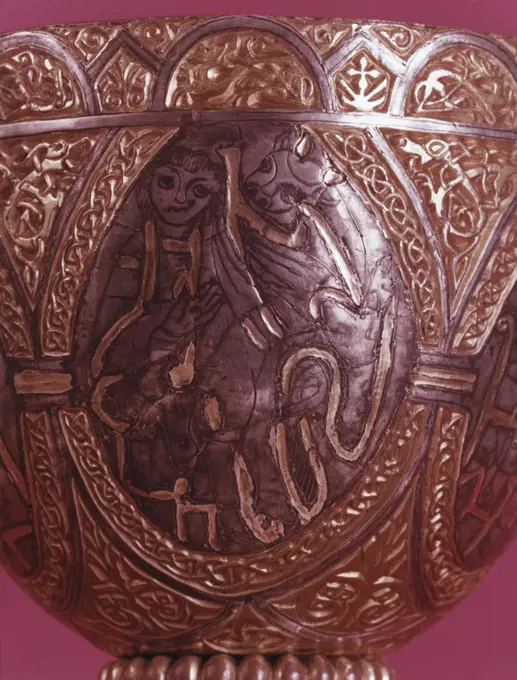
Europe, Hungary. Nagysentmiklos Treasure, gold vase showing a king on a mythical winged lion hunting a leopard. 9C
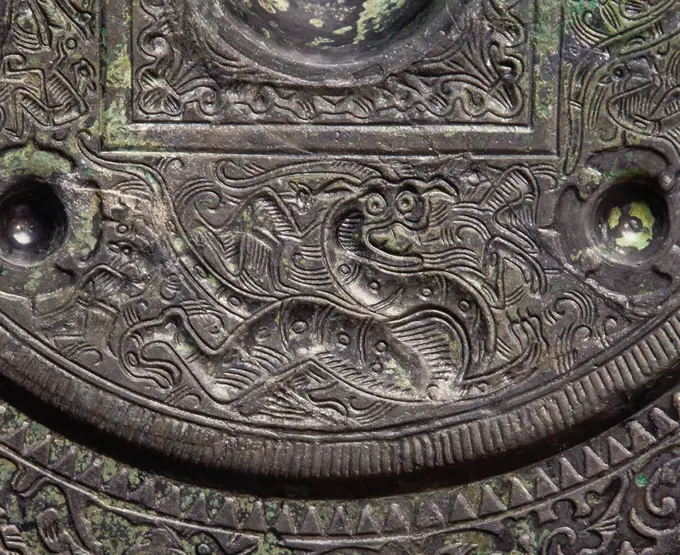
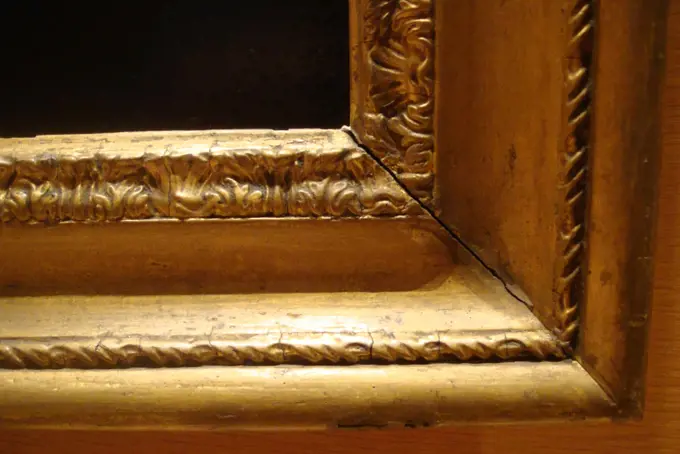
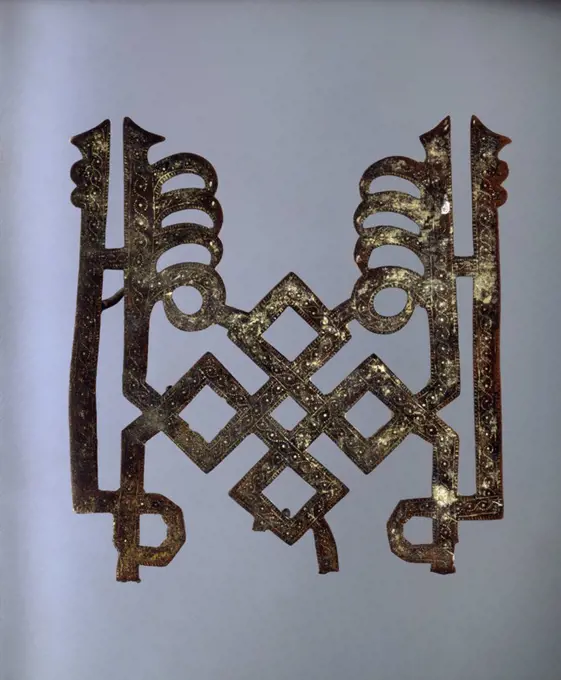
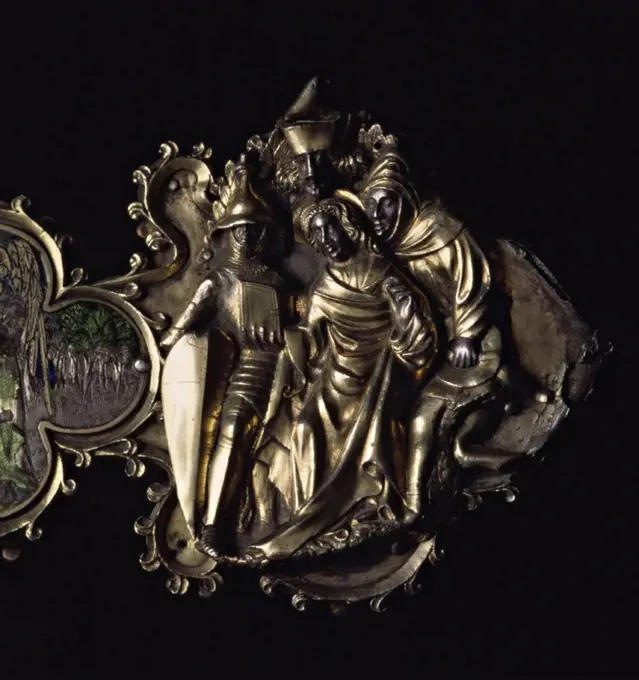
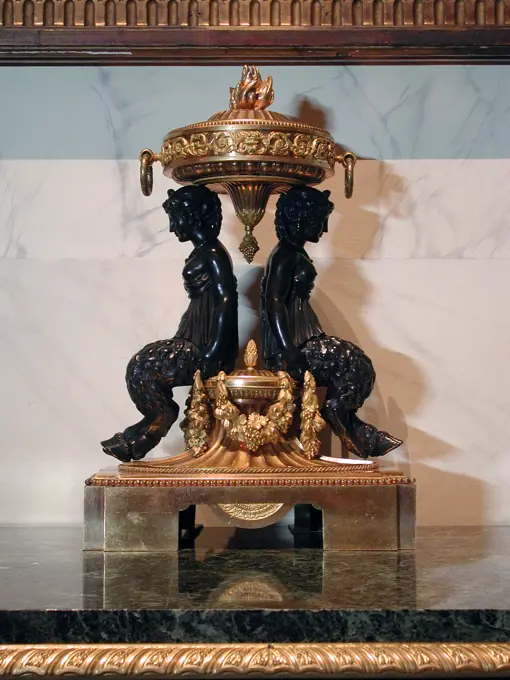
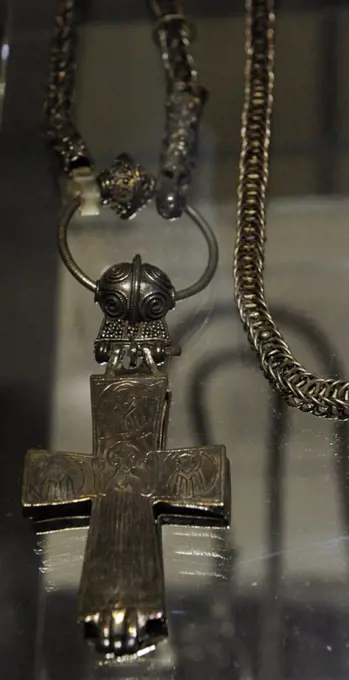
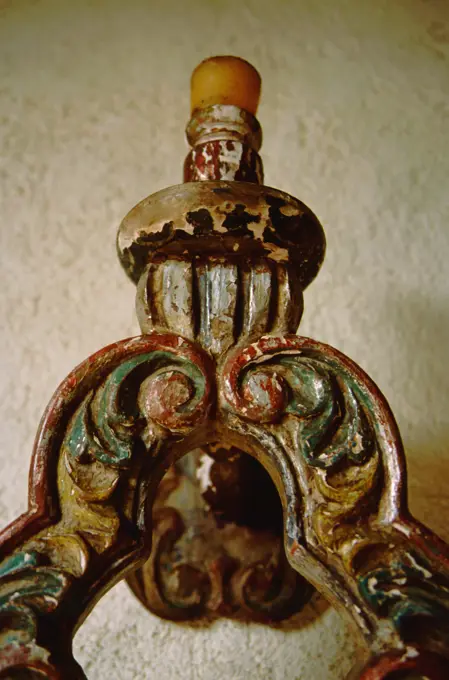
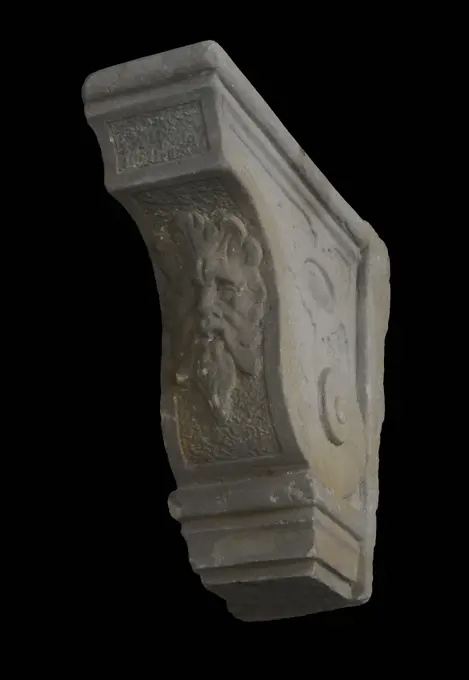
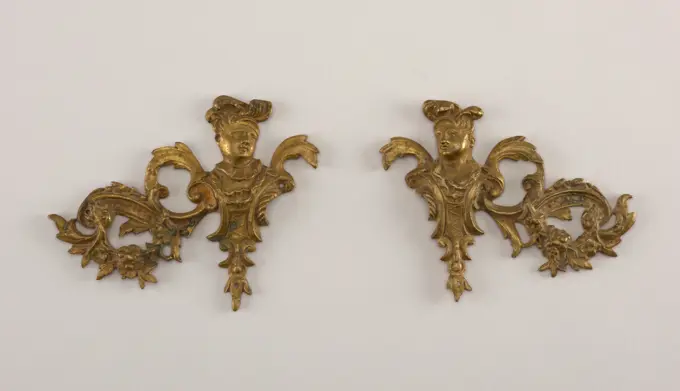
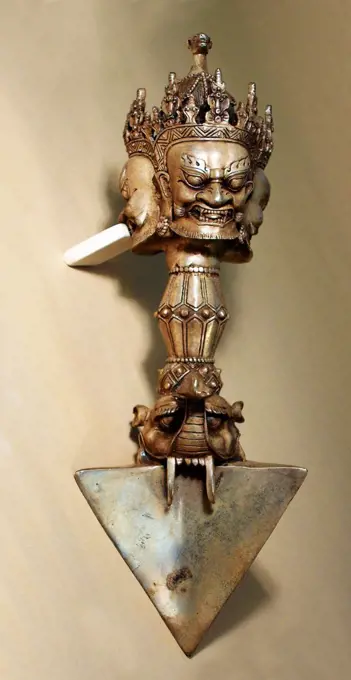
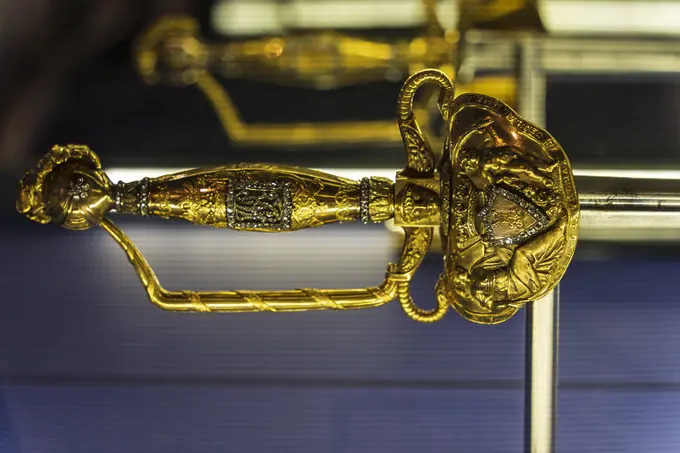
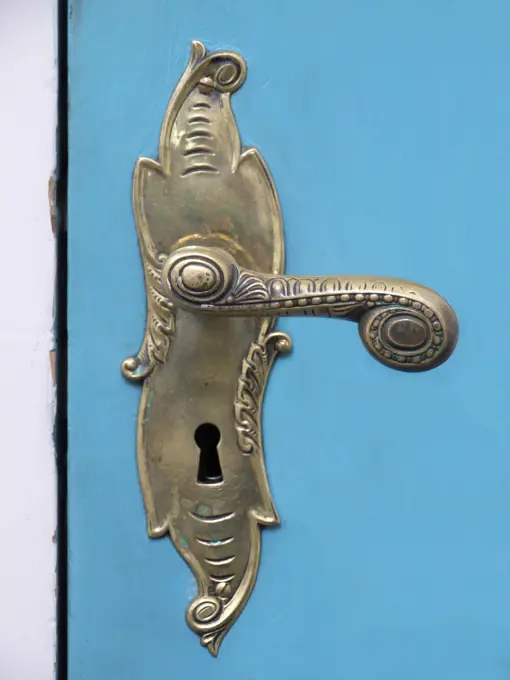
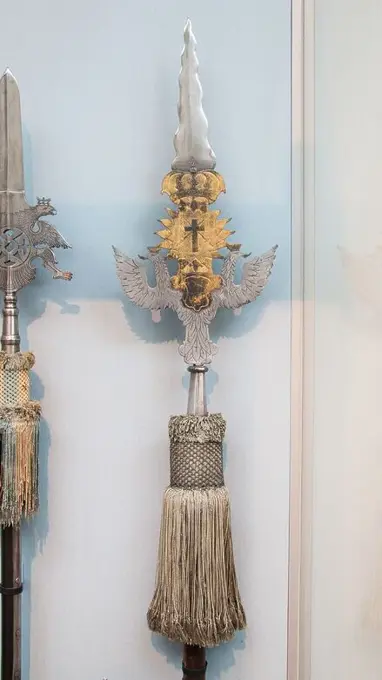
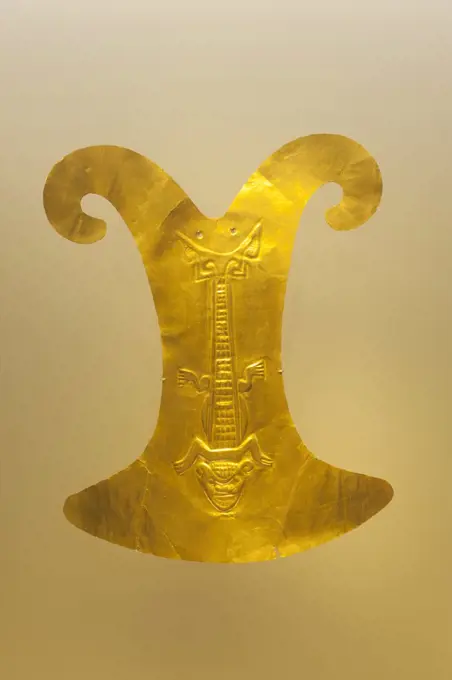
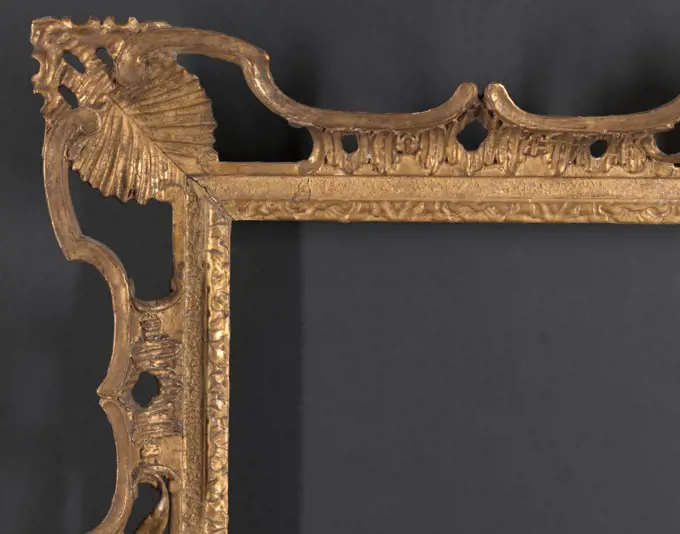
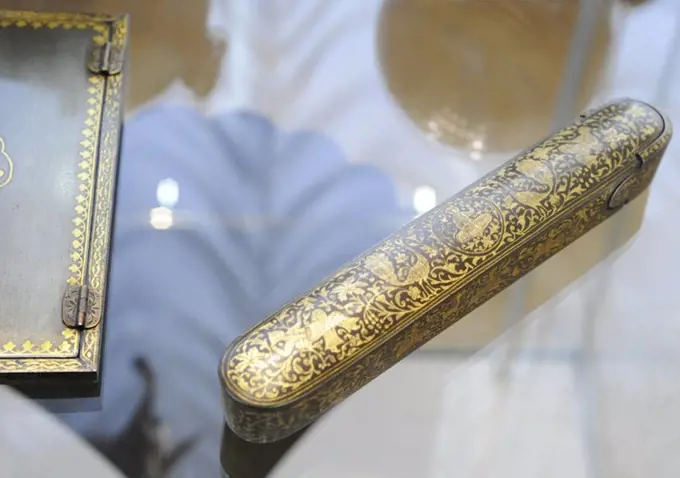
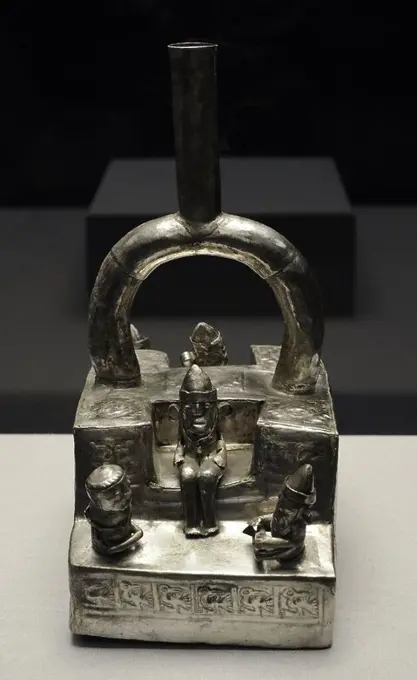
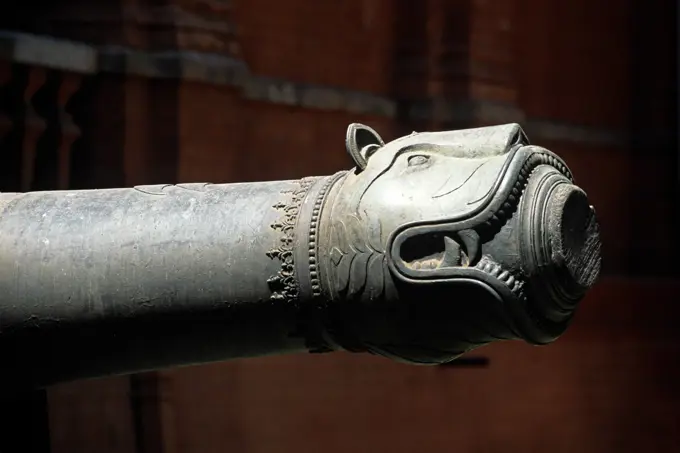
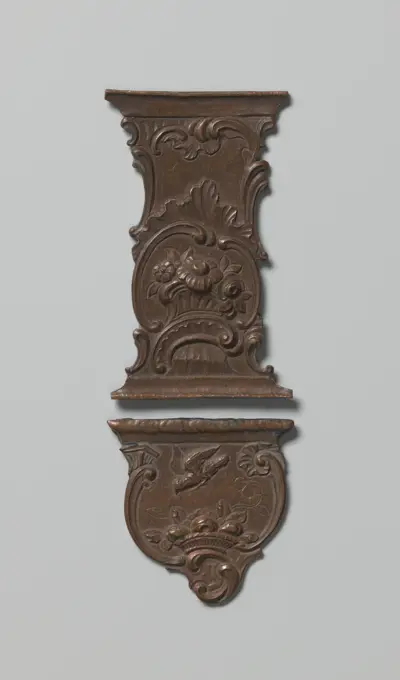
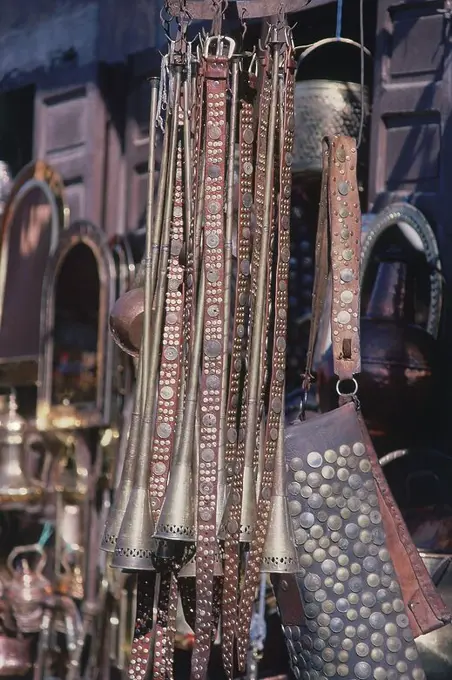
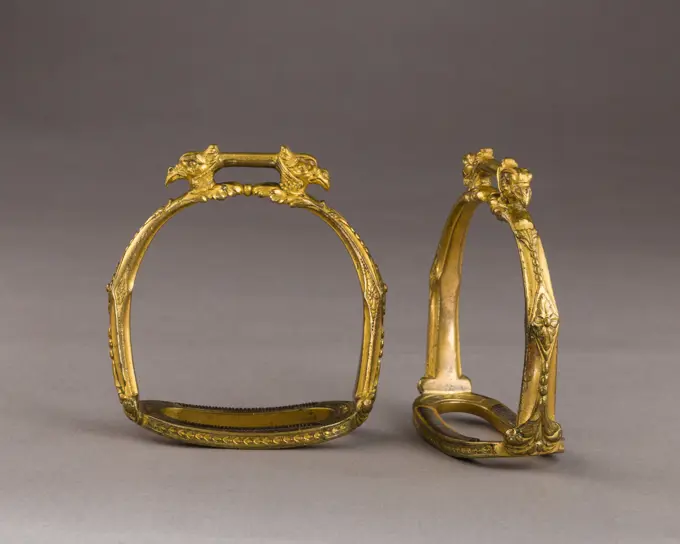
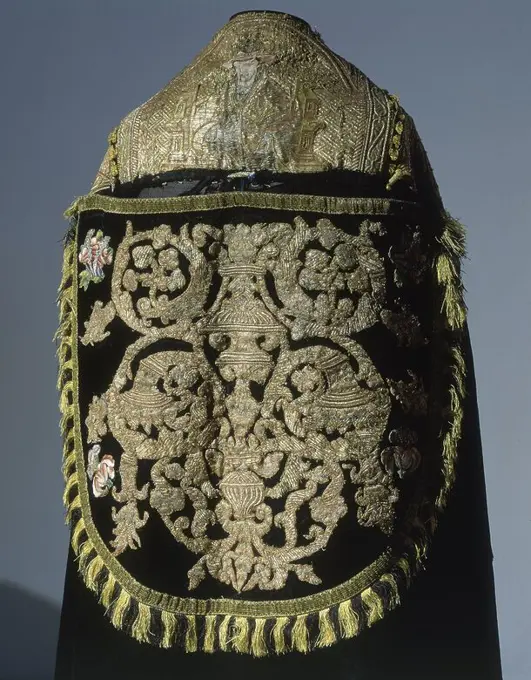
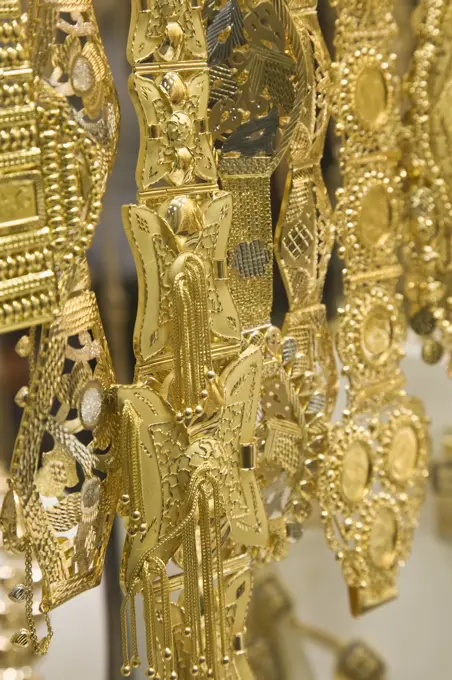
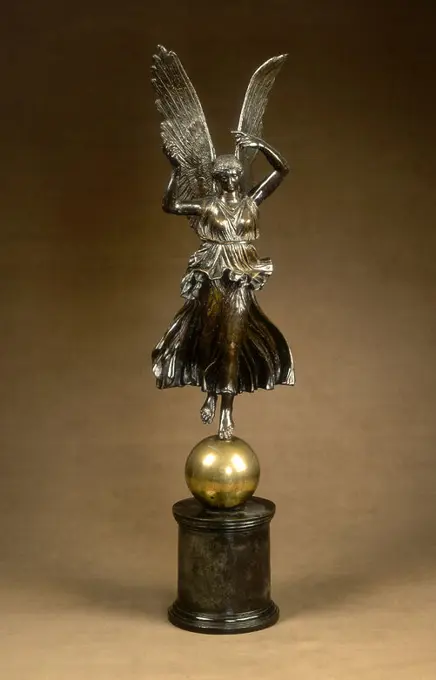
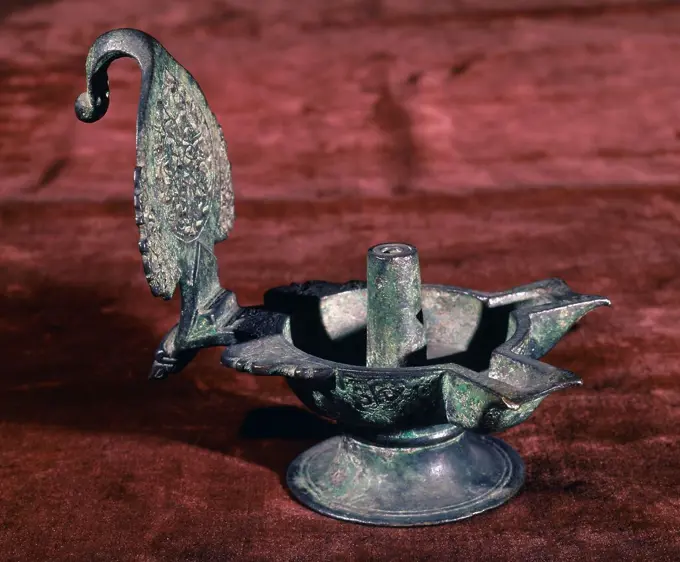
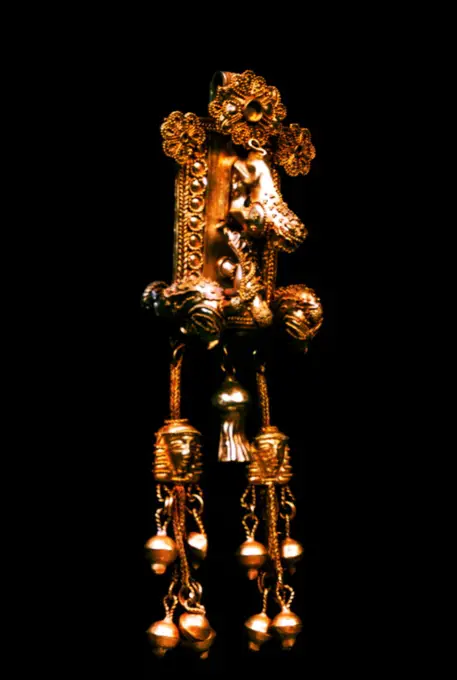
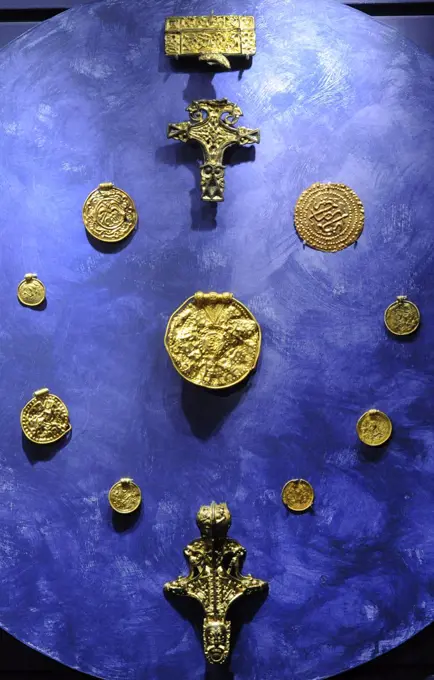
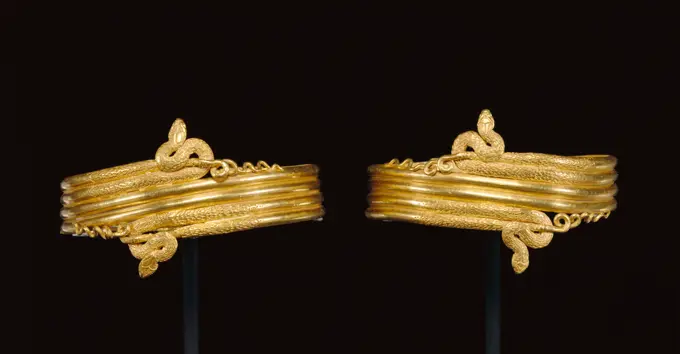
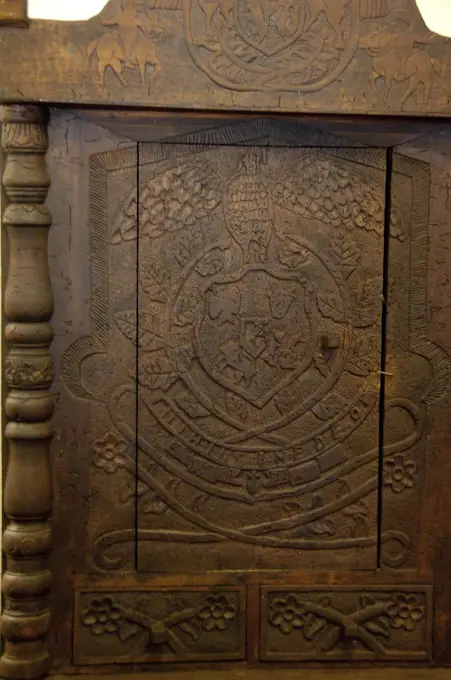
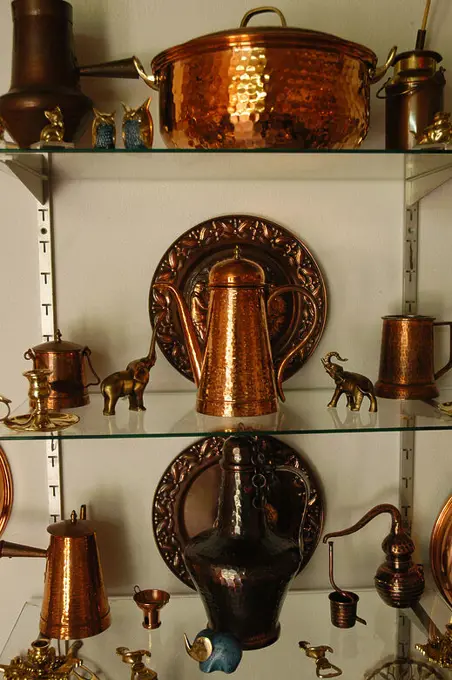
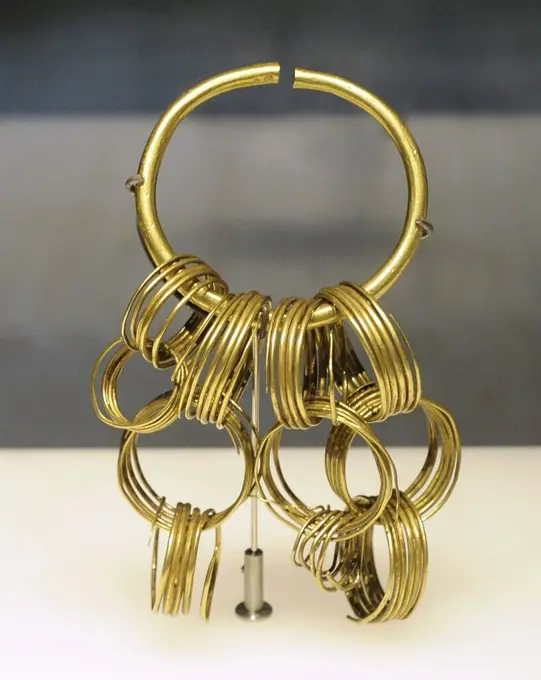
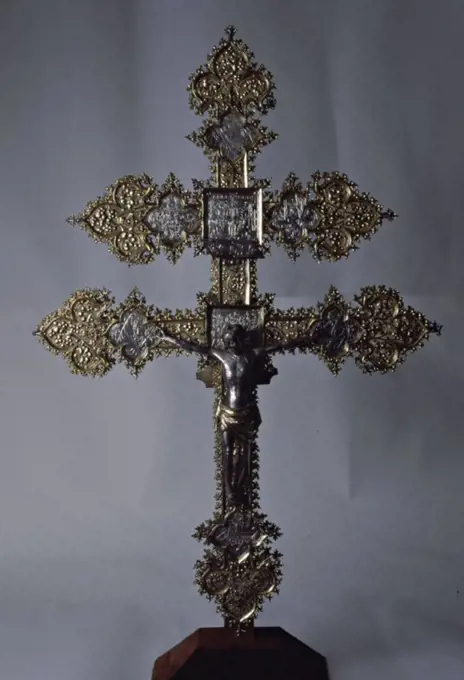
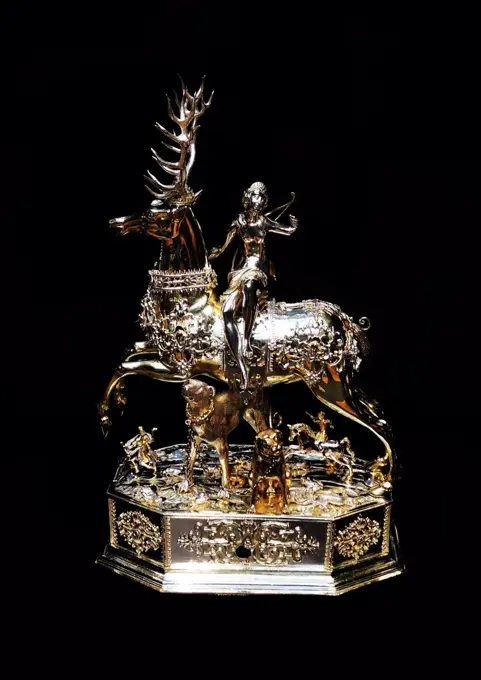
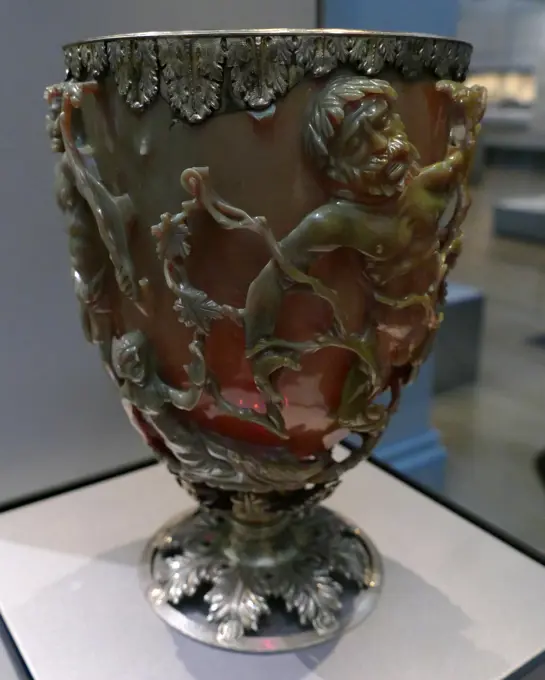
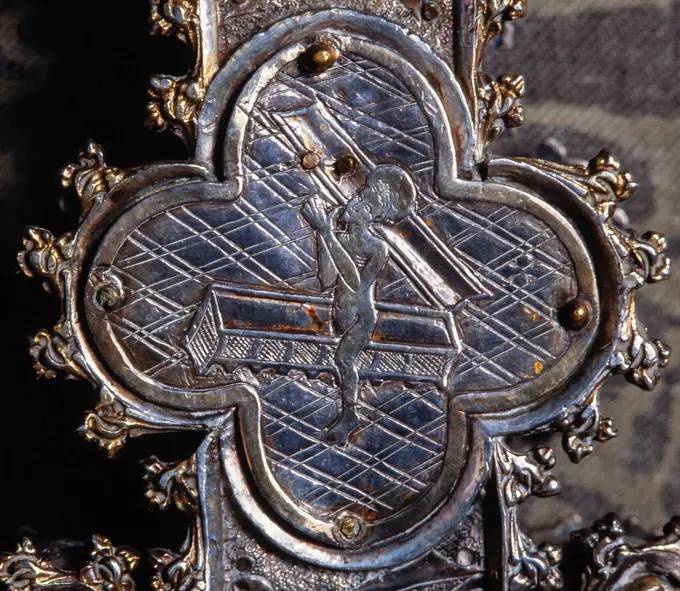
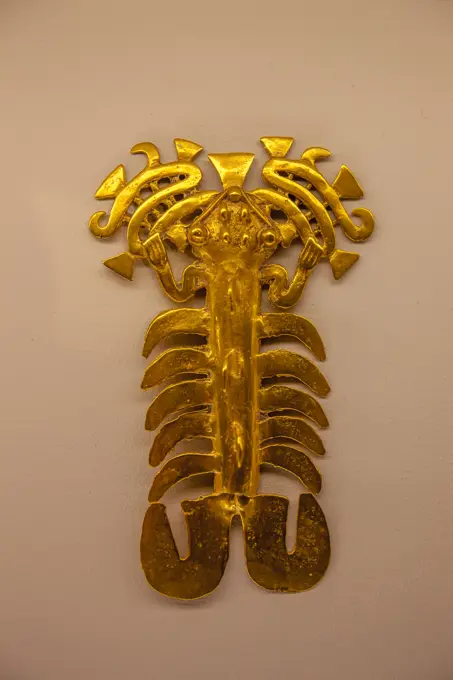
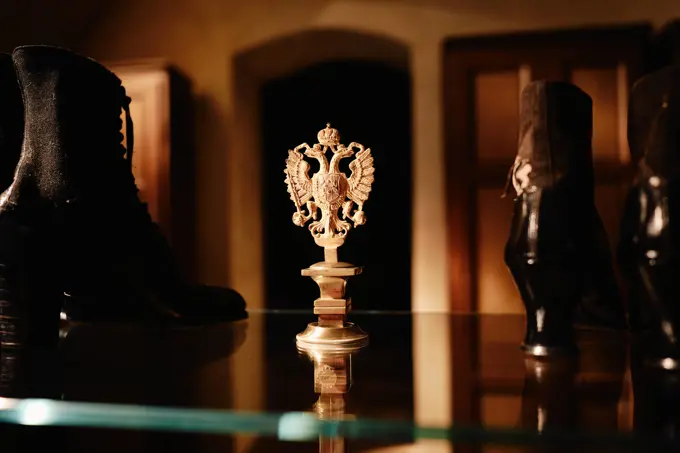
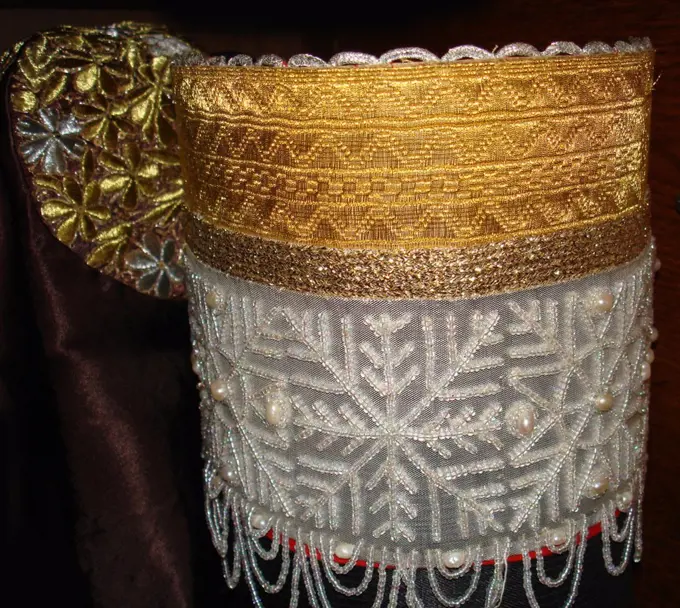
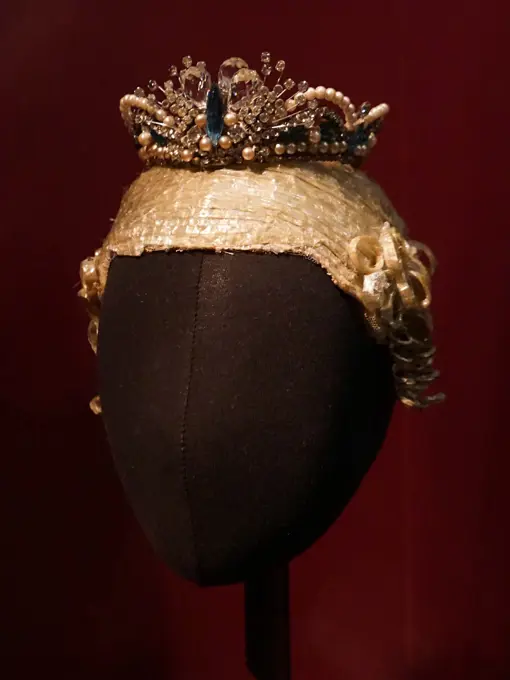
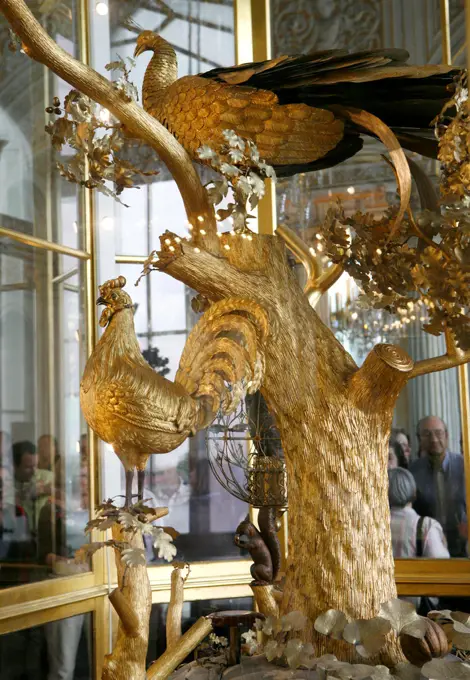
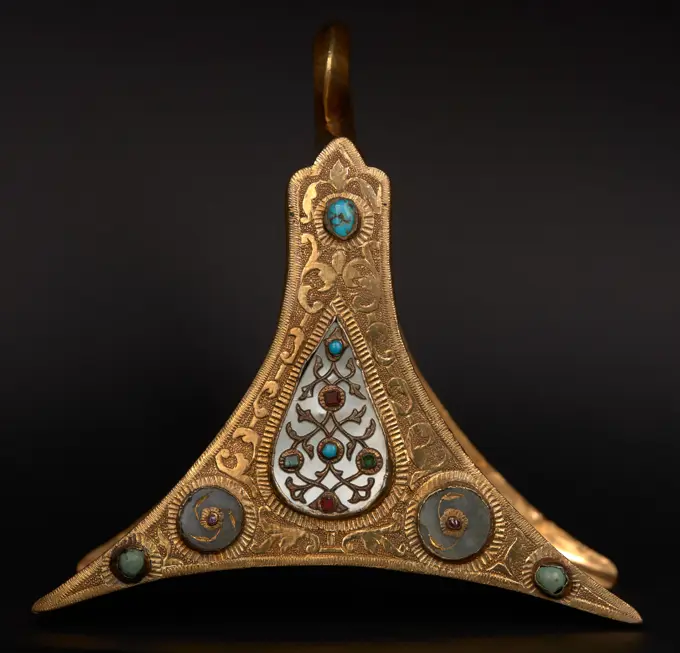
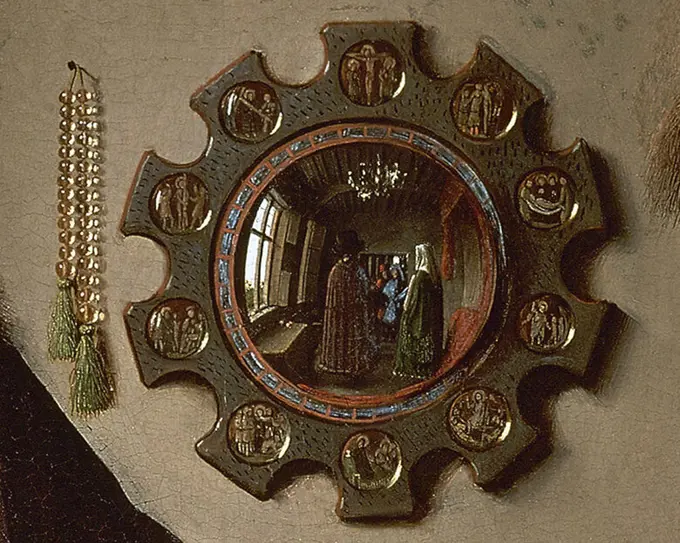
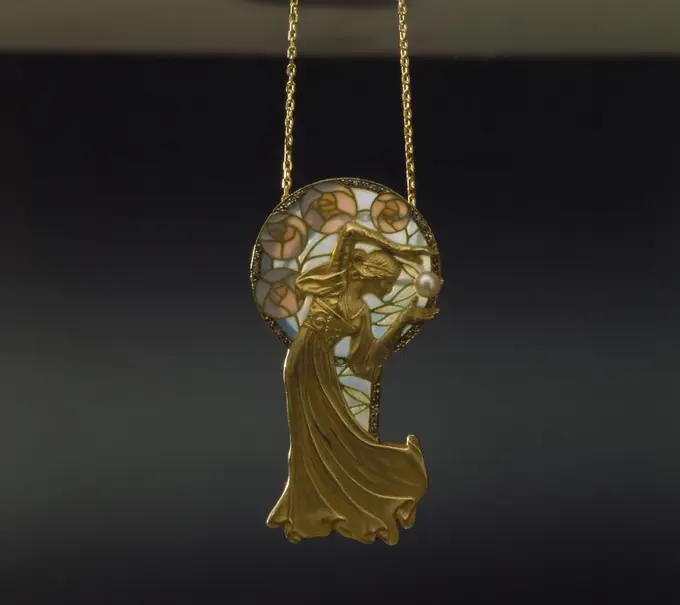
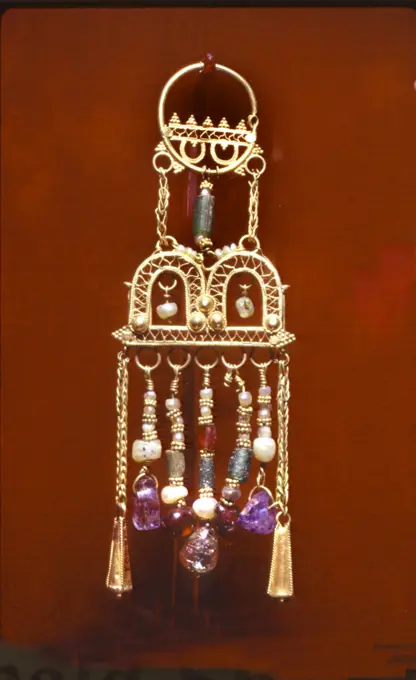
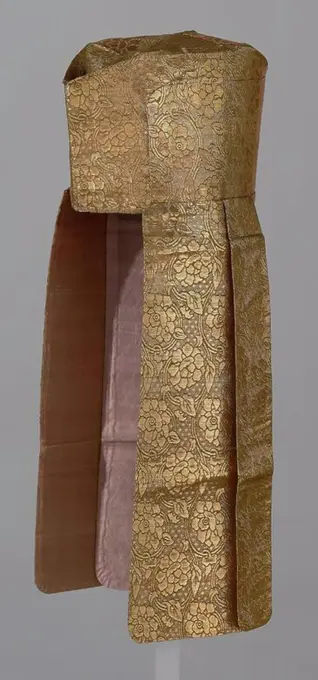
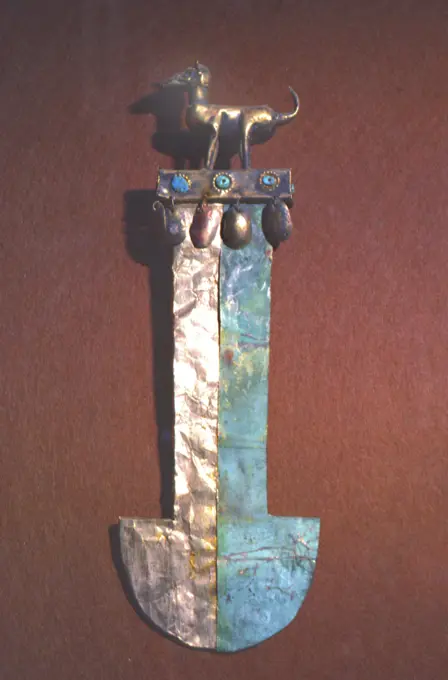
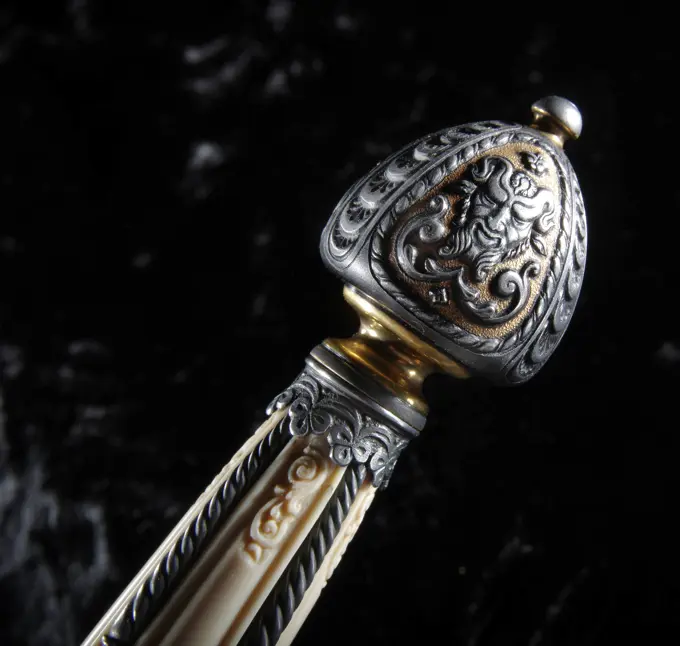
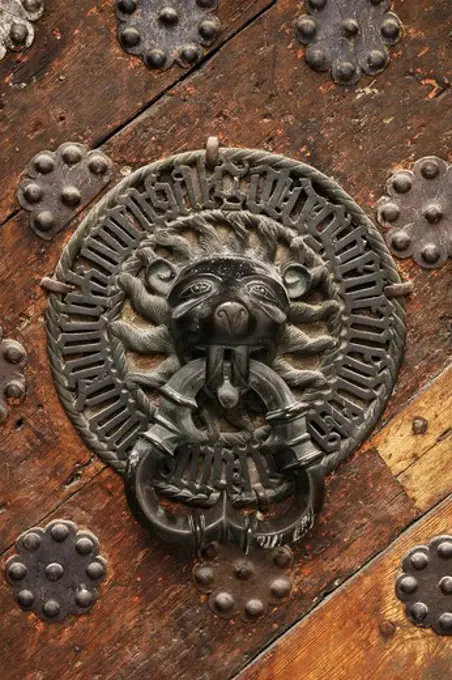
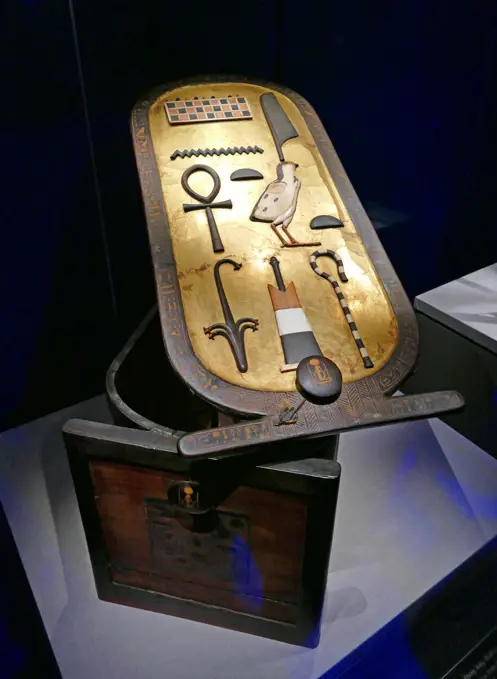
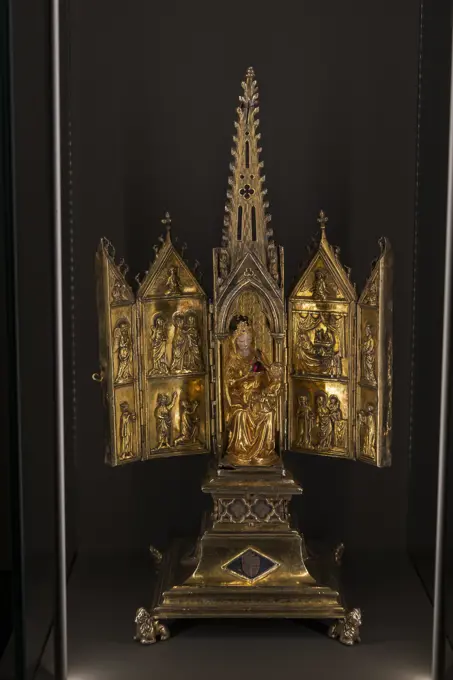
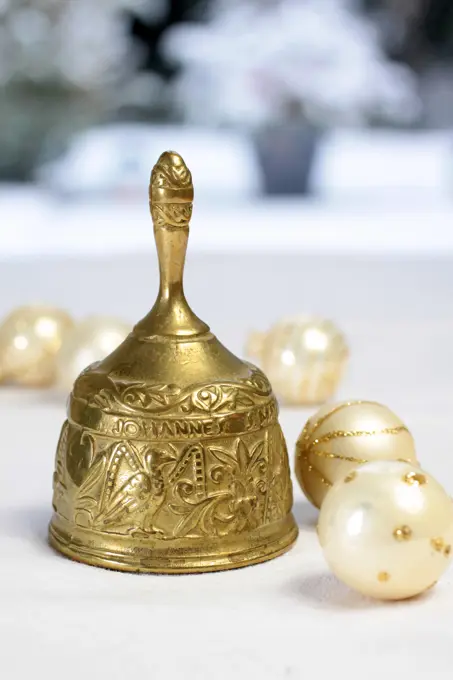
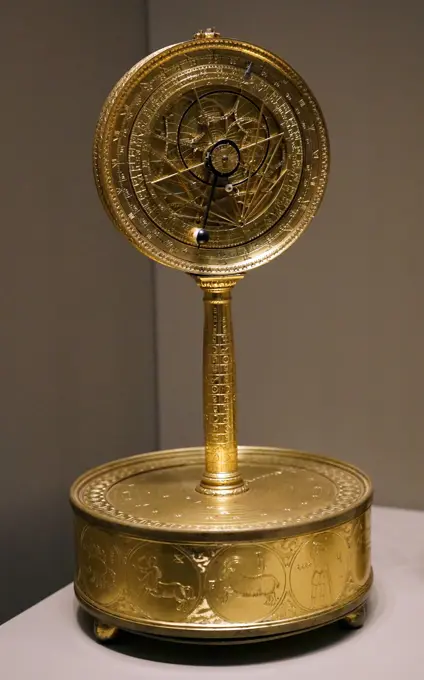
Pectoral figure with headdress. Popayan Region. Gold. COLOMBIA.Lock; 1904-21-58Detalle, elemento decorativo, dinastía Han (206 a.C. - 9 d.C). Colección privada.British, Neoclassical frame, Unknown framemaker, late 18th century, Carved wood, later patinated water gilding over original gildingBronze Ghanta Bell from Tibet. Dated 19th CenturyEurope, Hungary. Nagysentmiklos Treasure, gold vase showing a king on a mythical winged lion hunting a leopard. 9CBritish, 'Carlo Maratta' style frame, Unknown framemaker, early 19th century, Wood and compo, later oil gilding over original gildingLLAVES DEL PARAISO.Processional cross (detail), 15th century, by Antoni Oliva. Esglèsia Parroquial de Nostra Senyora de la Consolació. Museum: Esglèsia Parroquial de Nostra Senyora de la Consolació.Gold bowl of Butter Hill. Probably the Swedish dishes made in Denmark or northern Germany (Gold Bronze Age) on 1100-900 century BC. Swedish History Museum. Stockholm. Sweden.Powder Flask of Jacques de Silly (1513-1571) 1568 French The consummate works of an anonymous French artist, this flask and another in the Metropolitan Museum's collection (acc. no. 2014.191) are made of polished antler, and expertly carved at the front. Whereas one flask sports the heraldic arms and personal emblem of its noble owner, the other features a scene from the Old Testament, Samsons victory over the giant Goliath. As is often the case, the metal mountings that would have capped the flaskss extremities are now lost.. Powder Flask of Jacques de Silly (1513-1571) 33819Pair of perfume burners ca. 1785 French Each is in the form of a flattened lidded container of gilt bronze supported on the heads of a pair of female fauns facing away from one another. They are seated on a smaller urn-shaped plinth set on a rectangular base. The fluted container is mounted with scrolls and beading in the fully neo-classical style and it is probable that originally there was some sort of pierced band between the lid and the body. This would have enabled these pieces to be used as perfume burners. In such a case, a pleasing aroma would be generated by a miniature stove or spirit lamp set into the receptacle over which pastilles or sweet-smelling essences were heated. The plinth is elaborately decorated with a pinecone finial and a flared, fluted and flattened base adorned with heavy swags and pendants of fruit and flowers.Possibly made by the great sculptor and bronze worker Pierre-Philippe Thomire (1751-1843), the contrast of patinated bronze with gilt bronze is particThe Battersea Shield, Celtic, from early Iron Age in the first century AD, British Museum, London, England, United Kingdom, EuropeBishop's Hoard from Halikko. 12th century. Pendant with a cross. National Museum of Finland. Helsinki. Finland.Central America, Nicaragua, Leon. El Convento Hotel. Antique wall candle sconce with peeling paint.Console with man's head, console building element sandstone stone, sculpted Console with at the top and bottom side edges band ornaments and curls and at the front men's head.BANDEJA DE PLATA S XVIII. Location: IGLESIA DE SANTA MARIA DEL CAMPO. Coruña. SPAIN.Overdoor, Partially tinned and partially gilt wrought iron, Hemispherical open ironwork in c-shapes and s-curves with vegetal forms. To left and right, birds stand on a platform with a tasseled cloth hung over latticework punctuated with flowers. At the center, two cartouche, each with the initial H., Chantilly, France, early 18th century, metalwork, Decorative Arts, OverdoorTairona region gold pectoral of Quetzal birds heads. Colombia.Lluís Masriera / Cuchara, pieza de cubertería Art Déco en plata, 1935. Colección privada. Author: LLUÍS MASRIERA I ROSÉS.Mount; 1904-18-9-a,bGolden Artifact From Yotoco Malagana Tribe In The Gold Museum In La Candelaria, The Old Town Of Bogota, ColombiaReliquary of the Corporales d'Arcavell (1516). Museum: MUSEO DE LA CATEDRAL DE URGELL.Tibet: Hayagriva Dorje Phurba Dagger, from Lhasa. A tantric ritual object in Tibetan silver..Bell, Jaisalmer, Rajasthan, India Copyright: xHxSatish/DinodiaxPhotoxPlaque from the coffin of Ignacy Ogińskisword gift from the city of Vitoria to General Alava, Álava Armory Museum, Vitoria, Basque Country, Spain.Türlinke in Ærøskøbing Türlinke in ÆrøskøbingPartisan of the Polish Noble Guard of Friedrich August I of Saxony, who twice ruled as king of Poland (1697-1704 and 1709-1733). Culture: German. Dimensions: L. of head 24 13/16 in. (62.99 cm); W. of head 9 27/32 in. (24.99 cm). Date: ca. 1720.This staff weapon was carried by the bodyguards of the Prince-Electors of Saxony. Museum: Metropolitan Museum of Art, New York, USA.Golden Artifact From Medio Tribe In The Gold Museum In La Candelaria, The Old Town Of Bogota, ColombiaBritish, Provincial Rococo frame, Unknown framemaker, 3rd quarter of 18th century, Carved wood, later oil gilding over original gilding and sanded friezeIslam. Near East. Persia. Pen Case (Qalamdan). Steel; casting, carving, gilding. Iran, 19th century. The State Hermitage Museum. Saint Petersburg. Russia.Bottle. Throne with figures. Chimu culture (Northern Peru). Pre-Inca. 1300-1500 AD. Embossed silver (23,5 x 11,1 x 16,5 cm). The Michael C. Rockefeller Memorial Collection. Metropolitan Museum of Art. New York, United States.Cannon in madras museum  Madras Chennai  Tamil Nadu  India Copyright: xMxAmirtham/DinodiaxPhotoxModel for a bracket of a clamp and a book lock with flowers within rococo ornament, anonymous, c. 1750 - c. 1775 The models of molds driven by plate is equipped with rococo ornament, in which a basket with flowers and a bird are included. The back is filled with pitch. Amsterdam copper (metal) The models of molds driven by plate is equipped with rococo ornament, in which a basket with flowers and a bird are included. The back is filled with pitch. Amsterdam copper (metal)Tunisia, Tunisian Central Coast, Sousse, Museum Dar Essid interior, 19th century interior of house built in 928 ADExample of Ottoman art patterns applied on metalsShoe buckles late 18th century Portuguese. Shoe buckles 90153CINTURONES DE CUERO Y LATON. Location: INTERIOR. FEZ.Pair of Stirrups early 19th century French This pair of stirrups, each one adorned with two eagles heads, would have belonged to a high officer of Emperor Napoleon Is army, possibly a general. Considering regulation cavalry equipment too simple for their status, high officers would often commission for themselves a richer version of it, sometimes designed by imperial goldsmiths. They would be displayed primarily during military parades or other official events.. Pair of Stirrups. French. early 19th century. Copper alloy, gold, iron. Equestrian Equipment-StirrupsCAPILLO DE CAPA DE LOS DIFUNTOS-BORDADOS DE ORO-S XVI. Author: FERNANDEZ L. Location: ESCUELAS MENORES-MUSEO UNIVERSITARIO. SALAMANCA. SPAIN.United Arab Emirates, Dubai, Deira. Deira Gold Souk / Market / Gold Necklacesperforated and decorated goat metacarpus and engraved rib, paleolithic art, La Garma A, Ribamontan al Monte, Museum of prehistory and archeology (MUPAC), Santander, Cantabria, SpainStill life of silver glasses and a red cloth.Gold helmet and Mace of Suleyman the Magnificent. 1520-1566. Ottoman Treasure from the Topkapi palace, Istanbul. TURKEY.Winged Victory. Dated: c. 1803/1806. Dimensions: overall (with base): 76.6 x 20 x 18.1 cm (30 3/16 x 7 7/8 x 7 1/8 in.) gilded globe (diameter): 10.2 cm (4 in.) overall (figure height from left big toe to top of head): 38 cm (14 15/16 in.) overall (figure height from left big toe to right wing tip): 53.3 cm (21 in.) overall (figure height from left big toe to left wing tip): 51.8 cm (20 3/8 in.) base (height): 14.9 cm (5 7/8 in.). Medium: bronze. Museum: National Gallery of Art, Washington DC. Author: after the Antique Antonio Canova.Goblet-Detail Antiques-Housewares Stift Kremsmunster, Austria (Benedictine Abbey) EarringStirrup late 17th century German This type of cut edge decoration, with a motif on the eye plates inspired from late medieval examples, seems to have been particularly popular in Northern German regions in the late 17th century.. Stirrup. German. late 17th century. Iron alloy. Equestrian Equipment-StirrupsGolden Artifact In The Gold Museum In La Candelaria, The Old Town Of Bogota, ColombiaHinged Earclip Last quarter of the 10th-last quarter of the 15th century Indonesia (Java). Hinged Earclip. Indonesia (Java). Last quarter of the 10th-last quarter of the 15th century. Gold. Eastern Javanese period. JewelryCANDIL DE BRONCE. Location: INSTITUTO VALENCIA DE DON JUAN-COLECCION. MADRID. SPAIN.Greek pendant, made from electrum, Rhodes, around 630-620 BC.Cigarette case late 19th century American or European. Cigarette case 80837Scandinavia. Pre-Viking times. Bracteates. 5th century. Relief brooches. 6th century. Norway. Norway. Historical Museum. Oslo. Norway.Rare Bluish Baker Thunderegg from Bake Egg Mine, Hermanas, Luna Co., New MexicoPair of wrist bracelets in the form of coiled snakes. UnknownRomania, Transylvania, Bran Castle National Monument (aka Dracula's Castle). Wooden chair back.Italian 16th Century, Appliqué in the Form of Paired Dolphins on a Scallop Shell, 16th century Appliqué in the Form of Paired Dolphins on a Scallop ShellPair of lions' -shaped chenets surmounting a badge. Chiseled and gilded bronze, between 1715 and 1774. Paris, Cognacq-Jay museum. Each chenet presents a decor of roses on the rocky base. Arts Decoratives, 18th 18th 18th 18th 18th 18th 18 CENTURYTutankhamun, Ostrich feather fan with chariot relief. Gold. EGYPT.Headdress or pectoral. Silver and copper. Moche culture. Early Intermediate Period (100 BC-700 AD). Peru. Museum of the Americas. Madrid, Spain. Copper craft store. Loule. Portugal. Algarve.Bracelet with hanging spirals. Gold. Late-Middle Bronze. Mengibar (province of Jaen, Andalusia) or Extremadura. National Archaeological Museum. Madrid. Spain.Dish 16th century French. Dish. French. 16th century. Lead-glazed earthenware. Ceramics-PotteryReverso cruz patriarcal realizada en Barcelona. Siglo XV. Museum: VICTORIA AND ALBERT MUSEUM, NAPOLES, UK.USA, Oregon, Seneca, Ponderosa Ranch. Details of tooling on leather saddle. (MR/PR)Table automaton in the form of Diana on a stag. Created by Jacob Miller (1550-1618). Dated 17th CenturyOLLA CEREMONIAL MIXTECA - VASO TRIPODE POLICROMO - CERAMICA MIXTECA - PREHISPANICO. Location: MUSEO NACIONAL DE ANTROPOLOGIA. MEXICO CITY. CIUDAD DE MEXICO.The Lycurgus Cup; 4th-century, Roman glass cage cup. Made of a dichroic glass, which shows a different colour depending on whether or not light is passing through it; red when lit from behind and green when lit from in front. It is the only complete Roman glass object made from this type of glass. The cup is also a very rare example of a complete Roman cage-cup, or diatretum. It named after King LycurgusCruz Procesional procedente de Tiana, 1414, Nº Inv. 1678. MNADM.Pre-Columbian Gold pendants. Old traditional pieces dating back to 500AD. The Gold Museum. San Jose. Costa Rica. Central America.Shield from Madrid Armory. Charles Clifford (English, 1819/1820 - 1863)Lazio Roma Velletri Museo Capitolare3. Hutzel, Max 1960-1990 Medieval: Breviaries (two, 14-15th century); "The Passion" on vellum (French school, late 13th century); reliquaries. Post-medieval: Paintings, frescoes, vestments, sculpture, metalwork, panel painting Object Notes: Bibliographic material housed in Center library. Hutzel photo campaign dates: one undated, another November 9, 1985. It is likely that notes for the Pinacoteca Cattedrale (no separate Hutzel entry) describe items under this heading. TCI seems to indicate that the Museo Capitolare is adjacent to the cathedral. As well, some prints are missing; the initial Hutzel entry indicates that there are 422 prints. At this count, I can find 142. German-born photographer and scholar Max Hutzel (1911-1988) photographed in Italy from the early 1960s until his death. The result of this project, referred to by Hutzel as Foto Arte Minore, is thorough documentation of art historical development in Italy up to the 18th century, incluCandlestick, one of a pair, 1741, Robert Tyrill; Artist: Bennett Bradshaw, British, English, active c. 1720-1757, 7 x 4 1/4 x 4 1/4 in. (17.8 x 10.8 x 10.8 cm), Silver, England, 18th centuryWIen, Austria - May 09, 2025 Scheer Maßschuhe in der Bräunerstrasse, Wien. WIen Wien Austria *** WIen, Austria May 09, 2025 Scheer Maßschuhe in der Bräunerstrasse, Vienna WIen Vienna Austria PUBLICATIONxNOTxINxAUTFANAL DE UNA NAVE PORTUGUESA CAPTURADA POR ALVARO DE BAZAN EN LAS ISLAS TERCERAS. Location: PALACIO DE LA MARQUESA DE SANTA CRUZ. MADRID. SPANIEN.Part of traditional russian costume by Anonymous artist, 19th century, Russia, Moscow, Russian Museum of Folk arts and craftsValencia, Spain, Europe Ornate brass door handle and lock. Baroque.Headresses from a 1940' or 1950's Royal Opera production of the ballet 'The Nutcracker' composed by score by Pyotr Ilyich Tchaikovsky 1892, adapted from E. T. A. Hoffmann's story "The Nutcracker and the Mouse King".Ceramic vessel, Moche culture 100 AC-800 AC Perú.Ecuador, Quito area. Otavalo Handicraft Market. Hand carved dried gourds.Catherine II acquired the Golden Peacock Clock in 1781 from England now on display in the State Hermitage Museum. The automaton clock has several moving parts including a peacock, a cockerel or rooster, an owl, a mushroom and a squirrel.Christmas decoration, angel with trombonePrzeszo Przyszoci'The Arnolfini Portrait' (detail), 1434, Oil on oak panel. Author: JAN VAN EYCK. Location: NATIONAL GALLERY. LONDON. ENGLAND.Ethiopian Knighthood (Order of the Trinity), received by Willem Drees, Arthus Bertrand, in or after c. 1885  The round, golden (gilded) Carriage is decorated with four excellent floral motifs on the top, lower and two sides, the upper of which is crowned with a crown, and has a change in Ethiopian Scripture, which is (freely translated) : "Blessed are you who sees the depths, sitting on the Cheribon." In the middle, separated by elevated gold star, white on blue -arilled images of God, Son and Holy Spirit. The carrying sign is attached to a short white silk cord with a safety pin, which is attached to a yellow velvet surface. Paris gilding (material).   Netherlands. EthiopiaModernist pendant by Lluis Masriera.Jewellery. Byzantine earring, gold, pearls and amethyst. 5th cent. AD. GREECE.Priest's Hat. Japan. Date: 1890-1900. Dimensions: 58.7 x 28.6 cm (23 1/8 x 11 1/4 in.)Repeat: Warp: 10.2 x 7 cm (4 x 2 3/4 in.). Silk and gilt-paper strip; plain weave with secondary binding warps and supplementary patterning wefts. Origin: Japan. Museum: The Chicago Art Institute, Chicago, USA.Gold Tumi with dog. Chimu. Ceremonial knife. 11th-15th cent. AD. PERU.Smart dagger Smart dagger of the medieval soldier. It was used for hunting Copyright: xZoonar.com/VALERY-SIBRIKOVx 20043134Door knocker in Pikk Street, Tallin, EstoniaPainted wooden cartouche box from the tomb of King Tutankhamen 1336 - 1326 B.C.vase with epigraphic decoration, 1910, ceramic, La Roqueta factory, Museu de Mallorca, Palma, Majorca, Spain.Wolf teeth necklace display relating to Bronze Age shamanism and magic. With permission of Wiltshire Museum, Devizes, England, UKreliquary of the Virgin of the Hair, Avignon workshop, France, 14th century, gilded silver and enamel, Vitoria-Gasteiz Museum of Sacred Art, María Inmaculada Cathedral, Álava, SpainGolden Christmas bell and Christmas balls Golden Christmas bell and Christmas balls in front of snow covered terrace Copyright: xZoonar.com/ChristianxMueringerx 406765116th Century planispheric astrolabic clock with a Maker's mark 'M'. France.Floral pattern carved on the leg of a Louis XVI style stool, detail of the anteroom of the Queen's apartment, Hunting residence (UNESCO World Heritage Site, 1997), by Filippo Juvarra (1678-1736), Stupinigi, Piedmont, Italy, 18th century.