Historical Asian Art and Performances

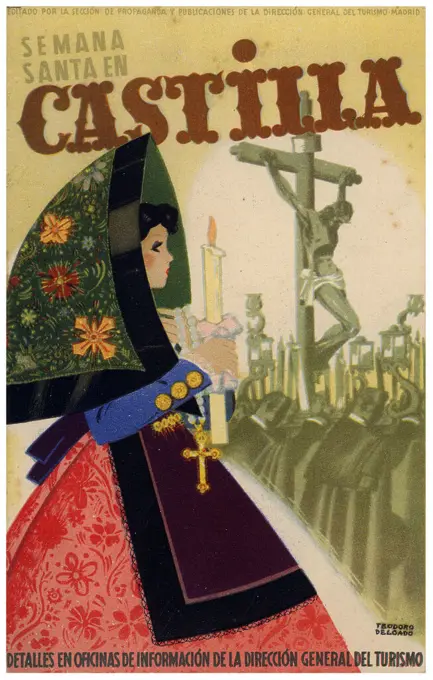
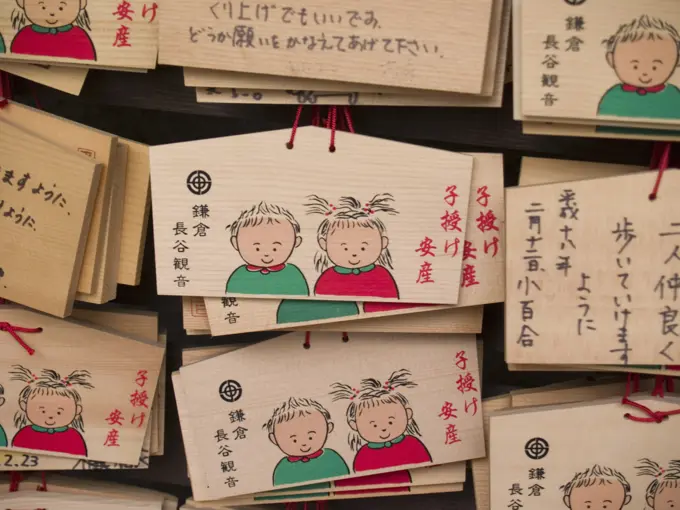
Illustrations of traditional scenes featuring iconic figures, dancers, and celestial events, with detailed costumes and motifs reflecting rich cultural heritage.
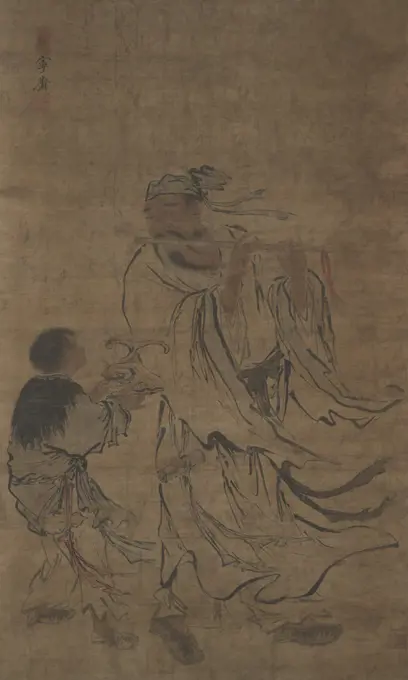
Artist: Ning Zhai, Chinese, active late 15th-early 16th century, Daoist Immortal Han Xiangzi with anAttendant, late 15th-early 16thcentury, Hanging scrol, I, ink and color on silk, without mounting: 63 1/4 × 38 1/8 in. (160.7 × 96.8 cm), The flute identifies this figure as Han Xiangzi, one of a group of eight quasi-historical immortals who became popular in twelfth-century China as the Daoist religious tradition consolidated and expanded. He is accompanied by a young attendant who holds a type of fungi known as a lingzhi, which was thought to have hallucinogenic powers and provide immortality. The feather cape worn by the attendant is a standard visual allusion to the otherworldliness of the immortals and theirretinues. , China, Chinese, Ming dynasty(1368-1644), Paintings