Historical Asian Artifacts

A collection of antique netsuke and statuettes, showcasing intricate carvings and cultural significance from Japan and ancient Egypt.

Snuff Bottle, 1875-1925, 3 x 3/4 in. (7.6 x 1.9 cm), Coral, China
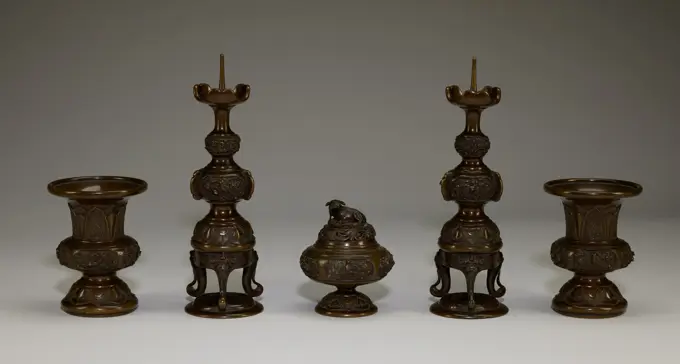
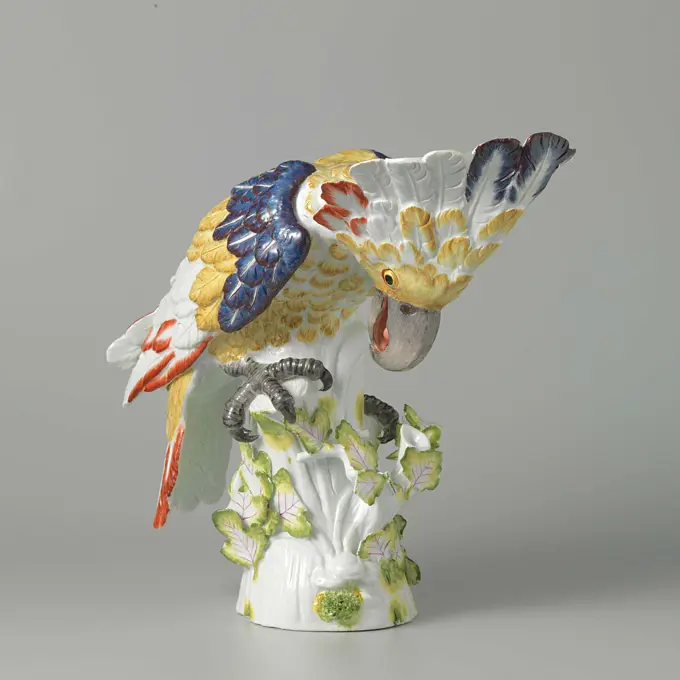
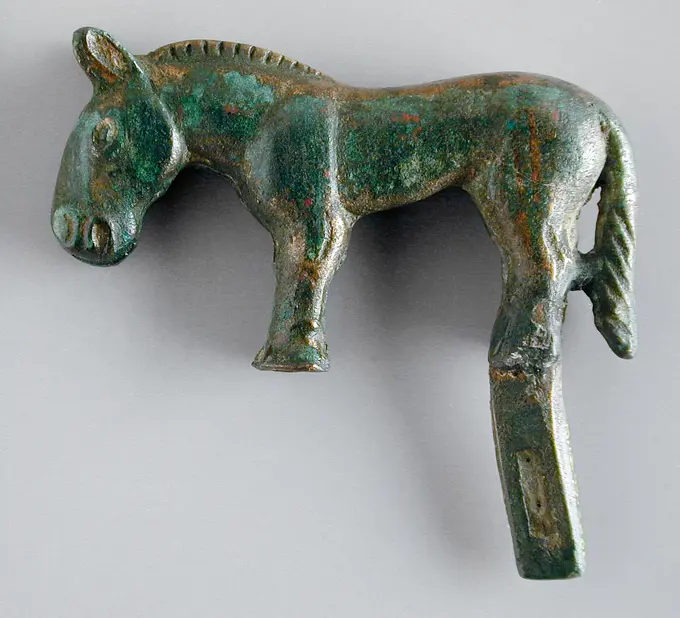
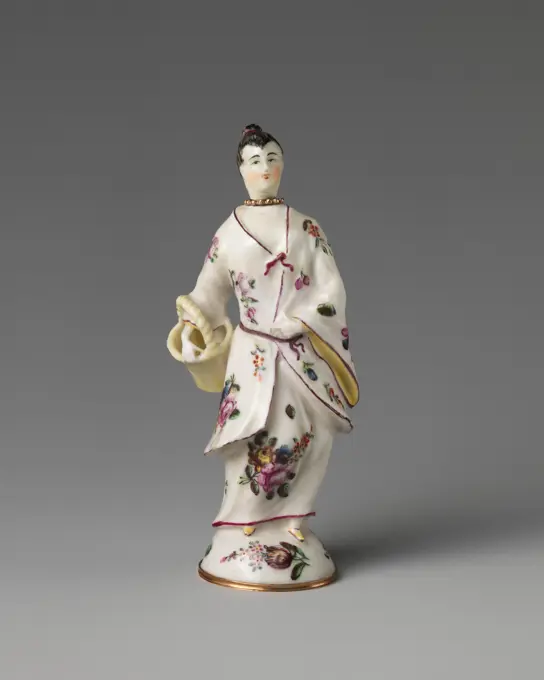
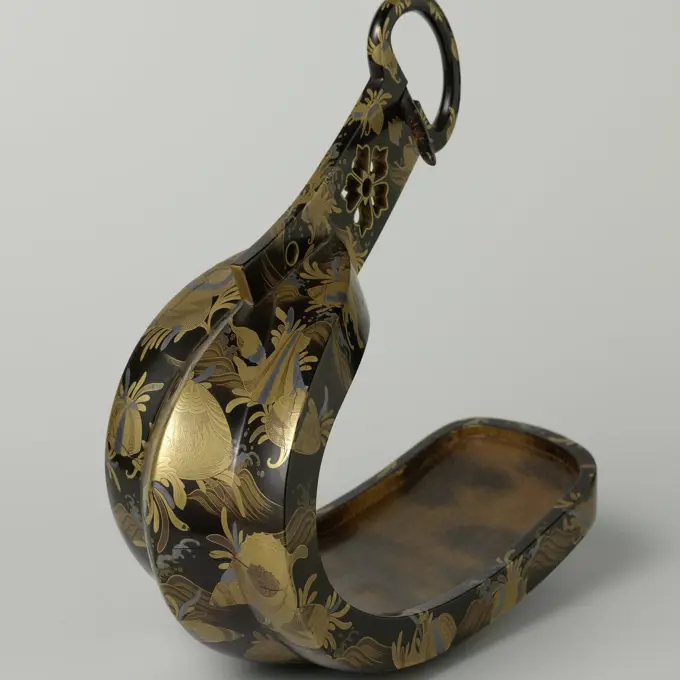
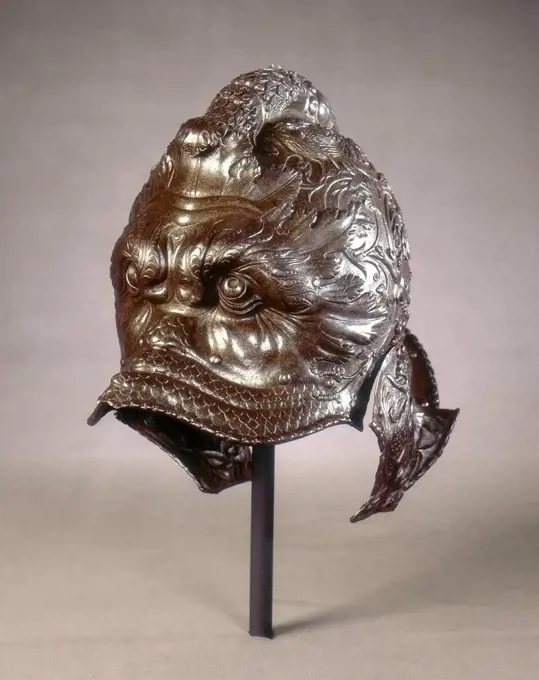
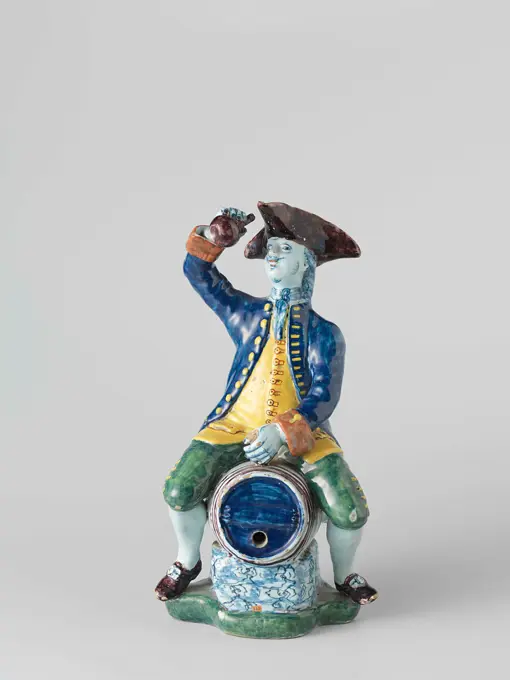
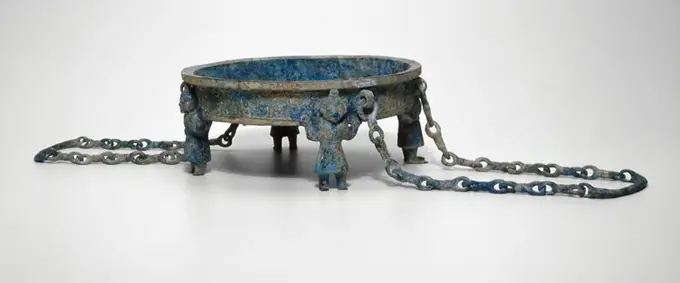
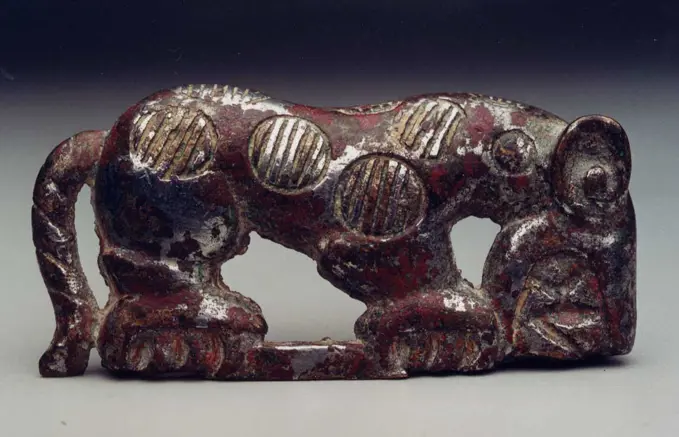
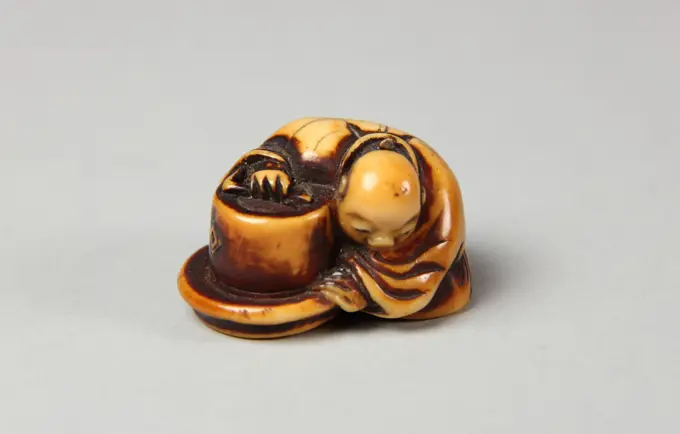
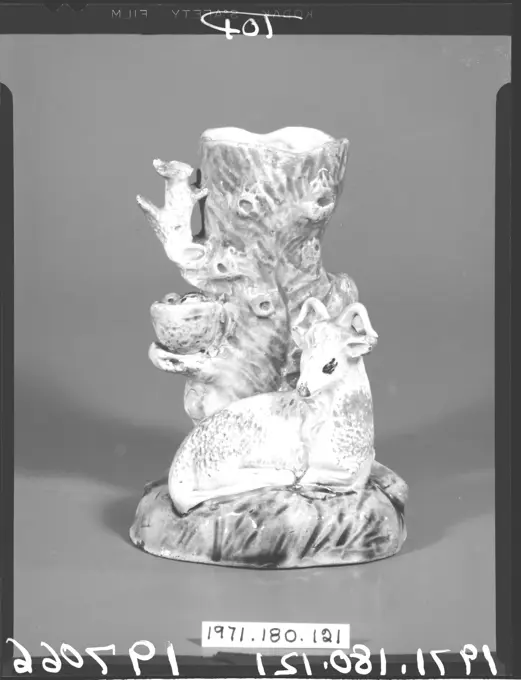
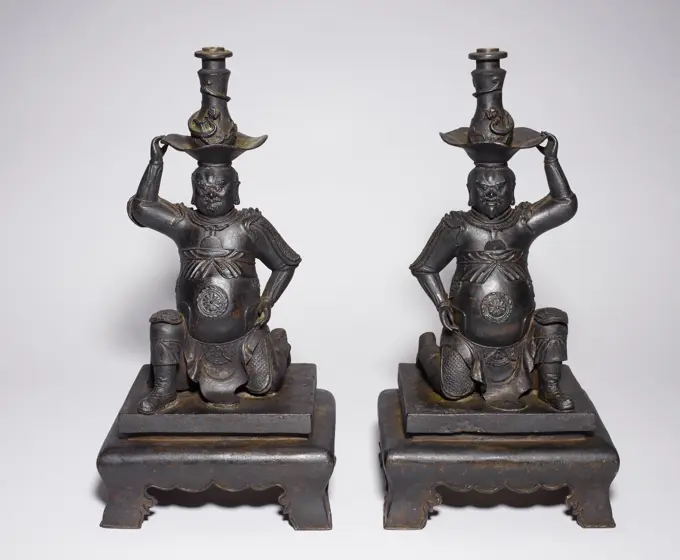
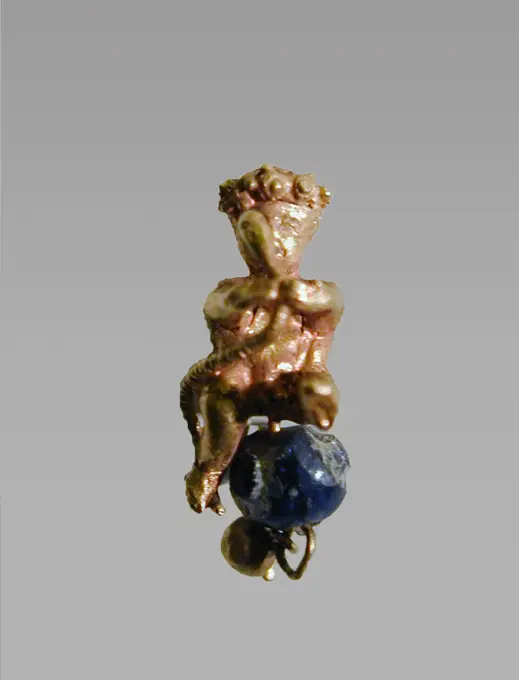
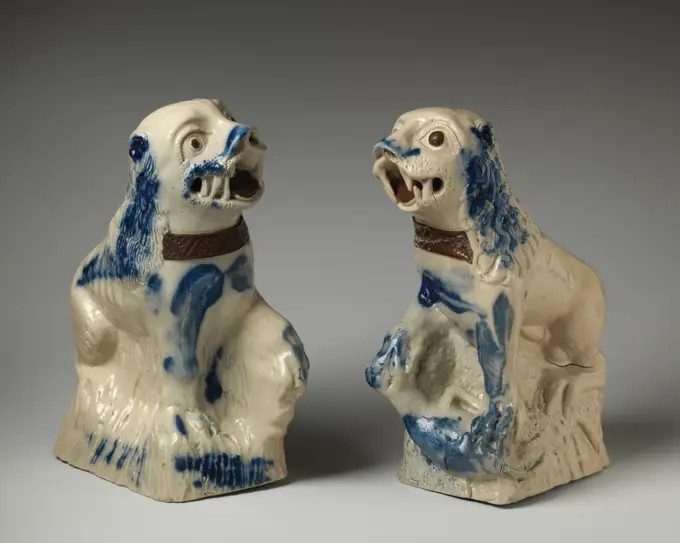
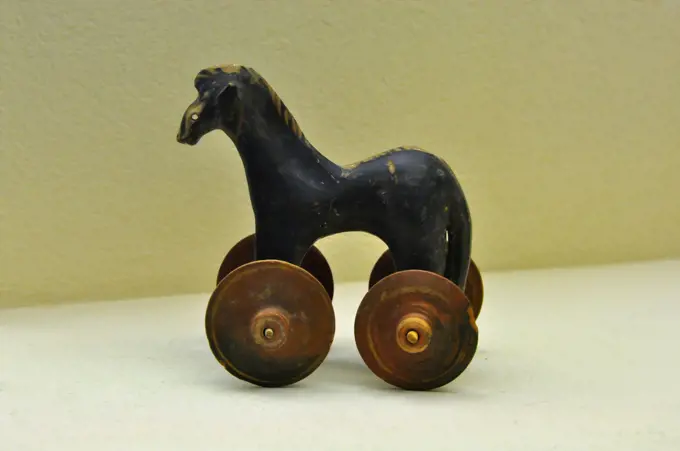
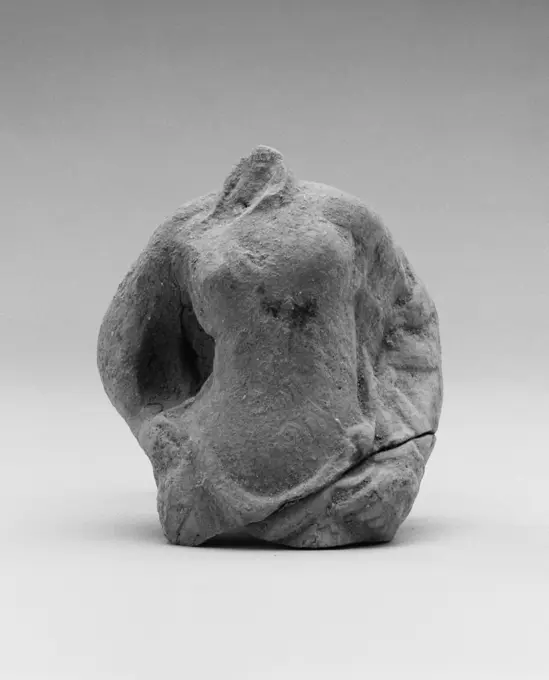
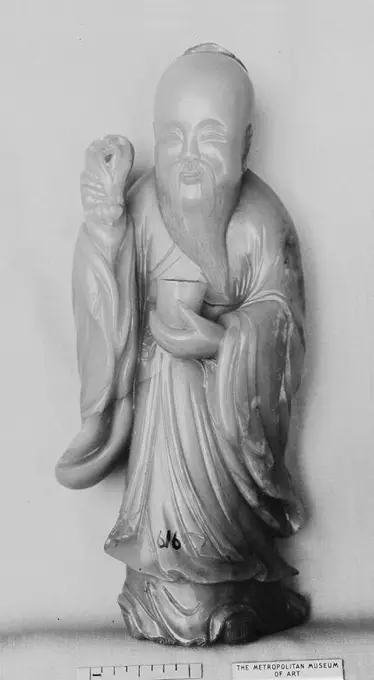
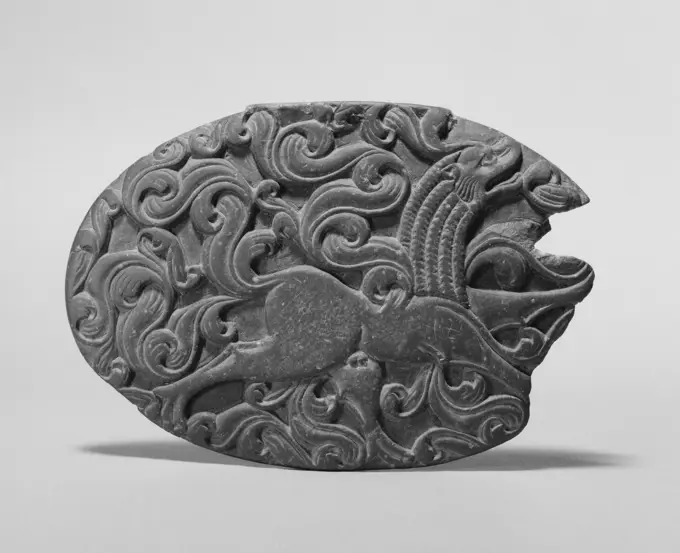
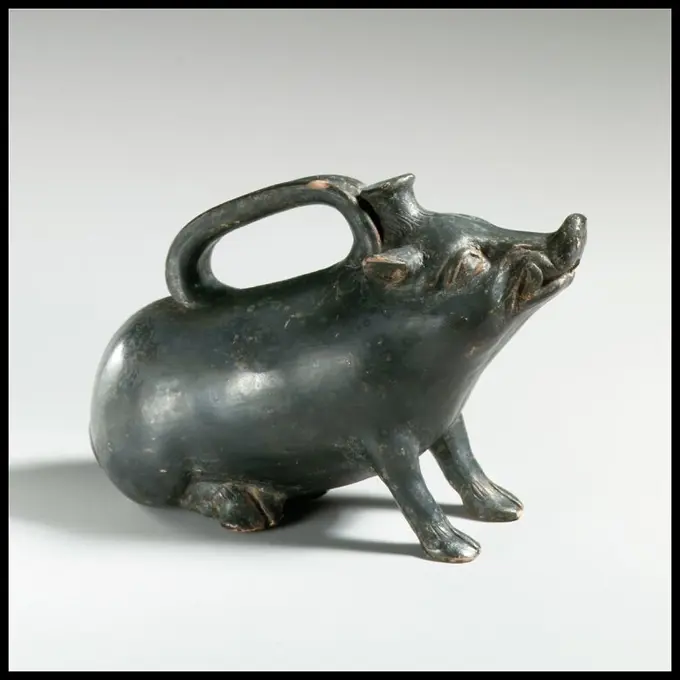
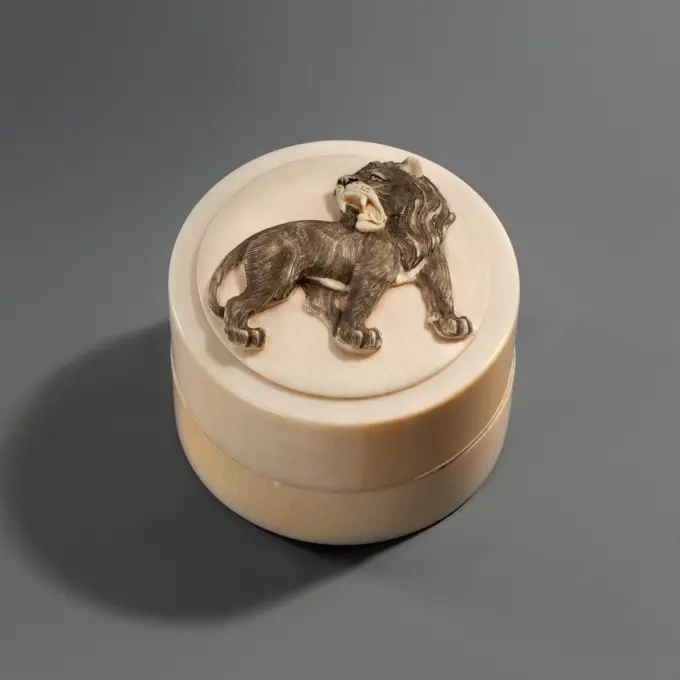
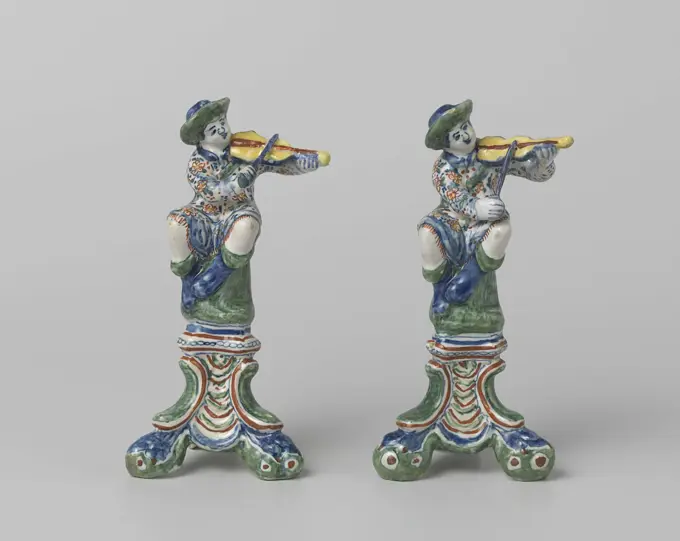
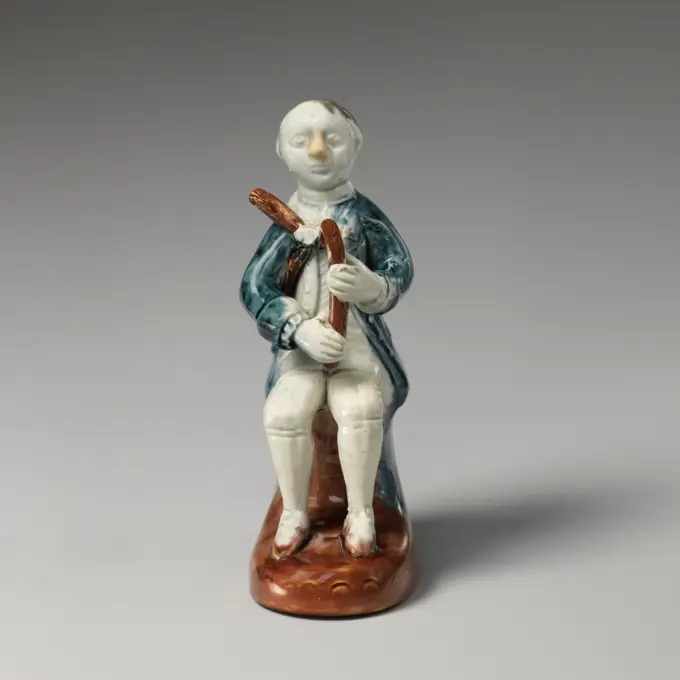
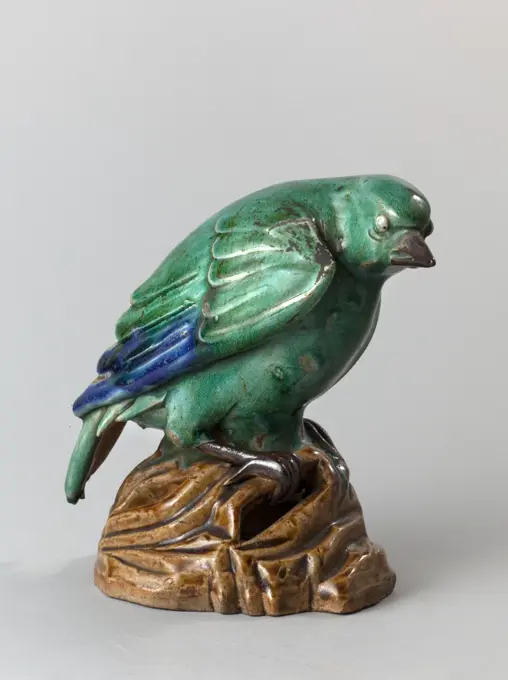
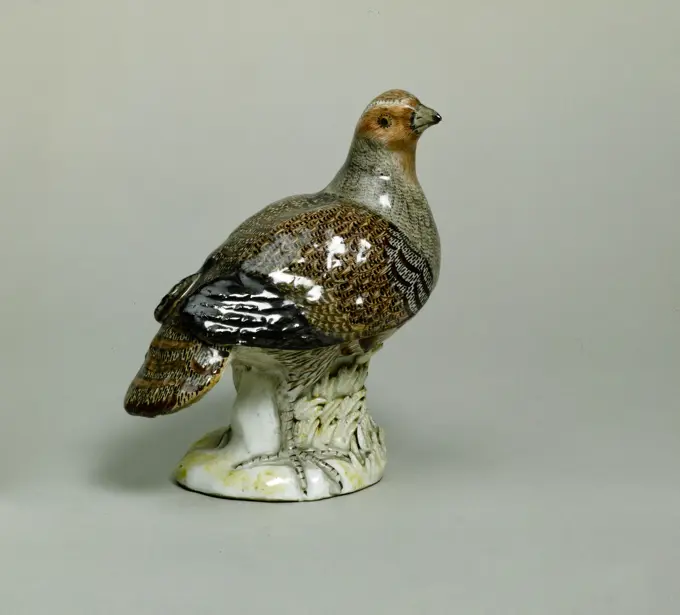
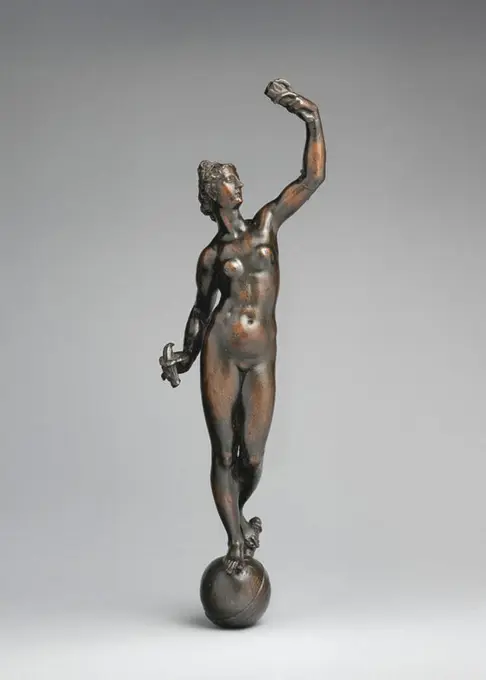
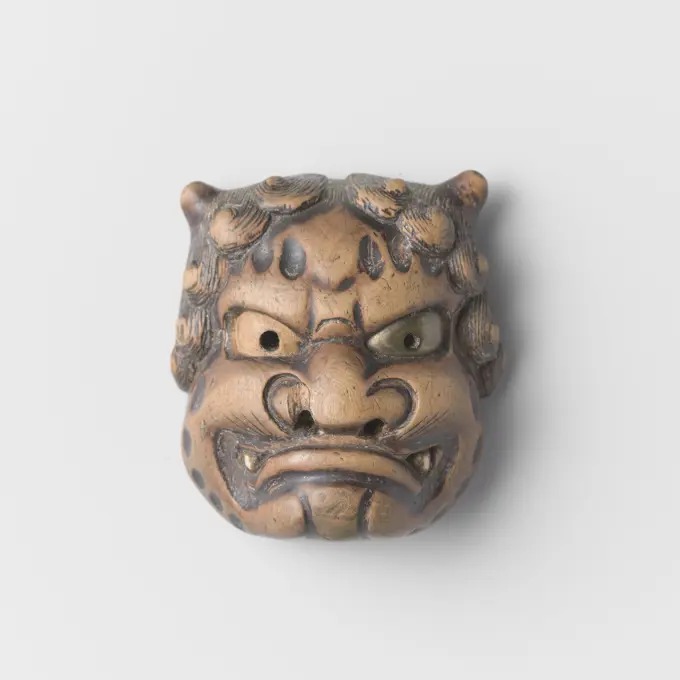
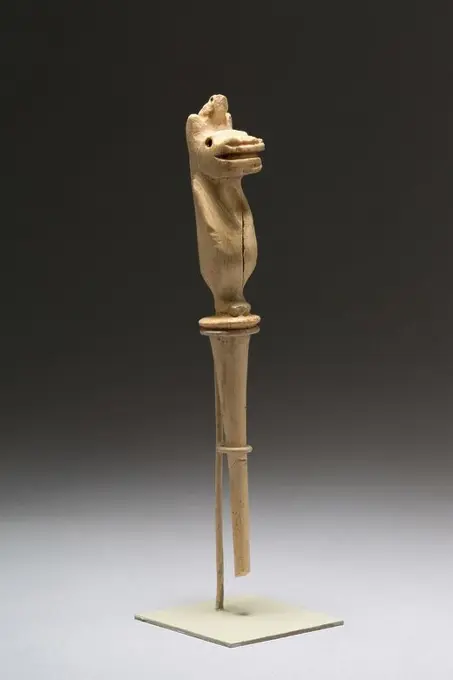
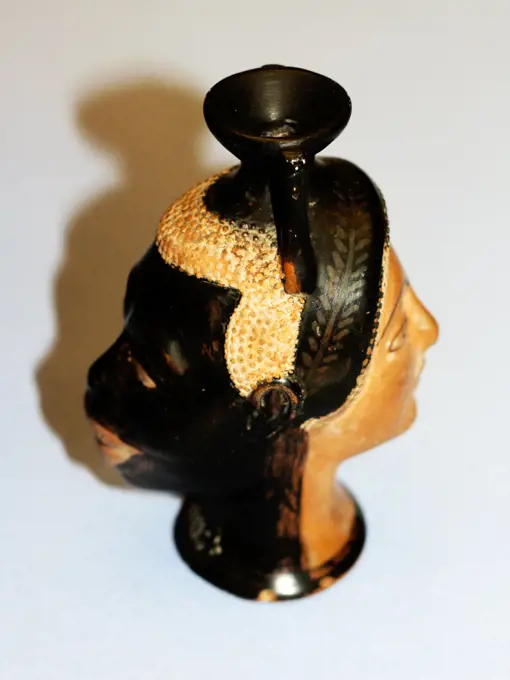
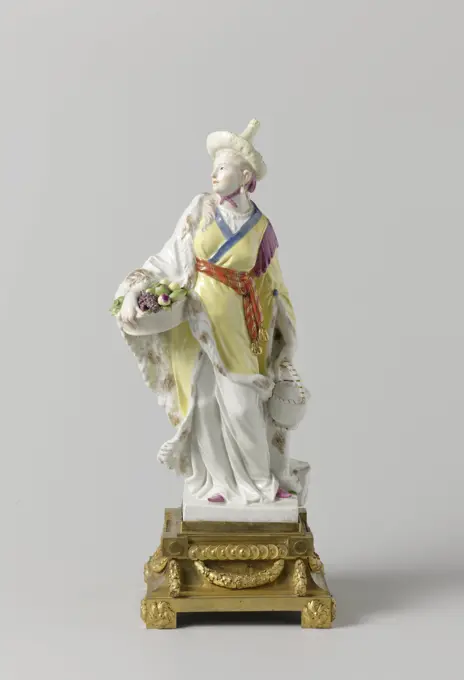
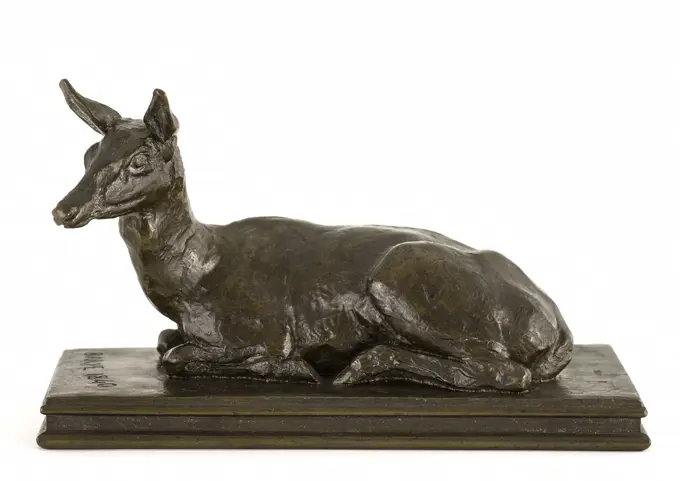
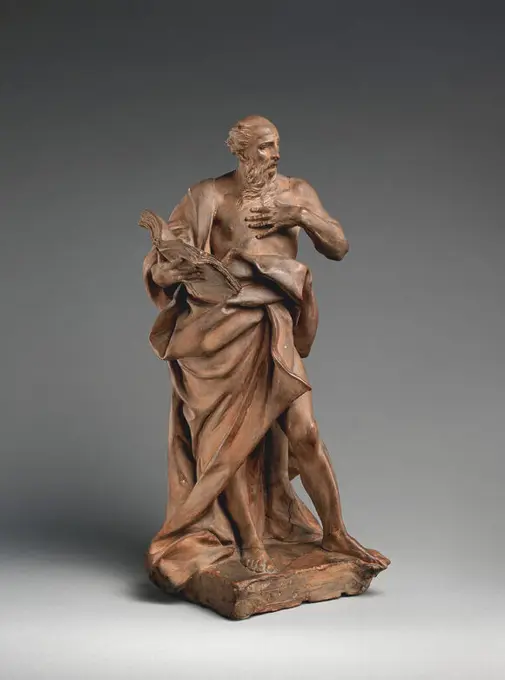
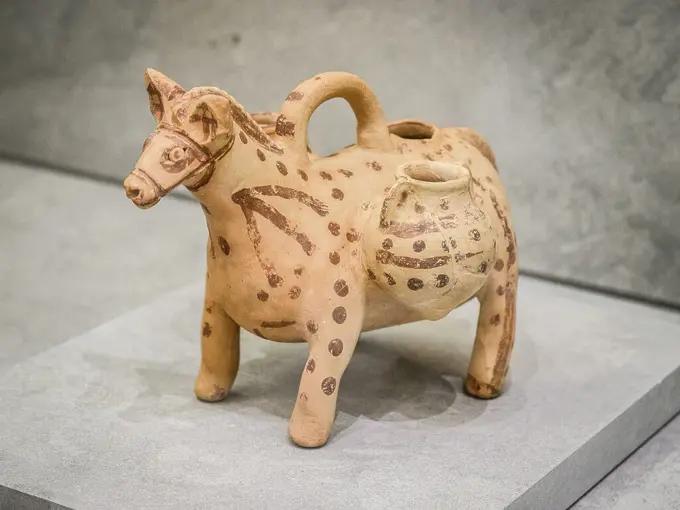
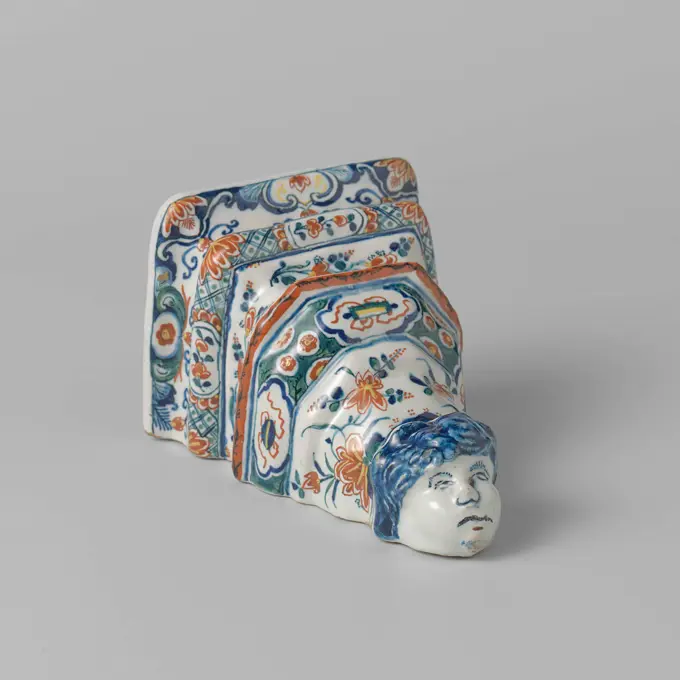
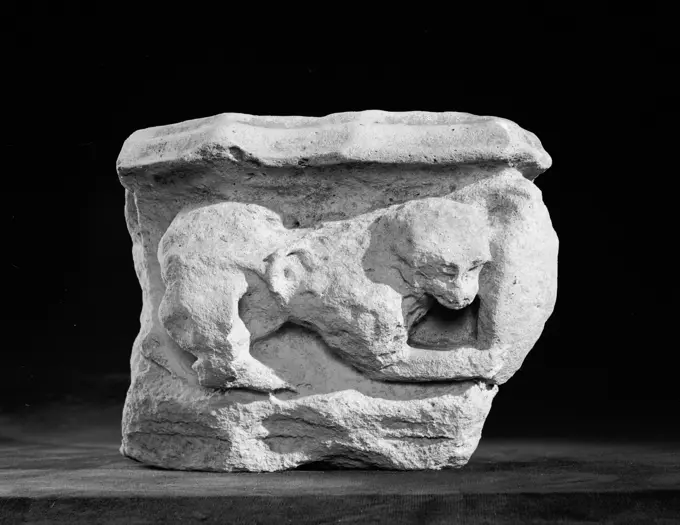
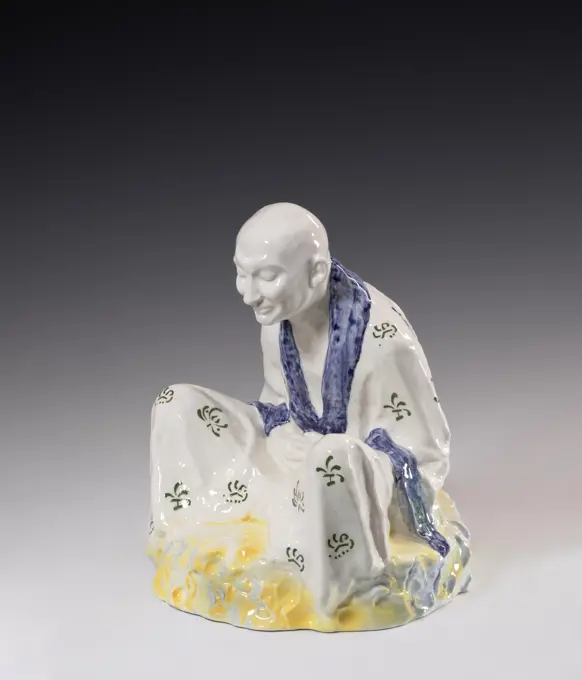
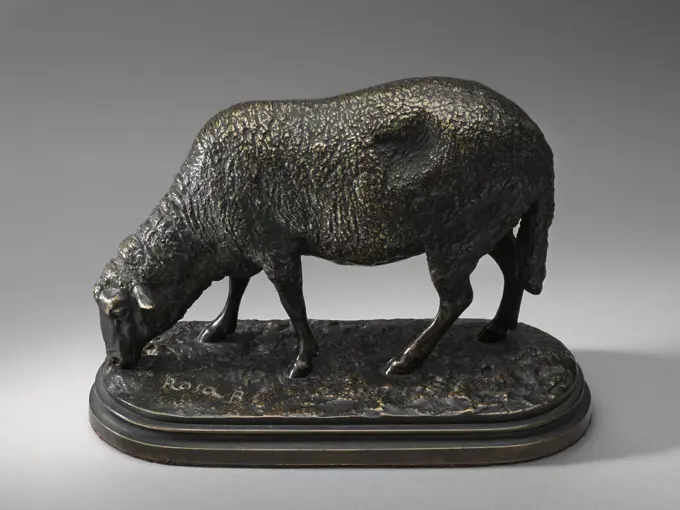
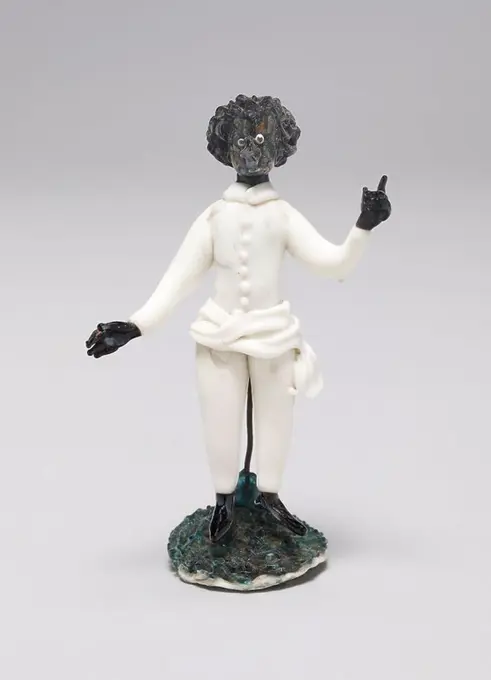
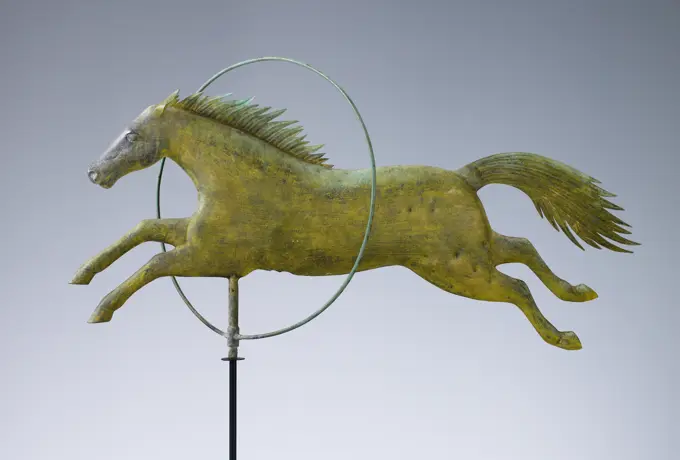
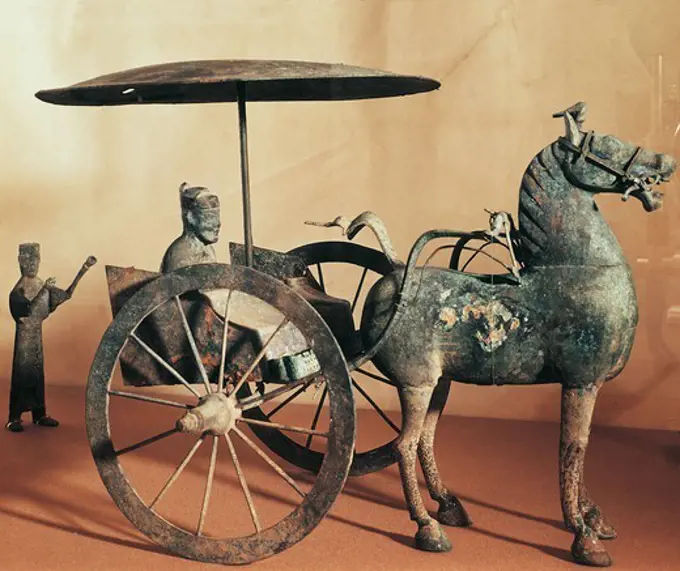
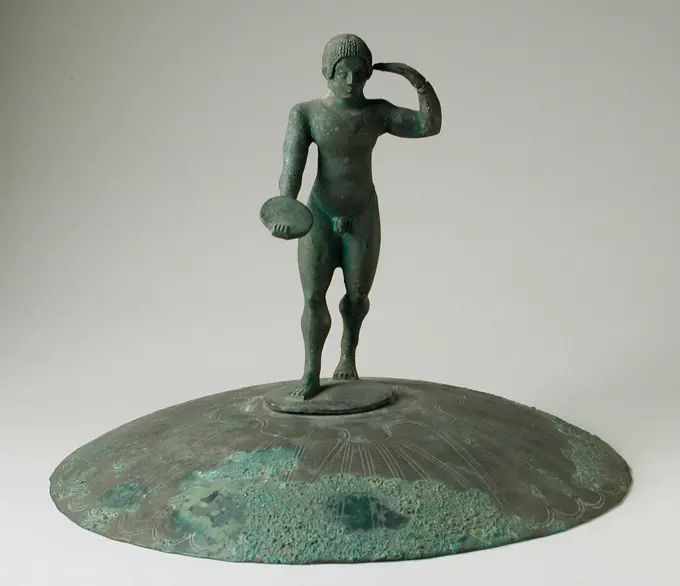
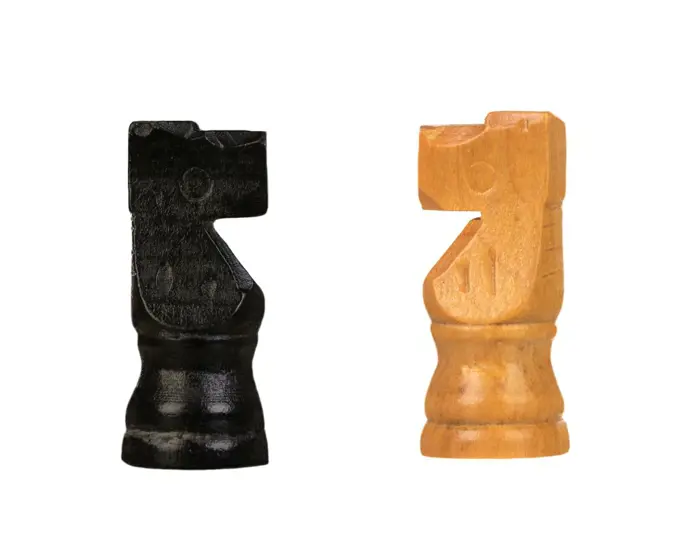
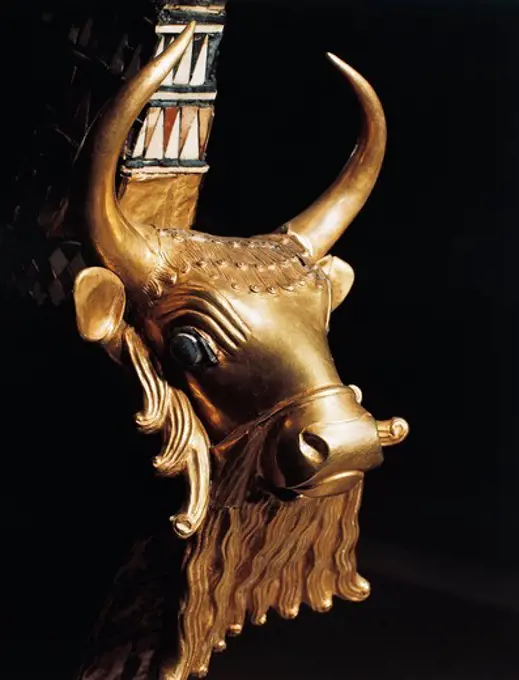
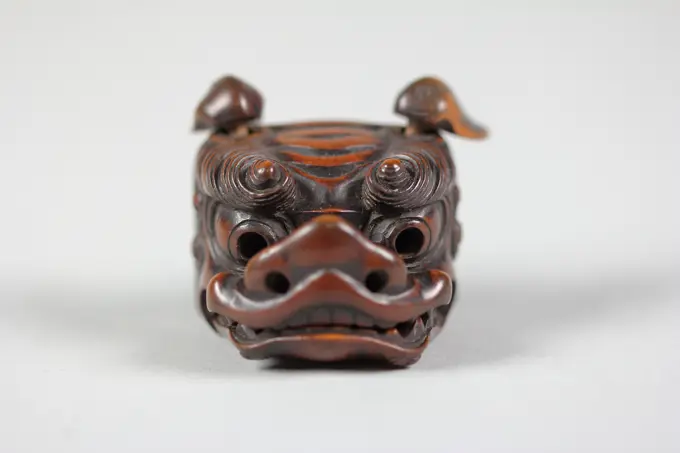
Netsuke of Lion Mask 19th century Japan. Netsuke of Lion Mask. Japan. 19th century. Wood. Edo (1615-1868) or Meiji period (1868-1912). NetsukeCovered Box in the Form of a Snail, c. 1750. Strasbourg Factory (French). Faience; overall: 7.7 x 12.4 x 7 cm (3 1/16 x 4 7/8 x 2 3/4 in.).Candlestick, from a five-piece Buddhist altar set, 18th century, Unknown Japanese, 10 13/16 x 3 3/8 x 3 3/8 in. (27.46 x 8.57 x 8.57 cm), Bronze, Japan, 18th century, In East Asia, Buddhists place incense, flowers, and light (candles) before holy images as an expression of homage and to increase the magnificence of the worship hall. Incense is believed to purify the space, flowers constitute an offering or gift to the diety, and light symbolically illuminates the darkness of ignorance. Altar sets consisting of flower vases, candleholders, and incense burners were first brought to Japan by traveling priests in the 1200s. By the 1300s, the Japanese were casting their own versions, which were more subdued than their Chinese prototypes and often featured birds and flowers of the four seasons cast in high relief. Miniature altar sets, such as this one, were used in formal reception halls when the painting on display in the alcove represented a Buddhist diety.Cockatoo. The porcelain factory at Meissen, near Dresden, was founded in 1709. It was the first European factory to produce true’ or hard-paste porcelain, like that known in China and Japan. The manufactory was owned by Augustus the Strong, Elector of Saxony and King of Poland. All the birds and animals in this display case were made for him. They were intended for his so-called Japanese Palace, the walls of which he wished to fill with porcelain.Finial. Western Inner Mongolia, 5th-4th century B.C.. Architecture; Architectural Elements. Bronze, castScent bottle ca. 1750-55 Saint James's Factory. Scent bottle. British, London. ca. 1750-55. Soft-paste porcelain. Ceramics-PorcelainTaller de la Dinastía Ch´ing; Michel Debourg / 'Chinese jade vessel with a silver-gilt foot'. 1684 - 1687. Silver-gilt, Nephrite. Museum: Museo del Prado, Madrid, España.Stirrup, Anonymous, 1775 - 1825 One of a few (cf.Mak 155a). Japan metal. lacquer (coating) One of a few (cf.Mak 155a). Japan metal. lacquer (coating)Netsuke. Culture: Japan. Dimensions: H. 1 1/3 in. (3.4 cm). Date: 19th century. Museum: Metropolitan Museum of Art, New York, USA.Giovanni Paolo Negroli, Helmet (burgonet) in the Form of a Dolphin Mask, Italian, active 1525-1565, 1540-1545, iron or steel, repoussé, embossed, and chiseledLid of man with triangular stitch and bottle in hand, on tub. Lid of decorative object of multicolored painted faïence.Bronze vase known as the Tiger, China. Chinese Civilisation, Shang Dynasty, 16th-11th century BC.Basin with Figural Feet (Lu). China. Date: 499 BC-300 BC. Dimensions: H. 10.9 cm (4 5/16 in.); diam. 25.8 cm (10 1/4 in.). Bronze. Origin: China. Museum: The Chicago Art Institute, Chicago, USA.Tassel, Medium: linen, metal wire, metal sequins, wooden core Technique: braided and knotted, Knotted white linen tassel with human figures decorated with coiled metal wire and hammered metal sequins., Italy, Europe, 17th century, trimmings, TasselHen with Chicks late 17th-early 18th century Japan. Hen with Chicks 49320Garment Plaque in the Shape of a Leopard 5th century B.C. Northwest China. Garment Plaque in the Shape of a Leopard 59478Netsuke of Merchant mid-19th century Japan. Netsuke of Merchant. Japan. mid-19th century. Ivory. Edo (1615-1868) or Meiji period (1868-1912). NetsukeFigure of a seated Chinese, anonymous, c. 1700 - c. 1724 Image of porcelain on hexagonal pedestal, painted on biscuit in green, yellow, eggplant and black. It depicts a sitting woman in a floral robe. The hexagonal pedestal is decorated at the front with servetwork with a medallion with a flower, two loose flowers and a window at the back. Email sur biscuit with family distance colors. China porcelain. glaze. painting / vitrification Image of porcelain on hexagonal pedestal, painted on biscuit in green, yellow, eggplant and black. It depicts a sitting woman in a floral robe. The hexagonal pedestal is decorated at the front with servetwork with a medallion with a flower, two loose flowers and a window at the back. Email sur biscuit with family distance colors. China porcelain. glaze. painting / vitrificationFigurine Whistle of an Old Woman. Northern Guatemala or Southeastern Mexico, Maya, 600-900 CE. Ceramics. Ceramic with post-fire pigmentFigure of Punch Matchsafe; England; plated brass; 5.5 x 4.3 x 2 cm (2 3/16 x 1 11/16 x 13/16 in. )Horse bit with cheekpieces in form of a winged sphinx ca. 8th-7th century B.C. Iran. Horse bit with cheekpieces in form of a winged sphinx 322871Handle in the form of a nude girl Etruscan. Handle in the form of a nude girl 256659Pendant, c. 700 BC. Sudan, Napatan; lion's head component, Egypt, probably New Kingdom, Late Period, Dynasty 25. Amethyst and gold; overall: 3.5 x 2.9 x 2.7 cm (1 3/8 x 1 1/8 x 1 1/16 in.).Stirrup Spout Bottle with Reclining Figure 1st-6th century Moche. Stirrup Spout Bottle with Reclining Figure 314696Kneeling Boy, early 1900s. Japan, Meiji period (1868-1912). Ivory; overall: 7.3 cm (2 7/8 in.).Bough Vase 1775-1800 British (American market). Bough Vase. British (American market). 1775-1800. Earthenware. Made in Staffordshire, EnglandAmulet  HatchesCanada, First Nations Canadian art. Typical Inuit soapstone sculpture. (Editorial Usage Only)Jade itemAmulet of a Jackal. Egypt, Late Period - Ptolemaic Period (711 - 30 BCE). Jewelry and Adornments; amulets. BronzeTwo-piece Candlestick, one of a pair, early 17th century, 30 7/16 x 8 3/4 x 7 3/8 in. (77.31 x 22.23 x 18.73 cm) (overall), Bronze, China, 17th century, This rare set of large, bronze candlesticks is cast at its base in the form of foreigners kneeling in mirror image on stepped stands. During the Ming dynasty (1368-1644), foreigners were ocassionally depicted in the decorative arts. They were typically shown with curling hair, bushy brows over bulging eyes, large noses, and moustaches like those shown here. They wear Chinese style robes with raised chest medallions, aprons, and boots. Foliate drip pans with baluster-shaped sockets cast with a coiled dragon are balanced on the men's heads. The separate candleholders of flared cylindrical form are each decorated with a four-clawed scaly dragon in high relief chasing a flaming pearl among the clouds. Each of the four components is cast with a four-character inscription reading 'the seal of Tung Wen-te.' Paired candlesticks typically flankPair of gold and glass earrings with baby Herakles 2nd-1st century B.C. Greek The snake that baby Herakles holds at arm's length was sent by the goddess Hera to kill him when she found out that his father, Zeus, had been unfaithful with the mortal Alkmene of Thebes.. Pair of gold and glass earrings with baby Herakles. Greek. 2nd-1st century B.C.. Gold and glass. Hellenistic. Gold and SilverCow, anonymous, c. 1675 - c. 1750  Northern Netherlands (possibly) bronze (metal)  Northern Netherlands (possibly) bronze (metal)Pair of Chinese dogs of Foo ca. 1750 British, Staffordshire. Pair of Chinese dogs of Foo. British, Staffordshire. ca. 1750. Salt-glazed stoneware. Ceramics-PotteryPair of candlesticks. Artist: Style of Niccolò Roccatagliata (Italian, born Genoa, active 1593-1636). Culture: Italian, Venice. Dimensions: Overall (.1 confirmed): 21 in. × 11 in. × 6 1/2 in. (53.3 × 27.9 × 16.5 cm);Overall (.2 confirmed): 20 1/2 in. × 9 1/2 in. × 7 in. (52.1 × 24.1 × 17.8 cm). Date: late 16th or early 17th century. Museum: Metropolitan Museum of Art, New York, USA.Dąbek, Teresa, Dąbek, Teresa and Wacław - collection, Dąbek, Wacław, Dar (provenance), Japanese artCharm in the form of turtledoves Pendant; France; porcelainFinial for Pin or Blade Depicting Figures Shearing a Llama. Possibly Inca; South coast or southern highalnds, Peru. Date: 1450-1532. Dimensions: 4.9 x 4.8 cm (1 15/16 x 1 7/8 in.). Bronze. Origin: Peru. Museum: The Chicago Art Institute, Chicago, USA.Little toy horse on wheels ancient pull toy on display at Kerameikos archaeological museum in Athens, Greece.Fragment of an Aphrodite Torso. UnknownDaoist Immortal. Culture: China. Dimensions: H. 6 1/8 in. (15.5 cm); W. 2 11/16 in. (6.8 cm); D. 1 5/8 in. (4.2 cm). Date: late 17th-early 18th century. Museum: Metropolitan Museum of Art, New York, USA.Horus Falcon Amulet 664-332 B.C. Late Period. Horus Falcon Amulet. 664-332 B.C.. Steatite. Late Period. From Egypt. Dynasty 26-29Box Lid with a Winged Lion and Remnant of an Iron Hinge ca. 5th century Pakistan (ancient region of Gandhara) Box lids are rare examples of nonreligious art of the fifth century, little of which has survived. They are closely related in style and imagery. Their dating is based on the decorative scrolls of the Gupta period.. Box Lid with a Winged Lion and Remnant of an Iron Hinge. Pakistan (ancient region of Gandhara). ca. 5th century. Stone. SculptureTerracotta askos in the form of a boar. Culture: Greek, South Italian, Campanian. Dimensions: H. 4 1/8 in. (10.5 cm). Date: 4th century B.C..With keen observation, utmost economy, and masterful sensitivity, a Campanian artist has rendered a boar as he sits in charmed submission. Museum: Metropolitan Museum of Art, New York, USA.Dar (provenance), Japanese (culture), Puzdra, Japanese artThe Fisher Child  (Petit Pecheur)  Francois Rude (1784-1855/French)  Musee du Louvre, Paris . On a triangular and three-legged pedestal is a violin man with hat. The image is of multicolored (blue, green, yellow and red) painted faience. The image has been marked.The Mask Maker, late 1800s to early 1900s. Japan, Meiji period (1868-1912). Ivory; overall: 5.1 cm (2 in.).Bagpiper ca. 1750 Style of Astbury-Whieldon. Bagpiper. British, Staffordshire. ca. 1750. Lead-glazed earthenware. Ceramics-PotteryKingfisher. Sandstone clothed with enamelvert, blue and khaki. Paris, Cernuschi museum. 78841-20 Asian art, ancient ceramic, covered, email, glacure, Chinese pottery, terracotta emaillee, animal, natureJohann-Joachim Kaendler (1706-1775). "Partridge". German porcelain from the 18th century. Museum of Fine Art of the City of Paris, Petit Palais. Meissen factory, bird, German porcelain, animalold chess knight cut out from white backgroundFortuna. Artist: After a model by Giambologna (Netherlandish, Douai 1529-1608 Florence). Culture: Italian, Florence. Dimensions: Overall without bolt (confirmed): 21 1/4 × 6 1/4 × 4 5/8 in. (54 × 15.9 × 11.7 cm)Height with bolt (confirmed): 23 5/8 in. (60 cm). Date: 1560-70.This figure of Fortuna bears stylistic similarity with a work created by Giovanni Bologna in the 1560s, such as his Mercury composition of ca. 1563-34, or the sketch model for the group of Florence Triumphant Over Pisa of 1565. Its heavy, rough cast suggests it is a model preserved in bronze, not dissimilar from the appearance of Giovanni Bologna's first design for the Mercury, cast in 1564, now in the Museo Civico, Bologna. Museum: Metropolitan Museum of Art, New York, USA.Court Dancer 1700-1725 France. Glass; lampwork (verre de Nevers), metal armature .Pectoral in the Shape of a Kulan 6th century B.C. Northeast China. Pectoral in the Shape of a Kulan. Northeast China. 6th century B.C.. Gold. MetalworkStatuette of a Lion. UnknownNetsuke, NAGASADA (Possible), 1850-1900 Mask of an ONI. Signed "Nagasada". Japan wood (plant material) Mask of an ONI. Signed "Nagasada". Japan wood (plant material)Hairpin Decorated with a Hippopotamus. Dimensions: H. 9cm (3 9/16 in.); W. 1.2 cm (1/2 in.); D. 1.4 cm ( 9/16 in.). Dynasty: Dynasty 12, late-13. Date: ca. 1840-1640 B.C.. Museum: Metropolitan Museum of Art, New York, USA.Clay imageTwo outsiders. A small vessel depicting women and Africans as political outsiders. The two painted faces point outwards. Aryballos, made in Athens circa 470-450 BC.Staff -crowning a standard of the Dutch army at the time of the Belgian uprising, c. 1800 - c. 1832  Metal decorations of a banner or standard consisting of and lion with sword on a block including an olive wreath. This copy is hollow and cast from a thin layer of copper. The lion is loose with an intact sword. Staf ornament. Netherlands copper (metal)   Netherlands. BelgiumAmulet: Cat with 3 Kittens 664-332 B.C. Late Period. Amulet: Cat with 3 Kittens. 664-332 B.C.. Faience. Late Period. From Egypt. Dynasty 26-30Pointer Standing over a Pheasant. Dated: 19th-early 20th century. Dimensions: overall: 12.1 × 19.1 × 6.4 cm (4 3/4 × 7 1/2 × 2 1/2 in.). Medium: bronze. Museum: National Gallery of Art, Washington DC. Author: Paul Edouard Delabriere.Medallion with the Bust of Christ ("The Cumberland Medallion"), from the Guelph Treasure, late 700s. Germany, Weserraum, Migration period, late 8th century. Cloisonné enamel and gold on copper; diameter: 5.1 x 0.2 cm (2 x 1/16 in.).Cow lying down, multi -colored., Anonymous, c. 1770 - c. 1820 Lying cow of multi -colored painted faience. Amsterdam earthenware. tin glaze. Lying cow of multi -colored painted faience. Amsterdam earthenware. tin glaze.Two Chinese figures, anonymous, c. 1765 Figure of painted porcelain. On a flat square pedestal a figure is known as a 'malabar'. The woman wears a yellow top with blue edges and a fur lining. She wears a pointed hat. In her right hand she is wearing a basket with fruits, a handle basket with lid in the left hand. The pedestal is mounted on a gilded bronze pedestal. The figure is not marked. Parisporcelain Company: Meissenendigner: Meissendeigner: Meissen porcelain. bronze (metal). gilding (material) gilding Figure of painted porcelain. On a flat square pedestal a figure is known as a 'malabar'. The woman wears a yellow top with blue edges and a fur lining. She wears a pointed hat. In her right hand she is wearing a basket with fruits, a handle basket with lid in the left hand. The pedestal is mounted on a gilded bronze pedestal. The figure is not marked. Parisporcelain Company: Meissenendigner: Meissendeigner: Meissen porcelain. bronze (metal). gilding (material) gildingTondo with Putt's performanceAntoine-Louis Bare (1795-1875). "Dutchpiece lying down". Brown brown brown. Around 1840. Museum of Fine Arts of the City of Paris, Petit Palais. Statuette, 19th XIXth 19th 19th 19th 19th century, animalGirl figure, undecorated, anonymous, c. 1755 - c. 1780 Children's figure of Faience, representing a girl. White glazed. Delft (Possibly) Höchst . Children's figure of Faience, representing a girl. White glazed. Delft (Possibly) Höchst .JINETES IBERICOS. Location: MUSEO ARQUEOLOGICO NACIONAL-COLECCION. MADRID. SPAIN.Apostle (Saint Matthew). Culture: Italian. Dimensions: Overall (confirmed): 17 1/2 × 8 5/8 × 6 7/8 in. (44.5 × 21.9 × 17.5 cm). Date: 1730s.This vigorously modeled statuette portrays an Apostle, possibly Saint Matthew. He holds an open book, one of his symbols, in his right hand, and his left is pressed against his chest, almost evocative of his call from Jesus. The terracotta bozzetto exemplifies a different way of fashioning clay, being in between a clay sketch and a smooth model. The handling of the clay is masterful. Particularly engaging is the spiky head, quickly modeled with few secure strokes and framed by sparse hair. The Evangelist's powerful stride and arrangement of the heavy mantle, with its deep edgy folds, animate the figure and impart a sense of monumentality and command of space typical of Roman sculpture at the time. Museum: Metropolitan Museum of Art, New York, USA.Ritual vessel in the shape of a donkey carrying amphorae, 425-400 BC, Archaeological Museum of Ibiza and Formentera, Spain.Seal with Knob in the Shape of a Turtle ca. 1st-2nd century China. Seal with Knob in the Shape of a Turtle 44314Console of multi-colored painted faïence. Faïence console. Painted multi-colored and a man's head at the bottom.Inca silver figurine of a Llama 1350-1532 AD, Peru or BoliviaPole Top with Ibex (one of pair) Artist's working dates 599 BCE-400 BCE China, northern. Bronze .Fragment of Chapiteau: Lion with coat of arms, unknown provenance (Cat 239) Anonymous. Fragment of Chapiteau: Lion with coat of arms, unknown provenance (Cat 239). Pierre.Shojo, dancer, post from the theater no; Netsuke; Asahi, Gyokuzan (1843-1923); 19th century (1800-00-00-1900-00-00);Figure of a crowing cock, anonymous, c. 1675 - c. 1724 Image of porcelain, covered with a translucent white glaze and painted on the glaze in blue, red, green, yellow, black and gold. Image in the form of a crowing rooster with open mouth and slightly spread wings. Decorated in the Netherlands with Famle Verte Email colors. Blanc de Chine decorated in Europe. China porcelain. glaze. gold (metal) painting / gilding / vitrification Image of porcelain, covered with a translucent white glaze and painted on the glaze in blue, red, green, yellow, black and gold. Image in the form of a crowing rooster with open mouth and slightly spread wings. Decorated in the Netherlands with Famle Verte Email colors. Blanc de Chine decorated in Europe. China porcelain. glaze. gold (metal) painting / gilding / vitrificationJapanese; Niewska, Olga (1898-1943); around 1930 (1925-00-00-1835-00-00);Owl ca. 1750 or later British, Staffordshire. Owl. British, Staffordshire. ca. 1750 or later. Salt-glazed stoneware. Ceramics-PotteryEwe, or A Grazing Sheep. Dated: model second half 19th century. Dimensions: height: 14 cm (5 1/2 in.). Medium: bronze. Museum: National Gallery of Art, Washington DC. Author: ROSA BONHEUR.Black Boy. Nevers, France. Date: 1700-1725. Dimensions: H. 6.7 cm (2 5/8 in.). Glass; lampwork (verre de Nevers), metal armature. Origin: France. Museum: The Chicago Art Institute, Chicago, USA.Weight in the Shape of Liubo Game Player China A popular game in the Han dynasty, liubo involves two players who gamble by using dice, counters, gaming pieces, and a marked board. The bronze figures exhibited in this casetwo players and two spectatorswere used as weights to hold the floor mat in place. These figures, which capture a dramatic moment in a heated game, represent leisure activities in ancient China.. Weight in the Shape of Liubo Game Player 72298Terracotta figure of a squatting infant from the Archaic period. Dated 5th Century BCEquestrian Roof Tile, one of a pair, 19th century, 18in. (45.7cm), Ceramic, glaze, China, 19th centuryLead figure of a horse. Culture: Greek, Laconian. Dimensions: Length: 1 3/16 in. (3.1 cm). Date: 6th-5th century B.C..Small flat votive figurines of cast lead have been found in great quantities at the ancient sanctuaries of Laconia; over one hundred thousand, dating from the seventh century B.C. to the Classical period, were dedicated to the goddess Artemis Orthia in Sparta. Museum: Metropolitan Museum of Art, New York, USA.Figure of a Street Vendor. Mennecy Porcelain Manufactory (French, active 1750 - 1777)Netsuke 19th century Japan. Netsuke 60155Inuit stone sculpture, Iqaluit, Frobisher Bay, Baffin Island, Nunavut, Canada, detail, object, North AmericaHorse Jumping Through Hoop, c. 1865, A.L. Jewell & Company, Waltham, Massachusetts, 1852-1867, 15 13/16 x 30 11/16 x 11 in. (40.16 x 77.95 x 27.94 cm), Copper, zinc, gilt, United States, 19th century, A weathervane such as this was made by placing sheet metal (often copper or zinc) over a hand-carved wooden form and hammering it down to take on the curves of the wooden shape. In the 1800s, A. L. Jewell & Company was one of the earliest manufacturers to capitalize on the popularity of weathervanes in the United States. The Jumping Horse form was made in small numbers, for only about three years. The horse jumping through a hoop is the rarest.Statuette of Isis-Fortuna. UnknownBox.   Maker: Wongshing, Chinese, active 1830-55Patron: W. ToxHonorand: J. CasalierSelma Sandler, Rocking Horse, c 1941 Rocking HorseHorse-drawn cart with a driver and an attendant, a bronze model found in Wuwei Gansu, China. Chinese Civilisation, Eastern Han Dynasty, 2nd century.Cinerary Urn with Cover. Italy, Etruscan, 3rd century B.C.. Furnishings; Accessories. BronzeBlack and white knights face to face. Symmetrical pieces of chessLeft Man with mallet ; Center left Man asleep ; Center right Man carrying bucket ; Right Man carrying basket , Fishermen. The Massachusetts WPA Federal Art Project Photograph CollectionStatuette in silver and yellow amber of figures holding offerings, from Susa, Iraq. Animal figure of faience, representing a cow. White glazed.