Historical Asian Artifacts

A collection of antique netsuke and statuettes, showcasing intricate carvings and cultural significance from Japan and ancient Egypt.

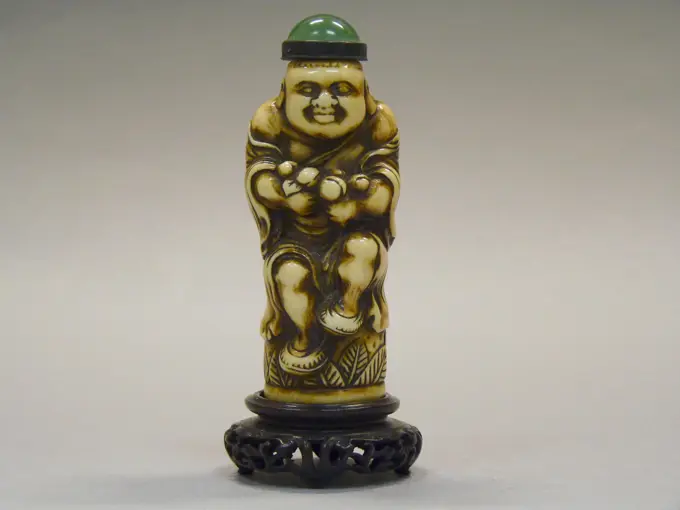
Snuff Bottle, 1875-1925, 3 x 3/4 in. (7.6 x 1.9 cm), Coral, China
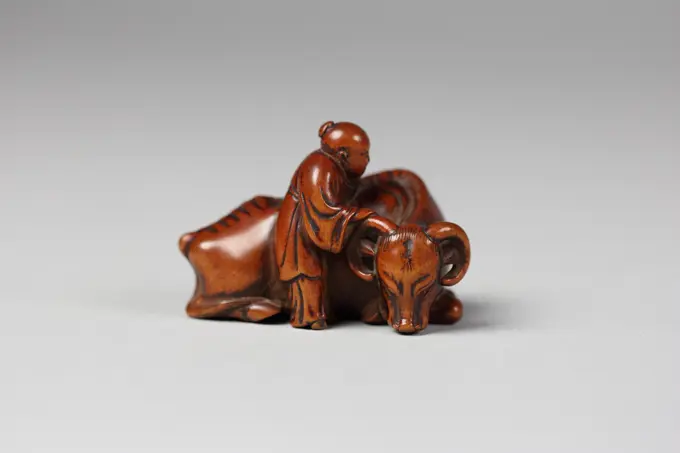
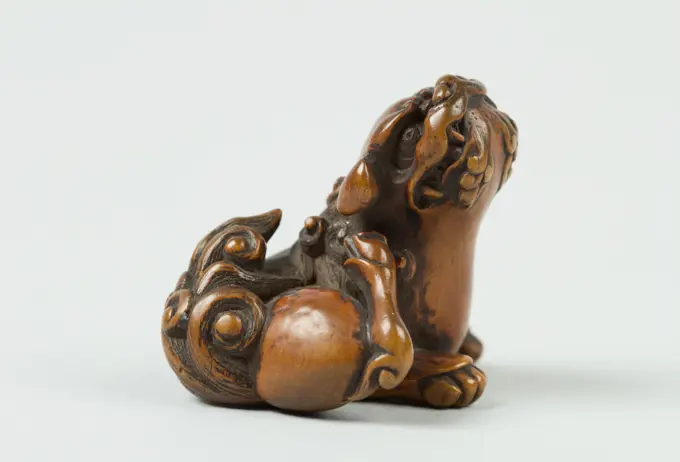
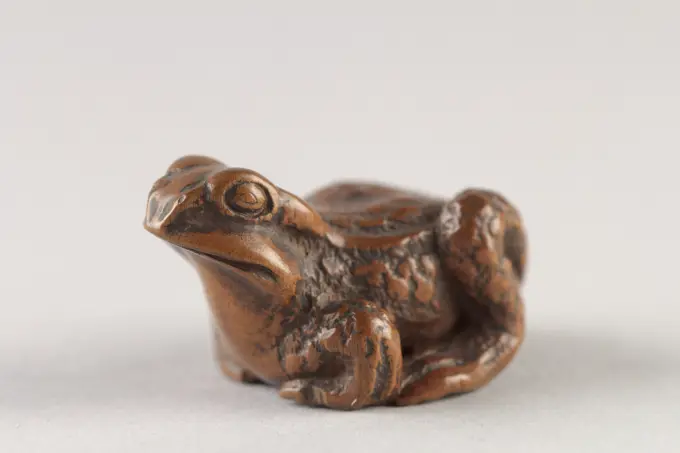
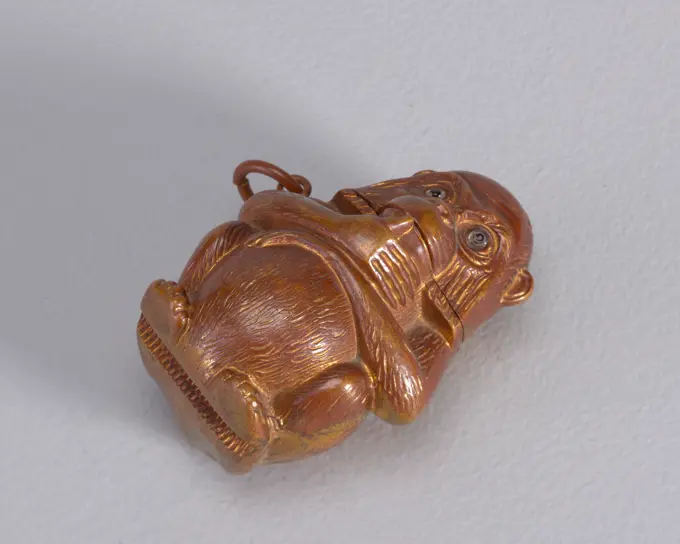
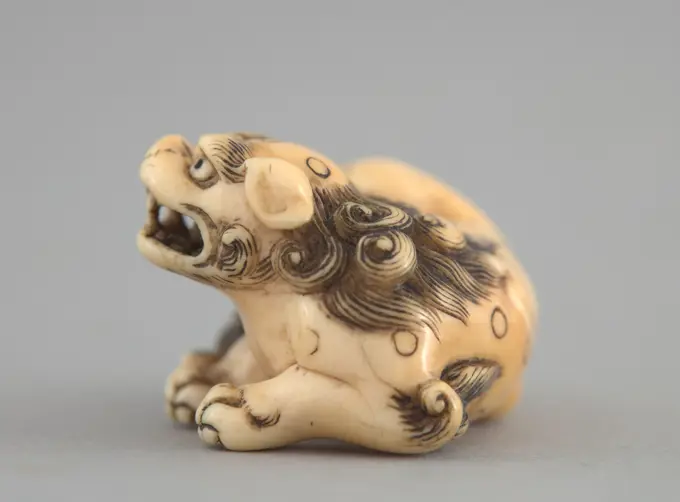
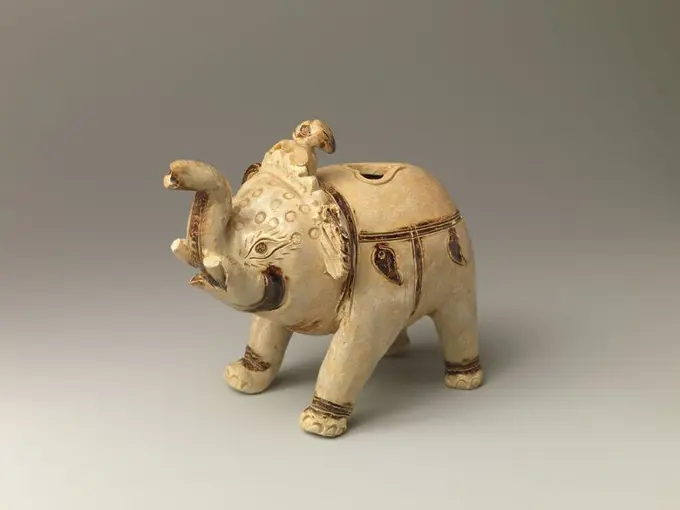
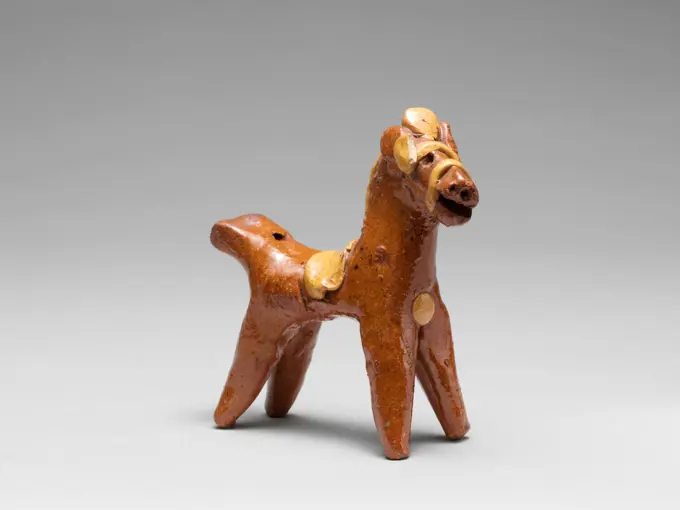
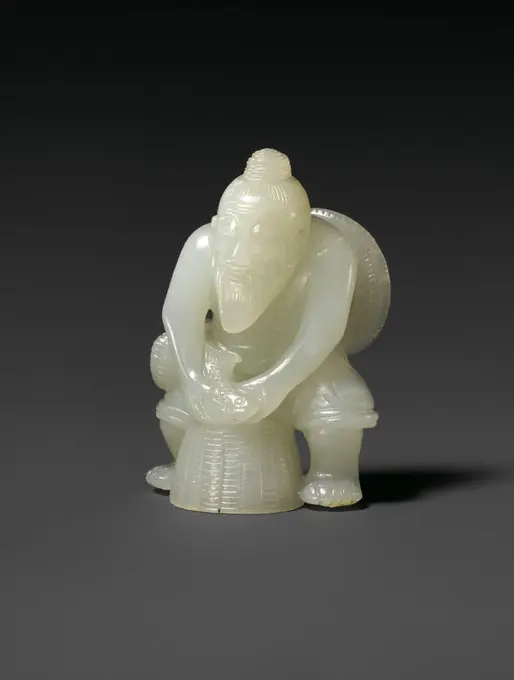
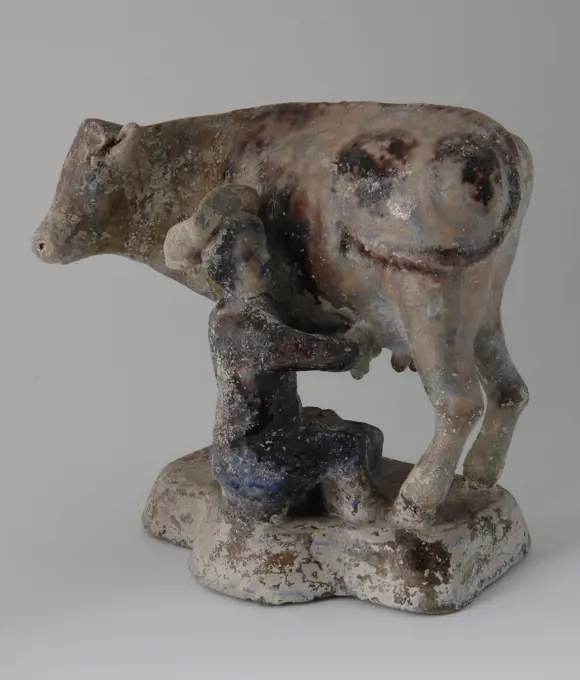
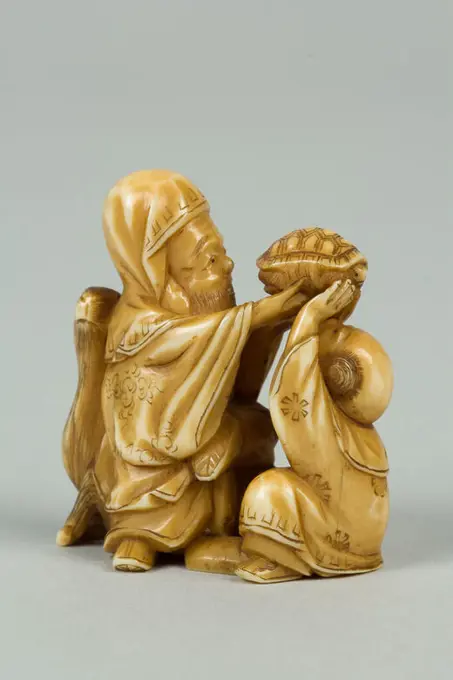
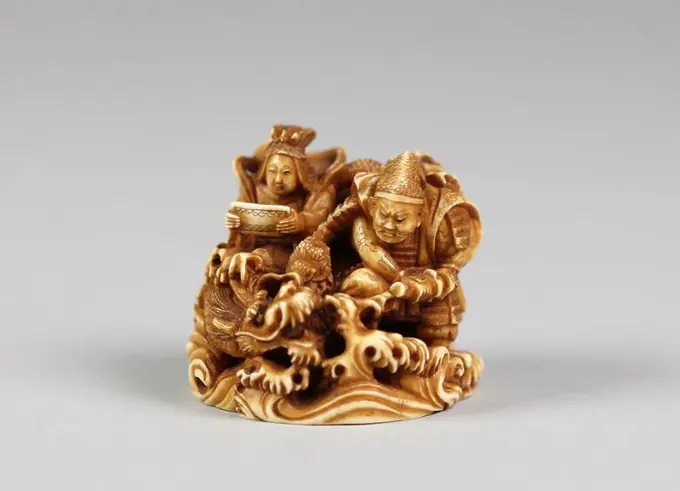
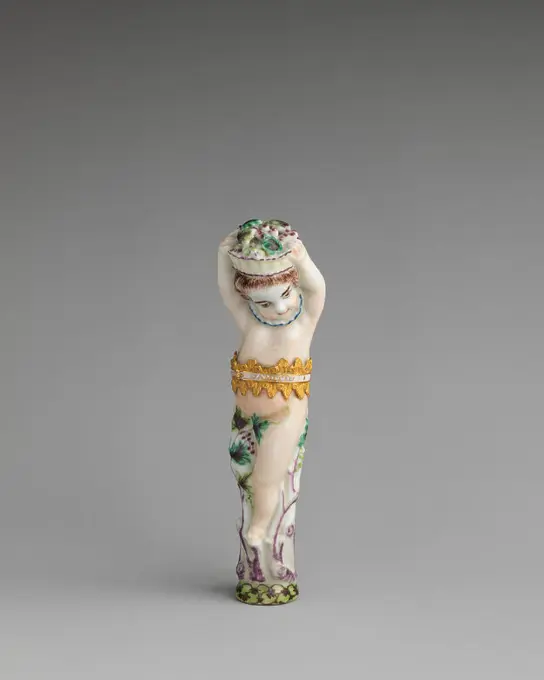
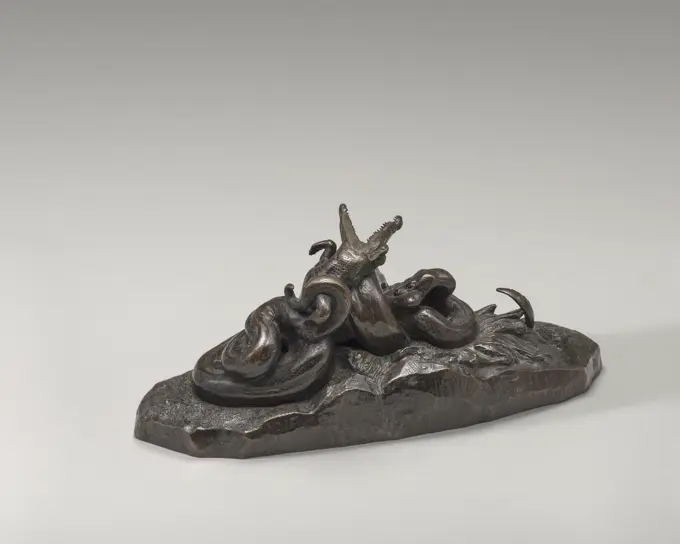
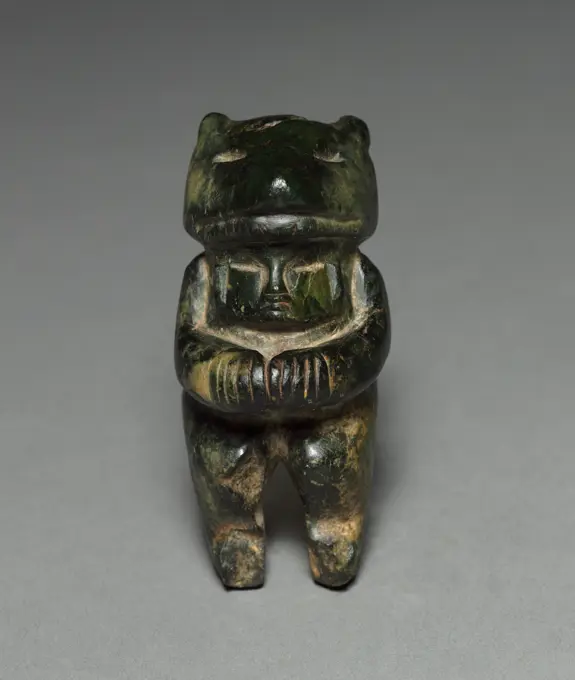
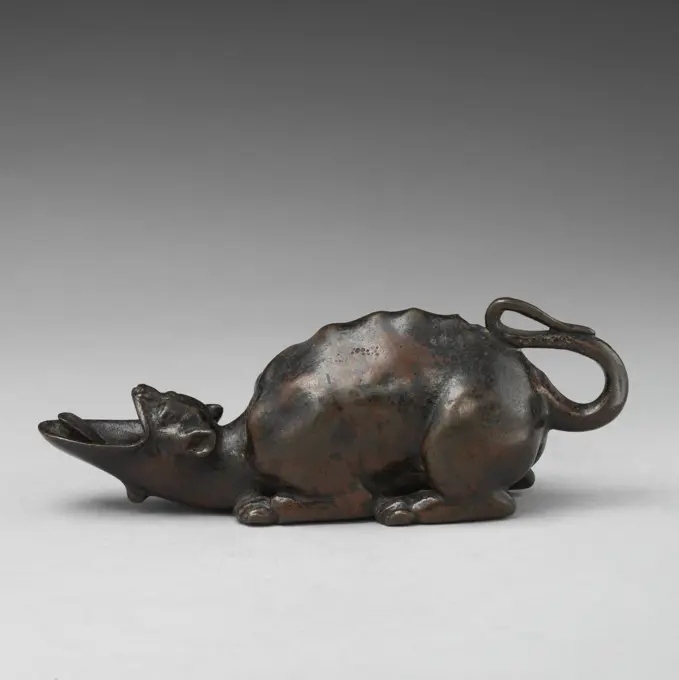
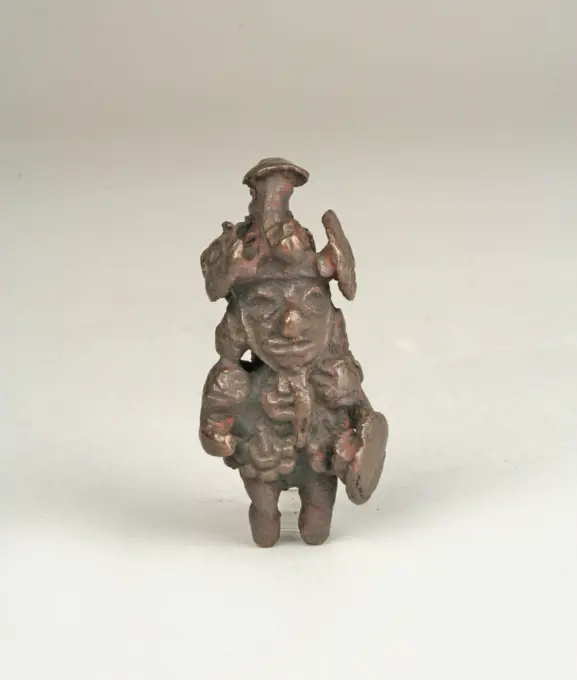
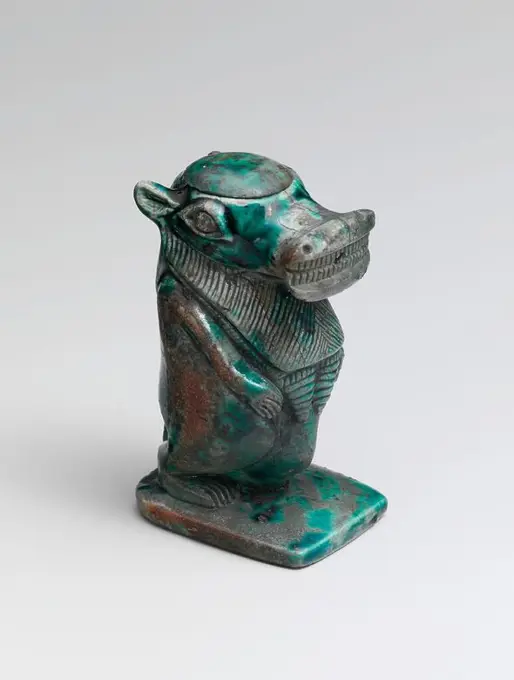
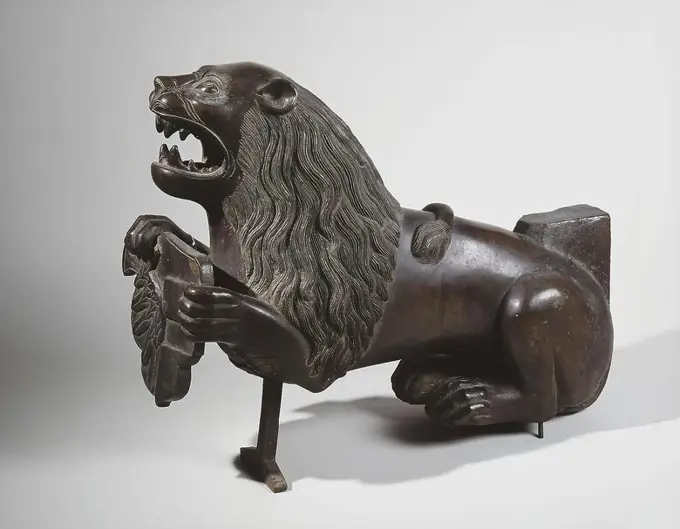
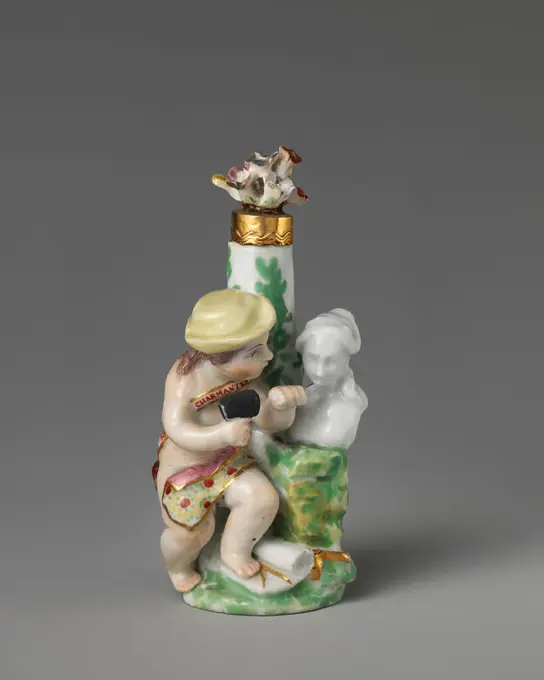
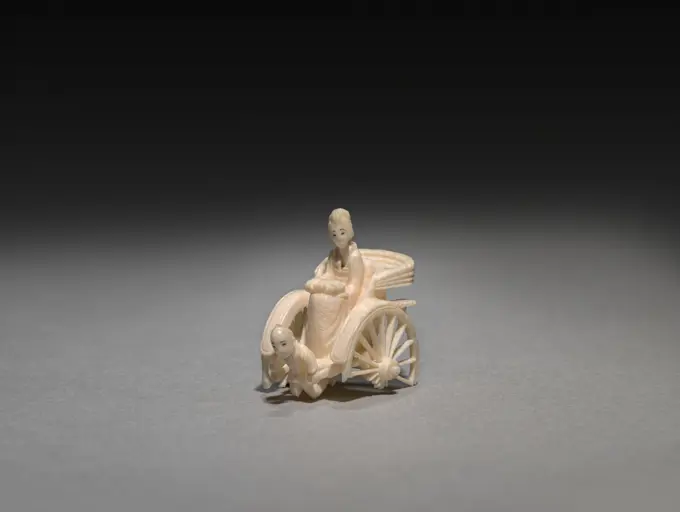
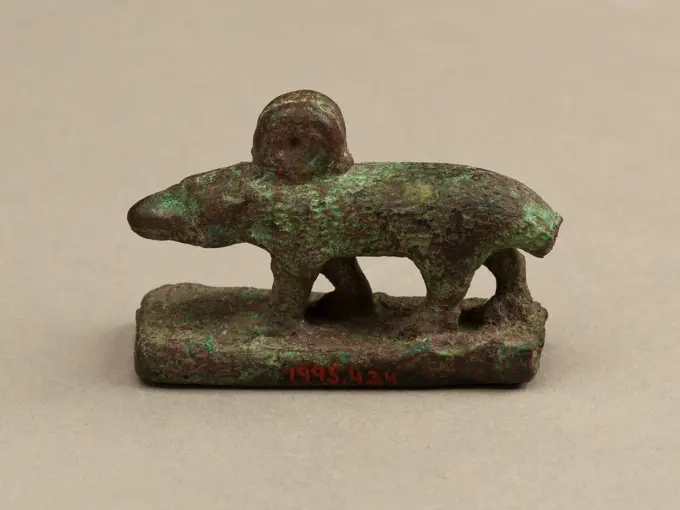
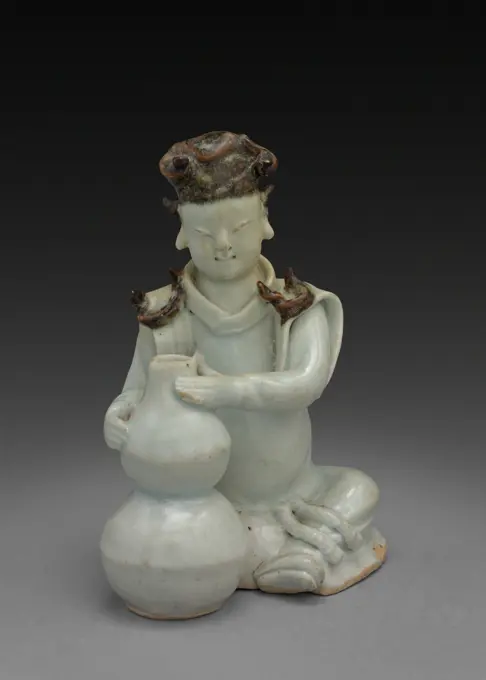
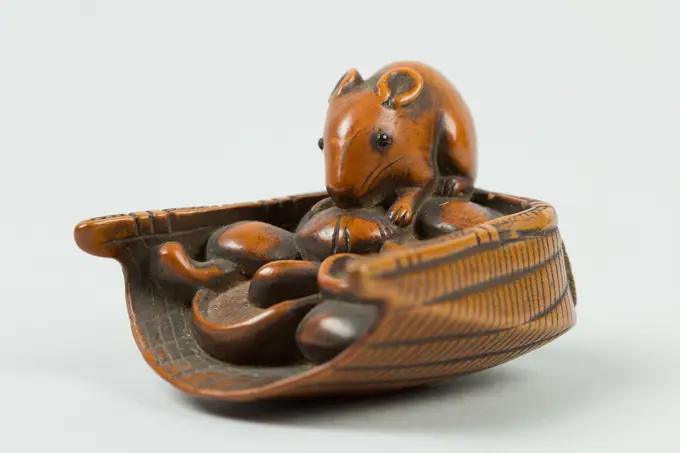
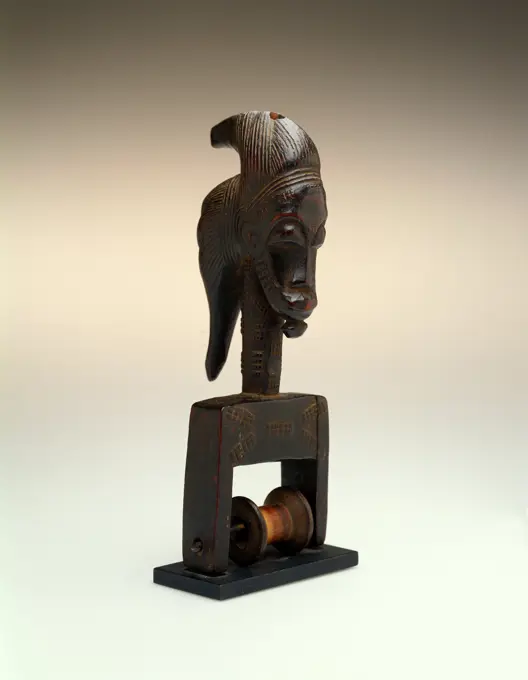
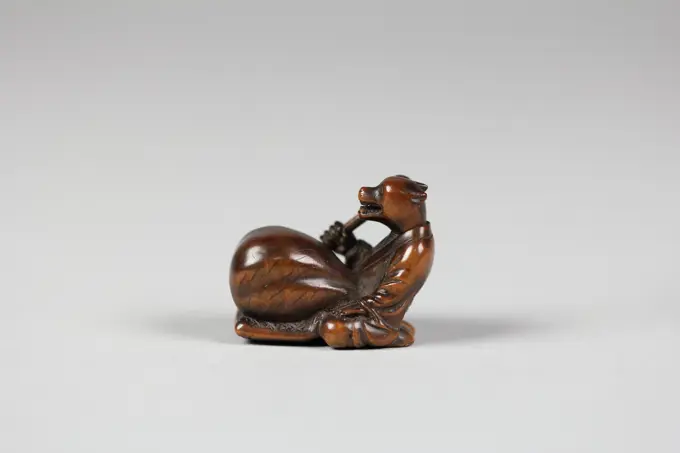
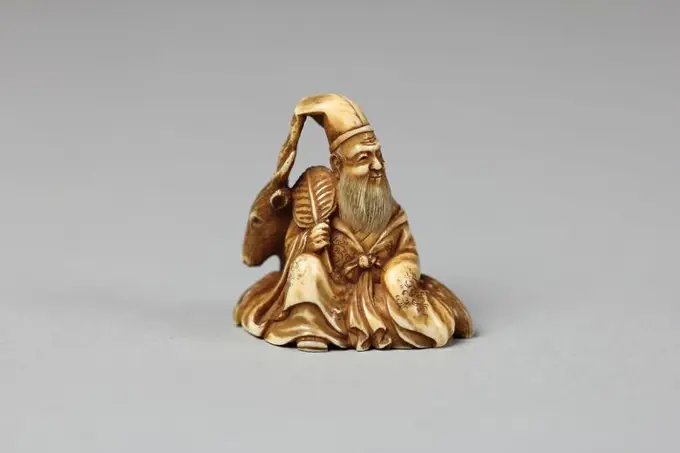
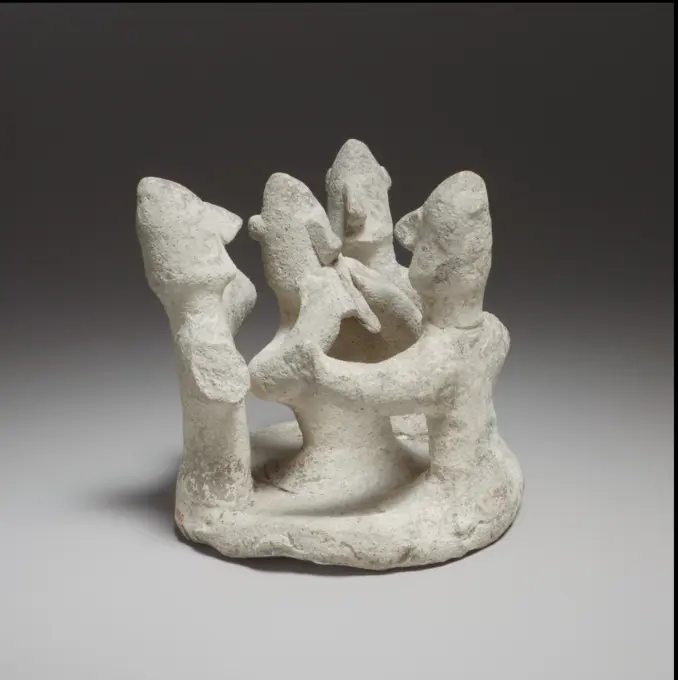
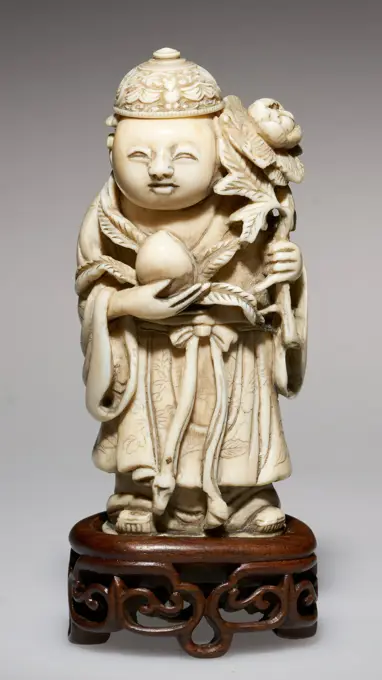
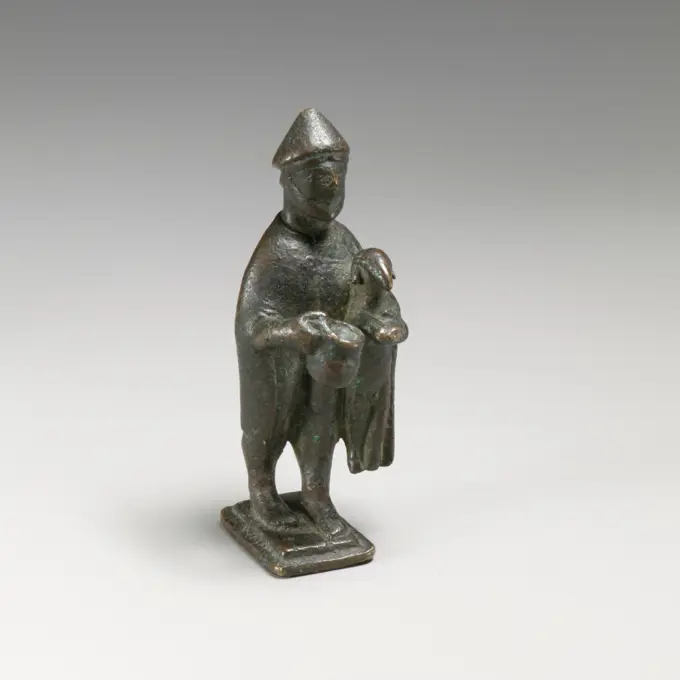
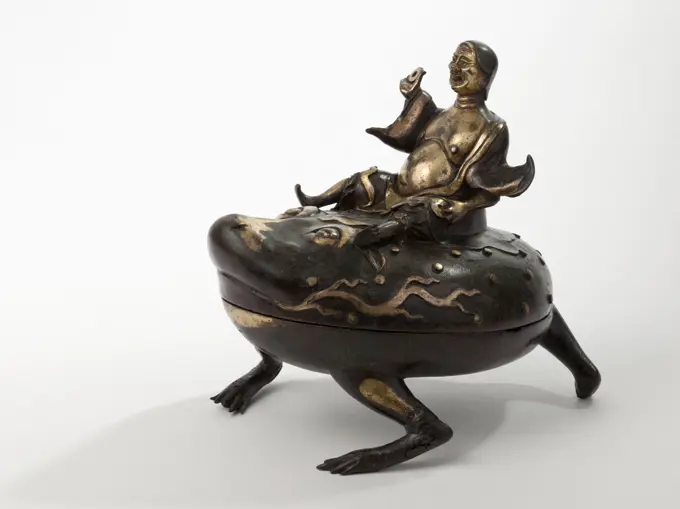
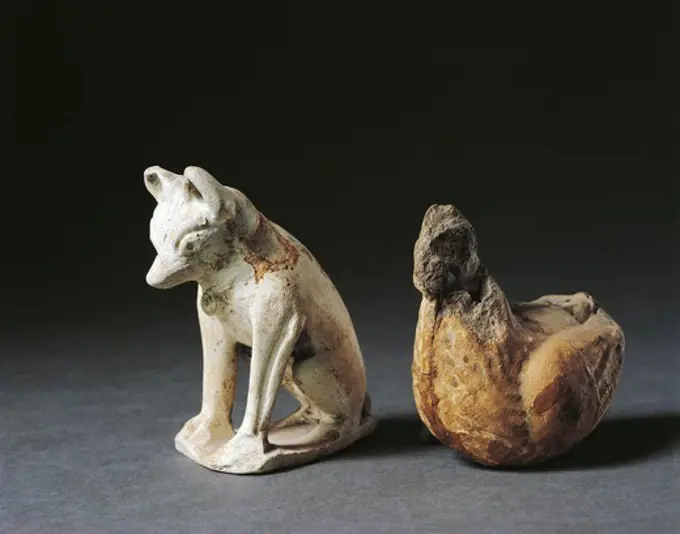
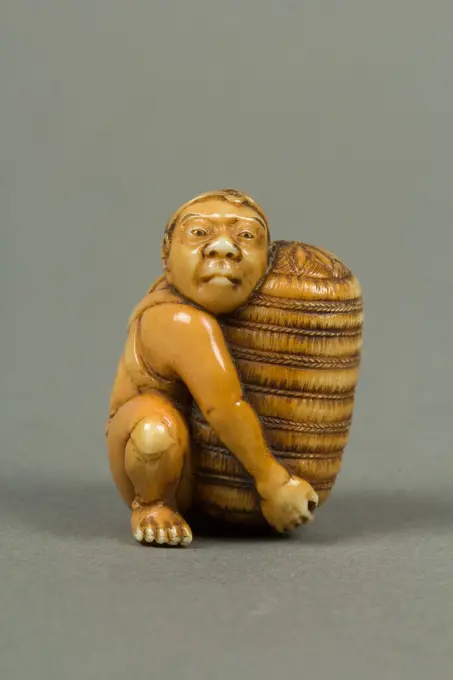
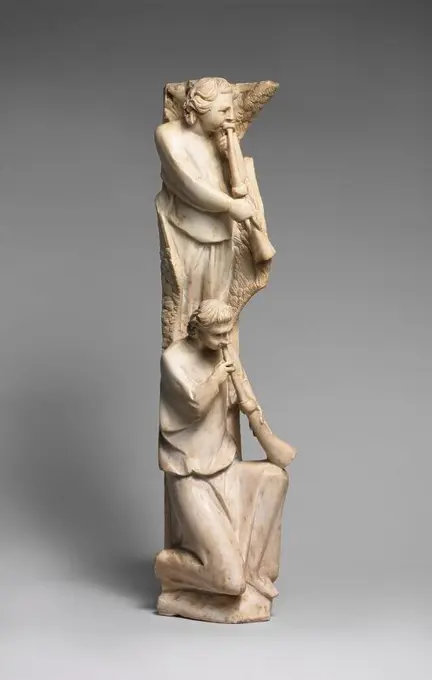
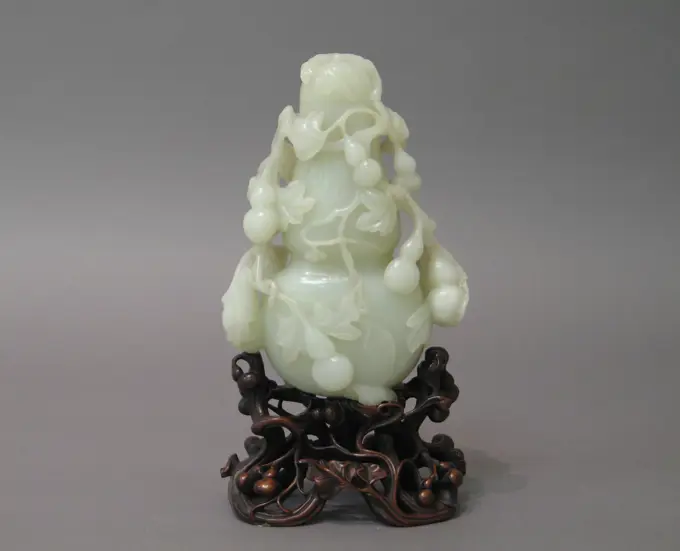
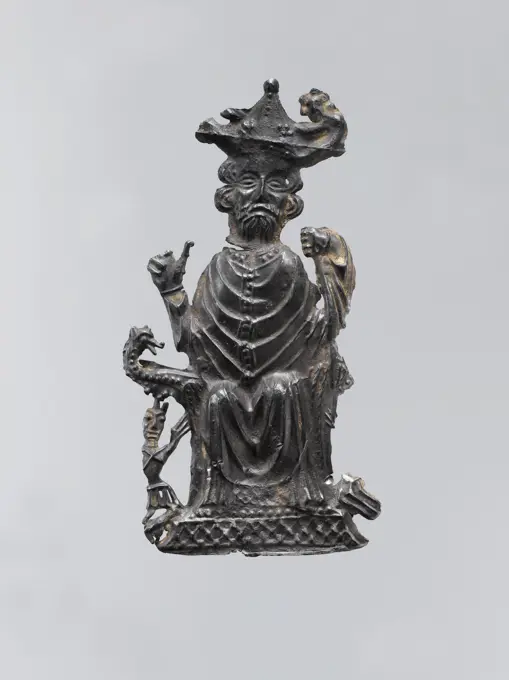
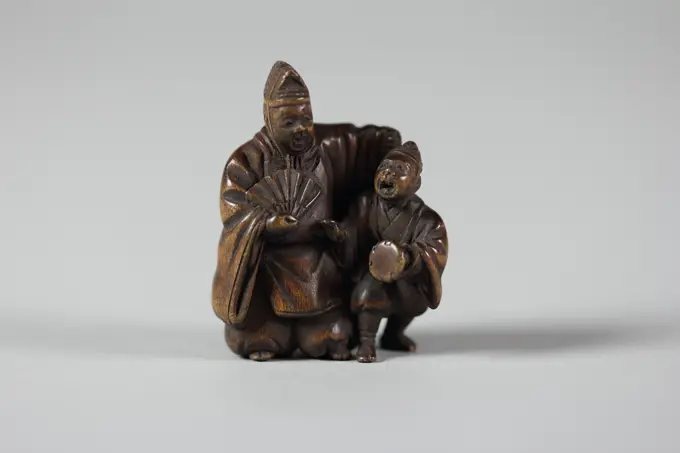
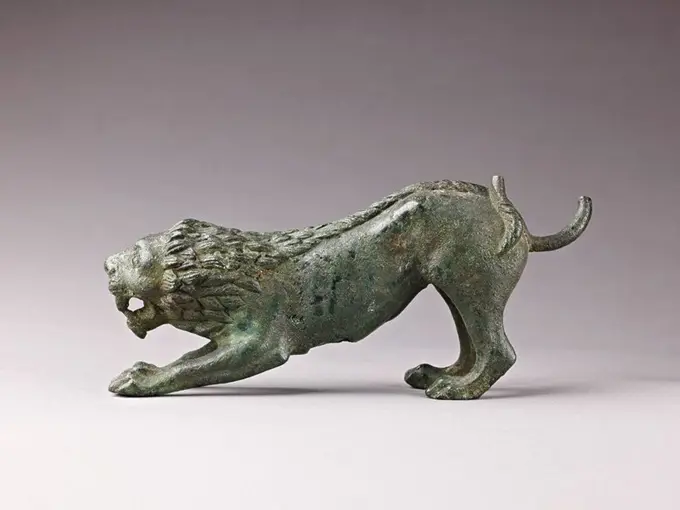
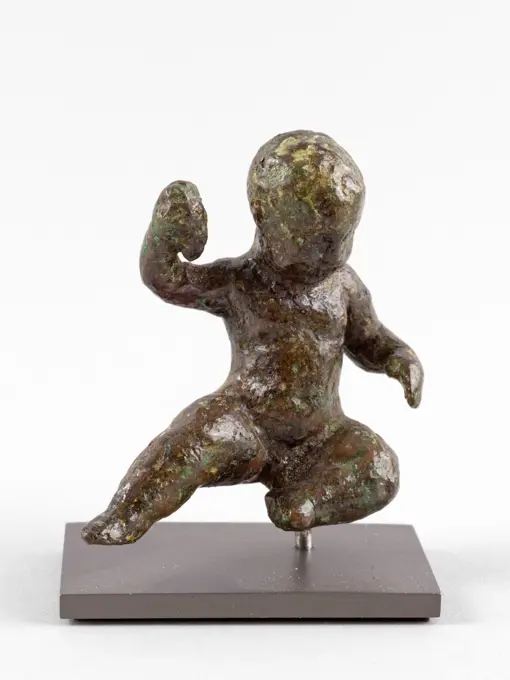
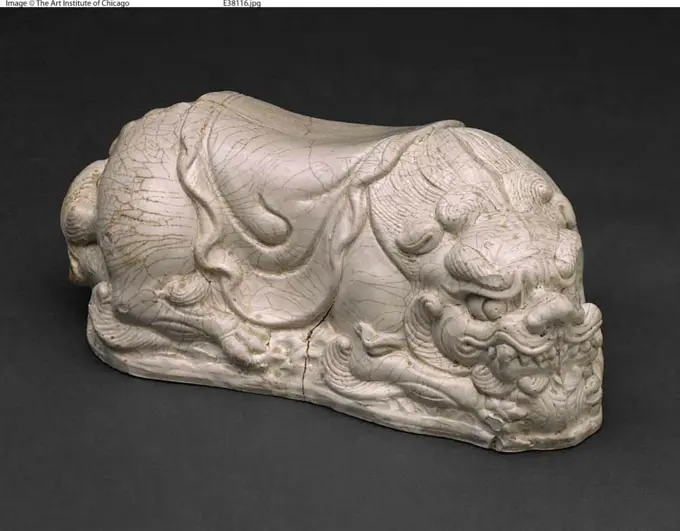
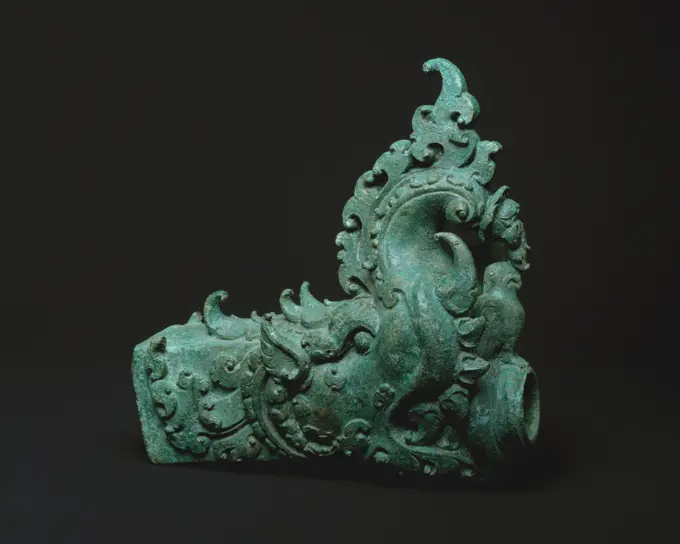
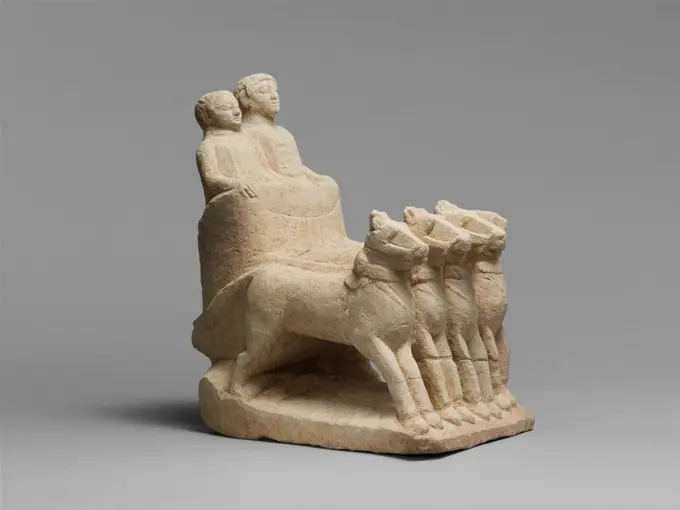
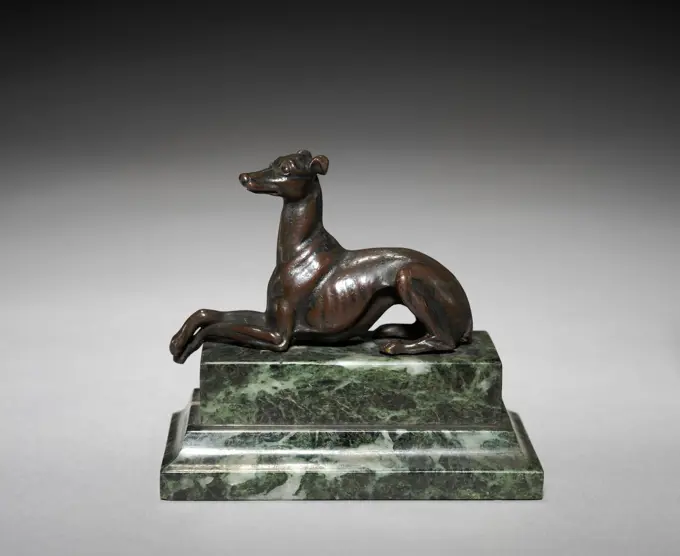
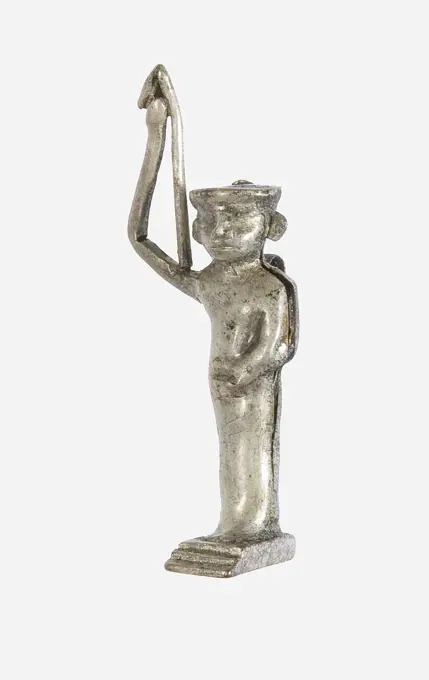
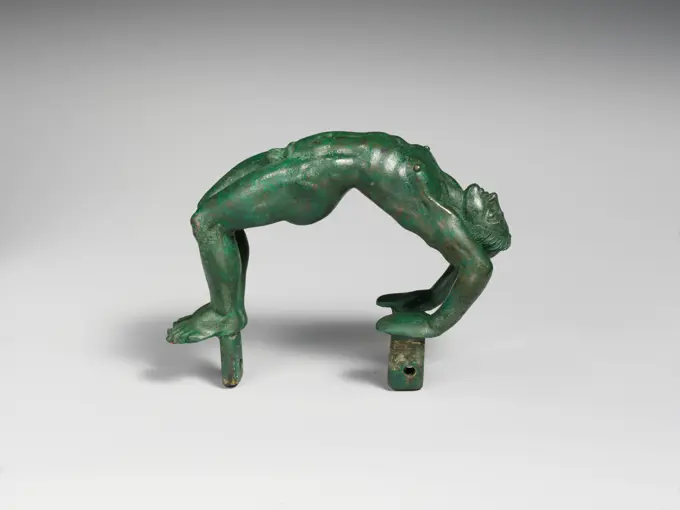
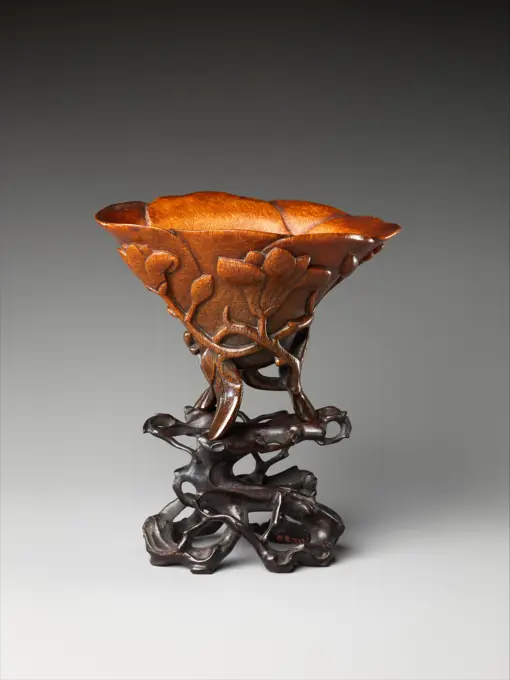
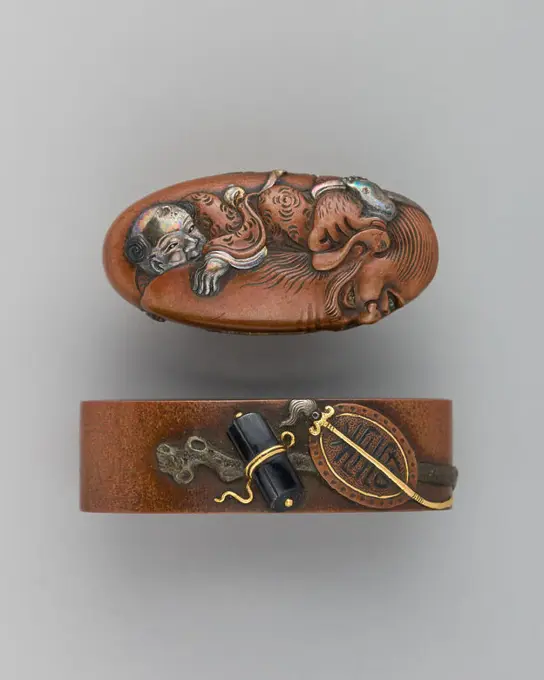
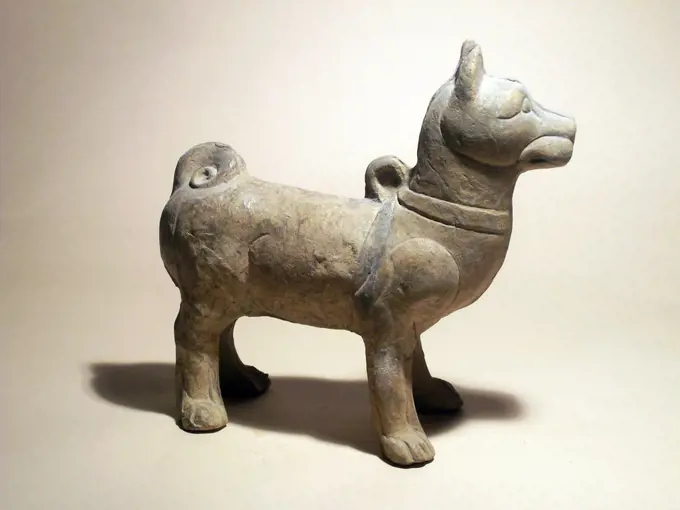
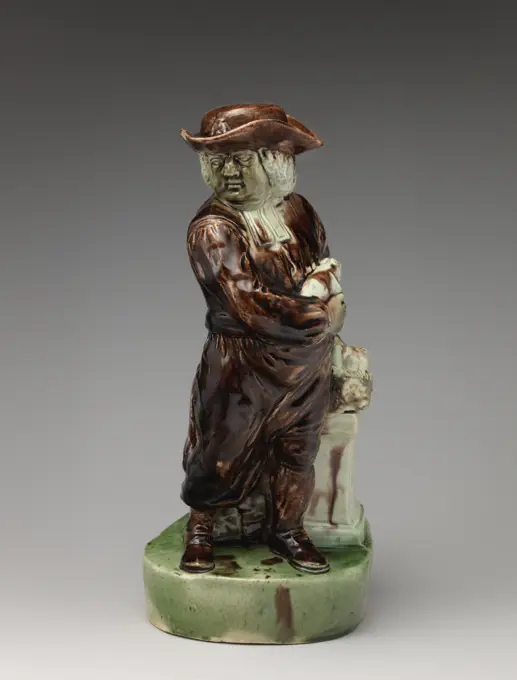
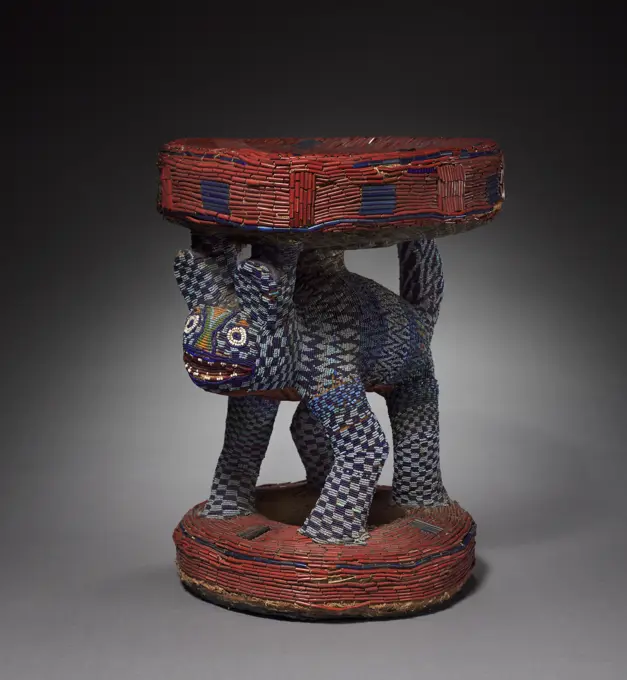
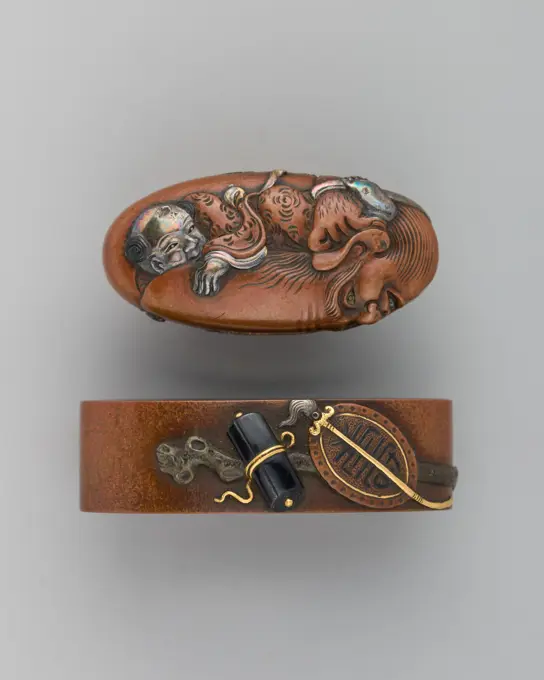
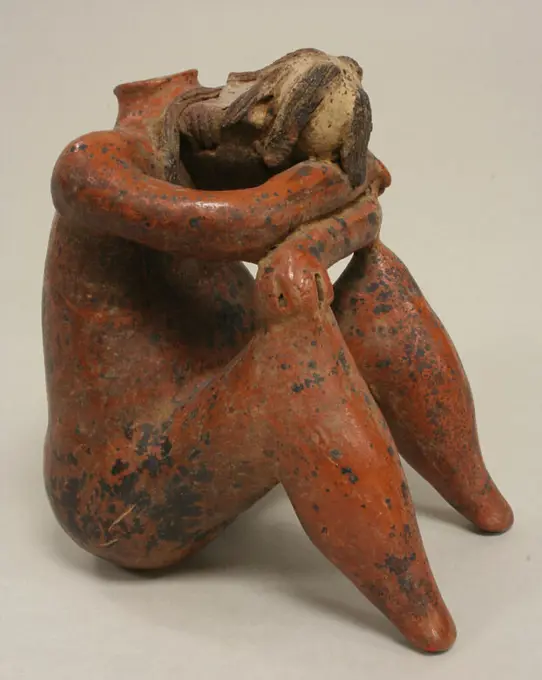
Netsuke of an Old Man Japan 18th century View more. Netsuke of an Old Man. Japan. 18th century. Ivory; eyes inlaid. Edo period (1615-1868). NetsukeSeal, anonymous, 300 - 500 Seal, crowned by a winged lion with horns; "Seal of Mao Kuang". China bronze (metal). gilding (material) gilding Seal, crowned by a winged lion with horns; "Seal of Mao Kuang". China bronze (metal). gilding (material) gildingBronze statuette of Osiris 664-31 B.C. Egyptian Standing mummiform Osiris.. Bronze statuette of Osiris 244463Netsuke of Ox and Herder 18th century Japan. Netsuke of Ox and Herder 59135Netsuke of Qilin 18th century Japan. Netsuke of Qilin. Japan. 18th century. Wood. Edo period (1615-1868). NetsukeSnuff Bottle, 1875-1925, 3 x 3/4 in. (7.6 x 1.9 cm), Coral, ChinaSeal amulet of Ba bird 30 B.C.-A.D. 364 Roman Period. Seal amulet of Ba bird. 30 B.C.-A.D. 364. Faience. Roman Period. From Egypt, Memphite Region, Lisht North, Old Kingdom Cemetery, MMA excavationsNetsuke of Frog 19th century Japan. Netsuke of Frog. Japan. 19th century. Wood. Edo (1615-1868) or Meiji period (1868-1912). NetsukeFigure of a Lion 18th century Japan. Figure of a Lion 46579Covered vase. Culture: China. Dimensions: H. 6 1/2 in. (16.5 cm); W. 2 1/16 in. (5.2 cm). Date: late 19th century. Museum: Metropolitan Museum of Art, New York, USA.Paperweight in the form of the mythical unicorn (qilin). unknown, craftsmanVessel flute, anonymous, c. 1580 - c. 1600 Whistle in the form of a fool's head of gray stoneware. A hat, which ends from above and is provided with an extension, in which two holes. A hole is also applied in the head, so that this object can serve as a flute. Germany stoneware Whistle in the form of a fool's head of gray stoneware. A hat, which ends from above and is provided with an extension, in which two holes. A hole is also applied in the head, so that this object can serve as a flute. Germany stonewareCandlestick in the shape of a lion, anonymous, c. 1275 - c. 1325 The standing lion used the head to the left and hit the tail under his right hind leg against the back. The moons and the ornament on the back are engraved. A round, until the belly continuous candle pin with a square tilted fat catcher is applied to the head of the lion. Germany copper alloy casting / engraving The standing lion used the head to the left and hit the tail under his right hind leg against the back. The moons and the ornament on the back are engraved. A round, until the belly continuous candle pin with a square tilted fat catcher is applied to the head of the lion. Germany copper alloy casting / engravingBell 16th century or late imitation of Renaissance style Italian, possibly Florence. Bell. Italian, possibly Florence. 16th century or late imitation of Renaissance style. Bronze. Sculpture-BronzeSeated Monkey Matchsafe; patinated brass, glass; 5.5 x 4.7 x 3 cm (2 3/16 x 1 7/8 x 1 3/16 in. )Przeszo Przyszoci unknownEwer in the Form of an Elephant. Culture: Vietnam. Dimensions: H. 4 3/4 in. (12.1 cm); W. 3 1/8 in. (7.9 cm); L. 5 3/8 in. (13.7 cm). Date: 11th-12th century. Museum: Metropolitan Museum of Art, New York, USA.Pottery Whistle 19th century Mexican. Pottery Whistle. Mexican. 19th century. Clay. Mexico. Aerophone-Whistle Flute-whistleFigure of a fisherman. Culture: China. Dimensions: H. 2 5/16 in. (5.8 cm); W. 1 9/16 in. (4 cm); L. 1 in. (2.5 cm). Date: 18th-19th century. Museum: Metropolitan Museum of Art, New York, USA.Standing cow with sitting milker in 18th century costume, damaged by fire from bombing Rotterdam May 1940, sculpture visual material ceramics clay glaze tin glaze, glazed baked 2x faience Rotterdam Second World War war fire bombardment May 1940 May days air protection LBD Originating from an antique dealer Delftsevaart Rotterdam In fire from May 1940.Chessman Japanese 19th century View more. Chessman. Japanese. 19th century. Ivory. Chess SetsChinese sage. Culture: British, Staffordshire. Dimensions: Length: 3 in. (7.6 cm). Date: ca. 1720-40. Museum: Metropolitan Museum of Art, New York, USA.Netsuke. Culture: Japan. Dimensions: H. 1 1/2 in. (3.8 cm); W. 1 1/4 in. (3.2 cm); D. 3/4 in. (1.9 cm). Date: 19th century. Museum: Metropolitan Museum of Art, New York, USA.Netsuke of Two Seated Figures and a Dragon. Culture: Japan. Dimensions: H. 1 5/8 in. (4.1 cm); W. 1 5/8 in. (4.1 cm); L. 1 5/8 in. (4.1 cm). Date: 18th-19th century. Museum: Metropolitan Museum of Art, New York, USA.Infant Bacchus. Culture: British, London. Dimensions: 6 1/8 × 1 in. (15.6 × 2.5 cm). Maker: Saint James's Factory (British, ca. 1748/49-1760). Date: ca. 1750-55. Museum: Metropolitan Museum of Art, New York, USA.Antoine Louis Barye, Python Crushing a Crocodile, model 1841, cast by 1873 Python Crushing a CrocodileFigurine with Animal Headdress, 20th Century(). Pre-Columbian style(), 20th century (). Serpentine; overall: 7.5 x 3.5 x 4.7 cm (2 15/16 x 1 3/8 x 1 7/8 in.).Stool andRaspOil lamp first quarter 15th century School of Andrea Briosco, called Riccio Italian. Oil lamp. Italian, Padua. first quarter 15th century. Bronze. Sculpture-BronzeTripode.. Bronze. Paris, museum money. 144391-24Figure of a Warrior 1st century B.C.-A.D. 7th century Moche. Figure of a Warrior 312638Magical Container in the Shape of a Hippopotamus Deity. Dimensions: h. 6 cm (2 3/8 in); w. 3.2 cm (1 1/4 in); d. 4 cm (1 9/16 in). Dynasty: Dynasty 18. Date: ca. 1700-1500 B.C..The hybrid hippopotamus goddess that is known as Taweret or Ipet functions here as magical jar. As usual she stands upright and is shown as a fusion of a hippopotamus, lion, crocodile, and human. The cavity inside the figure was accessible through a small rounded lid at the very top. Three openings that are situated between her teeth, at the back of her head, and at the lid might have functioned to insert a wire that depicted a tongue or snake protruding from her mouth. At the same time this wire could have secured the lid. On the underside of the base is a design that shows convoluted coils and that is known from seals. Intertwined coils, loops, and knots were all magically powerful objects that were connected to protection and the creation of life. The hippopotamus goddess protected women in childbirth and it'Lion Holding a Shield'. Italy. Venice, Early 15th century ( ). Dimensions: height 49,0 cm; length 58,0 cm. Museum: State Hermitage, St. Petersburg.Curly-Tailed Animal Pendant 5th-10th century International Style. Curly-Tailed Animal Pendant 316680Figurine Earth Spirit Zhenmushou unknownCupid as sculptor. Culture: British, Chelsea. Dimensions: 3 1/8 × 1 3/8 in. (7.9 × 3.5 cm). Factory: Chelsea Porcelain Manufactory (British, 1745-1784, Gold Anchor Period, 1759-69). Date: ca. 1765. Museum: Metropolitan Museum of Art, New York, USA.Woman in a Jinrikisha (Rickshaw), early 1900s. Japan, Meiji period (1868-1912). Ivory; overall: 3 cm (1 3/16 in.).Figurine Pendant of an Ichneumon, inscribed 332-30 B.C. Ptolemaic Period The ichneumon is a rodent, similar to a mongoose, that was associated with the gods Horus of Letopolis and Atum, and during the Late Period became associated with the goddess Wadjet through her cult at Buto being linked mythologically with those of Horus of Letopolis. Sometimes confused with the shrew mouse, which was also dedicated as a statuette, the ichneumon has a shorter snout, thick body, and smaller oval ears; its legs are straight and its tail usually droops down to touch the base below (broken here). On this example, small incised marks indicate the ichneumons fur and a double-strap pendant loop sits just behind its neck. The base has a fragmentary inscription, only partially preserved at the front "Wadjet gives life(?)...", and is inscribed on the underside: "Wadjet gives life to Taklouthis, son of Pedi[....." This figure may have been worn or hung, but similar ichneumons frequently adorn boxes that woPotter Seated with Double Gourd Vase, 1300s. China, Yuan dynasty (1271-1368) - Ming dynasty (1368-1644). Porcelain with underglaze decoration, qingbai ("blue-white") ware; overall: 13.5 cm (5 5/16 in.).Netsuke of Mouse in a Basket of Mushrooms 19th century Japan. Netsuke of Mouse in a Basket of Mushrooms. Japan. 19th century. Edo (1615-1868) or Meiji period (1868-1912). NetsukeNestuke in the shape of a fucking jelenie;  approx. 19th century (1840-00-00-1860-00-00);Fragment of upholstery ,, 1300 - 1400 Fragment of a covering ornament in the form of a fantasy bird. Indonesia terracotta (clay material) Fragment of a covering ornament in the form of a fantasy bird. Indonesia terracotta (clay material)Heddle Pulley, 20th century, 7 3/8 x 3 1/4 x 3 in. (18.7 x 8.3 x 7.6 cm) (without base), Wood and metal, Côte d'Ivoire, 20th century, Baule men weave on looms that utilize heddle pulleys to produce intricate textiles. Weavers often had their heddle pulleys decorated with fine, small scale carvings of animal or human heads and figures. The carvings have no ritual or sacred meaning. They are meant to be admired for their beauty and to attract attention to the loom and the weaver who usually works out of doors among the people of the village.Amulet of the God Thoth as a Crouched Ibis with Feather of Maat 700 BCE-1 BCE Egypt. Faience . Ancient EgyptianNetsuke: Tanuki no Hara Tsutsumi 18th century Japan. Netsuke: Tanuki no Hara Tsutsumi 59232Netsuke of Fukurokojin. Culture: Japan. Dimensions: H. 1 3/8 in. (3.5 cm); W. 1 1/4 in. (3.2 cm); D. 3/4 in. (1.9 cm). Date: 19th century. Museum: Metropolitan Museum of Art, New York, USA.Terracotta statuette of a ring dance 6th century B.C. Cypriot The composition of figures dancing in a circle around a flute player or a sacred tree is common in terracottas of the Cypro-Archaic period. It probably depicts a religious ritual.. Terracotta statuette of a ring dance 241205Darius painter or hell painter. Loulou's head -shaped rhyton. Red figures. Taranto, 350 -340 BC. AD Museum of Fine Arts of the City of Paris, Petit Palais. 59535-19 Antiquite, Greek-Roman antiquity, ancient art, ceramic, red figure, large Greece, 4th 4th 4th 4th 4th 4 century AV.JC, loulou, Decorative motif, molding, palmte, ancient period, pottery, container, rhyton, funeral rite, Ritual, terracotta, head, drinking vase, ancient vase, funeral vase, black varnish, wine, animal, ancient, dogProfile Face 6th-7th century Moche (Loma Negra). Profile Face 313437Figurine of a Dog. Dimensions: L. 5.3 cm (2 1/16 in.); W. 2.3 cm (7/8 in.); H. 3.6 cm (1 7/16 in.). Dynasty: Dynasty 12. Reign: reign of Senwosret I. Date: ca. 1961-1917 B.C..Already in the Early Dynastic Period, Egyptians deposited faience figurines of wild animals in temple precincts. These figurines were reintroduced in the Twelfth Dynasty, but as a component of burial equipment and with new species added to the repertoire. The controlled representation of desert animals may have assured the Egyptians of eternal safety, though they also likely had symbolic meanings. The dog may represent a personal wish for companionship. Museum: Metropolitan Museum of Art, New York, USA.Bronze statuette of a ram 6th century B.C. Etruscan Recumbent ram.. Bronze statuette of a ram. Etruscan. 6th century B.C.. Bronze. Archaic. BronzesLuohan (Arhat). Culture: China. Dimensions: H. 3 1/4 in. (8.3 cm); W. 3 1/16 in. (7.7 cm); D. 2 15/16 in. (7.4 cm). Date: 18th century. Museum: Metropolitan Museum of Art, New York, USA.Bird 15th century South Netherlandish. Bird 468667Staircase album, anonymous, 1700 - 1799 Crowning a staircase in the shape of a grape chocolas, prayer in a round bowl on foot. The wall of the bowl is painted red and largely covered with acanthus leaves in relief. There are three acanthus leaves against the grapes and grunt along the edge of the foot. The grapes, leaves and grunts are gilded. Dutch East Indies, The wood (plant material). gilding (material) gilding Crowning a staircase in the shape of a grape chocolas, prayer in a round bowl on foot. The wall of the bowl is painted red and largely covered with acanthus leaves in relief. There are three acanthus leaves against the grapes and grunt along the edge of the foot. The grapes, leaves and grunts are gilded. Dutch East Indies, The wood (plant material). gilding (material) gildingNetsuke of Two Figures 19th century Japan. Netsuke of Two Figures. Japan. 19th century. Wood. Edo (1615-1868) or Meiji period (1868-1912). NetsukeBust of a Soldier, Adriaen van der Werff, c. 1678 - c. 1722 The smiling head is used to the left. He wears helmet and armor; A scarf is loosely over the shoulders. A palm leaf covers horizontal back and cut edge. A hook at the front of the armor. Rotterdam boxwood The smiling head is used to the left. He wears helmet and armor; A scarf is loosely over the shoulders. A palm leaf covers horizontal back and cut edge. A hook at the front of the armor. Rotterdam boxwoodFeline Figure 1100-1470 North Coast. Turquoise with cinnabar . ChimúGanesha, 618-907. China, Tang dynasty (618-907). Gilt bronze; overall: 9.7 x 7.6 x 6.4 cm (3 13/16 x 3 x 2 1/2 in.).Snuff Bottle, 1850-1900, 3 5/8 x 1 5/8in. (9.2 x 4.1cm), Ivory, China, 19th centuryLion Amulet from a Bracelet ca. 1850-1775 B.C. Middle Kingdom. Lion Amulet from a Bracelet. ca. 1850-1775 B.C.. Silver. Middle Kingdom. From Egypt, Northern Upper Egypt, Abydos, Cemetery V, Tomb V21, Egypt Exploration Fund excavations, 1904. Dynasty 12, late-early 13Bronze statuette of a shepherd Greek, Arcadian ca. 525-500 BCE Inscribed on the base in Greek "Aineas dedicated me to Pan."Toad. Bronze. China. Paris, Cernuschi museum. 70002-25 Asian art, Chinese art, Extreme-East art, box, bronze, toad, characterDutchman and Rooster, late 18th century, Unknown Japanese, 1 15/16 x 1 3/4 x 1in. (4.9 x 4.4 x 2.5cm), Ivory, Japan, 18th centuryZoomorphic figures from a funerary set, terracottaNetsuke. Culture: Japan. Dimensions: H. 1 1/2 in. (3.8 cm). Date: 19th century. Museum: Metropolitan Museum of Art, New York, USA.Pilaster of Angels Sounding Trumpets from the Parapet of a Pulpit. Artist: Workshop of Giovanni Pisano (Italian, Pisa ca. 1240-before 1320 Siena). Culture: Central Italian. Dimensions: Overall: 33 1/2 x 7 1/8 x 6 1/2 in. (85.1 x 18.1 x 16.5 cm). Date: 1302-10.The trumpet-blowing angels, heralding the Last Judgment once flanked a relief of Christ as Judge (now in Berlin) in the center. The central pilaster is composed of a compact group with symbols of the evangelists: the angel of Matthew at center, the ox of Luke at his left, and the lion of Mark on the right. The pilaster supported an eagle lectern, similar to the adjacent one, for the reading of the Gospels. The eagle of John thus completed a representation known as a tetramorph. Probably executed by assistants after designs by the sculptor Giovanni Pisano, the pulpit was finished in 1310. It was dismantled in 1603, then reconstructed in the cathedral in 1926. Museum: Metropolitan Museum of Art, New York, USA.Figure of a Boy on a Ram, biscuit, Germany, late 18th century, ceramics, Decorative Arts, figure, figureBottle in the shape of a gourd 19th century China. Bottle in the shape of a gourd. China. 19th century. Jade (nephrite). Qing dynasty (1644-1911). JadePilgrim's Badge: Saint Theobald of Thann 1400-1450 French. Pilgrim's Badge: Saint Theobald of Thann. French. 1400-1450. Lead/tin alloy. Made in Thann, Alsace, present-day France. Metalwork-LeadNetsuke of Two Figures 19th century Japan. Netsuke of Two Figures. Japan. 19th century. Wood. Edo (1615-1868) or Meiji period (1868-1912). NetsukeLamp. Hanging lamp, with an elongated bin and a spout at both ends. In the middle, the bin is divided by partition in two. There is a demon figure under the bracket.Snuff Bottle China. Snuff Bottle 41463Ashinaga and Tenaga. Japan, late 18th-early 19th century. Costumes; Accessories. Wood with metalCrouching Lion. Culture: Early or middle Roman Republican, probably Etruria. Dimensions: H: 6.3 cm (tallest point) L: 14.3 cm (nose to tip of tail stub) W: 3.5 cm (widest point). Date: ca. 5th-3rd century B.C.. Museum: Metropolitan Museum of Art, New York, USA.Child statuette with grape bunch. Copper alloy. Gallo-Roman time. Paris, Carnavalet museum. Child statuette which is missing the left foot. The right hand holds a bunch of grapes. Some see it, because of this attribute, a representation of the god of the vine, Bacchus, child. Copper alloy, antiquity, child, Gallo-Roman time, grape bunch, statuette, ancientBird. Culture: British, London. Dimensions: 2 3/8 × 1 1/2 in. (6 × 3.8 cm). Maker: Saint James's Factory (British, ca. 1748/49-1760). Date: ca. 1750-55. Museum: Metropolitan Museum of Art, New York, USA.Figurine of a Recumbent Lion 664-332 B.C. Late Period. Figurine of a Recumbent Lion. 664-332 B.C.. Copper alloy. Late Period. From EgyptMingqi: offer of offerings. Terracotta with glaze. Paris, Cernuschi museum. Asian art, beyond, belief, figurine, mingqi, funeral object, model character, funeral rite, statuetteAquamanile in the Form of a Horse ca. 1400 German Less dramatic, but more elegant than the flame-tailed lion (1994.244), this aquamanile in the form of a horse is also a product of Nuremberg from around 1400. Interestingly, it entered the Museum's collection as a unicorn and was restored to its original form in 1956. The remains of a hole in the forehead where the horn was attached can still be seen, and a cleft remains in each hoof.. Aquamanile in the Form of a Horse. German. ca. 1400. Copper alloy. Made in Nuremberg. Metalwork-Copper alloyProfile Face 6th-7th century Moche (Loma Negra). Profile Face 313434Lion-Shaped Pillow 1101-1300 China. Cizhou-type ware; gray stoneware, slip-coated with molded and carved decoration .Horse and Rider; Boeotia, Greece; about 550 B.C; Terracotta; 12.7 cm (5 in.)Water Spout in the Form of a Makara ca. 10th century Indonesia (Java). Water Spout in the Form of a Makara 37416Saddle Polish dated 1664 View more. Saddle. Polish. dated 1664. Wood (beech), pigskin, birch bark, horn (stag), textile, gilding, gold.. Equestrian Equipment-SaddlesLimestone votive chariot with four horses and two figures ca. 7th-6th century B.C. Cypriot The small horses, pressed one against the other, are attached two by two. The car of the chariot is partially covered by a piece of fabric, the edge of which is incised in front, whereas the rest is painted red. The two figures rest their hands on the edge of the car. Neither appears to hold the reins.. Limestone votive chariot with four horses and two figures 242396Whippet, c. 1825 - 1879. Pierre Jules Mène (French, 1810-1879). Bronze; overall: 4.6 x 2.3 cm (1 13/16 x 7/8 in.).Fibula in the Form of a Recumbent Stag, c. AD 400. Northeastern Europe, 5th century. Bronze with glass inlay; overall: 3.1 x 4.8 cm (1 1/4 x 1 7/8 in.).Amulet Depicting the God Min ca. 1850-1775 B.C. Middle Kingdom This amulet is part of a group of objects found in tomb V21 at Abydos with two bodies. The group includes 04.18.1-04.18.49.. Amulet Depicting the God Min. ca. 1850-1775 B.C.. Silver. Middle Kingdom. From Egypt, Northern Upper Egypt, Abydos, Cemetery v, Tomb v21, Egypt Exploration Fund excavations, 1904. Dynasty 12, late-early 13Bronze handle from a cista (toiletries box) 4th century B.C. Praenestine This nude youth, doing an arching back-bend, makes a perfect handle for a cista lid. See the ovoid cista 22.84.3 on view nearby for a related example.. Bronze handle from a cista (toiletries box) 250906 Praenestine, Bronze handle from a cista (toiletries box), 4th century B.C., Bronze, H.: 4 1/2 in. (11.4 cm). The Metropolitan Museum of Art, New York. Rogers Fund, 1919 (19.193)Cup in the shape of a magnolia blossom early 17th century China Once grown exclusively for the imperial family, magnolias are sometimes understood as allusions to beautiful women.. Cup in the shape of a magnolia blossom 41877Sword-Hilt Collar and Pommel (Fuchigashira). Culture: Japanese. Dimensions: Fuchi (a); H. 1 1/2 in. (3.8 cm); Wt. 1 oz. (28.3 g); kashira (b); H. 1 3/8 in. (3.5 cm); Wt. 0.5 oz. (14.2 g). Date: late 18th-early 19th century. Museum: Metropolitan Museum of Art, New York, USA.Ancient China: Guard Dog, pottery figure, Eastern Han Dynasty, 24-220 AD. The powerful dog is shown wearing a neck and chest harness.The Parson (part of a "Tithe Pig" group) ca. 1770 Ralph Wood the Younger. The Parson (part of a "Tithe Pig" group). British, Burslem, Staffordshire. ca. 1770. Lead-glazed earthenware. Ceramics-PotteryGoldweight Three Birds on Ring, 19th-20th century, 1 3/8 x 1 5/8 x 1 1/2 in. (3.49 x 4.13 x 3.81 cm), Brass, Ghana, 19th-20th centuryPair of Sword-Grip Ornaments (Menuki) 19th century Japanese Menuki are a pair of ornamental sword fittings attached to either side of a sword hilt.. Pair of Sword-Grip Ornaments (Menuki). Japanese. 19th century. Copper, gold, silver, copper-gold alloy (shakud). Sword Furniture-MenukiPrestige stool (Kuo), possibly 1800s. Africa, Central Africa, Cameroon, Bandjoun Kingdom, Bamileke makers. Wood, cotton, plant fiber, glass beads, and indigo; overall: 51 x 38 x 43 cm (20 1/16 x 14 15/16 x 16 15/16 in.).Plaque. Mongolia, 2nd-1st century B.C.. Sculpture; plaques. Gilt bronze, castPre-Columbian art. Pre-Incan. Tumaco-Tolita culture. Region of the Pacific Colombo-Ecuadorian coast from 300BC-600 AD. Ceramic object. Feline figure. 12'5 x 7cm. From Ecuador. Private collection.Sword-Hilt Collar and Pommel (Fuchigashira) late 18th-early 19th century Japanese A fuchigashira is a pair of matching sword fittings comprising the fuchi (collar at the base of the grip of the sword hilt) and kashira (pommel cap at the end of a sword hilt).. Sword-Hilt Collar and Pommel (Fuchigashira). Japanese. late 18th-early 19th century. Copper, gold, copper-gold alloy (shakud). Sword Furniture-Fuchi-Kashira"Mourning" Figure Vessel. Culture: Nayarit. Dimensions: H. 7 5/8 x W. 5 1/2 x D. 6 1/4 in. (19.3 x 14 x 15.9 cm). Date: 2nd century B.C.-A.D. 2nd century. Museum: Metropolitan Museum of Art, New York, USA.