Historical Beads and Ornaments

A display of ancient beads and decorative items made from various materials, highlighting craftsmanship from different cultures, with intricate designs and historical context.
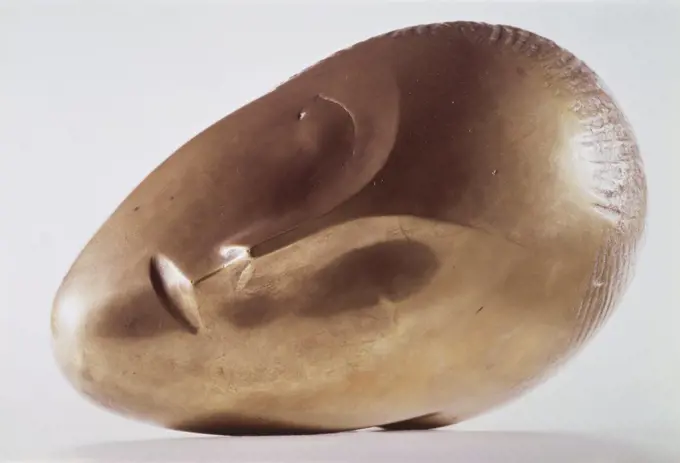
The Sleeping Muse by Constantin Brancusi, 1876-1957, France, Paris, Centre Georges Pompidou, Musee National d'Art Moderne
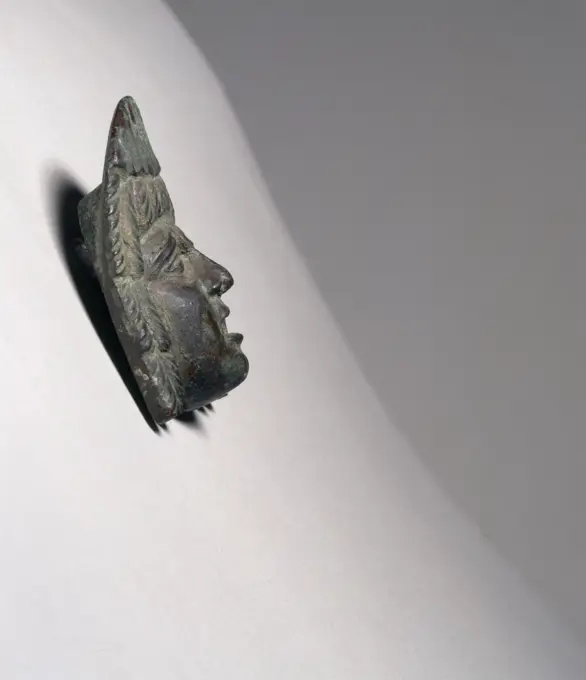
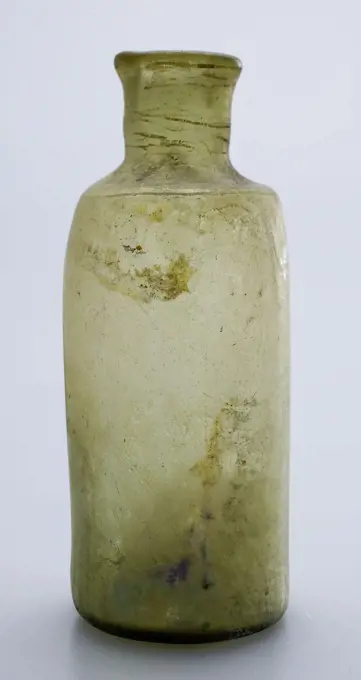
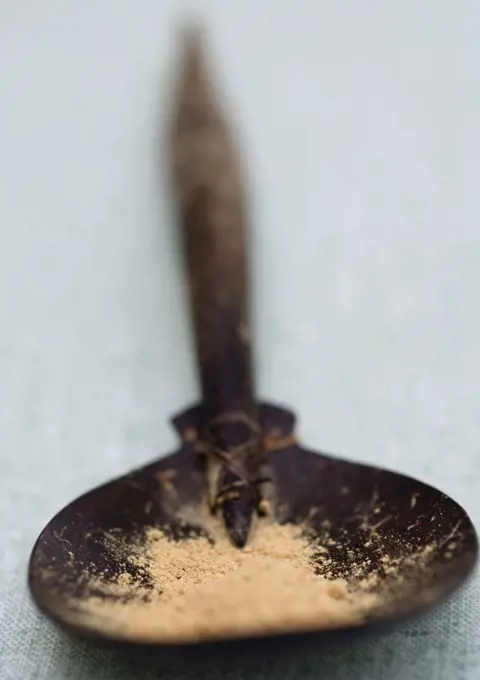
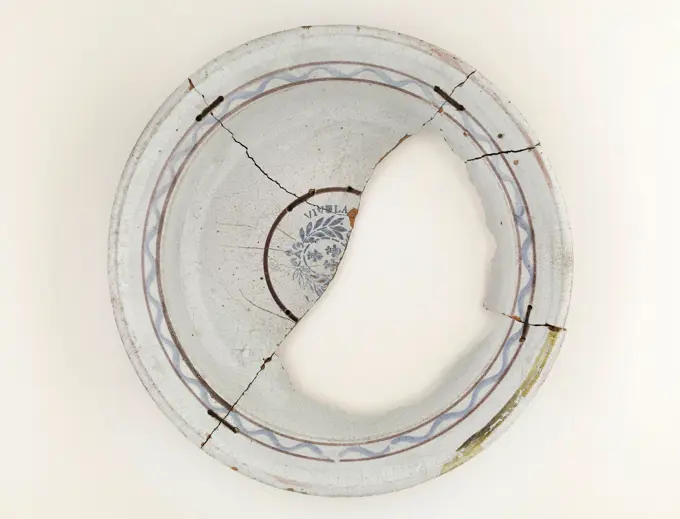
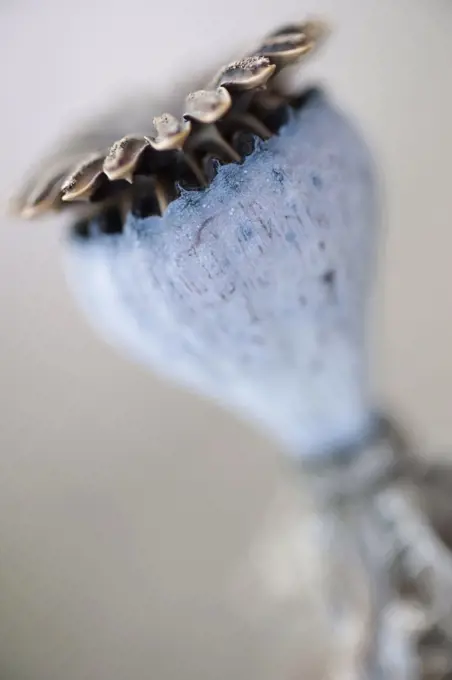
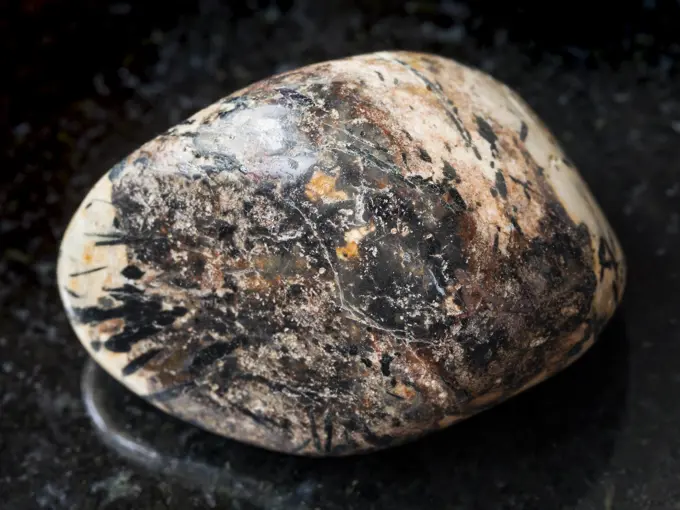
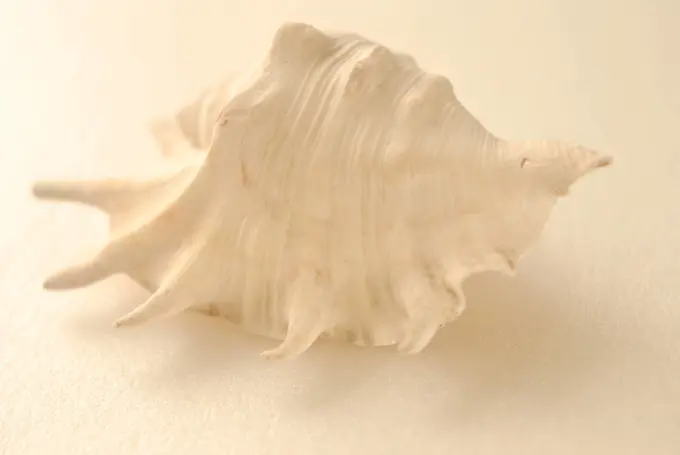
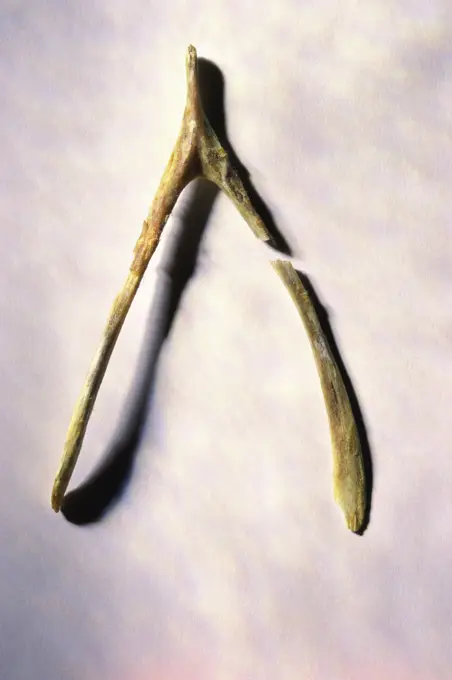
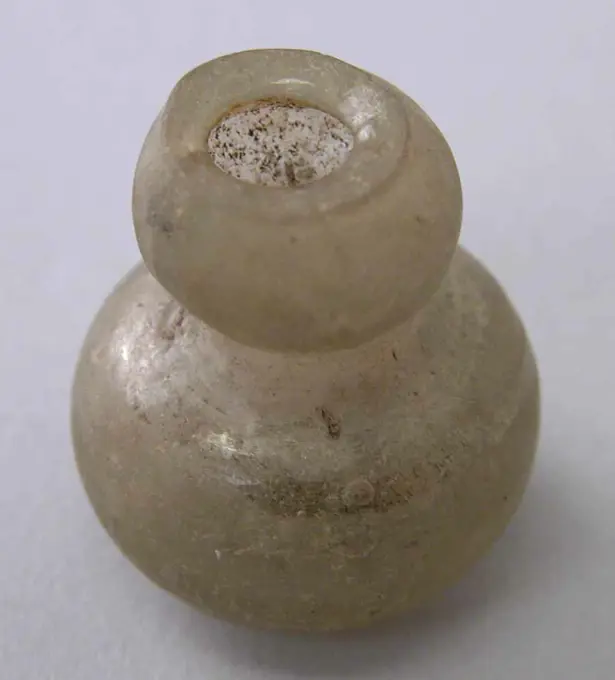
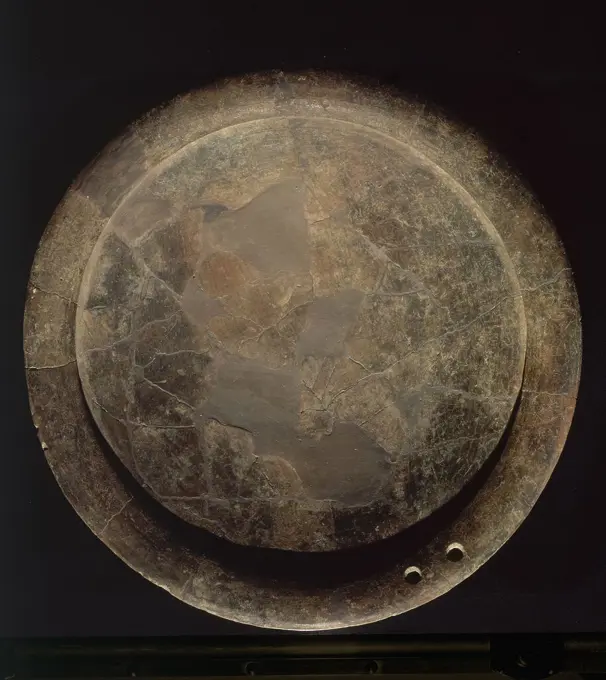
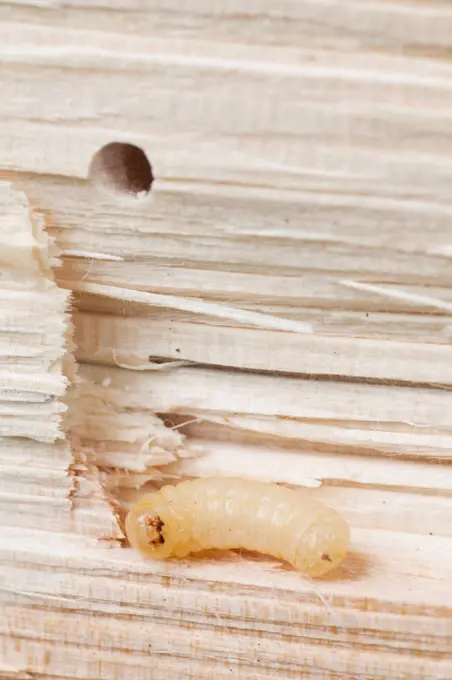
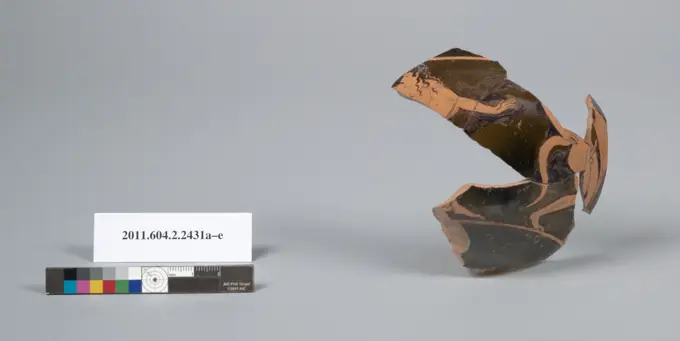
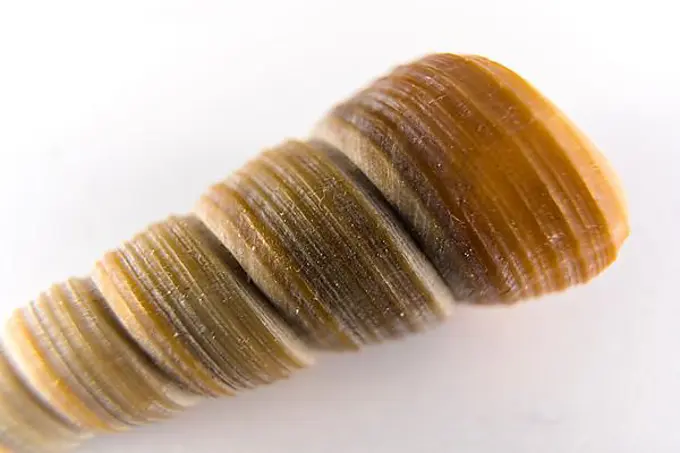
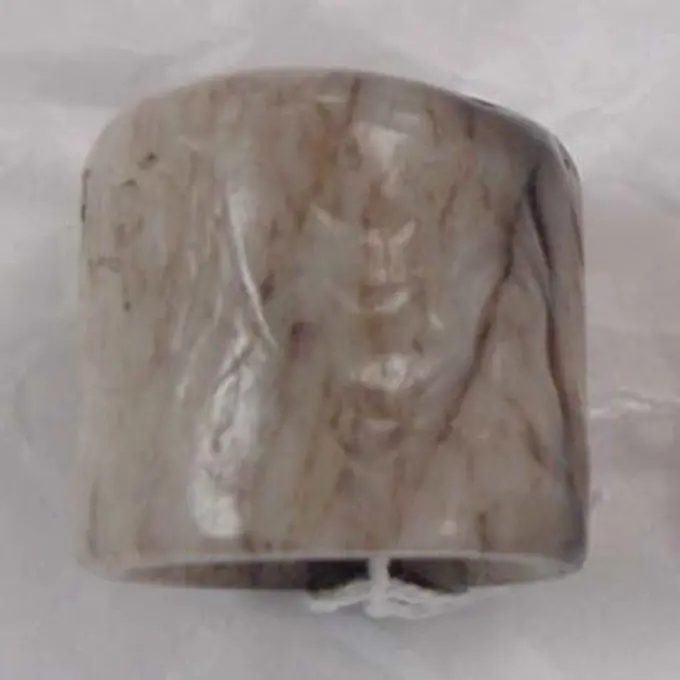
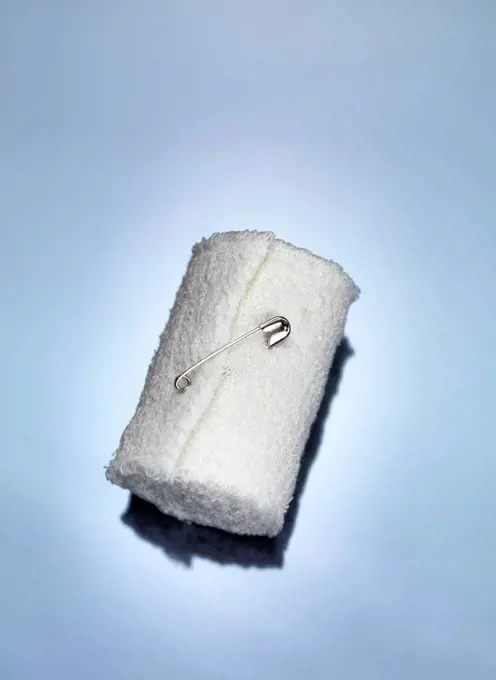
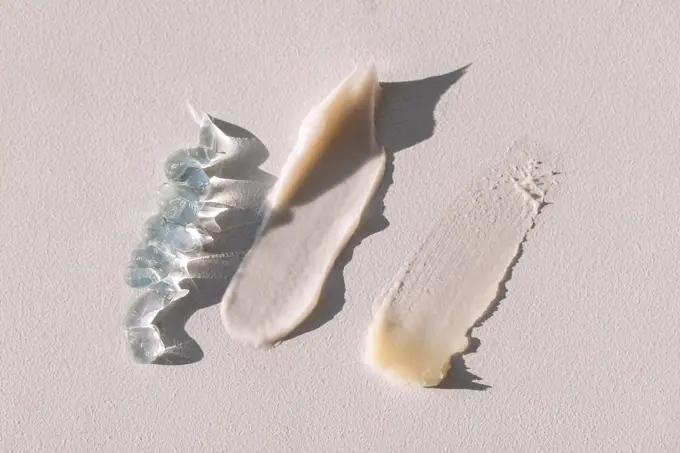
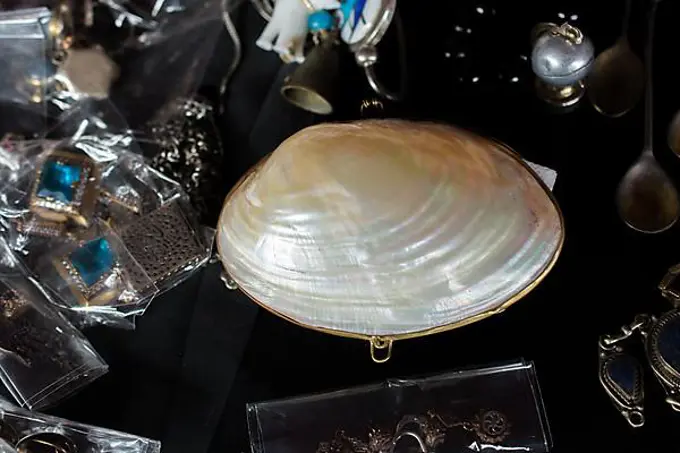
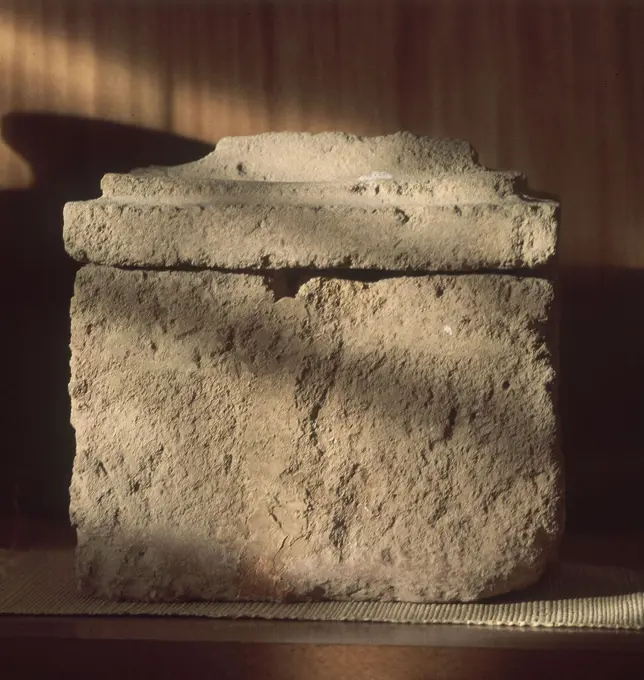
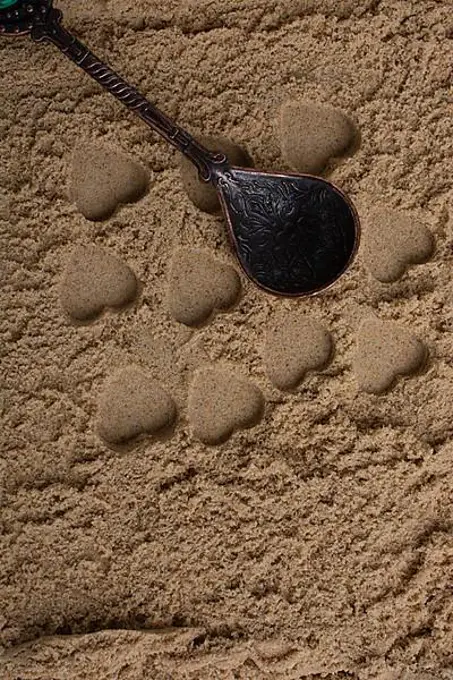
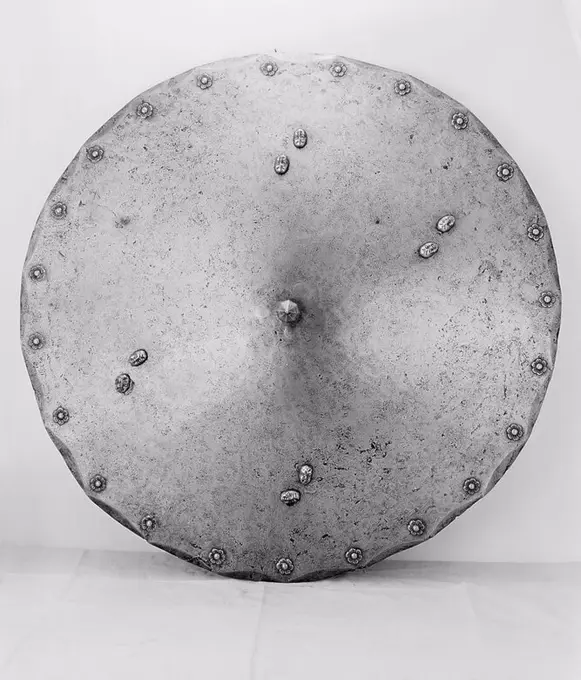
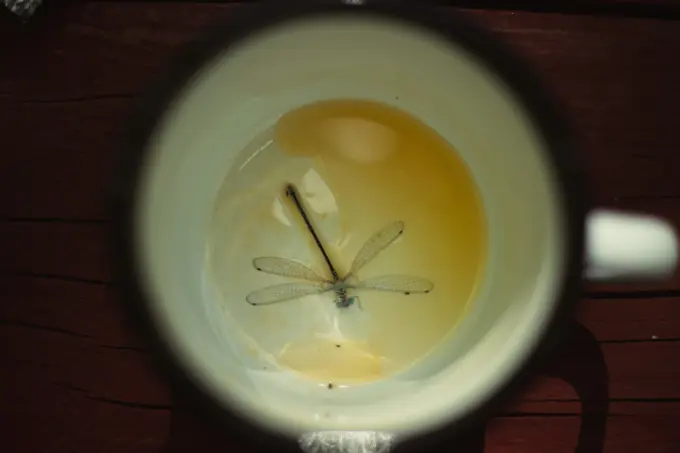
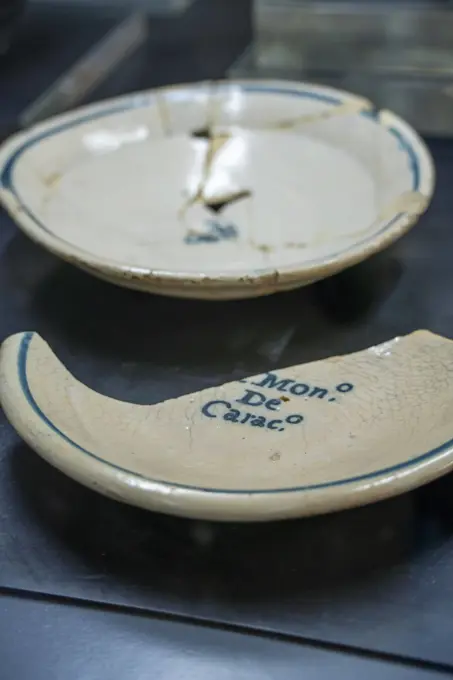
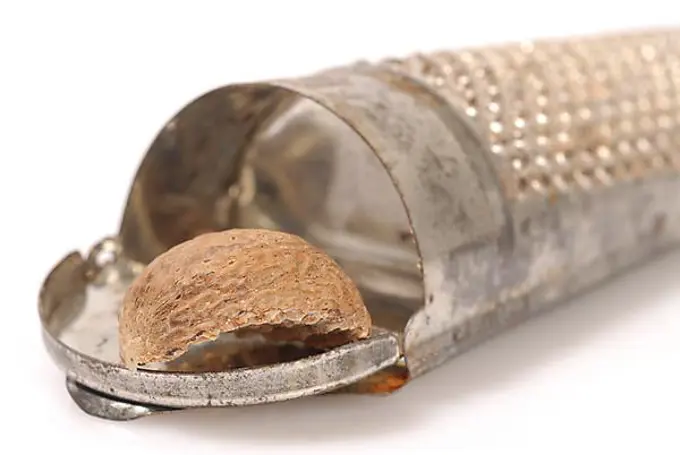
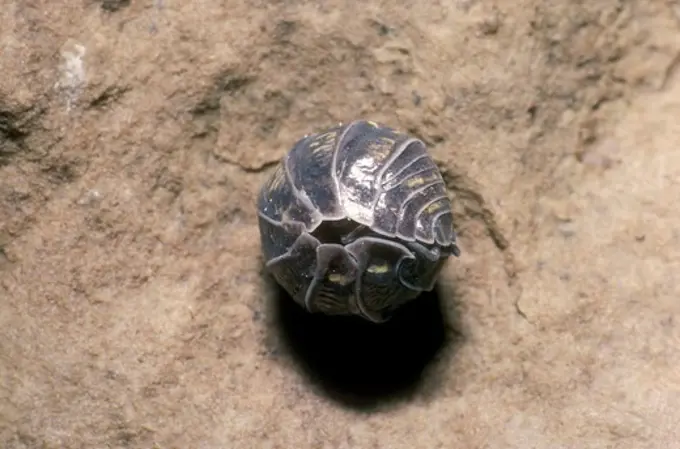
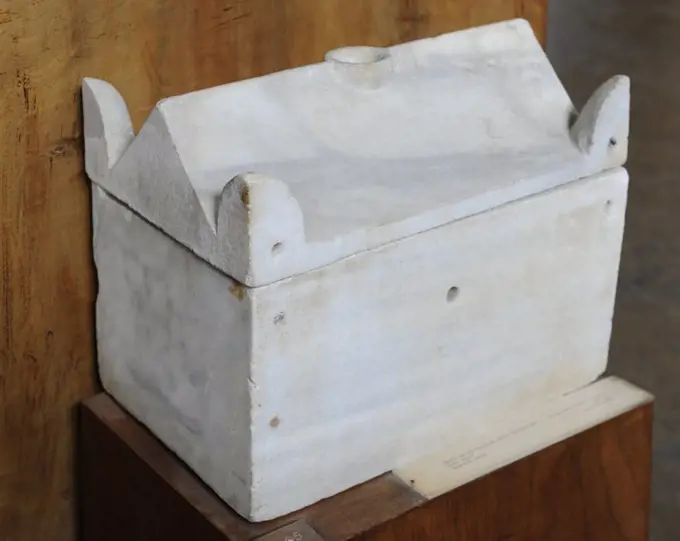
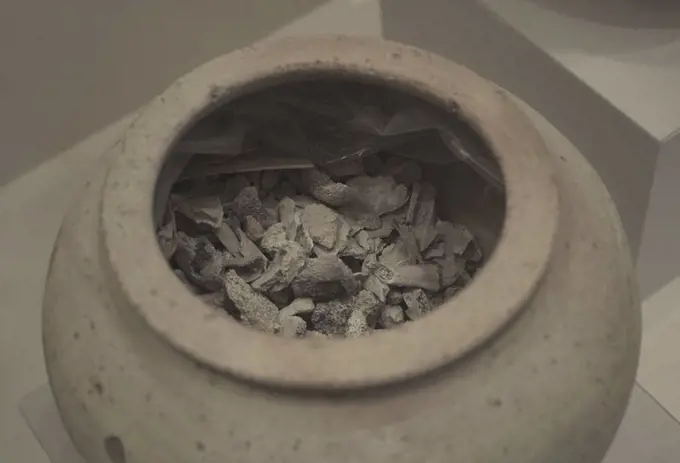
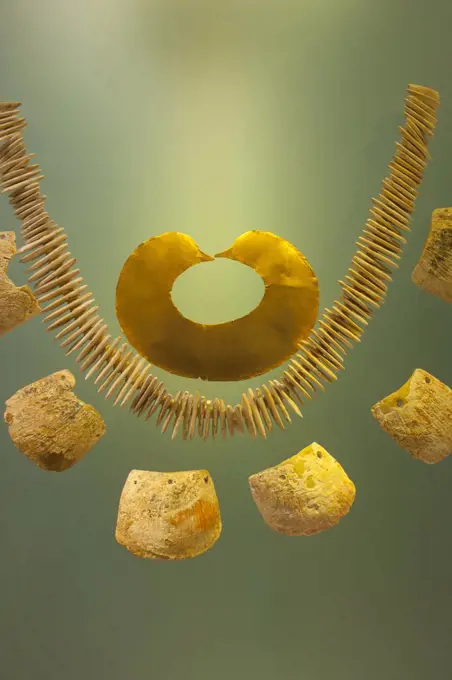
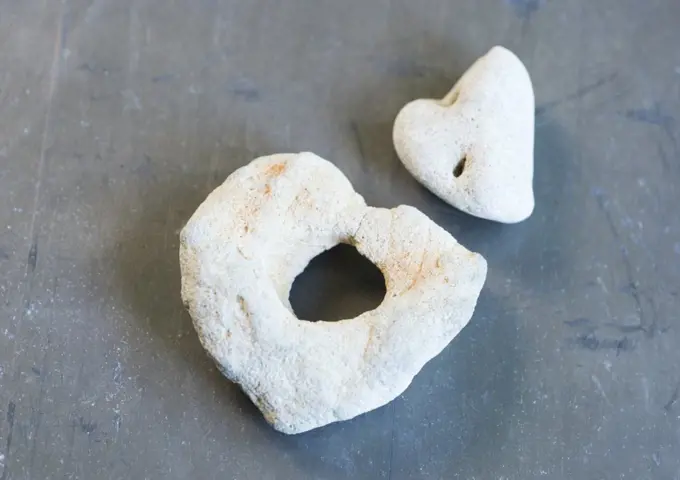
Clay Ring, 400-999, 1 1/2 x 1 3/8 in. (3.81 x 3.49 cm), Earthenware, Mexico, 5th-10th centuryCo-working space minimal style decoration, stock photoZapinka do pasa. unknown, craftsmanBead 8th-13th century. Bead 450879Axe head 3rd millennium BCEAmulet (Seated Lion). Iran, circa 550-330 B.C.. Jewelry and Adornments; amulets. FaienceGlass Fragment 4th century Coptic. Glass Fragment. Coptic. 4th century. Glass. Made in Kharga Oasis, Byzantine Egypt. Glass-VesselsMortar and pestle. Provincial Forum, Tarraco (Tarragona). 1st-3rd century AD. Lusitanian marble and pavonazzetto. National Archaeological Museum. Tarragona. Catalonia, Spain.The Sleeping Muse by Constantin Brancusi, 1876-1957, France, Paris, Centre Georges Pompidou, Musee National d'Art ModerneHeilsteine HEILSTEINE Copyright: xZoonar.com/AntjexLindert-Rottkex 6650802Dirty and disgusting toliet lid, close up view. A lot of bacteria, unsanitary. Cleaning service needed. Unclean home. Bad hygiene. Dirty and disgusting toliet lid, close up view. A lot of bacteria, unsanitary. Cleaning service needed. Unclean home. Bad hygiene.Pendant in the Form of a Fish, 480-221 BCE, 1 x 3 3/16 x 1/8 in. (2.54 x 8.1 x 0.32 cm), Partially calcified light brown jade, China, 5th-3rd century BCEA seashell isolated against a white backgroundTragic bronze mask (left side), Roman era. Museum of Fine Arts of the City of Paris, Petit Palais. 51446-1 Bronze, left rating, Roman time, tragic mask, tragedyPipette with spilled cosmetic oil or serum on a gray background. Photos for your cosmetics business.RABEL INSTRUMENTO MUSICAL.grinding mortar, Museum of Navarra, Pamplona, Navarra,Spain.Medicine Bottle, medicine bottle bottle holder soil find glass, free blown and shaped Small (medicine) Bottle in clear light green glass. Pontil mark under raised bottom. Cylindrical body with straight shoulders short neck and dilated irregularly finished lip (dm 1,6 cm) archeology health care packaging pharmacyGinger powder in wooden spoonPendant in the Form of a Bird, 1100-771 BCE, 7/8 x 1 3/4 x 3/16 in. (2.22 x 4.45 x 0.48 cm), Pale grey-green jade, partially calcified, China, 11th-8th century BCEBeautiful volumetric drop of cosmetic product on a beige background. Beautiful volumetric drop of cosmetic product on a beige background. High quality photo. Copyright: xZoonar.com/borisovaxmarevgennax 21671216Button, Copper, shark skin, Circular copper button ornamented with shark skin colored light green., On card 17, France, late 18th century, costume & accessories, Decorative Arts, ButtonAnonymous. Flat "long live the nation, the law, the king". Earthenware. 1790-1792. Paris, Carnavalet museum. 72430-33 Casse, faience, fele, law, nation, revolutionary period, reunion, French revolution, king, three orders, dishCarpet python snake (Morelia spilota variegata), hatching from egg, Australia. Captive.  Oriental poppy, Papaver orientale 'Patty's Plum', seedhead, manipulated bleached out colours. aegirine in polished Sanidine and nepheline stone macro shooting of natural mineral rock specimen - black fibrous aegirine in polished Sanidine and nepheline stone on dark granite background from Lovozero Massif, Kola peninsula, Russia Copyright: xZoonar.com/ValeryxVoennyyx 11392096Close-up of a shellsea shell. Stillife sea shell. Stillife Copyright: xZoonar.com/SerhiixPavlovx 1411560Close-up of a broken wishboneBottle 9th-11th century. Bottle. 9th-11th century. Glass; free-blown, undecorated. Attributed to Egypt. GlassWater pipeDouble Row of Teeth CloseupBowl Fragment 100 BCE-100 CE Roman Empire. In ancient Rome, there was a high demand for colorful glass that could dazzle banquet guests alongside the expensive silver and gold serving wares meant to impress. Fragments like this one would have once been a part of larger mosaic dishes. The mosaic pattern was made by sagging molten glass into bowl-shaped molds, a technique used on many of these fragments is similar to millefiori, ìthousand flowersî in Italian, a modern glass-making method in which tiny rods of colored glass are bundled together, wrapped in a sheet of glass, fused, and then thinly sliced to reveal swirls of a flower-like patterns. They were arranged side by side, sometimes together with bits of colored glass, and fused together with heat.. Glass, mosaic glass technique . Ancient RomanPLATO CALCOCITICO. Location: MUSEO ARQUEOLOGICO-COLECCION. Sevilla. Seville. SPAIN.Germany, Broken eggshell, close uptumbled quartz with Tourmaline crystals on dark macro shooting of natural mineral rock specimen - tumbled quartz stone with Tourmaline crystals tourmalinated quartz on dark granite background Copyright: xZoonar.com/ValeryxVoennyyx 11392372Bowl 19th century Italian Engraved gold leaf, inserted between two layers of glass, was a Roman decorative technique in use from the third to the fifth century.. Bowl 186209Sharp of red -baking earthenware, with blue glaze on the top with decoration of stripes, curls and petals in brown, yellow and white, anonymous, 1600 - 1650  Northern Netherlands earthenware. glaze majolica  Northern Netherlands earthenware. glaze majolicaArmor 1880-84 American. Armor 121306Child hand holding a retro styled  golden color   decorative keyMacro of a blonde colored grub worm laying recently split spruce firewood, Anchorage, Southcentral Alaska, SummerHandmade empty craft ceramic on  textile background.. Handmade empty craft ceramicBalancing RockTerracotta fragments of a mastoid 520-510 B.C. Greek, Attic Exterior, on the largest fragment, wreathed head and part of upper torso, with extended left arm, and left foot of draped woman; nose, beard, right hand on hip, legs, and tail of ithyphallic satyr with wineskin; a second large fragmentd depicts a draped maenad with extended left arm and a thrysos; a third fragment has the lower drapery of figure; a fourth fragment depicts part of an arm or leg; a fifth fragment has the right foot of a figure. Terracotta fragments of a mastoid. Greek, Attic. 520-510 B.C.. Terracotta; red-figure. Archaic. VasesMaking of artisan Raku ceramicsMacro, Western shrine, Phylakopi IV, Late Helladic IIIC period, Cyclades, Phylakopi, Animal figurines, Archaeological Museum, Plaka, Milos Island, Cyclades, Greece, EuropeA kneeIIng warriorAdriatic by Helen Frankenthaler, acrylic on canvas, 1968, born 1928, USA, California, Pasadena Art MuseumFragment 14th century. Fragment 446470Close-up of two halves of a mushroomShards of wine bottles from the wreck of the East Indians' t Vliegend Hart ,, 1700 - 1735  Shards of onion -shaped wine bottles of green glass that has been in red (port) wine. One lump of sand in the form of the bottom of the bottle. Netherlands .Loofah natural sponge for body on the white background. Front view.Old medieval mace, detail of an ancient weapon of war, and ancient object collection, warSweet fresh honey in the sealed comb frameDetail of a conch shell with white background Macro photographyRing probably 19th century Chinese This collection of largely ethnographic jewelry includes examples from cultures in South America, North America, Europe, Asia, and Africa and dates from the Pre-Columbian period to the twentieth century. Owned by renowned art collector and fashion enthusiast Muriel Kallis Newman, the collection represents her knowledge and appreciation of a wide range of jewelry design and making traditions. Numerous items in her collection are composite artifacts made from various cultures and time periods reappropriated as modern jewelry creations by or for Muriel. It is important to note that Newman wore many of the pieces in the collection, interpreting them to suit and express her own singular, often avant-garde style.. Ring. Chinese. probably 19th century. jadeLarge Dish of Coloured Limestone 2686 B.C. EgyptFringe British 19th centuryUnited Arab Emirates, Dubai. Dubai Museum located on the grounds of the Al Fahidi Fort, circa 1787. Decorated shell with center hole (second millennium B.C.) (Large format sizes available)Egyptian 18th dynasty alabaster vesselBandage and safety pin.Textile Swatch Textile Swatch, 1950s to 1960s. Silk, 18 1/2 x 5 in. (47 x 12.7 cm).    1950s to 1960sEine Reihe von verschiedenen Lotionen und Cremes sind auf einem Tisch ausgebreitet. Textur von Gel und Serum auf einem hellen Hintergrund. A set of different lotions and creams are spread out on a table. Texture of gel and serum on a light background. A cosmetic strokes are a transparent essence with bubbles. Bright sunlight. Minimalism LicenseRF Copyright: xZoonar.com/DashaxPetrenkox 23406159Illustration of organic cosmetics.Monarch Butterfly - chrysalis  (Danaus plexippus). New York - USA.Silver plates and spoons, Roman civilizationThe pearl shell as a sea shell object in view  in antique cemetery of turkey asia and    mystery headstone Ball of white woolStrook machinale kant met een rococorand van naaldkant.Strip natural-colored coniferous lace: Alençon side. The strip has been placed on a strip of machining. It is a scalloped edge with rococo ornament, filled with ornamental grounds and a hexagonal maas soil. No finish on the top, the tulle has been cut.Brush with water color make strokes on a white paperURNA CINERARIA. Location: MUSEO NECROPOLIS. CARMONA. Seville. SPAIN.Heart shapes made on the sand background beside a tea spoonCircular Target. German, probably Nuremberg. Date: 1500-1600. Dimensions: Diam. 61 cm (24 in.)object should be weighed. Steel, brass, and leather. Origin: Germany. Museum: The Chicago Art Institute, Chicago, USA.Belt Fittings 10th century. Belt Fittings 449900tumbled black obsidian gem stone on dark macro shooting of natural mineral rock specimen - tumbled black obsidian gem stone on dark granite background from Mexico Copyright: xZoonar.com/ValeryxVoennyyx 11392053Stone on the beachSand Dollar Lying on the BeachFrench Polynesia, Cook Islands, Rarotonga. Engraved pieces of mother-of-pearl shells used to make jewelry.Hand of a woman holding a wooden heart. Symbol of love. Saint Valentine.Paper boat Paper boat floating in calm black water background Copyright: xZoonar.com/NatalliaxYaumenenkax 3559022dollar banknote hand with the lens. considering the dollar banknote Copyright: xZoonar.com/OleksandrxPakhayx 3402932tea bag, Inkaterra Machu Picchu Pueblo HotelSpa stone arrangement on black surface. Healthcare concept.HydrantDead dragonfly in a white cupRusty old used LPG cylinder on isolated backgroundaltes Keramik-Klostergeschirr altes Keramik-Klostergeschirr Copyright: xZoonar.com/BartomeuxBalaguerxRotgerx 22593166A sample of a mud mask on a terry bath white towel with a green sprig.Cap 1800-1825 American. Cap 104304Grater with nutmegLaguna agate from MexicoPill Bug curled into Pill (Armadillidum vulgare), cosmopolitanMarble box for Christian relics. Kefar Yassif. Byzantine period. Rockefeller Archaeological Museum. Jerusalem. Israel.High angle view of an ethnic carved bowl, San Diego, California, USAEarly Roman Period. Detail of a funerary urn with cremated human remains from a Punic tomb found at Ta'Daxxa, Ghasri, Gozo Island, Malta. 2nd-1st century B.C. Gozo Museum of Archaeology. Cittadella of Victoria in Gozo, Malta.Golden Artifact From Tempano Tribe In The Gold Museum In La Candelaria, The Old Town Of Bogota, ColombiaStonesDarning egg on red backgroundAmulet of a Serpent's Head 1985 BCE-1069 BCE Egypt. Carnelian . Ancient Egyptian