Historical Blades and Tools

Showcases various edged tools and instruments from different periods, including knives, whetstones, and hinges, highlighting craftsmanship and materials used.

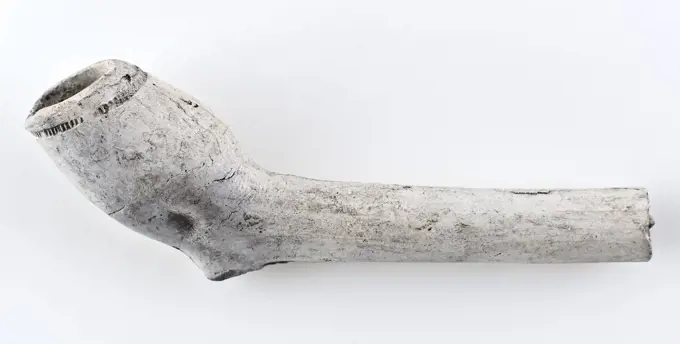
Pipe head, white baking clay, pipe head soil found ceramic pipe earth, mold pressed through pierced Pipes heads of whitewashing clay different size and age various specimens have heel marks or markings on the boiler archeology Rotterdam City center Stadsdriehoek Oudehaven indigenous pottery smoking tobacco room archaeological find in the soil Oude Haven Rotterdam 1980.
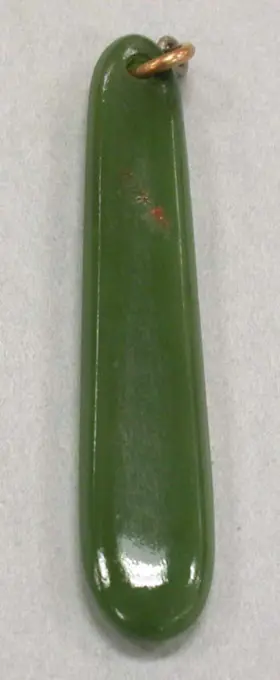
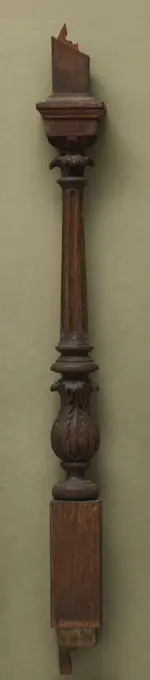
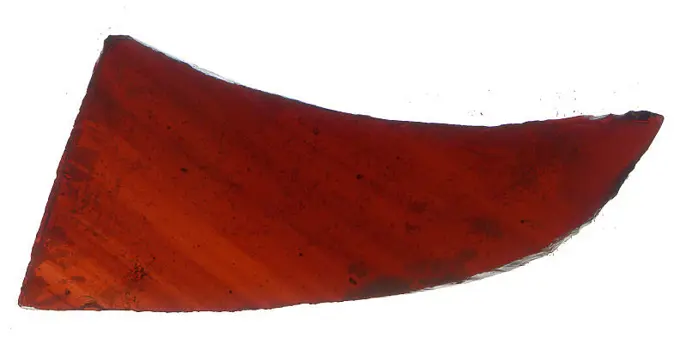
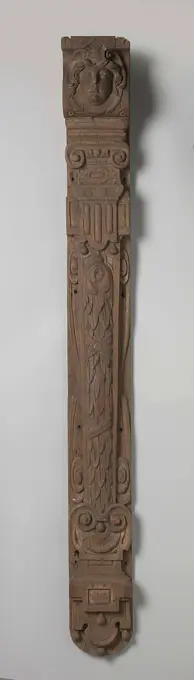
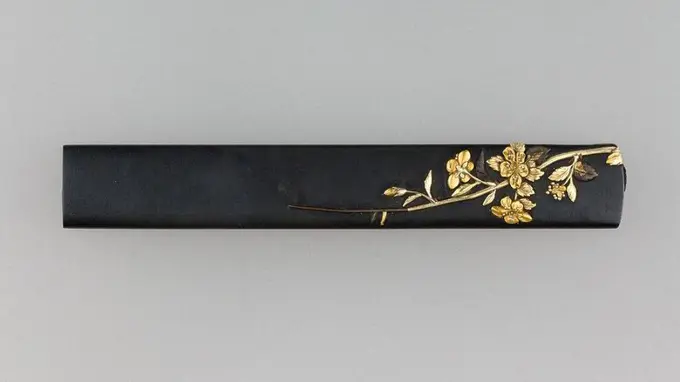
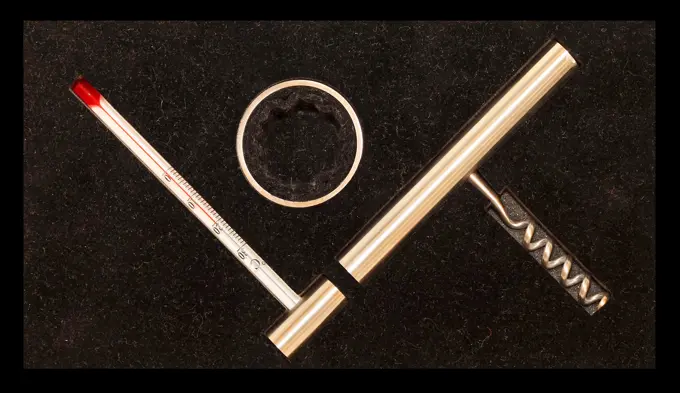
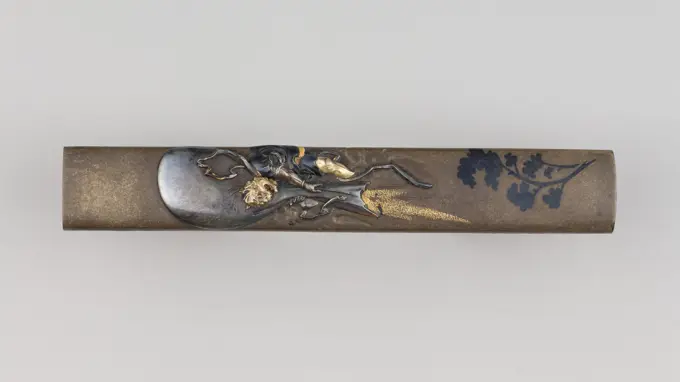
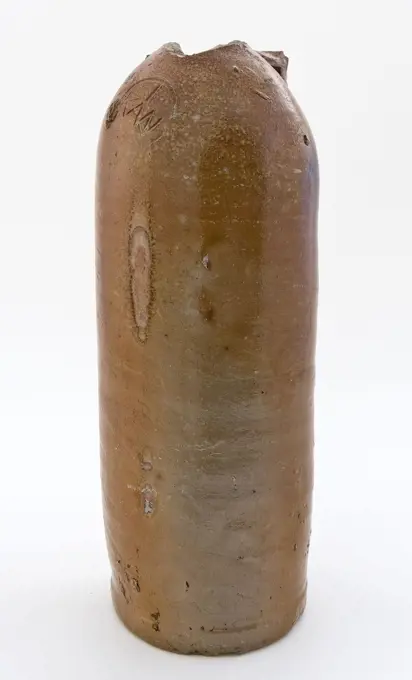
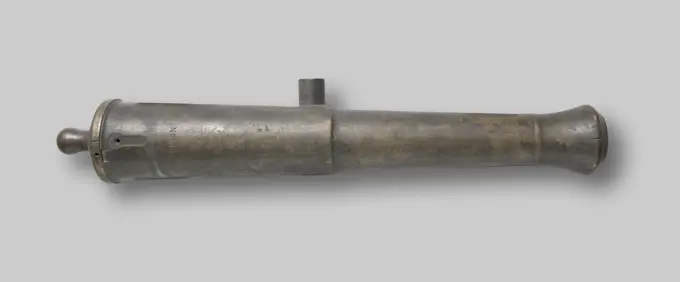
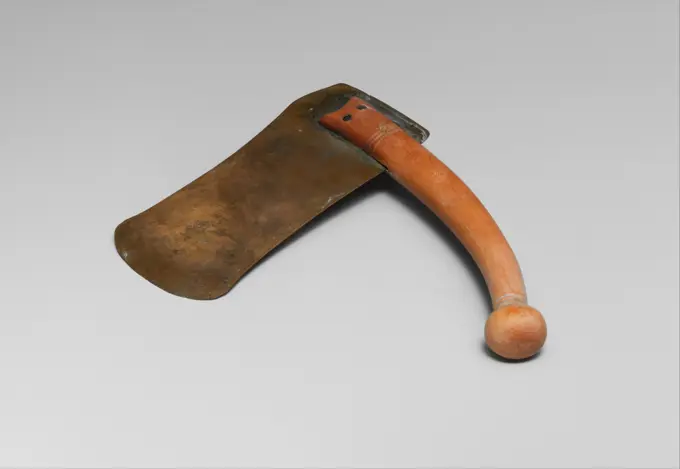
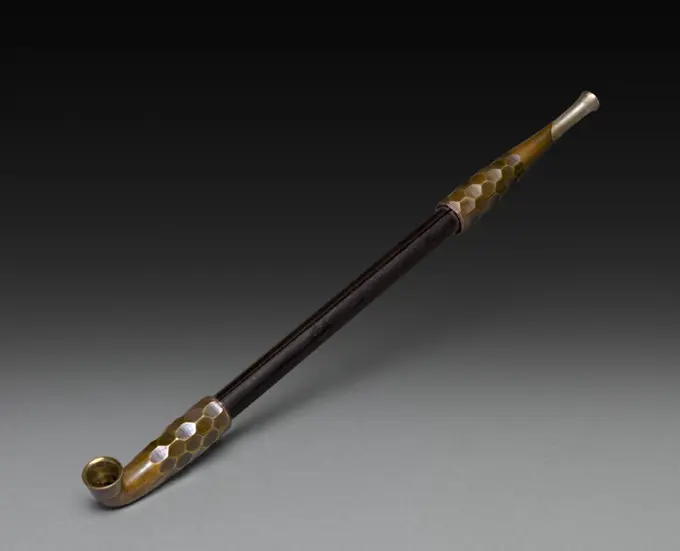
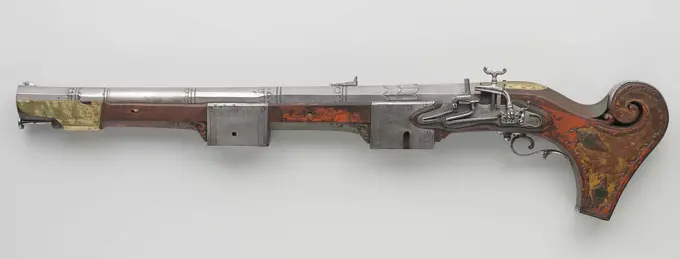
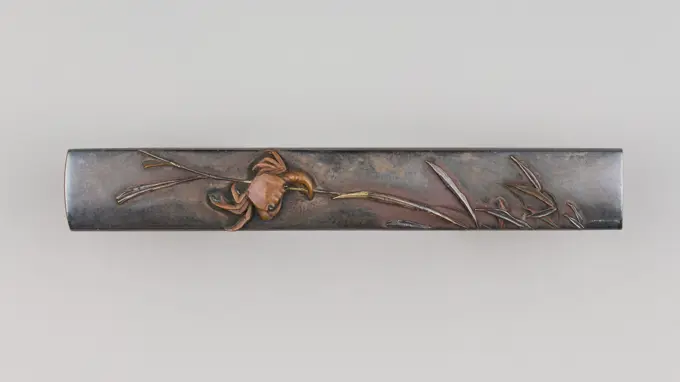
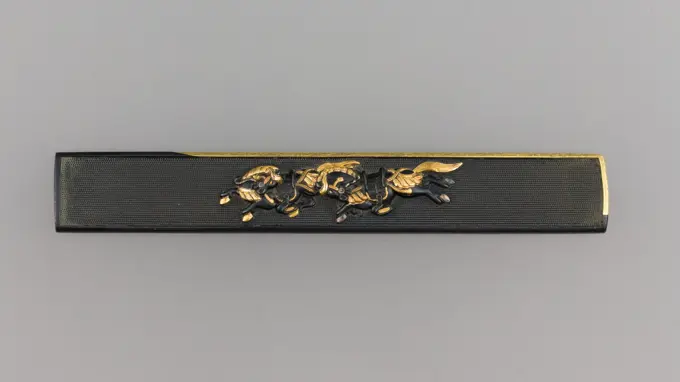
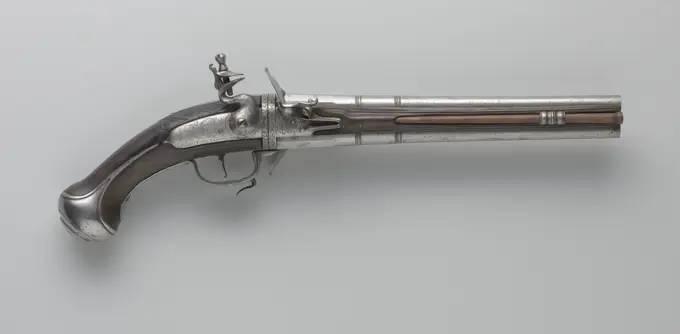
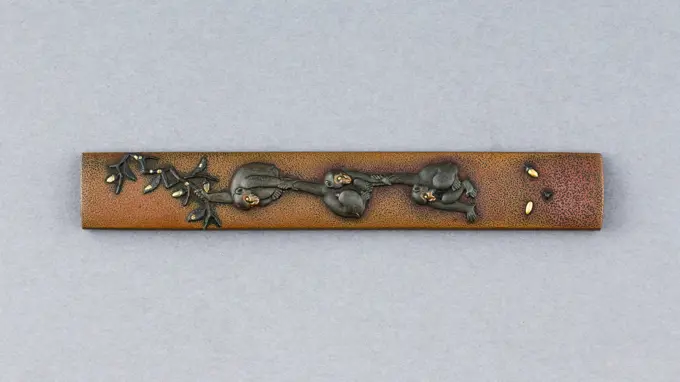
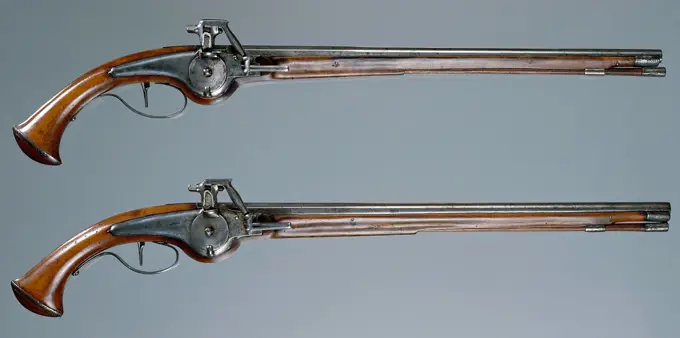
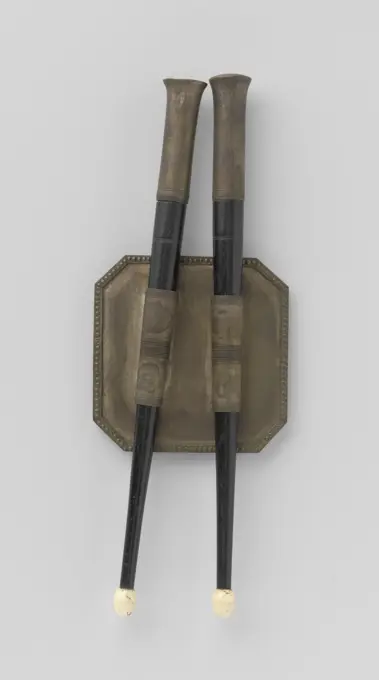
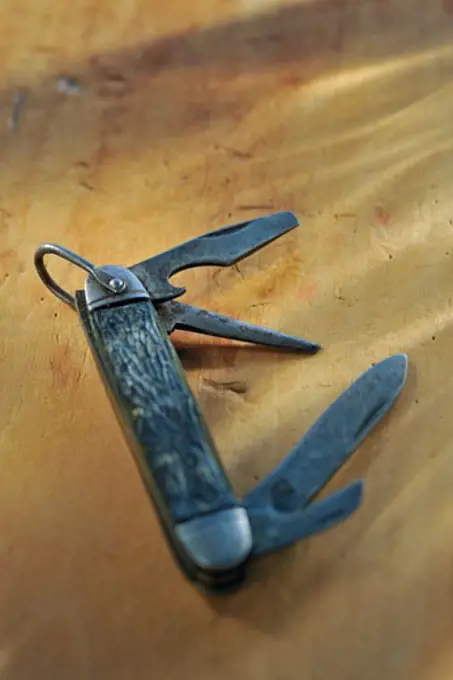
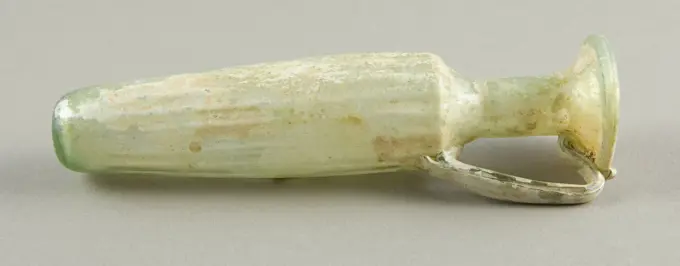
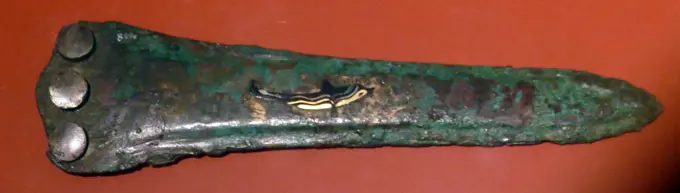
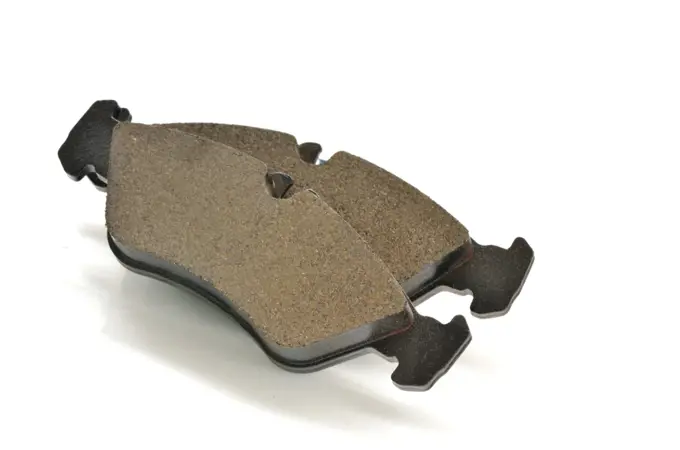
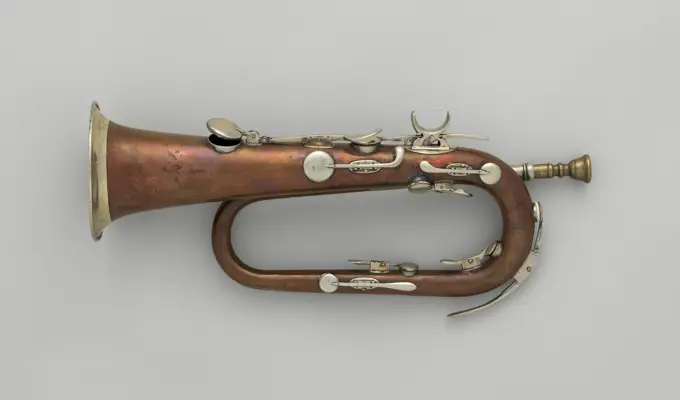
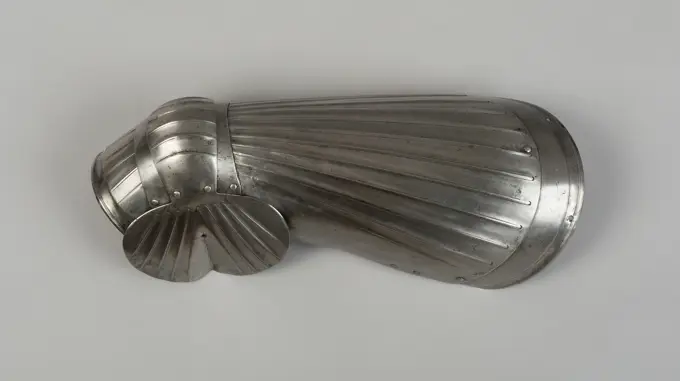
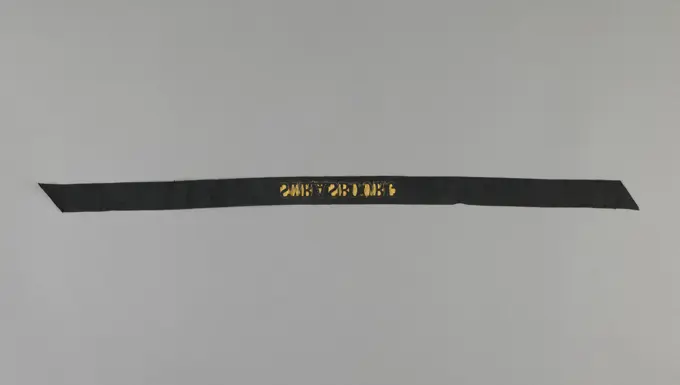
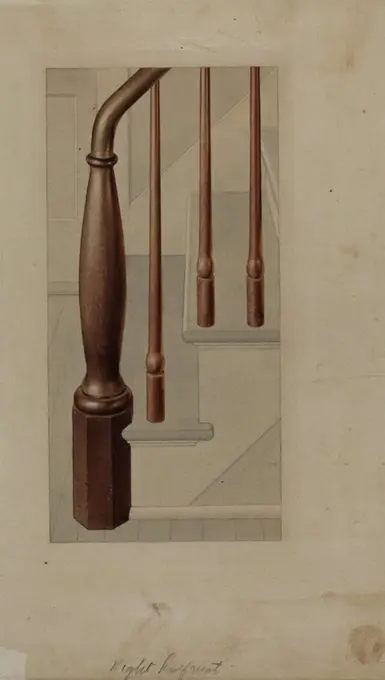
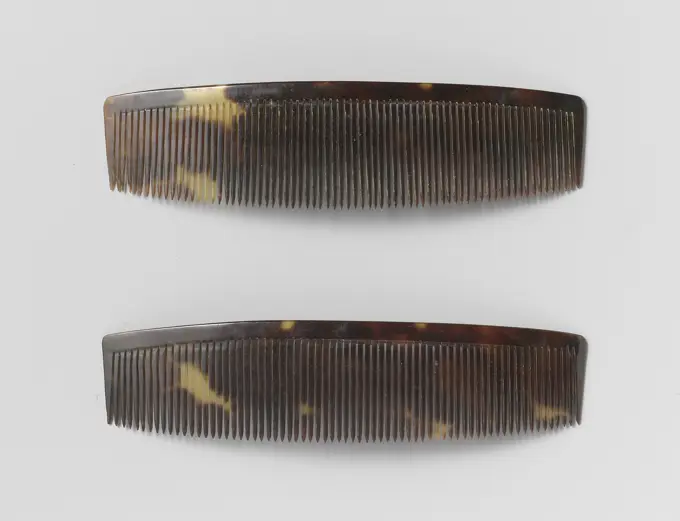
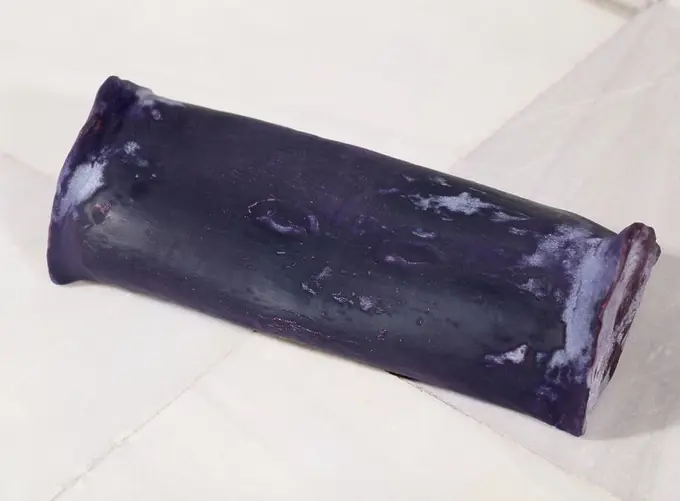
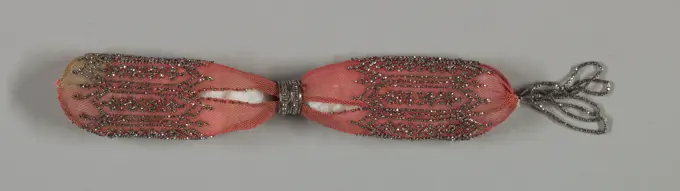
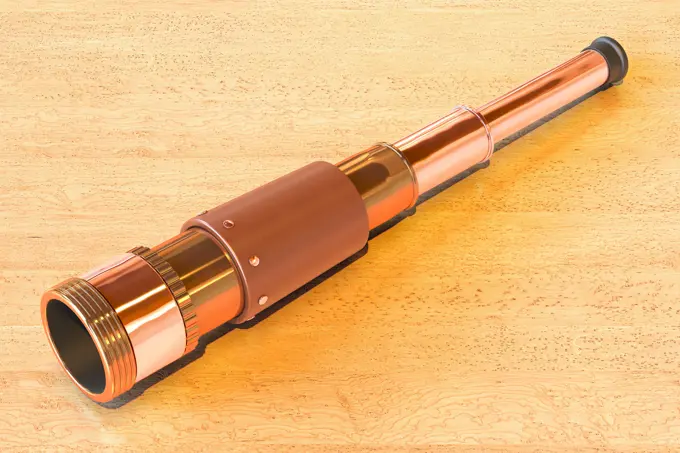
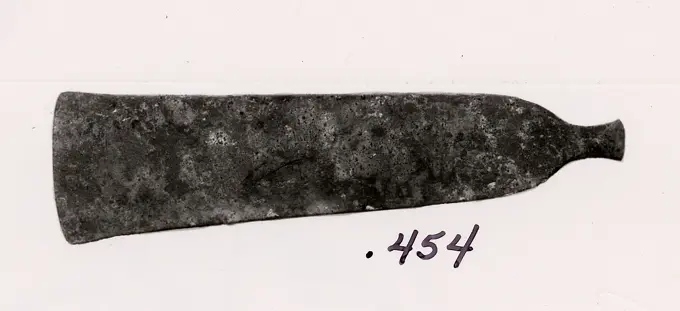
Adze blade ca. 1550-1458 B.C. New Kingdom. Adze blade 545559Knife Handle (Kozuka). Culture: Japanese. Dimensions: L. 3 13/16 in. (9.7 cm); W. 9/16 in. (1.4 cm); thickness 1/4 in. (0.6 cm); Wt. 1.3 oz. (36.9 g). Date: ca. 1615-1868. Museum: Metropolitan Museum of Art, New York, USA.Studio shot of a white tubarose lei laid in a straight line across image.Ear-drop 19th century New Zealand. Ear-drop 44046Moplah Knife. Culture: Indian, Malabar. Dimensions: L. 20 5/8 in. (52.4 cm); W. 2 1/2 in. (6.4 cm); Wt. 1 lb. 3.9 oz. (564.2 g). Date: 18th-19th century. Museum: Metropolitan Museum of Art, New York, USA.Degenbandelier, anonymous, c. 1800 - c. 1900 Degenbandelier of white textile and leather with two buckles. Europe textile materials. metal. leather Degenbandelier of white textile and leather with two buckles. Europe textile materials. metal. leatherwhaling artifacts in the Herschel Island museum off the Mackenzie River delta Yukon Territory Canada3d rendering of an axe isolated in a white studio background 3d rendering of an axe isolated in a studio background Copyright: xZoonar.com/HugoxKurkx 14717967White clay pipe, unnoticed, with smooth handle, clay pipe smoking equipment smoke floor earthenware ceramics pottery, pressed finished baked White clay pipe unnoticed with smooth handle. Pipe has striking dent in the kettle archeology smoking tobaccoKnife Handle (Kozuka). Culture: Japanese. Dimensions: L. 3 13/16 in. (9.7 cm); W. 9/16 in. (1.4 cm); thickness 5/16 in. (0.8 cm); Wt. 1.1 oz. (31.2 g). Date: 18th century. Museum: Metropolitan Museum of Art, New York, USA.Baluster ca. 1693 British. Baluster. British. ca. 1693. Oak. WoodworkGlass Fragment 14th century European. Glass Fragment 467257packaged sausageisolated  on a white background. packaged sausage on a whiteClose-up of an open bookGebeeldhouwde stijl van eikenhout, afkomstig uit het z.g. Huis van Alva, Warmoestraat te Amsterdam.Sculpted oak style without finish, from the Z.G. House of Alva, Warmoestraat in Amsterdam. In total it concerns two consoles, three wide and three narrow styles (BK-KOG-755-B to H). See also BK-KOG-754-1 to 7, these are 6 painted styles that come from the same house.Foghorn.Pneumatic fog horn, painted black, the inside of the chalice red, on the outer pipe is the chalice in an angle of 90 as with a ventilation shaft. The pipe has two handles. The air chamber is formed by the outer pipe slid over a loose inner pipe, which is closed at the bottom; The air pressure is obtained by pushing both pipes together, while if they are pulled out in the room being allowed by a valve in the bottom of the inner pipe. The tone is obtained by a reed on a long conical inner pipe, which is mounted on the outside pipe in the room. The horn is operated by moving the outer pipe with two hands up and down, while the inner pipe is held with one foot in a foot bracket on the bottom.Hammered Silver Rattle Beaker 8th-mid-16th century Peru; north coast (). Hammered Silver Rattle Beaker 309021Fish Pendant. China. Date: 1300 BC-900 BC. Dimensions: 2 7/8 × 5/8 × 3/16 in. Jade. Origin: China. Museum: The Chicago Art Institute, Chicago, USA.Knife Handle (Kozuka). Culture: Japanese. Dimensions: L. 3 7/8 (9.8 cm); W. 9/16 in. (1.4 cm); thickness 1/4 in. (0.6 cm); Wt. 1.3 oz. (36.9 g). Date: 1862. Museum: Metropolitan Museum of Art, New York, USA.Chakhe 19th century Thai Chakhe refers to "crocodile" as do other plucked zither of Southeast Asia like the crocodile-shaped Burmese mi gyaun.. Chakhe 500845Bottle 601 CE-1300 Mediterranean Region. Glass . IslamicFoedraal, Jos. Merckelbagh, 1894 Leer's parting for storing a certificate. Text: Anno 1894; Rijksschool for Applied Arts; To Dr. P.J.H. Cuypers; National Normal School for Teekenoderwijders. Two gold -colored locks and a leather handle. Clowned on the inside with red fabric. Note: Without a certificate. Utrecht leather. metal. textile materials Leer's parting for storing a certificate. Text: Anno 1894; Rijksschool for Applied Arts; To Dr. P.J.H. Cuypers; National Normal School for Teekenoderwijders. Two gold -colored locks and a leather handle. Clowned on the inside with red fabric. Note: Without a certificate. Utrecht leather. metal. textile materialsWine temperature Cork screw opener and wine temperature meter Copyright: xZoonar.com/Baloncicix 14664583Fragment of slate griffel, writing pen, griffel writing pen soil find slate stone, sawn cut Fragment slate slate. Slowly narrowing to the point archeology Rotterdam IJsselmonde writing note Soil discovery: Castle IJsselmonde pit 1-2 Rotterdam 1972.Knife Handle (Kozuka) 18th century Japanese A kozuka is a handle of a by-knife that is part of a sword mounting. It is kept in a slot on the reverse of a katana scabbard, often with a matching kgai (hairdressing tool).. Knife Handle (Kozuka). Japanese. 18th century. Copper-silver alloy (shibuichi), gold, silver, copper-gold alloy (shakud), copper. Sword Furniture-KozukaStoneware mineral pitcher, cylindrical with round shoulder, sausage ear and short neck, mineral water pitcher jar product packaging container soil find ceramic stoneware glaze salt glaze approx., hand turned glazed baked Stoneware mineral pitchers cylindrical with round shoulder short neck and sausage ear. Stand area with traces of deduction and soul. Glazed. Marked under the ear and marked on the front with medallion Medallion in the medallion: FACHINGEN in the midfield left clawing lion archeology Rotterdam Kralingen-Crooswijk Struisenburg Oostmaaslaan Boslaan Buizengat advertising indigenous pottery import drinking water drinking medicine packaging Soil discovery: Buizengat Oostmaaslaan Boslaan Rotterdam an old landfill of urban waste.Knife, Steel, niello, brass, enamel, emerald, gilding, Leaf-shaped blade tapering towards the point. Decorative indentions on the upper edge. Blade engraved with scrolled pattern, gilded near bolster. Waisted bolster with stylized leaves and beaded horizontal band. Handle with niello scrolled pattern at back and front. Finial of volute capital, dark blue enamel, surmounted by rose enamel gadrooned urn and rozette at green enamel., France or Italy, late 16th-mid-17th century, cutlery, Decorative Arts, KnifeTurning bass n ° 143, Brézin, 1812 cannon Smooth cannon with round grape. In the back of the bottom piece a round hole. Kulas band with inscription. On top and on the right darvan around hole. Zundgat in peer -shaped circumference. Above inscription. Halfway through fracture and two smooth engraved tapping. Smooth collar and slightly flared mouth. On top of the head of notch in edge for aiming. Paris bronze (metal) castingBaluster early 18th century British. Baluster. British. early 18th century. Oak. WoodworkRazor Belonging to Hatnefer ca. 1492-1473 B.C. New Kingdom This razor, which had been carefully wrapped in strips of linen, was found in a basket in the tomb of Hatnefer, the mother of Senenmut. Razors made entirely of metal were common in the Middle Kingdom and into Dynasty 18 (for an example see 35.3.30). Razors like Hatnefer's, which combine a blade and a wooden handle, appear for the first time early in Dynasty 18.The basket in which the razor was found is now in the Egyptian Museum, Cairo. It also contained a sealed pottery juglet, a pottery jar, a necklace, and a linen sheet.. Razor Belonging to Hatnefer. ca. 1492-1473 B.C.. Bronze or copper alloy, boxwood. New Kingdom. From Egypt, Upper Egypt, Thebes, Sheikh Abd el-Qurna, Tomb of Hatnefer and Ramose (below TT 71), inside Basket "L", MMA excavations, 1935-36. Dynasty 18, earlyKnife Handle (Kozuka). Culture: Japanese. Dimensions: L. 3 3/4 in. (9.5 cm); W. 9/16 in. (1.4 cm); thickness 5/16 in. (0.8 cm); Wt. 1.1 oz. (31.2 g). Date: ca. 1615-1868. Museum: Metropolitan Museum of Art, New York, USA.Tobacco Pipe, early to mid-1800s. Japan, Edo period (1615-1868). Wood and brass; overall: 20.7 cm (8 1/8 in.).Two portable cannons (jingals).The kings troops defended the city and the palace with heavy muskets that had to be mounted on a tripod before being fired. This support gave the weapon its name jingal (grasshopper). The Dutch seized two wall guns as booty during their military campaign against the Kingdom of Kandy in 1765.Nosegayholder.  Manufacturer: William B. Kerr and Company, American, 1855-1927Knife Handle (Kozuka) 19th century Japanese A kozuka is a handle of a by-knife that is part of a sword mounting. It is kept in a slot on the reverse of a katana scabbard, often with a matching kgai (hairdressing tool).. Knife Handle (Kozuka). Japanese. 19th century. Copper-silver alloy (shibuichi), copper, gold, silver. Sword Furniture-KozukaKnife Handle (Kozuka) late 18th-early 19th century Japanese A kozuka is a handle of a by-knife that is part of a sword mounting. It is kept in a slot on the reverse of a katana scabbard, often with a matching kgai (hairdressing tool).. Knife Handle (Kozuka). Japanese. late 18th-early 19th century. Copper-gold alloy (shakud), gold. Sword Furniture-KozukaKnife, fork and cutting board, salt, pepper and other ingredients Knife, fork and cutting board, salt, pepper and other ingredients located on a textured concrete background Copyright: xZoonar.com/TetianaxChernykovax 21413625Räler from derailment on the route between Ulvshyttan and Sellnäs, here photographed in Hagalund.Emilia-Romagna Ferrara Ferrara Museo Civico di Schifanoia16. Hutzel, Max 1960-1990 General Notes: INCOMPLETE RECORD--NEGATIVES PROCESSED, PRINTS FILED German-born photographer and scholar Max Hutzel (1911-1988) photographed in Italy from the early 1960s until his death. The result of this project, referred to by Hutzel as Foto Arte Minore, is thorough documentation of art historical development in Italy up to the 18th century, including objects of the Etruscans and the Romans, as well as early Medieval, Romanesque, Gothic, Renaissance and Baroque monuments. Images are organized by geographic region in Italy, then by province, city, site complex and monument.Dipper stick of wood, fragment. Fragment of a rod with remains of an iron shell. Belonged to NM-7773-2.Example of tools used to make the Staffordshire Hoard. Dated 7th CenturySpanish Civil War (1936-1939). Siege of the Alcázar (21 July to 27 September 1936). Air dropped message holder picked up by the besieged forces in the Alcázar. Metal and fabric, 1936. Army Museum. Toledo, Spain.Dubbelloops flint turning gun, Cornelis Kant, 1670 - 1675 flintlock pistol There are flower vines and a signature on the lock. Both walks are marked at the bottom. The batter consists of, among other things, the tractor bracket mounted in the bracket on which a crucifix is engraved. Amsterdam iron (metal) striking (metalworking) / engravingModel chisel ca. 1981-1802 B.C. Middle Kingdom. Model chisel. ca. 1981-1802 B.C.. Copper, wood, animal hide. Middle Kingdom. From Egypt, Middle Egypt, Asyut (Lykopolis), Tomb of Ankhef (Tomb 9), Khashaba excavations. Dynasty 12Side view of a silver steel screw laying on a piece of timber in macroUsed roofing hammer on new composite shingles and felt paper in horizontal format.Knife Handle (Kozuka) ca. 1615-1868 Japanese A kozuka is a handle of a by-knife that is part of a sword mounting. It is kept in a slot on the reverse of a katana scabbard, often with a matching kōgai (hairdressing tool).. Knife Handle (Kozuka) 34593Baluster first half 18th century British. Baluster. British. first half 18th century. Oak. WoodworkPair of pistols and a bullet associated with the death of William Frederick of Nassau, Stadtholder of Friesland.When Stadtholder William Frederick inspected one of these pistols on 24 October 1664, the weapon accidentally fired, fatally wounding him in the face. The bullet displayed here was found in the other pistol. Although these objects do not tell a very heroic tale, they were nevertheless accorded a place in the collection of the Frisian stadtholders.Iron Persian crossbow headsDrumsticks, c. 1823 musical instrument. elements (of musical instruments). percussion instrument. stick plate. beater. drumstick Stick plate made of brass and wooden drum sticks for Tamboer major. Netherlands copper (metal)Beads, string ca. 1981-1504 B.C. Middle Kingdom-Early New Kingdom. Beads, string 558271Stone Chisel before 16th century Mexican. Stone Chisel 317276Carriole -Old pocket knifeTalismanGlass Fragment 13th century European. Glass Fragment. European. 13th century. Pot metal glass. Glass-StainedJug 201 CE-400 CE Syria. Glass, blown technique . Ancient LevantineFragment silk veal with yellow and green in horizontal rows of dual volutes interspersed with paragraphed motif.Fragment Silk Veal with Yellow and Green in Horizontal Rows or Double Volutes InterSpersed With Paragraph-Like Motif. Italy, 16th century.Bronze dagger with inlaid birds and dolphins made of gold and silver.Clapper. Dimensions: L. 21.5 × W. 7.4 × Th. 0.9 cm (8 7/16 × 2 15/16 × 3/8 in.). Dynasty: Dynasty 12, mid - Dynasty 13. Date: ca. 1900-1640 B.C.. Museum: Metropolitan Museum of Art, New York, USA.This is a kitchen tool. This knife belongs to the local culture.Ivoren Staff with the Wapen van Friesland, Anonymous, c. 1675 - c. 1700  Processed ivory staff with silver batter on two sides, which is provided on the thickest side with the crowned weapon of Friesland. Corning with NG-NM-634. Bailiff. Netherlands ivory. silver (metal) cutting / engraving / striking (metalworking)  FrieslandSilver Balloon Letter I, Realistic 3D Rendering on a black backgroundCuisse and Poleyn for Right Leg 1500-1530 Southern Germany. Steel .CombA porcupine spine. The driven bin of copper has a rectangular shape with a low wall, which turns into an excellent edge. It is divided into two compartments through a length over the middle raised rib in two compartments and other writing utensils. The soil has been decorative decorative across with hammer layers. Four rosettes have been beaten in the corners, such that the hearts are spherical at the bottom and serve into legs of the object. This motif has been repeated against the ends of the rib, on the widened short edges. Two stylized antithetically placed seahorses were driven in both sides. The centers of the long narrow edges are accentuated with any driven ornament.Lime Spatula with Animal Head 500 B.C.-A.D. 300 Indonesia. Lime Spatula with Animal Head. Indonesia. 500 B.C.-A.D. 300. Bronze. Bronze and Iron Age period. MetalworkCar brake pads shoot in studioKyanite, silicate.Amulet of a Leg and Foot Made 2494 BCE-2055 BCE Egypt. Small-scale Egyptian figurines, known as amulets, were thought to promote health and good luck. Amulets were such an important part of Egyptian religious beliefs that they were worn by both the living and the dead. They could be mounted on rings or strung as bracelets or necklaces and were placed among the mummy wrappings to secure the deceasedís rebirth and well-being in the afterlife. Many varieties of amulets survive, including figures of deities, parts of the human (ordivine) body, animals, plants, and objects of daily life. The leg and foot were thought to provide the deceased with mobility in the afterlife. Multiple examples of these types of amulets have been found on the ankles of mummies.. Carnelian . Ancient EgyptianHorizontal photo of an old claw hammer on aged woodKeyed Bugle in E (originally E-flat) 1830-50 Graves & Company Samuel Graves established his workshop in 1824 in West Fairlee, New Hampshire, moving to Winchester between 1825 and 1830. The manufacturing business became Graves and Company when first his brothers and later S. W. Richardson became partners in the 1830s. The company was one of the most important manufacturers of brass and woodwind instruments in the United States during the first half of the nineteenth century.. Keyed Bugle in E (originally E-flat). American. 1830-50. Copper, nickel-silver. Winchester, New Hampshire, United States. Aerophone-Lip VibratedNozzle. Dated: 1935/1942. Dimensions: overall: 35.5 x 24.6 cm (14 x 9 11/16 in.). Medium: watercolor, graphite, and colored pencil on paperboard. Museum: National Gallery of Art, Washington DC. Author: Rose Campbell-Gerke.Cylinder Seal. Mesopotamia, Neo-Assyrian or Neo-Babylonian Period (900-800 B.C.). Tools and Equipment; seals. White chalcedonydolmen stele of Pozuelo 6, 3600-2200 BC, Zalamea la Real, Huelva Museum, Huelva, Andalusia, Spain.Shards of porcelain from V.O.C. ship De 'Witte Leeuw', Before 1613  Shards of porcelain from V.O.C. ship De 'Witte Leeuw', from Martavanen. Jingdezhen porcelain   Sint-HelenaClose-up of three candlestick holdersRing in the fold of a book, heart-shaped shadowEgyptian Motifs Matchsafe; brass; 4.8 x 3.7 x .9 cm (1 7/8 x 1 7/16 x 3/8 in. )Half Model of a Tambangan, anonymous, c. 1860 - c. 1880 ship model. half model Black and white stacking model (starboard) of a canoe. He has two pointed ends, the prayer comes up. A clamp at both ends. Scale 1:10 (scale on model). Indonesian Archipelago wood (plant material)Cuisse and Poleyn for the Left Leg 1500-1530 Europe. Steel .An old hammer and smartphone. An old hammer and smartphone with broken screen on a white backgroundTextile Swatch Textile Swatch, 1950s to 1960s. Silk, 20 x 10 3/4 in. (50.8 x 27.3 cm).    1950s to 1960sAnonymous, legendary ribbon (Bachi strip) of the line of line Strasbourg (title awarded), 1936. Fabric, mechanical weaving. Museum of the Liberation of Paris - General Leclerc Museum - Jean Moulin Museum.A porcupine spineNewel Post. Dated: 1935/1942. Dimensions: overall: 30.5 x 17.5 cm (12 x 6 7/8 in.). Medium: watercolor and graphite on paper. Museum: National Gallery of Art, Washington DC. Author: American 20th Century.Hair comb or comb from plain fine turtle, with a long line of narrow teeth, anonymous, c. 1800 - c. 1899 Hair comb or comb from plain fine turtle, with a long line of narrow teeth Netherlands (possibly) . sawing / filing / polishing Hair comb or comb from plain fine turtle, with a long line of narrow teeth Netherlands (possibly) . sawing / filing / polishingPILLOWS - 1996-1997. Author: JOSE MARIA SICILIA. Location: PRIVATE COLLECTION.Gloves 1870-89 French. Gloves 119645The Door Isolated wooden door with glass on a white background Copyright: xZoonar.com/AndreyxSkatx 7722577Fragments Pipe states from the wreck of the East India Hollandia.stems, Fragm.Stibnite. minerals. Asia; Japan; Ehime Prefecture; Saij, Ichinokawa Community Center; Ichinokawa mineMiser's Purse (France); silk, metal; L: 27 cm (10 5/8 in.)Pair of Tassets 1600-1700 Europe. Steel and leather .Keyed bugle, Ludwig Embach & Co, c. 1830 Valve bugle in C with six flat, round valves, the lower of which is open. With support saddle for the middle finger of the right hand. The test of the third clippings runs on. Amsterdam brass (alloy) Valve bugle in C with six flat, round valves, the lower of which is open. With support saddle for the middle finger of the right hand. The test of the third clippings runs on. Amsterdam brass (alloy)Roman bronze strigil. 1st century. From Pompeii. Italy.Stibnite. minerals. Asia; China; Jiangxi Province; Jiujiang Prefecture; Wu Ling mineMessing Hand Held Teleskop auf dem Holztisch. 3D-Rendering Brass Hand Held Telescope on the wooden table. 3D rendering Copyright: xZoonar.com/natatravelx 22962385