Historical Blades and Tools

Showcases various edged tools and instruments from different periods, including knives, whetstones, and hinges, highlighting craftsmanship and materials used.

Pipe head, white baking clay, pipe head soil found ceramic pipe earth, mold pressed through pierced Pipes heads of whitewashing clay different size and age various specimens have heel marks or markings on the boiler archeology Rotterdam City center Stadsdriehoek Oudehaven indigenous pottery smoking tobacco room archaeological find in the soil Oude Haven Rotterdam 1980.
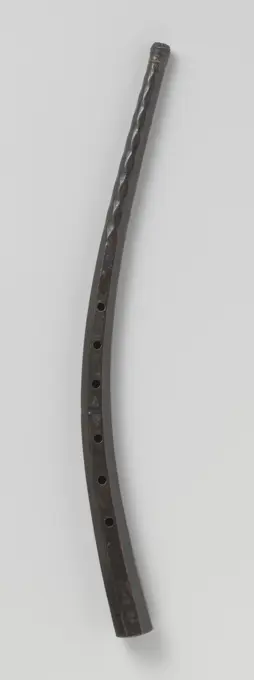
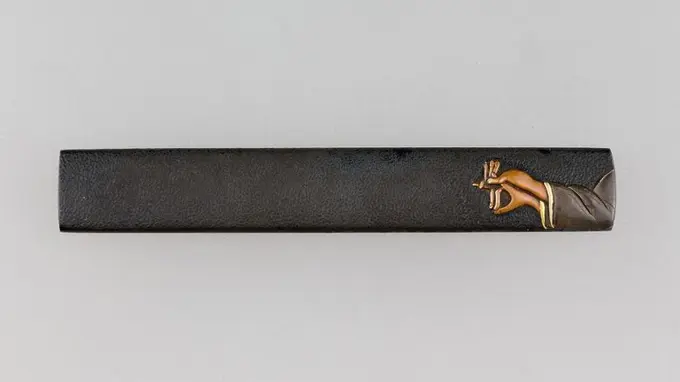
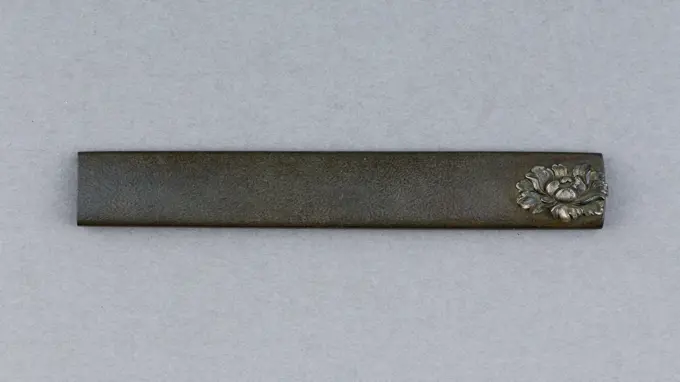
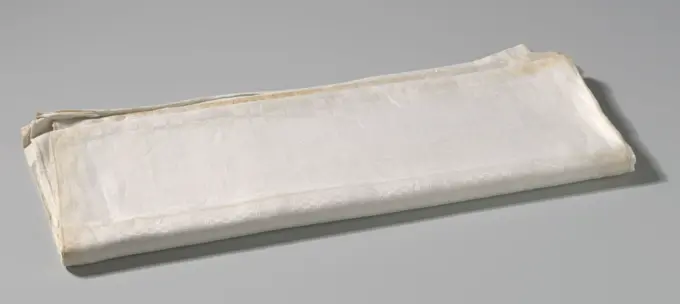
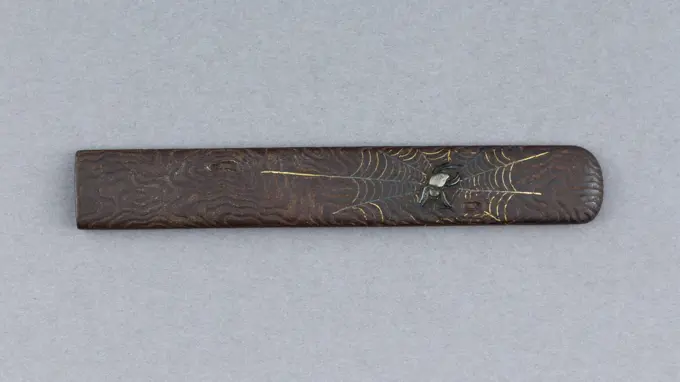
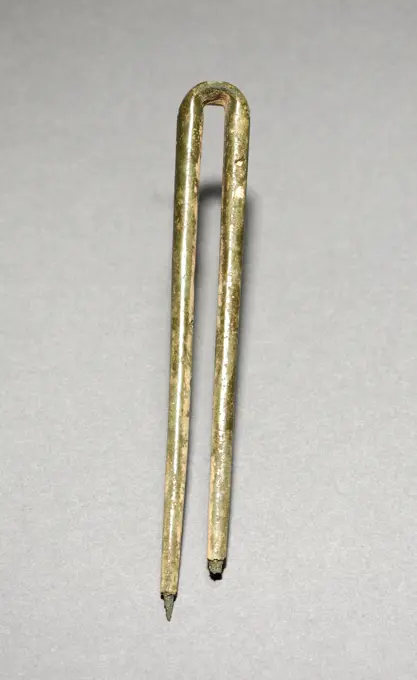
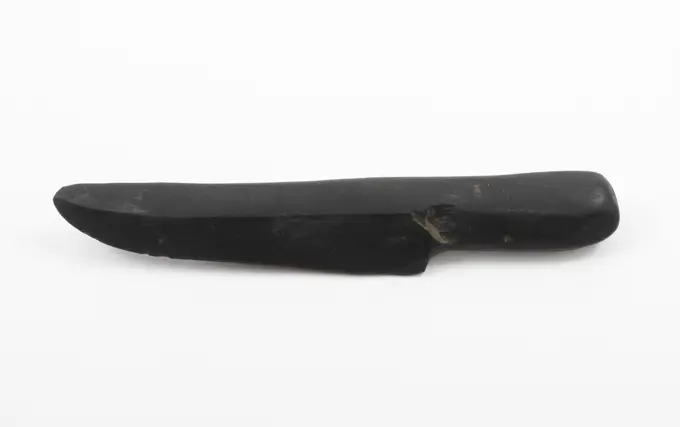
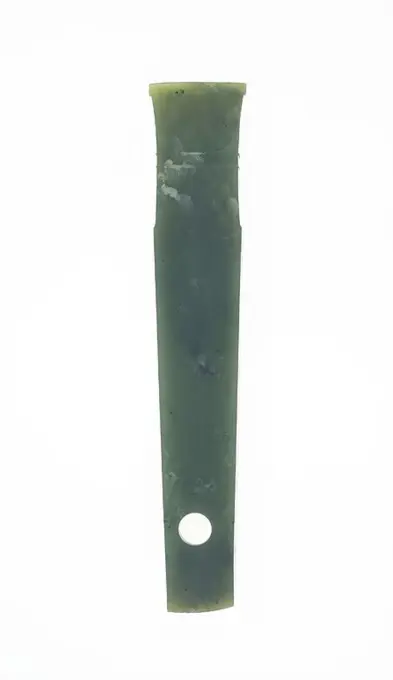
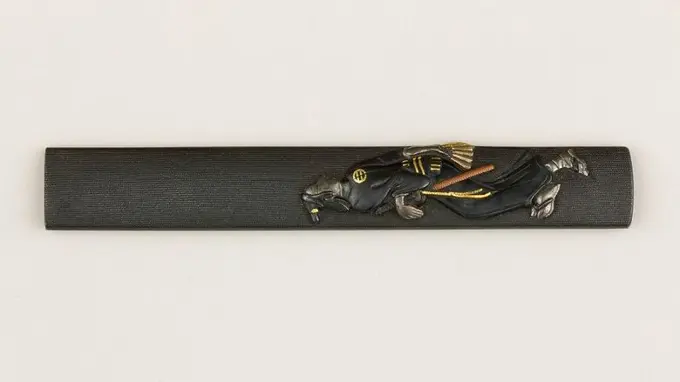
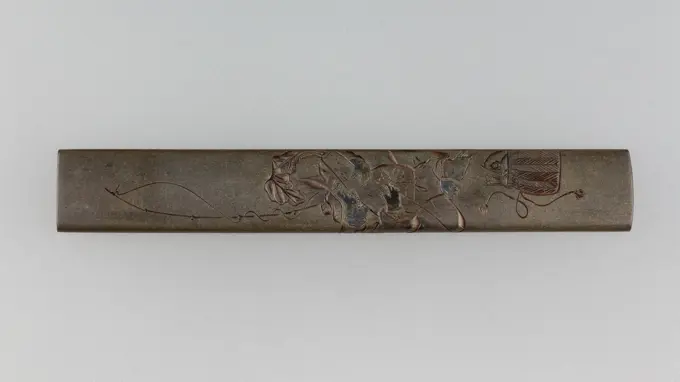
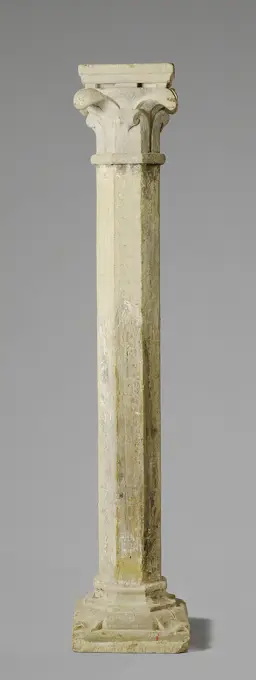
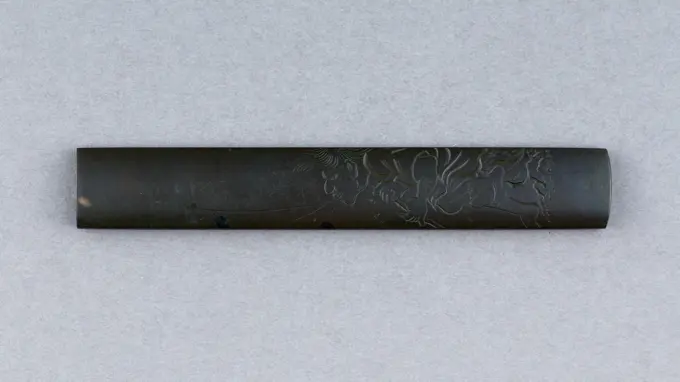
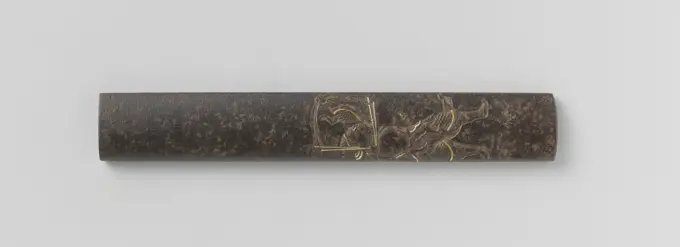
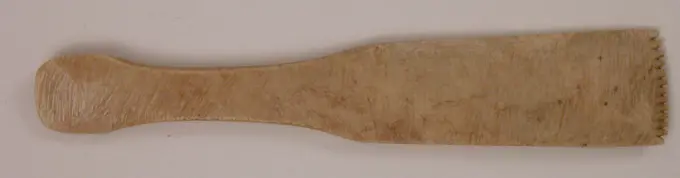
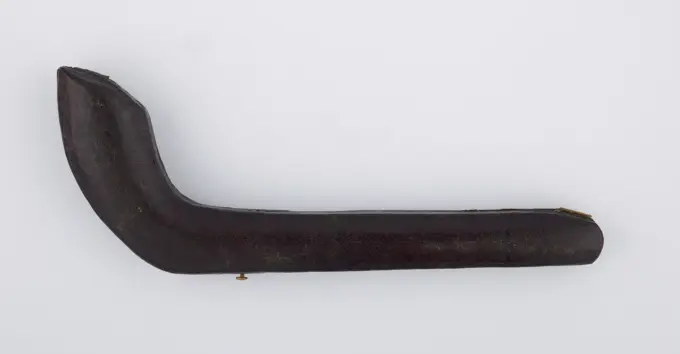
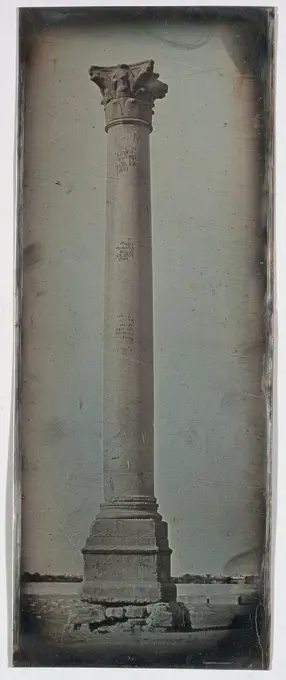
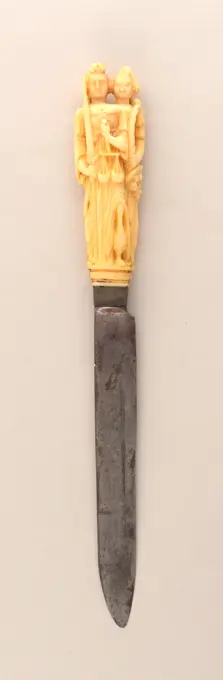
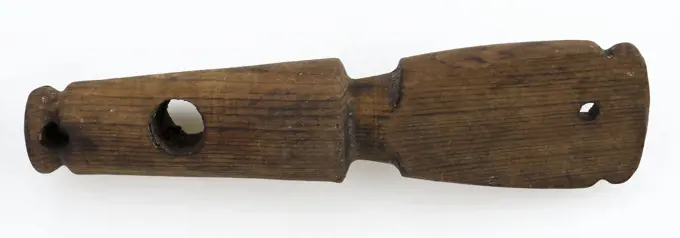
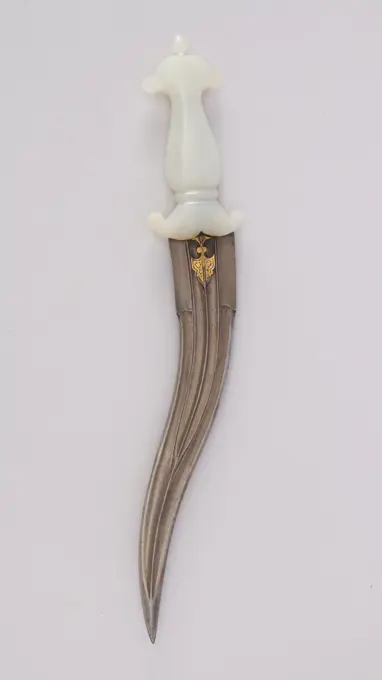
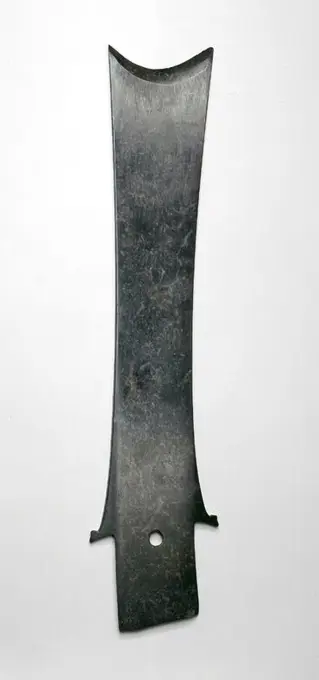
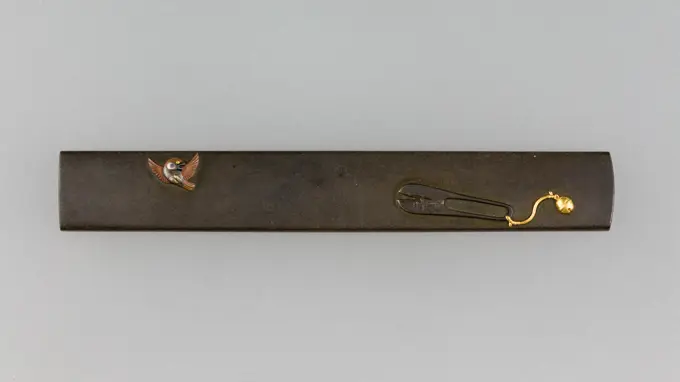
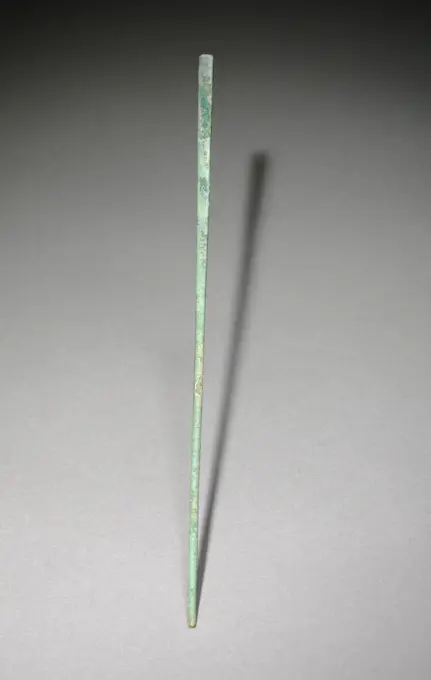
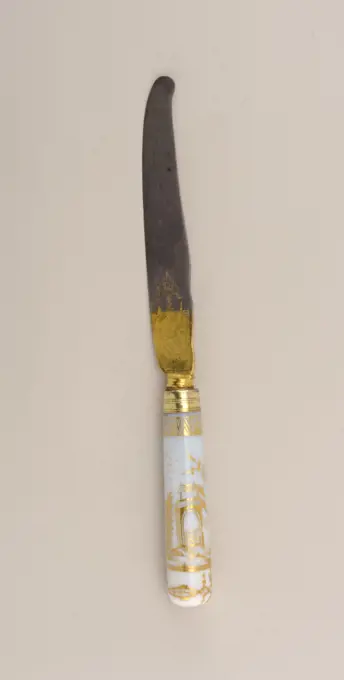
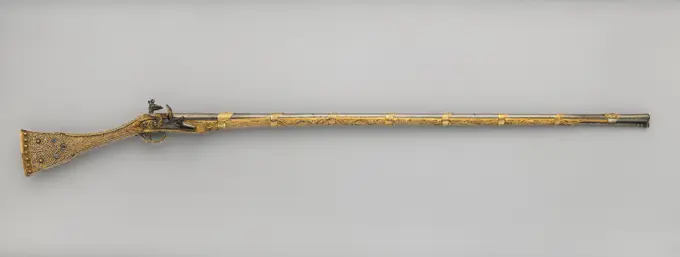
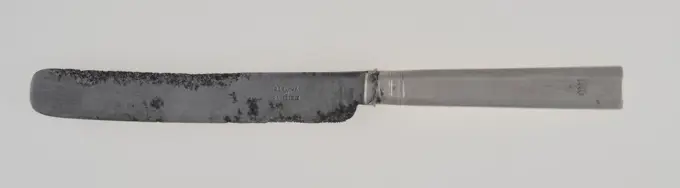
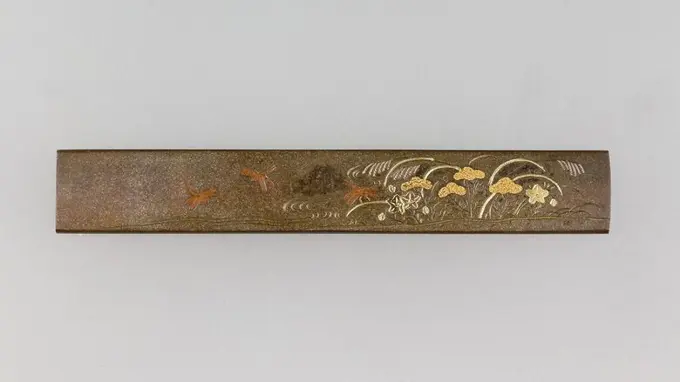
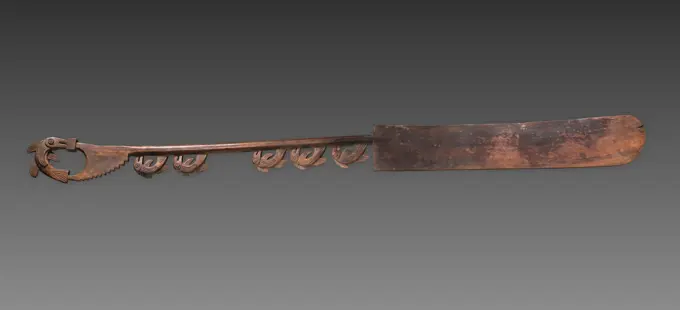
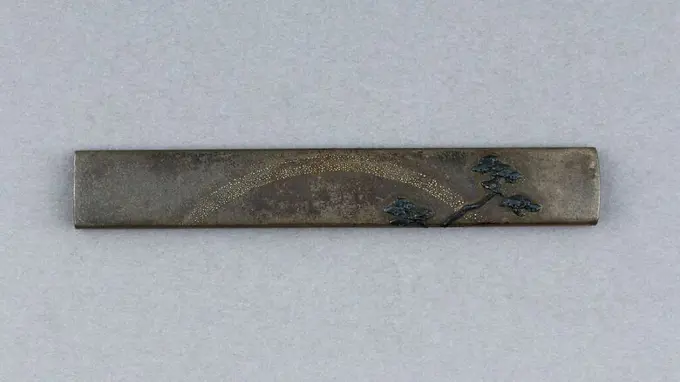
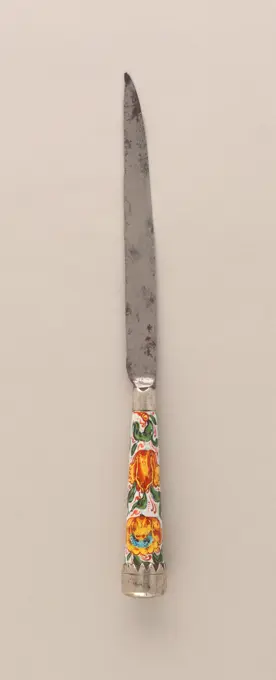
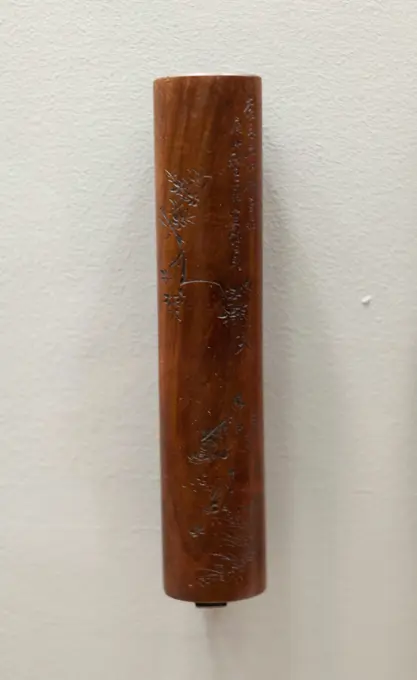
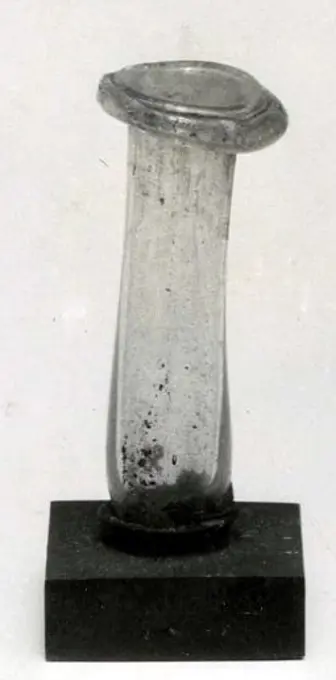
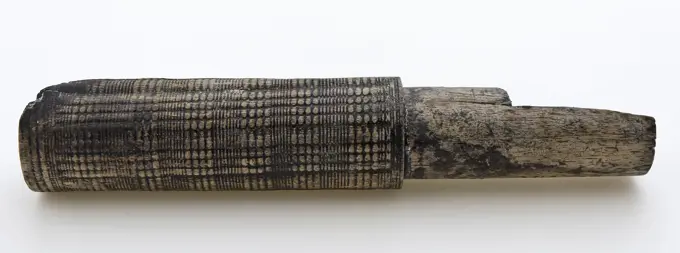
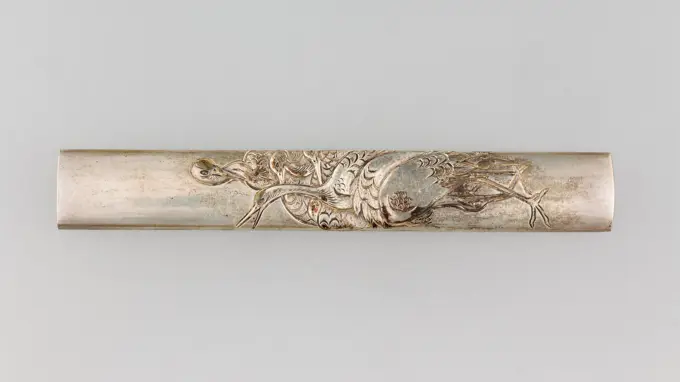
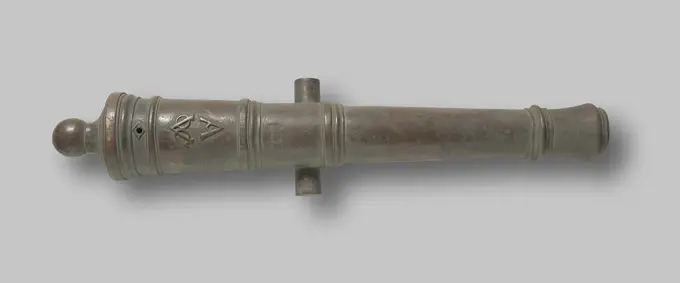
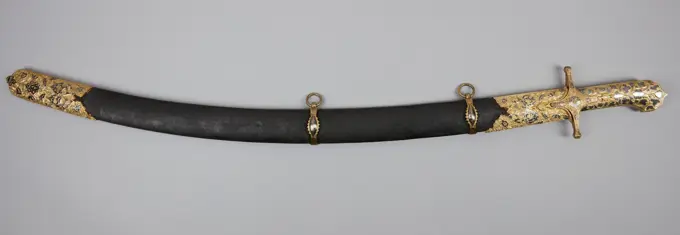
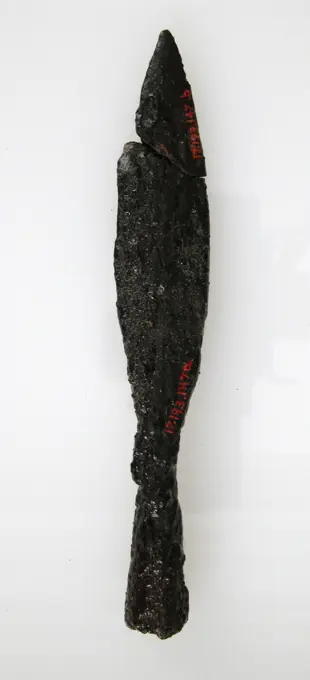
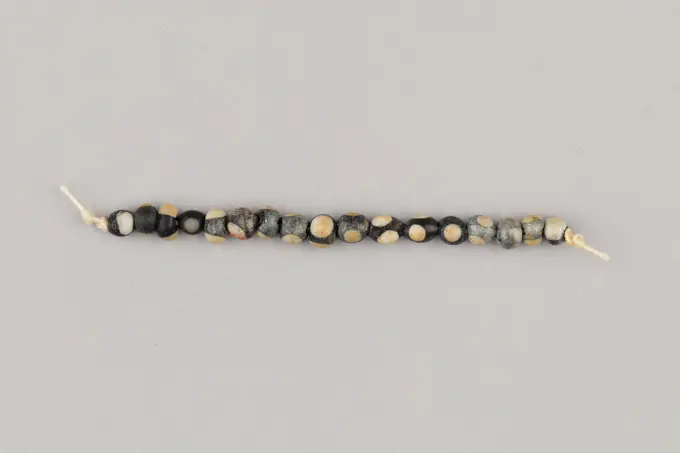
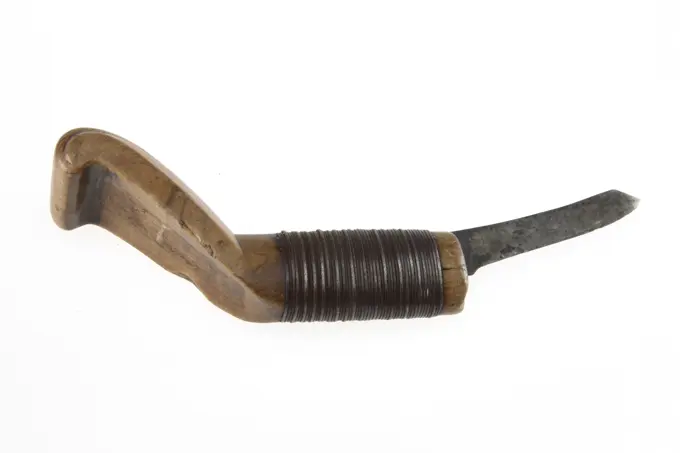
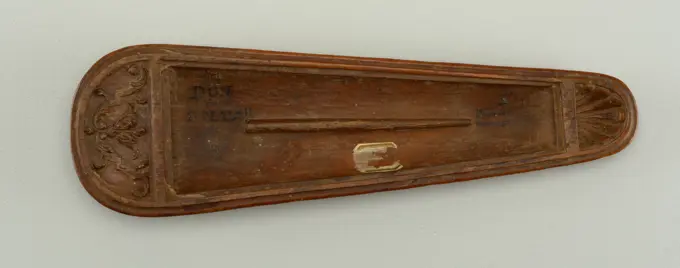
Whetstone, Mediaeval. Whetstone (a fine-grained stone used for sharpening cutting tools) with suspension hole to top and decorative band detail... Found at Weoley Castle site. .Cornetto, anonymous, c. 1600 - c. 1650 Soprano zinc (also called Cornetto) of Palmhout with leather exaggerated. The instrument has six finger holes on the front and one thumb hole at the rear. Decorated at the front with different inmamices pressed into the leather. London wood (plant material). leather Soprano zinc (also called Cornetto) of Palmhout with leather exaggerated. The instrument has six finger holes on the front and one thumb hole at the rear. Decorated at the front with different inmamices pressed into the leather. London wood (plant material). leatherKnife Handle (Kozuka). Culture: Japanese. Dimensions: L. 3 13/16 in. (9.7 cm); W. 9/16 in. (1.4 cm); thickness 1/4 in. (0.6 cm); Wt. 1.2 oz. (34 g). Date: second half 18th century. Museum: Metropolitan Museum of Art, New York, USA.Hinge. Hinge, presumably an open holder. Has probably been part of a coffin.Four knives and a fork belonging to Emperor Charles V.Charles V acquired this portable cutlery set in Italy. The two large knives bear his arms and the chain of the Order of the Golden Fleece. Above this is the emperors crown and below it the Burgundian cross of Saint Andrew with the mythical pillars of Hercules (signifying the end of the world). They are all symbols of the emperors power.Knife Handle (Kozuka) ca. 1615-1868 Japanese A kozuka is a handle of a by-knife that is part of a sword mounting. It is kept in a slot on the reverse of a katana scabbard, often with a matching kōgai (hairdressing tool).. Knife Handle (Kozuka) 34676Military Flail probably mid to late 19th century in style of 16th century possibly German. Military Flail. possibly German. probably mid to late 19th century in style of 16th century. Steel. Shafted WeaponsPipe head, white baking clay, pipe head soil found ceramic pipe earth, mold pressed through pierced Pipes heads of whitewashing clay different size and age various specimens have heel marks or markings on the boiler archeology Rotterdam City center Stadsdriehoek Oudehaven indigenous pottery smoking tobacco room archaeological find in the soil Oude Haven Rotterdam 1980.Tablecloth ,, 1800 - 1875 White linen tablecloth with a peel pattern "chessboard". North Netherlands linen (material) White linen tablecloth with a peel pattern "chessboard". North Netherlands linen (material)Sample of Telegraph Cable for Mines, anonymous, 1865 - 1875 telegraph cable. sample Copper wire of seven threads in a thick insulating layer of a black plastic. unknown copper (metal).Cigar holderKnife Handle (Kozuka) ca. 1615-1868 Japanese A kozuka is a handle of a by-knife that is part of a sword mounting. It is kept in a slot on the reverse of a katana scabbard, often with a matching kōgai (hairdressing tool).. Knife Handle (Kozuka) 34685Yeah; Tauron-Parisot (couples; Factory; 1839-); XIX-XX century (1901-00-00-2000-00-00);MaceTopknot Pin, 918-1392. Korea, Goryeo period (918-1392). Bronze; overall: 8.5 cm (3 3/8 in.).Knife -Bassoon, Georg Heinrich Scherer, c. 1750 Fagot with copper edges and four brass valves. The upper part is decorated with a brass crown. Marked on all parts: I. Scherer in a roll / standing lion of Hesse. Butzbach maple (wood). brass (alloy) Fagot with copper edges and four brass valves. The upper part is decorated with a brass crown. Marked on all parts: I. Scherer in a roll / standing lion of Hesse. Butzbach maple (wood). brass (alloy)Knife Handle (Kozuka). Culture: Japanese. Dimensions: L. 3 13/16 in. (9.7 cm); W. 9/16 in. (1.4 cm); thickness 1/4 in. (0.6 cm); Wt. 0.9 oz. (25.5 g). Date: ca. 1615-1868. Museum: Metropolitan Museum of Art, New York, USA.Two Awls 1575-1600 Germany, East. Iron, silver, and leather .Hammered Silver Miniature Club 8th-mid-16th century Peru; north coast (). Hammered Silver Miniature Club 309198Handle-Shaped Jade. China. Date: 2000 BC-750 BC. Dimensions: 5 13/16 × 1 1/16 × 7/16 in. Jade. Origin: China. Museum: The Chicago Art Institute, Chicago, USA.Bronze stirring rod ca. 2nd century B.C.-1st century A.D. Greek or Roman This instrument was used for mixing ointments or cosmetics. The central disk both served as a lid for the bottle containing the mixture and helped to keep the rod upright.. Bronze stirring rod 244318Knife Handle (IKozuka). Culture: Japanese. Dimensions: L. 3 13/16 in. (9.7 cm); W. 9/16 in. (1.4 cm); thickness 1/4 in. (0.6 cm); Wt. 1.1 oz. (31.2 g). Date: 18th century. Museum: Metropolitan Museum of Art, New York, USA.Ring brooch with linked hoop from Ireland. Dated 8th CenturyKnife Handle (Kozuka) ca. 1800 Japanese A kozuka is a handle of a by-knife that is part of a sword mounting. It is kept in a slot on the reverse of a katana scabbard, often with a matching kōgai (hairdressing tool).. Knife Handle (Kozuka) 29694Stone column, from Lanz., C. 1250 A column of sandstone with octagonal shaft. An octagonal caveel profile leads to the square base, between which an octagonal cushion with corner leaves. The octagonal capital has two rows of four curly leaves and then turns into a square cover plate. Transition from Romanesque to Gothic. Three equal columns (BK-15334-A, BK-15334-B and BK-15334-D) belong to the column (BK-15334-A).  sandstone A column of sandstone with octagonal shaft. An octagonal caveel profile leads to the square base, between which an octagonal cushion with corner leaves. The octagonal capital has two rows of four curly leaves and then turns into a square cover plate. Transition from Romanesque to Gothic. Three equal columns (BK-15334-A, BK-15334-B and BK-15334-D) belong to the column (BK-15334-A).  sandstoneKnife Handle (Kozuka) ca. 1615-1868 Japanese A kozuka is a handle of a by-knife that is part of a sword mounting. It is kept in a slot on the reverse of a katana scabbard, often with a matching kōgai (hairdressing tool).. Knife Handle (Kozuka) 34700Sk-A'Na 19th century Native American (Skittagetan or Haida). Sk-A'Na 502081Bobbin or spindle 17th century possibly Italian. Bobbin or spindle. possibly Italian. 17th century. Iron. Textiles-Methods and MaterialsSword knife hilt with warrior and bow, Orando Hidehiko, c. 1750 - c. 1850 Engraved representation of a warrior that stretches his bow; Signed Orando Hidehiko. Japan iron (metal). gold (metal) Engraved representation of a warrior that stretches his bow; Signed Orando Hidehiko. Japan iron (metal). gold (metal)Loom or Carding Tool 10th-15th century. Loom or Carding Tool 447357Bronze tweezers 1st-2nd century A.D. Roman Tweezers made of bronze.. Bronze tweezers 250568 Roman, Bronze tweezers, 1st2nd century A.D., Bronze, Other: 4 7/16 in. (11.3 cm). The Metropolitan Museum of Art, New York. Rogers Fund, 1917 (17.230.34)Cigar holder case68. Alexandrie. Colonne de Pompée. Artist: Joseph-Philibert Girault de Prangey (French, 1804-1892). Dimensions: Image: 9 7/16 × 3 3/4 in. (24 × 9.5 cm). Date: 1842. Museum: Metropolitan Museum of Art, New York, USA.Knife (Netherlands); ivory, steel, silver; L: 23 cm (9 1/16 in.); The Robert L. Metzenberg Collection, gift of Eleanor L. Metzenberg; 1985-103-165Wooden stopper from tap, stop closure part soil find wood, sawn turned Wooden stopper from tap with wedge-shaped handle. Second hole in the conical pin probably intended for locking locking pin. There is also hole in the handle archeology tap tap holder barrel beer wineVase; glassSword with gold hilt and bronze blade, from tomb 36, Necropolis of Zapher, Knossos, GreeceSucketfork.  Maker: Jesse Kip, American, 1660-1722Dagger (Khanjar) 18th-19th century Indian, Mughal or Deccan. Dagger (Khanjar). Indian, Mughal or Deccan. 18th-19th century. Steel, jade. DaggersDagger (Khanjar). Culture: Indian, Mughal. Dimensions: H. 13 1/4 in. (33.7 cm); H. of blade 9 1/8 in. (23.2 cm); W. 3 7/8 in. (9.8 cm); Wt. 10.7 oz. (303.3 g). Date: 19th century. Museum: Metropolitan Museum of Art, New York, USA.39 keys from the collection of Emmanuel Vita Israël, anonymous Key () With profiled four -sided handle, decorated by lines and dots, is crowned by an eye. The stem is profiled at the top, rejuvenates down and turns into a small flat beard with two incisions.  bronze (metal) Key () With profiled four -sided handle, decorated by lines and dots, is crowned by an eye. The stem is profiled at the top, rejuvenates down and turns into a small flat beard with two incisions.  bronze (metal)Blade. China. Date: 2000 BC-1001 BC. Dimensions: 35.5 × 7.6 × .8 cm14 in. total length; 3 in. greatest width around hole; 5/16 in. average thickness. Jade. Origin: China. Museum: The Chicago Art Institute, Chicago, USA.Kiln Rod 9th century. Kiln Rod 451144Kloskant intermediate mantle with carnation and circular -forming feathered leaves, anonymous, c. 1740 - c. 1760 Piles of natural-colored bobbin, binche side. The repeating pattern consists of a slanting carnation on a curved stem with feathered leaves. The leaves form a circle. The motifs are connected by a decorative land, a snowflake ground. The motifs are made in linen battle with openwork edges. The long sides are right finished. The strip is cut out of a linen demolition, another edge of the linen runs along both long sides. Binche linen (material) Bobbi Lace / Binche Lace Piles of natural-colored bobbin, binche side. The repeating pattern consists of a slanting carnation on a curved stem with feathered leaves. The leaves form a circle. The motifs are connected by a decorative land, a snowflake ground. The motifs are made in linen battle with openwork edges. The long sides are right finished. The strip is cut out of a linen demolition, another edge of the linen runs along both loDagger-Blade (ge). China. Date: 1200 BC-771 BC. Dimensions: 3 × 1 1/8 × 1/16 in. Jade. Origin: China. Museum: The Chicago Art Institute, Chicago, USA.Yeah one hundred; Malcz, Karol (1797-1867), Gerlach (Warsaw; 1760-), Silver Products Factory K.F. Malcza (Warsaw; Sreber label; 1828-1864); 1825-52 (1852-00-00-1852-00-00);Knife Handle (Kozuka) 18th century Japanese A kozuka is a handle of a by-knife that is part of a sword mounting. It is kept in a slot on the reverse of a katana scabbard, often with a matching kōgai (hairdressing tool).. Knife Handle (Kozuka) 29913Russian bassoon, anonymous, c. 1825 - c. 1830 musical instrument. wind instrument. serpent. Russian bassoon Russian Fagot with two valves and six hole-in-laws to W. Sonnemans in 1830-32 staff musician at the 5th Infantry department. Mouthpiece missing. Netherlands wood (plant material). copper (metal). metal. rope sawing / casting / drilling / soldering  North HollandChopstick, 918-1392. Korea, Goryeo period (918-1392). Bronze; overall: 24.6 cm (9 11/16 in.).Knife Handle (Kozuka). Culture: Japanese. Dimensions: L. 3 13/16 in. (9.7 cm); W. 9/16 in. (1.4 cm); thickness 1/4 in. (0.6 cm); Wt. 1.1 oz. (31.2 g). Date: ca. 1615-1868. Museum: Metropolitan Museum of Art, New York, USA.Knife with Porcelain Handle, glass, steel, gold, brass, Sabre-shaped blade, engraved and gilded on both sides with a cartouche of eagle's head and initial 'W.' Plain bolster and brass () ferrule, both gilded. Tapering handle, round in section, of white milk glass with gold Chinoiserie design in gold. Figure with parasol in front of table with vase of flowers set in landscape, trees and pagoda/house., Germany, 1750-1800, cutlery, Decorative Arts, knife, knifeFlintlock Gun barrel, possibly late 17th century; lock, mountings, decorations early 19th century gun, Turkish, Albania or Macedonia; lock, French. Flintlock Gun. gun, Turkish, Albania or Macedonia; lock, French. barrel, possibly late 17th century; lock, mountings, decorations early 19th century. Silver, wood, pearl, sapphire, diamond, enamel, iron, gold, garnet. Firearms-Guns-FlintlockYeah one hundred; Gerlach (Warsaw; 1760-); 1. PO. XIX (1801-00-00-1850-00-00);PIEZA DE JOYERIA, PULSERA RETORCIDA DE VIDRIO AZUL, CON HILO ROJO (EN EL MUSEO DE SANTA CRUZ).Amulet of the God Imsety (one of the four Sons of Horus) 780 BCE-343 BCE Egypt. Glass . Ancient EgyptianStone Chisel before 16th century Mexican. Stone Chisel 317272Knife Handle (Kozuka). Culture: Japanese. Dimensions: L. 3 13/16 in. (9.7 cm); W. 9/16 in. (1.4 cm); thickness 1/8 in. (0.3 cm); Wt. 1 oz. (2.5 g). Date: late 18th century. Museum: Metropolitan Museum of Art, New York, USA.Carved Board, 1400s-1500s. Peru, South Coast, Ica Valley, 15th-16th century. Wood; overall: 19.8 cm (7 13/16 in.).Baluster. Culture: British. Dimensions: Height: 27 3/4 in. (70.5 cm). Date: mid-18th century. Museum: Metropolitan Museum of Art, New York, USA.Nail of wood with round button, anonymous, c. 1590 - c. 1596  Ship section, Pin van Hout with round button, equal to NM-7722-2. On the nail bench, which was placed on the railing of the ship and was provided with a number of holes, the Korvinagels could be stabbed, on this it could be walked because it could be invested. The Korvinagels could also be attached to the servant behind the mast, the centerline of the Korvinagel was the same as that of the ropes that were attached to it.  wood (plant material)   Nova Zembla. Saving HuysCopper Pin 15th-16th century Inca. Copper Pin 315285Pleated fan and case, Linen Alençon lace leaf, carved and pierced mother-of-pearl sticks, cardboard case lined with silk satin, Linen Alençon lace leaf with a different thread used for outlining the design. Mother-of-pearl sticks, carved and pierced with lattice pattern and baskets of flowers. Each guard with a single cupid., Cardboard case covered, padded and lined with white silk satin. Inside, shaped to fit fan., France, late 19th century, costume & accessories, Pleated fan and caseKnife Handle (Kozuka). Culture: Japanese. Dimensions: L. 3 13/16 in. (9.7 cm); W. 9/16 in. (1.4 cm); thickness 1/4 in. (0.6 cm); Wt. 1.2 oz. (34 g). Date: first half 19th century. Museum: Metropolitan Museum of Art, New York, USA.Leather gun slipOrnament ca. late 3rd millennium B.C.. Ornament. ca. late 3rd millennium B.C.. Faience. Early Bronze Age. Mesopotamia, Tell TayaPalette inscribed for Smendes, High Priest of Amun ca. 1045-992 B.C. Third Intermediate Period Egyptian scribes perfected their skill in the art of writing as apprentices. They would copy hieroglyphs and phrases on chips of stone and fragments of pottery (ostraca), or on whitewashed writing boards (see 28.9.5).A scribe would have owned a writing palette like this one, which provides space for two colors of ink and a slot for reed brushes (Egyptian scribes used brushes, not pens).. Palette inscribed for Smendes, High Priest of Amun. ca. 1045-992 B.C.. Wood, ink, reed. Third Intermediate Period. From Egypt; Probably from Upper Egypt, Thebes. Dynasty 21Knife (possibly Germany); steel, enamel, silver; L x W: 16 x 1 cm (6 5/16 x 3/8 in.); The Robert L. Metzenberg Collection, gift of Eleanor L. Metzenberg; 1985-103-66Swivel Gun, anonymous, c. 1750 - c. 1850 lilla Wrought iron rear loader on Mik, incomplete. The loop has a trumpet -shaped mouth, two tires, an egg -shaped tapping piece, the open room area with slit at the bottom, and a hollow tail on which a chain hangs. Wrought iron cargo chamber with tapered neck and a handle; The room has a caliber of 2.9 cm. The wedge is missing. The Mik is also made of wrought iron. China iron (metal)   BorneoSauer mod. 38 h combat gunAnimal marking stamp;  XIXW. (1920-00-00-1930-00-00);Two unidentified punches.Suanzhi (paper smoother), 1850, Yue Hongqing, Chinese, 8 1/8 x 1 11/16 x 1 1/4 in. (20.64 x 4.29 x 3.18 cm), Wood, China, 19th centuryBottle 30 B.C.-A.D. 364 Roman Period. Bottle. 30 B.C.-A.D. 364. Glass. Roman Period. From Egypt, Middle Egypt, Oxyrhynchus (Bahnasa), EEF excavations 1896-97Fragment of wooden case, decorated with fine turns, tube needle case sewing kit holder soil find wood, sawn turned Fragment of wooden tube Probably needle case Straight cylindrical in shape with narrowed end piece. Fully decorated with fine turns unclear whether the vertical structure originates from the wood grain or is part of the decoration Gelobt rosette on the bottom archeology Rotterdam IJsselmonde indigenous woodwork store sewing clothes making needle storage Soil discovery: IJsselmonde Castle from the well of cofferdam Rotterdam 1972.Arming Sword. Probably Italian. Date: 1490-1530. Dimensions: Overall L. 100.5 cm (39 5/8 in.)Blade L. 85 cm (33 1/2 in.)Wt. 2 lb. 12 oz. Steel, iron, gilding, wood, and silk textile (velvet). Origin: Italy. Museum: The Chicago Art Institute, Chicago, USA.The Cannon Fredelant, Willem Tolhuys (attributed to), 1533 cannon Decorated, small cannon cast in bronze, called Fredelant. The Zundgat is applied in the octagonal rear end. With regard to the decoration, the loop is divided into four courses, which are mutually separated by profiles. The first hexagonal compartment shows Kandelaber -like motifs. The second box is eight -sided and has two taps at the bottom. In this profession the inscription Fredelant. BVN / ick. Genamt and the dating 1533. Between second and third subject, they have been tight and round profiles. The third course has a decoration that has been torved and on which the alliance weapon of Hendrik van Isendoorns à Blois and Sophia van Stommel is applied. The fourth course is scaly with windows. The mouth consists of a number of profiles, an octagonal thickening and a cord profile. Arnhem bronze (metal) castingFish fork;  19th/20th century (1801-00-00-1900-00-00);Knife (Kard) with Sheath. Culture: Turkish. Dimensions: L. with sheath 12 1/8 in. (30.8 cm); L. without sheath 9 1/4 in. (23.5 cm); L. of blade 5 1/4 in. (13.3 cm); W. 11/16 in. (1.7 cm); Wt. 2.5 oz. (70.9 g); Wt. of sheath 1.3 oz. (36.9 g). Date: 18th-19th century. Museum: Metropolitan Museum of Art, New York, USA.Knife Handle (Kozuka) 18th century Japanese A kozuka is a handle of a by-knife that is part of a sword mounting. It is kept in a slot on the reverse of a katana scabbard, often with a matching kōgai (hairdressing tool).. Knife Handle (Kozuka) 29728Wood columnBronzen kanon VOC A(msterdam).Bronze cannon VOC A. Manufactured for the Amsterdam of the East Indian Company. Signature for the tapping piece.Karabela sabre with scabbard worn as part of Polish National Costium by Prince Władysław Czartoryski unknownGondolas in Venice in the lagoon of Venice, Italy, EuropeFish knife. Korzec (manufaktura porcelany ; 1790-1832), factoryA hammer handle breaking while trying to remove a nail from a beamSmall Spearhead 500-600 Frankish. Small Spearhead 465458 Frankish, Small Spearhead, 500600, Iron, Overall: 5 1/16 x 3/4 x 1/2 in. (12.8 x 1.9 x 1.2 cm). The Metropolitan Museum of Art, New York. Gift of J. Pierpont Morgan, 1917 (17.193.147a, b)Cardboard fans for fan, covered with red starch marble and lined with French newspaper, anonymous, c. 1700 - c. 1800 Fedral of cardboard for fan, consisting of shaft and lid on the outside covered with red starch marble. Neck of the shaft covered with blue starch marble paper. Lined with French newspaper. Netherlands (possibly) whole: Paper. whole: Cardboard marbled paper / printing Fedral of cardboard for fan, consisting of shaft and lid on the outside covered with red starch marble. Neck of the shaft covered with blue starch marble paper. Lined with French newspaper. Netherlands (possibly) whole: Paper. whole: Cardboard marbled paper / printingString of 17 eyed beads ca. 1186-525 B.C. New Kingdom to Late Period. String of 17 eyed beads 570546Opium Pipe, 1800s. China, Qing dynasty (1644-1911). Wood with silver and enamel ferrules; overall: 59.8 cm (23 9/16 in.).Half Model of a 38-Gun Frigate, anonymous, c. 1828 ship model. half model. builder's model Polychromed mold model (starboard) of a three -mast. One and twenty gun gates on two decks. A lion's head on the crane bar. Stern with elliptical fence and decorated side gallery of one floor, above it an open deck; Stir with round stirring king and rounded Roerblad. The Zeeg is almost flat, one barkhout. The model is equipped with juffer blocks. Peaked around. Scale 1:50 (scale on model). Netherlands wood (plant material). brass (alloy)Crooked knife -Bobbins For Lace Making (England); wood, metal and glassFeathered Panel. Culture: Wari. Dimensions: H. 27 1/4 x W. 84 in. (69.2 x 213.4 cm). Date: 7th-9th century. Museum: Metropolitan Museum of Art, New York, USA.Letter opener of the 10 -year anniversary of the Dutch Christian Radio Vereeniging, NCRV, 1924 - 1934  Letter opener with rectangular upper part with a praise at the top. Cut surface jumps in and ends in a point. The letter opener bears various inscriptions, the emblem with the rounded hexagon and the letters N / C / V and the dating. On the downside 3 brands and the emblem of the NCRV. Zeist metal   NetherlandsTobacco Grater (France); wood, carvedPleated fan and case, Nicolas Lancret, (1690-1743), Gouache-painted parchment leaf, painted ivory sticks carved à jour; pin set with a brilliant, Parchment leaf painted with gouache showing a version of Lancret's 'The Bird Fancier.' Sticks are of painted ivory carved à jour. Pin is set with a brilliant., France, ca. 1740, costume & accessories, Pleated fan and caseYeah; Tauron-Parisot (couples; Factory; 1839-); XIX-XX century (1901-00-00-2000-00-00);Close-up of an anvilorange in europe italy old wall and antique contruction   yellow color