Historical Bronze and Ceramics

Exquisite ancient artifacts including bronze lamps, ceremonial pottery, and decorated plates, highlighting artistic craftsmanship from various cultures.
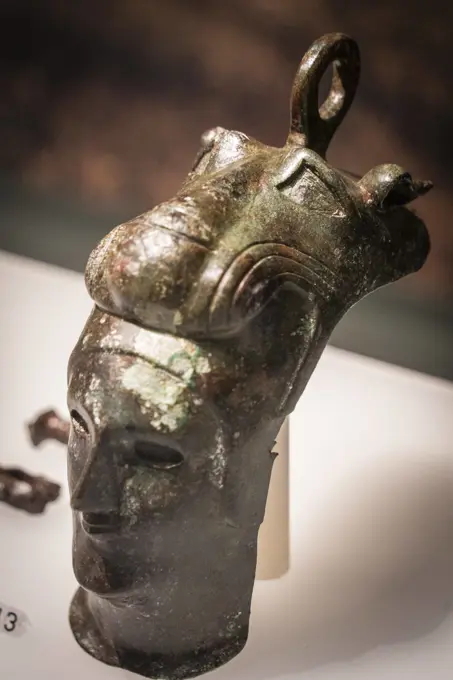
bronze parades with the head of a warrior with a wolf head headdress bronze parades with the head of a warrior with a wolf head headdress, necropolis of Piquia, Arjona, Iberian Museum of Jaén, Andalusia, Spain Copyright: xZoonar.com/Tolox 21714808
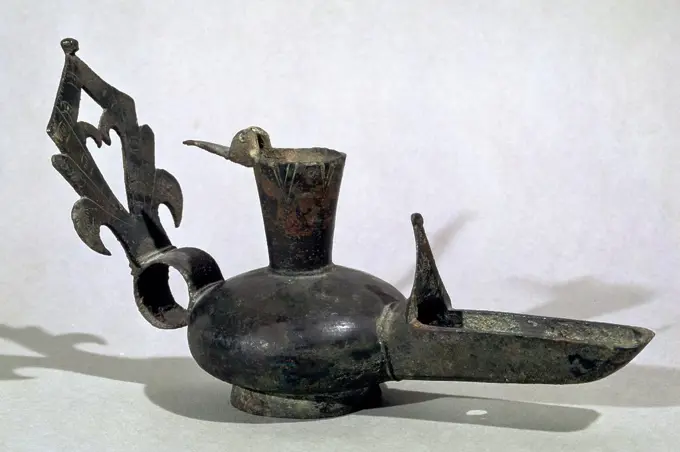
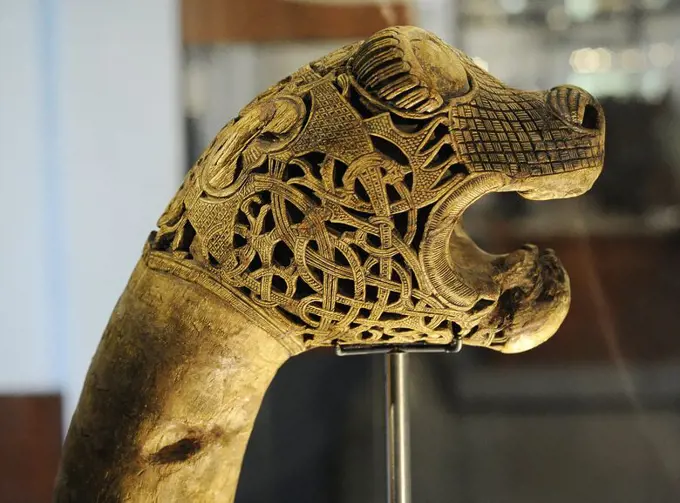
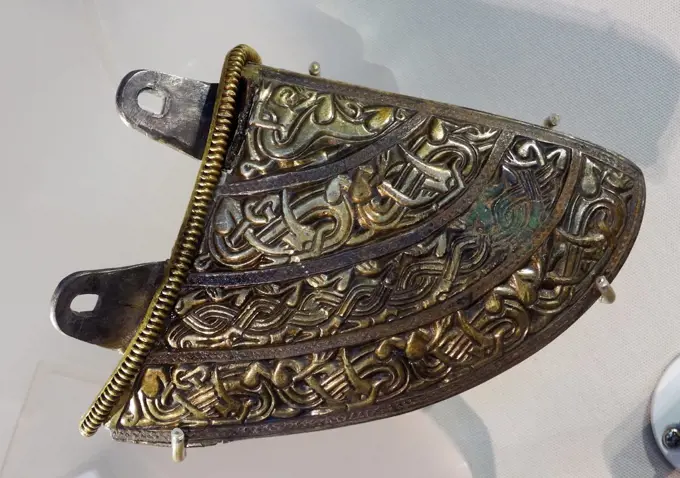
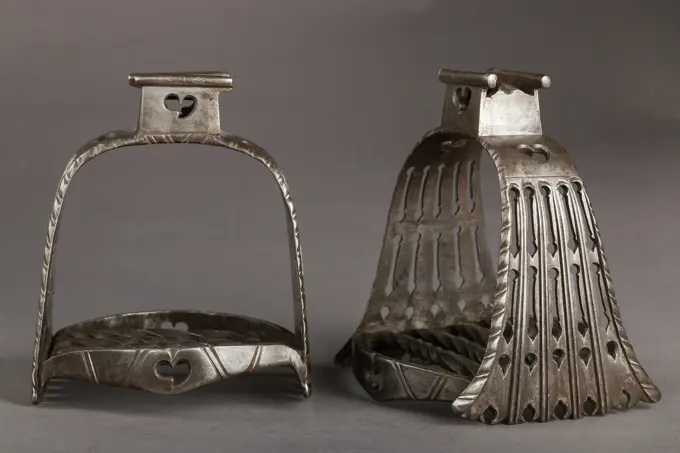
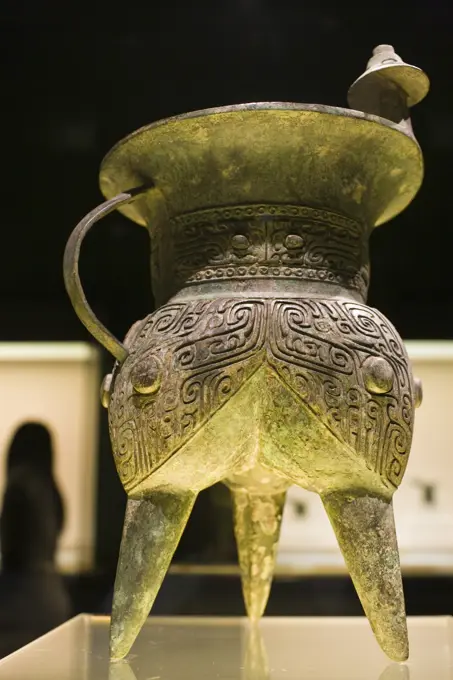
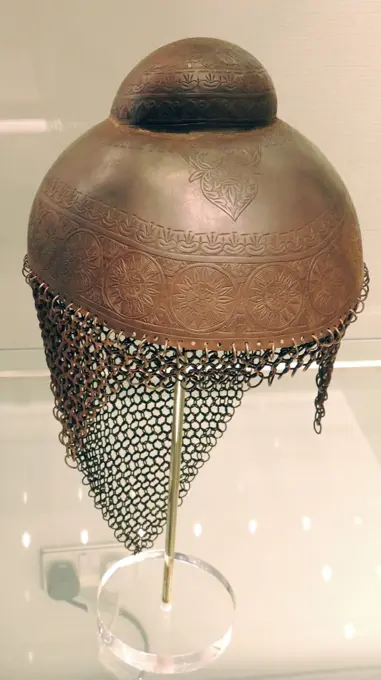
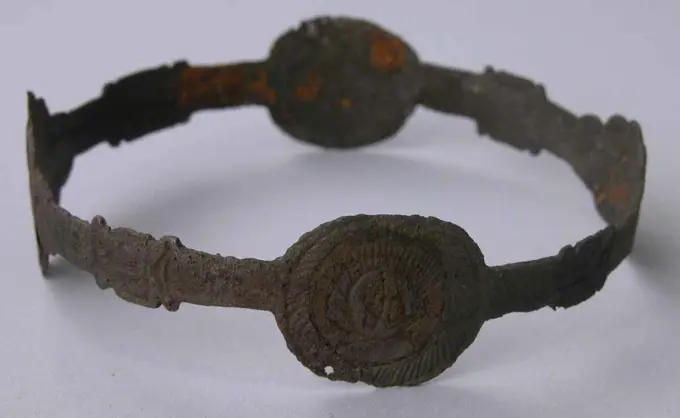
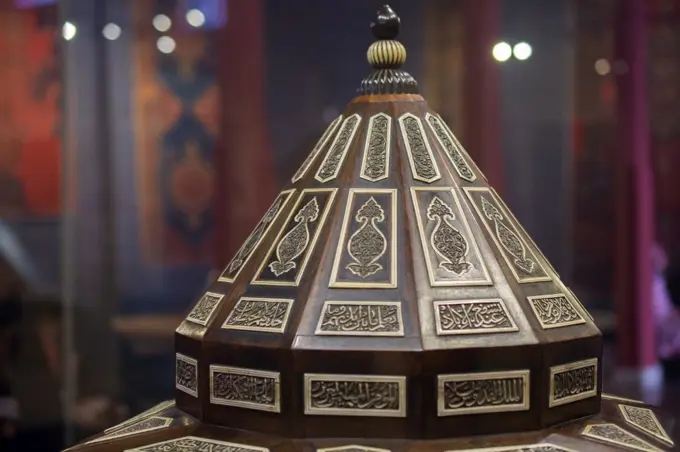
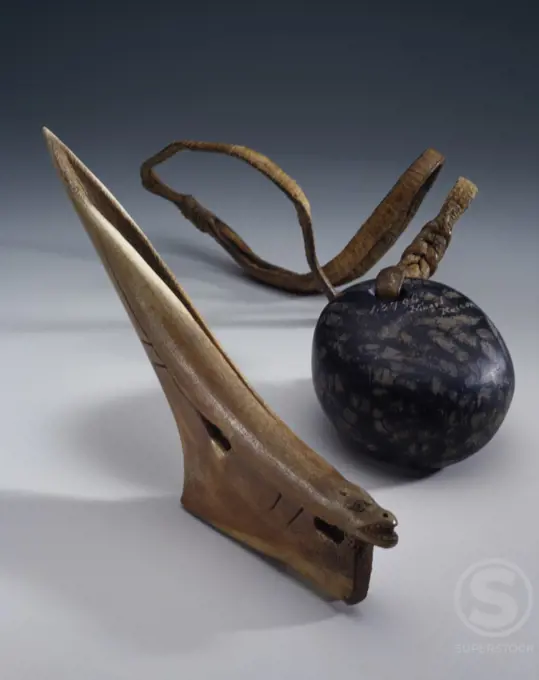
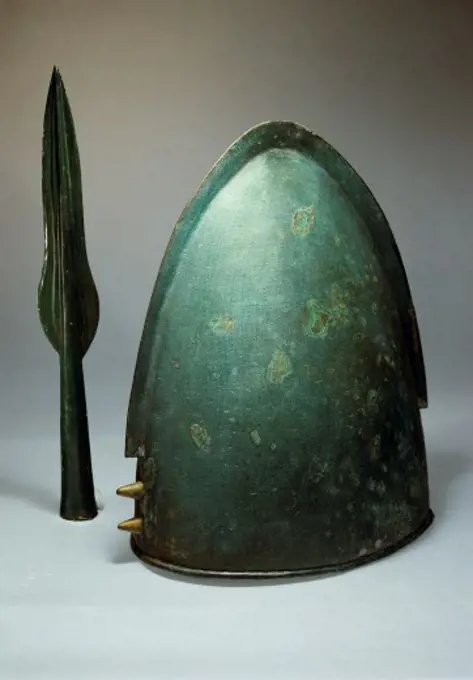
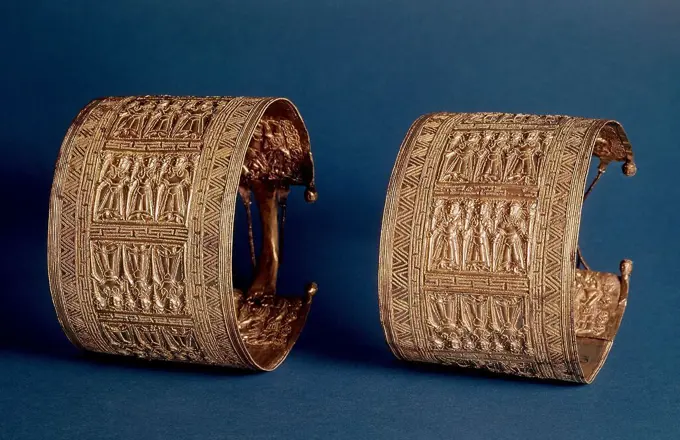
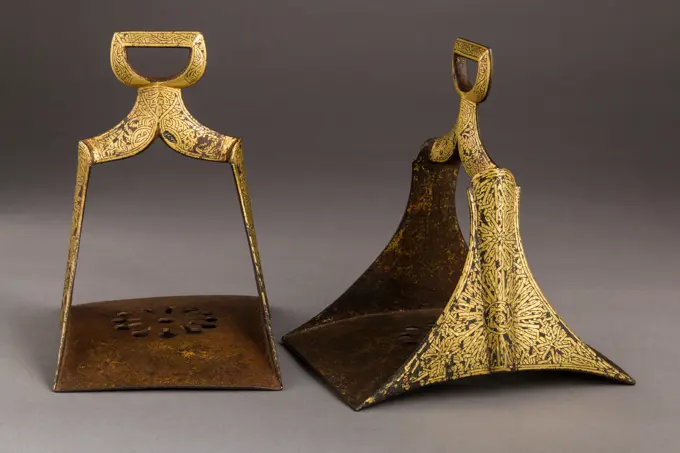
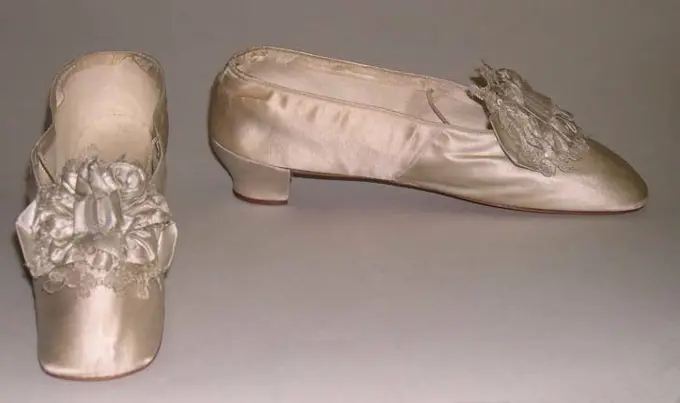
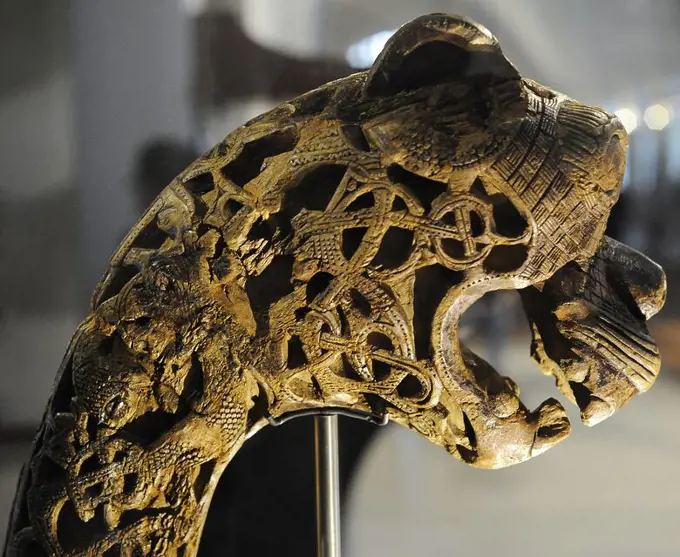
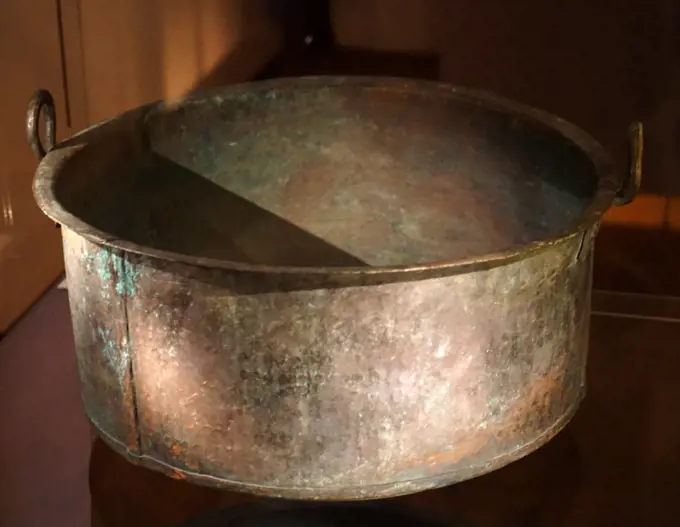
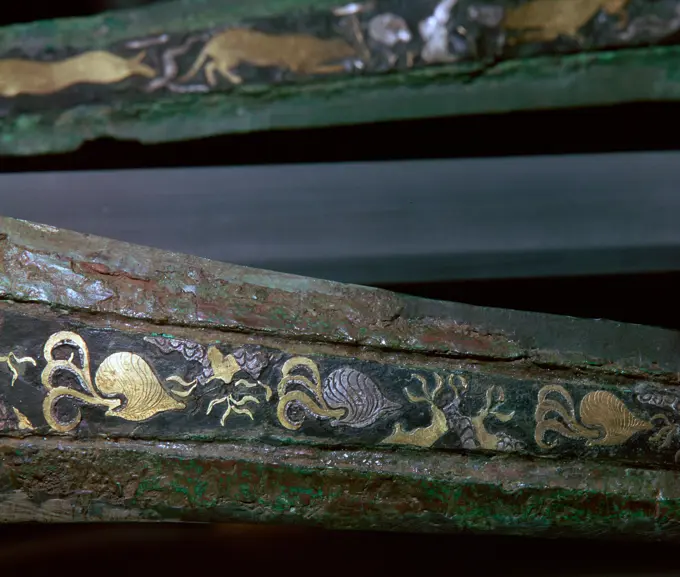
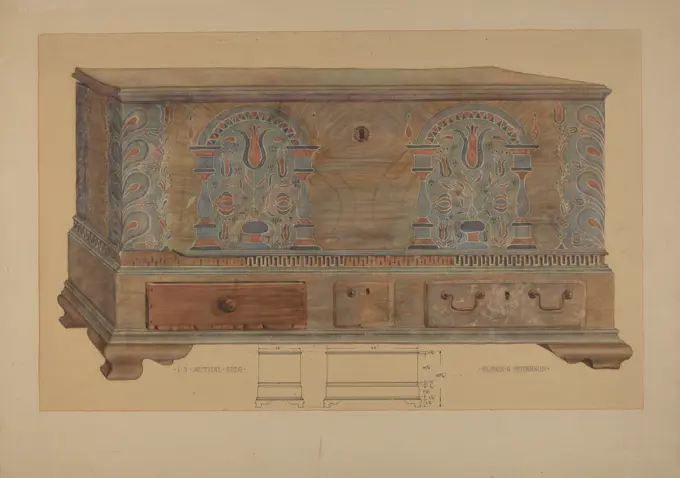
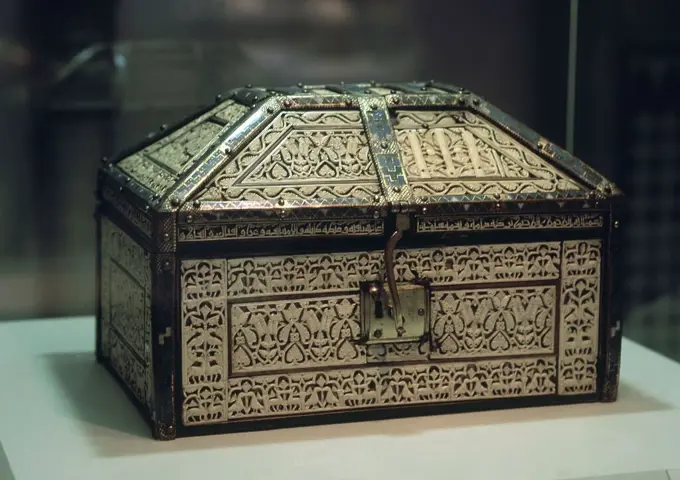
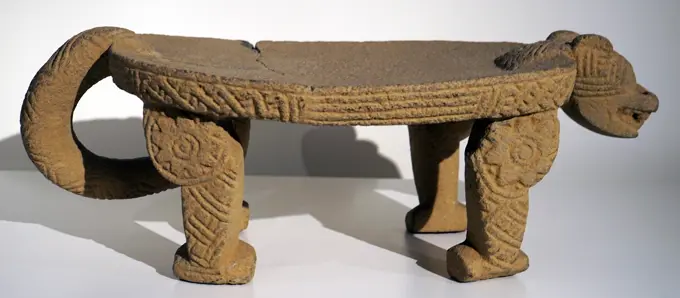
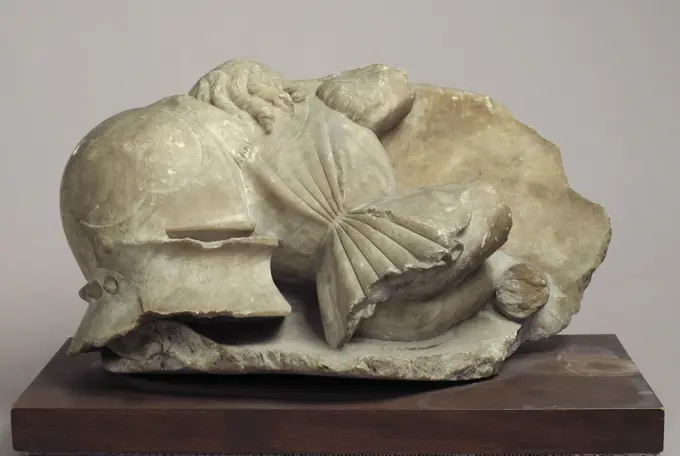
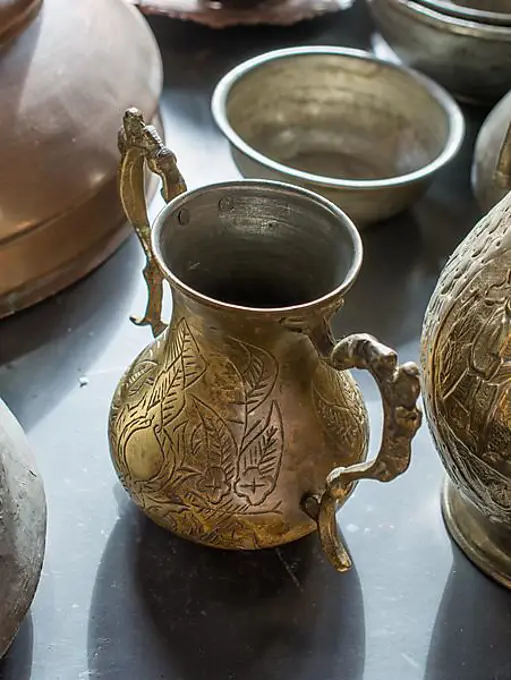
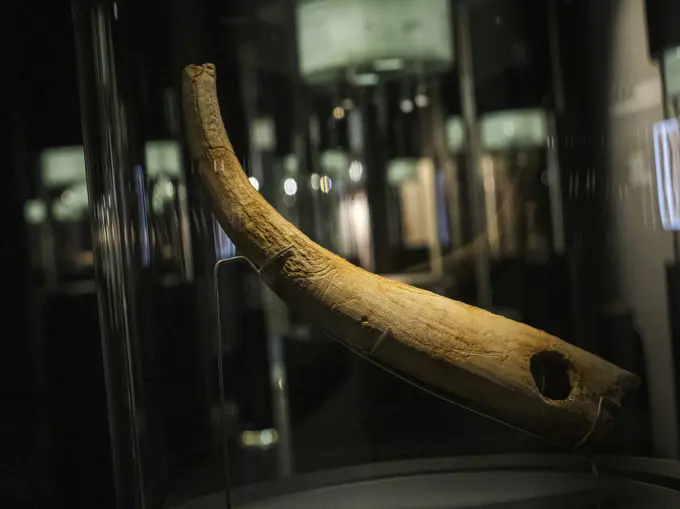
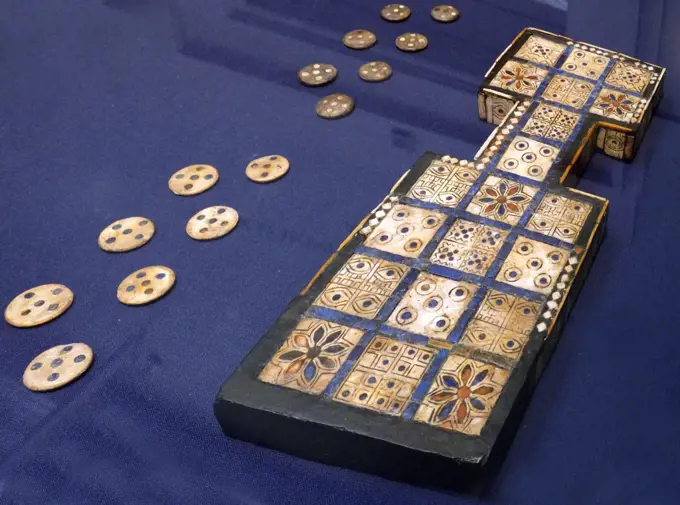
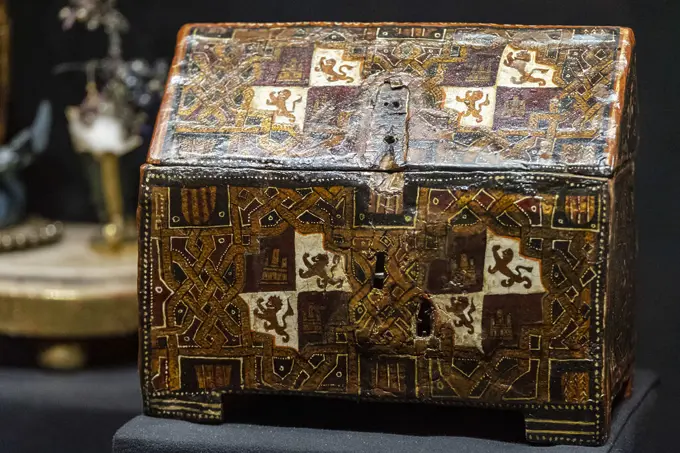
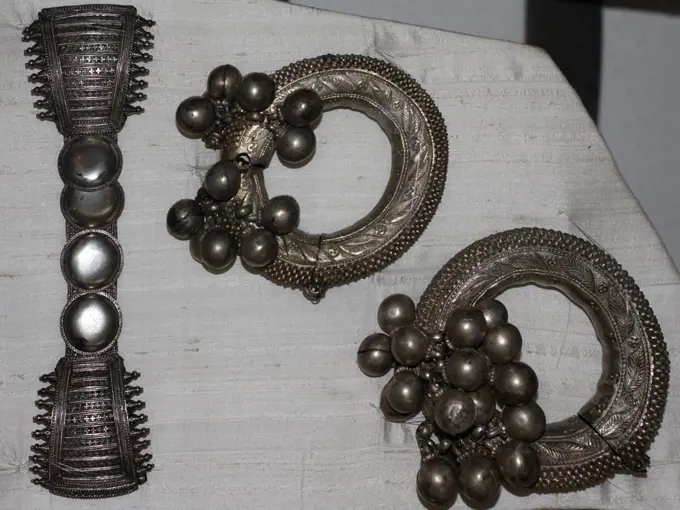
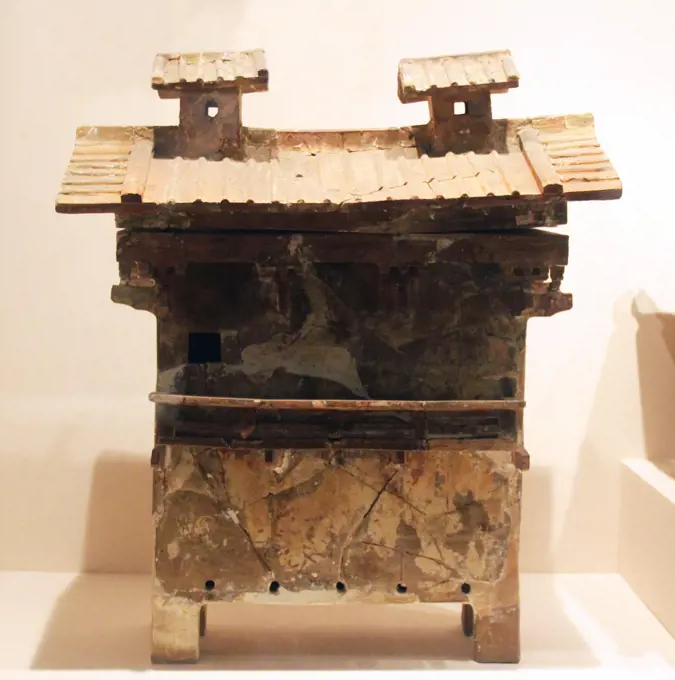
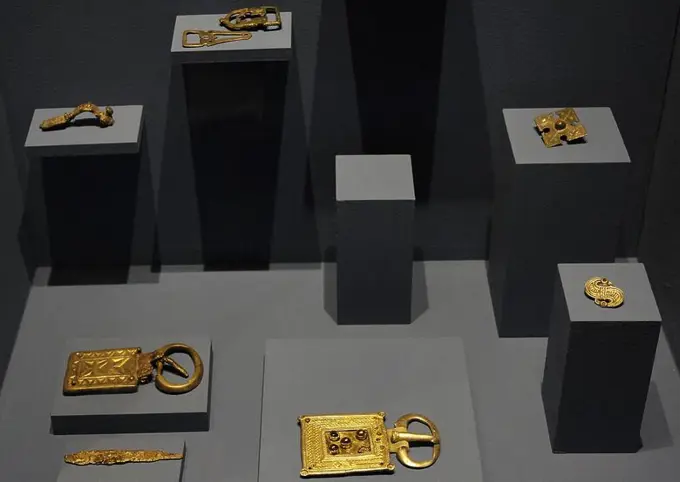
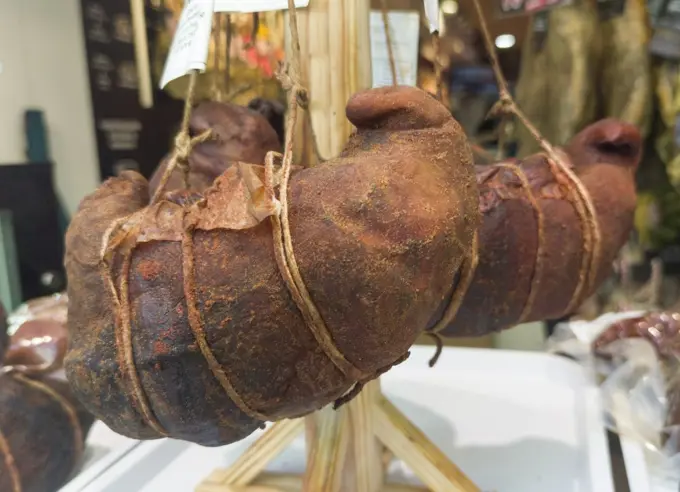
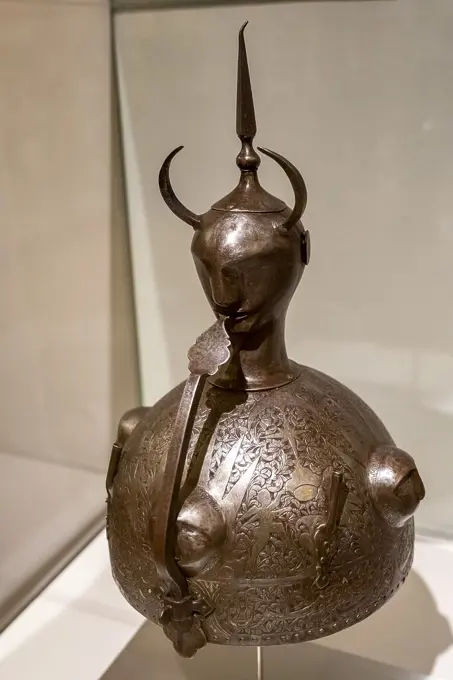
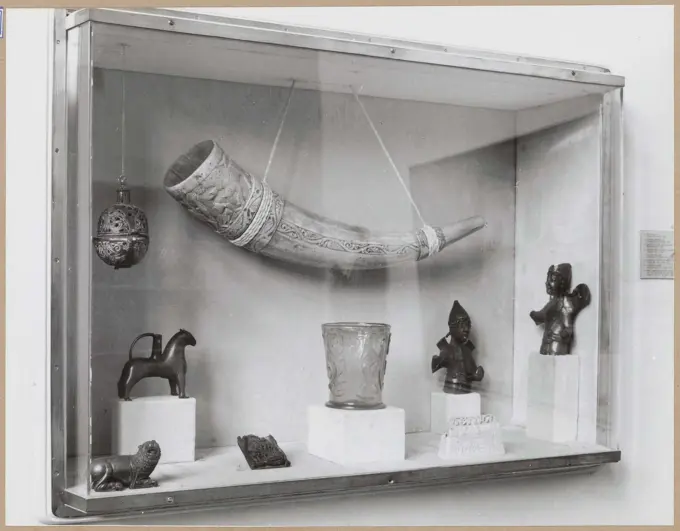
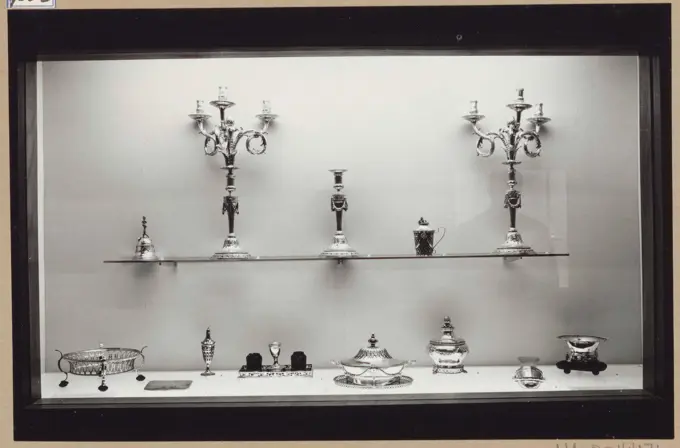
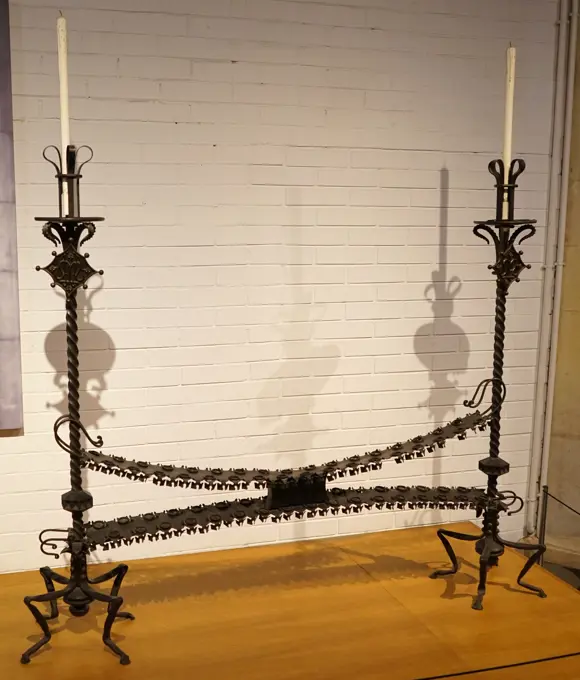
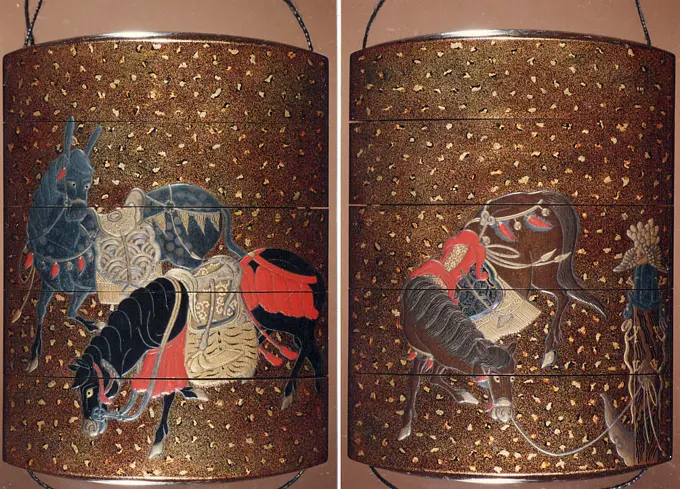
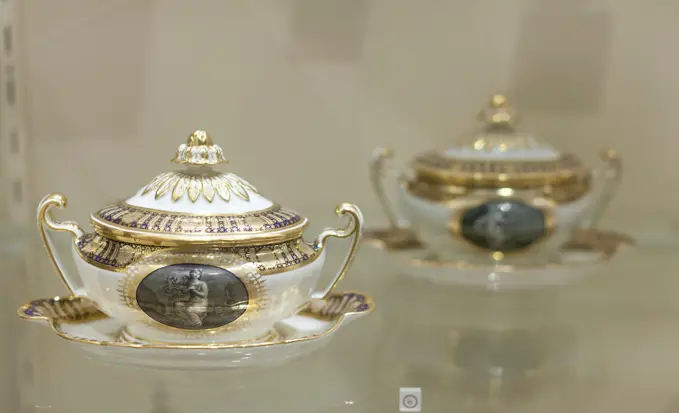
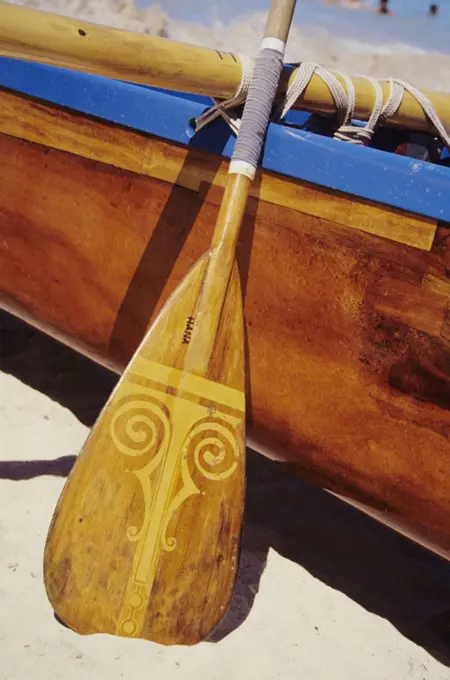
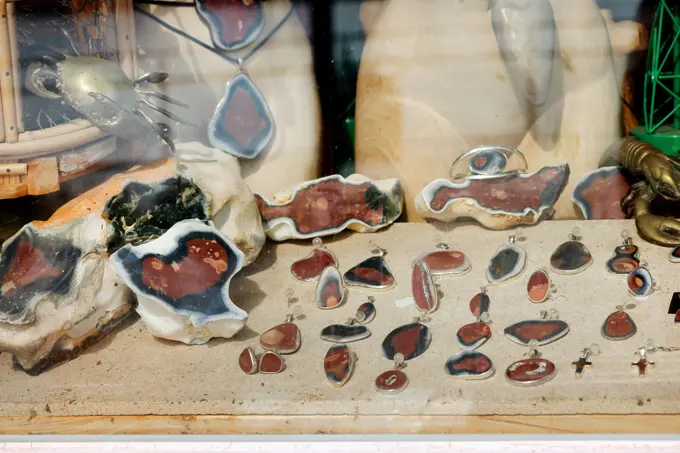
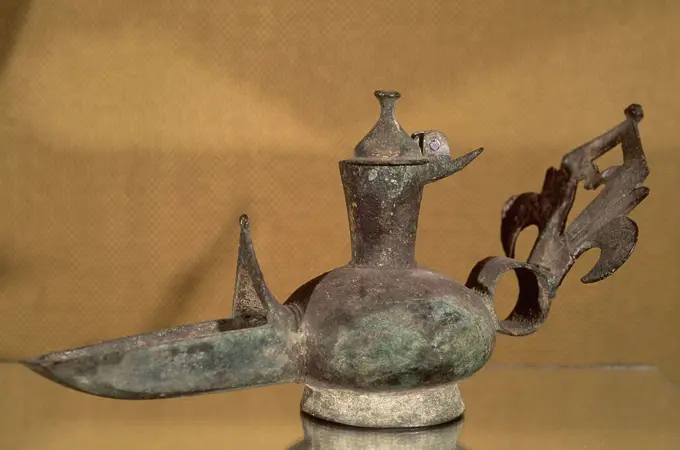
CANDIL DE BRONCE PROCEDENTE DE MEDINA ELVIRA - SIGLO X. Location: MUSEO ARQUEOLOGICO-ARTE HISPANOMUSULMAN. GRANADA. SPAIN.TAZA DE ORO. Location: MUSEO ARQUEOLOGICO-ORFEBRERIA. ATHENS. GREECE.OLLA CEREMONIAL MIXTECA - VASO TRIPODE POLICROMO - CERAMICA MIXTECA - PREHISPANICO. Location: MUSEO NACIONAL DE ANTROPOLOGIA. MEXICO CITY. CIUDAD DE MEXICO.Plate. Manises (ośrodek ceramiczny ; ca 1400- ), factorybronze parades with the head of a warrior with a wolf head headdress bronze parades with the head of a warrior with a wolf head headdress, necropolis of Piquia, Arjona, Iberian Museum of Jaén, Andalusia, Spain Copyright: xZoonar.com/Tolox 21714808CANDIL DE BRONCE PROCEDENTE DE MEDINA ELVIRA - CALIFAL - SIGLO X - 11x20x07 CM. Location: MUSEO ARQUEOLOGICO-COLECCION. CORDOBA. SPAIN.Flask with Handles 15th-16th century Balkan. Flask with Handles 467609Mayan stone yoke, symbolising the yoke used in ball games by the Mayans along the Gulf of Mexico 600-900 ADCabasset. Culture: Italian. Dimensions: H. 9 1/8 in. (23.2 cm); W. 9 7/16 in. (24 cm); D. 11 15/16 in. (30.3 cm); Wt. 4 lb. 11 oz. (2126 g). Date: ca. 1570. Museum: Metropolitan Museum of Art, New York, USA.Animal-head post carved in wood. Found in the Tomb of the Boat of Oseberg, Norway. 9th century. Viking Ship Museum. Oslo. Norway.Artefact from the Staffordshire Hoard of Anglo-Saxon gold and silver metalwork. Discovered in a field near the village of Hammerwich, near Lichfield, in Staffordshire, England, on 5 July 2009, it consists of over 3,500 items from the Anglo-Saxon kingdom of Mercia.Incense burner (Sahumador). Silver. 19th century. Argentina. Museum of the Americas. Madrid, Spain.Itmes made by armenians from lvov. National Museum of Krakow. Poland. Europe.Gold buckle from the Sutton Hoo Hoard. Dated 6th CenturyMemento mori in the form of a small coffin. Southern Germany (), 18th century. Wax figure on silk in a wooden coffin. Museum Schnu_tgen. Cologne, Germany.unknown (unknown), work, Työkori, 1830, sheet metal, arts and crafts, depth 35.5 cm, width 45.5 cmArgaric cup, house of the abbots, Ancient Bronze, Archeological Museum. Úbeda, Jaén province, Andalusia, Spain.Pair of Stirrups late 16th century - early 17th century Spanish The general features of these stirrups, as well as their pierced decoration, are inspired from 16th-century German types, imported to Spain through the regular artistic and trading exchanges between these regions due to their dynastic relationships. However, the large footplates and wide flaring sides are typically Spanish, and are inspired from genette type stirrups, particularly popular in Spain. Genette, or jineta, stirrups are typical of the Islamic world, and were widely used in the Ottoman empire at the same time. They were introduced to Europe during the Arab presence in Spain, and then kept by the Spaniards for their light cavalry. This type of Spanish stirrups was brought to New World during the Spanish conquest, as Latin American examples inspired from them were then made in Chile (see 42.50.454-455).. Pair of Stirrups. Spanish. late 16th century - early 17th century. Iron alloy. Equestrian Equipment-StirrupsLimestone sarcophagus, from Gebelein, Tomb of the UnknownsBronze votive boatLekythos with a white background. Greek pottery (6th-5th cent. BC). Red painter. Archaeology Museum of Catalonia,Barcelona, Spain.Bronze wine vessel in the shape of an animal mask, on display in glass case at the Shanghai Museum, ChinaLamp, Turkey; 1st century B.C. - 1st century A.D; Bronze; 2.7 × 3.1 × 9.6 cm (1 1,16 × 1 1,4 × 3 3,4 in.)Helmet, probably from Lahore, Pakistan, 19th century steel, with a neck guard. The helmet was made for a Sikh warrior and is a type that might have been worn by soldiers in the armies of Maharaja Ranjit Singh. It can be identified as specifically Sikh because it has a raised area on top of the skull to accommodate the topknot of uncut hair. Traditionally, Sikhs do not cut their hair and male Sikhs should not cut their beardsWeihrauchfass censer, thirteenth century, metal, hermitage of Sant Maurici parish of Pujarnol, Porqueres, Girona art museum, Girona, Catalonia, Spain Copyright: xZoonar.com/Tolox 22282743Bracelet 6th-8th century. Bracelet 446224Hardware Shop Sign. Dated: 1937. Dimensions: overall: 29.5 x 44.3 cm (11 5/8 x 17 7/16 in.). Medium: watercolor and graphite on paper. Museum: National Gallery of Art, Washington DC. Author: Alice Stearns.British, Régence style frame, Unknown framemaker, 2nd quarter of 18th century, Carved wood, later oil gilding over original gilding and sanded friezeMother of Pearl inlays art exampleBoat Hook and Braining Stone, Northern Canadian Eskimo, Eskimo artFeather Money from Santa Cruz, Pacific Ocean USA.Bowl. Dimensions: H. 4 5/16 in. (11 cm)D. 14 15/16 in. (38 cm)Base: 6 in. (15.2 cm). Date: 9th century. Museum: Metropolitan Museum of Art, New York, USA.Silver wine pourer from Altntepe, an Urartian fortress dating from the 9th-7th century BCEPrehistory. Metal Age. Helmet from Veksoe-bog. Bronze. Denmark. Bronze Age. (800-400 BC). National Museum of Denmark. Copenhaguen.The Mary Rose Museum, Portsmouth, United Kingdom. Architect: Wilkinson Eyre Architects, 2013. Authentic artefacts in display cases.fine arts, ancient world, bronze age, sculpture, helm and spearhead, bronze, Krottental, Germany, urnfield culture, 1300 - 700 BC, Munich Prehistoric Collection,decorated breastplate, Muisca culture, Tumbaga, Musei Vaticani, State of the Vatican City, Roma, Lazio, Italia.BRAZALETES DE ORO ETRUSCOS TUMBA R GALASSI SG VII AC. Location: MUSEOS VATICANOS-MUSEO GREGORIANO ETRUSCO. VATICANO.BANDEJA DE PLATA S XVIII. Location: IGLESIA DE SANTA MARIA DEL CAMPO. Coruña. SPAIN.Wooden Funerary Boat with Occupants, England, London, Christie's ImagesPair of Stirrups 19th - early 20th century Moroccan This shape of stirrups, with their square footplates and their wide flaring sides, is found in most of the Islamic world. This pair is richly decorated with plated gold, incised with vegetal scrolls on the suspension eye and intricate geometrical interlaced bands on the sides, typical of Moroccan art.Traditionally, Moroccan riders take great pride in their horses and still frequently adorn them with shiny and colorful tack for parades and festivals. Wealthy riders would increase their prestige by covering their mount with luxurious material and equipping themselves with as luxurious matching accessories.. Pair of Stirrups. Moroccan. 19th - early 20th century. Iron, gold. Equestrian Equipment-StirrupsSlippers 1860-79 British. Slippers 83764Gold laurel wreath with a Gorgon Medusa head. Plaque and leaves. (323-30 BC) Etruria. Gold metal. The Hermitage Museum, St. Petersburg, Russia.Bliżej Kultury unknownAnimal-head post carved in wood. Found in the Tomb of the Boat of Oseberg, Norway. 9th century. Viking Ship Museum. Oslo. Norway.Multiple foot block for chain people, Anonymous, c. 1600 - c. 1800  Several people could be chained as a punishment in a foot buoy like this. In Brazil you can find the same kind of footcuffs on former plantations and they are called troncoes. However, this buoy was found in Zeeland. The foot block consists of two oak beams that are internally connected to each other on one side by a wrought -iron flat pin, so that the two beams can hinges and on the other hand connected internally by two wrought iron rings. There are nine recesses in both beams, which - if the beams rest on each other - are meant to clamp the ankles. This also happens with the chain that is attached to the foot block and to which six separate hand or ankle cuffs can be attached. Netherlands oak (wood) sawing / drilling slavery; serfs and the enslavedFrance, Paris, Montalembert Hotel, vase, head, art.tinaja de almacenaje celtibera, barro cocido, Contrebia Leucade, Aguilar del Rio Alhama, Museo de la Romanización, Calahorra, La Rioja , Spain, Europe.China, Beijing, Forbidden City, Ancient Emperors Cooking Pot With Handles In The Form Of DragonsMuseo de la evolución humana, MEH, Burgos , Spain.Copper pot found in a lava fissure in West Iceland. Dated 15th CenturyCylinder Vessel with Serpentine Supernatural BeingsPie de relicario, siglo XIV, Catedral de Tortosa.Detail of Mycenaean bronze dagger found in a tholos tomb, 16th century. Artist: UnknownElmer G Anderson, Pa German Chest, 1935 1942 Pa. German ChestSITULA DE COBRE ESGRAFIADA - ARTE ROMANO. Location: BRITISH MUSEUM. LONDON. ENGLAND.RECIPIENTE MADERA PARA CAVA - ISLAS DE VAVAO - OCEANIA - PROCEDE DEL ARCHIPIELAGO DE TONGA - EXPEDICION MALASPINA. Location: MUSEO DE AMERICA-COLECCION. MADRID. SPAIN.Copa antropoprosopa de uso doméstico de origen etrusco-corintio, 600-550 aC. Museu d'Arqueologia de Catalunya-Ullastret.Kaiserstuhl Goslar Bronzelehnen des Kaiserstuhls im Museum der Goslarer Kaiserpfalz, Goslar, Niedersachsen, Deutschland Original bronze parts of the Imperial Throne, Museum of the Imperial Palace Kaiserpfalz in Goslar, Lower Saxony, Germany, Europe *** Kaiserstuhl Goslar Bronze backrests of the Imperial Throne in the Museum of the Goslar Imperial Palace, Goslar, Lower Saxony, Germany Original bronze parts of the Imperial Throne, Museum of the Imperial Palace Kaiserpfalz in Goslar, Lower Saxony, Germany, EuropeARQUETA DE PALENCIA - MARFIL Y ESMALTE - REALIZADA EN EL SIGLO XI - PROCEDENTE DEL TALLER DE CUENCA - 35x23x23 cm. Author: ABD AL RAHMAN BEN ZEIYAN. Location: MUSEO ARQUEOLOGICO NACIONAL-COLECCION. MADRID. SPAIN.Shouldered pot with a slightly averted rim . Recovered from Mapungubwe Hill. Northern Province. South Africa.  Photographed at the Mapungubwe Museum. University of Pretoria.Anonymous / "Infant burial", 5th century, Ceramics and bone.Egyptians rings: King, Amon-Zeus, Amon, Amon with ram's head. Gold. Neues Museum. Berlin. Germany.Namban art chest, 16th century, lacquered wood, mother-of-pearl and gilded copper inlays, Japan, Vitoria, María Inmaculada Cathedral, Álava, SpainPattens early 18th century European. Pattens 168960Gallia-Belgica, Gallo-Belgic terra nigra and terra rubra pottery on display at the Archeosite and Museum of Aubechies-Beloeil, Hainaut, Belgium, EuropeRitual grinding stone (metate) made from Pedra stone, Costa Rica. Dated 8th CenturyCalcite Vessel of Nile Gods Holding the symbol of a Unified Egypt. Calcite Vessel. From the tomb of King Tutankhamen. 1323 BC. 18th dynasty, New KingdomBoy Mourner resting on Helmet and Shield late 15th century South Netherlandish or Rhenish. Boy Mourner resting on Helmet and Shield 467623Jewel casket; c.1870 England; Birmingham. Attributed to John Hardman & Co.; Gilt; brass and enamel.Very old style metal ewer water jar in viewperforated and decorated staff from Cualventi, fine lines, late Magdalenian, Museum of prehistory and archeology (MUPAC), Santander, Cantabria, SpainTreasure of El Carambolo. Tartessian and Phoecian culture. 5th-7th century BC. Camas, Andalusia, Spain. Archaeological Museum of Seville. Spain.Royal game board , found by Leonard Woolley in the Royal Cemetery at Ur, southern Iraq, about 2600-2400 BC. inlay of shell, red limestone and lapis lazuliReliquary with the arms of Castilla, Leon and Aragon, 13th century, Relic Room, Monastery of Santa María de San Salvador de Cañas, Cañas, La Rioja, Spain.Cauldron, water-vessel. Neo-Assyrian, Nimrud. Iraq. 900-800 a.c. Cooper alloy. British Museum. London. GBR.Terracotta fragment of a column-krater (bowl for mixing wine and water) second quarter of the 5th century B.C. Greek, Attic On the top of the mouth, pendant, linked lotus buds with dots in the interstices; part of a tendril from the handle strap; below the rim, double black lines; on the side of the rim, ivy; part of the neck of the column-krater is preserved. Terracotta fragment of a column-krater (bowl for mixing wine and water). Greek, Attic. second quarter of the 5th century B.C.. Terracotta; red-figure. Classical. VasesSilver ornaments (body jewellery) from India 19th centuryChina: Ceramic model of a granary, Eastern Han Dynasty (25-220 CE), Shandong Provincial Museum, Jinan. The Han Dynasty was an imperial dynasty that ruled during a golden age in Chinese history and has influenced the identity of Chinese civilisation ever since. First established by Emperor Gao (Liu Bang), it was briefly usurped by the Xin Dynasty (9-23 CE), so is separated into two periods: the Western Han (202 BCE - 9 CE) and the Eastern Han (25-220 CE). Porcelain and ceramics were made in great quantities during the Han Dynasty years, with developments in new techniques and artforms leading to more decorative types of pottery and earthenware. Tomb figures became popular across Han society, as well as model houses and figurines of farm animals.Showcase with silver objects, including candlesticks, funeral shields and a bowl; Vitters crafts. This is the device of the display case before emptying in October 1959. Against the rear wall funeral shields of the Amsterdam shoelaps guild, manufactured by John Grill.Graves of the late ancient indigenous population and female Germanic graves. Knin-Greblje. Croatia. Croatia. Museum of Croatian Archaeological Monuments, Split, Croatia.Plinth. Date: 14th century. Museum: Metropolitan Museum of Art, New York, USA.Extremaduran buche displayed at butchers shop. Pork stomach stuffed with ribs, tail, tongue and snoutCAMARAS DE FOTOS LENTES Y FOTOGRAFIAS DE MIROSLAV TICHY. Author: MIROSLAV TICHY (1926-). Location: CENTRO ANDALUZ ARTE CONTEMPORANEO-BIACS 2004. Sevilla. Seville. SPANIEN.CONJUNTO DE AJUAR MASCULINO: FIBULAS DE CASTILTIERRA, BROCHE DE CINTURON DE LA SEPULTURA 160, COLLAR, ZARCILLOS DE ORO. VISIGODO. (DEPOSITO: MUSEO ARQUEOLOGICO NACIONAL).Gold Viking or Norse, Thor hammers, in a hoard found at Romersdal on the island of Bornholm, Denmark 10th century ADold rusty fuel canister in the desertEngland, London, The City, Museum of London, Exhibit of Ancient Bronze Spears and WeaponsPre-Columbian Jewelry Chimú culture 1100 AC-1470 AC Perú Funerary offerings.Muslim helmet topped with a demon's head, Anthropology National Museum, Madrid, Spain.Showcase with various objects including images of animal figures, a horn and a glass; Vitters crafts. This is the device of the display case before emptying in October 1959.Showcase with objects of (noble) metal; Halls of crafts July 1962..Iron candelabra designed in 1898, by the Spanish Architect, Antoni Gaudi (18521926)Case (Inrō) with Design of Two Saddled Horses (obverse); Saddled Mule beside Decorated Post (reverse) 18th-19th century Japan. Case (Inrō) with Design of Two Saddled Horses (obverse); Saddled Mule beside Decorated Post (reverse) 58819Pair of sauce tureens from the 'Hope Service' for the Duke of Clarence, 1792, John Pennington; Manufacturer: Thomas Flight's Worcester Porcelain Factory, Worcester, England, 1783-1840, 6 x 9 3/4 x 6 in. (15.24 x 24.77 x 15.24 cm), Porcelain, England, 18th centuryStone Industry, Sebastian Mir, MallorcaClose-up detail of wooden paddle and outrigger canoe on beach.Model of a boat. Painted wood. Middle Egypt. First int. Period-Middle Kingdom (2134-1640 BC).Oberharzer Bergwerkmuseum, upper Harz Mining Museum, Harz Mountains, Lower Saxony, northern GermanyJewelery from Red Feuerstein at Shop Window, Germany, HELGOLAND RED Flint Jewelery in a Shop Window, Germany, Germany, Germany, Germany, Germany, Germany, Heligoland BLWS715350