Historical Brooches and Buckles

Detailed images of ornate belt buckles and brooches from different cultures and periods, reflecting rich artistry in metals and historical dress accessories.

Lisbon, Portugal. Pharmacy signs
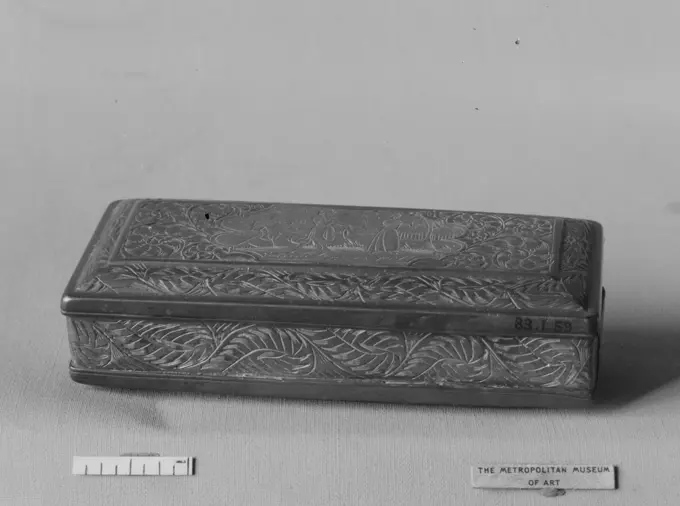
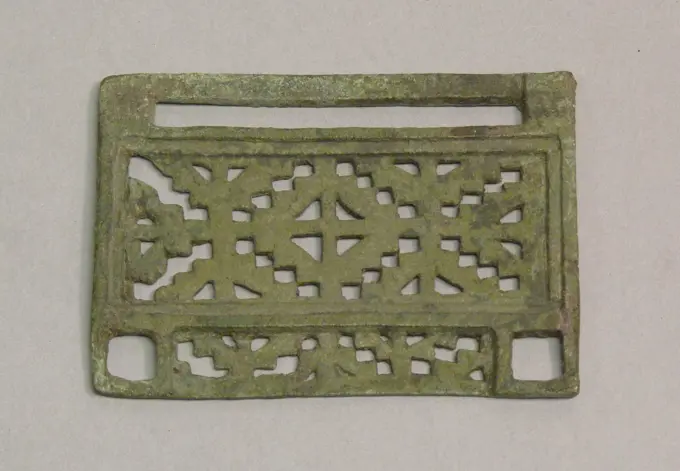
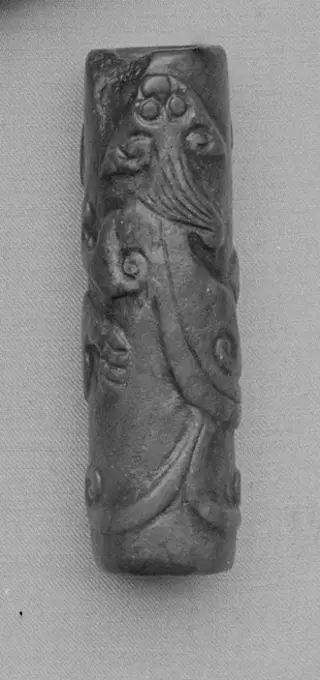
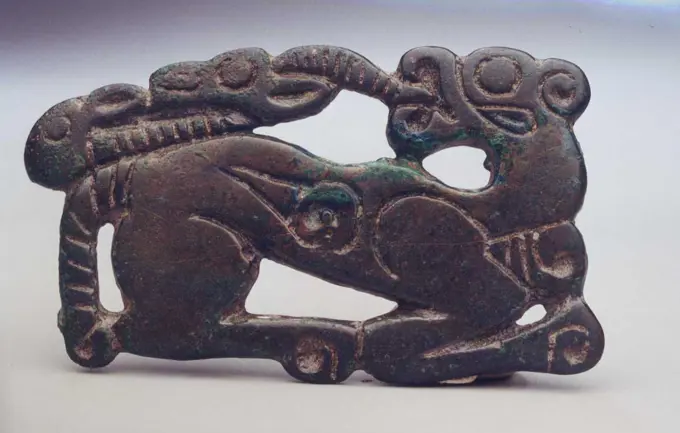
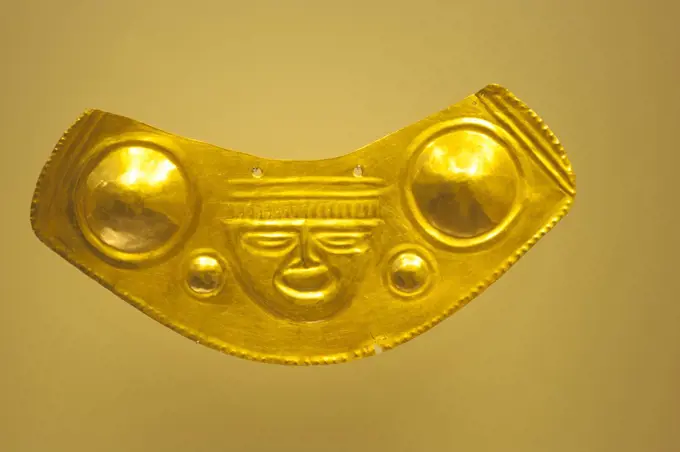
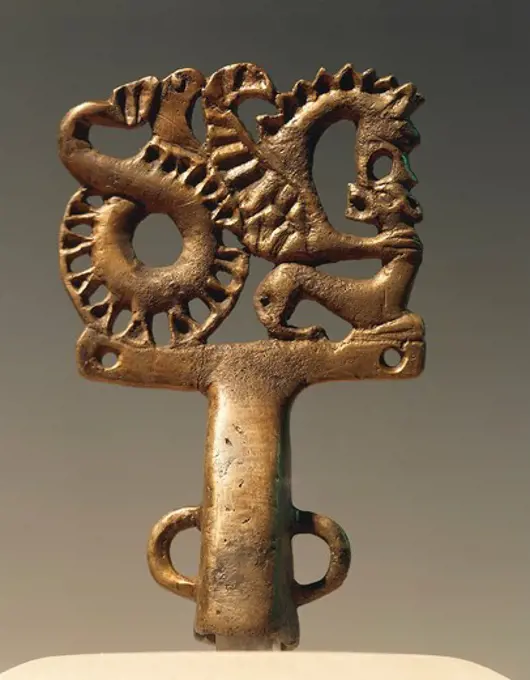
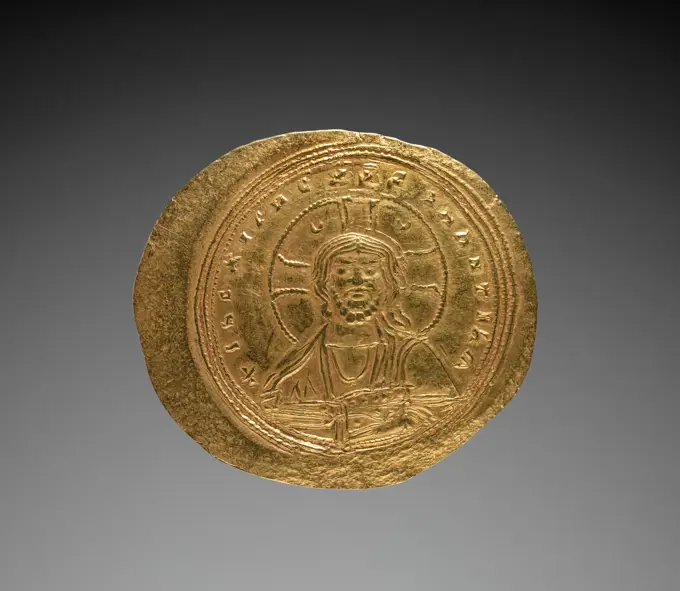
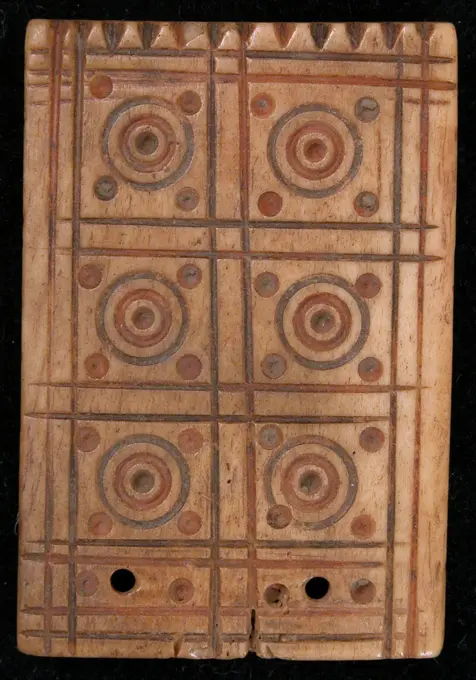
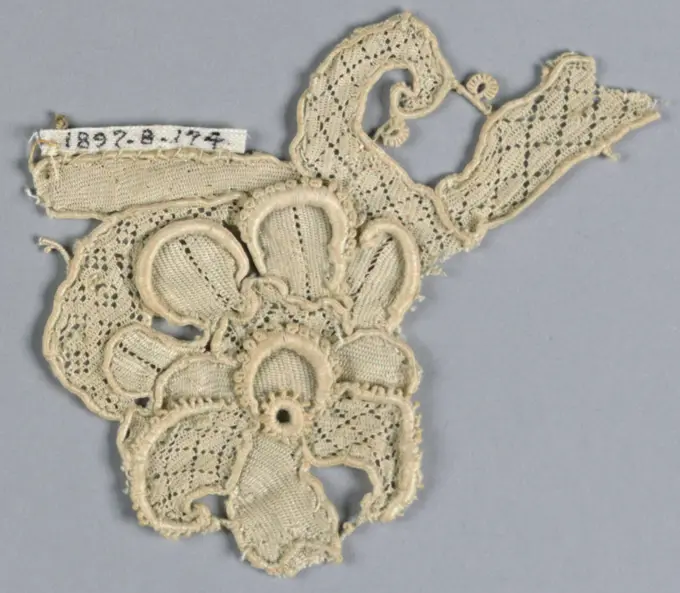
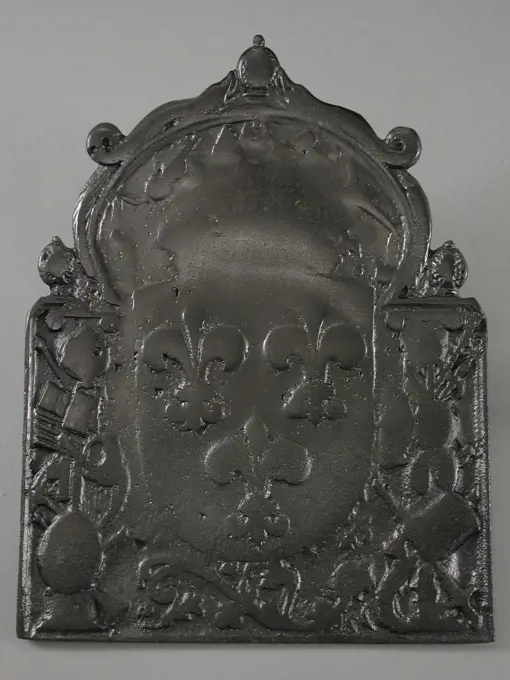
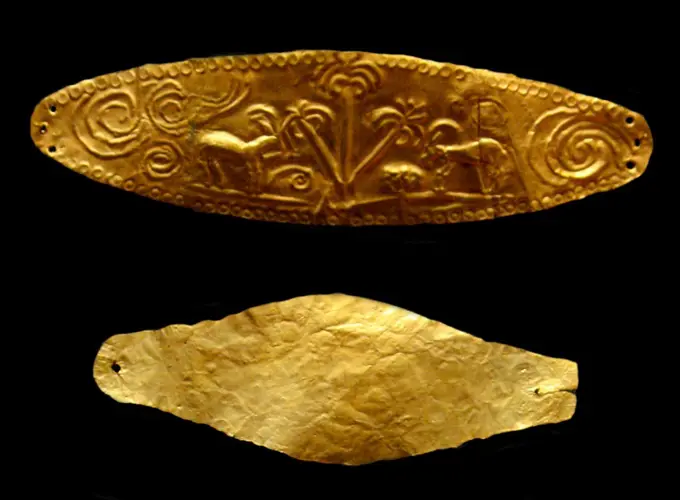
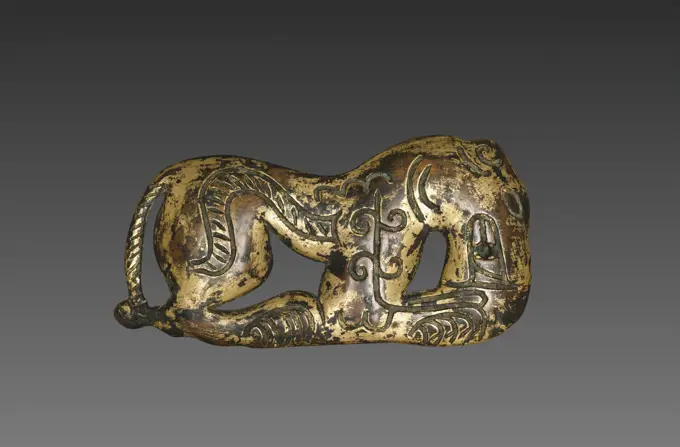
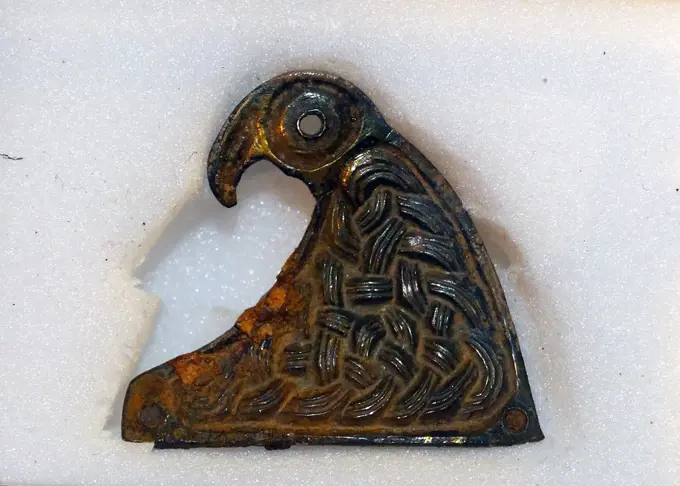
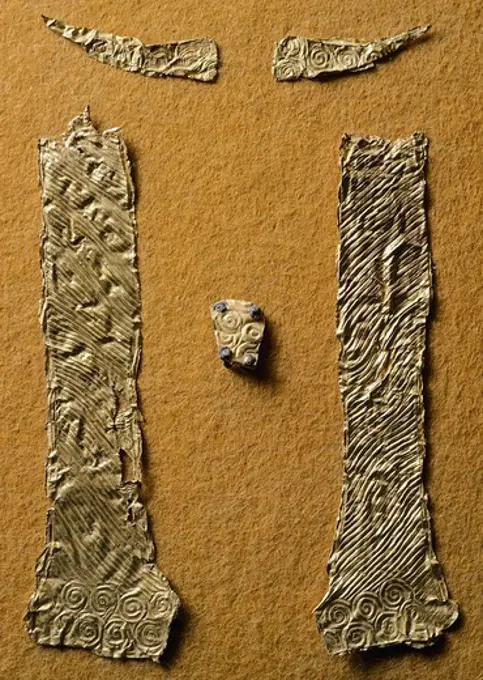
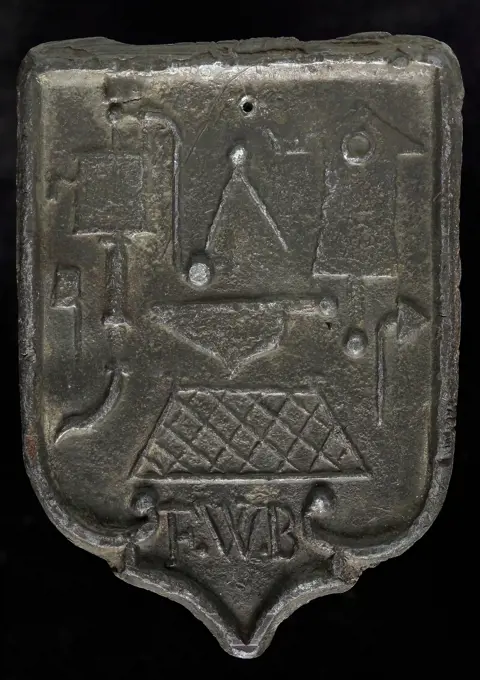
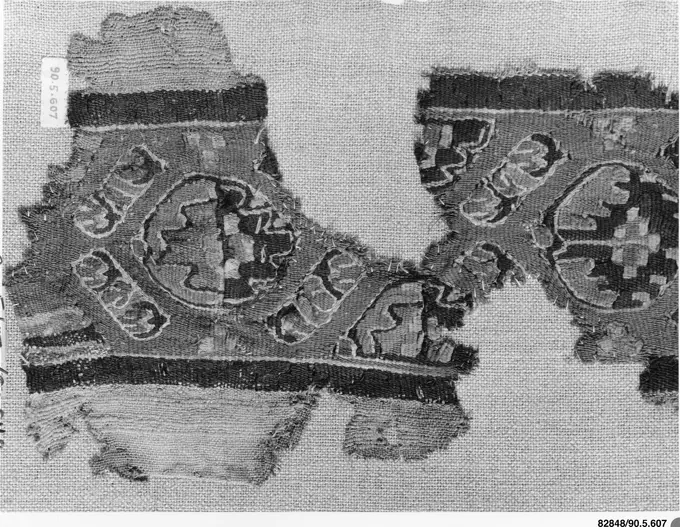
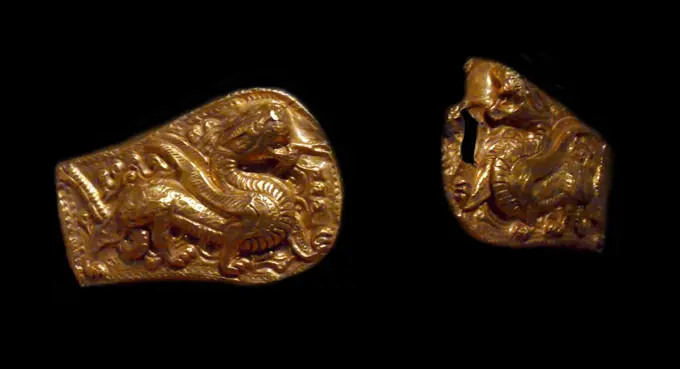
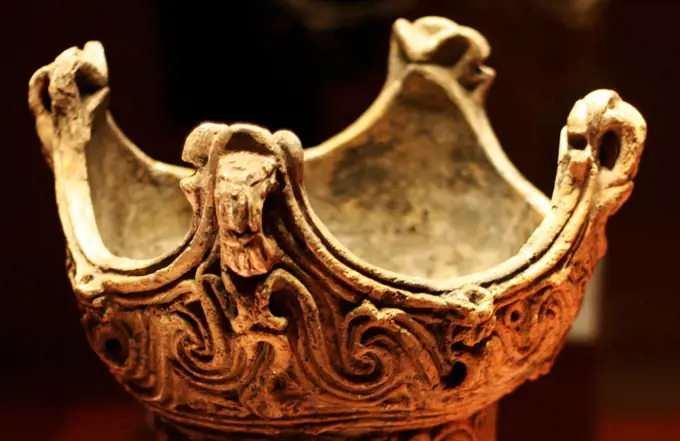
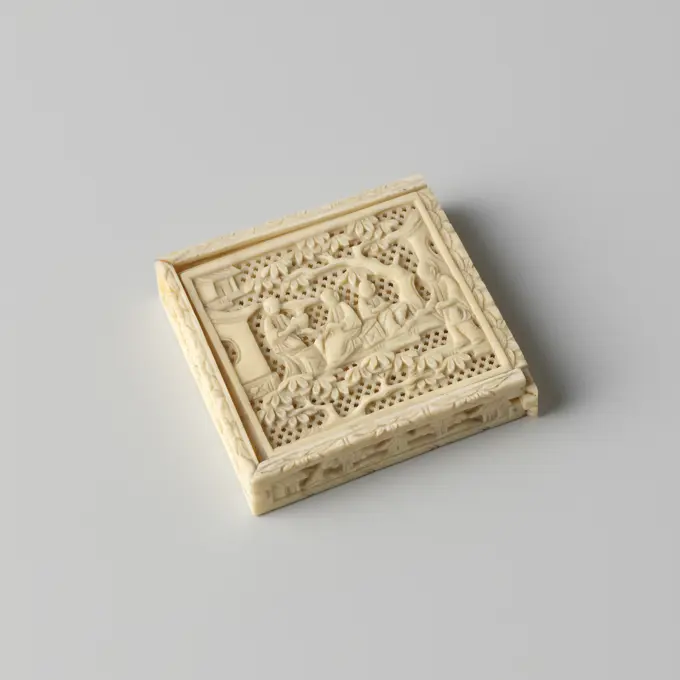
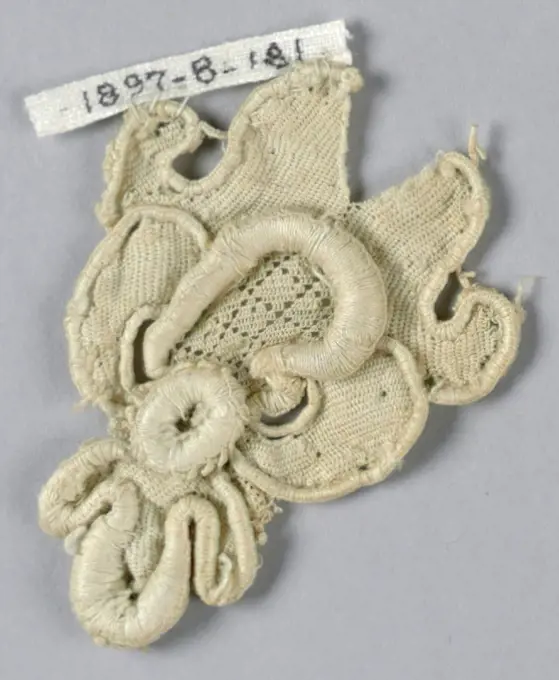
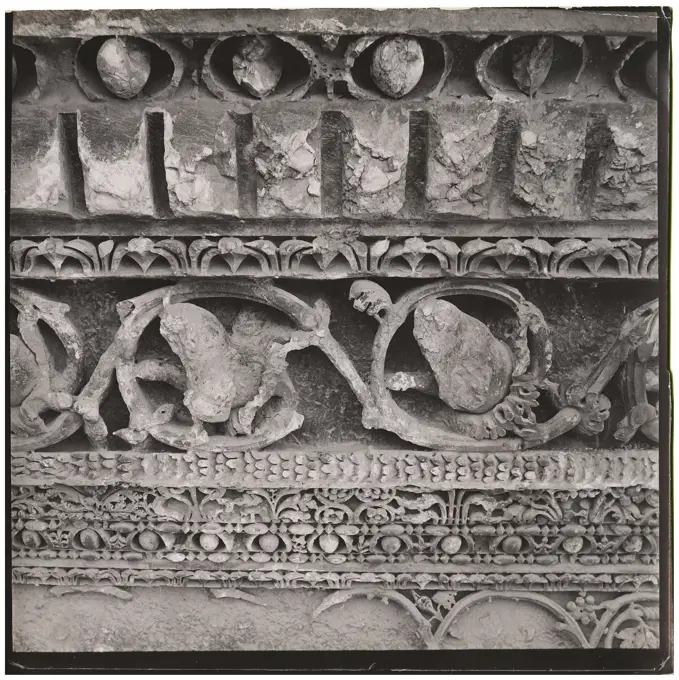
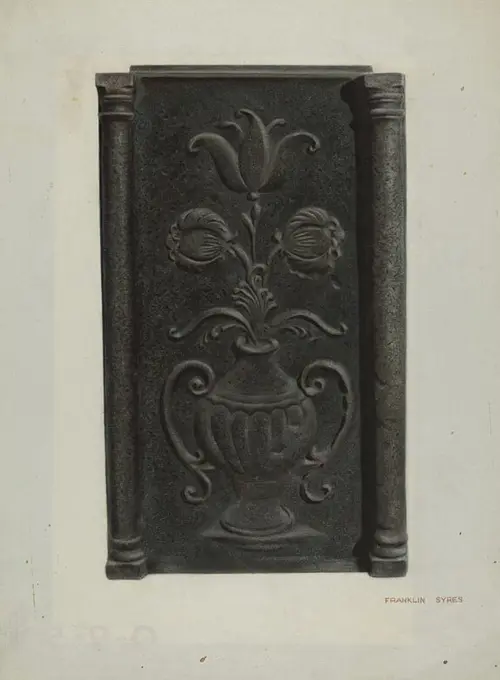
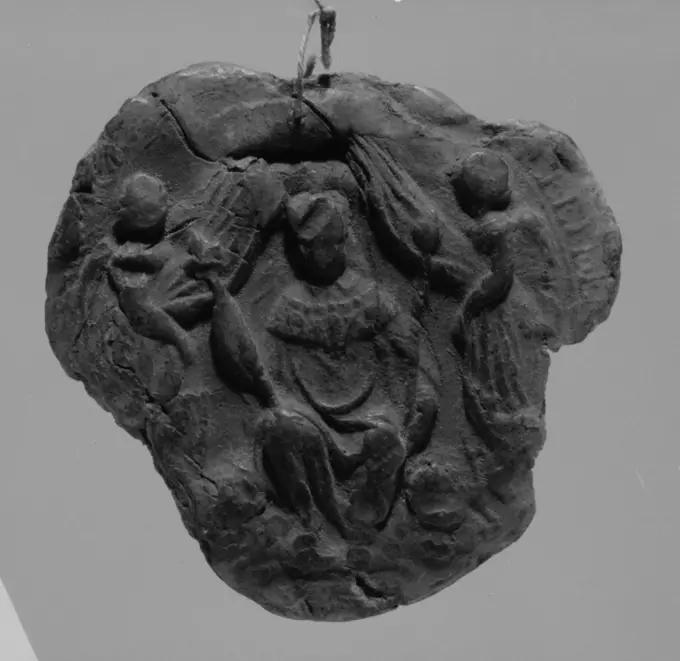
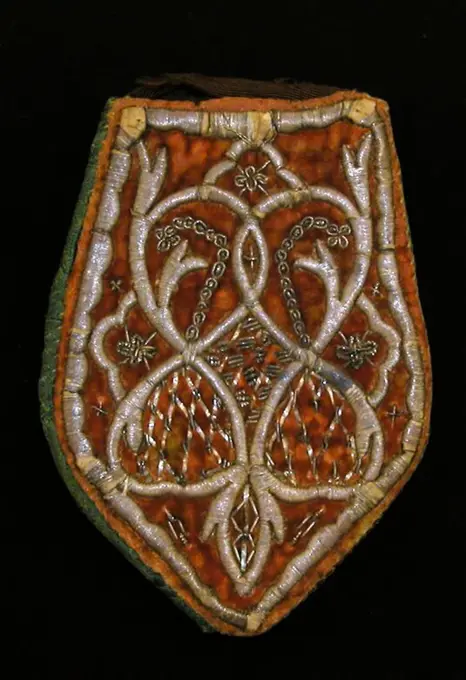
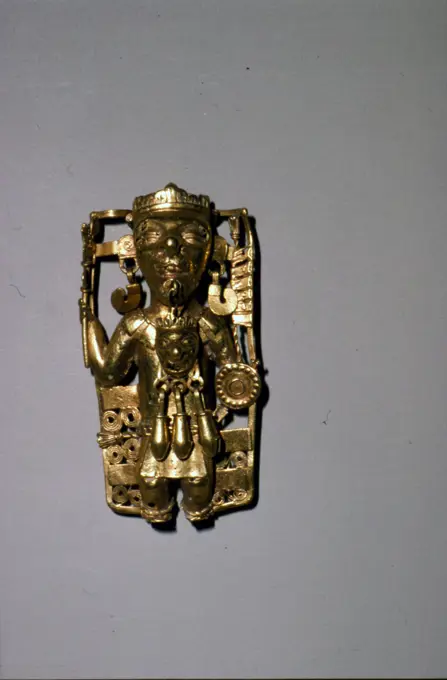
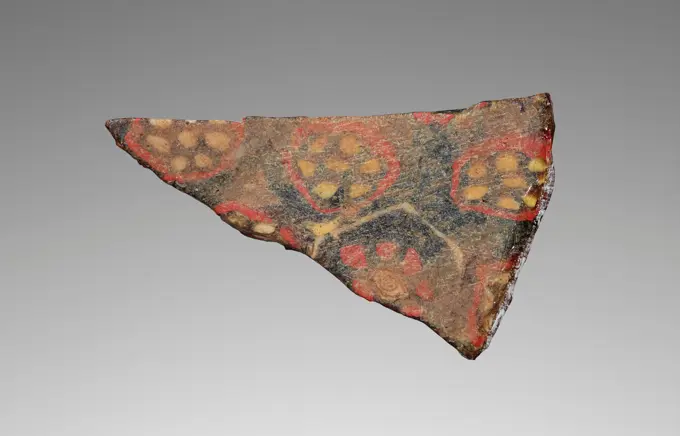
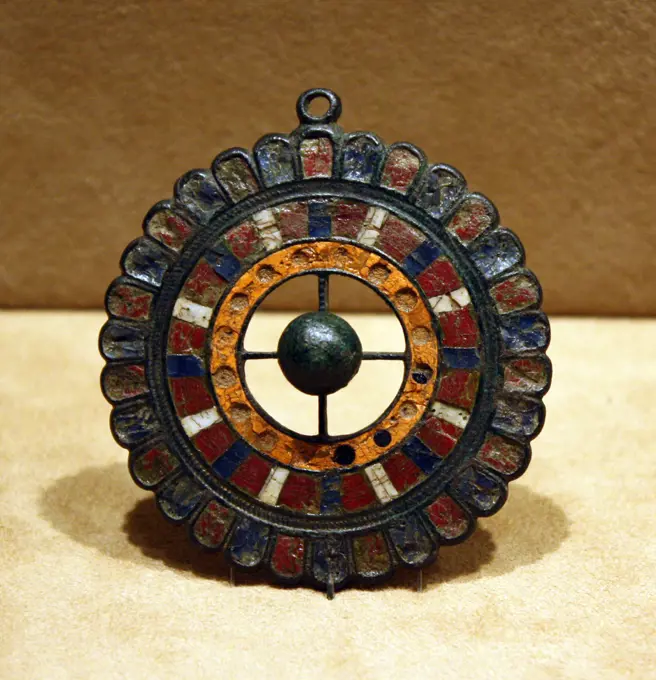
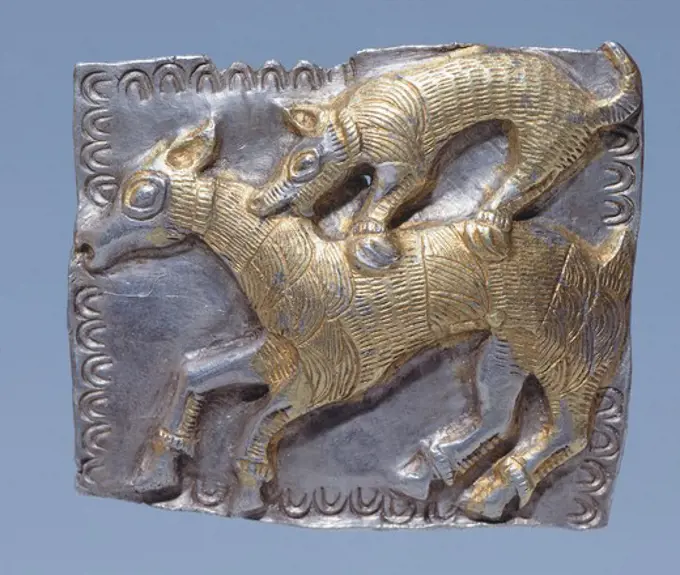
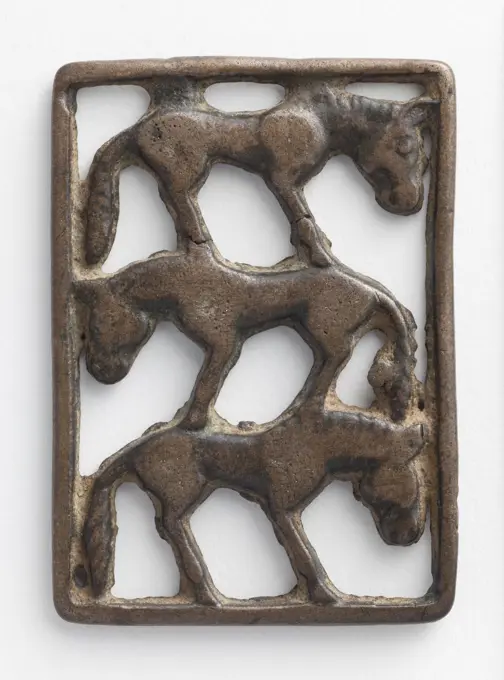
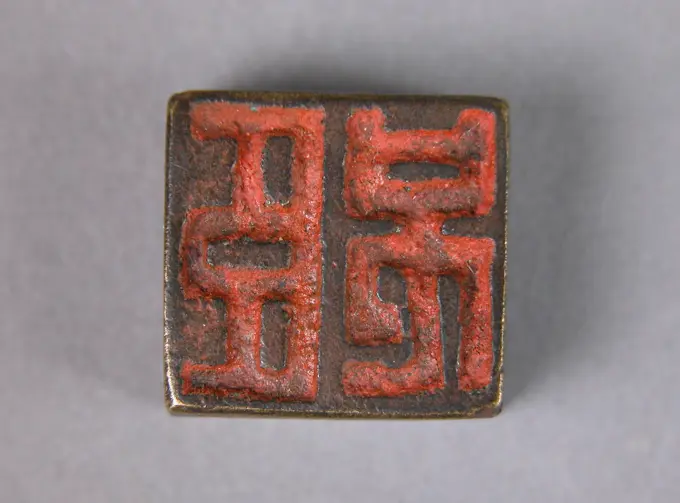
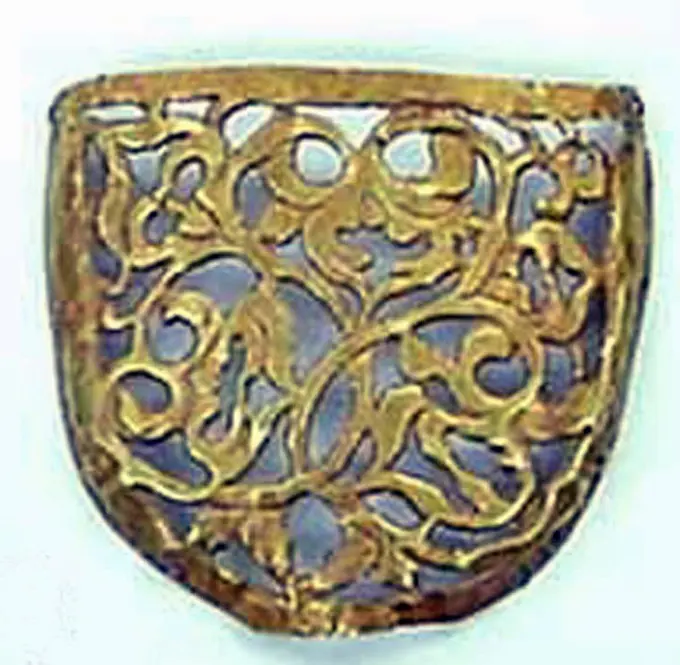
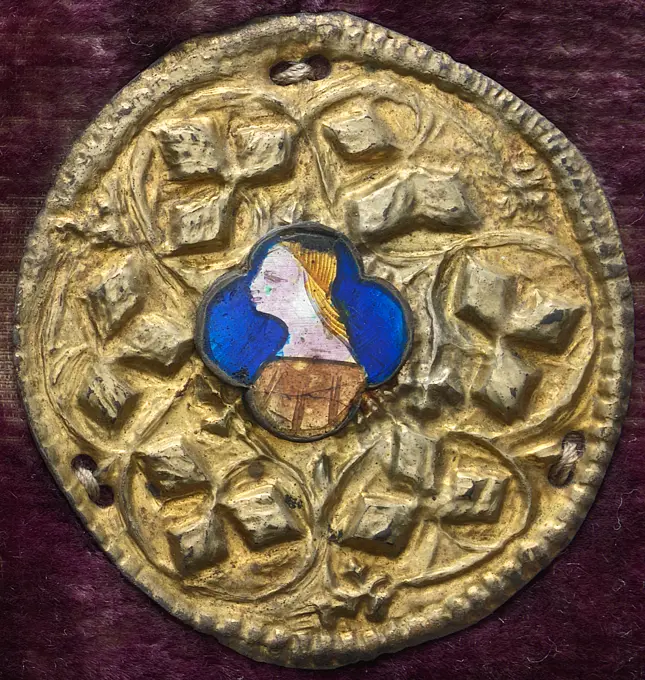
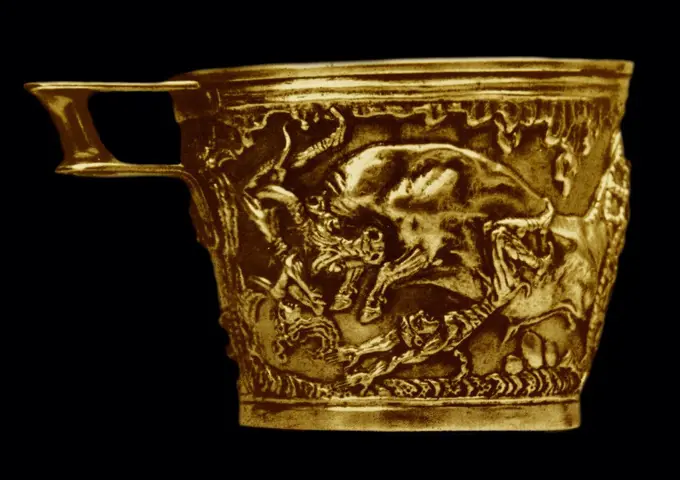
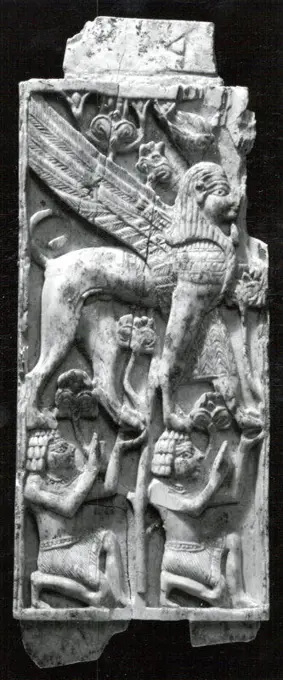
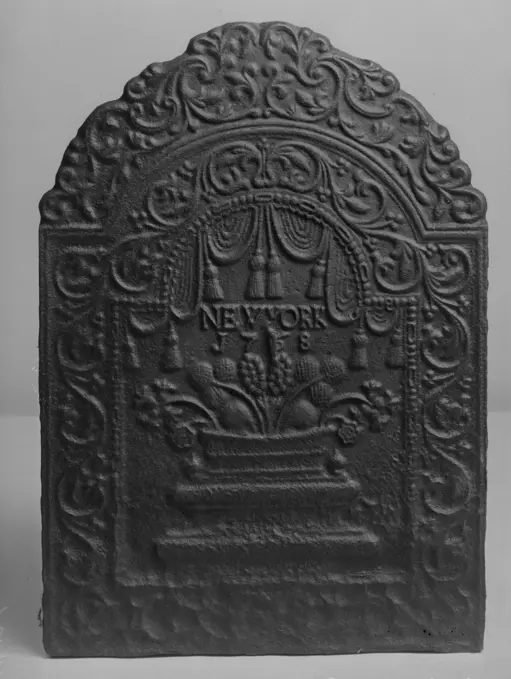
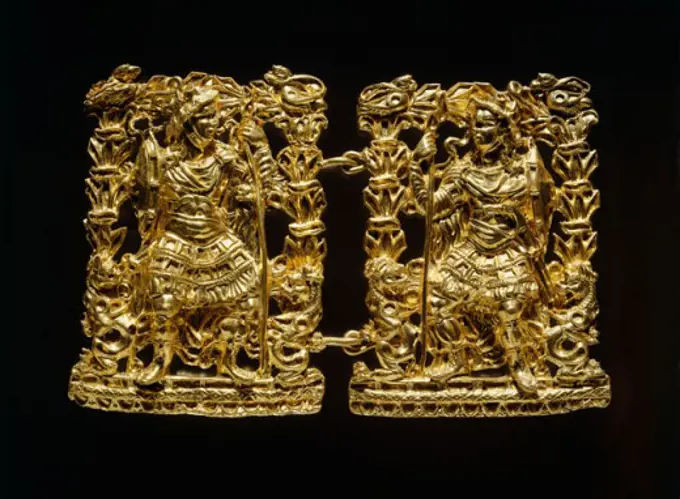
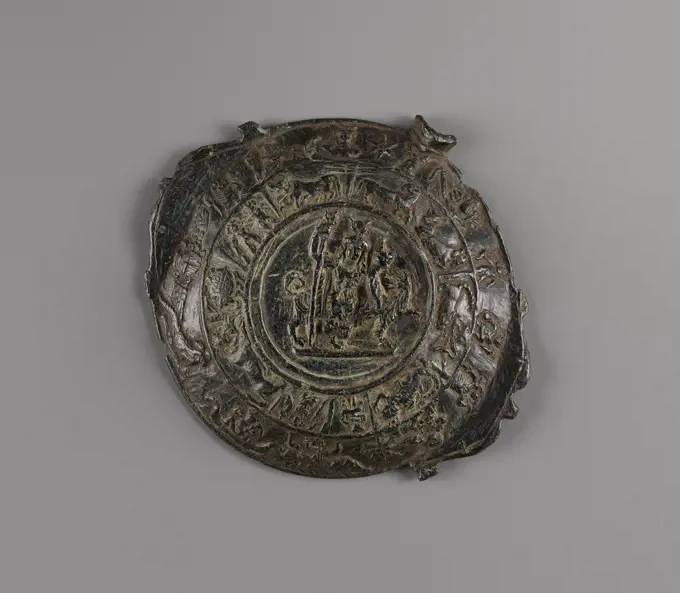
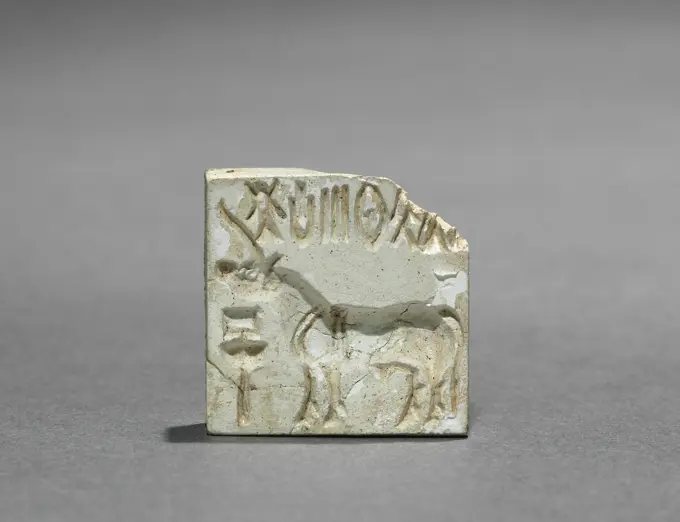
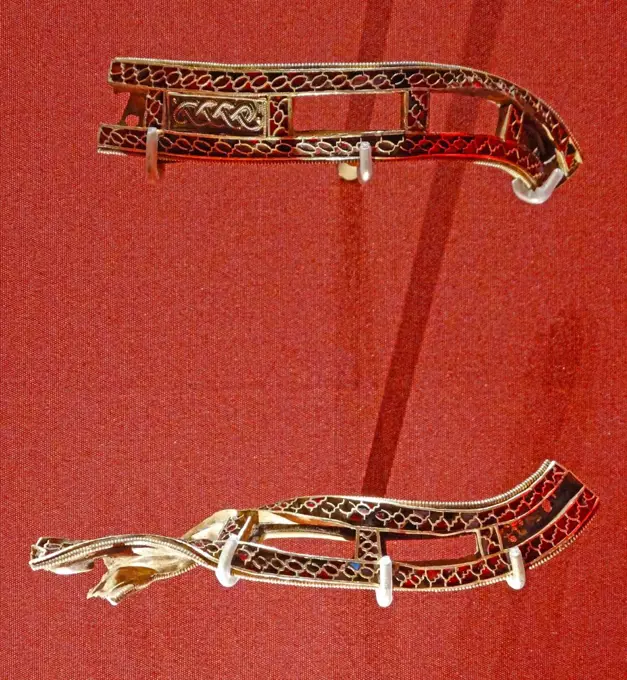
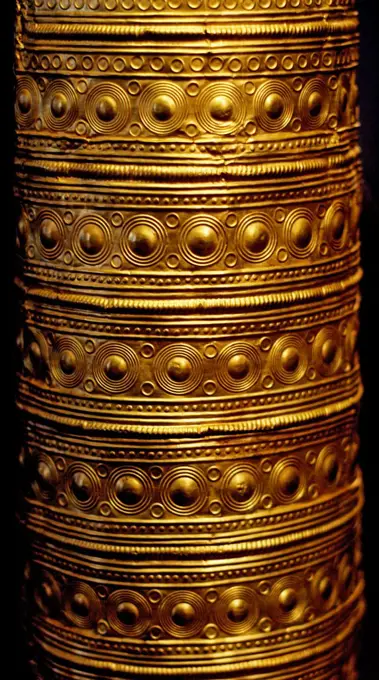
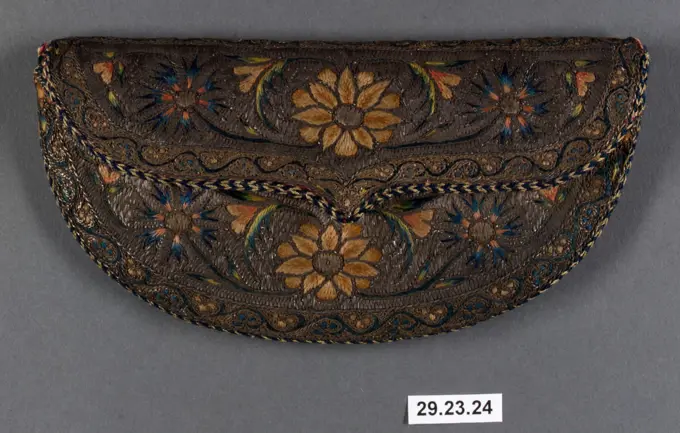
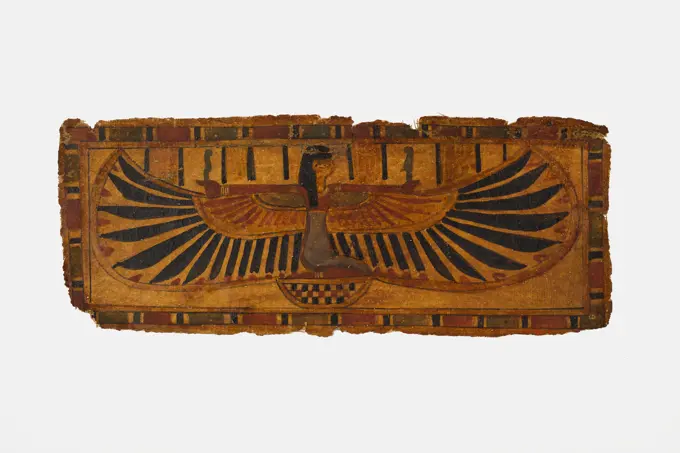
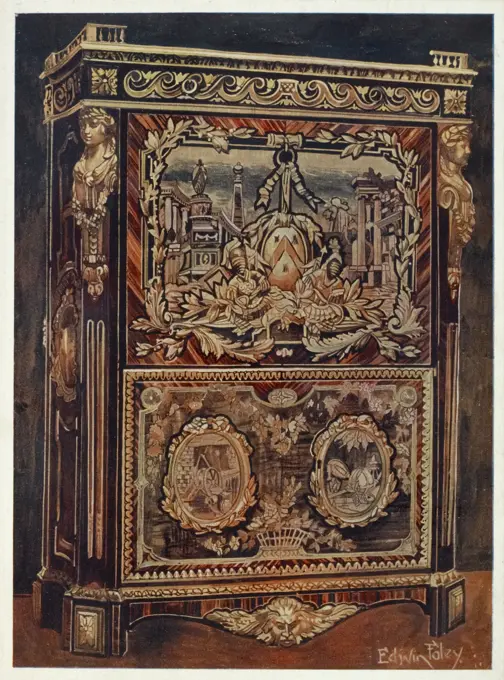
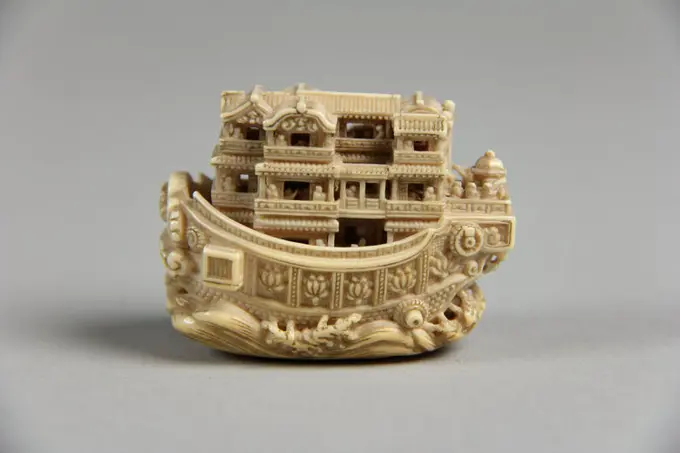
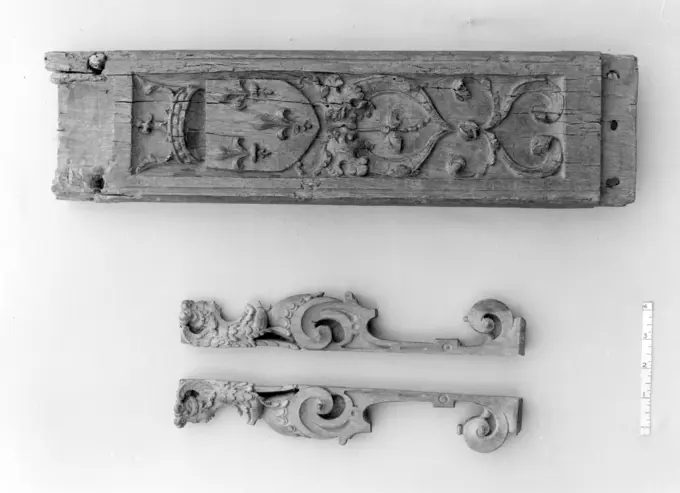
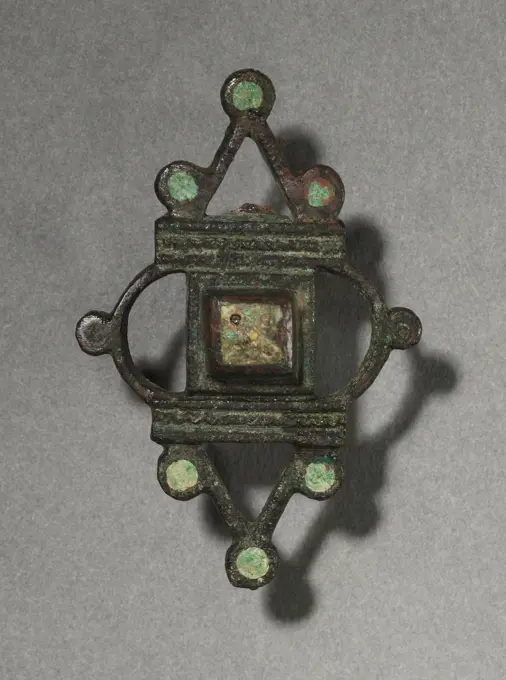
Ornamental Brooch, c. 100-300. Gallo-Roman or Romano-British, Migration period, 2nd-3rd century. Bronze and champlevé enamel; overall: 5.1 x 3.4 x 2.2 cm (2 x 1 5/16 x 7/8 in.).Bronze belt. Culture: Italic, Samnite. Dimensions: Other: 13 1/8 in. (33.3 cm). Date: ca. 350-325 B.C..Thin bronze belts with parallel rows of perforations for attaching leather or cloth linings were frequently worn by ancient Italic warriors. They are found in male burials from the late fifth century into the thrid century B.C. over much of Central and Southern Italy. The type represented here has elaborate solid-cast bronze clasps in the form of nude twins whose heads support a single wolf-head hook. These frequently occur in Samnite contexts and may have been produced at Tarentum (modern Taranto) in Southern Italy. Museum: Metropolitan Museum of Art, New York, USA.Dish first half 17th century or later Manner of Bernard Palissy French. Dish 201640Tobacco box 17th century Dutch or Flemish The box is rectangular, its lid and underside each set with a brass cartouche of elaborate shape. The cartouche on the lid has a scene almost identical to that on 57.108.9, with some small variations in the background and clothing.The scene on the underside is likewise similar to that on the bottom of 57.108.9; only the pose of the couple varies. The inscriptions on both lid and underside are the same as those on 57.108.9, and the cartouches are also surrounded by leaf scrolls.Rims are lined, edges are molded, and leaf scrolls ornament the borders and front side as well as the ends. The back side has geometrical decoration.. Tobacco box. Dutch or Flemish. 17th century. Brass and copper. Metalwork-BrassGold Plate, The Capital Museum, Beijing, ChinaBuckle 500 B.C.-A.D. 300 Vietnam (North). Buckle. Vietnam (North). 500 B.C.-A.D. 300. Bronze. Bronze and Iron Age period, Dongson culture. JewelryBand, Medium: Warp; S-spun linen. Wefts; S-spun linen, S-spun wool Technique: slit tapestry with supplementary weft wrapping, Band with animals in connected circles., Egypt, 4th-5th century, woven textiles, BandPlaca de bronce repujado. Museo de Arqueología Salvador Vilaseca.Bead China. Bead. China. Jade. Han dynasty (206 B.C.-A.D. 220). JadePanel 14th-15th century. Panel 445120Belt Plaque in the Shape of a Recumbent Tiger 5th century B.C. North China and south-central Inner Mongolia. Belt Plaque in the Shape of a Recumbent Tiger 59474Gallon;  beginning of the 19th century (1901-00-00-1910-00-00);Golden Artifact From Tradicion Zenu Tribe In The Gold Museum In La Candelaria, The Old Town Of Bogota, ColombiaTop of a flagpoleScandinavia. Mount. Forde, Sveio k., Hordaland. Viking age. Mount. Gipo, Notteroy k., Vestfold, 9th century. Museum. Oslo. Norway.Stove plate with two standing lions, anonymous, c. 1500 - c. 1550 Stove plate made of cast iron, divided into two zones. There are three colonets in the upper zone, from which leaf ornaments, which together form two pointed arches. In the lower zone under two arches two standing, desired lions, separated from each other by a colonnet. Floral motifs in the boasts of the arches. Germany iron (metal) casting Stove plate made of cast iron, divided into two zones. There are three colonets in the upper zone, from which leaf ornaments, which together form two pointed arches. In the lower zone under two arches two standing, desired lions, separated from each other by a colonnet. Floral motifs in the boasts of the arches. Germany iron (metal) castingDish late 15th century Spanish, Valencia (Manises) The shield at the center, charged with a bull, is that of the Buyl family, lords of Manises, a suburb of Valencia and the center of lusterware production.. Dish. Spanish, Valencia (Manises). late 15th century. Tin-glazed and luster-painted earthenware. Ceramics-PotteryBook Cover for the Old Testament Made 1701-1725 London. Silk, satin weave; embroidered in satin, single satin, split and stem stitches; laid work and couching .Nomisma with Constantine IX Monomachus (obverse), 1042-1055. Byzantium, 11th century. Gold; diameter: 2.9 cm (1 1/8 in.). The vast number of surviving Byzantine coins attests to the level of trade across the empire. Controlled and supervised by the emperor, the producers of coins took care to represent his authority and reflect his stature. Talented artists were recruited to engrave the dies (molds) used for the striking of coins. Emperors increasingly came to include their heirs and co-emperors on their coinage, as well as other family members or even earlier rulers. Coins were recognized, then as now, as small, portable works of art. With their inscriptions and images, Byzantine coins provide valuable documentation of historical events and a record of the physical appearance of the emperors. The solidus is the basic gold coin of 24 karats; the tremissis, a gold coin of one-third the weight and value of the solidus; and the nomisma, which in the 10th century replaced the solidus as tFragment of the jug neck with a stroke;  6,000 BC (-6000-00-00--5001-00-00);The collection of the ancient EastOrnament or Carding Comb 3rd-12th century The dot-in-circle motif recalls designs presumed to be of magical significance, most likely an abstract eye to ward off the evil-eye, which serve an apotropaic function. Easily reproduced with a tool and visible in many cultures and times, this symbol may have lost its meaning, and become simply a decorative pattern, or may have one that we have not yet discovered. The likelihood of these designs bearing significance increases when the dot-in-circles form birds, another apotropaic symbol; and/or when there are inscriptions, including abbreviated words or symbolic letters.. Ornament or Carding Comb. 3rd-12th century. Bone; incised and inlaid with paint. From Egypt. Ivories and BoneFragment (Italy); linenGaming Piece. Egypt, 10th-11th century. Wood. Wood, carved and paintedChina, Anyang, Gangyi type urn, Shang dynasty, bronzeFireback with coat of arms of King of France, three lilies of Bourbon, hob plate cast iron, cast Rectangular with arch on top. In the middle weapon with the three lilies of the French court Above the weapon presumably crown On the sides weaponry (pistol sword spear) and harp and trumpet heraldry living environment interior heating nobility royal house elite FranceRank Badge with Pheasant 19th century China. Rank Badge with Pheasant 68867Lampka oliwna. unknown, authorBracelet 304 B.C.-A.D. 364 Ptolemaic or Roman Period. Bracelet. 304 B.C.-A.D. 364. Silver. Ptolemaic or Roman Period. From Egypt, Central Delta, Tell el-Balamun (Diospolis Inferior), Carnarvon/Carter excavations, 1913Lower part of inlay of enthroned mummiform god Late Period-Ptolemaic Period 4th century B.C. View more. Lower part of inlay of enthroned mummiform god. 4th century B.C.. Faience, Paste. Late Period-Ptolemaic Period. Country of Origin EgyptGold mouthpiece for a Greek noblemans burial. Circa 5th century BCOrnament, Han dynasty (206 BC-AD 220). China, Ordos Region, Han dynasty (202 BC-AD 220). Gilt bronze; overall: 6.1 x 11.8 cm (2 3/8 x 4 5/8 in.).Artefact from the Staffordshire Hoard of Anglo-Saxon gold and silver metalwork. Discovered in a field near the village of Hammerwich, near Lichfield, in Staffordshire, England, on 5 July 2009, it consists of over 3,500 items from the Anglo-Saxon kingdom of Mercia.Campania Caserta Capua Museo Campano00. Hutzel, Max 1960-1990 Medieval: Byzantine architectural fragments; parchment fragments with miniatures (12th century) from Montecassino; painted wooden crucifix (13th century); Carolingian crucifixes; Bishop's miter (11th century) of gold and silver damask; fresco (13th century). Post-medieval: Architecture (15th century). Formerly the Palazzo Antignano. Unusual Catalan/Moorish-style portal; Paintings on panel and canvas (15th-18th centuries); marble intarsia (16th century); marble sculpture: busts of Christ and Mary (17th century); sculpture of saints in marble and in wood (15th century); painted and gilded sculpture in wood; marble grave sculpture (16th century); sarcophagus with allegorical carvings; gold reliquary "Rosa d'Oro"; crucifix made of elephant tusk Specific Location: Pianterreno Antiquities: Italic sculpture (seated women holding babies); inscription. Photo campaign #1: 533 photos. Roman relief and sculpture; cinerary urns; Greek anValance (one of a set of six) late 17th-early 18th century French or Italian. Valance (one of a set of six) 227010Nose Ornament 2nd-6th century Vicús. Nose Ornament. Vicús. 2nd-6th century. Gold. Peru. Metal-OrnamentsGold leaf curl from Delphi (Greece). Goldsmith art, Greek Civilization, ca 6th Century BC.glass jar, india Copyright: xNirbhayxJain/DinodiaxPhotoxFWB, Roof lead, shield-shaped cover plate with initials FWB and guide tool, lead hallmark lead metal, Roof bonnet shield shaped cover of the nails with various guide tools (pump hammer hammer hammer to strike lead and another hammer hammer) and the initials of the plumber FWB Master mark and characteristic of the person who carried out the lead and zinc work on plate: F.W.. craftsmanTobacco Box with Scene of Venus and Adonis 1700-1725 England. Brass .Roundel 3rd-4th century. Roundel 444357Textile Fragment 5th-6th century. Textile Fragment 444086Mongolian belt buckle, shaped like a horseshoe Toward the second century AD. Han dynasty (206 BC - 220 AD) gold leafFrontlet of gold leaf. Frontlet of gold leaf 242987Stick;Lithuanian coat of arms with snake by Anonymous artist, Clay, 15th century, National Museum Palace of the Grand Dukes of LithuaniaJomon crown pot. The protrusions on the rim of this crown pot may have been inspired by the architecture of Jomon houses. The crown pot appears rigid in comparison to the fluid form of the flame pot. These contrasting styles seem to be important in Jomon culture and can be seen in the arrangement of buildings and burials.Plaque. Mongolia or southern Siberia, 2nd-1st century B.C.. Sculpture; plaques. Bronze, castIvory puzzle in a box. Square ivory box with a sliding cover. In the box a puzzle of seven pieces. On the lid a group of two sitting and two standing ladies in a garden with trees and pavilions against a cut-away background of geometric motifs. On the sides of houses and trees in relief; On the underside a flower in low-relief. The puzzle pieces are provided with open-worked floral drinks.XVI International Puppet FestivalMedal of the University of Franeker, with the names of the professors and the arms of the university.Fragment, Medium: linen Technique: needle lace, Fragment in a pattern with a blossom with deeply scalloped petals. Central superimposed rosette. Diamond diaper pattern on one petal., Venice, Italy, 17th century, lace, FragmentBag early 19th century French. Bag 221558Pierce;  1 thous. (1-00-00-1000-00-00);The collection of the ancient EastUnknown photographer, Fries in Baalbek (without dat.): Detail. Photo, 20.1 x 20.1 cm (including scan edges) unbek. Fotograf : Fries in Baalbek (ohne Dat.)False coin, penny, Boleslaus I the Brave (992-1025)Copper tobacco box with image housing, tobacco box holder metal copper, cast engraved Flat elongated box with right angles hinged lid cascading build up lid and bottom tobacco construction site homebuilding carpenter bricklayer smoking store snuffboxPa. German Stove Plate. Dated: c. 1939. Dimensions: overall: 39.5 x 30.8 cm (15 9/16 x 12 1/8 in.) Original IAD Object: 24" high; 12" wide. Medium: watercolor, gouache, and graphite on paper. Museum: National Gallery of Art, Washington DC. Author: Franklyn Syres.Harriette Gale, Rocking Horse, c 1939 Rocking HorseSeal of Louis XIV 18th century French See 21.1.2 for a duplicate of this seal.. Seal of Louis XIV. French. 18th century. Red wax. Sculpture-MiniaturePair of Shoe Buckles. United States, second half of the 18th century. Costumes; Accessories. Brass, silver-platedStove plate, Judge Not That Ye Be Not Judged”Bag. France. Date: 1680-1700. Dimensions: 11.8 × 8.4 cm (4 13/6 × 3 5/8 in.). Silk, plain weave with supplementary pile warps forming cut solid velvet; embroidered with gilt-metal-strip-wrapped silk laid over padding, silk-wrapped metal purl, and gilt-metal purl in bullion; gusset: silk, plain weave with supplementary patterning wefts; lining: silk, plain weave; interlining: linen, plain weave. Origin: France. Museum: The Chicago Art Institute, Chicago, USA.Aztec Gold Pendant of a Ruler with ritual regalia, Mixtec, 1200-1521. Artist: Unknown.Fragment of a Mosaic Glass Vessel. Unknown 1st century B.C.-1st century A.D. Brown with yellow, white and red in a ring rosette pattern.CRUZ MOZARABE S X.Stamp seal ca. 6th century B.C. Achaemenid. Stamp seal. Achaemenid. ca. 6th century B.C.. Chalcedony, smoky. Achaemenid. Iran or MesopotamiaRobert Pohle, Butter Mold, c 1938 Butter MoldDisk Brooch. Copper alloy inlaid with millefiore enamel. Roman. Made 100-300, probably in Gaul.Silver gilt plate with animal figures, from Letnica, Bulgaria. Goldsmith art. Thracian Civilization, 4th Century BC.Near East. Iran. Ewer with a female flutist and a fantastic beast. Bronze; chasing. 8th-9th centuries. Found in Dagestan (Caucasus). The State Hermitage Museum. Saint Petersburg. Russia.Plaque (Three Horses). Western Inner Mongolia or Northern China, 5th-4th century B.C.. Sculpture; plaques. BronzeCrescent-Shaped VotiveOfferingSeal China. Seal 41035Medallion with Saint George Slaying The Dragon late 15th century German Similar mother of pearl medallions were often set into reliquaries. It has also been suggested that they might have been used as hat ornaments.. Medallion with Saint George Slaying The Dragon 466128Chair seat cover 18th century Dutch. Chair seat cover 219432Fitting mid-7th-9th century Northwest China/Eastern Central Asia. Fitting. Northwest China/Eastern Central Asia. mid-7th-9th century. Gold. period of Tibetan rule. MetalworkWall Tile, 1300s. Iran, Ilkhanid period (1256-1353). Fritware with luster-painted design; overall: 40.5 x 25.5 x 4 cm (15 15/16 x 10 1/16 x 1 9/16 in.).Bronze Vishnu Figure 11th Century. IndiaNorth Italian 14th Century, Costume Ornament with Profile Portrait, c 1380 1400 North Italian 14th Century, Costume Ornament with Profile Portrait, c. 1380/1400, repoussé silver, gilded, and translucent enamel, attached to a strip of velvet, Samuel H. Kress Collection 1961.9.190Mycenaean Vapheio cup, Late Bronze Age, First half of 15th c. B.C. Crete-Mycenaean metalwork, found together with other precious objects in the Vapheio tholos tomb. One-handled cup with flaring straight sides. decoration depicting bulls covers the entire surfaceFurniture plaque carved in relief with a striding, falcon-headed winged sphinx supported by two kneeling figures ca. 9th-8th century B.C. Assyrian This rectangular plaque is carved in high relief and was found in a storeroom at Fort Shalmaneser, a royal building at Nimrud that was probably used to store tribute and booty collected by the Assyrians while on military campaign. Two tenons, preserved above the upper and lower edges, indicate that this piece may have been fitted into a frame, likely as part of a piece of furniture. Two West Semitic letters are inscribed into the ivory: Resh on the obverse of the upper tenon and Zayin on the lower reverse of the plaque. These letters, known as fitters marks, would have served as guides to aid the craftsperson in the piece-by-piece assembly of the original piece of furniture to which this plaque originally belonged. This plaque includes Egyptian elements typically found on Phoenician style ivories, such as the chevron-patterned apron and theFireback ca. 1758 American Iron firebacks were cast in molds carved from mahogany. This funereal example features a central image of a tombstone with mourning drapes and flowers.. Fireback. American. ca. 1758. Iron. Made in New York, New York, United StatesCause in the form of a casket (16th century), from the album: Catalog of the exhibition Dzień Arts applied to the industry ... (Warsaw, 1881, Tab. Lvia.) In the collection of the Society of Zach Rók Ewicz, Józef (Fl. 1915); 1915 (not after 26.05.1915) (1915-00-00-1915-00-00);Fragment (Italy); linenBactrian Gold: Clasps with Warrior Design Artist Unknown Kabul Museum, Afghanistan Ptolemaic () Cup; Egypt; 1st century B.C. - 1st century A.D; Steatite; 14.9 cm (5 7,8 in.)Seal with Unicorn and Inscription, c. 2000 BC. Pakistan, Indus Valley civilization. Possibly kaolinite; overall: 2.5 x 2.5 cm (1 x 1 in.).Anglo Saxon metalwork; 5th-6th Century AD. Slotted strips, decorated with cloisonné garnets and small filigree panels These strips share the same cloisonné decoration and are also linked by having rectangular slots in themCeremonial gold hat. Part of a ruler or Priesterornats, the ornaments are to be interpreted as a calendar. Gold, Around 1000 BC. Origin unknown, probably southern GermanyCarolingian marble fragment, St., Saint, SaintZwölff geistliche Andachten, darinnen gar schöne trostreiche Gebet begriffen, Binding. 1649 - 1700. bindings (gathered matter components), Book covers. Spencer Collection. Bindings, 17th cent., German, Embroidered bindings (Bookbinding) , Germany , 17th centuryCapital. Culture: French. Dimensions: Overall: 10 3/4 x 9 1/2 x 9 1/2 in. (27.3 x 24.1 x 24.1 cm). Date: late 12th century. Museum: Metropolitan Museum of Art, New York, USA.Bag 17th century Though there is little historical textual reference to the use of these small purses, extant examples lead to the assumption that this was an optional accessory for Safavid women. This exquisite clutch is made of canvas and embroidered in metal thread and silks in long and short stitches. The reverse features a large singular embroidered flower treated with the same stitchwork. The ground is couched throughout in well-preserved silver wire. The edge of the purse and flap are finished with plaited cord and the interior is lined with crimson velvet. The size indicates that this would have been used to hold small objects and functioned as a largely decorative piece.. Bag. 17th century. Silk, metal. Attributed to Iran. Textiles-CostumesCartonnage fragment showing goddess with spread wings 100-300 Roman Period. Cartonnage fragment showing goddess with spread wings 551553Furniture around the turn of the century 1900, Upright secretaire inlaid in various woods, with cast, chased, and gilt bronze mounts (1911) .Textile Fragment 6th century Coptic. Textile Fragment 475237Netsuke Pleasure Boat. Culture: Japan. Dimensions: H. 1 1/4 in. (3.2 cm); W. 1 3/4 in. (4.4 cm); D. 7/8 in. (2.2 cm). Date: 19th century. Museum: Metropolitan Museum of Art, New York, USA.Lazio Frosinone Veroli S. Andrea Apostolo, Cathedral9. Hutzel, Max 1960-1990 Views of metalwork objects housed in Treasury of S. Andrea Apostolo, including busts, reliquaries, crosses, polittico, boxes. Antiquities: relief sculpture; busts General Notes: Museum, which contains Treasury, is located in the last chapel of the right nave. Thirteen views of (non-metalwork) sculpture from Museum have been assigned numbers at end of Treasury sequence, but there are no negatives corresponding to these prints, nor is there authoritative evidence that these objects are housed in the Cathedral Museum. German-born photographer and scholar Max Hutzel (1911-1988) photographed in Italy from the early 1960s until his death. The result of this project, referred to by Hutzel as Foto Arte Minore, is thorough documentation of art historical development in Italy up to the 18th century, including objects of the Etruscans and the Romans, as well as early Medieval, Romanesque, Gothic, Renaissance and Baroque Panel early 16th century French. Panel. French. early 16th century. Carved oak. WoodworkCULTURA DE LOS CASTROS - COANA - FUSOLAYA. Location: MUSEO ARQUEOLOGICO-COLECCION. Oviedo. ASTURIAS. SPAIN.