Historical Brooches and Buckles

Detailed images of ornate belt buckles and brooches from different cultures and periods, reflecting rich artistry in metals and historical dress accessories.

Lisbon, Portugal. Pharmacy signs
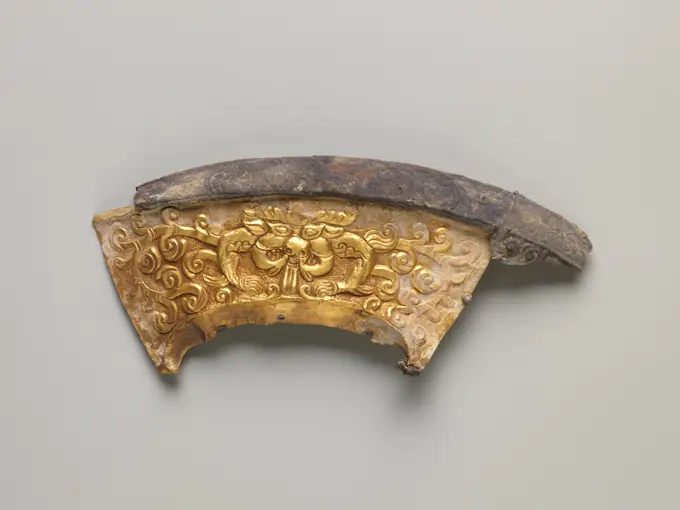
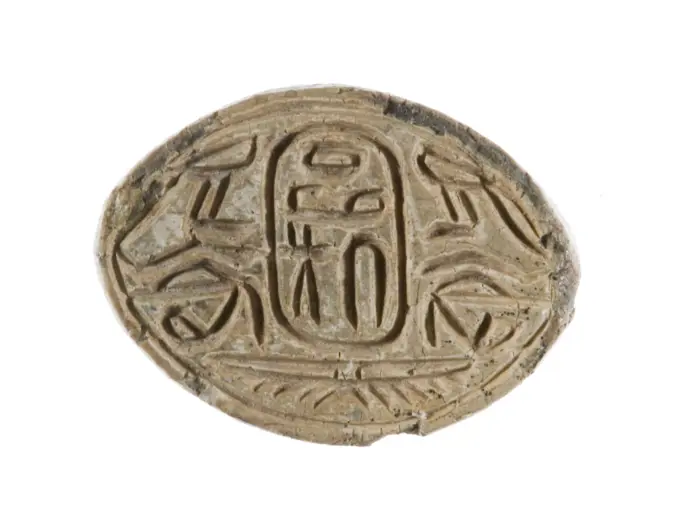
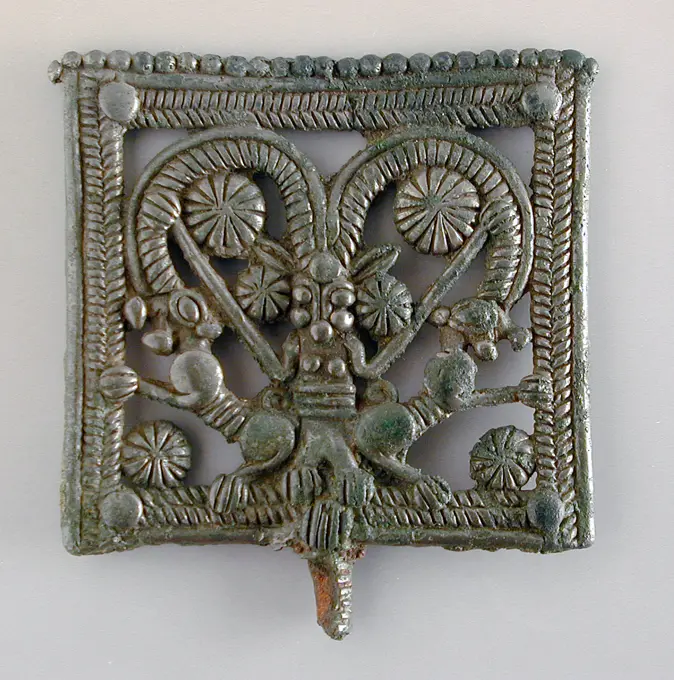
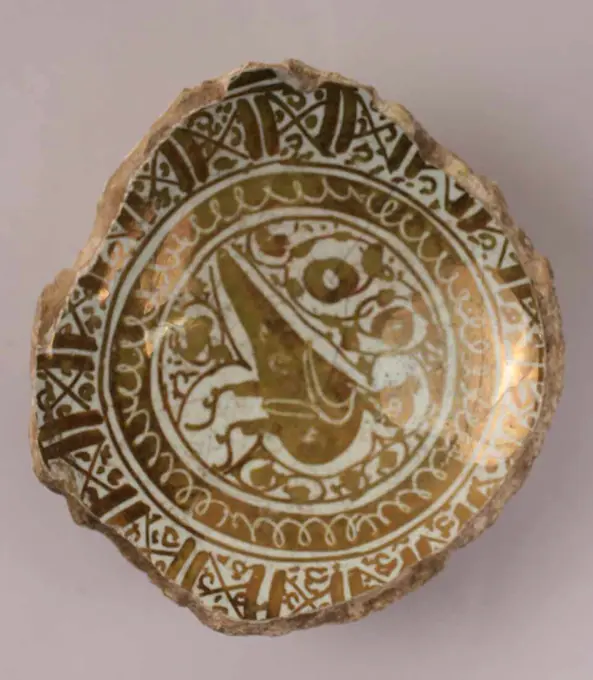
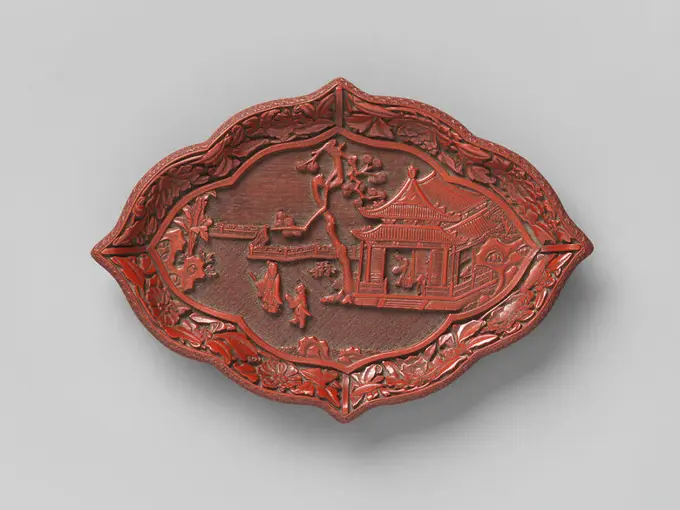
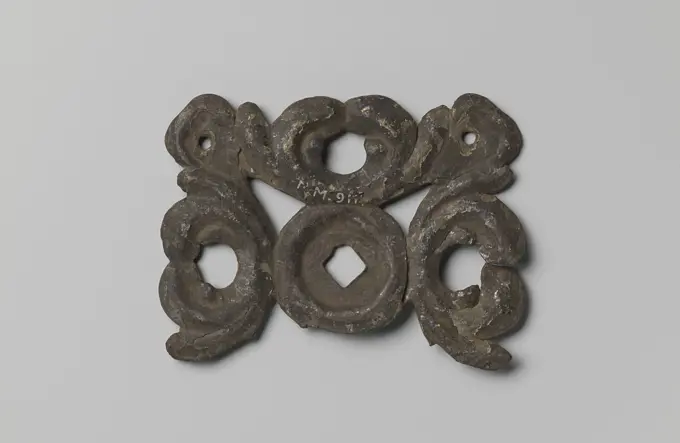
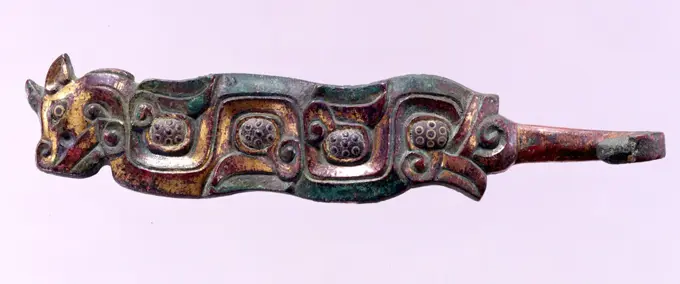
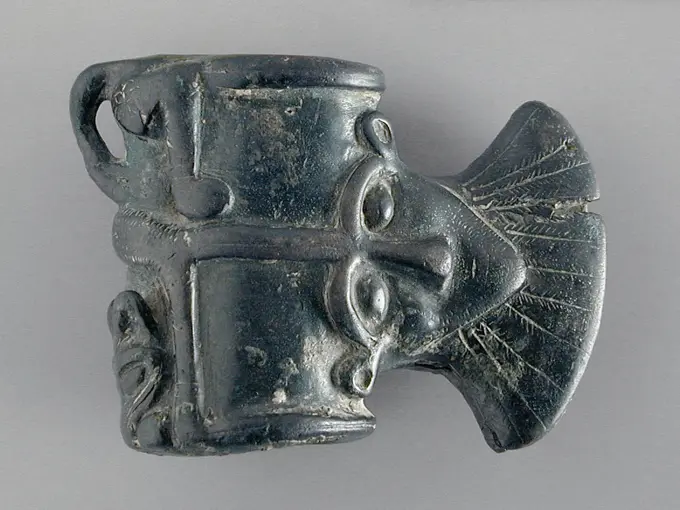
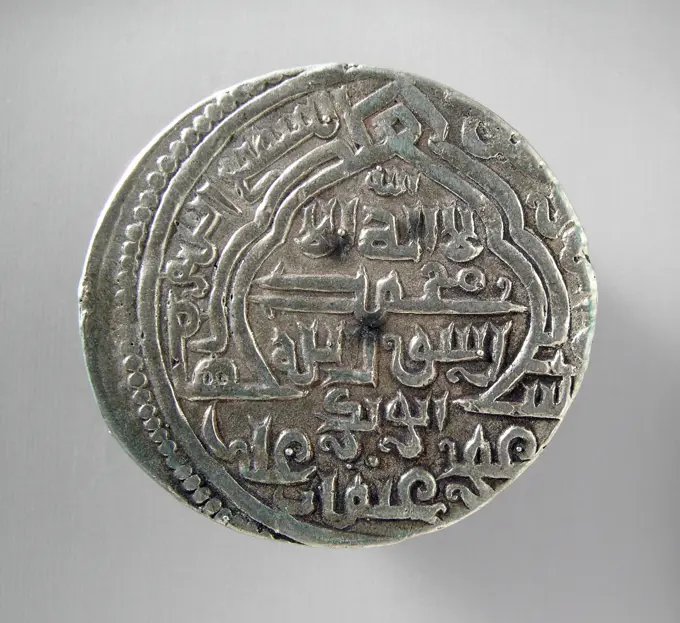
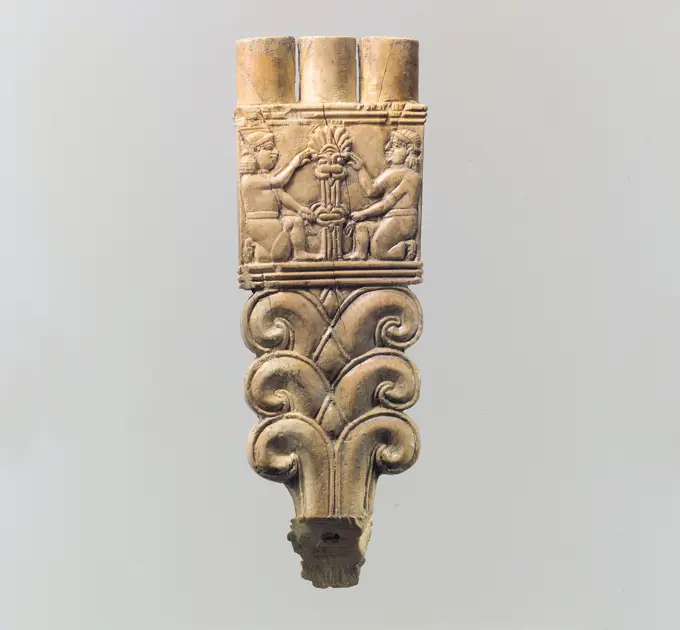
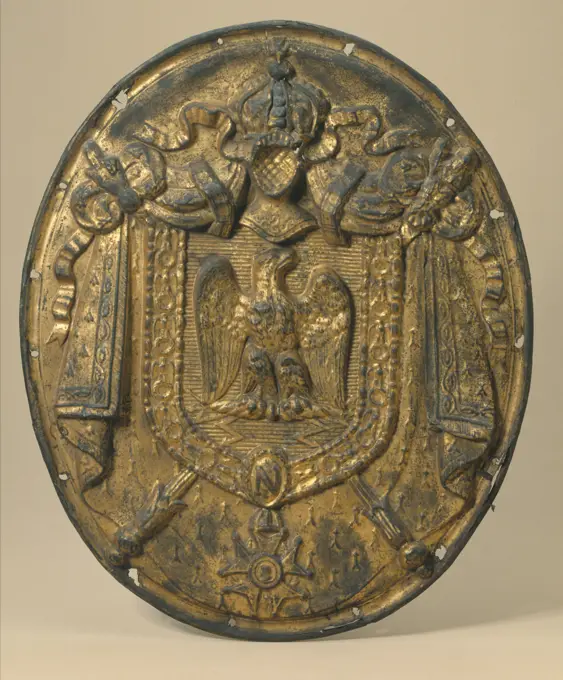
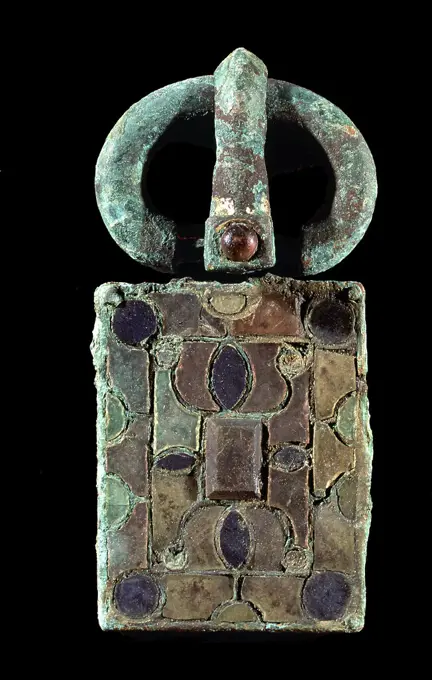
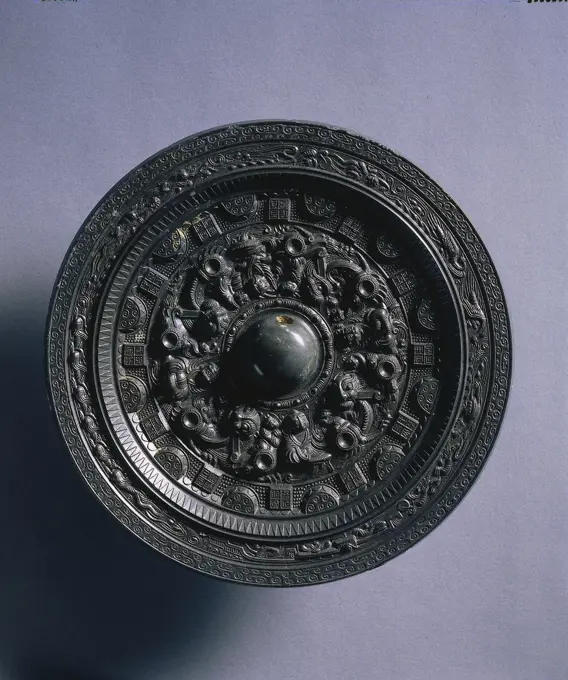
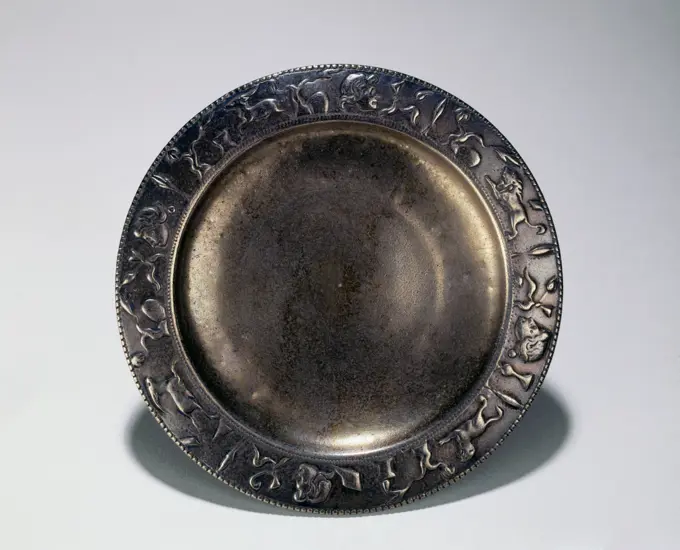
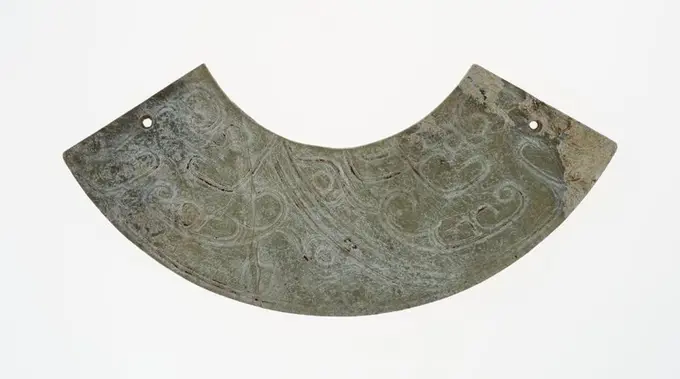
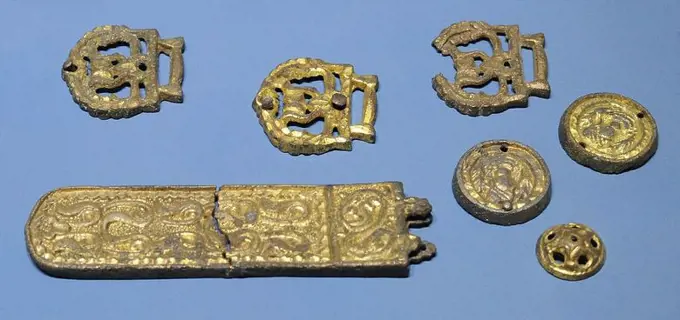
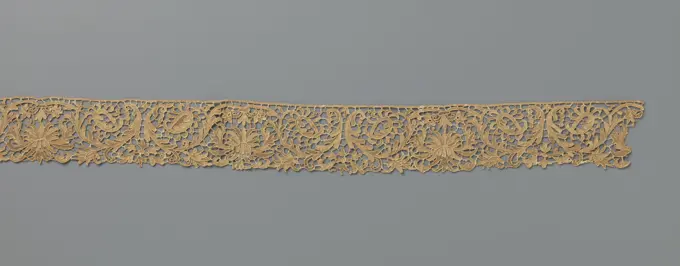
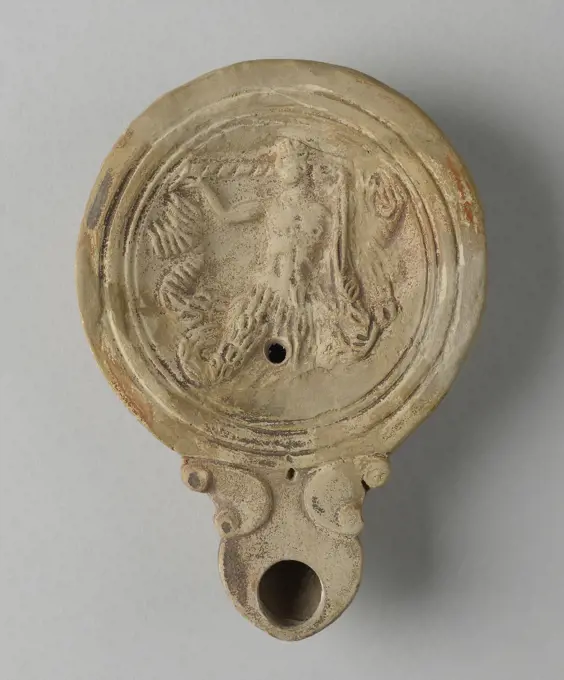
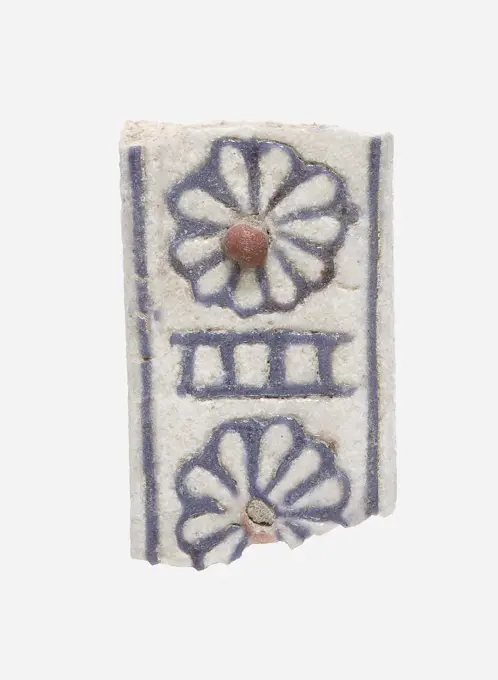
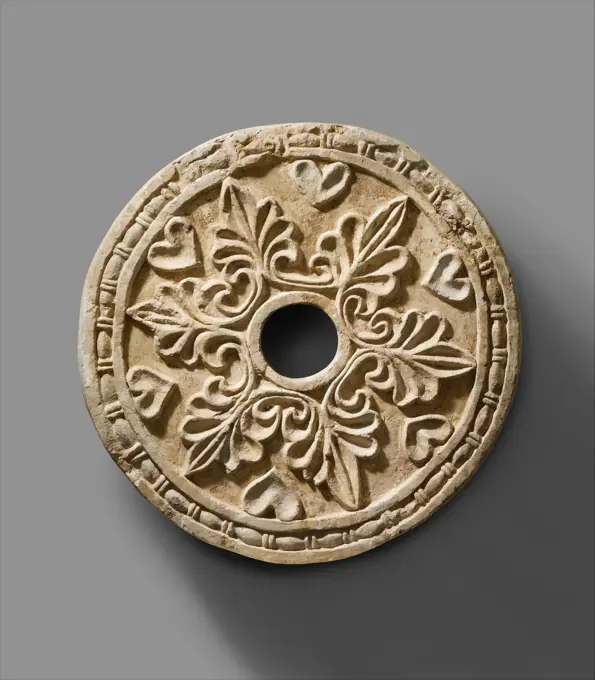
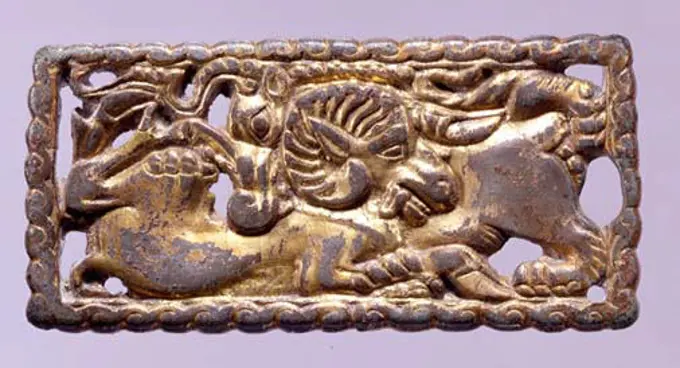
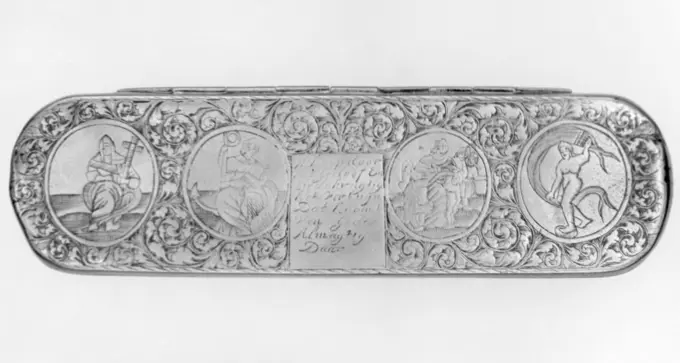
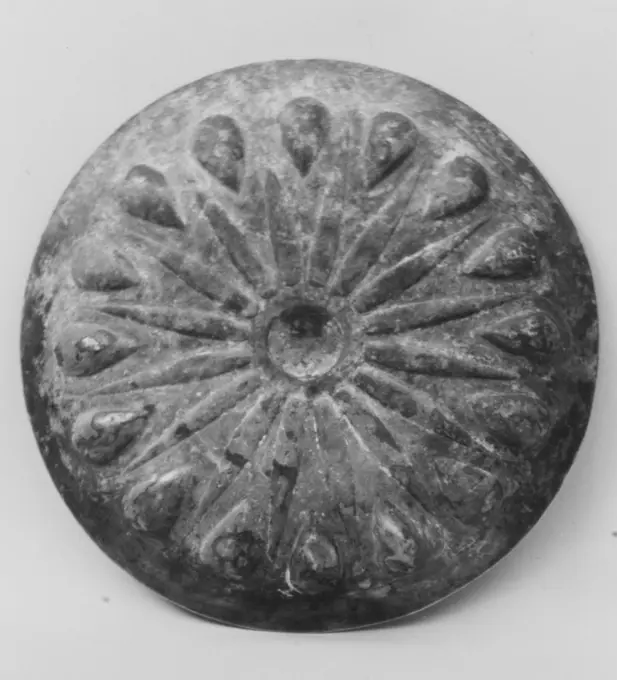
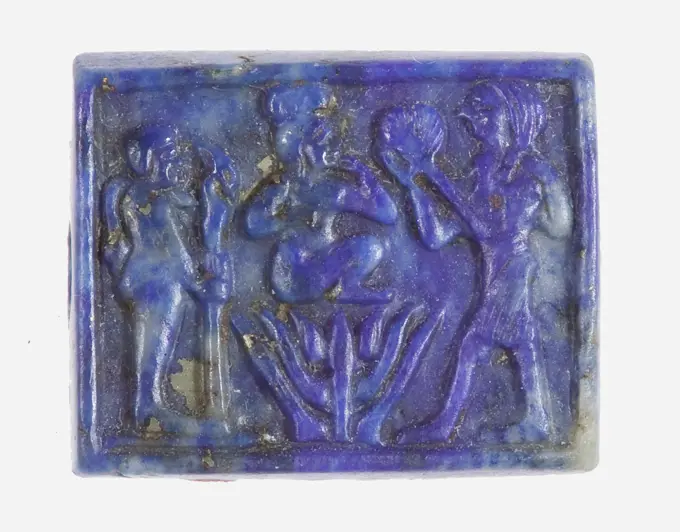
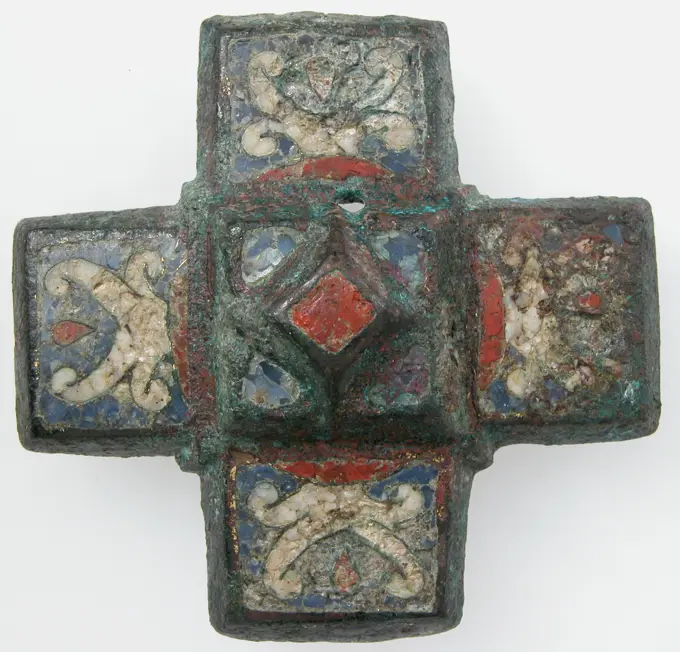
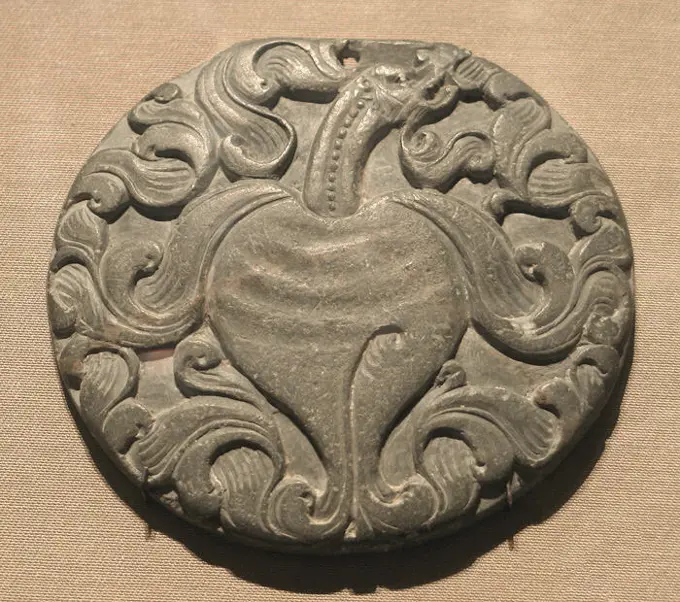
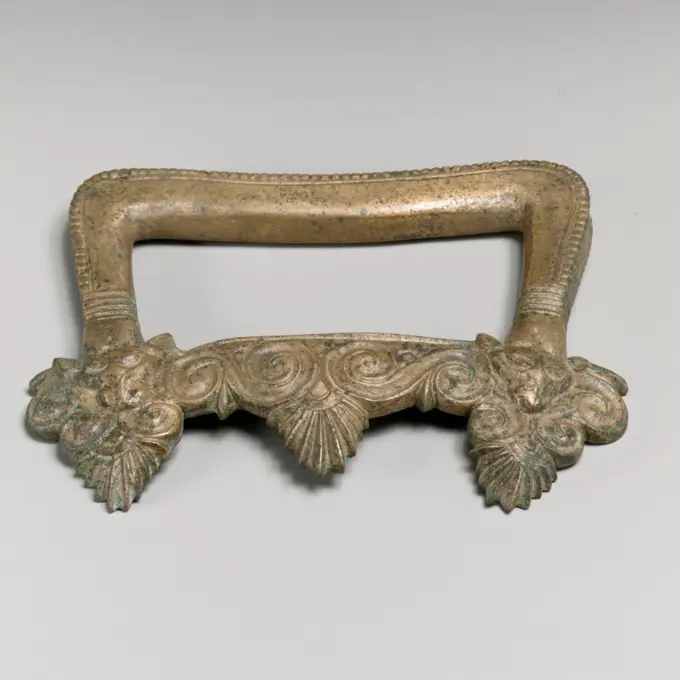
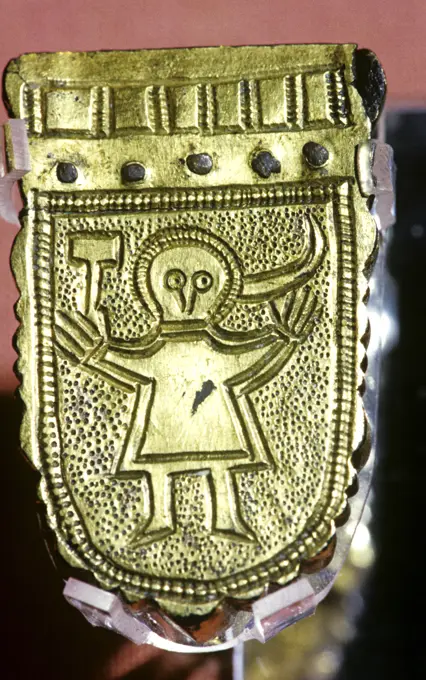
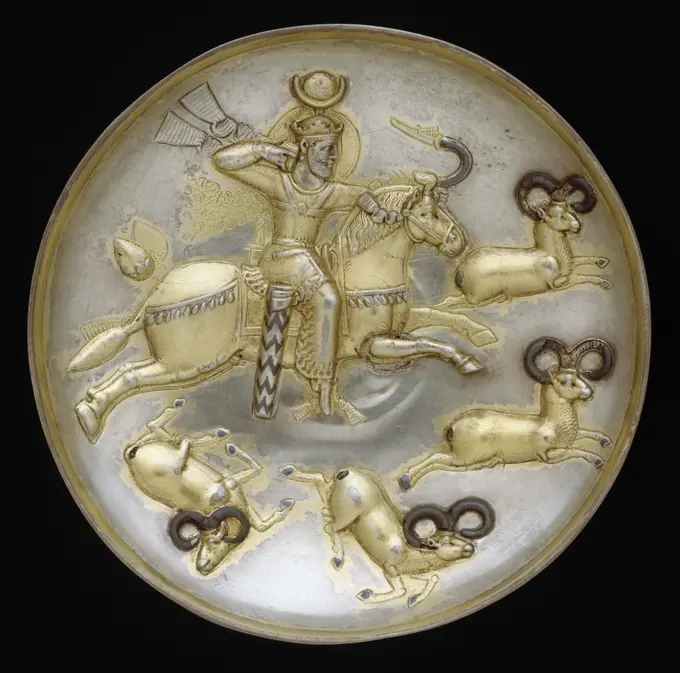
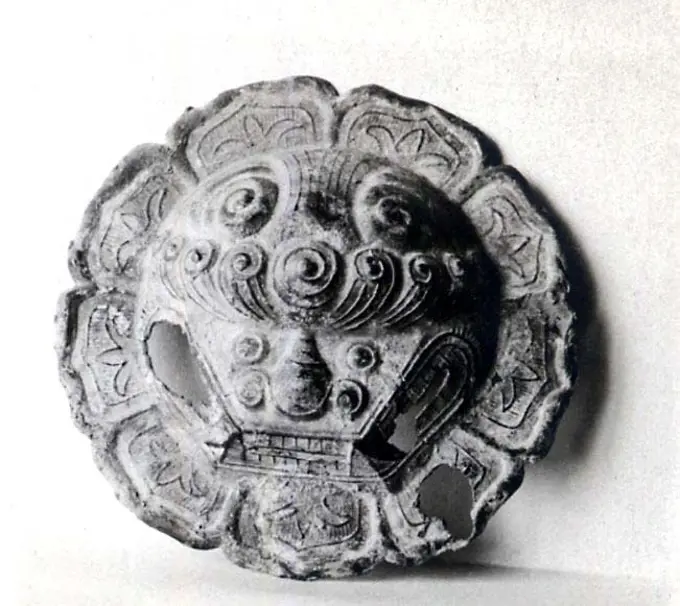
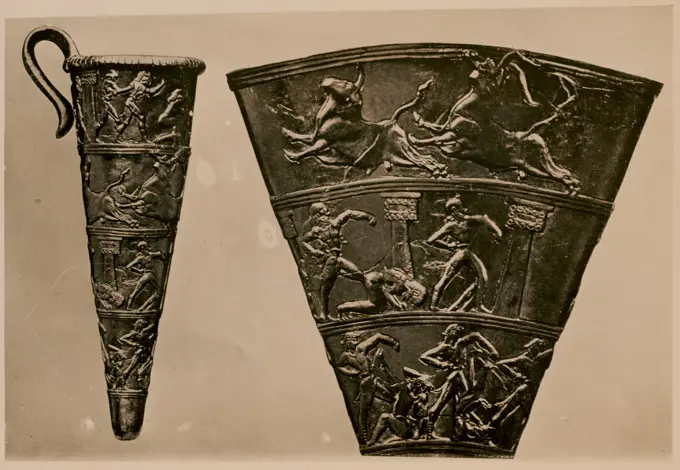
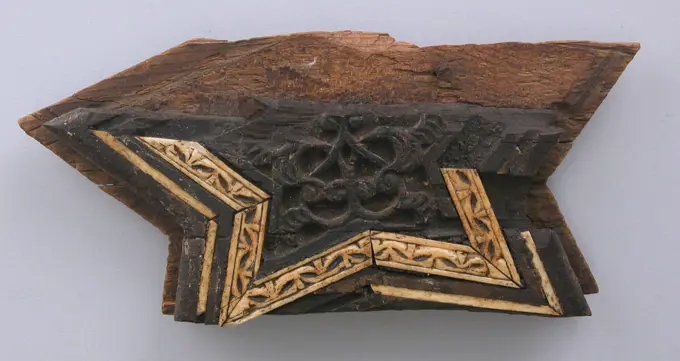
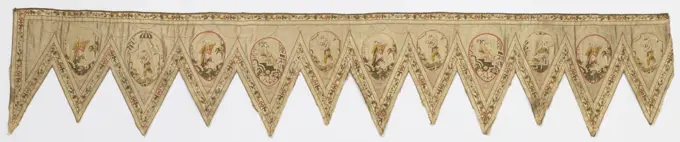
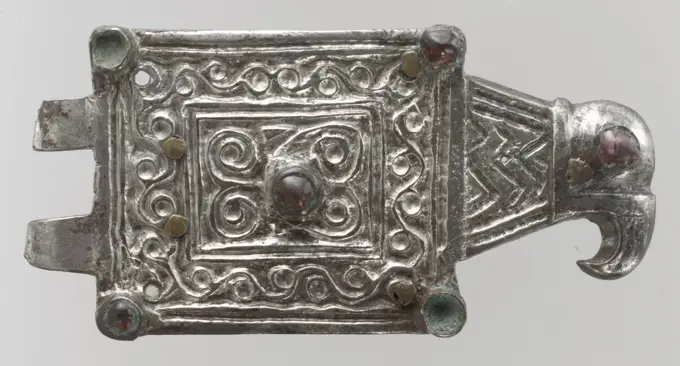
Belt Buckle with an Eagle 500-700 Ostrogothic Ostrogothic women of high-ranking status typically wore an ankle-length garment, secured at the shoulders by a matching pair of brooches and belted at the waist by an elaborate buckle such as this one. A necklace, bracelet, rings, and earrings with polyhedral beads would complete the ensemble.This Buckle is comprised of the following parts: 17.190.100a (Buckle Plate), 17.190.100c (Buckle Tongue), 17.190.104b (Buckle Loop).. Belt Buckle with an Eagle 468991Miniature Square-Headed Brooch first half 6th century Anglo-Saxon The affinity of these brooches, found in France, with objects from Kent is evidence of the spread of artistic traditions through export or copying.. Miniature Square-Headed Brooch 465089 Anglo-Saxon, Miniature Square-Headed Brooch, first half 6th century, Silver-gilt, niello; iron pin, Overall: 11/16 x 1 9/16 x 3/8 in. (1.8 x 4 x 0.9 cm). The Metropolitan Museum of Art, New York. Gift of J. Pierpont Morgan, 1917 (17.191.42)Lisbon, Portugal. Pharmacy signsSaddle Pommel 7th-9th century China (Xinjiang Autonomous Region, Central Asia) The ferocious face seen on this saddle pommel would have protected the rider by warding off evil. Such imagery came out of South Asia, where similar kirtimukha figures adorned temple doors and were understood to devour time and, by implication, all things.. Saddle Pommel 73307Plaque (Two Yaks). Mongolia or Southern Siberia, 2nd-1st century B.C.. Sculpture; plaques. BronzeCowroid Seal Amulet with the Name of the Hyksos King Apophis ca. 1581-1541 B.C. Second Intermediate Period. Cowroid Seal Amulet with the Name of the Hyksos King Apophis 544428Celtic bronze belt-hook. Artist: UnknownDisk Brooch 6th century Frankish (). Disk Brooch 464852 Frankish (), Disk Brooch, 6th century, Gold, wire, iron core, Overall: 1 x 1/4 in. (2.5 x 0.7 cm). The Metropolitan Museum of Art, New York. Gift of J. Pierpont Morgan, 1917 (17.191.159)Openwork Brooch second half 6th century Frankish. Openwork Brooch 465343 Frankish, Openwork Brooch, second half 6th century, Silver-gilt, garnet, Overall: 1 5/16 x 1 1/16 x 5/16 in. (3.3 x 2.7 x 0.8 cm). The Metropolitan Museum of Art, New York. Gift of J. Pierpont Morgan, 1917 (17.192.37)Openwork PinheadArc-shaped Pendant 510 BCE-490 BCE China. Jade .Fragment of a Bowl 11th-12th century. Fragment of a Bowl 448193Lozenge-shaped dish with garden scene. Culture: China. Dimensions: H. 7/8 in. (2.2 cm); W. 5 3/8 in. (13.7 cm); L. 7 7/8 in. (20 cm). Date: 14th century.A scholar-gentleman walks with an attendant, who is holding a zither (a stringed instrument), as they leave another figure in a nearby pavilion. They are either coming from or going to a festive event that would have included music, painting, poetry, and wine. Museum: Metropolitan Museum of Art, New York, USA.Batter from one withdrawal. .Belt Hook in the Shape of a Horned Dragon 3rd-1st century B.C. North China. Belt Hook in the Shape of a Horned Dragon 59558Gold axe decorated with geometric patterns and relief depicting Enkidu and Gilgamesh, from Byblos, Temple of the Obelisks, LebanonCrescentic Axehead. Iran, Luristan, circa 1350-1000 B.C.. Arms and Armor; axes. Bronze, castFragment of a Bowl 10th-12th century. Fragment of a Bowl 452720Star-Shaped Tile 1260-70. Star-Shaped Tile 450424Bliżej Kultury Ochnio, Z. PPOR, company: Lorioli F.M.  Milano  RomaFragment (India); cottonIlkhanid silver dirham. Iran, Ilkhanid, 1321/721 A.H.. Tools and Equipment; coins. CoinScarab Menkheperura (Thutmose IV) 1400 BCE-1390 BCE Egypt. Steatite . Ancient EgyptianBuckle, 600s. Frankish, Migration period, 7th century. Iron with silver overlay; overall: 4.6 x 1.9 cm (1 13/16 x 3/4 in.).Scarab Scorpion Motifs 1550 BCE-1186 BCE Egypt. Steatite . Ancient EgyptianHandle of a flywhisk or fan ca. 8th-7th century BC Assyrian Both sides of this handle are decorated with two figures kneeling before a stylized tree, an image perhaps related to similar ritual scenes on reliefs from Assyrian palaces. Such Assyrian style ivories are usually carved using an incised technique, but this is a rare example carved in relief. As the figures are beardless, they may be eunuchs or, more likely, women. They are shown plucking what may be pomegranates, a fruit whose many seeds led it to be associated with fertility. Handles in a similar form are shown on the reliefs of Ashurbanipal, an Assyrian king who ruled during the seventh century B.C., with long feathers inserted in the hollow cylinders at the top, suggesting how this handle may have originally looked. Based on the scene depicted on the handle and the location where it was excavated, within the private residential areas of the palace, it has been suggested that the fan was used by Assyrian royal women.Built bPanonceau d'offier ministerial A ministerial officer sign, nineteenth century.Pilgrim's Badge 14th-16th century French. Pilgrim's Badge. French. 14th-16th century. Lead. Metalwork-LeadLoop .BROCHE VISIGODO DE CINTURON-CASTILTIERRA(SORIA)-. Location: INSTITUTO VALENCIA DE DON JUAN-COLECCION. MADRID. SPAIN.Planets-manager. Cornalet Collection Sites 2013-2016. Numismatic.Turtle scale with the weapon of the lords of Bennebroek, Anonymous, 1500 - 1900 shield Shield of a turtle with the painted weapon of the lords of Bennebroek on the outside. Copper wire is attached inside. The weapon consists of three horizontal lanes, above and below red, middle gold. The deck ranges are branches of red, green and gold. Inscription under the heart shield: "Tw ..... e // Heeren from // Bennebrouck.": In golden letters with shadow edge. Everything against a dark background.  .Cash. Bronze, China, IVE-IIIE S, Av. Paris, Cernuschi museum. Asian art, Chinese art, bronze, Asian civilization, Chinese civilizationBand (Morocco); silk embroidery on linen foundationBand Fragment. Dimensions: H. 11 1/2 in. (29.2 cm)W. 6 in. (15.2 cm). Date: 4th-5th century. Museum: Metropolitan Museum of Art, New York, USA.Rasp van palmhout met muziekinstrumenten versierd.Grater of Palmout. The flat back shows a trophy of musical instruments suspended from a ribbon. At the top of a maucaron flanked by acanthus volutes that end in eagle heads. On the front in the iron grater by such an ornament, has been awarded and has an opened mush at the bottom.FRAGMENTO DE UNA IMPOSTA DE PIEDRA. Location: MUSEO HOSPITAL DE SANTA CRUZ. Toledo. SPAIN.Mirror with Deities and Animals Surrounded by Rings of Squares and Semicircles, AD late 100s. China, Eastern Han dynasty (25-220). Bronze; diameter: 15 cm (5 7/8 in.); overall: 1.3 cm (1/2 in.); rim: 0.5 cm (3/16 in.).Lead figure of a warrior with a helmet and shield. Culture: Greek, Laconian. Dimensions: Height: 2 1/2 in. (6.4 cm). Date: 6th-5th century B.C..Small flat votive figurines of cast lead have been found in great quantities at the ancient sanctuaries of Laconia; over one hundred thousand, dating from the seventh century B.C. to the Classical period, were dedicated to the goddess Artemis Orthia in Sparta. Museum: Metropolitan Museum of Art, New York, USA.Fragment of the stove;  18th century (1701-00-00-1800-00-00);Anonymous. "Small tray in Marli". Metal, silver. 100/200 BC .. Museum of Fine Arts in the city of Paris, Petit Palais. 99931-15 ANTIQUITE, ARGENT, Metal, antiqueInlay from toilet box ca. 1981-1640 B.C. Middle Kingdom. Inlay from toilet box. ca. 1981-1640 B.C.. Ebony. Middle Kingdom. From Egypt, Memphite Region, Lisht North, Cemetery, MMA excavations, 1920-22. Dynasty 12-13Plate Thomas Mayer ca. 1826-ca. 1835Arc-shaped pendant (huang). China. Date: 1000 BC-900 BC. Dimensions: Diam. 4 5/8 in.; diam. of flesh 1 3/8 in.; 1/8 in. thickness. Jade. Origin: China. Museum: The Chicago Art Institute, Chicago, USA.Mount from the Staffordshire Hoard. Dated 6th CenturyArqueta amatoria, siglo XV. Colección privada.Late Avar gilded bronze belt set. Smrdelji, Croatia. 8th-9th centuries. Museum of Croatian Archaeological Monuments, Split, Croatia.Strip of brown needle side with emperor crown -like flour between acanthus leaves, anonymous, c. 1872 - c. 1899 Strip of brown needle side. The repeating and symmetrical pattern consists of a emperor crown-like flower between acanthus leaves and flanked on each side by a strip width filling, lying C-volute. Each C-Volute is formed by a narrow acanthus leaf and includes a loop-shaped flour with moon-shaped petals. The motifs are made with feston stitches and equipped with light relief contours. The motifs are connected by a spiced -up landfill soil. The top of the strip is straight finished. The silly outskirts on the underside of the strip stems from the pattern. BURANO linen (material) Strip of brown needle side. The repeating and symmetrical pattern consists of a emperor crown-like flower between acanthus leaves and flanked on each side by a strip width filling, lying C-volute. Each C-Volute is formed by a narrow acanthus leaf and includes a loop-shaped flour with moon-shaped petals.Bronze belt buckle from the Parthian period. Dated 1st Century ADLamp, North Africa; 1st - 4th century; Terracotta; 2.7 x 9 x 12.5 cm (1 1,16 x 3 9,16 x 4 15,16 in.)Fragment 10th-12th century. Fragment 452719Grahal-Manzara. Carnavalet 2013-2016 collection sites. Numismatics.Ministry of Information First World War Official Collection Bronze Lion (16th Century) with the arms of the Danish Family Alkeveders; exhibited in Tower of London.Belt Buckle with Kulans Attacked by Wolves. Culture: Southern Siberia. Dimensions: H. 3 1/4 in. (8.3 cm); W. 5 3/4 in. (14.6 cm). Date: 3rd-2nd century B.C.. Museum: Metropolitan Museum of Art, New York, USA.Fragment of a Handle from a Vessel ca. 1390-1353 B.C. New Kingdom This fragment of a handle once belonged to a small vessel made from faience that was glazed white. The two rosettes serving as part of the handles decoration are outlined in blue; one still has a red dot of faience serving as the flowers center.Many fragments of elegantly decorated faience vessels have been found among the remains of the Kings Palace at Malqata. This important ritual building was at the heart of the festival-city built by Amenhotep III on the west bank of Thebes.. Fragment of a Handle from a Vessel. ca. 1390-1353 B.C.. Faience. New Kingdom. From Egypt, Upper Egypt, Thebes, Malqata, Green Buildings, MMA excavations, 1910-11. Dynasty 18Benjamin Resnick, Wafer Iron, c 1938 Wafer IronWhorl-Shaped Brooch ca. 550-650 Frankish. Whorl-Shaped Brooch 464896 Frankish, Whorl-Shaped Brooch, ca. 550650, Silver-gilt, glass paste, remnant of iron pin, Overall: 1 1/4 x 3/8 in. (3.2 x 1 cm). The Metropolitan Museum of Art, New York. Gift of J. Pierpont Morgan, 1917 (17.191.198)Shards of a sign from V.O.C. ship De 'Witte Leeuw', Anonymous, Before 1613 plate (dishes) Shards of a sign from V.O.C. ship De 'Witte Leeuw', 15 present. Glued fragments. Shatou porcelain   Sint-HelenaDaedalic Pendant with Potnia Theron (Mistress of the Animals), 650-600 BC. Eastern Greece, Rhodian, 7th century BC. Gold and glass-like substance; overall: 3 x 2 cm (1 3/16 x 13/16 in.).Fireplace plate with a performance of a kitchen interior with a few figures, anonymous, c. 1600 - c. 1625 Cast iron fireplace, with semicircular top. The fireplace plate shows an interior, with a fireplace with a kettle and other cookware. The fireplace has Cararians on either side. There are a boy and a dog in front of the fireplace. There are user goods in the foreground and there are a cat and a dog. To the left of the fireplace is a woman with a small dog in front of her, a man to the right of the state. There is more kitchen utensils above them. Germany iron (metal) casting Cast iron fireplace, with semicircular top. The fireplace plate shows an interior, with a fireplace with a kettle and other cookware. The fireplace has Cararians on either side. There are a boy and a dog in front of the fireplace. There are user goods in the foreground and there are a cat and a dog. To the left of the fireplace is a woman with a small dog in front of her, a man to the right of the state. There Roundel with radiating palmettes ca. 6th century A.D. Sasanian Written sources describe the Taq-I Kisra, the winter palace of the Sasanian emperor Khusrau I (r. 531-79), as richly decorated with mosaics and stucco decorations. Numerous stucco reliefs were recovered from the excavations around the palace area including several roundels such as this piece. Excavation photographs show fragments of these large roundels in place as they were excavated, and it appears that they were originally placed between square posts and formed a balustrade. This roundel is pierced in the center and has decoration on both sides consisting of radiating palmettes and heart shaped leaves.The city of Ctesiphon was located on the east bank of the Tigris River, 20 miles (32 km) south of modern Baghdad in Iraq. It flourished for more than 800 years as the capital of the Parthians and the Sasanians, the last two dynasties to rule the ancient Near East before the Islamic conquest in the seventh century. SystematiBelt buckle ". Bronze. China, Tang dynasty. Paris, Cernuschi museum. 72687-36 Silver, Chinese art, belt loop, bronze, Chinese ceramic, spoon, tang dynasty, terracottaEmbroidered belt bag, fashion accessories, Italy, early 20th century.Belt Buckle with Wolf and Ram 3rd-2nd century B.C. North China. Belt Buckle with Wolf and Ram. North China. 3rd-2nd century B.C.. Gilded bronze. MetalworkPanel 16th century French. Panel. French. 16th century. Carved walnut. WoodworkArqueta, siglo XV. Fundación Juan March.Scarab Middle Kingdom-Early New Kingdom ca. 1981-1295 B.C.Nose Ornament Fragment 6th-7th century Moche (Loma Negra). Nose Ornament Fragment 313401Tobacco box 18th century Dutch An oblong box with rounded ends. On the lid, surrounded by leaf scrolls, are four medallions depicting, from left to right, three women and a male figure who personify Faith, with a cross; Hope, with an anchor; Charity, surrounded by children; and Fortune with billowing sail. Inscribed in the center is: Ik hoop door het geeloof en lifde kragtig het vertuijn dat koomt van godt almagtig/Daar (I hope to receive strengthened through faith and love the fortune that comes from God almighty./ Where ... the inscription continues on the reverse side). The underside similar in design to the lid, shows from left to right the female personifications of Abundance, with a cornucopia; Prudence, with a mirror; Justice, blindfolded with a sword and balance; and Temperance pouring liquid from one vessel to another. The inscription reads: Daar Vreede is woont godt hebt vreede in u gemoet gij wort uijt heeren schoot gesegint met veel goet (Where is peace is God's dweSpindle Whorl, 700s - 900s. Iran, early Islamic period, 8th - 10th century. Bone, incised; overall: 0.5 x 2.4 x 2.4 cm (3/16 x 15/16 x 15/16 in.).Lobed bowl with rays ca. 5th-4th century B.C. Achaemenid This silver drinking vessel is conventionally called a phiale (plural phialai), an ancient Greek term for any wide, shallow bowl. It has a carinated, or ridged, shoulder and a turned-out rim. In the center of the bowl is a raised boss, usually referred to by the Greek term omphalos, surrounded by sixteen depressions. Between the depressions are deep, rounded lobes, or gadroons. The vessel was made by raising and sinking a single sheet of metal, and then adding chased details, a method that was employed for most Achaemenid metalware.This type of bowl is closely associated with the Achaemenid royal court. Similar examples have inscriptions naming Persian kings; thus they were likely used at the royal table by the king and his guests. No doubt it took practice to drink adeptly from a vessel like this, but the omphalos in the base would have made it easier to hold with one hand, with the middle finger hooked inside the indentation anFireback de Hoop with two putti, hob plate cast iron, cast Rectangular with arch at the top. On top of two putti with volutes Wide edge between frame and pearl necklace decorated with fruit-eaters In the middle picture of female figure de Hoop sitting with anchor and two putti The left putto carries bundle of ears of corn and stands next to skull The right putto holds the anchor while sitting on dolphin ring in his left hand. The bird that the Hoop always accompanies with spread wings on pole living environment interior heating HopeVisigothic Belt-Buckle, 6th century.Bell Maciek (date, between the end and the beginning of the inscription: I 1669 V, included in plant fries)  Silver Eagles Tower, Wawel Cathedral, Krakow Weingoldt, MichaelFrontal Base of a FuneraryCouchRing. UnknownLoop .Pendant in Form of an Archers Ring 206 BCE-9 CE China. Jade .Plaque with Harpokrates (or similar) on a lotus, Ptah and Re-Harakhty() 332-30 B.C. or later Late Period. Plaque with Harpokrates (or similar) on a lotus, Ptah and Re-Harakhty(). 332-30 B.C. or later. Lapis Lazuli. Late Period. From Egypt. Dynasty 26-29Bliżej Kultury unknown labelScythian goldwork from a burial in southern Russia, 7th-2nd century BC. Artist: UnknownSilver and Gilt Plaque from Kama River region, USSR, 3rd century BC-8th century Artist: Unknown.Dish in the Shape of an Arrow's Fletching early 17th century Japan Originally part of a larger set, these dishes would have been used during the informal meal (kaiseki) before the formal part of the tea ceremony.. Dish in the Shape of an Arrow's Fletching 65116Burgundian shield with the painted weapon of Cologne, Anonymous, 1400 - 1500 shield Curved wooden shield (wave) with deer sleden with the weapon of Cologne (three crowns next to each other) on a horizontally shared field of red and white. Sparkling around the edges on a red -brown stock. Europe wood (plant material). leather   CologneHarness Mount 10th century German. Harness Mount. German. 10th century. Champlevé & cloisonné enamel, bronze. Made in Trier, Germany. Enamels-Champlevé & CloisonnéWeefselfragment met orbiculus, anonymous, c. 400 - c. 699 Natural linen tissue fragment with woven orbiculus. Within a red circle with golf edge there are naked figures on a blue soil between which a line in yellow and green winds. Central a circle with red soil on which eight blue surfaces with white cross or dot motif. Egypt Necklace and impact: Wool tapestry Natural linen tissue fragment with woven orbiculus. Within a red circle with golf edge there are naked figures on a blue soil between which a line in yellow and green winds. Central a circle with red soil on which eight blue surfaces with white cross or dot motif. Egypt Necklace and impact: Wool tapestryTextile Fragment 7th-8th century. Textile Fragment 444057Box Lid with a Flower Bud 5th century Pakistan (ancient region of Gandhara) Box lids are rare examples of nonreligious art of the fifth century, little of which has survived. They are closely related in style and imagery. Their dating is based on the decorative scrolls of the Gupta period.. Box Lid with a Flower Bud 38185Pair of bronze handles 5th century B.C. Etruscan Frontal feline heads decorate the handle roots. Three palmettes connected by volutes form the portion that was originally attached to a large bronze basin.. Pair of bronze handles 255213 Etruscan, Pair of bronze handles, 5th century B.C., Bronze, H.: 3 3/8 x 4 3/8 in. (8.6 x 11.1 cm). The Metropolitan Museum of Art, New York. Rogers Fund, 1966 (66.11.3a, b)Czech Republic. Czech. Bronze - gilt strap - end or buckle with warrior motif, carrying horn and axe, Stare Mesto, Great Moravian. 9 - 10C. Copyright: AAA Collection- Avail up to 100MB.Plate with king hunting rams ca. A.D. mid-5th-mid-6th century Sasanian The king as hunter had become a standard royal image on silver plates during the reign of Shapur II (A.D. 310-379). The theme, symbolizing the prowess of Sasanian rulers, was used to decorate these royal plates, which were often sent as gifts to neighboring courts. The king has various royal attributes: a crown and fillet, covered globe, nimbus with beaded border, and beaded chest halter with fluttering ribbons. The identity of the Sasanian king on this plate is uncertain. His crown identifies him as either Peroz (r. 459-484) or Kavad I (r. 488-497, 499-531).Sasanian silver bowls were usually hammered into shape and then decorated in various complex techniques. On this plate, separate pieces of silver were inserted into lips cut up from the plate to provide high relief. The vessel was then gilded using an amalgam of mercury and gold, which could be painted onto the surface, and nielloa metallic alloy of sulfur and Mask of a Lion China. Mask of a Lion. China. Pewter. Han dynasty (206 B.C.-A.D. 220). MetalworkPrinting Block (Iran); wood; 1957-99-2Fragment Of Tunic Band; linen, woolTwo conical rhytons , Antiquities, Drinking vessels. Nicholas Catsimpoolas CollectionPanel 13th-14th century This panel fragment of a six-pointed star is typical of Mamluk woodwork. The carved pieces of inlay with the characteristic arabesque of split-leaf palmettes, and the sharp contrasts between the dark wood and the ivory are found in many such panels. A pair of octagonal wooden panels from the collection (91.1.1609 and 91.1.1610) follow the same design as this fragment. Possibly all three panels were part of a larger object, such as a minbar or a wooden door.. Panel. 13th-14th century. Wood; carved, inlaid with plain and carved ivory. Attributed to Egypt, Cairo. WoodValance, Medium: silk, linen Technique: woven, Valance with triangular tabs. Applied ivory ribbon with flowers trims all of the tabs and the top of the valance. Each tab has an egg-shaped appliqué which contains a single brocaded chinoiserie figure. Applied pink linear trim. The entire piece is lined and backed with coarse linen., England, 18th century, woven textiles, ValanceBelt Plate 4th-7th century Frankish. Belt Plate 469778Textile Fragment 5th-6th century. Textile Fragment 443731Pair ofSalts.  Maker: Boston and Sandwich Glass Works, American, 1826-88