Historical Buckles And Accessories

A collection of ancient buckles, brooches, and fibula fragments from various cultures, showcasing intricate designs and historical significance.

Buckle 15th-16th century European. Buckle. European. 15th-16th century. Bronze. Miscellaneous-Buckles & Ornament
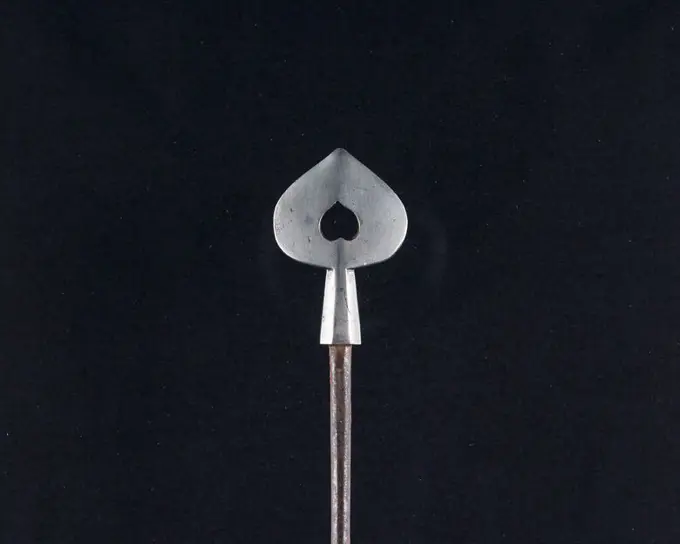
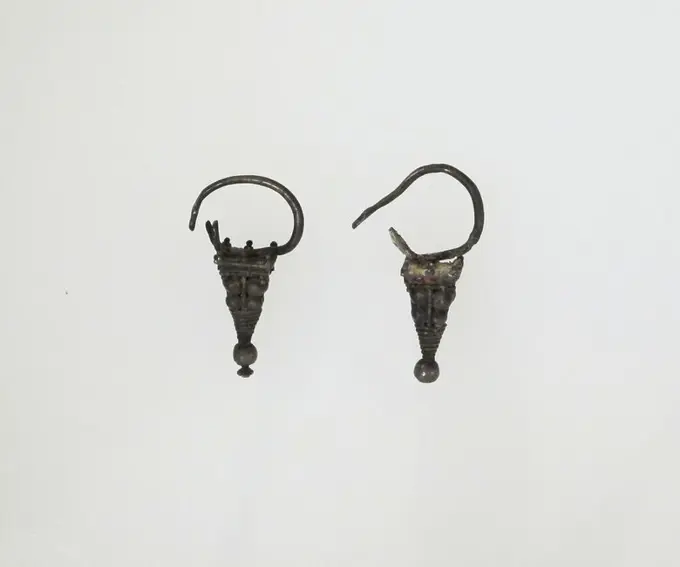
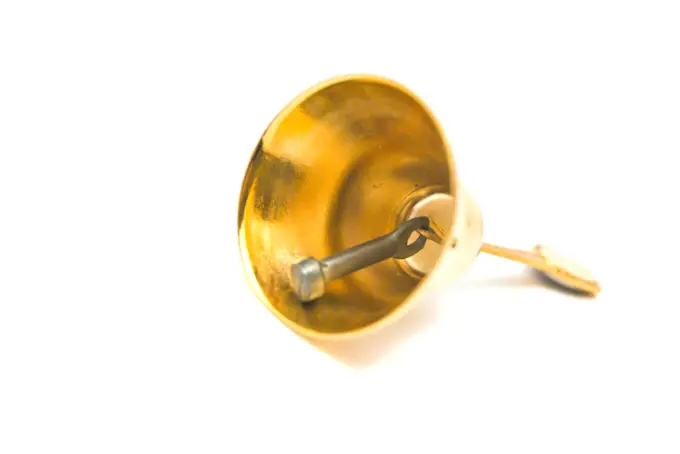
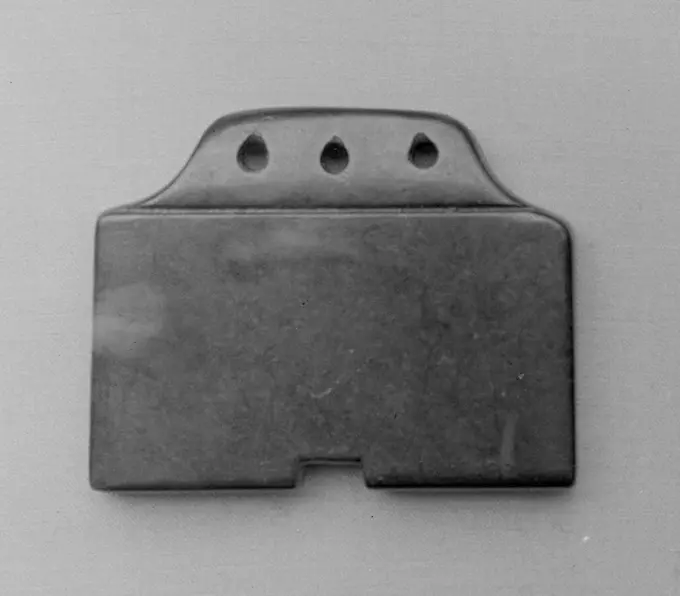
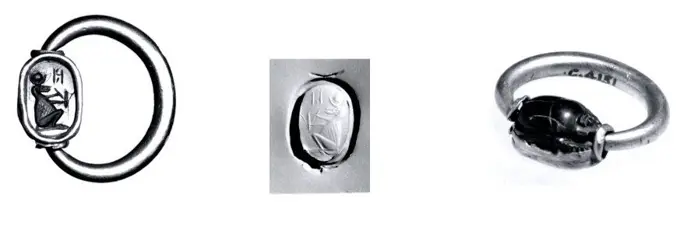
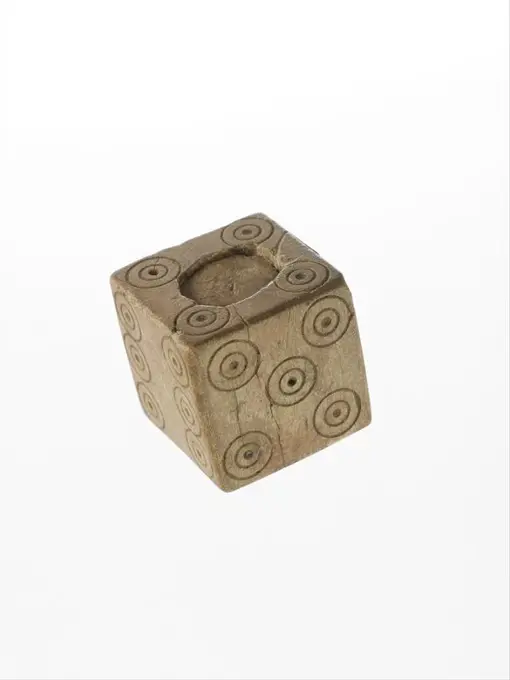
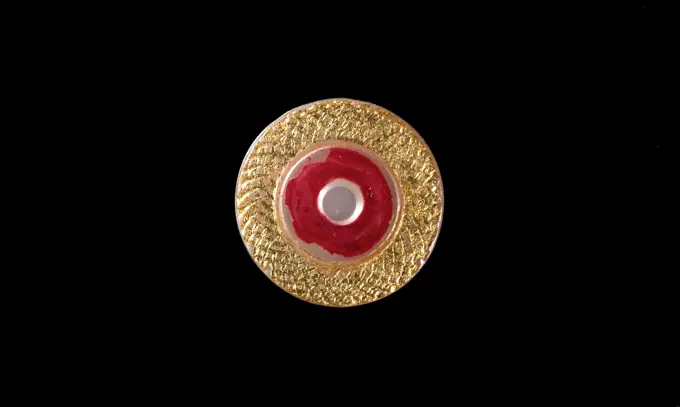
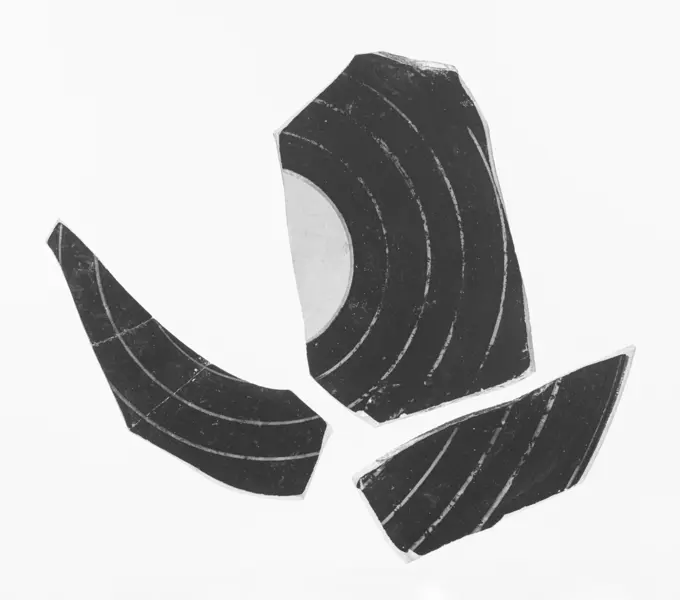
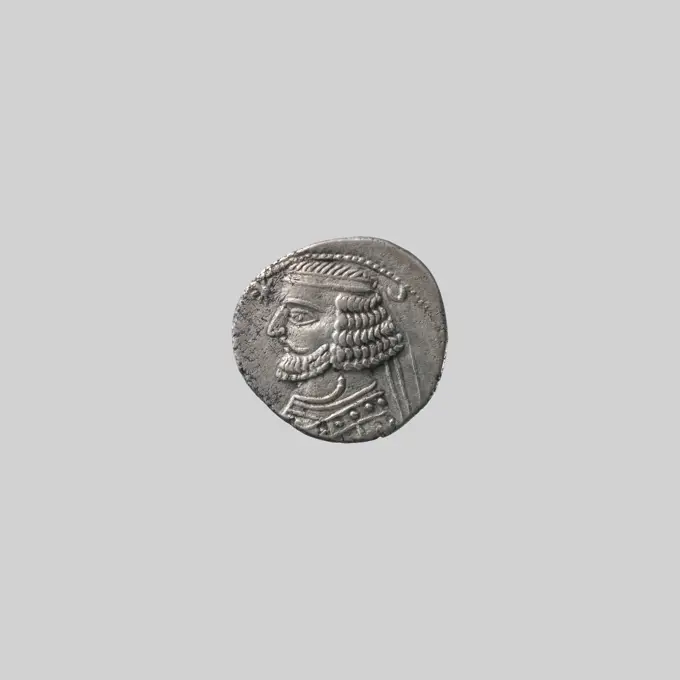
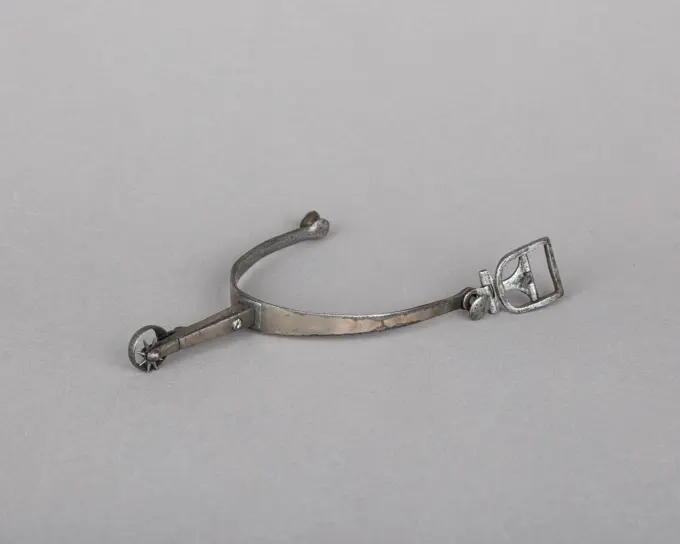
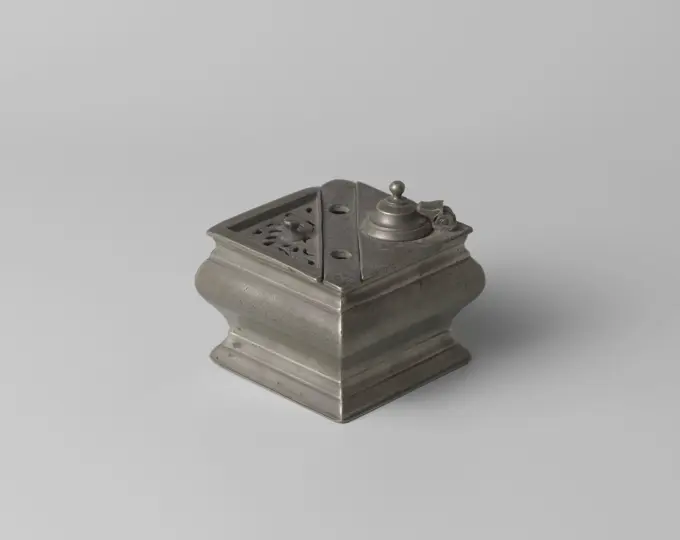
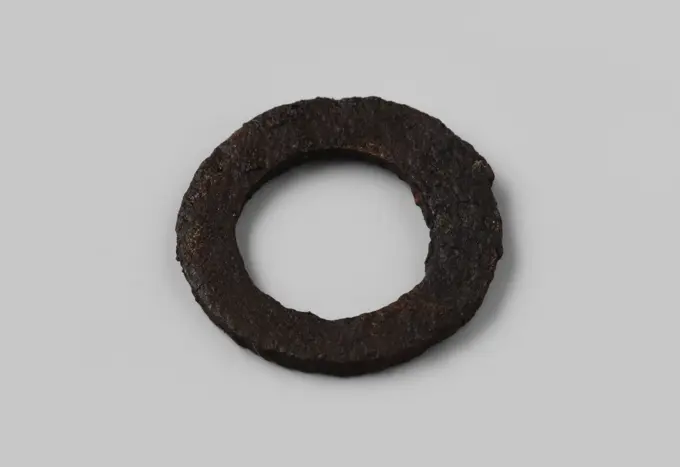
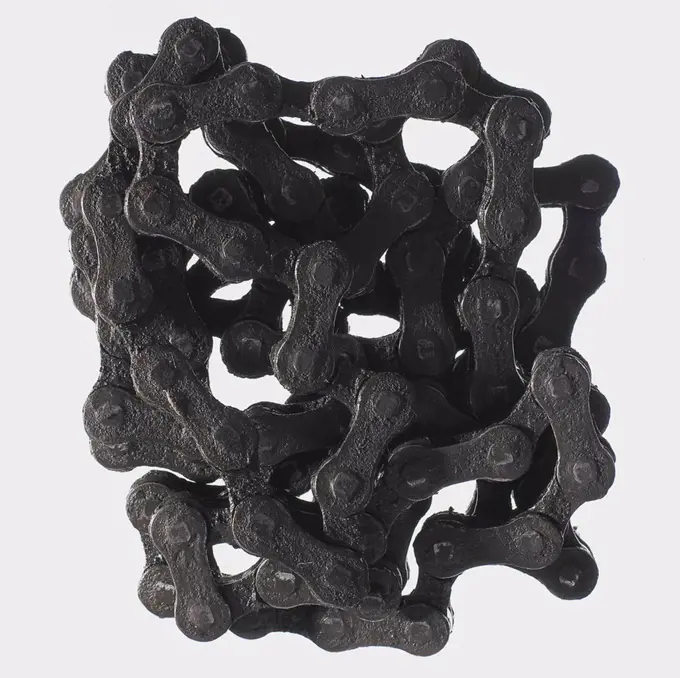
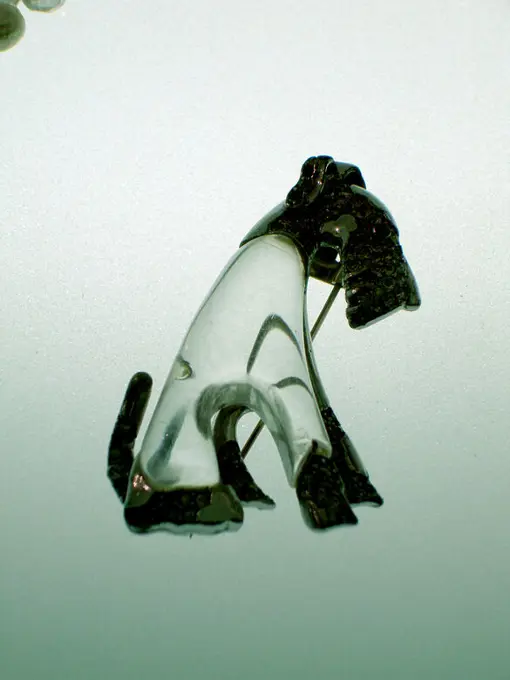
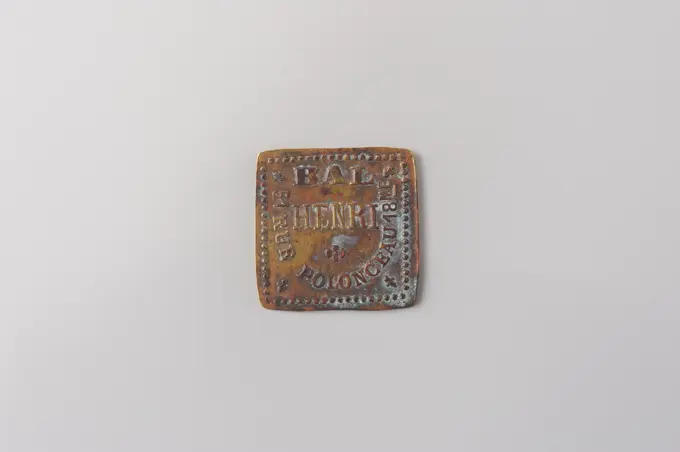
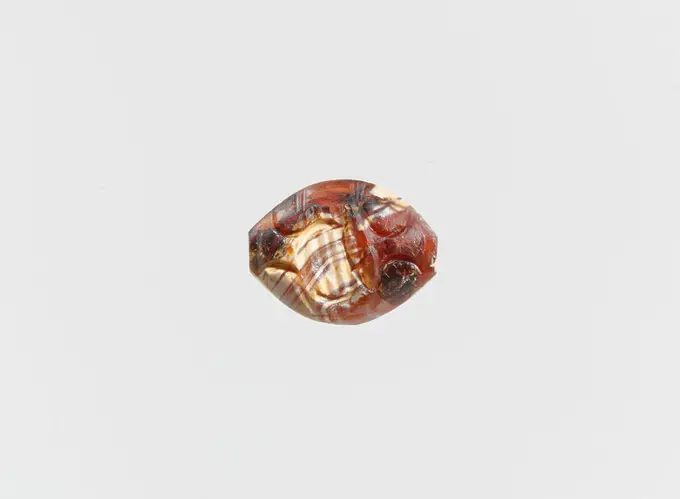
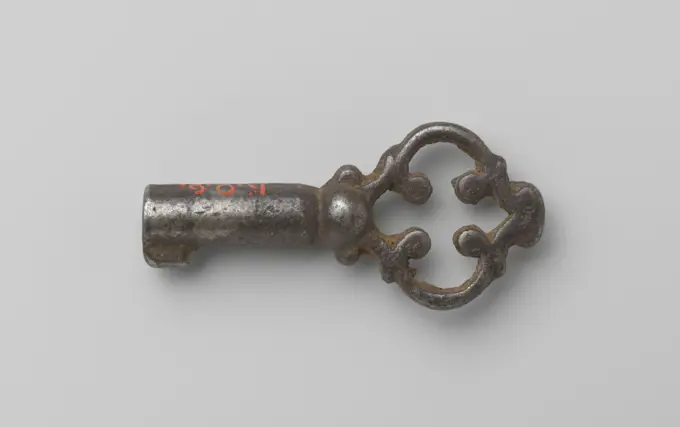
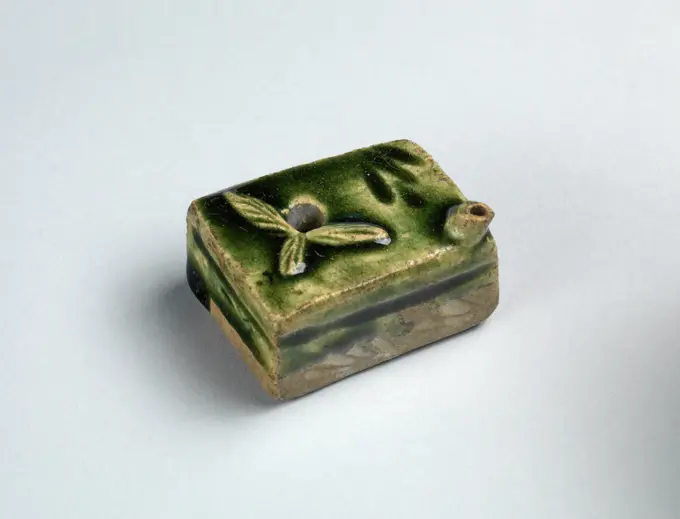
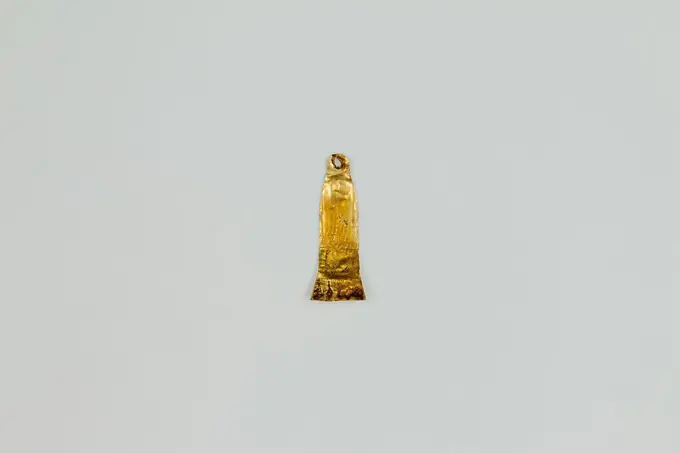
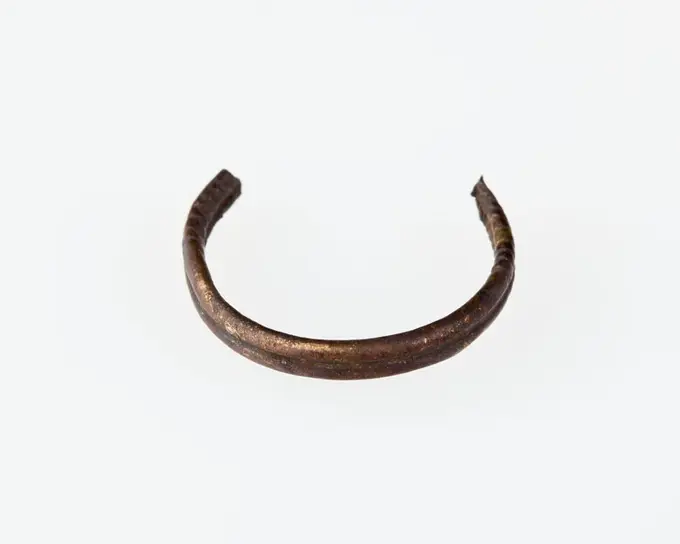
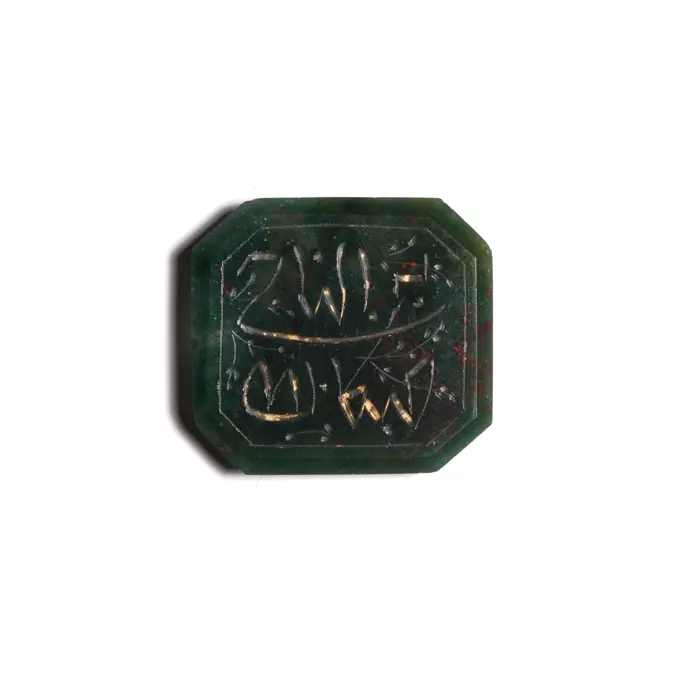
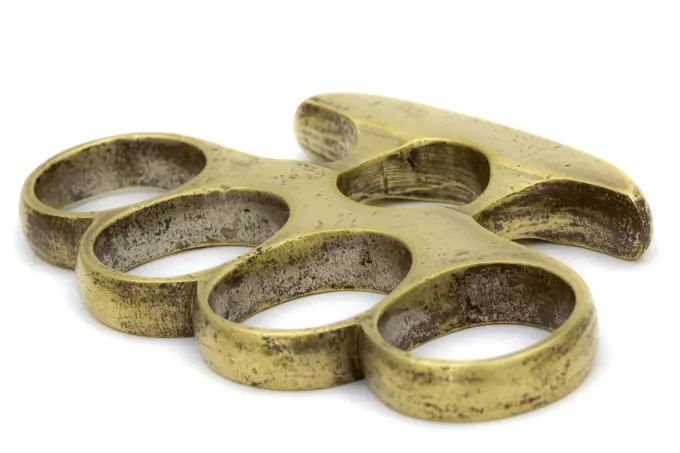
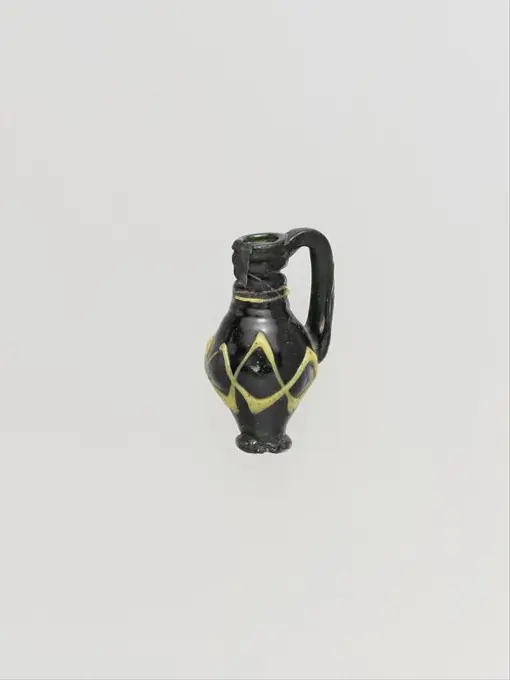
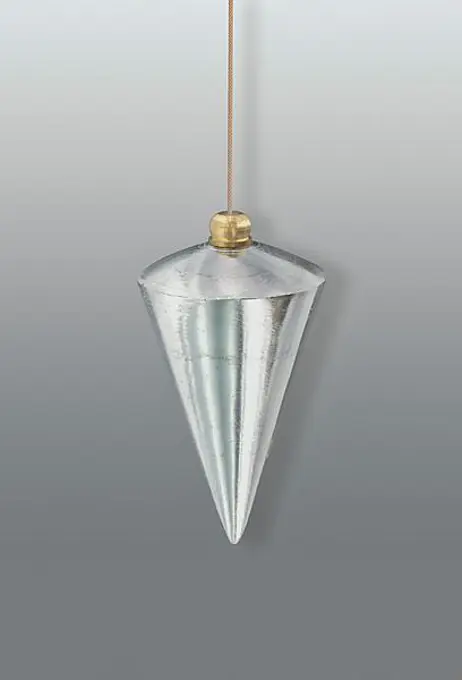
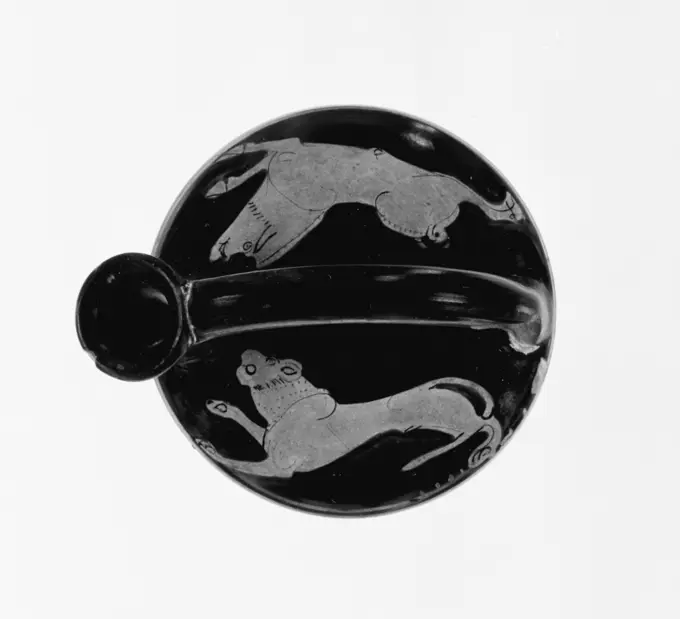
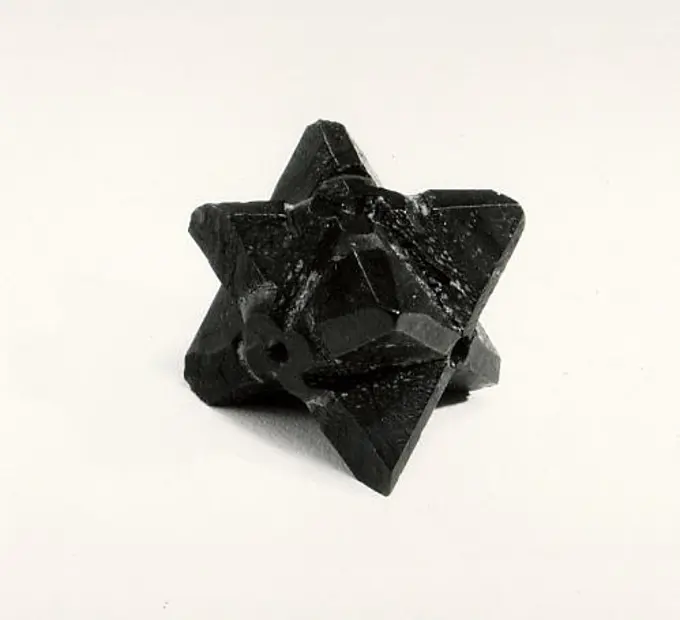
Stone font Letter U 3D Stone font Letter U 3D rendering illustration isolated on white background Copyright: xZoonar.com/MilicxDjurovicx 21521866Woman's Leg Matchsafe; brass; 7.7 x 2.7 x 1.8 cm (3 1/16 x 1 1/16 x 11/16 in. )Arrowhead (Yanone). Culture: Japanese. Dimensions: L. 7 3/8 in. (18.7 cm); L. of head 1 3/4 in. (4.5 cm); W. 1 1/8 in. (2.9 cm); Wt. 1.3 oz. (36.9 g). Date: 18th century. Museum: Metropolitan Museum of Art, New York, USA.Loop. United gang.Brooch -Bracelet China. Bracelet 42858Earring. Dimensions: Other (.44): 1/2 × 1/4 × 7/8 in. (1.3 × 0.7 × 2.3 cm)Other (.45 body): 1/4 × 1/4 × 9/16 in. (0.7 × 0.7 × 1.4 cm)Diameter (.45 loop): 7/16 × 1/8 × 9/16 in. (1.1 × 0.3 × 1.4 cm). Date: 5th-4th century B.C.. Museum: Metropolitan Museum of Art, New York, USA.Adhesive tape, elevated viewEngraved Scaraboid. UnknownBead ca. 1st century B.C.-1st century A.D. Parthian This round glass bead was excavated at Shahr-i Qumis in northern Iran, which has been identified as the ancient city of Hecatompylos, established by the Parthians as their capital by about 200 B.C. In Greek Hecatompylos means a hundred gates,’ suggesting that the city was quite large. Indeed, the modern archaeological site includes several mounds, only a few of which have been excavated, and a vast area covered with potsherds. The bead comes from Site XIII, a large building that was later deliberately filled with dirt, perhaps in order to create a funerary structure.The excavations at Shahr-i Qumis by the British Institute of Persian Studies in 1967 were co-sponsored by the Metropolitan Museum of Art. However, this bead was not discovered until 1971, and it was acquired from the British Institute as a result of the Met’s financial contributions to the Institute’s excavations at Tepe Nush-i Jan, another site in Iran. At the time the IL - Colorful oil painted alphabet isolated over the white backgroundBrochette of silver and blood coral, c. 1930 Brochette with two carré -faceted blood corals with a cannon closure. Netherlands silver (metal). coral (material) faceting Brochette with two carré -faceted blood corals with a cannon closure. Netherlands silver (metal). coral (material) facetingOld handbell close-up on white backgroundOld rusty jetty on the Strelasund, Ruegen Island, Baltic Sea coast, Mecklenburg-Western Pomerania, Germany, EuropeGirdle pendant China. Girdle pendant 43052Fragments Pipe stems from the wreck of the East Indians Hollandia, Anonymous, 1700 - in Or Before 1743  Pipe, stem; fragments, decoration id. 80H501 inscription (G VSCHUTT,GOUDA). Netherlands pipe clay   SecondSet of colored ceramic plates with transparent background.Fragment ca. 1150-ca. 1250 European or Middle Eastern. Fragment 694393Gold ring with carnelian scaraboid 6th-5th century B.C Cypriot An ape headed deity sits writing with tablet and pen in front of a single character.. Gold ring with carnelian scaraboid 243564Model or top grille. Simple model of a bram fall. Three curved transflies are on longitudinal lights, which are completely connected by a crossbar.Ivory die. Culture: Roman. Dimensions: Overall: 11/16 x 11/16 in. (1.7 x 1.7 cm). Date: ca. 1st-3rd century A.D..Dice were popular throughout antiquity for playing games and gambling. In addition, some cities in Roman Pisidia (southern central Turkey) had dice oracles, set up on stelae in the main square or forum, where citizens by the throw of the dice could gain advice from the gods about their public or private affairs. Museum: Metropolitan Museum of Art, New York, USA.Key;  2 after. XVII century (1695-00-00-1705-00-00);Gun-Lock Hammer, c. 1800-1825. England. overall: 6.4 x 3.8 cm (2 1/2 x 1 1/2 in.).Skuwka from the sword of the sword (Kashira); Suiyôdô, Toshimas; 19th century (1801-00-00-1900-00-00);Dice;  4th century (301-00-00-400-00-00);Beautiful sea shell on a white backgroundNekhbet amulet. Dimensions: l. 1.4 cm (9/16 in.) × h. 1.3 cm (1/2 in.). Dynasty: Dynasty 26-29. Date: 664-380 B.C.. Museum: Metropolitan Museum of Art, New York, USA.Knob () with the cartouche of Aya ca. 1327-1323 B.C. New Kingdom, Amarna Period. Knob () with the cartouche of Aya. ca. 1327-1323 B.C.. Faience. New Kingdom, Amarna Period. From Egypt. Dynasty 18Pair of Tweezers Second half of the 8th-second half of the 10th century Indonesia (Java). Pair of Tweezers 50117retro cartoon sticking plasterLazio Roma Subiaco Monastery of S. Scolastica Archaeological Museum4. Hutzel, Max 1960-1990 Antiquities: Views of antiquities in museum, including sarcophagi, plates, vases, coins. General Notes: Hutzel guide says we have negatives, but we cannot find them. German-born photographer and scholar Max Hutzel (1911-1988) photographed in Italy from the early 1960s until his death. The result of this project, referred to by Hutzel as Foto Arte Minore, is thorough documentation of art historical development in Italy up to the 18th century, including objects of the Etruscans and the Romans, as well as early Medieval, Romanesque, Gothic, Renaissance and Baroque monuments. Images are organized by geographic region in Italy, then by province, city, site complex and monument.Earring 7th century Frankish. Earring. Frankish. 7th century. Silver. Made in Niederbreisig, Germany. Metalwork-SilverStuiver, emergency coin from Breda, beaten during the siege by Spinola, Anonymous, 1625 coin. siege coin Unilateral, diamond -shaped emergency coin of Breda. Front: a stamp in round pearl edge: inscription and year above coat of arms between value indication. Reverse: Blanco Breda copper (metal) striking (metalworking)  BredaCape Diamond in matrix. Chromolithograph by an unknown artist from Edwin Streeter's "Precious Stones and Gems," London, George Bell & Sons, 1892. Streeter was a famous Victorian jeweller with a shop in London, and author of several books on precious stones.Model Tool from a Foundation Deposit ca. 1479-1458 B.C. New Kingdom. Model Tool from a Foundation Deposit. ca. 1479-1458 B.C.. Wood. New Kingdom. From Egypt, Upper Egypt, Thebes, Deir el-Bahri, Tomb of Senenmut (TT 353), Foundation deposit 5a, MMA excavations, 1926-27. Dynasty 18Cross Late Roman 7th centuryScheppig Carl (1803-1885), Etruscan bronze jet (11.10.1833): Details. Tusche watercolor on the box, 22.9 x 32 cm (including scan edges) Scheppig Carl  (1803-1885): Etruskisches BronzegefäßGold earring with glass pendant in the form of a bird. Culture: Phoenician. Dimensions: Overall (Pendant): 11/16 x 5/16 in. (1.7 x 0.8 cm)Diameter (Diameter of earing): 1/2 in. (1.3 cm). Date: late 5th-late 3rd century B.C..Glass pendant: Uncertain color appearing black.Hollow triangular shape, pressed flat and tooled into the shape of a bird (dove ) with small pointed beak above mouth and hollow eye rings; added suspension loop on back.Intact; dulling, pitting, and brilliant iridescence. Museum: Metropolitan Museum of Art, New York, USA.Pearl button engraved with concentric designs, 1790-1800. Manufacturer unknown, made in BirminghamAttic Black-Figure Cup Fragment. Attributed to the Wraith Painter (Greek (Attic))Drachm ca. 57-38 B.C. Parthian Numismatists - the scholars who study coins - refer to the front’ side of the coin, which usually features the head of a person or god, as the obverse,’ and the back’ side as the reverse.’On the obverse of this silver coin, a bust of the king faces to the left. He has a beard and wavy hair, and wears a diadem (the headband worn by victorious athletes in ancient Greece). He also wears a torque or necklace around his neck. A star is in front of his forehead, and a crescent is at the back of his head. A border of dots surrounds the image.The reverse shows a seated man facing right. He wears sleeves and trousers under a cloak, as well as a diadem and boots with laces. In his hand he holds a bow with the bowstring upwards. He sits on a high-backed throne. In front of him is a monogram, perhaps containing the Greek letter ?. A Greek inscription surround the man. The coin is struck off center, so part of the inscription is missing, but we know from other exaRetro cartoon with texture. Isolated on White.Model of a Connecting Rod, anonymous, c. 1840 - c. 1885 demonstration model. instruction model Wooden model of a short connecting rod for a steam engine, painted black. The eye for the floating axis can be varied by removing two bolts, which are secured with pens: on one side the eye consists of two halves, on the other side of three parts. Netherlands (possibly) wood (plant material). iron (metal)Joseph Goldberg, Metal Hand, c 1937 Metal HandSchlossschraube aus verschiedenen Perspektiven auf weißem Hintergrund Carriage bolt from different perspectives on a white background Copyright: xZoonar.com/BORISxZERWANNx 17046540False coin, crown penny, Ladislaus III of Varna (1434 1444)Rowel Spur (Left) late 18th - early 19th century German The rowel of this spur features a hinged ring which is left open when its owner is riding. When close, this ring prevents the rowel from scratch things (or people) when the wearer is walking.. Rowel Spur (Left). German. late 18th - early 19th century. Iron alloy, silver. Equestrian Equipment-SpursInkstel van Tin with triangular trays, Hendrik Jacobus van Kleef (I), c. 1785 Tin ink set. The square outer jar is on a profiled base that turns into convex walls. On top of a band is placed diagonally with two openings for pens. A triangular container can be placed on either side of the tire: an ink jar with a clock -shaped lid and one -a -cacky hinge and on the other side a container for sand that is open at the top and has a button. Rotterdam tin (metal) casting Tin ink set. The square outer jar is on a profiled base that turns into convex walls. On top of a band is placed diagonally with two openings for pens. A triangular container can be placed on either side of the tire: an ink jar with a clock -shaped lid and one -a -cacky hinge and on the other side a container for sand that is open at the top and has a button. Rotterdam tin (metal) castingSlot plat, c. 1400 - c. 1950 A final plate. Gothic.  iron (metal) A final plate. Gothic.  iron (metal)Karte von Distrito Federal do Brasil auf rostigem Metall - Map of Distrito Federal do Brasil on rusty metal Karte von Distrito Federal do Brasil auf rostigem Metall - Map of Distrito Federal do Brasil on rusty metal Copyright: xZoonar.com/lantapixx 14838465Pieczęć stemplowa (pięcioboczna) z przedstawieniami figuralnymi. unknown, authorRing -shaped fragment from the wreck of the East Indians Hollandia, Anonymous, 1700 - in Or Before 1743 fragment Varied parts or fragments, rings and ring-shaped fragments; circular, flat. Netherlands iron (metal)   SecondAnonymous, Staple for marked recall bar: Free French Africa (Emile Welter. QG 97 train DCR 397th Cie) for the colonial medal (attributed title), 1945. Welded metal. General Leclerc Museum of the Liberation of Paris - Jean Moulin Museum.An image of a nice vintage shieldChain on a white backgroundFragment ca. 1150-ca. 1250 European or Middle Eastern. Fragment 694231Rubber cables (samples with rubber clamps).Sweden, Blekinge, Blekinge, Karlskrona, Karlskrona, External War Gogs (depicted, City)Grahal-Manzara. Carnavalet 2013-2016 collection sites. Numismatics.Section of a Composite Bow from a Crossbow 15th century European. Section of a Composite Bow from a Crossbow 35675Carnavalet Museum, Footage CollectionBROCHE CON FORMA DE PERRO PROCEDENTE DE ESTADOS UNIDOS - 1940 - BISUTERIA - DISEÑO DE TRIFARI. Location: PRIVATE COLLECTION.Carnavalet museum, tokens collectionPair of armlets ca. 5th-4th century B.C.. Pair of armlets 327513Brooch -Amulet - pierścionek z ureuszem. unknown, authorSerpent, anonymous, c. 1800 - c. 1825 Wooden Serpent in C with leather exaggerated. Nine holes, the 1st, 5th and 9th of which with valves. The last two valves are at the rear. The flat, slightly bent, round valves are mounted in saddles. Valve and key are made of a piece of metal. The stir pipe of brass is removable. The top end of the wooden tube part is surrounded by a sleeve sleeve. With Ringet for carrying jobd. France wood (plant material). leather Wooden Serpent in C with leather exaggerated. Nine holes, the 1st, 5th and 9th of which with valves. The last two valves are at the rear. The flat, slightly bent, round valves are mounted in saddles. Valve and key are made of a piece of metal. The stir pipe of brass is removable. The top end of the wooden tube part is surrounded by a sleeve sleeve. With Ringet for carrying jobd. France wood (plant material). leatherBeads 8th-13th century This object was excavated at Nishapur.Nishapur was a vital city in the early and middle Islamic periods, located along one of the main trajectories that connected Iran and West Asia Islamic lands with Central Asia and China. These itineraries are often referred to by the term Silk routes’ but were in fact crucial to the movement of constellations of materials and objects, as well as people and ideas. The diverse population of Nishapur and its surroundings, from the better-researched elite groups of merchants, land-owning aristocracy, and literates, to the less-known artisans, farmers, miners, and servants, were instrumental in adapting global cultural trends to create their own distinctive visual languages. This is seen in the material remains of everyday life in medieval Nishapur - from pots and pans to lighting devices, inkwells, textiles and trimmings, jewelry, games and toys, talismanic devices, weapons, coins, and architectural fragments.Nishapur lost its pRusted old screw isolated on white backgroundCylindrical sealFragment Oijpesteel from the wreck of the East Indians Hollandia, Anonymous, 1700 - in Or Before 1743  Pipe, stem; fragment. Netherlands pipe clay   SecondRug weaver's tool 18th century French. Rug weaver's tool 204740Vase fragment Roman, Gaul Plant forms.. Vase fragment. Roman, Gaul. Terracotta. VasesBlade - insert to the sickle;  4-3 thousand BC (-4000-00-00--2001-00-00);Ring, AD 200 or later. China, Han dynasty (202 BC-AD 220) or later. Agate; diameter: 3.5 cm (1 3/8 in.).Seal. Culture: Minoan, Crete. Dimensions: Other: 1/2 x 5/8 x 1/4 in. (1.2 x 1.6 x 0.6 cm). Museum: Metropolitan Museum of Art, New York, USA.Roman belt buckle made of bronze from the Archaeological site of Complutum in Alcalá de Henares ( Madrid ). SPAIN.Pipe key, c. 1700 - c. 1725 Pipe key whose round handle is formed from two C-Voluten, resting towards each other, resting on two volutes and covered by a saddle.  iron (metal) Pipe key whose round handle is formed from two C-Voluten, resting towards each other, resting on two volutes and covered by a saddle.  iron (metal)Water dropper in the shape of a box, decorated with sparrow and bamboo, early 17th century, Unknown, 1 × 1 3/4 × 1 3/8 in. (2.54 × 4.45 × 3.49 cm), Oribe ware; green glazed stoneware, Japan or Korea, 17th centuryOrange spinel gem in tweezers. Jewelry shopping for birthday, Valentine Day, other holiday. Gemologist or jeweller holding burmese spinel, macro shot on gray background. Red burmese spinel in tweezersPieczęć stemplowa. nieznany warsztat egipski, craftsmanBliżej Kultury Knedler, Jan (1867-1926)Aper amulet. Dimensions: l. 1.6 cm (5/8 in.) × h. 0.6 cm (1/4 in.). Dynasty: Dynasty 26-29. Date: 664-380 B.C.. Museum: Metropolitan Museum of Art, New York, USA.US dollar bills form a circle still life.Bell ca. 3rd-7th century A.D. Sasanian. Bell 323304Stone font Letter P 3D Stone font Letter P 3D rendering illustration isolated on white background Copyright: xZoonar.com/MilicxDjurovicx 21521950Glass Fragment 14th century British. Glass Fragment. British. 14th century. Colorless glass. Glass-StainedFragment of a ring. Dimensions: L: 5 x Th. 0.2 cm (1 15/16 x 1/16 in.). Date: 304 B.C.-A.D. 364. Museum: Metropolitan Museum of Art, New York, USA.Amulet with rite inscription;  XVIII-XIX century (1701-00-00-1900-00-00);Arabic (culture), inscriptions, art of IslamBLUE BERYL, STONE AGAINST BLACK BACKGROUNDBrass knuckle-duster, weapon for hand, isolated on white background Brass knuckle-duster, weapon for hand, isolated on white background Copyright: xZoonar.com/OleksandrxKostiuchenkox 8897217. A heavy padlock with copper mounted o.a. with two lions. Style Louis XV. With two keys. Signature.An old padlock.Earring-loop type, hammered flat. Earring-loop type, hammered flat 243273Earring, baule type Etruscan View more. Earring, baule type. Etruscan. Gold. Gold and SilverGlass pendant in the form of a miniature jug. Culture: Roman. Dimensions: 1 1/16 × 9/16 × 1/2 in. (2.8 × 1.5 × 1.3 cm)Diam. of foot: 1/4 in. (0.7 cm). Date: 4th-5th century A.D..Semi-opaque dark green, appearing opaque black; handle in same color; trails in opaque yellow.Biconical body; rounded rim; slender cylindrical neck with spiral ribbing; pad base; handle applied to body over decoration, drawn up vertically, turned in, and attached to rim.Fine trail wound twice round lower part of neck; on body, double zigzag trails forming lozenge pattern.Body intact, but chip in neck and rim and in base; faint dulling and slight pitting.One-handled vase; opaque black with yellow threads applied plastically. Museum: Metropolitan Museum of Art, New York, USA.Plumb bob with cordTile, Pressed glass, Blue square with flat border. Relief design of a vine with four leaves forming a circle, on a textured ground., USA, ca. 1880, glasswares, Decorative Arts, TileAttic Red-Figure Askos. UnknownThe drain of a bathtub.Bead 8th-13th century This object was excavated at Nishapur.Nishapur was a vital city in the early and middle Islamic periods, located along one of the main trajectories that connected Iran and West Asia Islamic lands with Central Asia and China. These itineraries are often referred to by the term Silk routes’ but were in fact crucial to the movement of constellations of materials and objects, as well as people and ideas. The diverse population of Nishapur and its surroundings, from the better-researched elite groups of merchants, land-owning aristocracy, and literates, to the less-known artisans, farmers, miners, and servants, were instrumental in adapting global cultural trends to create their own distinctive visual languages. This is seen in the material remains of everyday life in medieval Nishapur - from pots and pans to lighting devices, inkwells, textiles and trimmings, jewelry, games and toys, talismanic devices, weapons, coins, and architectural fragments.Nishapur lost its po