Historical Buckles And Accessories

A collection of ancient buckles, brooches, and fibula fragments from various cultures, showcasing intricate designs and historical significance.

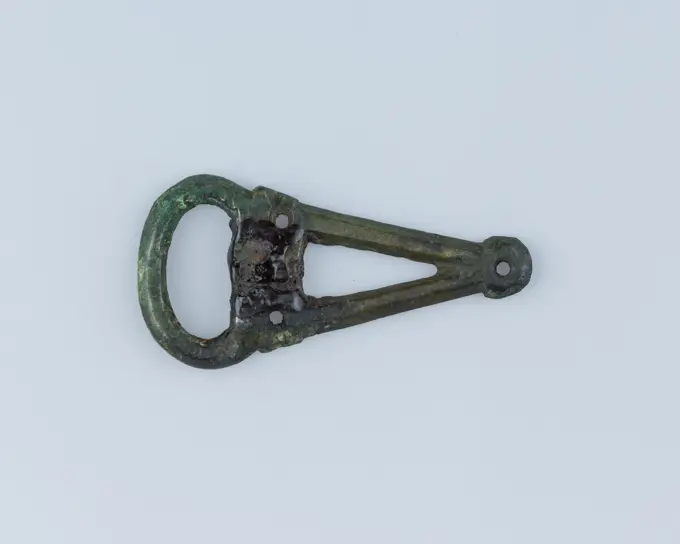
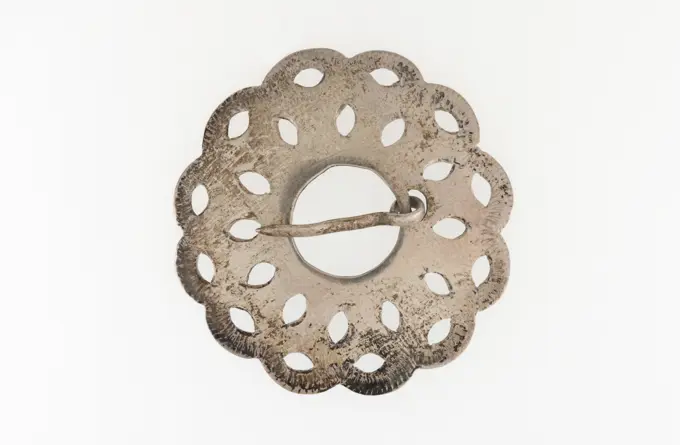
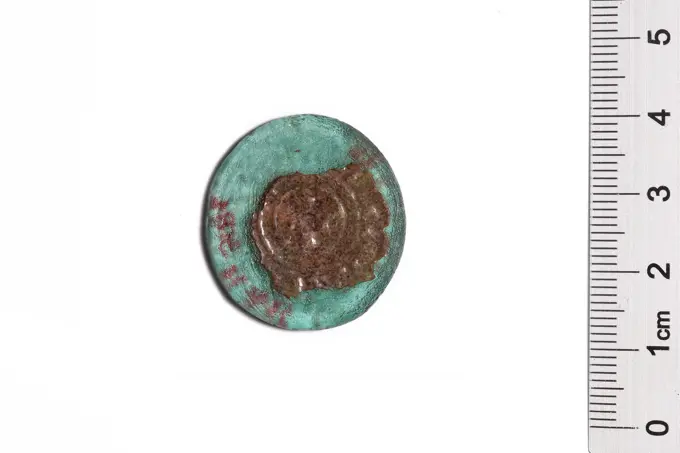
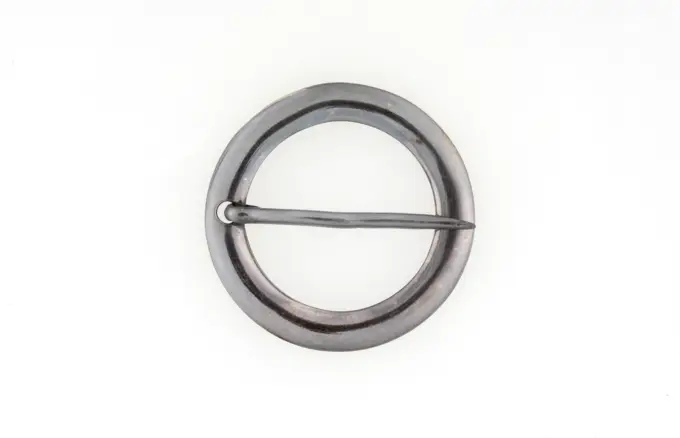
Buckle 15th-16th century European. Buckle. European. 15th-16th century. Bronze. Miscellaneous-Buckles & Ornament
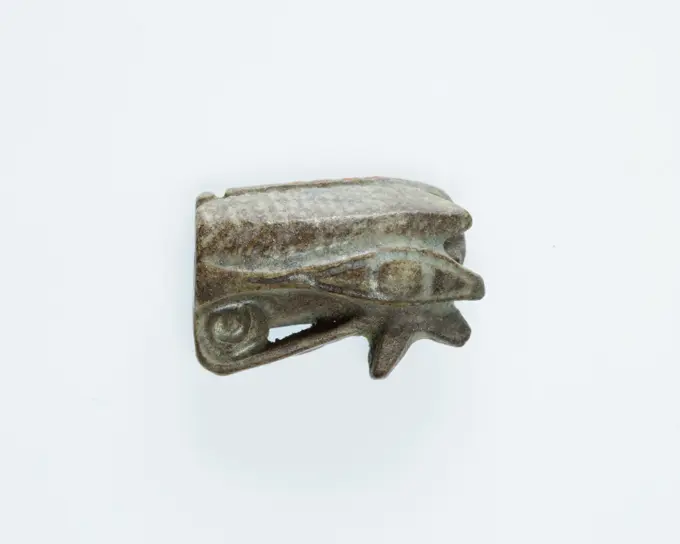
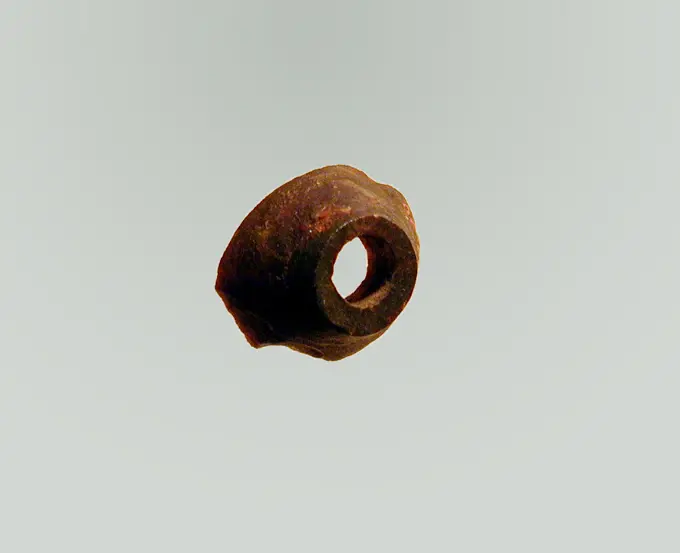
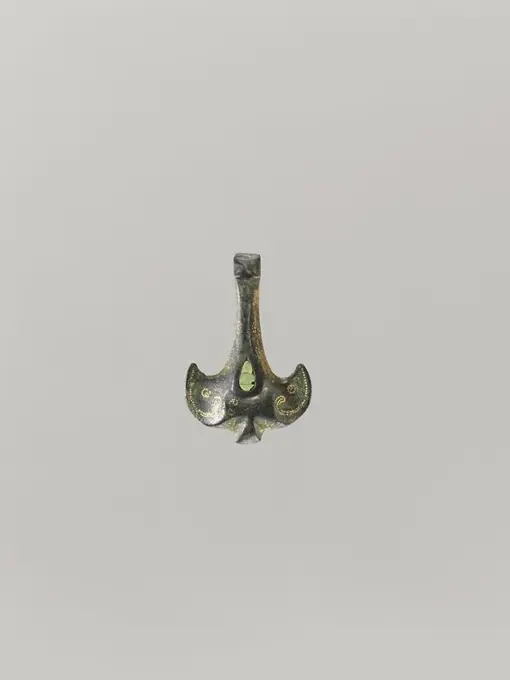
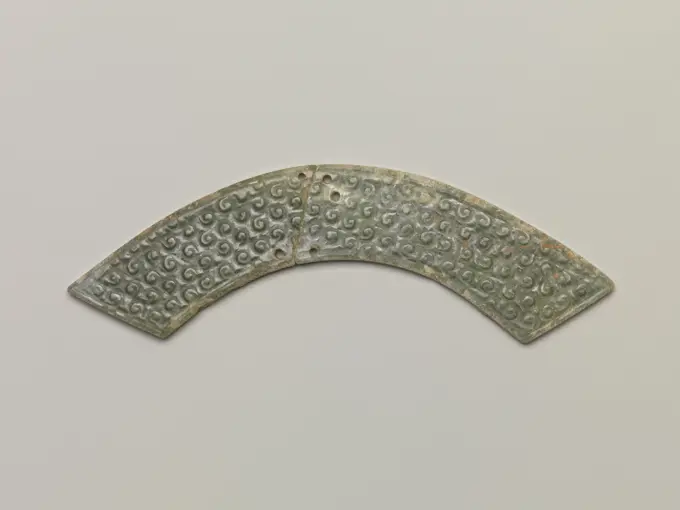
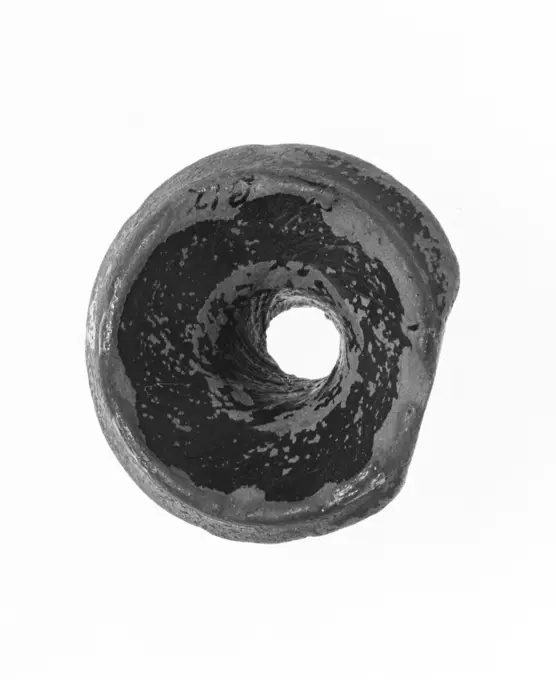
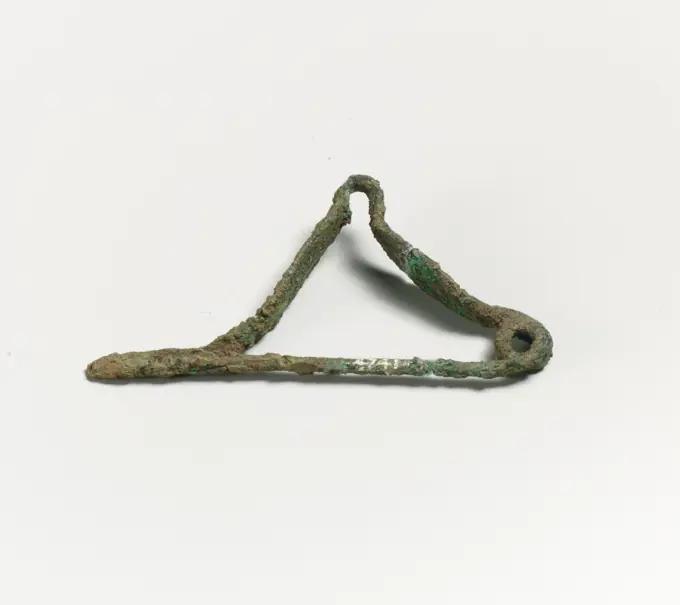
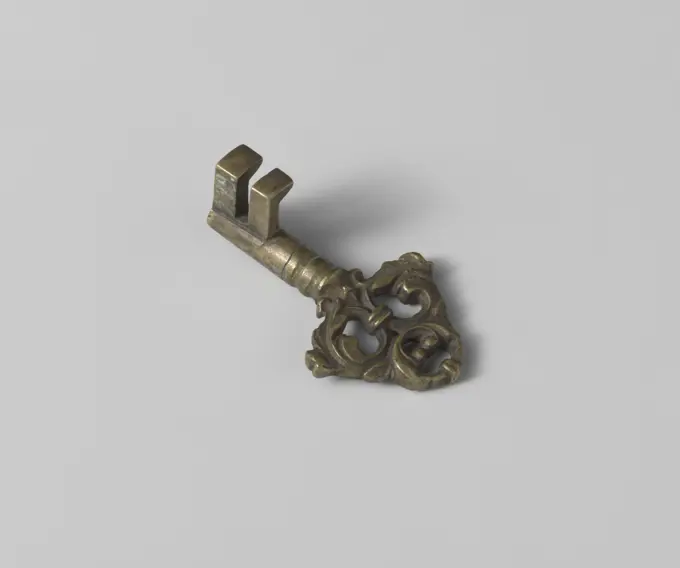
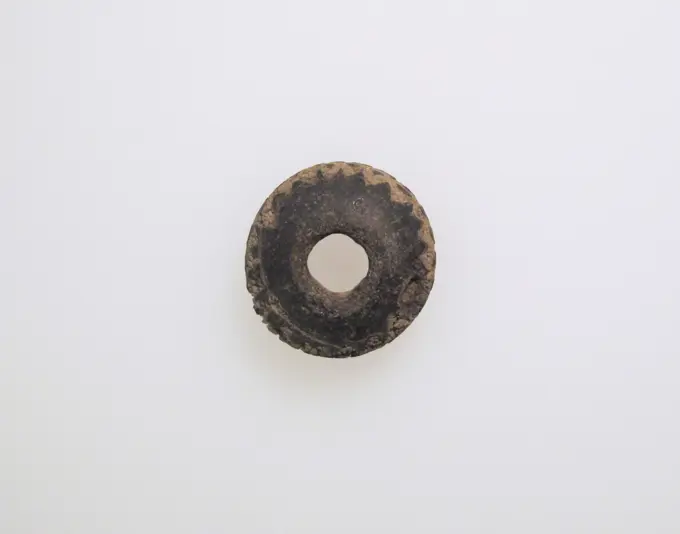
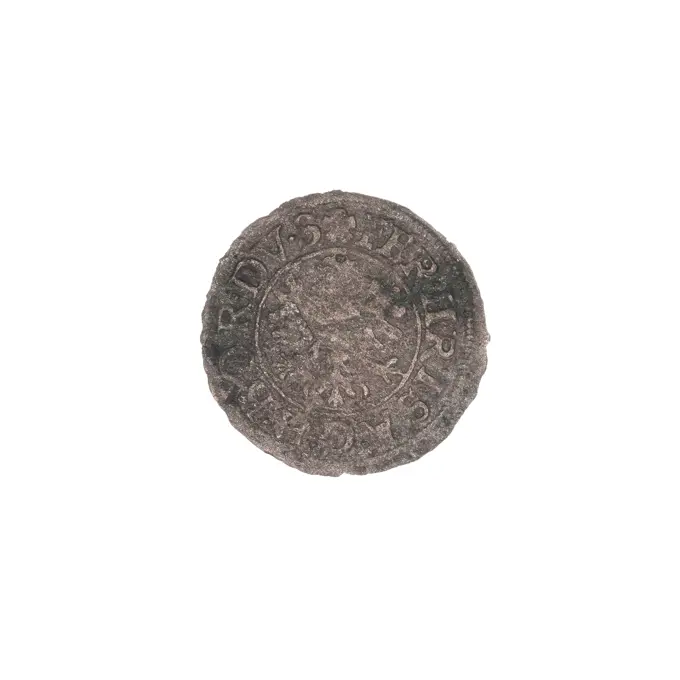
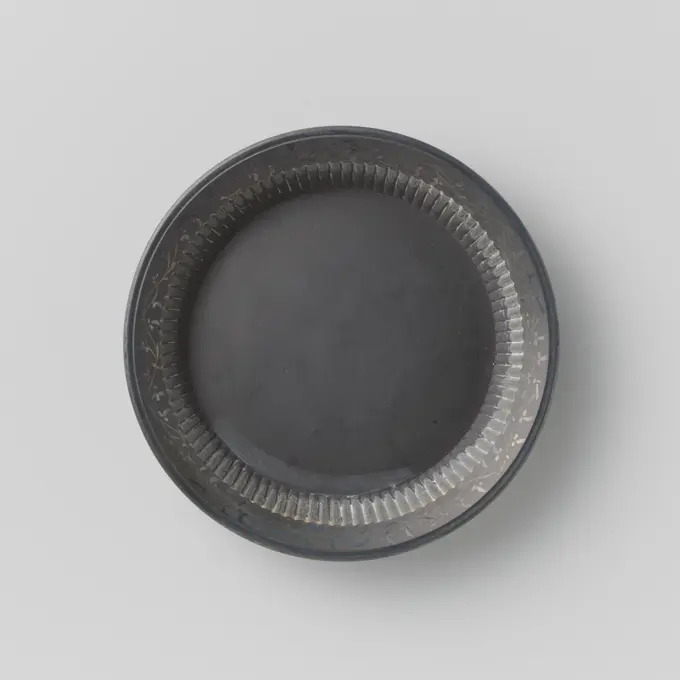
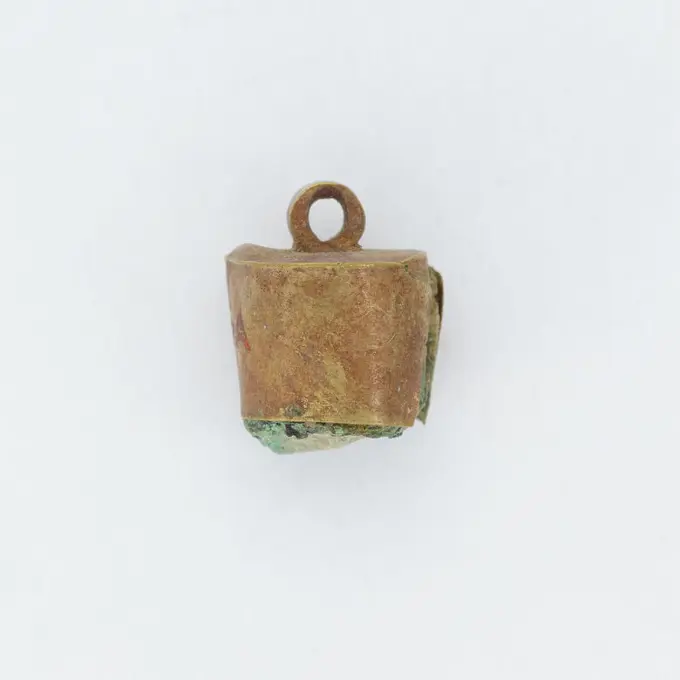
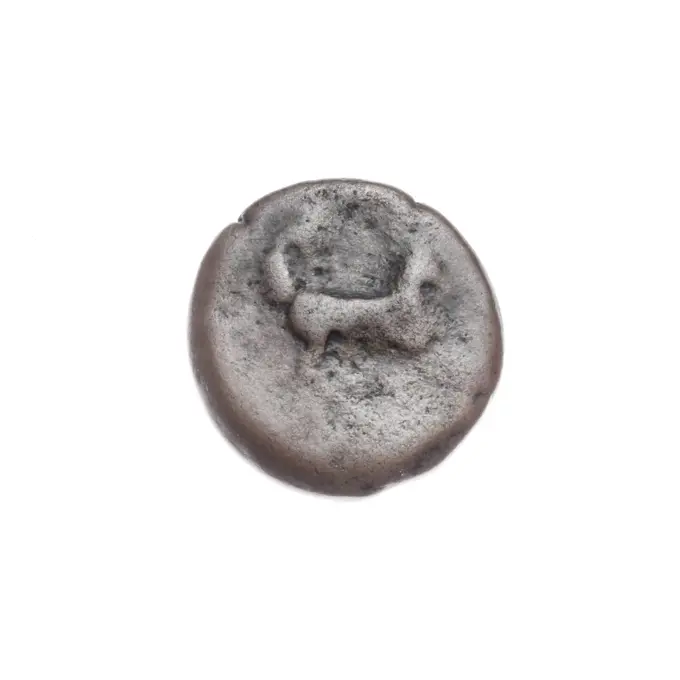
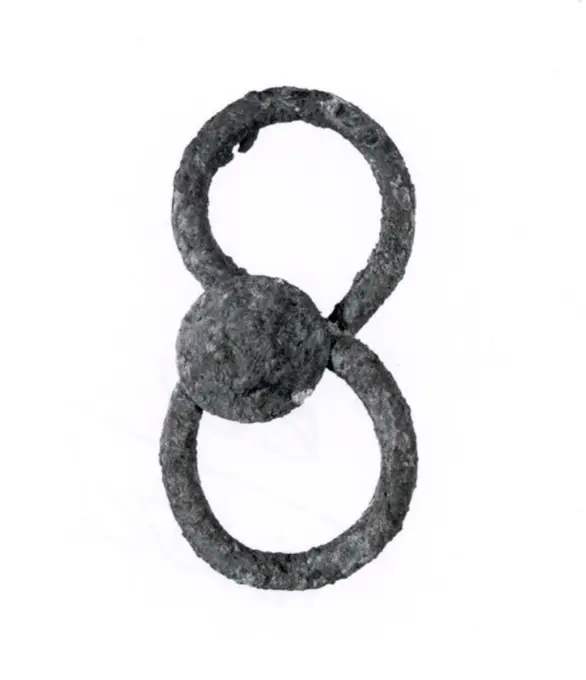
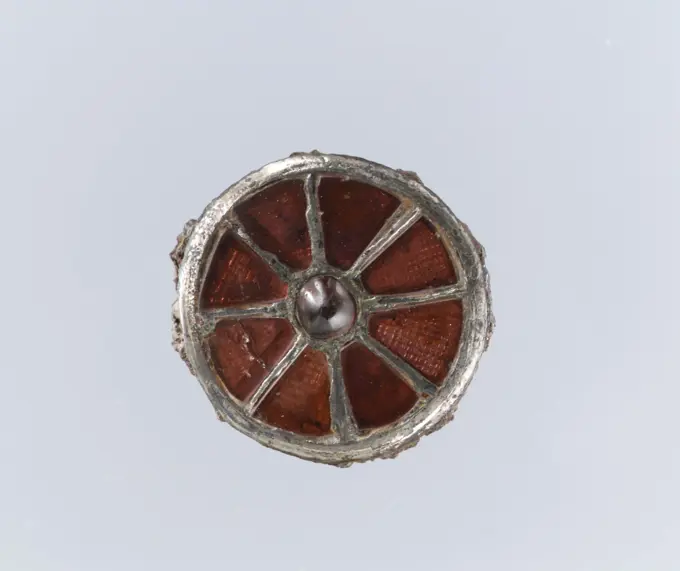
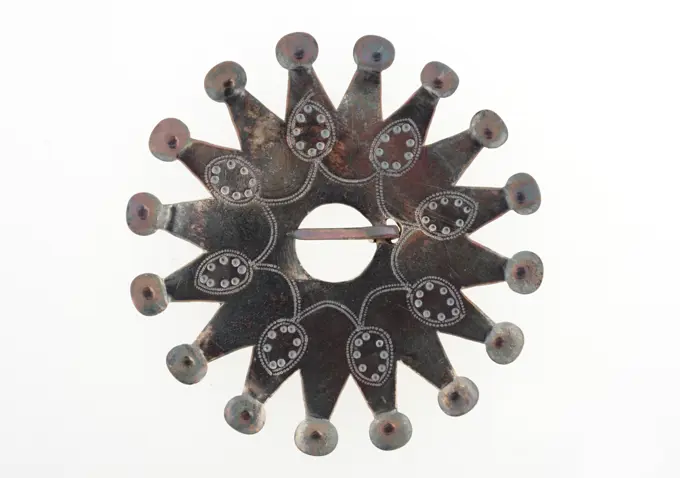
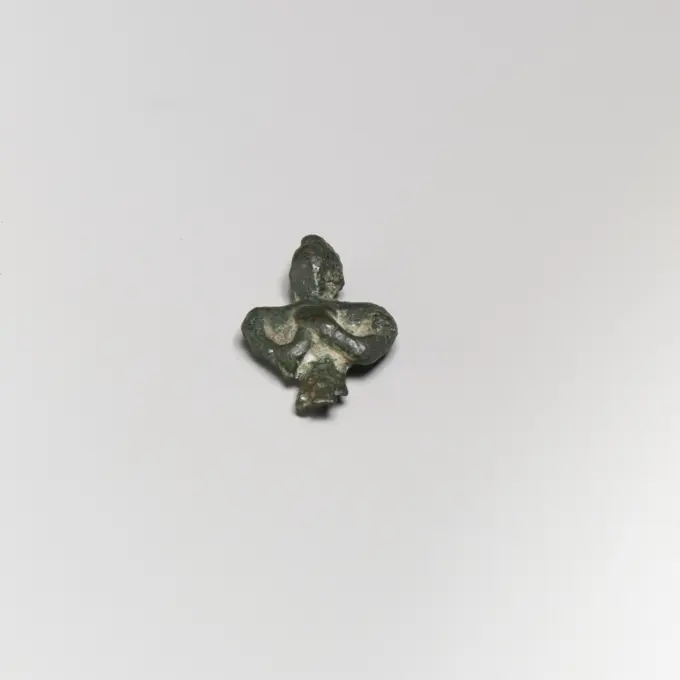
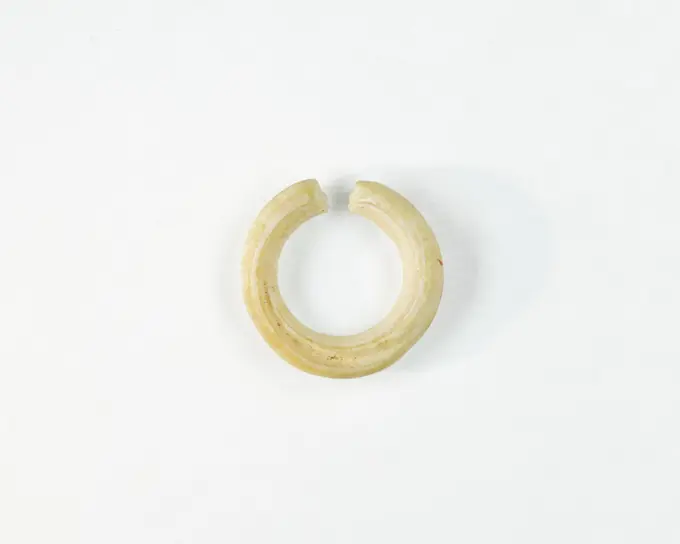
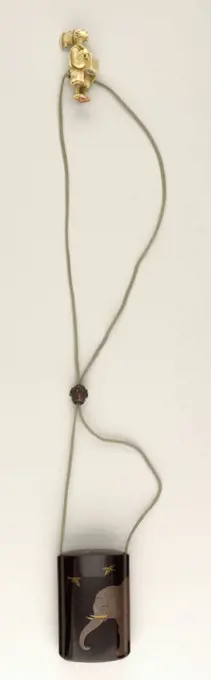
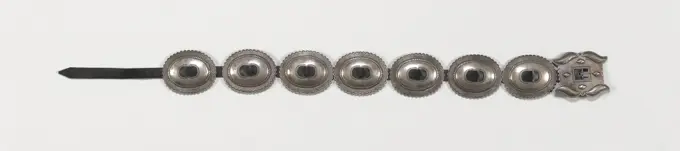
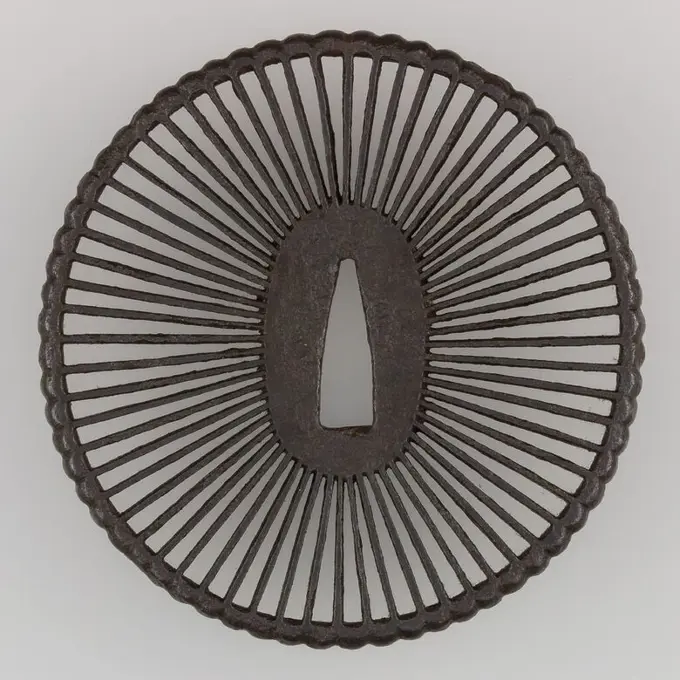
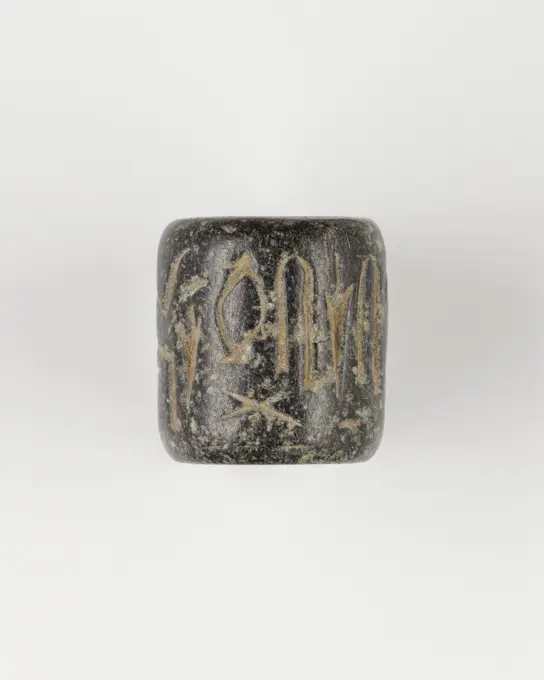
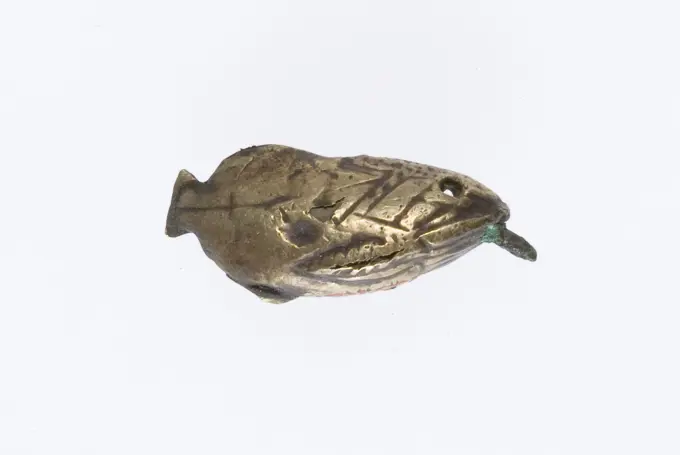
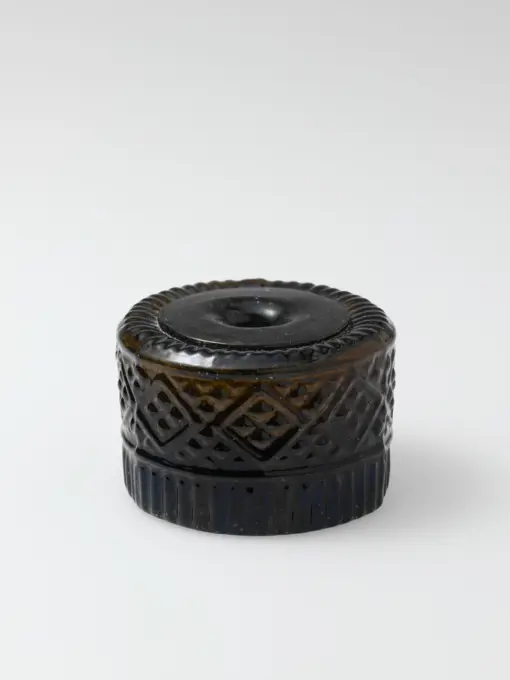
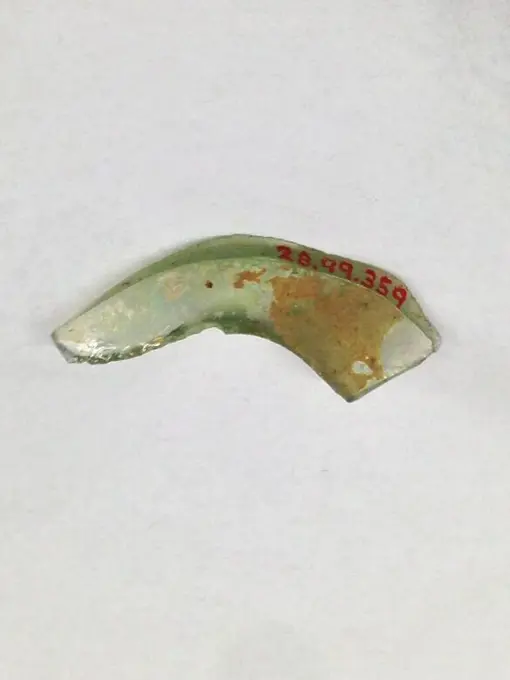
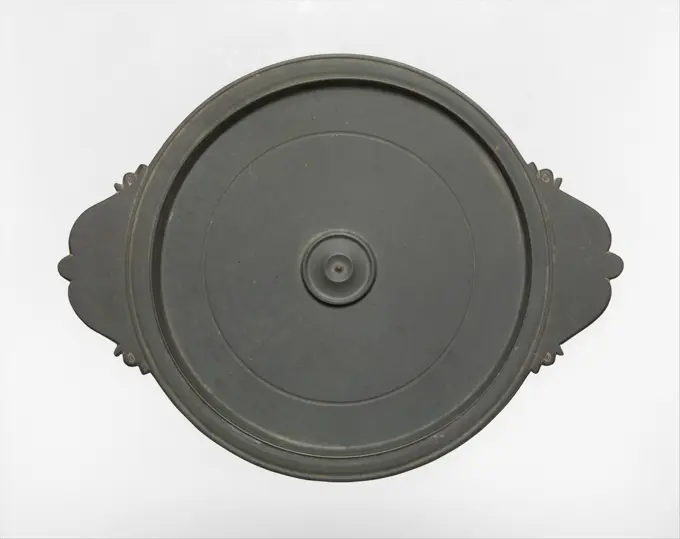
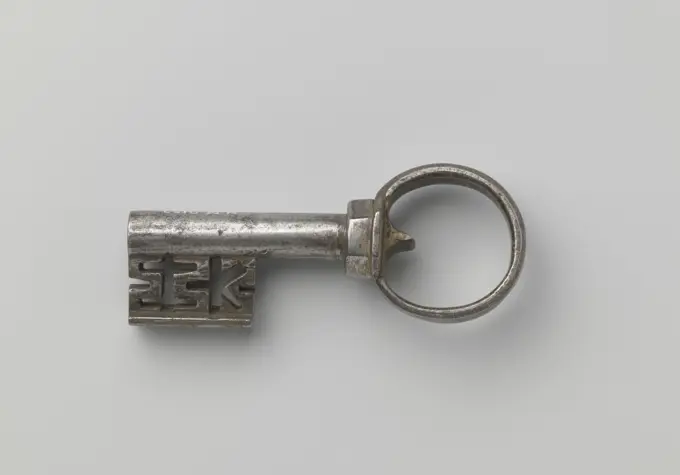
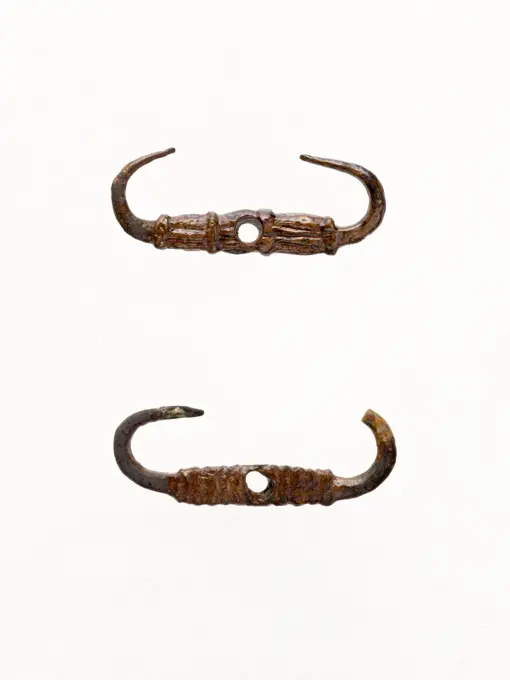
Buckle 15th-16th century European. Buckle. European. 15th-16th century. Bronze. Miscellaneous-Buckles & OrnamentBrooch -Fibula, fragment 7th-6th century B.C. Etruscan Cone shaped with truncated top and hole through it.. Fibula, fragment. Etruscan. 7th-6th century B.C.. Amber. Archaic. Miscellaneous-AmberBead Roman. Bead. Roman. Glass. GlassClip van Schede from the wreck of the East Indians Hollandia, Anonymous, 1700 - in Or Before 1743 sheath Fragm, tapering tongue with single drop pattern, looped top with heart-shaped end, 2 marks legible coat of arms of Amsterdam, HDF. Netherlands silver (metal)   SecondBelt Hook. Culture: China. Dimensions: W. 1 1/8 in. (2.9 cm); L. 1 11/16 in. (4.3 cm). Museum: Metropolitan Museum of Art, New York, USA.Voltaire, Wedgwood, English, established 1759, Unglazed stoneware ('black basalt'), Oval, with molded border. Head and shoulder portrait, in profile to left, showing François-Marie Arouet, Voltaire (1694-1778). Slot at top for suspension., England, 1767-1780, ceramics, Decorative Arts, Portrait medallion, Portrait medallionBrakedate Halter; 15th century (1401-00-00-1500-00-00);Dzik's head (iconogr.), Unilateral coins, city coinsBrooch -Ring 600 BCE-400 BCE China. Jade .Arc-shaped pendant (Huang) 5th century B.C. China. Arc-shaped pendant (Huang) 75283Brooch -Carnavalet museum, medal collection Right to the left of Louis-Napoléon Bonaparte; Reverse registration on four lines.Lekythos Fragment. UnknownFibula Cypriot. Fibula 244431Rosette 16th century Austrian. Rosette. Austrian. 16th century. Brass. Miscellaneous-Buckles & OrnamentBuckle ca. 500-700 possibly Frankish. Buckle. possibly Frankish. ca. 500-700. Bronze. Niederbresig. Miscellaneous-Buckles & OrnamentBuckle fragment With circular rim and tongue fastened at one end with a sliding loop.. Buckle fragment 246783Pipe key, c. 1700 - c. 1800 Pipe key whose triangular handle consists of together bound leaves. The dual beard is placed perpendicular to the handle. Short shaft.  copper (metal) Pipe key whose triangular handle consists of together bound leaves. The dual beard is placed perpendicular to the handle. Short shaft.  copper (metal)Rosette ca. 1540 French. Rosette. French. ca. 1540. Brass. Miscellaneous-Buckles & OrnamentPrick Spur possibly 2nd-1st century B.C. possibly Roman or Celtic Spurs have been found in Celtic and Greek contexts from the 5th century B.C. onwards. In high antiquity, they were not used in pairs, but rather as a single accessory attached to only one of the feet, usually on the left. The first pairs are recorded in some Greek regions in the late 2nd century B.C. They were used, as they are today, for directing a horse to move forwards. The prick spur was the first type of spur to be invented, and it consists of a goad or prick, more or less pointed, connected to side arms or a heel plate. The earliest spurs were probably simple thorns attached at the back of the heel or ankle, before they began to be made out of metal.. Prick Spur. possibly Roman or Celtic. possibly 2nd-1st century B.C.. Copper alloy (bronze). Equestrian Equipment-SpursBrooch -Fragment handle of vascular work from the wreck of the East Indians Hollandia, Anonymous, 1700 - in or before 1743  Vessel part, handle; fragm, sim. NG 1980-27H1299. Netherlands glass   SecondMessenlift ring from the wreck of the East Indians Hollandia, Anonymous, 1700 - in Or Before 1743  Knife-handle, ferrule; ring, circular. Netherlands copper (metal)   SecondLuckenbooth brooch -Candlestick; pewterArched fibula; Unknown Roman workshop; 75-150 (75-00-00-150-00-00);Disc (bi) 300 BCE-100 BCE China. Jade .Bead Roman. Bead. Roman. Glass. Glassheller. Legnica, issuerKrajcar; Ferdinand II (Roman-German emperor; 1619-1637), Kirchner, Samuel (Fl. 1621-1622); 1622 (1622-00-00-1622-00-00);Crowns, city coins, Silesian Eagle (iconogr.), EaglesModel of a Slip Hook for Lifeboats, Petrus van der Loo, 1857 demonstration model Wooden model of a slip hook, painted gray, consisting of two parts: a Kram, which is fixed with an eye in the floor of the boat, and a key with an eye for the hoist of the davit and a thick end with V-shaped grooves. This is not possible due to the opening of the Kram, which is reduced by thicker legs and clamps the key. Only when the boat is in the water and the tension of the hoist is gone, the key falls due to its own weight and the hoist is released. The grooves prevent the key from sliding out of the Kram. The Hague wood (plant material). paint (coating)Wreaths, 11 Greek, Laconian. Wreaths, 11. Greek, Laconian. Lead. Miscellaneous-LeadBrooch -Notched Disc. China. Date: 1200 BC-1000 BC. Dimensions: 12.7 × 11.7 × 0.2 cm (5 × 4 5/8 × 1/16 in.). Jade. Origin: China. Museum: The Chicago Art Institute, Chicago, USA.'I Am W.W. King, Who The Devil Are You', rolled, cut and engraved brass, Rectangular, rounded sides, featuring word/picture rebus, inscribed 'I Am W.W. King, Who The Devil Are You', with incised image of devil with pitchfork that appears after 'The' and before 'Are' in text. Reverse inscribed with monogram WWK. Thin, flat lid hinged on upper left. Striker on bottom., USA or England, late 19th century, containers, Decorative Arts, Matchsafe, MatchsafeBead ca. 3rd-7th century A.D. Sasanian. Bead. Sasanian. ca. 3rd-7th century A.D.. Glass. Sasanian. Iran, Qasr-i Abu NasrAttic Red-Figure Cup Fragment. UnknownWedjat Eye Amulet ca. 1427-1400 B.C. New Kingdom. Wedjat Eye Amulet. ca. 1427-1400 B.C.. Steatite (glazed). New Kingdom. From Egypt. Dynasty 18Brooch -Shoe buckle, buckle fastener component soil find bronze copper metal, cast shoe buckle Rectangular shape rounded corners. Slight curved model archeology Rotterdam railway tunnel attaching footwear adorning fastening shoe shoe Soil discovery: trajectory Rotterdam rail tunnel.Scale of earthenware, Neale & Palmer Black Basalt. Round scale of pottery, black basalt. The edge of the bowl is ribbed along the inner edge and has a silver-colored leaf drink along the outer edge.Cap probably from a cylindrical pendant. Dimensions: W. 0.8 × H. 1 cm (5/16 × 3/8 in.). Dynasty: Dynasty 13, mid. Date: ca. 1750 B.C.. Museum: Metropolitan Museum of Art, New York, USA.Bangle 1500-500 B.C. India. Bangle 50579Pipe key, c. 1600 - c. 1699 Pipe key with handle formed from composite leaf vines. Cross -shaped occupation of the beard. The capital is spherical, the shaft at the top profiled.  iron (metal) Pipe key with handle formed from composite leaf vines. Cross -shaped occupation of the beard. The capital is spherical, the shaft at the top profiled.  iron (metal)Dragon Pendant, 1027-775 BCE, 1 5/8 x 1 5/8 x 5/16 in. (4.13 x 4.13 x 0.79 cm), Translucent white-grey jade, China, 11th-8th century BCESword guard (tsuba), late 19th century, Unknown Japanese, 2 7/8 x 2 7/8 x 1/4 in. (7.3 x 7.3 x 0.64 cm), Iron, Japan, 19th centuryBi dish. Jade, China, Iv-Iie s. to. J.-C. Par musée musée malée. Asian art, Chinese art, Asian civilization, Chinese civilization, JadeClose up of a crescent wrench.Fibula Cypriot. Fibula 242639Brown coin; Chersonez; 330-320 BC (330-00-00-320-00-00);Artemida (mitol.), Artemis on the margin (iconogr.), Artemis with a torch (iconogr.), Nadczarzyorze, Terlecki, Ignacy (1860-1916), Terlecki, Ignacy (1860-1916)-collection, Biga (iconogr.), Panthers, carts, purchase (provenance), animalsPair of Sword Guards (Tsuba) early 19th century Inscribed on the inner face of each tsuba by Sunagawa Mao-Yoshi Japanese A tsuba is a sword guard and part of a sword mounting. It is mounted between the swords blade and grip to protect the users hands.. Pair of Sword Guards (Tsuba). Japanese. early 19th century. Copper-gold alloy (shakud?), gold, copper. Sword Furniture-TsubaBrooch -Brooch -Boss or appliqué 1st millennium B.C.-A.D. 1st century Iran. Boss or appliqué 326956Fibula 3rd century B.C.. Fibula. 3rd century B.C.. Gold. Hellenistic. Gold and SilverBuckle or ornament ca. 9th century B.C. Iran. Buckle or ornament 325172Stub for tire double.Brooch -Sliding key, c. 1600 - c. 1699 Sliding key with oval eye and shaft widely wider. Beard looks like a Greek cross.  iron (metal) Sliding key with oval eye and shaft widely wider. Beard looks like a Greek cross.  iron (metal)Disk Brooch 6th century Frankish. Disk Brooch 464842 Frankish, Disk Brooch, 6th century, Silver-gilt, garnets with patterned foil backings, diam. 3/4 x 1/4in. (1.9 x 0.6cm) . The Metropolitan Museum of Art, New York. Gift of J. Pierpont Morgan, 1917 (17.191.15)Weight. unknown, craftsmanBrooch -Attic Vase Fragment. UnknownFragmentary bronze statuette of a male votary ca. 1700-1450 B.C. Minoan Upper part of a man with arms brought to his chest.. Fragmentary bronze statuette of a male votary. Minoan. ca. 1700-1450 B.C.. Bronze. Middle Minoan III-Late Minoan I. BronzesPenannular Earring ca. 1550-1295 B.C. New Kingdom. Penannular Earring. ca. 1550-1295 B.C.. Shell. New Kingdom. From Egypt; Probably from Northern Upper Egypt, Deir el-Ballas. Dynasty 18Netsuke, Ivory, Figure of a street vendor, wearing a sambaso hat and carrying a box on straps around his neck. The head is loosely set into the neck. Mounted with inro 1952-164-35 and ojime 1952-164-36. Bliss no. 1225. See 1952-164-35., Japan, 19th century, containers, Decorative Arts, NetsukeDeployment;  12th century () (1101-00-00-1200-00-00);Arabic (culture), Islam (culture), message (provenance), Islamic artTweezers Roman. Tweezers. Roman. Bronze. BronzesFragment Come from V.O.C. ship De 'Witte Leeuw', Before 1613 bowl Fragment come from V.O.C. ship De 'Witte Leeuw'. Jingdezhen porcelain   Sint-HelenaDenar - Brakteat; approx. 1317/1318-OK. 1327/1328 (1317-00-00-1328-00-00);Concha Belt, c. 1950, 36 in. (91.44 cm) (3 5/8 in. conchas), Silver, leather, United States, 20th centurydoor knob and face plates, Cass Gilbert, American, 1859 - 1934, brass, USA, 1913, metalwork, Decorative Arts, door knob and face platesSword Guard (Tsuba). Culture: Japanese. Dimensions: Diam. 4 in. (10.2 cm); thickness 5/16 in. (0.8 cm); Wt. 6.7 oz. (189.9 g). Date: 16th century. Museum: Metropolitan Museum of Art, New York, USA.Cylinder seal ca. 2960-2770 B.C. Early Dynastic Period. Cylinder seal. ca. 2960-2770 B.C.. Steatite. Early Dynastic Period. From Egypt. Dynasty 1Bronze arrowhead 6th-4th century B.C. or later Greek or Achaemenid Leaf shaped, with midrib and tang.. Bronze arrowhead 252854 Greek or Achaemenid, Bronze arrowhead, 6th4th century B.C. or later, Bronze, Other: 2 7/8 in. (7.3 cm). The Metropolitan Museum of Art, New York. Gift of The American Society for the Excavation of Sardis, 1926 (26.199.291)Sword Guard (Tsuba) ca. 1615-1868 Japanese A tsuba is a sword guard and part of a sword mounting. It is mounted between the swords blade and grip to protect the users hands.. Sword Guard (Tsuba) 34473Stone wall letters Letter S 3D stone wall letters Letter S 3DRetro cartoon with texture. Isolated on White.Fish pendant ca. 1981-1650 B.C. Middle Kingdom This fish pendant was probably originally worn as a hair ornament and depicts a Synodontis batensoda, a type of catfish that often swims upside down very close to the surface and is hence also called the "upside-down catfish." Only some of its fins are preserved in this example.For the meaning of such fish pendants see the object information for 09.180.1182.. Fish pendant. ca. 1981-1650 B.C.. Gold. Middle Kingdom. From Egypt. Dynasty 12-13Carnavalet Museum, Medals CollectionJewelry box of wrought iron with gilded grotesken, anonymous, 1500 - 1600 A forged and driven iron box. The top and sides are decorated with gilded grotesks and rankwork. The lid is vaulted, with an in the middle of an imposed tire running, which passes through a two -catchy hinge into a loose band, which covers the keyhole. A portrait in medallion on either side of the band. Four angular eyes on the two long sides to put a belt through. France (possibly) wrought iron (iron alloy). iron (metal) forging / gilding A forged and driven iron box. The top and sides are decorated with gilded grotesks and rankwork. The lid is vaulted, with an in the middle of an imposed tire running, which passes through a two -catchy hinge into a loose band, which covers the keyhole. A portrait in medallion on either side of the band. Four angular eyes on the two long sides to put a belt through. France (possibly) wrought iron (iron alloy). iron (metal) forging / gildingInkwell 1815-41 Probably Keene Glass Works. Inkwell. American. 1815-41. Blown-molded glass. Made in Keene, New Hampshire, United StatesFragment. Culture: European or Middle Eastern. Dimensions: L. 1 13/16 in. (4.6 cm). Date: ca. 1150-ca. 1250. Museum: Metropolitan Museum of Art, New York, USA.Fragment ca. 1150-ca. 1250 European or Middle Eastern. Fragment 695288Brooch -Button from the wreck of the East Indies Hollandia, Anonymous, 1700 - in Or Before 1743  Fitting, knob; acorn-shaped: raised navel on top, conical base, tenon underneath flattened: short stub projecting on top, stepped base, tenon underneath flattened. Netherlands copper (metal)   SecondStamp stamp Thorbecke. Oval copper stamp with wooden handle on which coat of arms with swimming fish to the right on water. Winged helmet sign.Bric a brac 1984, collage by Robert Benayoun (1926 - 1996); a French film critic and authorDrawer Pull. Dimensions: Diam. 2 1/2 in. (6.4 cm). Date: 1810-60. Museum: Metropolitan Museum of Art, New York, USA.Buckle 14th century French. Buckle. French. 14th century. Bronze, patina. Miscellaneous-Buckles & OrnamentGreywacke plate 1st-2nd century A.D. Roman A flat, circular plate, carved on a lathe, with a narrow, raised rim and two solid and integral projecting handles on sides of the rim, opposite each other. On its upper surface, a low raised boss decorates the center of the plate, comprising an outer raised circle, a raised cone-like band, a small circular depression, and a raised central dot; a groove forms a circle around the bottom towards the low, almost vertical side. The horizontal rim is outlined by an inner and outer ridge with two concentric grooves on its upper surface, one  running around the entire rim, the other only where the handles are attached. The handles are carved out into simplified volutes with animal-headed finials, with ear and snout or beak in profile, and an eye outlined by hand. On the underside, there is a plain base ring on the bottom; within it, the bottom is decorated with a small raised disk surrounded by two concentric raised circles, the inner of which is widBuckle With openwork decoration.. Buckle. Bronze. BronzesKey, c. 1400 - c. 1950   iron (metal)   iron (metal)Anonymous. Hooks staples (pair). IXth century -. Paris, Carnavalet museum. Crochet clip, pair, archeological vestigeIron lock with key, anonymous, c. 1400 - c. 1500 An iron lock with a fine -driven key.  iron (metal) An iron lock with a fine -driven key.  iron (metal)Bead ca. 1000-800 B.C. Edomite. Bead 326249Pinhead. Pinhead. Glass. GlassBransoleta. unknown, craftsmanA tower of rocks in a very minimalist zen rock garden