Historical Ceramic and Artifact Fragments

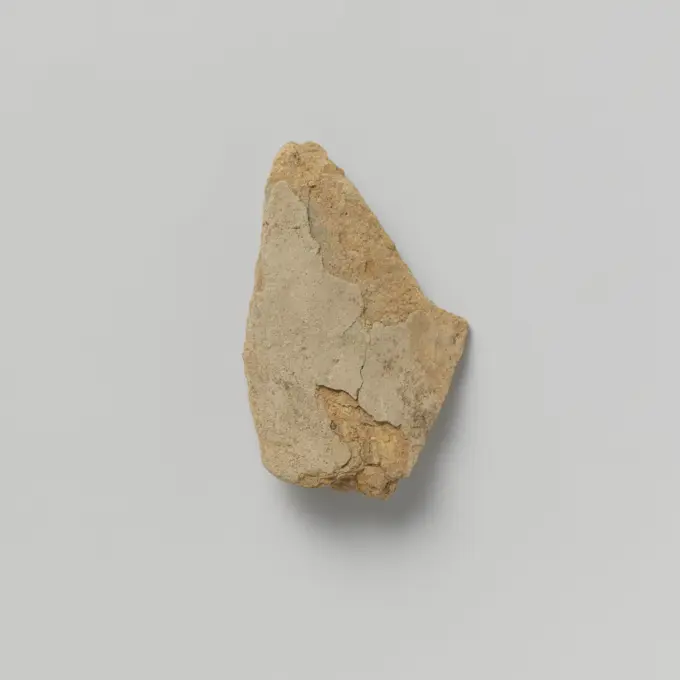
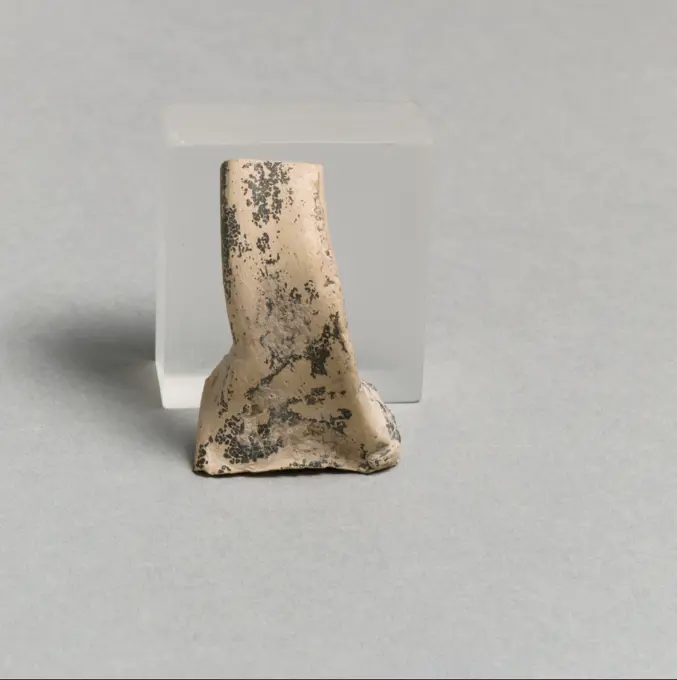
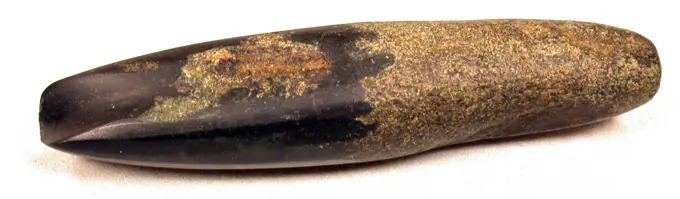
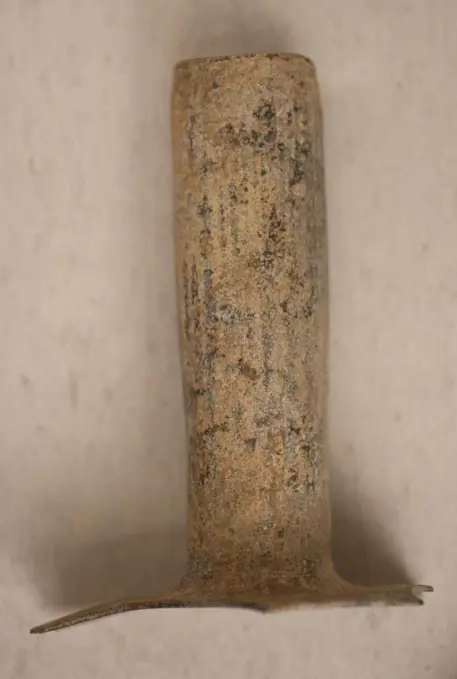
A collection of ancient ceramic and stone fragments, showcasing varying textures and colors from different historical periods and regions.

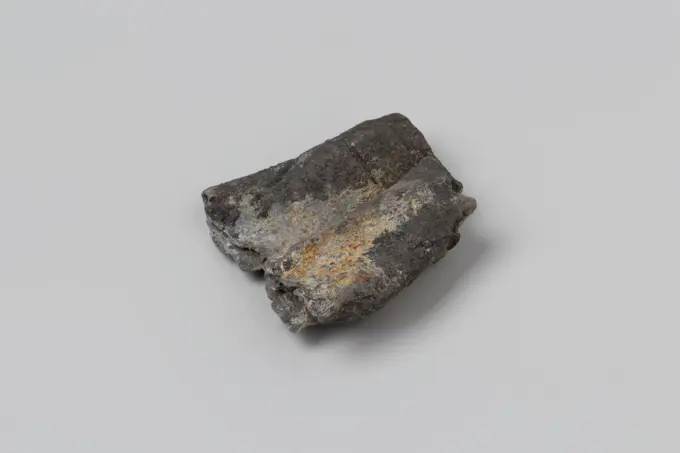
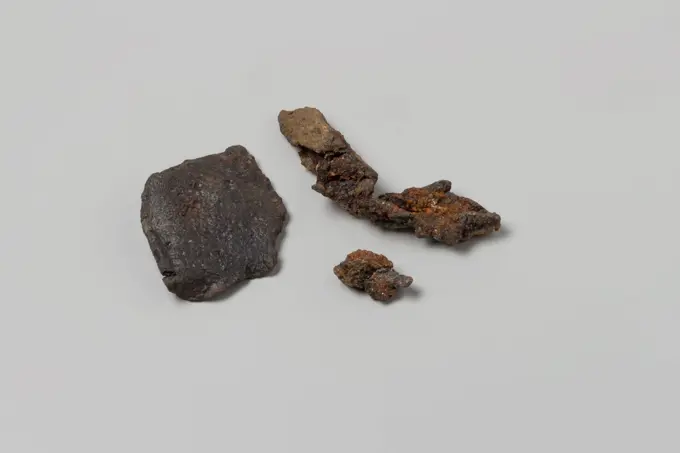
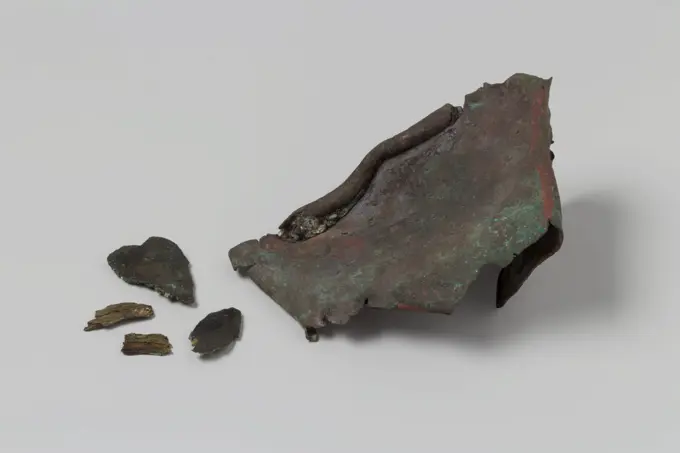
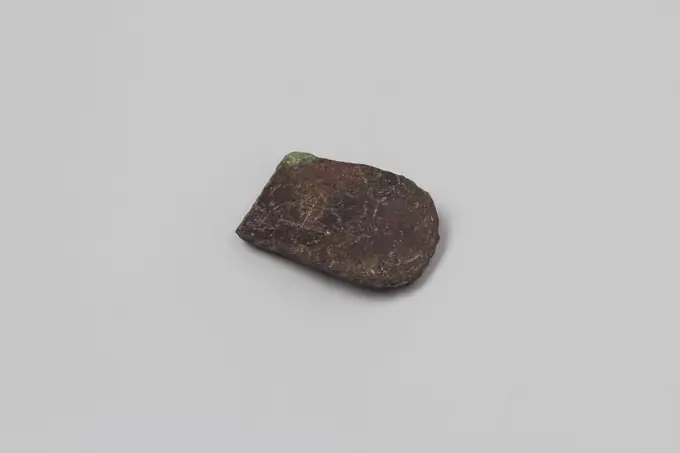
Excerpts copper from the wreck of the East Indians Hollandia, Anonymous, 1700 - in Or Before 1743 fragment Varied parts or fragments, sheet metal fragments: worked, with folded rims; fragm, squashed, eroded; straight fold-over rim. Netherlands copper (metal)   Second
Excerpts copper from the wreck of the East Indians Hollandia, Anonymous, 1700 - in Or Before 1743 fragment Varied parts or fragments, sheet metal fragments: worked, with folded rims; fragm, squashed, eroded; straight fold-over rim. Netherlands copper (metal) Second
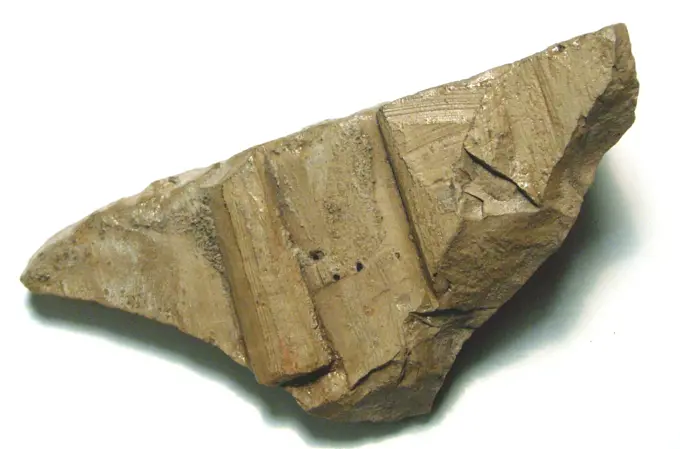
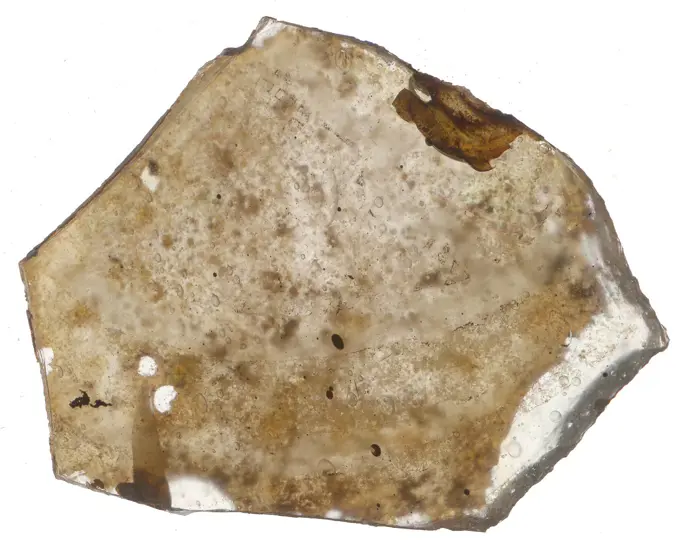
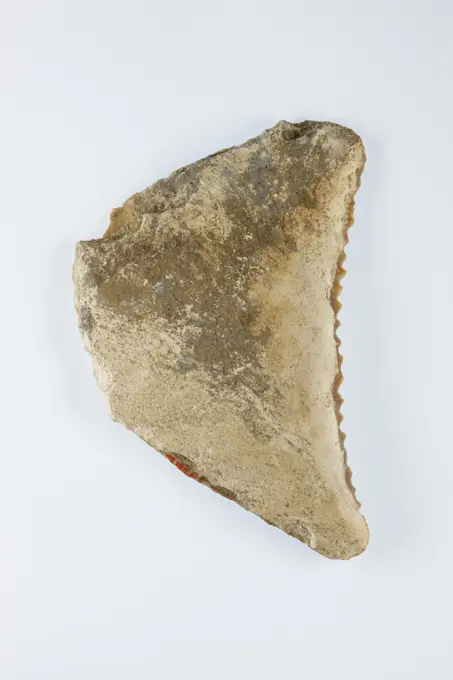
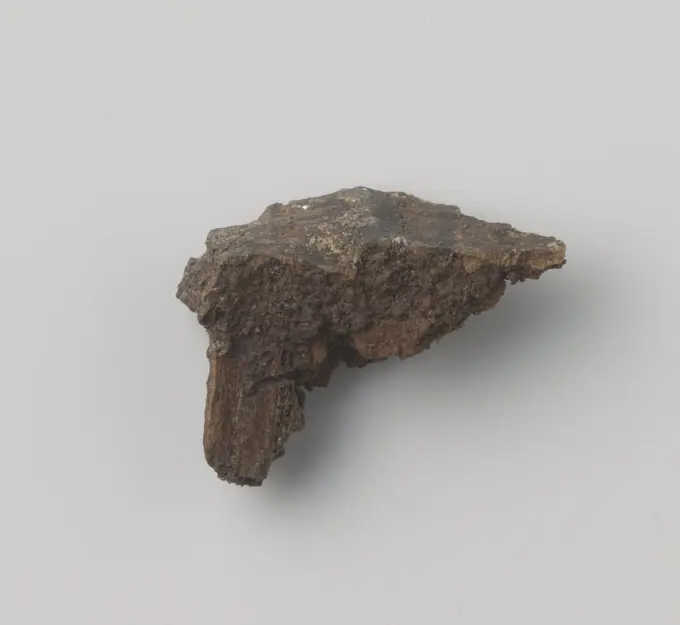
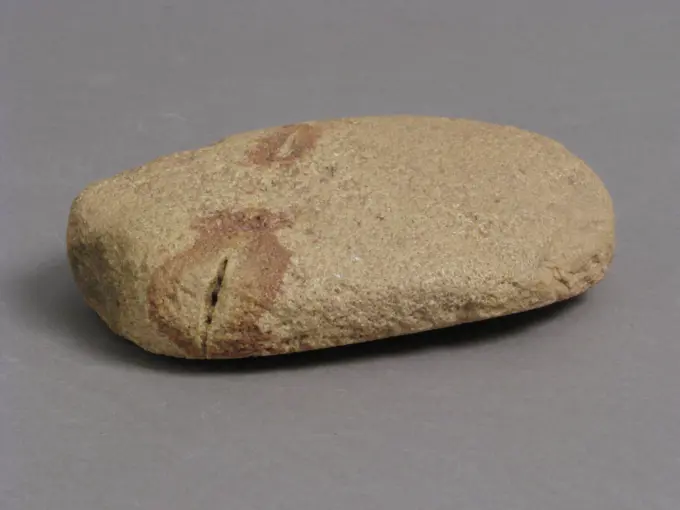
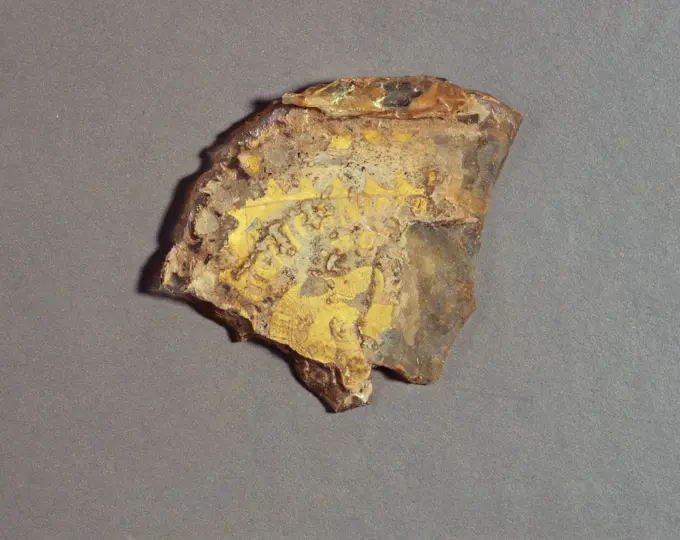
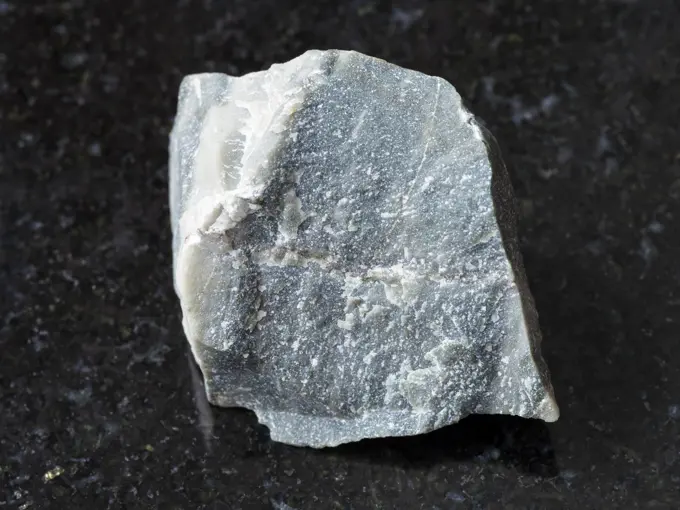
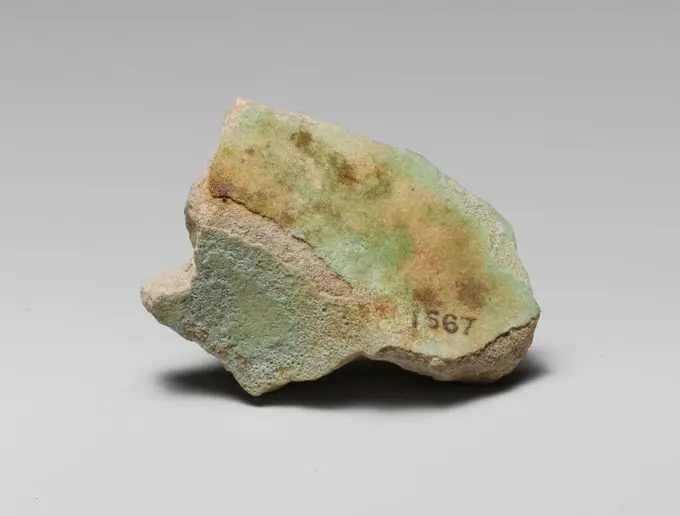
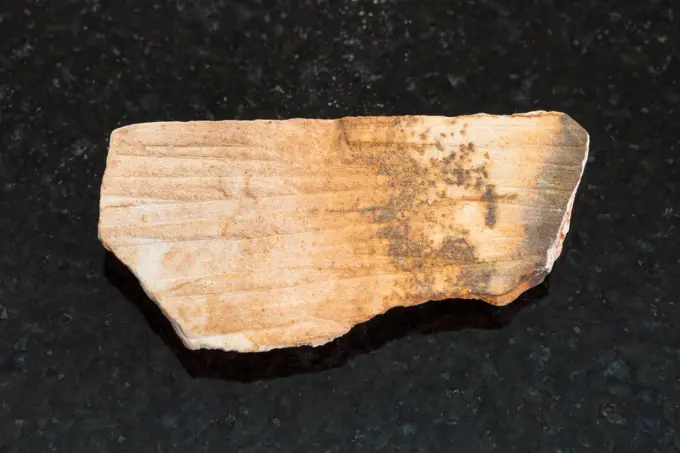
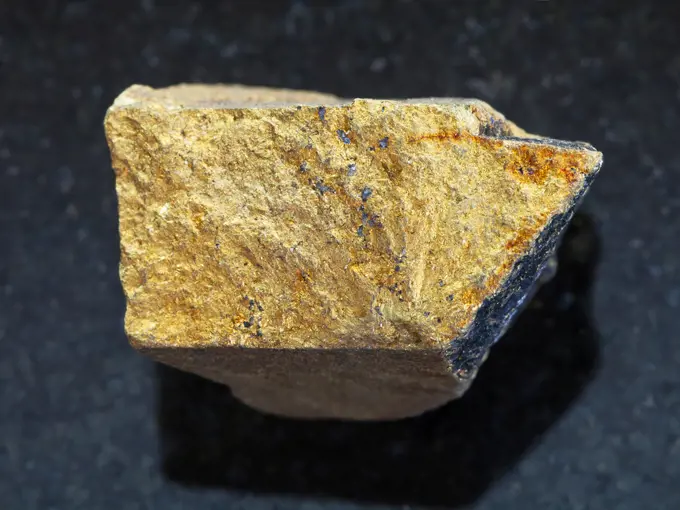
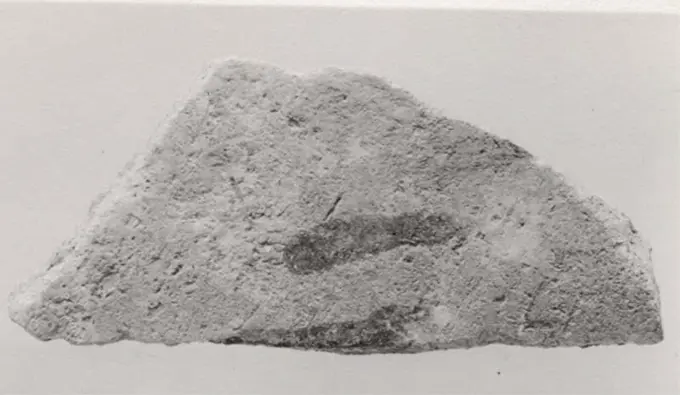
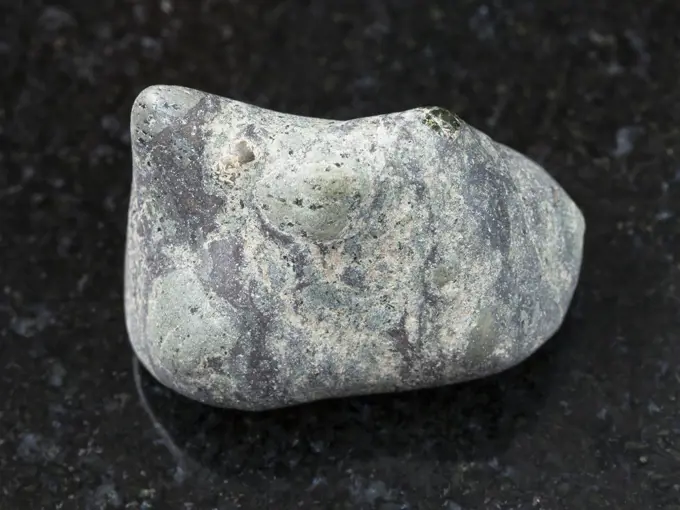
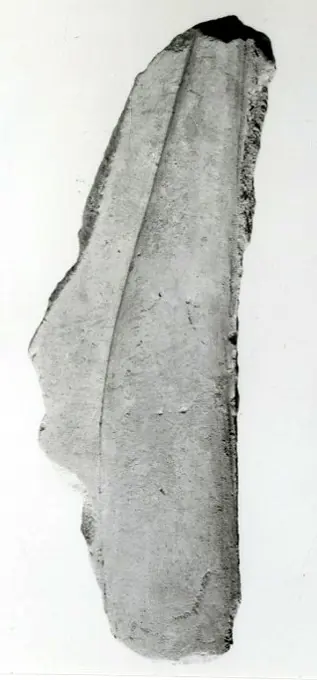
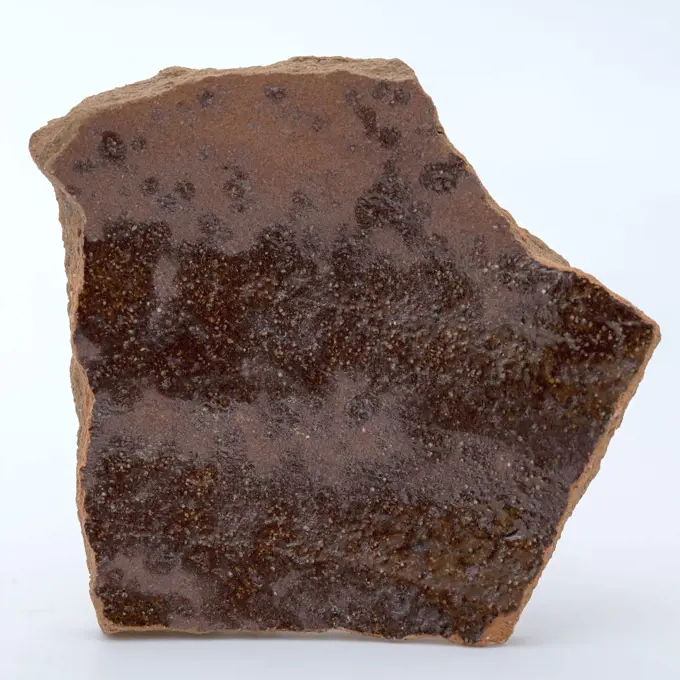
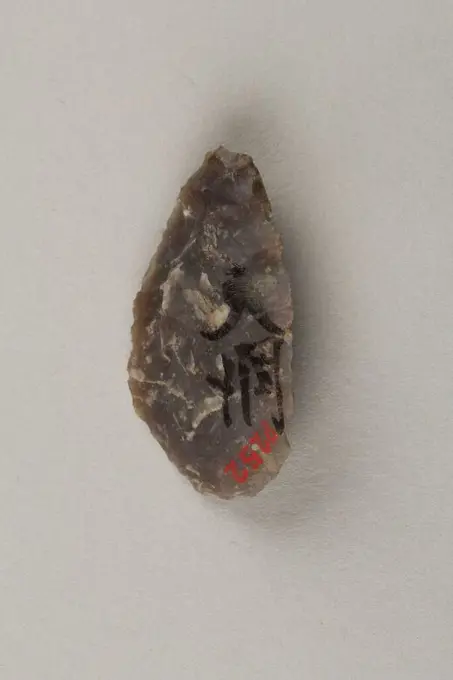
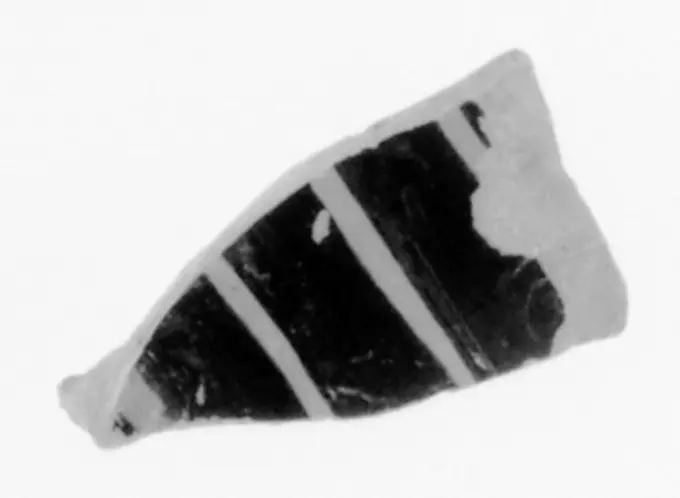
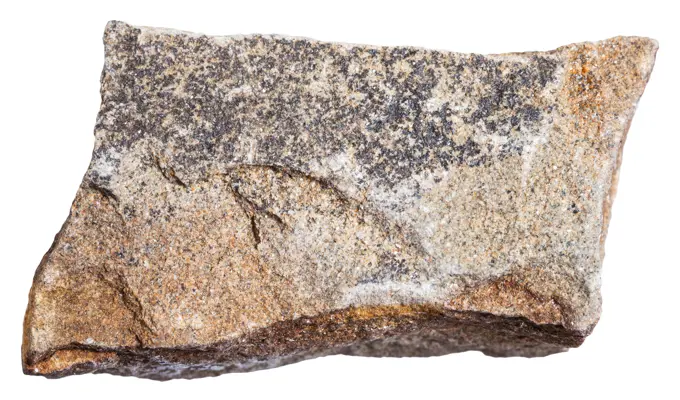
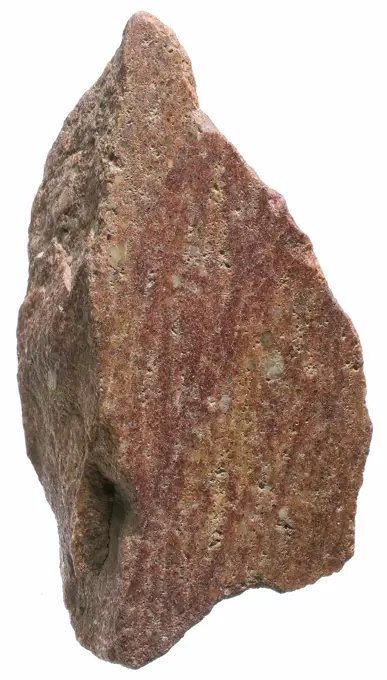
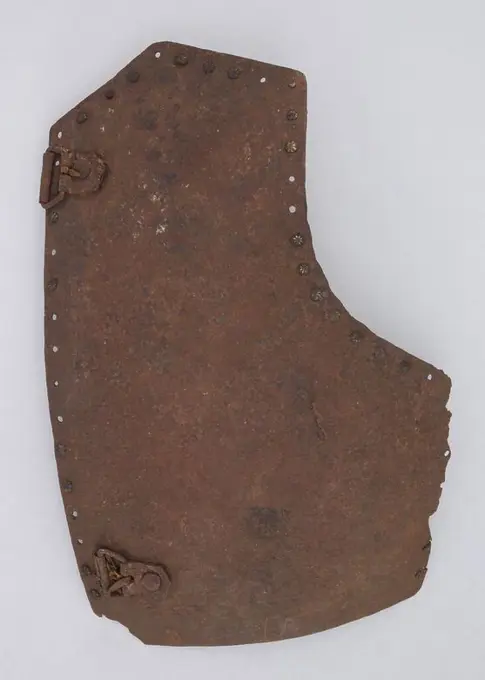
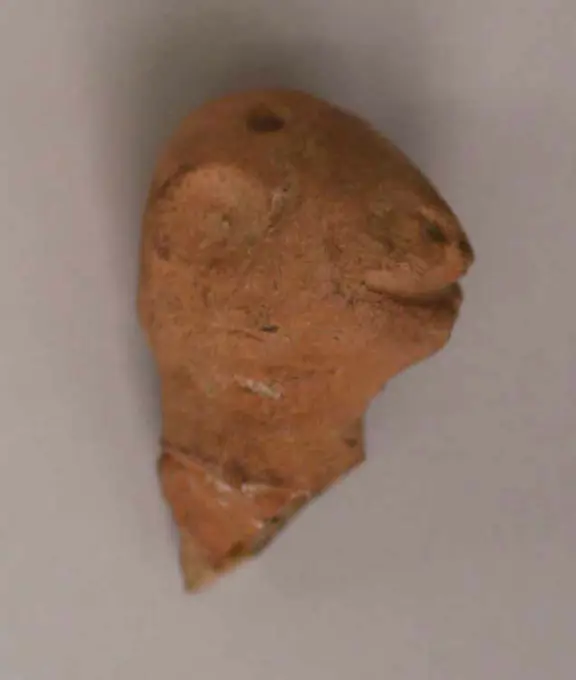
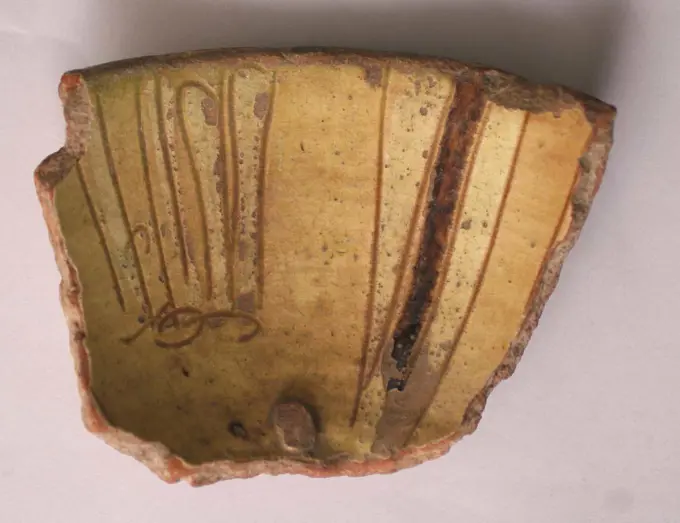
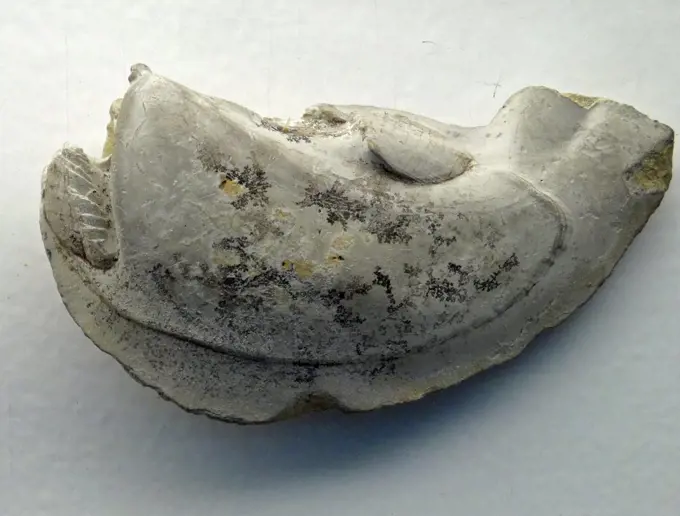
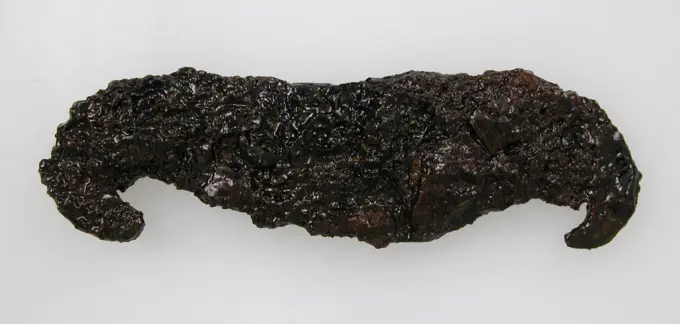
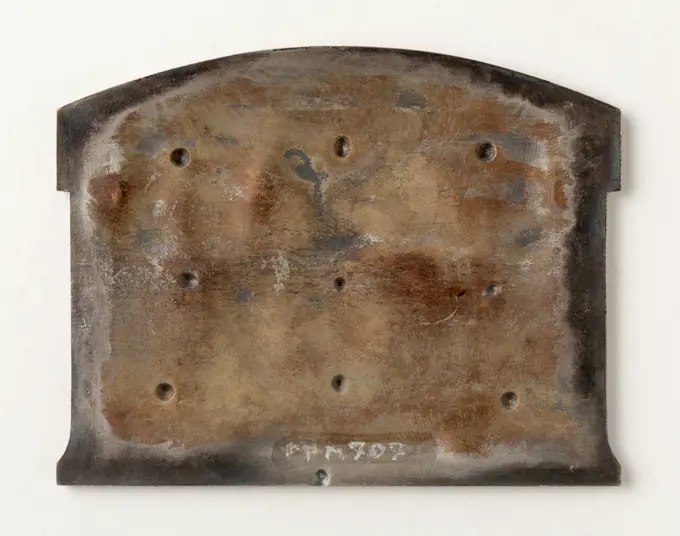
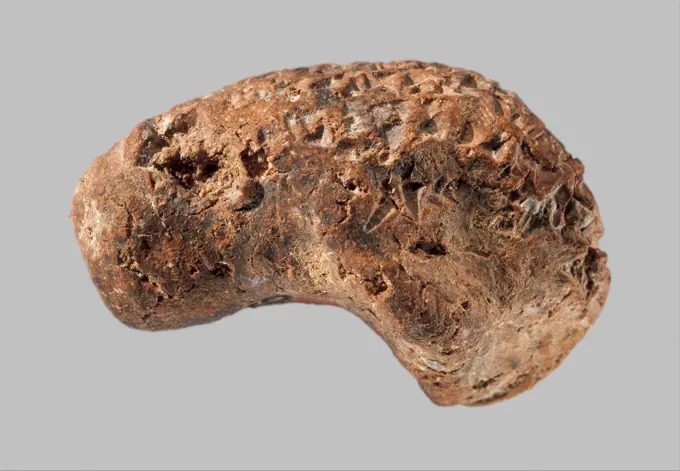
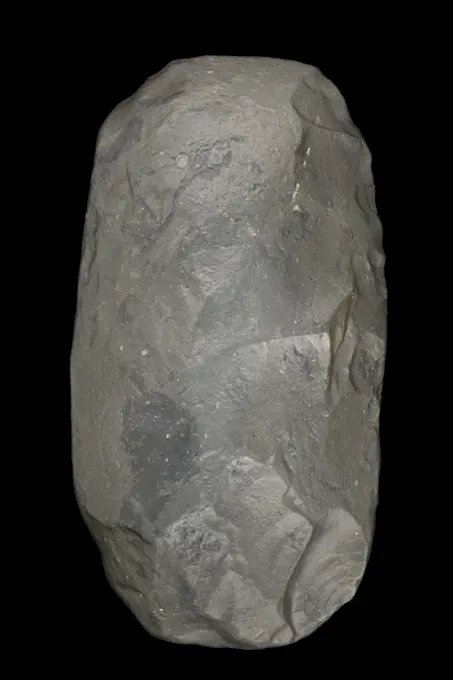
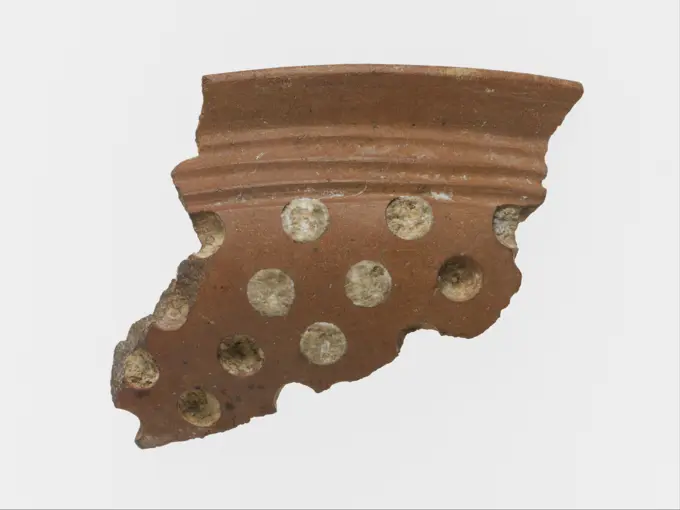
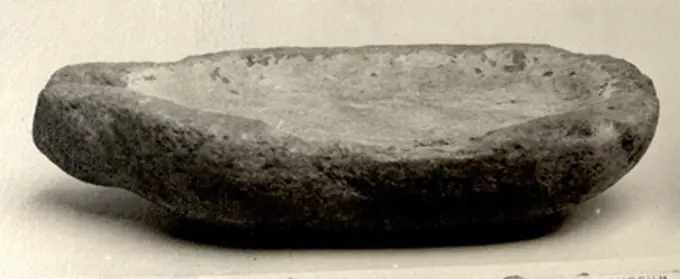
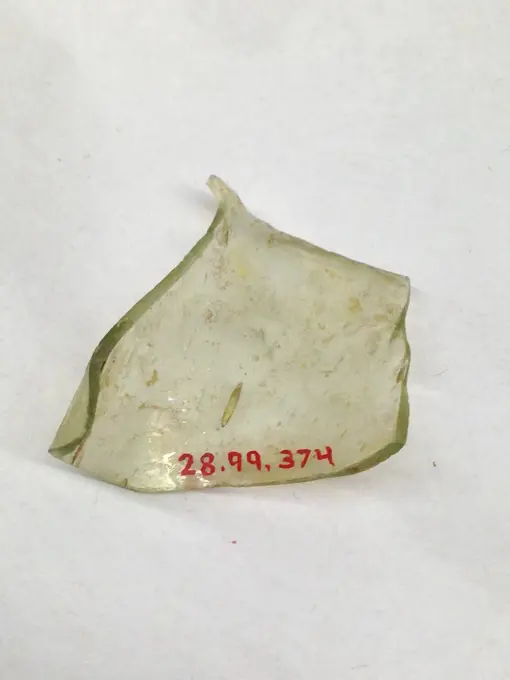
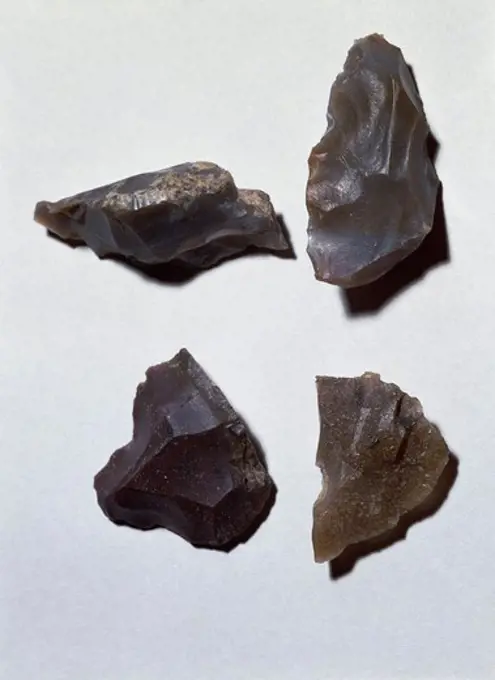
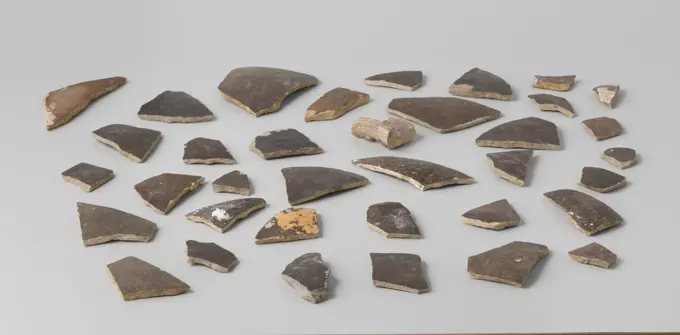
Fragment of a Jar 9th century. Fragment of a Jar 451124Raised relief fragment 664-610 B.C. Late Period, Saite see 23.3.468. Raised relief fragment. 664-610 B.C.. Limestone. Late Period, Saite. From Egypt, Upper Egypt, Thebes, Deir el-Bahri, Tomb of Nespekashuty (TT 312, MMA 509), 1st chamber N. door, MMA excavations, 1922-23. Dynasty 26Fragment 13th century Crusader. Fragment 475358Excerpts copper from the wreck of the East Indians Hollandia, Anonymous, 1700 - in Or Before 1743 fragment Varied parts or fragments, sheet metal fragments: worked, with folded rims; fragm, squashed, eroded; straight fold-over rim. Netherlands copper (metal)   SecondFragment; (possibly) belonging to the retable of Soest, c. 1475 - c. 1499   wood (plant material)   wood (plant material)Sickle Insert ca. 1184-664 B.C. Probably New Kingdom, Ramesside-Third Intermediate Period This small piece of flint was a key element to a successful agricultural season in ancient Egypt. Grain was a staple of the economy, as bread and beer made from grain were consumed daily. They also formed the foundation of eternal sustenance, as funerary offerings. Ancient Egyptians used sickles made from flint and wood to reap grain. Pieces of flint such as this one were shaped to fit into a wooden haft along with a number of other such inserts, and secured with an adhesive. The flint pieces provided a sharp edge to cut the grain stalks. With use, the flint would wear down and develop a shiny gloss. The flint inserts could be re-sharpened or replaced as needed. Sickle inserts could be made in a variety of ways. The earliest were fully bifacially retouched, then later they were made on blades (long narrow pieces of flint). Starting in the 2nd millennium BC, some sickle inserts were made on large fGlass Fragment 15th century French. Glass Fragment. French. 15th century. Colorless glass. Glass-StainedBowl Fragment. Culture: Coptic. Dimensions: Overall: 2 15/16 x 3 1/16 x 7/8 in. (7.4 x 7.7 x 2.3 cm). Date: 4th-7th century. Museum: Metropolitan Museum of Art, New York, USA.Bowl fragment. Culture: Roman. Dimensions: Overall: 1 7/8 x 2 1/2in. (4.8 x 6.4cm). Date: 4th century A.D..Part of the rim. Museum: Metropolitan Museum of Art, New York, USA.Fragment; (possibly) belonging to the retable of Soest, c. 1475 - c. 1499   wood (plant material)   wood (plant material)Grinding Stone 4th-7th century Coptic. Grinding Stone 478927Anonymous. "Cup fragment: feminine face". White glass with gold background, gold leaf cut between two glass strips. 350. Museum of Fine Arts of the City of Paris, Petit Palais. 99932-28 Antiquity, gold leaf, middle of the 4th fourth 4th 4th century, white glass, ancientFragment 13th century. Fragment 445626Shards of red-baking earthenware from V.O.C. ship De 'Witte Leeuw', Before 1613  Shards of red-baking earthenware from V.O.C. ship De 'Witte Leeuw'  earthenware   Sint-HelenaRelief fragments from tomb of Meketre ca. 1981-1975 B.C. Middle Kingdom. Relief fragments from tomb of Meketre 669013Fragment of scale. Fragment of scale. There is little of the scale about it. Compare Arch. 24570-69 / 2.raw Hornfels stone on dark background macro shooting of natural mineral rock specimen - raw Hornfels stone on dark granite background Copyright: xZoonar.com/ValeryxVoennyyx 11392004Vase, fragment. Dimensions: Other: 1 9/16 × 7/16 × 2 1/16 in. (4 × 1.2 × 5.2 cm). Museum: Metropolitan Museum of Art, New York, USA.Relief fragment from the tomb of Meketre. Dimensions: H. 5.5 cm (2 3/16 in.); W. 7.8 cm (3 1/16 in.); D. 4.3 cm (1 11/16 in.). Dynasty: Dynasty 12. Reign: reign of Amenemhat I, early. Date: ca. 1981-1975 B.C.. Museum: Metropolitan Museum of Art, New York, USA.raw Shale stone on dark background macro shooting of natural mineral rock specimen - raw Shale stone on dark granite background Copyright: xZoonar.com/ValeryxVoennyyx 11380691Excerpt from the wreck of the East Indians' t Vliegend Hart, 1700 - 1735 fragment Part of a pewter is possible, crushed and corroded. Gray to black in color. Jug.  tin (metal)macro shooting of natural mineral rock specimen - raw yellow Chalcopyrite stone on dark granite background from Safyanovskoe mine, Sverdlovsk region, Ural Mountains, RussiaPorphyry  Coahuila, Mexico     Date: Shards of pots from the wreck of the East Indians Hollandia, Anonymous, 1700 - in Or Before 1743 pot Stoneware, Rhenish, Westerwald, pot; of body, sim. NG 1980-27H2624r. Westerwald stoneware   SecondSherd ca. 3rd-7th century A.D. Sasanian. Sherd 322823Fragments Lead from the wreck of the East Indians Hollandia, 1700 - in Or Before 1743  Parts of artefacts; eroded fragments: materials; lead. Netherlands lead (metal)   SecondAxe Head. probably Cyprus, circa 5000-3000 B.C.. Arms and Armor; axes. StoneFragment of a rib shell. A low curvature of the glass fragment and the two obtained ribs allow assignment to a rib shell. The dark brown glass is highly corroded and covered with a white, pearly-like layer. Burry for the elaborate manufacturing process and its fragility counted glass to the luxury articles of antiquity.macro shooting of natural mineral rock specimen - pebble of Suevite stone on dark granite background from Karelia, RissiaRelief fragment, tomb of Meketre ca. 1981-1975 B.C. Middle Kingdom. Relief fragment, tomb of Meketre 562153Fragment; (possibly) belonging to the retable of Soest, c. 1475 - c. 1499   wood (plant material)   wood (plant material)Foot fragment ca. 1353-1336 B.C. New Kingdom, Amarna Period. Foot fragment. ca. 1353-1336 B.C.. Indurated limestone. New Kingdom, Amarna Period. From Egypt, Middle Egypt, Amarna (Akhetaten), Great Temple of the Aten, pit outside southern wall, Petrie/Carter excavations, 1891-92. Dynasty 18Spindle ca. 1295-1070 B.C. New Kingdom, Ramesside. Spindle. ca. 1295-1070 B.C.. Mud, wood. New Kingdom, Ramesside. From Egypt, Memphite Region, Lisht North, Cemetery, MMA excavations, 1913-14. Dynasty 19-20Fragments of copper from the wreck of the East Indians Hollandia, 1700 - in Or Before 1743  Parts of artefacts; eroded fragments: materials; copper. Netherlands copper (metal)   SecondFragments of silk fabric  dense gold silver stylized plant ornament unknownPseudobrookite. minerals. North America; USA; Utah; Juab County; Thomas RangeTerracotta upper-body fragment with hatched triangle, probably from a pyxis (box with lid) ca. 2900-2300 B.C. Minoan From Vasiliki or Gournia, CreteCross-hatched design.. Terracotta upper-body fragment with hatched triangle, probably from a pyxis (box with lid). Minoan. ca. 2900-2300 B.C.. Terracotta; Koumasa ware. Early Minoan II. VasesFragment 14th-15th century. Fragment 445590Fragment ca. 1150-ca. 1250 European or Middle Eastern. Fragment 694379Fragment of red earthenware, partly glazed, fragment crockery holder kitchen utensils earthenware ceramics earthenware glaze lead glaze, hand-formed hand turned glazed fried Fragments of red pottery Frying pans jugs pots of grass and soil of small jug Spicy or only partly glazed with lead glaze archeology Rotterdam Stadscentrum Stadsdriehoek Hoogstraat indigenous pottery water washing cooking nutrition food preparation handicraft pottery Soil discovery Hoogstraat Rotterdam 15 June 1983.Czarka; Unknown Night -Tamanian workshop; approx. 2600 2350 BC ; Early period D Azira III (-2600-00-00--2350-00-00);Fragment 9th century. Fragment 447660Sea drift wood plank isolated on white background. Template mockup Sea drift wood plank isolated on white background. Template mockup Copyright: xZoonar.com/AndresxVictorerox 21476663Arrowhead. Culture: Japan. Dimensions: W. 5/8 in. (1.6 cm); L. 1 1/8 in. (2.9 cm). Museum: Metropolitan Museum of Art, New York, USA.Attic Red-Figure Duck Askos Fragment (comprised of 2 joined fragments). UnknownTooth of an Ox Cypriot. Tooth of an Ox. Cypriot. BoneShards of wine bottles from the wreck of the East Indians' t Vliegend Hart ,, 1700 - 1735  Shards of onion -shaped wine bottles of green glass that has been in red (port) wine. Netherlands .Furniture element ca. 18th century B.C. Old Assyrian Trading Colony. Furniture element 329700Fragment of a Figurine, anonymous, anonymous, c. 1425 - c. 1550  Northern Netherlands pipe clay  Northern Netherlands pipe clayScherf van Porselein and Scherf van Steengoed from the wreck of the East Indians Hollandia, Anonymous, 1700 - in Or Before 1743  Stoneware, Rhenish, Langerwehe-ware, storage-jar; fragm of body, sim. NG 1980-27H409; fragm of porcelain. Cologne stoneware. porcelain   SecondHand holding a little gold color stone in handFragment of a Bowl 9th-10th century. Fragment of a Bowl 450231Vase fragment ca. 3000-2200 B.C.. Vase fragment 251312 Vase fragment, ca. 30002200 B.C., Terracotta, 1 5/8 x 15/16in. (4.2 x 2.4cm). The Metropolitan Museum of Art, New York. Gift of Gisela M. A. Richter, 1923 (23.121.12)Raised relief fragment 664-610 B.C. Late Period, Saite see 23.3.468. Raised relief fragment. 664-610 B.C.. Limestone, varnish. Late Period, Saite. From Egypt, Upper Egypt, Thebes, Deir el-Bahri, Tomb of Nespekashuty (TT 312, MMA 509), 1st chamber N. door, MMA excavations, 1922-23. Dynasty 26Fragment ca. 1150-ca. 1250 European or Middle Eastern. Fragment 695267Gouge before 16th century () Maya () Greenstone axe heads, commonly known as “celts,” were some of the most important works of art across ancient Mesoamerica and Central America. Created from jadeite mined from the Motagua River Valley of southern Guatemala, or using local green stones from highland Mexico, celts were first created by the Olmec peoples of the Gulf Coast after 1000 B.C. The Olmec conceived of green celts as sprouts of maize and thus “planted” celts in dedicatory offerings, activating ceremonial spaces and perpetuating agricultural fertility. For the later Maya peoples, celts also served as dedicatory materials, but more so as adornments for the royal bodies of kings and queens. Often the celts would be thinned into celt-shaped plaques, strung together in pairs and triads in order to create belt assemblages that would have clinked with the sound of jades striking one another. Tombs from the Classic Period (ca. A.D. 250-900) contain celts of jadeite and various greenstoFragment of a Bottle 8th-9th century. Fragment of a Bottle 448743Arenite polymictic Sandstone mineral isolated macro shooting of sedimentary rock specimens - Arenite polymictic Sandstone mineral isolated on white background Copyright: xZoonar.com/ValeryxVoennyyx 9620009Minerals and Rocks - Sandstonechest () fragment from a statue ca. 1353-1336 B.C. New Kingdom, Amarna Period. chest () fragment from a statue 561677Fragment of the olive lamp; Unknown German workshop; II century AD (101-00-00-200-00-00);Brigandine Plate. Culture: Italian. Dimensions: H. 10 9/16 in. (26.8 cm); W. 7 in. (17.8 cm); Wt. 1 lb. 8.5 oz. (694.6 g). Date: 1400-1450. Museum: Metropolitan Museum of Art, New York, USA.Fragment of red earthenware, fragment crockery holder utensils earthenware ceramics pottery, hand-shaped baked Fragments of red pottery Frying pans jars pots grass and soil of small jug Sparse or only partly glazed with lead glaze archeology Rotterdam City center Stadsdriehoek Hoogstraat indigenous pottery water washing cooking nutrition food preparation handicraft pottery Soil discovery Hoogstraat Rotterdam June 15, 1983.Fragment of a Figure 9th-11th century This object was excavated at Nishapur.Nishapur was a vital city in the early and middle Islamic periods, located along one of the main trajectories that connected Iran and West Asia Islamic lands with Central Asia and China. These itineraries are often referred to by the term Silk routes’ but were in fact crucial to the movement of constellations of materials and objects, as well as people and ideas. The diverse population of Nishapur and its surroundings, from the better-researched elite groups of merchants, land-owning aristocracy, and literates, to the less-known artisans, farmers, miners, and servants, were instrumental in adapting global cultural trends to create their own distinctive visual languages. This is seen in the material remains of everyday life in medieval Nishapur - from pots and pans to lighting devices, inkwells, textiles and trimmings, jewelry, games and toys, talismanic devices, weapons, coins, and architectural fragments.NishFragment. Culture: European or Middle Eastern. Dimensions: L. 2 1/2 in. (6.4 cm). Date: ca. 1150-ca. 1250. Museum: Metropolitan Museum of Art, New York, USA.Fragment of a Bowl 14th-15th century. Fragment of a Bowl 446386Myophorella incurva from Portland Stone, Portland, DorsetFragment of Dish 14th-15th century. Fragment of Dish. 14th-15th century. Stonepaste; underglaze painted under colorless glaze. Attributed to Egypt or Syria. CeramicsFragment ca. 1150-ca. 1250 European or Middle Eastern. Fragment 695316shaped foot stone isolated on white backgroundQuartz onyx from RomaniaFermoir 6th and 7th centuries Frankish. Fermoir 465452 Frankish, Fermoir, 6th and 7th centuries, Iron, Overall: 4 1/8 x 1 1/4 x 7/16 in. (10.4 x 3.2 x 1.1 cm). The Metropolitan Museum of Art, New York. Gift of J. Pierpont Morgan, 1917 (17.193.141)Kiln Stand. Dimensions: Distance between feet: 2 3/8 in. (6 cm). Date: 11th century. Museum: Metropolitan Museum of Art, New York, USA.Shawabty of Ditamenpaankh, 715-656 BC. Egypt, Late Period, Dynasty 25. Terracotta; overall: 5.4 x 1.4 x 1.1 cm (2 1/8 x 9/16 x 7/16 in.).Fragment of a Revetment 100 BCE-100 CE Roman Empire. In ancient Rome, there was a high demand for colorful glass that could dazzle banquet guests alongside the expensive silver and gold serving wares meant to impress. Fragments like this one would have once been a part of larger mosaic dishes. The mosaic pattern was made by sagging molten glass into bowl-shaped molds, a technique used on many of these fragments is similar to millefiori, ìthousand flowersî in Italian, a modern glass-making method in which tiny rods of colored glass are bundled together, wrapped in a sheet of glass, fused, and then thinly sliced to reveal swirls of a flower-like patterns. They were arranged side by side, sometimes together with bits of colored glass, and fused together with heat.. Glass, mosaic glass technique . Ancient RomanFragment of red earthenware, partly glazed, fragment crockery holder kitchen utensils earthenware ceramics earthenware glaze lead glaze, hand-shaped hand turned glazed fried Fragments of red pottery Frying pans jugs pots of grass and soil of small jug Spicy or only partly glazed with lead glaze archeology Rotterdam Stadscentrum Stadsdriehoek Hoogstraat indigenous pottery water washing cooking nutrition food preparation handicraft pottery Soil discovery Hoogstraat Rotterdam 15 June 1983.Alexandre Morlon (1878-1951). "Medico-surgical company". bronze. Museum of Fine Arts of the City of Paris, Petit Palais. 71476-6 Bronze, brochure, reverse, medical-surgical societies, plaqueFragment ca. 1150-ca. 1250 European or Middle Eastern. Fragment 695154Ax. Culture: India. Dimensions: 6 1/2 x 6 3/8 in. (16.5 x 16.2 cm). Date: 1500-500 B.C.. Museum: Metropolitan Museum of Art, New York, USA.Bird head with inscription of Ashurbanipal ca. 668-627 B.C. Assyrian. Bird head with inscription of Ashurbanipal 324615Biface in green jasper. Mali. 10,2cm.Terracotta rim fragment with white inlay ca. 1800-1700 B.C. Minoan From Knossos, CreteFragment of rim with white inlay.. Terracotta rim fragment with white inlay 248545Close up detail textured brown French pyromorphite stone on gray backgroundFragment 13th century Crusader. Fragment. Crusader. 13th century. Stained Glass. Glass-StainedFragment 13th century. Fragment. 13th century. Stonepaste; underglaze painted under transparent turquoise glaze. Attributed to Syria. CeramicsPaint grinding slab ca. 1981-1640 B.C. Middle Kingdom. Paint grinding slab. ca. 1981-1640 B.C.. Sandstone. Middle Kingdom. From Egypt, Memphite Region, Lisht North, Cemetery, MMA excavations, 1920-22. Dynasty 12-13Ax Blade (Celt) 1500-500 B.C. India. Ax Blade (Celt). India. 1500-500 B.C.. Copper. MetalworkFragment stem from a spoon or fork; From the wreck the East Indiesman Hollandia. Spoon or Fork Handle, Fragment with the Imhoff-Bentick Arms, Silver.Fan scraper ca. 4600-3600 B.C. Ghassulian. Fan scraper 326516Dagger Point, 1540-1296 BC. Egypt, New Kingdom, Mid-Dynasty 18, 1540-1296 BC. Bronze; overall: 27.1 x 6.2 cm (10 11/16 x 2 7/16 in.).Fragment ca. 1150-ca. 1250 European or Middle Eastern. Fragment 695308Cup 2nd and 3rd quarter of the 6th century B.C. Etruscan High foot with circles in relief and knobs on lip.. Cup. Etruscan. 2nd and 3rd quarter of the 6th century B.C.. Terracotta; bucchero pesante. Archaic. VasesPADRASTRO - 2002 - óleo sobre impresión digital - 73x92 cm -. Author: JOSE RAMON AMONDARAIN (1964-). Location: GALERIA TRAMA. MADRID. SPAIN.Bones from Archaeological area La Pineta, Isernia province, Molise region, ItalyPIERNA DE PANTALON ADORNADA CON CORTES Y CON COSTURAS FINAS Y CON TIRAS DE PIEL. Location: ARCHAEOLOGICAL MUSEUM. LAS PALMAS. GRAN CANARIA. SPAIN.Fragment. Culture: European or Middle Eastern. Dimensions: L. 1 3/8 in. (3.5 cm). Date: ca. 1150-ca. 1250. Museum: Metropolitan Museum of Art, New York, USA.Vase fragment Roman, Gaul Base fragment, stamped.. Vase fragment 250454Raised relief fragment. Dimensions: 20 x 17 x 17. Dynasty: Dynasty 26. Reign: reign of Psamtik I. Date: 664-610 B.C.. Museum: Metropolitan Museum of Art, New York, USA.Shards of Martavanen from V.O.C. ship De 'Witte Leeuw', Anonymous, Before 1613  Shards of Martavanen from V.O.C. ship De 'Witte Leeuw'. southeast Asia porcelain. stoneware   Sint-HelenaEmpty wooden cutting board with cracks and scuffs located on a dark concrete background