Historical Ceramic Artifacts

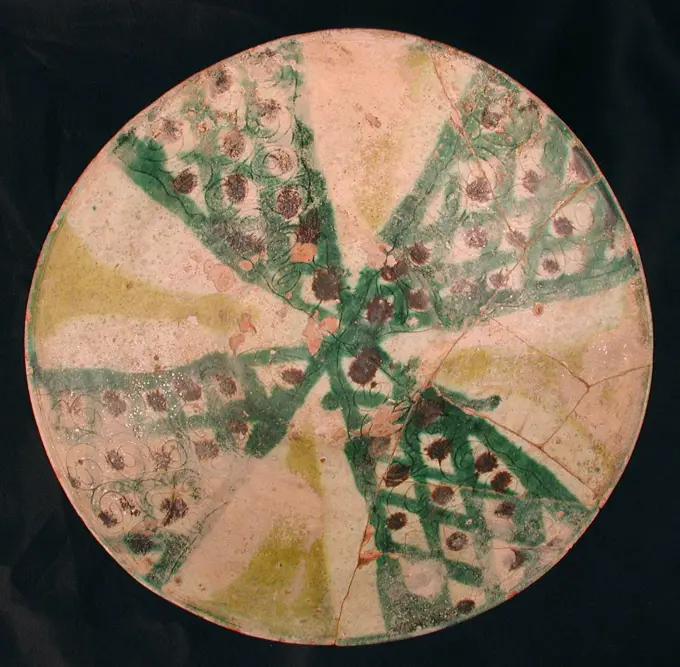
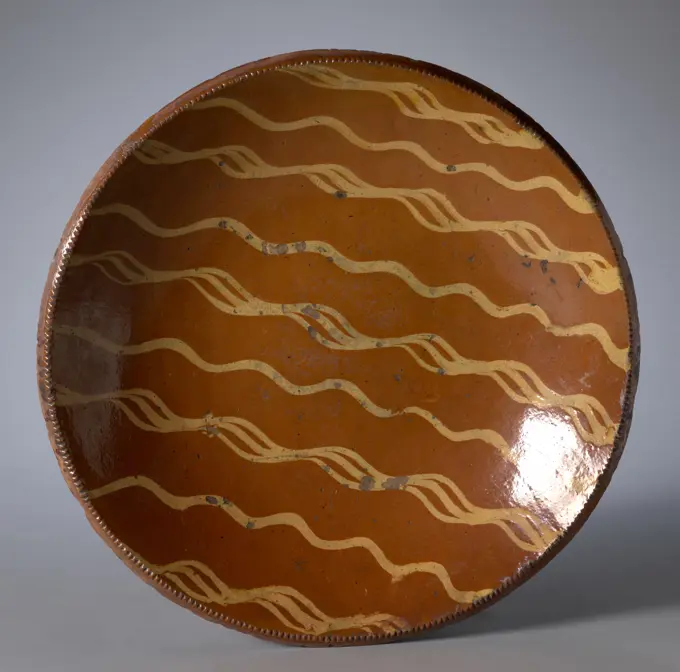
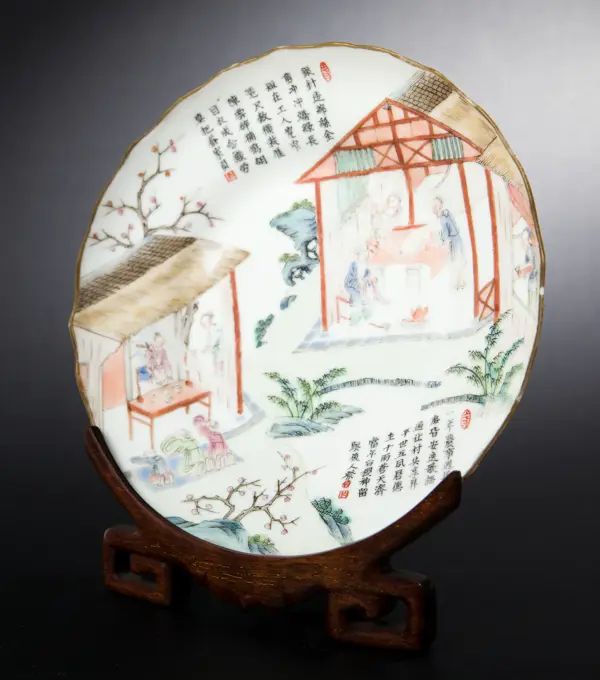
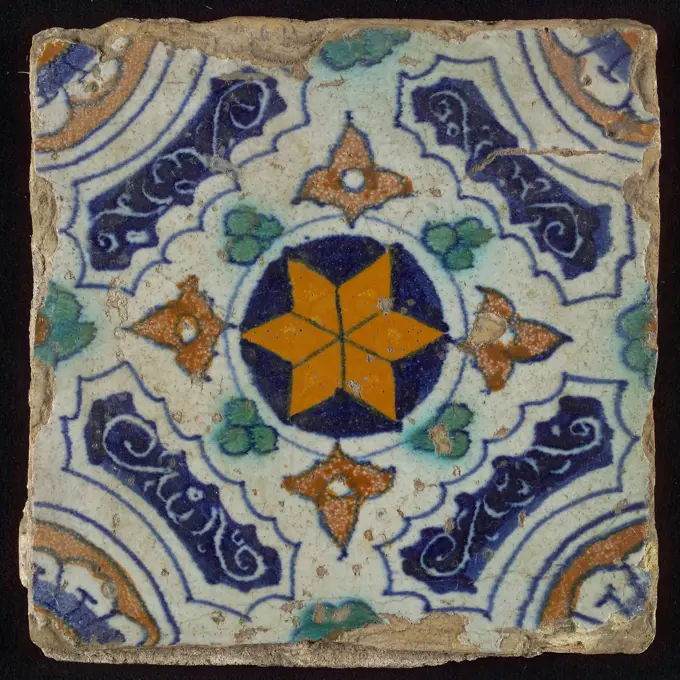
Diverse ceramic bowls and plates from different cultures and eras, featuring intricate designs and historical significance.
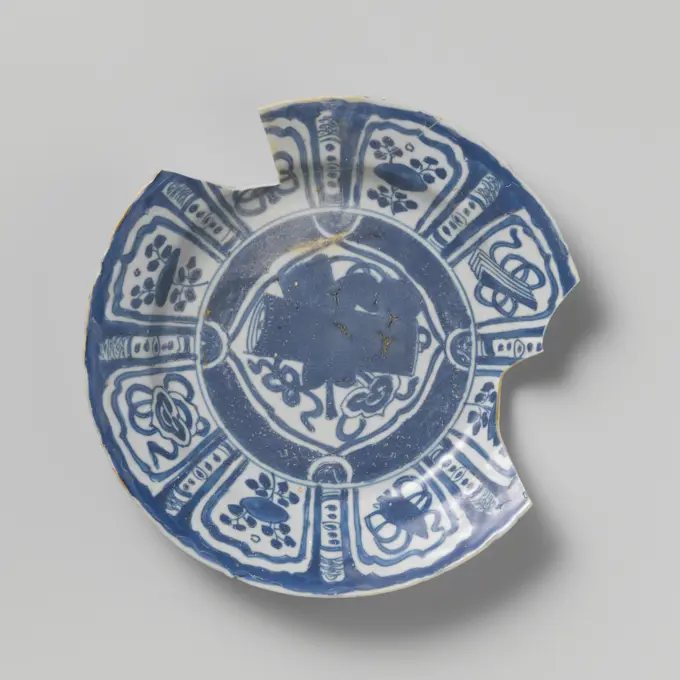
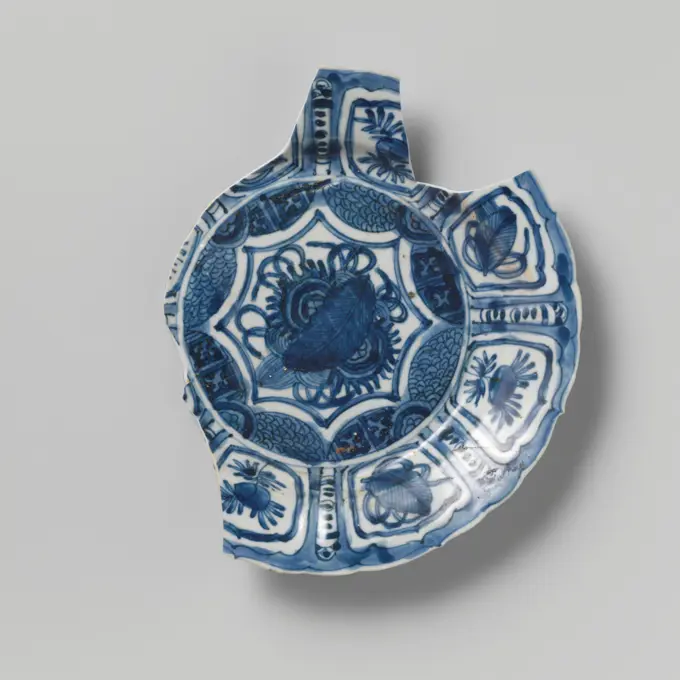
Fragment sign from V.O.C. ship De 'Witte Leeuw', Before 1613 plate (dishes) Fragment sign from V.O.C. ship De 'Witte Leeuw', 80 present. Jingdezhen bone china (material)   Sint-Helena
Fragment sign from V.O.C. ship De 'Witte Leeuw', Before 1613 plate (dishes) Fragment sign from V.O.C. ship De 'Witte Leeuw', 80 present. Jingdezhen bone china (material) Sint-Helena
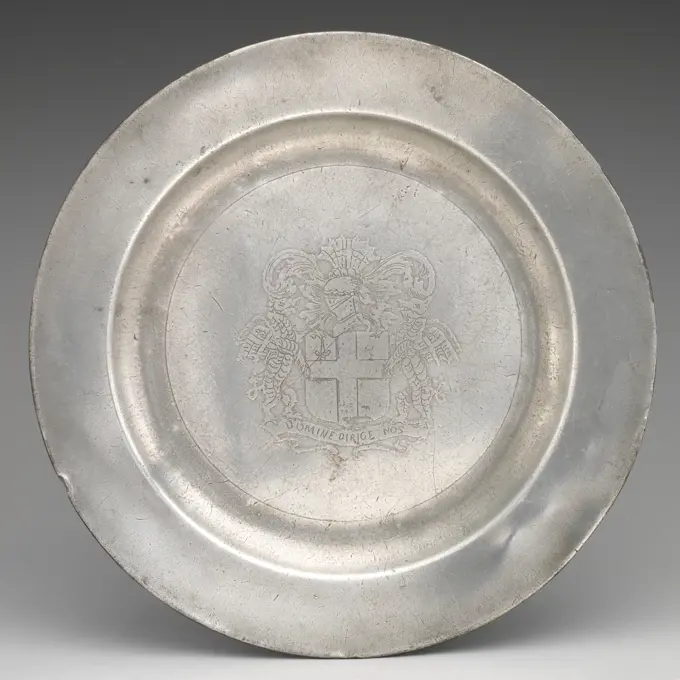
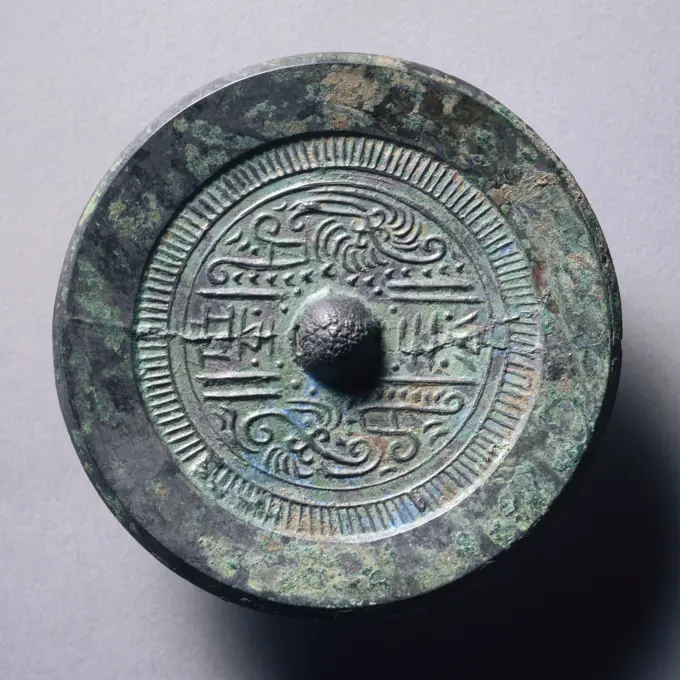
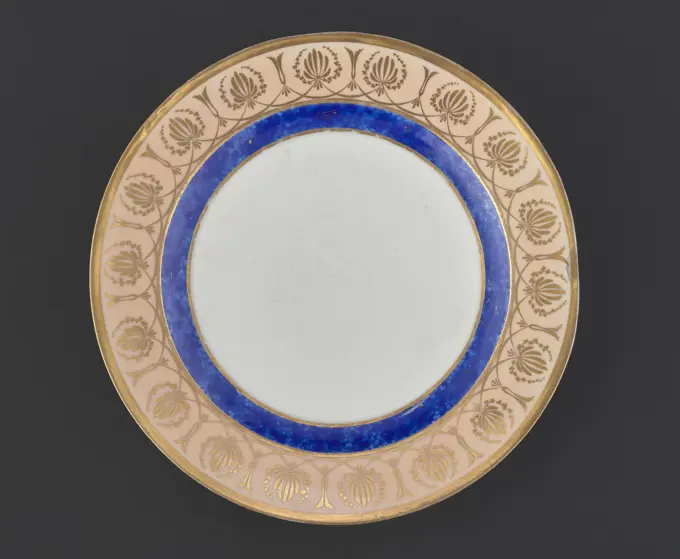
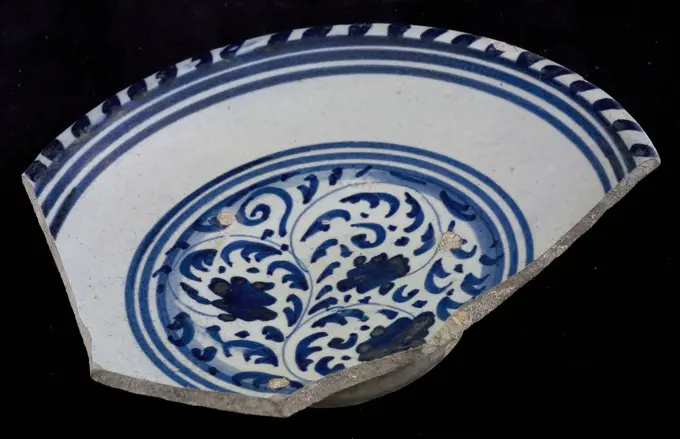
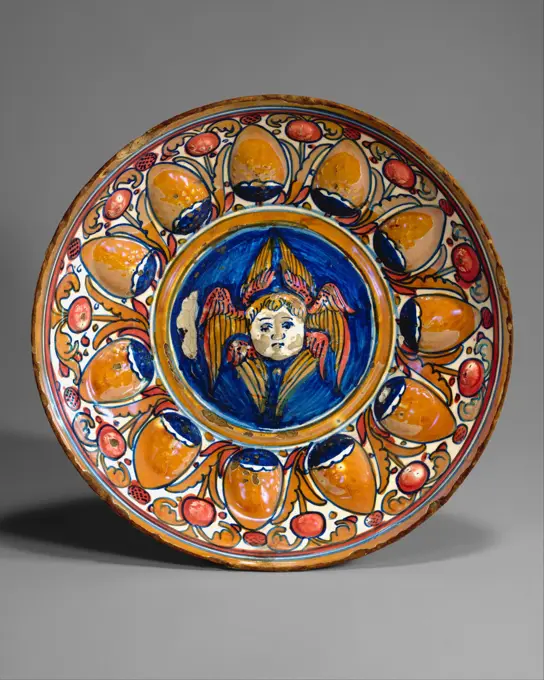
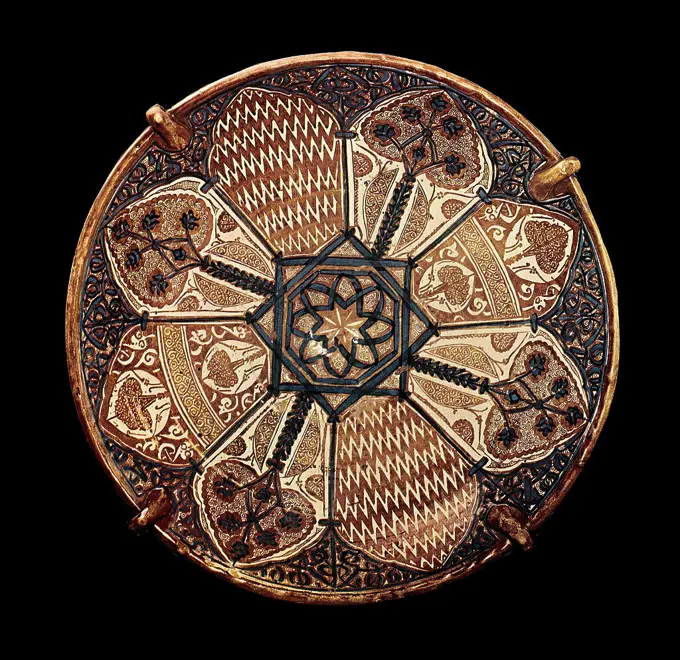
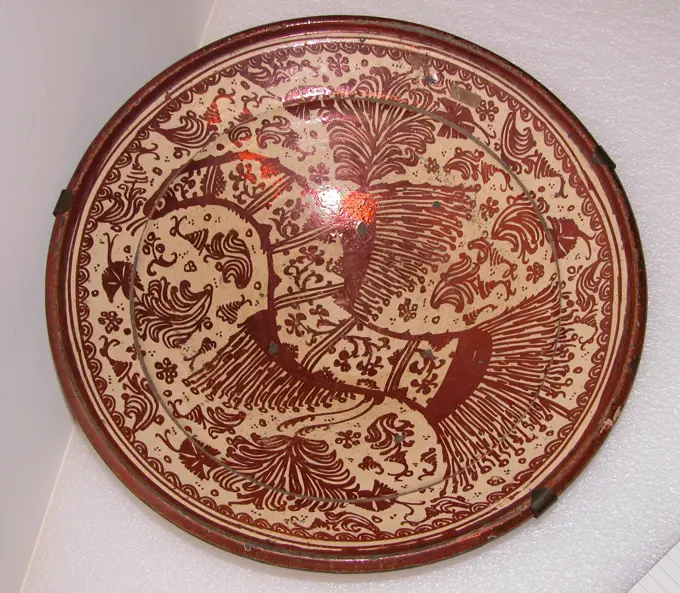
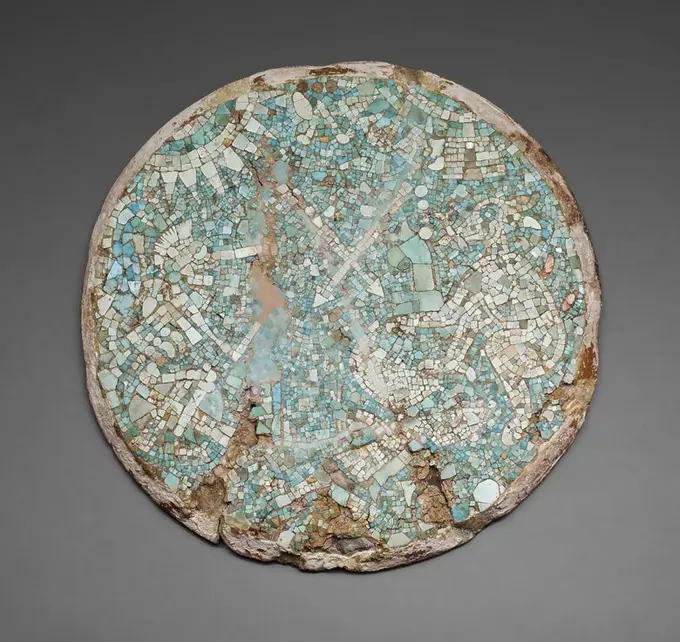
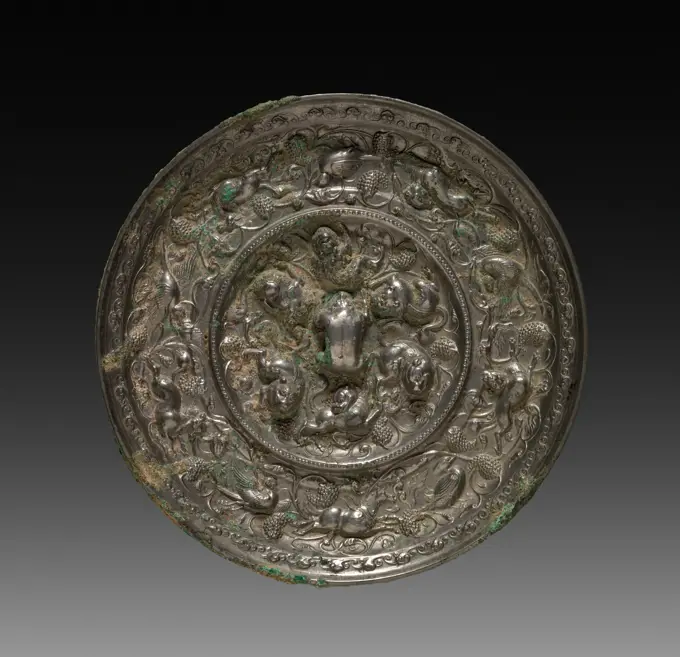
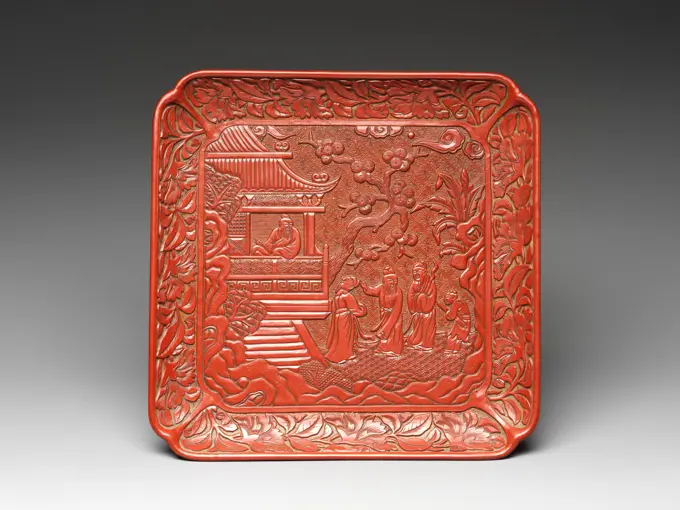
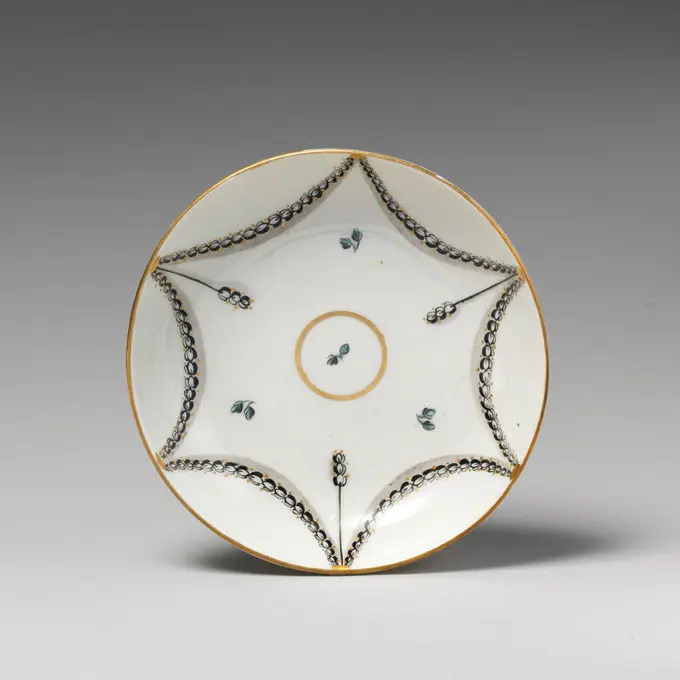
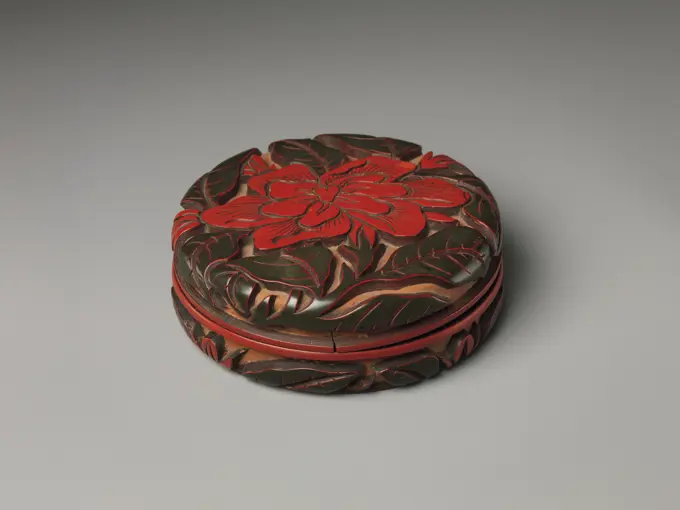
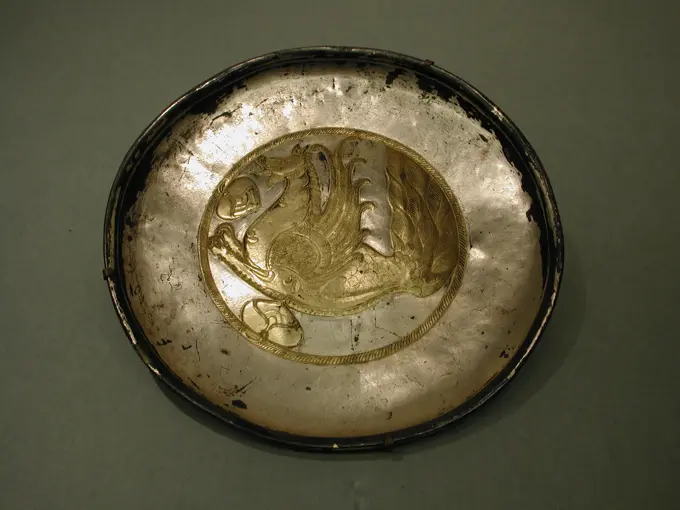
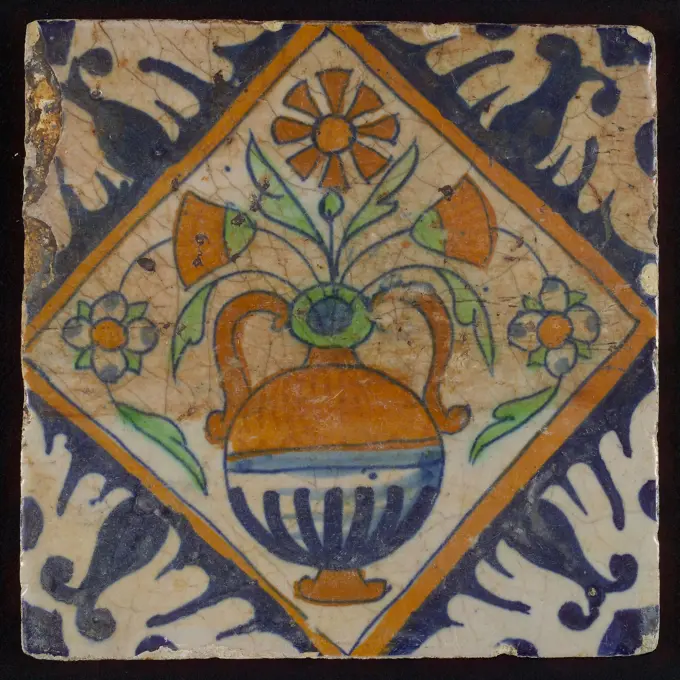
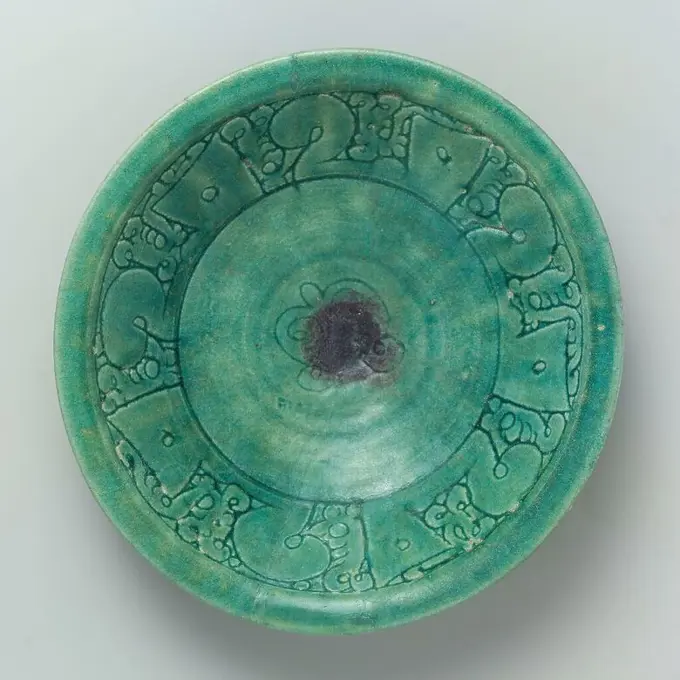
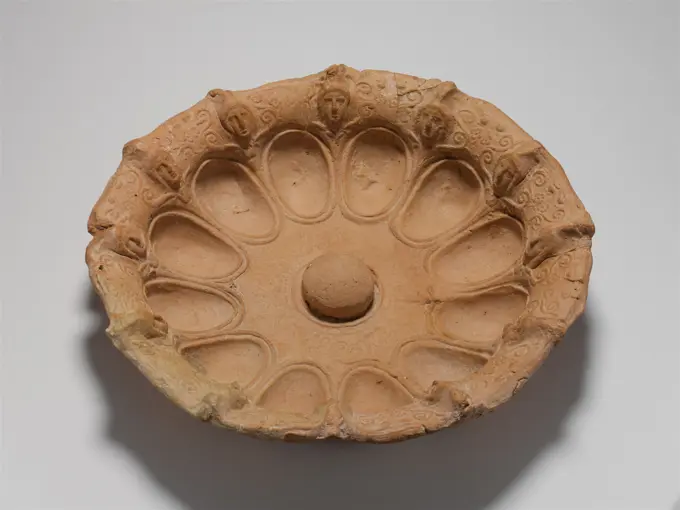
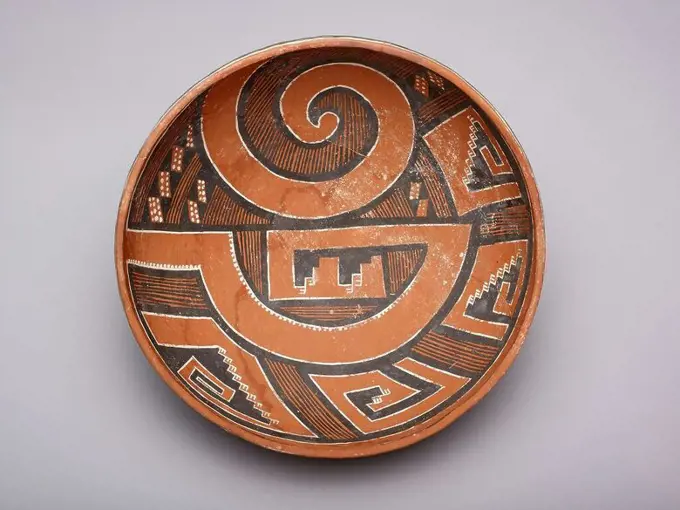
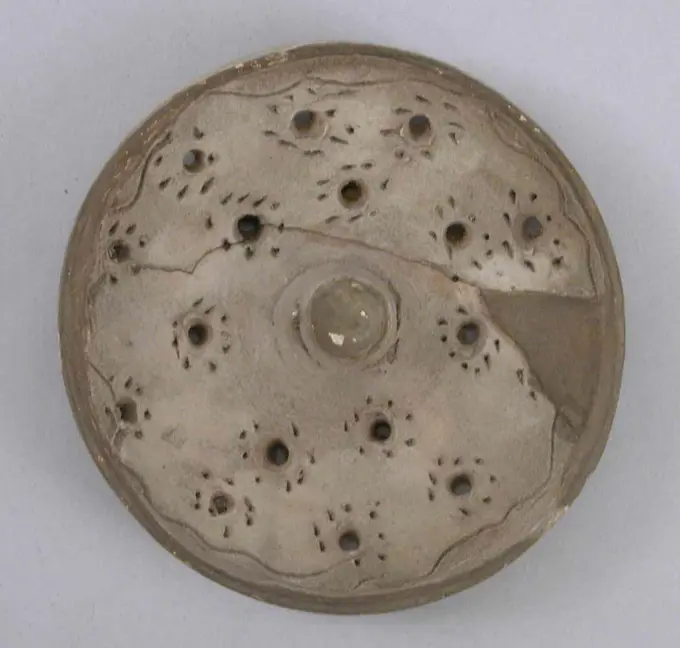
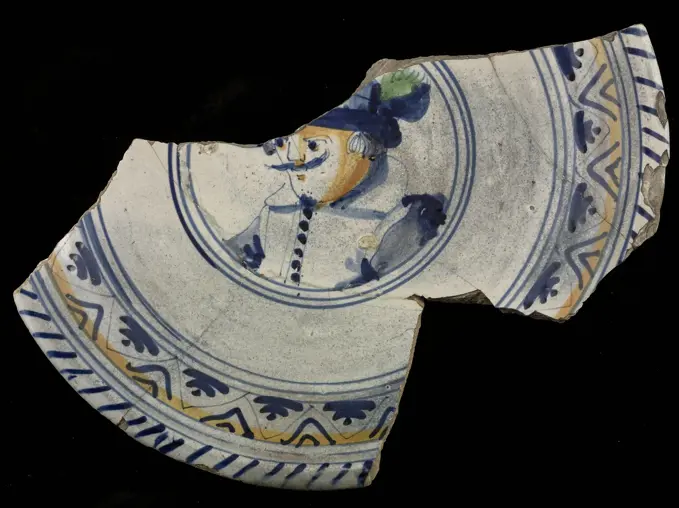
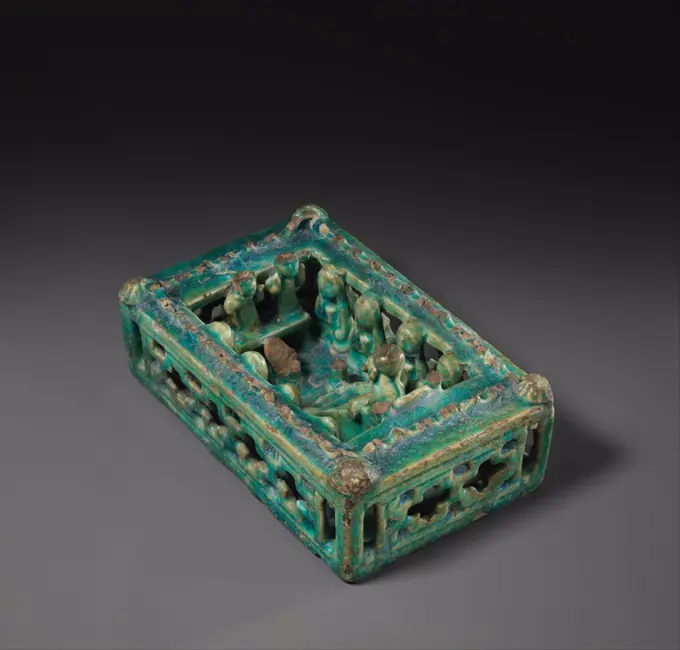
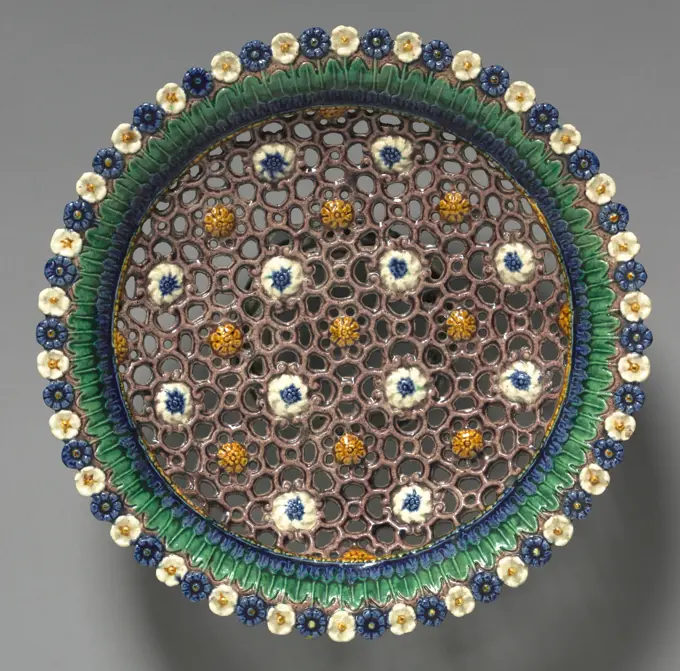
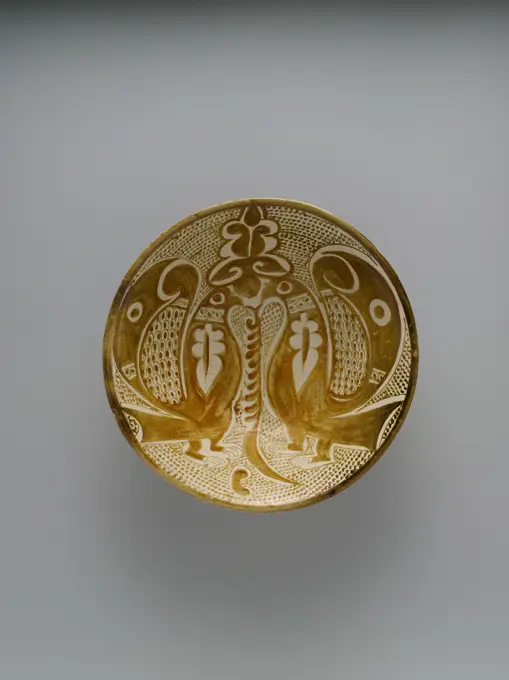
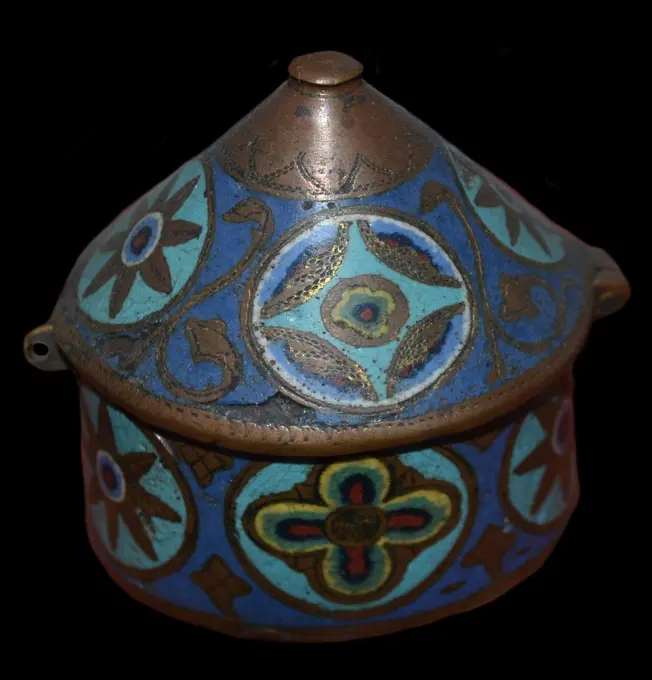
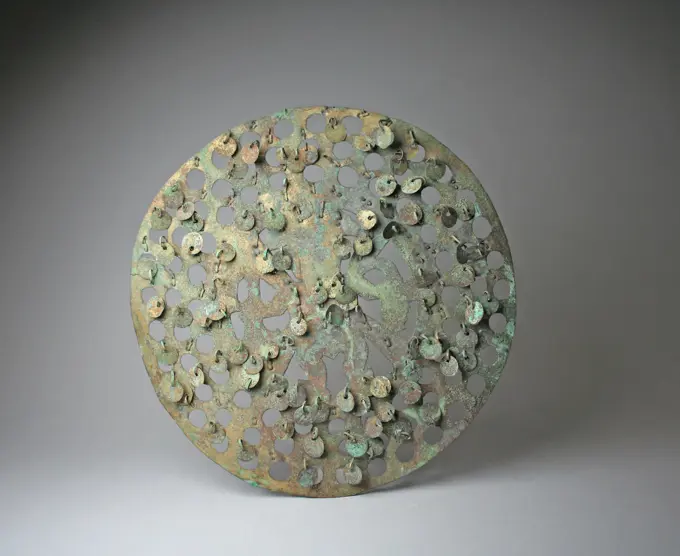
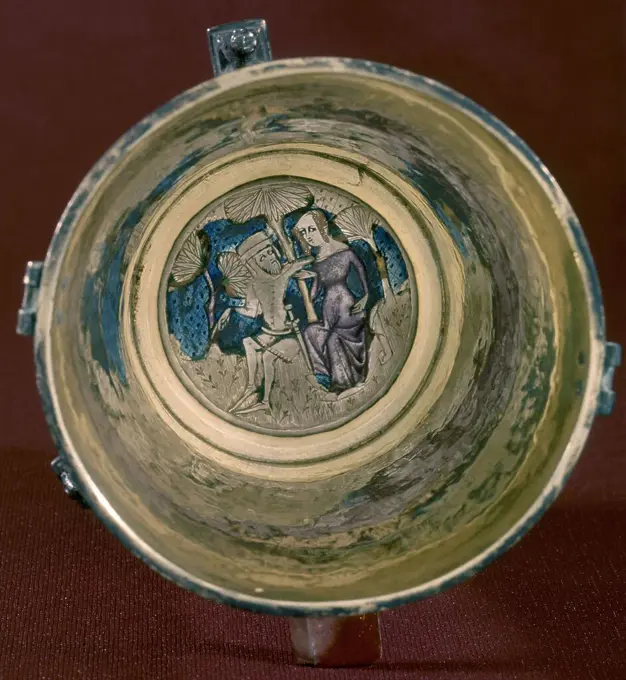
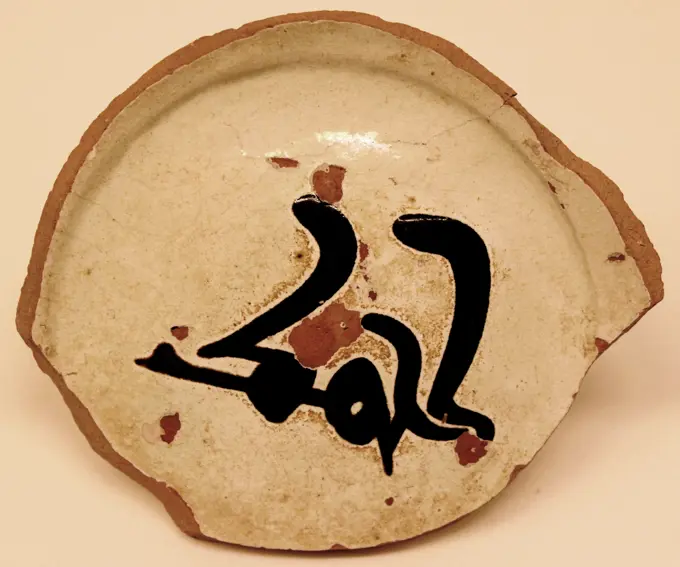
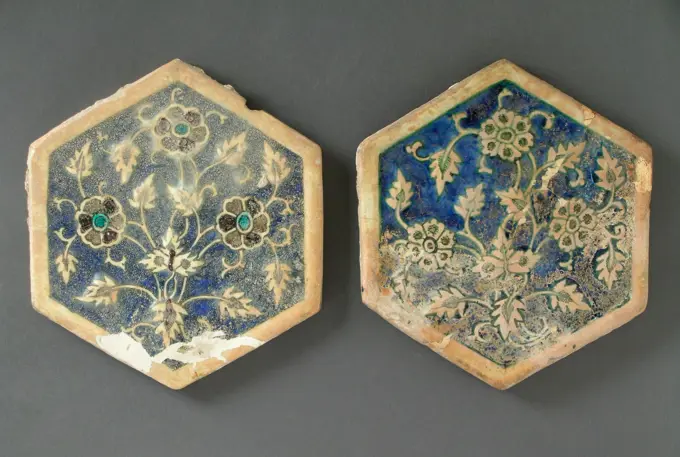
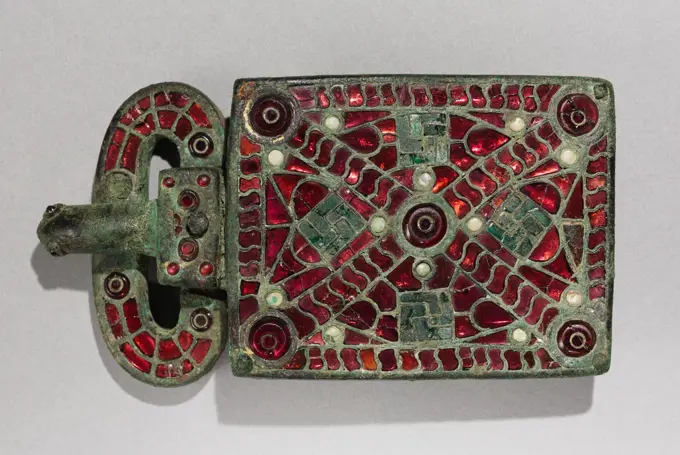
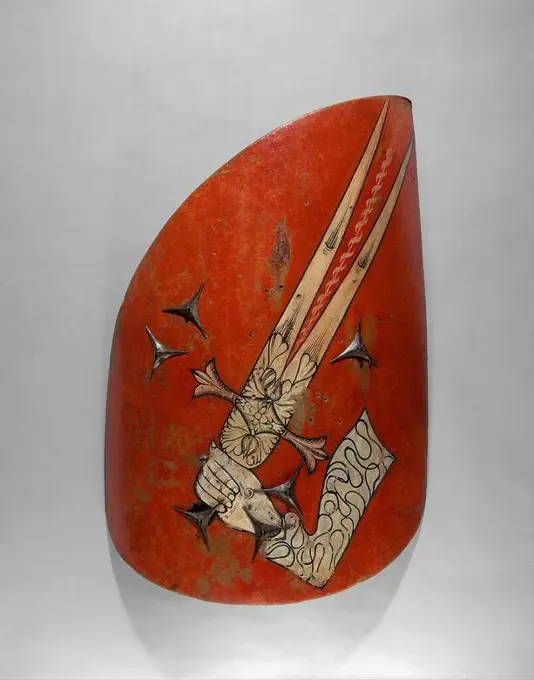
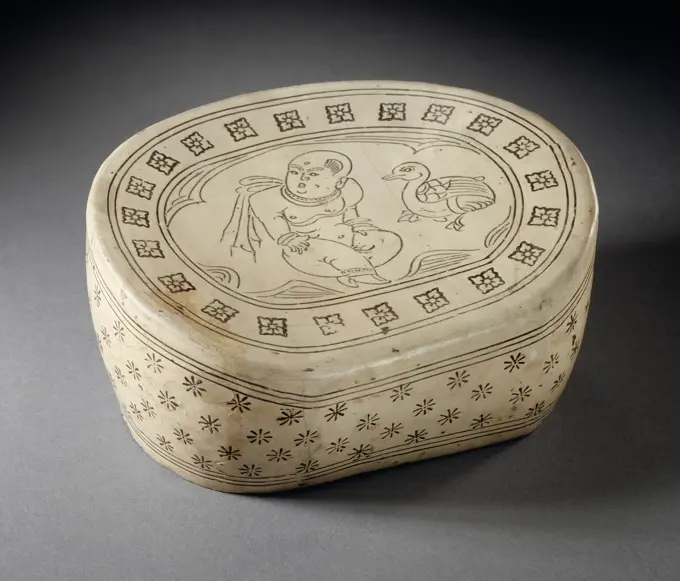
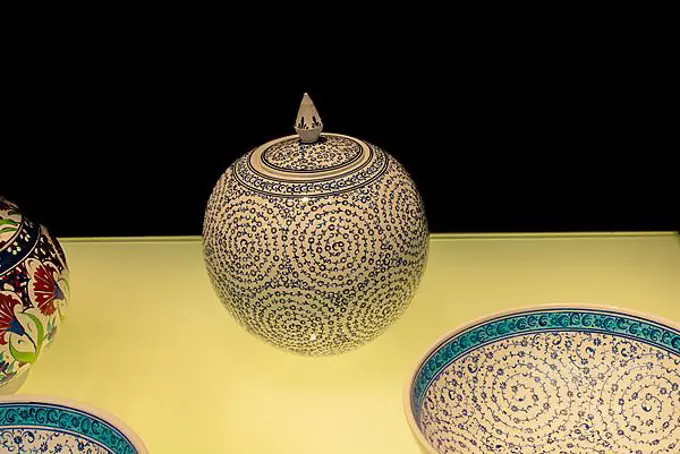
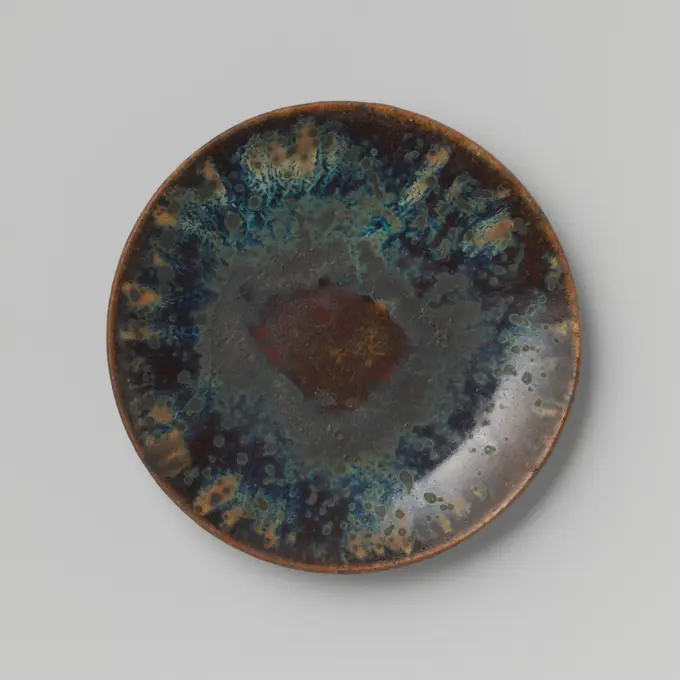
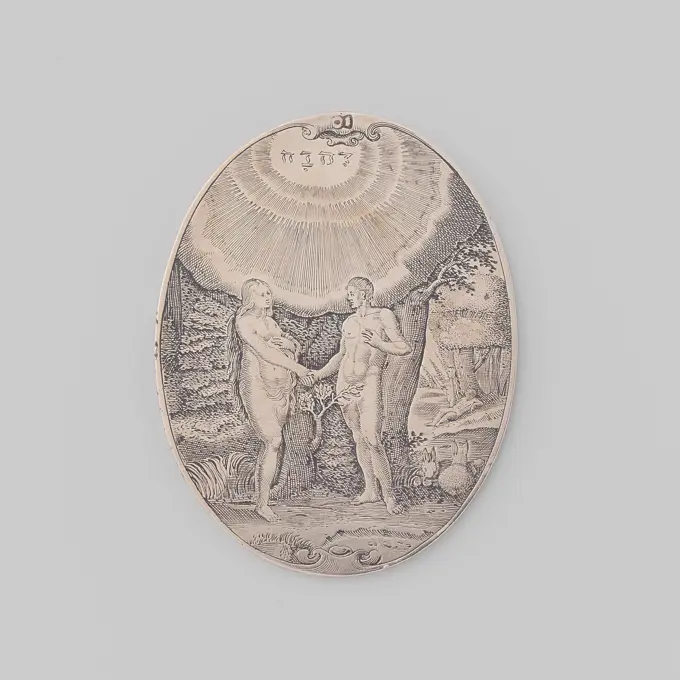
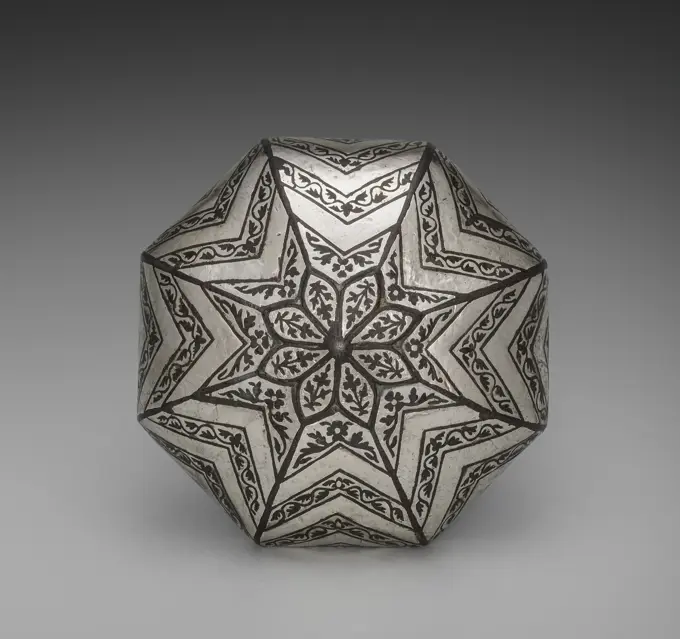
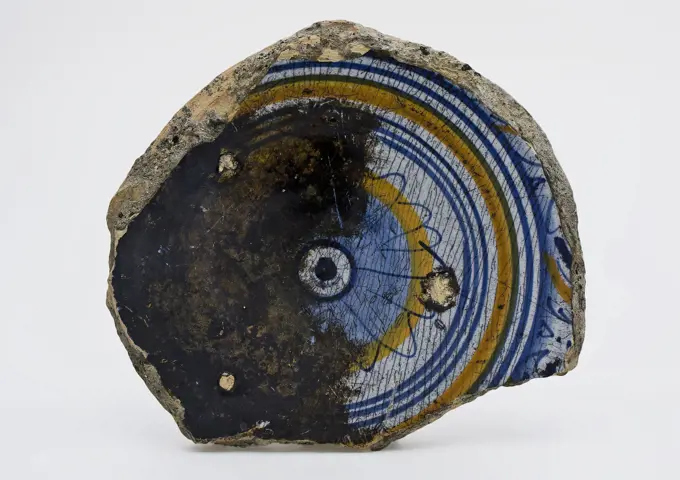
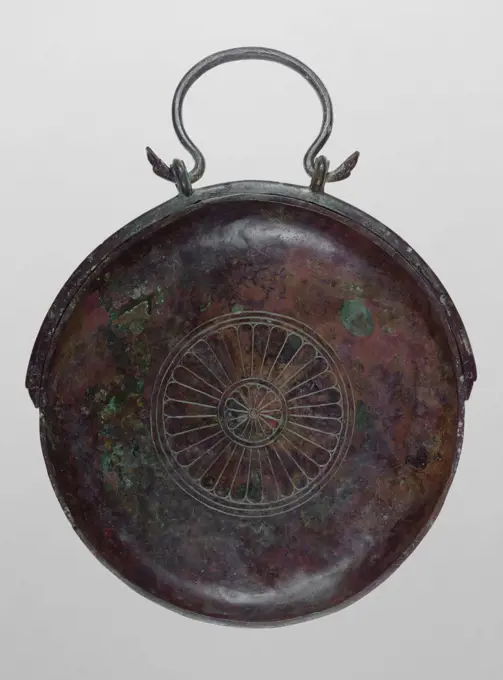
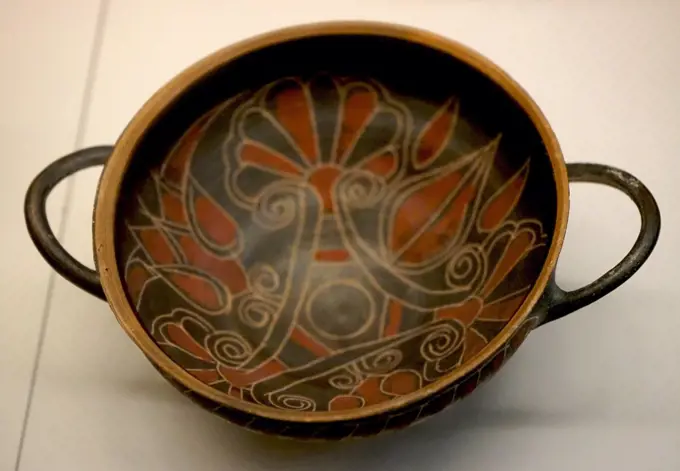
Bronze vroulian cup, decorated with incised florals with added red paint from Kamiros, Rhodes. Dated 600 BCFrame for a mirror 16th century Italian, Venice. Frame for a mirror 196726Cover with Snakes. Western Iran, 1350-800 B.C.. Furnishings; Accessories. CeramicArchitectural Unit China. Architectural Unit 61230Faience plate, blue on white, coat of arms with post horn, underneath HOORN, plate crockery holder soil find ceramic earthenware glaze tin glazing, total, Cooked in tube. Glaze layer underside incomplete text under escutcheon: HOORN archeology heraldrySaucer with a marbled, matte purple border with Chinese scenes, anonymous, c. 1790 - c. 1800  Porcelain dish with a straight wall, painted on the glaze in red, pink, green, brown, black and gold. On the flat a rosette surrounded by a star form of garlands and garlands. The inner wall with a marbled Matpaarse band with Chinese performances (chinoiserie) in gold medallions. Below a garland and a pendulum. Golden band with a leaf shelf on the edge underneath. France porcelain. glaze. gold (metal) painting / gilding / vitrificationFragment of a bowl, c. 1600 Fragment of a bowl on a low, namely the deepened flat. Crème shard covered with ting laze on the front and lead glaze at the rear. The flat is decorated with three flowers in blue, orange and green inside blue and yellow circles. On the edge of geometric ornament in blue and violet. Northern Netherlands earthenware. tin glaze. lead glaze majolica Fragment of a bowl on a low, namely the deepened flat. Crème shard covered with ting laze on the front and lead glaze at the rear. The flat is decorated with three flowers in blue, orange and green inside blue and yellow circles. On the edge of geometric ornament in blue and violet. Northern Netherlands earthenware. tin glaze. lead glaze majolicaMiss of two baked plates of white -baking earthenware, with yellowish glaze with the painting of a weapon in blue, anonymous, 1600 - 1650  Northern Netherlands earthenware. glaze majolica  Northern Netherlands earthenware. glaze majolicaPlate with the arms of the City of London early 17th century Possibly John Duncombe. Plate with the arms of the City of London. British. early 17th century. Pewter. Metalwork-PewterShield. Culture: German, Landshut or Augsburg. Dimensions: Diam. 22 1/4 in. (56.5 cm); Wt. 7 lb. 2 oz. (3232 g). Date: ca. 1560.The three lions, masterfully embossed in low relief, refer to the heraldic arms of the shield's owner, who unfortunately is not identified. Since the shield is recorded as having come from Spain in the early nineteenth century, its owner was undoubtedly a Spanish nobleman. Cuts across the surface of the lions indicate that the shield saw active use, most likely in a tournament on foot. Museum: Metropolitan Museum of Art, New York, USA.Pavement tiles 16th-17th century Spanish, Seville. Pavement tiles 187935Mirror with Paired Phoenixes, AD 25-316. China, Eastern Han dynasty (25-220) - Western Jin dynasty (265-316). Bronze; diameter: 9.8 cm (3 7/8 in.); overall: 1 cm (3/8 in.); rim: 0.4 cm (3/16 in.).Ornament tile, diagonally across the tile white braid band motif, corner motif quarter rosette, wall tile tile material ceramics earthenware glaze, baked 2x glazed painted Light yellow shard with fine red dots and square strings. Multicolored: blue (ocher to lemon) yellow and orange on white. Savings technique MoorsA plate;  18th century (1701-00-00-1800-00-00);Plate; Koenigliche Porzellan Manufaktur (KPM; Berlin; 1763-1918); approx. 1800 (1823-00-00-1832-00-00);Orangeware Bowl with Fish Motif 2nd century B.C. Paracas. Orangeware Bowl with Fish Motif 308471Majolica dish, blue on white, Italian-style tendrils, plate crockery holder soil find ceramic earthenware glaze, majolica Cooked on prunes. Italian decor archeology Italy decorate foodDish (coppa) ca. 1530-35 Italian, Gubbio. Dish (coppa) 460258Headdress 18th century-19th century probably Austrian. Headdress 79131CUENCO DE MANISES DECORADO A MODO DE FLOR Y CON ARBOLES DE LA VIDA - SIGLO XIV - HISPANOMUSULMAN. Location: HISPANIC SOCIETY OF AMERICA. NEW YORK CITY.Bowl 1700-50 Much of Manisan lusterware was influenced by Islamic designs introduced from Andalucía by immigrant Mudéjar or converted Muslim craftsmen. This piece features a large, S-shaped bird, in copper luster, which appears to take flight against a background of sketchily drawn bushes, flowers, circles and dots.. Bowl 451999Platter with red dragons". Koenigliche Porcellain Fabrique, Meissen (1710-1763), factoryMosaic Disk with a Mythological and Historical Scene. Mixtec; Northern Oaxaca, Mexico. Date: 1401-1500. Dimensions: Diam. 30.5 cm (12 in.). Turquoise, earthenware, stucco, spondylus shell, mother of pearl, and iron pyrite, with pigment. Origin: Oaxaca state. Museum: The Chicago Art Institute, Chicago, USA.Box, Block-printed paper, pasteboard support, Workbox, square in plan, with shaped sides and hinged inset cover. Covered with large-scale wallpaper, pink, green and white on blue field, with birds, lace and flowers., USA, ca. 1835, Wallcoverings, BoxMirror, 618-907. China, Tang dynasty (618-907). Bronze; diameter: 21 cm (8 1/4 in.).Dish for a ewer (bacile da versatore) ca. 1530-40 Italian, Deruta. Dish for a ewer (bacile da versatore) 460174Tea tray (Plateau) Based on engravings by Pierre Brebiette French ca. 1725 The central parade of child musicians is adapted from engravings by Pierre Brébiette (1598-1650). The black and yellow of the ground evoke the ebony, brass, and tortoiseshell marquetry furniture of André Charles Boulle (1642-1732) and his successors. View more. Tea tray (Plateau). Based on engravings by Pierre Brebiette (French, Mantes-sur-Seine ca. 1598-1642 Paris). French, Rouen. ca. 1725. Faience (tin-glazed earthenware). Ceramics-PotteryDish, the ribs alternately blue and white, separated by golden piping, c. 1775 - c. 1800  Dish, ribbed, the edges serrated. The ribs separated by vertical gold piping. The Cavities Dark Blue (Blue du Roi), the ribs white, on which a decoration of leaf work and braid tire. The edges gilded, gilding inwards. Marked in underlaze blue. Worcester earthenware vitrificationFragment sign from V.O.C. ship De 'Witte Leeuw', Anonymous, Before 1613 plate (dishes) Fragment sign from V.O.C. ship De 'Witte Leeuw', 65 present. Jingdezhen bone china (material)   Sint-HelenaBowl with a PersianInscriptionSquare dish with figures in a garden 16th century China. Square dish with figures in a garden. China. 16th century. Carved red lacquer. Ming dynasty (1368-1644). LacquerFan-shaped dish with a figure, flowering plants and birds, anonymous, c. 1700 - c. 1799 Fan -shaped container of stoneware, painted on the glaze in blue, red, green, yellow, brown, black and gold. One half of the bottom with modeled ribs, the other half is smooth. On the slippery half a person with a broom leaves sweeping for a structure and flowering plants (maple). The other half with two birds on a flowering plant in a structure. Below vertical, decorative tires. Three old labels on the bottom with 'Owari. Shino-yaki/ the 18th cent true decribed as' ornamental with golddust and designs or plants etc./ alexander collection ',' Shino/ the Late Ware 'and' depicted in Transactions and Proceedings of the Japan Society Vol. XXXII/ 1934-35, pages 28/ coll. Westendorp '. Japan stoneware. glaze. gold (metal) painting / gilding / vitrification Fan -shaped container of stoneware, painted on the glaze in blue, red, green, yellow, brown, black and gold. One half of the bottom with modeled ribs, Saucer (part of a service). Culture: British, Caughley. Dimensions: Diameter (each): 3 13/16 in. (9.7 cm); Diameter (.375): 3 3/4 in. (9.5 cm). Factory: Caughley Factory (British, ca. 1772-1799). Date: ca. 1780-90. Museum: Metropolitan Museum of Art, New York, USA.Box with camellia 14th century China The stylized flowers depicted in Chinese lacquer are often difficult to identify precisely. However, the large blossom on this box is probably a camellia, a flower associated with winter and endurance. This box is one of several, most found in Japan, which bear the name Zhang Cheng (here, carved into the base). He is one of only two fourteenth-century lacquer artists whose names are recorded.. Box with camellia 60910Plate 19th century Elkington & Co. British. Plate. 19th century. Plated base metal. Attributed to England, Birmingham. ReproductionsTile, orange, brown, green, and blue on white, flowerpot in square, corner pattern palm, wall tile tile sculpture ceramic earthenware glaze, baked 2x glazed paintedPa. German Pie Dish. Dated: c. 1936. Dimensions: overall: 50.5 x 41 cm (19 7/8 x 16 1/8 in.) Original IAD Object: 13 1/4" in diameter. Medium: watercolor and graphite on paper. Museum: National Gallery of Art, Washington DC. Author: William L. Antrim.Plate, Joshua and Kaleb ca. 1500 German. Plate, Joshua and Kaleb. German. ca. 1500. Brass. Made in Nuremberg, Germany. Metalwork-BrassShard of a pot from the wreck of the East India Hollandia.Stoneware, Rhenish, Westerwald, Pot; or body, sim. NG 1980-27H2624R.Bowl. Dimensions: H. 3 in. (7.6 cm)Diam. 12 3/8 in. (31.4 cm)Wt. 29.9 oz. (847.7 g). Date: 11th-12th century. Museum: Metropolitan Museum of Art, New York, USA.Bowl, c. 1000-1200. Southwest, New Mexico, Mimbres Valley, 11th-12th century. Earthenware; overall: 9 x 20.5 cm (3 9/16 x 8 1/16 in.).Dish depicting a Wedding Procession first quarter 13th century This large fluted dish is a fine example of the Kashan style of luster pottery of the late twelfth century onward, in which figures are drawn in reserve on a luster ground. Here, fortyfour figures are clustered around the central veiled woman, probably a bride, seated in a litter.. Dish depicting a Wedding Procession 453209Dish with Tambourine Players, 700-600 BC. Phoenicia, 7th Century BC. Silver, partially gilt; overall: 1.3 x 19.5 x 19.5 cm (1/2 x 7 11/16 x 7 11/16 in.).Terracotta phiale (libation bowl) 3rd century B.C. Greek, South Italian, Apulian This distinctive type of phiale with twelve egg-shaped cavities and relief decoration on the rim derives from metal prototypes introduced to Greece from the East during the Archaic period. The Hellenistic form is attested in very rare examples of silver. The numerous terracotta counterparts that survive are connected especially with Tarentum. Heads of orientals alternate with scrollwork around the outer edge.. Terracotta phiale (libation bowl) 250805 Greek, South Italian, Apulian, Terracotta phiale (libation bowl), 3rd century B.C., Terracotta, H. 2 1/8 in. (5.4 cm); diameter 8 1/2 in. (21.6 cm). The Metropolitan Museum of Art, New York. Rogers Fund, 1919 (19.192.73)Polychrome Bowl with Abstract Geometric Motifs. Four Mile Polychrome; Cibola region, east-central Arizona, United States. Date: 1000-1400. Dimensions: 12.7 × 30.5 cm (5 × 12 in.). Ceramic and pigment. Origin: Arizona. Museum: The Chicago Art Institute, Chicago, USA.Sword Guard (Tsuba), c. 1615-1868. Japan, possibly Edo period (1615-1868). Iron; overall: 7.4 x 7.4 cm (2 15/16 x 2 15/16 in.).Lid 9th century. Lid 449367Terracotta kylix: lip cup (drinking cup) third quarter of the 6th century B.C. Greek, Attic In the center, a sphinx to left, framed by tongues, alternating with red and black; on the exterior, above the handle, around the center, a black glazed line; towards the bottom of the bowl, a band of black glaze and a band of reserve; the underside of the bowl is glazed. Terracotta kylix: lip cup (drinking cup). Greek, Attic. third quarter of the 6th century B.C.. Terracotta; black-figure. Archaic. VasesDecorated boss ca. 8th-7th century B.C. Iran This boss, a type of raised ornamentation, is decorated with four incised ibexes and a knob in the center ending in a rosette. Its function is uncertain but a riveted loop at the back may indicate that it could have been used as horse harness decoration.In 1947 a treasure was reputedly found at a mound near the village of Ziwiye in northwestern Iran. Objects attributed to Ziwiye are stylistically similar to Assyrian art of the eighth and seventh centuries B.C. as well as to the art of contemporary Syria, Urartu, and Scythia. Many objects of gold, silver, bronze, ivory, and ceramic have since appeared on the antiquities market with the provenance of Ziwiye, although there is no way to verify this identification.. Decorated boss 324411Tile, orange, brown, green, and blue on white, flowerpot in square, corner pattern palm, wall tile tile sculpture ceramic earthenware glaze, baked 2x glazed paintedArmorial dish labeled 'Corbeau', c. 1710, 2 1/8 x 12 5/16 x 12 7/16 in. (5.4 x 31.31 x 31.56 cm), Porcelain, China, Chinese exportDish, painted with parallel lines and stylized leaf and flower ornaments. Round dish of multicolored faience painted. The plate is painted with parallel lines between which stylized flower and leaf ornaments. Concentric circles were painted on the back. The glaze has a reflet metallique.Fragment majolica dish with polychrome image of man with hat, plate crockery holder soil find ceramic earthenware glaze tin glaze lead glaze, hand-turned baked glazed painted Glued fragment of majolica dish with as central representation the bust of man with hat Tapestry over the edge Polychrome decor Under the edge frieze with zigzag line and filled triangles Bottom covered with bright lead glaze Cooked on prunes. Standring No or hardly used archeology serve serving foodStiula cover decorated with six animals around its border. Bronze artefact with a 32cm diametre from the Benvenuti Tomb 124 in Este (Veneto). Etruscan civilization, 6th Century BC.Fragment 13th-16th century. Fragment 452481Dish ca. 1760 Style of Whieldon type. Dish. British, Staffordshire. ca. 1760. Lead-glazed earthenware. Ceramics-PotteryDish of hard-baked pottery with a brown transfer as a decoration. Dish of hard-baked pottery. The dish is around and has a representation of a sinking ship and weapons with the names of the provinces as the caption. The dish has an image of a portrait bust with a banderole on which written JCJ van Speyk. The dish is marked: Scott.Model of a House with Festive Scene. Dimensions: H. 2 3/4 in. (7 cm)W. 7 1/8 in. (18.1 cm)D. 4 1/2 in. (11.4 cm). Date: 12th-early 13th century.Ceramic house models may have been wedding gifts. This turquoise model's open courtyard with pierced balustrade and corner roof projections suggests a vernacular building. A festive occasion is depicted, with seated personages holding cups and a couple dancing with raised arms. The role of the turbaned, bearded man on a high stepped stool--a figure who bears the conventional traits of older, wise, educated, or religious men--remains enigmatic. Museum: Metropolitan Museum of Art, New York, USA.Tile 15th-16th century Spanish. Tile 467579Rectangular tray with fish chime, treasures, and clouds China The two fish on this tray are suspended from a pendant in the shape of an ancient stone chime, which represents wishes for happiness and abundance (yuqing). The twin fish is also one of the eight Buddhist treasuresthe other seven are arranged in the foreground: a wheel, conch shell, umbrella, parasol, flower, jar, and double knot. Shown with bats and clouds, these symbols convey auspicious wishes beyond religious meaning.. Rectangular tray with fish chime, treasures, and clouds 667293Dish with Open Work, late 1500s. Circle of Bernard Palissy (French, 1510-1589). Lead-glazed earthenware; diameter: 26 cm (10 1/4 in.).Bark Belt (titi bae), 20th century, 12 1/2 x 11 x 2 1/2 in. (31.75 x 27.94 x 6.35 cm), Bark, pigments, Papua New Guinea, 20th centuryBowl with Two Facing Peacocks second-third quarter 10th century Birds were a particularly popular subject in the Abbasid period, as artists in many media transformed the creatures beaks and wings into increasingly abstracted designs. The symmetrical pattern of two peacocks facing each other finds iconographic precedents in examples dating from the late antique and Byzantine periods, where it often carried paradisiacal connotations. The exterior is painted with a simple pattern of circles and lines. The underside of the foot is glazed and bears an Arabic inscription. Monochrome luster examples such as this were characteristic of the "second phase" of Abbasid lusterware, which developed in centers in Iraq in the tenth century.. Bowl with Two Facing Peacocks. second-third quarter 10th century. Earthenware; luster-painted on opaque white glaze. Made in Iraq, probably Basra. CeramicsBowl 12th-13th century. Bowl 451376Limoges enamelled Pyx 13th Century.Cutout Disk 6th-7th century Moche (Loma Negra) This gilded copper disk features a central figure with outstretched arms, shown in silhouette, and encircled by three concentric rings of circular cut-outs. The figure holds a head in his left hand and a crescent-bladed knife (tumi) in his right hand. A crescent headdress and a loincloth complete the figures adornments. Four bands, each bisected by a line, emanate outward from the figure. Such rays may represent the eight legs of a spider (Alva, 2008; Cordy-Collins, 1992). The metal removed to create the circular holes was likely repurposed to create the dangles, each held in place by wires fixed to the back of the disk and suspended near each cut-out hole. Other circular dangles are suspended along the circumference of the disk, as well as from the figures tunic and rays. In its original state the shimmering of the gilded disks must have been striking. In Moche iconography, figures holding a trophy head and a tumi knife have been identiPlate ca. 1775-1800 John Leidy I. Plate 5997Bowl 13th century. Bowl 451433VASO DEL AMOR CON FONDO ESMALTADO S XVI. Location: CATEDRAL-INTERIOR. Toledo. SPAIN.Ceramic probably 8th-12th century This object was excavated at Nishapur.Nishapur was a vital city in the early and middle Islamic periods, located along one of the main trajectories that connected Iran and West Asia Islamic lands with Central Asia and China. These itineraries are often referred to by the term Silk routes’ but were in fact crucial to the movement of constellations of materials and objects, as well as people and ideas. The diverse population of Nishapur and its surroundings, from the better-researched elite groups of merchants, land-owning aristocracy, and literates, to the less-known artisans, farmers, miners, and servants, were instrumental in adapting global cultural trends to create their own distinctive visual languages. This is seen in the material remains of everyday life in medieval Nishapur - from pots and pans to lighting devices, inkwells, textiles and trimmings, jewelry, games and toys, talismanic devices, weapons, coins, and architectural fragments.NishapurTile. Iran, 14th-15th century. Ceramics. Fritware, molded and underglaze-paintedArchitectural Unit China. Architectural Unit 61229Belt Buckle, c. 525-560. Visigothic, Spain, Migration Period, 6th century. Bronze with garnets, glass, mother of pearl, gold foil, traces of gilding; bronze and glass; overall: 7.1 x 2.7 cm (2 13/16 x 1 1/16 in.). The art of the European Migration Period (3rd-7th centuries AD) is almost exclusively one of personal adornment-a portable art that followed men and women to their graves. Belt buckles with large rectangular attachment plates have been discovered in cemeteries across the Iberian Peninsula-now occupied by Spain and Portugal-from the period of Visigothic occupation (about AD 412-711). Their decoration varies. Finer examples, like this one, are distinguished by brilliantly inlaid semi-precious stones and colored glass. Garnets were especially prized in Visigothic society for use in cloisonné jewelry. The technique involved the fitting of carefully cut pieces of polished garnet into an intricate grid of compartments, or cloisons. This buckle is so densely inlaid with garnets thaToy dessert plate - Charles Allerton & Sons Charles Allerton & SonsThree Hungarian-Style Shields. Culture: Eastern European. Dimensions: 42.50.29: H. 50 in. (127 cm); W. 20 in. (50.8 cm); 42.50.30: H. 45 in. (114.3 cm); W. 25 in. (63.5 cm); 49.57.1: H. 32 1/2 in. (82.55 cm); W. 21 5/8 in. (54.91 cm). Date: ca. 1500-1550.These wing-shaped shields, with the distinctive upward-sweeping back edge, were the characteristic light-cavalry shields of Hungary. During the sixteenth century, the style was adopted across much of eastern Europe by both Christian and Islamic horsemen. The shield's elongated upper edge was designed to defend the back of the head and neck against cuts from a saber, the preferred cavalry weapon in that region.The shield on the right is painted on its exterior with the double-bladed sword of the prophet Muhammad and on its interior with the Crucifix and instruments of the Passion. This unusual mix of Islamic and Christian symbols suggests that the shield was used in a tournament by a Christian warrior dressed in Muslim fashion. In theFragment of Dish 13th-14th century. Fragment of Dish 446518Small Headrest (Zhen) with Baby and Duck. China, Hebei Province, probably Julu County, middle Northern Song dynasty, about 1000-1100. Furnishings; Furniture. Cizhou ware, slab-built stoneware with white and brown slips, incised and stamped decoration, and transparent glazeBowl 900 CE-1200 Southwest. Ceramic and pigment . MimbresFragment majolica dish, blue on white, four-sided ground surface with brushstroke motif, plate crockery holder soil find ceramic earthenware enamel, Wines baked Symmetrical brushstrokes Italian decor. underside appears to be covered with purple tinted lead glaze archeology Italy Rotterdam decorate food archaeological find in the soil Rotterdam 1941.Dish of lead glaze earthenware, with deepened flat, anonymous, c. 1575 - c. 1625 Dish of lead glaze earthenware. The flat is deepened and decorated with three concentric circles in Relief, around which two circular -ranged series of dimples. The wide edge has a series of studs interspersed with dimples. The dish is covered with red -brown, blue, green and purple and yellow -white sludge layers that are shaken. The back is covered with brown, reddish -brown and yellow -white sludge layers. Italy earthenware. lead glaze Dish of lead glaze earthenware. The flat is deepened and decorated with three concentric circles in Relief, around which two circular -ranged series of dimples. The wide edge has a series of studs interspersed with dimples. The dish is covered with red -brown, blue, green and purple and yellow -white sludge layers that are shaken. The back is covered with brown, reddish -brown and yellow -white sludge layers. Italy earthenware. lead glazeTraditional Turkish ceramic pottery items in bazaarFragment majolica dish, orange and blue on white, stylized leaf motifs, cable border, plate dish crockery holder earth discovery ceramics pottery glaze, archeology serving decorateSet of Two Cups and Saucers, Pierre Adrien Dalpayrat, c. 1900 Dishes of earthenware with a flamed reddish -brown and yellow enamel. Bourg-la-Reine earthenware vitrification Dishes of earthenware with a flamed reddish -brown and yellow enamel. Bourg-la-Reine earthenware vitrificationBowl 12th-13th century. Bowl 447183Mirror with a Pair of Phoenixes, 1100s. China, Song dynasty (960-1279). Bronze; diameter: 35.1 cm (13 13/16 in.); overall: 1.3 cm (1/2 in.); rim: 0.8 cm (5/16 in.). This exceptionally large bronze mirror features magnificently long-tailed phoenixes with cloud scrolls, motifs that can also be seen on the silk boots nearby. While the mirror, according to its inscription Zhang Zhigao from Jinling (Nanjing) was made in southeast China, the boots were made in the northern part of China then occupied by the Khitan people. The inscription is placed to the right of the mirrors central knob. Mirrors typically have one polished and one decorated side and were used in part in tombs for ritual purpose or served as disks for reflection.Wedding sping; Medal with creation of EVA. Silver oval medal. Front: engraved representation of Adam and Eva in paradise, they reach the hand each other. On the down side a cartouche decorated with lobe ornament and fruits with the inscription: the man on nature should not be accompanied - spoke godes voice - that's why he created - a breeze his sij - and gaff se.Bowl late 8th-first half 9th century. Bowl 449355Slipware Dish, early 1800s. America, Pennsylvania, early 19th century. Red terracotta with yellow and transparent glaze; diameter: 37.5 cm (14 3/4 in.).Annie B Johnston, Brass Sugar Skimmer, c 1938 Brass Sugar SkimmerPlays  a scene of feasting and prayers for prosperity in the work on the land, stand unknownTile, blue, green, brown and yellow on white, central an orange star in circle, sgraffito surfaces, corner motif quarter rosette, wall tile tile sculpture ceramic earthenware glaze, baked 2x glazed painted Yellow - red shard square Two or four nail holes. AIb3.Sake Cup 19th century Shomosai Japanese. Sake Cup 45436Lid for a Bidri Pandan with Chevrons, c. 1700. Southwestern India, Deccan, Karnataka, Bidar. Zinc alloy with silver overlay; diameter: 15 cm (5 7/8 in.). A pandan is a lidded vessel for serving paan, which has been enjoyed in India for more than two thousand years. Paan is betel or areca nut mixed with lime powder, aromatics such as clove cinnamon, or cardamom, and wrapped in betel leaf. The whole packet is chewed after a meal as a mild stimulant and mouth freshener.Soul of majolica dish, polychrome rosette in the mirror, plate dish crockery holder soil find ceramic pottery glaze tin glaze lead glaze, majolica painted baked 2x glazed Soul of majolica dish with polychrome rosette in the mirror. Around it blue and orange circles. underside partly covered with lead glaze Poorly mixed earthenware with yellow and orange shard. Wood-baked archeology Rotterdam Stadscentrum Stadsdriehoek Schielandshuis indigenous pottery food serving table serving decorate Soil discovery: Schielandshuis.Dish 12th-13th century China. Dish. China. 12th-13th century. Stoneware with light blue glaze (Jun ware). Jin dynasty (1115-1234). CeramicsBox for Tooth Black with Design of Saltmaking Hut on the Shore (Suma no ura) 15th century Japan. Box for Tooth Black with Design of Saltmaking Hut on the Shore (Suma no ura) 40315Close-up of decorated shells in a trayTray with Design of Pines Along the Shore 19th century Japan. Tray with Design of Pines Along the Shore 57620East Greek Patera; Asia Minor; about 530 B.C; Bronze; 40.8 cm (16 1,16 in.)Lustre star tiles with blue borders, from Iran, Kashan. Dated 13th Century