Historical Ceramic Artifacts

Diverse ceramic bowls and plates from different cultures and eras, featuring intricate designs and historical significance.
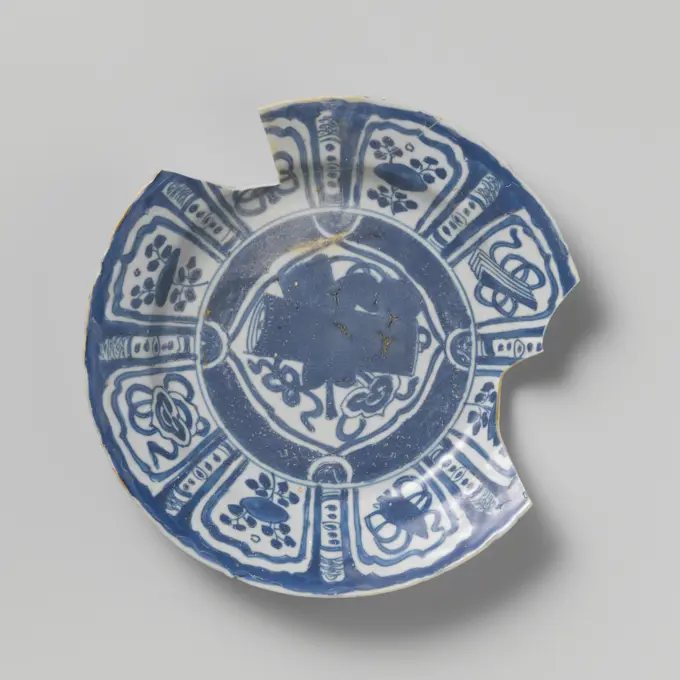
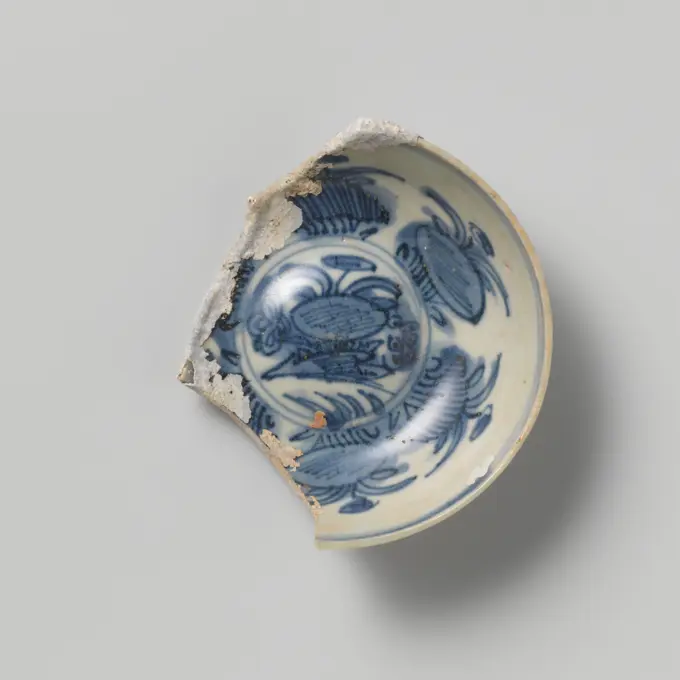
Fragment sign from V.O.C. ship De 'Witte Leeuw', Before 1613 plate (dishes) Fragment sign from V.O.C. ship De 'Witte Leeuw', 80 present. Jingdezhen bone china (material)   Sint-Helena
Fragment sign from V.O.C. ship De 'Witte Leeuw', Before 1613 plate (dishes) Fragment sign from V.O.C. ship De 'Witte Leeuw', 80 present. Jingdezhen bone china (material) Sint-Helena
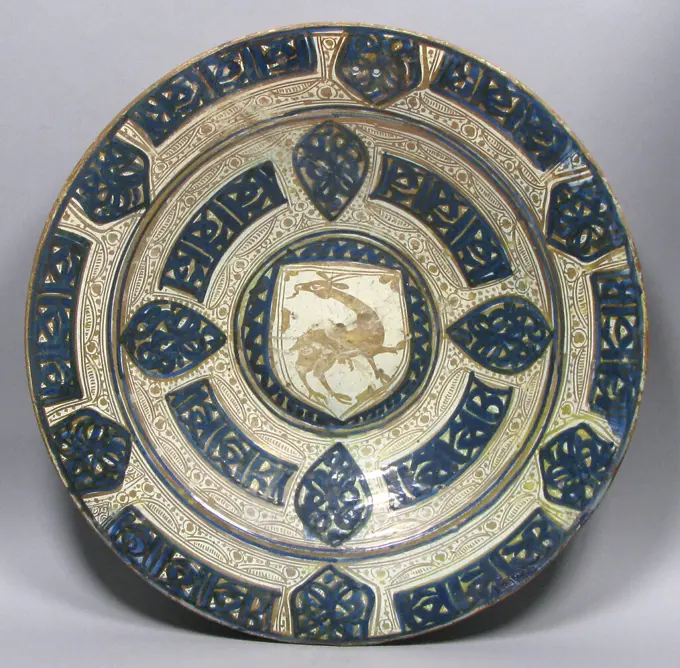
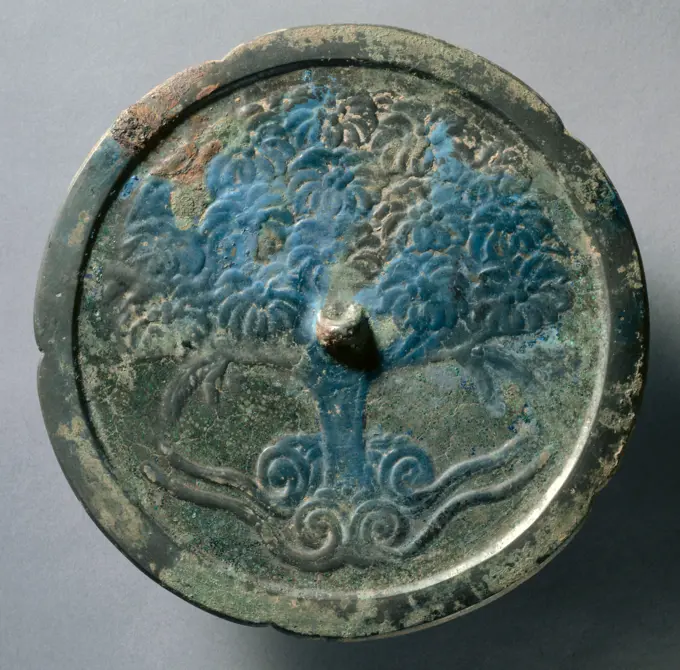
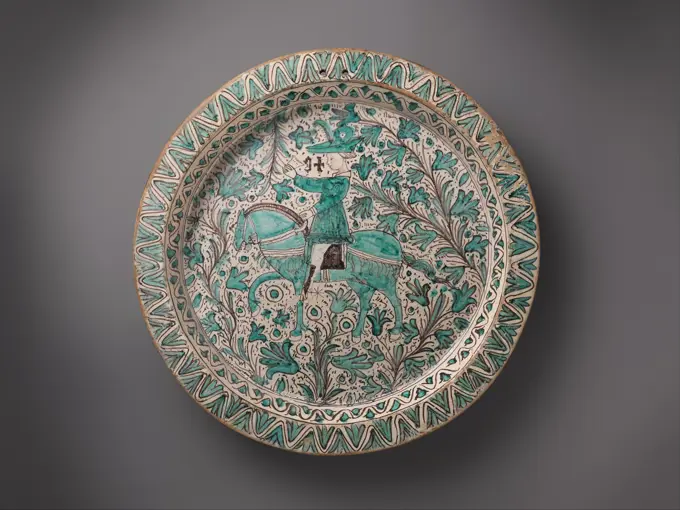
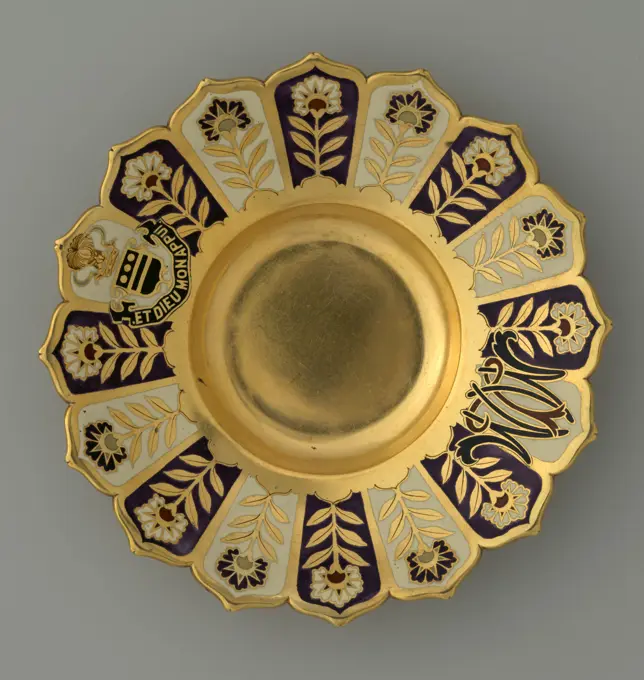
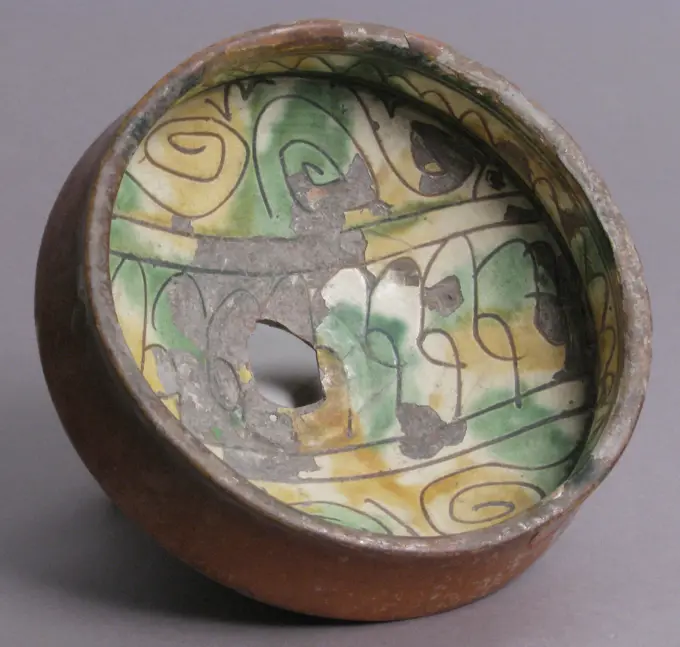
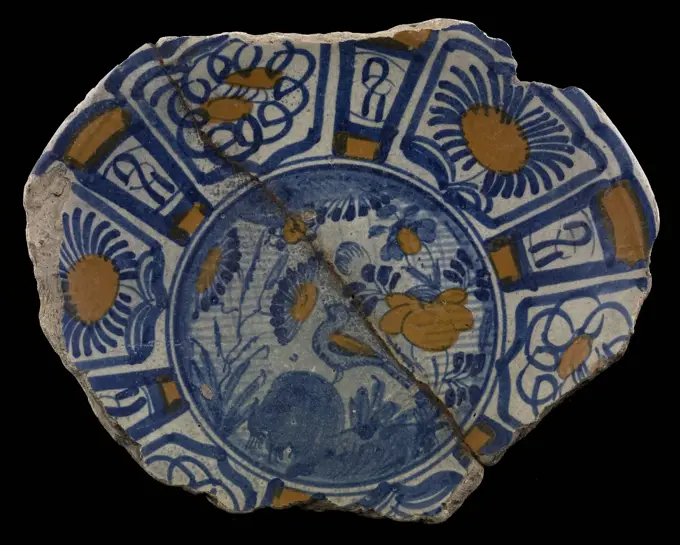
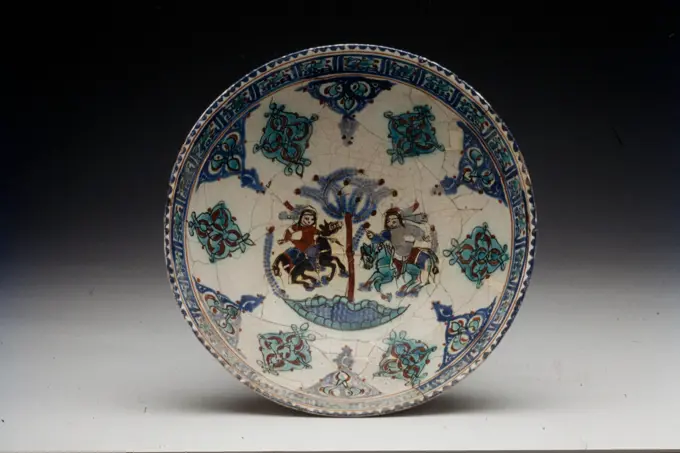
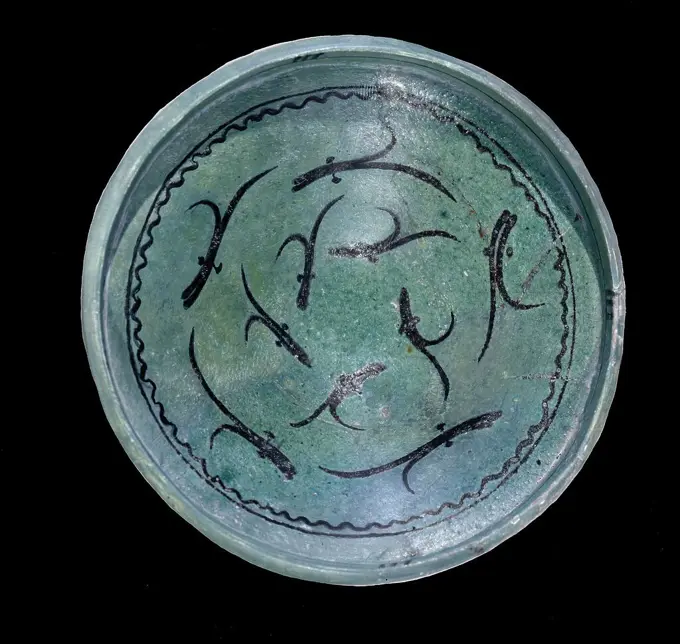
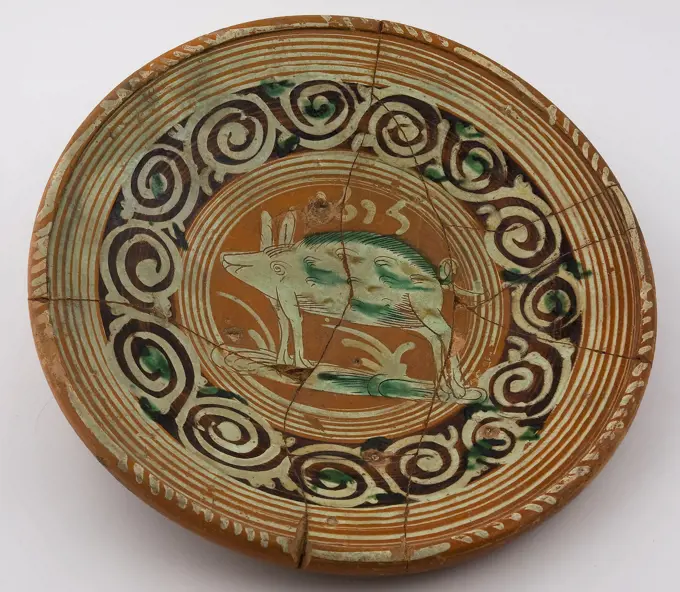
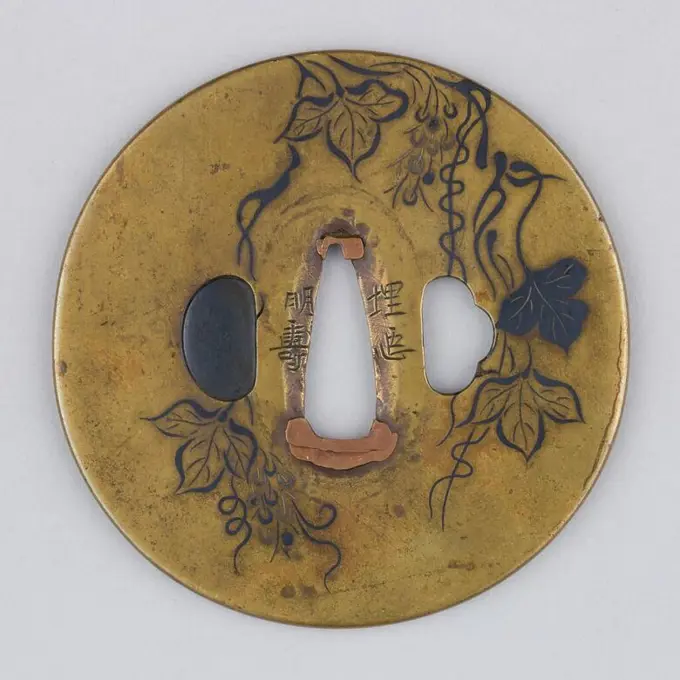
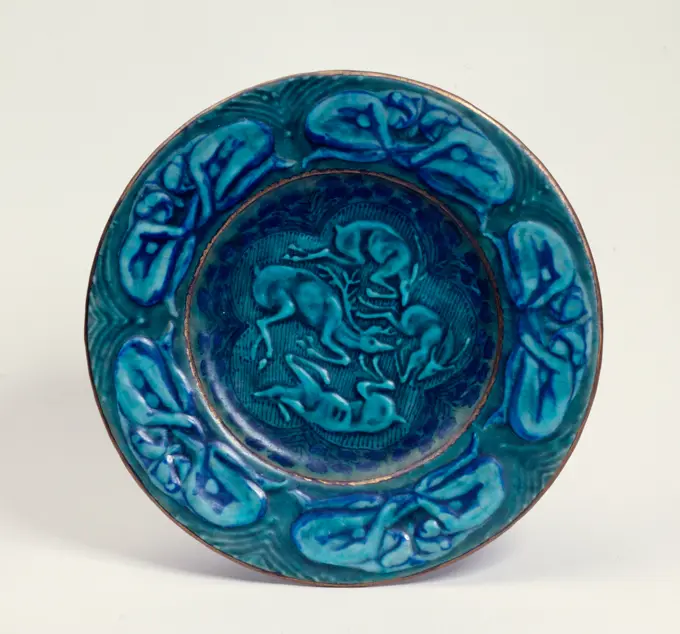
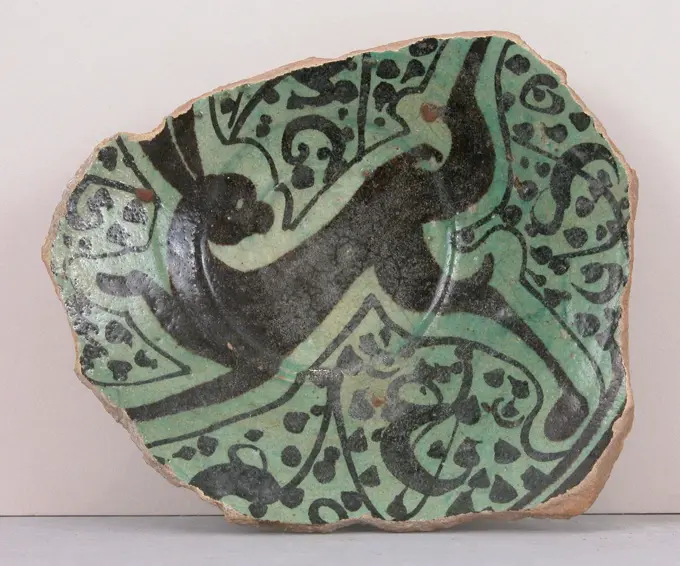
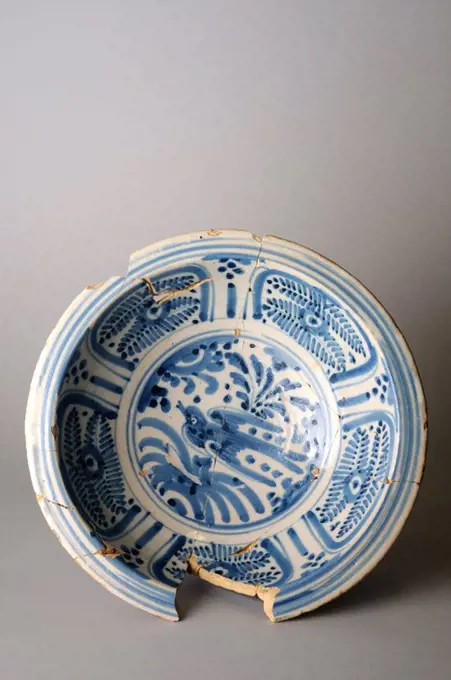
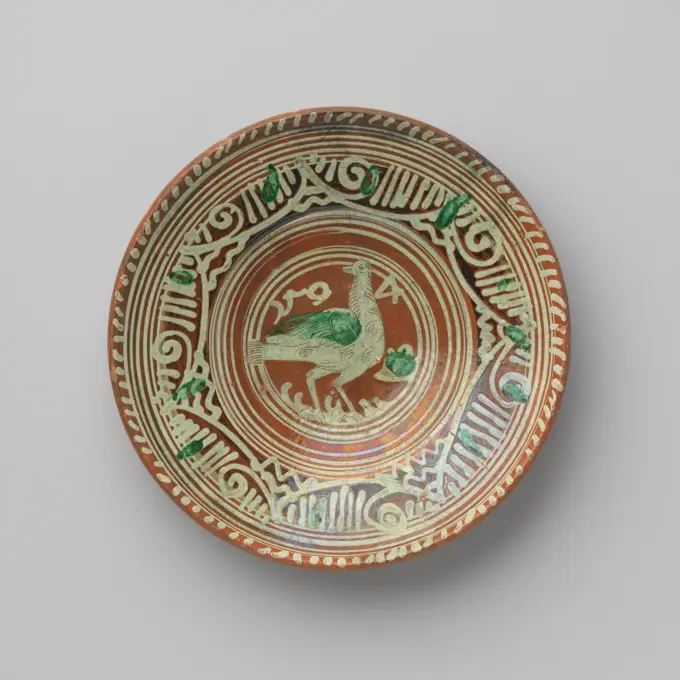
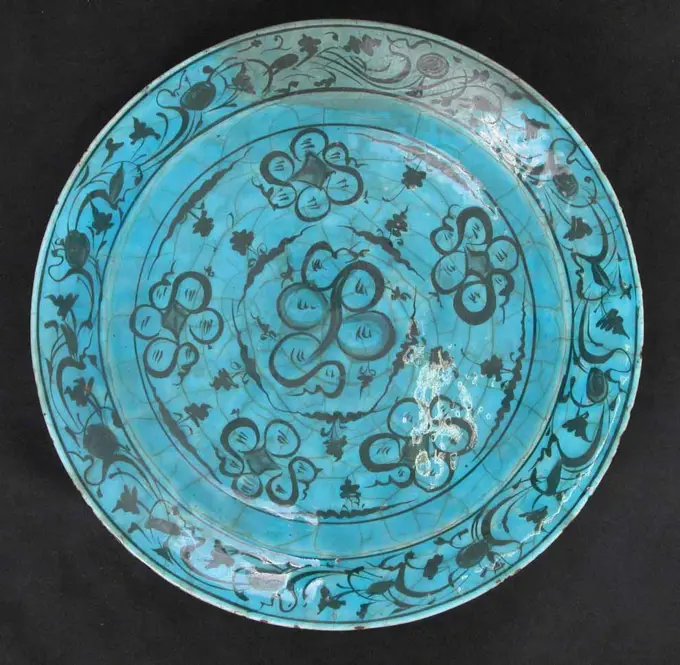
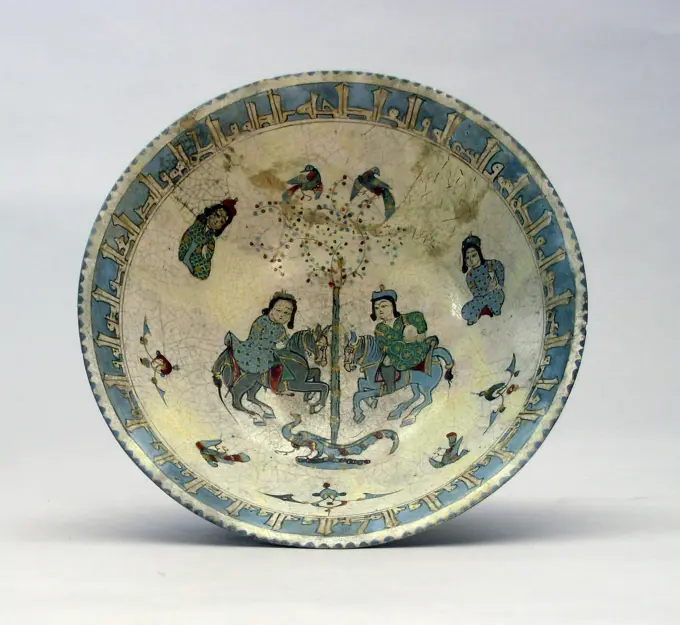
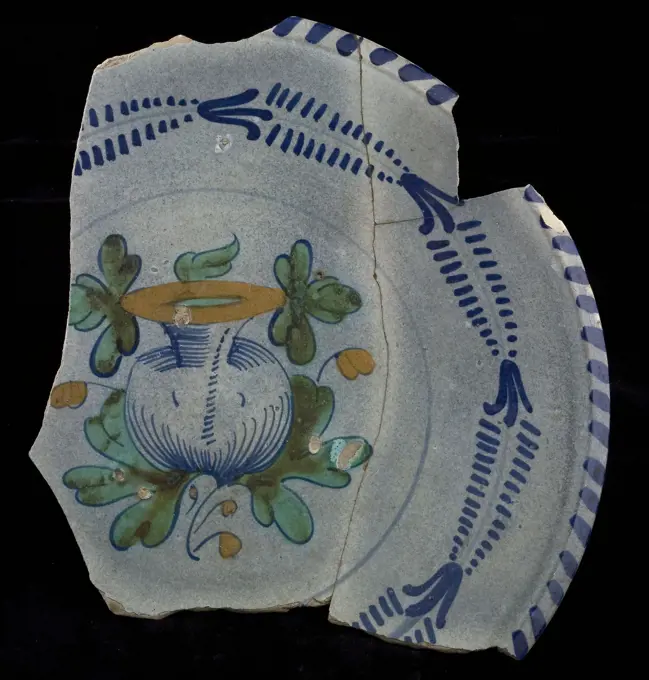
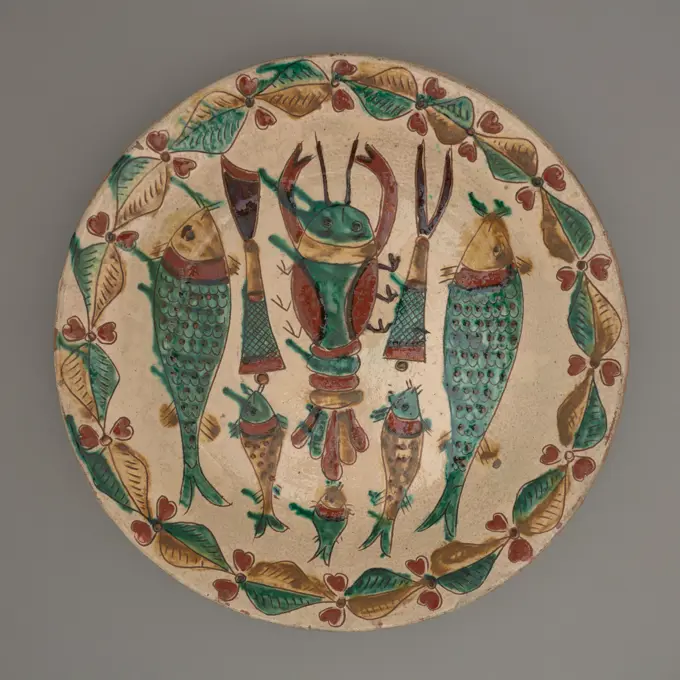
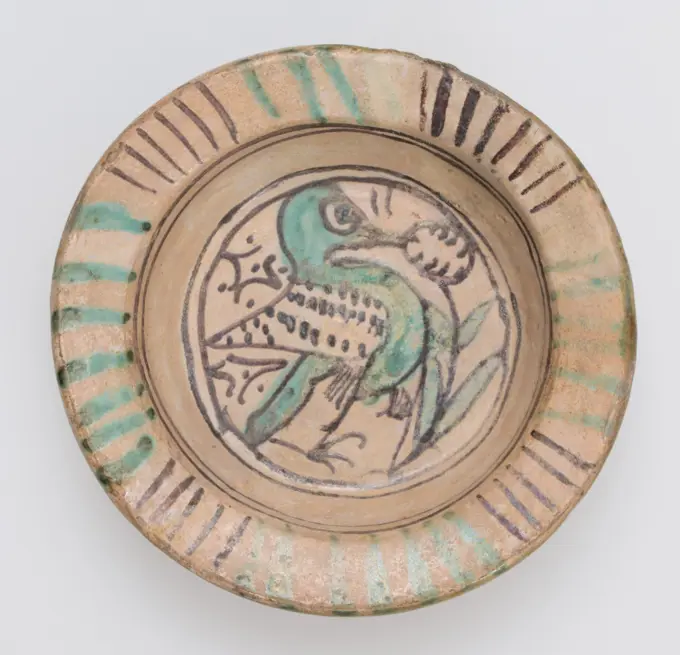
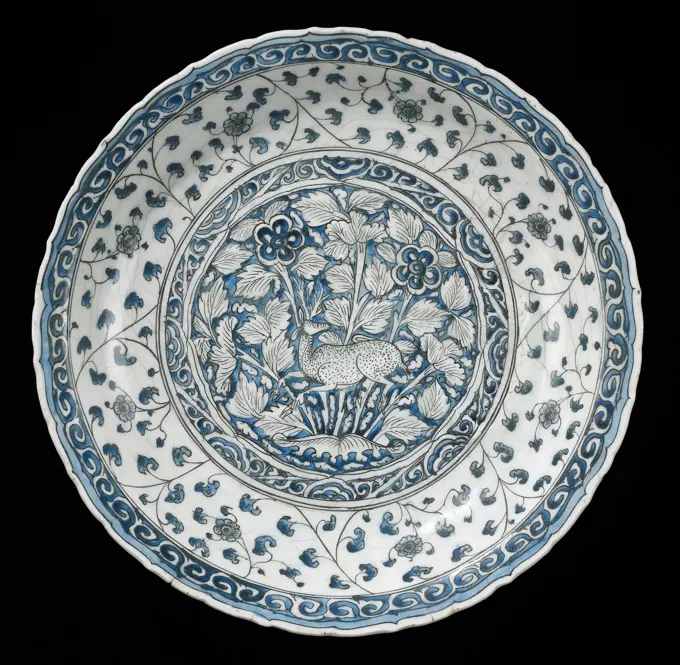
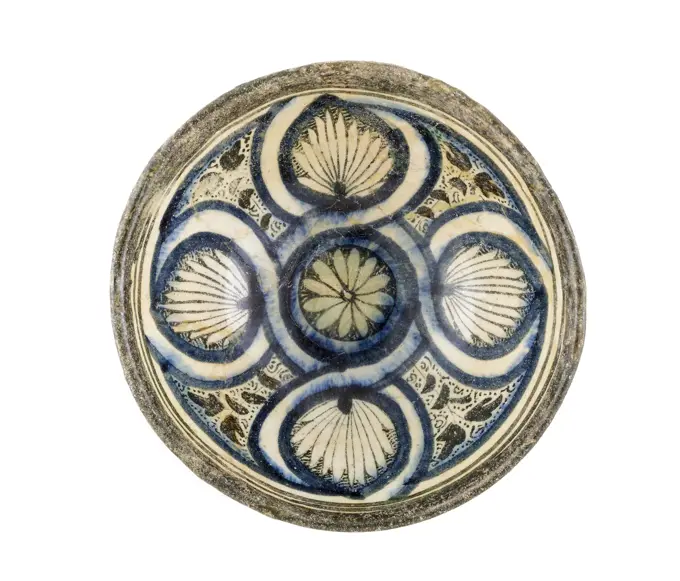
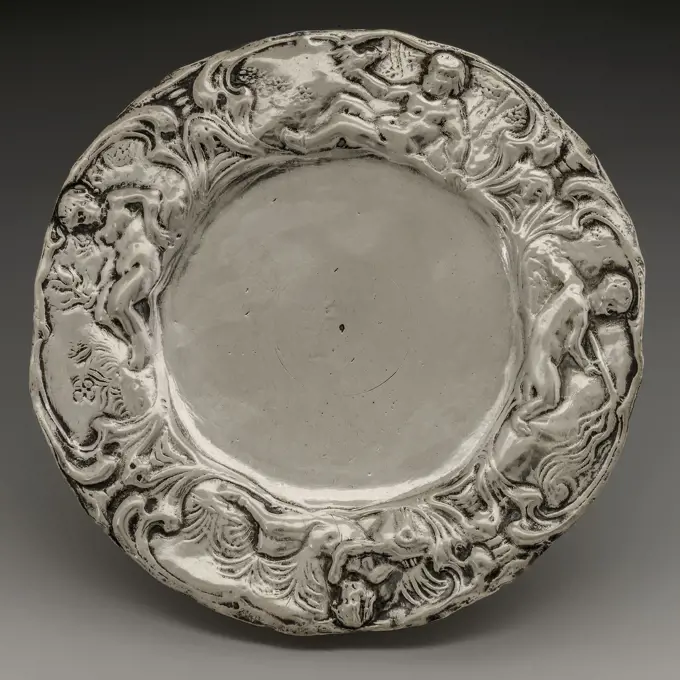
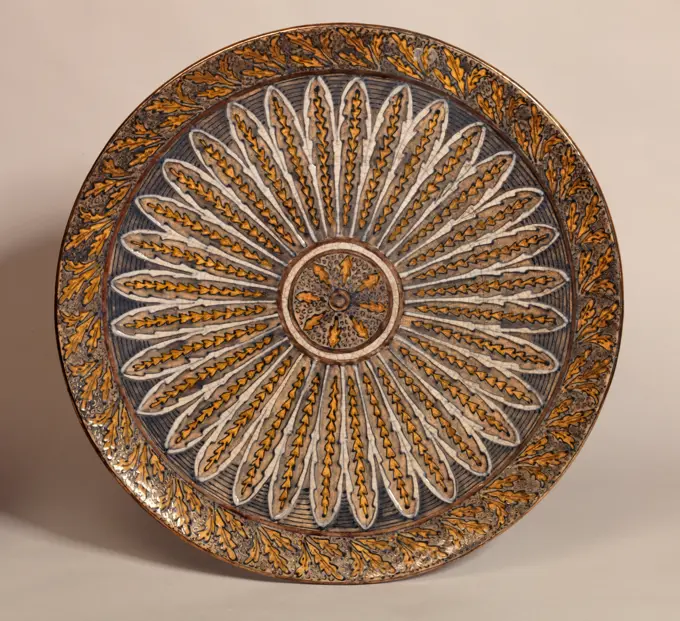
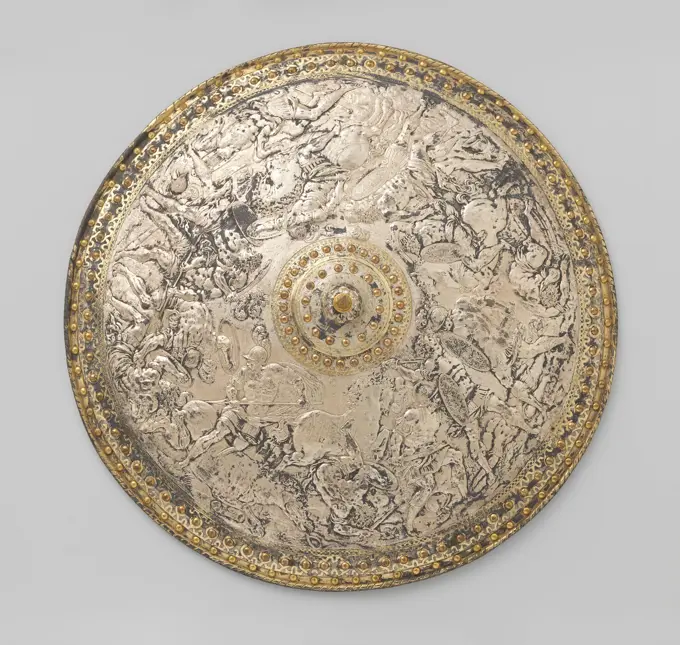
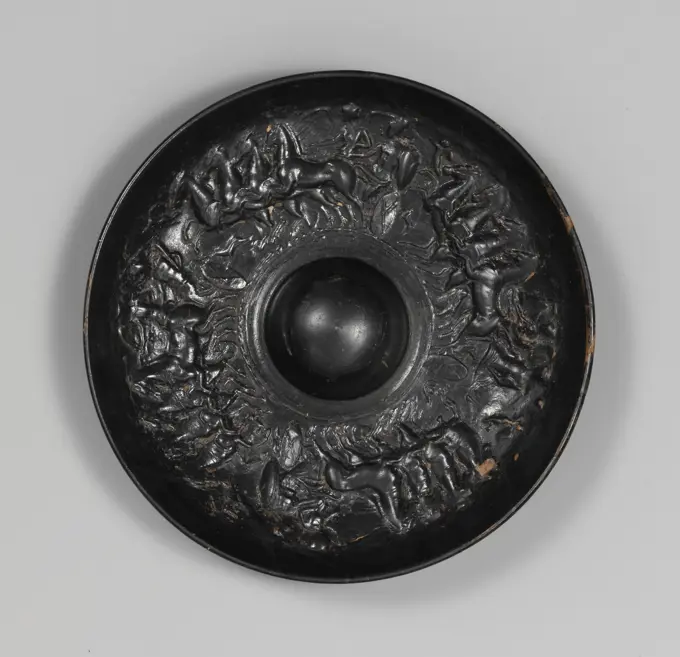
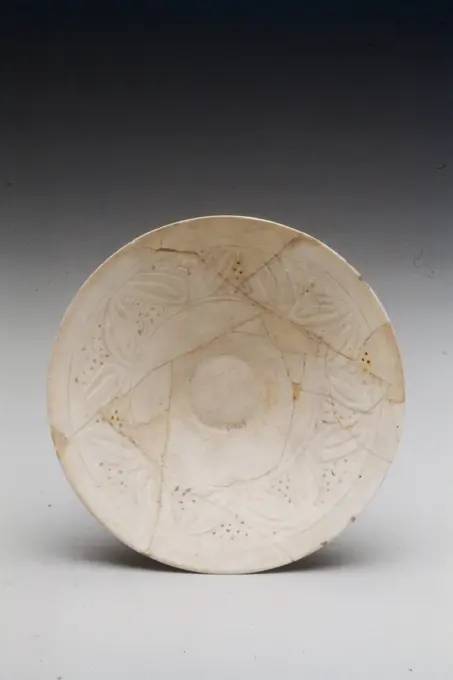
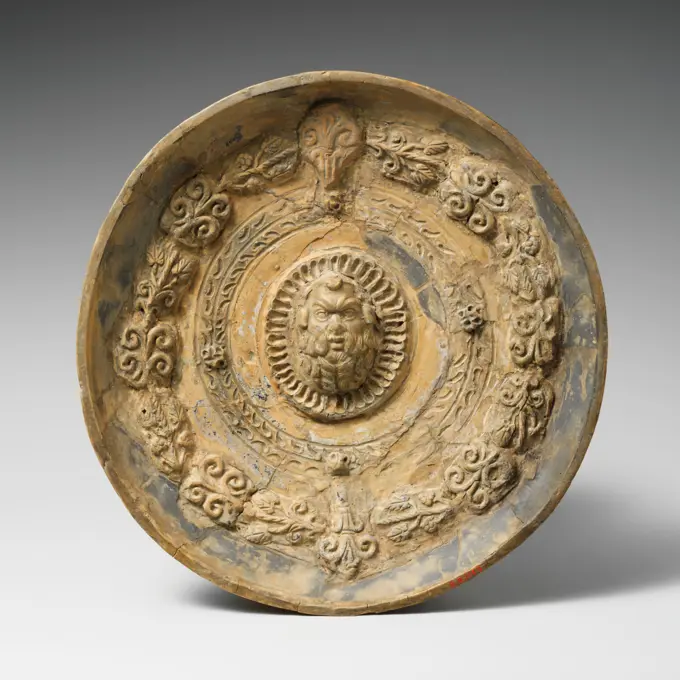
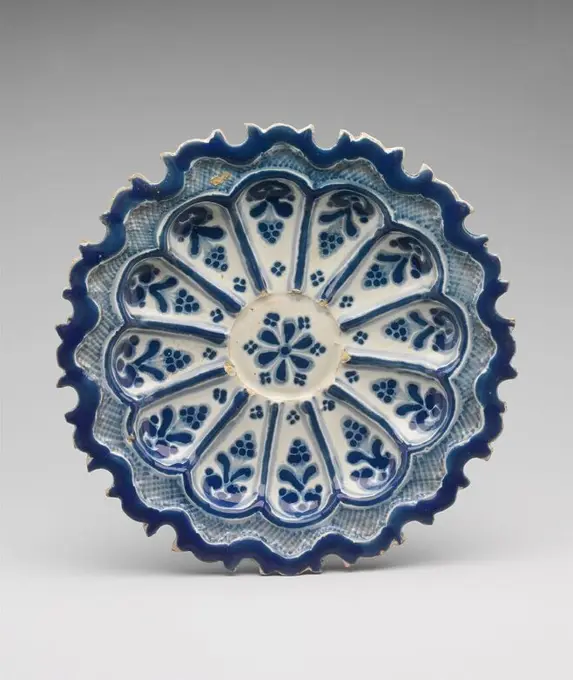
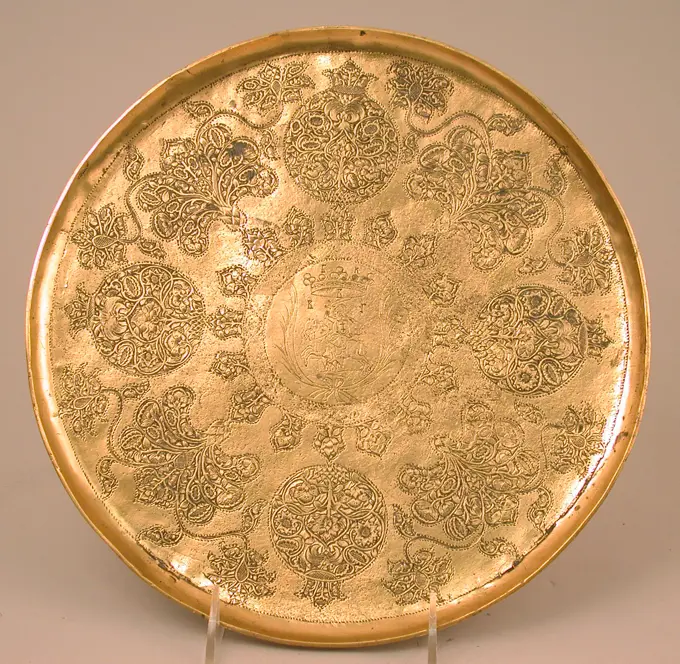
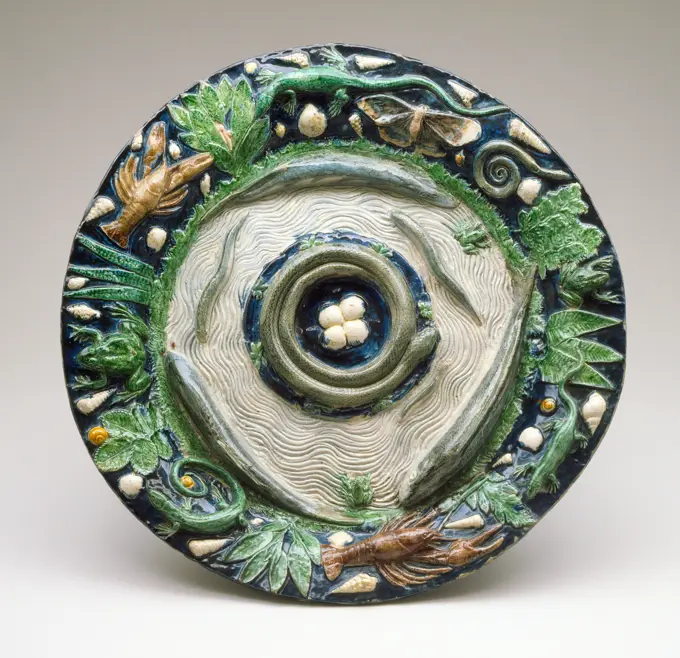
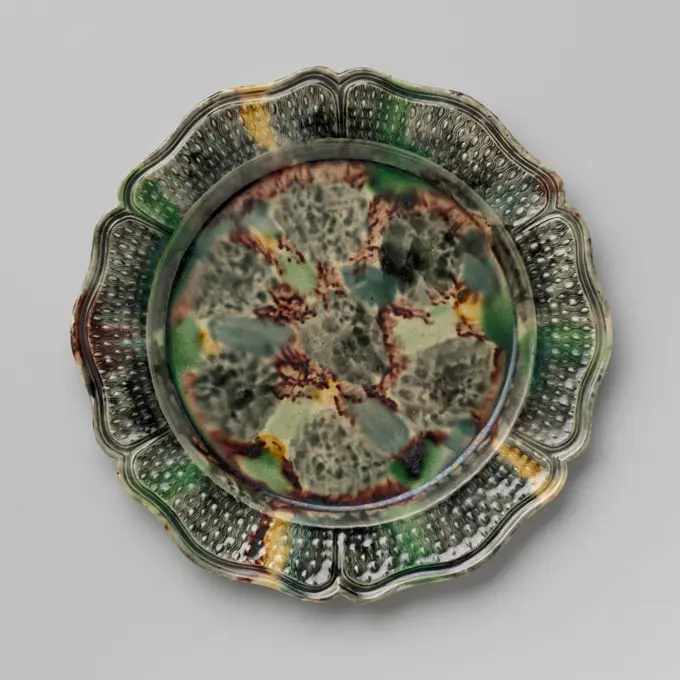
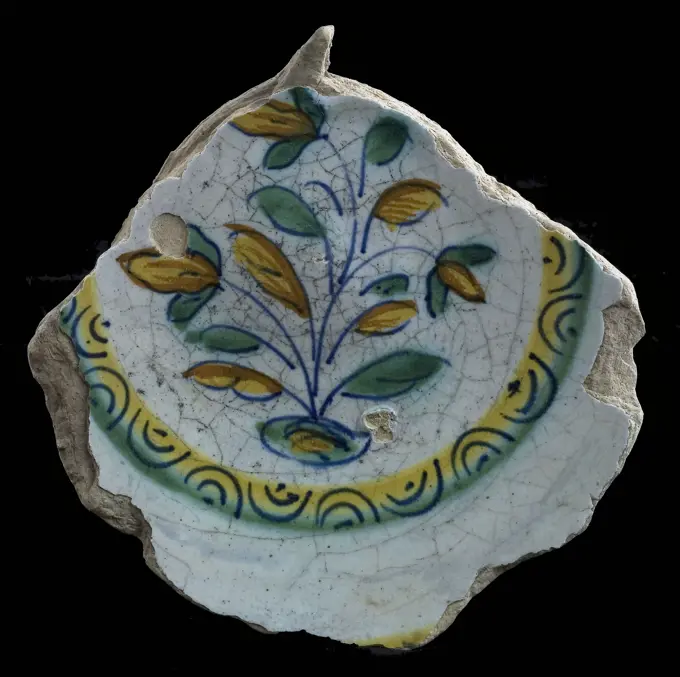
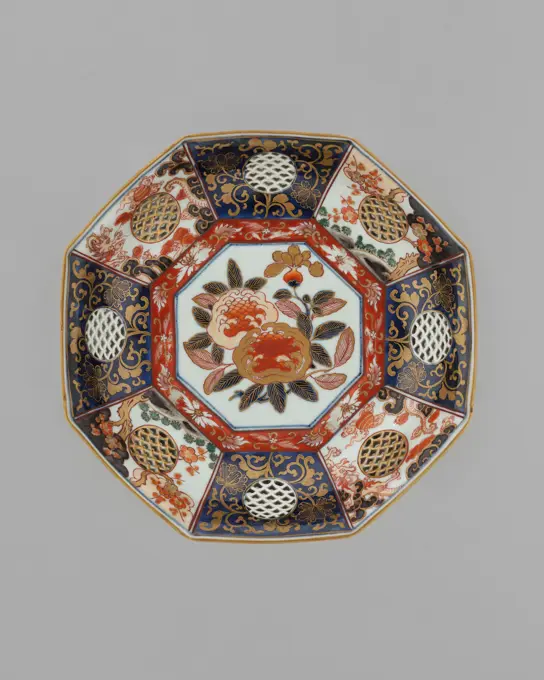
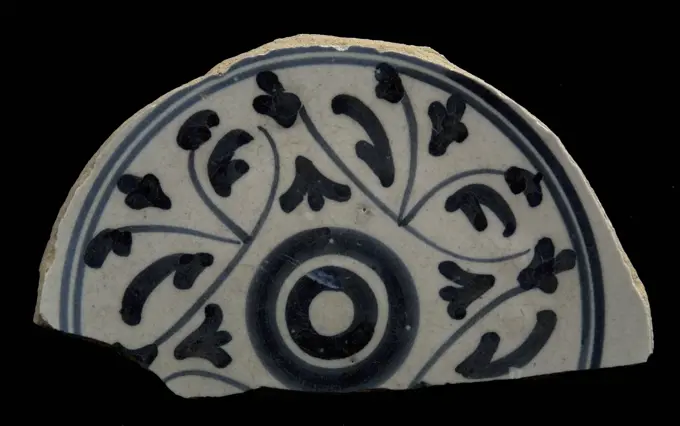
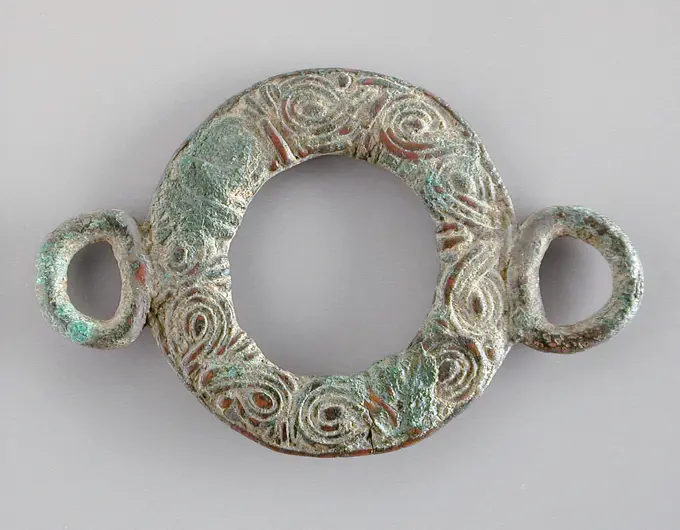
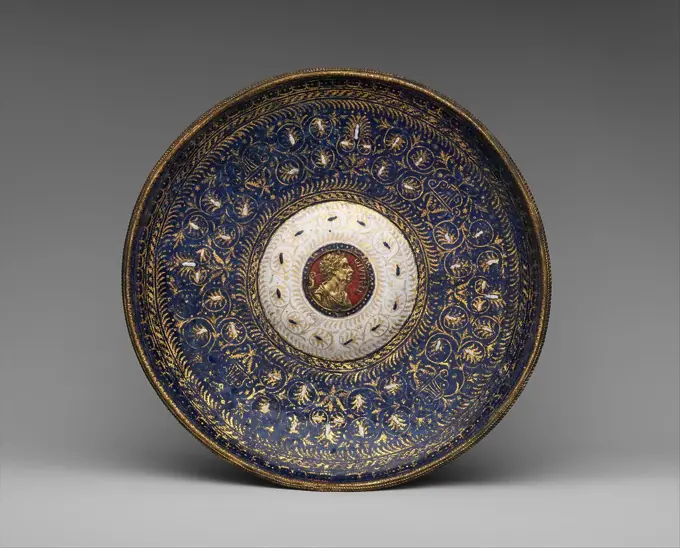
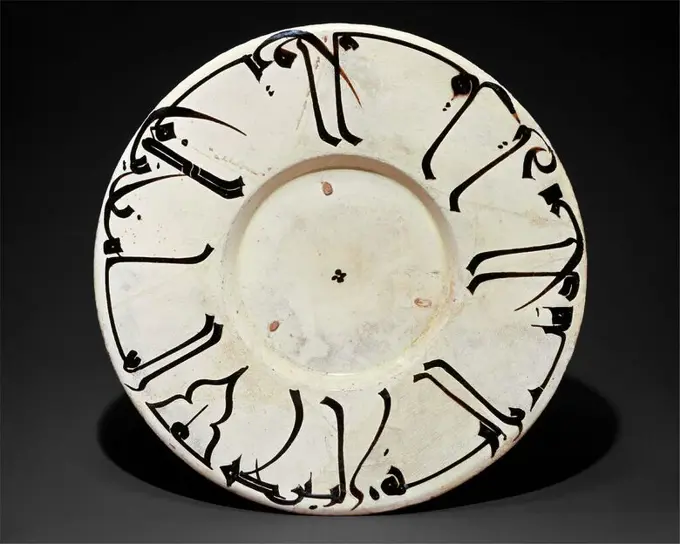
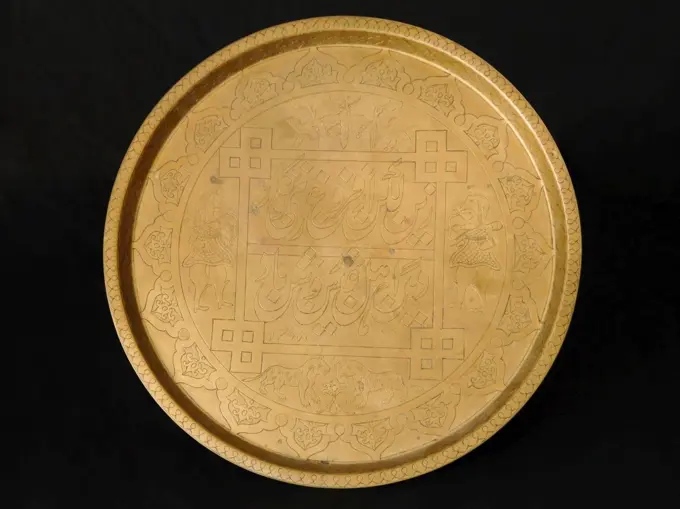
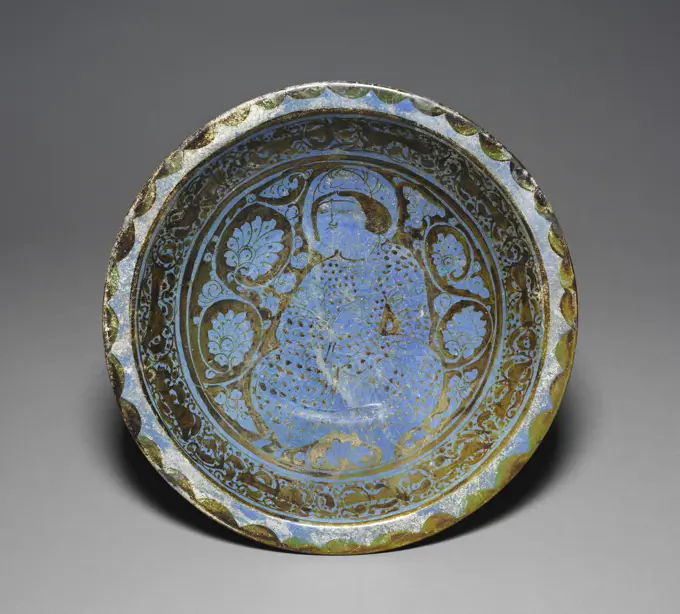
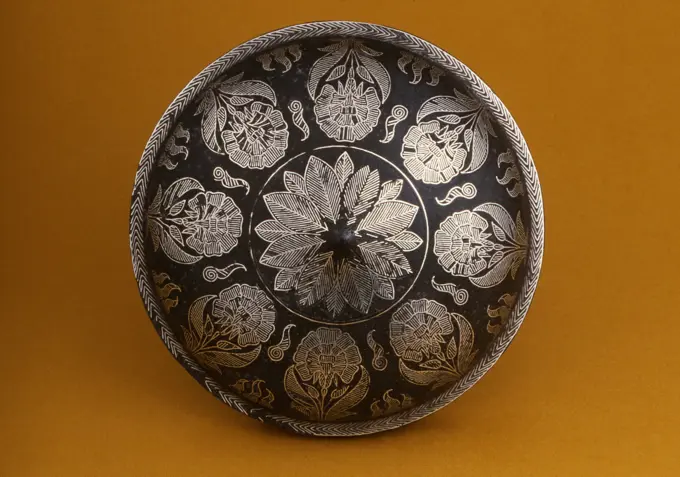
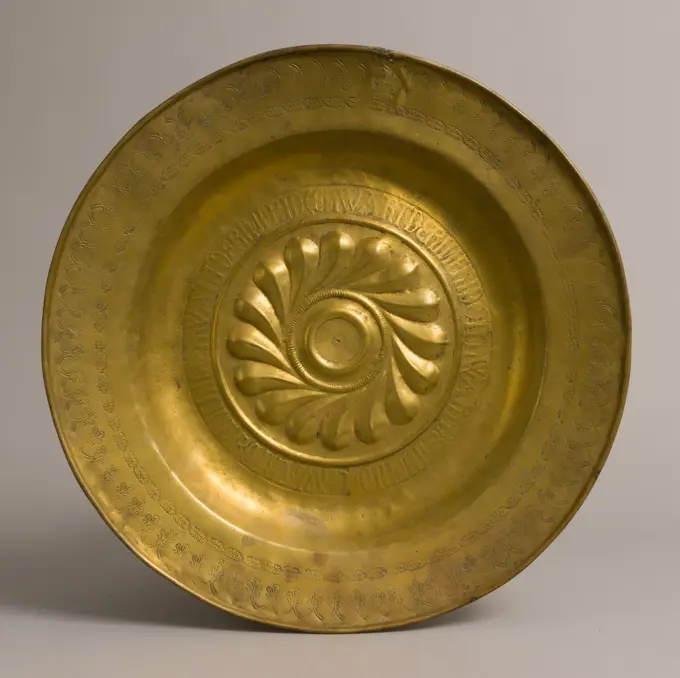
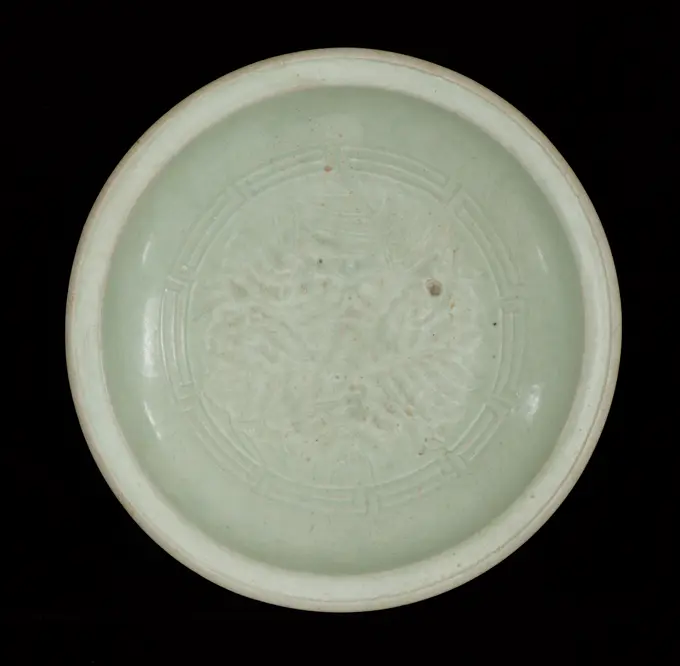
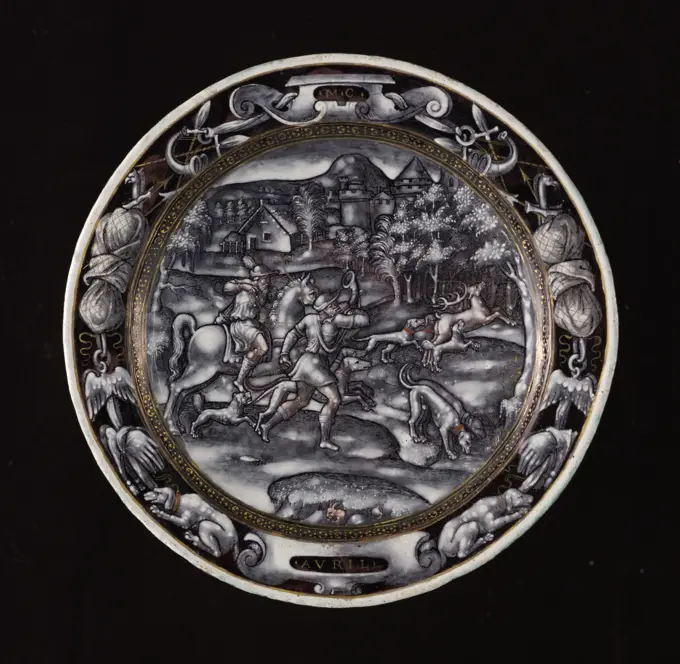
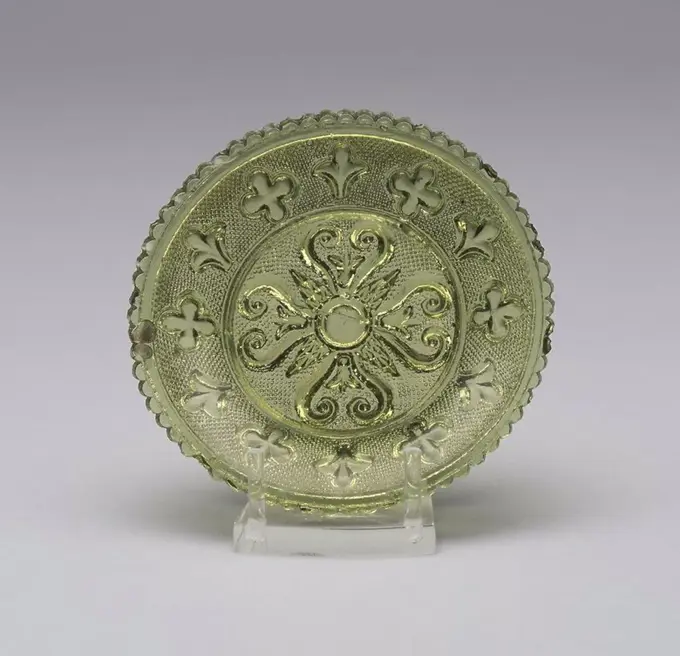
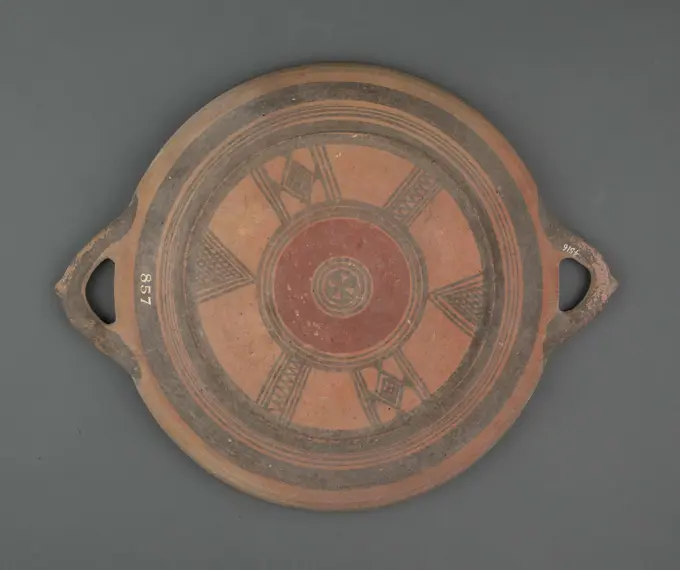
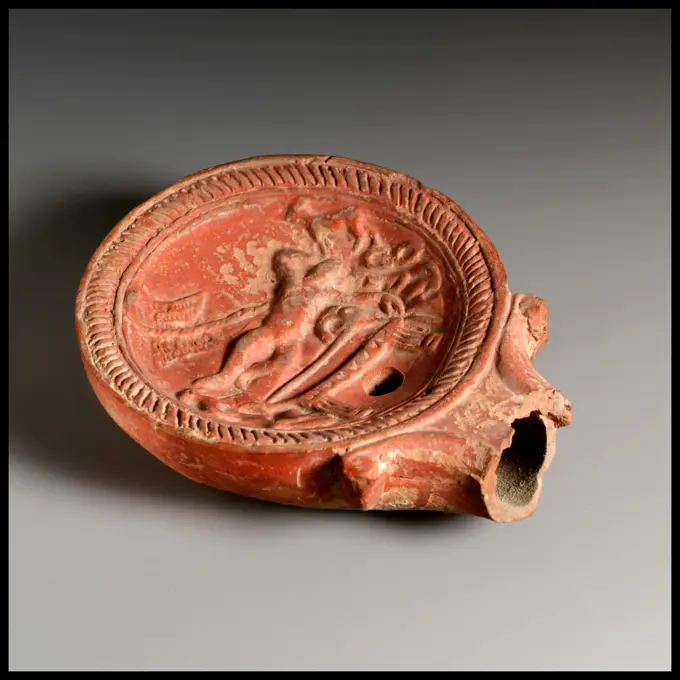
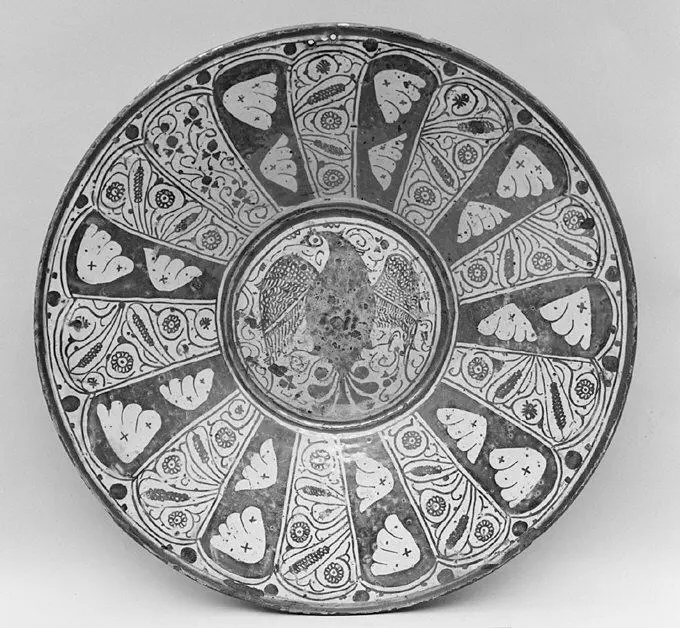
Bowl 14th century. Bowl 447818Plate. Culture: Spanish. Dimensions: Overall: 17 7/8 in. (45.4 cm). Date: 1420-1430. Museum: Metropolitan Museum of Art, New York, USA.Dish with Two Birds Encircled by Beaded Roundels. China. Date: 618 AD-907 AD. Dimensions: H. 2.6 cm (1 in.); diam. 14.8 cm (5 13/16 in.). Slip-coated earthenware with cobalt blue and lead amber glazes and underglaze mold-impressed decoration. Origin: China. Museum: The Chicago Art Institute, Chicago, USA.Lobed Mirror with Shaluo Tree, mid 10th Century - mid 12th Century. China, Northern Song dynasty (960-1127). Bronze; diameter: 14.7 cm (5 13/16 in.); overall: 0.8 cm (5/16 in.); rim: 0.4 cm (3/16 in.).Fragment sign from V.O.C. ship De 'Witte Leeuw', Before 1613 plate (dishes) Fragment sign from V.O.C. ship De 'Witte Leeuw', 80 present. Jingdezhen bone china (material)   Sint-Helena. Economy (part), the center consists of a "clapoor", around it is an edge of "triratna".Fragment of a Bowl 11th-12th century. Fragment of a Bowl 447267Large Dish ca. 1420 Italian A rare showpiece of early Florentine maiolica, this large cotino, or basin, depicts a mounted cavaliera favorite motif on chests, tapestries, and other decorative arts of the time. Smaller cotini were used as serving plates, but the size and accomplished decoration of this work suggest that it was intended for display rather than a utilitarian purpose.. Large Dish 468157Saucer from the Mackay Service 1878 Tiffany & Co. These gilded and enameled cups and saucers are part of one of the most renowned and lavish dinner services ever created in America. Commissioned in 1877 by John W. (1831-1902) and Marie Louise Hungerford (1843-1928) Mackay, the dinner service for twenty-four consisted of over 1,250 pieces. A poor Irish immigrant with little education, John W. Mackay became one of the wealthiest men in America when he and three partners, James Fair, James Flood, and William OBrien, struck a silver deposit known as "The Big Bonanza" at Nevadas Comstock Lode in 1873. During a visit to the mine, Marie Louise asked her husband for a silver dinner service "made by the finest silversmith in the country." Her husband responded, "You shall have it. I like the notion of eating off silver brought straight from the Comstock." He proceeded to have a half ton of silver delivered from the mine to Tiffany & Co., where two hundred men worked for almost two years to co. Fragment of the bottom of a bowl, plate or bowl of quartz frying decorated with scripture and rider in luster on a surface of opaque white tin-lead-alkali acid.SCHOOTELIJKENT OF EARTHER WITH LOOD GLAZER ON THE REFTER SIDE AND TINGLAZEUL WITH BLUE DECORATION ON THE FRONT, Anonymous, 1600 - 1620   Northern Netherlands earthenwareDish with a bird, anonymous, c. 1100 - c. 1199 Quarter-Fritgoed Scale Decorated with carved bird with manganese, blue and turquoise under a transparent glaze. Syria earthenware. glaze painting / vitrification Quarter-Fritgoed Scale Decorated with carved bird with manganese, blue and turquoise under a transparent glaze. Syria earthenware. glaze painting / vitrificationPlate c 1780-1800 Pennsylvania. Redware . Artist unknown. Scale, round and ribbed, from Faïence. Painted multi-colored with a floral basket within a lambrequin edge.Bowl 12th-13th century Byzantine. Bowl 463597Majolica dish, orange and blue on white, decor bird in Chinese Garden, Wanli period, dish plate crockery holder earth discovery ceramics earthenware glaze, At prongs fried archeology serving decorate food ChinaMina'i ware Bowl, 1200-1299, 3 1/2 x 8 in. (8.89 x 20.32 cm), Stone paste (fritware) with overglaze painted decoration, Iran, 13th century, The theme of two horsemen on either side of a tree frequently appears on mina'i ware. It might have alluded to a hunt scene, a luxury enjoyed by the princely classes.PLATO DE CERAMICA VERDE DEL AL-ANDALUS. Location: ALHAMBRA-MUSEO-CERAMICA. GRANADA. SPAIN.Dish with pig or boar in the mirror, sludge technique and sgraffito, 1615, dish plate crockery holder soil find ceramic earthenware clay engobe glaze lead glaze, twisted glazed fried loin slice sgraffito Large dish decorated in sludge technology and sgraffito. Red shard 1615 (above pig) archeology food decorate serving RotterdamBowl with a Sphinx 12th century. Bowl with a Sphinx 446537Bowl 13th century. Bowl 445267Fragment majolica dish, blue on white, Chinese inspired motif with birds and plants, plate dish crockery holder soil find ceramic earthenware glaze, Cooked on prunes. Remarkable decor with strong Chinese influences. What red veins serve through the earthenware archeology Rotterdam food decorate China archaeological find in the soil Rotterdam 1940.Fontainebleau (Atelier de, dit d'Avon). Oval dish. "Verni" land, transparent lead glaze, polychrome enamels. XVIIth century. Museum of Fine Arts of the City of Paris, Petit Palais. Faience, table service, dishes, XVIIth 17th XVII 17th 17th 17th century, dishSword Guard (Tsuba). Culture: Japanese. Dimensions: Diam. 3 in. (7.6 cm); thickness 1/8 in. (0.3 cm); Wt. 4.3 oz. (121.9 g). Date: 17th century. Museum: Metropolitan Museum of Art, New York, USA.André Metthey (1871-1920). Flat. Earthenware. Museum of Fine Arts of the City of Paris, Petit Palais. Art Menager, Cerf, Faience, Crockery, XIXth 19th 19th 19 19th 19th century, animal, dish. Dish of Faïence. Painted multi-colored.Fragment of a Bowl late 12th-first half 13th century. Fragment of a Bowl 452872Saucer ca. 1860-66 Chinese, for American market. Saucer. Chinese, for American market. ca. 1860-66. Porcelain. Made in ChinaCeramc plate with floral decoration series swallows. Diameter 23 cm ( 17 th CE ) - Modern period belonging of the " Burgo de Santiuste Museum" in Alcalá de Henares. ( Madrid ). SPAIN.Dish, Anonymous, 1594 Dish of lead glaze pottery. Decorated on the flat in white sludge with an ostrich () And the year 1594. On the edge a decoration with arches, curls and stripes between tires, consisting of a number of piping. On the outer edge stripes. Wanfried earthenware. lead glaze Dish of lead glaze pottery. Decorated on the flat in white sludge with an ostrich () And the year 1594. On the edge a decoration with arches, curls and stripes between tires, consisting of a number of piping. On the outer edge stripes. Wanfried earthenware. lead glazePlate 1700-1725 Delft. Tin-glazed earthenware (Delftware) . Augusteyne ReygensburghDish for a Ewer. François Briot (France, circa 1550-1616). Germany, Nuremberg, circa 1585. Furnishings; Serviceware. PewterSèvres Porcelain Manufactory, Plate, c. 1814-15, hard-paste porcelain.Semicircular deep bowl. unknown, craftsmanDish first half 17th century. Dish 446911Terracotta phiale (libation bowl). Culture: Greek, South Italian, Campanian, Calenian. Dimensions: Diam.: 8 1/2 in. (21.6 cm)H.: 1 1/2 in. (3.8 cm). Date: 3rd-2nd century B.C..Four quadrigae (four-horse chariots)Such Calenian phialai have counterparts in metal. Two examples are exhibited in Gallery J5 on the main floor. Museum: Metropolitan Museum of Art, New York, USA.Bowl with Two Figures on Horseback 1099-1299 Iran. Fritware with in-glaze and overglaze painting in enamels and gilding (mina'i technique) .Fragment majolica dish, polychrome, fruit with protruding funnel, plate crockery holder soil find ceramic earthenware glaze, total, Cooked on the underside covered with lead glaze. Polychrome archeology Rotterdam decorate food before archaeological find in the soil Rotterdam 1941.Dish. unknown, craftsmanPlate Baranowski, Józef (1863 or 1868 1942)Bowl with Bird ca. 1300 Central Italian In the late 1200s, Italian ceramic artists began experimenting with the tin-glazed technique, in which designs were painted on the opaque white surface of a pot. Such pots famously became known as maiolica. The earliest examples, such as this small pot, display a limited palette of copper green and manganese brown, used to create a simple, almost improvisatory decorative scheme.. Bowl with Bird. Central Italian. ca. 1300. Earthenware, tin-glazed. Made in Lazio or Umbria, Italy. Ceramics-PotteryPlate, early 18th century, 2 1/2 x 15 1/2 in. (6.35 x 39.37 cm), White earthenware with underglaze blue and black decor, Meshed ware, Iran, 18th century, Although blue-and-white patterns in ceramics are associated with China, Islamic potters were the first to use cobalt-blue decoration. When commercial ties to China were reestablished during the 1300s, fine ceramics imported from East Asia, particularly blue-and-white, became extremely popular and greatly affected subsequent Islamic styles. This outstanding example from the Safavid period is closely related to Chinese porcelains of the Ming dynasty (1368-1644). The foliate rim, tendril design of the cavetto (concave molding), animal motif in the center, and continuous scroll bands all loosely refer to Chinese motifs.Sword Guard (Tsuba) late 18th-early 19th century Japanese A tsuba is a sword guard and part of a sword mounting. It is mounted between the swords blade and grip to protect the users hands.. Sword Guard (Tsuba) 26332Pavement tiles 16th-17th century Spanish, Seville This type of pavement tile, called olambrilla, and made to be used in combination with plain floor tiles.. Pavement tiles 187919Terracotta dish. Culture: Greek, South Italian, Campanian, Teano. Dimensions: Other: 2 5/8 x 9 1/2 in. (6.7 x 24.1 cm). Date: ca. 330-300 B.C..Shallow dish, boss in center and ring base, decorated with ivy vine and stamped pattern. Museum: Metropolitan Museum of Art, New York, USA.Fragment 14th-15th century. Fragment 445400Bowl. Egypt or Syria, 14th century. Ceramics. Fritware, underglaze-paintedSilver round miniature dish with naked figures, dish dish crockery holder dolls toy relaxation tool miniature model silver, beaten flat round dish with corrugated outer edge. On the outside edge in cartouche lying human figures between foliage. tax stamp: J play decorate serving home interior dollhouse Bishop RotterdamBowl 12th-13th century. Bowl 451383Dish 18th century. Dish 444471André Metthey (1871-1920). Flat. Earthenware. Museum of Fine Arts of the City of Paris, Petit Palais. Art Menager, Faience, Crockery, 19th 19th 19th 19th 19th 19th century, dishGalvanoplastic reproduction of a shield with a Roman fighting scene and two monograms. Galvanoplastic reproduction of a shield, round ax, with a driven representation of a Roman fighting scene and the monograms and helmet signs of Henri II of France and Diana of PoicTiers. Partially plated.Terracotta phiale (libation bowl) late 3rd-early 2nd century B.C. Greek, South Italian, Campanian, Calenian Frieze of chariots with divinities.. Terracotta phiale (libation bowl) 246648Dish 1450-1525 Spanish. Dish 467683Galvanoplastic reproduction of a shield with a Roman battle scene and two monograms, FA. Elkington & Co., After 1877 - Before 1880 GalvanoPlastic reproduction of a shield, lap axle, with a driven representation of a Roman battle scene and the monograms and helmet signs of Henri II of France and Diana van Poictiers. Partially gilded. London copper (metal). silver (metal) gilding GalvanoPlastic reproduction of a shield, lap axle, with a driven representation of a Roman battle scene and the monograms and helmet signs of Henri II of France and Diana van Poictiers. Partially gilded. London copper (metal). silver (metal) gildingBowl, 11th-12th century, 2 1/2 x 7 in. (6.35 x 17.78 cm), Composite body with carved decor under clear glaze, Iran, 11th-12th century, Made by potters in Iran, this fine white bowl imitates ceramics from Song period China (960-1280). The bowl's shape, light incisions, moulding, and vegetal motifs are inspired by finely thrown Chinese Dingware, pointing to international trade markets and the vogue for Chinese ceramics. Iranian potters used a recipe derived from ancient Egyptian ceramic traditions, which combined ground quartz, white clay, and ground glaze to make a lightweight stone paste that allowed for thinner walls than slip-covered earthenware.Terracotta phiale (libation bowl) ca. 250-200 B.C. Attributed to the Bolsena Group Clay with ornaments in relief: Silenus head in center; remains of blue and yellow pigments.. Terracotta phiale (libation bowl) 246248Plate. Culture: Mexican. Dimensions: Diam. 8 1/4 in. (21 cm). Date: ca. 1800-1825. Museum: Metropolitan Museum of Art, New York, USA.Sharf of ross -baking earthenware, with blue glaze at the top with a painting of two flowers in white, brown and ocher, and two green leaves, anonymous, 1600 - 1650  Northern Netherlands earthenware. glaze majolica  Northern Netherlands earthenware. glaze majolicaPlate 19th century, after 17th century original British, after Russian original This electrotype is after a seventeenth-century original a treasure of the Kremlin, Moscow, at the time of reproduction.. Plate. British, after Russian original. 19th century, after 17th century original. Silver on base metal. Metalwork-ElectrotypeDish with Renaiss Sancs, Anonymous, 1500 - 1600 In the flat of the dish, where the center point is visible in the middle, with the help of stamp shapes are punched: a Renaissancefaas decorated with grunts with a lid interspersed with a stylized vegetative ornament (both four times repeated), an edge of rankwork on shaded background , in which two leaves and a flower have been included (more than eight times repeated), as well as the almost illegible inscription Gott Sei mit UNS (repeated a few times). Fish blowing is driven in the wall of the dish. The edge of the iron wire was shortened in later days, so that it is now decorated with one and not two driving punched leaf ornament. The hanging ring at the rear and the hole in the edge were installed later. Neurenberg (possibly) brass (alloy) casting In the flat of the dish, where the center point is visible in the middle, with the help of stamp shapes are punched: a Renaissancefaas decorated with grunts with a lid interspersed with a stRustic Dish with Fish and Reptiles. Palissy (after), Bernard (France, 1509-1590). France, circa 1560-1600. Furnishings; Serviceware. Lead-glazed earthenware, Palissy wareOctafoil Mirror with Crouched Animals, early 600s-early 900s. China, Tang dynasty (618-907). Bronze; diameter: 19.3 cm (7 5/8 in.); overall: 0.9 cm (3/8 in.); rim: 1 cm (3/8 in.).Bowl 17th century Russian. Bowl 201360Small majolica plate, butter dish, polychrome leaf motifs in yellow, purple and blue, plate dish crockery holder soil find ceramic pottery glaze tin glaze lead glaze, ring 5.8 majolica baked 2x glazed painted Small plate with curved top edge. Yellow-white shard archeology Rotterdam City center Stadsdriehoek Schielandshuis indigenous pottery butter serving table food serving Soil discovery: Schielandshuis during restoration 1982.Dish 13th century. Dish 453575Fragment dish from v.o.c.-ship De 'Witte Leeuw', Before 1613  Fragment dish from v.o.c. ship De 'Witte Leeuw', 70 present. Jingdezhen porcelain   Sint-HelenaPlate of multicolor hard-baked pottery; Staffordshire. Plate of multicolored hard-baked pottery, with a scalloped edge. The edge is embossed with six fields of corrugated railing. The plate is covered with blue gray lead glaze with stains in green, yellow and manganese. The back is dotted in manganese. Four signs belong to the board (BK-1987-41-A to BK-1987-41-E).Bowl 9th century. Bowl 447113Bowl, 11th-12th century, 2 1/8 x 6 3/4 in. (5.4 x 17.15 cm), Red earthenware with slip carved decoration, Iran, 11th-12th centuryFragment majolica dish, polychrome, three flowers on piece of land, plate crockery holder soil find ceramic earthenware glaze, baked underside covered with lead glaze. Polychrome Yellow shard with single red vein. Decoration around the flower consists of yellow and green band across which blue bow décor is painted archeology decorate serving dinnerArita (ceramic production center), hollow dish, Imari decor (username). Ceramics, porcelain, polychrome enamels: cobalt blue under cover, iron and green on covered, gilding. Petit Palais, Museum of Fine Arts of the City of Paris.Excerpt deep plate from v.o.c.-ship De 'Witte Leeuw', Anonymous, Before 1613 plate (dishes) Fragment deep plate from V.O.C. ship De 'Witte Leeuw', 55 present. Jingdezhen bone china (material)   Sint-HelenaPriest's Offering Tray (Talam) ca. 10th century Indonesia. Priest's Offering Tray (Talam). Indonesia. ca. 10th century. Copper. Central or Eastern Javanese period. MetalworkMirror with TLV Pattern 25 CE-220 CE China. The design of this mirror reflects principles of ancient Chinese cosmology that envisioned a circular universe enclosing a square earth. Within the border of the square are characters denoting the twelve animals of the Chinese zodiac. The marks resembling T, L, and V correspond to patterns on an instrument used by Han dynasty diviners to foretell the future. This mirror was designed to place its owner at the center of the cosmos, a favorable position symbolically protected by the Animals of the Four Directionsóthe Green Dragon of the East, the Red Bird of the South, the White Tiger of the West, and the Black Warrior (tortoise and snake) of the North.. Bronze .Fragment faience plate, blue on white, brushstroke decor, reverse side arches decor, plate crockery holder soil find ceramic earthenware glaze tin glaze, hand turned fried glazed painted fried Cooked in tube. Faience plate. Monochrome brushstroke decor blue underside painted with probably bow décor archeology underground pit Rotterdam City center Stadsdriehoek Oostplein indigenous pottery import decorate serving up food soil founding underground pit Oostplein separate find.Harness Ring. Iran, Luristan, circa 1000-650 B.C.. Tools and Equipment; horse trappings. Bronze, castPlate. Culture: Italian, Venice. Dimensions: Diam. 11 1/8 in. (28.3 cm); H. 2 1/4 in. (5.7 cm.). Date: late 15th-early 16th century.The central medallion with a laurel-crowned bust of Julius Caesar is a later addition. Museum: Metropolitan Museum of Art, New York, USA.Plate. Dimensions: H. 1 1/2 in (3/8 cm)Diam 12 in. (30.5 cm)Wt. 25.1 oz (711.7 g). Date: 10th century. Museum: Metropolitan Museum of Art, New York, USA.ancient oriental metal tray on dark background. antique bronze tableware. tray with engravingPlate, c. 1150, 1 1/4 x 5 15/16 in. (3.18 x 15.1 cm), Porcelaneous stoneware with moulded decor under a celadon glaze, Yao-chou ware, China, 12th century, This small plate with impressed design at first glance appears to be a typical example of so-called 'northern celadon' produced at the Huangluo kiln complex at Dongchuan, Yaozhou county, Shanxi province. Close examination, however, shows a design in the caveto comprised of young boys playing with dogs in a lush, garden-like setting complete with Taihu rocks. This very rare motif of children and dogs has only one recorded counterpart; a bowl of similar size in Osaka, Japan.Luster Dish with Seated Prince, 1170-1220. Iran, Kashan, Seljuq period of Iran (1037-1194). Fritware with luster-painted design; overall: 7.5 x 39 cm (2 15/16 x 15 3/8 in.).Betel Box. India, Andhra Pradesh, Hyderabad or Karnataka, Bidar, circa 1750-1800. Furnishings; Accessories. Bidri ware (tarkashi technique)Dish early 16th century German. Dish. German. early 16th century. Brass. Metalwork-BrassFlower tile, flowerpot in square, corner pattern palmet, wall tile tile sculpture ceramic earthenware glaze, baked 2x glazed painted Yellow shard square three nail holes. Multicolored: orange brown blue green on white fond.Dish 17th century. Dish 446932Ear Ornament, c. 800-1370. Peru, North Coast, Sicán, 9th-14th century. Hammered and embossed gold alloy; diameter: 8.8 cm (3 7/16 in.).Plate. Southeast China, 16th-17th century. Furnishings; Serviceware. Stoneware with celadon glazeCalendar Plate for April (Hunting). Martial Courteys (France, Limoges, circa 1544-1592). France, Limoges, circa 1565-1575. Furnishings; Serviceware. Grisaille enamel, flesh tones, touches of color, and gold on copperCup plate. American; Midwest. Date: 1830-1835. Dimensions: diam. 8.4 cm (3 5/16 in.). Pressed glass. Origin: Midwest. Museum: The Chicago Art Institute, Chicago, USA.Plate ca. 1800-1819 American. Plate 6137Star-Shaped Tile first half 14th century. Star-Shaped Tile. first half 14th century. Stonepaste; overglaze luster-painted. Attributed to Iran, Varamin. Ceramics-TilesIshizara Plate with Kitchenware and Character for Sake late 18th-early 19th century Japan. Ishizara Plate with Kitchenware and Character for Sake 63649Cushion Cover for Chair Pad China. Cushion Cover for Chair Pad 70595Terracotta plate 950-850 B.C. Cypriot. Terracotta plate. Cypriot. 950-850 B.C.. Terracotta. Cypro-Geometric II. VasesFragment of the plate; Unknown Nubian workshop; XI-XII century (1001-00-00-1200-00-00);Faras (Sudan), Nubian ceramics, geometric decorations, painted decorations, crosses, nubian vessels, painted nubian vessels, chessboard, plates, Polish excavations in Faras (Sudan)Plate 8th-12th century Marajo. Plate 319556Terracotta oil lamp Roman On discus in high relief: naked male figure (Dionysus) lying full length on an ornate couch, with right arm raised behind his head and left arm dropping down over edge of the couch; at either end of the couch, two small goats, facing inward, standing on rocky outcrops; at top, behind figure a pedum and rectangular object; single filing hole at bottom center under couch. Narrow continuous shoulder decorated with close-set diagonal lines. Volutes flanking large nozzle. Raised base ring with incised Greek letters at center: AT.Broken, with front of nozzle missing and surface loss to left side of body. Red slip.. Terracotta oil lamp. Roman. Terracotta. Early Imperial. TerracottasScarab. UnknownDish last quarter 16th century Spanish, Catalonia (possibly Reus) Tin-glazed earthenware, of which lusterware is one type, was developed in the Middle East in the ninth and tenth centuries to imitate the porcelains produced in China. The opaque white glaze concealed the clay body, which could range from pale buff to brick red, allowing for brilliant effects created by painting the white surface with metal oxides that fired to a range of colors. This technique, as well as the use of metallic lusteran iridescent, coppery painted glazespread throughout the Muslim world, arriving among the potters of Valencia in the thirteenth century. The so-called Hispano-Moresque lusterware, with its fusion of Islamic and Gothic styles and motifs, often in shaped imitating those of metal vessels, was treasured by the elite in Spain during the fifteenth century and exported to the courts of Europe. The Valencian industry declined in the late sixteenth century, as colorful Italian Renaissance maiolica g