Historical Ceramics

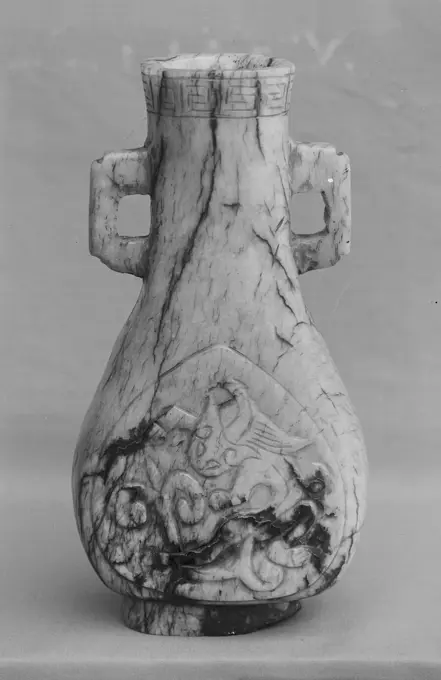
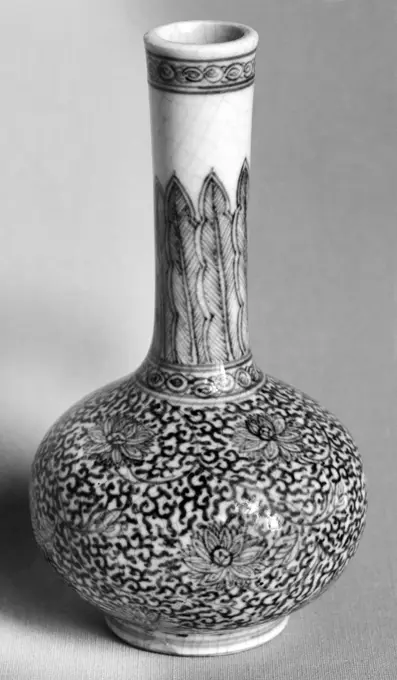
A variety of exquisite antique vases and bottles from different eras and regions, highlighting unique designs and materials in monochrome tones.

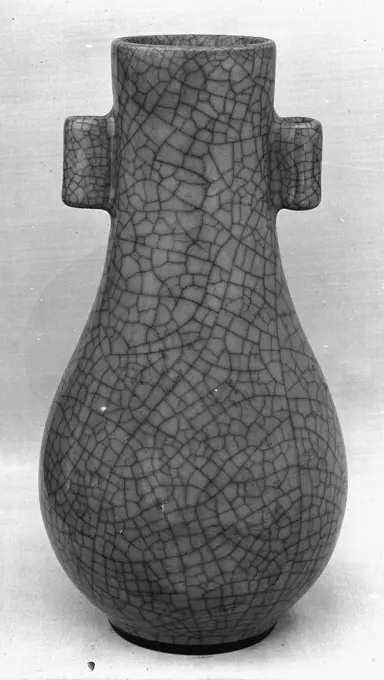
Miniature vase 18th century China. Miniature vase. China. 18th century. Porcelain with crackled glaze (Jingdezhen ware). Qing dynasty (1644-1911). Ceramics
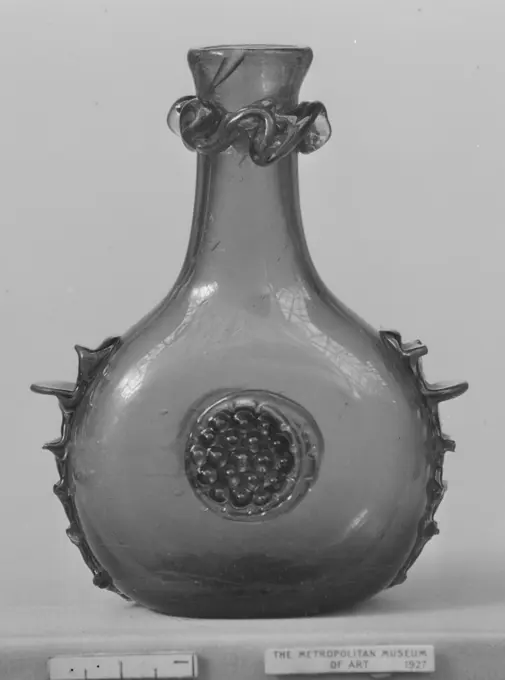
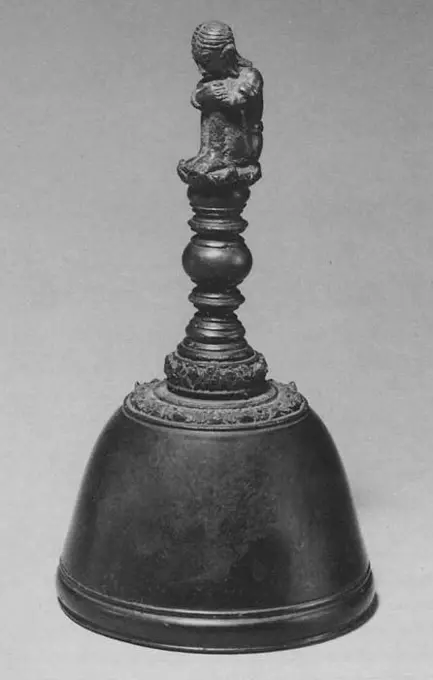
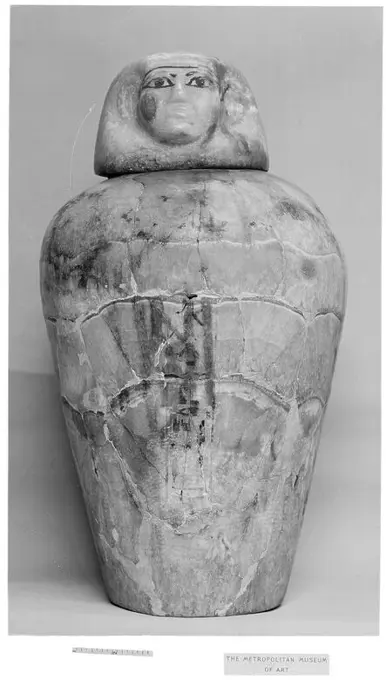
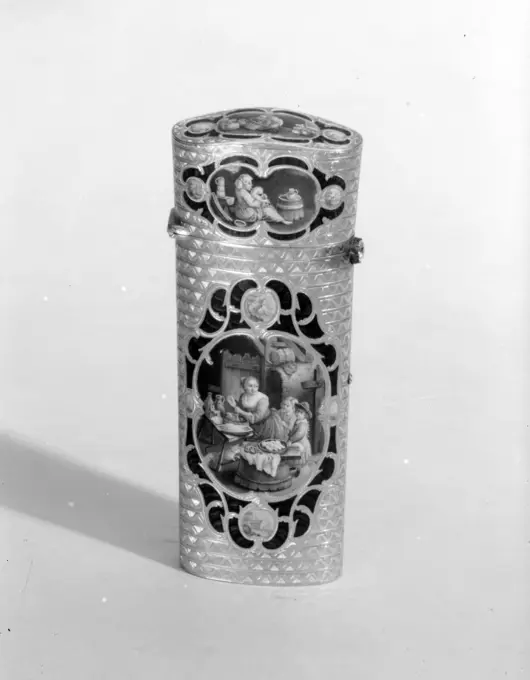
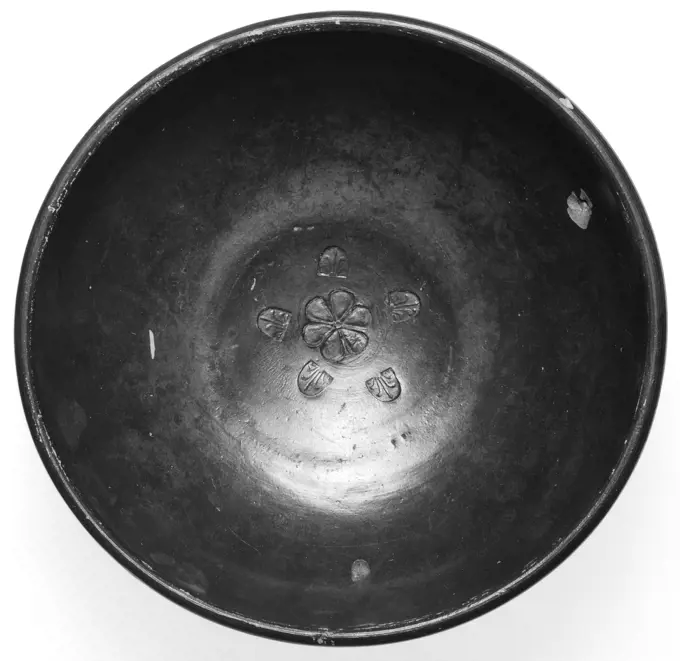
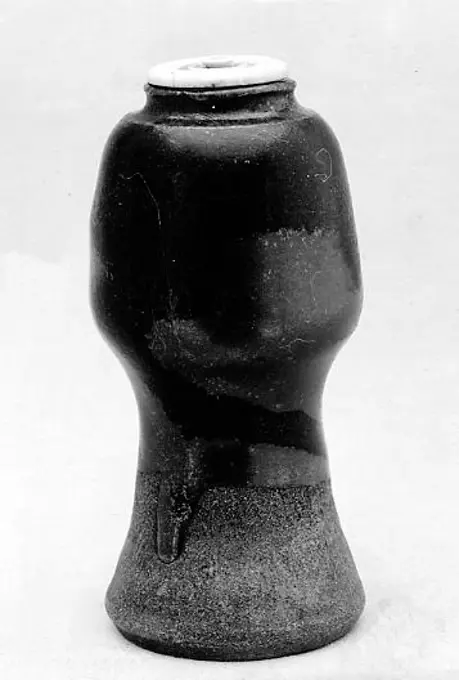
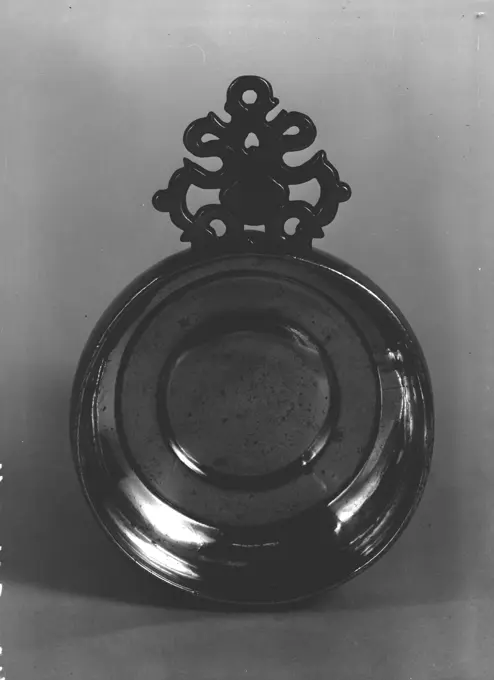
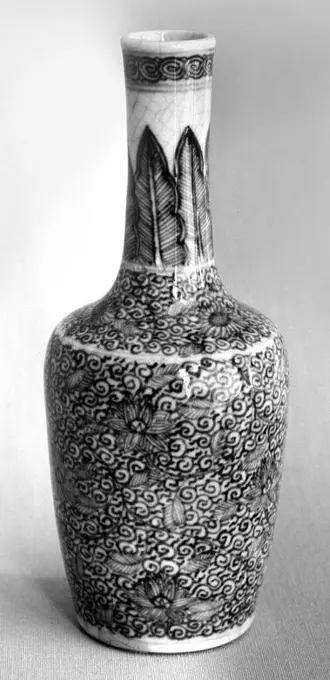
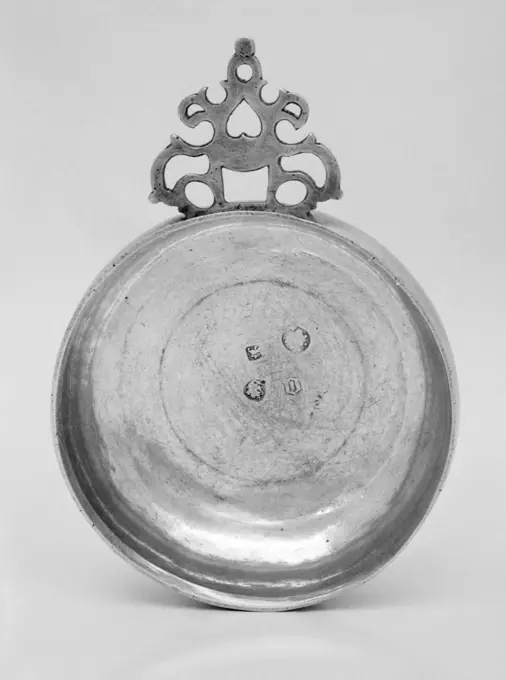
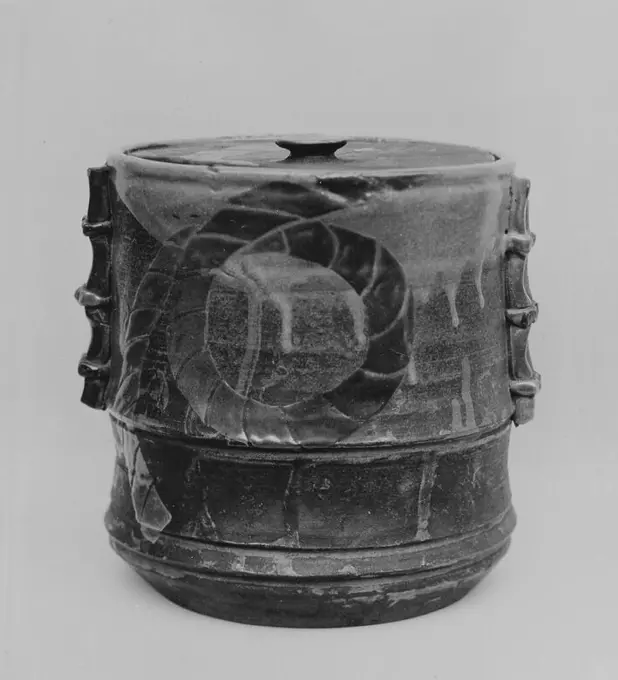
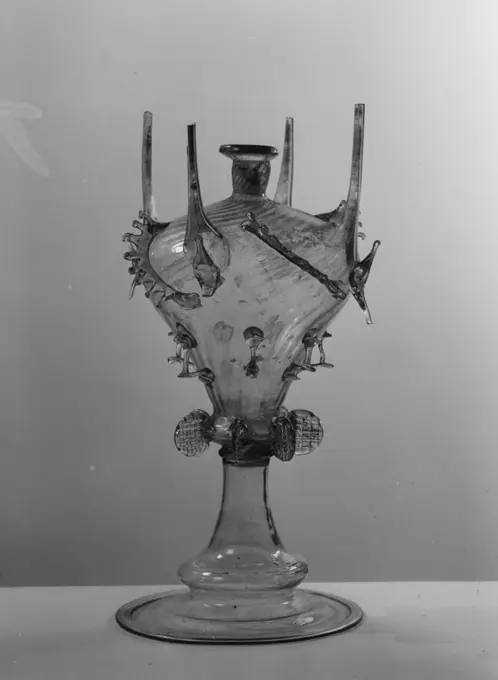
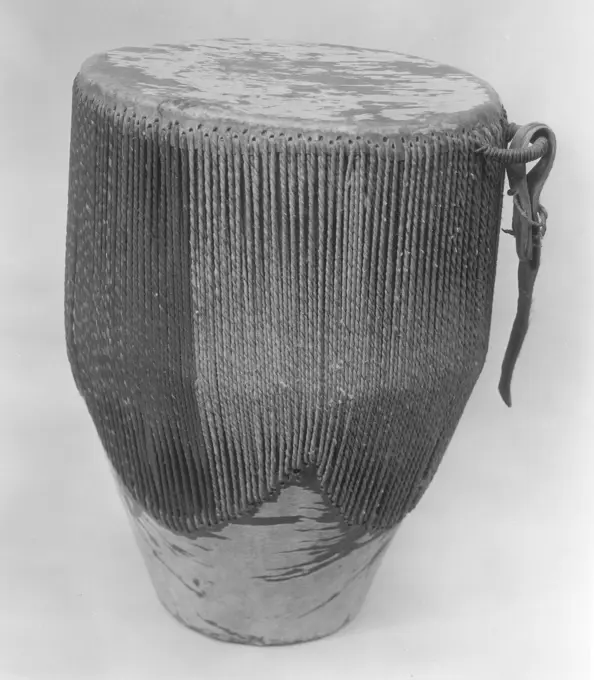
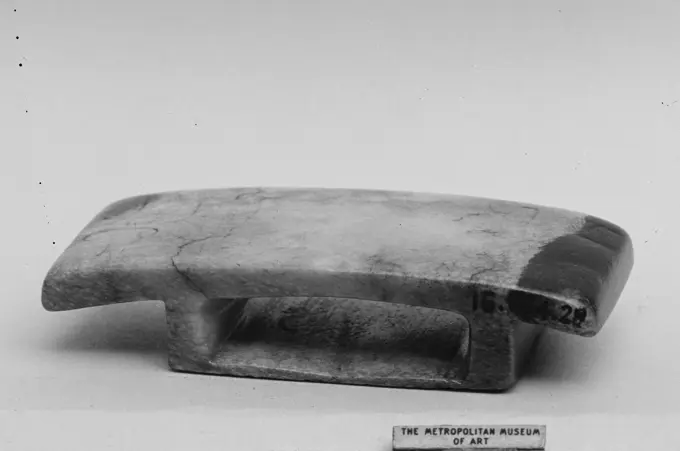
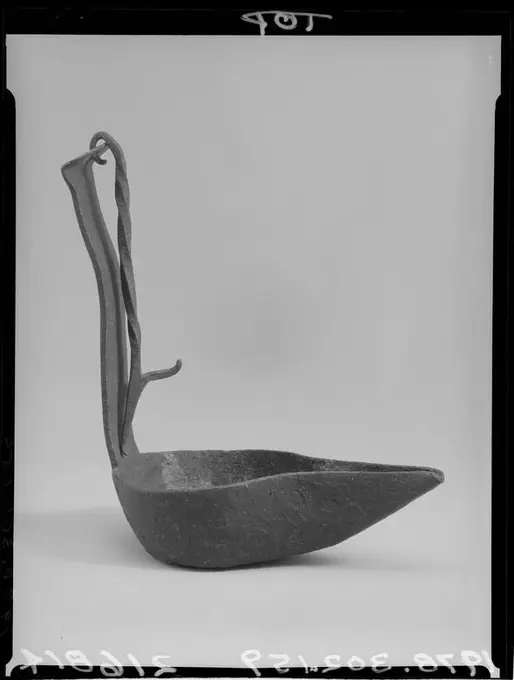
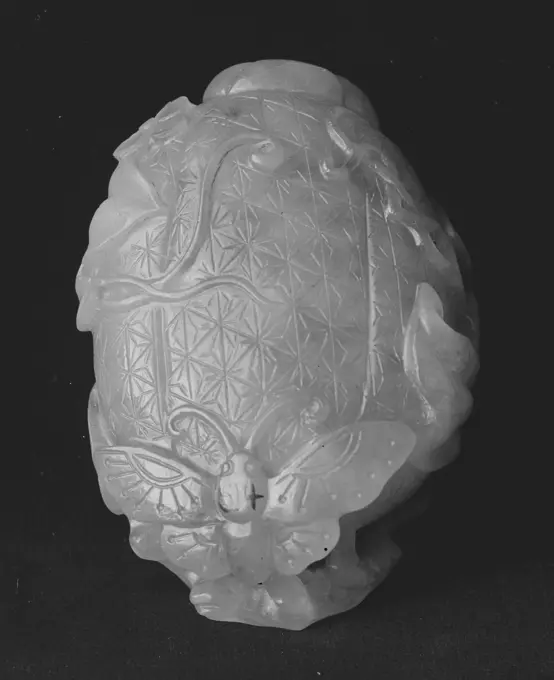
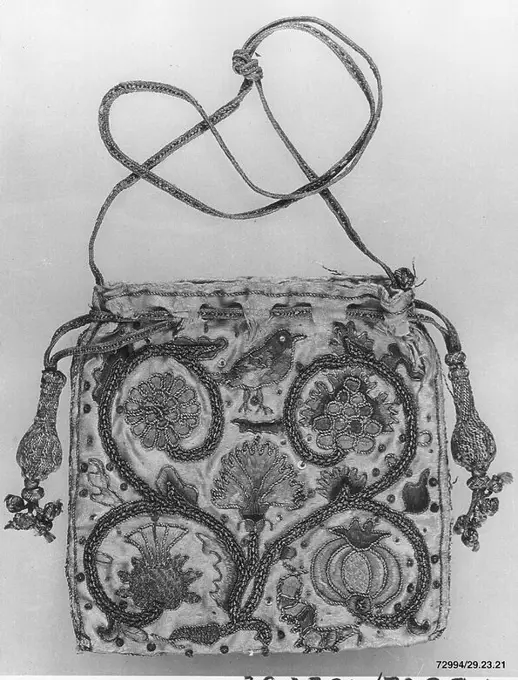
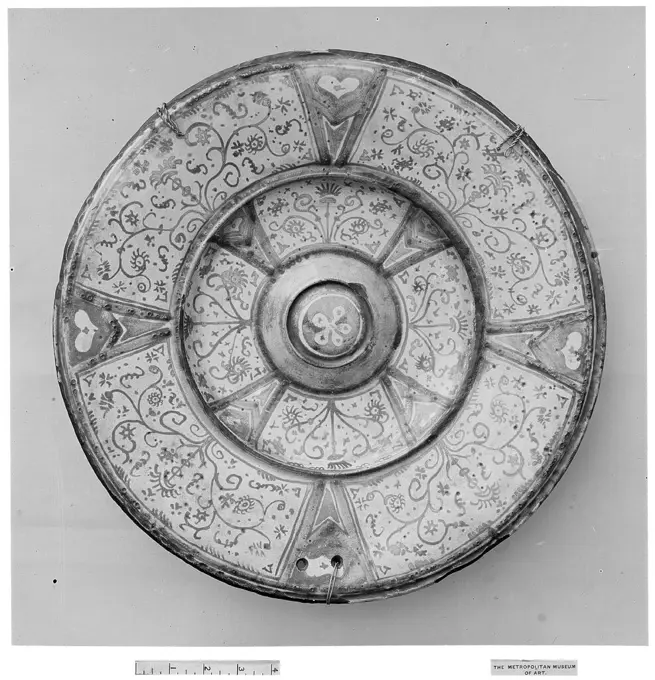
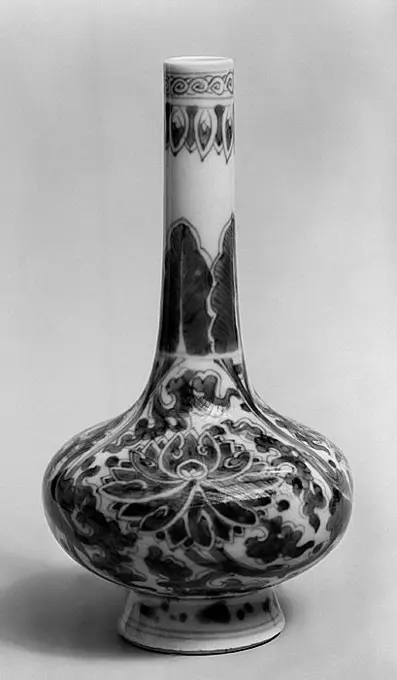
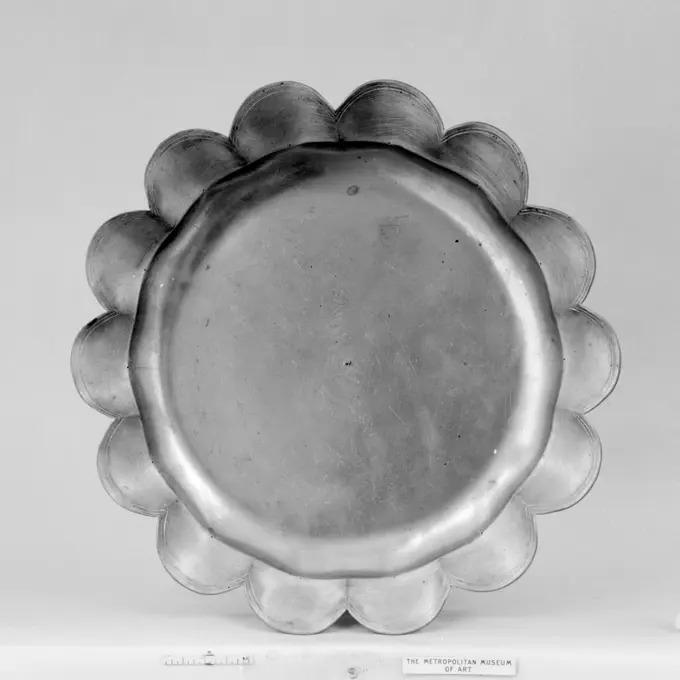
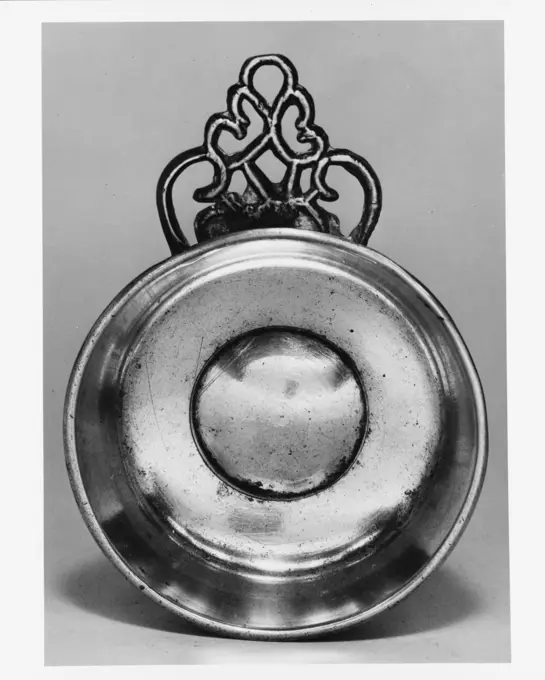
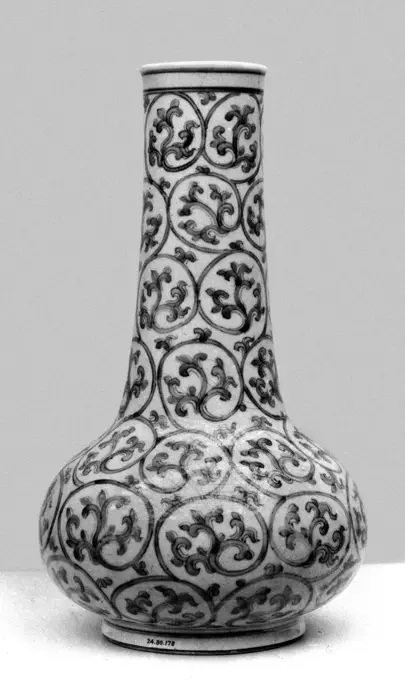
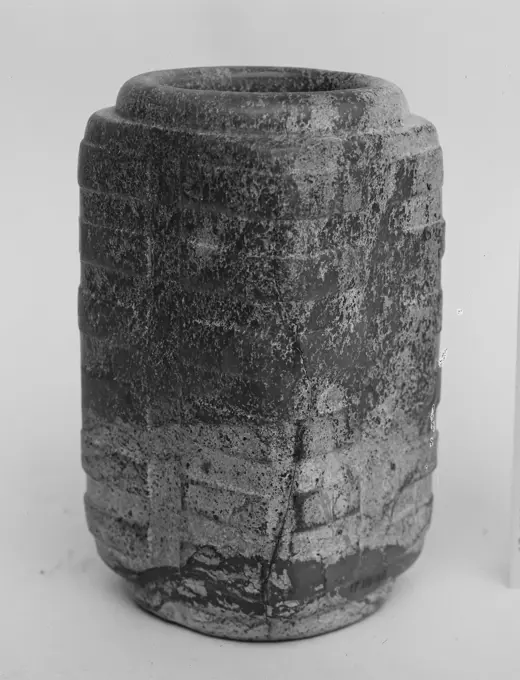
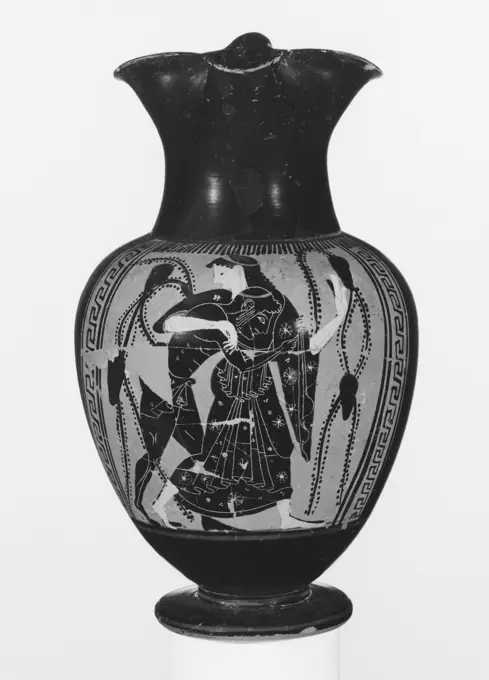
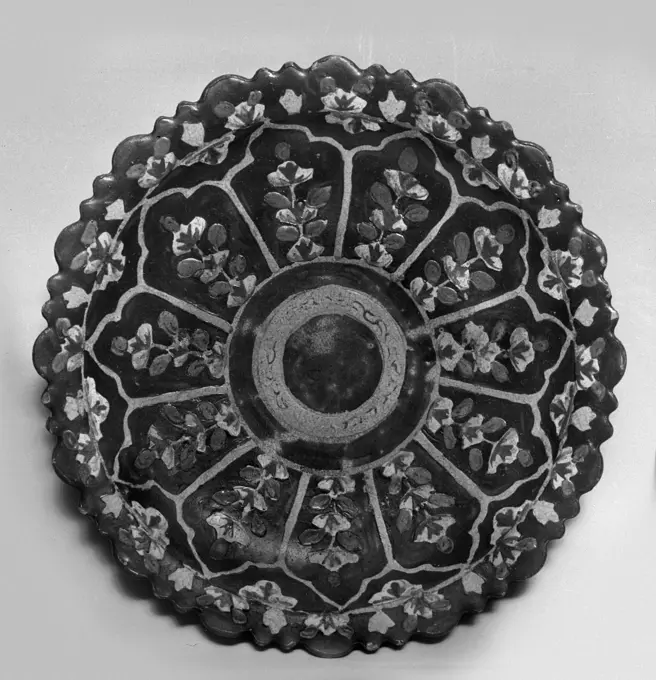
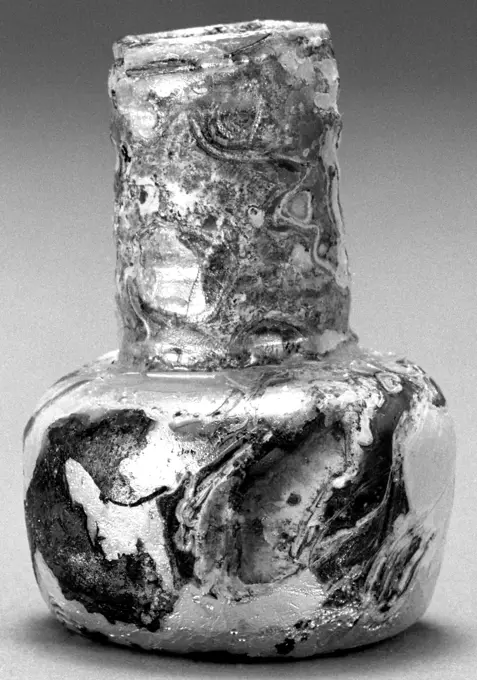
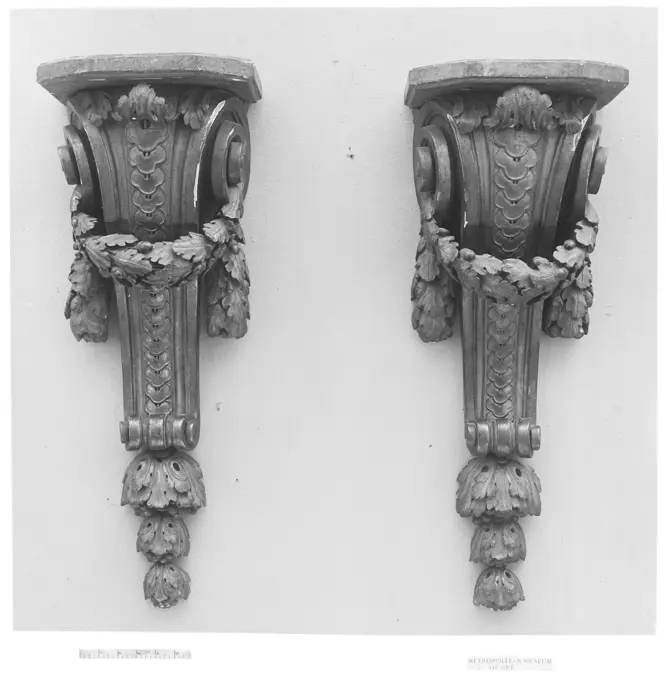
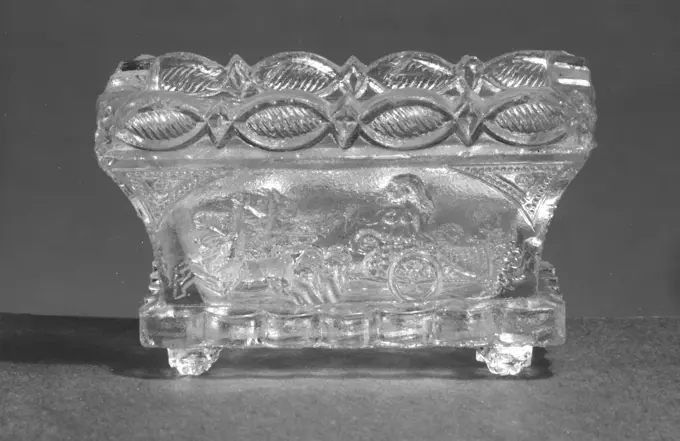
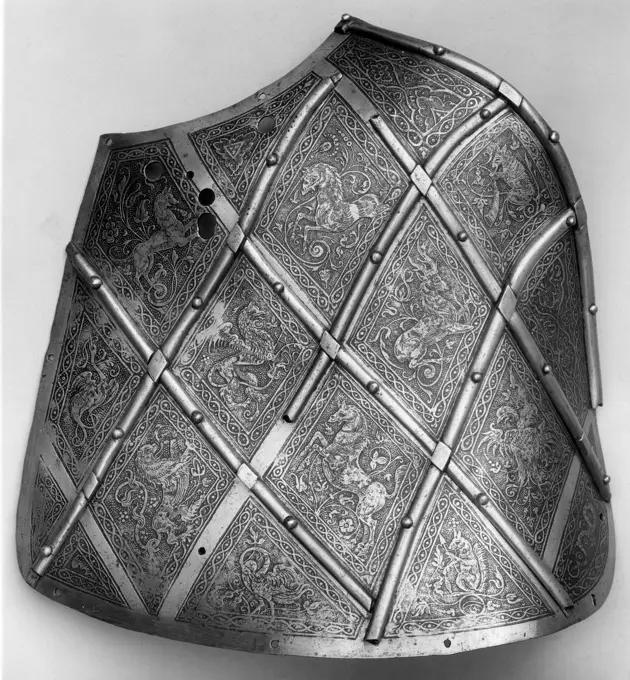
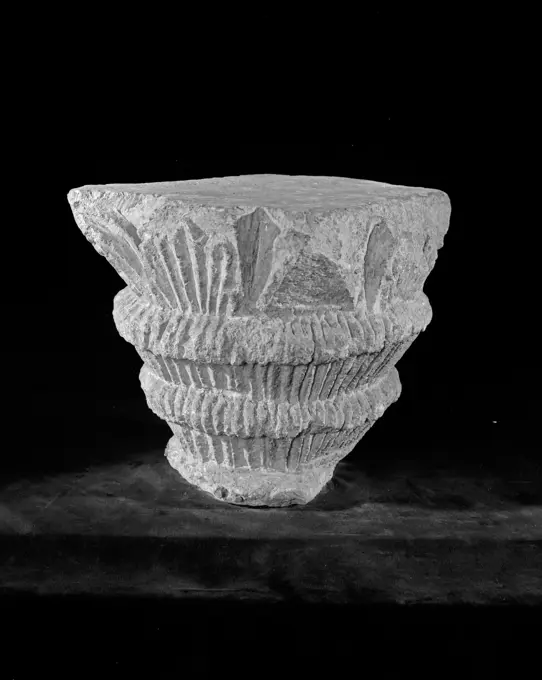
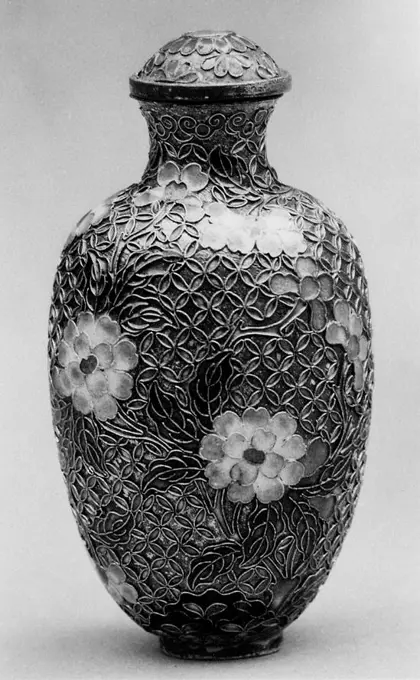
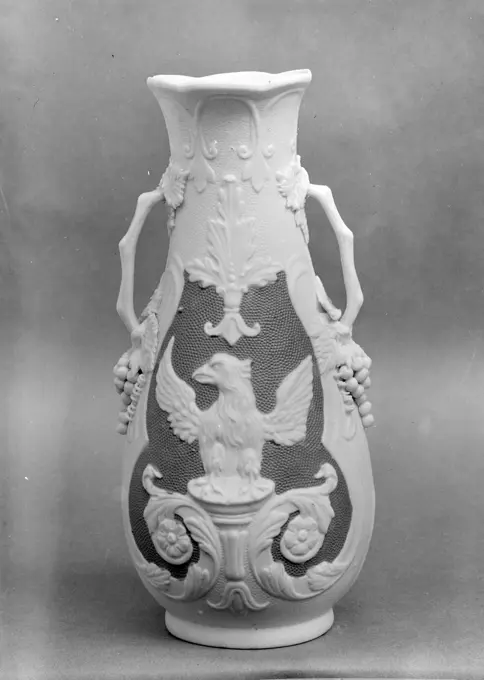
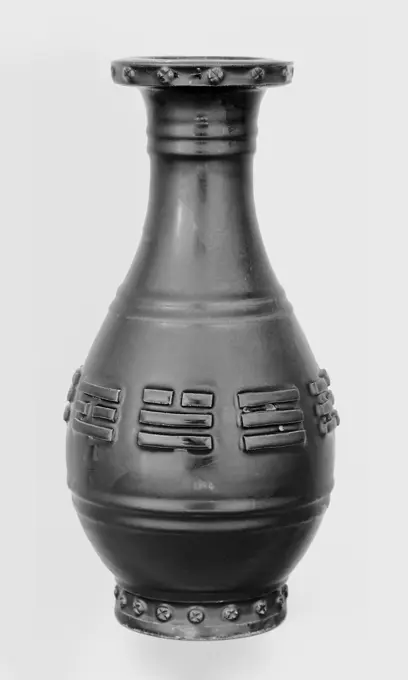
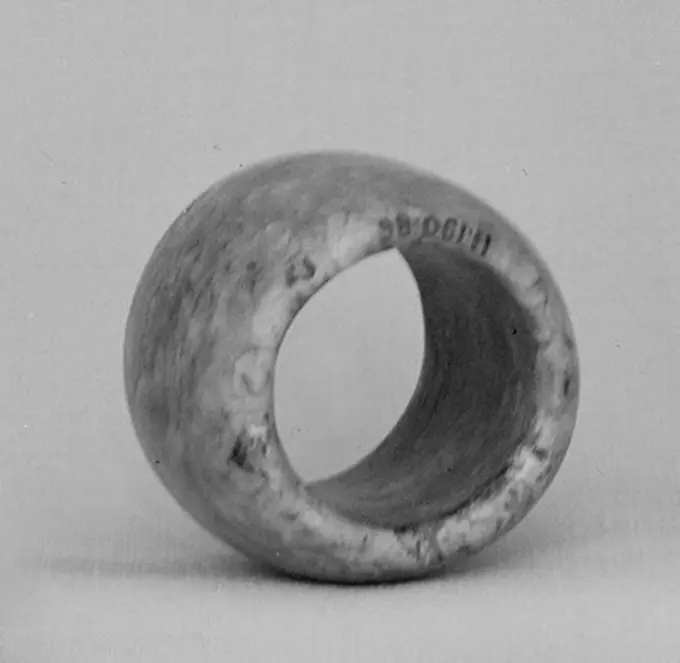
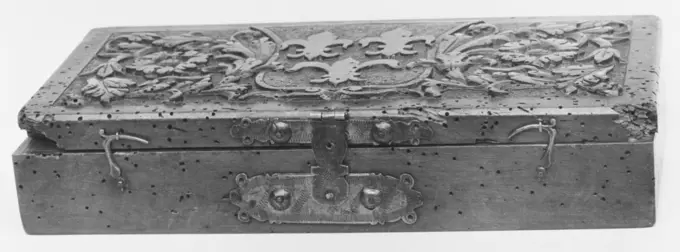
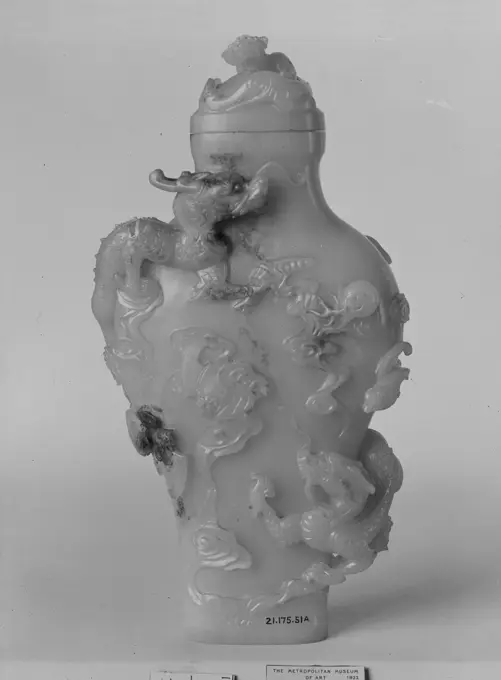
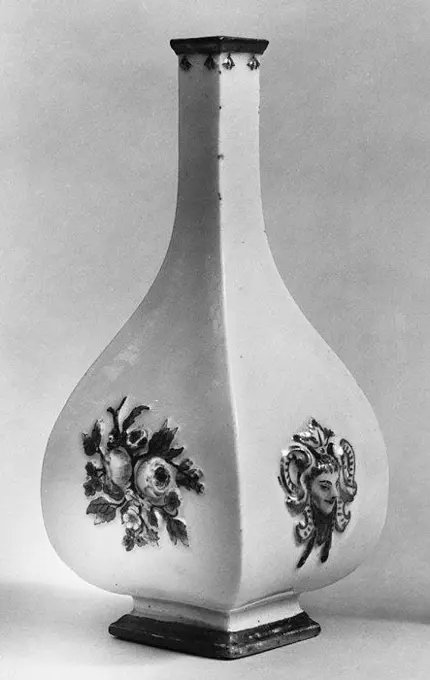
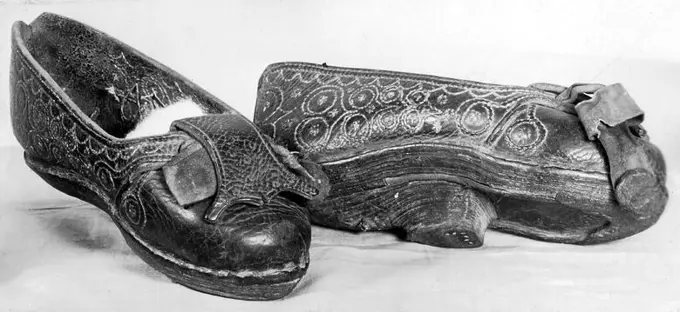
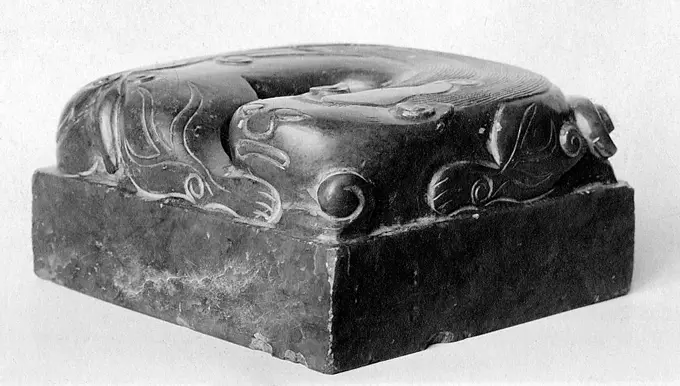
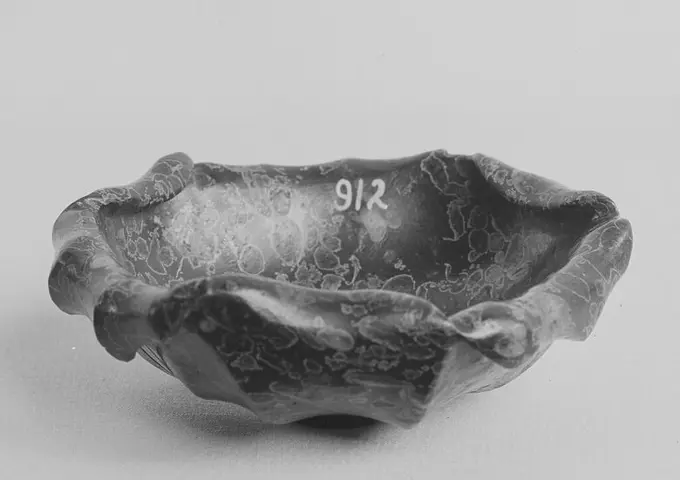
Meiping vase 18th century China. Meiping vase. China. 18th century. Porcelain with copper red glaze (Jingdezhen ware). Qing dynasty (1644-1911). CeramicsBottle 16th-17th century German. Bottle. German. 16th-17th century. Glass. GlassSmall Vase 19th century Japan. Small Vase. Japan. 19th century. Clay covered with glaze (Seto ware). Edo (1615-1868) or Meiji period (1868-1912). CeramicsChalice case late 17th-early 18th century Italian. Chalice case 195485Tall Stem Bowl 3000 B.C. Thailand (Ban Chiang). Tall Stem Bowl. Thailand (Ban Chiang). 3000 B.C.. Pottery with painted decoration. CeramicsHand Bell ca. 13th-14th century Indonesia (Java). Hand Bell. Indonesia (Java). ca. 13th-14th century. Bronze. Eastern Javanese period. MetalworkCanopic jar of Ameny. Dynasty: Dynasty 12-13. Date: ca. 1950-1750 B.C.. Museum: Metropolitan Museum of Art, New York, USA.Double gourd vase 19th century China. Double gourd vase. China. 19th century. Porcelain with crackled yellow glaze (Jingdezhen ware). Qing dynasty (1644-1911). CeramicsVase 1830-70 American. Vase. American. 1830-70. Parian porcelain. Probably made in Bennington, Vermont, United StatesMiniature vase 18th century China. Miniature vase. China. 18th century. Porcelain with crackled glaze (Jingdezhen ware). Qing dynasty (1644-1911). CeramicsBottle. Culture: China. Dimensions: H. 16 1/2 in. (41.9 cm). Museum: Metropolitan Museum of Art, New York, USA.Étui 18th century Miniatures by Philippe Ernst Schindler (the younger). Étui. Miniatures by Philippe Ernst Schindler (the younger) (1723-1793). Austrian, Vienna. 18th century. Gold, enamel. Metalwork-Gold and PlatinumVase 18th century China. Vase 46791Attic Red-Figure Lebes Gamikos Lid. UnknownGheṇṭa (prayer bell) 11th century Javanese Dril buThe bell (dril bu) is the most common musical instrument associated with Tantric Buddhist ritual. Held in the left hand, the dril bu (clapper bell) is always paired with a scepter (dorje), which is held in the right. The scepter symbolizes method, bliss, and male aspects while the bell represents wisdom, emptiness, and the female aspects. Both principles are necessary to achieve Enlightenment. The bell handle traditionally matches in decoration the scepter it is paired with - often with five spokes or points (five representing the five forms of mystical wisdom). These bells were produced in Java, Indonesia, during the eleventh century. Buddhism flourished in Indonesia at that time, before Islam became dominant in the thirteenth and fourteenth centuries. Gheṇṭa (prayer bell) 505107Vase in the shape of an ancient ritual beaker (gu) early 20th century China. Vase in the shape of an ancient ritual beaker (gu) 50713Bottle vase mid-18th century China. Bottle vase 46080Bliżej Kultury unknownBottle 18th century Japan. Bottle. Japan. 18th century. Clay covered with a thick, transparent glaze over slip (Tanba ware). Edo period (1615-1868). CeramicsCampanian Black Bowl; Campania, South Italy, Europe; 323 - 31 B.C; Terracotta; 7 x 16.8 cm (2 3,4 x 6 5,8 in.)Tea Jar 17th century Japan. Tea Jar 62708Porringer 1821-ca. 1843 Josiah Danforth. Porringer. American. 1821-ca. 1843. Pewter. Made in Middletown, Connecticut, United StatesVase 18th century Japan. Vase. Japan. 18th century. Porcelaneous ware covered with transparent glaze and an overglaze with markings (Awata ware). Edo period (1615-1868). CeramicsNo maker's mark, Caddy Spoon, 1799/1800, silver.Tea jar 18th century Japan. Tea jar. Japan. 18th century. Buff clay, thin, dark brown underglaze and olive overglaze (Seto ware). Edo period (1615-1868). CeramicsBottle 17th century Japan. Bottle. Japan. 17th century. Paste covered with a glaze splashed with black, left-handed itogiri (Seto ware). Momoyama (1573-1615) or Edo period (1615-1868). CeramicsVase. Culture: China. Dimensions: H. 17 1/2 in. (44.5 cm). Museum: Metropolitan Museum of Art, New York, USA.Bottle. Culture: China. Dimensions: H. 5 in. (12.7 cm); Diam. 2 in. (5.1 cm); Diam. of rim 3/4 in. (1.9 cm); Diam. of base 1 1/2 in. (3.8 cm). Museum: Metropolitan Museum of Art, New York, USA.Vase China. Vase. China. Jade. JadeVase 18th century Japan. Vase. Japan. 18th century. Clay covered with glaze (Japanese () or Chinese Guangdong ware). Edo period (1615-1868). CeramicsWall Bracket American 1765-90Bottle vase with floral scrolls early 18th century China. Bottle vase with floral scrolls. China. early 18th century. Soft-paste porcelain painted in underglaze cobalt blue (Jingdezhen ware). Qing dynasty (1644-1911), Kangxi period (1662-1722). CeramicsPorringer 1691-92 Probably by Timothy Ley. Porringer 197411Jar with cover. Culture: Japan. Dimensions: H. 7 3/8 in. (18.7 cm); Diam. 6 3/4 in. (17.1 cm). Date: 1820. Museum: Metropolitan Museum of Art, New York, USA.Vase 19th century China. Vase 46816Water Coupe China. Water Coupe. China. Porcelain with incised decoration under peachbloom glaze. Qing dynasty (1644-1911), Kangxi mark and period (1662-1722). CeramicsWall Vase. Culture: China. Dimensions: H. 7 1/2 in. (19.1 cm); W. 5 1/4 in. (13.3 cm); D. 7/8 in. (2.2 cm). Date: 18th century. Museum: Metropolitan Museum of Art, New York, USA.Vase with landscape China. Vase with landscape. China. Porcelain with powder-blue glaze painted with gold (Jingdezhen ware). Qing dynasty (1644-1911), Kangxi mark and period (1662-1722). CeramicsVase with Flowers of the Four Seasons. Culture: China. Dimensions: H. 19 3/4 in. (50.2 cm). Date: 19th century. Museum: Metropolitan Museum of Art, New York, USA.Tea cloth holder 1680 Japan. Tea cloth holder. Japan. 1680. Porcelain with decorations in enamels and gold on (Arita ware, Imari type). Edo period (1615-1868). CeramicsRosewater sprinkler 18th century Spanish, Catalonia. Rosewater sprinkler. Spanish, Catalonia. 18th century. Glass. GlassGourd-shaped bottle vase 19th century China. Gourd-shaped bottle vase 46851'Uganda' Drum Ugandan 19th century "Uganda drum" refers to a drum type of East Africa in and around Uganda. Its wooden body is concealed beneath closely spaced lacing that secures the drums two skins, one beaten, the other unsounded and stretched over the base.Vase early 20th century Korea. Vase. Korea. early 20th century. Pottery. CeramicsGoblet late 16th century Italian (Venice). Goblet 460726Pillow China. Pillow. China. Pottery. Song dynasty (960-1279). CeramicsGirdle clasp China. Girdle clasp. China. Jade. Han dynasty (206 B.C.-A.D. 220). JadeBottle ca. 3rd-7th century A.D. Sasanian. Bottle 322735Dish on a low foot second half 16th century Manner of Bernard Palissy French. Dish on a low foot 194252Betty Lamp. Dimensions: H. 6 in. (15.2 cm). Date: 1700-1800. Museum: Metropolitan Museum of Art, New York, USA.Paperweight China. Paperweight. China. Jadeite. Qing dynasty (1644-1911), Qianlong period (1736-95). JadeBag. Culture: British. Dimensions: L. 4 5/8 x W. 4 5/8 inches (11.7 x 11.7 cm). Date: first half 17th century. Museum: Metropolitan Museum of Art, New York, USA.Dish. Culture: Spanish. Dimensions: Diameter: 16 in. (40.6 cm). Date: 18th century.Tin-glazed earthenware, of which lusterware is one type, was developed in the Middle East in the ninth and tenth centuries to imitate the porcelains produced in China. The opaque white glaze concealed the clay body, which could range from pale buff to brick red, allowing for brilliant effects created by painting the white surface with metal oxides that fired to a range of colors. This technique, as well as the use of metallic luster--an iridescent, coppery painted glaze--spread throughout the Muslim world, arriving among the potters of Valencia in the thirteenth century. The so-called Hispano-Moresque lusterware, with its fusion of Islamic and Gothic styles and motifs, often in shaped imitating those of metal vessels, was treasured by the elite in Spain during the fifteenth century and exported to the courts of Europe. The Valencian industry declined in the late sixteenth century, as colorful Italian ReLee Mansion, Silver Pitcher engraved Abigail Cowell , Pitchers. Samuel Chamberlain Photograph Negatives CollectionBottle China. Bottle 48086Dish 18th century French. Dish 193295Porringer 1788-1820 Richard Lee. Porringer 6699Bottle China. Bottle. China. Porcelain. Ming dynasty (1368-1644). CeramicsRitual object (Cong) 19th century China. Ritual object (Cong). China. 19th century. Green jade. JadePocket flask 1820-40 American. Pocket flask. American. 1820-40. Blown pattern-molded glass. Probably made in Zanesville, Ohio, United StatesCandlestick 1750-60. Candlestick. 1750-60. Brass. Probably made in EnglandAttic Black-Figure Oinochoe (Shape 1).Foliated dish with floral patterns 19th century China. Foliated dish with floral patterns. China. 19th century. Porcelain painted in overglaze polychrome enamels (Bencharong ware for Thai market ). Qing dynasty (1644-1911). CeramicsVase China. Vase. China. Porcelain. Qing dynasty (1644-1911), Kangxi period (1662-1722). CeramicsBell 1st century A.D. Italian (Pompeii). Bell 502174Candlestand American 1700-1800Flask. UnknownLamp (one of a pair) 18th century Italian, Venice (Murano). Lamp (one of a pair). Italian, Venice (Murano). 18th century. Glass. GlassPlate. Culture: American. Dimensions: Diam. 10 1/2 in. (26.7 cm). Date: ca. 1840-60. Museum: Metropolitan Museum of Art, New York, USA.Flask 18th century probably Italian. Flask. probably Italian. 18th century. Glass, pewter. GlassBottle 12th-9th century B.C. Tlatilco. Bottle 310716Pedestal 1870-75 American. Pedestal. American. 1870-75. Rosewood, poplar, burl walnut, tulip. Made in United StatesWineglass ca. 1740 German, Silesia. Wineglass. German, Silesia. ca. 1740. Glass. GlassLazio Roma Subiaco Monastery of S. Scolastica Archaeological Museum7. Hutzel, Max 1960-1990 Antiquities: Views of antiquities in museum, including sarcophagi, plates, vases, coins. General Notes: Hutzel guide says we have negatives, but we cannot find them. German-born photographer and scholar Max Hutzel (1911-1988) photographed in Italy from the early 1960s until his death. The result of this project, referred to by Hutzel as Foto Arte Minore, is thorough documentation of art historical development in Italy up to the 18th century, including objects of the Etruscans and the Romans, as well as early Medieval, Romanesque, Gothic, Renaissance and Baroque monuments. Images are organized by geographic region in Italy, then by province, city, site complex and monument.Inlaid Cup fifteenth century, Retained the British Museum in London, vintage engraving. Inlaid Cup fifteenth century, Retained the British Museum in London, vintage engraved illustration. Magasin Pittoresque 1846. Copyright: xZoonar.com/PatrickxGuenettex 10672999Boy Standing on Fish. Culture: China. Dimensions: H. (with stand) 4 7/8 in. (12.4 cm); W. 2 1/16 in. (5.2 cm). Date: 18th century. Museum: Metropolitan Museum of Art, New York, USA.Pair of consoles (consoles d'appliques) 18th century French The bold scrolls and thick pendent swags of laurel are components of a style called gout grec, which flourished in the early 1760s and was popularized by several series of ornament engravings by the architect and designer Jean-Charles Delafosse (1734-1791).. Pair of consoles (consoles d'appliques). French. 18th century. Carved and gilded wood. Woodwork-FurnitureSaltcellar 1830-35 American. Saltcellar. American. 1830-35. Lacy pressed glass. Made in New England, United StatesDisc China. Disc. China. Grayish blue nephrite. Qing dynasty (1644-1911), Qianlong period (1736-95). JadeFoot Scraper. Dimensions: H. 5 1/2 in. (14 cm). Date: 1700-1800. Museum: Metropolitan Museum of Art, New York, USA.Antique glass 1898, Middle EastGuitar 1688 "Father John" of Aspam. Guitar. Tyrol. 1688. wood, ivory. Tyrol, Austria. Chordophone-Lute-plucked-frettedTrellised Targe for the Tilt ca. 1550-60 German, Augsburg In keeping score at tournaments, the heralds awarded extra points if a lance struck solidly enough to break. The raised trellislike bands on this tilt targe were intended to catch the lance, making it more likely to shatter. The areas within the trellis are finely etched with an inventive menagerie of real and fantastic animals, including a lion, a horse, a griffin, and an imperial double-headed eagle.. Trellised Targe for the Tilt. German, Augsburg. ca. 1550-60. Steel, gold. Augsburg. ShieldsChapiteau decorated with three rows of stone schematising acanthes from the Pri�re de Saint-Martin-des-Champs, end of the 13th century Anonymous. Tank decorated with three ranks of schematically stone acanths from the Saint-Martin-des-Champs priory, late nineteenth century. Pierre.Snuff bottle with cap 18th-19th century China. Snuff bottle with cap 41724Helmet (Hachi). Culture: Japanese. Dimensions: 6 1/4 in. (15.9 cm) x 10 1/4 in. (26 cm).. Date: dated 1850. Museum: Metropolitan Museum of Art, New York, USA.Vase 1830-70 American Named in reference to the ancient marble quarry on the Greek island of Parros, parian has higher proportion of feldspar than conventional porcelain, resulting in a vitrified biscuit body that resembles white statuary marble. Stylish and affordable, parian statuary and hollowware were extremely popular household ornaments in the mid-nineteenth century. This vessel was likely made by the United States Pottery Company, which exhibited parian to great acclaim at the 1853 Crystal Palace Exhibition in New York.. Vase. American. 1830-70. Parian porcelain. Probably made in Bennington, Vermont, United StatesApulian Knob-Handled Patera. Oak-leaf Painter (Greek (Apulian), active 350 - 325 B.C.)Vase with the Eight Trigrams 18th century China. Vase with the Eight Trigrams. China. 18th century. Porcelain with dark brown glaze (Jingdezhen ware). Qing dynasty (1644-1911). CeramicsArcher's ring China. Archer's ring 42832FlaskMoney changer's box late 17th-early 18th century French, possibly Nancy. Money changer's box 199839Dragon Vase China. Dragon Vase. China. Nephrite. Qing dynasty (1644-1911), Qianlong period (1736-95). JadeVase (one of a pair) ca. 1713-20 Meissen Manufactory German. Vase (one of a pair) 209410Covered vase 19th century China. Covered vase. China. 19th century. Jadeite. Qing dynasty (1644-1911). JadeArcher's ring China. Archer's ring 42819Anefo photo collection. Hie Holland England / Anefo London series. Delft Porcelain, Loaned Mr. Vanderkar, Exhibited Netherlands House, Charles Street, London. Earliest Example Delft, 1567 exhibition Delft Pottery. specimen 1567. 1943. Britain, LondonWoman's Shoes. Persia. Date: 1775-1801. Dimensions: . Leather and wood tunnel stitched. Origin: Persia. Museum: The Chicago Art Institute, Chicago, USA.Imperial seal China. Imperial seal 41019Dish in the shape of a lotus leaf. Culture: China. Dimensions: H. 1 1/8 in. (2.9 cm). Date: 18th century. Museum: Metropolitan Museum of Art, New York, USA.