Historical Ceramics

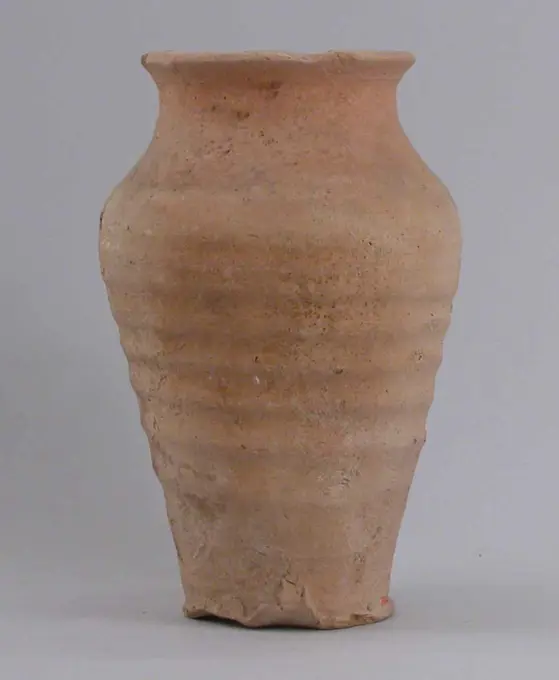
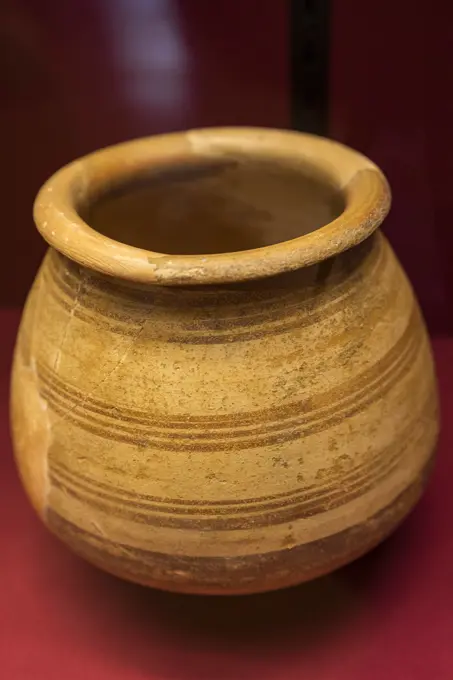
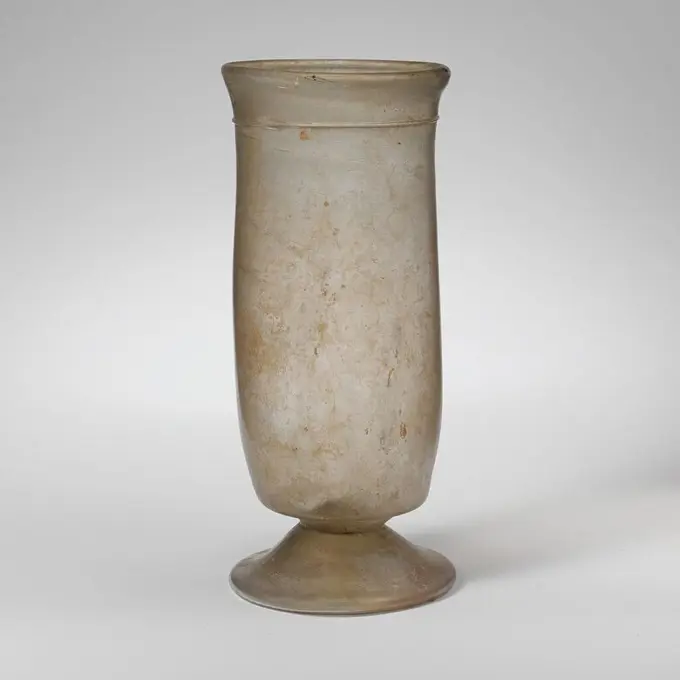
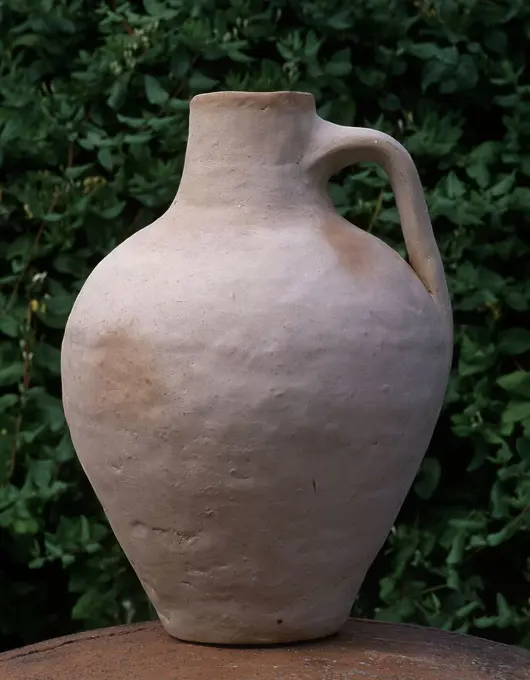
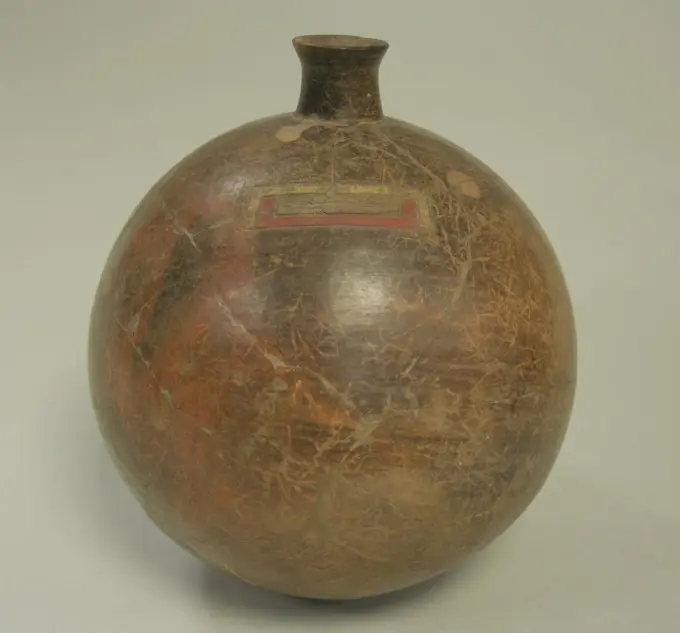
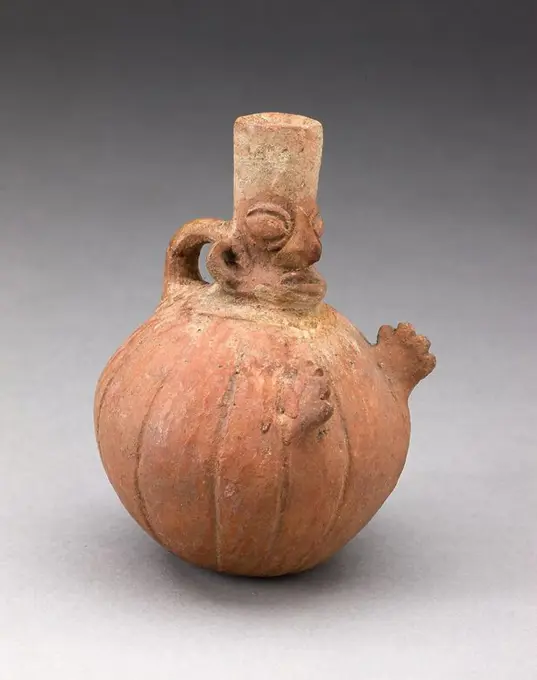
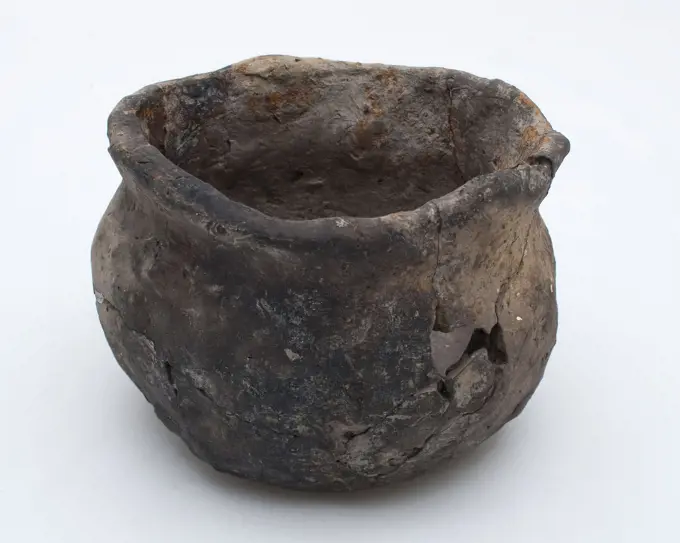
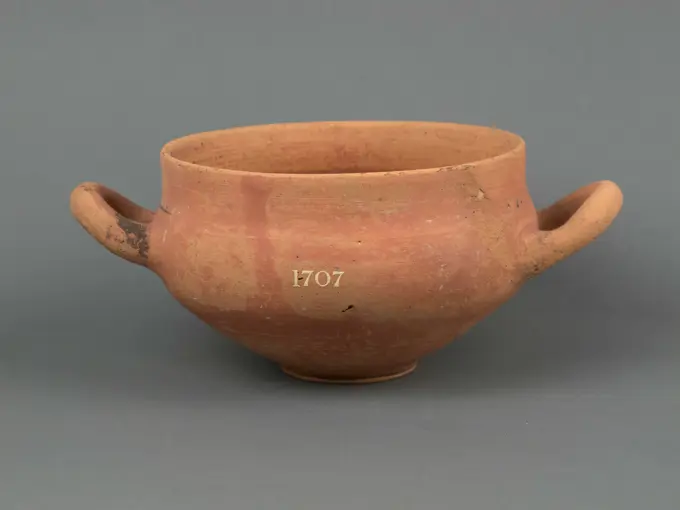
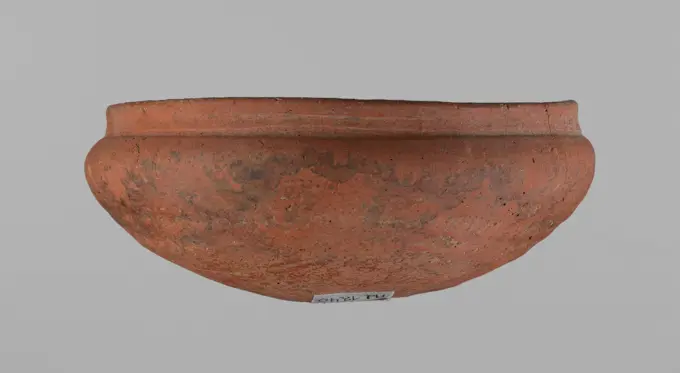
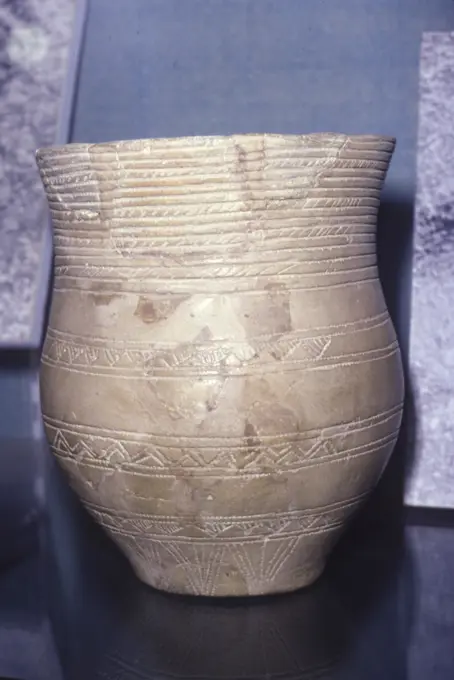
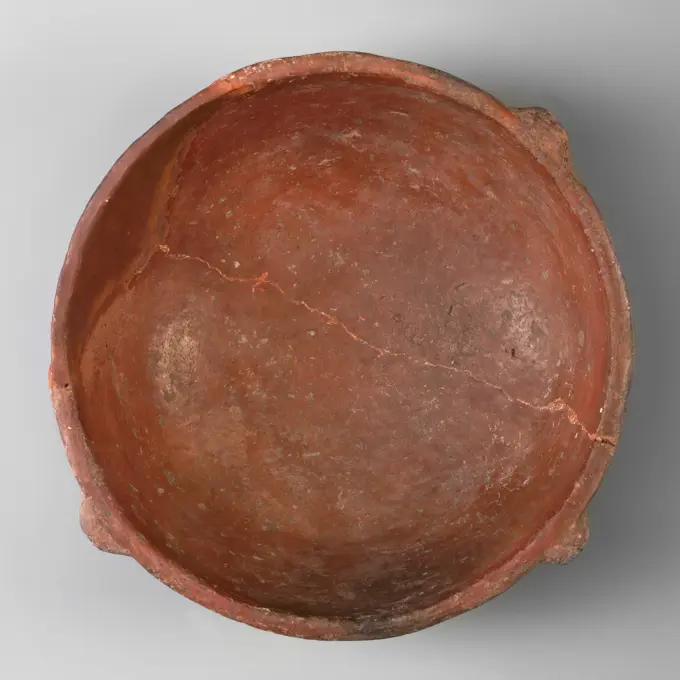
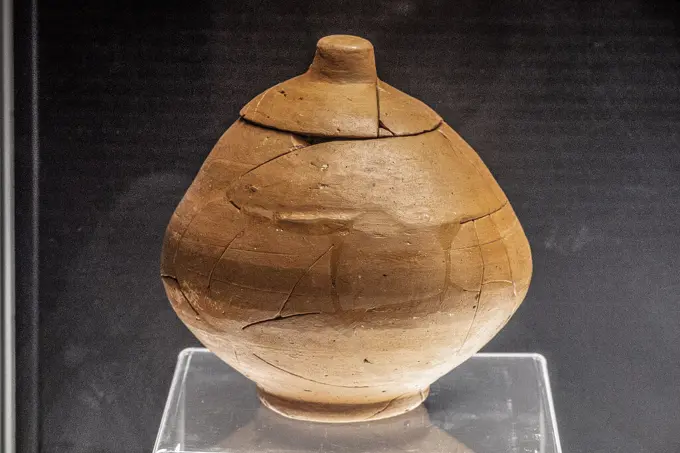
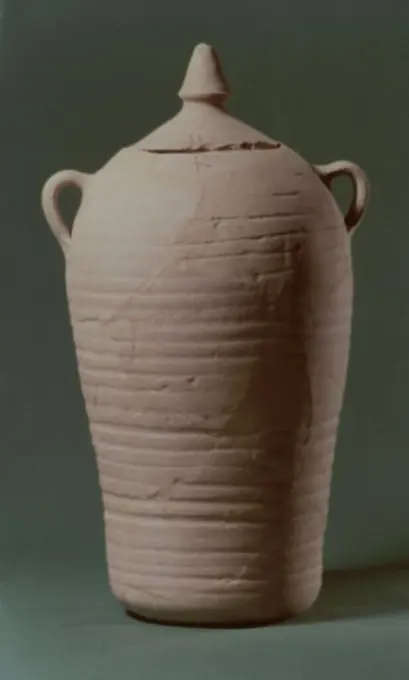
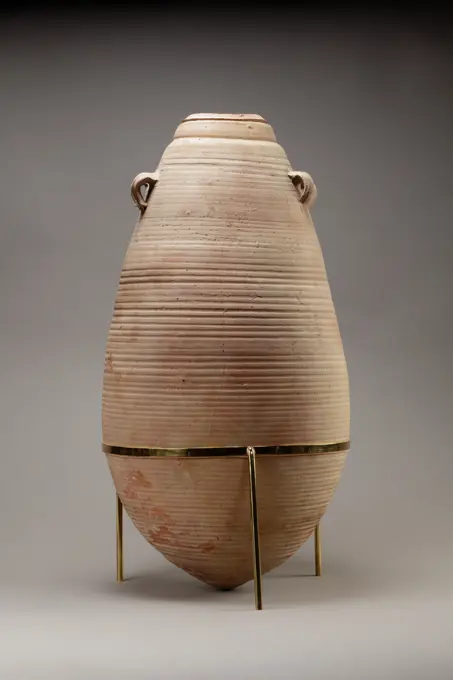
Ancient ceramic vessels from various periods, featuring different shapes, textures, and styles, highlighting their historical significance.

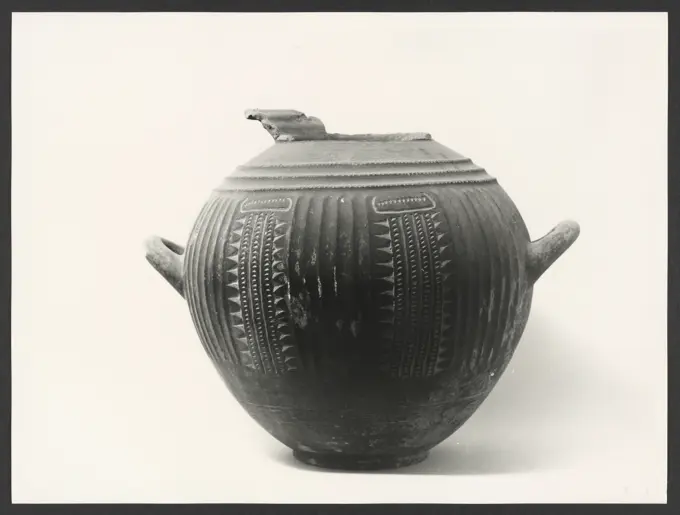
Ceremonial vessel, c. 1000-300 BCE, H.7-1/16 x Dia.8 in., Pottery, Thailand, 10th-3rd century BCE
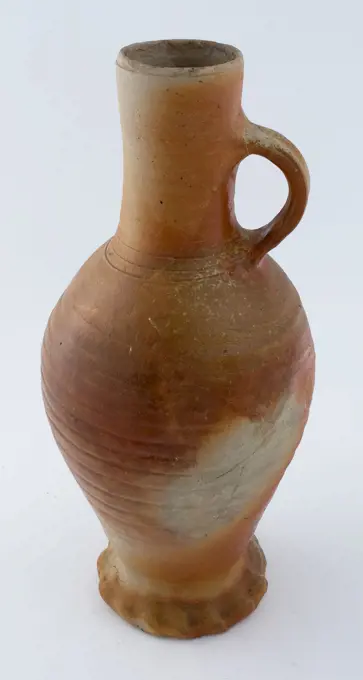
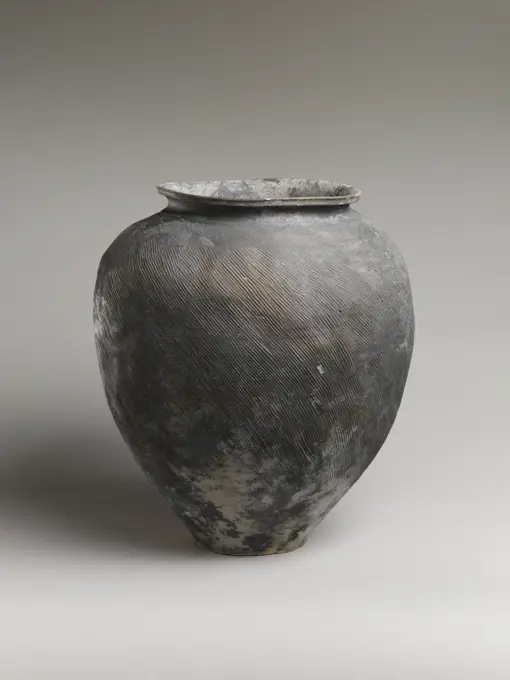
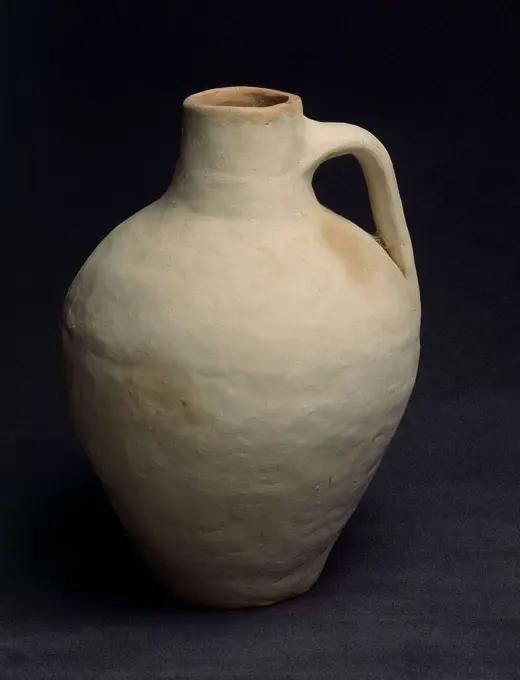
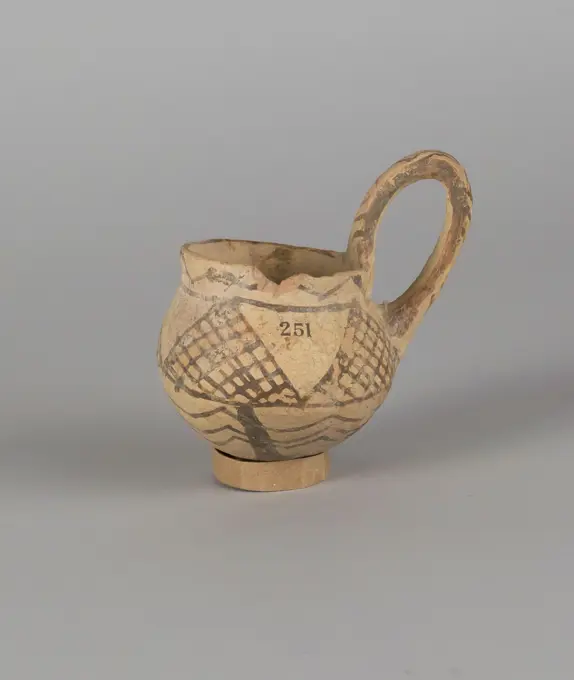
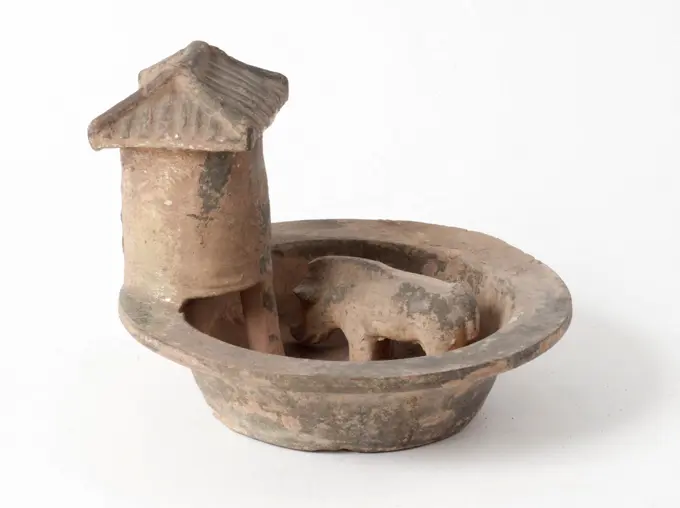
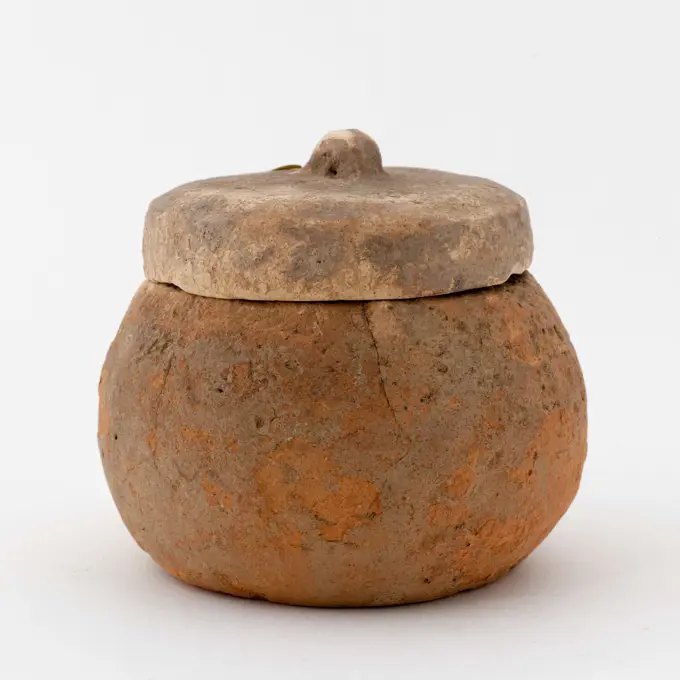
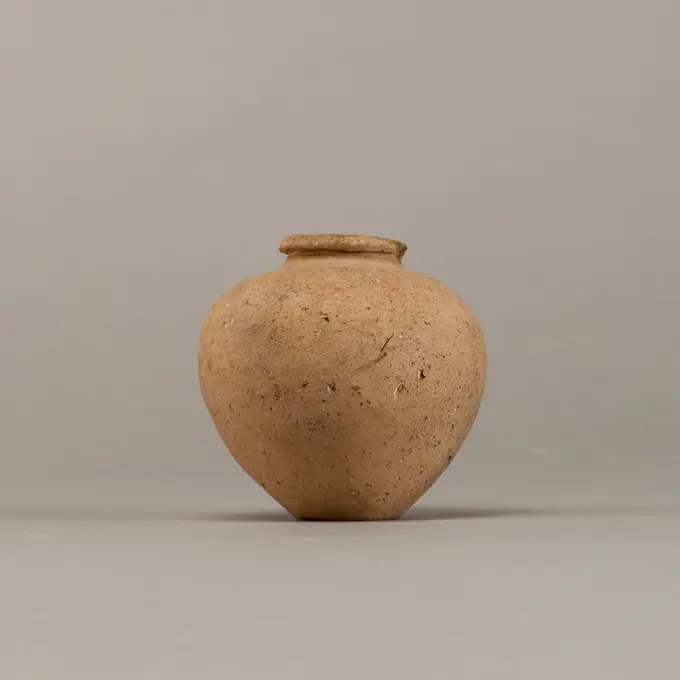
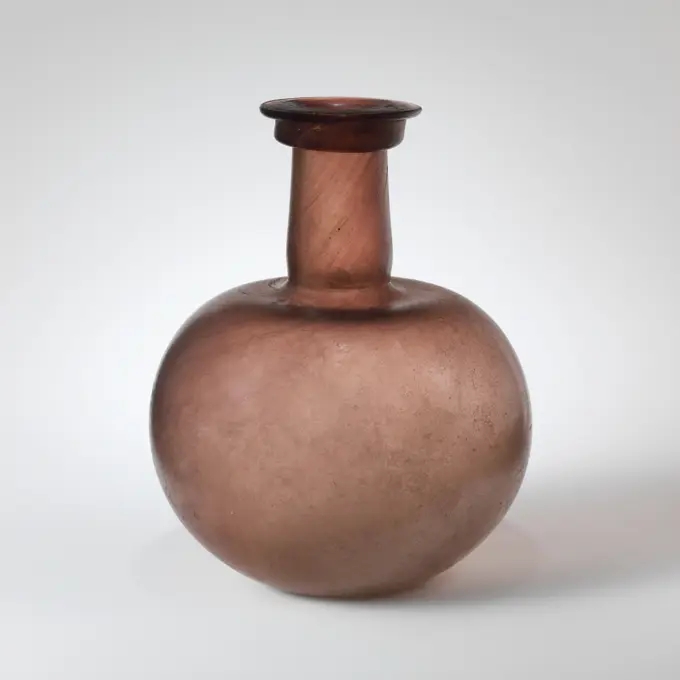
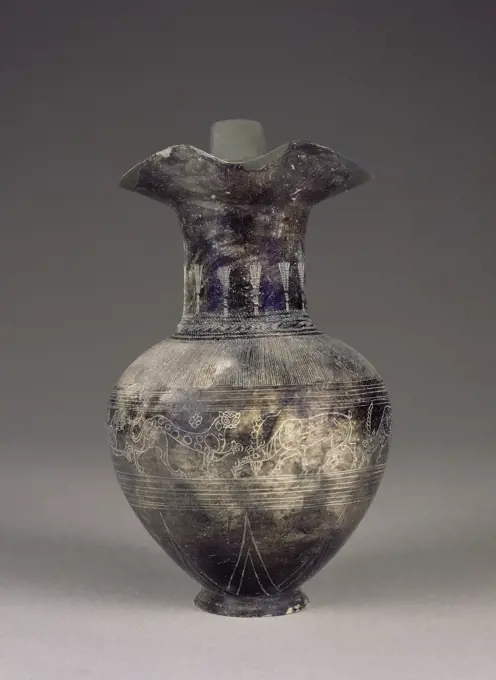
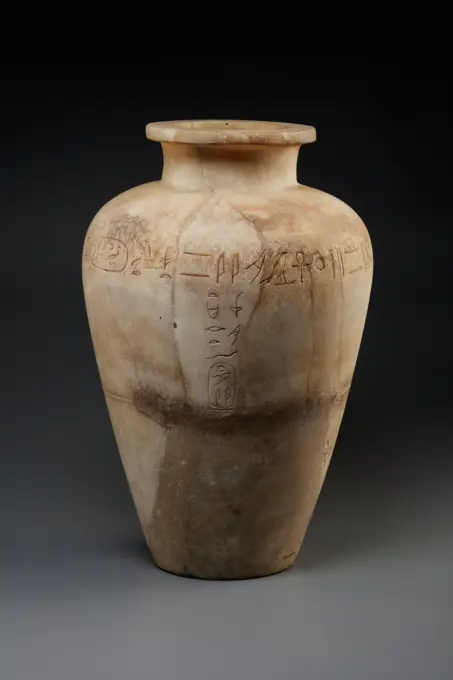
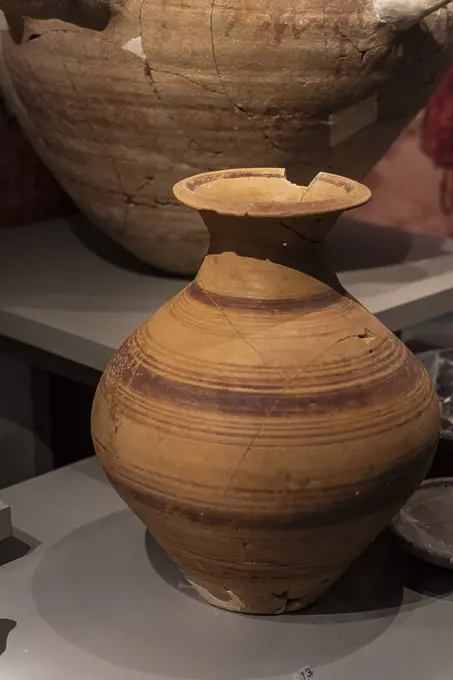
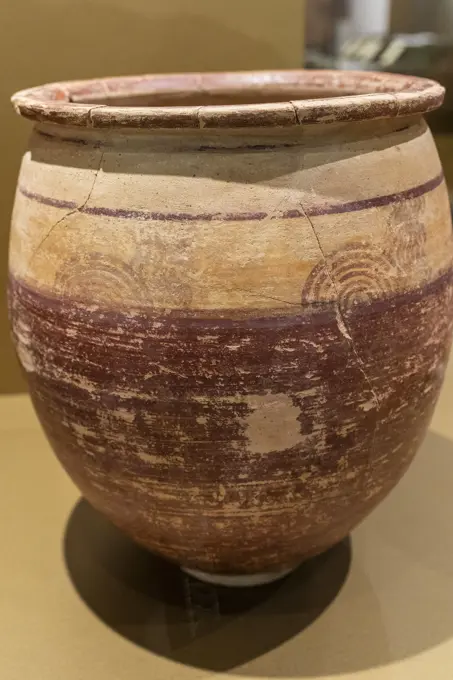
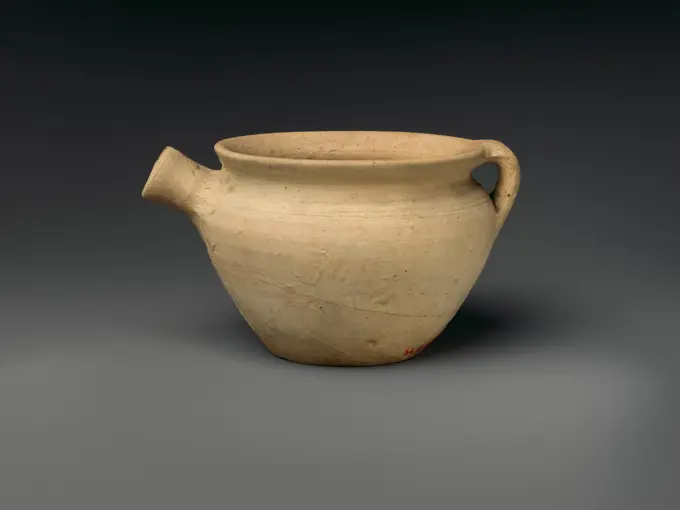
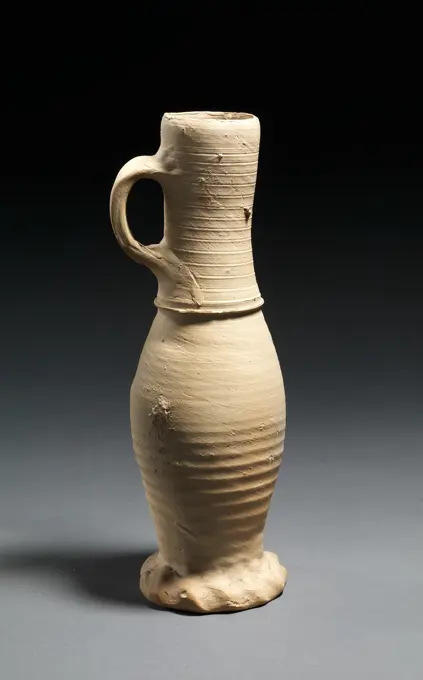
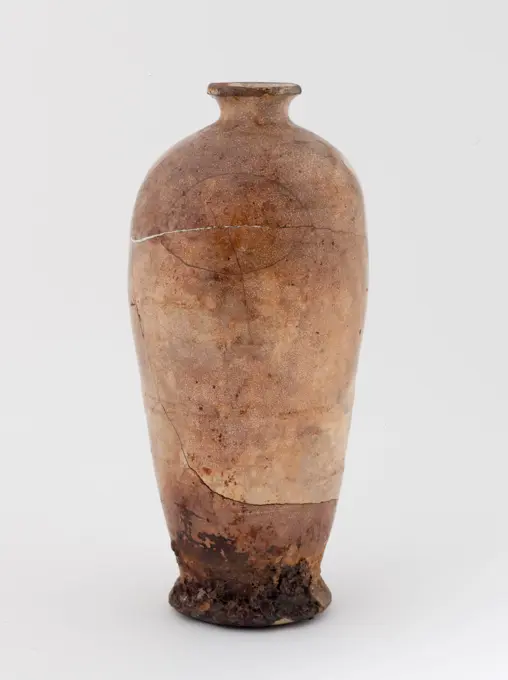
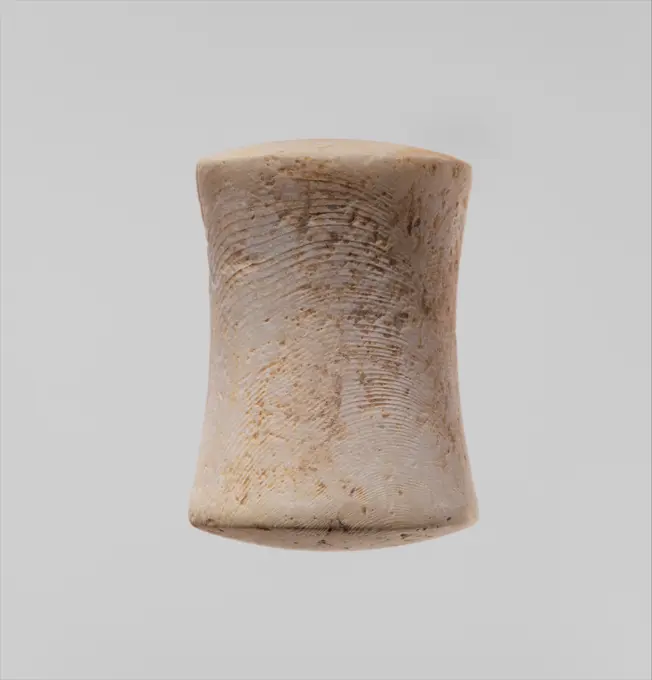
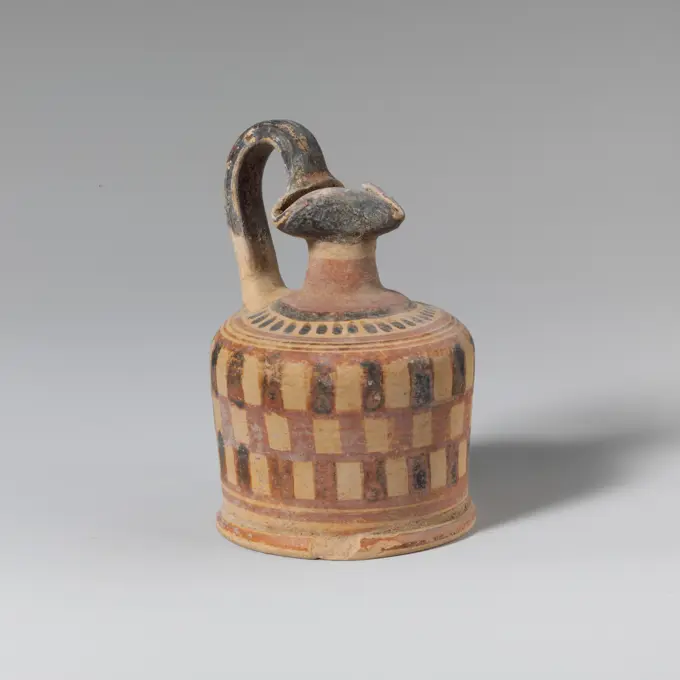
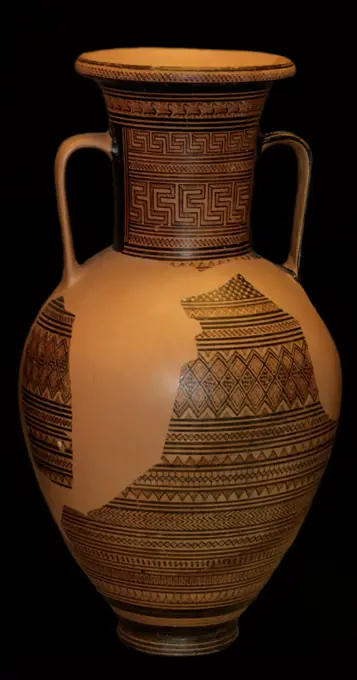
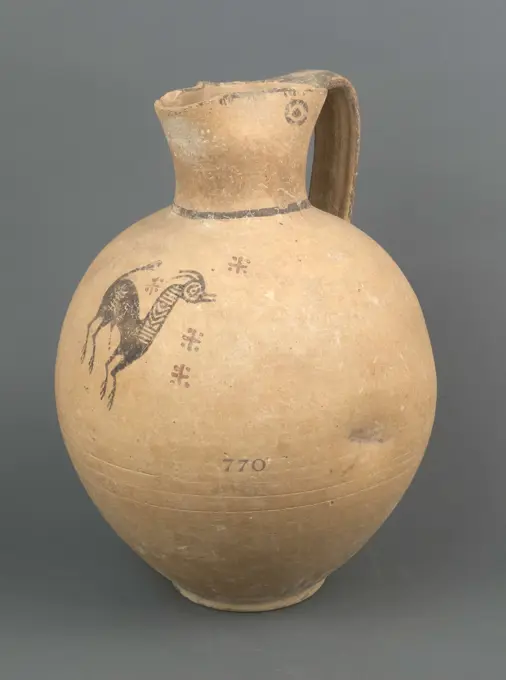
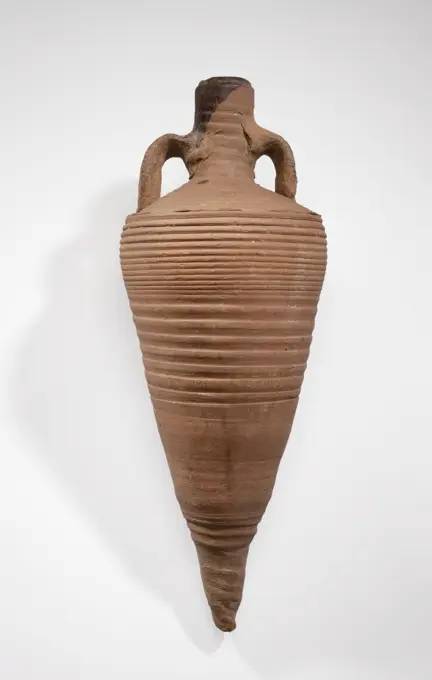
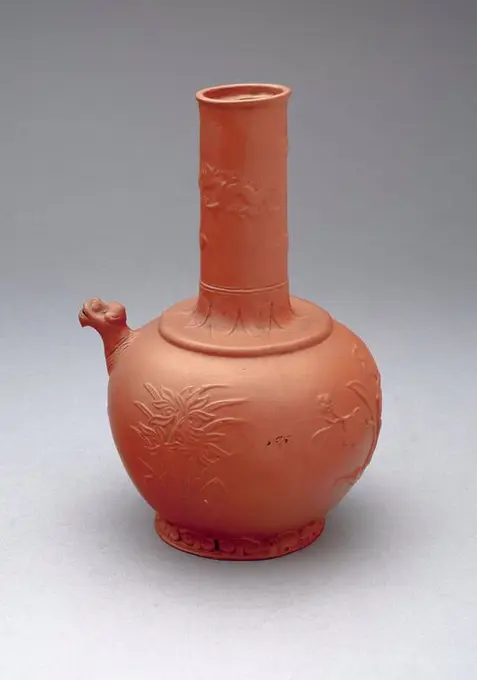
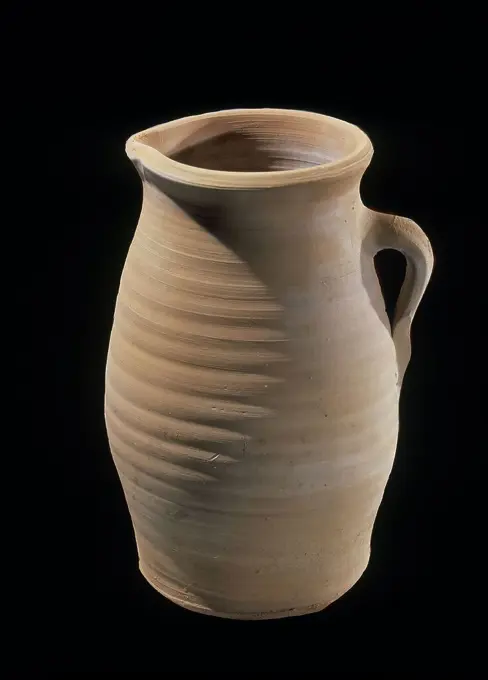
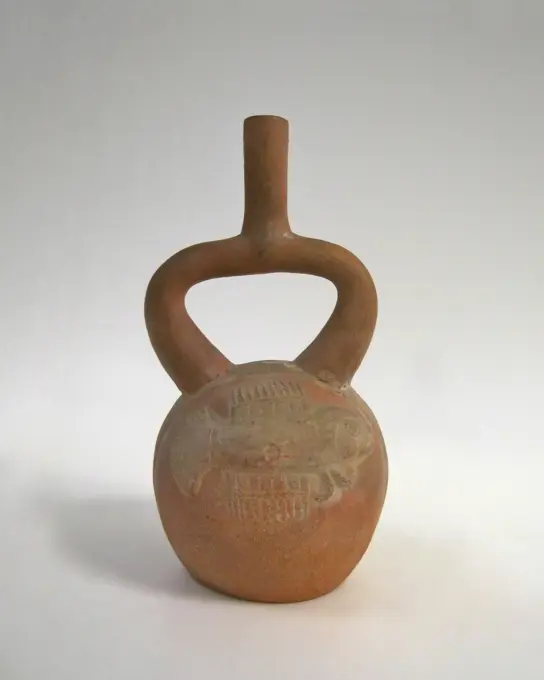
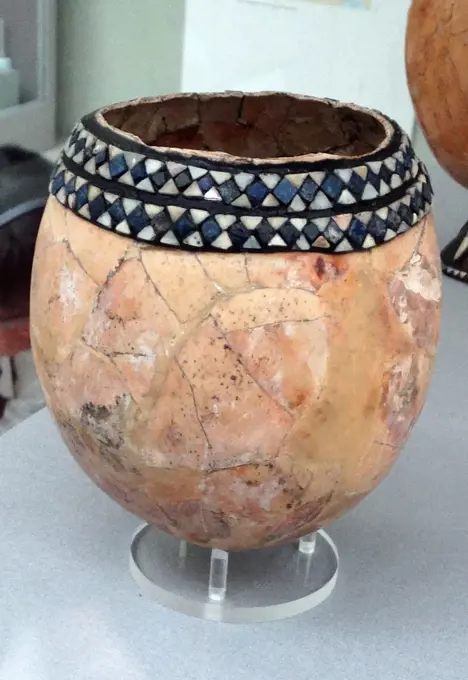
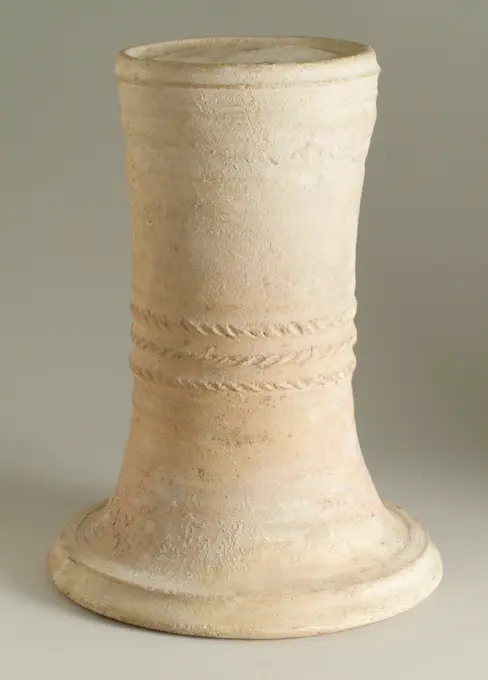
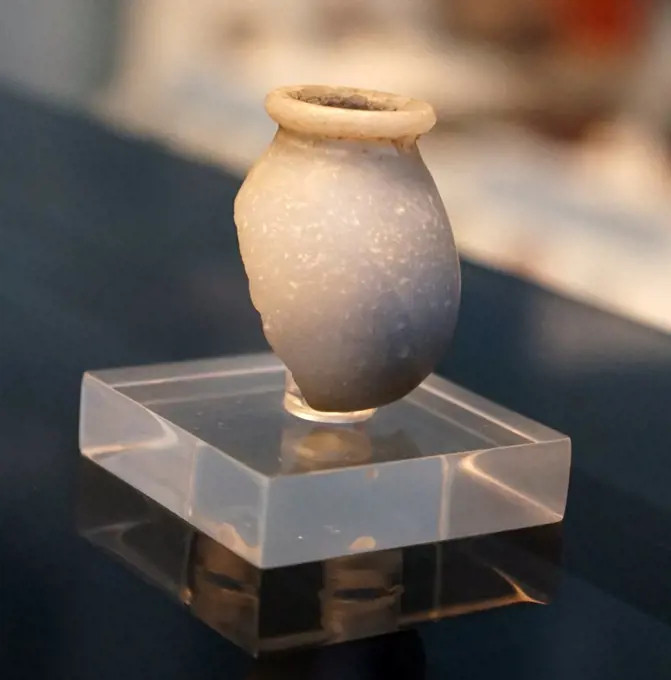
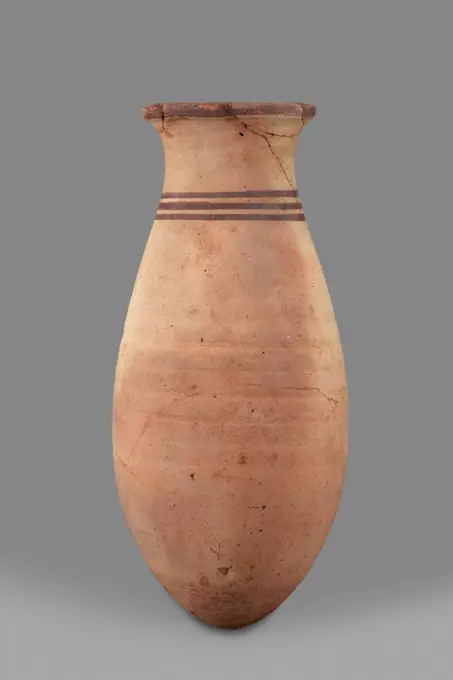
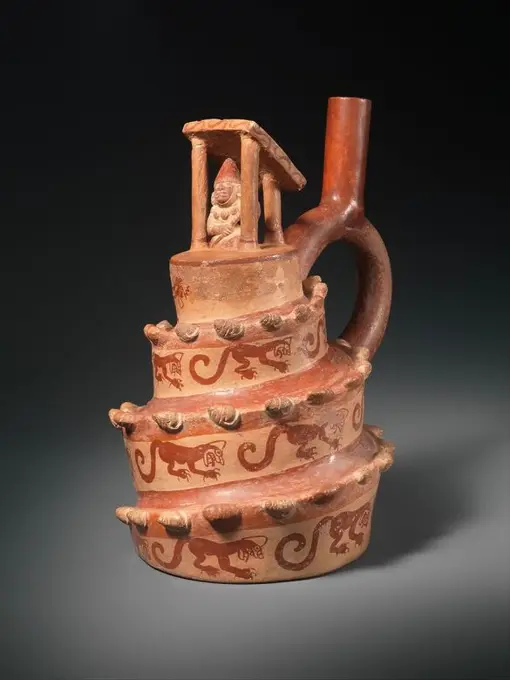
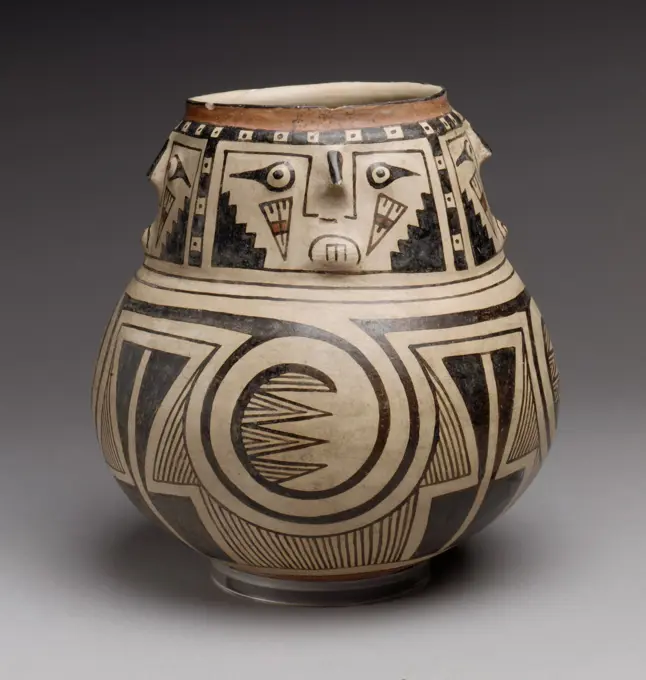
Bridge and Spout Bottle 2nd century B.C.-A.D. 4th century Monte Alban. Bridge and Spout Bottle 312629Terracotta alabastron (perfume vase). Culture: Greek, Corinthian. Dimensions: H. 8 1/8 in. (20.7 cm). Date: ca. 575-550 B.C..Pair of heraldic seated lions. Museum: Metropolitan Museum of Art, New York, USA.Jar 9th-10th century. Jar 449481CANTARO DE ARCILLA LLAMADA GREDA-SIN VIDRIAR-ARTE POPULAR S XX. Location: ALFARERIA. LA RAMBLA. CORDOBA. SPAIN.Ceramic flat faced flask, from Sardinia region, ItalyStoneware jug be used on pinched feet, cylinder neck jug, strongly mottled salt glaze, siegburgkan water jug crockery holder soil find ceramic stoneware glaze salt glaze, hand-turned glazed baked Stoneware jug on pinched base. Cylinder neck jar. Cylindrical neck slightly widening upwards Direction of rotation around the neck Spinning of the shoulder from the shoulder to the foot. Mottled and flamed glaze in brown red and gray. Standing bandor attached in the middle of the neck and at the transition from neck to shoulder Restoration is repainted archeology underground pit Rotterdam City Triangle Groenendaal indigenous pottery import drinking pouring table Soil discovery: underground pit Groenendaal from large waste well ± 4 meters -N..P 1977.06.27.Oil Bottle 19th century Japan. Oil Bottle 48013globular urns globular urns, from Castellones de Ceal, Iberian culture, Archeological Museum. Úbeda, Jaén province, Andalusia, Spain Copyright: xZoonar.com/BartomeuxBalaguerxRotgerx 21702881Glass beaker. Culture: Roman. Dimensions: Overall: 5 5/16in. (13.5cm)Other: 2 5/16in. (5.9cm). Date: 3rd-4th century A.D..Colorless with yellow green tinge; trail in same color.Slightly everted rim, folded round and in, forming an inner lip; cylindrical body with slightly uneven and convex side, then turned in and tooled horizontally around base; splayed tubular foot, made by folding; deep, pushed-in bottom with pontil mark at center.Below rim a single trail wound horizontally once around body.Intact; pinprick bubbles and blowing striations, with some glassy inclusions and black impurities; dulling and iridescent weathering. Museum: Metropolitan Museum of Art, New York, USA.Stirrup Spout VesselGlass perfume bottle early-mid-1st century A.D. Roman Translucent pale purple; opaque white trails.Slender neck, expanding downwards; squat, bulbous body; slightly concave bottom.Marvered trail decoration applied to bottom, wound spirally up body, and dragged into a wavy pattern across body and neck.Body complete, but missing rim and top of neck; pinprick bubbles; pitting, dulling, and patches of brilliant iridescent weathering.. Glass perfume bottle. Roman. early-mid-1st century A.D.. Glass; blown and trailed. Early Imperial. GlassJacaubakan van Steengoed, horizontal Ribbed. Jacaubaan van Steengoed, horizontal Ribbed and with on the front in white The letters JVL with the number 12.Lazio Viterbo Viterbo Museo Civico13. Hutzel, Max 1960-1990 Views of paintings (Middle Ages through 18th c.), frescoes, a tabernacle, coffin, sculpture reliefs, portal fragments, busts, sculpture, tapestry found in the Pinacoteca, Second floor gallery and Second floor cloister sequences. Antiquities: Many views of Etruscan and Roman fragments, sculpture, sarcophagi, pottery, masks, jewelry and other objects found in the Storeroom sequence (inventory numbers on back of prints), and the Cloister, Second floor Cloister, Valle Giulia, Sala Romana and Sala Etrusca sequences. General Notes: There are eight separate numerical sequences for this location. The cloister as an architectural structure, rather than museum site, is documented in the record and file for S. Maria della Verita, Cloister, all views of which are stored in Medieval core collection. Five views from the Museo Civico Second floor cloister sequence are stored in Medieval. German-born photographer and scholar Max Hutzel (1911-Jar 2nd half of the 12th century Japan Said to have been found under water at Sado Island in the Sea of Japan, this jar retains traces of mollusk encrustation on the surface, both inside and outside. It was made by coiling and shaped by the paddle-and-anvil method. The firing in an inclined tunnel kiln produced an uneven reduction effect, which can be seen on the surface of the pot. The production of Suzu ware began only in the mid-twelfth century; an early piece such as this is exceptionally rare.. Jar. Japan. 2nd half of the 12th century. Earthenware (Suzu ware). late Heian period (ca. 900-1185). CeramicsVASIJA, PROCEDENTE DE MOGAN, GRAN CANARIA. Location: ARCHAEOLOGICAL MUSEUM. LAS PALMAS. GRAN CANARIA. SPAIN.United Arab Emirates, Dubai. Dubai Museum located on the grounds of the Al Fahidi Fort, circa 1787. 10th century pottery. (Large format sizes available)Bell- Beaker culture. Bronze Age. 2900-1800 BC. Beaker pottery. Vessel. Diocesan and Regional Museum of Solsona, Catalonia, Spain.Prehistory, Spain, Bronze Age. El Argar culture. Pottery.Terracotta pyxis (box). Culture: Greek, Corinthian. Dimensions: total H. 6 7/8 in. (17.4 cm). Date: 2nd half of the 6th century B.C..The handles are in the form of three human busts. Museum: Metropolitan Museum of Art, New York, USA.FOREIGN OLDGlobular Jar with Abstract Forms in Spirals on Shoulder. Tiwanaku-Wari; South coast Peru or northern Bolivia. Date: 600 AD-1000. Dimensions: 23.2 × 19.1 cm (9 1/8 × 7 1/2 in.). Ceramic and pigment. Origin: Bolivia. Museum: The Chicago Art Institute, Chicago, USA.CANTARO REALIZADO AL MODO URDIDO Y CON PALETA-CERAMICA POPULAR S XX. Location: ALFARERIA. Saragossa Zaragoza. SPAIN.CANTARO PARA AGUA - CUELLO ALTO Y ESTILIZADO CON UN ASA - ARTE POPULAR S XX. Location: ALFARERIA. LEBRIJA. Seville. SPAIN.Brazil, Amazon, Manaus, Indian Museum. Traditional indigenous Indian pottery.Cup ca. 3200-1050 B.C. Cypriot Vertical handle, lozenges and wavy lines.. Cup. Cypriot. ca. 3200-1050 B.C.. Terracotta. Bronze Age. VasesJar 4th-7th century Coptic. Jar 476300Mingqi: Porchery ". Terre Cuitifies pulching plumbs ply. Dynasty Han (220 AP. J.-C.). Paris Causer Crice Causer. Chinese art, pig, han dynasty, Han time, manger, mingqi, pigsty, funeral substitute, terracotta, turrelle, animalJugGlubular pot lid ". Pink terracotta. Paris, Cernuschi muse. Globular pot lid Vietnamese art, Vietnamese collection, lid, globular pot, rosee terracotta, archeological vestigeStrainer cup ca. 9th century B.C. Iran. Strainer cup 325219Late ware jar ca. 3850-2960 B.C. Predynastic Period. Late ware jar. ca. 3850-2960 B.C.. Pottery. Predynastic Period. From Egypt, Southern Upper Egypt, Hierakonpolis (Nekhen), MMA excavationsGlass globular bottle 1st-2nd century A.D. Roman Translucent light purple.Collared rim, folded out, down, round, and up, forming a thick flange around top of neck, then everted horizontally, with rounded lip and flat top surface; cylindrical neck, expanding slightly downwards, with horizontal tooled indent around base; concave shoulder; globular body; concave bottom.Intact; pinprick and some larger bubbles, blowing striations, and a few black impurities; dulling and faint iridescent weathering.Large, violet bottle with round body, slender neck, and heavy rim.. Glass globular bottle. Roman. 1st-2nd century A.D.. Glass; blown. Early to Mid Imperial. GlassGlass perfume bottle. Culture: Roman. Dimensions: 1 3/8 x 7/8in. (3.5 x 2.2cm)Diam. of rim: 11/16 in. (1.8 cm). Date: 2nd-3rd century A.D..Small perfume bottleTranslucent blue green.Thick rim folded out, over, and in; funnel-shaped neck, with slight tooling marks around base; horizontal shoulder with sloping edges; roughly squared body with slightly indented sides; pushed-in bottom with pontil scar.Intact; many bubbles and surface glassy inclusions on one side; dulling, faint iridescence, and patches of creamy weathering. Museum: Metropolitan Museum of Art, New York, USA.Pitcher with Incised Decoration; Etruria; about 625 - 600 B.C; Terracotta; 18.9 × 11.6 cm (7 7,16 × 4 9,16 in.)CERAMICA DE SEVILLA. Location: MUSEO DEL PUEBLO ESPAÑOL. MADRID. SPAIN.kitchen utensils, Son Fornes Archaeological Museum, talayotic period room (1300-123 a. C.), Montuiri, Es Pla region, Mallorca, Spain.Fire pot. Fire or stink pot of pottery with three ears.Chalice. Culture: Coptic. Dimensions: Overall: 6 x 4 5/8 in. (15.3 x 11.7 cm)cup only: 3 3/8 x 4 5/8 in. (8.5 x 11.7 cm)stem and foot: 2 5/8 x 2 11/16 in. (6.7 x 6.9 cm). Date: 5th-6th century. Museum: Metropolitan Museum of Art, New York, USA.Covered Box. Thailand, Sawankhalok, 16th century. Furnishings; Accessories. Stoneware with incised decoration and partial brown glazeCup 4th-7th century Coptic. Cup 477327CANTARO REALIZADO AL MODO URDIDO Y CON PALETA- ARTE POPULAR- S XX. Location: ALFARERIA. Magallón. Saragossa Zaragoza. SPAIN.Bottle 6th-4th century B.C. Paracas. Bottle 310215Miniature Gourd-Shaped Bottle in the Form of a Figure. Inca; South coast or southern highlands, Peru. Date: 1450-1532. Dimensions: 10.2 x 7 cm (4 x 2 3/4 in.). Ceramic and pigment. Origin: Peru, southern. Museum: The Chicago Art Institute, Chicago, USA.Pottery pot, small size, indigenous Roman pottery, pot holder soil find ceramic earthenware, hand-formed baked Small pot on stand surface of Roman indigenous pottery. Irregularly arrived. Partly light colored ceramics with black core. Pouch model archeology Spijkenisse indigenous pottery cooking store Roman indigenous Soil discovery Spijkenisse Puntweg. 1971 - 1974.Glass jar. Culture: Roman. Dimensions: H.: 1 7/8 in. (4.8 cm)Diam.: 1 13/16 x 1 9/16 in. (4.6 x 4 cm). Date: 2nd-3rd century A.D..Small jar.Colorless with blue green tinge.Rim folded down, round, and pressed into outer edge of broad, outsplayed mouth; very narrow concave neck; globular body; pushed-in bottom.Large cracks, part of rim and neck missing with weathered breaks; pinprick bubbles; dulling, creamy white weathering, and iridescence covering most of surfaces. Museum: Metropolitan Museum of Art, New York, USA.Ritualbecher Ritualbecher Copyright: xZoonar.com/BartomeuxBalaguerxRotgerx 22556678Jar of Pepi I Old Kingdom ca. 2289-2255 B.C. The thick walls of stone vessels helped to keep cool the valuable cosmetic oils and ointments they frequently held, and their exquisite workmanship and high quality underlined the precious nature of the contents.The inscription on this vase refers to the first hebsed (a royal renewal festival celebrated ideally at 30 years of reign) of Pepi I. The name of a queen (Mery-re, perhaps short for Ankhnesmeryre, the name of two known wives) has been added secondarily below. View more. Jar of Pepi I. ca. 2289-2255 B.C.. Travertine (Egyptian alabaster). Old Kingdom. From Egypt. Dynasty 6urn, pre-Iberian double tomb, 7th century BC, Cerro de los Vientos, Puente del Obispo, Iberian Museum of Jaén, Andalusia, Spain.urn with decoration painted in red urn with decoration painted in red, necropolis of La Carada, Espeluy, Iberian Museum of Jaén, Andalusia, Spain Copyright: xZoonar.com/BartomeuxBalaguerxRotgerx 21714902Goldsmith's art, Persia, 15th-16th century. Brass vase, damascened with gold and silver. Arabic and Persian inscriptions. Height cm. 13.Vessel with Handle 7th-5th century B.C. Paracas. Vessel with Handle 308620Vase. Culture: Roman. Dimensions: 7 3/4in. (19.7cm)Other: 9 1/8in. (23.2cm).Yellow vase with handle and cross-hatched incised pattern all over body; unglazed. Museum: Metropolitan Museum of Art, New York, USA.Round bowl with ear, made of red -baking earthenware, damaged, c. 1500 - c. 1899 fragment. dish   earthenware. glazeIncised Bowl with Ring Base. Culture: Manteno. Dimensions: Diam.12 1/2 in. (31.8 cm). Date: 6th-11th century. Museum: Metropolitan Museum of Art, New York, USA.Ritual winecup, anonymous, c. -1700 - c. -1050  China bronze (metal)  China bronze (metal)Pot ca. 3rd-7th century A.D. Sasanian This undecorated spouted pot is made of cream ware with a grit and chaff temper. Several of this type of spouted pot with round spouts, simple handles, and an everted rim were found at the site of Qasr-i Abu Nasr.The small town and fortress of Qasr-i Abu Nasr is located near Shiraz in southern Iran at a strategic point at the intersection of defensive mountains, available water sources, and along roads entering the Shiraz plain. The site was excavated by archaeologists from The Metropolitan Museum of Art for three seasons from 1932-1935. The town was occupied, at least intermittently, from the Parthian period (3rd century B.C.-3rd century A.D.) to the Muzaffarid period (13th-14th century A.D.). The major occupation, including the extensive fortress, dates to the Late Sasanian period (6th-7th century A.D.).. Pot 323013Jug late 14th-early 15th century German The neck and body of this slender, spoutless jug were wheel-turned separately. The maker combed in the horizontal grooves and lines while the vessel was on the wheel and worked the handle and the weighty pinched foot by hand. The creamy, unglazed surface is typical of medieval stoneware produced in Siegburg, near Cologne, using the abundant local clay, which is nearly white. Siegburg ceramics were widely exported to the Netherlands and British Isles.. Jug 671535Jarlet in the Form of a Melon with Rossettes and Leaves. Vietnam, circa 1450-1550. Furnishings; Serviceware. Wheel-thrown stoneware with cream slip, underglaze blue painted decoration, and clear glazeTerracotta alabastron (perfume vase) early 6th century B.C. Etruscan This is an Etruscan adaptation of a Corinthian prototype. The shape has become rather stiff and elongated, and a small handle has been added.. Terracotta alabastron (perfume vase) 246110Bowls from a cemetery site in Northern Dongola Reach, Sudan. Dated 20th Century BCMeiping ". Sandstone, creamy slip, transparent covered. China, Song dynasty (960-1279) / Yuan (1279-1368). Paris, Cernuschi museum. Chinese art, Chinese ceramic, container, Song dynasty, Yuan dynasty, Song time, Yuan time, extended form, gres, meiping, container, terracottaShell pestle/polisher ca. 2700-2400 B.C. Cycladic Pestle or polisher carved from a piece of shell.. Shell pestle/polisher 631230Seif Yohei III (1851-1914) was a son of the Maruyama school painter Okada Ryhei (dates unknown). Though he studied painting, he ultimately succeeded his ceramics mentor, Seif Yohei II (1845-1878), in Kyoto. He distinguished himself as a remarkable porcelain artist, taking Qing dynasty Chinese wares as his inspiration. He experimented widely with new glazing techniques. In 1893, he became the first ceramicist to be appointed as an Imperial Household Artist under a system introduced by the Japanese government in 1890. He produced many works for use in Chinese-style tea gatherings called sencha. Incense Burner, 1893-97. Seifū Yohei III (Japanese, 1851-1914). Porcelain with molded design, crimson glaze, and floral openwork silver lid; height with lid: 10.8 cm (4 1/4 in.); diameter: 11.4 cm (4 1/2 in.).Pot 4th-7th century Coptic. Pot 477294Terracotta oinochoe (jug) late 6th century B.C. Greek, Corinthian Checkerboard pattern on body.. Terracotta oinochoe (jug) 255103 Greek, Corinthian, Terracotta oinochoe (jug), late 6th century B.C., Terracotta, H. 3 7/16 in. (8.7 cm). The Metropolitan Museum of Art, New York. Purchase, Mrs. Helen H. Mertens Gift, 1961 (61.11.13)The Elgin Amphora. Greek, made in Athens circa 760-750 BC. Late Geometric period. Attributed to artist Dipylon Painter.Jug 850-750 B.C. Cypriot Horned animal.. Jug. Cypriot. 850-750 B.C.. Terracotta. Cypro-Geometric III. VasesWine amphora (LR 7); Unknown Egyptian workshop; 2. PO. VI century (551-00-00-600-00-00);Deposit of the University of Warsaw from 1937-1939, amphoras, LRA7 amphoras, Coptic dishes, transport vessels, resource vesselsBottle (Kendi). Meissen Porcelain Manufactory; German, founded 1710. Date: 1705-1715. Dimensions: 17.2 x 11.4 cm (6 3/4 x 4 1/2 in.). Böttger stoneware. Origin: Meissen. Museum: The Chicago Art Institute, Chicago, USA.PITXER DE FUMIGAR A MODO DE JARRA CON UN ASA - CERAMICA SIN VIDRIAR. Location: ALFARERIA. SPAIN.Globular vessel, 8th-10th century, 10 1/16 x 5 1/16 x 5 1/16 in. (25.6 x 12.9 x 12.9 cm), Earthenware, Peru, 8th-10th centuryDzbanek. unknown, authorDecorated ostrich eggshell from the Ur cemetery. Dated 2600 BCLampstand. Syria, 7th-8th century. Ceramics. Earthenware, with applied and incised decorationCANTIMPLORA BARRIL CON VIDRIADO EN EL CUELLO (CON MINIO DE PLOMO). Location: ALFARERIA. SPAIN.Skyphos ca. 750-700 B.C. Cypriot Two-handled bowl with red slip; degenerate meander and guilloche patterns.. Skyphos. Cypriot. ca. 750-700 B.C.. Terracotta. Geometric. VasesCup with modelled horse decorations, from Narce, Lazio, Italy. Faliscan Civilization, 7th Century BC.Jug (pilgrim flask) with a coat of arms, anonymous, c. 1600 - c. 1699 Jug (pilgrim bottle) of stoneware on a high base with a spherical body, from side view oval, and with a narrow neck. Part of the neck is missing. Four small, C-shaped ears on the sides of the abdomen. Covered with a brown Engobe. The front with concentric profiles with a printed and imposed weapon surrounded by leaf vines in the middle. The outside circle is divided into four courses with a modeled lion's head in each. The other side with a square with a four -pass in a medallion in the center, surrounded by small circles and heart shapes. A wooden stop replacing the neck. Bouffioulx. Bouffioulx stoneware. glaze. engobe. stop: wood (plant material) vitrification Jug (pilgrim bottle) of stoneware on a high base with a spherical body, from side view oval, and with a narrow neck. Part of the neck is missing. Four small, C-shaped ears on the sides of the abdomen. Covered with a brown Engobe. The front with concentric proTomb with relief decoration unknownMedum bowl;  around 2686- 2181 BC ; Old PAPrehistoric bell beaker pot of 3000 BC. ENGLAND.Bowl with four dumplings (you can); Unknown Nubian workshop; XI-XVI century; Christian or Arabian period (1001-00-00-00-1600-00-00);Nubian ceramics, bowls, nubian vesselsFragment of an anhydrite vessel from the Middle Kingdom, Buhen. Dated 1900 BCTerracotta emblem bowl with head of Zeus or Sarapis. Culture: Greek. Dimensions: h. 2 13/16 in. (7.2 cm); d. 7 5/8 in. (19.4 cm). Date: 3rd-1st century B.C..The interior medallion in high relief and flaring profile of this terracotta bowl are derived from metallic prototypes and were meant to replicate such luxury items. Clay vessels with these features were made beginning in the Hellenistic period in a variety of regions, such as Southern Italy, Asia Minor, and mainland Greece. It is therefore difficult to identify securely the place of manufacture for this bowl. The relief emblem portraying either Zeus or perhaps, due to the distinctive pattern of the hair and beard, the hellenized-Egyptian god Sarapis, is an unusual subject for the medallions of these bowls, which tend to favor Dionysiac themes and other divinities. Museum: Metropolitan Museum of Art, New York, USA.Vase Jian. Bronze, China, 6th-century before Jesus Christ. Paris, Cernuschi museum. Bronze, China, Eastern Zhou Dynasty, Content, Jian vaseincense burners for mortuary rites, Castro Urdiales, Museum of prehistory and archeology (MUPAC), Santander, Cantabria, SpainNaczynie. unknown, authorArchitectural Vessel. Culture: Moche. Dimensions: H. 8 7/16 x W. 5 1/2 in. (21.51 x 13.97 cm). Date: A.D. 400-600.This vessel is modeled in the shape of a spiral platform surmounted by an open-sided structure with a figure inside. The vessel itself is a bottle, with a spout in the shape of a stirrup, a characteristic shape on Peru's north coast from the first millennium B.C. through the later part of the first millennium A.D. The spiral platform is ornamented with a procession of snails, sculpted in high relief, and felines, painted in red slip, ascending to the summit where a figure is depicted within a four-posted, roofed structure on a circular podium. The figure wears a conical headdress, ear ornaments, and a beaded collar, and holds a war club across his chest.Finely made and delicately painted, this bottle would most likely have been used in Moche ceremonial contexts before its ultimate deposition in a burial. The Moche culture flourished on Peru's north coast from A.D. 200 to Africa, Angola, Luanda. Traditional pottery inside Angola's National Museum of Anthropology.Jar with Four Faces mid-13th-mid-15th century Casas Grandes Between the mid-thirteenth and mid-fifteenth centuries, the arid region that stretches from northern Mexico to the southwestern United States was dominated by the powerful city of Casas Grandes. Located in what is now the Mexican state of Chihuahua, Casas Grandes was a well planned urban center made wealthy by trade in precious commodities such as shell, copper, turquoise, and tropical bird feathers. The city's craftsmen, skilled in the working of such materials, increased its wealth by making finished products for export. Among those finished products were ceramic vessels with bright polychrome surfaces. The vessels, principally globular jars, were much esteemed and widely traded. In their manufacture, certain more-or-less standardized systems of shape and decoration were followed that included restrained color schemeschiefly blue/blacks and brown/redsgeometric patterns, and a particularized use of human and animal imagery.CANTARO DE 4 ASAS CON VIDRIADO PARCIAL - ARTE POPULAR S XX. Location: ALFARERIA. Navarrete. LA RIOJA. SPAIN.Roman Glass Vase, National Archaeological Museum, Naples, ItalyGefäß Gefäß Copyright: xZoonar.com/TOLOxBALAGUERx 22682371Ewer probably 18th-19th century. Ewer 443133Naczynie. unknown, craftsmanCANTARO DE ARCILLA ROJA CON UN ASA- ARTE POPULAR- S XX. Location: ALFARERIA. SALVATIERRA DE LOS BARROS. Badajoz. SPAIN.cinerary urn, Carratiermes Necropolis, 4th-2nd century BC. Museum of the Tiermes Archaeological Site, Soria, Castile and Leon, Spain.URNA CINERARIA CON TAPADERA DE TIPO CANOPE-S III Y II A C. Location: MUSEO ARQUEOLOGICO / MUSEO DE PUIG DES MOLINS. IBIZA. SPAIN.Bell Beaker late 5th-early 6th century Frankish. Bell Beaker 465068 Frankish, Bell Beaker, late 5thearly 6th century, Glass, Overall: 4 5/8 x 3 3/16 in. (11.8 x 8.1 cm). The Metropolitan Museum of Art, New York. Gift of J. Pierpont Morgan, 1917 (17.191.350)Pot Late Period 664-332 B.C. View more. Pot. 664-332 B.C.. Pottery. Late Period. From Egypt, Upper Egypt, Thebes, Deir el-Bahri, west of Priests' Cemetery, Tomb MMA 801, Embalmers' cache, MMA excavations. Dynasty 25-30