Historical Ceramics

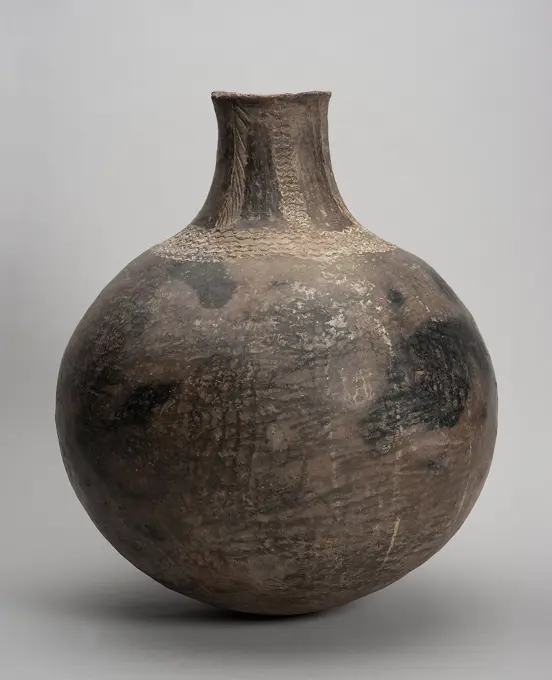
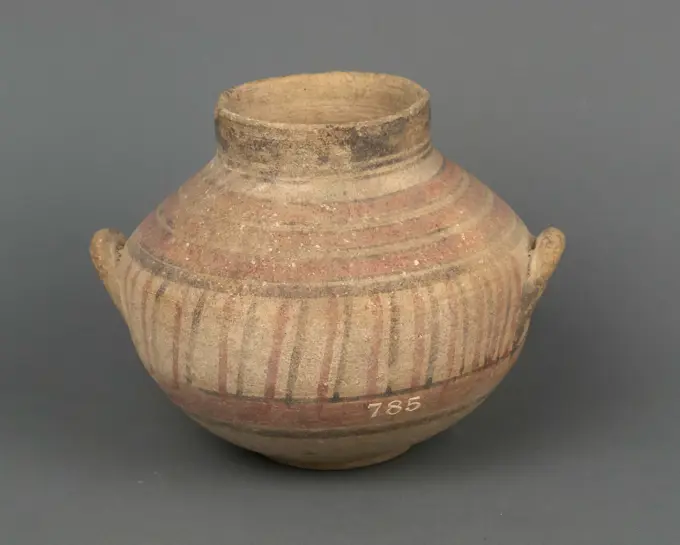
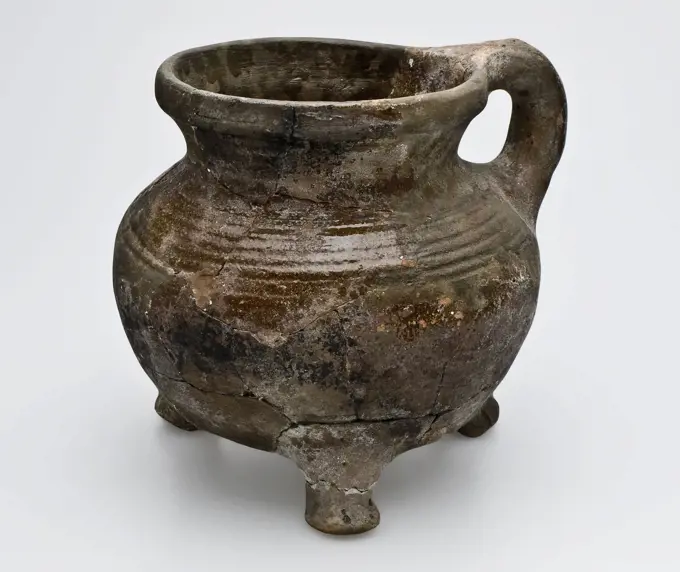
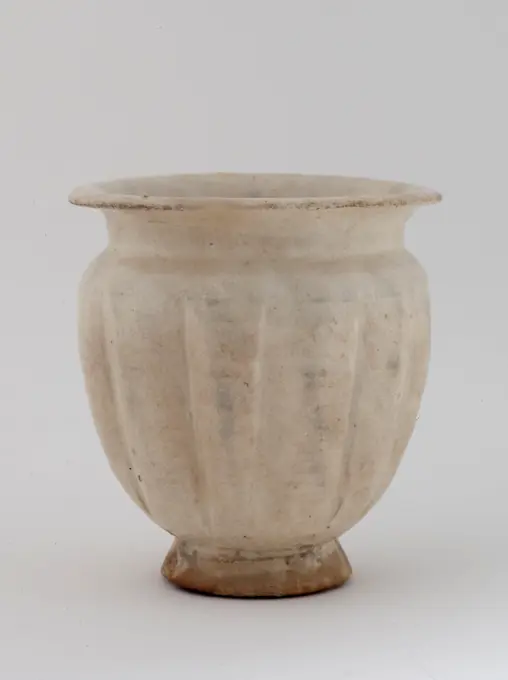
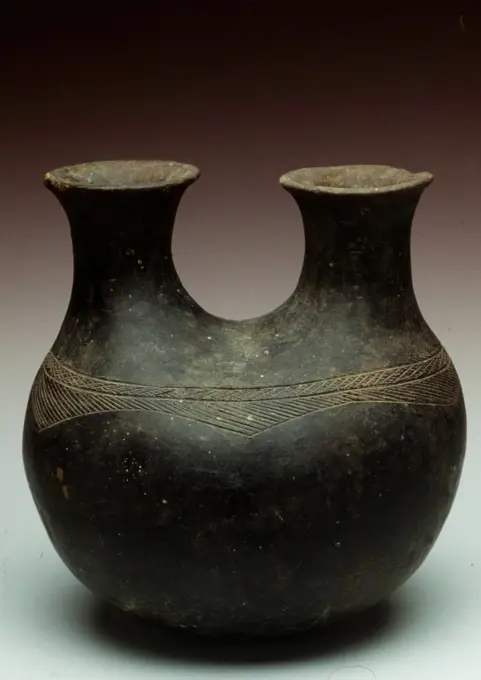
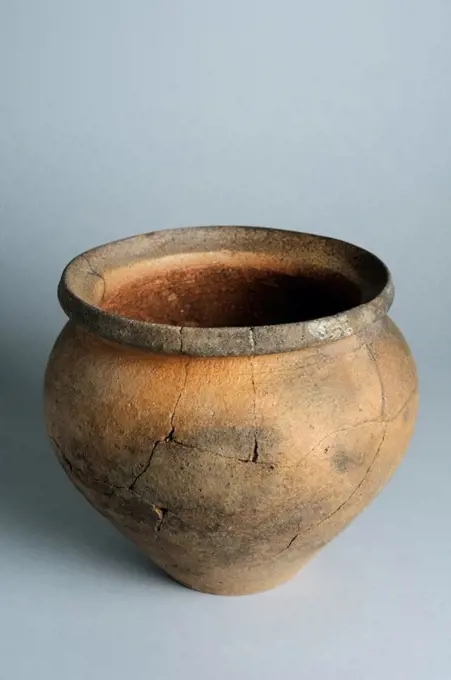
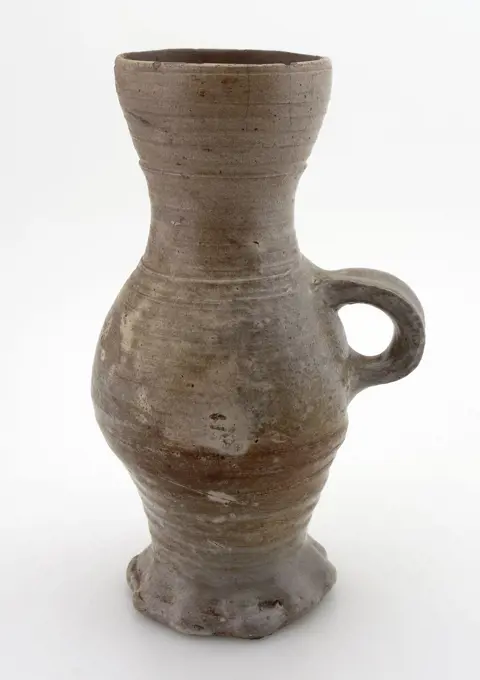
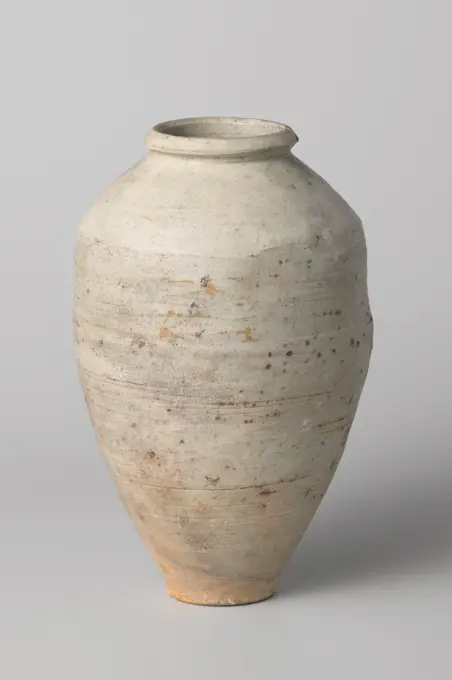
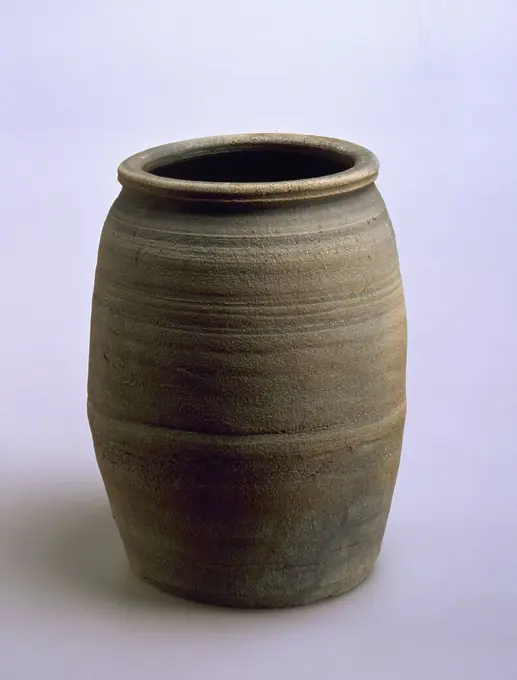
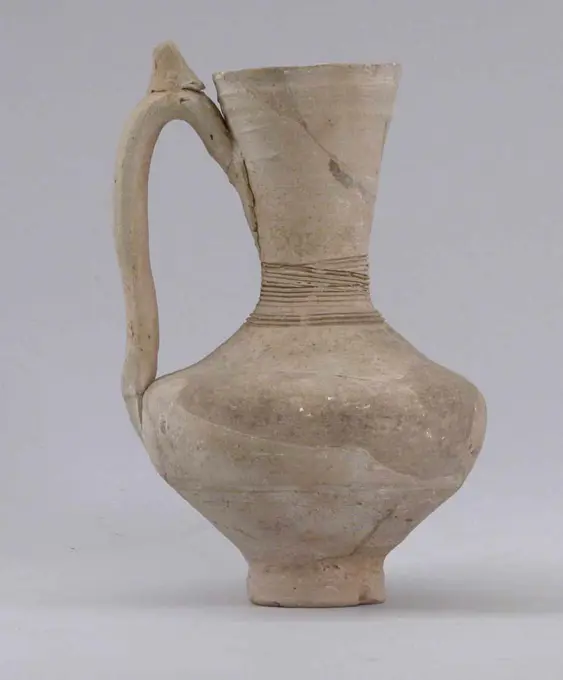
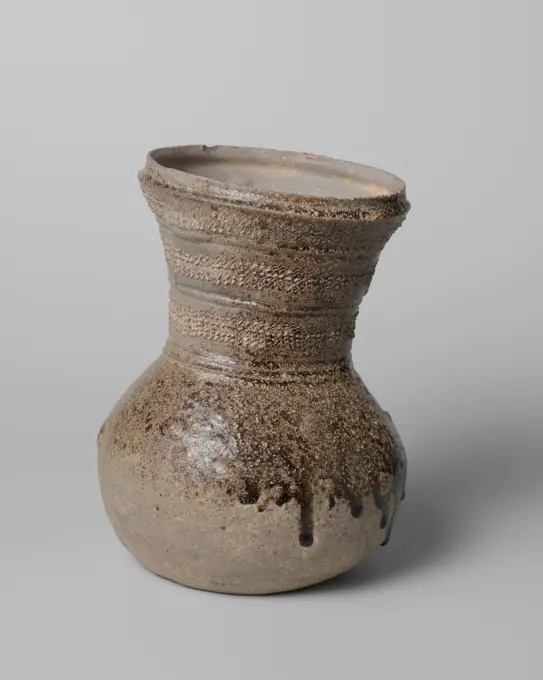
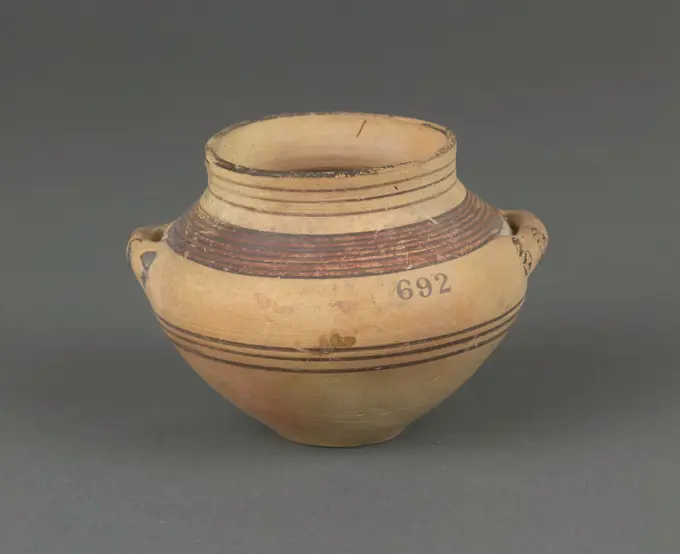
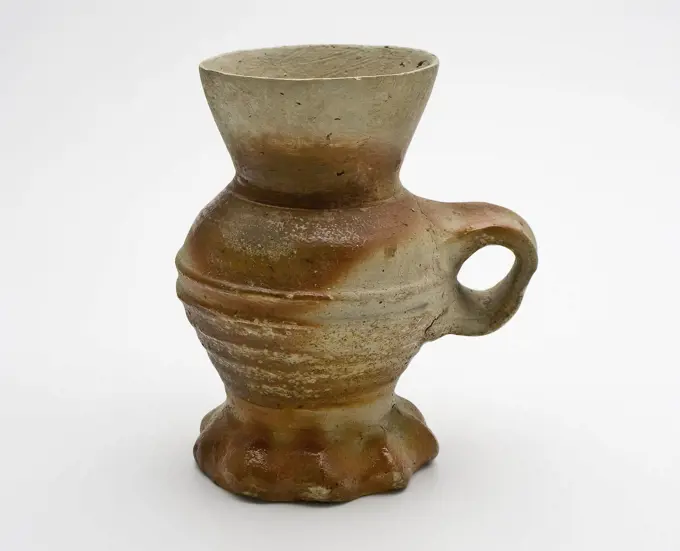
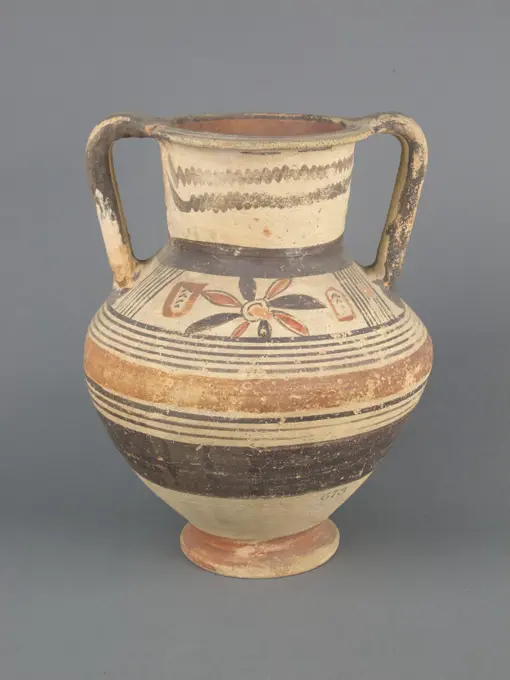
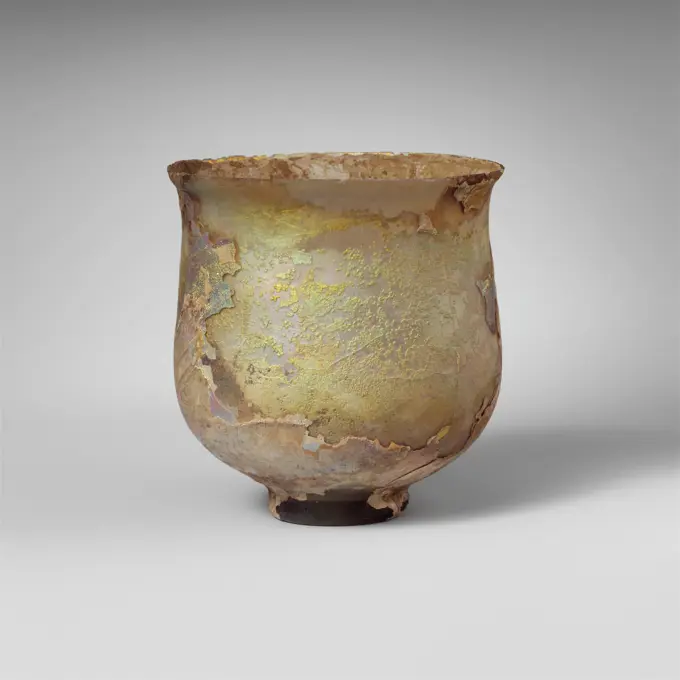
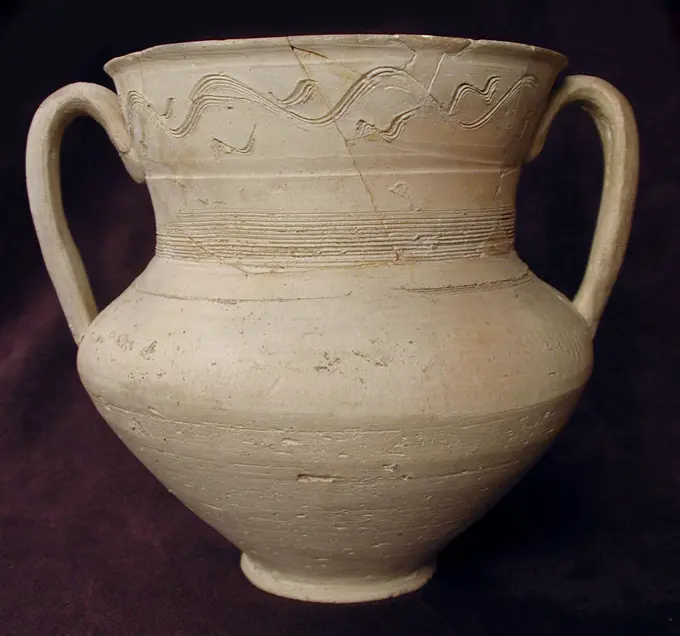
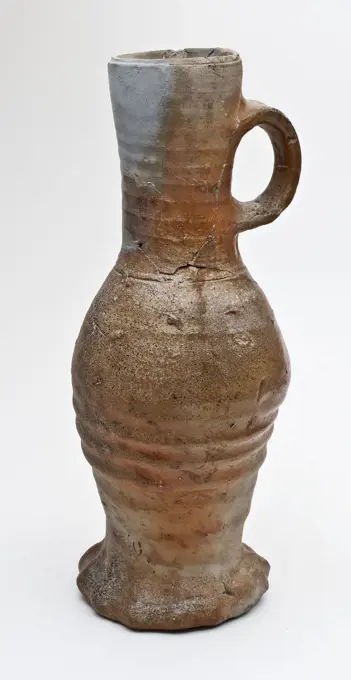
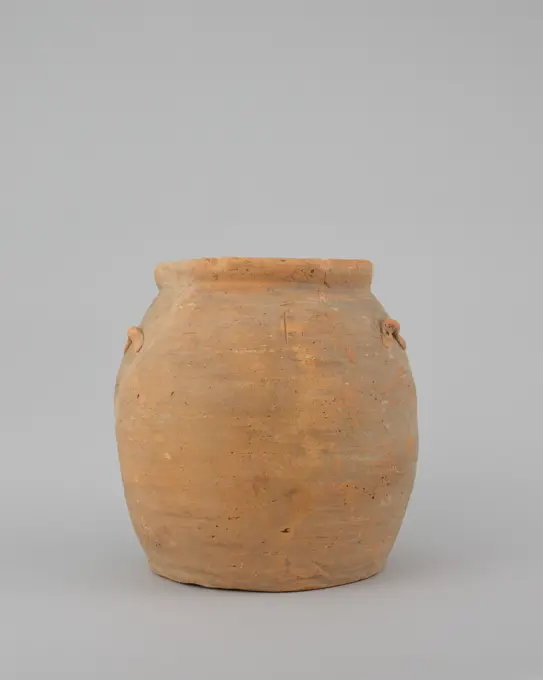
Ancient ceramic vessels from various periods, featuring different shapes, textures, and styles, highlighting their historical significance.

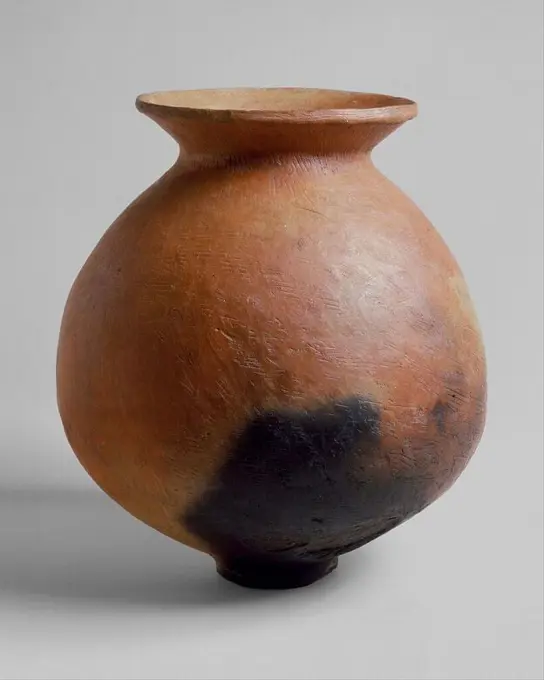
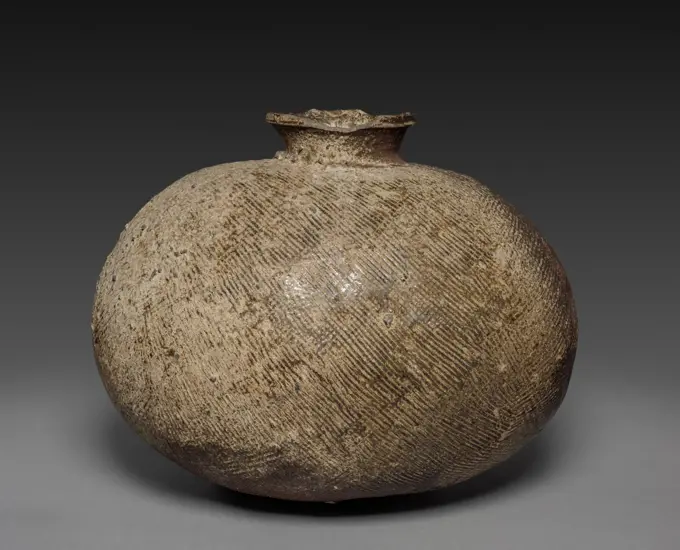
Ceremonial vessel, c. 1000-300 BCE, H.7-1/16 x Dia.8 in., Pottery, Thailand, 10th-3rd century BCE
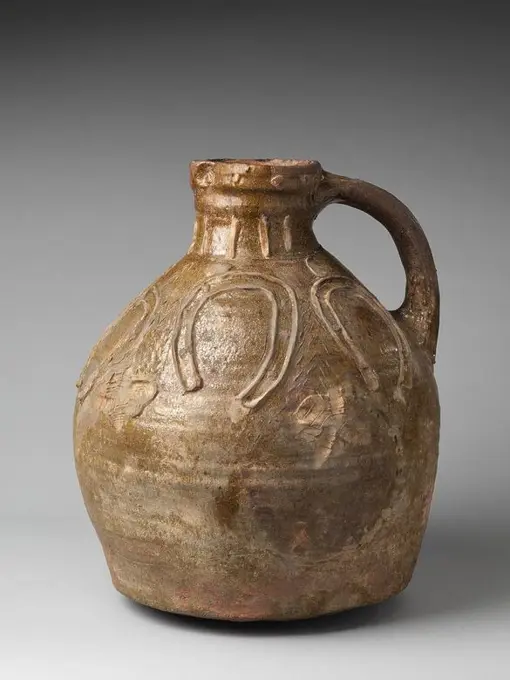
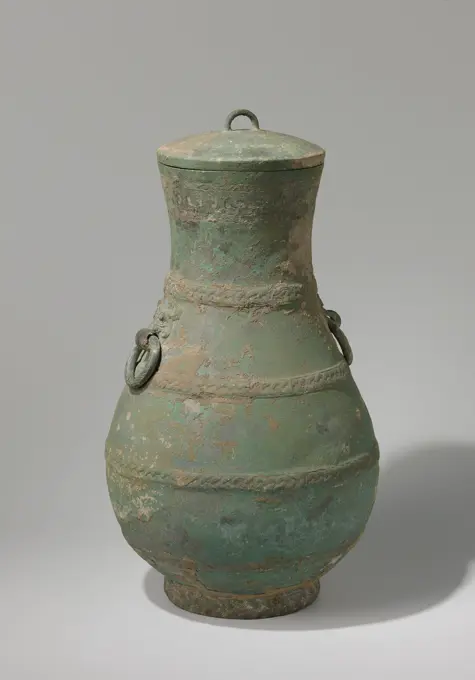
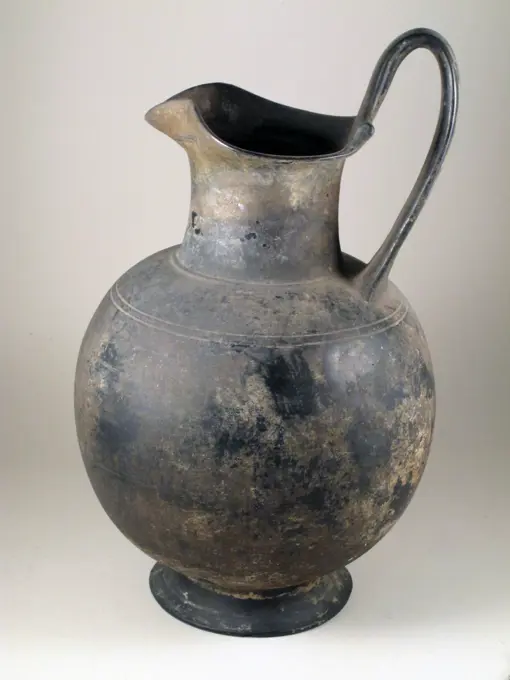
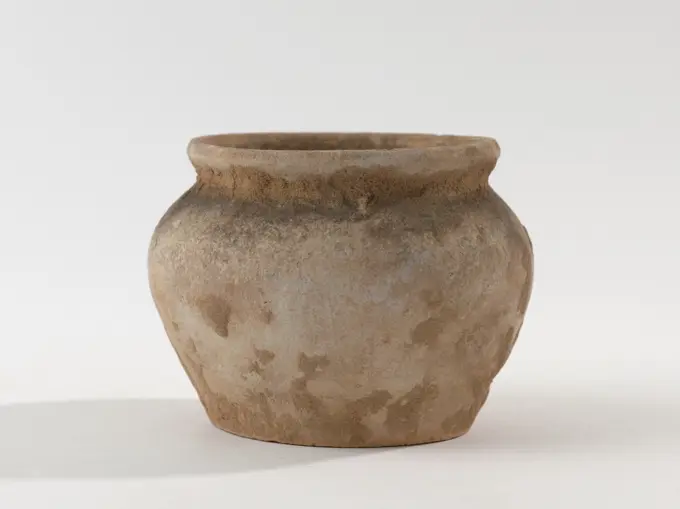
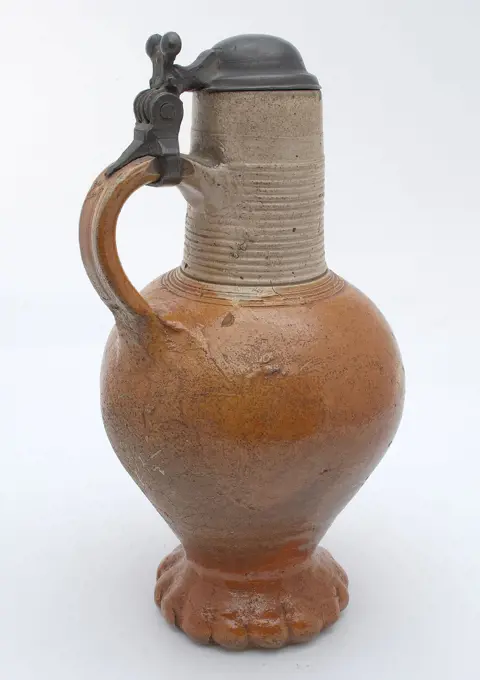
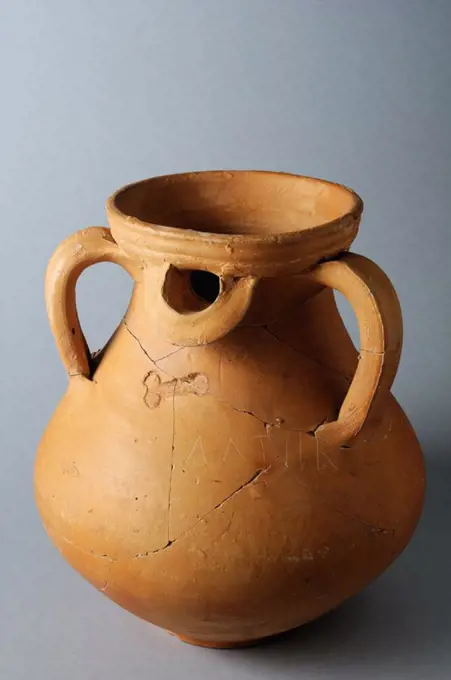
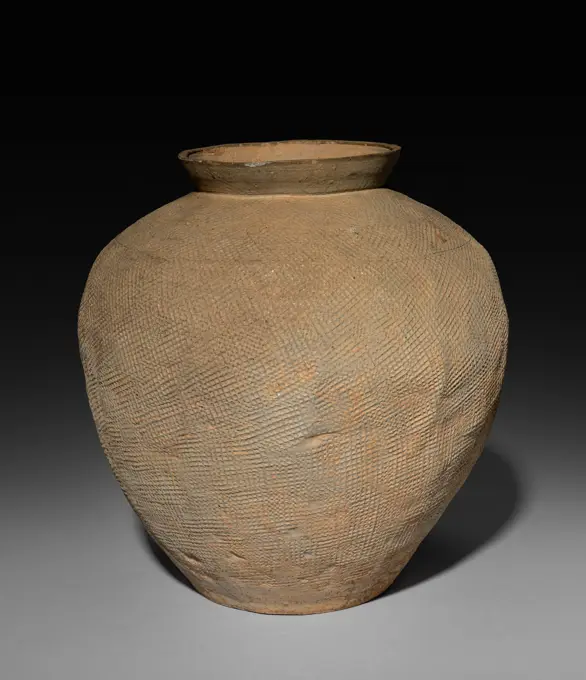
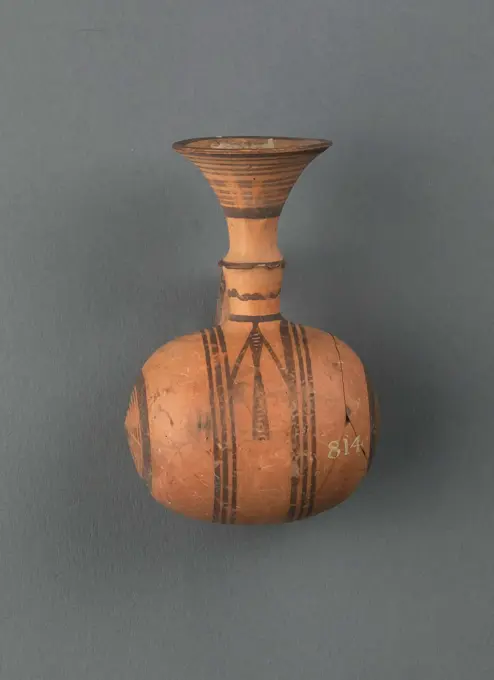
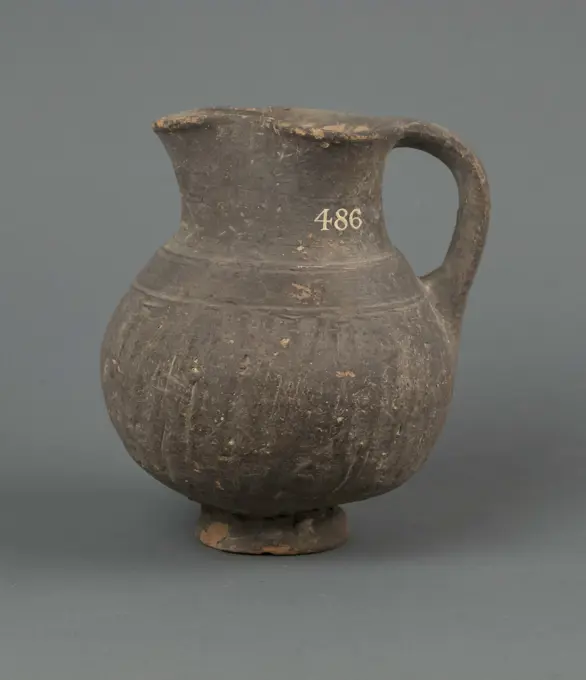
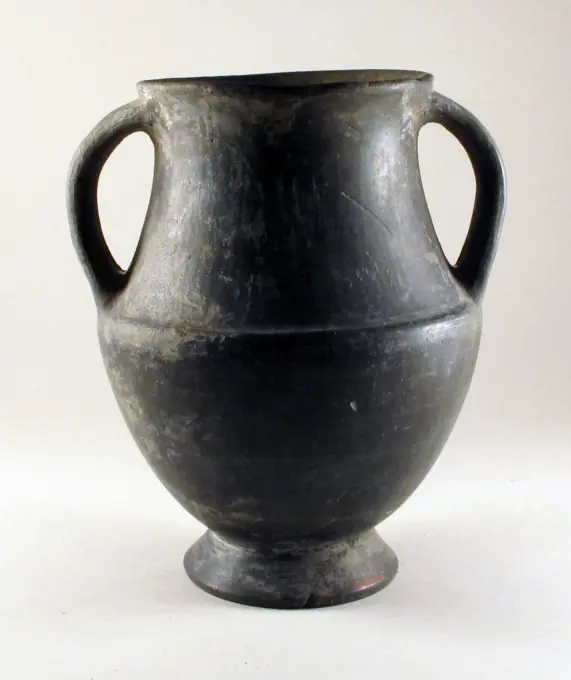
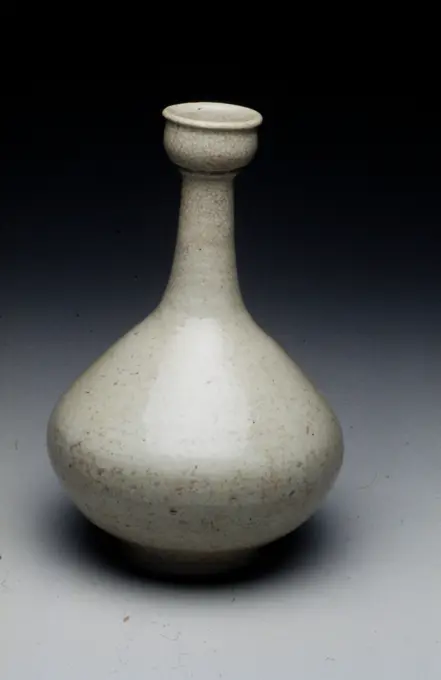
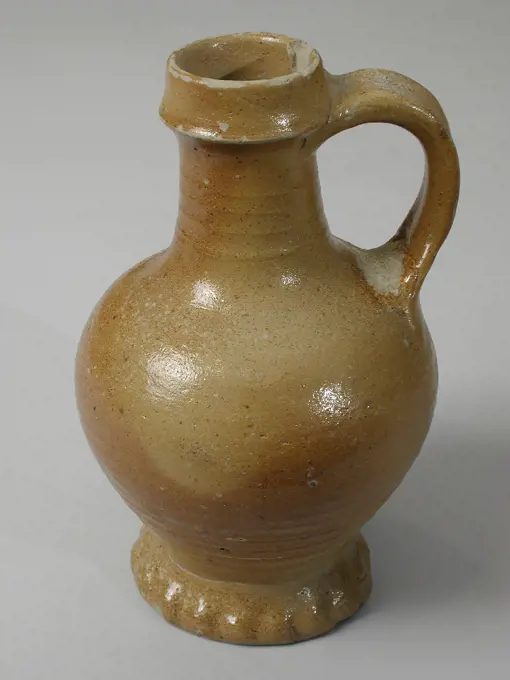
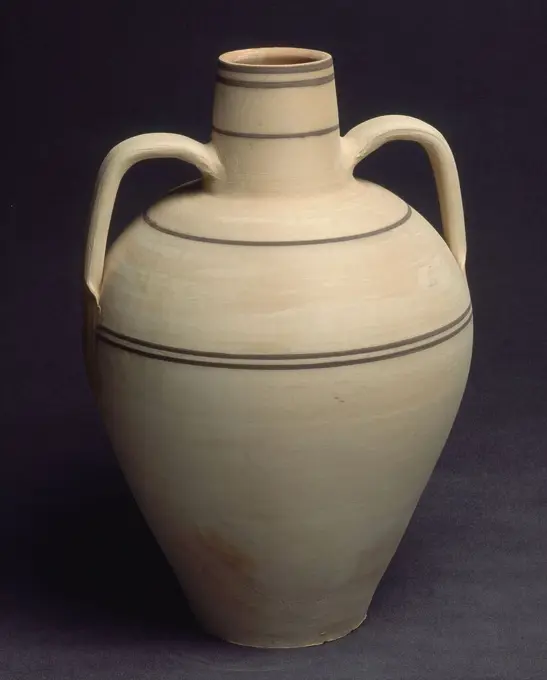
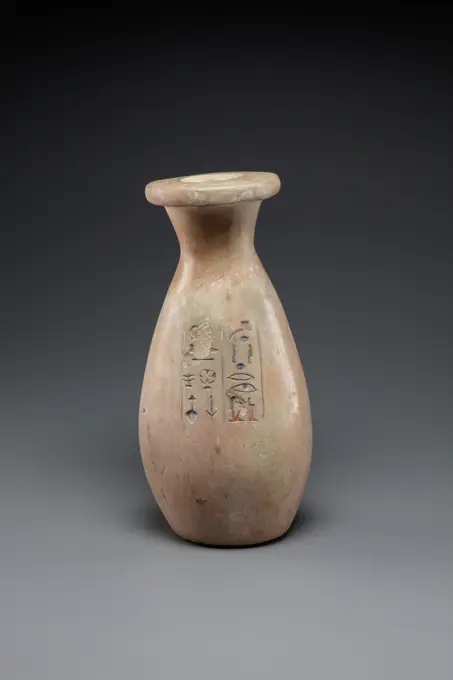
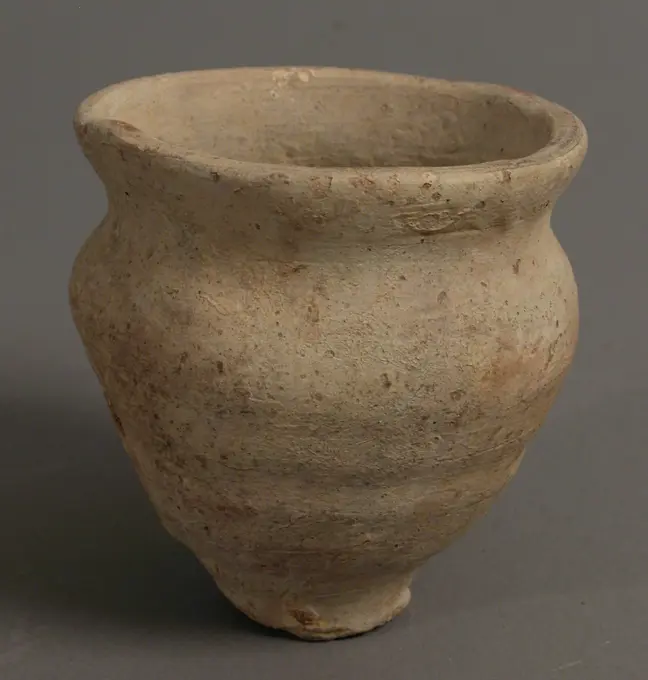
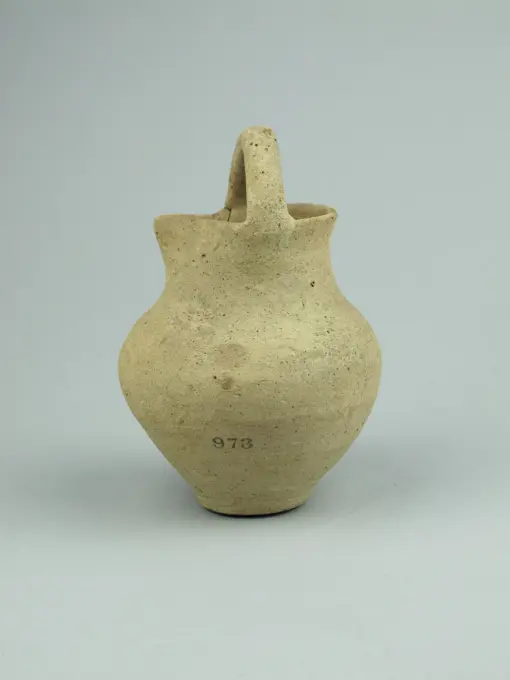
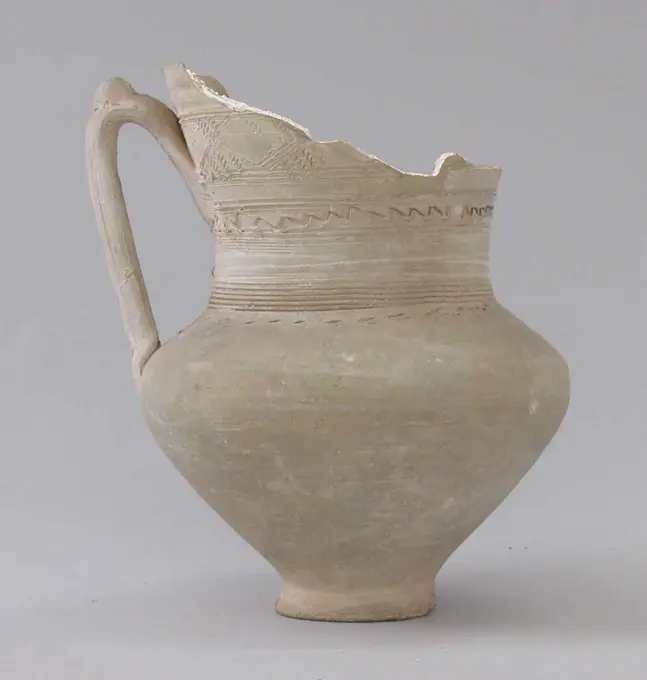
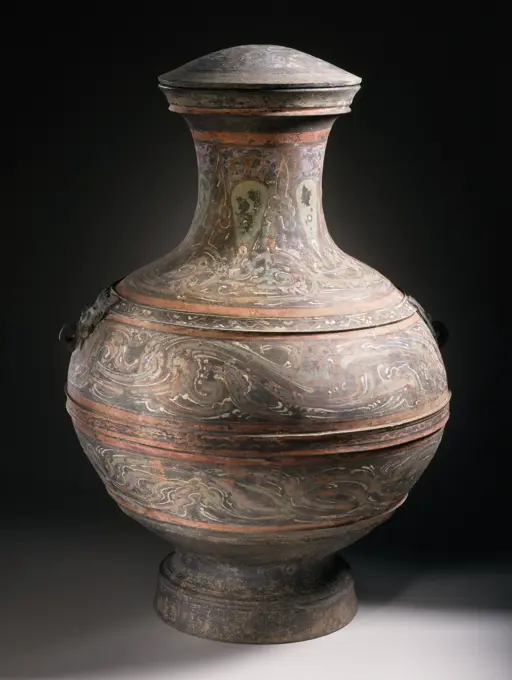
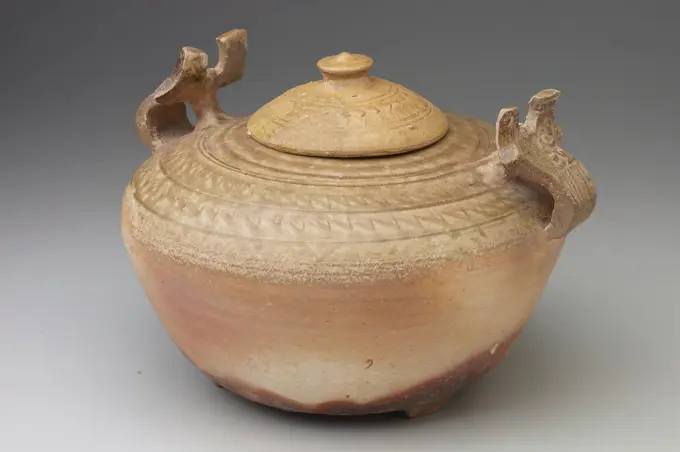
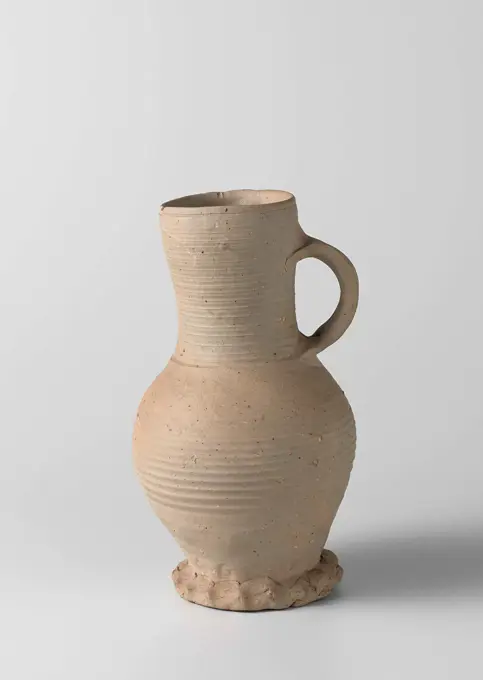
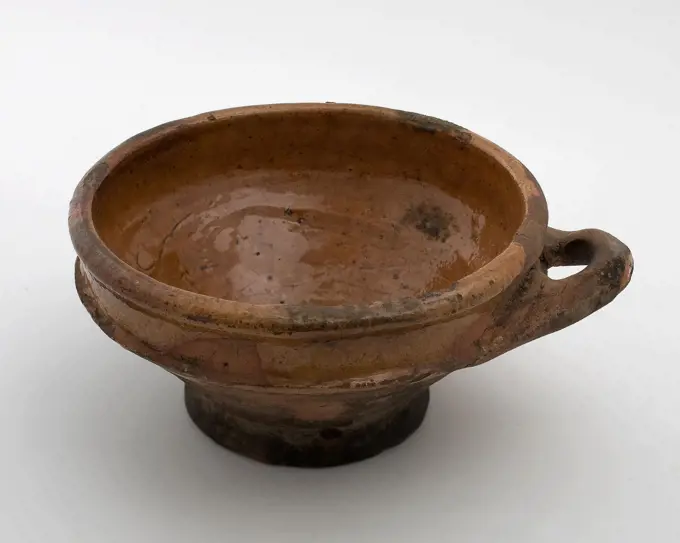
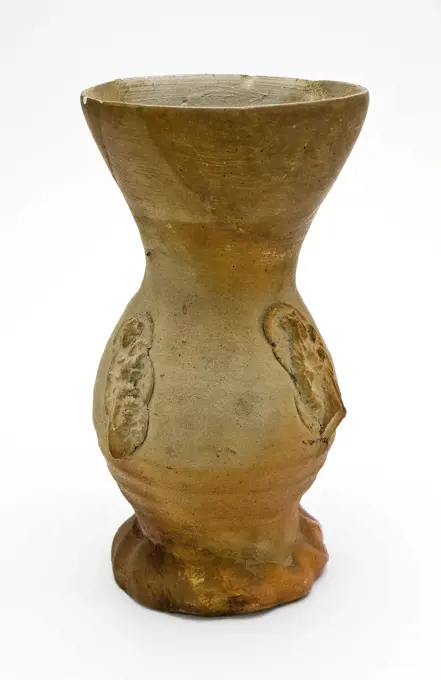
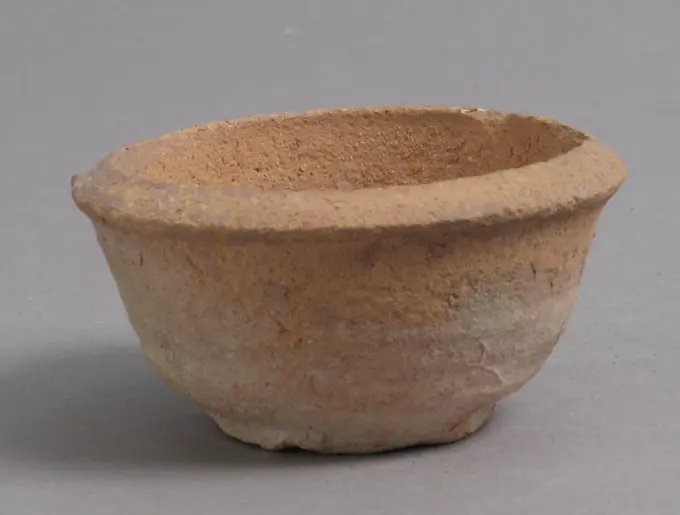
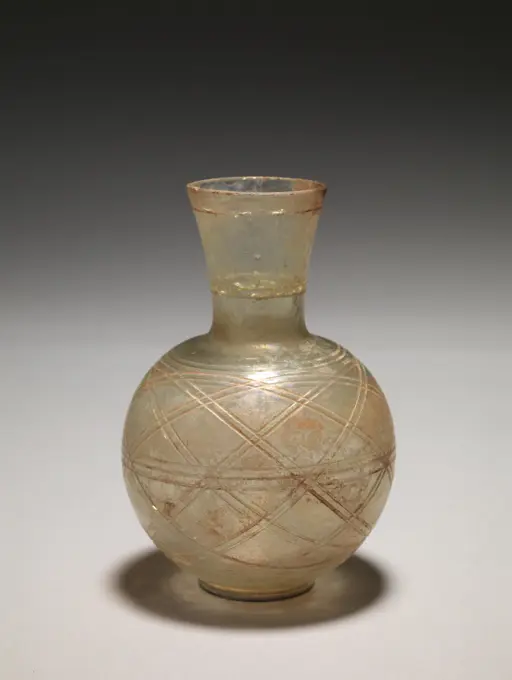
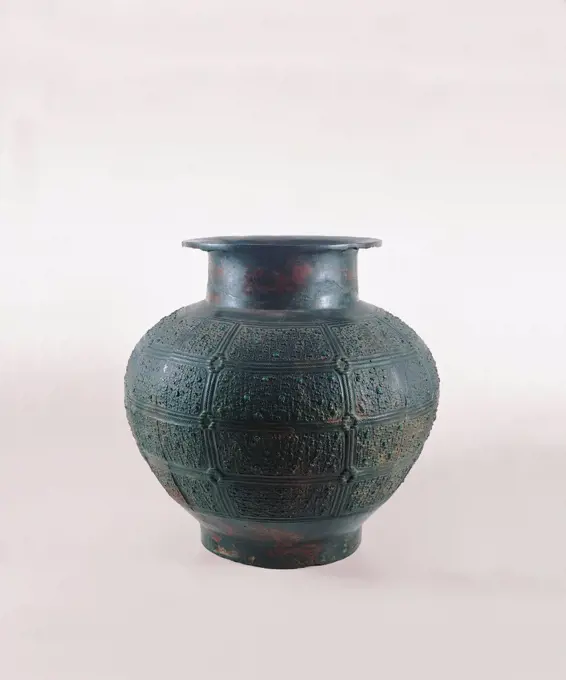
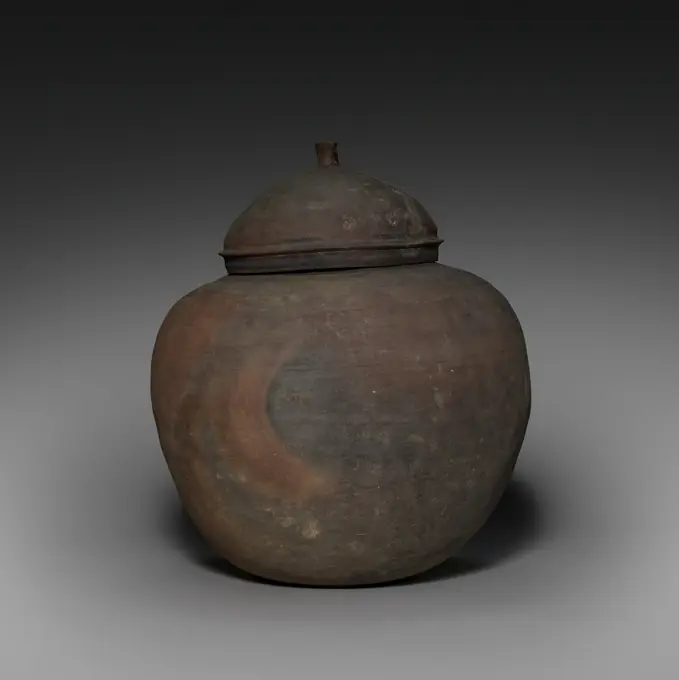
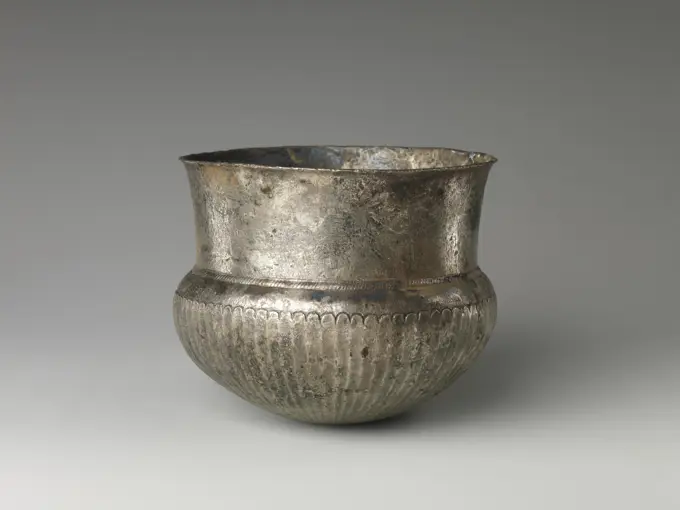
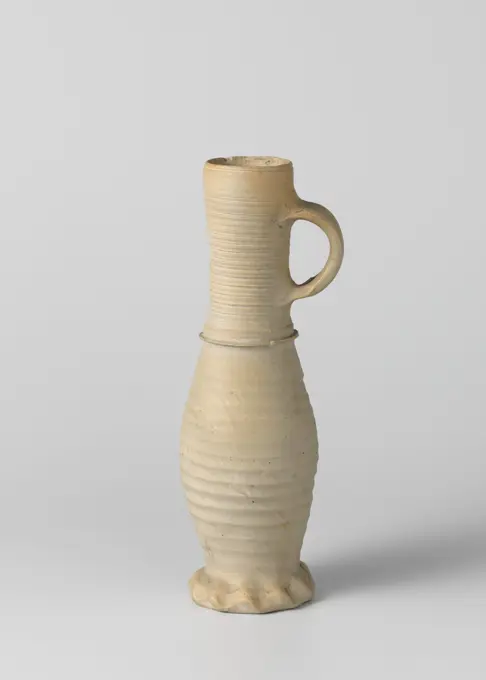
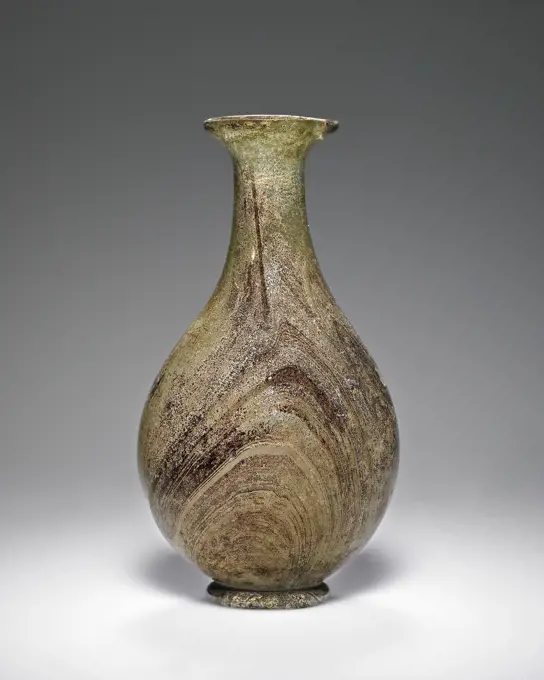
Ewer 11th-12th century. Ewer 447288Gull (cylinder);  IV-VI century; Postmeroic period (301-00-00-600-00-00);Egyptian ceramics, transmission (provenance), rescue excavations, IV Qatract (Sudan)Vase 4th-7th century Coptic. Vase 478437Dinos 600-480 B.C. Cypriot Angular vase with horizontal and vertical bands.. Dinos. Cypriot. 600-480 B.C.. Terracotta. Cypro-Archaic II. VasesCeremonial vessel, c. 1000-300 BCE, H.7-1/16 x Dia.8 in., Pottery, Thailand, 10th-3rd century BCEPottery cooking jug, grapemodel, on three legs with one standing sausage ear, grape cooking pot tableware holder kitchenware floor finding ceramic earthenware glaze lead glaze, rim 11,0 hand-turned glazed baked Pottery cooking jug on three legs grape model Decorated with rings on the shoulder. Outstanding top edge constricted under the top edge. Thick standing sausage ear. Very sparingly glazed Red shard archeology Blicksteyn Heenvliet Bernisse indigenous pottery cooking kitchen food preparation nutrition Soil discovery Heenvliet Blicksteyn 1967-68.Vase ". Sandstone. White slip under transparent cover. China du Nord, Cizhou. Paris, Cernuschi museum. Asian art, Chinese art, Chinese ceramic, cizhou, container, gres, container, terracotta, vaseVase, 2nd-3rd century, 12 1/8 x 7 1/2 in. (30.8 x 19.05 cm), Buff colored stoneware with applied decor, China, 2nd-3rd centuryVessel, cylinder; Unknown Egyptian workshop; VI century (501-00-00-600-00-00);Jar. Culture: Japan. Dimensions: H. 10 in. (25.4 cm); Diam. 9 in. (22.9 cm). Date: ca. 100-300.During the second century B.C., an influx of people from the continent brought the first of several waves of foreign influence that have shaped Japanese culture, initiating a more advanced cultural stage known as Yayoi. When rice cultivation and bronze and iron metallurgy were introduced, probably through Korea, the isolated and self-sufficient life of the Jomon gave way to a communal society organized to carry out the demanding agricultural cycle. Architectural styles and ornamental motifs reflect other influences from southern China and the Pacific islands stretching from Kyushu to Taiwan.The social and aesthetic character of the transformed culture of Yayoi is vividly reflected in its ceramic vessels. The finely articulated shape of this storage jar from the Nagoya area, with its bulbous form rising from a small, flat base to the flaring rim of its wheel-turned neck and mouth, is enhanceVase ". Terracotta. Fighter kingdoms. Paris, Cernuschi museum. Handle, Chinese art, decorative motif, combatant kingdoms, terracotta, vaseWine Jar China. Wine Jar 61105Double-Necked Vase, 19th century, 10 x 9 in. (25.4 x 22.86 cm), Earthenware, Democratic Republic of Congo, 19th centuryCeramic pot. Height 13 cm diameter 11, 5 cm (2nd - 4th CE ) .- Roman period, from the " House of Hyppolytus " - Archaeological site of Complutum in Alcalá de Henares ( Madrid ). SPAIN.Jar Gray wide-mouthed jar with five furrowed lines on shoulder. View more. Jar. Terracotta. VasesVase in meiping shape, 13th century, Unknown Japanese, 10 9/16 × 6 7/16 × 6 7/16 in. (26.83 × 16.35 × 16.35 cm), Seto ware, Ko-Seto type; stoneware with ash glaze, Japan, 13th century, 戸 Seto ware, 古戸 Ko-Seto typeCovered Ewer with Spouts. China. Date: 960 AD-1279. Dimensions: H. 29.8 cm (11 3/4 in.); diam. 15.9 cm (6 1/4 in.). Stoneware with celadon glaze and underglaze incised decoration. Origin: China. Museum: The Chicago Art Institute, Chicago, USA.Stoneware jug, bulb model with funnel-shaped neck, glazed, on squeeze foot, can crockery holder soil find ceramic stoneware glaze salt glaze, hand-turned glazed baked Stoneware can ball model with funnel-shaped neck low placed band ear on squeeze foot. Glazed. Rotating the hair over the entire height on the neck fine turning lips thickened ring on the neck at the transition to the funnel shape. Gray shard. Kan is alternately gray and brown in color archeology Rotterdam Noord Agniesebuurt castle Weena indigenous pottery import drink pouring table room Soil discovery: found at the foundations of the gate of Castle Weena Rotterdam found during excavation work for construction station in 1905.From V.O.C. ship De 'Witte Leeuw', Before 1613  From V.O.C. ship the 'Witte Leeuw'. The barrel has a slender egg -shaped wall with a small base and a very narrow mouth. The lip edge has been beaten and flattened. The shard is very light gray and has no impurities. The glaze of both the outside and inside is thick, clear and shiny and crawling. The basis is smooth and unglazed. The shoulder and belly are ribbed horizontally. The foot and the base are orange discolored under the influence of iron oxide. China (possibly) porcelain   Sint-HelenaORZA - S XX. Location: ALFARERIA. SPAIN.Glass flask. Culture: Roman. Dimensions: Overall: 3 3/8 x 2 3/16 x 1 5/8 in. (8.6 x 5.6 x 4.1 cm). Date: ca. 3rd century A.D..Translucent light manganese purple.Plain rounded rim; broad flaring mouth; short cylindrical neck; piriform body; pushed-in bottom.Intact; few bubbles and blowing striations; pitting, dulling, and iridescent weathering. Museum: Metropolitan Museum of Art, New York, USA.Jug first half 9th century. Jug 449116Jug with Horseshoes. Culture: British. Dimensions: 16 × 13 5/8 × 13 1/16 in. (40.7 × 34.6 × 33.2 cm). Date: 13th century.While intended for use in making and storing ale, this jug bears firing cracks on the side that rendered it a "waster," not suitable for holding liquid. The surface is decorated with brooches and horseshoes, emblems of the de Ferrers family. (The French word ferrer means "to shoe a horse.") As Earls of Derby, the family resided at Duffield Castle until 1266, when the building was destroyed following Robert de Ferrer's rebellion against the king. Museum: Metropolitan Museum of Art, New York, USA.Ritual Wine Cup, Anonymous, -500 --200 Ritual wine cup with five tires of wickerwork around the barrel, one of which is around the foot. With a lid. China bronze (metal) Ritual wine cup with five tires of wickerwork around the barrel, one of which is around the foot. With a lid. China bronze (metal)Oinochoe 7th-6th century B.C. Etruscan. Oinochoe. Etruscan. 7th-6th century B.C.. Terracotta. VasesPrehistory, China, Neolithic. Grey pottery tripod vessel.Cut. Terracotta, Vietnam, 10th-12th century. Provenance: Vietnam. Paris, Cernuschi museum. 78605-13 Archeology, Vietnamese art, cut, container, terracotta, archeological vestige, XEME X 10th 10th 10th century, XIIIEM XIIIth 13th 13th 13th 13Stoneware jug with handle, tin frame and lid, with ribbed neck and on squeeze foot, jug crockery holder soil find ceramic stoneware clay engobe glaze salt glaze tin metal, hand-turned glazed fried egg-shaped jug on pinched foot. Slightly tapered neck with turnings Standing bandage Outstanding foot. Immersed in brown engobe with the exception of the neck. Salt glaze. Tin lid marked with two balls on the thumb rest. Part surface wrinkled tin mark on the bottom lid: ISA in shield shaped field archeology indigenous pottery drink serve serve beer wineCup 11th-12th century. Cup 449867Jar, 19th century, Unknown Japanese, 13 1/2 x 11 1/4 x 11 1/4 in. (34.3 x 28.58 x 28.58 cm) (shoulder), Stoneware, Japan, 19th centuryJug (Bartmann jug) with a coat of arms, anonymous, c. 1600 - c. 1699 Jug (beard fancier bush) of stoneware on a high base with a spherical body and narrow neck. The C-shaped ear is attached to the neck and shoulder. Profiles on the neck. Covered with a brown Engobe. On the belly in relief a printed and imposed medallion with a weapon with a monogram  And above it the brand 'E.S.J.' mirrored. On the neck, continuously on the shoulder, a bearded man. Frechten. Cheek stoneware. glaze. engobe vitrification Jug (beard fancier bush) of stoneware on a high base with a spherical body and narrow neck. The C-shaped ear is attached to the neck and shoulder. Profiles on the neck. Covered with a brown Engobe. On the belly in relief a printed and imposed medallion with a weapon with a monogram  And above it the brand 'E.S.J.' mirrored. On the neck, continuously on the shoulder, a bearded man. Frechten. Cheek stoneware. glaze. engobe vitrificationPottery belly model ointment jar, red shard, internally glazed, ointment jar pot holder soil find ceramic earthenware glaze lead glaze, hand turned glazed baked Pottery ointment jar red shard internally glazed. Belly model belly little pronounced. Narrowing above the foot. Flat oblique inwardly directed top edge. Stand archaeology health care indigenous pottery import pharmacy store sell craftPUCHERO CON TAPA VIDRIADO EN EL INTERIOR-S XX ARTE POPULAR. Location: ALFARERIA. SOTILLO DE LA ADRADA. AVILA. SPAIN.Pottery pot on stand, baluster shape, was used in the sugar industry, sugar bowl pot holder soil find ceramic earthenware glaze lead glaze, hand turned glazed earthenware pot on stand. Baluster shape with round shoulder and narrow neck opening. Thick bulging edge of the neck. Fuzzy spindles over the shoulder. Red shard internally glazed some glaze tears over the shoulder. Here sugar cones were made archeology indigenous earthenware sugar confectionery sugar industryGlass perfume bottle 2nd-3rd century A.D. Roman Translucent pale yellowish green.Rim folded out, over, and in, flattened on top and into mouth; tall, cylindrical neck, expanding downward and tooled in around base; squat, bulbous body; flat bottom.Intact, except for one crack and small chip in rim and larger cracks around body radiating from small hole; pinprick bubbles; dulling, with patches of pitting and iridescent weathering.. Glass perfume bottle. Roman. 2nd-3rd century A.D.. Glass; blown. Mid or Late Imperial. GlassTARRO CON DECORACION INCISA DOS ASAS Y VIDRIADO TIPO BABERO. Location: ALFARERIA. TIEDRA. Valladolid. SPAIN.Ceramic Vessel " Terra Sigillata " brilliant phallic stamped decoration and Graphite " Matelinus." Height 17, 5 cm maximum diameter 15, 4 cms (3 rd - 4 th CE ) - Roman period, from " House of Griffins "- Archaeological site of Complutum in Alcalá de Henares (Madrid). SPAIN.Jar, 481-221. China, reportedly Ch'angsha, Hunan province, Eastern Zhou dynasty (771-256 BC), Warring States period (475-221 BC). Earthenware with stamped decoration; diameter of mouth: 12.8 cm (5 1/16 in.); overall: 25.7 cm (10 1/8 in.).Jug, barrel-shaped 850-750 B.C. Cypriot. Jug, barrel-shaped. Cypriot. 850-750 B.C.. Terracotta. Cypro-Geometric III. VasesJuglet 1050-950 B.C. Cypriot Wide-necked oinochoe with grooved body, light clay under dark slip.. Juglet. Cypriot. 1050-950 B.C.. Terracotta. Cypro-Geometric I. VasesVase ca. 550-500 B.C. Etruscan Two-handled without decoration.. Vase. Etruscan. ca. 550-500 B.C.. Terracotta; bucchero. Archaic. VasesGlass jug. Culture: Roman. Dimensions: H.: 6 3/16 in. (15.7 cm). Date: 4th century A.D..Translucent light yellow green; handle and trail in same color.Everted rim with thick, rounded lip; short, flaring mouth; tall, elongated piriform body; outsplayed, tubular foot ring, made by folding; concave bottom with central kick and pontil scar; broad rod handle attached to upper body, with tail extending down side, drawn up in a arched curve and applied to trail around top of body, and trailed off back along itself.A thick trail wound one and a half times horizontally around top of body; the tail to the handle is decorated with seven tooled notches.Intact; pinprick and a few larger bubbles; dulling, limy encrustation, weathering, and iridescence on exterior, most of interior covered with soil encrustation.Greenish, on low foot with elaborate attachment below handle and thread around neck. Museum: Metropolitan Museum of Art, New York, USA.ARTE IRANI - OLLA DE BARRO NEGRUZCO. Location: MUSEO ARQUEOLOGICO NACIONAL-COLECCION. MADRID. SPAIN.An ancient Greek Urn decorated with geometric a plant and animal pattern. Barcelona. Spain 2013Glass cup. Culture: Roman. Dimensions: 2 3/4 in. (7 cm)Diameter: 3 5/16 x 2 1/4 in. (8.4 x 5.7 cm). Date: 2nd-3rd century A.D..Translucent pale green, with trail in same color.Rounded and thickened rim; short, vertical neck; carinated body with conical sides, then angled in sharply to integral, tubular base ring; bottom with small central kick and pontil scar.Single horizontal trail around upper body, then spiral up to end below rim.Intact; few bubbles; dulling and iridescence on exterior; some soil encrustation and weathering on interior. Museum: Metropolitan Museum of Art, New York, USA.Jug, 3rd-4th century A.D., Terracotta, 17 × 4.3 × 9.45 × 2.05 cm (6 11/16 × 1 11/16 × 3 3/4 × 13/16 in.), Not onview, Roman,Tunisian, Roman (3rd-4th century A.D.), Containers -CeramicsOinochoe (Pitcher) 640 BCE-625 BCE Corinth. This jug was probably used to serve wine at gatherings. The pinched mouth forms a narrow channel that controls the flow of its contents when poured.The seventh century marks the beginning of the Archaic period (700ñ480 BC). In Corinth, vase painters embellished their pottery with creatures, both real and imaginary, and sometimes humans and gods. These artisans also explored new methods of decoration, often painting their subjects in silhouette with black gloss and added details by incising through the black to reveal the lighter clay below. Sometimes a reddish-purple or creamy white gloss was also added, as is the case here.. terracotta, decorated in the black-figure technique . Ancient GreekVase, 18th century, Unknown Korean, 11 1/2 in. (29.21 cm), Porcelain with white glaze, Korea, 18th centuryStoneware jug be glazed with standing ear, on pinched foot, stomach model, jug crockery holder soil find ceramic stoneware glaze salt glaze, hand-turned glazed baked Stoneware jug be pinched. Salt glaze brown and gray Rotating lips over the lower half of the abdomen and around the neck. Wide ring around the neck few inches below the top. Standing ear wide groove along the length. Belly model archeology drinking beer serving wineLong-necked jar, second half 5th century, Unknown Korean, 13 3/16 × 10 3/8 × 10 1/4 in. (33.5 × 26.35 × 26.04 cm), Stoneware with incised design of wavy lines, Korea, 5th centuryBARRAL O CANTARO CON DOS ASAS Y DECORACION LINEAL EN MARRON-S XX CERAMICA. Location: ALFARERIA. SPAIN.Jar Inscribed for the Mayor of Thebes Sennefer ca. 1427-1400 B.C. New Kingdom. Jar Inscribed for the Mayor of Thebes Sennefer. ca. 1427-1400 B.C.. Travertine (Egyptian alabaster). New Kingdom. From Egypt, Upper Egypt, Thebes. Dynasty 18Pot 4th-7th century Coptic. Pot 477292Juglet 600-480 B.C. Cypriot Miniature vase with handle crossing mouth, of unpainted clay.. Juglet. Cypriot. 600-480 B.C.. Terracotta. Cypro-Archaic II . VasesJug 9th century. Jug 449362Glass jar. Culture: Roman. Dimensions: H.: 3 7/16 x 3 5/8 x 2 1/2 in. (8.7 x 9.2 x 6.4 cm). Date: 2nd-3rd century A.D..Translucent pale green.Partially tubular rim, folded out, down, round, and in; broad, flaring mouth; concave neck; shoulder curving out to join bulbous body; kick in bottom with central pontil scar.Intact; bubbles and a few glassy inclusions; iridescence and large patches of limy brown weathering. Museum: Metropolitan Museum of Art, New York, USA.Juglet 750-600 B.C. Cypriot. Juglet. Cypriot. 750-600 B.C.. Terracotta. Cypro-Archaic I. VasesEwer probably 9th-10th century. Ewer 449676Lidded Funerary Jar (Hu) with Cloud Scrolls. China, late Western Han dynasty, about 100 B.C.-A.D. 25. Furnishings; Serviceware. Wheel-thrown earthenware with painted decorationVase (usual name). Terracotta, printed decor. Cernuschi Museum, Asia Museum of Asia in the city of Paris.An image of ceramic jug on a white backgroundJar ca. 1900-1640 B.C. Middle Kingdom. Jar. ca. 1900-1640 B.C.. Pottery. Middle Kingdom. From Egypt, Memphite Region, Lisht North, Cemetery, MMA excavations, 1906-07. Dynasty 12, mid-13trilobed jar, Santa Cruz, Cogeces de Íscar, Visigoth - early medieval, Valladolid Museum , Castile and Leon, Spain.Bottle with a WaterDesignCovered Jar, 3rd-1st century BCE, 8 1/4 x 12 x 11 1/4 in. (21 x 30.5 x 28.6 cm), High-fired stoneware with incised and molded decor under a celadon glaze, China, 3rd-1st century BCECan. Jacoubaan van Steengoed. The foot is waved by finger pressure. The wide, egg-shaped belly crosses in the high from above slightly widening neck. The belly and neck are weakly ribbed. The can be unglazed.Large Krater with Strap Handles ca. 1479-1425 B.C. New Kingdom. Large Krater with Strap Handles 547627Glass amphoriskos. Culture: Roman. Dimensions: H.: 3 1/16 in. (7.7 cm). Date: 1st century A.D..Translucent pale honey yellow, with handles in translucent pale green.Everted irregular rim, partially folded over and in, and fire-polished; cylindrical neck with vertical ridges on either side; rounded shoulder; elongated bulbous body, tapering downward; slanting, concave bottom with rounded edge; two rod handles dropped onto underside of rim and top and neck, then drawn out and down in S-curves to shoulder, and pinched off. Raised mold seams on neck, extending down sides, but not visible on bottom.On body, decoration in blurred relief with two scenes, one on each half of mold: (a) tree with pointed leaves and branch extending across top of scene, from which a bag or wineskin is suspended; beneath tree, man seated on rock, facing right and leaning towards an animal, identified as Ajax slaughtering a sheep; (b) ship with high prow and stern, single mast, sail drawn up to spar and criss-crEarthenware bowl, red shard, lead glaze, horizontally set sausage ear on stand, ear bowl bowl crockery holder soil find ceramic earthenware glaze lead glaze, hand-turned glazed baked earthenware bowl bowl red shard inside and outside edge covered with lead glaze horizontally set sausage ear stand ring traces archeology Rotterdam Oude Plantage indigenous pottery food drink kitchen utensils Soil discovery: Oude Plantage 1957.Glass oinochoe (perfume jug). Culture: Greek, Eastern Mediterranean. Dimensions: H.: 3 1/2 in. (8.9 cm). Date: late 6th-5th century B.C..Opaque white, with handle and foot in same color; trails in translucent purple.Applied trefoil rim-disk; rather tall cylindrical neck, tapering slightly downwards; angular shoulder; ovoid body; applied outsplayed foot with uneven concave bottom; handle attached to top of body over trail decoration, drawn up and out,arching above rim-disk, then turned in and pressed on to back of rim-disk and top of neck.One trail attached at edge of rim-disk; a second thick trail applied to shoulder, wound horizontally four or five times around top of body, then tooled into a close-set zigzag pattern around upper half of body; below this, another trail wound horizontally twice around lower body; finally, a fourth trail wound around edge of foot.Intact; dulling, and severe pitting and weathering. Museum: Metropolitan Museum of Art, New York, USA.Jug. Brown jug of pottery. Belly with a straight-handed center piece on which four cartouches, in which the four evangelists with their symbols.Jar with a dark green glaze, anonymous, c. 400 - c. 599 Pot of stoneware with a spherical body, flared neck and raised edge, partially covered with a dark green glaze. On the neck three entry tires. Korea stoneware. glaze vitrification Pot of stoneware with a spherical body, flared neck and raised edge, partially covered with a dark green glaze. On the neck three entry tires. Korea stoneware. glaze vitrificationCup ca. 3200-1050 B.C. Cypriot Horizontal handle and zigzag band.. Cup. Cypriot. ca. 3200-1050 B.C.. Terracotta. Bronze Age. VasesLong-necked jar with three loop-handles, second half 5th century, Unknown Korean, 11 3/4 × 11 5/16 × 11 3/16 in. (29.85 × 28.73 × 28.42 cm), Stoneware with incidental ash glaze, Korea, 5th centuryDinos, miniature 750-600 B.C. Cypriot. Dinos, miniature. Cypriot. 750-600 B.C.. Terracotta. Cypro-Archaic I. VasesRound Flask. Egypt, Ptolemaic Period - Roman Period (332 BCE - 337 CE). Tools and Equipment; flasks. CalcitePot 4th-7th century Coptic. Pot 477297Stoneware funnel cup on pinched foot, brown flamed, hopper beaker holder soil find ceramic stoneware, hand-turned baked Stoneware funnel cup on pinched foot Filled with funnel neck. Stubbed ear attached to the belly. Two profile rings around the abdomen underneath torsion braces Pressed model with belly archeology Heenvliet Bernisse indigenous pottery import drinking wine serve beer Soil discovery: Heenvliet Burner pit II 1969-10-25.Amphora 750-480 B.C. Cypriot Vase with bands, wavy line, rosettes and cartouche.. Amphora. Cypriot. 750-480 B.C.. Terracotta. Cypro-Archaic I. VasesGlass beaker ca. 3rd century A.D. Roman Colorless with light green tinge.Rim short and everted, cracked off and ground; cylindrical body with sides expanding slightly downwards, then curving in sharply to integral, thick pad base; flat bottom with central circular indent.Traces of horizontal cut line on upper part of body.Broken and repaired, with two chips in rim and large cracks in body; pinprick bubbles; deep pitting, thick creamy brown weathering, and brillant iridescence on exterior; soil encrustation and thick weathering on interior.. Glass beaker 244694Ewer 10th century The Metropolitan Museums excavations at Nishapur in eastern Iran unearthed large amounts of earthenware pottery, showing the variety of decorative techniques and shapes employed at the site during its long period of inhabitation. Unglazed wares like this ewer made up a large portion of the finds, as is usually the case in archaeological excavations. Such vessels, costing less time and money to produce, served primarily utilitarian purposes and were a common feature in every household. At Nishapur, unglazed vessels were used above all for the transportation, storage and drinking of potable water, which was brought into town from the nearby foothills via underground channels called qanats.The form of this piece closely reflects its function as a drinking vessel. Its wide, flaring mouth and porous body fabric allow water to stay cool by evaporation and its large, ear-like handles make lifting and tipping easy. Even the simple decoration near its lip - a wave-like line iStoneware jug flamed on pinched foot, cylindrical neck, brown, pot jug crockery holder soil find ceramic stoneware glaze salt glaze, belly 9.2 foot 8.7 hand turned glazed baked Stoneware jug gray-orange flamed rings lower part belly neck fluffy rotations standing ear pinched foot. Fascinating foot ring curved body and cylindrical neck archeology Capelle aan den IJssel House in Capelle castle indigenous pottery dinnerware tableware import ware earthenware Ground find: cesspool 1420-1425 house in Capelle Capelle aan den IJssel 1963.Anonymous Jarre (common name). Beige-orange terracotta; incised decor. Cernuschi Museum, Asia Museum of Asia in the city of Paris.Bottle. Syria, Early Islamic, 6th-8th century. Glass. Glass, blown, with applied thread decorationStoneware drinking cup with funnel neck, decorated with cartouches, on squeeze foot, funnel neck beaker drinkware tableware holder soil find ceramic stoneware glaze salt glaze, hand turned fried glazed stoneware funnel neck gray shard reddish-brown spots rings round neck and belly pinched foot archeology indigenous pottery import table serving drink bible religion Jesus Christ Mary MadonnaVesselBowl 4th-7th century Coptic. Bowl 478844Glass flask 4th century A.D. Roman Colorless with pale green tinge.Plain, vertical rim, ground flat; funnel-shaped neck; globular body; small, flattened bottom.On neck, two horizontal bands of wheel-cut grooves comprising a single line below rim and a double line two-thirds of way down neck; on body, two concentric grooves around shoulder, a band of three horizontal grooves around body at point of greatest diameter, and two more concentric grooves near base of side; between the uppermost and lowest bands, a further eight bands of double lines form oblique circles around the body, creating a pattern of triangles and other geometric shapes.Complete, but many internal cracks in neck and body; some pinprick bubbles and a few glassy inclusions; dulling, slight pitting, creamy brown weathering, and iridescence.Flasks decorated like this one with complex linear and geometric designs were made in the western provinces at places such as Cologne (see 17.194.317, also on view in this gallery). HoP'ou, bronze, cm 30 diametro 32Vessel with Knobbed Lid, 676-935. Korea, Unified Silla period (676-935). Stoneware; overall: 34.4 cm (13 9/16 in.); outer diameter: 29.4 cm (11 9/16 in.). This storage vessel is distinguished by its robust, subtly proportioned form and its body color. The purplish-brown surface "skin" is enlivened by a series of smoky black swirling marks that occurred during the firing in the wood kiln. This shape began as a series of clay coils that were pinched and then paddled; however, it spent more time on a potter's wheel to thin and finish its outer surface. The lid received similar, understated attention to detailing and finish.kitchen utensils, Son Fornes Archaeological Museum, talayotic period room (1300-123 a. C.), Montuiri, Es Pla region, Mallorca, Spain.Terracotta jug. Culture: Roman. Dimensions: 5 7/8in. (14.9cm).Red-glazed jug with one handle. Museum: Metropolitan Museum of Art, New York, USA.Lead-Glazed Jug. UnknownJar ca. 3rd century B.C.-A.D. 3rd century Parthian. Jar 324306Bowl with flutes from shoulder to rosette at base and with inscribed weight 4th century B.C. Late Period-Ptolemaic Period The heavy silver vessels 18.2.13-18.2.17 are in created in a decorative style widespread in the Greek world, and can be dated to the fourth century BC. They. are said to have been found together in the Egyptian Delta. Several of the vessels have small Demotic designations scored into the rim recording the weight of the silver, which correlated with the vessel's value. The larger weight unit was a deben (about 91 grams at this time) and this was divided into 10 kites.18.2.14 has an inscription reading "-deben and also 4 kite. The vessel weighs 328.9 grams.. Bowl with flutes from shoulder to rosette at base and with inscribed weight. 4th century B.C.. Silver. Late Period-Ptolemaic Period. From Egypt, Lower EgyptPitcher; unknown eastern workshop; 50 (50-00-00-50-00-00);Storage Jar, 1122-772 BCE, 14 1/2 x 17 3/4 in. (36.8 x 45.09 cm), Stoneware with impressed decor, China, 12th-8th century BCE, This handbuilt vessel has been stamped with a wave pattern on its upper half and the lower half with a woven stamped pattern. The raised patterns create a greater amount of surface area on the exterior of the pot which in earthenware can cool the contents. This jar is made of stoneware which does not allow saturation of the clay body and thus no cooling occurs. A new technology at the time, high-fired stoneware is much more durable and thus the vessel will last longer. A few centuries later the stamped patterns were used in bronze as potters, experienced in high-firing techniques, were recruited to create vessels in that new medium.Jug or 'Jacobakan', anonymous, c. 1300 - c. 1499 Ribbed, narrow Kan (Jacobakan) from stoneware on a corrugated foot with an egg -shaped body and long neck. The C-shaped ear is attached to the neck. The jug is decorated with turning virgins and a profile on the shoulder. Siegburg. Siegburg stoneware. glaze vitrification Ribbed, narrow Kan (Jacobakan) from stoneware on a corrugated foot with an egg -shaped body and long neck. The C-shaped ear is attached to the neck. The jug is decorated with turning virgins and a profile on the shoulder. Siegburg. Siegburg stoneware. glaze vitrificationJug; Eastern Mediterranean; 1st - 2nd century; Glass; 14.5 x 7.3 cm (5 11,16 x 2 7,8 in.)Jug with Oblong Body: Sueki Ware, 700s. Japan, Nara period (710-94). Stoneware, with impressed decoration and natural ash glaze; overall: 31 x 29.8 cm (12 3/16 x 11 3/4 in.). The unusual shape of this sturdy vessel derives from two deep bowl forms being joined together at their mouths. An opening was then cut out where the separately formed neck and mouth were attached. This vessel shape came to early Japan from Korea, as did the paddled surface decoration technique.The jug's rich surface tonalities were created by wood ash in the kiln chamber that settled on the vessel during firing. The mottled gray areas indicate where large accumulations of ash adhered to the hot body. The darker, green skin that appears shiny or reflective represents generous ash accumulations that vitrified, becoming a natural green glaze. In one area this accumulation is so rich that it formed rivulets of glassy green glaze, propelled across the black matte surface by the fiery winds coursing within the kiln.