Historical Ceramics Collection

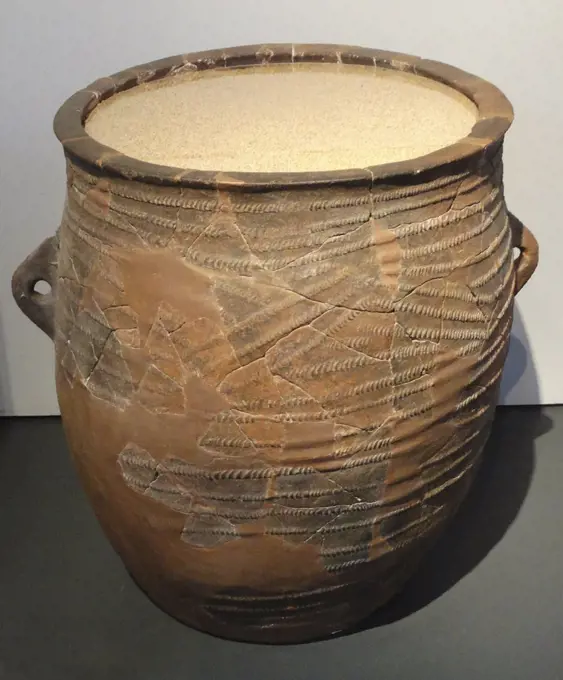
Ancient pottery pieces from various dynasties, highlighting the craftsmanship and cultural significance of ceramic art through the ages.
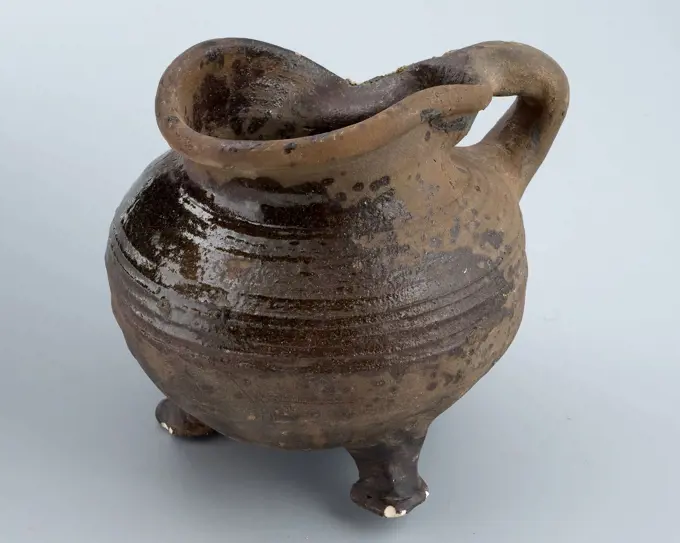
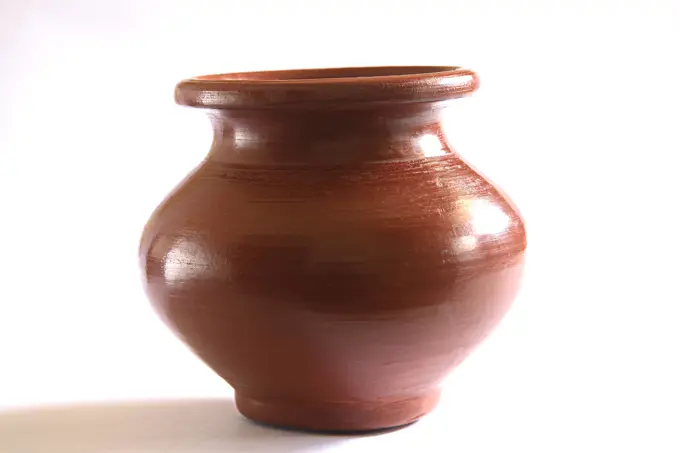
Earthenware grape or cooking pot, misbaksel, grape cooking pot tableware holder kitchen utensils earthenware ceramics earthenware glaze lead glaze, hand-turned glazed fried Cooking jug or grape. Cooking pot on three legs Convex belly. On the shoulder rotations. Funnel-shaped neck Standing sausage ear Restorations have been repainted. Accidental Misbaked archeology Rotterdam City triangle Groenendaal underground pit cooking food preparation craft pottery potter underground pit Groenendaal Rotterdam 225 mtr. ± 3 mtr N..P.
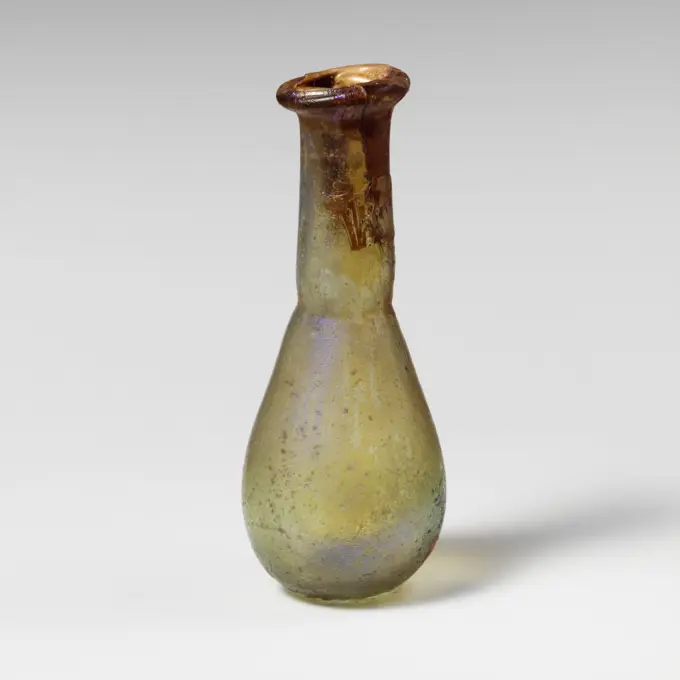
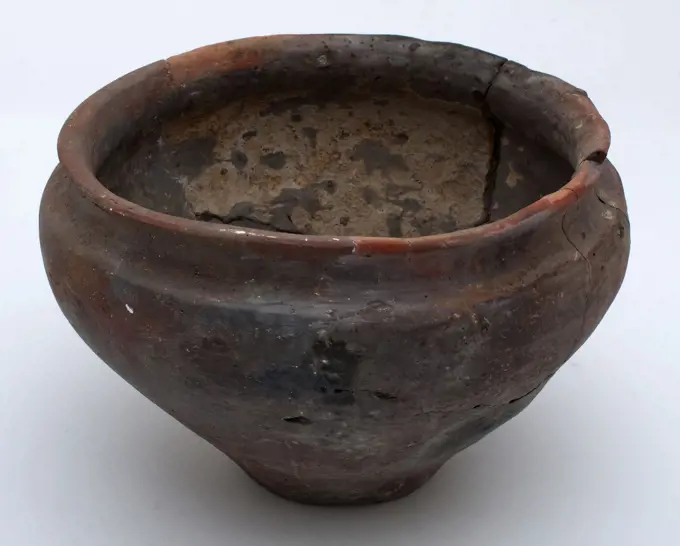
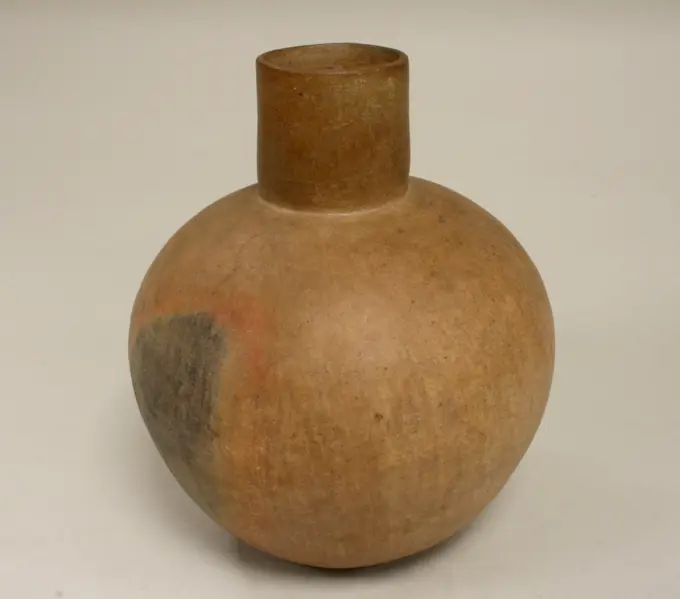
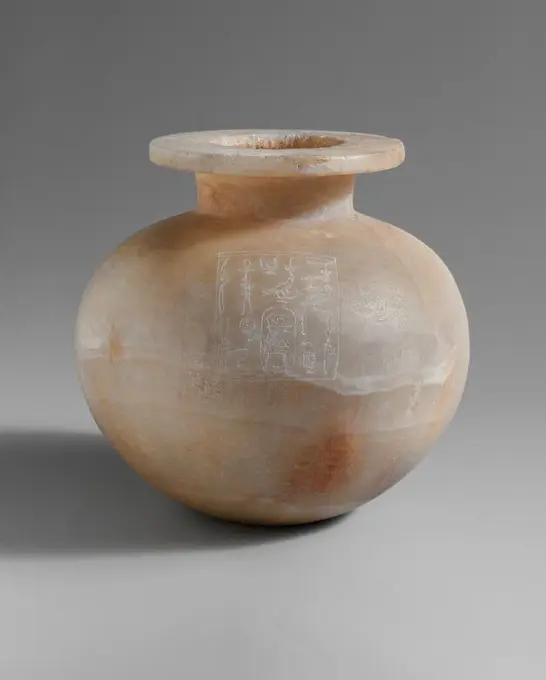
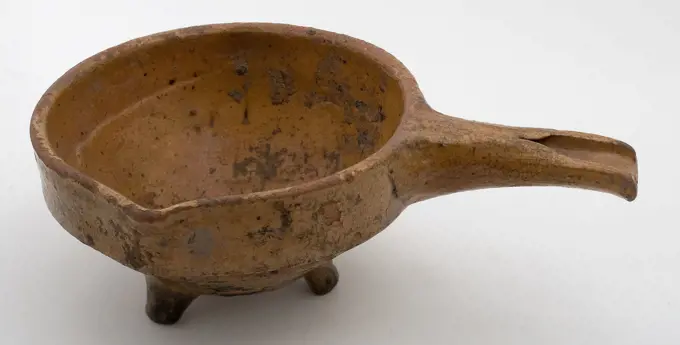
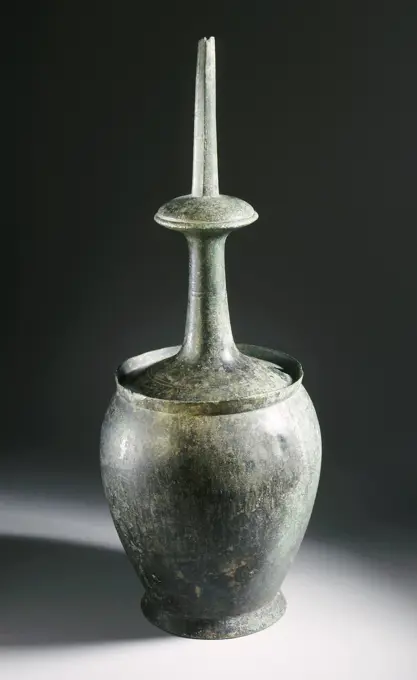
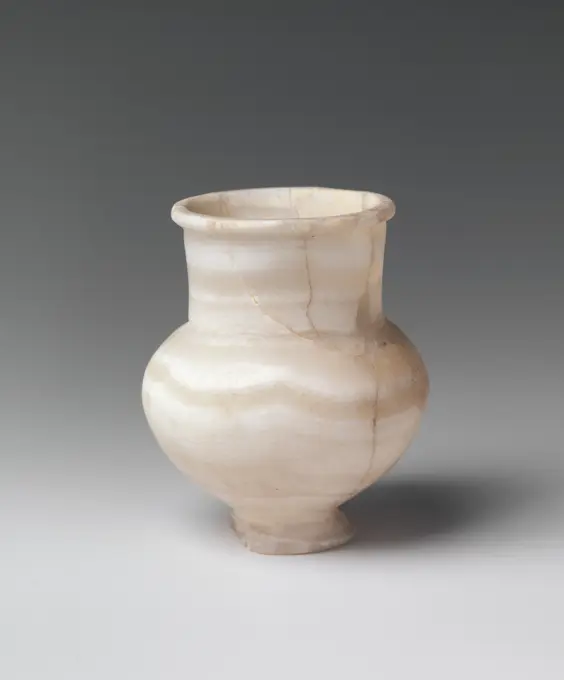
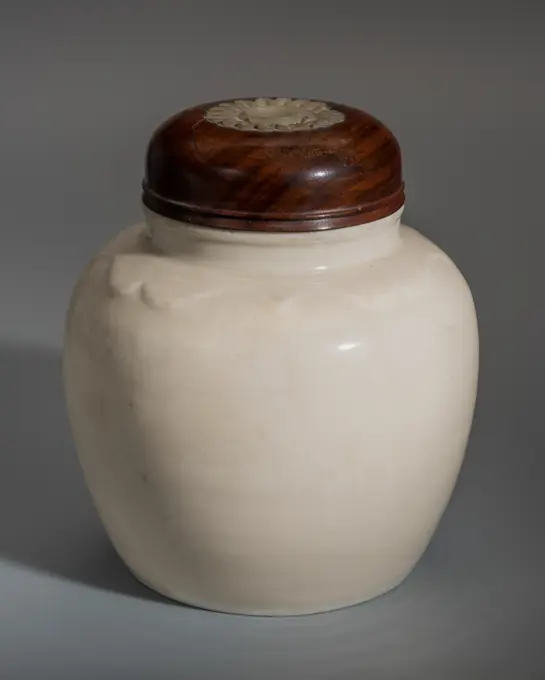
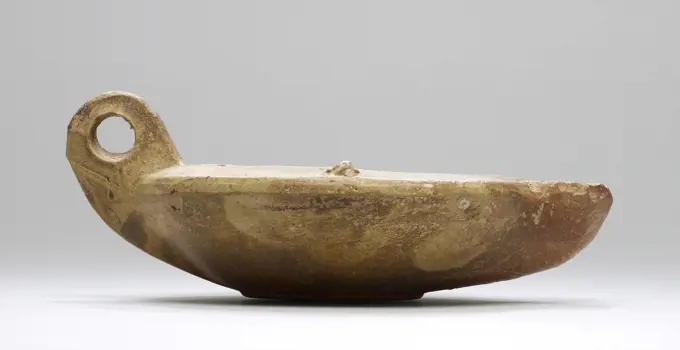
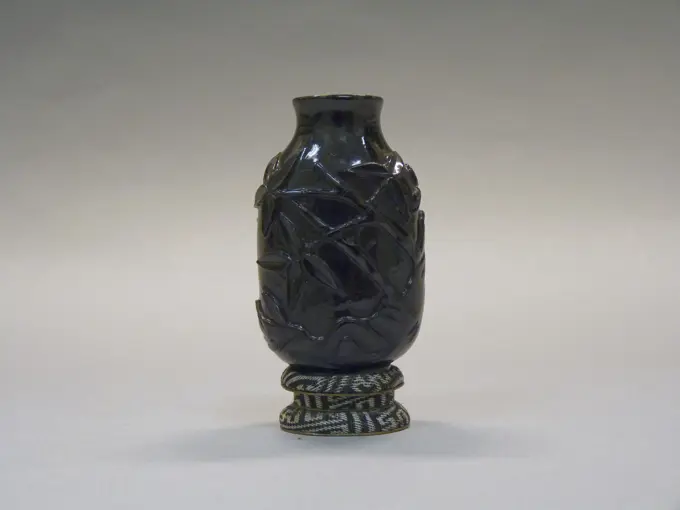
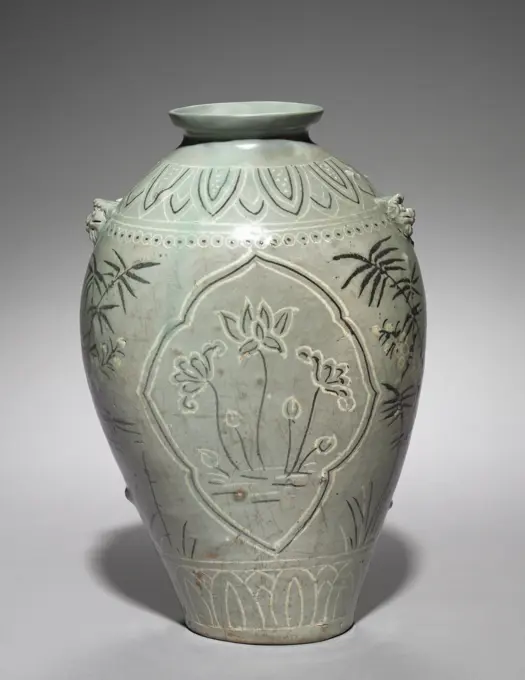
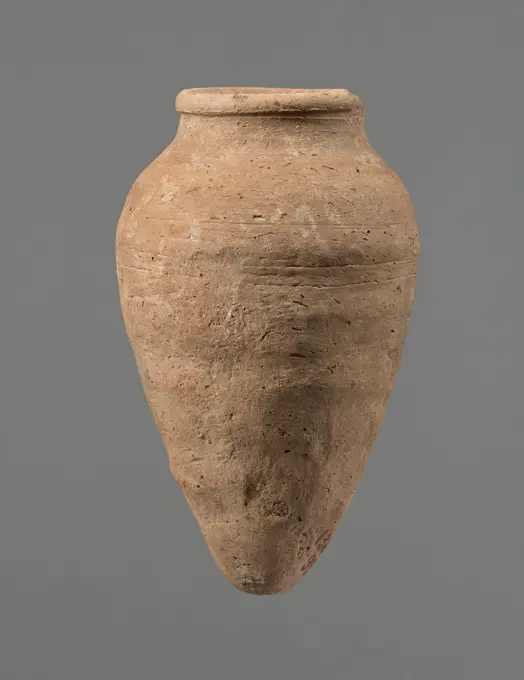
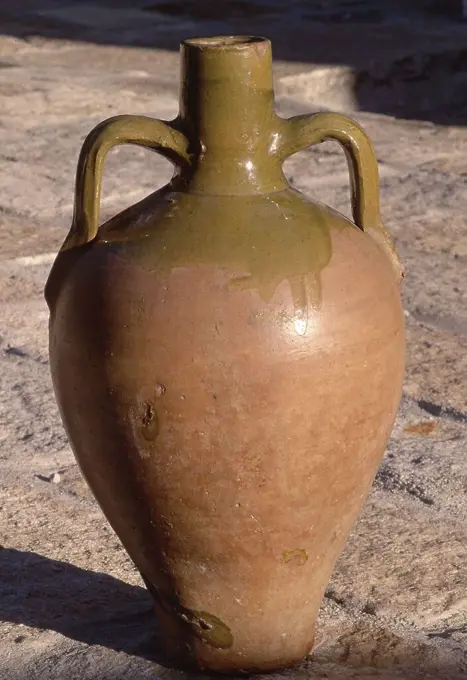
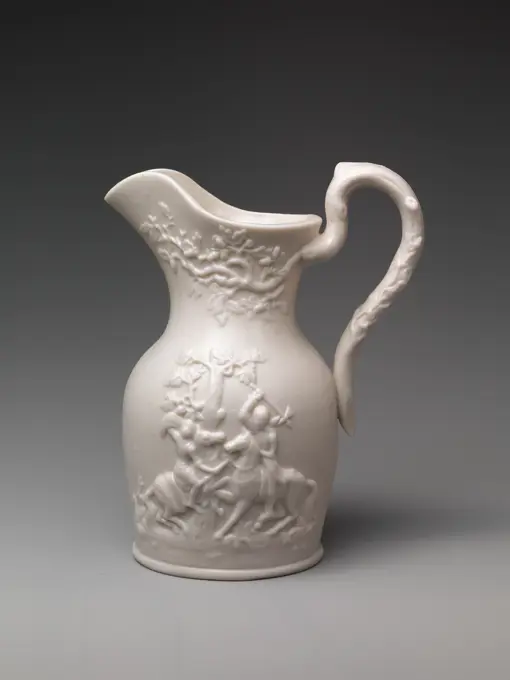
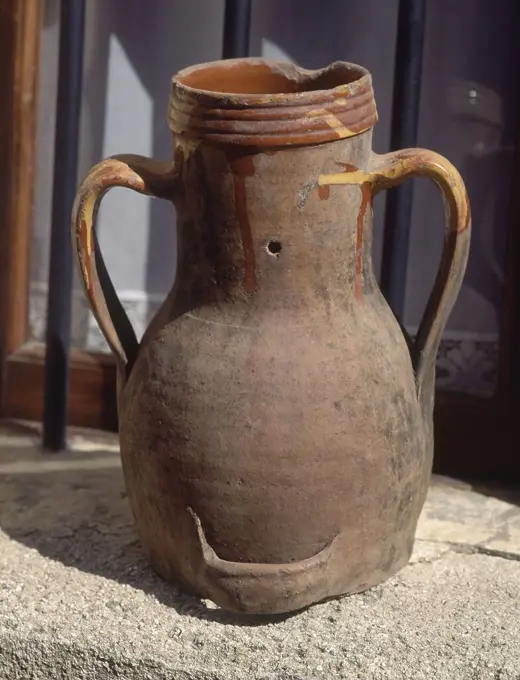
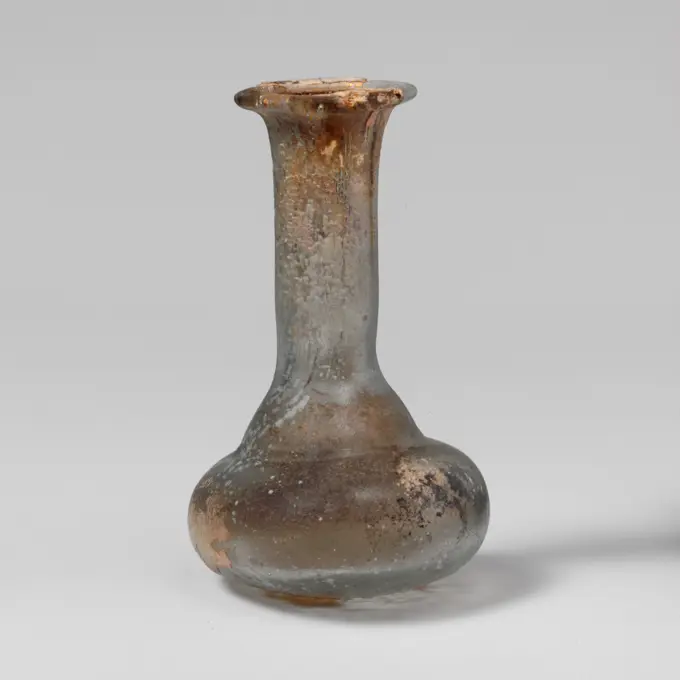
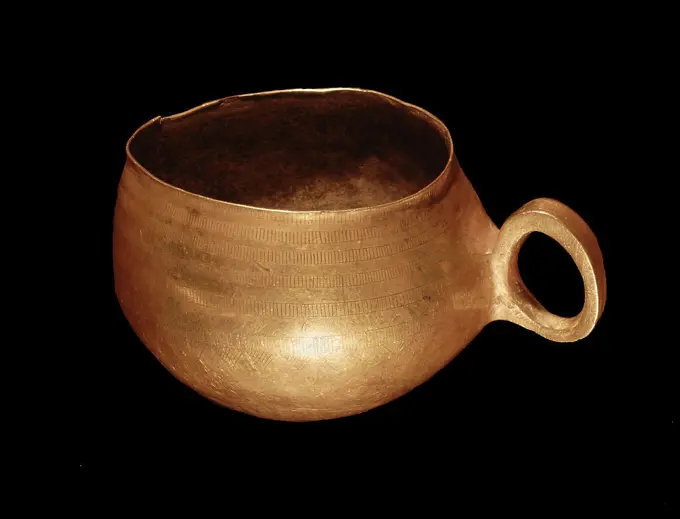
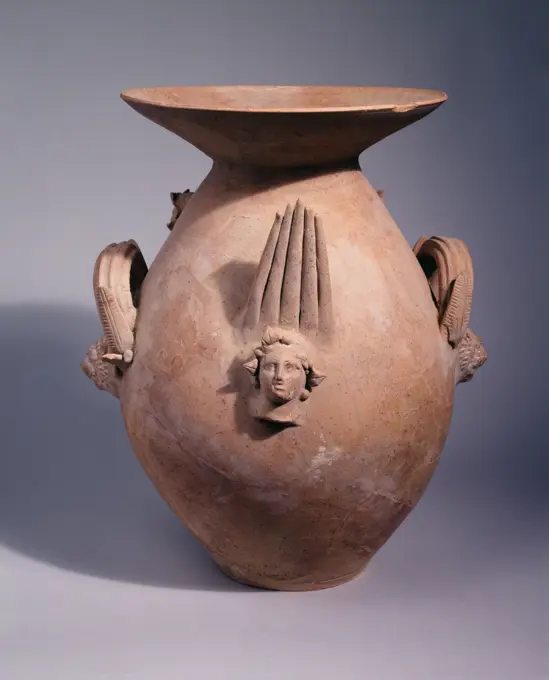
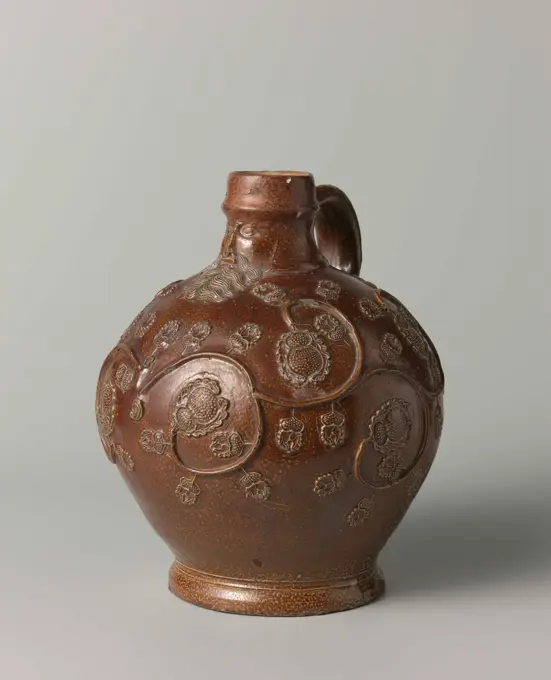
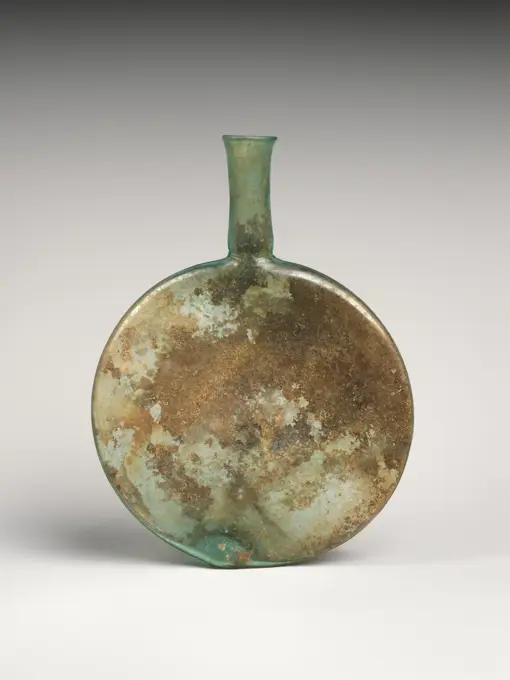
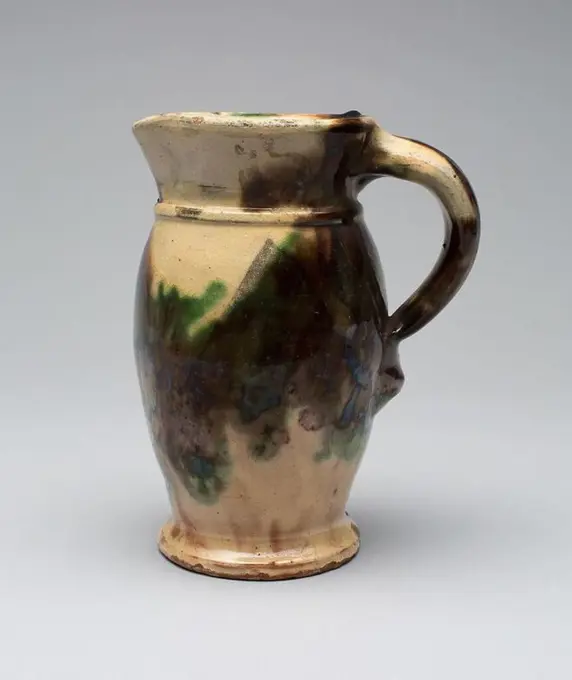
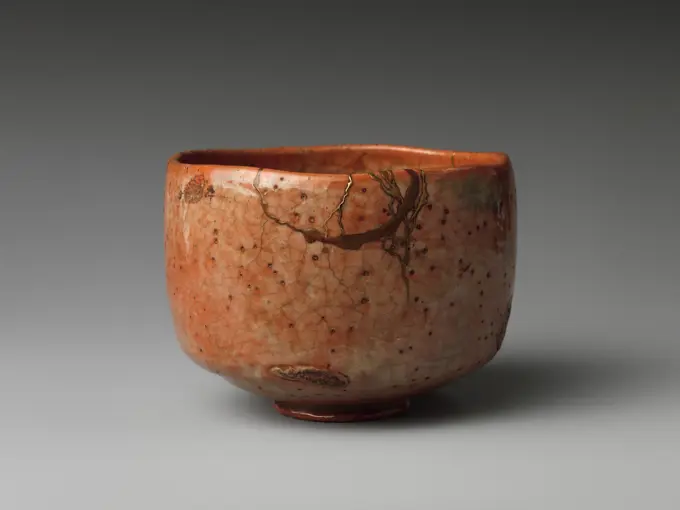
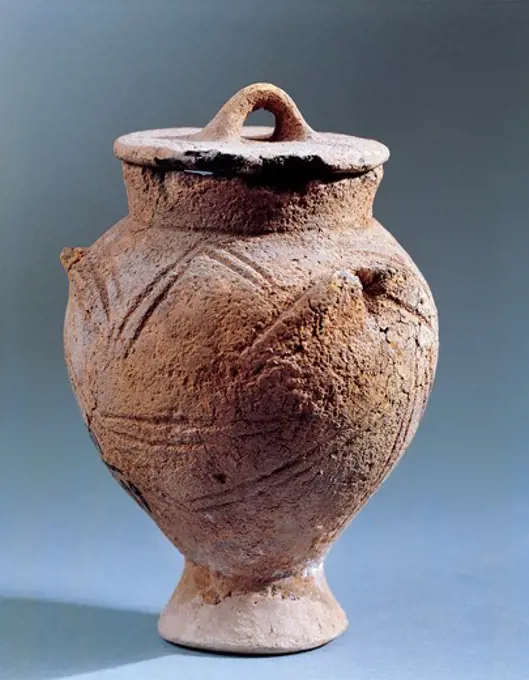
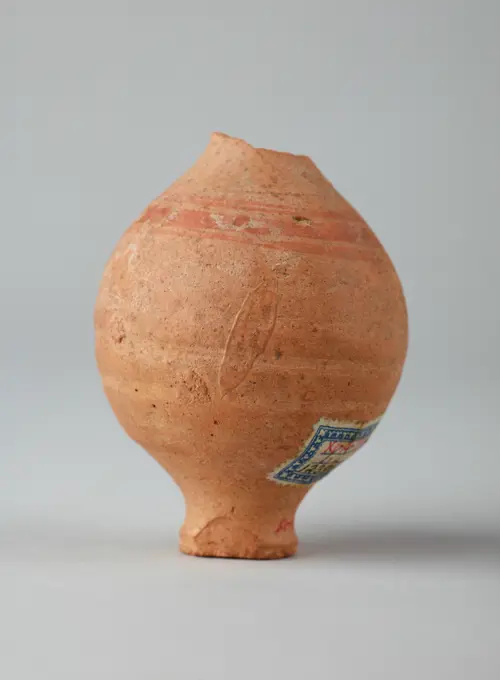
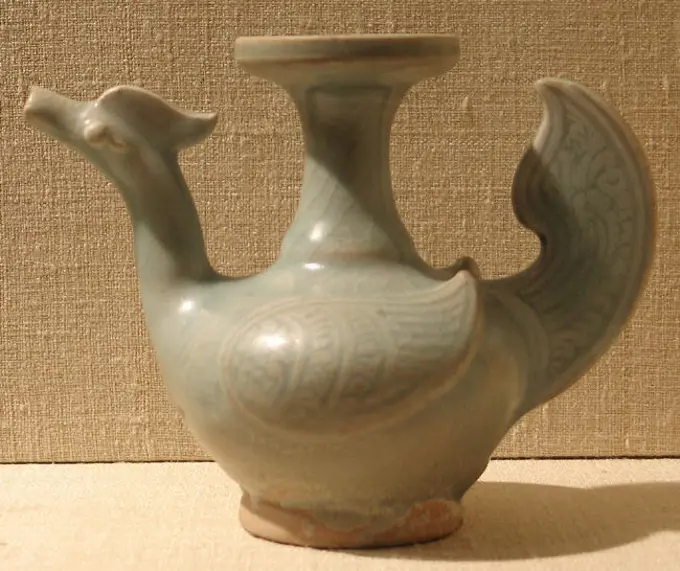
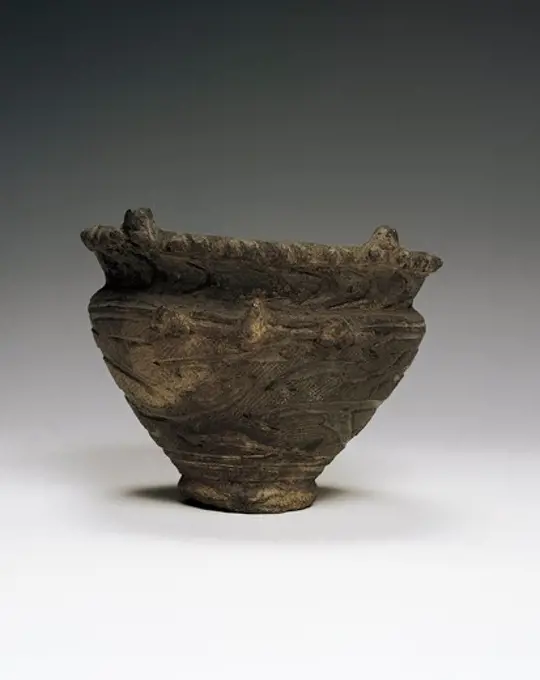
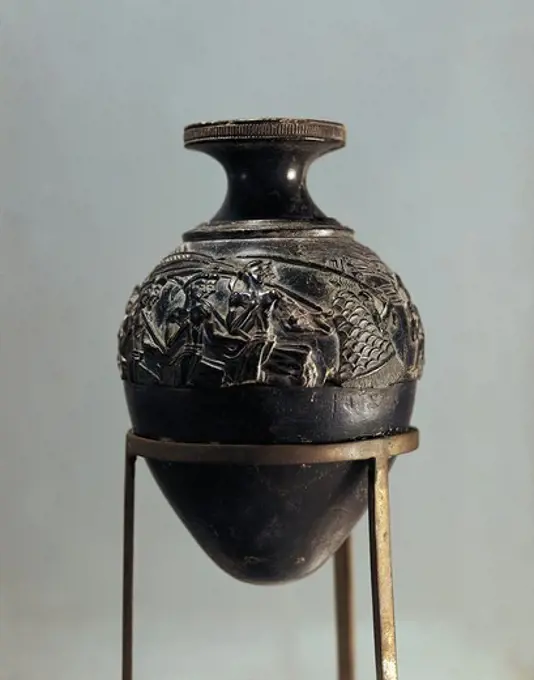
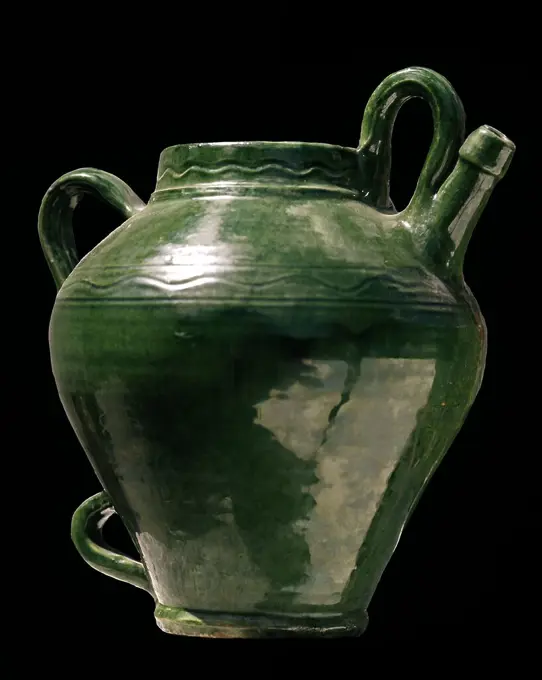
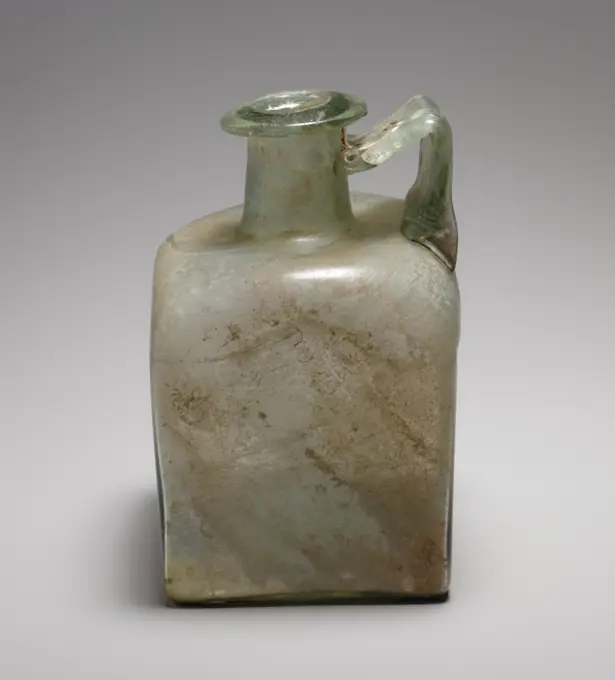
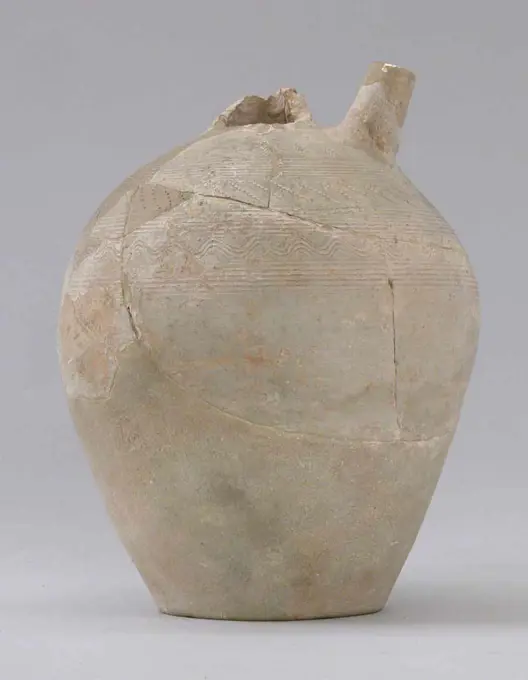
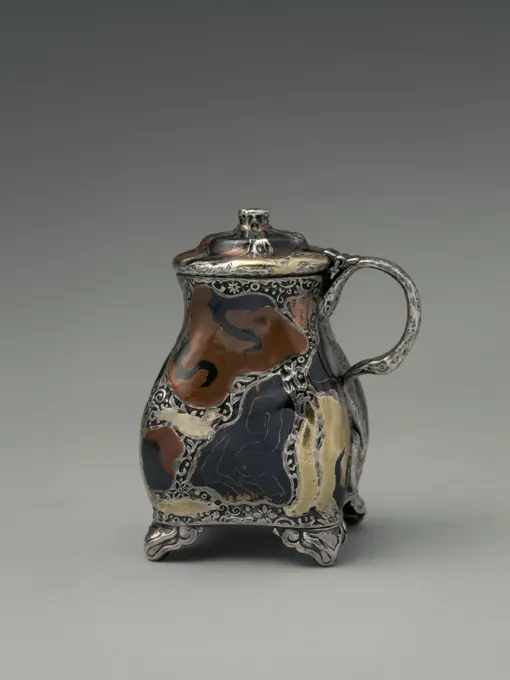
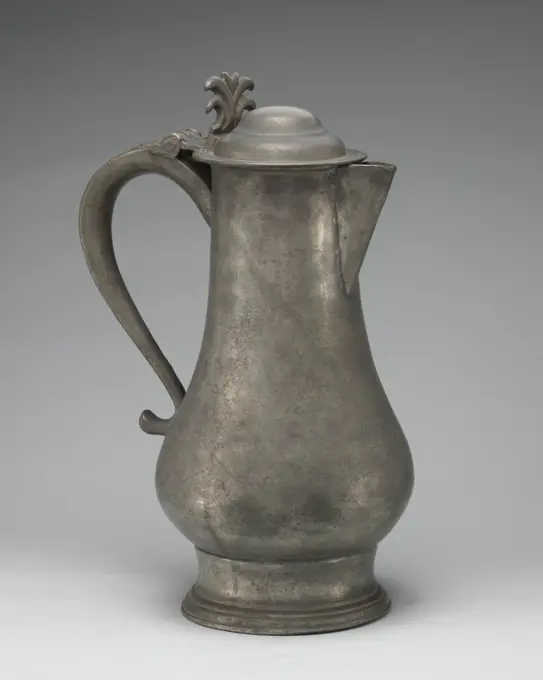
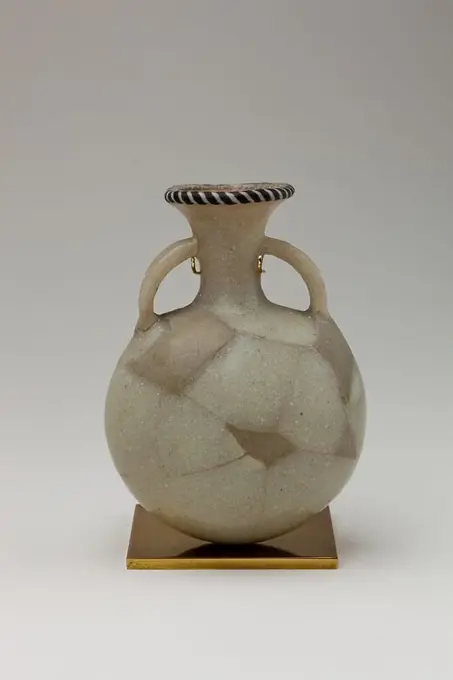
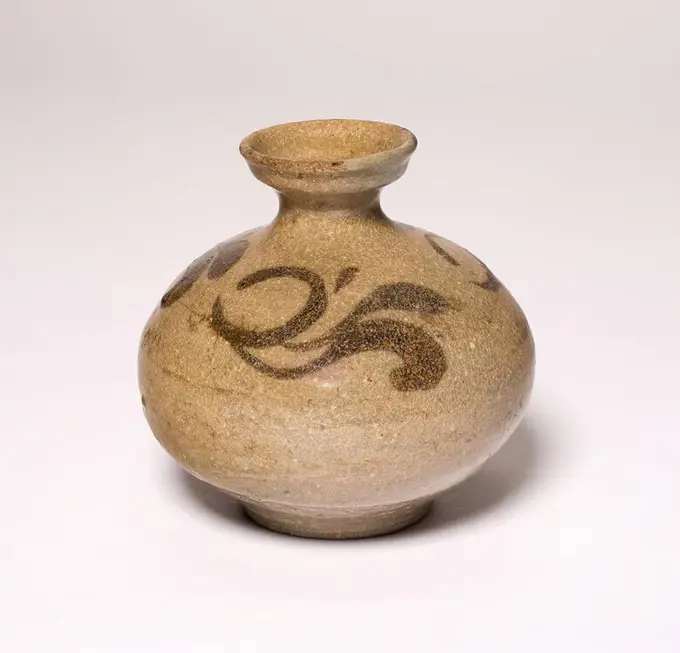
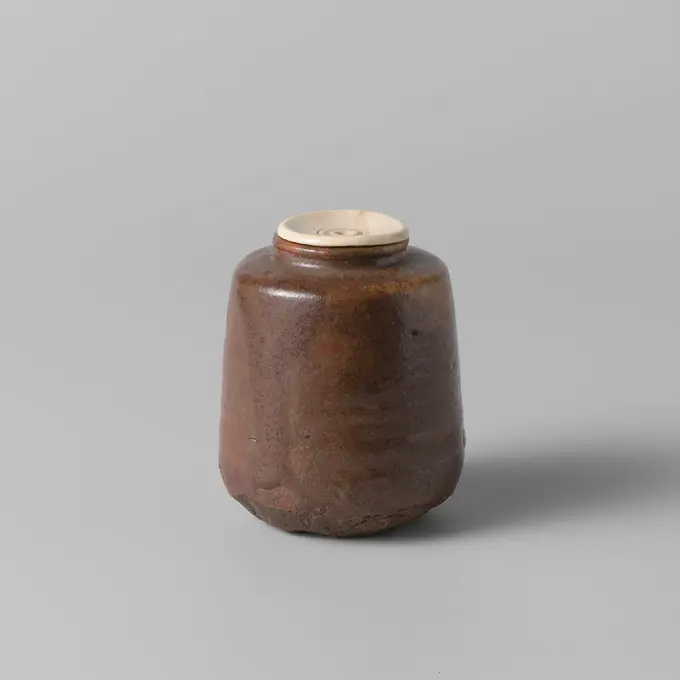
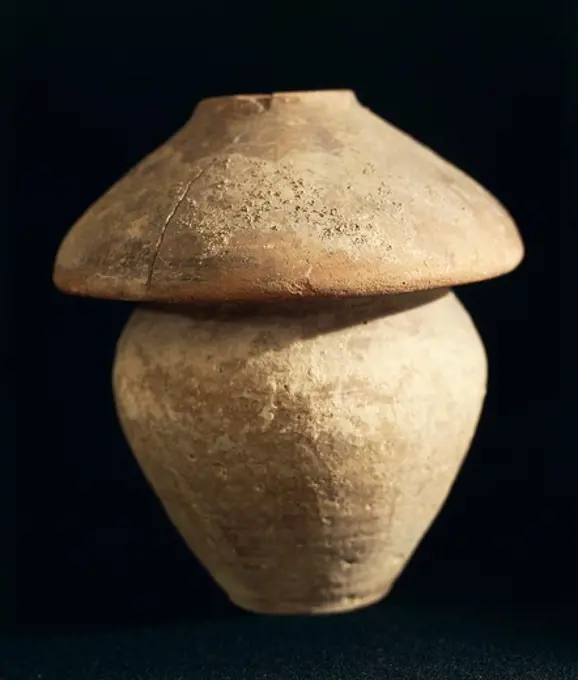
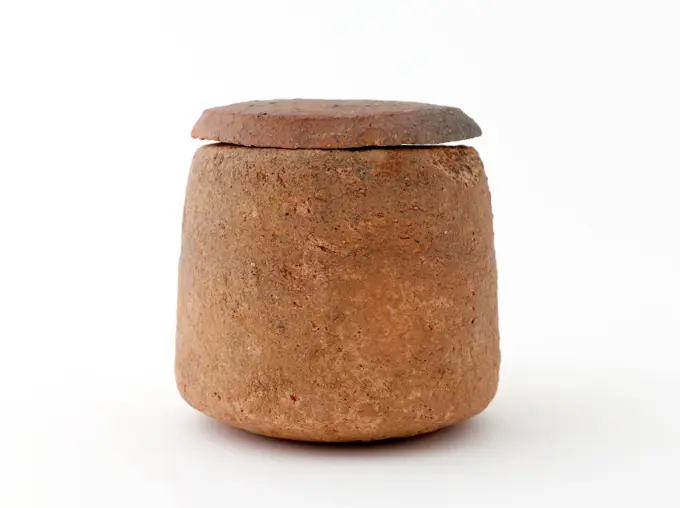
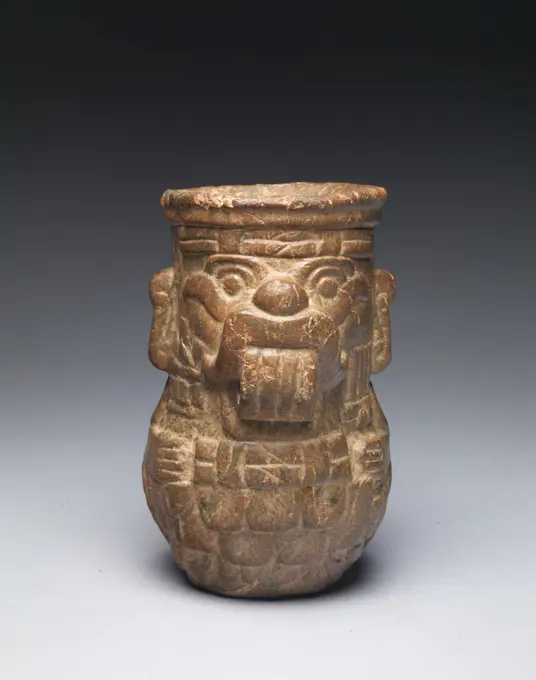
Mesopotamian vessel;The collection of the ancient East, Piątkowski A.Glass perfume bottle 1st century A.D. Roman Small perfume bottleColorless with pale blue green tinge.Uneven, lop-sided rim, folded out, over, and in; cylindrical neck, expanding slightly downward and tooled in around base; piriform body; round bottom, flattened at center.Intact, but crack in rim and neck; many pinprick and small bubbles; dulling and faint iridescence, with patch of thick, creamy, enamel-like weathering on rim and top of neck.. Glass perfume bottle 239775Tripod Vessel (Gui) ca. 2500 B.C. China. Tripod Vessel (Gui). China. ca. 2500 B.C.. Earthenware. Neolithic, Dawenkou culture (ca. 2800-2400 B.C.). CeramicsTerracotta oinochoe (jug) with lid. Culture: Greek, Corinthian. Dimensions: Overall: 5 13/16in. (14.7cm)Other: 5in. (12.7cm). Date: 6th century B.C..Squat oinochoe with trefoil mouth, lid; white lines on neck, shoulder and body. Museum: Metropolitan Museum of Art, New York, USA.Pharmacy Jar 15th century French. Pharmacy Jar 465888 French, Pharmacy Jar, 15th century, Earthenware, Overall: 9 1/8 x 4 7/16 in. (23.1 x 11.2 cm). The Metropolitan Museum of Art, New York. Gift of J. Pierpont Morgan, 1917 (17.194.2201)CANTARO VIDRIADO-CERAMICA POPULAR S XX. Location: ALFARERIA. JIMENEZ DE JAMUZ. LEON. SPAIN.Vase; Keramische Fachschule Bunzlau (1897-1945), Ceramic Zaki Hugo Reinhold (Boles Awuc; 1897-1920); 1 20th century (1901-00-00-1925-00-00);Keramische Fachschule Bunzlau (Bolesławiec - 1893-1944), decorative dishes, decorative vasesPottery pot on small standing surface, wide, receding top edge, indigenous pottery, pot holder soil found ceramic earthenware, hand-formed baked Pottery pot on small standing surface Wide neck opening back neck edge Shoulder with kink. Soft earthenware with red glow and black core Material on the inside archeology Spijkenisse indigenous pottery cooking food preparation nutrition iron age Roman Soil discovery Spijkenisse Korte Laanweg in the deposited sands 1976.06.08.Single Spout Bottle 12th-9th century B.C. Tlatilco. Single Spout Bottle 314626Spherical Jar Inscribed with Hatshepsut's Titles as Queen. Dimensions: H. 12.3 cm (4 13/16 in.); diam. 12.8 cm (5 1/16 in.). Dynasty: Dynasty 18, early. Reign: reign of Thutmose II to Year 7 of Thutmose III. Date: ca. 1492-1473 B.C..This small spherical ointment jar is inscribed: "King's Daughter, King's Sister, God's Wife, King's Great Wife (principal queen), Hatshepsut, may she live and endure like Re forever." The titles are those of a queen, but the last phrase is more commonly applied to kings, so the jar may date from Hatshepsut's time as regent for her nephew, Thutmose III.The jar may originally have been intended to furnish Hatshepsut's queen's cliff tomb in western Thebes. After she became king, Hatshepsut seems to have donated goods inscribed with her queen's titles as provisions for the burials of individuals she deemed important (see linen and vessels from the tomb of Hatnefer and Ramose, 36.6.1-36.6.70). Two stone jars, this one and 26.8.8, seem to have been donated toSmall Jar with Perforated Foot and Stamped and Incised Designs, late 6th - early 7th century, Unknown Korean, 3 11/16 × 8 5/16 × 8 5/16 in. (9.37 × 21.11 × 21.11 cm), Earthenware with natural ash glaze, Korea, 6th-7th century, Uneven mottling along the shoulders of this vase is the result of ash that settled during the firing process to create a natural glaze. The rows of round stamped designs alternating with rows of incised geometric patterns are typical of stoneware produced during the Unified Silla period (668-935).Spine stone. Outer earthenware ball with ribbed surface. There is a gathered aperture in which the spinette can be stored.CANTARO O AMBOA CON CANILLA - BARRO COCIDO CON REFUERZOS DECORADOS - VASIJA PARA VINO. Location: ALFARERIA. GUNDIBOS. LUGO. SPAIN.Collared Jar, 2454-1980 BC. Egypt, Old Kingdom, to First Intermediate Period; Dynasty 5-11, 2454-1980 BC. Limestone; diameter: 4.6 cm (1 13/16 in.); overall: 5.6 cm (2 3/16 in.).Pottery saucepan, orange-red shard, glazed, with handle, shank, on three legs, saucepan pan tableware holder utensils earthenware ceramics earthenware glaze lead glaze, hand turned glazed baked Pottery saucepan orange-red shard entirely covered with lead glaze stem shank three legs rasps on the bottom archeology indigenous pottery food prepare cooking eat kitchenKundika. Korea, Goryeo dynasty (918-1392), 12th century. Tools and Equipment; sprinklers. Cast bronzeJar New Kingdom ca. 1550-1458 B.C. View more. Jar. ca. 1550-1458 B.C.. Travertine (Egyptian alabaster). New Kingdom. From Egypt, Upper Egypt, Thebes, Asasif, Courtyard CC 41, Pit 2, Burials C x, MMA excavations, 1915-16. Dynasty 18, earlyWine bottle from the wreck of the East Indies Hollandia, Anonymous, 1700 - in or before 1743  Wine bottle, continental production, onion-shaped, complete; (1) eroded (17h, belly 15d, base 11d), vs-string rim, cs-kick-up*. Netherlands .   SecondChinese, Shallow vase, porcelain.Circumcifical thick-walled bottle in clear olive green glass, glass surface rough, affected, wine bottle abdominal bottle bottle holder soil find glass, bottom. Body with convex ascending wall to convex shoulders (slightly wider than base) and rejuvenated (dm 5.0 - 2.9 cm) neck with imposed all-round sharp glass thread of which more than half broken off) and flattened lip of which about quarter remains archeology packagingPitcher;  1800-1650 BC ; "family-cypryan period II-III (-1800-00-00--1650-00-00);Round box with screw lid and ring of serpent stone. Round box with screw lid and ring, everything from serpentine stone. Inexpensive. From Mrs. H.S.C. Von Hemert, born Barones from Pallandt.Vase 1830-70 American. Vase 9245Lamp, Anatolia; 1st - 4th century; Terracotta; 2.7 x 8 x 12 cm (1 1,16 x 3 1,8 x 4 3,4 in.)Snuff Bottle China. Snuff Bottle 41533Olla de provisiones con danzantes, siglo I a.C. Procedente de Numancia, Garray, museo Numantino de Soria, Soria, Comunidad Autonoma de Castilla, Spain, EuropeJar ca. 5600-5400 B.C. Hacilar. Jar 325696Vase with Inlaid Lotus, Plum, and Bamboo Design, 1300s. Korea, Goryeo period (918-1392). Celadon with inlaid design; overall: 30.3 cm (11 15/16 in.).Vessel with a hieratic inscription;  around 2686- 2181 BC ; Old state (-2686-00-00--2181-00-00);Handled Bowl with Panels of Geometric Motifs. Possibly Lima or Maranga; Central coast, Peru. Date: 450 AD-750 AD. Dimensions: 9.2 x 23.2 cm (3 5/8 x 9 1/8 in.). Ceramic and pigment. Origin: Peru. Museum: The Chicago Art Institute, Chicago, USA.Covered Box. Thailand, Sawankhalok, 16th century. Furnishings; Accessories. Stoneware with underglaze black painted decorationCANTARO - CUELLO ESTRECHO Y ALTO CON 2 ASAS Y SEMIVIDRIADO - CERAMICA SIGLO XX. Location: ALFARERIA. Alcora. Castellón. SPANIEN.Earthenware jar, almost cylindrical in shape on slightly pinched stand ring, flower pot holder soil find ceramic earthenware, hand-turned baked Pot of earthenware red shard unglazed rings stand ring hole in the bottom. Hole is placed in the bottom after baking Cylindrical shape narrowing above the stand ring Thickened and round top edge archeology indigenous pottery flower gardenPitcher 1847-48 Fenton's Works. Pitcher 5793CANTARA DE VINO CON TRES ASAS Y VIDRIADO INTERIOR. Location: ALFARERIA. SPAIN.ChamberPotGlass perfume bottle 1st century A.D. Roman Small perfume bottleTranslucent pale blue green.Rim folded out, over, and in; slightly flaring mouth; tall cylindrical neck, with tooling marks around base; convex sloping shoulder with tooling marks below; squat bulbous body; small flattened bottom.Intact; many pinprick bubbles; dulling and slight pitting; iridescent weathering on rim and interior.. Glass perfume bottle 239751JARRA PARA VINO VIDRIADA Y PINTADA EN MARRON Y AMARILLO-CERAMICA POPULAR. Location: ALFARERIA. Saragossa Zaragoza. SPAIN.CAZO DE BRONCE DEL TESORO DE CALDAS DE REIS. Location: ARCHAEOLOGICAL MUSEUM. Pontevedra. SPAIN.Crater with erect handles (sphageion). Applique decor and statuettes. Canosa (Italy). Museum of Fine Arts of the City of Paris, Petit Palais. 75495-1 Anseee, wall lamp, cratere, decor, sphageion, statuette, ancient vasebell-shaped container of marine type, Tres Montes, Bardenas Reales, bronze age, Navarra,Spain.. Brown bearded manner of stoneware. The bullet-shaped belly is decorated with tendrils and flowers. On the front of the neck a beard man with symmetrical beard.Glass lentoid bottle ca. 3rd century A.D. Roman Translucent blue green.Everted rim, folded over and in, with flattened upper surface, forming slight constriction to mouth; cylindrical neck with tooled indents around base; disk-shaped, lentoid body with uneven flat sides and rounded edges; thick internal pad on bottom, with pontil scar.Intact; many bubbles and blowing striations; slight dulling and soil encrustation, iridescence, and patches of brown weathering.. Glass lentoid bottle. Roman. ca. 3rd century A.D.. Glass; blown. Mid Imperial. GlassPitcher. Attributed to S. Bell & Son; American, c. 1882-1908; Strasburg, Virginia. Date: 1887-1900. Dimensions: h. 15.9 (6 1/4 in.). Earthenware, with cream slip embellished with lead glazes colored with copper and manganese. Origin: Strasburg. Museum: The Chicago Art Institute, Chicago, USA.Earthenware ball pot, gray shard, outward-facing top edge, ball pot cooking pot crockery holder kitchenware earthenware ceramic pottery, hand-shaped hand-turned baked Pottery ball pot. Gray shard of roughly scraped earthenware. top edge is oval pot has fallen out of shape archeology cook kitchen food food prepare craft potteryTeabowl ca. 1750 Japan. Teabowl 63180Italy, Sicily region, Engraved terracotta cinerary urn with lidHeavy pottery pot on wide stand ring, round and stocky model, sugar bowl holder ceramic earthenware glaze lead glaze, opening 13.5 hand-turned glazed baked Heavy earthenware pot on wide stand Bol and stocky model with upright neck. Red shard internally glazed Probably used in the sugar indigenous pottery industry refining sugarBOTELLA DE CUELLO LARGO. Location: ALFARERIA. ALBOX. Almería. SPAIN.Spherical ointmentKendi in the Form of a Hamsa (Gander) 14th-ca. mid-16th century Thailand (Si Satchanalai). Kendi in the Form of a Hamsa (Gander) 37511Glass alabastron (perfume bottle). Culture: Greek, Eastern Mediterranean. Dimensions: H. 3 5/8 in. (9.2 cm). Date: late 6th-5th century B.C..Opaque dark olive green, with handles in same color; trails in opaque yellow and opaque turquoise blue.Broad horizontal rim-disk; short cylindrical neck, tapering downwards; barrow angular shoulder; straight-sided cylindrical body; convex bottom; two vertical ring handles with small tails, applied over trail decoration.Yellow trail attached at edge of rim-disk; a second yellow trail applied on top of body and wound down in a spiral, tooled into a close-set zigzag pattern; halfway down pattern a turquoise blue trail is added, mingling with yellow; immediately below zigzag, a third unmarvered yellow trail wound horizontally twice around body.Intact; dulling, iridescence, and some reddish brown encrustation and weathering. Museum: Metropolitan Museum of Art, New York, USA.Vase China Yuan dynasty (1271-1368)Cone vessel, found in AomonJug with flowering plants, anonymous, c. 1680 - c. 1725 Jug of stoneware on stand ring with a pear -shaped body and wide, long neck. The C-shaped ear is attached to the neck and shoulder. Profile on the foot. On the abdomen, shoulder and neck continuous, flowering plants, consisting of pressed zigzag lines (knibis). Circles stamped between the plants. Westerwald. Westerwald stoneware. glaze vitrification Jug of stoneware on stand ring with a pear -shaped body and wide, long neck. The C-shaped ear is attached to the neck and shoulder. Profile on the foot. On the abdomen, shoulder and neck continuous, flowering plants, consisting of pressed zigzag lines (knibis). Circles stamped between the plants. Westerwald. Westerwald stoneware. glaze vitrificationVase of Reaper' in black steatite, from Aghia Triadha (Hagia Triada), Island of CreteBeaker 12th-15th century Chimú. Beaker 307477DOLL DE CERAMICA. Location: ALFARERIA. GERONA. SPAIN.Glass square bottle late 1st-3rd century A.D. Roman Translucent pale green, with same color handle.Rim folded out, over, and in, forming slightly constriction to mouth, with beveled top surface; cylindrical neck, with tooling marks around base; pushed-in shoulder with rounded, sloping corners; flat, vertical sides; flat bottom; broad strap handle, with combed decoration on outer surface, attached to outer edge of shoulder, drawn up vertically, turned in an acute angle and trailed onto neck, with trail ending on underside of rim.Molded decoration on bottom comprising four L-shape angles at corners, three concentric rings, and central small triangular design in relief.Intact, but crack in handle; some large and elongated bubbles, blowing striations; dulling and faint iridescent weathering on exterior, with patches of soil encrustation and pitting on handle; encrustation, weathering, and brilliant iridescence on interior.Same base mold as 81.10.23.. Glass square bottle 245179Cooking pot with inscription: Margrietien Bartolds in Deo Spes Mea Ano 1635. The pot of pot in its entirety, shows a casting seam in the middle between the ears. The hull is almost flat at the bottom. There is a thickening the round cast hole. The hull is decorated with three ornamental rings and the inscription in Latin Majuskels: Margrietien Bartolds in Deo Spes Mea Ano 1653. Hull and neck form a blunt angle. The straight thickened upper half of the neck takes place the place of the lip edge. The grape stands on three legs, which are triangular in cross-section, and whose switches are adorned with three crosses. The two sharp-angle in each other's extended ears are placed on the hull and counterclockwise. One leg has been updated.Ewer 8th century. Ewer 448988Mustard Pot ca. 1879 Tiffany & Co. Following the opening of Japan to the West in the 1850s and the subsequent display of Japanese art at international expositions, the Japanese taste began to captivate American consumers. In response, designers such as Edward C. Moore at New Yorks Tiffany & Co. introduced a range of objects inspired by Japanese art works, from ceramics, metalwork, textiles, and prints, to lacquerware, sword guards, and netsuke. The decoration on this mustard pot is particularly unusual and innovative. Its baluster form is completely transformed by the asymmetrical inset panels of copper, brass, and niello enclosed by scrolled "Snake Skin" borders. The ornamental program was created by inlaying patinated copper and shakudo (an alloy of low gold content mixed with copper) into the surface of the vessel. Labeled in the Tiffany & Co. Archives as "Mustard to go with Pepper 5493," this is one of only six decorated versions produced. The Tiffany Archives also retains the HamKero 17th-18th century Quechua. Kero 316849Drinking grind from Tin, Anonymous, c. 1550 - c. 1600 Drinking grind from Tin. The underside of the abdomen is decorated with a double profiled band. The transition from Bolle belly to the wide neck and from the neck to the lip edge are characterized by a slight angle. The jug is closed with a vaulted, profiled lid. The thumb rest with two acorns is connected to the handle through a one -cash hinge, which curls out at the bottom. Haarlem tin (metal) Drinking grind from Tin. The underside of the abdomen is decorated with a double profiled band. The transition from Bolle belly to the wide neck and from the neck to the lip edge are characterized by a slight angle. The jug is closed with a vaulted, profiled lid. The thumb rest with two acorns is connected to the handle through a one -cash hinge, which curls out at the bottom. Haarlem tin (metal)Gourde (common name), 0907. Shiny black glaze with green reflections. Cernuschi Museum, Asia Museum of Asia in the city of Paris.Flagon 18th century British. Flagon. British. 18th century. Pewter. Metalwork-PewterAnne Nemtzoff, Crock, c 1939 CrockEwer probably 18th-19th century. Ewer 443129Pot ". Terracotta. Vietnam-Xe-Xive s. Paris, Cernuschi museum. 72185-30 Vietnamese object, pot, terracottaBottle. Dimensions: H. 13. 2 cm (5 13/16 in.), Diam. 9.6 cm (3 3/4 in.). Dynasty: Dynasty 19-20. Date: ca. 1295-1070 B.C..Egyptian glassmaking, which had reached a high level of virtuosity in late Dynasty 18, continued to be practiced in the Ramesside Period; however, the quality, as well as quantity, of it production dropped off sharply in Dynasty 20. This design of this bottle is characteristic of its time as it is monochrome with only a "rope" made of stained glass rods in contrasting colors attached to its rim. Museum: Metropolitan Museum of Art, New York, USA.Double-Handled Jar. China, Gansu province. Date: 2000 BC. Dimensions: H. 14.2 cm (5 9/16 in.); diam. 14.6 cm (5 3/4 in.). Brick-red earthenware. Origin: China. Museum: The Chicago Art Institute, FLORENCIA, USA.Tontopf Tontopf Copyright: xZoonar.com/TOLOxBALAGUERx 22682402Concept, ghada clay or earthen pot crock pail pitcher on white background India Copyright: xNirmalaxMishra/DinodiaxPhotoxOil Bottle. Korea. Date: 1000-1035. Dimensions: H. 8.2 cm(3 1/4 in); diam. 9.0 cm (3 1/2 in). Stoneware with underglaze iron brown painted decoration. Origin: Korea. Museum: The Chicago Art Institute, Chicago, USA.Tea caddy with a green brown glaze, anonymous, c. 1700 - c. 1850 Dust bar or Chare van Steengoed with an ivory lid, partially covered with a green brown glaze. The lower part of the tea business is unglazed. A crack in the lid. Takatori. TAKATORI stoneware. glaze. deksel: ivory vitrification Dust bar or Chare van Steengoed with an ivory lid, partially covered with a green brown glaze. The lower part of the tea business is unglazed. A crack in the lid. Takatori. TAKATORI stoneware. glaze. deksel: ivory vitrificationCylindrical jar, anonymous, c. 1600 - c. 1699 Small, cylindrical pot of stoneware with a slightly spreading edge. Germany stoneware. glaze vitrification Small, cylindrical pot of stoneware with a slightly spreading edge. Germany stoneware. glaze vitrificationAntique Roman glass. 1898Annie B Johnston, Stoneware Jar, c 1937 Stoneware JarJug Zamoyski AdamPrunus Vase (Meiping) with Horizontal Ribs. China, probably Inner Mongolia, Liao dynasty, 906-1125. Furnishings; Accessories. Northern Black ware, wheel-thrown stoneware with brown glazeJARRA AZUL DEL NUEVO IMPERIO CON DECORACION JEROGLIFICA. Location: EGYPTIAN MUSEUM. KAIRO. EGYPT.Funerary urn to contain the ashes of the deceased. Roman culture. Glass, ceramics and lead. 2nd century AD.. Dust tea bus or chair of stoneware with an ivory lid, partially covered with a golden brown glaze. The lower part of the bus is unglazed. Old label on the bottom with 'W585'. BIZEN.Glass jar. Culture: Roman. Dimensions: H.: 4 1/8 in. (10.5 cm)Diam.: 4 1/2 x 3 7/8 in. (11.4 x 9.8 cm). Date: mid-1st-2nd century A.D..Colorless with a pale blue green tinge.Horizontal rim, with rounded tubular edge, folded out, down, in, and down again, forming collar around neck; ovoid body; slightly concave bottom.Intact; many bubbles and blowing striations; some limy encrustation and thick, creamy brown weathering under rim and on interior, deep pitting and iridescent weathering on exterior. Museum: Metropolitan Museum of Art, New York, USA.Argaric cup Argaric cup, house of the abbots, Ancient Bronze, Archeological Museum. Úbeda, Jaén province, Andalusia, Spain Copyright: xZoonar.com/BartomeuxBalaguerxRotgerx 21702904Prehistory, Italy, Iron Age. Este culture. Ossuary of the Este III period, from Oppeano, province of Verona.canteen of Iberian Culture, Valladolid Museum - Provincial Museum of Antiquities, Autonomous Community of Castile and Leon, Spain.PORRON DE FAROLILLO DE ARCILLA LLAMADA GREDA-ARTE POPULAR S XX. Location: ALFARERIA. LA RAMBLA. CORDOBA. SPAIN.VASIJA ROMANA. Location: ARCHAEOLOGICAL MUSEUM. Denia. Alicante. SPAIN.Covered Jar with Horn Handle, AD 400s-500s. Korea, Silla (57 BC-935) or Kaya (AD 42-562) period. Red earthenware with impressed designs and applied red slip; diameter of mouth: 8.8 cm (3 7/16 in.); overall: 13.5 x 12 cm (5 5/16 x 4 3/4 in.).Pot and lid ". Terracotta. Vietnam-Xe-Xive s. Paris, Cernuschi museum. 72361-20 Lid, Vietnamese object, pot, terracottaEwer 14th century. Ewer 444481Storm God Vessel 200-700 Teotihuacan This drinking or libation vessel is carved entirely from steatite, or soapstone. The artist invested a considerable amount of labor in this depiction of what is likely the Teotihuacan Storm God, recognized by the prominent fanged mouth and circular eyes. The head of the god lies on the neck of the vessel and is marked by a prominent upper lip with four fangs, accentuated by a drilled hole beneath the teeth. The deity is shown squatting on the vessel; his legs and sandaled feet are shown on the side of the vessel's body. His left hand grasps a bundle of darts, while his right holds what is likely a spear thrower with which he could hurl the darts. Many similar vessels have been found at Teotihuacan, most recently in the tunnel excavations under the Feathered Serpent Pyramid. There is also a depiction of the Storm God himself holding two of these vessels in the murals of the Tepantitla compound.In ancient Mesoamerica, gods of rain and storms were ofteStorage jar from Beersheba and Golan, over 6,500-5,500 years ago. Made from pottery.Goblet. Eastern Mediterranean, 11th century. Glass. Glass, free-blown, trailed decorationCANTARO PARA AGUA SIN VIDRIAR EN CERAMICA NEGRA (CANTER O SELLO). Location: ALFARERIA. GERONA. SPAIN.Paris (VIIE arr.), France The exhibition of decorative arts, National Manufacture of Sèvres, the last press release or vase of the war, composed by G. Leroux, executed by Bocquet, 1, 30 m , 1925 - International Exhibition of Modern Decorative and Industrial Arts Paris (French - Paris ( VIIe arr. ) , France L' Exposition des arts décoratifs , Manufacture Nationale de Sèvres , Le Dernier Communiqué ou Vase de la Guerre , composé par G. Leroux , exécuté par Bocquet , 1 ,30 m). Represented animal , fantastic animal, interior view, painted decor, vase, painting, decorative arts, ceramics, forehead, exhibition of decorative arts, ephemeral architecture, Animal, Habitat , Architecture, Art, First World War, France, Paris, Exhibition of decorative arts, Manufre Natle de Sèvres. Large blue vase, subjects from warglass perfume bottles or jars, Greco-Egyptian 1st century ADTerracotta sculpture of the legendry artist  Himmat Shah  Indian Art  Master piece  Clay  for editorial use only  Jaipur  Rajasthan  India Copyright: xRavixShekhar/DinodiaxPhotoxEarly Iron Age fluted pottery, Huesca museum, Aragon community, Spain.