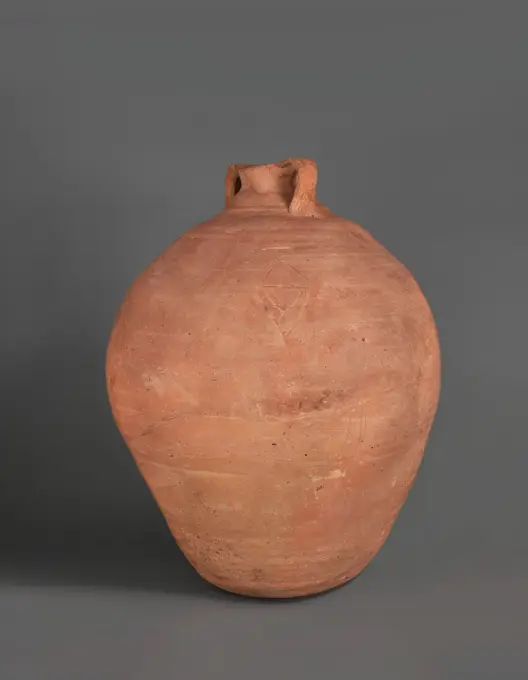
Historical Ceramics Collection

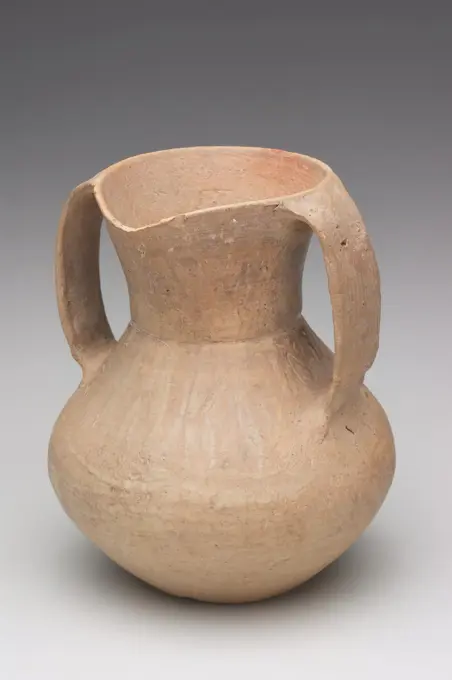
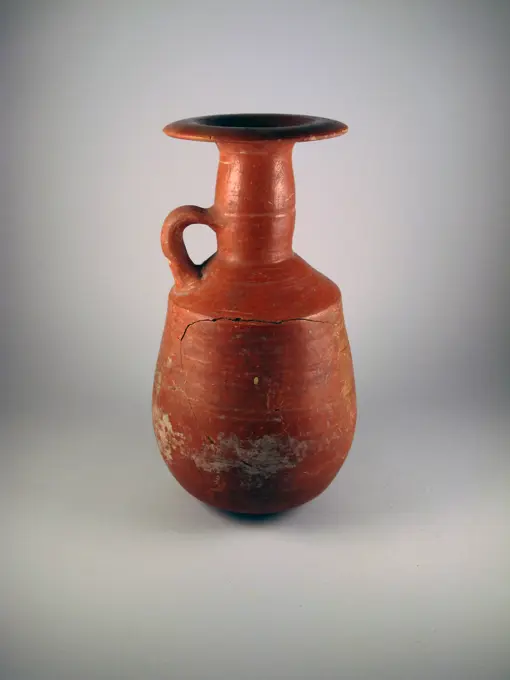
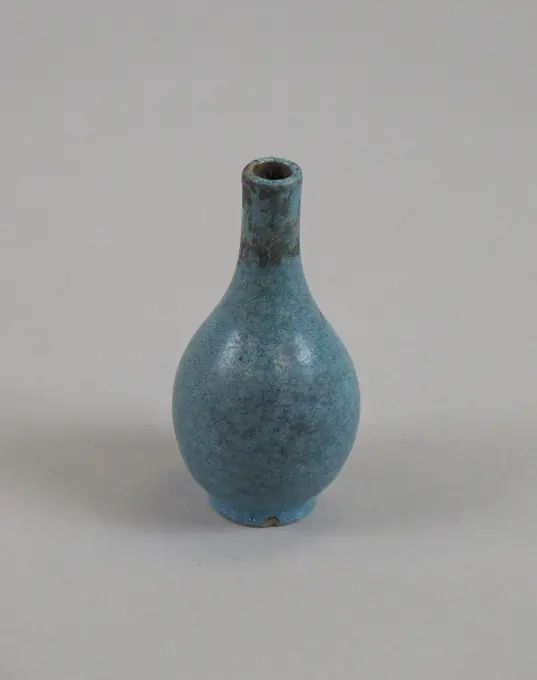
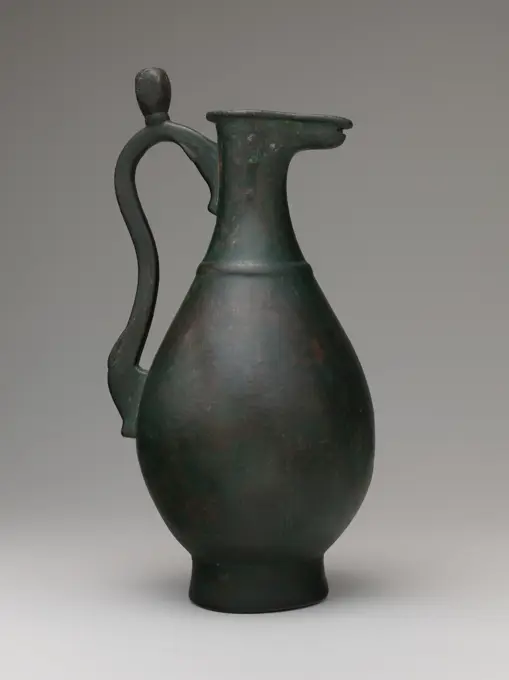
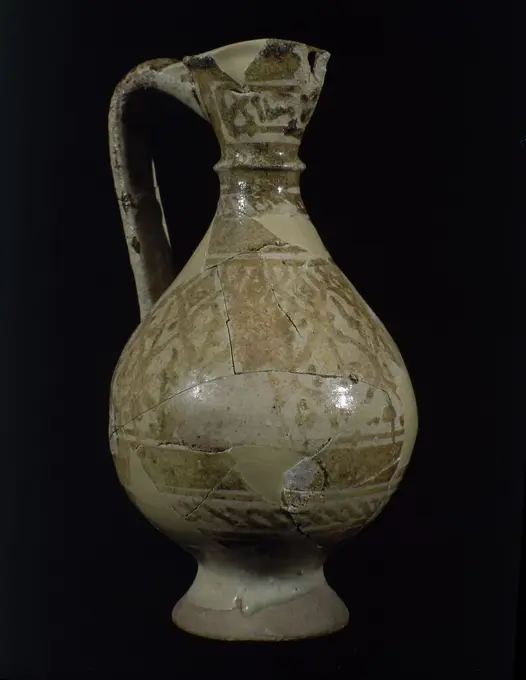
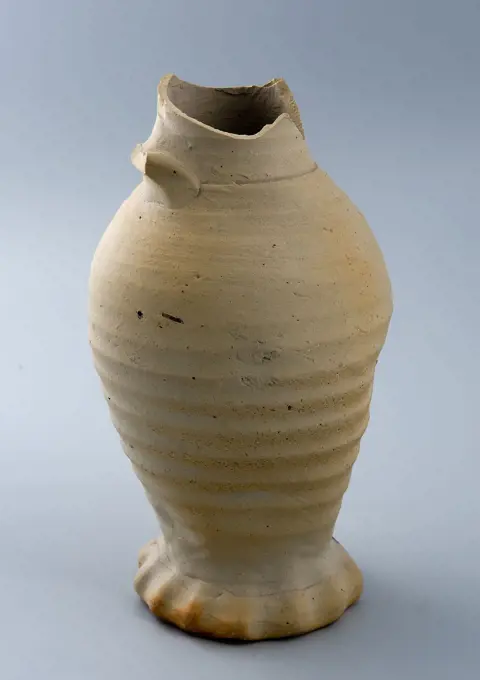
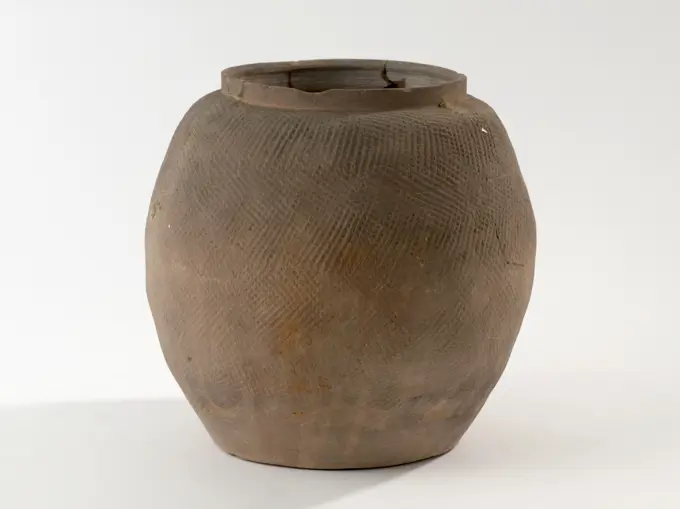
Ancient pottery pieces from various dynasties, highlighting the craftsmanship and cultural significance of ceramic art through the ages.
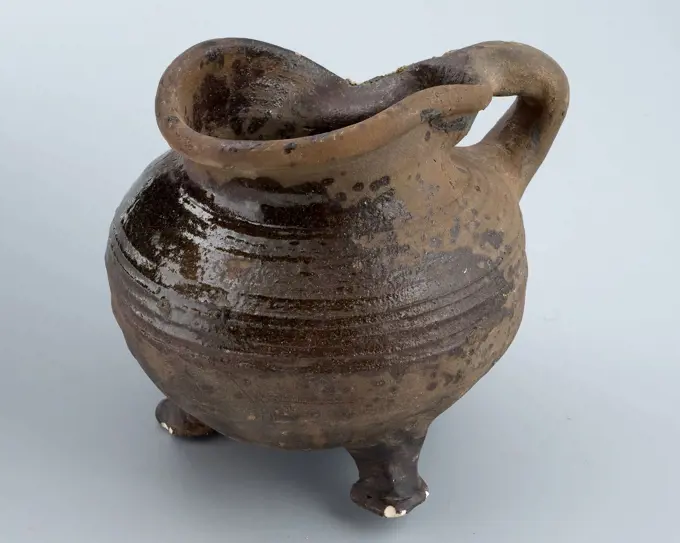
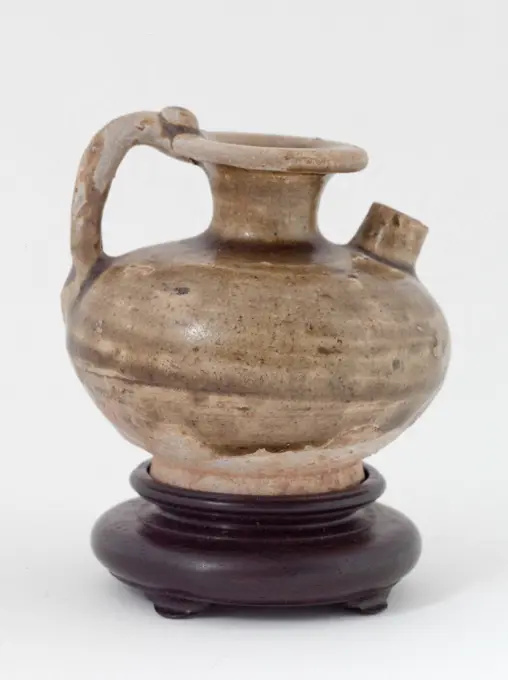
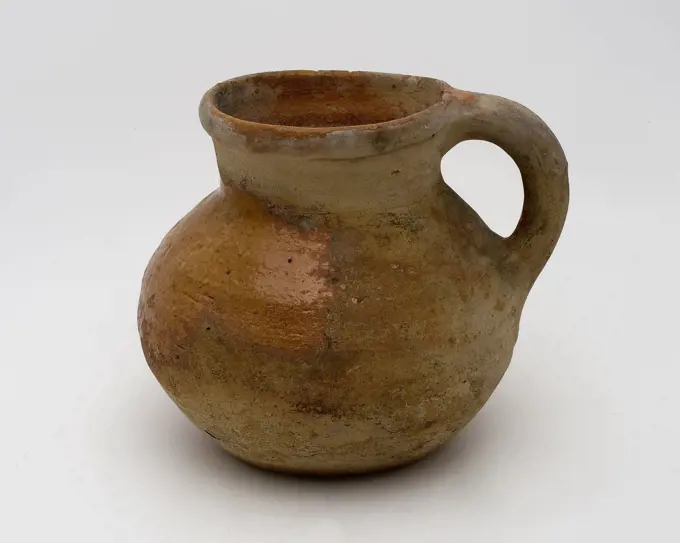
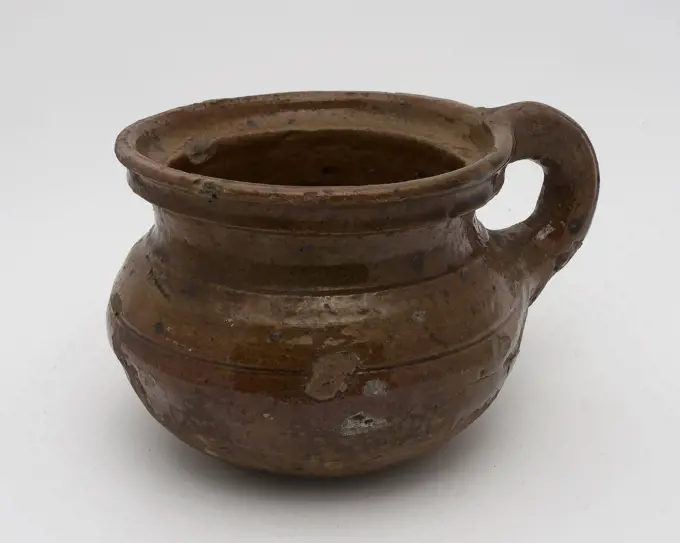
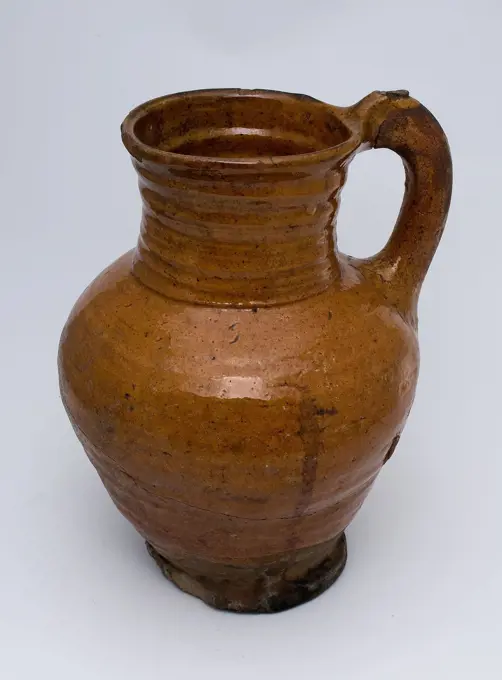
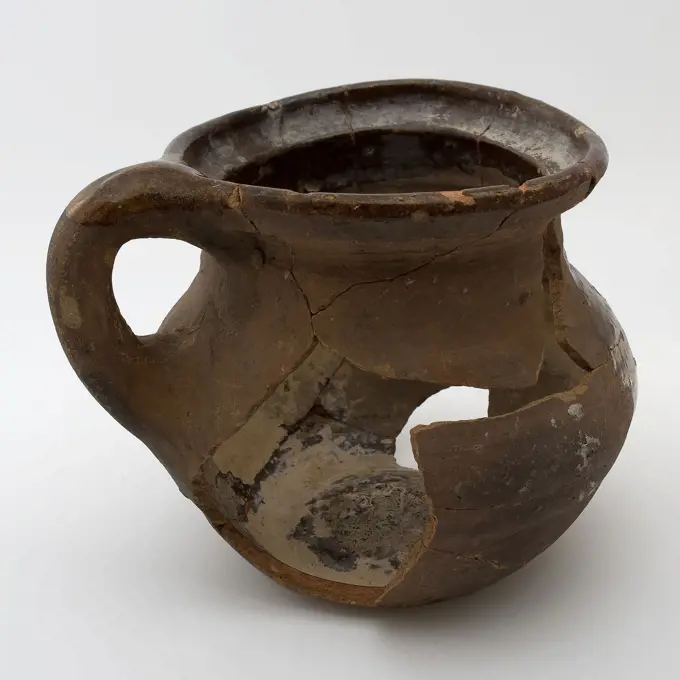
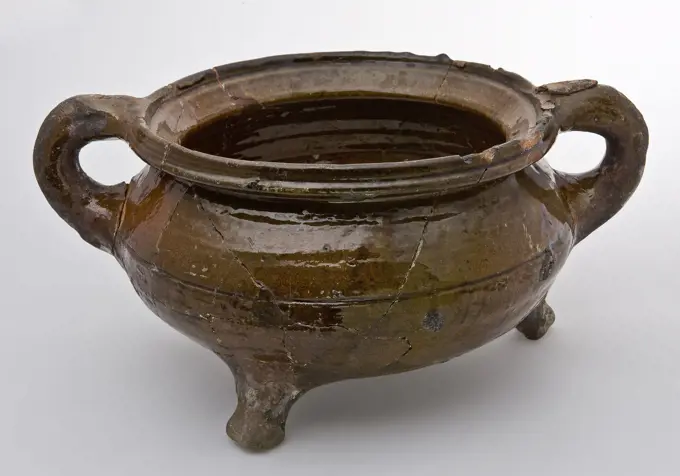
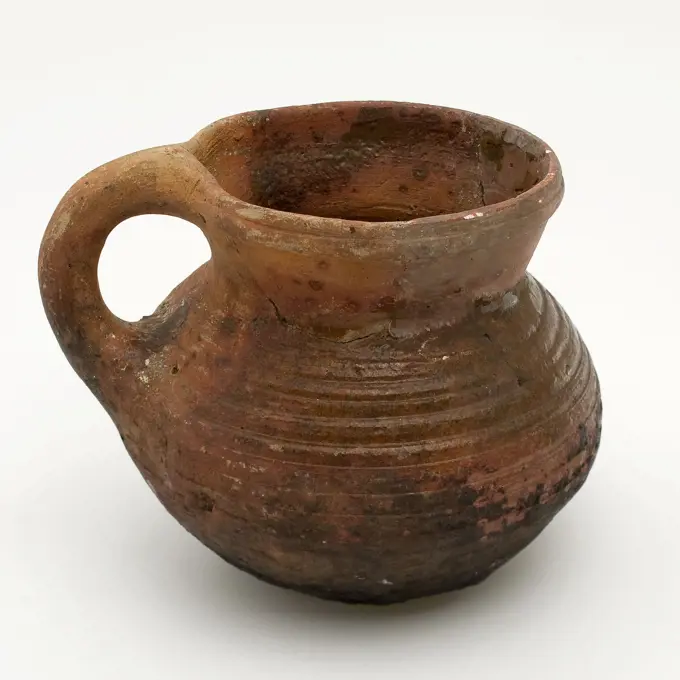
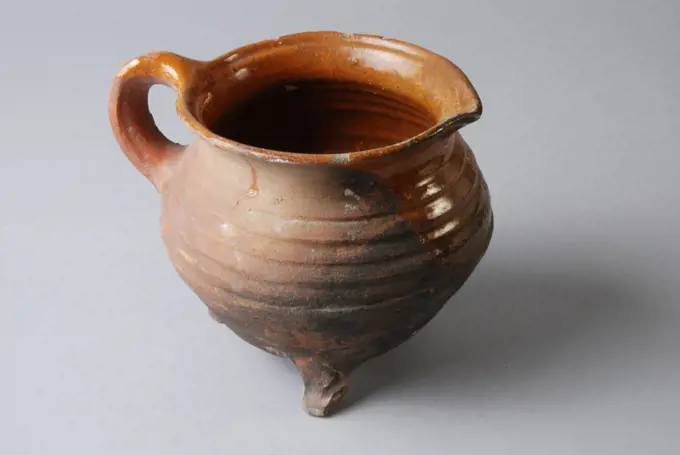
Earthenware grape or cooking pot, misbaksel, grape cooking pot tableware holder kitchen utensils earthenware ceramics earthenware glaze lead glaze, hand-turned glazed fried Cooking jug or grape. Cooking pot on three legs Convex belly. On the shoulder rotations. Funnel-shaped neck Standing sausage ear Restorations have been repainted. Accidental Misbaked archeology Rotterdam City triangle Groenendaal underground pit cooking food preparation craft pottery potter underground pit Groenendaal Rotterdam 225 mtr. ± 3 mtr N..P.
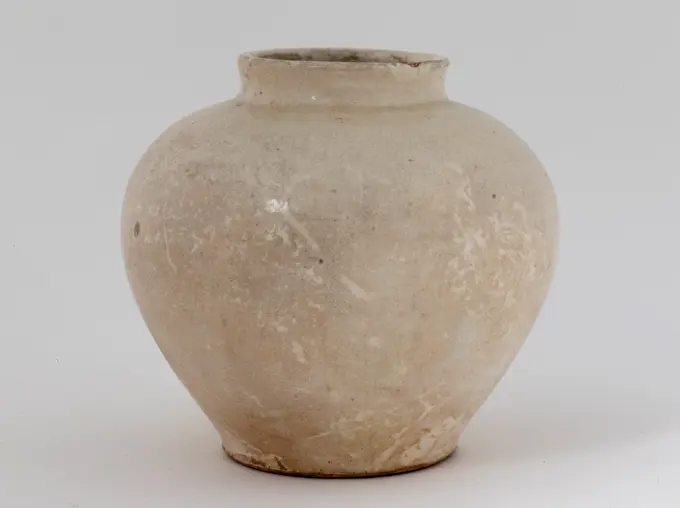
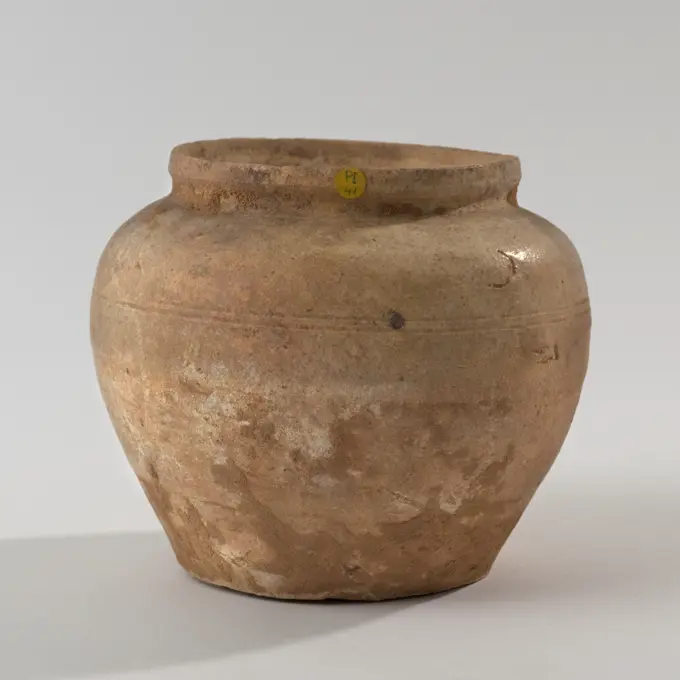
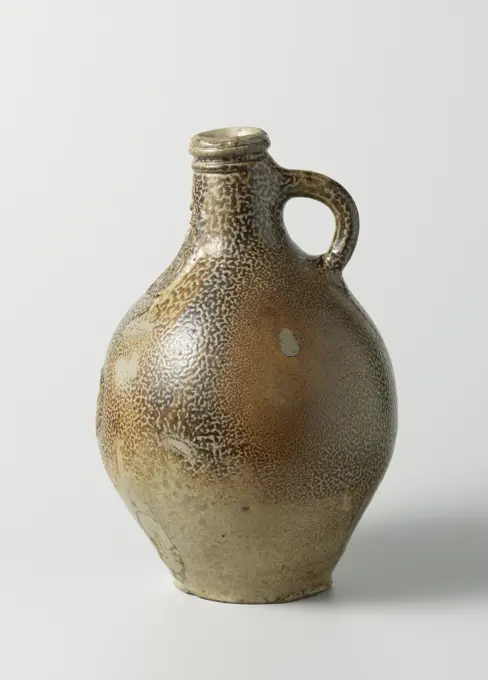
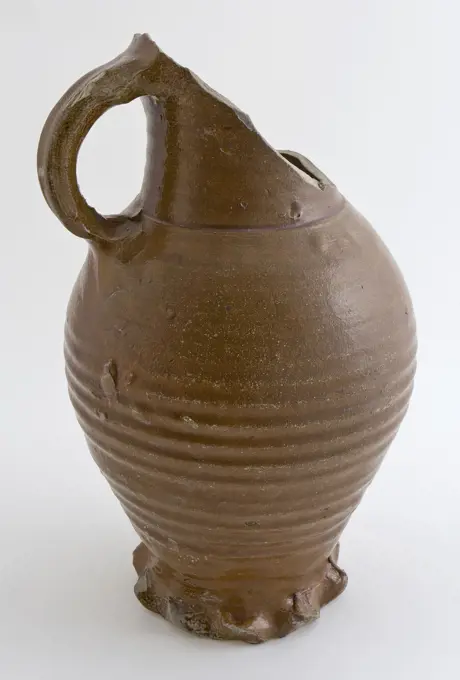
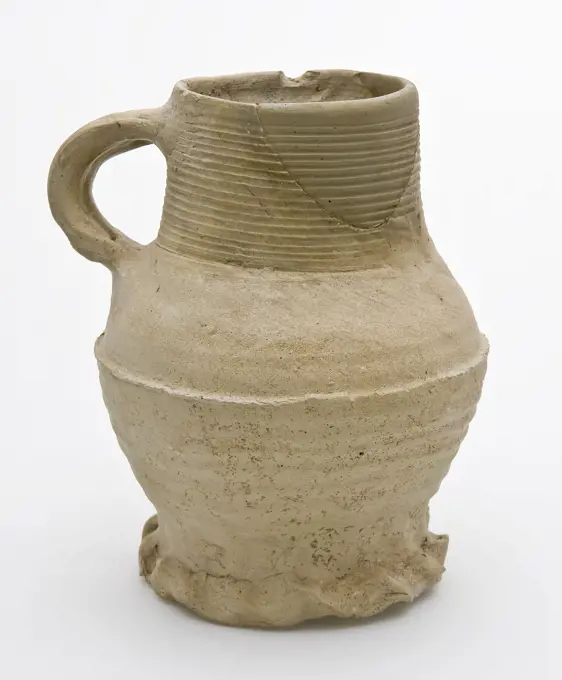
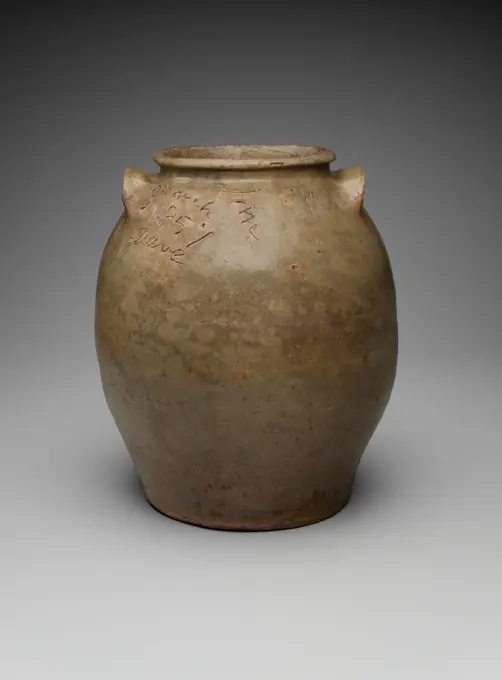
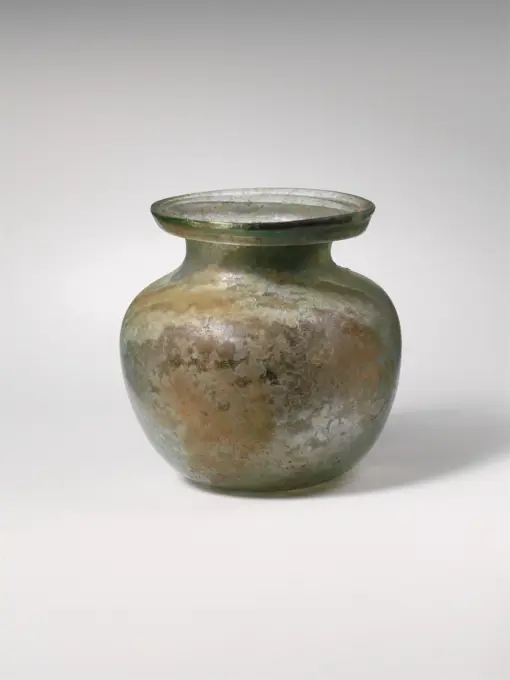
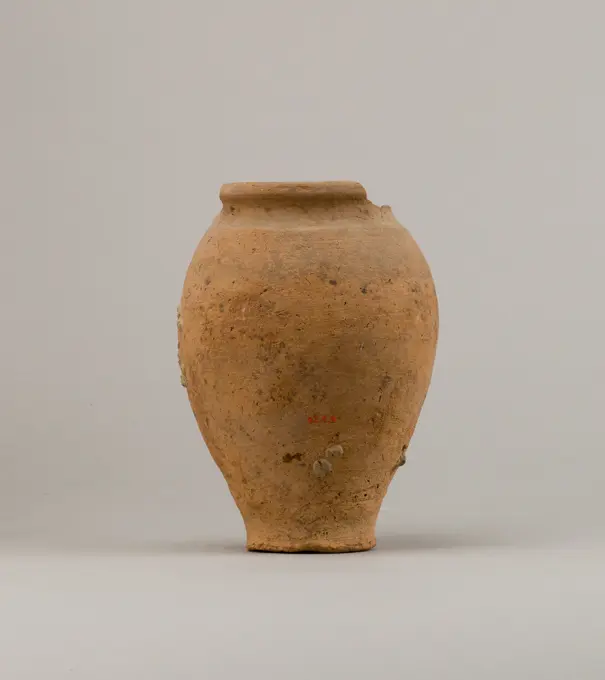
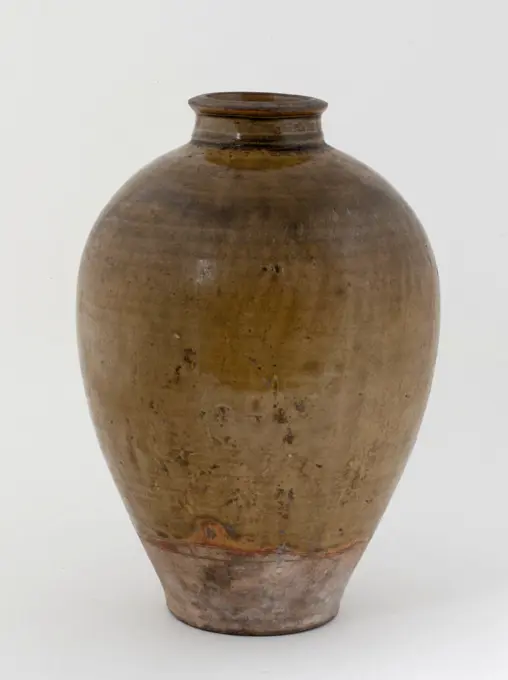
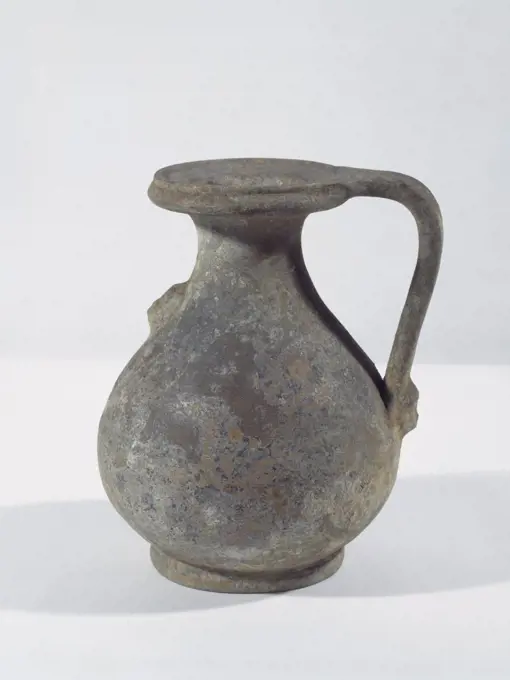
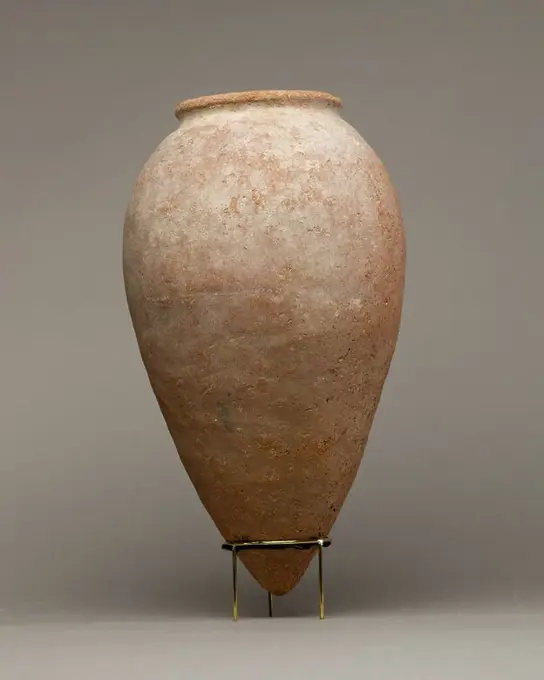
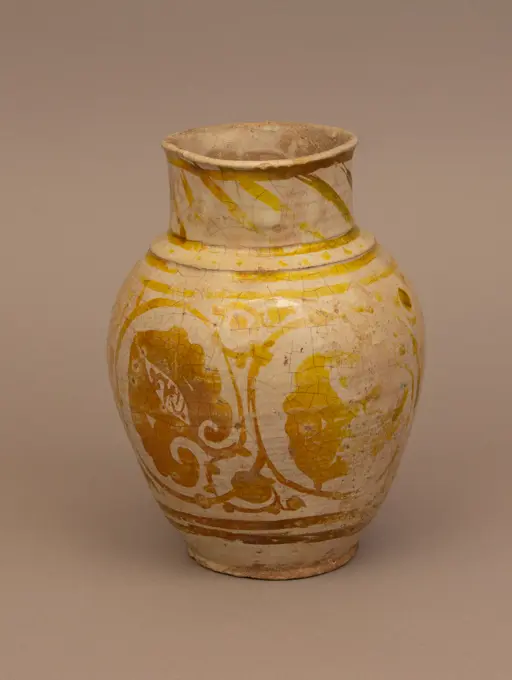
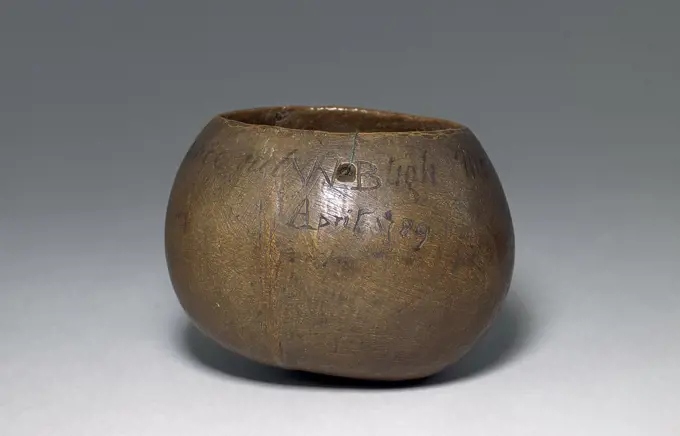
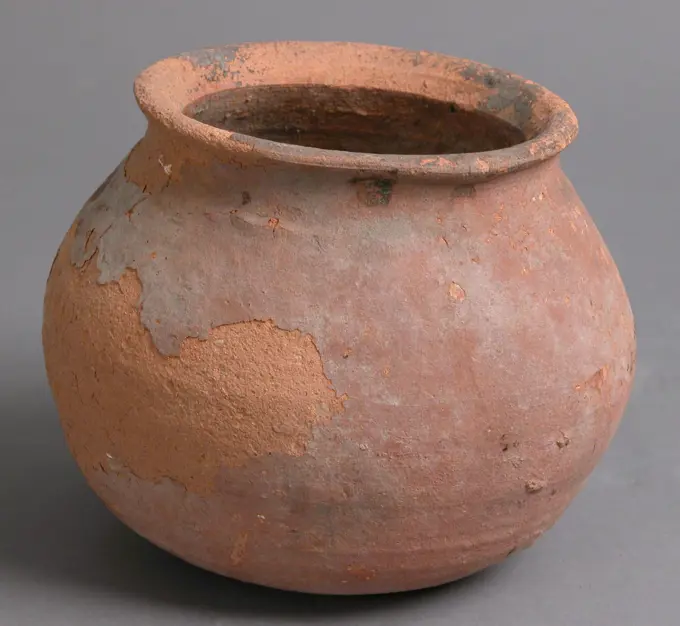
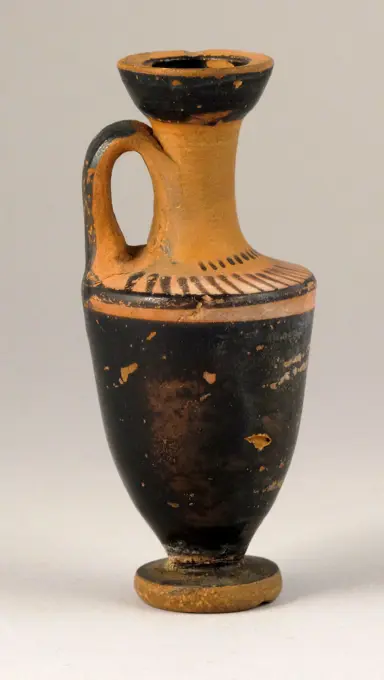
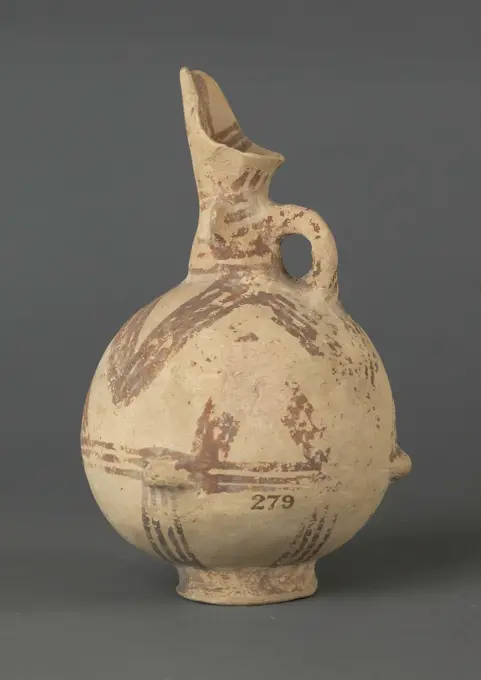
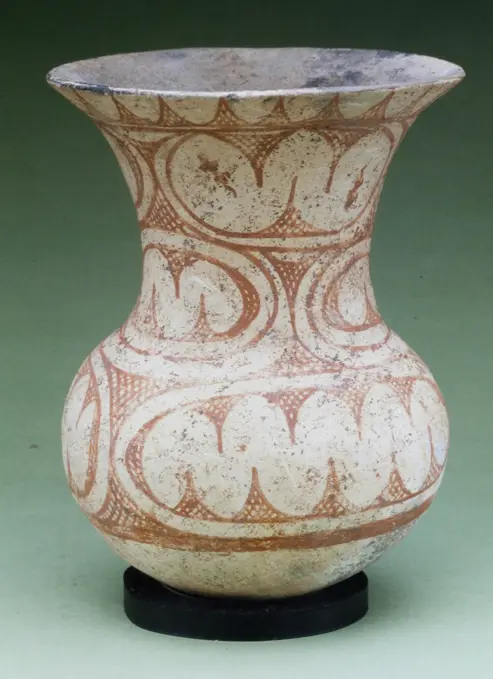
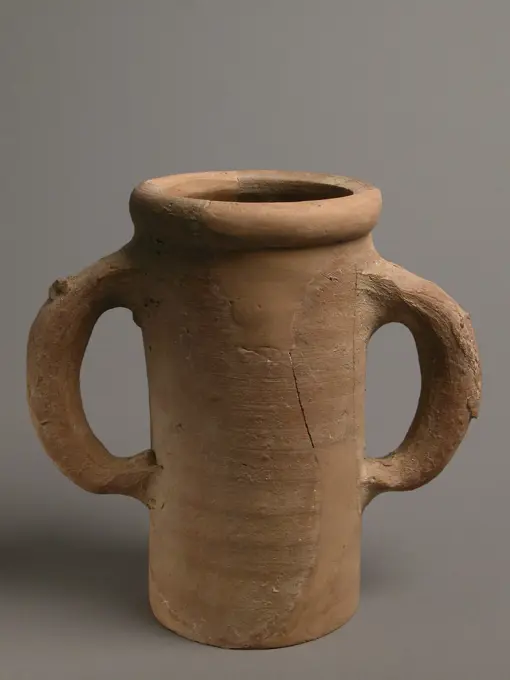
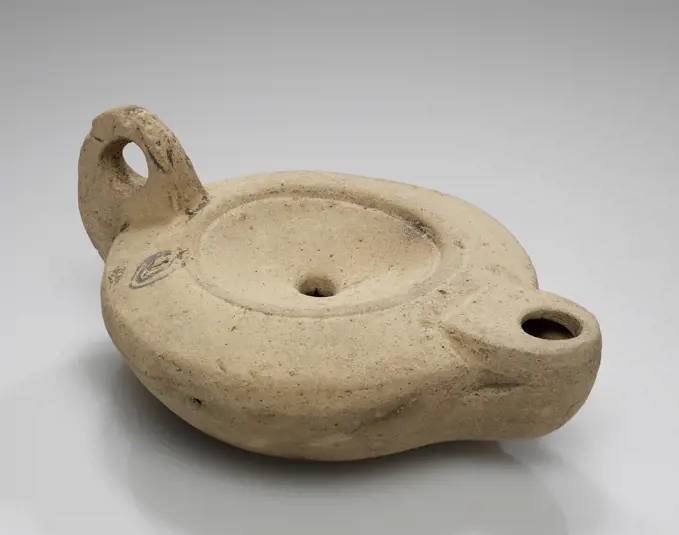
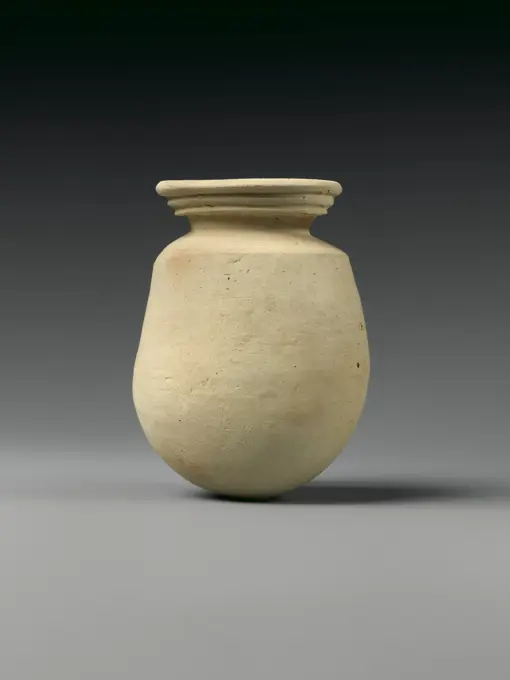
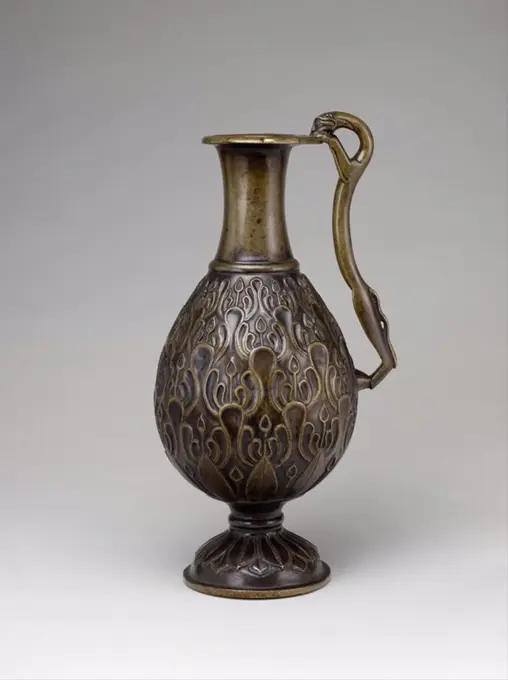
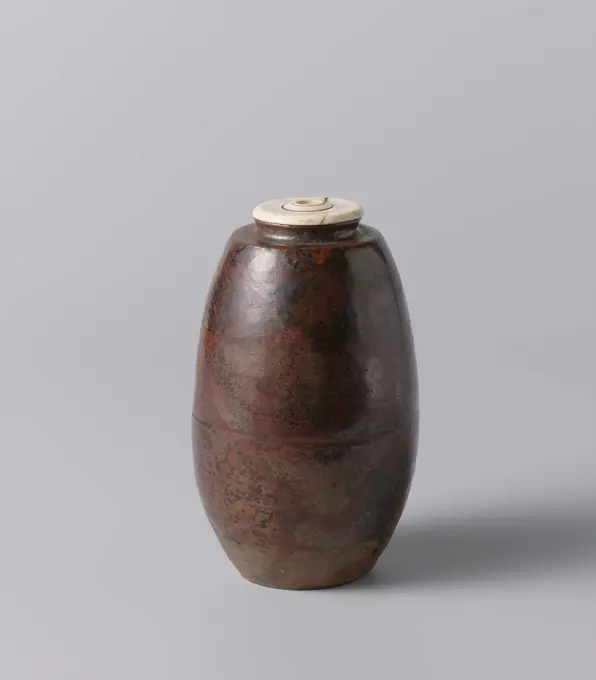
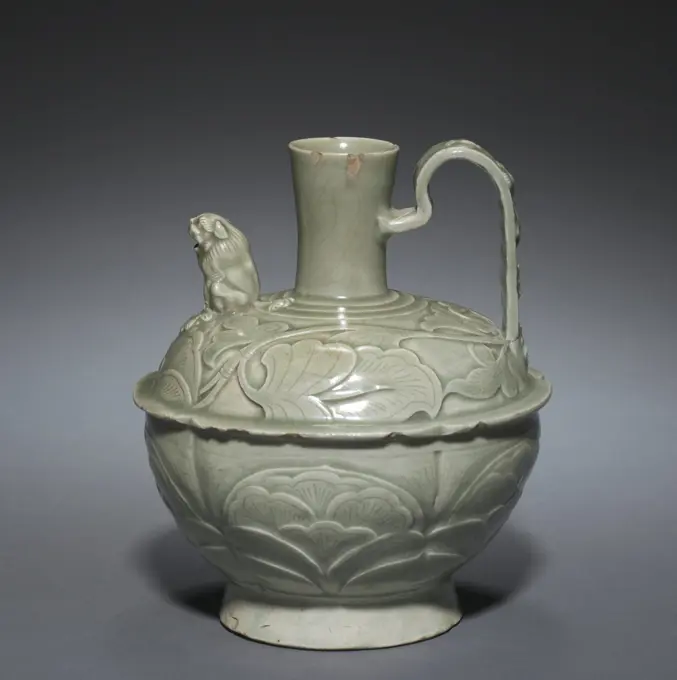
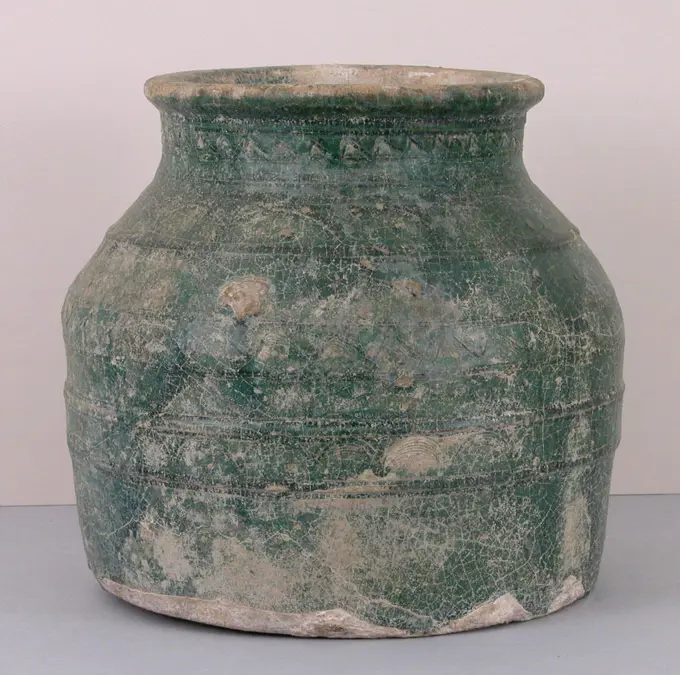
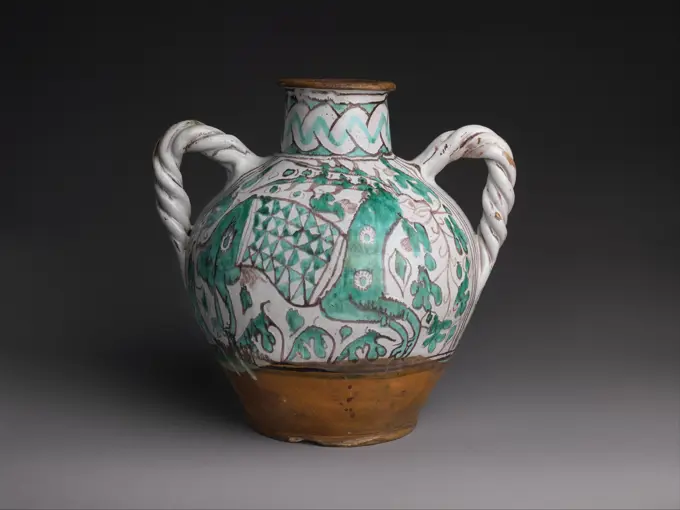
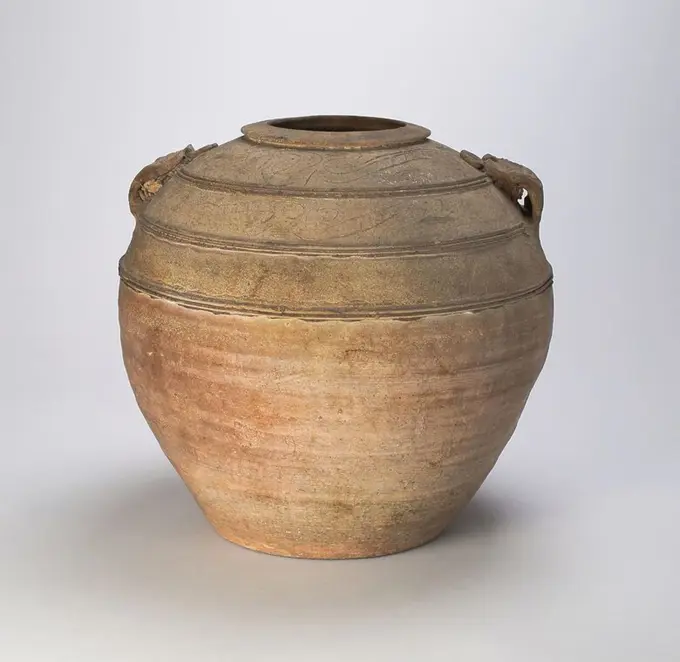
Buire and son accountant. "Grès, coiler coverated; bois. China, dynastie des tang (618-907). Parases Cernuschi. Chinese art, bun, Chinese ceramic, tang, gres, base, terracotta dynastyJar ". Porcelain sandstone, transparent covered. China, Tang dynasty (618-907). Paris, Cernuschi museum. Chinese art, container, tang dynasty, oval form, jar, Chinese porcelain, container, terracottaRough ware jar ca. 2960-2770 B.C. Early Dynastic Period. Rough ware jar. ca. 2960-2770 B.C.. Pottery. Early Dynastic Period. From Egypt, Northern Upper Egypt, Abydos, Osiris Temple precinct, Tomb M12, Egypt Exploration Fund excavations, 1902. Dynasty 1Ovoid jar. Terracotta, Vietnam, 10th-12th century. Provenance: Vietnam. Paris, Cernuschi museum. 78605-7 Archeology, Vietnamese art, jar ovow, container, terracotta, archeological vestige, XEME X 10th 10th 10th century, XIIIEM XIIII 13th 13th 13th 13Earthenware grape or cooking pot, misbaksel, grape cooking pot tableware holder kitchen utensils earthenware ceramics earthenware glaze lead glaze, hand-turned glazed fried Cooking jug or grape. Cooking pot on three legs Convex belly. On the shoulder rotations. Funnel-shaped neck Standing sausage ear Restorations have been repainted. Accidental Misbaked archeology Rotterdam City triangle Groenendaal underground pit cooking food preparation craft pottery potter underground pit Groenendaal Rotterdam 225 mtr. ± 3 mtr N..P.Glass jar. Culture: Roman. Dimensions: H.: 3 3/4 in. (9.5 cm)Diam.: 2 3/4 in. (7 cm). Date: 3rd-4th century A.D..Translucent streaky yellow green; trails in same color.Rim folded out, round, and in; broad neck, tapering downwards; globular body; kick in bottom with pontil scar.Trails applied to bottom and drawn up across body forming nine irregular vertical loops; another trail applied below rim and wound down in a spiral five times, ending over tops of loops.Intact; many bubbles and some inclusions; dulling, iridescence, and slight weathering on exterior, patches of encrustation and brown weathering with iridescence on interior.Yellow, with horizontal threads on neck and shoulder and vertical loops on body. Museum: Metropolitan Museum of Art, New York, USA.Naczynie baniaste. nieznany warsztat północno mezopotamski (ca 2600-ca 2350 a.C.), workshopJug (Bartmann jug) with a roundel in a medallion, anonymous, c. 1625 - c. 1749 Jug (beard fancier) of stoneware on the standing surface with a spherical abdomen and narrow neck. The C-shaped ear is attached to the neck and shoulder. Profiles on the neck. Covered with a brown Engobe. In relief on the abdomen a printed and imposed medallion with a rosette. On the neck, continuously on the shoulder, a bearded man. Frechten. Cheek stoneware. glaze. engobe vitrification Jug (beard fancier) of stoneware on the standing surface with a spherical abdomen and narrow neck. The C-shaped ear is attached to the neck and shoulder. Profiles on the neck. Covered with a brown Engobe. In relief on the abdomen a printed and imposed medallion with a rosette. On the neck, continuously on the shoulder, a bearded man. Frechten. Cheek stoneware. glaze. engobe vitrificationBlack - glazed Bottle. Korea, Goryeo dynasty (918-1392), 12th-14th century. Furnishings; Accessories. Wheel-thrown stoneware with iron slip and celadon glazePottery chamber pot, easy to use, with curved bottom, funnel neck and standing ear, pot holder sanitary earthenware ceramic earthenware glaze lead glaze, hand-turned glazed baked Pottery chamber pot red shard sparingly glazed Externally along the edge and on the half shoulder internally only under the neck opening Standing sausage stand with soul . Belly model with low tummy tapered neck with small neck opening archeology indigenous pottery drains night sleeping room hygieneOinochoe ca. 1050-900 B.C. Cypriot Horizontal bands, no foot.. Oinochoe. Cypriot. ca. 1050-900 B.C.. Terracotta. Iron Age. VasesDark brown stoneware jug be pinched, jug crockery holder soil find ceramic stoneware clay engobe glaze salt glaze, hand turned glazed fried Stoneware jug gray shard brown loam glaze and salt glaze bandoor rings and pinched foot archeology import pottery serve serve serve drinkGlass jug. Culture: Roman. Dimensions: 5 9/16 in. (14.2 cm)Other: 2 5/8 in. (6.7 cm)Diam. of rim: 1 5/16 in. (3.4 cm)Diam. of foot: 1 3/4 in. (4.4 cm). Date: 2nd-3rd century A.D..Translucent pale blue-green; handle in same color.Rim folded out, over, and in, with beveled inner edge on flaring mouth; broad, funnel-shaped neck, with slight indent at base; elongated piriform body, tooled in to form integral pad base; flat bottom but with uneven indent off-center; strap handle applied as three large claws to top of body, drawn up and out, turned in at sharp angle, and trailed on to top of neck and underside of rim.Intact, but cracks in body; many pinprick bubbles and some blowing striations; pitting, dulling, and milky weathering with iridesence. Museum: Metropolitan Museum of Art, New York, USA.Pottery pot on stand, baluster shape, used in the sugar industry, sugar bowl pot holder soil find ceramic earthenware glaze lead glaze, hand turned glazed baked Pottery pot on stand. Baluster shape with round shoulder and narrow neck opening. Thick neck edge protruding. Blurred turnings. Red shard internal glazed Here sugar cones were made archeology indigenous earthenware sugar confectionery sugar industryGray stoneware jug, with pivoting rings around neck and belly, pinched foot, jug crockery holder soil find ceramic stoneware, hand-turned baked Stoneware jug gray shard unglazed bandor fine turns around the neck rib around the middle of the belly revolving around lower half of the belly pinched foot. Belly model with almost cylindrical neck archeology import pottery serving serve drinking wine beerJar. Potter: Dave Drake, probably 1801-ca. 1878  Subject: Lewis J. Miles Pottery, ca. 1850-1879PELIKE;  Hellenistic period (-323-00-00--30-00-00);BottleGlobular jar with small right collar ". Terracotta. Vietnam-Xe-Xive s. Paris, Cernuschi museum. 72361-17 Globular jaree, Vietnamese object, small right collar, terracottaAmphora. UnknownGlass jar ca. 2nd-3rd century A.D. Roman Translucent blue green.Solid collared rim, folded down, round, and up, with downward sloping beveled outer edge and rounded upper lip; outsplayed mouth; short, concave neck; shoulder curving out to join bulbous body; slightly concave bottom.Intact, except for small chip in rim; some pinprick bubbles; dulling and slight pitting on exterior, large patches of limy brown weathering and brilliant iridescence on interior.. Glass jar 245277Rough ware jar Early Dynastic Period ca. 2960-2770 B.C. View more. Rough ware jar. ca. 2960-2770 B.C.. Pottery. Early Dynastic Period. From Egypt, Northern Upper Egypt, Abydos, Osiris Temple precinct, Tomb M12, Egypt Exploration Fund excavations, 1902. Dynasty 1Jarre ". Glès à coouns bandedy words. Didastia song / yuan. Paris, museum meat. Chinese art, Chinese ceramic, covered Celadon, Song dynasty, yuan dynasty, extended form, gres, jarrePot 4th-7th century Coptic. Pot 476295Pottery chamber pot, ease of use with curved bottom, wide neck opening, standing ear, pot holder sanitary earthenware ceramics earthenware glaze lead glaze, hand-turned glazed baked Pottery chamber pot with curved bottom red shard largely glazed Internal completely externally to the shoulder glazed. Belly model with short neck and wide neck opening. Outstanding and slanted top edge with lid groove. Standing sausage ear slightly above the edge excellent archeology indigenous pottery drains night sleeping room hygieneJar ca. 9th century B.C. Iran. Jar 325277Stoneware jug with sausage ear, brown glazed, marked with stamp 2, jug holder soil find ceramic stoneware glaze salt glaze, hand-turned baked glazed Large stoneware jug light-gray shard with dark-red-brown salt-glaze profile rings under the mouth rim profiled sausage ear with short pointed tails traces on the underside. Marked on the shoulder with radstempel On the shoulder: 2 (size of the jug) archeology import pottery transport store store cellar warehouseTerracotta jug. Greek civilization.Two-Handled Jar, 2000 BCE, 5-7/16 x 4-7/16 x 4-7/16 in. (13.8 x 11.3 x 11.3 cm), Pottery, pigment, China, 20th century BCEJug with a coat of arms and oak scrolls, anonymous, c. 1530 - c. 1560 Can be made of stoneware on the stand ring with a spherical body and wide, slightly spreading neck. The C-shaped ear is attached to the neck and shoulder. Profiles on the neck and the foot. Covered with a brown Engobe. On the abdomen in relief a printed and imposed weapon between oak skins. Cologne. Cologne stoneware. glaze. engobe vitrification Can be made of stoneware on the stand ring with a spherical body and wide, slightly spreading neck. The C-shaped ear is attached to the neck and shoulder. Profiles on the neck and the foot. Covered with a brown Engobe. On the abdomen in relief a printed and imposed weapon between oak skins. Cologne. Cologne stoneware. glaze. engobe vitrificationFOREIGN OLDJug 600-480 B.C. Cypriot Handle-ridge just with flat lip; red bucchero.. Jug. Cypriot. 600-480 B.C.. Terracotta. Cypro-Archaic II. VasesGlass perfume bottle. Culture: Roman. Dimensions: 1 7/16 x 1/2in. (3.6 x 1.3cm)Diam. of rim: 9/16 in. (1.4 cm). Date: 1st century A.D..Miniature perfume bottleTranslucent pale purple.Rim folded out, over, and in, flattened on top; long, slightly funnel-shaped neck, tooled in around base; conical body with convex sides; flattened bottom, concave at center.Intact; few bubbles; patches of dulling and iridescent weathering.Stands insecurely on bottom; the flattened rim allows for it to be stood securely upside down. Museum: Metropolitan Museum of Art, New York, USA.Vase China. Vase. China. Porcelain with robin's-egg glaze. Qing dynasty (1644-1911), Qianlong period (1736-95). CeramicsBottle. Culture: China. Dimensions: H. 11 1/4 in. (28.6 cm); Diam. 6 in. (15.2 cm); Diam. of rim 2 7/8 in. (7.3 cm); Diam. of foot 3 1/8 in. (7.9 cm). Date: late 6th-early 7th century.Produced during the flowering of ceramic traditions in north China in the sixth century, this elegant bottle illustrates the northern adoption, and adaptation, of the southern celadon tradition. Museum: Metropolitan Museum of Art, New York, USA.Jar in the Shape of a Fruit, 1100s. Cambodia, Northeast Thai kiln, Khmer Ware, Angkor Wat/Bayon period, 12th century. Glazed pottery with brown slip; diameter: 15.2 cm (6 in.); overall: 24 cm (9 7/16 in.).Ewer with Protruding Lip 8th century A common feature of ewers made in the early Islamic period is the highly abstracted animal heads at each end of the handle. The protruding horizontal lip is also reminiscent of animal morphology and appears on ewers depicted on post-Sasanian silver plates. Although perhaps not as visually spectacular as similarly shaped late antique silver vessels, bronze ewers such as these had significant material value in their own right as hefty pieces of worked metal.. Ewer with Protruding Lip. 8th century. Bronze; cast. Attributed to Iran. MetalVase 19th century China. Vase 40603Jug, ca. A.D.200-400, Ceramic, 32.385 × 22.86 cm (12 3/4 × 9in.), Tunisian,Roman, Roman, Containers -CeramicsJar with Loop Handle with Overall Impressed Surface Decoration, AD 200s-300s. Korea, Baekje kingdom (18 BC-660). Earthenware; overall: 34 x 24 cm (13 3/8 x 9 7/16 in.).Pottery jug, on stand, standing ear, rotating bells, water jug crockery holder soil find ceramic earthenware glaze lead glaze, hand-turned glazed baked Pottery jug cover red shard entirely covered with lead glaze standing sausage ear turnaround rake largely unglazed. Spherical shape gradually narrowing towards the foot Cylindrical neck with protruding upper edge archeology Rotterdam Delfshaven Lage Erf indigenous pottery serving serving water drinking table Soil discovery: Lage Erf Delfshaven.Pottery belly model ointment jar, red shard, fully glazed, ointment jar pot holder soil find ceramic earthenware glaze lead glaze, hand turned glazed baked Pottery ointment red shard fully glazed. Abdomen model narrowing above the foot. No accented top edge. Stand surface coarse finished archeology health care indigenous pottery import pharmacy store sell craftLamp. UnknownPottery room comfort on curved floor, rather slim model with distorted upper edge, pot holder sanitary soil find ceramic earthenware glaze lead glaze, hand-turned glazed earthenware pottery on vaulted bottom. Red shard and sparingly glazed Straight neckline and outstanding upper edge with lid slot wavy and oval upper edge Standing sausage ear Pretty slim model with large neck opening. Thick layer of caked material on the inside typical of chamber pot archeology Geervliet Bernisse indigenous pottery drains night room sleeping hygiene toilet Soil discovery: Geervliet cesspool 1 top layer demolition Trouw.Rough ware jar ca. 2960-2770 B.C. Early Dynastic Period. Rough ware jar. ca. 2960-2770 B.C.. Pottery. Early Dynastic Period. From Egypt, Northern Upper Egypt, Abydos, Osiris Temple precinct, Tomb M12, Egypt Exploration Fund excavations, 1902. Dynasty 1Bottle 5th-3rd century B.C. Paracas. Bottle 308305Jar. Date: ca. 3850-2960 B.C.. Museum: Metropolitan Museum of Art, New York, USA.Pottery grape on three legs, low and wide model with wide neck opening, two sausage ears, grape cooking pot crockery holder kitchenware earthenware ceramics earthenware glaze lead glaze, hand-turned glazed baked Pottery grape on three legs Low and wide model with wide neck opening Red shard fully glazed except the bottom of the bottom. One groove around the belly as decoration. Two thick standing sausage ears Angled top edge profiled along the outside archeology Landpoortstraat Geervliet Bernisse indigenous pottery cooking kitchen nutrition food preparation Soil discovery: Geervliet waste pit barn Landpoortstraat 1 September 1983.Vase late 11th-early 12th century. Vase. late 11th-early 12th century. Earthenware; glazed and luster-painted. From Egypt, Fustat. CeramicsLarge CupThe Mutiny on the Bounty Lieutenant William Bligh's Coconut Cup from the Voyage in the Ship's Boat from Tofoa to Timor, Tuesday 28 April 1789 - Sunday 14 June 1789 Antiques-Misc. Glass bottle ca. 2nd-3rd century A.D. Roman Translucent pale blue green.Everted rim, folded round and into mouth; cylindrical neck, expanding downwards and joining imperceptibly with low conical body with slightly convex sides, then sharp inward curve to small bottom with kick.Intact; bubbles and blowing striations; dulling, slight pitting, iridescence, and small patches of soil encrustation and weathering on exterior, thick soil encrustation, weathering, and brilliant iridescence on interior.. Glass bottle 245280Pot 4th-7th century Coptic. Pot 476279Pottery saucepan on three legs, with pouring spout and slanted, scalloped handle, saucepan cooking pot crockery holder kitchenware soil find ceramic earthenware glaze lead glaze, hand turned molded glazed baked saucepan of red earthenware internally glazed pouring spout stem three legs and base of plaster turnings Slanted upward handle with scalloped end Receding upper edge archeology Valckensteyn Poortugaal Albrandswaard indigenous pottery cooking kitchen preparing food Soil discovery: canal at kitchen castle Valckensteyn at Poortugaal now Albrandswaard 1961.Amphora, ca. 1050-1000 B.C., Terracotta, 38.7 × 26 cm (15 1/4 × 10 1/4in.), Greek,Protogeometric, Protogeometric, Containers -CeramicsJug 15th-16th century French. Jug. French. 15th-16th century. Earthenware. CeramicsJar, ball-shaped, with medallions. Jug of stoneware, partly colored brown. The bullet-shaped belly is decorated with 3 oval medallions with the figure of Lucretia within Floris ornament; 4 masks in between.Lekythos 5th century B.C. Greek, Attic. Lekythos. Greek, Attic. 5th century B.C.. Terracotta; black-glaze. Classical. VasesGlass jar 3rd-4th century A.D. Roman Translucent yellow green.Tubular rim folded out, over, and in, with projecting lip on one side; funnel-shaped neck; sloping shoulder; small, bulbous body; thick bottom with kick and pontil scar.On body, five oval indents arranged around side, and one shallower, double indent.Intact; pinprick and larger bubbles; limy encrustation, weathering, dulling, and iridescence.. Glass jar 245362BottleJug ca. 3200-1050 B.C. Cypriot One-handled with pinched lip and groups of zigzag lines.. Jug. Cypriot. ca. 3200-1050 B.C.. Terracotta. Bronze Age. VasesTerracotta oinochoe (jug). Culture: Greek, Corinthian. Dimensions: H. with handle 15 11/16 in. (39.9 cm)H. without handle 13 11/16 in. (34.8 cm). Date: ca. 590-570 B.C..Three friezes with animals. Museum: Metropolitan Museum of Art, New York, USA.Jug, 3rd century A.D., Free-blown glass with a trailed handle, 13.5 × 5.6 cm (5 5/16 × 2 3/16in.), Roman, EasternMediterranean, Roman, Containers -GlassStorage Jar, c. 3000 BCE, 9 x 7 3/8 in. (22.86 x 18.73 cm), Ban Chieng ware Earthenware with red decor on white slip, Thailand, 31st-30th century BCEBowl Late Period 664-332 B.C. View more. Bowl. 664-332 B.C.. Pottery. Late Period. From Egypt, Upper Egypt, Thebes, Deir el-Bahri, Senenmut Quarry, Embalmers' Cache, MMA excavations, 1927-28. Dynasty 25-30Cup, fragmentary. Culture: East Greek/Sardis, Lydian. Dimensions: 3 7/8in. (9.9cm).Concentric half-circles. Museum: Metropolitan Museum of Art, New York, USA.Bell with a zoomorphic handle ca. 600-480 B.C. Cypriot Bell with an animal head as the handle.. Bell with a zoomorphic handle 240410Vessel with Two Handles 4th-7th century Coptic. Vessel with Two Handles 477742CandlestickUnguentariumCan with spout with two mouths, anonymous, 1325 - 1350 The object, which has been cast as a whole, is on three legs, which are feet feet. It has a convex somewhat flat stomach with a high neck. This is closed by a sharp outward sloping edge. The round spout from the abdomen has two mouths, which is vaguely reminiscent of animal heads due to a relief on top. At the point where the mouths come together is the round rod, which connects the spout with the neck of the Kan. In line with this, the handle is located on the other side of the Kan. This is attached to the hull on the abdomen and just under the edge of the neck. The handle has the shape of a circles segment. It is relatively wide but small in thickness. Northern Netherlands copper alloy. brass (alloy) casting  Haarlemmermeer The object, which has been cast as a whole, is on three legs, which are feet feet. It has a convex somewhat flat stomach with a high neck. This is closed by a sharp outward sloping edge. The round spout from tLamp, North Africa; 1st - 4th century; Terracotta; 2.7 x 8 x 11 cm (1 1,16 x 3 1,8 x 4 5,16 in.)Pre-Columbian art. Pre-Incan. Guangala Culture.300/200 a 700/800 DC. Veramic vessel. 8 x 8 x 10,5 cm (diameter). From Ecuador. Private collection.Pottery cooking jug, grape model with sausage ear and broken legs, grape cooking pot crockery holder kitchen utensils earthenware ceramics earthenware glaze lead glaze, hand turned glazed baked Pottery cooking jug grape-model. Double conical belly with high funnel-shaped upper edge Standing sausage ear. Rotations on the shoulder Red shard sparingly glazed only on the shoulder and further single glaze spatter. Heavy to the bottom. Three broken legs archeology Poortugaal Albrandswaard indigenous pottery cooking kitchen food preparation nutrition Soil discovery: Poortugaal.Jug 4th-7th century Coptic. Jug 476282Oinochoe;  4th century (301-00-00-400-00-00);FOREIGN OLDJARRITO DE LOZA DORADA-ALMOHADE S XII-XIII. Location: MUSEO DE ARTE. CIUDAD REAL. SPAIN.Gray stoneware jug, belly-shaped, on pinched stand, with ear, jug crockery holder soil find ceramic stoneware glaze salt glaze, hand turned baked glazed Bottom-belly-shoulder-neck fragment of white-gray stoneware Siegburg jug Squeeze foot Fully with rings and dents in lower part of body. Gray glazed rusty speckles and orange-brown spots on foot. Cylindrical neck archeology Rotterdam Stadscentrum Stadsdriehoek Groenendaal underground pit indigenous pottery serving drink serving Soil discovery: underground pit Rotterdam Groenendaal found find 1975-09-22.Jug (Bartmann jug) with speckled orbs, anonymous, c. 1540 - c. 1560 Jug (beard fancier bush) of stoneware on the standing surface with a spherical body and narrow neck. The C-shaped ear is attached to the neck and shoulder. Profiles on the neck. Covered with a brown Engobe. The belly is covered with small printed and imposed, dotted balls in relief. On the neck, continuously on the shoulder, a bearded man. Attached to the ear a pewter frame with lid. Cologne. Cologne Stoneware. Glaze. Engobe. frame: tin (metal) vitrification Jug (beard fancier bush) of stoneware on the standing surface with a spherical body and narrow neck. The C-shaped ear is attached to the neck and shoulder. Profiles on the neck. Covered with a brown Engobe. The belly is covered with small printed and imposed, dotted balls in relief. On the neck, continuously on the shoulder, a bearded man. Attached to the ear a pewter frame with lid. Cologne. Cologne Stoneware. Glaze. Engobe. frame: tin (metal) vitrificationJar. Terracotta, Vietnam, 10th-12th century. Provenance: Vietnam. Paris, Cernuschi museum. 78605-11 Archeology, Vietnamese art, jar, container, terracotta, archeological vestige, XEME X 10th 10th 10th century, 13th XIIII 13th 13th 13th 13Electrum vase with lid. Culture: Anatolian. Dimensions: H. with lid 9 1/16 in. (23 cm). Date: ca. 2300-2000 B.C..This vase, along with 1989.281.46-.48 are said to have been found together, are best paralleled by pieces found by Heinrich Schliemann at Troy in a stratigraphic level know as Troy II. The wealth of jewelry and objects from the latest phase, Troy IIg, led Schliemann to believe that he had found the city described by Homer. In reality, this material is datable to about a thousand years before the Trojan War. Museum: Metropolitan Museum of Art, New York, USA.Gourd-shaped Sake Bottle. Japan, Edo period, 1615-1868, 19th century. Ceramics. Ōbori Sōma ware; stoneware with iron and nakoso glazesPottery cooking jug, grape-model, red shard, glazed, bandoor, shank, on three legs, cooking jug be found in the earthenware ceramic earthenware glaze lead glaze, hand-turned glazed baked Pottery cooking jug grape-model red shard inside and part shoulder covered with lead glaze topped pinched blade three paws traces on the underside archeology native pottery food prepare cooking food cuisineJUGUETE ROMANO-AJUAR MUÑECA-NECROPOLIS PALENCIA:CERAMICA. Location: MUSEO ARQUEOLOGICO NACIONAL-COLECCION. MADRID. SPAIN.Vase. Dimensions: H. 9 in. (22.9 cm). Date: 17th-18th century.Objects like this vase were typically displayed in open niches in reception rooms of upper-class Syrian residences during the Ottoman period. Museum: Metropolitan Museum of Art, New York, USA.Pitcher with twisted strap handle ca. 3800-3600 B.C.. Pitcher with twisted strap handle. ca. 3800-3600 B.C.. Ceramic. Middle Uruk. Mesopotamia, NippurJar ca. 2112-2004 B.C. Neo-Sumerian. Jar. Neo-Sumerian. ca. 2112-2004 B.C.. Ceramic. Ur III. Mesopotamia, NippurEwer with a Feline-Shaped Handle. Dimensions: Max. H. 19 1/8 in. (48.5 cm); Max. Diam. 8 1/4 in. (21.1 cm). Date: 7th century.This ewer demonstrates a continuation of Parthian and Sasanian forms during the early Islamic period in Iran. The lobed forms represent mountains and the vertical lines surmounted by budlike shapes are probably plants. Its overall composition and motifs demonstrate the transition from a figural style to a growing taste for rhythmic repeating patterns. The handle is shaped like an elongated cat peering at the heads of two birds depicted on the rim of the vessel, as though about to pounce. Museum: Metropolitan Museum of Art, New York, USA.Prehistory, Italy, Bronze Age. Castelluccio culture. Vase. From the necropolis of Narro, surroundings of Agrigento.. Dust tea bus or chair of stoneware with an ivory lid, partly covered with a light brown glaze. The lower part of the bus is unglazed. Old label on the bottom with 'W622'; Old label on the underside of the lid with 'Tomkinson Collection / 397'. Imonoko.. Stoneware dust tea bus with an ivory lid, partly covered with a brown glaze. The lower part of the bus is unglazed. Old label on the outer wall with 'bones coll / pottery no. 626'; Two old labels on the inside with 'Seto / 17th' And 'Toshiro (Ko-Seto) / Bones Coll No. 626 / Sale catalog no. 201'. Seto.Jug or 'Jacobakan', anonymous, c. 1450 - c. 1549 Ribbed, narrow Kan (Jacobakan) from stoneware on a corrugated foot with an egg -shaped body and long neck. The C-shaped ear is attached to the neck. The jug is decorated with turning virgins and a profile on the shoulder. Siegburg. Siegburg stoneware Ribbed, narrow Kan (Jacobakan) from stoneware on a corrugated foot with an egg -shaped body and long neck. The C-shaped ear is attached to the neck. The jug is decorated with turning virgins and a profile on the shoulder. Siegburg. Siegburg stonewareEwer with a Lion-shaped Spout, 900s-1000s. China, Shaanxi province, Tongchuan, Huangbaozhen, Five Dynasties period (907-960) or Northern Song dynasty (960-1126). Green-glazed porcelaneous stoneware with modeled, carved and incised decoration, Yaozhou ware; overall: 18.3 cm (7 3/16 in.).Jar 8th-9th century. Jar 448186. Bearded manner of stoneware with pewter lid. The bullet-shaped belly is decorated with printed rosettes. For a beard man with symmetrical beard on the neck.Two-Handled Jar with Stag ca. 1350 Italian Combining Eastern and Tuscan decorative motifs, this rare type of early Tuscan maiolica may have been used in a medieval pharmacy. Two-Handled Jar with Stag 466701Dish;  around 2686- 2181 BC ; Old state (-2686-00-00--2181-00-00);Globular Jar with Relief Cordons and Two Handles. China. Date: 99 BC-1 BC. Dimensions: H. 10 3/8 in. Stoneware with underglaze incised decoration and ash glaze. Origin: China. Museum: The Chicago Art Institute, Chicago, USA.Jug (Bartmann jug) with a roundel in medallions, anonymous, c. 1625 - c. 1749 Jug (beard fancier) of stoneware on the standing surface with a spherical abdomen and narrow neck. The C-shaped ear is attached to the neck and shoulder. Profiles on the neck. In relief on the abdomen three times a printed and imposed medallion with a rosette. On the neck, continuously on the shoulder, a bearded man. Attached to the ear a pewter frame with lid. Frechten. Cheek Stoneware. Glaze. frame: tin (metal) vitrification Jug (beard fancier) of stoneware on the standing surface with a spherical abdomen and narrow neck. The C-shaped ear is attached to the neck and shoulder. Profiles on the neck. In relief on the abdomen three times a printed and imposed medallion with a rosette. On the neck, continuously on the shoulder, a bearded man. Attached to the ear a pewter frame with lid. Frechten. Cheek Stoneware. Glaze. frame: tin (metal) vitrificationAmphora; Unknown Nubian workshop; 2. PO. IX-14th century (851-00-00-1500-00-00);Faras (Sudan), amphora, nubian ceramics, geometric decorations, rice decorations, crosses, nubian vessels, Polish excavations in Faras (Sudan)