Historical Coin Collection

Images of ancient coins, displaying historical significance, characterized by unique engravings and aged textures.

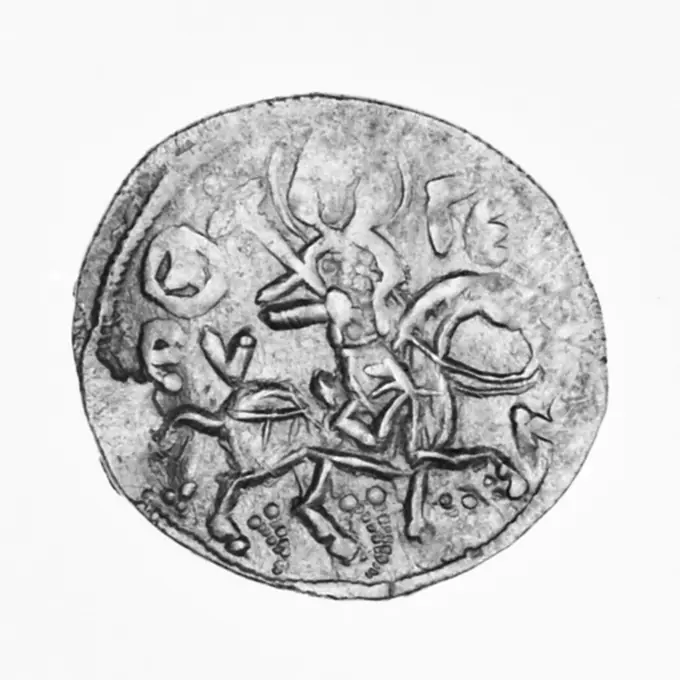
False Coin, Władysław Jagiełło (1386 1434), Kwartalnik Mały (Ternar); 1399/1400 unknown
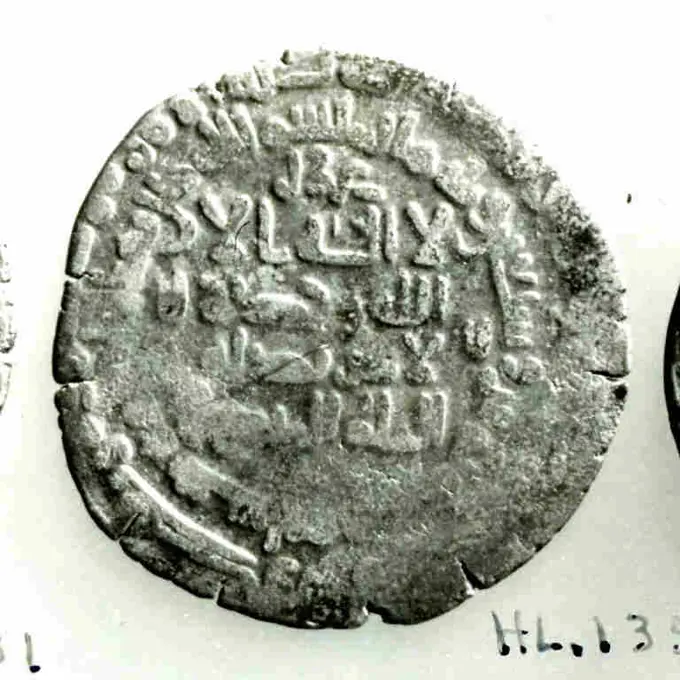
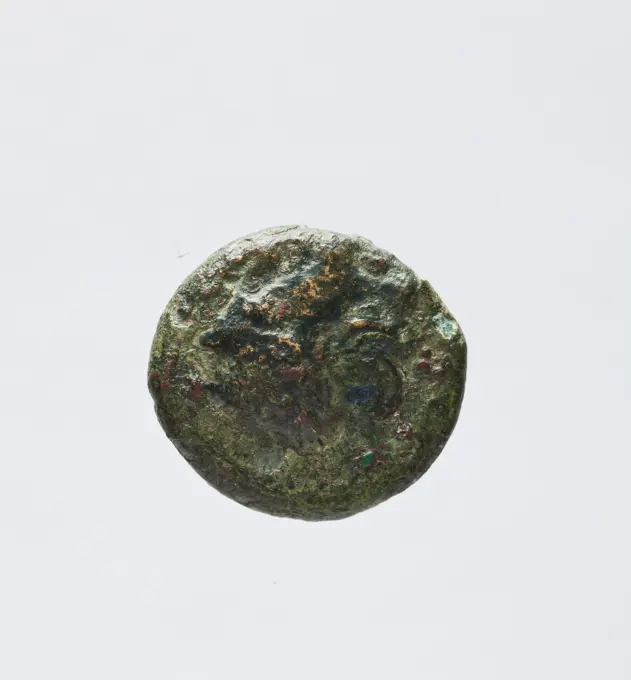
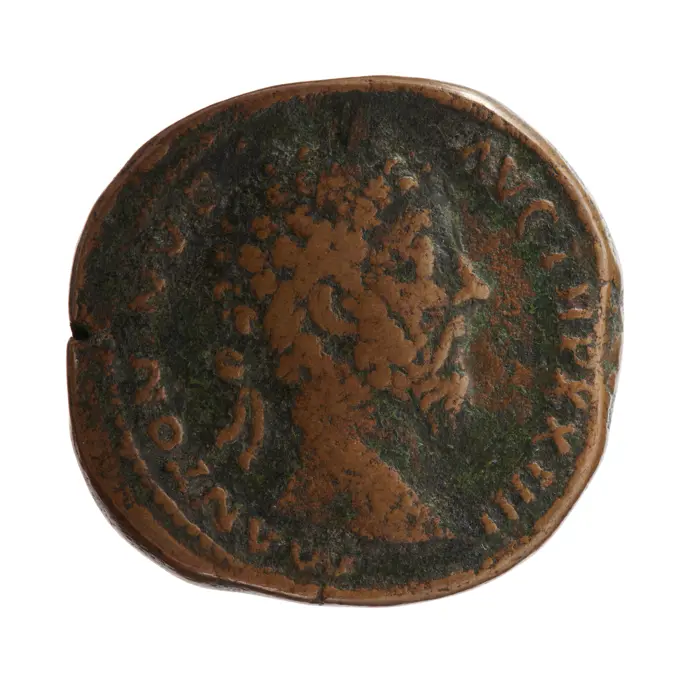
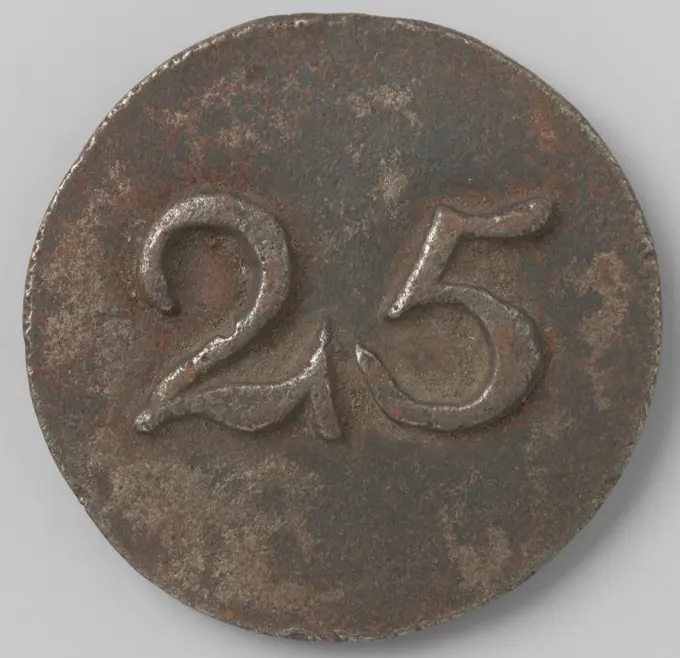
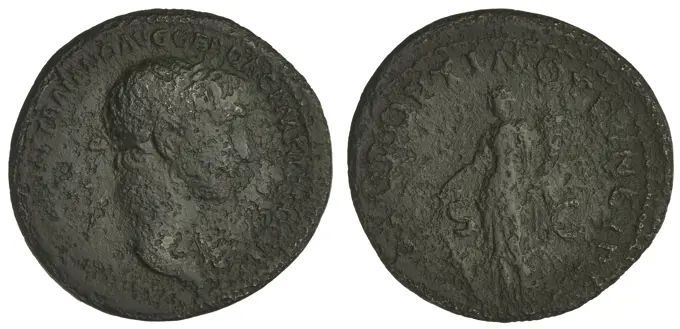
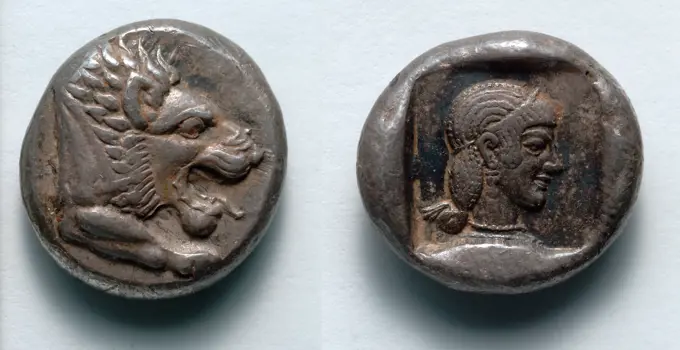
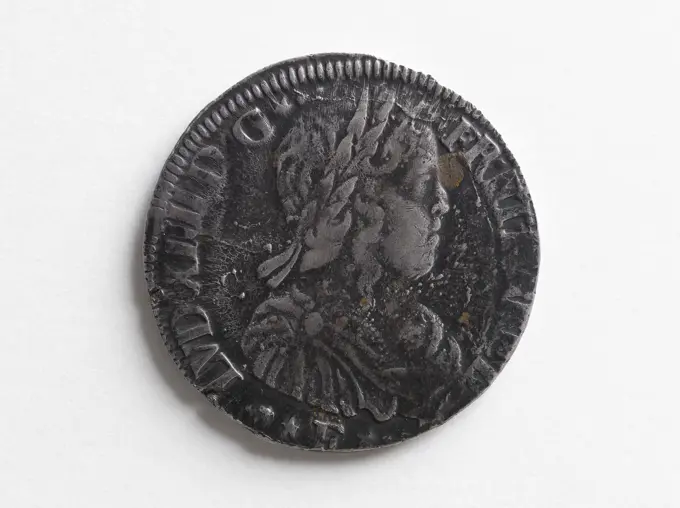
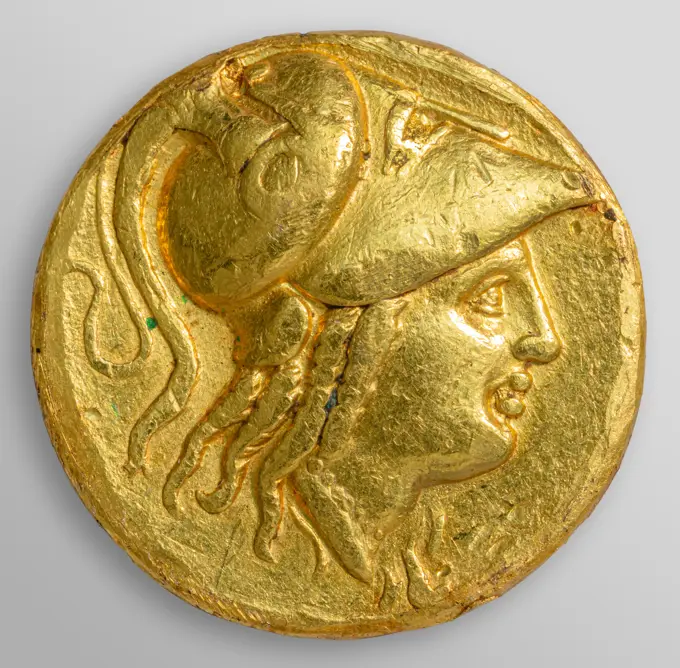
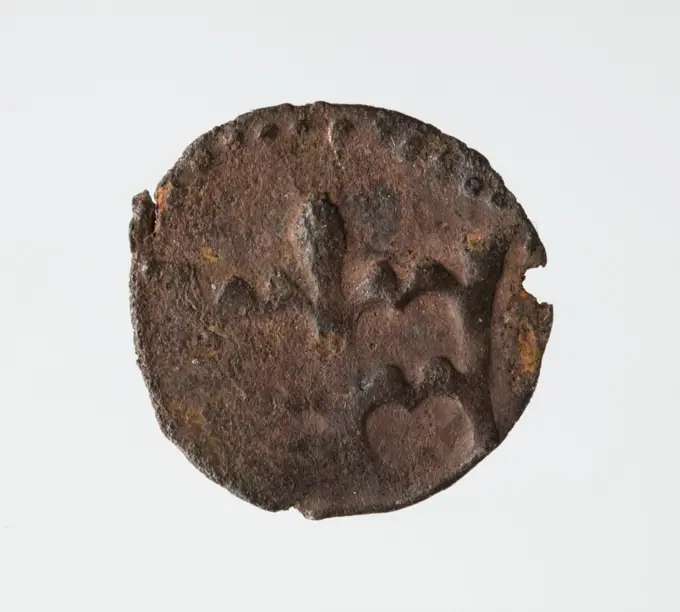
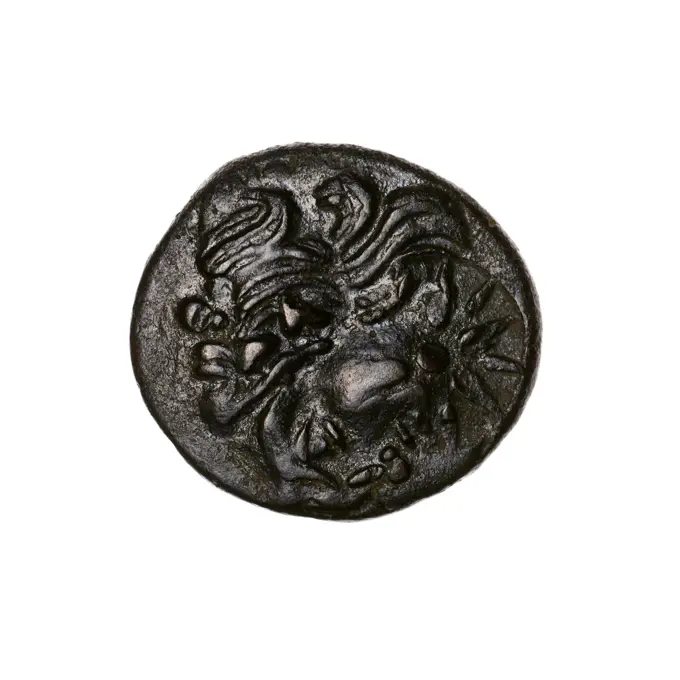
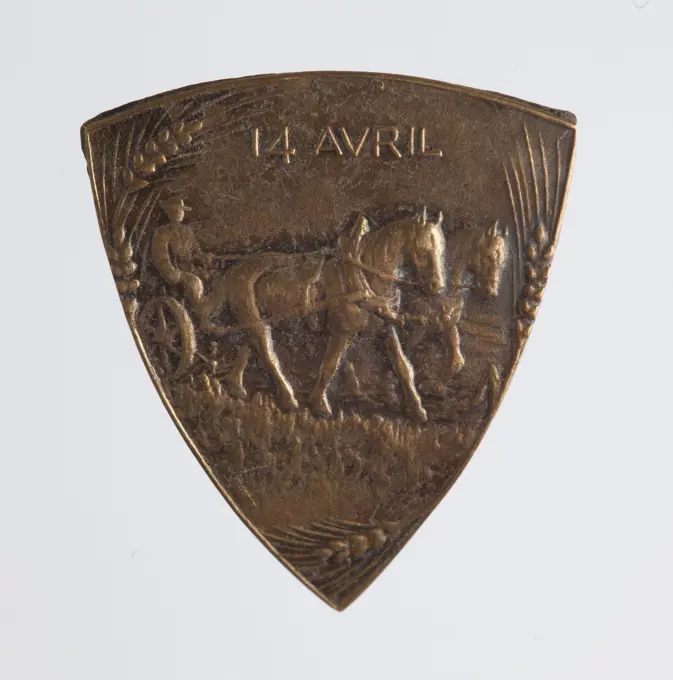
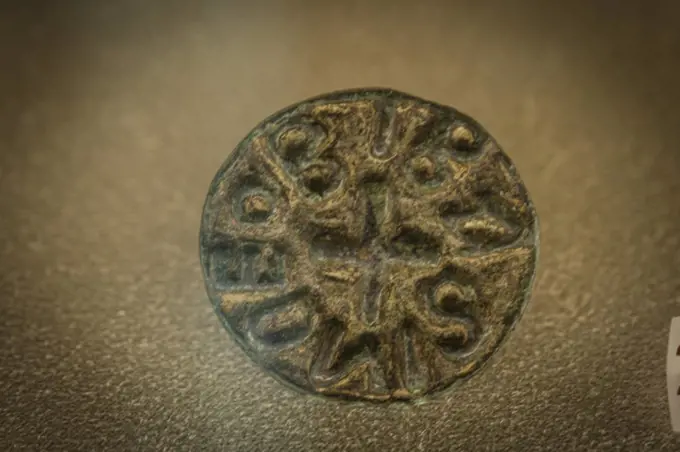
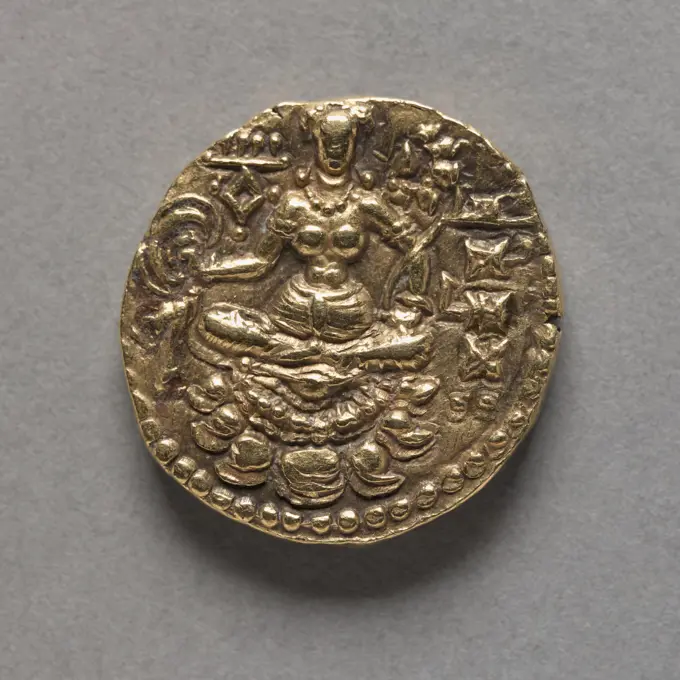
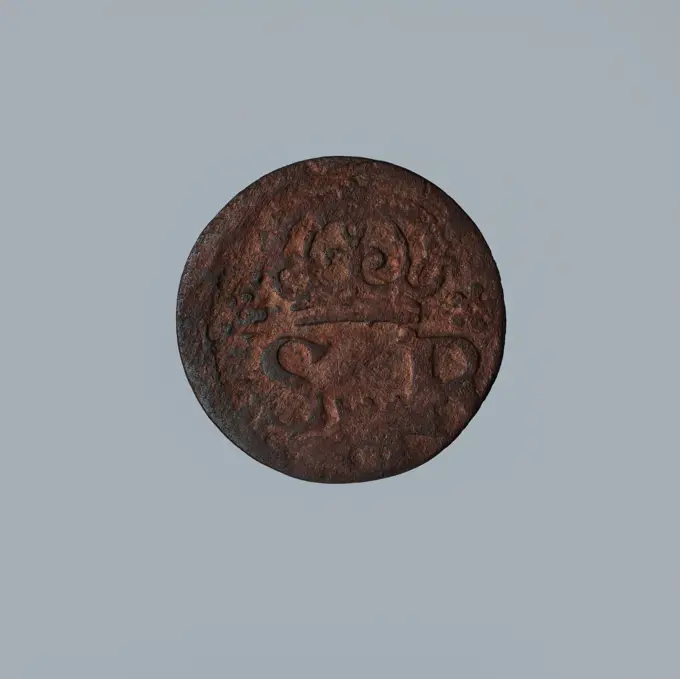
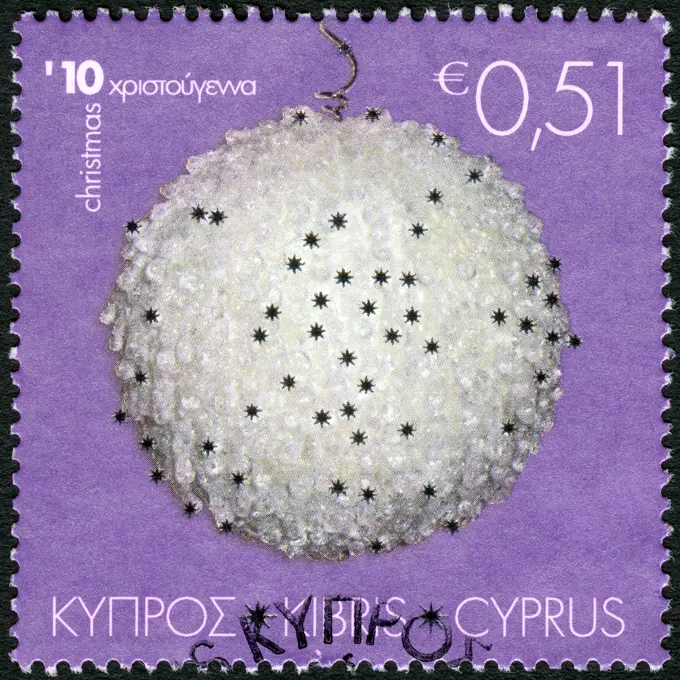
Carnavalet Museum, Medals CollectionFalse coin, crown shilIIng, John II Casimir (1649 1668)Coin dated A.H. 375/ A.D. 985. Coin 457161Roman Republic, half litra, Rome; ca 230 BC Rome mintSESTERC (counterfeit); Marek Aureliusz (121-180; Roman emperor 161-180); 169-170 (for the original) (151-00-00-151-00-00);Unattributed Trebizond Coin. UnknownCoin Depicting an Eagle. Greek. Date: 320 BC-250 BC. Dimensions: Diam. 1.3 cm; 2.30 g. Bronze. Origin: Ancient Greece. Museum: The Chicago Art Institute, Chicago, USA.Abruzzo Alba Fucens General views. Hutzel, Max 1960-1990 Roman republican veteran colony, castrum plan, 1st century BC forum, amphitheatre, various civic and religious buildings, architectural fragments, community fountain; German-born photographer and scholar Max Hutzel (1911-1988) photographed in Italy from the early 1960s until his death. The result of this project, referred to by Hutzel as Foto Arte Minore, is thorough documentation of art historical development in Italy up to the 18th century, including objects of the Etruscans and the Romans, as well as early Medieval, Romanesque, Gothic, Renaissance and Baroque monuments. Images are organized by geographic region in Italy, then by province, city, site complex and monument.sesterce; Antoninus Pius (86-161; Roman emperor 138-161), Faustina older (98-141; Roman Empress 138-141); after 141 (141-00-00-166-00-00);Commemoration of June 1848 days (dummy title) Commemoration of the days of June 1848. Copper Blanc, 1848.PRISON PRESENCIES OMMERSCHANS, house coin beaten at the society of beneficiality worth 25 cents. Front: letters o and S. downside: numeral 25Coin (tetradrachm) of Ephesos. Unknownsesterce; Antoninus Pius (86-161; Roman emperor 138-161); 148-149 (147-00-00-148-00-00);dupondius; Trajan (53-117; Roman emperor 98-117); 98-99 (98-00-00-98-00-00);Abundanty with a corner of abundance (iconogr.), Heads, radial crowns, and abundance hornsFalse coin, crown shilIIng, 1666, John II Casimir (1649 1668)Grahal-Manzara. Carnavalet 2013-2016 collection sites. Numismatics.as. Trajan (cesarz rzymski ; 98-117), emperorDrachm: Forepart of Lion (Obverse); Head of Aphrodite within incuse square (Reverse), 465-449 BC. Greece, Knidos (Caria). Silver; diameter: 1.6 cm (5/8 in.). The lion, king of the beasts and an animal associated with regal and heroic power, featured prominently on the coinage of many ancient Greek city-states. Artists placed the lion in a variety of poses, sometimes including the whole body, at other times the foreparts or just the head. Although it may once have roamed nearby, for many Greeks the lion was a monster nearly as exotic as the Chimaera, of which it formed a part, together with a goat head and snake-headed tail.Half-Ecu de B�arn at the long wick of Louis XIV, 1656 Anonymous. Half-Ecu de B�arn at the long wick of Louis XIV. Silver, 1656.Gold stater ca. 330-320 BC Greek, Macedon Alexander the Greats principal numismatic achievement was to put into circulation the huge mass of precious metals seized in the Achaemenid palaces when he conquered the Persian Empire. The booty he took, mainly from the great treasuries of Susa and Persepolis, represented the equivalent of 468 tons of gold or 4,580 tons of silver. In many cases, Alexander used the facilities of existing mints to issue his own coinage.. Gold stater. Greek, Macedon. ca. 330-320 BC. Gold. CoinsBliżej Kultury Władysław Warneńczyk (King of Poland, 1434 1444), Mint of Krakówdupondius. Trajan (cesarz rzymski ; 98-117), emperorStater. UnknownBrown coin; Pantikapaion; 1. PO. III century BC (-300-00-00--251-00-00);Nadczarzyorze, satir (mitol.), Terlecki, Ignacy (1860-1916), Terlecki, Ignacy (1860-1916)-collection, weapons (iconogr.), Goritos (weapons), twelve-pointed star (iconogr.), Stars, head Lion (iconogr.), Jesiotry, counterattacks (numism.), Lions, fish, arrows (weapons), armament (iconogr.), Purchase (provenance), animals, bow and arrow (iconogr.), Arch in Sajdak (iconogr .), Łuki (army)False coin, crown shilIIng, 1660, John II Casimir (1649 1668)Charlotte Angus, Pa German Butter Mold, c 1938 Pa. German Butter MoldPlanets-manager. Cornalet Collection Sites 2013-2016. Numismatic.Badge: 14 Avril / April 14 HugueninCalabria, Taras, diobol; 4th century BC Menna TarentNUMISMATICA. MONEDA HISPANO-CARTAGINESA. DISHEKEL DE PLATA. REVERSO. ELEFANTE A LA DERECHA, AL PASO, CON GUIA. 238 A.C. (DEPOSITO: MUSEO ARQUEOLOGICO NACIONAL).Medal; 1902-26-11False coin, IIthuanian shilIIng, 1666, John II Casimir (1649 1668)circular seal with cross relief, 5th century, Musei Vaticani, State of the Vatican City, Roma, Lazio, Italia.Coin with Figure of an Archer (reverse), c. AD 400. India, Chandragupta II, Gupta Period, late 4th-early 5th century. Gold; diameter: 1.9 cm (3/4 in.). The rulers of the Gupta dynasty unified northern India under native rule for the first time since the Maurya empire (323-185 bc). The Guptas named themselves after Chandragupta, the founder of the Maurya dynasty. This coin of Chandragupta II, who ruled from around ad 380 to 415, depicts a divine archer holding a bow and arrow. On the reverse is the Indian goddess of good fortune, Shri, seated on a lotus.The as. Bronze coin used during Roman Empire. Spanish-Roman minting. Back. Mint of the colony Augusta Emerita. National Museum of Roman Art. Merida, Spain. False coin, crown shilIIng, John II Casimir (1649 1668)False coin, crown shilIIng, John II Casimir (1649 1668)Para from Libya of the Ottoman Sultan Mahmud II, Government year 26 = 1833 ,, 1833 coin Copper mint. Front: arabesk, around which display in Arabic letters. At the top of the year of arriving: 1223 = 1808. Reverse: four-line inscription in Arabic letters with coinage designation: Tarablusi Gharb = Tripoli in Libya. Upstairs in the Government year inscription: 26. Smooth edge. Tripoli copper (metal) striking (metalworking)Carnavalet Museum, Medals CollectionWadan, 6-3/8 x 6-3/8 x 3/4 in. (16.2 x 16.2 x 1.9 cm), Ceramic, ChinaFalse coin, crown shilIIng, 1623, Sigismund III Vasa (1587 1632)Alexander the Great of Macedon, Alexander III, Tetradrachm, 336-323 BC. Coin. Reverse viewHalf a moon through the 300 boots of Admiraal De Boisot worn. Half a moon through the 300 boots of Admiraal De Boisot worn. Back silver medal in shape of crescent with a wearing eye; face that the moon represents; On the edge of ordinary Endespit Delages.Stater. UnknownTextile Fragment 4th-5th century. Textile Fragment 443981Stater: Head of Eagle, l., Ivy Leaf below (Obverse), c. 400 BC. Greece, 5th century BC. Silver; overall: 2.4 cm (15/16 in.).CYPRUS - 2010: shows Christmas ball CYPRUS - CIRCA 2010: A stamp printed in Cyprus shows Christmas ball, circa 2010 Copyright: xZoonar.com/OlgaxPopovax 4717118