Historical Coins

Antique coins featuring various designs from different historical eras, showcasing intricate details and unique patinas in bronze and silver.

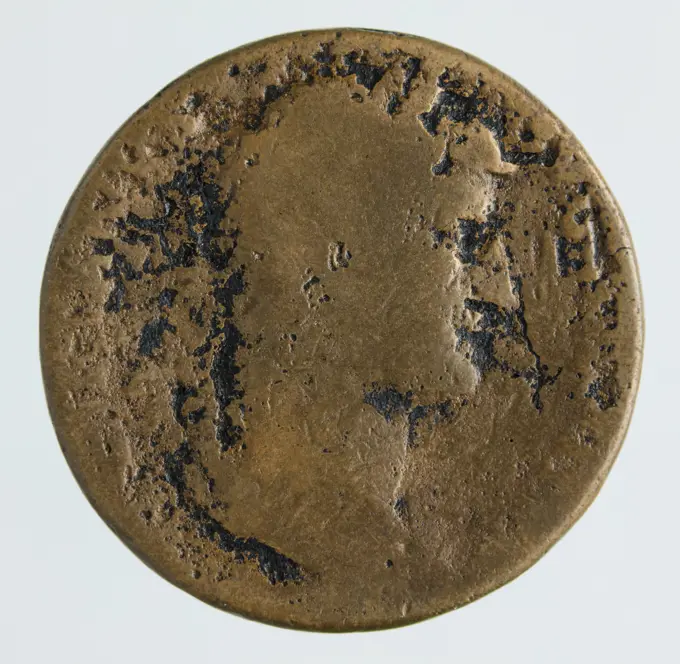
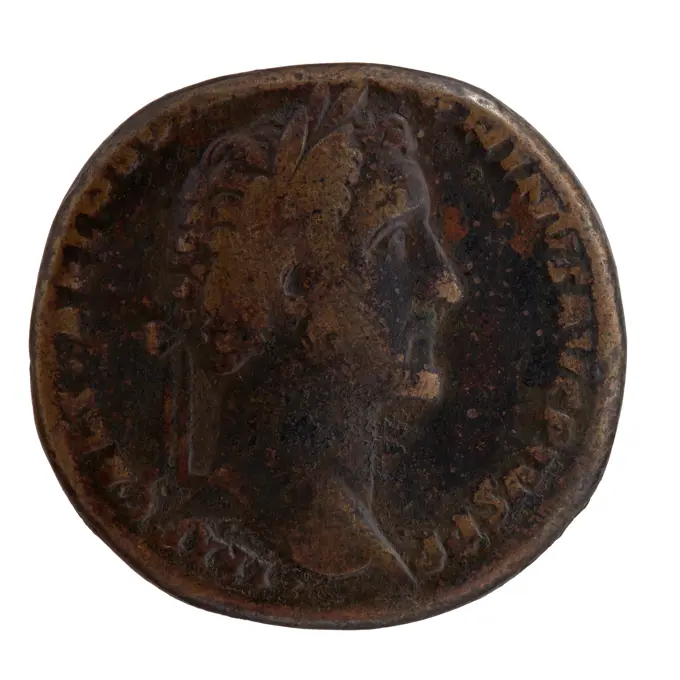
AS; Sabina (83-137; Roman Empress 117-137), Hadrian (76-138; Roman emperor 117-138); 117-137 (134-00-00-138-00-00);Westa (mitol.), Step, palladium (attribute), bust
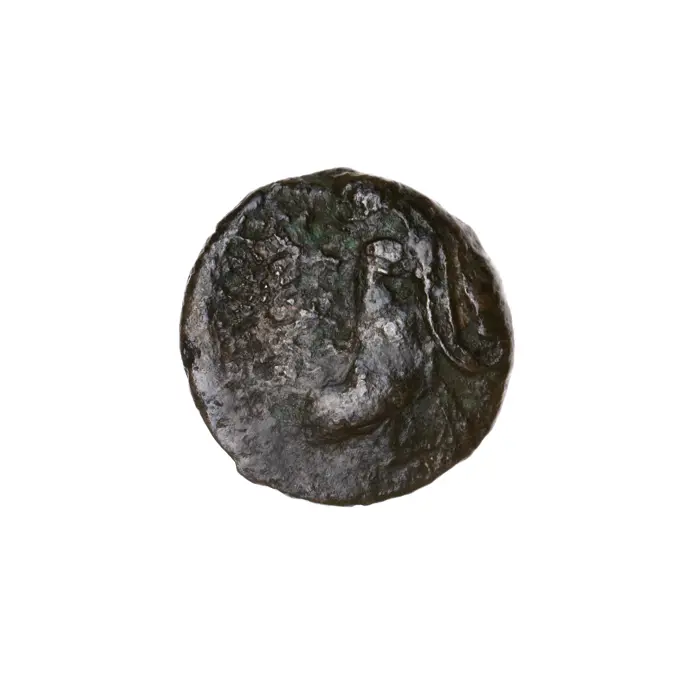
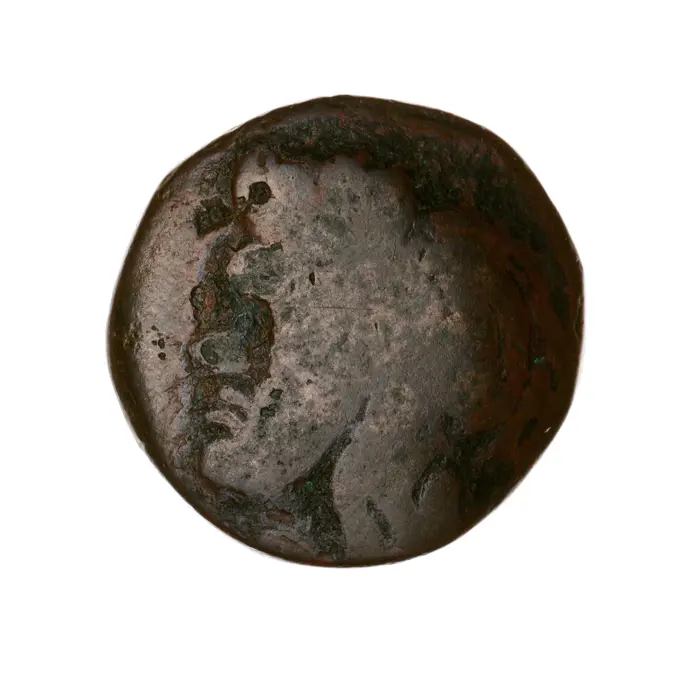
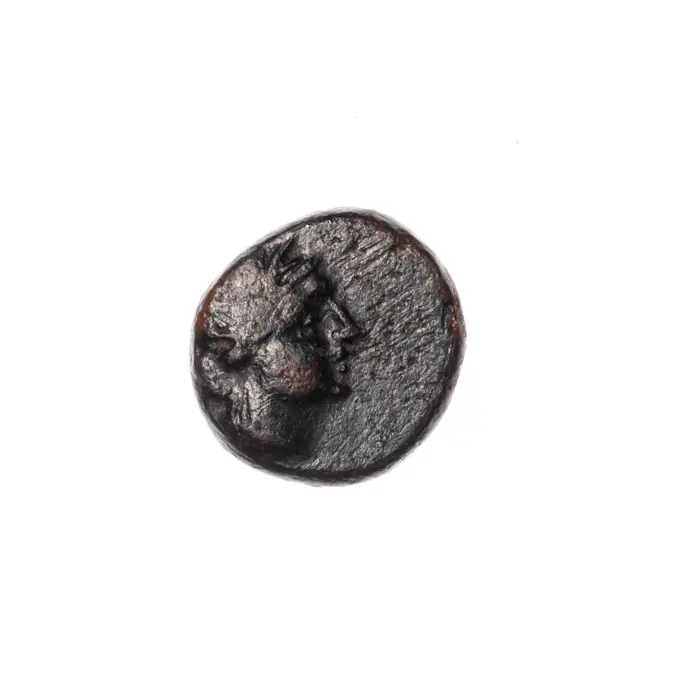
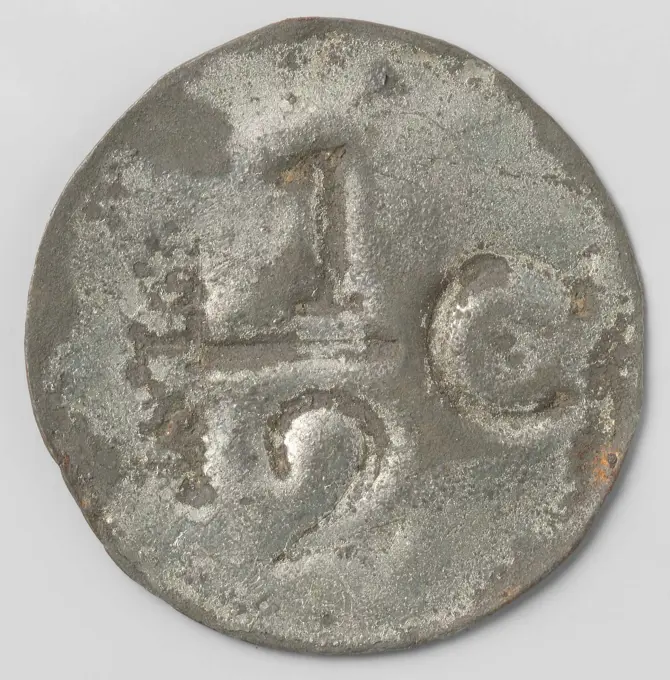
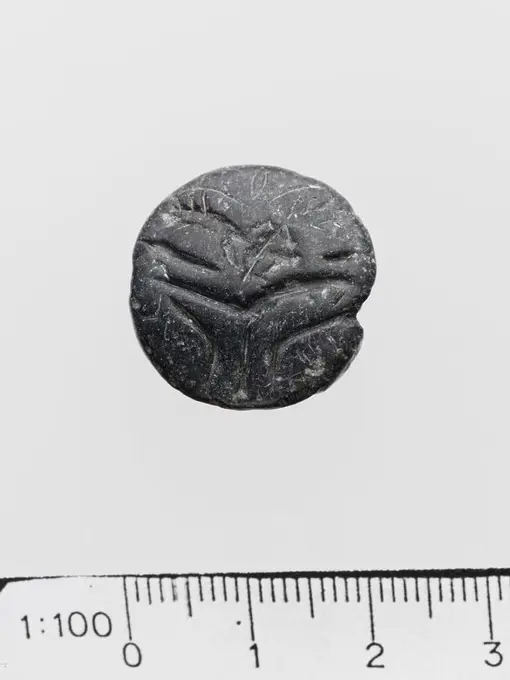
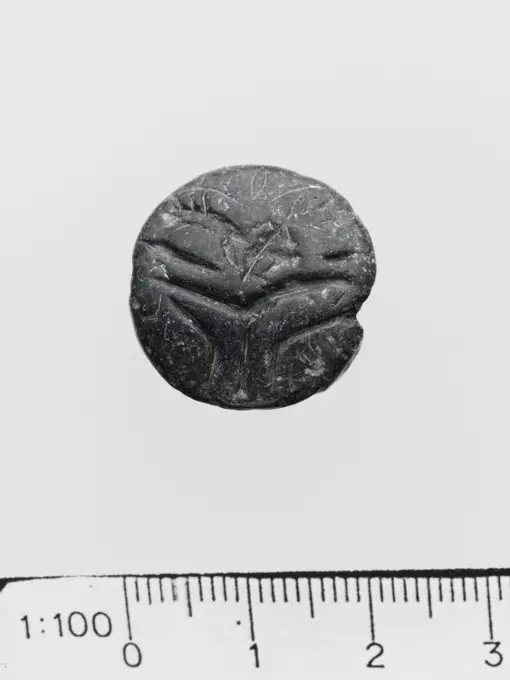
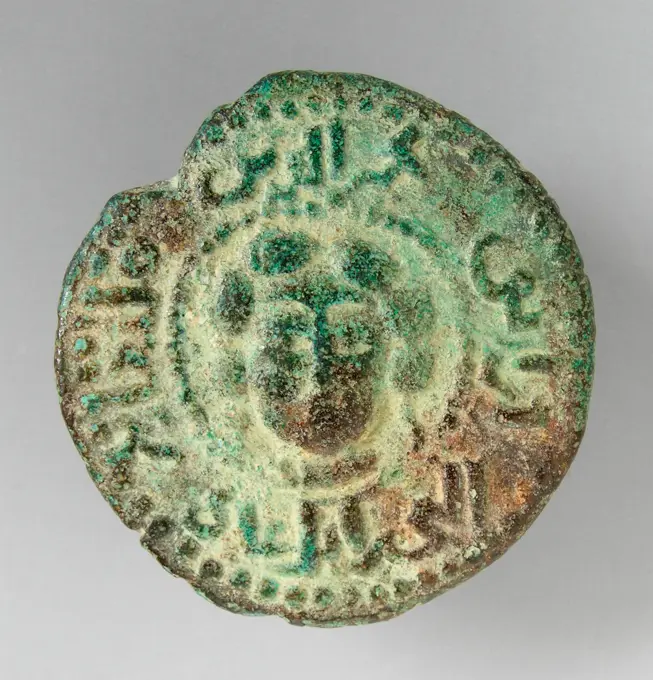
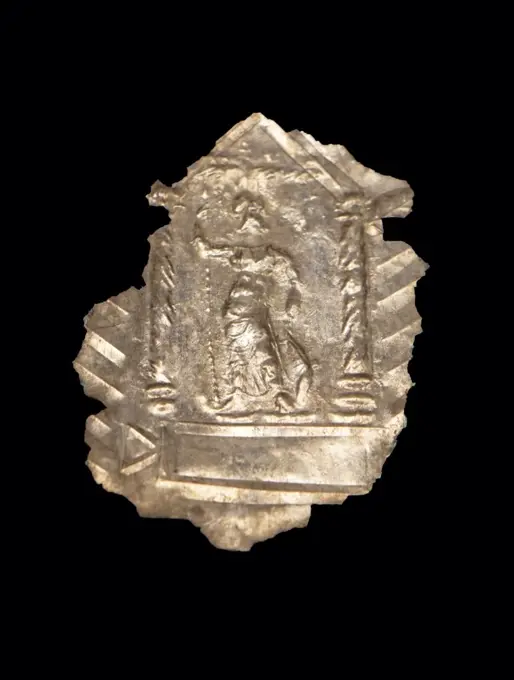
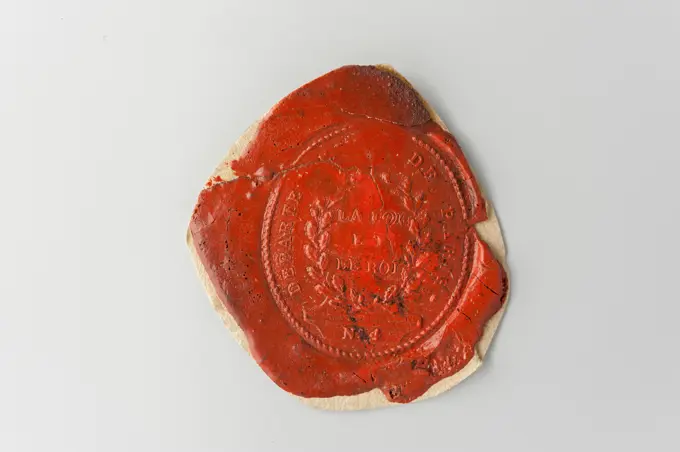
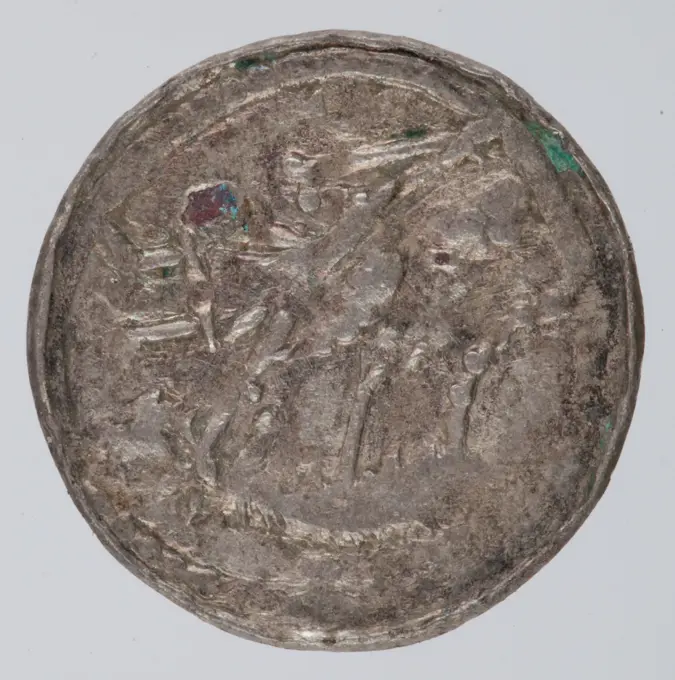
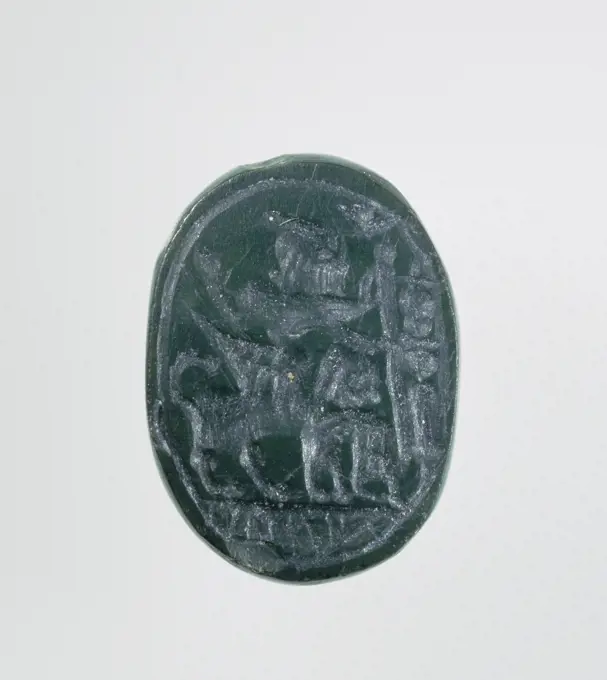
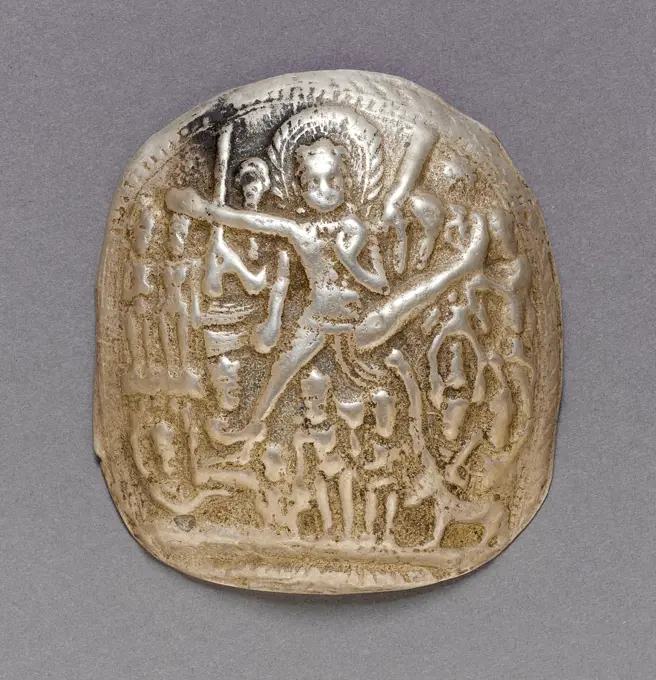
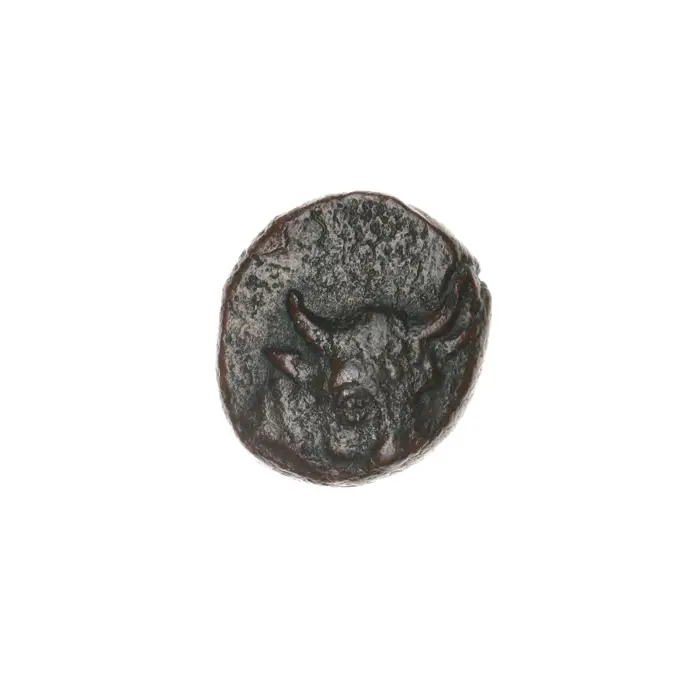
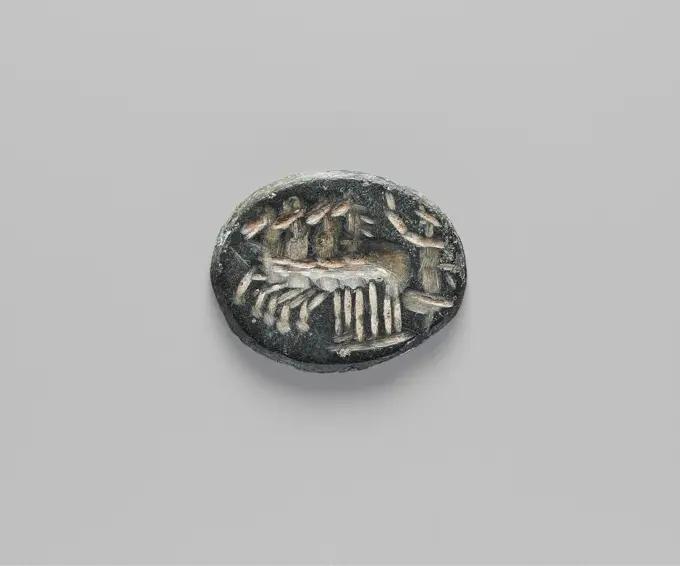
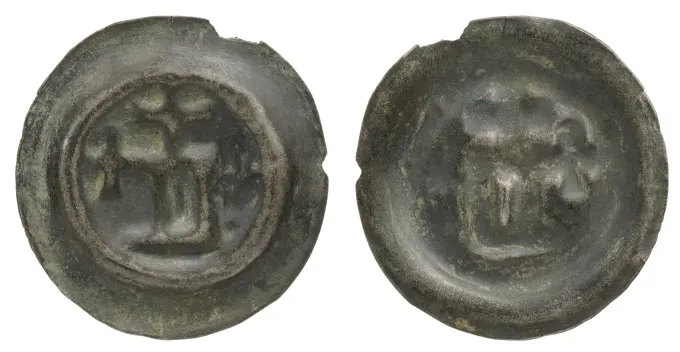
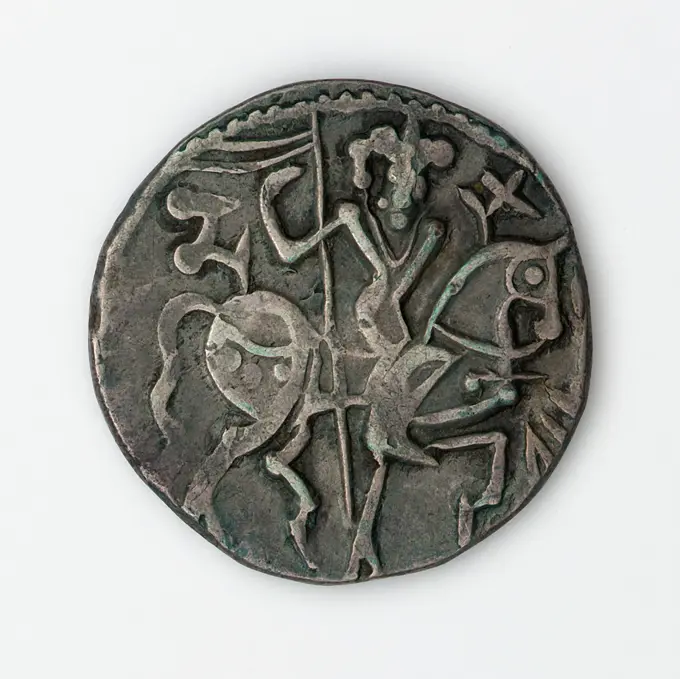
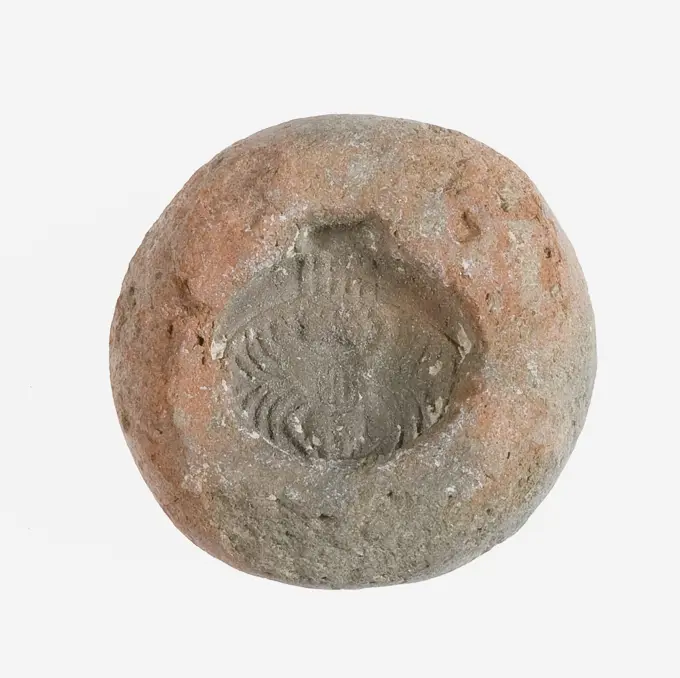
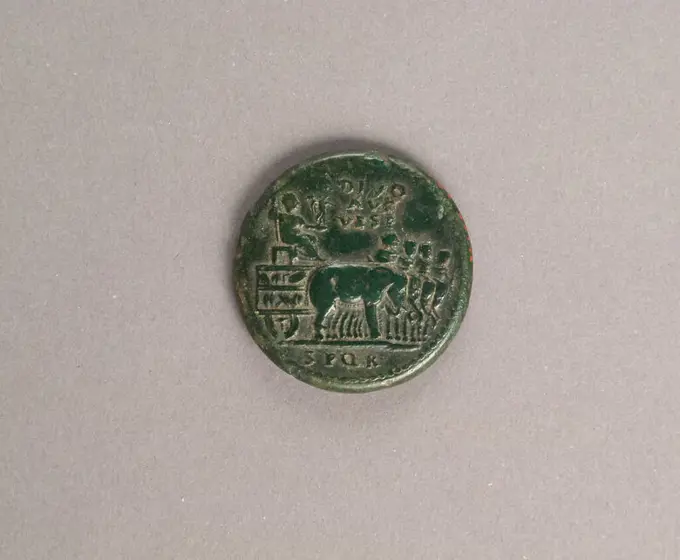
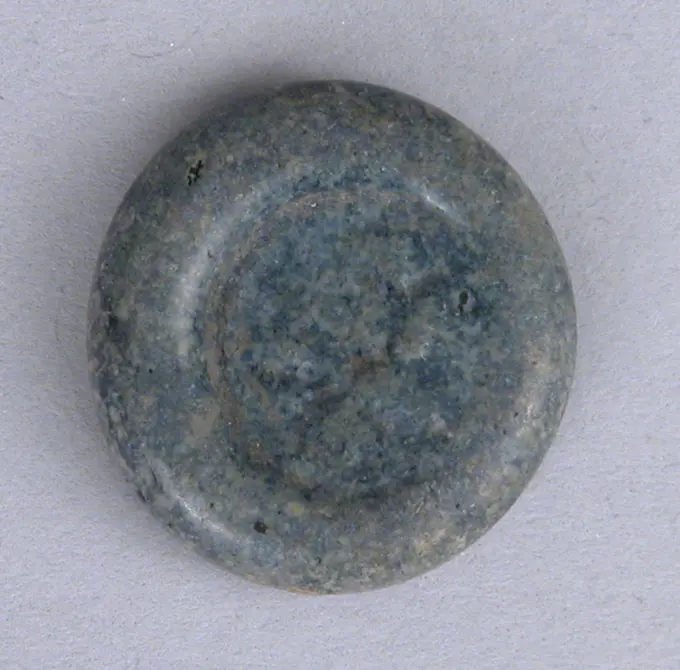
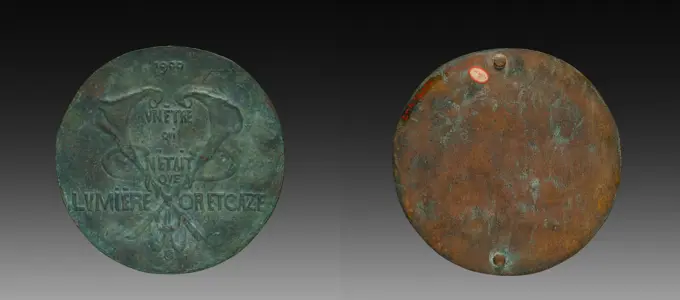
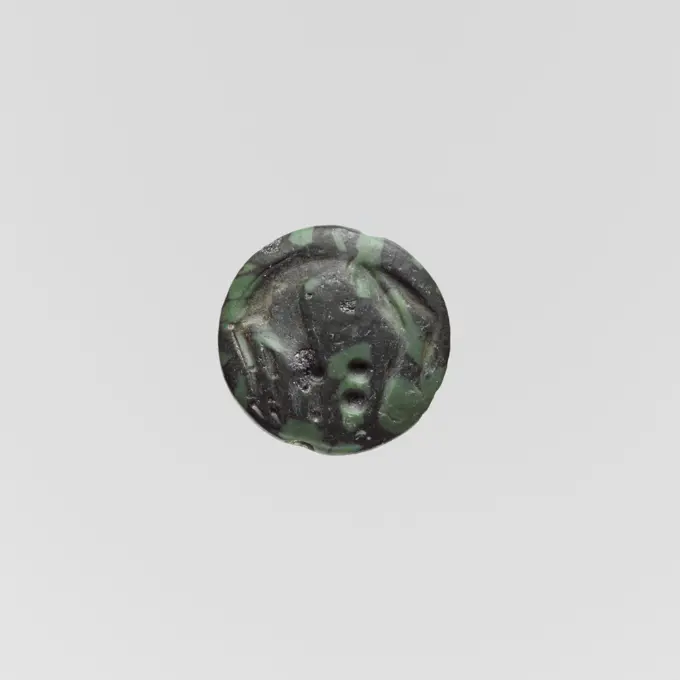
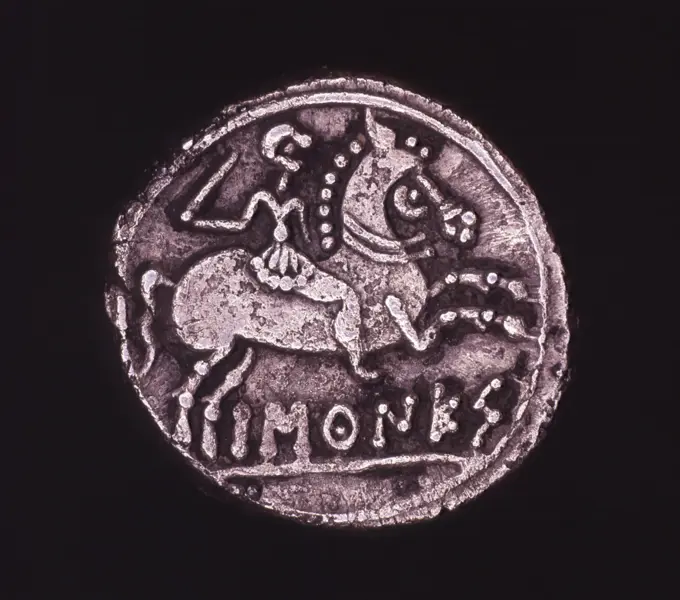
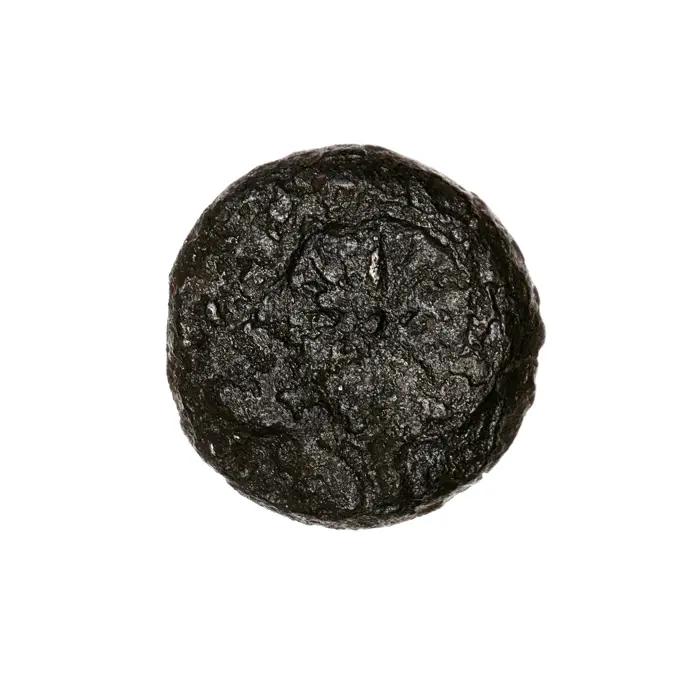
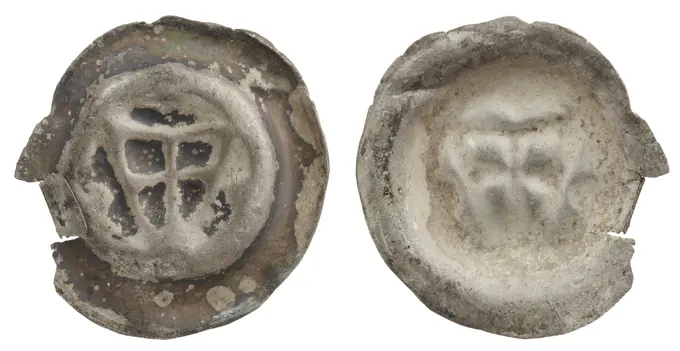
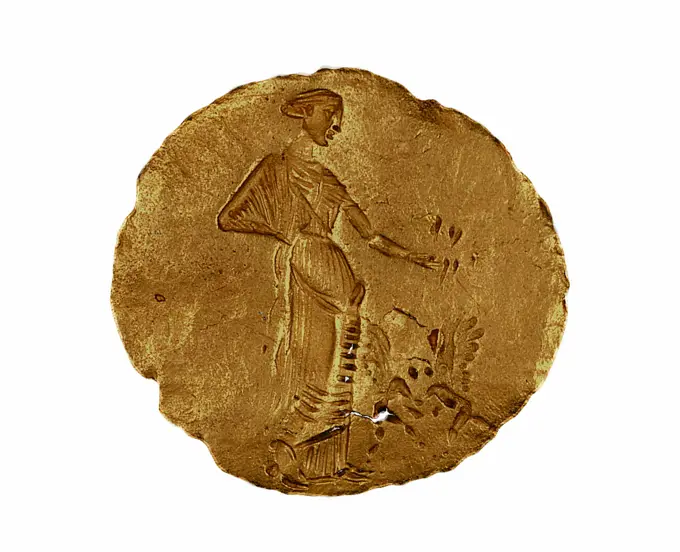
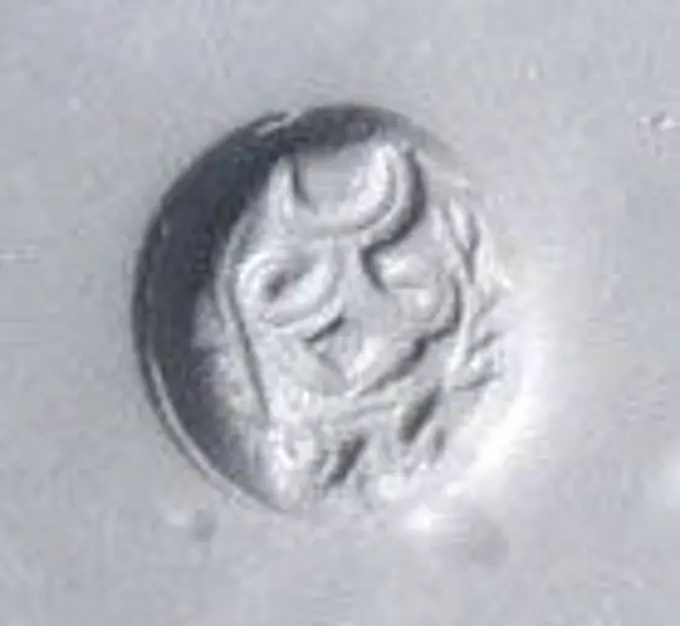
Carnavalet Museum, Medals CollectionBrown coin; Pantikapaion; the beginning of the 3rd century BC (-300-00-00--291-00-00);Chynowski, Józef (1833 -Ca 1915), Chynowski, Józef (1833 -Ca 1915) - collections, Nadczarzyorze, satir (mitol. .), AnimalsGlass cameo: Apollo. Culture: Roman. Dimensions: Length: 5/8 in. (1.6 cm). Date: 1st century B.C.-3rd century A.D..Apollo with mantle hanging down his back, playing the lyre. Museum: Metropolitan Museum of Art, New York, USA.Brown coin; Pantikapaion; 315-300 BC (315-00-00-300-00-00);Chynowski, Józef (1833 -Ca 1915), Chynowski, Józef (1833 1915) - collections, Nadczarzyorze, satir (mitol. , sturgeons, lions, fish, animalsBrown coin; Pantikapaion; 1. PO. II-PO. II century BC (-200-00-00--146-00-00);Apollo (mitol.PRISONMENT OMMERSCHANS, house coin beaten at the burden of the society of beneficiality worth ½ cent. Unilateral coin. Front: value indication. Downside: blankFalse coin, crown penny, Ladislaus Jagiello (1386 1434)False coin, IIthuanian shilIIng, John II Casimir (1649 1668)False coin, crown shilIIng, John II Casimir (1649 1668)Account token Lombard Armorié, XIII-15th century Anonymous. Lombard Account token Armorié, XIII-15th century. Copper. 1200-1400.Steatite lentoid seal. Culture: Mycenaean. Dimensions: Diameter 1.91 cm-2.06 cm. Date: ca. 1200-1050 B.C..Altar. Museum: Metropolitan Museum of Art, New York, USA.sesterce; Hadrian (76-138; Roman emperor 117-138); 125-128 (125-00-00-128-00-00);Hadrian (Roman Emperor - 76-138) - iconography, Neptun (mitol.), Head, Trizęby, Laur wreathsLombard Account Token with Ecu and Key, XIII-Xve Centuries Anonymous. "Lombard Account Token with Ecu and Key, XIII-Xve Centuries". Copper. 1200-1400.Steatite lentoid seal ca. 1200-1050 B.C. Mycenaean Altar.. Steatite lentoid seal. Mycenaean. ca. 1200-1050 B.C.. Steatite. Late Helladic IIIC. GemsDirham. Anatolia, Diyarbakr, 1152-1176/547-572 A.H.. Tools and Equipment; coins. CoinGreece, Macedonia, Antigone 2 Gonatas (277 / 6 239), Bronze (AE) Antigon Gonatas (277/6 239)Grahal-Manzara. Carnavalet 2013-2016 collection sites. Numismatics.Coin Weight 11th century. Coin Weight 442896Anglo-Roman votive plaques found as part of the Ashwell Hoard, England 3rd to 4th century ADBliżej Kultury Hadrian (117 138), Mint of RomeBLIŻEJ KULTURY unknownDresser's sesterce; 179 Anonymous. Dresser's Sesterce (Reverse), 179. Bronze.denarius; Marek Aureliusz (121-180; Roman emperor 161-180); 168 (168-00-00-168-00-00);sesterce; Antoninus Pius (86-161; Roman emperor 138-161); 151-152 (151-00-00-152-00-00);AS; Antoninus Pius (86-161; Roman emperor 138-161); 139 (139-00-00-139-00-00);szel g; Pfahler, Ernest; 1626 (1626-00-00-1626-00-00);Grahal-Manzara. Carnavalet 2013-2016 collection sites. Numismatics.Anonymous. Carnavalet museum, history of Paris.bracteate denarius. Zakon krzyżacki (1190-), issuerSESTERC (counterfeit); 161-180 (for the original) (161-00-00-180-00-00);Bolesław Krzywousty (1102-1138), Denar, Kraków, After 1113 Boles And Krzywousty (1102 1138)Bliżej Kultury Mint of Kraków, Władysław Jagiełło (CA 1351 1434)Scarab; 6th - 5th century B.C; Green jasper; 0.8 × 1.3 × 1 cm (5,16 × 1,2 × 3,8 in.)Carnavalet Museum, Medals CollectionBliżej Kultury Władysław Jagiełło (CA 1351 1434), Mint of KrakówIntaglio with the performance unknown workshop in Sardes; VI - 4th century BC ; Aachetenidian period (-600-00-00--301-00-00);Asia Minor, Czartoryska, Maria Ludwika (1883-1958), Czartoryska, Maria Ludwika (1883-1958)-collection, Działyńska, Izabela (1830-1899), Działyńska, Izabela Elżbieta née Czartoryski (1830-1899)-collection, Sardes, Sardes, Greek-Perskie Gemmy, Achamennidian period (550-331 BC), Transfer (provenance), scaraboids, Greek-Perska art, warriors, archers of Perscy (iconogr.)Medallion with Vishnu-Vikranta. Nepal, 13th century. Sculpture. Repoussé silverbracteate denarius. Zakon krzyżacki (1190-), issuerGilt bronze ring. Culture: Greek. Dimensions: Length: 13/16 in. (2.1 cm). Date: early 4th century B.C..Fat hunter carrying quadruped and bird. Museum: Metropolitan Museum of Art, New York, USA.Kimerian Bospor, Panticajon, 2 3 Quarter of the 3rd Century BC; AEE Panticapaeum mintCoin Depicting the Goddess Athena 159 BCE-138 BCE Ancient Greece. Bronze . Ancient GreekFalse coin, crown shilIIng, John II Casimir (1649 1668)False coin, IIthuanian shilIIng, John II Casimir (1649 1668)Owl Bell Ornament. Culture: Moche (Loma Negra). Dimensions: H x W: 1 5/16 x 1 9/16in. (3.3 x 4cm). Date: 390-450. Museum: Metropolitan Museum of Art, New York, USA.Bolesław Krzywousty (1102-1138), Denar, Kraków, After 1113 Boles And Krzywousty (1102 1138)Brown coin; Pantikapaion; End of III-1. after. II century BC (-290-00-00--151-00-00);Nadczarzyorze, Terlecki, Ignacy (1860-1916), Terlecki, Ignacy (1860-1916)-collection, bulls, bull's head (iconogr.), Ears, tools, plows, plants, purchase (provenance), animalsStater: Boar, standing, r. (Obverse), 500-450 BC. Greece, Lycia, 5th century BC. Silver; diameter: 2 cm (13/16 in.).False coin, IIthuanian shilIIng, John II Casimir (1649 1668)Carved Intaglio Gemstone with a Quadriga Wheeling toLeftThe anointing of David, Hans Jamnitzer (attributed to), c. 1550 - c. 1575 Round, lead plaque, surrounded by a braid. David kneels in the middle in the foreground; In front of him are the harp, a bag of sheepskin and a shepherd's staff; Samuel stands behind him, in priest clothing, while he explores the oil over David's head, with which he ointment him to the future king. On the right two standing man figures, on the left the sitting, old father, three women behind him on the second plan. A smoking altar and smaller figures on the left in the landscape, a city in the offing. Nuremberg lead (metal) casting Round, lead plaque, surrounded by a braid. David kneels in the middle in the foreground; In front of him are the harp, a bag of sheepskin and a shepherd's staff; Samuel stands behind him, in priest clothing, while he explores the oil over David's head, with which he ointment him to the future king. On the right two standing man figures, on the left the sitting, old father, three women MONEDA-TETRADRACMA R(24.420)ATENAS-ANVERSO-223,12 MM- ATENEA CORONADA CON HOJAS DE OLIVO- SIGLO V AC. Location: FABRICA NACIONAL DE MONEDA Y TIMBRE-COLECCION. MADRID. SPAIN. ATENEA (DIOSA GRIEGA).bracteate denarius. Zakon krzyżacki (1190-), issuerCap-Shaped Plaque with Lion. Culture: China (Xinjiang Autonomous Region, Central Asia). Dimensions: H. 3/4 in. (1.9 cm); Diam. 1 1/8 in. (2.9 cm). Date: 7th-9th century.The nomadic communities of Central Asia used such plaques to embellish clothing and horse trappings. As these nomadic cultures herded animals and were constantly moving, their artistic production was expressed in portable objects that marked the wearer's status and wealth. The outstanding preservation of these fragile ornaments suggests they were used in conjunction with burials, where the body was aggrandized with valuable textiles and augmented with gold. Although it is difficult to date and place these objects geographically, their presence in Central Asia and has a long, established history. Museum: Metropolitan Museum of Art, New York, USA.Coin of Spalapati Deva. Afghanistan, Kabul, circa 920-935. Tools and Equipment; coins. SilverMold for a Winged Scarab ca. 1390-1353 B.C. New Kingdom. Mold for a Winged Scarab. ca. 1390-1353 B.C.. Pottery. New Kingdom. From Egypt, Upper Egypt, Thebes, Malqata, Khor west of camp or E. side of S. Village, MMA excavations, probably 1911-12. Dynasty 18False coin, crown zloty, 1663, John II Casimir (1649 1668)Carnavalet Museum, Medals CollectionEngraved Seal. UnknownCarnavalet museum, tokens collectionCoin probably 8th century. Coin. probably 8th century. Copper. Excavated in Iran, Nishapur. CoinsCoin Depicting the God Apollo 200 BCE-1 BCE Ancient Greece. Bronze . Ancient GreekDisk: Emblem of Heaven China. Disk: Emblem of Heaven 42880Bronze sestertius of Titus. Culture: Roman. Dimensions: 3.5g (3.5g). Date: A.D. 80-81.DIVO AVG VESP SPQR, deified Vespasian seated on car drawn by four elephants/IMP T CAES DIVI VESP F AVG P M TR P P P COS VIII surrounding large S CRome. Museum: Metropolitan Museum of Art, New York, USA.Coin Weight 10th-12th century. Coin Weight 453512Medal, 1900. Pierre Roche (French, 1855-1922). Bronze; diameter: 18.1 cm (7 1/8 in.).Round Plaque 3rd century B.C.-A.D. 2nd century Vicús. Round Plaque 315544Spartan Basalt Lentoid ca. 1400-1375 B.C. Minoan bull-man above shield. Spartan Basalt Lentoid 252193 Minoan, Spartan Basalt Lentoid, ca. 14001375 B.C., Spartan basalt, Diam.: 5/8 in. (1.6 cm). The Metropolitan Museum of Art, New York. Bequest of Richard B. Seager, 1926 (26.31.243)Horseman with short sword, Denarius, 2nd c. BC. Roman coin. Spain.denarius; W ADSAW II JAGIEC (King of Poland; 1386-1434); 1386-1434 (1386-00-00-1434-00-00);Brown coin; Pantikapaion; the beginning of the 3rd century BC (-300-00-00--291-00-00);Nadczarzyorze, satir (mitol. army), armament (iconogr.), Animals, Arch in Sajdak (iconogr.), Łuki (army)Round Plaque. Culture: Vicús. Dimensions: Diameter 3-1/16 in. (7.8 cm). Date: 3rd century B.C.-A.D. 2nd century. Museum: Metropolitan Museum of Art, New York, USA.Coin Weight 11th century. Coin Weight 442891Bath Scraper 12th-13th century Prolonged exposure to water and steam in a hammams hot rooms loosens dead skin and forces impurities out of the body, which are then wiped or scrubbed away with any number of exfoliating implements, such as a mitt or sponge. A group of ceramic scrapers similar to this one are believed to come from Iran. Their decoration includes a variety of animal, floral, and geometric patterns, suggesting customers could select their own designs.. Bath Scraper 447931Denar - Brakteat; approx. 1307/1308- 1317/1318 (1307-00-00-1318-00-00);Denar - Brakteat; approx. 1317/1318-OK. 1327/1328 (1317-00-00-1328-00-00);The as. Bronze coin used during Roman Empire. Spanish-Roman minting. Back. Mint of the colony Augusta Emerita. National Museum of Roman Art. Merida, Spain.Mint: Sardis, Trite fromSardis, 600-550 B.C., Electrum, 4.71 g, 12:00, 12mm, Made in Sardis, Lydia, Greek, early 6th century B.C., NumismaticsCoin silver Mahmud Shah 1459-1512 1/2 Tanka, Gujarat, India Copyright: xDilipxRajgor/DinodiaxPhotoxbracteate denarius. Zakon krzyżacki (1190-), issuerAE. ChersonezFinger Ring Depicting Aphrodite 350 BCE-301 BCE Ancient Greece. Gold . Ancient GreekStatuette of a warrior-7. Culture: Greek, Laconian. Dimensions: Height: 1 1/2 in. (3.8 cm). Museum: Metropolitan Museum of Art, New York, USA.Sealing pistonFinger Ring Depicting Aphrodite. Greek. Date: 350 BC-301 BC. Dimensions: Diameter of face: 2.4 cm (1 in.); Diameter of shank: 2 cm (3/4 in.); Depth: 1.7 cm (11/16 in.). Gold. Origin: Ancient Greece. Museum: The Chicago Art Institute, Chicago, USA.Stamp seal ca. 3rd-7th century A.D. Sasanian. Stamp seal. Sasanian. ca. 3rd-7th century A.D.. Stone. Sasanian. Iran