Historical Coins

A series of ancient and historical coins featuring intricate designs and varying ages from different regions.

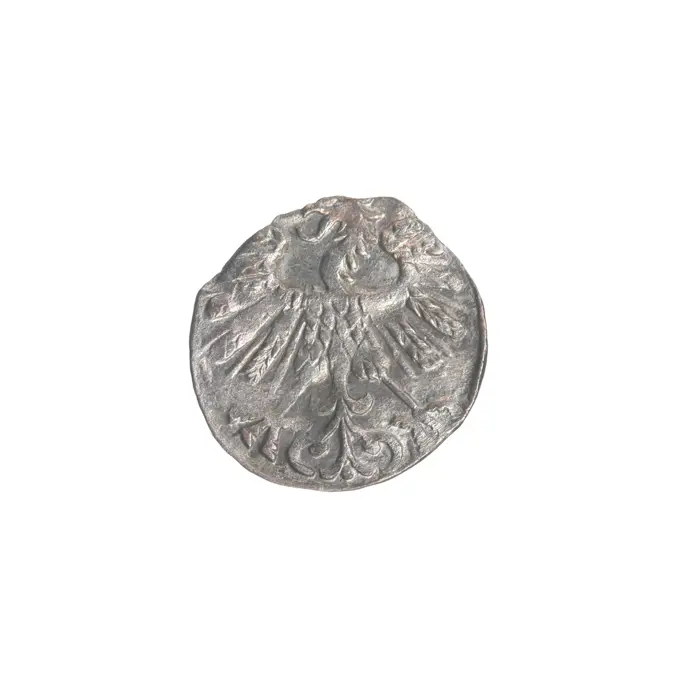
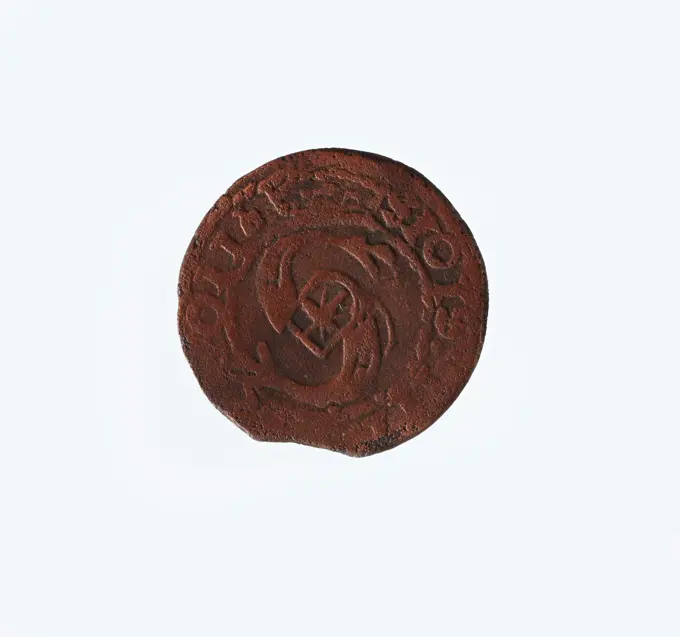
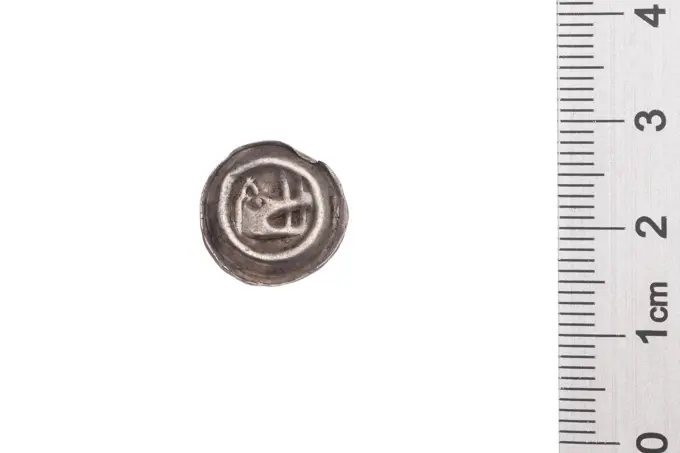
Lithuanian Denar; Zygmunt II August (Polish king; 1544-1572); 1558 (1546-00-00-1546-00-00);
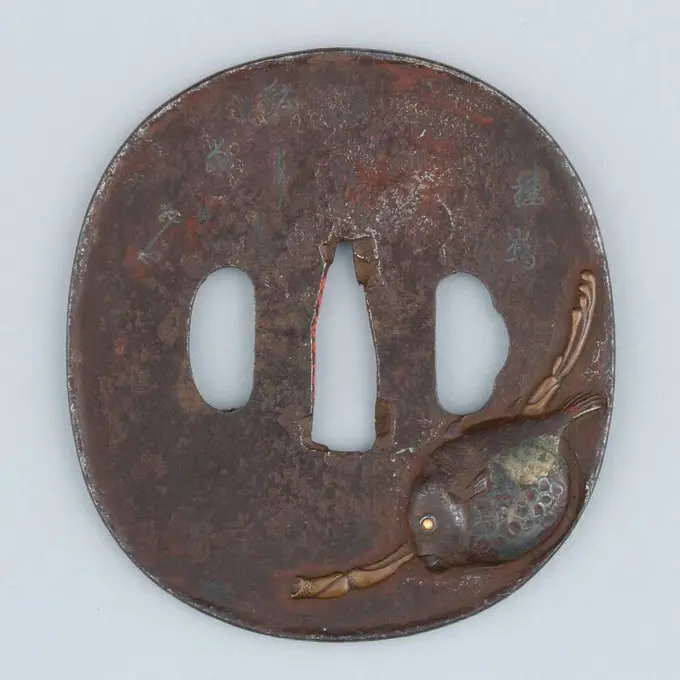
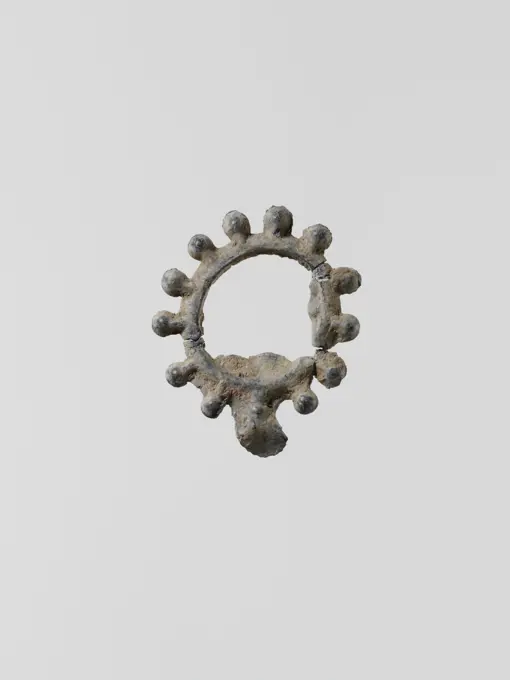
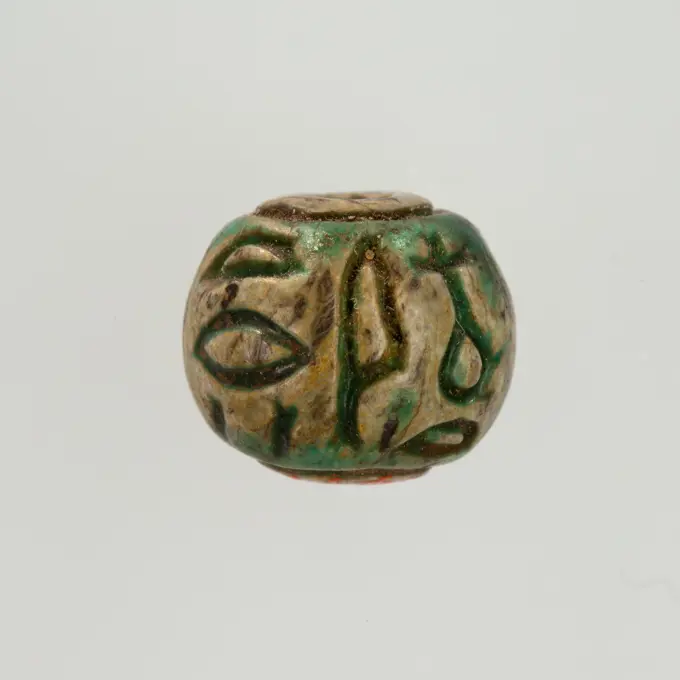
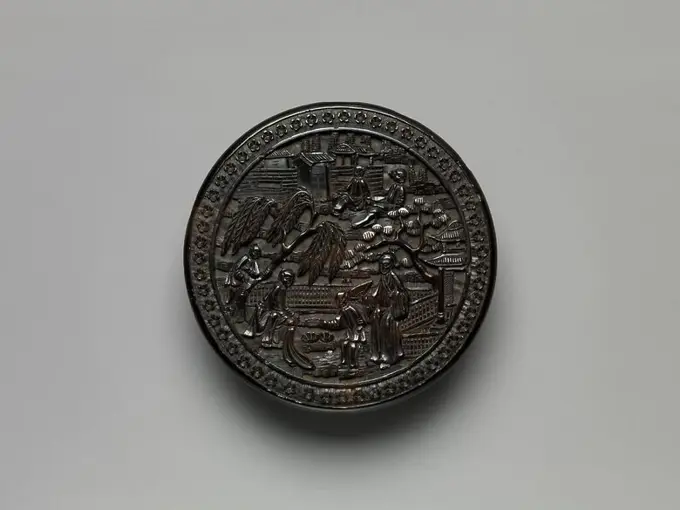
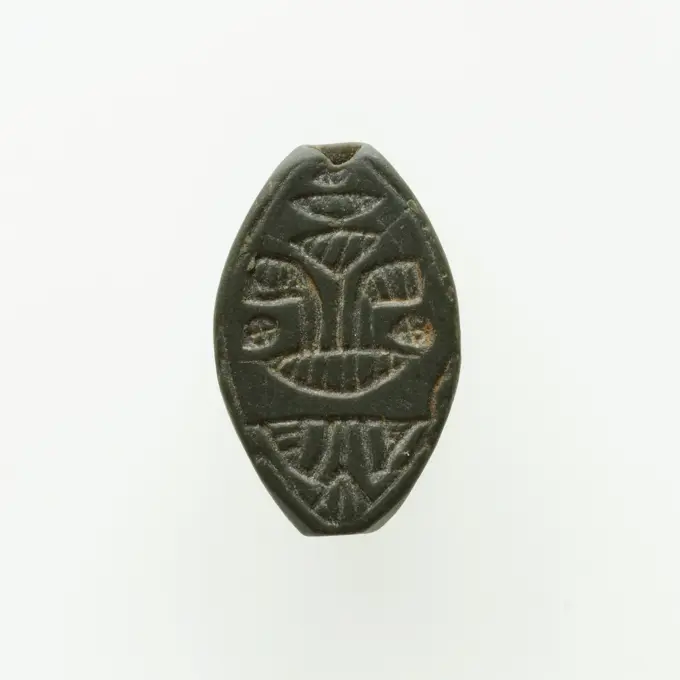
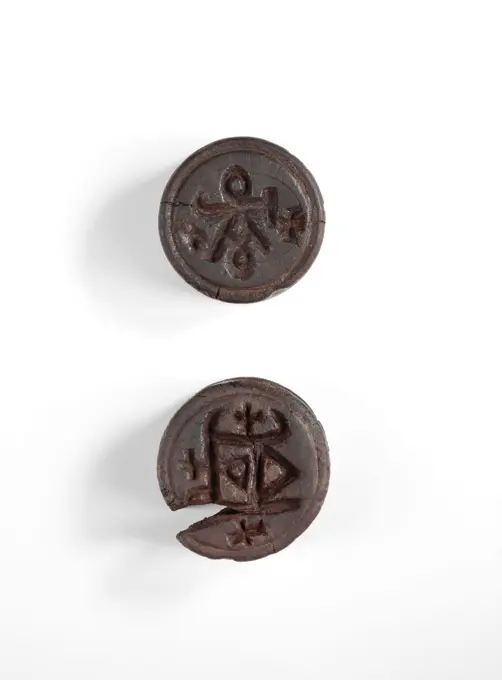
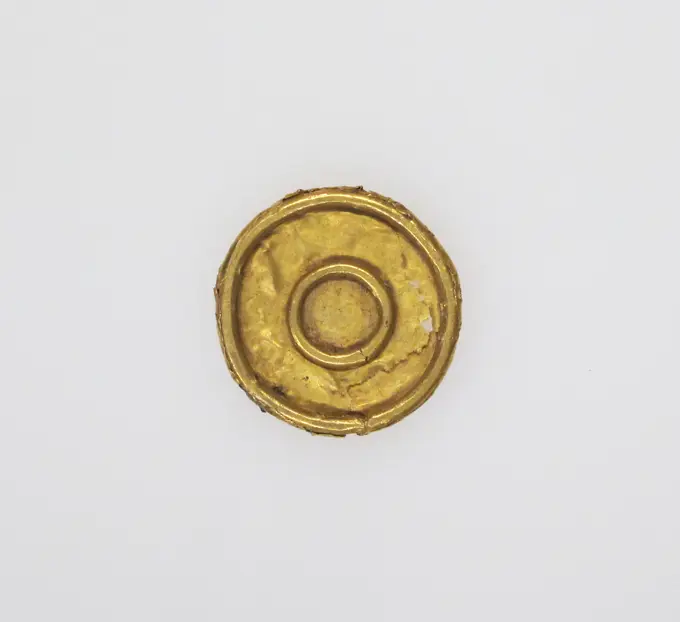
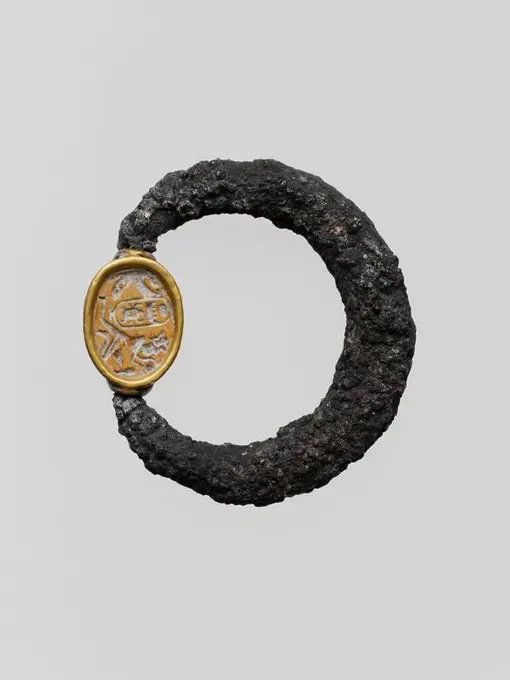
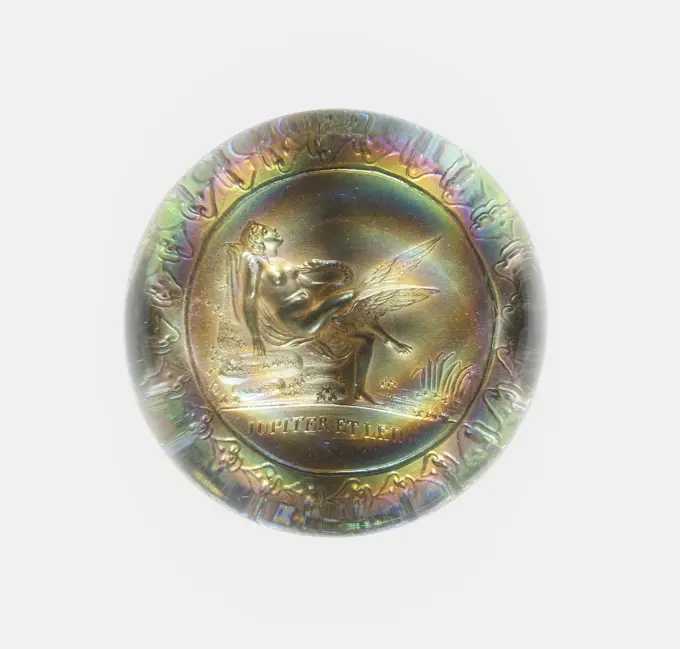
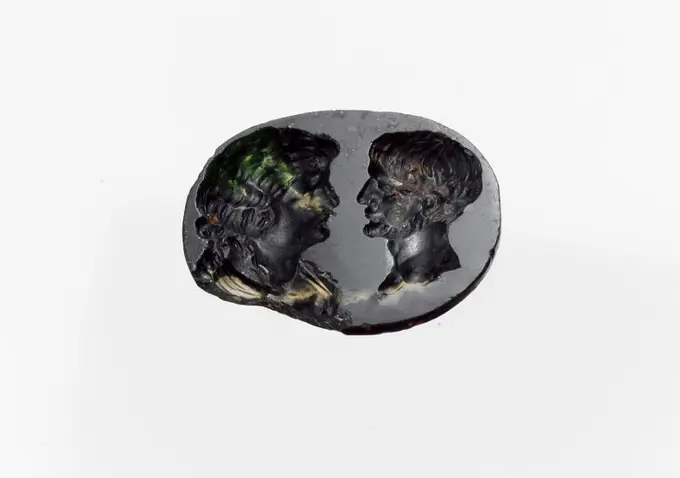
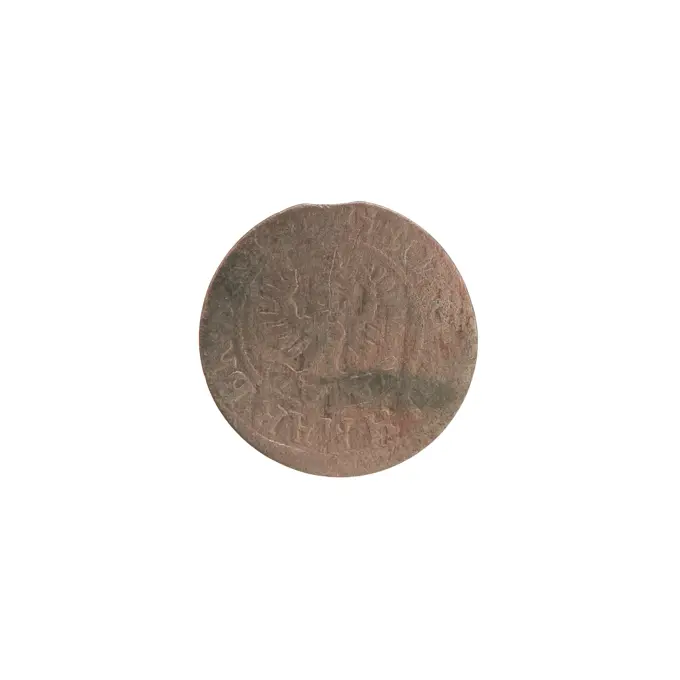
Excerpt of a dish, anonymous, 1000 - 2000 Fragment of a dish, cut around. The red shard is covered at the front with a white, finer earth species in which the letters MI and two are interrupted. Byzantium earthenware Fragment of a dish, cut around. The red shard is covered at the front with a white, finer earth species in which the letters MI and two are interrupted. Byzantium earthenwareRound knot box with presentation of a young couple in front of an altar. Round knotbox of silver, the lid and bottom of which consist of a cut-in moral tensions. On one side a representation of a young couple in front of an altar, on which a burning heart with the peripheral: that bun him with Godt in faithfulness, Altiet of the Lorden wins. On the other side a representation of the wedding in Kana with the peripheral: the Heeren Capra and Goedichheit at theese party has been extensive.Butter Mold ca. 1790 American. Butter Mold 1053Sleeve Button ca. 1740 Probably Jonathan Clarke. Sleeve Button. American. ca. 1740. Gold. Possibly made in Providence, Rhode Island, United States; Possibly made in Newport, Rhode Island, United StatesRound Plaque. Culture: Vicús. Dimensions: Diameter 3-1/8 in. (8 cm). Date: 3rd century B.C.-A.D. 2nd century. Museum: Metropolitan Museum of Art, New York, USA.West Indian Scene. Date/Period: Ca. 1795. Button. Gouache paint on canvas on tin verre fixeé, ivory (backing), glass, gilded metal. Height: 37 mm (1.45 in); Width: 37 mm (1.45 in). Author: AGOSTINO BRUNIAS.Gold signet ring with embarkation scene, from Tiryns, GreeceGrahal-Manzara. Carnavalet 2013-2016 collection sites. Numismatics.Barrier of the militia for master on all weapons, Anonymous, 1883 medal Oval of black sheet with embroidery in silver thread of a crossed Degen and saber, a short stick hanging on a cord over the intersection, two bay branches at the bottom and a royal crown above the whole.  carrier sign: Cloth. Embroidery: Silver threadSword Guard (Tsuba). Culture: Japanese. Dimensions: H. 3 3/16 in. (8.1 cm); W. 2 15/16 in. (7.5 cm); thickness 5/16 in. (0.8 cm); Wt. 4.4. oz. (124.7 g). Date: ca. 1615-1868. Museum: Metropolitan Museum of Art, New York, USA.Siege Zierikzee, emergency minted after the conquest of the city of the silver-contained silver to prevent looting. Unilateral, diamond-shaped emergency. Front: inscription within round pearl edge. Downside: blankRod. Medallion. Alexandre Duval. Patinated plaster. Nineteenth century. Museum of Fine Arts of the City of Paris, Petit Palais. 58765-16 Medallion, inventory number, numismatics, patina patina, 19th centuryWreaths, 6 Greek, Laconian. Wreaths, 6 251740 Greek, Laconian, Wreaths, 6, Lead, 1 1/8  15/16 in. (2.9  2.4 cm). The Metropolitan Museum of Art, New York. Gift of A. J. B. Wace, 1924 (24.195.174)Bead Inscribed for the King's Wife (Ahmose-)Nefertari ca. 1550-1525 B.C. New Kingdom. Bead Inscribed for the King's Wife (Ahmose-)Nefertari. ca. 1550-1525 B.C.. Steatie, glazed. New Kingdom. From Egypt. Dynasty 18Box. Culture: China. Dimensions: H. 1 in. (2.5 cm); Diam. 2 13/16 in. (7.1 cm). Date: 18th century. Museum: Metropolitan Museum of Art, New York, USA.Engraved book binding mount. Culture: Italian, Venice. Dimensions: L. 10 cm, W. 8.3 cm. Date: ca. 1470. Museum: Metropolitan Museum of Art, New York, USA.Cowroid ca. 1492-1473 B.C. New Kingdom This cowrie-shaped seal-amulet was found with twenty-three scarabs and seal-amulets in the coffin of a young woman who was buried in Hatnefer's tomb (see 36.3.1 and 36.3 26). The base is inscribed with decorative floral patterns.. Cowroid 560224Chinese tea brick from the Hubei Province close upisolated on white backgroundDudu or 10 cash for Madras in India of the English Oostindische Compagnie (EIC), 1706 ,, 1706 coin Copper mint. Front: brand of the EIC, with the letters G, C and E. Rever side: between two wavy lines year: 1706. Smooth edge. Chennai copper (metal) striking (metalworking)Baking Unknown Nubian workshop, unknown Egyptian workshop; VI-VII century (501-00-00-700-00-00);Deposit of the University of Warsaw from 1937-1939, inscriptions, monograms, seals, crafts, woodcarvingRoundel, disk. Roundel, disk. Gold. Gold and SilverDrohiczyn seal. unknown, managerScarab Inscribed with the Name Maatkare (Hatshepsut) Flanked by Two Red Crowns ca. 1479-1458 B.C. New Kingdom During the 1926-1927 excavation season, the Museum's Egyptian Expedition uncovered three foundation deposits along the eastern enclosure wall of Hatshepsut's funerary temple at Deir el-Bahri in Western Thebes. Among the contents were 299 scarabs and stamp-seals. Sixty-five of these are now in the Egyptian Museum, Cairo, and the rest were acquired by the Museum in the division of finds.Among the inscriptions on the bases of these scarabs and seals are examples of every title Hatshepsut held, from the time she was "king's daughter" during the reign of her father, Thutmose I; through the time she was queen of her half-brother, Thutmose II; and during her regency and co-reign with her nephew/step-son, Thutmose III.After the death of her husband, Hatshepsut became regent for her nephew who was a small child. The length of this regency period is uncertain, with estimates ranging fromFalse coin, Riga shilIIng, Sigismund III Vasa (1587 1632)Lead figure of a winged goddess, possibly Artemis Orthia. Culture: Greek, Laconian. Dimensions: Height: 1 3/16 in. (3.1 cm). Date: late 7th-6th century B.C..Small flat votive figurines of cast lead have been found in great quantities at the ancient sanctuaries of Laconia; over one hundred thousand, dating from the seventh century B.C. to the Classical period, were dedicated to the goddess Artemis Orthia in Sparta. Museum: Metropolitan Museum of Art, New York, USA.Medallion (Netherlands); plasterSilver swivel ring with ivory scarab in gold setting. Culture: Cypriot or Phoenician. Dimensions: 3/8 × 9/16 × 3/4 in. (1 × 1.4 × 1.9 cm)Diameter: 2 in. (5.1 cm). Date: 7th-early 5th century B.C..Swivel ring with Egyptian ivory scarab; cartouche of Men-kheper-ra between a winged ureus, and a crowned king who kneels and makes an offering. Museum: Metropolitan Museum of Art, New York, USA.Window with a man with a glass of beer, Andries Melort, 1840 Rectangular window. In an oval medallion a performance of a man with a hat in half. His right hand puts in his coat; In his left hand he holds a hexagonal beer glass. On the table in front of the man there is a beer jug, a pipe, a tobacco box and a deck playing cards. Signed on the underside of the medallion: A.Melort 1840. Double in a gilded frame. Netherlands glass Rectangular window. In an oval medallion a performance of a man with a hat in half. His right hand puts in his coat; In his left hand he holds a hexagonal beer glass. On the table in front of the man there is a beer jug, a pipe, a tobacco box and a deck playing cards. Signed on the underside of the medallion: A.Melort 1840. Double in a gilded frame. Netherlands glassCameo Gem. UnknownHand holding a retro styled key over fake gold coinsbracteate heller. Świdnica, issuerPaperweight 1840-1865 England. Glass .Moss agate ring stone. Culture: Roman. Dimensions: Length: 3/4 in. (1.9 cm). Date: ca. 2nd century A.D..portrait bust of a bearded man facing a larger portrait bust of a womanThe coiffure of the woman points to the time of the Younger Faustina (died A.D. 175), wife of the emperor Marcus Aurelius (r. A.D. 161-180). Museum: Metropolitan Museum of Art, New York, USA.First blow: 400 years of trade relations Nederland-Japan, 2009 coin Silver coin of five euros, beaten on the occasion of 400 years of trade relations between the Netherlands and Japan. Front and downside: ribbons with text and sloping coins on the background of grid work of stripes and dots. The ribbons run into each other on both sides and form a flat knot. Corresponding wooden box with insert. Utrechtpublisher: The Hague munt: silver (metal). omhulsel: Perspex (TM) striking (metalworking)  Netherlands. JapanKostka do gry. unknown, authorAdam Jerzy Czartoryski (Medal's Obverse) unknown, Barre, Jean Jacques (1793 1855)Medal of Fryderyk August and Wettyn (August II) from 1709, on the covenant of three Fryderyk and the birth of Prussian Princess Frederick Zofia Wilhelmina unknown, Geiger, Andreas (1765 1856), Wermuth, Christian (1661 1739)Henri Michel Antoine Chapu. "Medal. Elie Delaunay". Metal, Bronze, 1864. Museum of Fine Arts of the city of Paris, Petit Palais. 57577-2 Bronze, medal, metal, inventory number, numismatics, reverseszel g; Pfahler, Ernest; 1629 (1629-00-00-1629-00-00);Paperweight 1851 Paris. Glass .Cruz, siglo XIV, proveniente del monasterio de Sant Joan de les Abadesses, Museu Episcopal Vic (MEV).Scarab ca. 1479-1458 B.C. New Kingdom. Scarab. ca. 1479-1458 B.C.. Blue faience. New Kingdom. From Egypt, Upper Egypt, Thebes, Deir el-Bahri, Hatshepsut Hole, Hathor Shrine, MMA excavations, 1922-23. Dynasty 18Sun and crescent moon, wall ornament, ceramicsMONUMENTO DE LOS HIJOS DE LA TIERRA - DETALLE DE UNO DE LOS MEDALLONES DE PIEDRA Y BRONCE- S XX. Location: EXTERIOR. North Cape.