Historical Coins

Detailed images of ancient coins featuring significant figures and symbols from historical times, illustrating numismatic art.
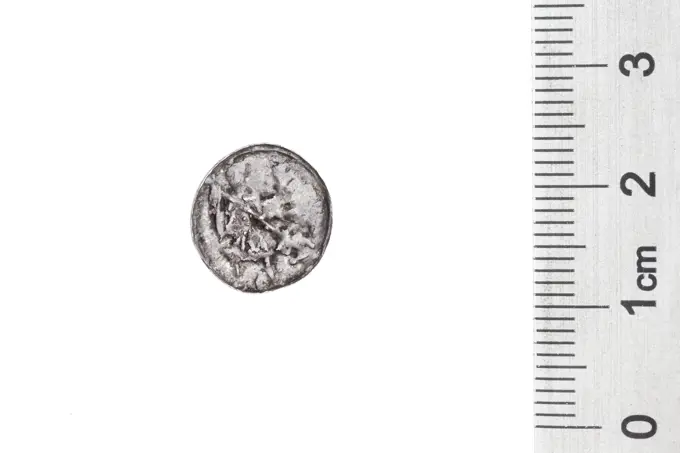
denarius. Bolesław III Krzywousty (książę Polski ; 1107-1138), ruler
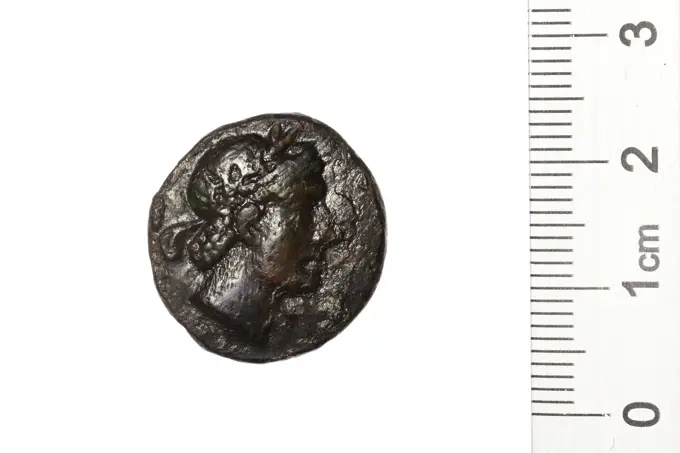
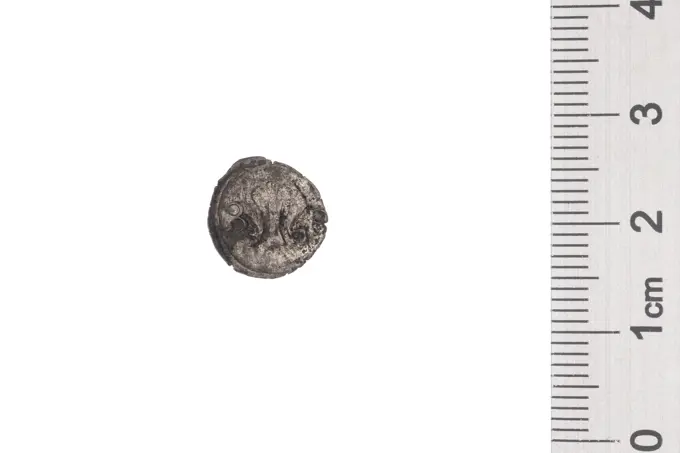
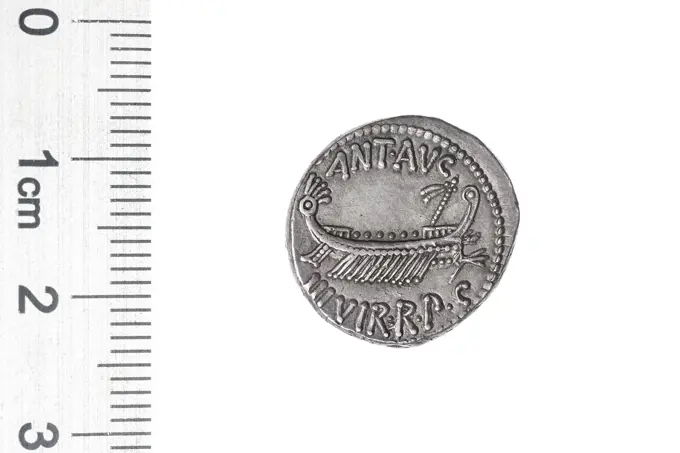
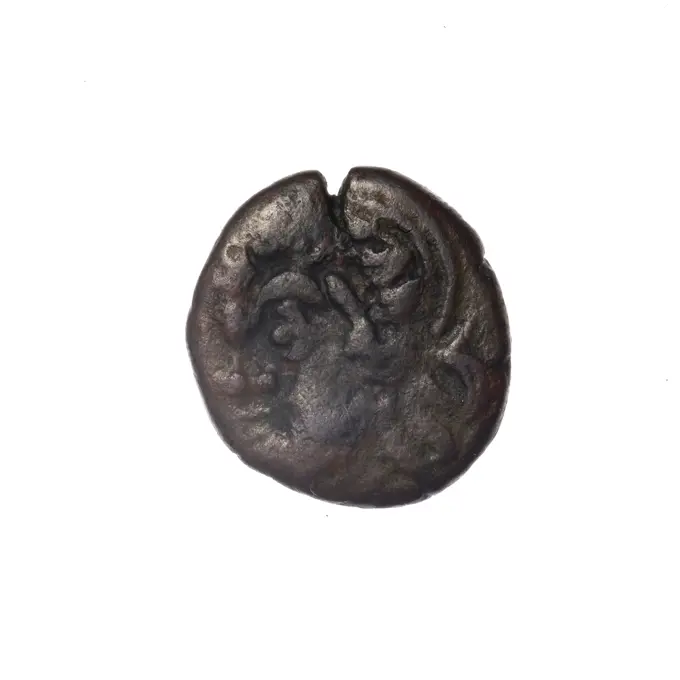
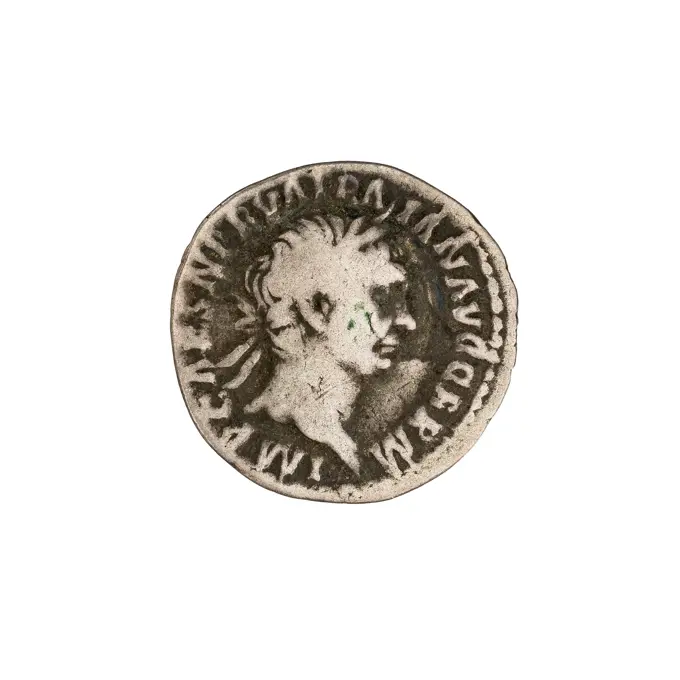
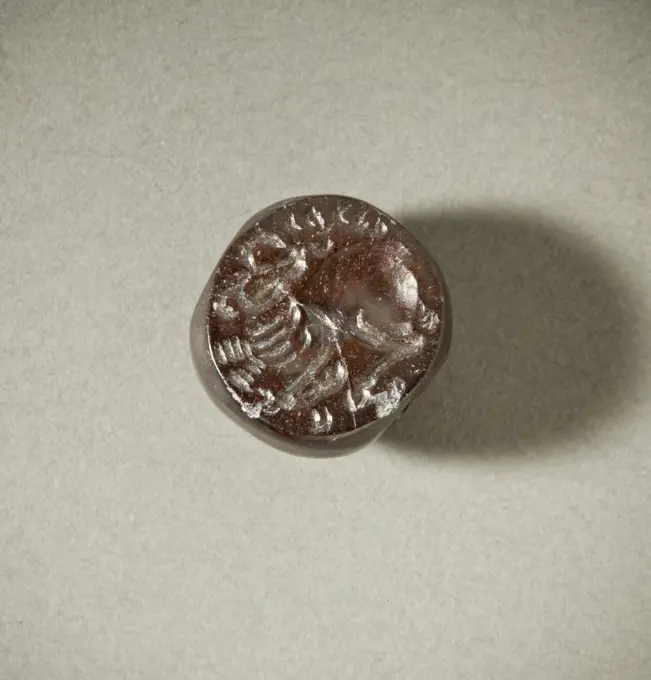
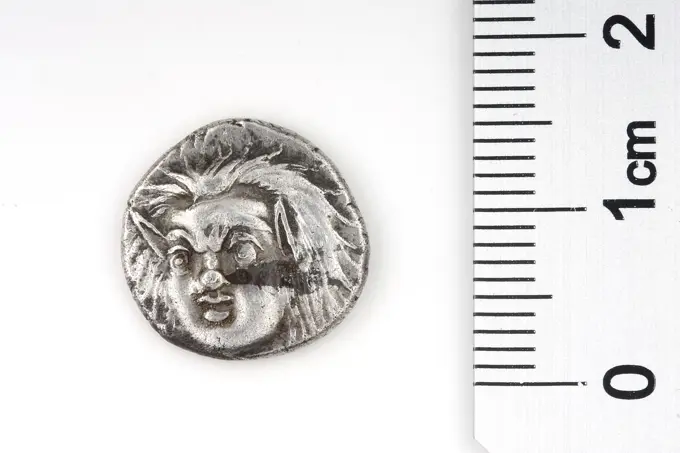
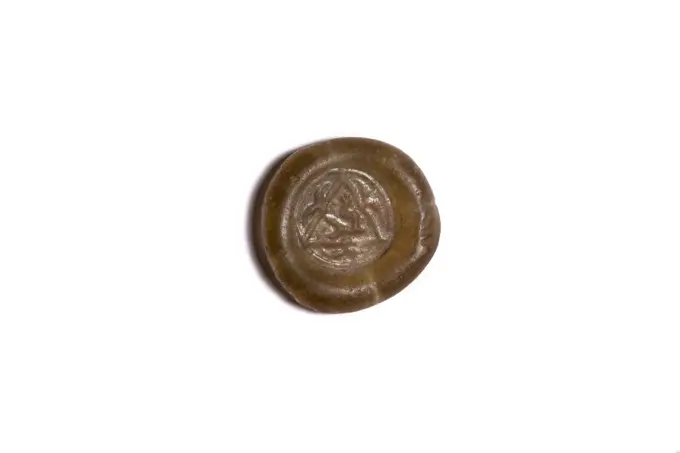
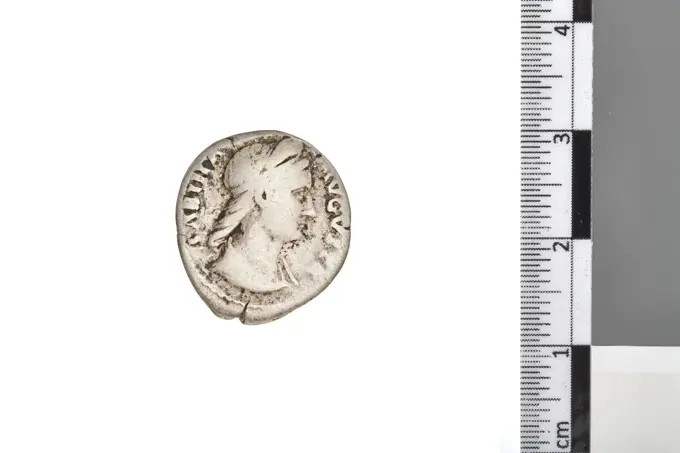
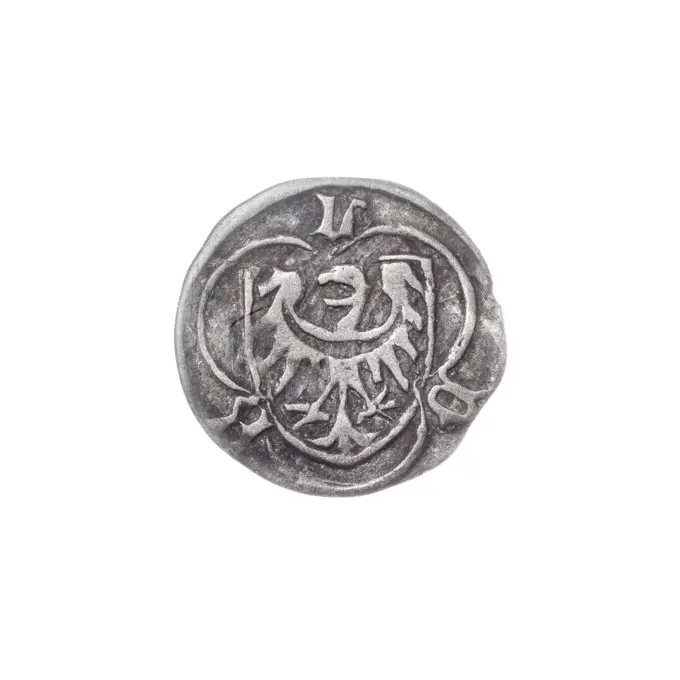
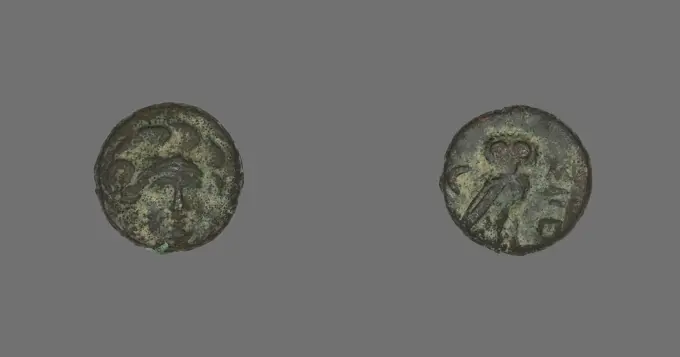
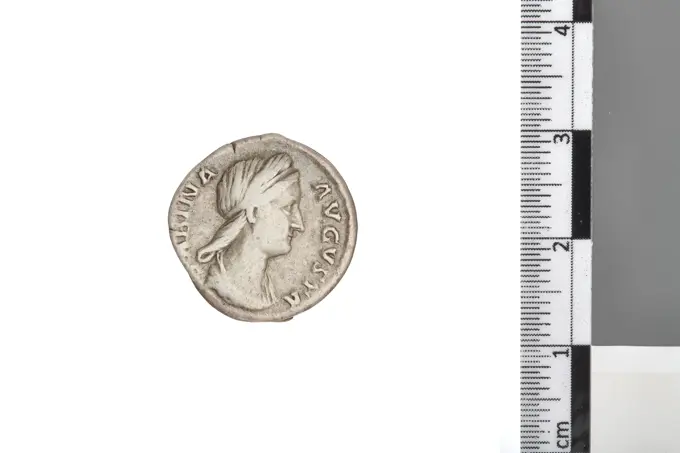
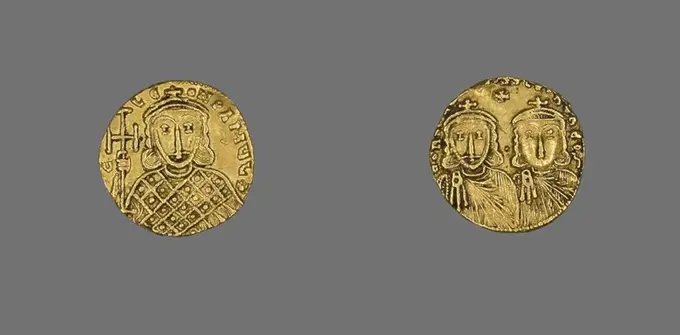
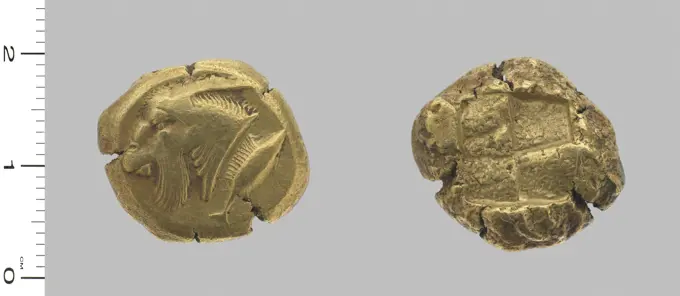
Stater fromCyzicus.  Mint: Cyzicus Artist: UnknownAE. Pantikapaionheller. Ziębice, issuerdenarius; W ADSAW II JAGIEC (King of Poland; 1386-1434); 1386-1434 (1386-00-00-1434-00-00);denarius. Marek Antoniusz (83-30 a.C.), monetary officer, Republika Rzymska, issuerBrown coin; Pantikapaion; 4. W. II century BC (-125-00-00--101-00-00);Chynowski, Józef (1833 -Ca 1915), Chynowski, Józef (1833 -Ca 1915) - collections, Dioskurów (Mitol.), Nadczarzyorze, satir (mitol. Dioskural caps (iconogr.), Horn of abundance (iconogr.)denarius; 98-99 (98-00-00-99-00-00);PAX (personification), heads, abundance horns, laurel wreathsStamp seal. Iran, Sasanian period 224-651. Tools and Equipment; seals. HematiteFalse coin, crown shilIIng, John II Casimir (1649 1668)Denar - Brakteat; approx. 1317/1318-OK. 1327/1328 (1317-00-00-1328-00-00);Tremissis (Coin) of Leo III Struck 720 CE-741 CE Constantinople. Coins were an ideal way for Byzantine emperors to circulate their images throughout the empire and beyond, since they were used to pay for imported merchandise and to pay foreign mercenaries. They could also be employed as powerful vehicles for propaganda, promoting dynastic succession and emphasizing the earthly emperorís god-given right to rule. Leo III (r. 717ñ41) chose to have an image of himself holding a globe surmounted by a cross on both sides of his coin.From the fourth century on, the solidus was the preferred gold coin issued by Byzantine emperors. The solidus remained essentially unaltered in weight and purity until the tenth century. This coin depicting Leo III is a tremissis, worth one-third of 1 solidus.. Gold . Byzantinetriobol. Pantikapaionheller. Ziębice, issuerdenarius (royal type). Bolesław II Śmiały (król Polski ; 1058-1079), rulerDrohiczyn seal. unknown, managerCoin weight. unknown, craftsmanCoins from the wreck of the East Indiesver 't flying heart (perish 1735) .. It was originally 4 coins, packed in a thick corrosion layer. During the electrolysis a separation fell apart. It is South American silver money, Reals. They are more or less square and flat and were ever cut by hand. On one side, an image of a cross can be seen, on the other side the arm of the king of Spain. They were manufactured between 1729 and 1733. Coin.Ancient Coin from Britain Catuvellauni Tribe, 40-20 BCdenarius. Sabina (żona Hadriana ; 117-137), emperor, Hadrian (Roman emperor; 117-138), emperorheller. Zygmunt Luksemburski (cesarz rzymsko-niemiecki ; 1419-1437), ruler, Wrocław, issuerTetradrachm (Coin) Portraying Emperor Antiochos VIII Grypos 104 BCE-96 BCE Syria. The front (obverse) of this coin portrays a diademed head of Antiochus VIII Grypos to the right. On the back (reverse), the god Zeus is depicted, enthroned with a sceptre and Nike with a wreath; a lightening bolt is above.Certainly the best-known face in antiquity was that of Alexander the Great (reigned 336ñ323 BCE), whose profile graced coins for two hundred years. He collected the treasure of conquered kingdoms as he swept across the Near East, and with this rich booty he set up mints that produced coins bearing his portrait. Such self-advertising was new to Greece. Mithrapata (reigned 380ñ370 BCE) is thought to have been the first living person to present his portrait on coins. Previously coins had pictured divinities and mythical characters.The purpose of the first portrait coins was to identify the ruler. The front side became a mirror of the sovereignís self-image. The back was often used to communheller; Ludwik II (Ksi  Brest; Ca 1380-1436); 1399-1436 (1399-00-00-1436-00-00);Jadwiga Śląska (Saint - around 1179-1243), letters, letters L/B - D, church model, Silesian Eagle (iconogr.), Eagles, shield with an eagle (iconogr.), Shields, shields, coat of arms, Silesian Herb shield Silesia (iconogr.)Weight. unknown, craftsmanCoin Depicting the Goddess Athena 400 BCE-301 BCE Ancient Greece. Bronze . Ancient GreekCarnavalet Museum, Medals Collectiondenarius. Sabina (żona Hadriana ; 117-137), emperor, Hadrian (Roman emperor; 117-138), emperorSolidus (Coin) of Constantine V and Leo IV. Byzantine, minted in Constantinople. Date: 751 AD-775 AD. Dimensions: Diam. 1.9 cm; 3.74 g. Gold. Origin: Byzantine Empire. Museum: The Chicago Art Institute, Chicago, USA.False coin, IIthuanian shilIIng, 1622, Sigismund III Vasa (1587 1632)denarius. Sabina (żona Hadriana ; 117-137), emperor, Hadrian (Roman emperor; 117-138), emperorDrachma; Gotarzes II (King of Parta; 40-51); 38-51 (45-00-00-46-00-00);