Historical Coins

A selection of antique coins featuring intricate designs from historical periods, depicting monarchs and mint marks.
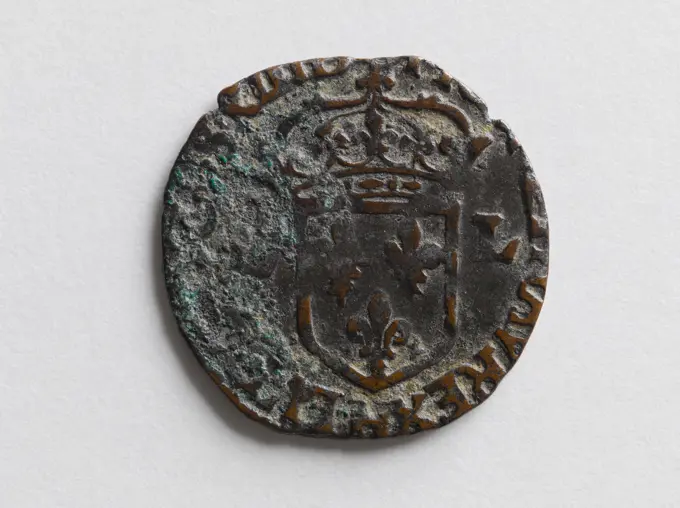
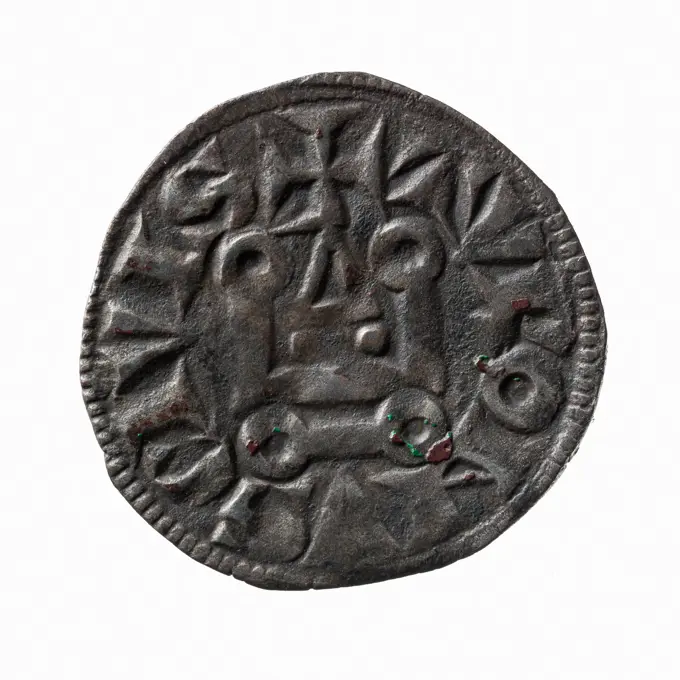
Of Louis XIII's dozen Billon, between 1625 and 1628 Anonymous. Dail of Louis XIII Louis, between 1625 and 1628. Billon, 1625-1628. Carnavalet Museum, History of Paris.
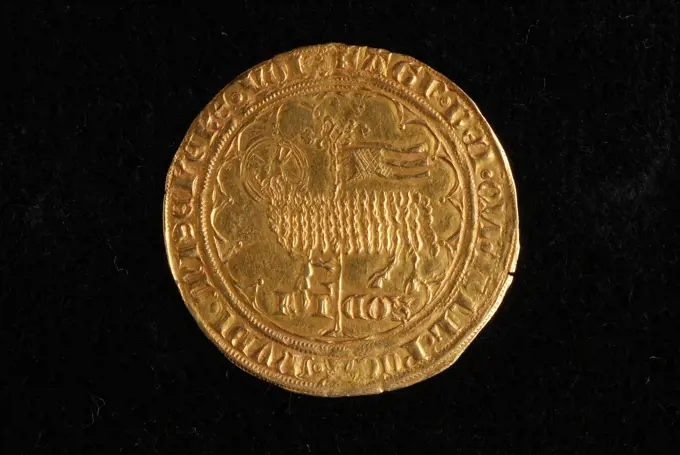
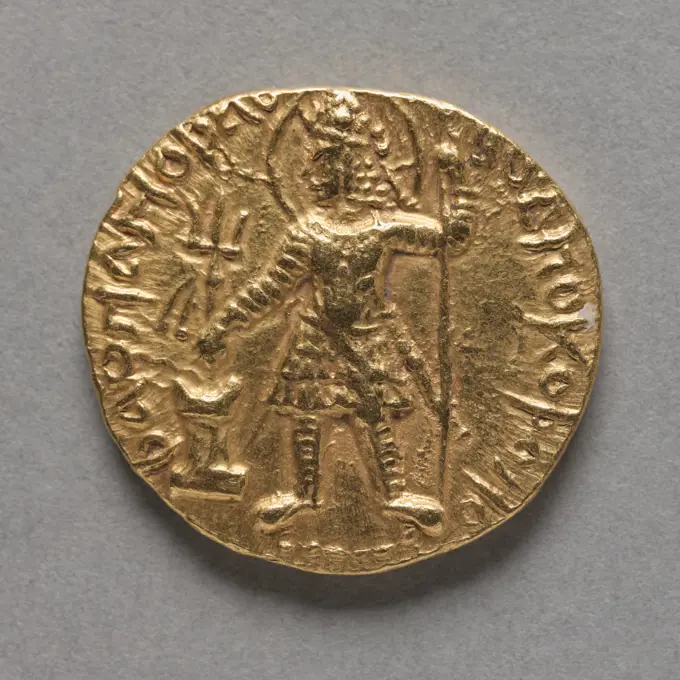
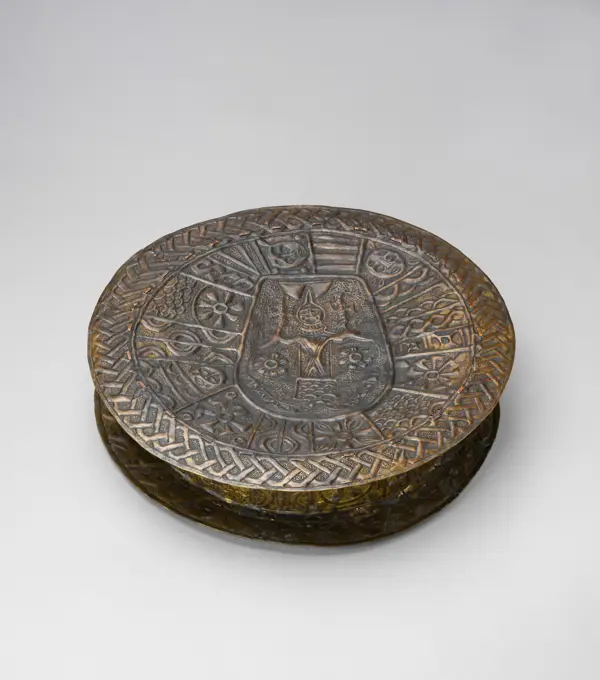
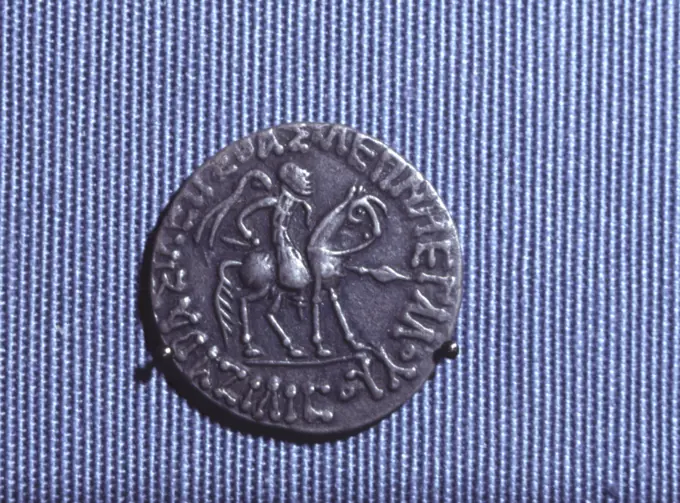
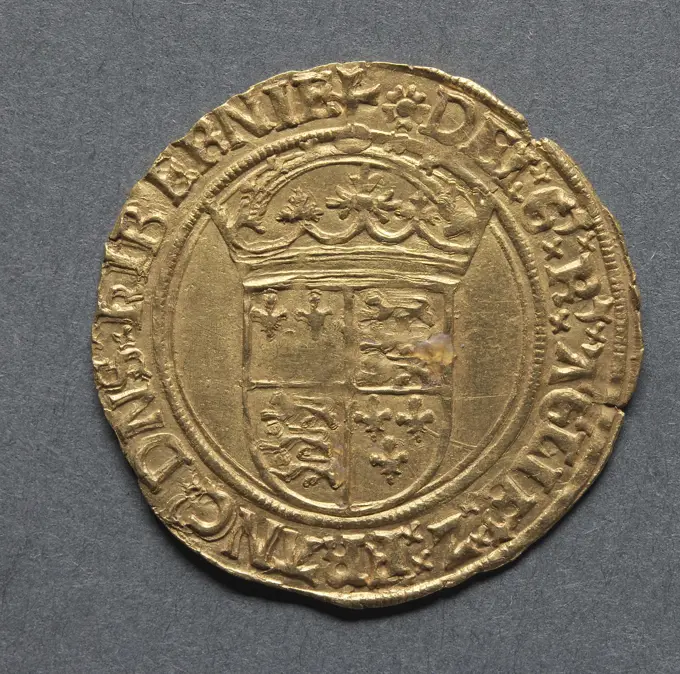
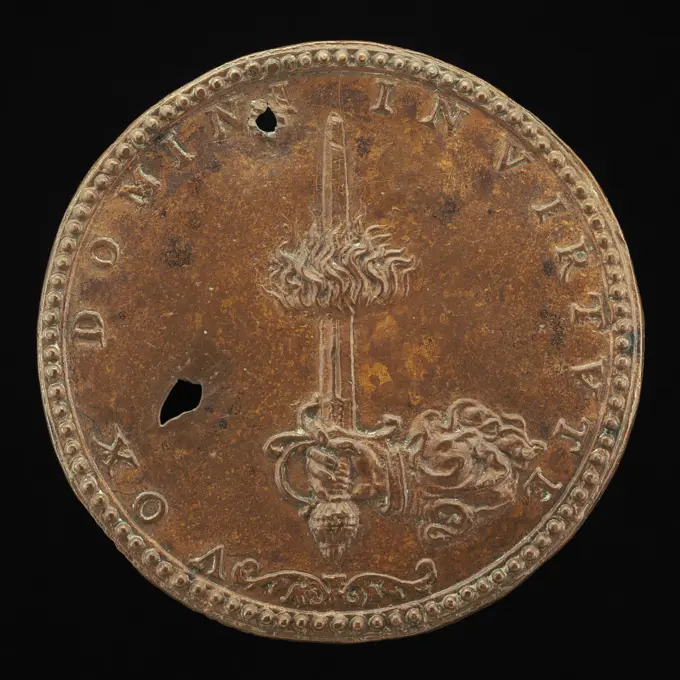
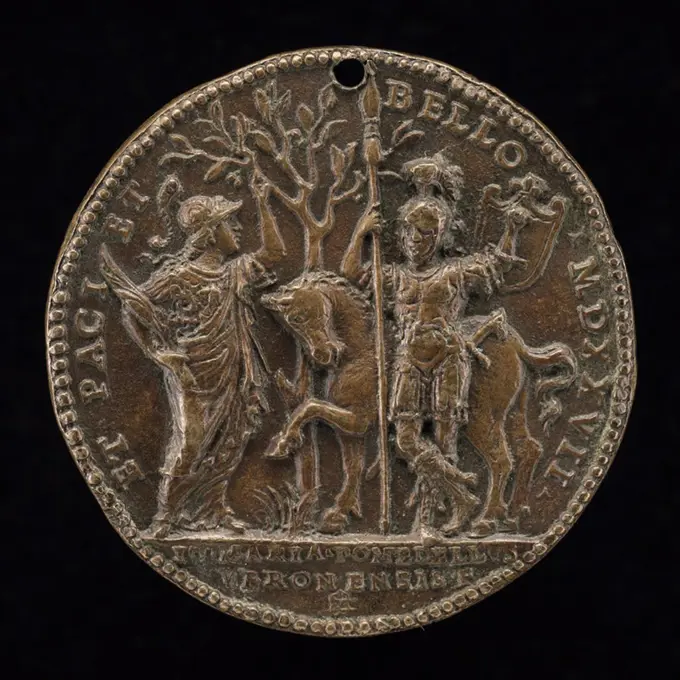
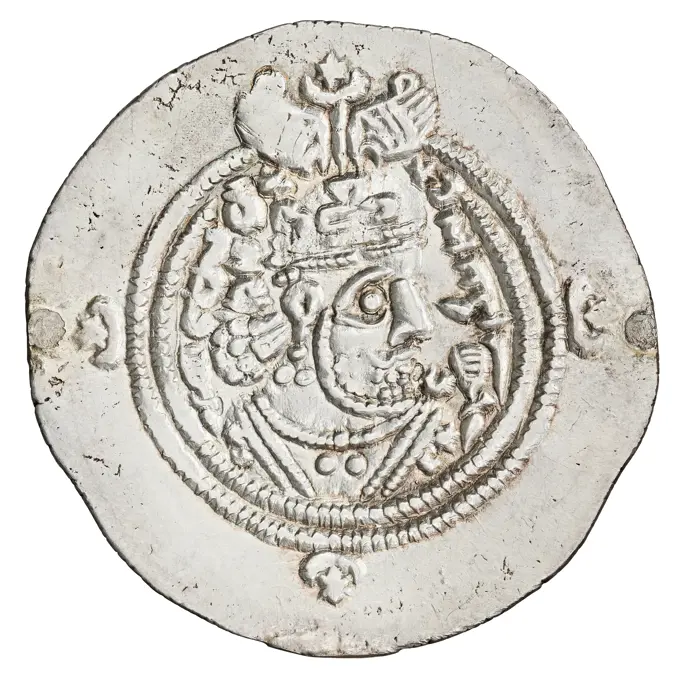
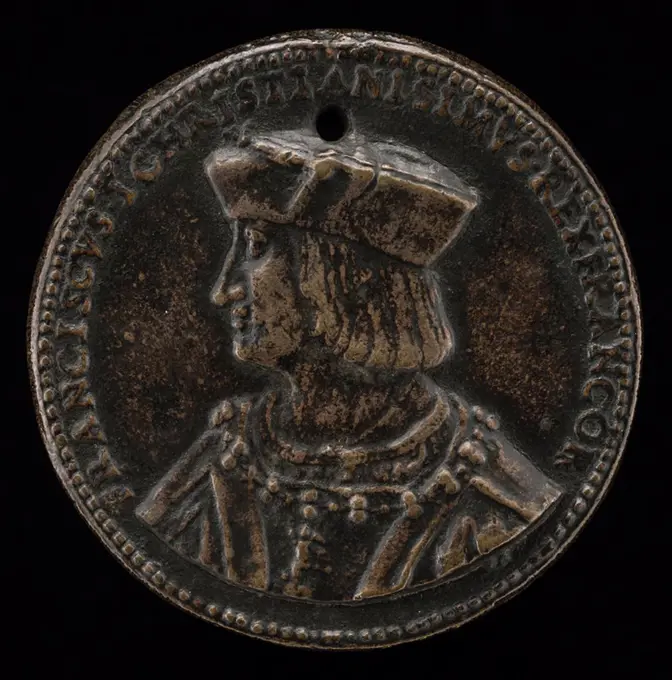
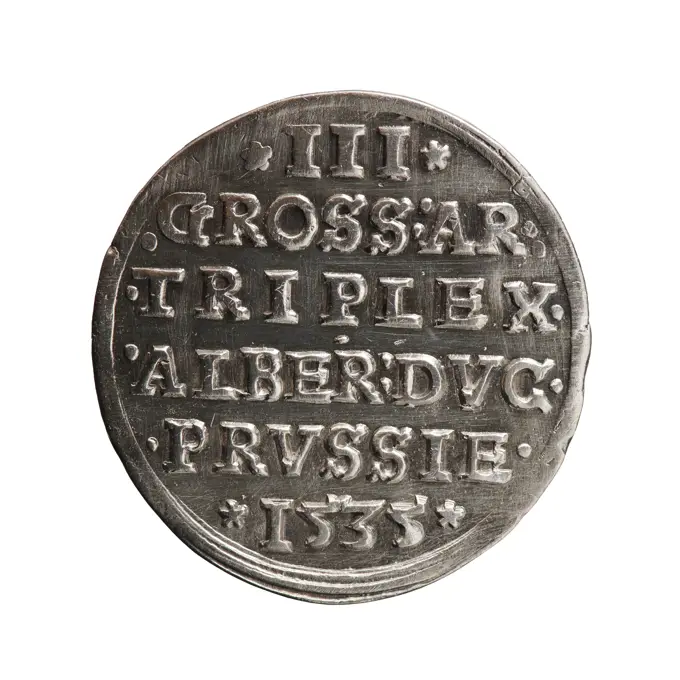
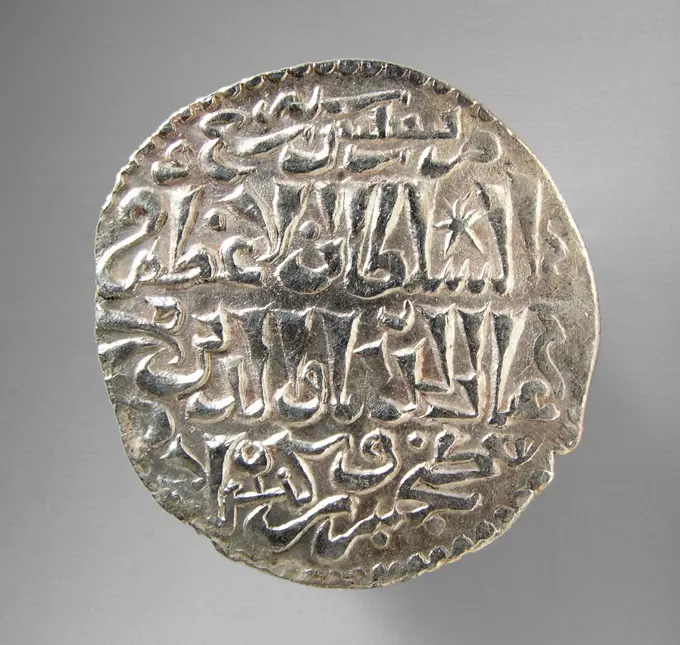
Denier PHILIPE IV Log Tournaments (1285-1314) or Philip III (1270-1285) (Dimmer Title) Anonymous. Denier PHILIPE IV BILLIS TOURNAMENTS (1285-1314) or Philip III (1270-1285), between 1280 and 1290.Paduan 16th Century, Inscription in a Wreath (reverse), c 1515 Inscription in a Wreath reverseDutch double lamb, double_lam currency money swap gold, 4,585 grams Holland Floris V, AGN. DEI. QVI. TOLL. PCCA. MVDI. MISERERE. NOB (Lamb of God who bears the sins of the world take care of us) cross in the field FT - CO'S W. van Rede pay Collection W of Rede Rotterdam.Coin of Kushan King Vasudeva I (obverse), c. AD 142/145-174/177. India, Mathura, Kushan Period (1st Century-320). Gold; overall: 2.2 cm (7/8 in.).Lidded Box (ekpoki) 16th-19th century Edo peoples At its origins, the centralized city-state of Benin was founded by Edo-speaking peoples. The accounts by official court historians and descriptions provided by visitors evoke a vibrant cultural center continually redefined by its leadership through shifting internal and external power dynamics. According to oral tradition, circa 1300, Edo chiefs are reputed to have reached out to the leader of neighboring Ife, Oranmiyan, to establish a new divinely sanctioned royal dynasty. Since then, the investiture of Benins rulers to the title of obas has conferred upon them at once a role of chief priest officiating in important religious ceremonies and presiding over an elaborate structure of palace officials. During the fifteenth century reign of Oba Ewuare, Benins armies were formed and the fortification of its capital with a massive wall undertaken. In parallel, delegations of Portuguese traders assiduously sought to secure exclusive commerciScythian horseman .Azilises. King of Ganghara, now Pakistan. 30 BC. Silver coin.Schuitmansgilde van Vlissingen, Gildepenning with No. 49, Anonymous, 1621 medal Brass medal. Front: supporting a stick, St. Christophorus wears Christophorus with a globe in hand through water; Left: Crowned bottle in Covering. Reverse: to the left sailing two -in -the -face with flag on stern; Above left: Number 49 Inside Cover Flushing brass (alloy) casting / engraving  FlushingCrown of the Double Rose: Crowned Royal Arms (reverse), 1526-1533. England, Henry VIII, 1509-1547. Gold; diameter: 2.5 cm (1 in.).Solidus (Coin) of Empress Irene 797 CE-802 CE Constantinople. Portraits of important people appear on local currency all around the world. The same was true in ancient Rome, which began producing its first coinage in the late 4th century BC. Early coins depicted the heads of gods and goddesses on the front side, often in profile, while the back depicted animals, natural resources, symbols, and references to historical events. It was not until 44 BC that the portrait of a living personóJulius Caesaróappeared on coins. Thereafter, profile portraits of rulers or other members of the imperial family became the standard subject on coins throughout the Roman Empire.Inscriptions on coins help identify the ruler. While the front side depicted the sovereignís portrait, the back was often used to communicate the rulerís accomplishments or aspirations. Until Late Antiquity, portraits usually appeared in profile. The tiny images were carved by engravers into bronze dies, with one for the front andSolidus of Constans II, Emperor ofByzantium. Ruler: Constans II, Emperor of Byzantium, Greek, 630-668, ruled 641-68 Artist: UnknownRetro look Roman coin Vintage looking Ancient Roman coin on a black background Copyright: xZoonar.com/ClaudioxDiviziax 5826680Coin before A.H. 131/ A.D. 749. Coin. before A.H. 131/ A.D. 749. Copper. Excavated in Iran, Nishapur. CoinsNUMISMATICA. MONEDA MODERNA. OCHO ESCUDOS DE ORO, DE CARLOS II. ANVERSO. ESCUDO SIN LAS ARMAS DE PORTUGAL, RODEADO DEL COLLAR DEL TOISON. (DEPOSITO: MUSEO ARQUEOLOGICO NACIONAL).Pastorino de' Pastorini, called Pastorino da Siena, Hand Issuing from a Cloud, Holding a Flaming Sword (reverse), 1564 Hand Issuing from a Cloud, Holding a Flaming Sword reversePallas and Mars reverse. Dated: 1527. Medium: bronze. Museum: National Gallery of Art, Washington DC. Author: Giovanni Maria Pomedelli.Grosso of Reniero Zeno from Francesco Zane;Venice. Ruler: Reniero Zeno, Venetian, died 1268 Mint: Francesco Zane Mint: Veniceseal of the Mint Commission. Komisja Mennicza, signatoryPlanets-manager. Cornalet Collection Sites 2013-2016. Numismatic.Carnavalet Museum, Medals Collectioncrown three; Zygmunt I Stary (King of Poland; 1506-1548); 1528 (1528-00-00-1528-00-00);Drachma; Chosroes II (W Adca Persia; 590-628); 590-628 (591-00-00-628-00-00);Paduan 14th Century, Four wheeled Carro, Heraldic Symbol of the Carrara Family (reverse), 1390 Four-wheeled Carro, Heraldic Symbol of the Carrara Family reverseBliżej Kultury unknownFrançois I, 1494-1547, King of France 1515 obverse. Dated: probably 1515/1518. Dimensions: overall (diameter): 5 cm (1 15/16 in.) gross weight: 47 gr. Medium: bronze//Later casting. Museum: National Gallery of Art, Washington DC. Author: Giovanni Maria Pomedelli.Trojak; Decjusz, Jost Ludwik (Fl. 1528-1535); 1535 (1535-00-00-1535-00-00);Stefan Batory (1576-1586), Trojak Gdański, Gdańsk; 1579 Mint Gdańsk, Stefan BatoryPlanets-manager. Cornalet Collection Sites 2013-2016. Numismatic.Coin dated: A.H. 156/ A.D. 773-74. Coin. dated: A.H. 156/ A.D. 773-74. Copper. Excavated in Iran, Nishapur. Mint al-Kaffan. CoinsMedal with king Sigismund III by Anonymous artist, Silver, 1606, Russia, St. Petersburg, State Hermitage, D. 3,9Bilingual silver horseman-type dirham. Georgia, 1239/637 A.H.. Tools and Equipment; coins. CoinAccount Token with Fleurdelized Ecu, Low Middle Ages Anonymous. "Account token with Fleurdelized Ecu, Low Middle Ages". Copper.seal of the government of South Prussia in Warsaw. Rząd Prus Południowych, signatory