Historical Coins

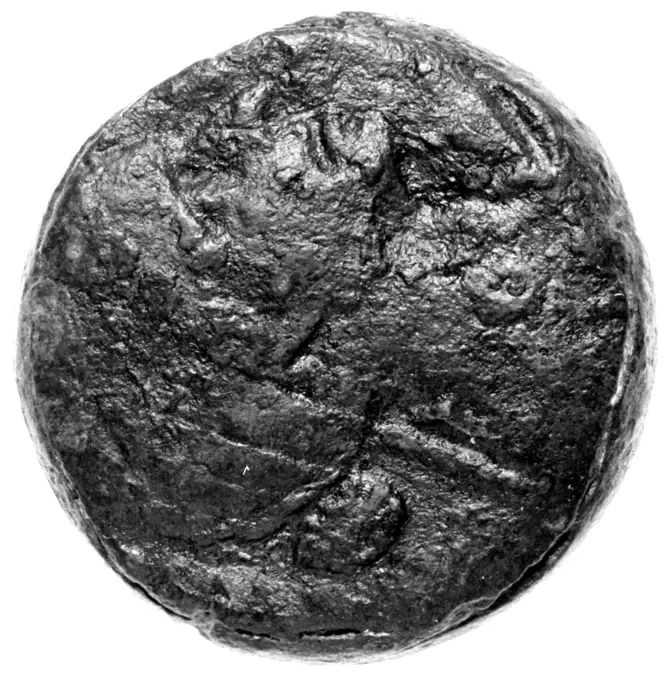
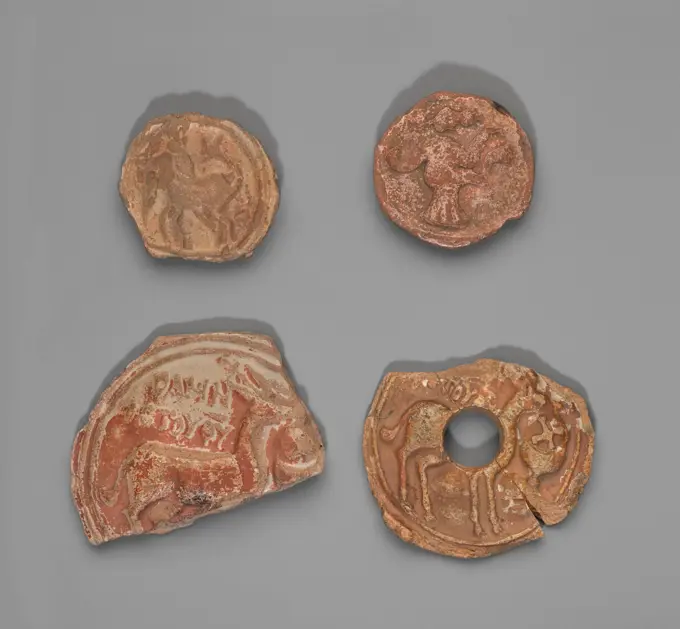
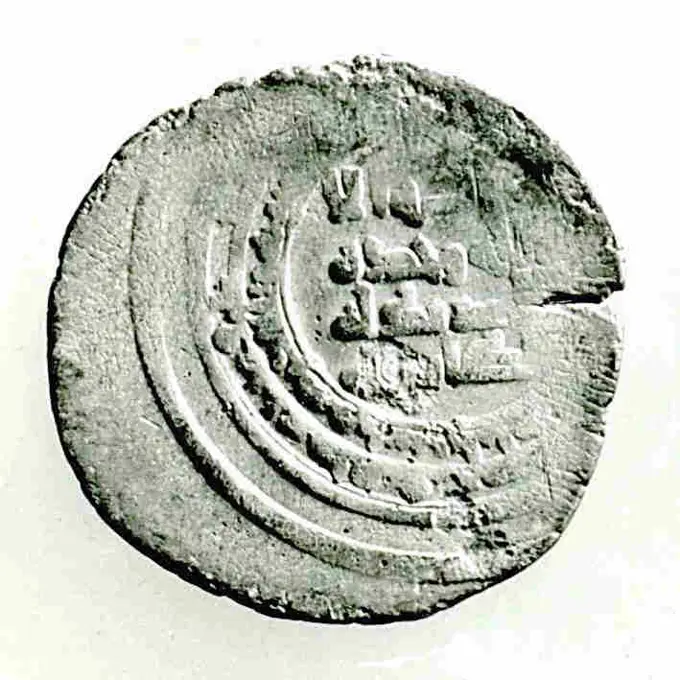
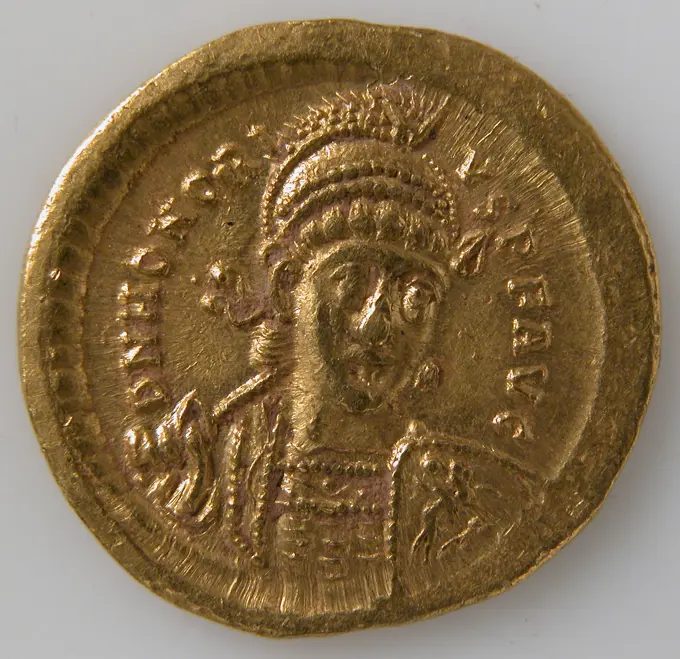
Ancient coins displaying intricate designs, featuring historical figures and elements, showcasing the artistry of past civilizations.

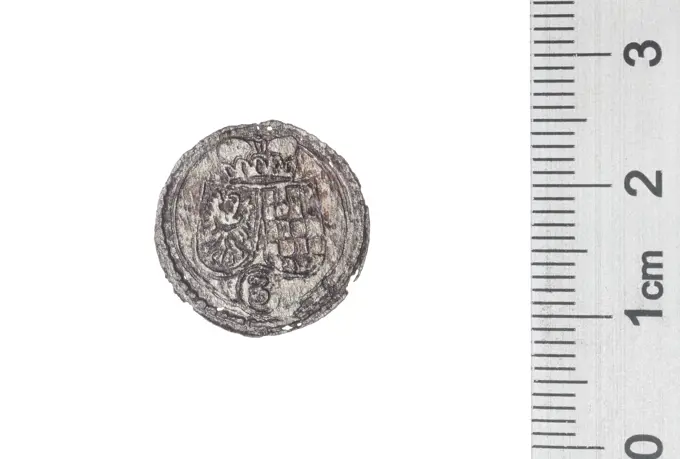
Bliżej Kultury Jan olmbrew (1492 1501)
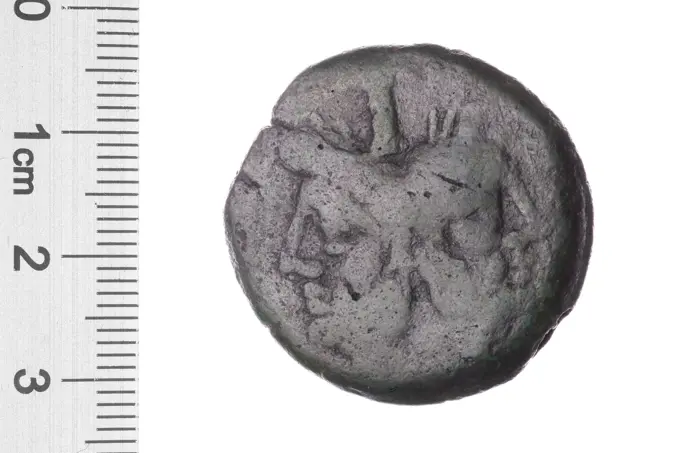
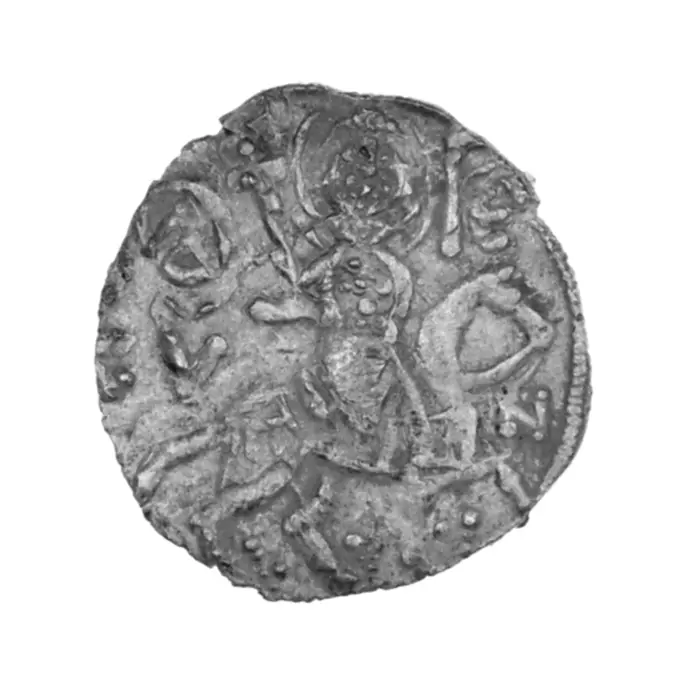
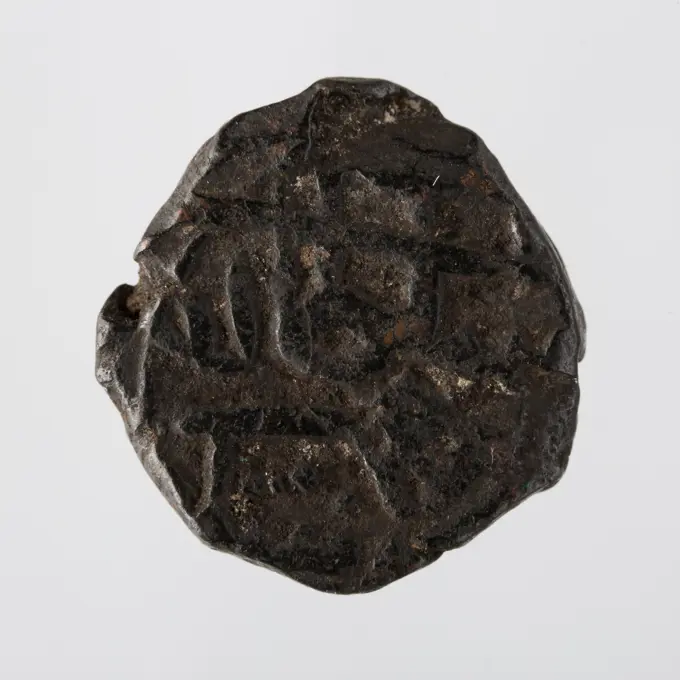
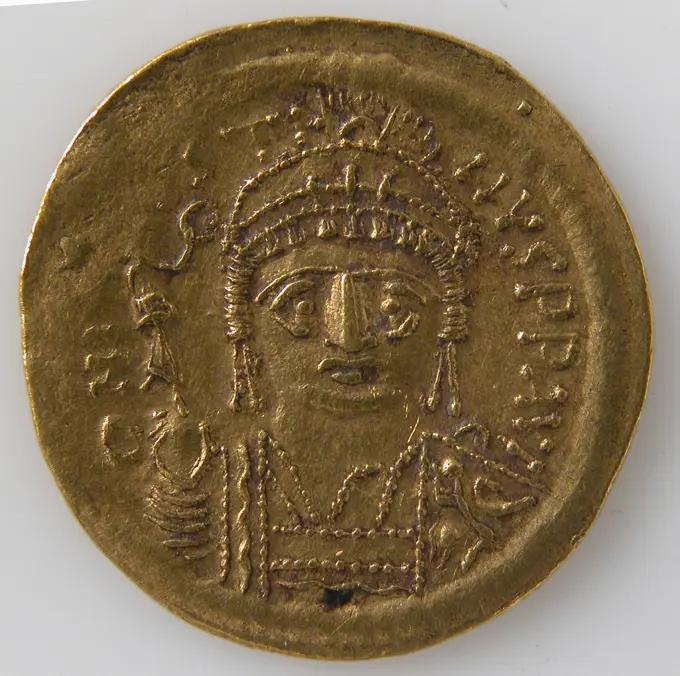
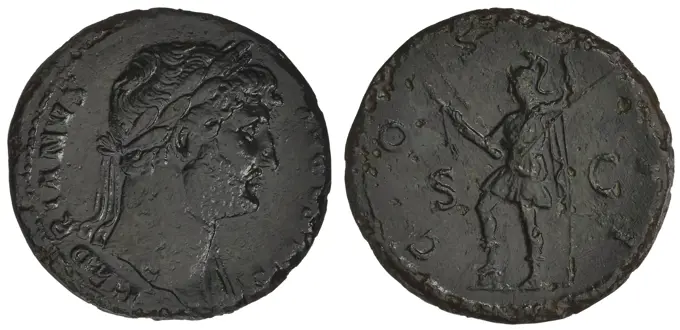
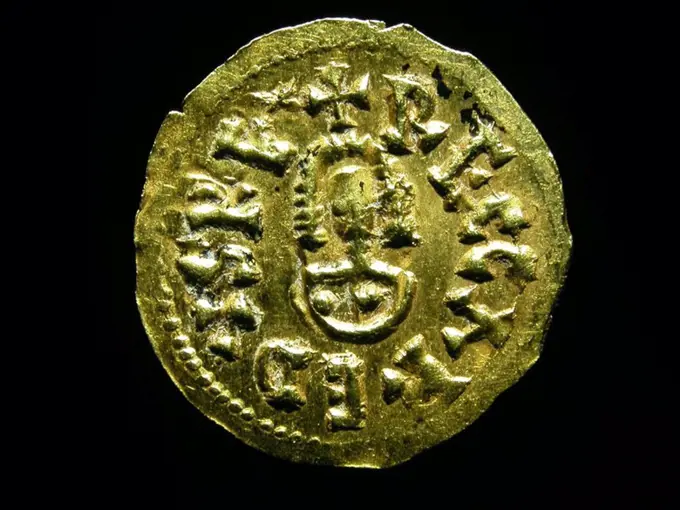
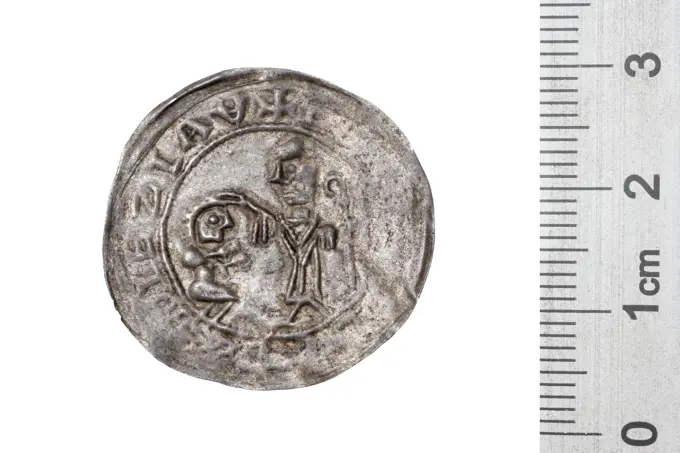
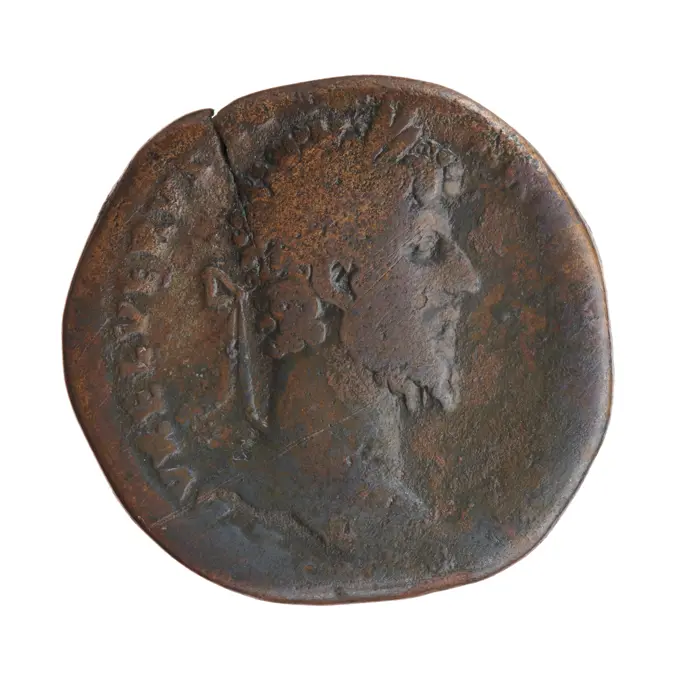
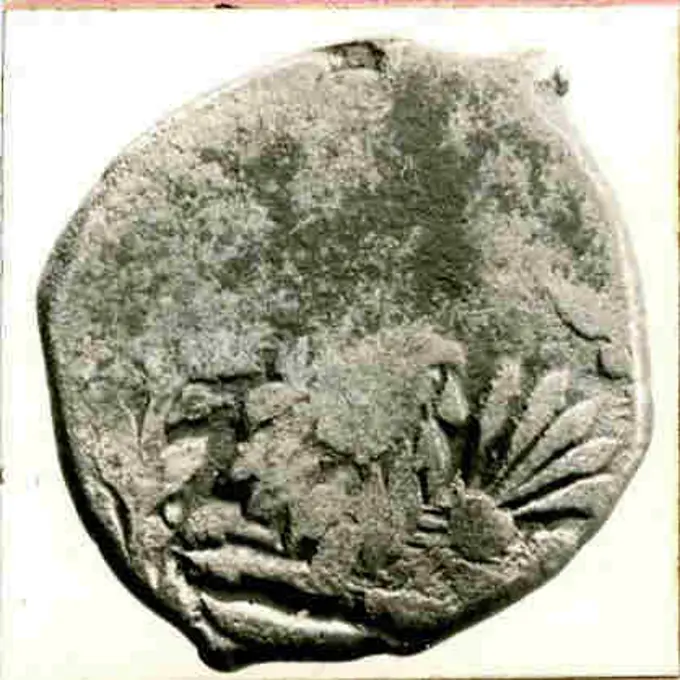
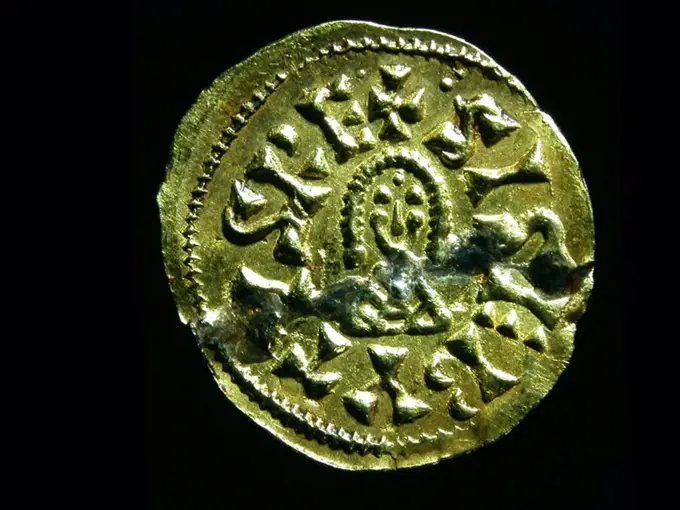
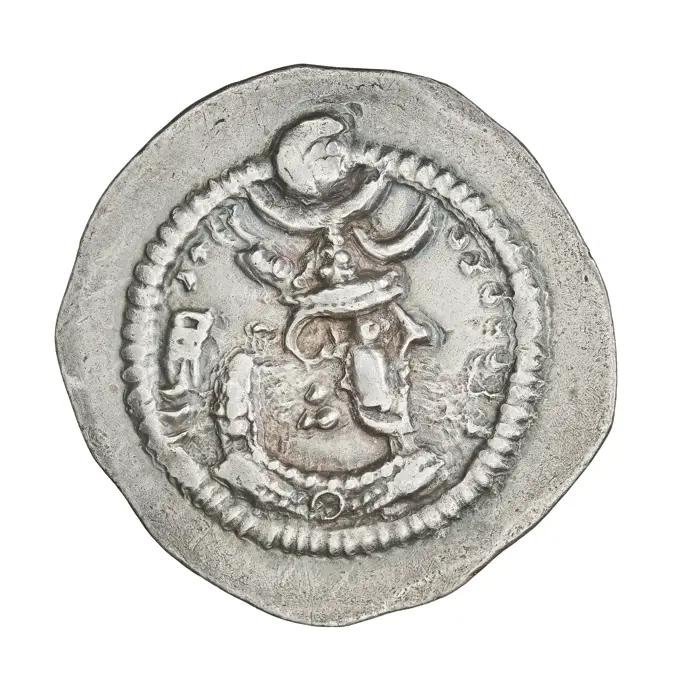
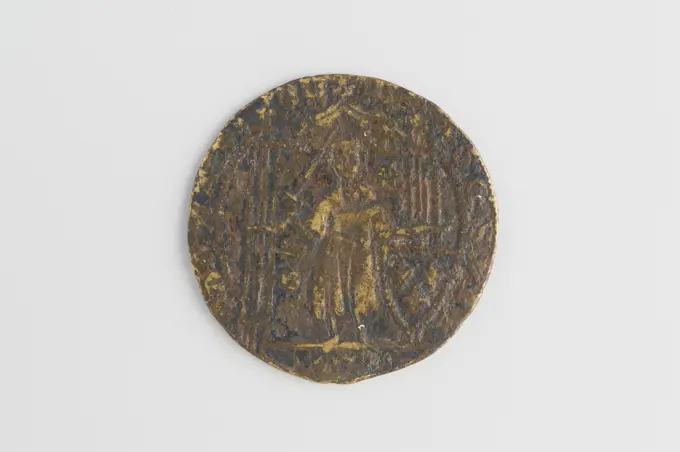
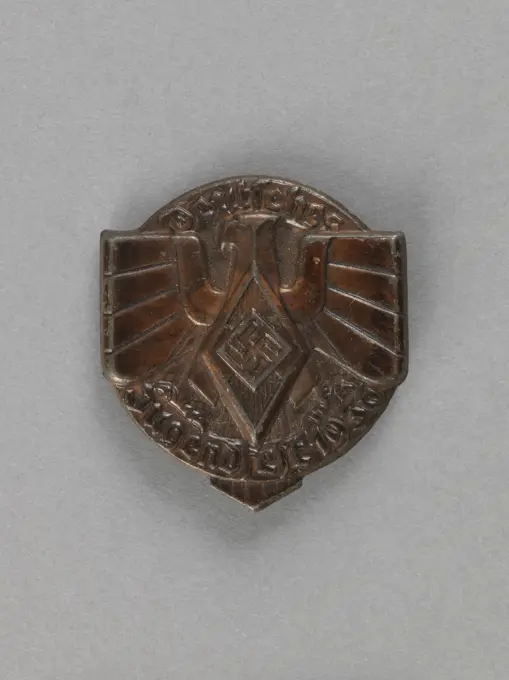
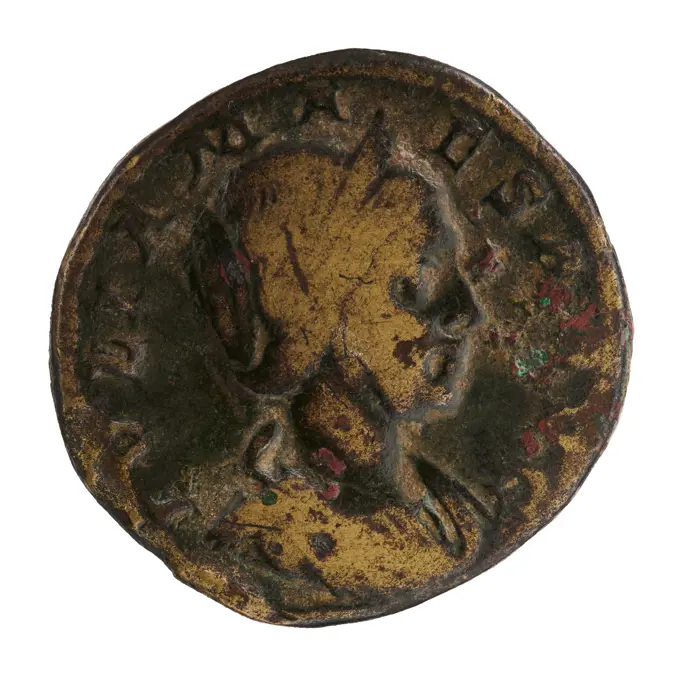
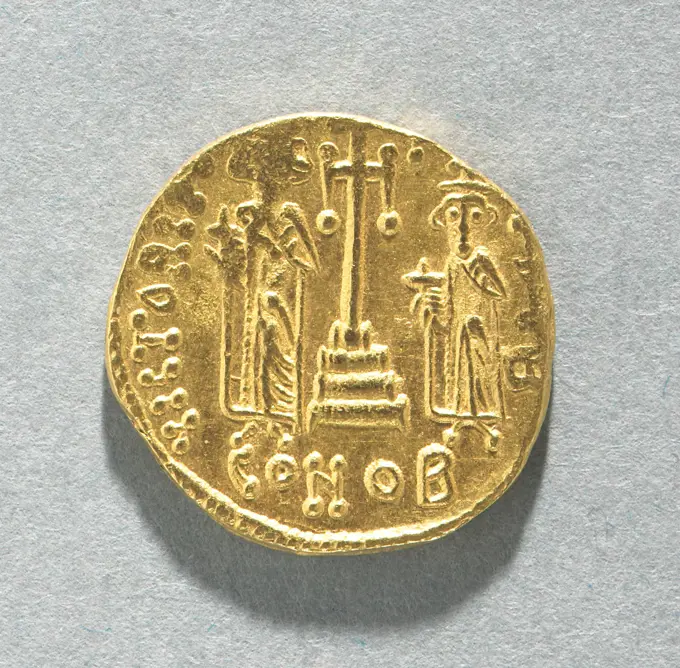
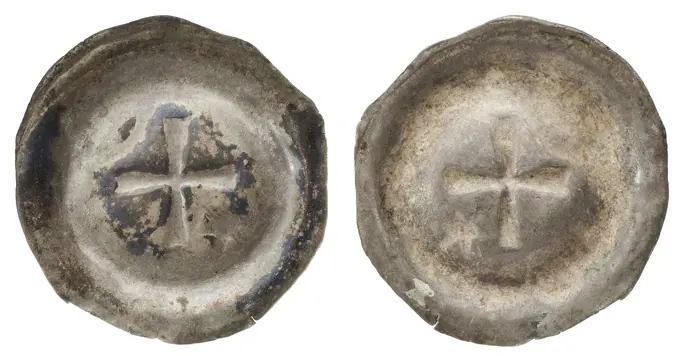
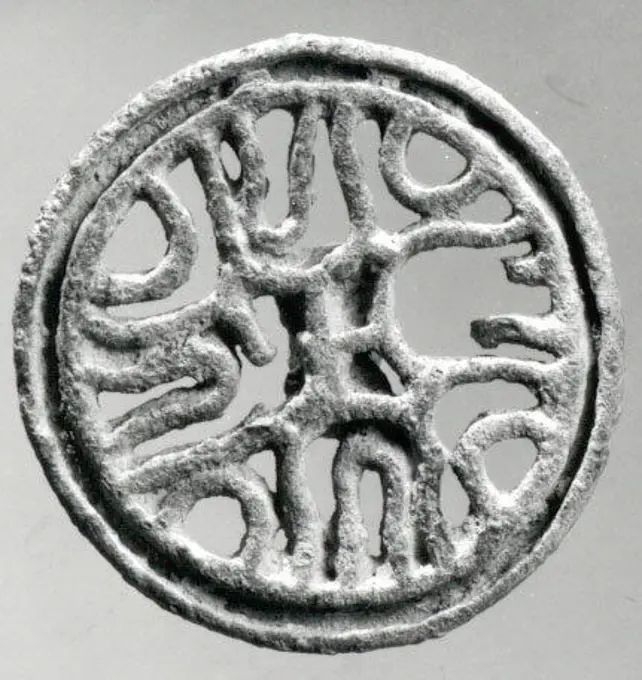
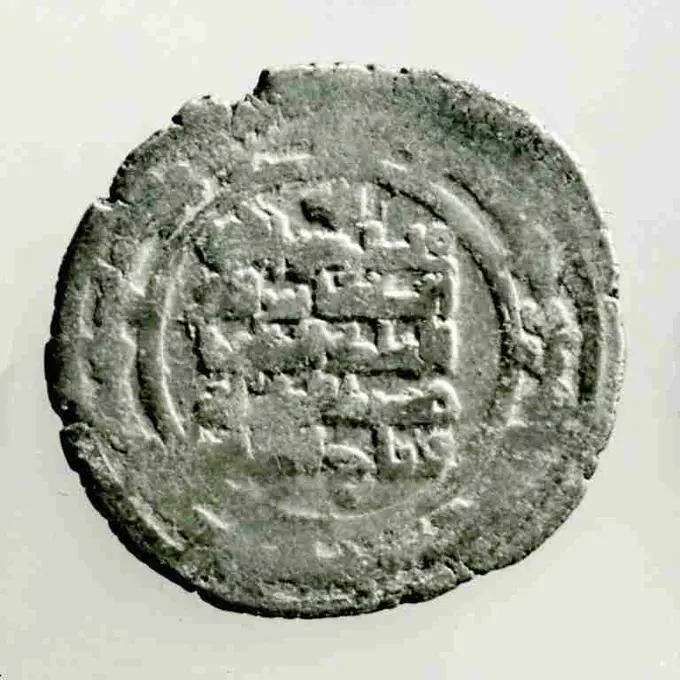
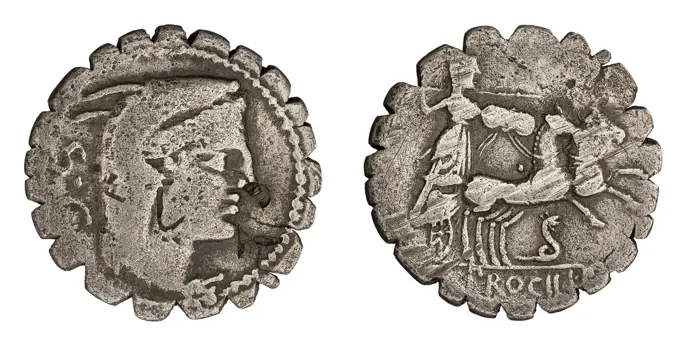
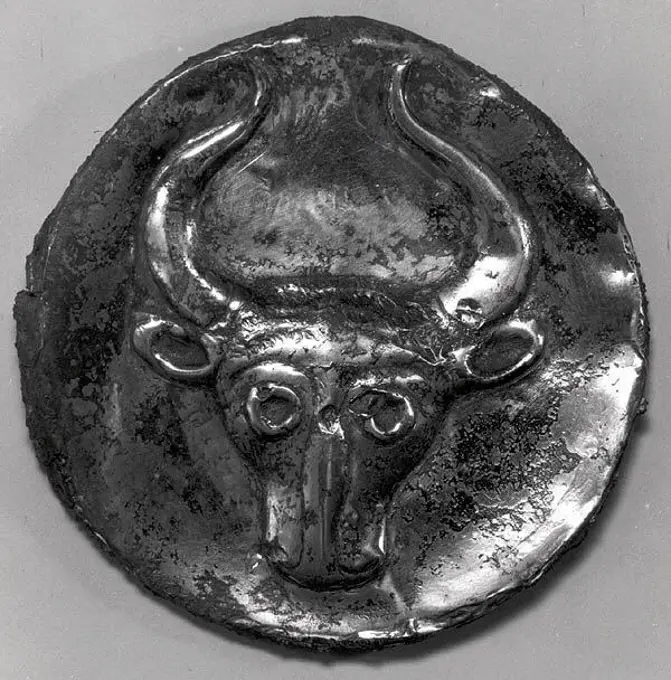
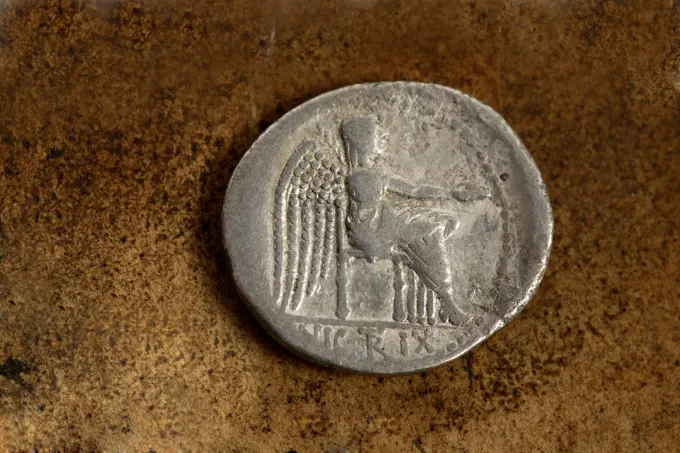
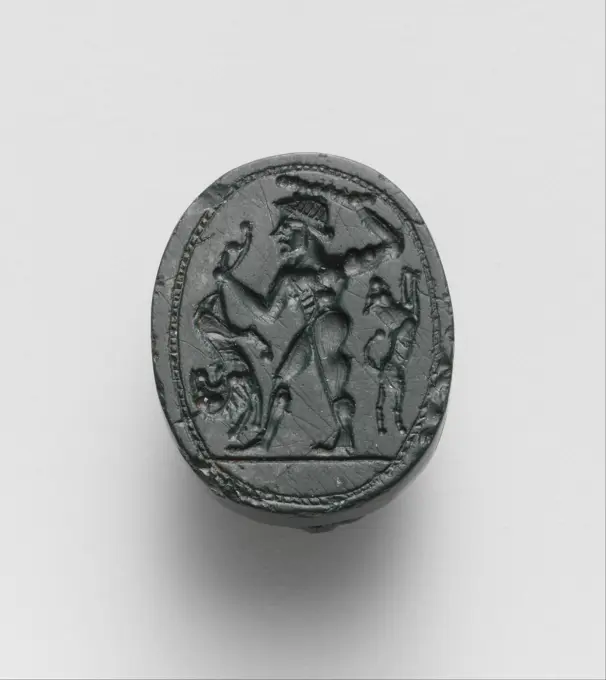
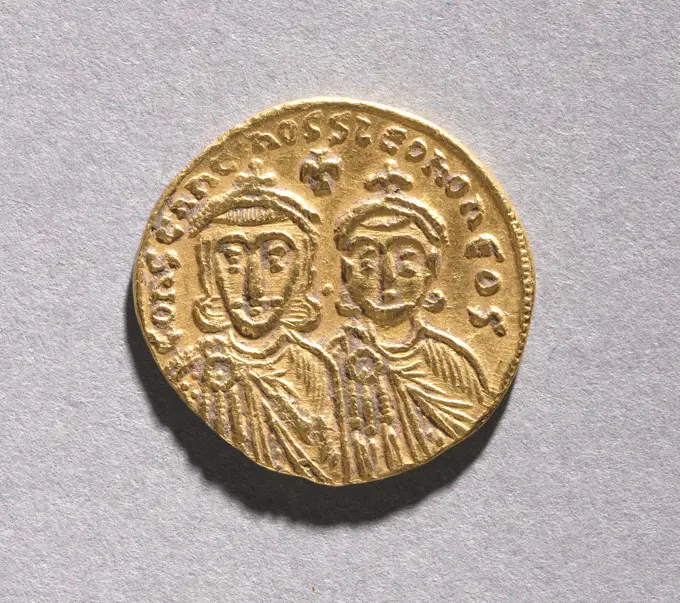
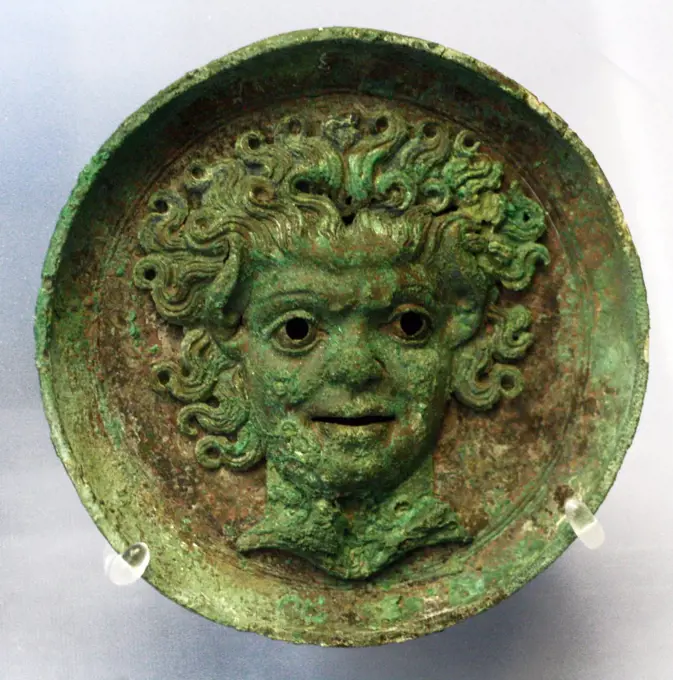
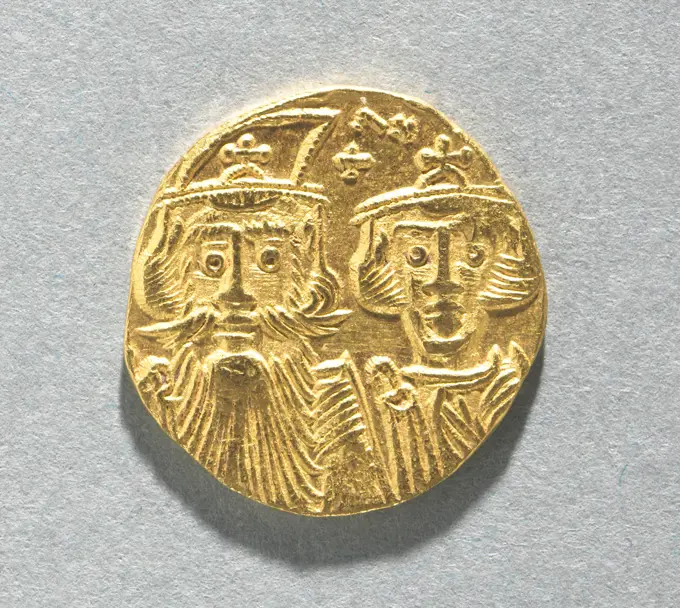
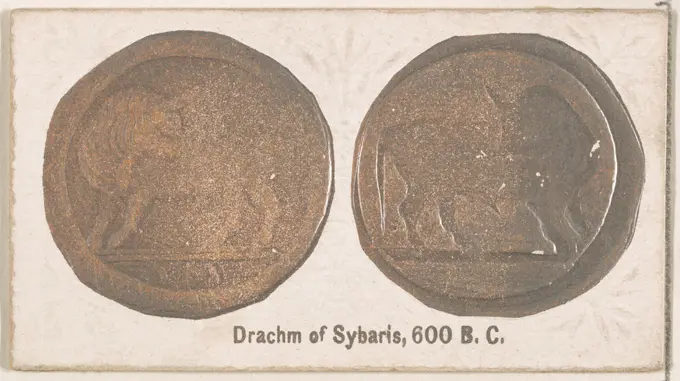
NUMISMATICA. MONEDA VISIGODA. CHINDASVINTO ALAPA (GALLAECIA) (642-653) REVERSO.HALLAZGO DE LA GRASSA. DONADA POR DON JAIME BARCALLI.bracteate denarius. Zakon krzyżacki (1190-), issuerCarnavalet Museum, Medals Collectionas. Anonimowy, monetary officer, Republika Rzymska, issuerUnattributed Trebizond Coin. UnknownUnattributed Trebizond Coin. UnknownIndia, Sultanate Kashmir, Fatḥ šāh (888 898 AH = AD 1483 1492), Kashmir, Kashrah, 1483 1492; 1513; 1517sesterce; Antoninus Pius (86-161; Roman emperor 138-161), Marek Aureliusz (121-180; Roman emperor 161-180); 158-159 (158-00-00-159-00-00);Solidus 565-578 Byzantine. Solidus. Byzantine. 565-578. Gold. CoinsAE. PantikapaionAE. Pantikapaionsestertius. Hadrian (Roman emperor; 117-138), emperorPhalera with Relief of Lion Attacking a Stag; Parthia; 2nd century B.C; Silver with gilding; 9 × 12.6 cm (3 9,16 × 4 15,16 in.)Kiterian Bospor, Panticbajon, Last Quarter of the 4th Century BC; AEE Panticapaeum mintNUMISMATICA. MONEDA VISIGODA. RECAREDO II EMERITA (LUSITANIA) (621) ANVERSO. ADQUIRIDA A LA CASA DE SUBASTAS VICO 2001.bracteate. Bolesław III Krzywousty (książę Polski ; 1107-1138), rulerCoin Depicting the God Apollo. Greek. Date: 133 BC. Dimensions: Diam. 1.5 cm; 3.93 g. Bronze. Origin: Ancient Greece. Museum: The Chicago Art Institute, Chicago, USA.Fars that coin is coin, 29255, rape, rape, or Mablication oflandlandsquadrans (aes grave). Anonimowy, monetary officer, Republika Rzymska, issuersesterce; Antoninus Pius (86-161; Roman emperor 138-161), Faustina older (98-141; Roman Empress 138-141); after 141 (141-00-00-166-00-00);False Coin, 1/2 Crown Groschen, John I Albert (1492 1501)Greece, Egypt, Ptolemy IV - Ptolemy VIII (221-180 BC), Cyrenaica, Cyrene, bronze (AE) Cyrene mintsesterce; Lucius Werus (130-169; Roman emperor 161-169); 163-164 (163-00-00-164-00-00);Coin 1785-1925. Coin 457378NUMISMATICA. MONEDA VISIGODA. SISEBUTO ISPALI (BAETICA) (612-621) ANVERSO. COMPRA AL MARQUES DE LA CAÑADA.Drachma; Firuz (459-484); 459-484 (399-00-00-420-00-00);Planets-manager. Cornalet Collection Sites 2013-2016. Numismatic.Coin dated A.H. 1033/ A.D. 1623. Coin. dated A.H. 1033/ A.D. 1623. Copper. Made in Iran. CoinsAE. PantikapaionCoin. UnknownA fragment of a bowl, a fragment of a bowl, a fragment of the bottom of the plate with decorations stamp; Unknown Nubian workshop; 2. PO. IX-XI century (851-00-00-1100-00-00), X-XII century (901-00-00-1200-00-00);Faras (Sudan), Old Dongola (Sudan), Nubian ceramics, figural decorations, flutal decorations, imprinted decorations, stamp decorations, star (iconogr.), Medallions, bowls, nubian vessels, bird images, animal images, Polish excavations (Sudan), Polish excavations in Stara DongoNUMISMATICA. MONEDA VISIGODA. SISENANDO CORDOBA (BAETICA) (631-636) REVERSO.Sesterce de Marc Aur�le, 175-176 Anonymous. Sesterce de Marc Aurelele (Reverse), 175-176. Bronze.Seal, human shaped ca. 2323-2040 B.C. Late Old Kingdom-First Intermediate Period. Seal, human shaped. ca. 2323-2040 B.C.. Steatite. Late Old Kingdom-First Intermediate Period. From Egypt. Dynasty 3-9Coin 976-83. Coin 457239Solidus 395-423 Byzantine. Solidus 462713Anonymous, Insigne of the Hitler Youth Day Deutsches judgendfest 1936 (German Youth Festival) (attributed title), 1936. Metal stamped and united. Museum of the Liberation of Paris - General Leclerc Museum - Jean Moulin Museum.Paul on the way to Damascus. Round, lead plaque, surrounded by a leaf edge. In the middle in the foreground Paul deposits from his horse, seeing to the heavenly vision, in which Christ appears him. To the right of him figures on horseback, scaring for the light. One of them hides behind his shield. On the left a horse and a rider, cross-cut through the edge. On the second plan, two men on thrilling rosses. In the background a river landscape with trees, mountains and buildings.dupondius; Heliogabal (204-222; Roman emperor 218-222); 218-223 (217-00-00-217-00-00);AE. PantikapaionCoin of Valerian, Emperor ofRome. Ruler: Valerian, Emperor of Rome, ca. A.D. 190-260, ruled 253-60False coin, IIthuanian shilIIng, John II Casimir (1649 1668)Fars that coin is coin, 103, 193333, Resract of AsialandsSolidus of Constans II and Constantine IV with a Cross Potent on Three Steps (reverse), 659-661. Byzantium, 7th century. Gold; diameter: 1.9 cm (3/4 in.). The vast number of surviving Byzantine coins attests to the level of trade across the empire. Controlled and supervised by the emperor, the producers of coins took care to represent his authority and reflect his stature. Talented artists were recruited to engrave the dies (molds) used for the striking of coins. Emperors increasingly came to include their heirs and co-emperors on their coinage, as well as other family members or even earlier rulers. Coins were recognized, then as now, as small, portable works of art. With their inscriptions and images, Byzantine coins provide valuable documentation of historical events and a record of the physical appearance of the emperors. The coin shown here is the solidus, the basic gold coin of 24 karats.NUMISMATICA. MONEDA MODERNA. DOS ESCUDOS DE ORO, DE FELIPE V. REVERSO. DOS COLUMNAS CORONADAS SOBRE OLAS EN TRES LINEAS HORIZONTALES.1721. (DEPOSITO: MUSEO ARQUEOLOGICO NACIONAL).bracteate denarius. Zakon krzyżacki (1190-), issuerKimerian Bospor, Panticajon, 2nd Quarter of the 3rd Century BC; AEE Panticapaeum mintNUMISMATICA. MONEDA MONEDAS BIZANTINAS DE ORO Y BRONCE. REAL ACADEMIA DE LA HISTORIA.bracteate denarius. Zakon krzyżacki (1190-), issuerEngraved Gem, Roman Empire; 2nd - 4th century; Greenish-blue glass; 2 × 1.6 cm (13,16 × 5,8 in.)Fifty -year anniversary of Queen Wilhelmina 1948, Gerharda Johanna Wilhelmina Rueb (Gra), 1948 history medal Dark patinated bronze medal, on the front in high wire relief Wilhelmina on horseback to left with a change, on the downside in wire relief an Oranjeboom with two coats of arms between two years, with a description far from the edge.  bronze (metal) castingNUMISMATICA. MONEDA MODERNA. OCHO ESCUDOS DE ORO, DE FELIPE V. ANVERSO. CRUZ DE JERUSALEN ACURTELADA DE CASTILLOS Y LEONES. (DEPOSITO: MUSEO ARQUEOLOGICO NACIONAL).Compartmented stamp seal ca. late 3rd-early 2nd millennium B.C. Bactria-Margiana Archaeological Complex. Compartmented stamp seal 326854Coin: Havishka (obverse), c. 106-149 AD. India, Mathura, Kushan Period (1st Century-320). Gold; diameter: 2.2 cm (7/8 in.).Napoleon Le Petit, 1851-1870 (dummy title) Napoleon Le Petit, 1851-1870. Brass, 1870.Coin dated A.H. 36/ A.D. 97. Coin 457164Stożek pogrzebowy Amenwahsu. unknown, authorCarnavalet Museum, Medals CollectionUnattributed Trebizond Coin. UnknownCoin 14th centurydenarius (serratus). Procilius, L. (fl. 80 a.C.), monetary officer, Republika Rzymska, issuer3 groschen (eleemosynary coin) a może charitable. Jerzy Rudolf (książę legnicko-brzeski ; 1595-1653), rulerPlaque or lid with a bull's head ca. late 3rd-early 2nd millennium B.C. Bactria-Margiana Archaeological Complex. Plaque or lid with a bull's head 326957Roman Silver Coin 89 BC Reverse side of Roman Republic 200-30bc silver coin AR denarius 89bc depicting Victory Seated. The Victoire sitting. With the epigraph, VICTRIX. Copyright: xZoonar.com/LeahxAnnexThompsonx 2932987Coins of the Zengids, Artuqids and Ayyubis from Syria and Jazira. Dated 12th CenturyThe Nabataeans, also Nabateans, were ancient peoples of Jordan, whose oasis settlements in the time of Josephus (AD 37 c. 100), gave the name of Nabatene to the borderland between Syria and Arabia, from the Euphrates to the Red Sea. Their loosely-controlled trading network, which centered on strings of oases that they controlled, where agriculture was intensively practiced in limited areas, and on the routes that linked them, had no securely defined boundaries in the surrounding desert. Trajan conquered the Nabataean kingdom, annexing it to the Roman Empire, where their individual culture, easily identified by their characteristic finely-potted painted ceramics, became dispersed in the general Greco-Roman culture and was eventually lost.Jasper scarab last quarter of 6th century B.C. Greek Herakles wielding the club in his right hand and holding a lion by the hind leg with his left hand.. Jasper scarab 248210Nomisma with John I Zimisces (reverse), 969-976. Byzantium, Constantinople, 10th century. Gold; diameter: 2.3 cm (7/8 in.).Solidus wtih Leo IV the Khazar and His Father Constantine V Copronymus (reverse), c. 751-775. Byzantium, 8th century. Gold; diameter: 2 cm (13/16 in.).Stamp seal ca. 5th century A.D. Sasanian. Stamp seal. Sasanian. ca. 5th century A.D.. Carnelian. Sasanian. Iran or MesopotamiaHappiness medal, Musei Vaticani, State of the Vatican City, Roma, Lazio, ItaliaBronze Horse Trappings These reliefs come from a set of horse trappings that show Orientals, perhaps Persians, an Amazon and Satyrs. The choice of persons, that Greeks would have considered barbarians, and the menacing faces on the three roundels in particular indicate that the trappings were intended to strike fear into the enemy. This impact was enhanced by a partial silver coating, traces of which remain. About 325-300 BCSolidus with Busts of Constans II and Constantine IV (obverse), 659-661. Byzantium, 7th century. Gold; diameter: 1.9 cm (3/4 in.). The vast number of surviving Byzantine coins attests to the level of trade across the empire. Controlled and supervised by the emperor, the producers of coins took care to represent his authority and reflect his stature. Talented artists were recruited to engrave the dies (molds) used for the striking of coins. Emperors increasingly came to include their heirs and co-emperors on their coinage, as well as other family members or even earlier rulers. Coins were recognized, then as now, as small, portable works of art. With their inscriptions and images, Byzantine coins provide valuable documentation of historical events and a record of the physical appearance of the emperors. The coin shown here is the solidus, the basic gold coin of 24 karats.Drachm of Sybaris, 600 B.C., from the Ancient Coins series (N180) issued by Wm. S. Kimball & Co. 1888 Issued by William S. Kimball & Company Trade cards from the "Ancient Coins" series (N180), issued in 1888 by W.S. Kimball & Co.. Drachm of Sybaris, 600 B.C., from the Ancient Coins series (N180) issued by Wm. S. Kimball & Co.. 1888. Commercial color lithograph. Issued by William S. Kimball & Company