Historical Coins Collection

Images of ancient coins showcasing various designs and inscriptions, representing different eras and cultures.

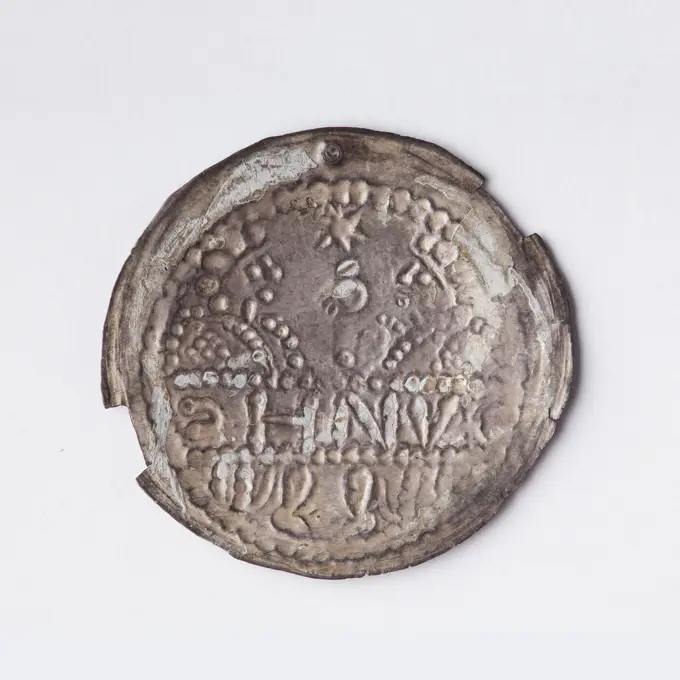
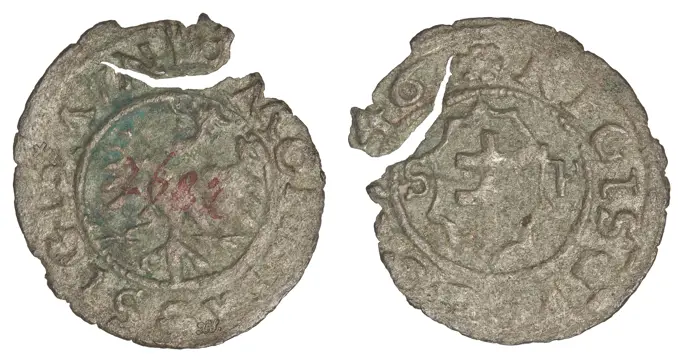
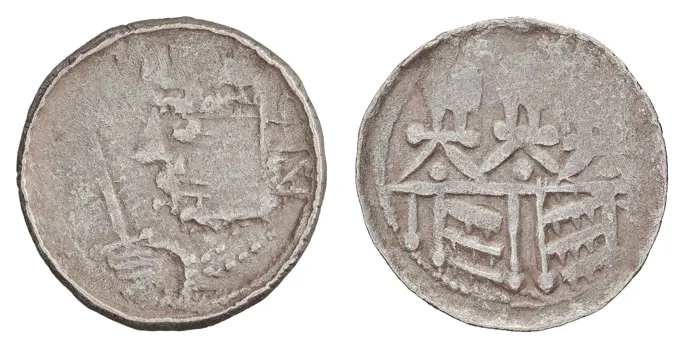
Saksonia , Poland , The Cross Denar, between 1070 and 1107 unknown
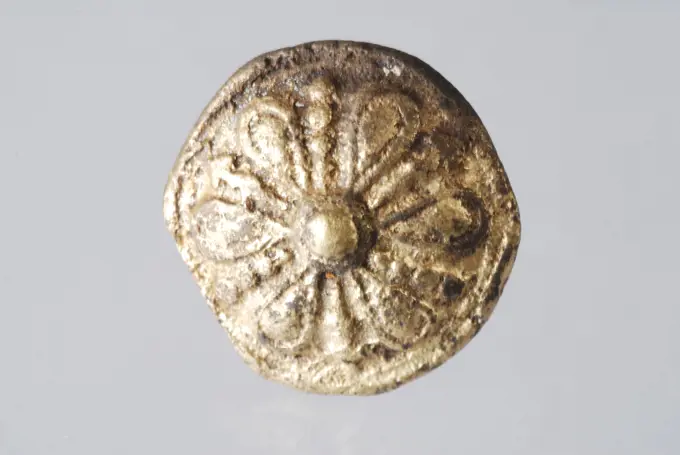
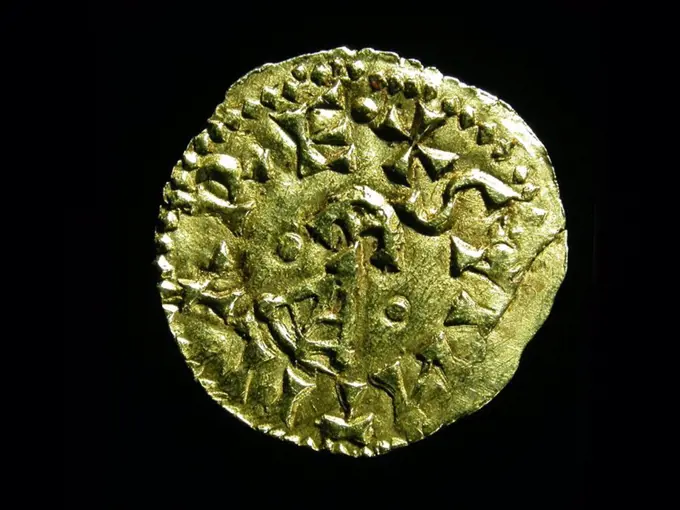
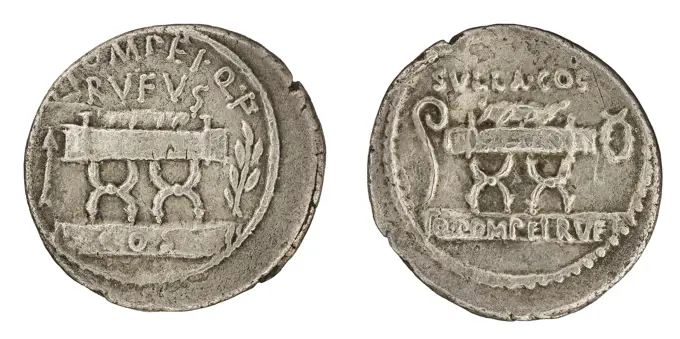
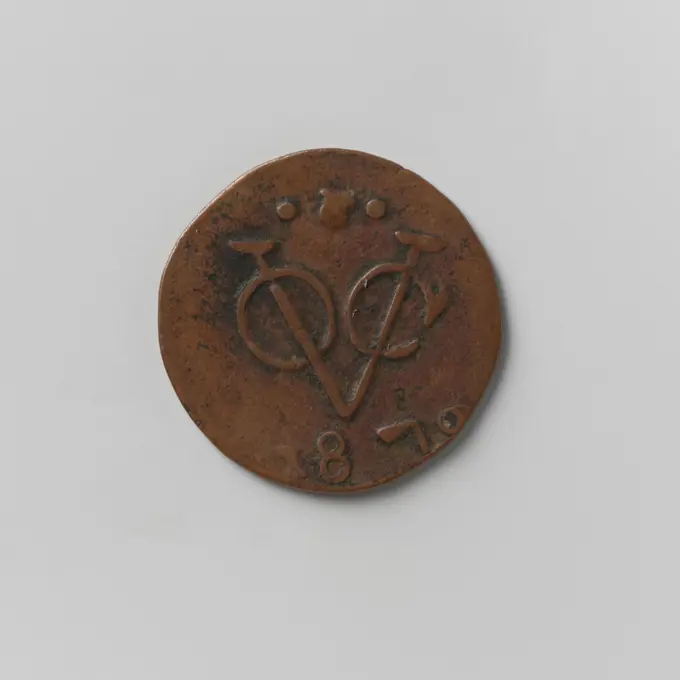
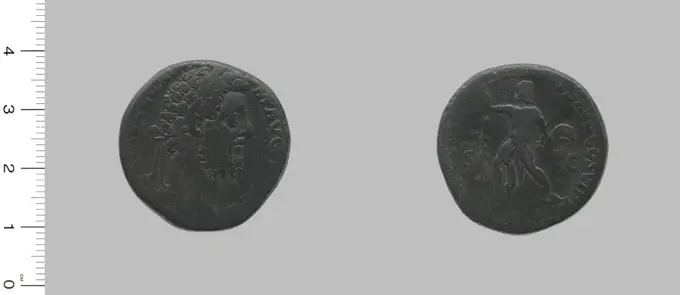
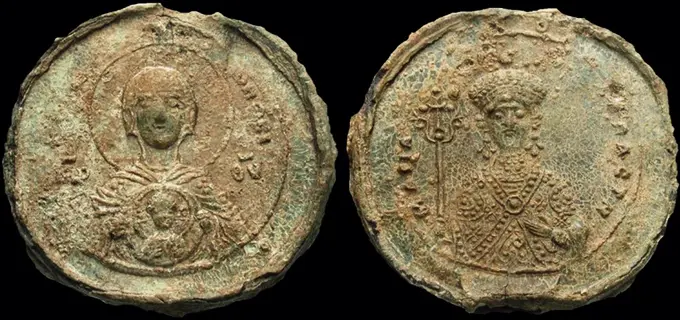
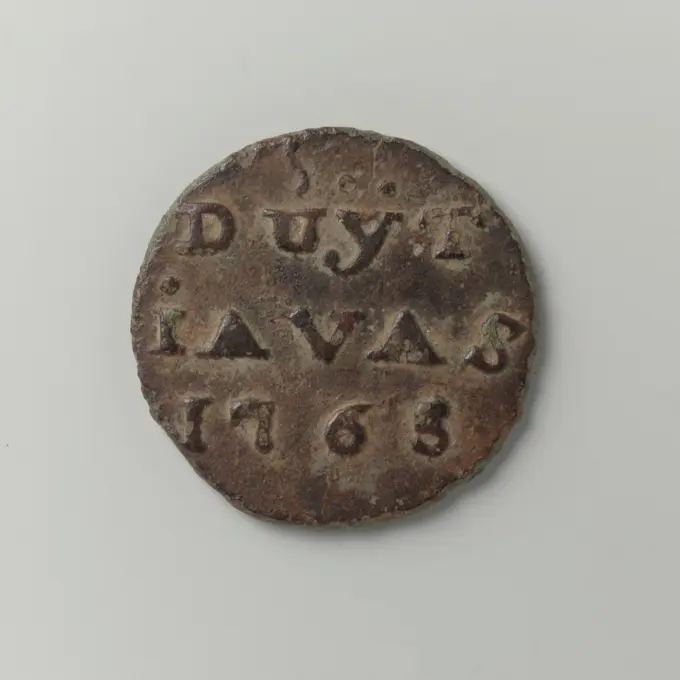
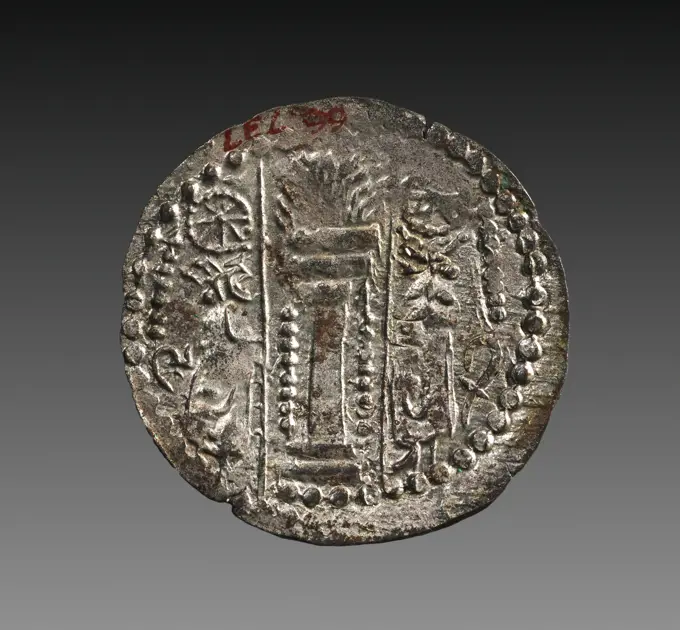
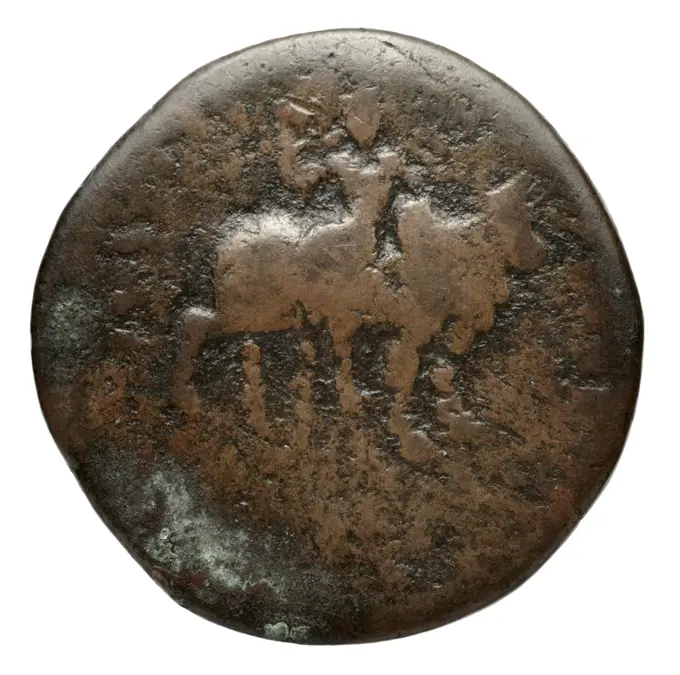
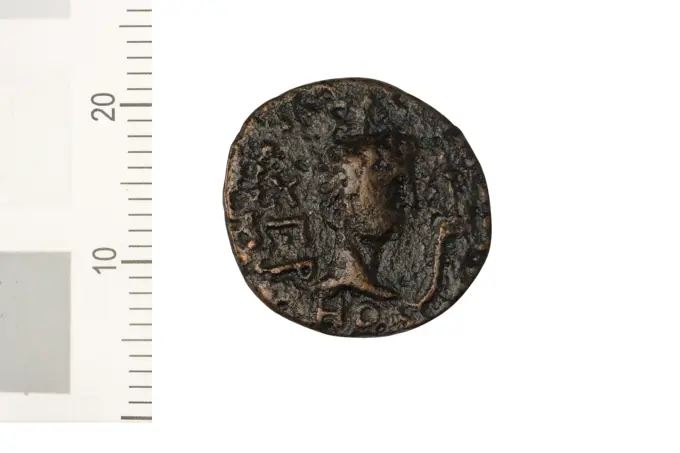
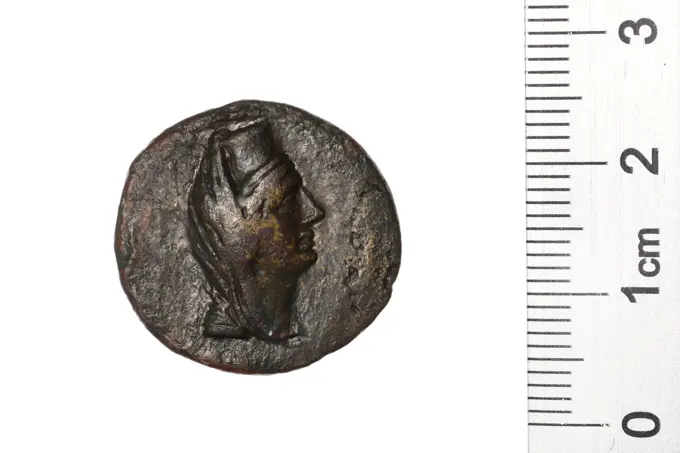
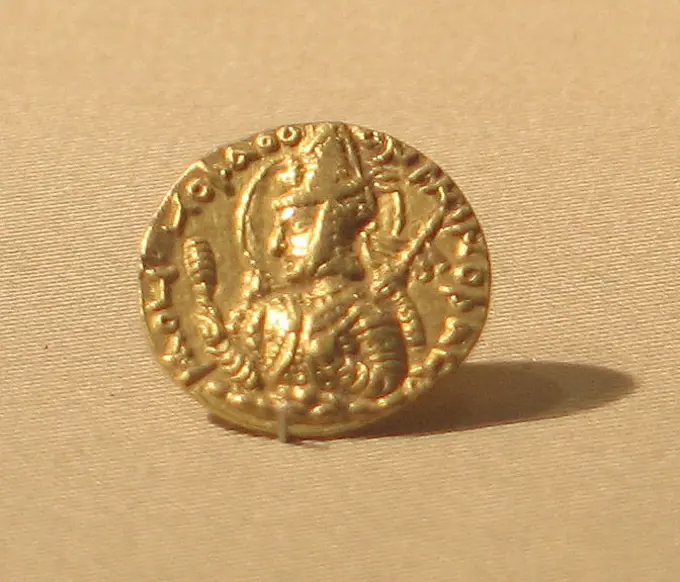
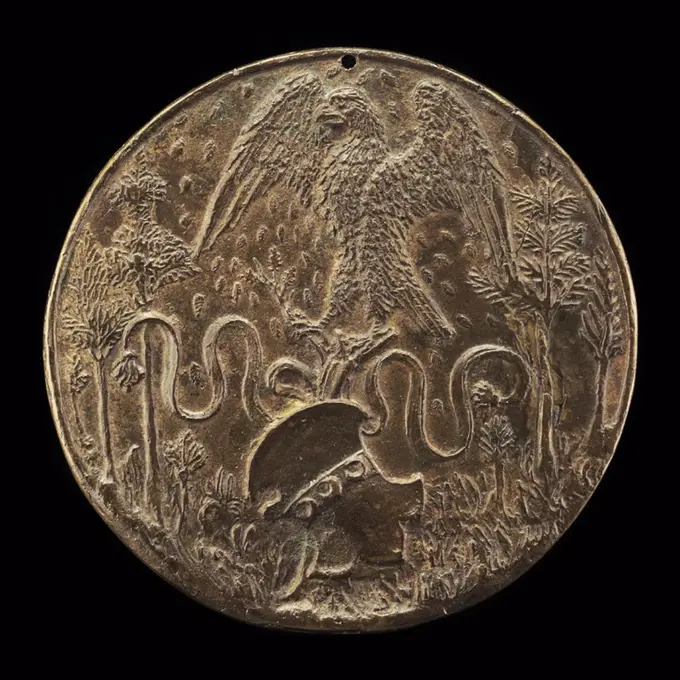
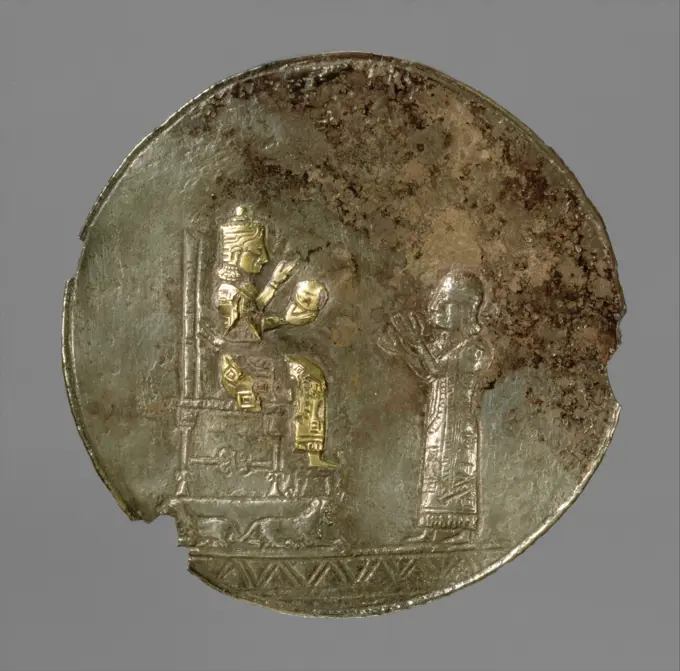
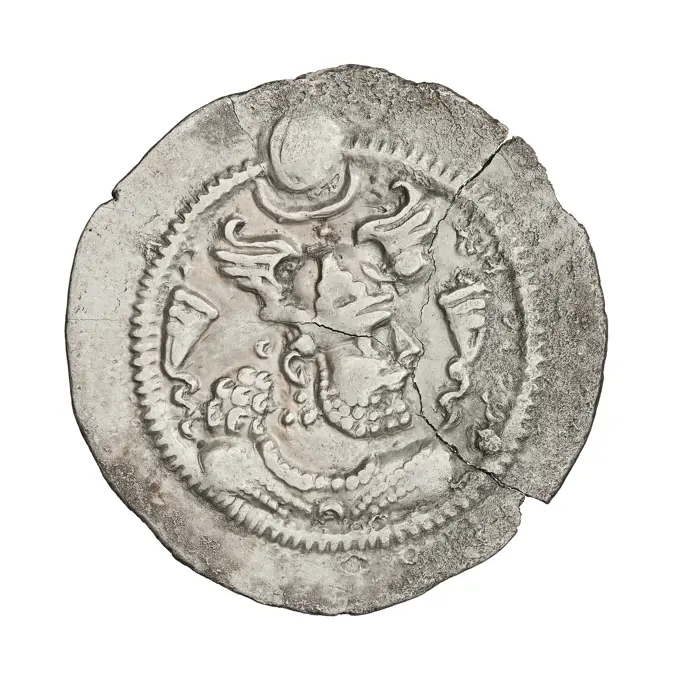
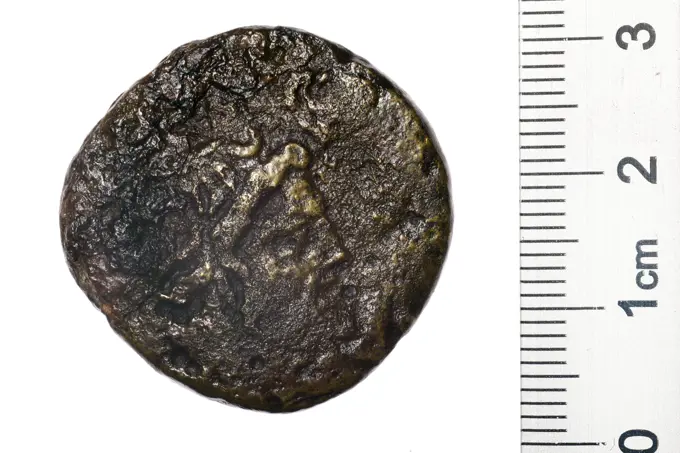
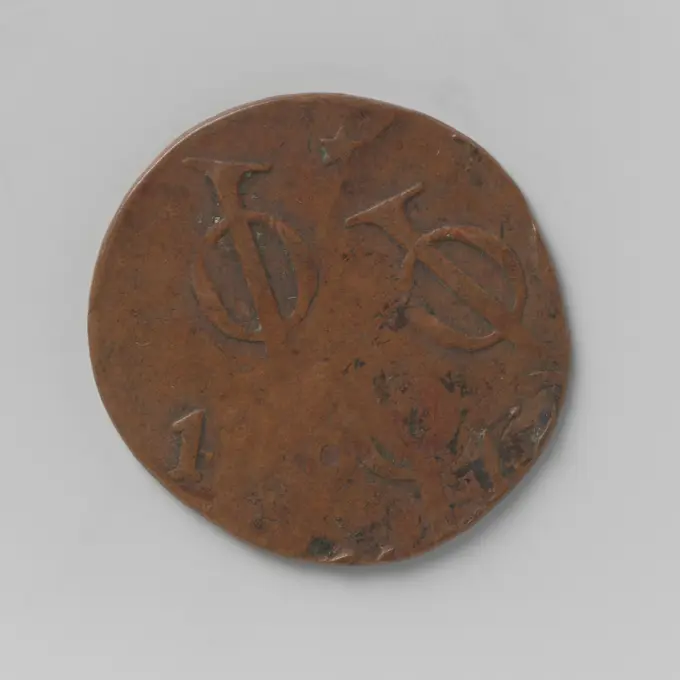
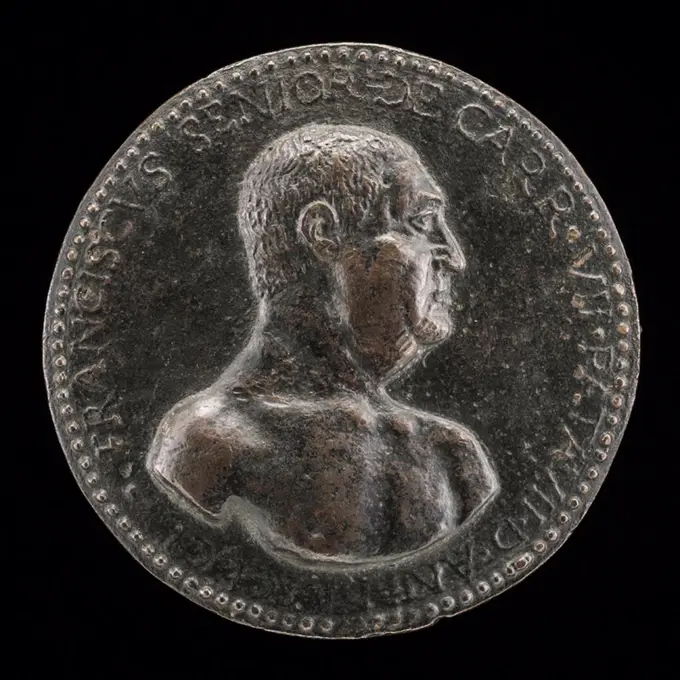
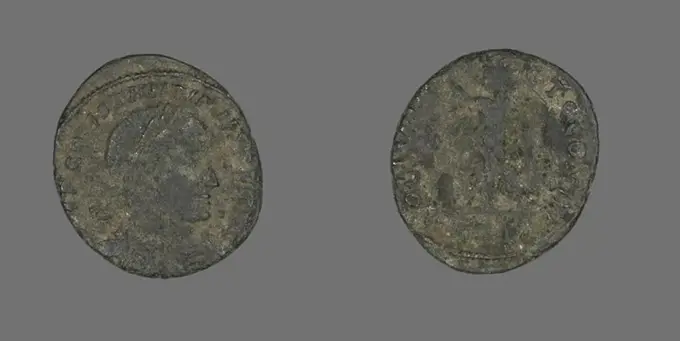
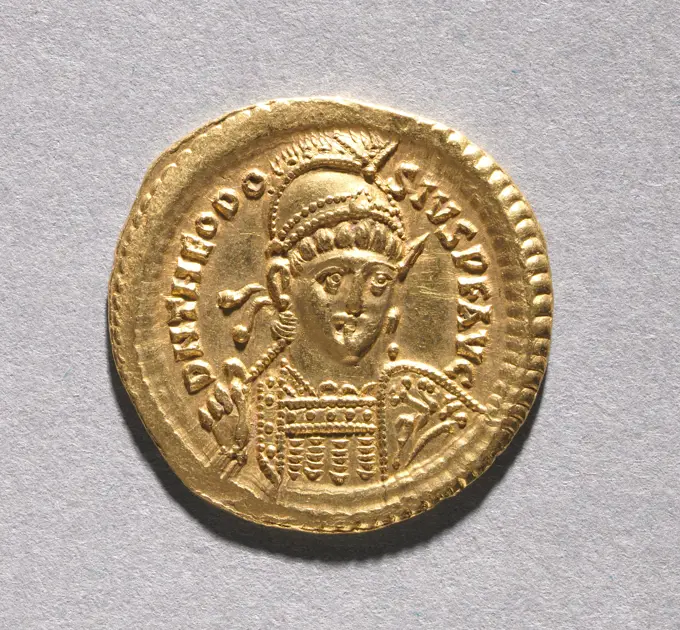
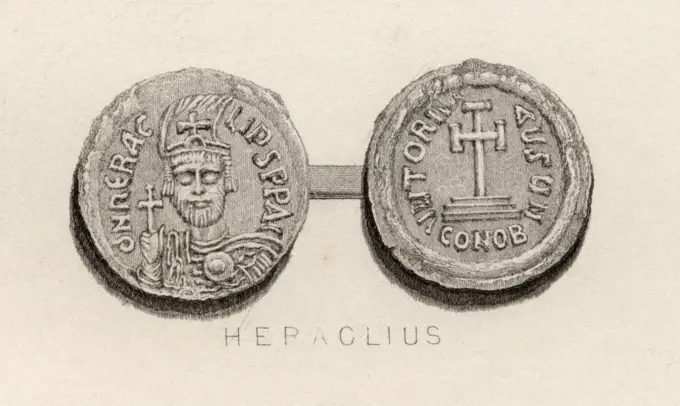
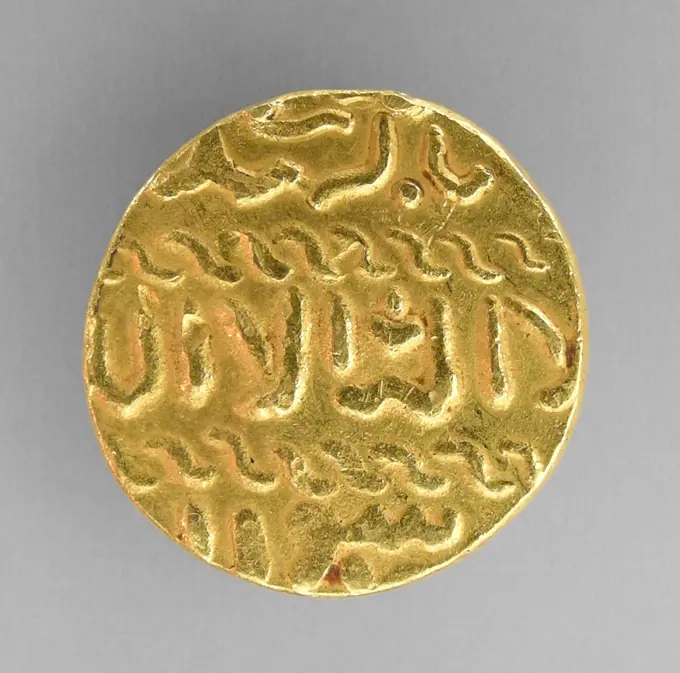
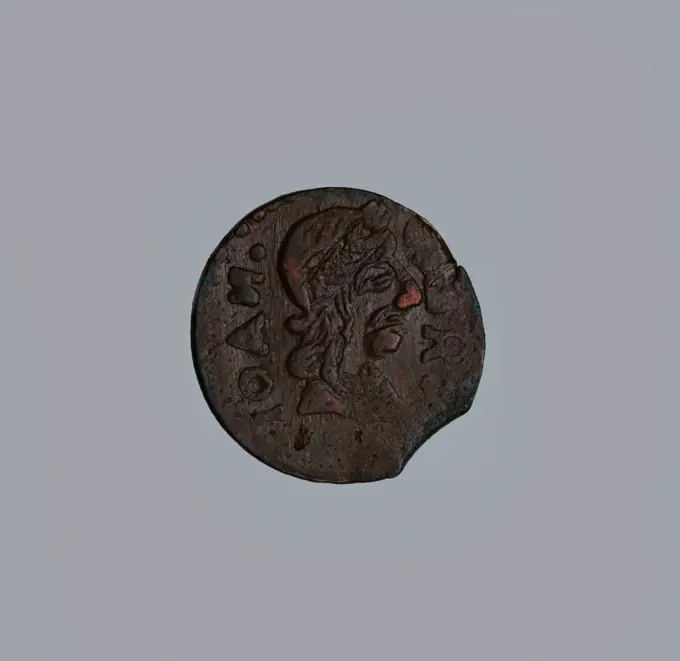
drachm. Chosroes II (władca Persji ; 590 - 628), rulerMetal button, decorated with rosette, knot clothing accessory clothing soil find copper brass metal, cast Metal knot decorated with rosette embossed. Short fixed bar at the back in which round hole is drilled as an eye. Uniquely shaped archeology dress adorn closeNUMISMATICA. MONEDA VISIGODA. SUINTILA ASTORICA (GALLAECIA) (621-631). ANVERSO. HALLAZGO DE LA GRASSA. DONADA POR DON JAIME BARCALLI.denarius. Pompeius Rufus, Q. (fl. 54 a.C.), monetary officer, Republika Rzymska, issuerAncinca, Kalan is king of Elpal, a Pagaher, 1 Quanart of the 3 Setts, Debsta) Panticapaeum mintImitation of a penny from the VOC from Utrecht, 1870 ,, 1830 - 1870 coin Copper mint. Imitation of Dang of the VOC from Utrecht. Front: two lions held by Utrecht's coat of arms, including decoration. Reverse: monogram of the VOC, above which mint sign and including fictional year. Banjarmasin copper (metal) striking (metalworking)Coin. UnknownGreece, Macedonia, III II century BC , bronze (AE) Macedonia mintZutphense Duit, 1687, City of Zutphen, 1687 coin Copper mint. Front: In a four -pass inscription: city name in three lines. Reverse: on decoration by two lions held crowned coat of arms of Zutphen. Zutphen copper (metal) striking (metalworking)AE. PantikapaionUnattributed Trebizond Coin. UnknownTwo silver roundels 5th century B.C. Greek Perseus and Medusa; Bellerophon and Pegasos. Two silver roundels 256230Ruler: Commodus, Emperor of Rome, A.D. 161-192, ruled 180-92, Mint: Rome, Sestertius of Commodus, Emperor of Rome fromRome, 191, orichalcum, 24.48 g, 12:00, 29.5mm, Made in Rome, Italy, Roman, 2nd century A.D., Numismaticsschilling (counterfeit from the period). Zakon krzyżacki (1190-), issuer, Marcin Truchsess von Wetzhausen (wielki mistrz ; 1477-1489), grand masterKuiavia , Masovia , Konrad and of Masovia (1194 1247) , Bracteate, Płock ; ca 1229Bliżej Kultury unknownSestertius of Hadrian, Emperor of Rome fromRome16th century coin Tiruvancore Thira Kasu Siting man Obverse, Reverse, Ananthasayanam, India, AsiaSeal of Empress Maria of Alania by Numismatic, Ancient Coins   Private Collection 1070 Bronze D 3,9 Georgia Numismatics Objects Numismatics, Glyptics and MedalsPaisa of the first size from the Kingdom of Jaunpur in India van Husain Sjah, 868 = 1463 ,, 1463 coin Copper mint. Front: In Arabic characters inscription with the name of the shah. Reverse: in Arabic characters in four lines in the inscription with year designation.  copper (metal) striking (metalworking)Bliżej Kultury unknownLead seal, Marseille, France; 20th century unknownGerman van de VOC from Java, 1765, United Oostindische Compagnie, 1765 coin Copper mint. Front: Tweeregelordeline inscription in Latin letters. Under this year in adapted Arabic figures. Reverse: uniflayed two -way inscription in Arabic letters. Under this year in original Arabic figures. Smooth edge. Batavia copper (metal) striking (metalworking)Pending Ommerschans, housing coin beaten at the burden of the society of beneficiality worth two-legged cents. Oval coin. Front: letters o and S. downside: numeral 2½ternar. Zygmunt I Stary (król polski ; 1506-1548), rulerHalles and Markets of Paris: Angelique ? illegible and Garlin, 1793 Halles and Markets of Paris: Angelique ? illegible and Garlin, 1793 . Copper. 1793-1793.Drachma: Two Standing Male Figures (reverse), 600-700. Afghanistan, Hephtalite Period, 7th-8th century. Silver; diameter: 2.6 x 0.1 cm (1 x 1/16 in.).Ionia, Chios, stater; ca 490-450 BC Chios mintAfghanistan, Pakistan and northern India: A bronze coin of Emperor Vima Kadphises (c. 113 - 127 CE), ruler of the Kushan Empire (30 CE - 350 CE). Obverse. The Kushan Empire was originally formed in the early 1st century CE under Prince Kujula Kadphises in the territories of ancient Bactria on either side of the Oxus River in what is now northern Afghanistan, southern Tajikistan and Uzbekistan.AE. ChersonezAE. PantikapaionReaal van Achten, beaten in Mexico, mint from the wreck of the East Indians' t Vliegend Hart, Anonymous, 1716  Highly worn silver coin, beaten on coin plate in the form of Hondekop. Front: crowned coat of arms; on the left: letters placed above each other; Van Omwriting is only visible at the top left. Reverse: Cross in multi -pass; Between cross arms: Weapon figures in part partially preserved. Mexico silver (metal) striking (metalworking)  Mexicosesterce; Antoninus Pius (86-161; Roman emperor 138-161), Marek Aureliusz (121-180; Roman emperor 161-180); 148-149 (151-00-00-151-00-00);denarius (royal type). Bolesław II Śmiały (król Polski ; 1058-1079), rulerGreece, Sicily, Syracuse, Hikektas, approx. 287 278 BC; Ae Syracuse mintCoin of Huvishka 150-180 Pakistan (ancient region of Gandhara) The Great Kushan rulers minted these gold coins in the second and early third centuries. They follow a Roman weight standard, and the rulers present themselves in relation to a range of Near Eastern and South Asian deities, such as the Shiva on the reverse of Vasudeva's coin.. Coin of Huvishka 39386Roman Republic, quadrant, Rome; CA 225 217 BC Rome mintEagle and Strozzi Shield in a Meadow reverse. Dated: 1489. Dimensions: overall (diameter): 8.88 cm (3 1/2 in.) gross weight: 218.74 gr (0.482 lb.) axis: 12:00. Medium: bronze. Museum: National Gallery of Art, Washington DC. Author: Style of Niccolò Fiorentino.Medallion with a seated deity and a male worshiper ca. 8th-7th century B.C. Urartian The kings of Urartu ruled what is now eastern Turkey, Armenia, and northwestern Iran from their capital at Tushpa (modern Van, Turkey) during the early first millennium B.C. Urartian fortresses, strategically placed on high rock outcrops, dominated the landscape of their territories and protected the kingdom from their rivals, the Assyrians. Despite confrontations with the Assyrians, the Urartians also borrowed many images and iconographic elements from Assyrian art and made them their own.This silver medallion, partially covered with gold foil, shows a deity seated on a throne supported by lions facing a male worshiper whose arms are raised in supplication or respect. Both the deity with horned headdress on a throne supported by animals and the worshiper figure are common Assyrian motifs; the long fringed garments are widespread in the ancient Near East. Here, the scene is set on a ground line of pairDrachma; Firuz (459-484); 459-484 (459-00-00-484-00-00);AE. PantikapaionAndrea Spinelli, Andrea Gritti, 1455 1538, Doge of Venice 1523 (obverse), 1534 Andrea Gritti, 1455-1538, Doge of Venice 1523 obverseStater: Horse, standing, r., in incuse square (Reverse), 389-369 BC. Greece, Macedonia, reign of Amyntas III. Silver; diameter: 2.1 cm (13/16 in.).Miss in the name of the VOC and the City of Utrecht with Jaartal1790, Willem II (King of the Netherlands), 1840 - 1843 coin Copper mint. Front: on the beam, including Garlande, standing, crowned coat of arms of the city of Utrecht. Reverse: monogram of the VOC, above which mint sign star and including fictional year 1790. Smooth edge. Miss. Surabaya copper (metal) striking (metalworking)Coin dated A.H. 375/ A.D. 985. Coin 457156Francesco I of Carrara. Dated: 15th century. Dimensions: overall (diameter): 7.1 cm (2 13/16 in.) gross weight: 90 gr. Medium: bronze. Museum: National Gallery of Art, Washington DC. Author: Italian 15th Century.Stamp seal ca. late 3rd-early 2nd millennium B.C. Bactria-Margiana Archaeological Complex. Stamp seal. Bactria-Margiana Archaeological Complex. ca. late 3rd-early 2nd millennium B.C.. Copper alloy. Bronze Age. Bactria-MargianaAn incidence of the Empire, 1814 An decimation of the Empire, 1814. Copper. 1814.Mirror Korea. Mirror. Korea. Bronze. Goryeo dynasty (918-1392). MirrorsCoin Portraying Emperor Constantine I. Roman, minted in Aquileia. Date: 317 AD. Dimensions: Diam. 2.1 cm; 2.70 g. Bronze. Origin: Roman Empire. Museum: The Chicago Art Institute, Chicago, USA. Author: ANCIENT ROMAN.Lobed Mirror (Jing) with Dragon. China, Tang dynasty, 618-906. Furnishings; Accessories. Cast bronzeOx reverse. Dated: c. 1478. Medium: bronze. Museum: National Gallery of Art, Washington DC. Author: Roman 15th Century.MirrorSolidus of Theodosius II and Valentinian III (obverse), 408-425. Byzantium, Constantinople, Byzantine period, 5th century. Gold; diameter: 2.3 cm (7/8 in.).Medallion with a seated deity and a male worshiper. Culture: Urartian. Dimensions: Diam. 2 3/8 in. (6 cm). Date: ca. 8th-7th century B.C..The kings of Urartu ruled what is now eastern Turkey, Armenia, and northwestern Iran from their capital at Tushpa (modern Van, Turkey) during the early first millennium B.C. Urartian fortresses, strategically placed on high rock outcrops, dominated the landscape of their territories and protected the kingdom from their rivals, the Assyrians. Despite confrontations with the Assyrians, the Urartians also borrowed many images and iconographic elements from Assyrian art and made them their own.This silver medallion, partially covered with gold foil, shows a deity seated on a throne supported by lions facing a male worshiper whose arms are raised in supplication or respect. Both the deity with horned headdress on a throne supported by animals and the worshiper figure are common Assyrian motifs; the long fringed garments are widespread in the ancient NeaButton-shaped seal ca. 1640-1550 B.C. Second Intermediate Period. Button-shaped seal. ca. 1640-1550 B.C.. White glazed steatite. Second Intermediate Period. From Egypt. Dynasty 13-17The sylphium plant represented on a coin of the sixth to fourth centuries BC. The plant became extinct at about the time of Christ. News cutting.drachm. Chosroes II (władca Persji ; 590 - 628), rulerCoin from the time of Heraclius, A.D. 575-641. Roman Emperor.Roman Empire, Hadrian (117 138), Rome 125 128 N.E.; as, copper (cu) Rome mintTrojak Elbl Zygmunt I Stary (King of Poland; 1506-1548); 1537 (1537-00-00-1537-00-00);Dinar. Iran, 1265-1285. Tools and Equipment; coins. GoldGold ashrafi. Egypt, Burji Mamluk, second half of 15th century. Tools and Equipment; coins. CoinFalse coin, crown shilIIng, John II Casimir (1649 1668)