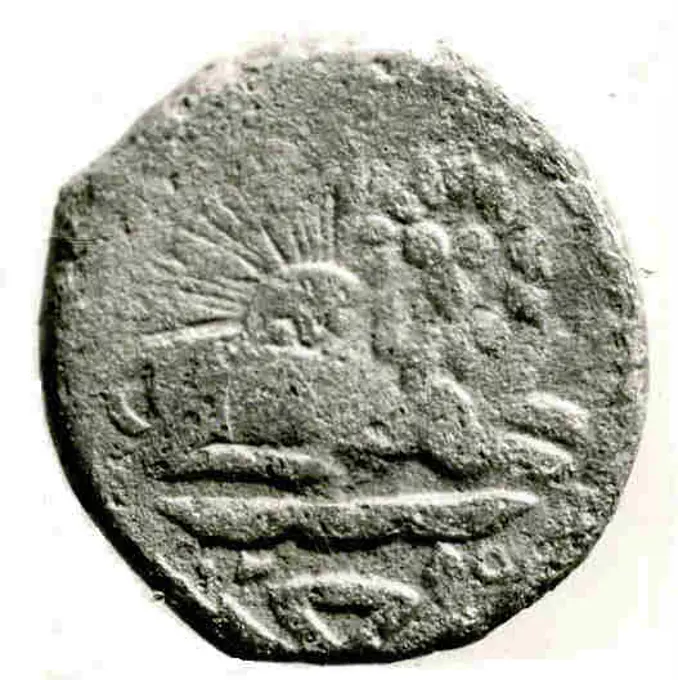
Historical Coins Collection

An assortment of ancient coins from different regions, featuring unique engravings and historical significance, ideal for collectors and historical studies.
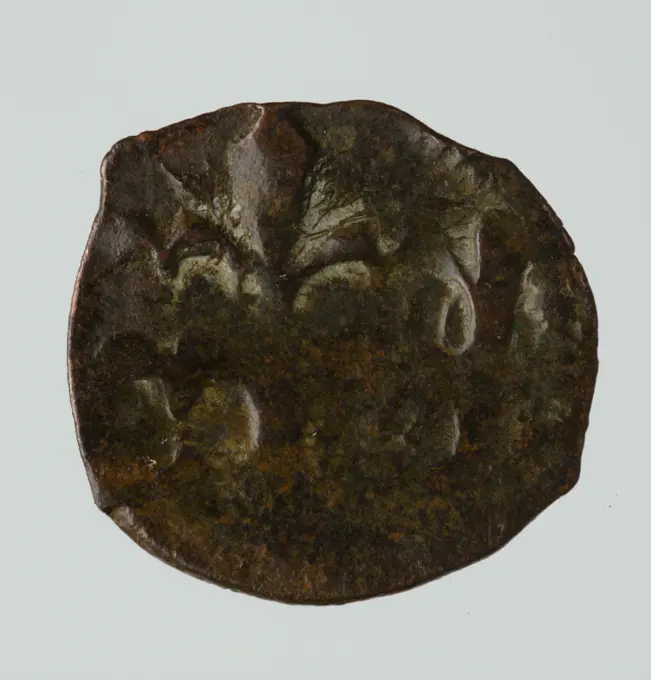
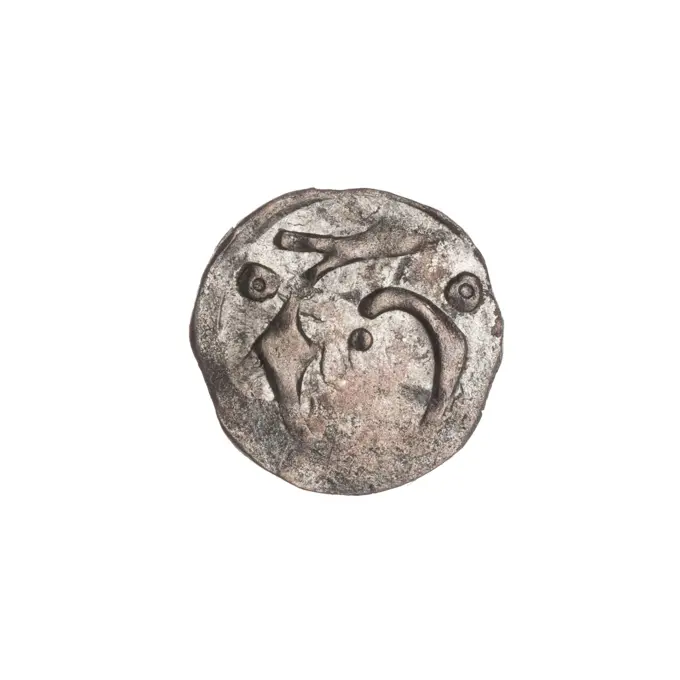
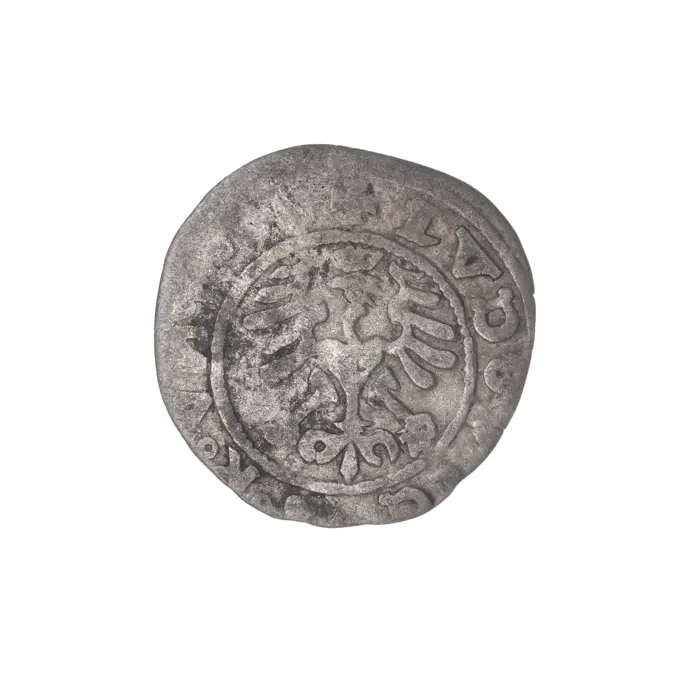
BLIŻEJ KULTURY Mint of Kraków, Władysław Warneńczyk (King of Poland, 1434 1444)
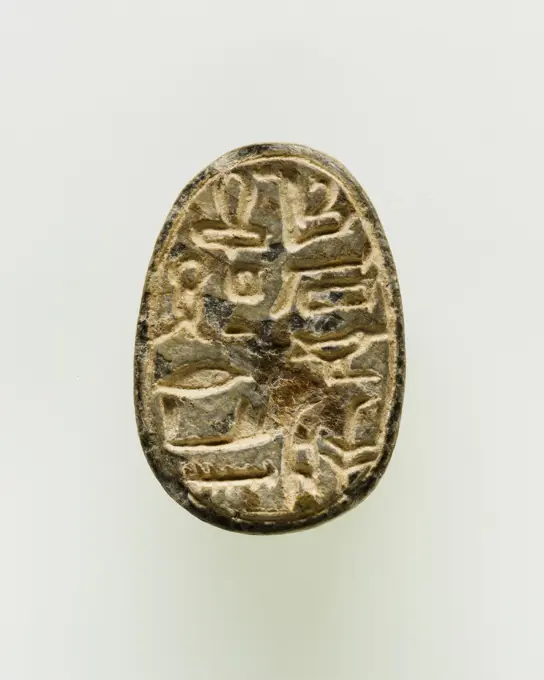
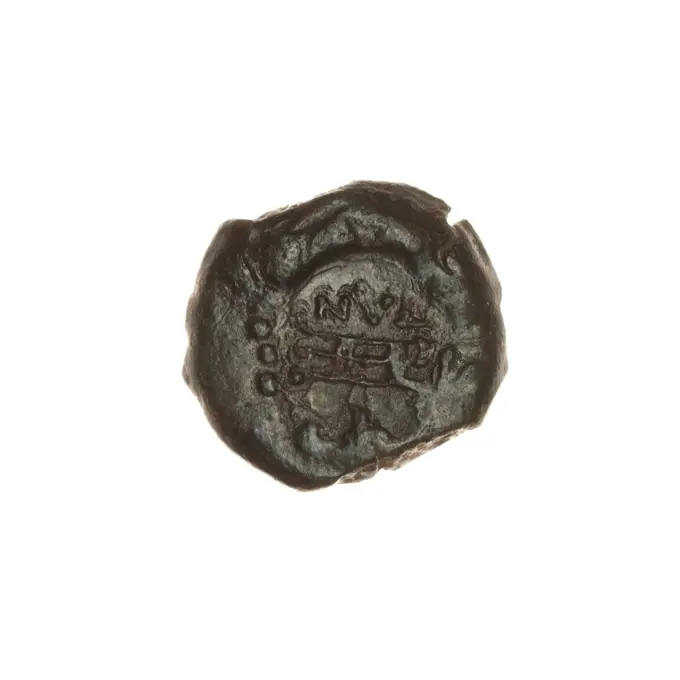
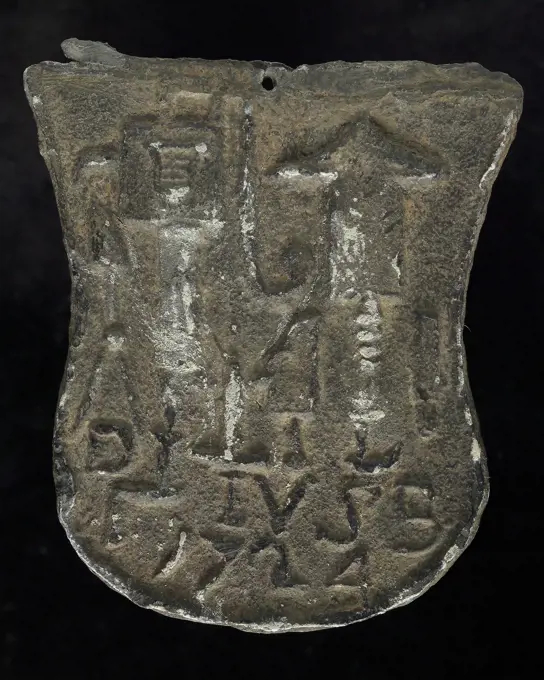
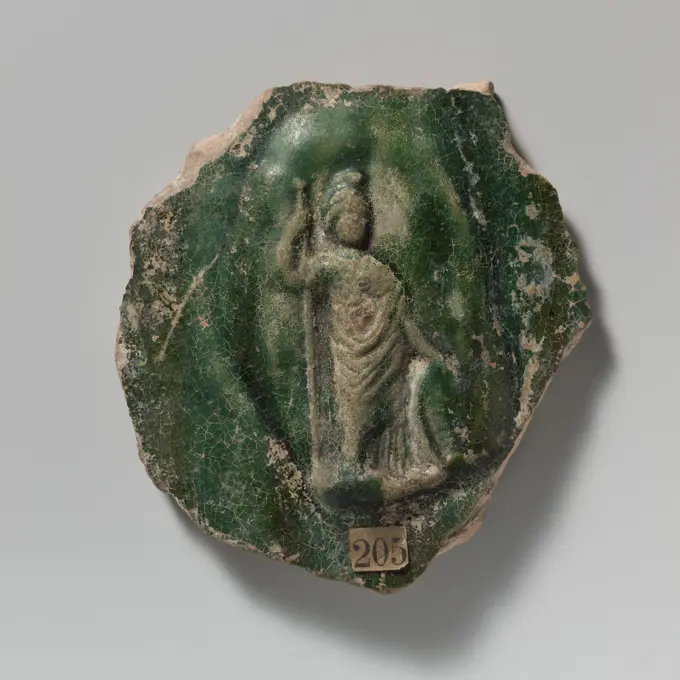
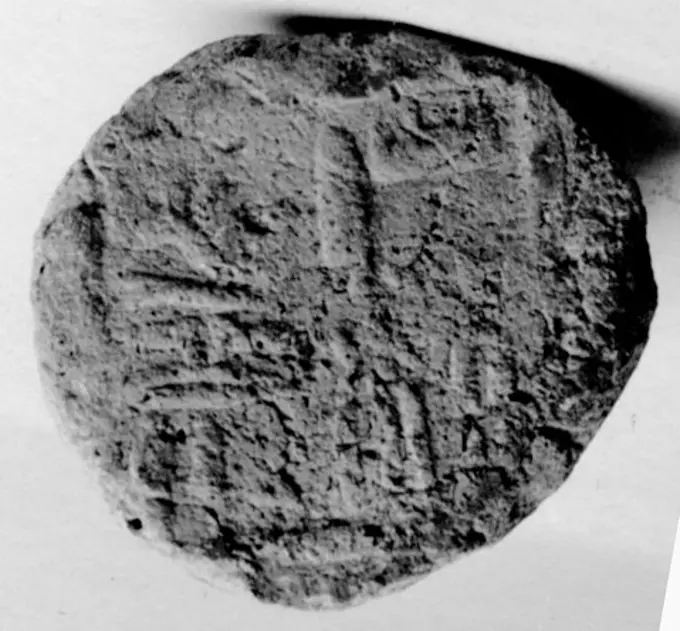
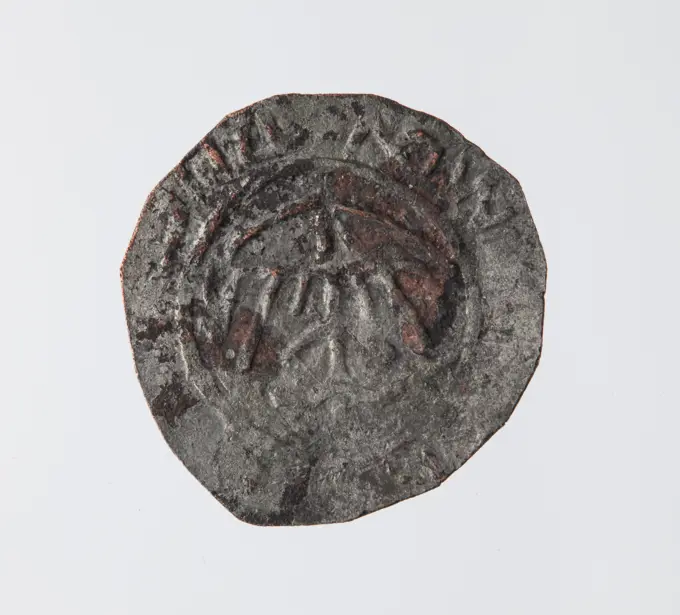
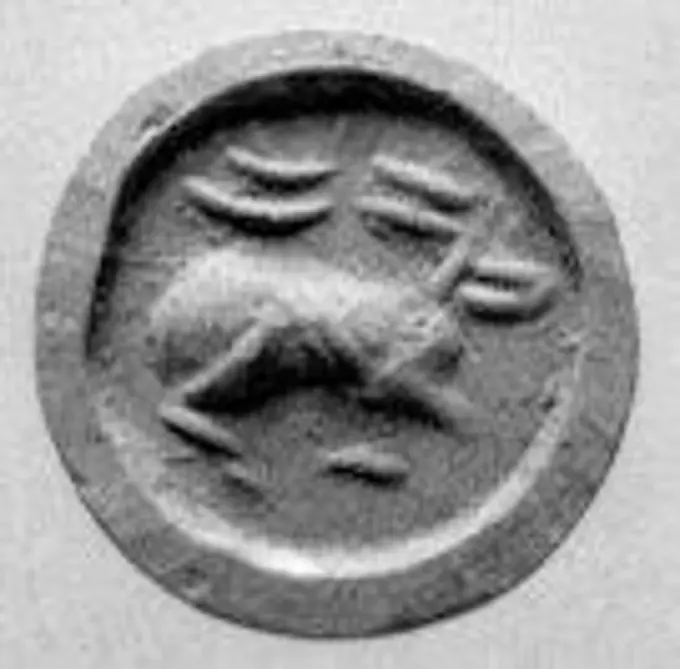
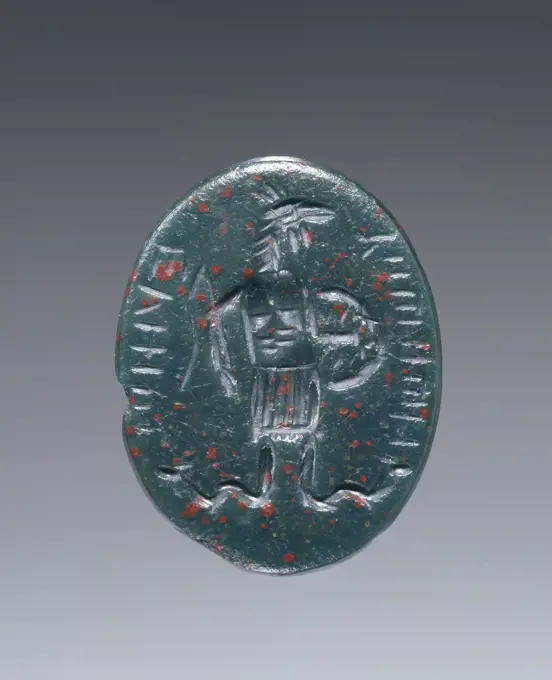
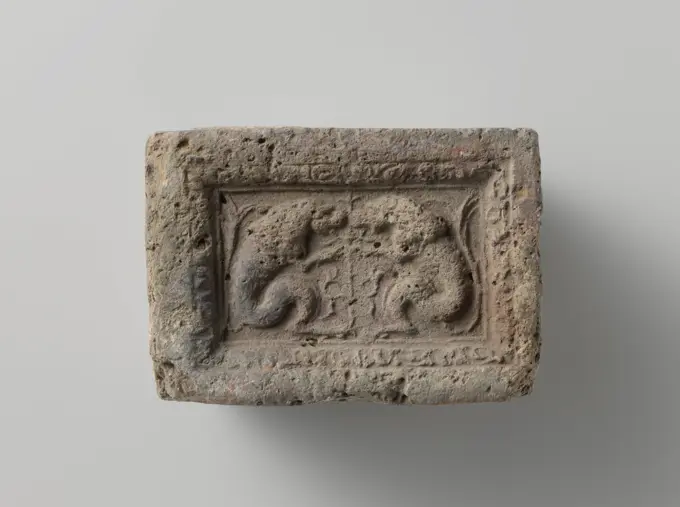
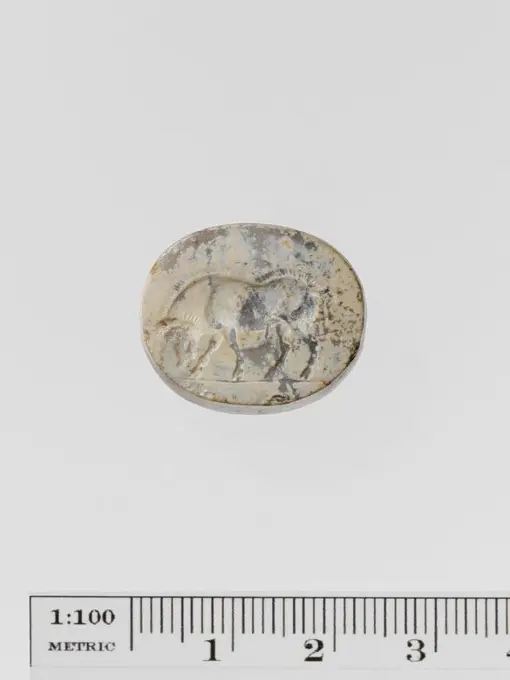
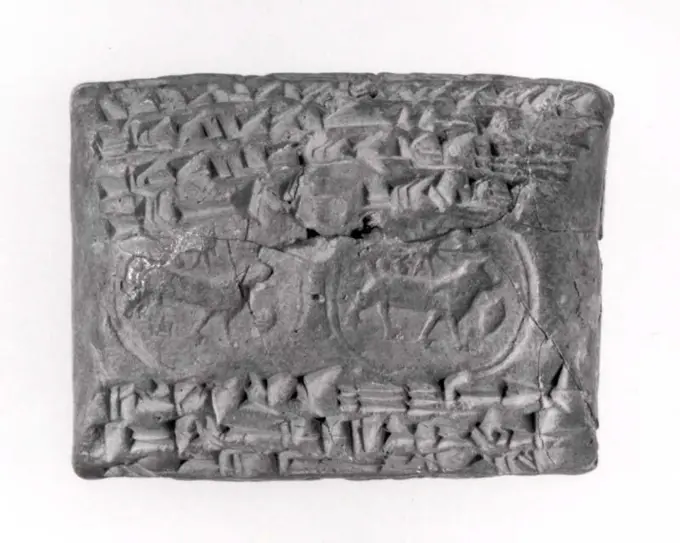
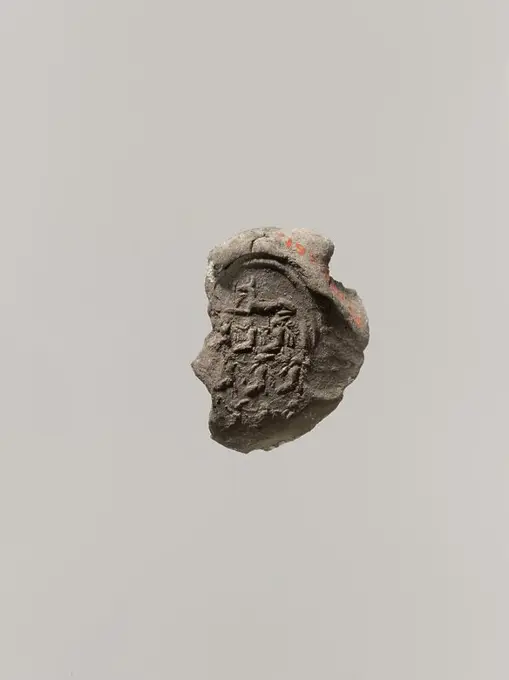
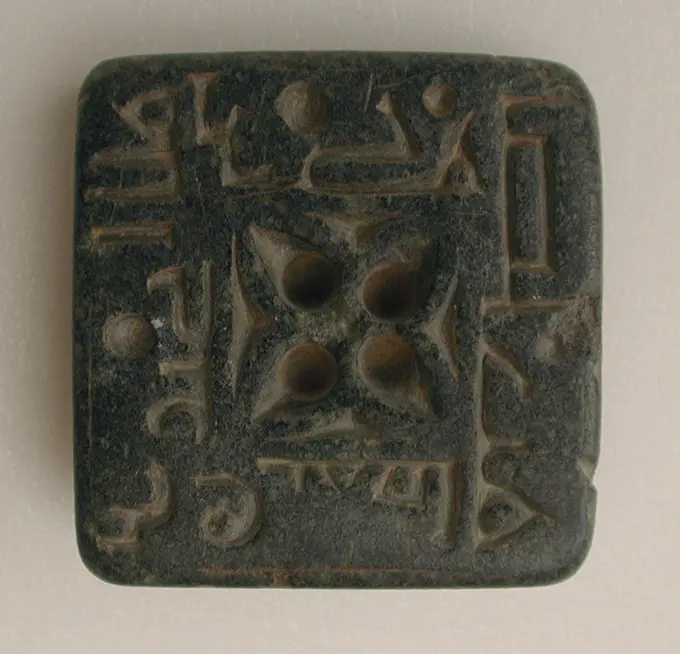
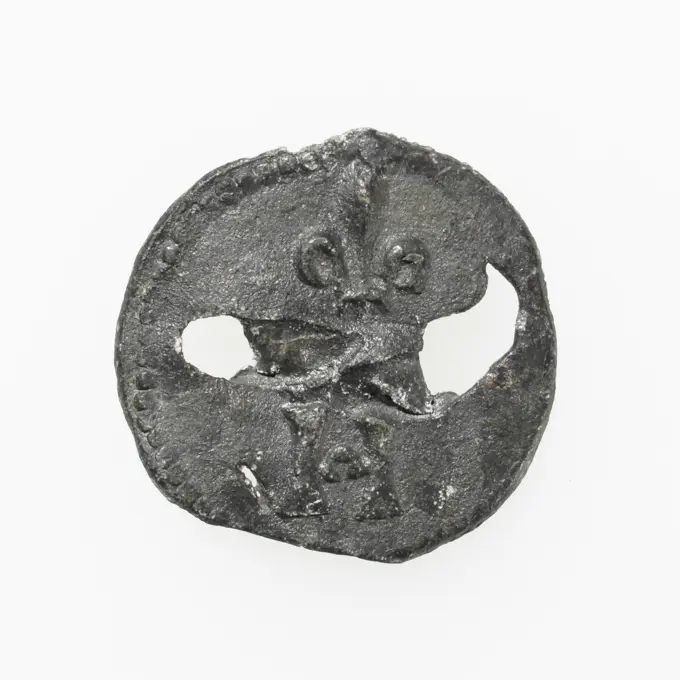
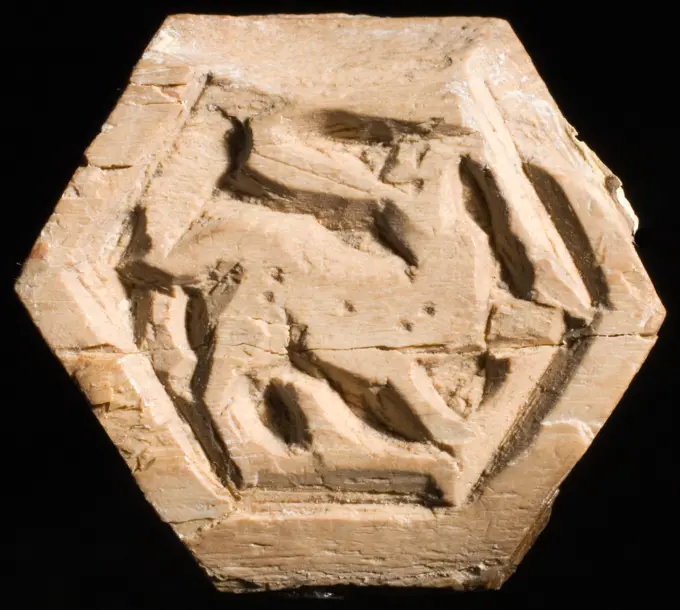
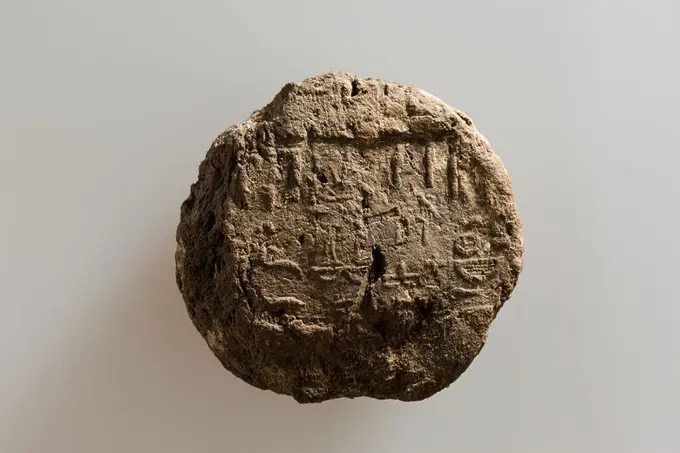
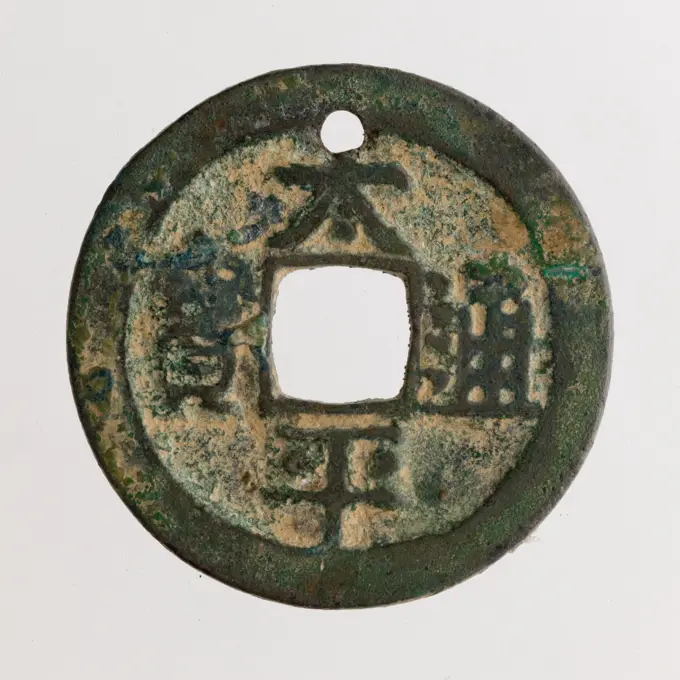
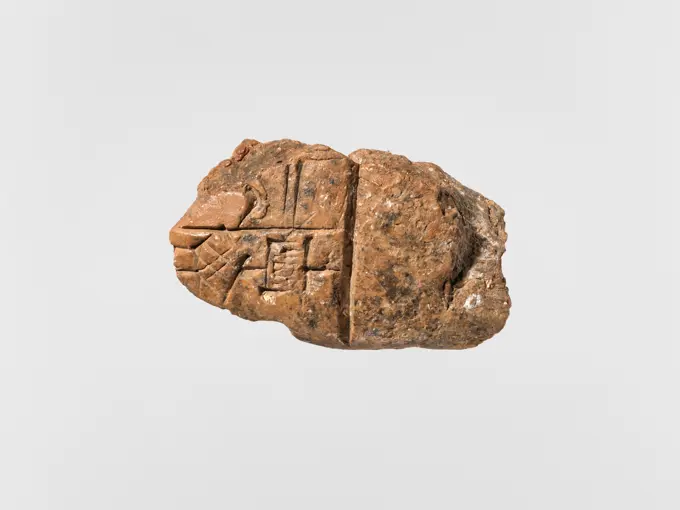
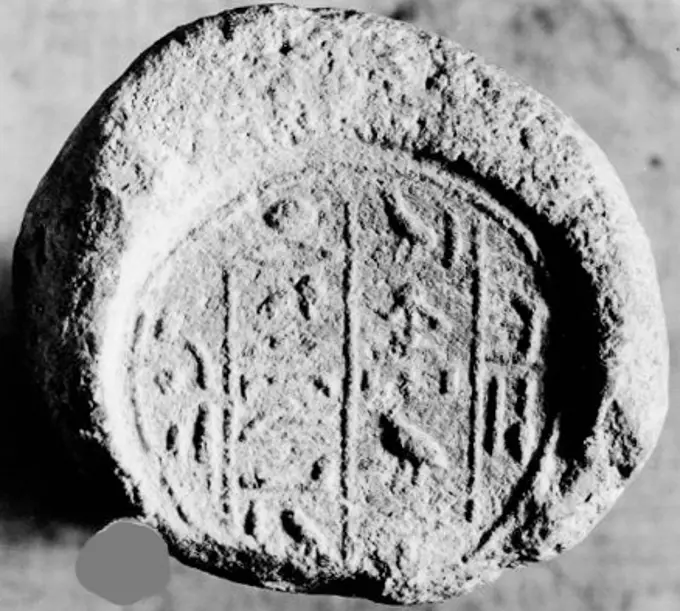
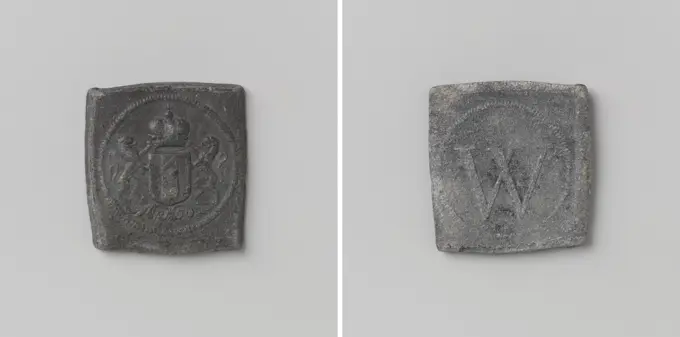
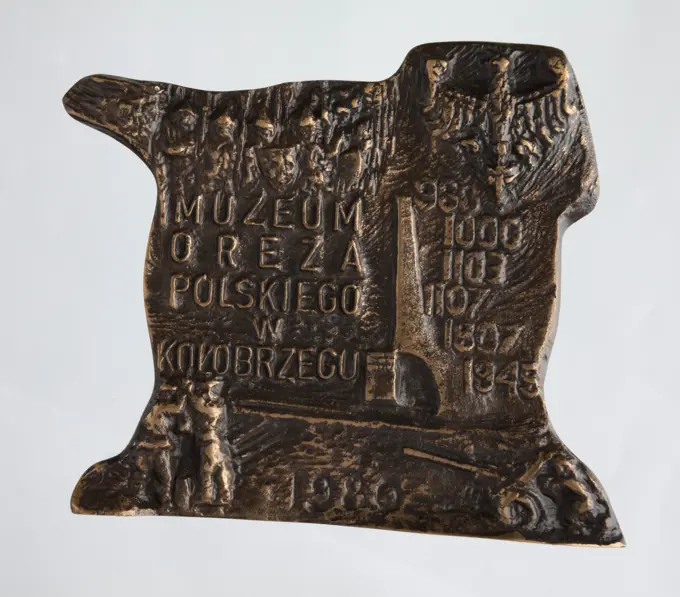
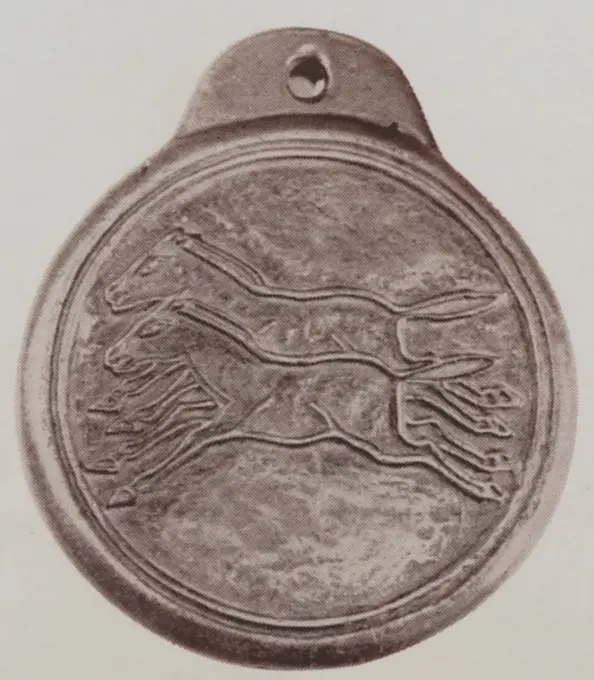
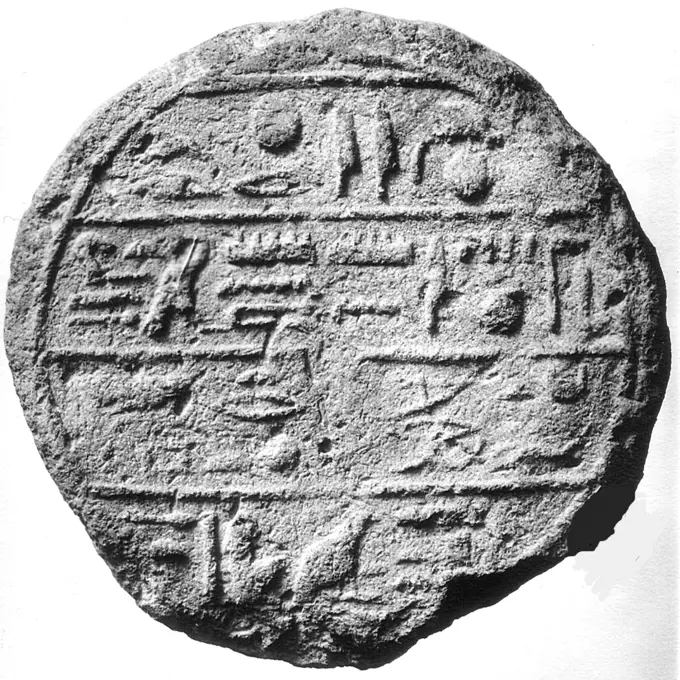
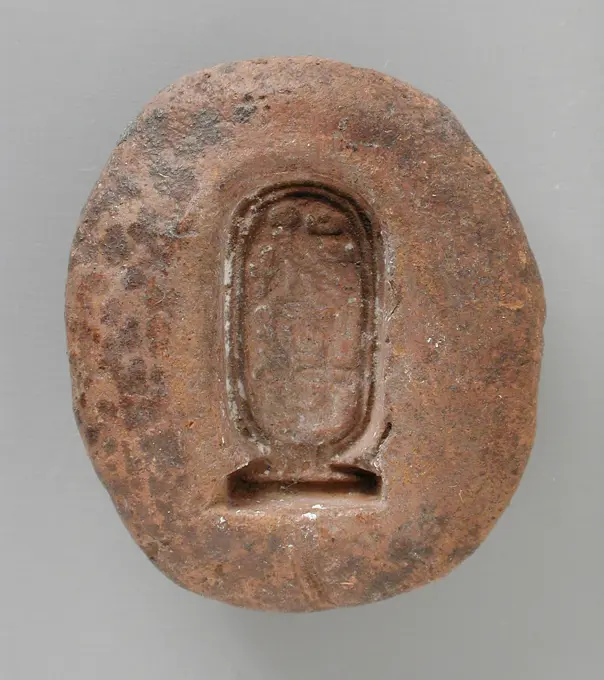
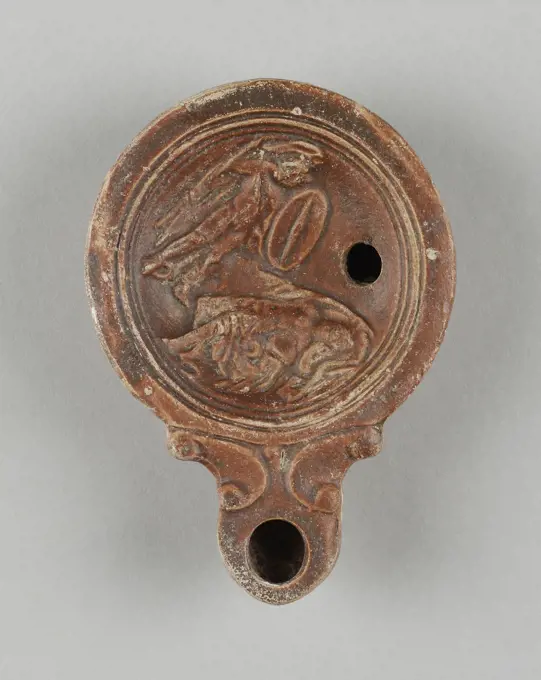
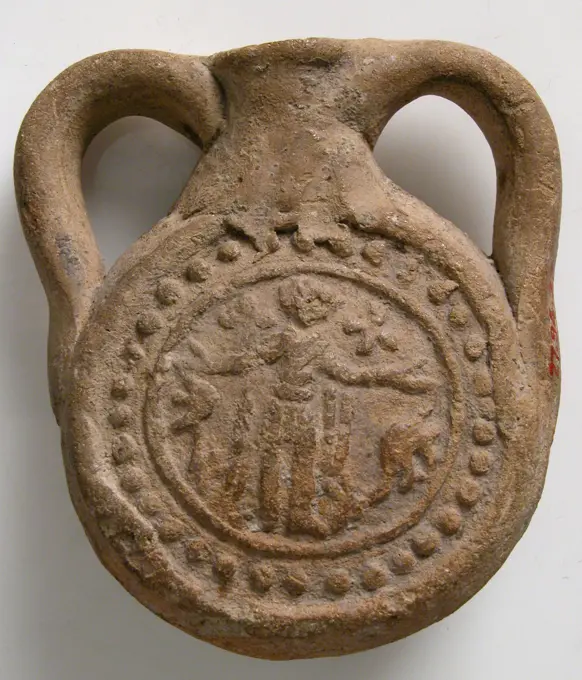
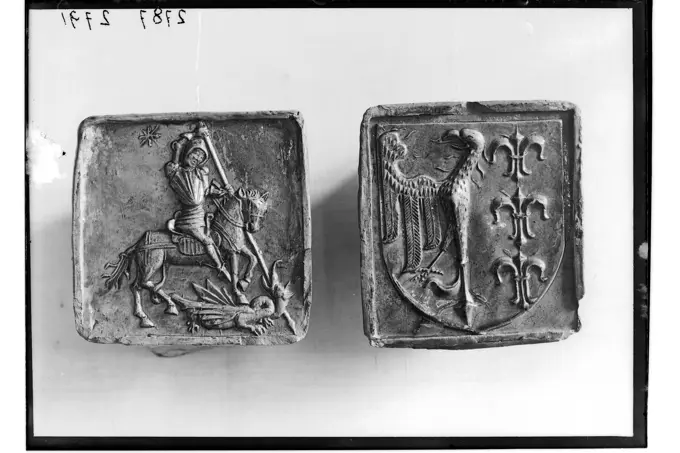
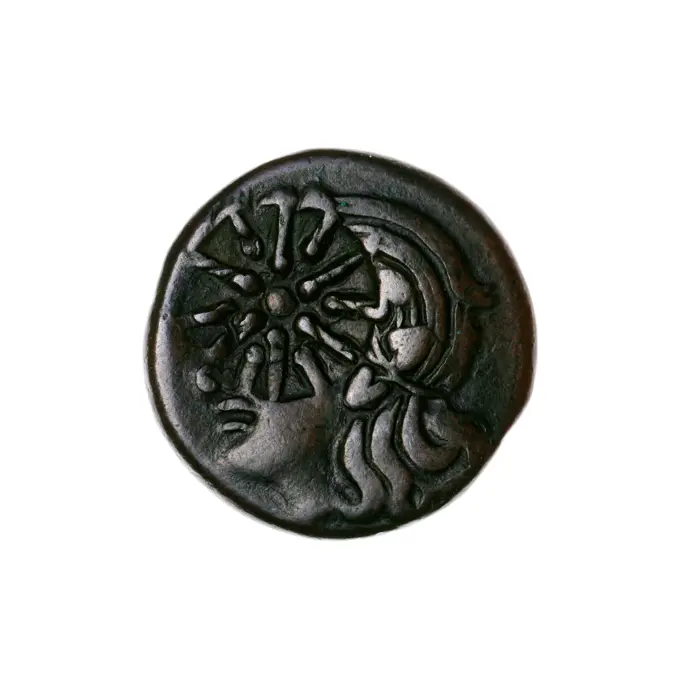
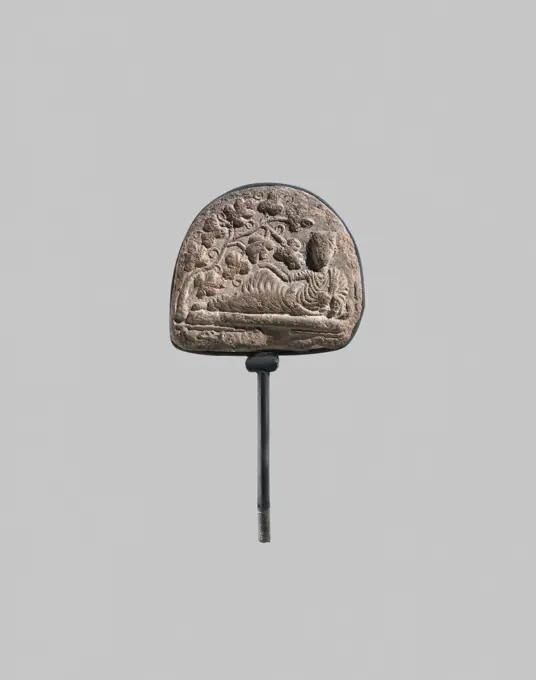
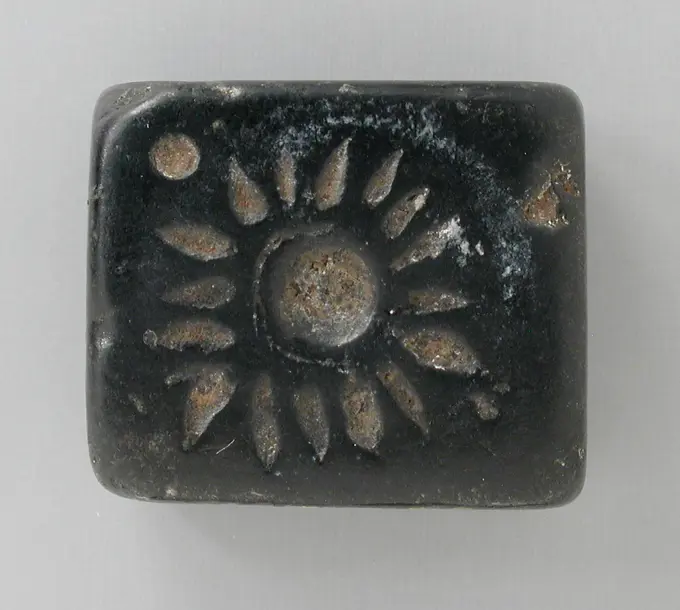
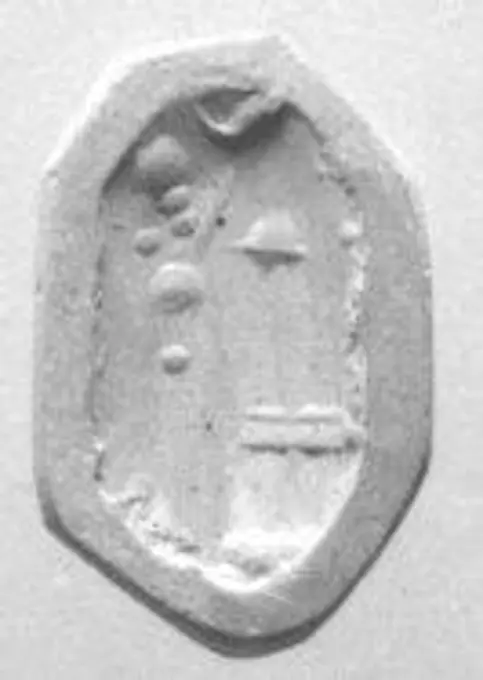
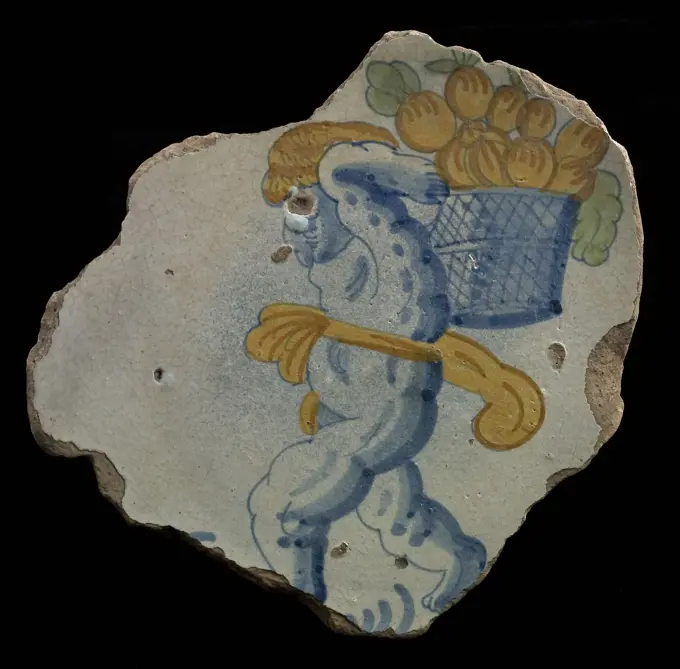
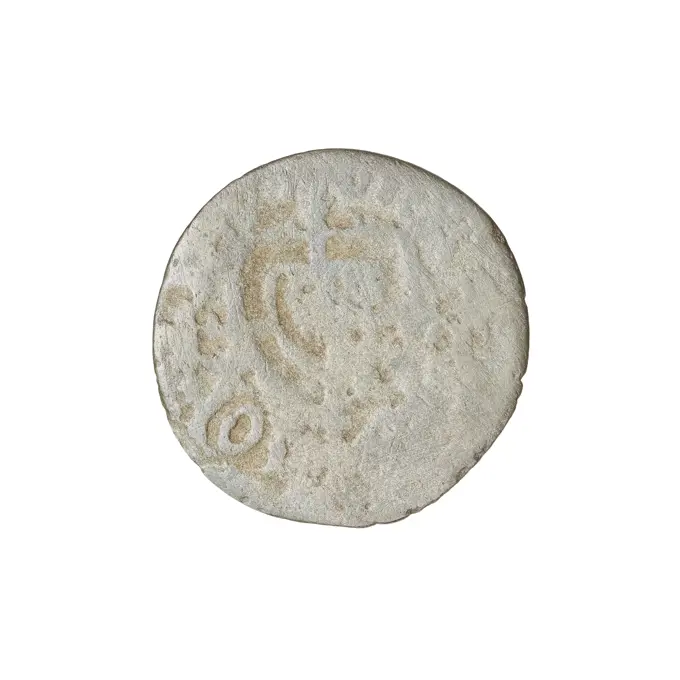
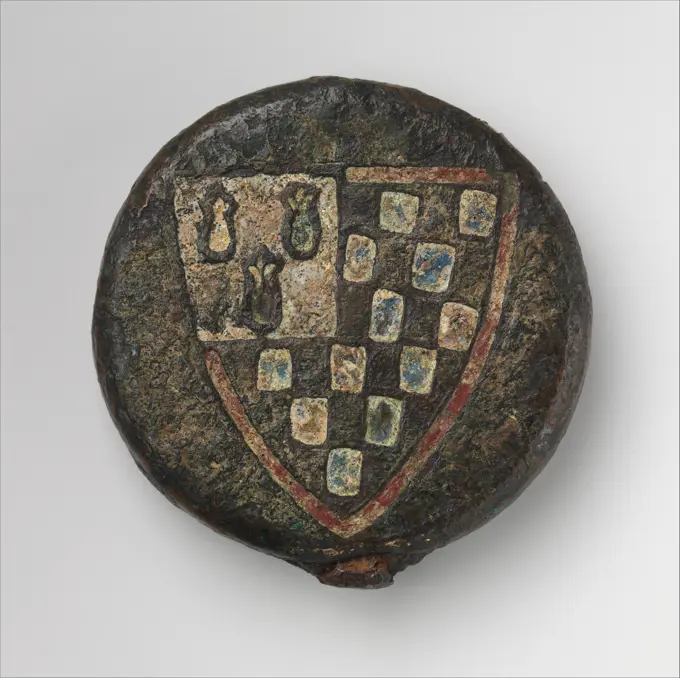
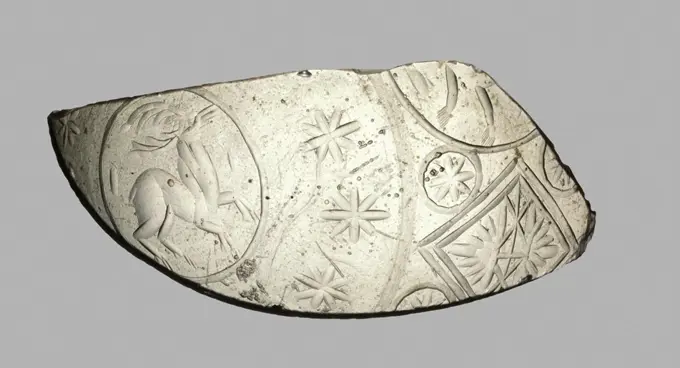
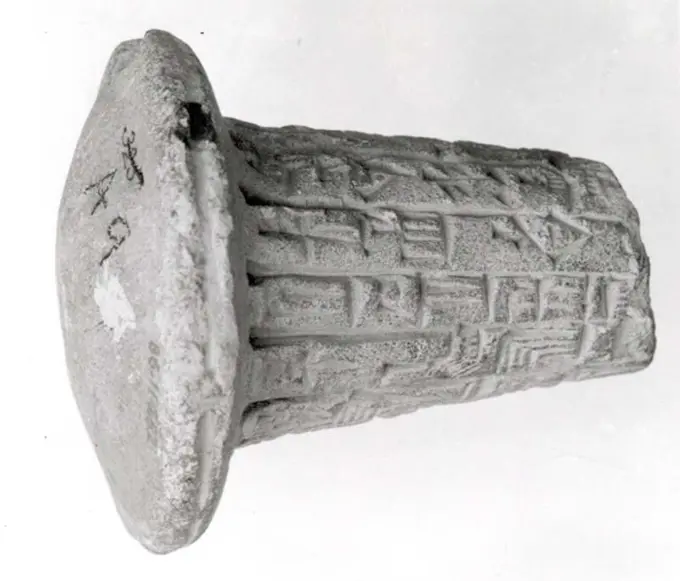
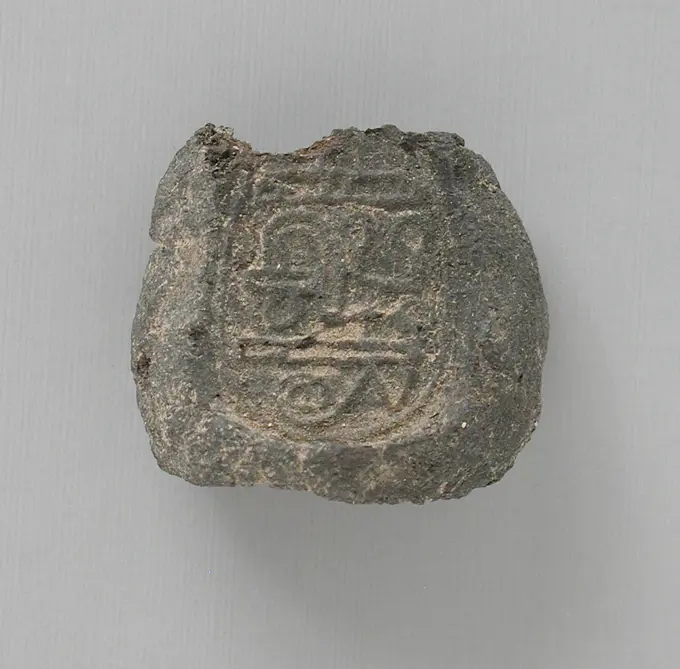
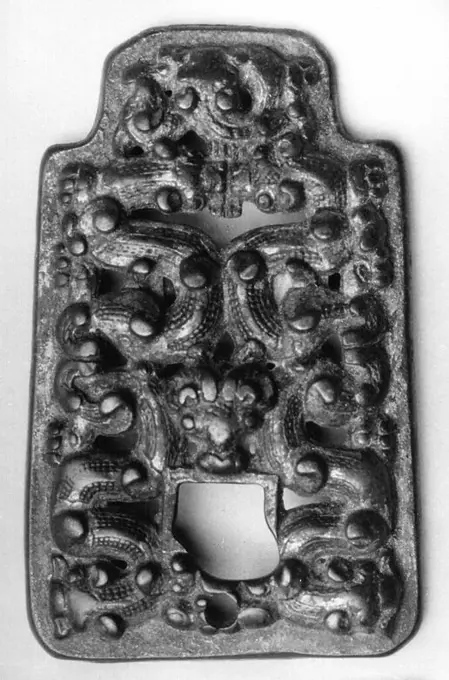
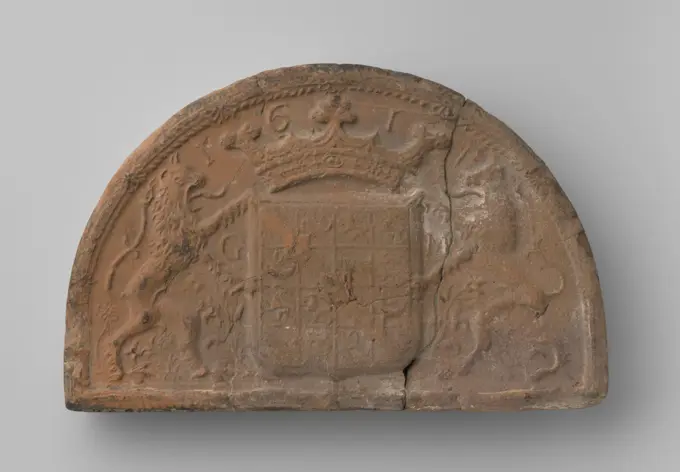
heller; W Adys 1452-1460 (1452-00-00-1460-00-00);Litera T, letters, city coins, Silesian Eagle (iconogr.), Eagles, Herb shield, shields, unitedScarab of an Official ca. 1750-1640 B.C. Middle Kingdom Administrative changes during Dynasty 12 lead to an increase in bureaucracy and, subsequently, in the production and use of seals. This is reflected in the beginning of the mass production of scarabs, the most popular shape for amulets, in late Dynasty 12 through Dynasty 13 (ca. 1850-1640 B.C.). Thousands of these late Middle Kingdom scarabs bear the names and titles of officials, who would wear them as amulets, but who could also use them to seal documents, containers or doors. However, the scarabs primary function remained that of a protective amulet. Several inscriptions add a funerary epithet to the owners name, indicating that the amulet was manufactured after the owner had passed away. The scarab is inscribed with the name and titles of a high-ranking court official, named Redenptah.. Scarab of an Official 545231Brown coin; Pantikapaion; approx. 250 BC (-255-00-00--246-00-00);Nadczarzyorze, satir (mitol.), Terlecki, Ignacy (1860-1916), Terlecki, Ignacy (1860-1916)-collection, weapons (iconogr.), Counterattacks (numism.), Arrows (arm.), Trójnóg (iconogr. ), armament (iconogr.), Purchase (provenance), bow and arrow (iconogr.), Łuki (army)tessera; Chersonez; III-II century BC (-300-00-00--101-00-00);Nadczarzyorze, Nike (Mitol.), Terlecki, Ignacy (1860-1916), Terlecki, Ignacy (1860-1916)-collection, bukranion (iconogr.), Nike busts, purchase (provenance)Coin probably A.H. 174/ A.D. 790. Coin. probably A.H. 174/ A.D. 790. Copper. Excavated in Iran, Nishapur. CoinsIVSB, Roof bonnet, shield-shaped cover plate with initials IVSB, 1724 and guide tool, lead hallmark lead metal, Roof lead shield shaped cover of the nails with embossed various guide tools and the initials of the plumber I.V.S.. and 1724 on picture: IVSB 1724 slaterRoman Republic, A. Antonius, As wrapper, Rome; 81 BC Auxiliary Mint of Italska BTerracotta vase fragment with relief of Minerva 1st century A.D. Roman Green enamelled fragment; Athena standing with helmet, shield and spear.. Terracotta vase fragment with relief of Minerva. Roman. 1st century A.D.. Terracotta; lead-glazed ware. Early Imperial. VasesScarab Scarab Beetle with Sun Disc 1650 BCE-1550 BCE Egypt. Faience . Ancient EgyptianFunerary Cone of the Standard-Bearer Amenmose ca. 1550-1295 B.C. New Kingdom This cone has the impression of a stamp seal inscribed for a man named Amenmose who was a standard-bearer. For a drawing of this impression see http://www.funerarycones.com/, number 325.. Funerary Cone of the Standard-Bearer Amenmose Funerary Cone of the Standard-Bearer Amenmose ca. 1550-1295 B.C. New Kingdom This cone has the impression of a stamp seal inscribed for a man named Amenmose who was a standard-bearer. For a drawing of this impression see http://www.funerarycones.com/, number 325.. Funerary Cone of the Standard-Bearer Amenmose. ca. 1550-1295 B.C.. Pottery. New Kingdom. From Egypt, Upper Egypt, Thebes, Khokha, Tomb of Tjanefer (TT 297, MMA 831, MMA 5), courtyard, MMA excavations, 1915. Dynasty 18Stones Man;  XIX-XX century (1890-00-00-1910-00-00);Denar of Roscius Fabatus, L. (fl. 64 BCE; 49 BC); 64 BC (-64-00-00--64-00-00);Juno Sospita (mitol.), Juno Sospity head (iconogr.), Women's figures, hands, snakesPilgrims Flask, c. 1099-1200. Byzantium, Latin Kingdom of Jerusalem, Palestine, Byzantine, Crusader Period, late 11th-12th Century. Lead; overall: 4.3 x 2.9 cm (1 11/16 x 1 1/8 in.).False Coin, Władysław Jagiełło (1386 1434), Kwartalnik Mały (Ternar); 1399/1400 unknownStamp seal ca. 3rd-7th century A.D. Sasanian. Stamp seal. Sasanian. ca. 3rd-7th century A.D.. Hematite. Sasanian. Iran or MesopotamiaEngraved Gem; Italy; 2nd century; Heliotrope; 1.4 x 1.1 cm (9,16 x 7,16 in.)Hearing stone, on which two lions sitting opposite each other, in between a plant stem, anonymous, c. 1400 - c. 1950 Hearing stone, on which two lions sitting opposite each other, in between a plant stem. From fine baked earth. Southern Netherlands earthenware Hearing stone, on which two lions sitting opposite each other, in between a plant stem. From fine baked earth. Southern Netherlands earthenwareSlot plat, c. 1400 - c. 1950 A final plate. Gothic.  iron (metal) A final plate. Gothic.  iron (metal)Sealing ca. 7th century A.D. Sasanian. Sealing. Sasanian. ca. 7th century A.D.. Un-baked clay. Sasanian. Iran, Qasr-i Abu Nasr1/24 Stater fromIonia. Artist: UnknownChalcedony scaraboid seal. Culture: Greek. Dimensions: Length: 13/16 in. (2.1 cm). Date: 5th century B.C..Wild boar. Museum: Metropolitan Museum of Art, New York, USA.Djampel of Kingdom Majopahit on Java ,, 1290 - 1520 coin Silver dish -shaped mint. Front: Load in Devanagari script Maa. Downside, figuration flower. Java silver (metal) striking (metalworking)Funerary Cone of the Scribe Sennetjer ca. 1550-1295 B.C. New Kingdom This cone has the impression of a stamp seal inscribed for a scribe named Sennetjer. For a drawing of this impression see http://www.funerarycones.com/, number 173.. Funerary Cone of the Scribe Sennetjer Funerary Cone of the Scribe Sennetjer ca. 1550-1295 B.C. New Kingdom This cone has the impression of a stamp seal inscribed for a scribe named Sennetjer. For a drawing of this impression see http://www.funerarycones.com/, number 173.. Funerary Cone of the Scribe Sennetjer. ca. 1550-1295 B.C.. Pottery. New Kingdom. From Egypt, Upper Egypt, Thebes. Dynasty 18Sealing ca. 2030-1640 B.C. Middle Kingdom. Sealing 565886False Coin, Władysław Jagiełło (1386 1434), Denar; 1399/1400 unknownJar Filterfor a track; Ernest Pfahler; 1621 (1621-00-00-1621-00-00);Coin dated A.H. 369/ A.D. 979. Coin. dated A.H. 369/ A.D. 979. Silver. From Iran, Nishapur. Mint Iran, Arrajan. CoinsCuneiform tablet case impressed with stamp seal, for cuneiform tablet 54.117.27b: loan of silver ca. 7th century B.C. Assyrian. Cuneiform tablet case impressed with stamp seal, for cuneiform tablet 54.117.27b: loan of silver 324340Fragmentary Impression of the Necropolis Seal from Tutankhamun's Embalming Cache. Dimensions: L. 2.5 cm (1 in.); W. 2 cm (13/16 in.). Dynasty: Dynasty 18. Reign: reign of Tutankhamun. Date: ca. 1336-1327 B.C..This mud sealing has been stamped with the official seal of the Theban necropolis, a jackal over nine bound captives. Museum: Metropolitan Museum of Art, New York, USA.Seal inscribed "There is no God but ?; Blessings on the owner 'Amir ibn Abdallah" 10th century This small stamp seal speaks to the importance of the written word in the material culture of medieval Islam. On its front, an Arabic inscription proclaims "Blessings on its owner, Amir ‘Abd-Allah!" The inscription was carved in reverse so that its words would appear in raised letters on the wax or clay into which the seal was pressed. A verbal phrase thus acted as an identifying mark of ownership and, with each new impression, conferred good luck to Amir ‘Abd-Allah. At a later date, another inscription was etched into the surface around a knob-shaped hand-grip on the seal’s back side, including part of the common Muslim expression of faith, "no god but God." The purpose of this graffito is ambiguous, but a benedictory function similar to that of the seal itself is possible.. Seal inscribed "There is no God but ?; Blessings on the owner 'Amir ibn Abdallah" 449148Paper coin of the Obl Niech, beaten with a 28 Stüiver stamp, from the period of the city's swimming of the Spanish army (1573-1574); 1574 (1752-00-00-1752-00-00);Lejda (Netherlands), Lejda (coat of arms), city coats of arms, lion walking with a "hat of freedom" (iconogr.), Lew crowned to the left (iconogr.), Siege coins, paper coinsPilgrim's Badge 14th-16th century French. Pilgrim's Badge. French. 14th-16th century. Lead. Metalwork-LeadPlaque, 600s. Merovingian, Burgundian, Migration period, 7th century. Iron with gold and silver overlay; overall: 4.5 cm (1 3/4 in.).Polygonal elements. Egypt, Islamic; Fatimid, 11th century. Bone, carvedScarab Inscribed With the Name Amenhotep Flanked by Two Red Crowns ca. 1525-1504 B.C. New Kingdom. Scarab Inscribed With the Name Amenhotep Flanked by Two Red Crowns. ca. 1525-1504 B.C.. Glazed steatite. New Kingdom. From Egypt, Upper Egypt, Thebes, Asasif, Tomb CC 43, Burial 12, Carnarvon excavations, 1912. Dynasty 18Coin 8th century. Coin. 8th century. Copper. Excavated in Iran, Nishapur. CoinsClay jar sealing. Dimensions: H: 2.8 cm (1 1/8 in.); diam: 7 cm (2 3/4 in.). Dynasty: Dynasty 2. Reign: reign of Khasekhemui. Date: ca. 2650 B.C..Jar sealing bearing an impression reading for oil or fat coming from the magazines of Khasekhemwy. Museum: Metropolitan Museum of Art, New York, USA.Bliżej Kultury Side Mint, GalienCarnavalet museum, medal collection General Bréa Bust right in uniform, three -quarter -face.Denar - Brakteat; approx. 1277/1278-OK. 1287/1288 (1277-00-00-1288-00-00);Account token with King Standing, XIII-15th Century Account Token to King Standing, XIII-15th Century , Revers.Lock with decorated plate., C. 1400 - c. 1500 Lock with decorated plate.  iron (metal) Lock with decorated plate.  iron (metal)Cash. Copper alloy, China, Song dynasty. Paris, Cernuschi museum. Amulet, Asian art, Chinese art, circle, Asian civilization, Chinese civilization, belief, disc, Song dynasty, currencyCuneiform tablet: fragment of an account ca. 2600-2350 B.C. Sumerian. Cuneiform tablet: fragment of an account. Sumerian. ca. 2600-2350 B.C.. Clay. Early Dynastic III. Mesopotamia, NippurFunerary Cone of the Chief of the Medjay Turo ca. 1550-1295 B.C. New Kingdom This cone has the impression of a stamp seal inscribed for a man named Turo who was chief of the Medjay. For a drawing of this impression see http://www.funerarycones.com/, number 57.. Funerary Cone of the Chief of the Medjay Turo Funerary Cone of the Chief of the Medjay Turo ca. 1550-1295 B.C. New Kingdom This cone has the impression of a stamp seal inscribed for a man named Turo who was chief of the Medjay. For a drawing of this impression see http://www.funerarycones.com/, number 57.. Funerary Cone of the Chief of the Medjay Turo. ca. 1550-1295 B.C.. Pottery. New Kingdom. From Egypt, Upper Egypt, Thebes. Dynasty 18Bliżej Kultury Filip vNarożnik ołtarza . unknown, authorCity of Amsterdam, Penning that entitled to rye bread at a price of eight and a half penny, Anonymous, 1662  Almost diamond -shaped medal. Front: in round stamp: crowned coat of arms, flanked by two lions in the round of pearl edge. Reverse: in round stamp: Letter W Inside Round Pearl Edge Amsterdam lead (metal) casting  AmsterdamStatuette: The Polish Arms Museum in KołobrzegLead figure of a warrior with a helmet, shield, and spear 6th-5th century B.C. Greek, Laconian Small flat votive figurines of cast lead have been found in great quantities at the ancient sanctuaries of Laconia-over one hundred thousand, dating from the seventh century B.C. to the Classical period, were dedicated to the goddess Artemis Orthia in Sparta.. Lead figure of a warrior with a helmet, shield, and spear 251630 Greek, Laconian, Lead figure of a warrior with a helmet, shield, and spear, 6th5th century B.C., Lead, Height: 1 13/16 in. (4.7 cm). The Metropolitan Museum of Art, New York. Gift of A. J. B. Wace, 1924 (24.195.64)An identification mark of a central government official when he goes down to local areas. He shows this medal to station-master to get new relay horses. Made of Copper. From the time of Joseon Dynasty (1392 - 1910)Funerary Cone of Montuemhat and Shepenmut ca. 724-525 B.C. Third Intermediate Period-Late Period. Funerary Cone of Montuemhat and Shepenmut. ca. 724-525 B.C.. Pottery. Third Intermediate Period-Late Period. From Egypt, Upper Egypt, Thebes, Deir el-Bahri, Egypt Exploration Fund excavations. Dynasty 24-26Mold with Cartouche containing Early Form of Aten's Name. Egypt, New Kingdom, 18th Dynasty (1372-1355 BCE), reign of Akhenaten. Tools and Equipment; molds. TerracottaNUMISMATICA. MONEDA PUNICA. DRACMA DE PLATA. REVERSO. ATUN A LA DERECHA. 238 A.C. (DEPOSITO: MUSEO ARQUEOLOGICO NACIONAL).Bread Seal 10th century. Bread Seal 448022Lamp, Anatolia; 1st - 4th century; Terracotta; 3 x 8 x 11.2 cm (1 3,16 x 3 1,8 x 4 7,16 in.)Sacrifice from Isaac and Crucifixion, Hans Reinhart (Der ältere), 1539 history medal Silver medal with carrying eye. Front: Abraham with sword in hand, holds his son Isaac by his head, while he is praying on altar with fascinated hands; Above them, Engel Zwaard stops between inscription. Downside: Crucified Christ in the midst of two other crucifieds; At the foot of the cross group of people, including Mary, man on horseback and soldier who holds up lance to Christ; between inscription. Leipzig silver (metal) castingStrap Crossing with Crouching Bear. Culture: North China. Dimensions: Diam. 1 1/4 in. (3.2 cm). Date: 3rd-2nd century B.C.. Museum: Metropolitan Museum of Art, New York, USA.Stamp seal and modern impression: quadruped ca. 4500-3500 B.C. This seal depitcs a quadruped with an elongated body faceing left. Above the animal are two joined arcs over which may be an inverted horned animal's head. A branching form beneath the quadruped may represent vegetation.. Stamp seal and modern impression: quadruped 326914False coin, crown shilIIng, John II Casimir (1649 1668)Compartmented stamp seal ca. late 3rd-early 2nd millennium B.C. Bactria-Margiana Archaeological Complex. Compartmented stamp seal 326697Stamp seal (scaraboid) with deity and divine symbols late 8th - 6th century B.C. Assyro-Babylonian. Stamp seal (scaraboid) with deity and divine symbols. Assyro-Babylonian. late 8th - 6th century B.C.. Flawed neutral Chalcedony (Quartz). Neo-Assyrian / Neo-Babylonian. MesopotamiaAppliqué for a funeral couch. UnknownFried fireplace, with windows containing busts in medallions, anonymous, c. 1585 Baked fireplace, with windows containing busts in medallions. Southern Netherlands earthenware Baked fireplace, with windows containing busts in medallions. Southern Netherlands earthenwareAmpulla (Flask) of Saint Menas late 6th century-mid 8th century Ampullae like this one were used by pilgrims to bring home water or oil from the great pilgrimage site for Saint Menas, said to be a late-third-century Egyptian Roman soldier who was martyred for his Christian faith. He is shown between the two camels who returned his body to Egypt for burial.. Ampulla (Flask) of Saint Menas 447995Pot tile. unknown, factoryStamp Seal, Plaque with Loop Handle. Northern Syria, 10th-8th century B.C.. Tools and Equipment; seals. BronzeCylinder seal ca. 2649-2100 B.C. Old Kingdom. Cylinder seal. ca. 2649-2100 B.C.. Steatite. Old Kingdom. From Egypt. Dynasty 4Brown coin; Pantikapaion; the beginning of the 3rd century BC (-300-00-00--291-00-00);Nadczarzyorze, State Art Collections (Warsaw - 1922-1939) - collections, satir (mitol.), Weapons (iconogr.), Goritos (army), twelve -pointed star (iconogr.), Stars, Lion's head (iconogr.), Jesiotry , counterattacks (numism.), Lions, message (provenance), fish, Sajdak (army), armament (iconogr.), Animals, Arch in Sajdak (iconogr.), Łuki (armed)dupondius; Marek Aureliusz (121-180; Roman emperor 161-180); 161-180 (161-00-00-180-00-00);Djampel of Kingdom Majopahit on Java ,, 1290 - 1520 coin Silver dish -shaped mint. Front: Load in Devanagari script Maa. Downside, figuration flower. Java silver (metal) striking (metalworking)Tessera ca. 1st-2nd century A.D Banquets and feasts that took place after religious sacrifices were important ritual events in the prosperous caravan city of Palmyra during the first and second centuries of this era. Attendance at these events was limited to those who held a ticket in the form of a stamped token, known today as a tessera after the Greek word for a small square object. Most tesserae from Palmyra are made of clay that was shaped and pressed in a matrix, imprinting it with a design on both sides similar to a coin. A few examples were made of glass or metal. Small clay lumps could also be impressed by carved gems set into signet rings, with the design that resulted identifying the owner of the ring who was perhaps the sponsor of the sacrifice and the banquet that followed. Over a thousand tesserae from Palmyra have been collected, revealing the remarkable variety in shapes and designs that were used for this type of object. Tesserae could be formed as simple or complex shaSpindle Whorl, 700s - 900s. Iran, early Islamic period, 8th - 10th century. Bone, incised; overall: 0.5 x 2 x 2 cm (3/16 x 13/16 x 13/16 in.).Stamp Seal, Tabloid. Northern Syria, 10th-8th century B.C.. Tools and Equipment; seals. Black serpentineStamp seal (octagonal pyramid) with cultic scene 7th - 6th century B.C. Assyro-Babylonian. Stamp seal (octagonal pyramid) with cultic scene. Assyro-Babylonian. 7th - 6th century B.C.. Banded blue Chalcedony (Quartz). Neo-Assyrian / Neo-Babylonian. MesopotamiaFragment majolica dish, polychrome, chubby putto with fruit basket on the back, dish crockery holder soil find ceramic earthenware glaze, Cooked on the underside covered with gray green lead glaze. Polychrome archeology adorn serving foodShah of the cross of the era of the era; Jan von Tiefen (Grand Master; 1489-1497); 1489-1497 (1489-00-00-1497-00-00);Sword Pommel with the Arms of Pierre de Dreux (ca. 1187-1250), Duke of Brittany and Earl of Richmond ca. 1240-50 French This sword pommel is decorated with the arms of Pierre de Dreux, Duke of Brittany, who was captured during the Seventh Crusade at the Battle of al-Mansurah in Egypt on February 8, 1250. He was later ransomed and released, but died during his return to France.. Sword Pommel with the Arms of Pierre de Dreux (ca. 1187-1250), Duke of Brittany and Earl of Richmond. French. ca. 1240-50. Copper, gold, enamel, iron. Swords-AccessoriesCoin dated A.H. 376/ A.D. 986. Coin 457114Glass bowl fragment 3rd-4th century A.D. Roman Translucent pale yellowish green.Fragment of hemispherical body and bottom.Finely-engraved decoration comprises at least three bands, separated by two, probably horizontal grooves: on bottom, a circular medallion with an antlered stag facing right, flanked to either side by short, vertical cuts; a band with eight-rayed stars or rosettes (of which parts of four survive), enclosed in a continuous wavy line; the outer band on the upper side of the body is more elaborate comprising part of a circular medallion with the forelegs of an animal and, to its right, a lozenge filled with a geometric pattern (including stylized palmettes) and flanked between the corners with smaller circular medallions each containing an eight-rayed star. Broken; pinprick bubbles; dulling, pitting, and traces of iridescent weathering.. Glass bowl fragment 252560 Roman, Glass bowl fragment, 3rd?4th century A.D., Glass, Overall: 1 7/16 x 3 1/4 in. (3.7 x 8.3 cm). TheVotive cone with cuneiform inscription of Gudea ca. 2090 B.C. Neo-Sumerian. Votive cone with cuneiform inscription of Gudea. Neo-Sumerian. ca. 2090 B.C.. Clay. Neo-Sumerian. Mesopotamia, probably from Girsu (modern Tello)Feasting on Antiquities Hall late 19th-early 20th century Workshop of Jian Guzhai Chinese This ink tablet is from a sixty-four-tablet set (30.76.216-.279) commissioned by the Jiaqing emperor from the Studio for Appreciating the Antique (Jiangu Zhai) manufactory of the Wang Jinsheng family in Huizhou, Anhui Province. Each ink tablet commemorates a hall or pavilion in one of the imperial gardens. Each sites name is written in gilt characters on one side; a view of the site is presented on the other. Such inks were purely decorative and not intended for use.. Feasting on Antiquities Hall 41850Conflict between members of the Human Rights Club and the National Guard, Manifestation of May 15, 1848 (Title Title) Medal on the conflict between members of the Human Rights Club and the National Guard, Manifestation of May 15, 1848. White copper. After 1848.Seal Impression of an Official. Egypt, possibly Middle Kingdom (1991 - 1665 BCE). Tools and Equipment; seals. Semi-baked clay of gray-black scorched colorFitting. Culture: China. Dimensions: H. 2 in. (5.1 cm); W. 3 1/4 in. (8.3 cm). Museum: Metropolitan Museum of Art, New York, USA.Fireplace with the representation of the two-headed eagle. Fireplace with the representation of the two-headed eagle. Right side has been fled.Abruzzo, L'Aquila, Celano, Museum, Italy, 20th century, photo, photography, Europefor a penny; Ludwik Jagiello Czyk (Czech king and W Gierski; 1516-1526), Sauerman von der Göltsch, Konrad (fl. 1523-1554), Witte, Heinrich von (Fl. 1525-1527); 1526 (1526-00-00-1526-00-00);Crowns, city coins, eagle in the Crown (iconogr.), Eagles, Półnoszek ŚwidnickiEngraved Gem. UnknownHearing Coverstone With The Wapen Of Prince Maurits Of Orange Nassau, Anonymous, 1611 Semi -round hairstone with weapon of Prince Maurits; above Schild Kroon and 1611, on either side lions - left with letter g between front legs, right with m between front legs - and plant motifs, border in relief decorated with leaf motif and rosettes; Bottom and back crumbled, very worn, broken (break to the right of shield) and made with cement. Netherlands brick (clay product) Semi -round hairstone with weapon of Prince Maurits; above Schild Kroon and 1611, on either side lions - left with letter g between front legs, right with m between front legs - and plant motifs, border in relief decorated with leaf motif and rosettes; Bottom and back crumbled, very worn, broken (break to the right of shield) and made with cement. Netherlands brick (clay product)Boat - fragment;  Unspile (0-00-00-0-00-00);Cramp ca. 1961-1917 B.C. Middle Kingdom. Cramp 544313Coin dated A.H. 1285/ A.D. 1869. Coin 457353Kimerian Bospor, Panticajon, 2nd Quarter of the 3rd Century BC; AEE Panticapaeum mintDenar - Brakteat; approx. 1337/1338-OK. 1345 (1337-00-00-1345-00-00);Denar - Brakteat; 2 after. XIII century (1233-00-00-1299-00-00);Devotional Badge with Saint James Flanked by Two Kneeling Pilgrims, c. 1200-1250. Italy, Venice, 13th century. Molded green glass; overall: 2.9 x 2.6 cm (1 1/8 x 1 in.).Carnavalet Museum, Medals CollectionFunerary Cone ca. 1550-1295 B.C. New Kingdom. Funerary Cone. ca. 1550-1295 B.C.. Pottery. New Kingdom. From Egypt, Upper Egypt, Thebes. Dynasty 18