Historical Coins Collection

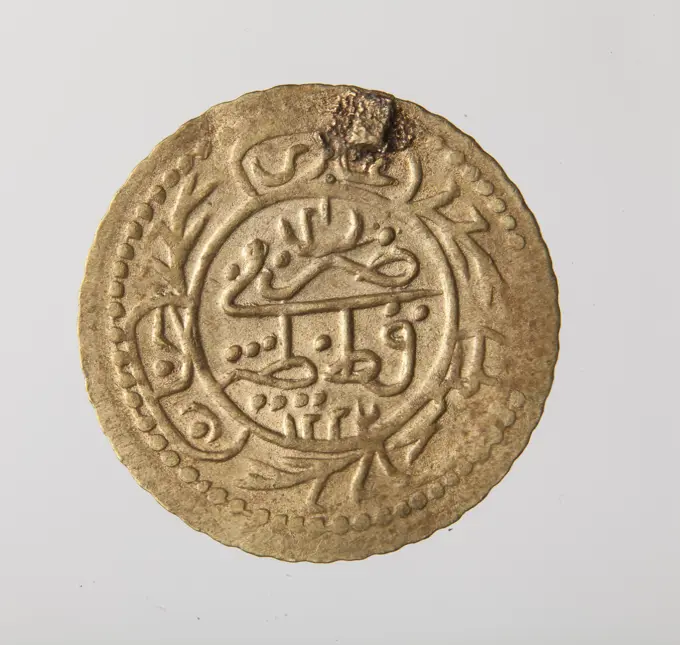
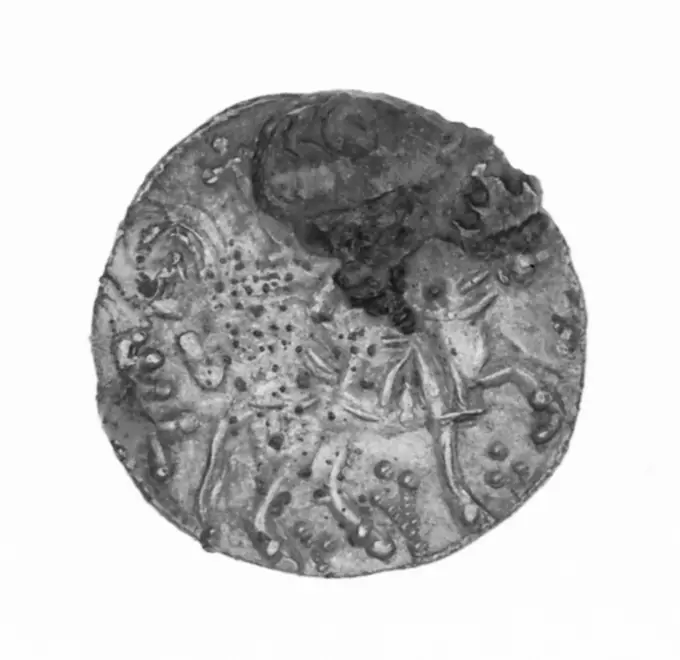
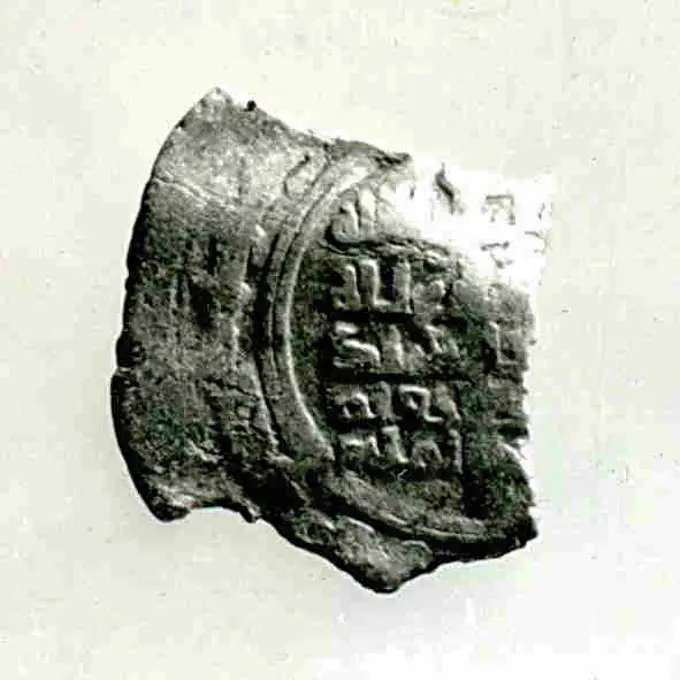
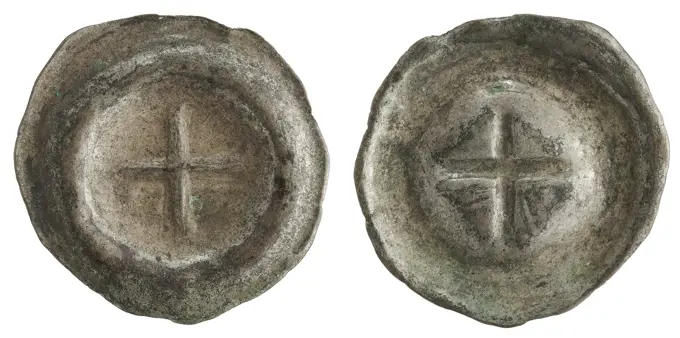
An assortment of ancient coins from different regions, featuring unique engravings and historical significance, ideal for collectors and historical studies.
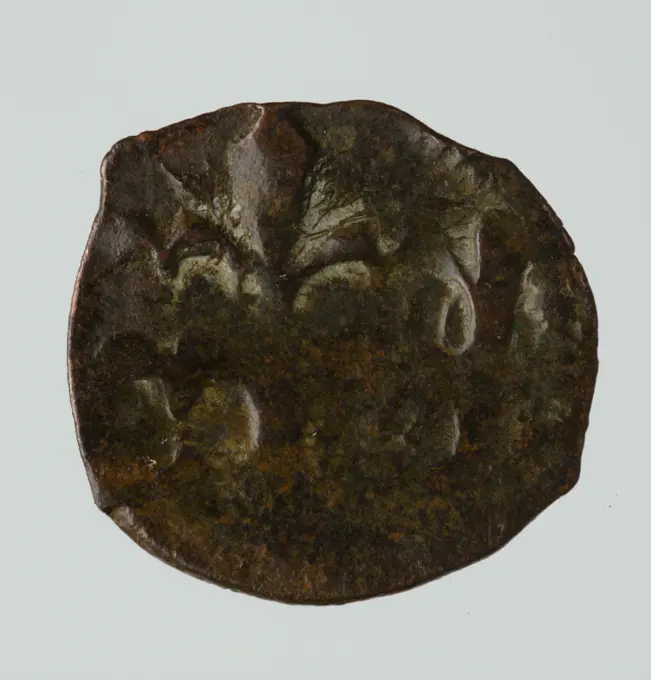
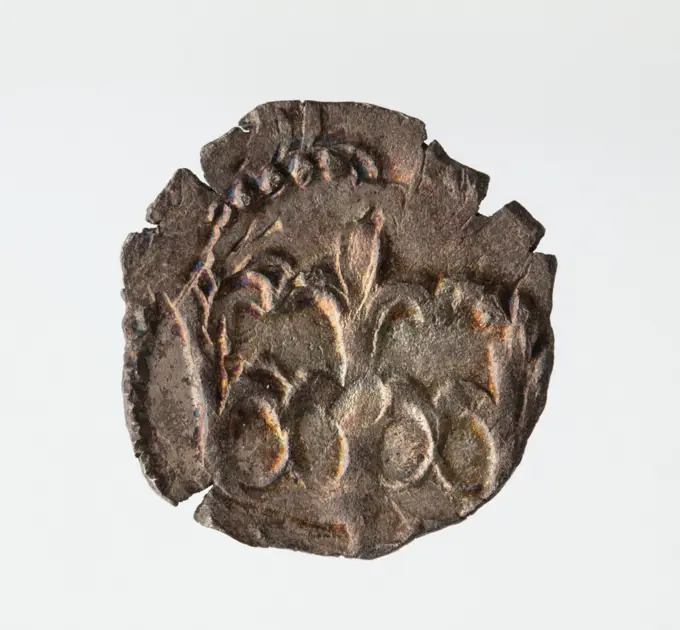
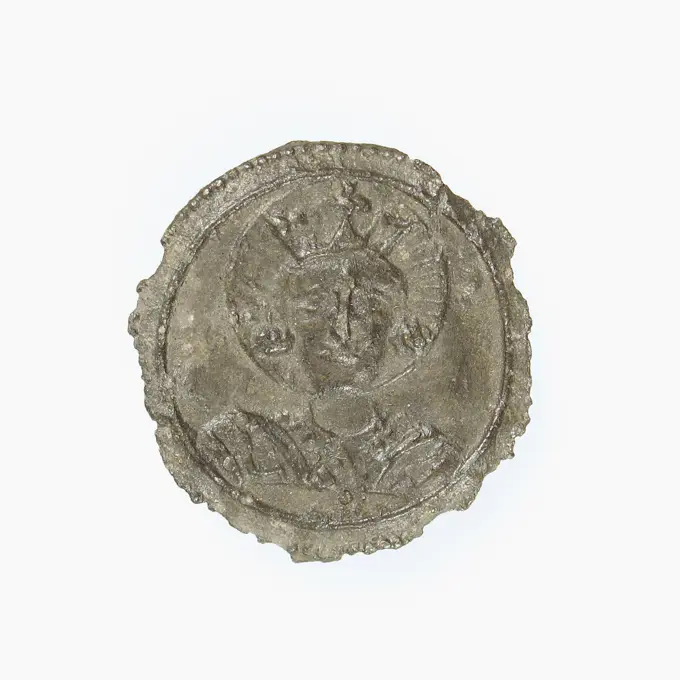
BLIŻEJ KULTURY Mint of Kraków, Władysław Warneńczyk (King of Poland, 1434 1444)
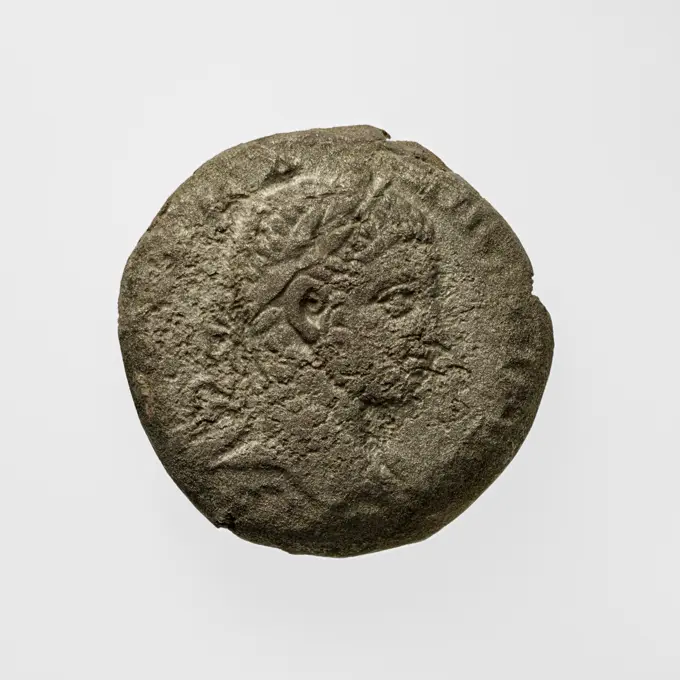
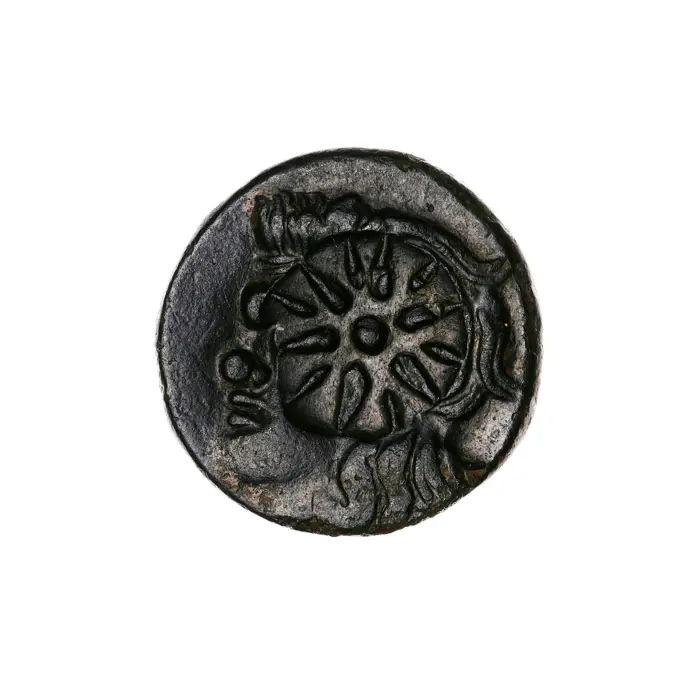
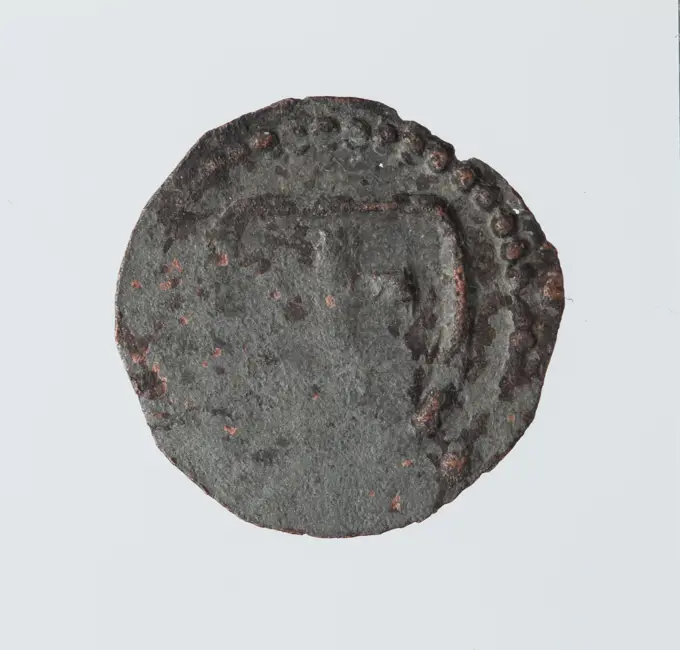
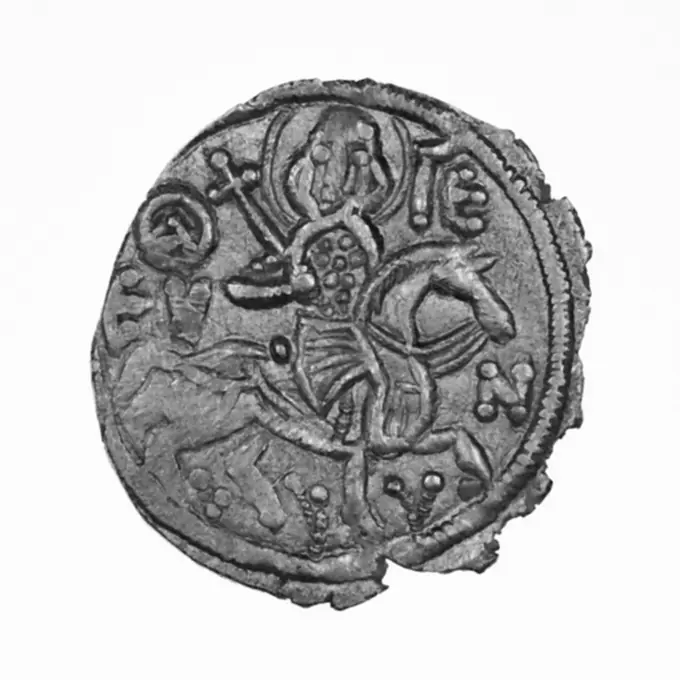
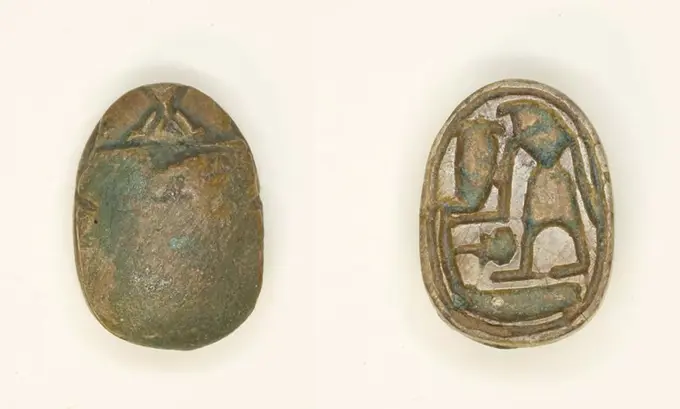
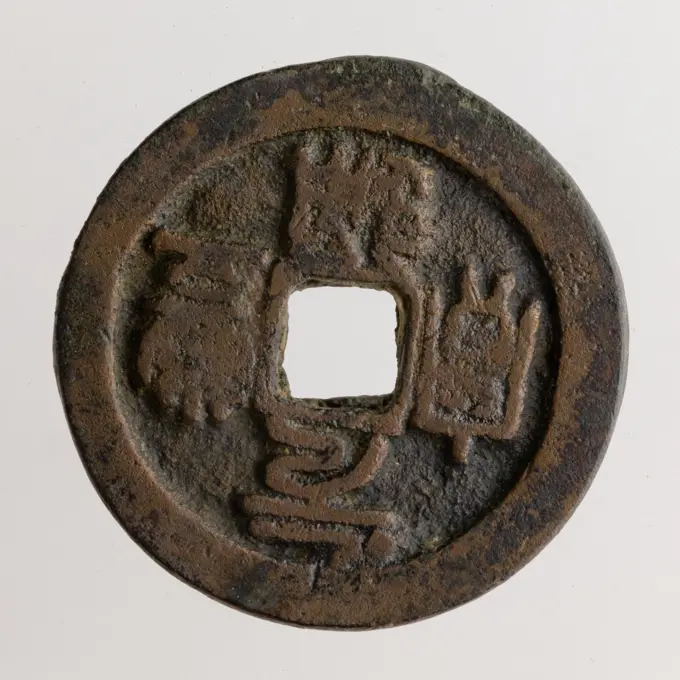
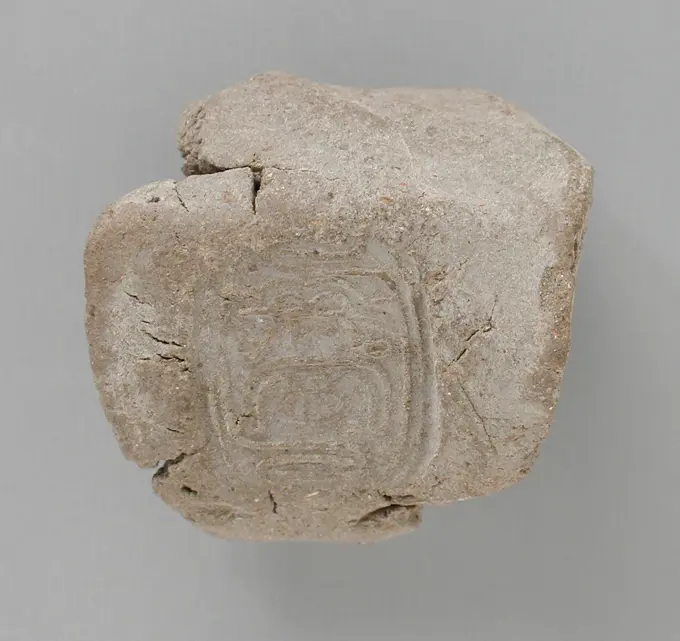
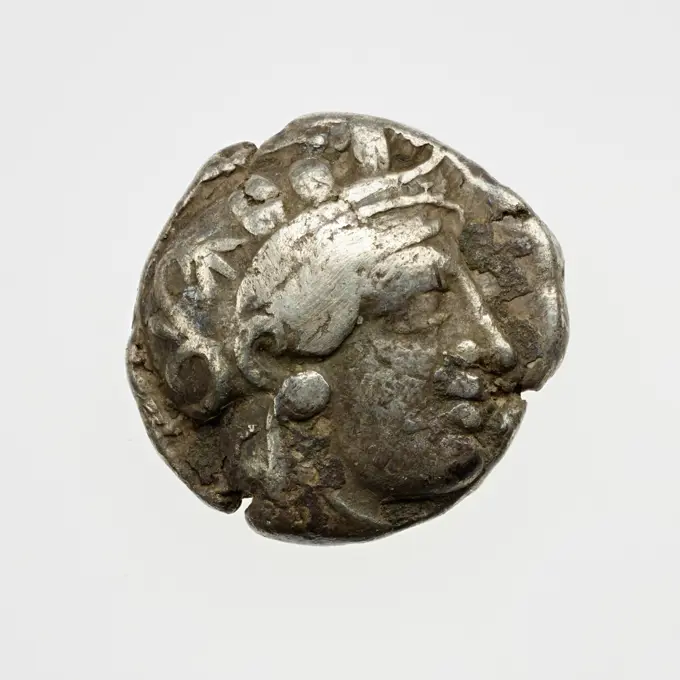
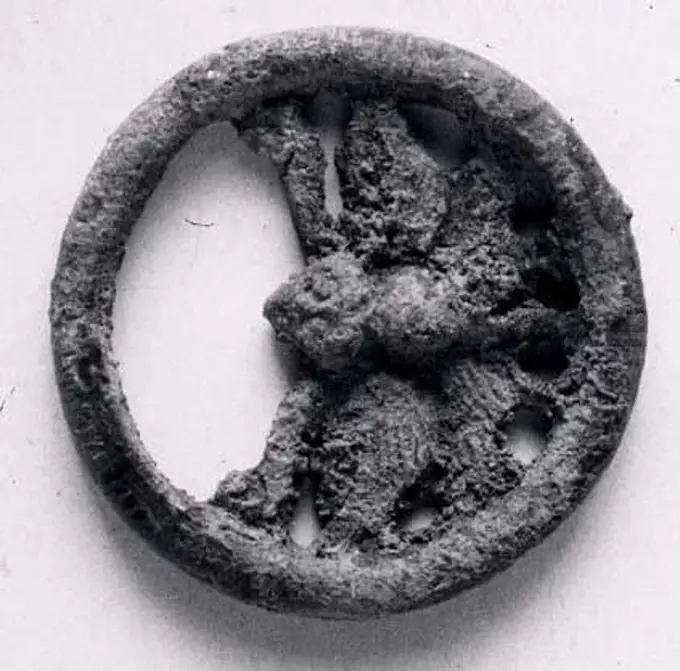
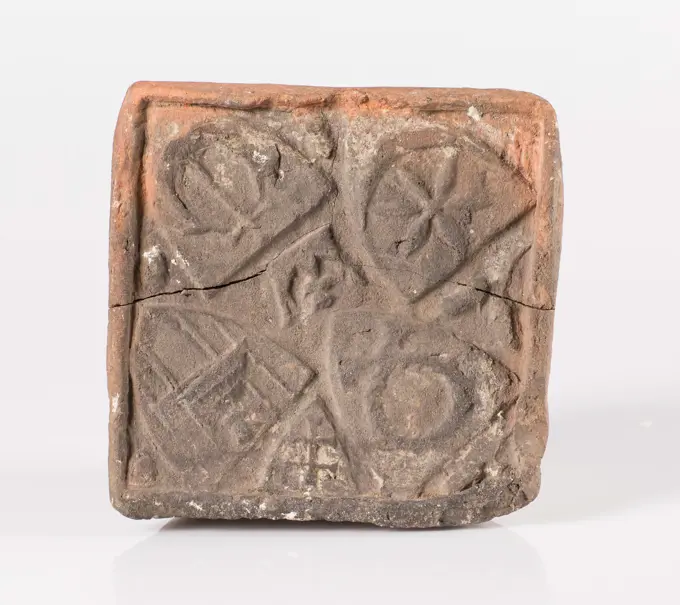
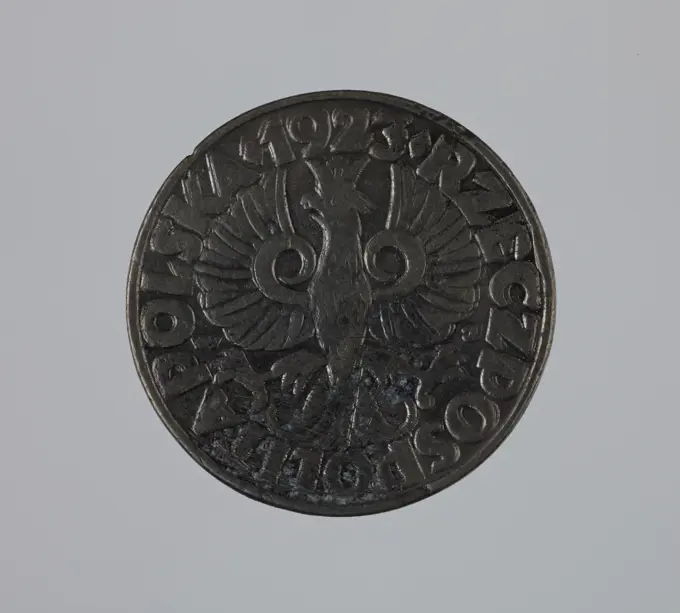
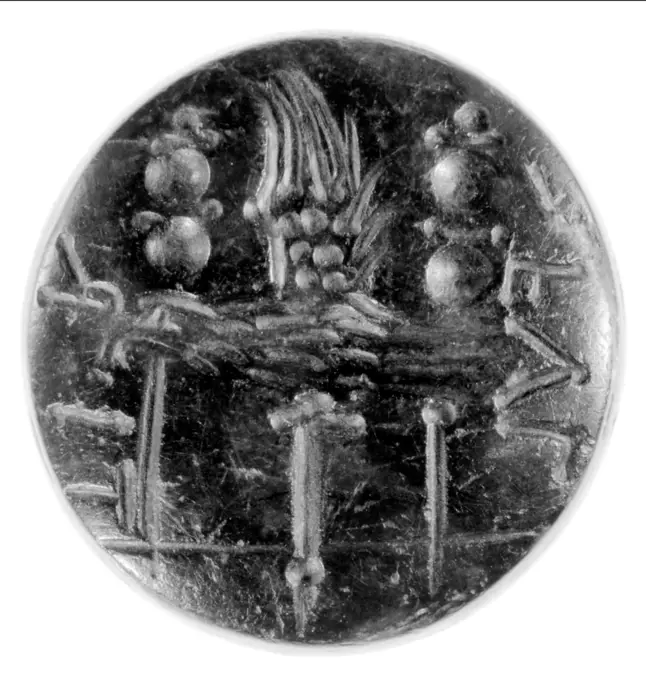
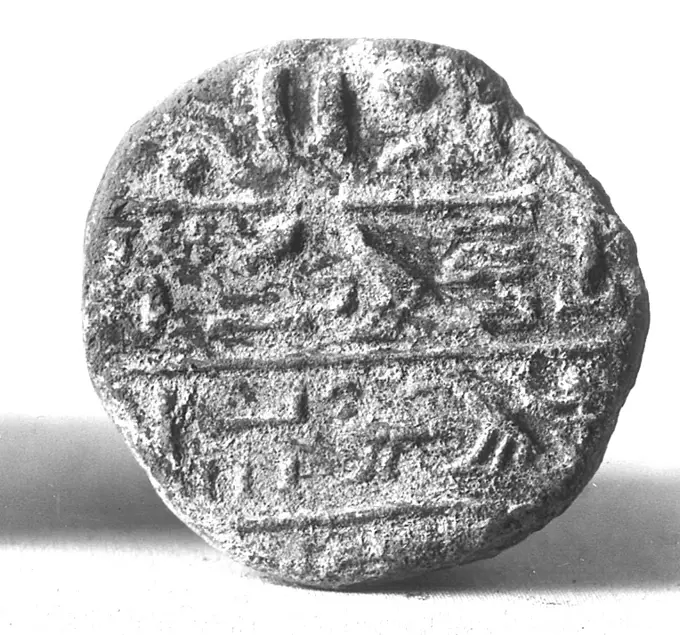
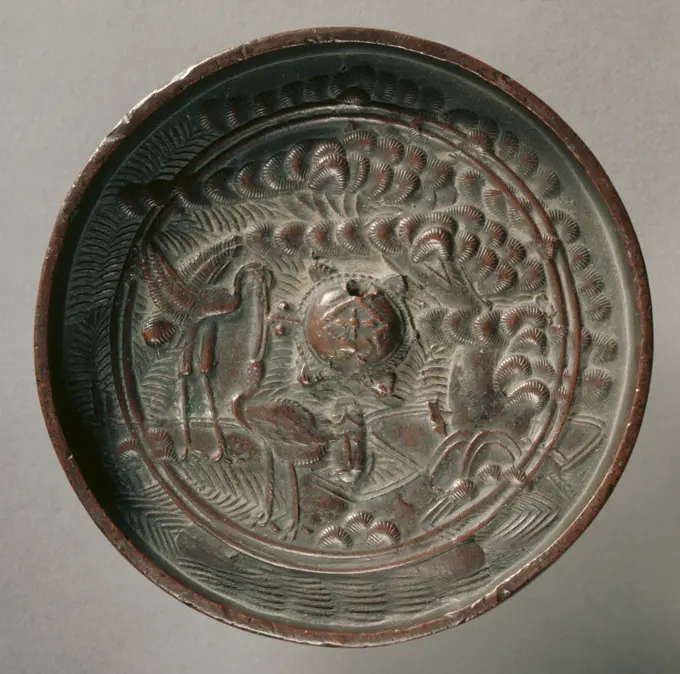
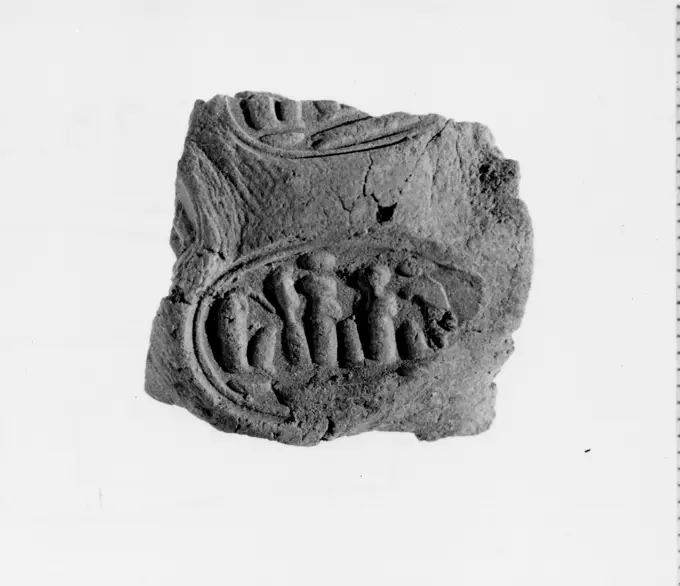
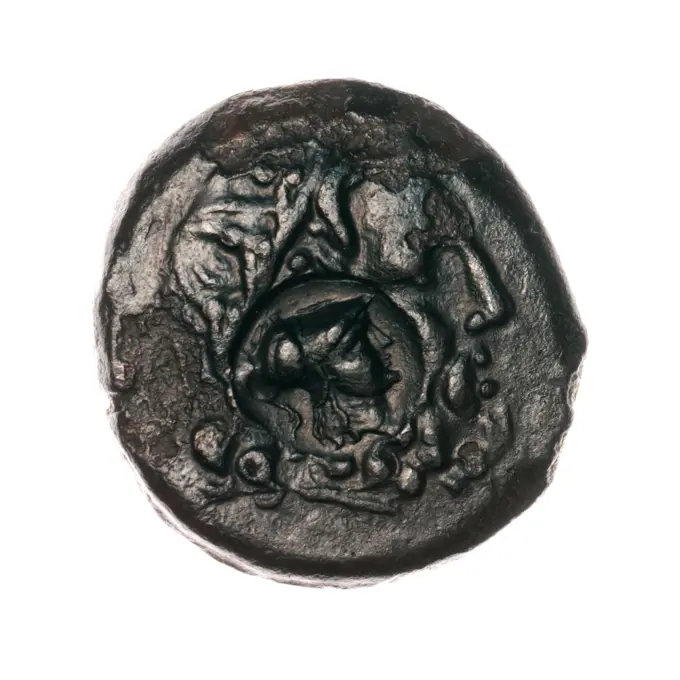
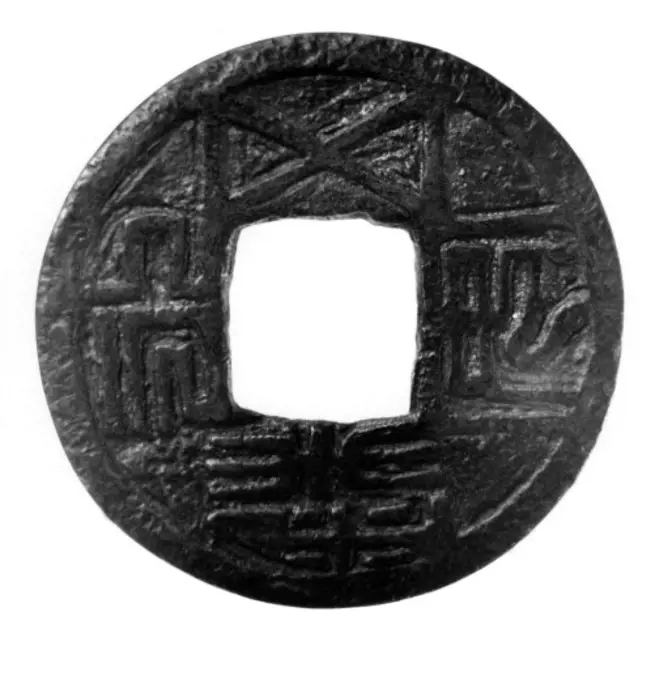
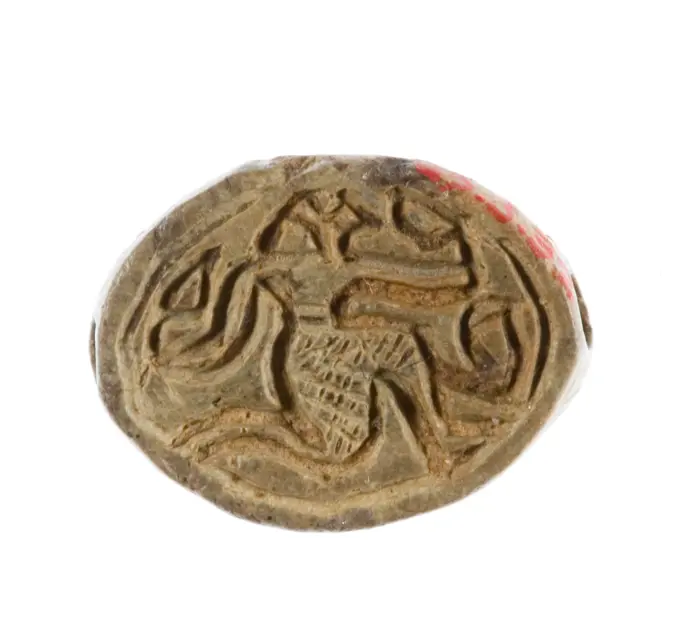
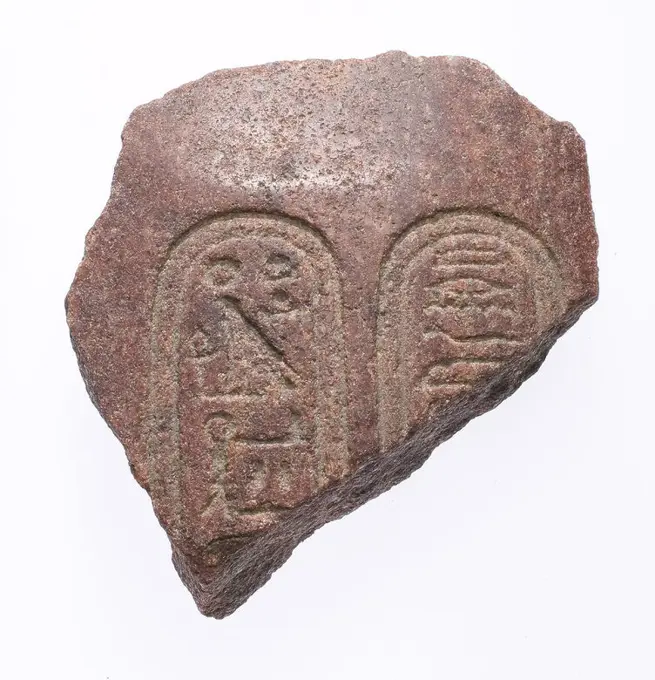
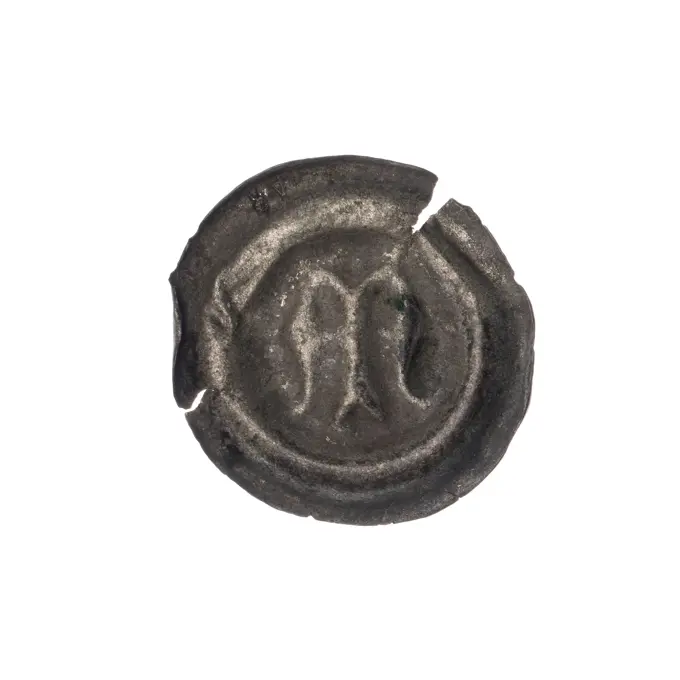
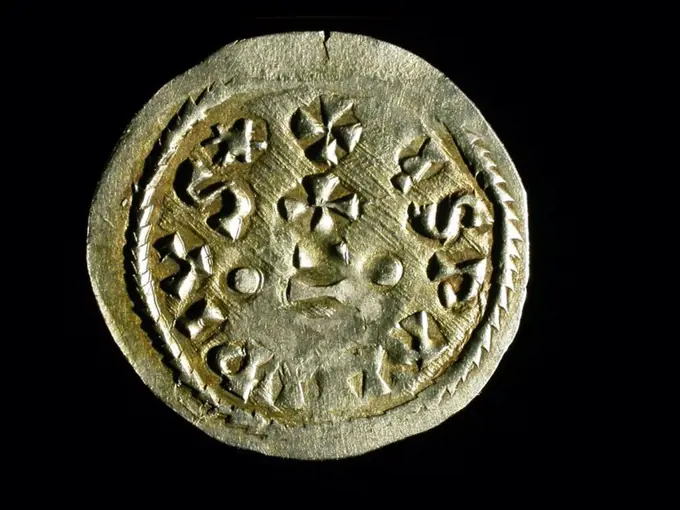
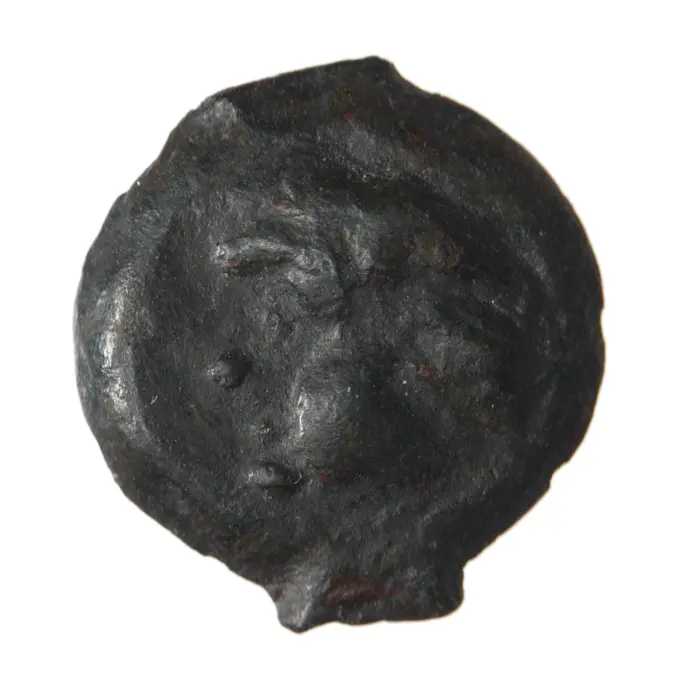
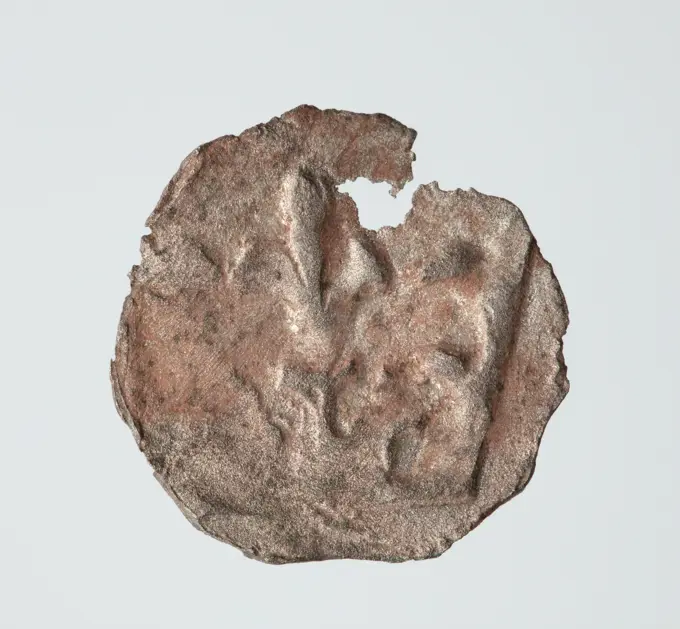
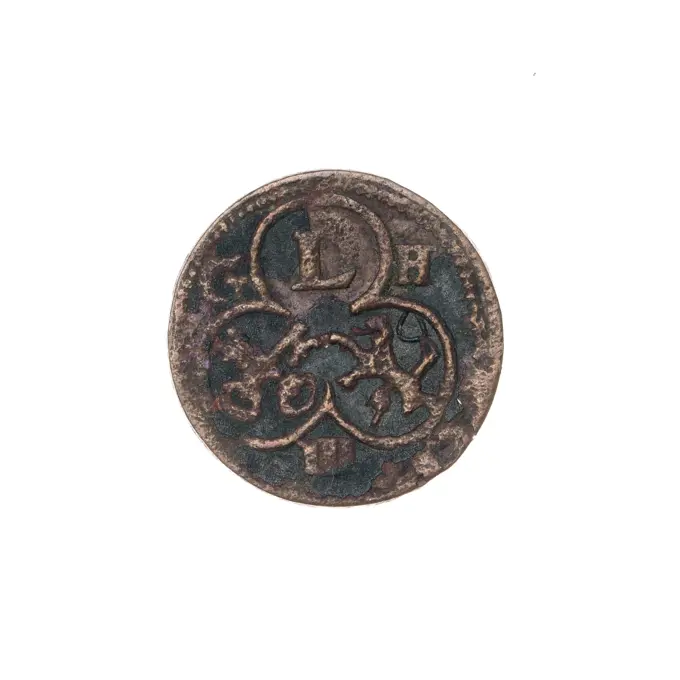
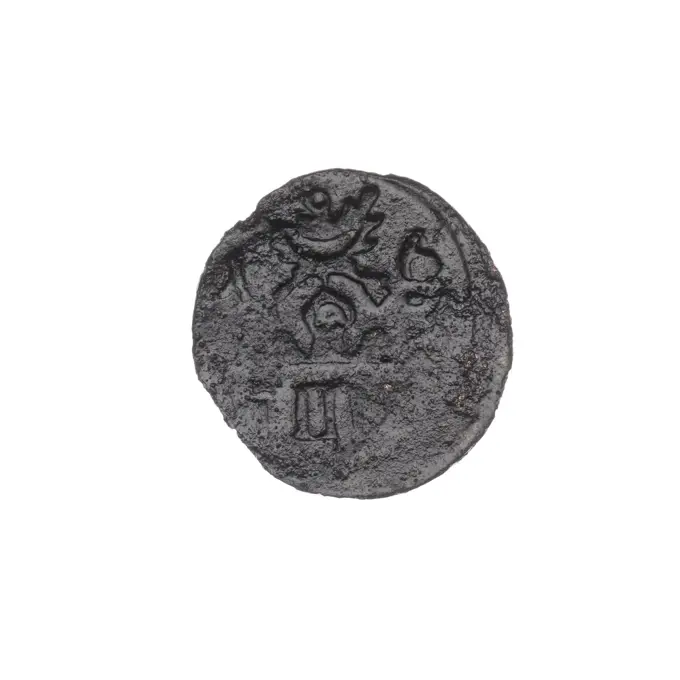
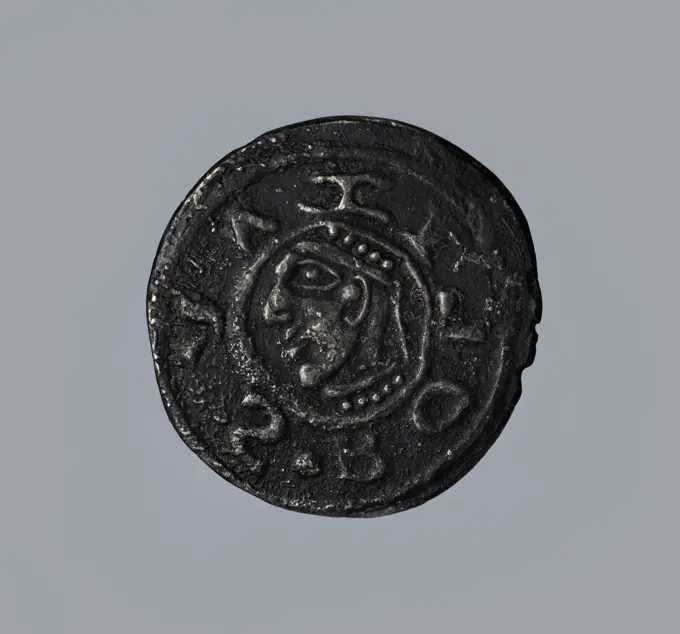
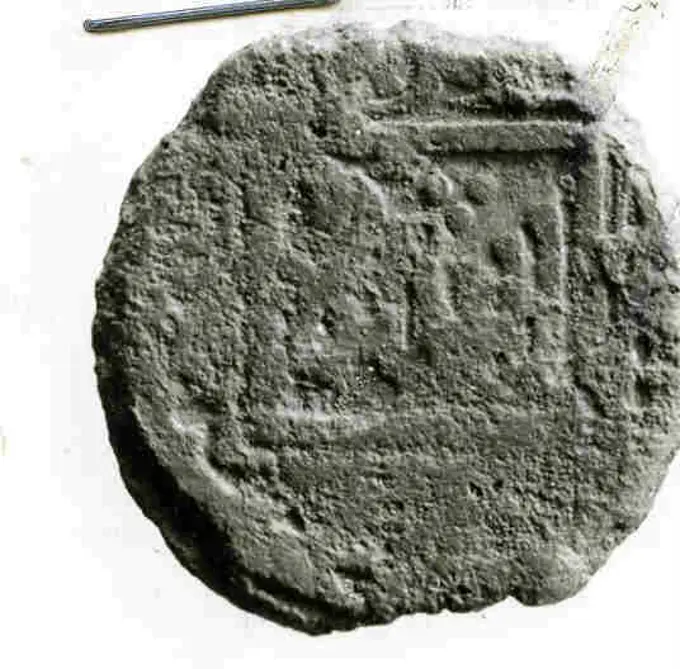
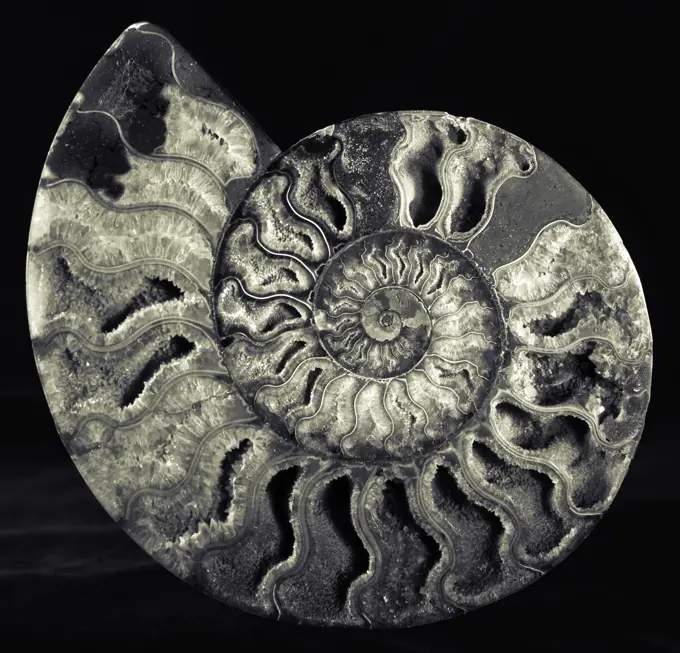
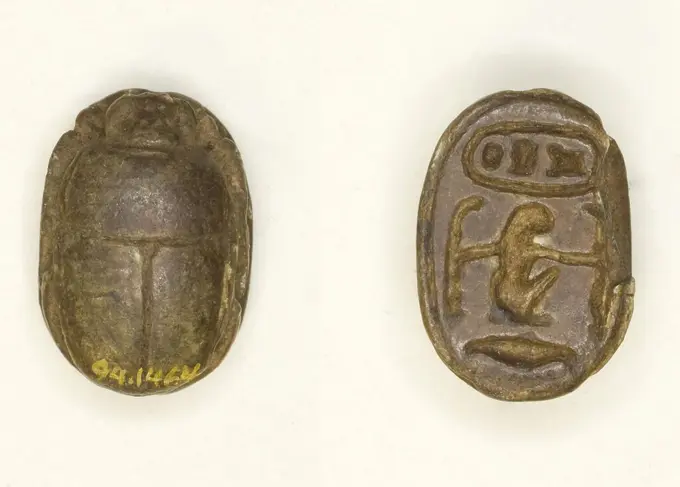
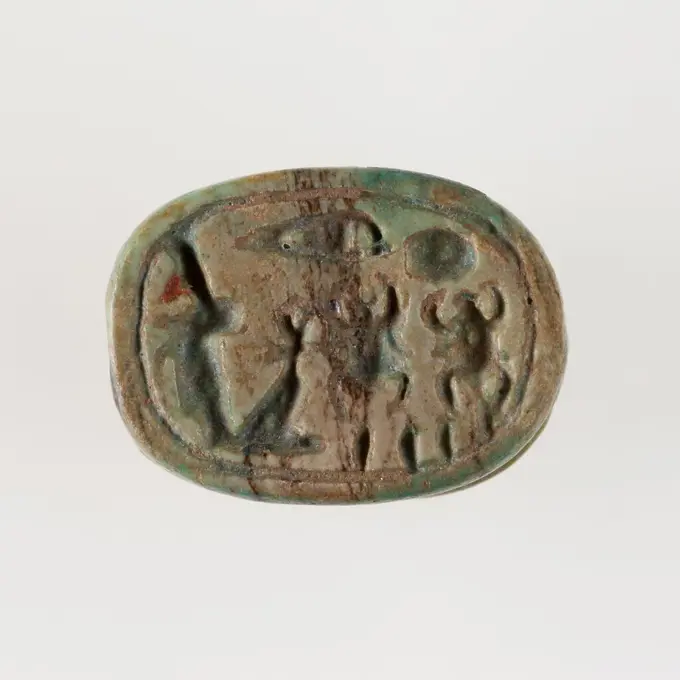
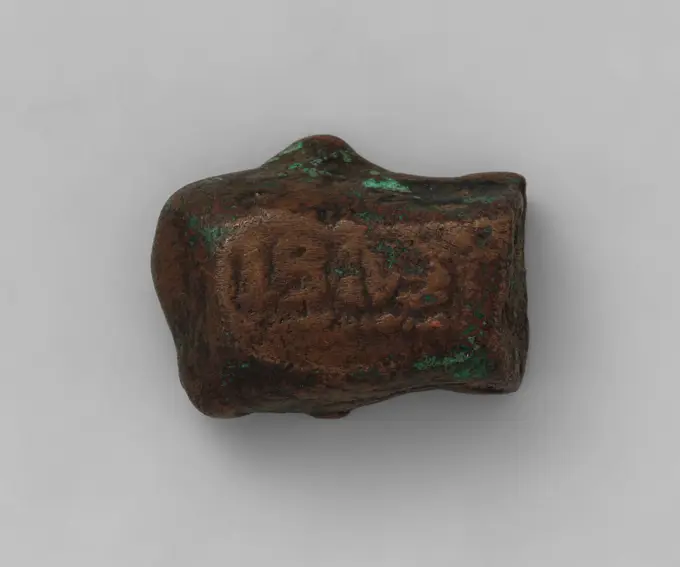
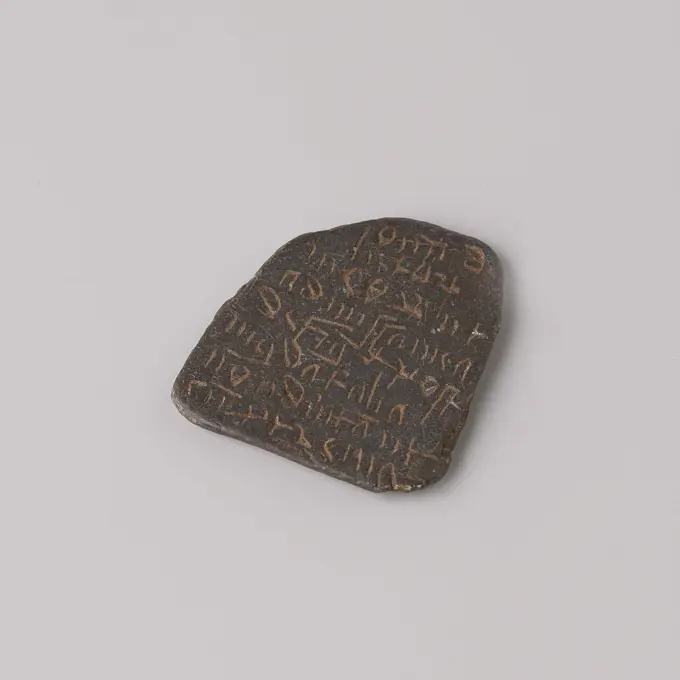
False coin, IIthuanian double denarius  kIIppe, 1570, Sigismund II Augustus (1544 1572)India, Mewar, ½ Paisa, Umard, B.R. (XIX  1st half of the 20th century)Saksonia , Denar of the Cross, between 1080 and 1100 unknownBliżej Kultury Mint of Kraków, Władysław Warneńczyk (King of Poland, 1434 1444)Unattributed Trebizond Coin. UnknownTetradrachm of Elegabalus. UnknownTetradrachm of Caracalla. UnknownBrown coin; Pantikapaion; the beginning of the 3rd century BC (-300-00-00--291-00-00);Nadczarzyorze, satir (mitol.), Terlecki, Ignacy (1860-1916), Terlecki, Ignacy (1860-1916)-collection, weapons (iconogr.), Goritos (weapons), twelve-pointed star (iconogr.), Stars, head Lion (iconogr.), Jesiotry, counterattacks (numism.), Lions, Fish, Sajdak (weapons), armament (iconogr.), Purchase (provenance), animals, arch in Sajdak (iconogr.), Łuki (army)BLIŻEJ KULTURY Mint of Kraków, Władysław Warneńczyk (King of Poland, 1434 1444)False Coin, Władysław Jagiełło (1386 1434), Kwartalnik Mały (Ternar); 1399/1400 unknownUnattributed Trebizond Coin. UnknownScarab: Falcon-Headed Deity with Cobra. Egyptian. Date: 1650 BC-1186 BC. Dimensions: 1.9 × 1.3 × 0.6 cm (3/4 × 1/2 × 1/4 in.). Steatite. Origin: Egypt. Museum: The Chicago Art Institute, Chicago, USA. Author: Ancient Egyptian.Carnavalet Museum, Medals CollectionCarnavalet Museum, Medals CollectionDrachm. UnknownHead of a Goddess with Weapons in her Hair. Culture: India (West Bengal, Chandraketugarh). Dimensions: H. 3 3/4 in. (9.5 cm). Date: 1st century B.C.-1st century A.D.. Museum: Metropolitan Museum of Art, New York, USA.Cash. Copper alloy, China, Song dynasty. Paris, Cernuschi museum. Amulet, Asian art, Chinese art, circle, Asian civilization, Chinese civilization, belief, disc, Song dynasty, currencyCoin 8th century. Coin. 8th century. Copper. Excavated in Iran, Nishapur. CoinsBLIŻEJ KULTURY Mint of Kraków, Władysław Jagiełło (King of Poland, 1386 1434)Seal Impression with 'Gold' Hieroglyph. Egypt, Middle Kingdom () (2061 - 1665 BCE). Tools and Equipment; seals. Semi-baked clay with light scorchingCarnavalet Museum, Medals CollectionBliżej Kultury Władysław Jagiełło (CA 1351 1434), Mint of KrakówBliżej Kultury Mint of Kraków, Władysław Warneńczyk (King of Poland, 1434 1444)Tetradrachm. UnknownOrnament Korea. Ornament 57450Sealing fragment ca. 2030-1640 B.C. Middle Kingdom. Sealing fragment 565745Hearing stone with representation of two façade deer, placed in two windows, Anonymous, 1606 Hearing stone with representation of two facade deer deer, placed in two windows and accompanied by the year 1606. Southern Netherlands (possibly) earthenware   Gorinchem. Merwede Hearing stone with representation of two facade deer deer, placed in two windows and accompanied by the year 1606. Southern Netherlands (possibly) earthenware   Gorinchem. MerwedeSeal Impression with Title and Personal Name (). Egypt, Late Period - Ptolemaic Period () (664 - 30 BCE). Tools and Equipment; seals. Blackened clayEurope, Bulgaria. Husking tray with pictograms. Gradeschnitza culture. 5000 BC.Pilgrim's Badge 14th-16th century French. Pilgrim's Badge. French. 14th-16th century. Lead. Metalwork-LeadBolesław Chrobry (992-1025), Denar, Greater Poland, Kujawy or Northern Mazovia, After 1010 Bolesław Chrobry (992 1025)Fireplace with windows with winged deer. Fireplace with windows with winged deer. On the stone: "1603".Pot tile. nieznana, factoryFragment of a terracotta architectural tile 6th century B.C. Lydian Decorated terracotta tiles were fixed to the roof line and upper walls of Lydian houses.. Fragment of a terracotta architectural tile. Lydian. 6th century B.C.. Terracotta. Archaic. TerracottasFalse Coin, 50 Groschen, 1923, Repubiic of PolandPoland, Władysław Jagiełło (1386 1434), Denar, Town of Kraków, After 1396 W ADYS AW JAGIECH (CA 1351 1434), Mint of KrakówDouble Parisis in Brillon of Philip IV 1295-1303 (Title Title) Anonymous. Double Parisis in Brillon de Philip iv 1295-1303.Miniature Votive Mirror China. Miniature Votive Mirror 61413Plaque with the figure of a lion. Culture: Achaemenid. Dimensions: H. 2 1/2 x W. 2 3/4 in. (6.4 x 7 cm). Date: ca. 6th-5th century B.C.. Museum: Metropolitan Museum of Art, New York, USA.Bliżej Kultury Władysław Warneńczyk (King of Poland, 1434 1444), Mint of KrakówPlaque with Cross and Rope Designs. Egyptian. Date: 1650 BC-1550 BC. Dimensions: 1 × 1.7 × 1.4 cm (3/8 × 11/16 × 9/16 in.). Glazed steatite. Origin: Egypt. Museum: The Chicago Art Institute, Chicago, USA. Author: Ancient Egyptian.Engraved Gem. UnknownHearing stone with a representation of a men's and women's head in two profiled windows, anonymous, c. 1550 - c. 1599 Hearing stone with a representation of a men's and women's head and Profil, placed in two profiled windows. The half and quarter windows at the top and bottom are filled with flower decorations in laurel opportunities. Southern Netherlands earthenware Hearing stone with a representation of a men's and women's head and Profil, placed in two profiled windows. The half and quarter windows at the top and bottom are filled with flower decorations in laurel opportunities. Southern Netherlands earthenwareScarab Hieroglyphs 1069 BCE-525 BCE Egypt. Steatite . Ancient EgyptianFunerary Cone of the Deputy of the Medjay Simut ca. 1550-1352 B.C. New Kingdom Used as architectural decoration, funerary cones were arranged along the upper edge of the facades of private tombs at Thebes. This cone is inscribed for Simut who was a lieutenant-commander of the Medjay (see also 09.185.21, 30.6.108). For a drawing of this impression see http://www.funerarycones.com/, number 500.. Funerary Cone of the Deputy of the Medjay Simut Funerary Cone of the Deputy of the Medjay Simut ca. 1550-1352 B.C. New Kingdom Used as architectural decoration, funerary cones were arranged along the upper edge of the facades of private tombs at Thebes. This cone is inscribed for Simut who was a lieutenant-commander of the Medjay (see also 09.185.21, 30.6.108). For a drawing of this impression see http://www.funerarycones.com/, number 500.. Funerary Cone of the Deputy of the Medjay Simut. ca. 1550-1352 B.C.. Pottery. New Kingdom. From Egypt, Upper Egypt, Thebes, Sheikh Abd el-Qurna. Dynasty 18Roof Tile End, One of a Pair, 20th century, Unknown Japanese, 5 3/8 in. (13.65 cm), Earthenware, Japan, 20th centuryZygmunt I Stary (1506-1548), Denar Koronny, Kraków; B.R. Mint of Kraków, Zygmunt and StaryChest () fragment with Aten cartouches ca. 1353-1336 B.C. New Kingdom, Amarna Period. Chest () fragment with Aten cartouches. ca. 1353-1336 B.C.. Red quartzite. New Kingdom, Amarna Period. From Egypt, Middle Egypt, Amarna (Akhetaten), Great Temple of the Aten, pit outside southern wall, Petrie/Carter excavations, 1891-92. Dynasty 18Mirror with Pine and Cranes, early 1600s to mid-1800s. Japan, Edo period (1615-1868). Bronze; diameter: 10.5 cm (4 1/8 in.); overall: 1 cm (3/8 in.); rim: 1 cm (3/8 in.).Seal Impression. Egypt, Middle Kingdom () (2061 - 1665 BCE). Tools and Equipment; seals. Semi-baked clay of dark black scorched colorDocument Sealing With the Throne Name of Amenhotep III ca. 1390-1353 B.C. New Kingdom. Document Sealing With the Throne Name of Amenhotep III. ca. 1390-1353 B.C.. Mud. New Kingdom. From Egypt, Upper Egypt, Thebes, Malqata, King's Palace, West magazine, MMA excavations, 1910-12. Dynasty 18Brown coin; Pantikapaion; 3. W. III century BC (-250-00-00--226-00-00);Athena (mitol. Numism.), Ships, Prora (iconogr.), Ships, purchase (provenance)Coin 8th-13th century. Coin. 8th-13th century. Copper. Excavated in Iran, Nishapur. CoinsBelt plaque 3rd-6th century China. Belt plaque 61163money / finances, coins, Asia, China, five shu coin, by emperor Xiaozhuang, bronze, 528 / 529,Europe, Bulgaria. Tetradrachm of Thasos. 2nd-1st cent. BC. Bulgaria.Mint: Bottiaea, Tetrobol fromBottiaea, 196-168 B.C., Silver, 2.79 g, 16mm, Made in Bottiaea, Macedonia, Greek, 2nd century B.C., NumismaticsCanaanite Cowroid Seal Amulet with Falcon Headed Deity ca. 1600-1500 B.C. New Kingdom. Canaanite Cowroid Seal Amulet with Falcon Headed Deity. ca. 1600-1500 B.C.. Steatite. New Kingdom. From Canaan, Levant. Dynasty 18, earlyChest () fragment with Aten cartouches. Dimensions: H. 10 × W. 9.7 × D. 3.2 cm (3 15/16 × 3 13/16 × 1 1/4 in.); cartouche: W. 3.5 cm (1 3/8 in.). Dynasty: Dynasty 18. Reign: reign of Akhenaten. Date: ca. 1353-1336 B.C.. Museum: Metropolitan Museum of Art, New York, USA.Brakedate Halter; 15th century (1401-00-00-1500-00-00);Ryszard, Antoni (1841-1894), Ryszard, Antoni (1841-1894)-collections, letter M, letters, one-sided coins, city coins, unitedMirror with geometric patterns and stylized animals, anonymous, 200 - 300 Taoist gods and heavenly animals; Band with squares on which characters are interspersed with semi -circular notches. The patina is yellow -green and dark green. China bronze (metal) Taoist gods and heavenly animals; Band with squares on which characters are interspersed with semi -circular notches. The patina is yellow -green and dark green. China bronze (metal)Seal Korea. Seal 57445Cup Plate ca. 1830-ca. 1870 British (American market). Cup Plate 6027Kiterian Bospor, Panticajon, 1 Quarter of the 3rd Century BC; AEE Panticapaeum mintCoin A.H. 198-204/ A.D. 813-19. Coin. A.H. 198-204/ A.D. 813-19. Copper. Excavated in Iran, Nishapur. CoinsArchstone with image of flower arrangements and windows, anonymous, c. 1400 - c. 1950 Archstone with image of flower arrangements and windows. Southern Netherlands earthenware Archstone with image of flower arrangements and windows. Southern Netherlands earthenwareNUMISMATICA. MONEDA VISIGODA. WITIZA ISPALI (BAETICA) (689-710) REVERSO. DONACION DON MANUEL TRABUCO.Coin. UnknownKimerian Bospor, Panticajon, 2 3 Quarter of the 3rd Century BC; AEE Panticapaeum mintScarab Titles 2055 BCE-1650 BCE Egypt. Glazed steatite . Ancient EgyptianPilgrim's Badge French 14th-16th century View more. Pilgrim's Badge. French. 14th-16th century. Lead. Metalwork-LeadFragment of a bowl with lily-shaped floral scrolls, anonymous, c. 1200 - c. 1299 Fragment of the bottom of a bowl, with a thick lapis blue enamel and with symmetrical ornament of lily -shaped flower vines. The outside also glazed. In the middle of the bottom, an Arabic charit (). Gray -yellow earth. The fragment was found in Cairo. Syria earthenware. glaze. luster (textile) painting / vitrification Fragment of the bottom of a bowl, with a thick lapis blue enamel and with symmetrical ornament of lily -shaped flower vines. The outside also glazed. In the middle of the bottom, an Arabic charit (). Gray -yellow earth. The fragment was found in Cairo. Syria earthenware. glaze. luster (textile) painting / vitrificationBliżej Kultury Mint of Kraków, Władysław Jagiełło (CA 1351 1434)3 Haler; Jerzy Rudolf (KSI  Legnica-Brzeski; 1595-1653), Heinecke, Georg (Fl. 1622-1623); 1621-1653 (1621-00-00-1653-00-00);Legnica (coat of arms), lion holding the keys (iconogr.), Letter L, letters, letters G - h, lions, one -sided coins, city coinsMold bearing Official's Title with Names of King Ramses VIII. Egypt, New Kingdom, 20th Dynasty, perhaps reign of Ramses VIII (1141 - 1139 BCE). Tools and Equipment; molds. TerracottaStamp Seal, Rectangular with Knob Handle with Crisscross Decoration. Northern Syria, 10th-8th century B.C.. Tools and Equipment; seals. Black serpentine3 Haler; 1623 (1623-00-00-1623-00-00);Złotoryja (coat of arms), letters, letters G - B, single -sided coins, city coins, Silesian Eagle (iconogr.), EaglesImitation of the Turkish coin; Ah 1227/2; TurkeyCrown penny - era wide; Zygmunt I Stary (King of Poland; 1506-1548); 1506-1548 (1506-00-00-1548-00-00);Unattributed Trebizond Coin. UnknownCoin dated A.H. 3/ 9 CE  This coin was found and purchased in Nishapur.Nishapur was a vital city in the early and middle Islamic periods, located along one of the main trajectories that connected Iran and West Asia Islamic lands with Central Asia and China. These itineraries are often referred to by the term ‘Silk routes’ but were in fact crucial to the movement of constellations of materials and objects, as well as people and ideas. The diverse population of Nishapur and its surroundings, from the better-researched elite groups of merchants, land-owning aristocracy, and literates, to the less-known artisans, farmers, miners, and servants, were instrumental in adapting global cultural trends to create their own distinctive visual languages. This is seen in the material remains of everyday life in medieval Nishapur - from pots and pans to lighting devices, inkwells, textiles and trimmings, jewelry, games and toys, talismanic devices, weapons, coins, and architectural fragments.Nishapubracteate denarius. Zakon krzyżacki (1190-), issuerDisc-headed pin Iran ca. 8th-7th century BCEFalse coin, penny, Boleslaus I the Brave (992-1025)Scarab of Seti I. Egypt, New Kingdom, 19th dynasty, reign of Seti I (1314-1304). Sculpture. Steatite with modern green colorButton Seal ca. 2030-1850 B.C. Middle Kingdom This round button-shaped seal-amulet was found with a fragment of cord in the horizontal piercing. The device on the underside consists of six spirals radiating from a center point, each interlocking with more spirals. On the back is a cruciform rope pattern with a stylized shape, perhaps a floral element, in each quadrant.. Button Seal. ca. 2030-1850 B.C.. Glazed steatite. Middle Kingdom. From Egypt, Memphite Region, Lisht North, cemetery south of Rehuerdjersen (384), Pit 736, MMA excavations 1907-08. late Dynasty 11-early Dynasty 12Schaarenlijstersgilde van Amsterdam, Gildenning of Cornelis Banckrus. Silver rectangular medal with rounded corners to wear eye front: two men standing at a wheel and a flat stone, grinding instruments; Left: a bucket, right: kick; above both men: pickaxes and two axes, and pivot mass between letters A and C; Cut out: inscription. Reverse: Inscription.Coin late 11th-early 13th century. Coin 457664Coin A.H. 366-87/ A.D. 976-97. Coin 457462HELFT van Damschijf met Portret: Claudius Nero German, 1525 - 1575 Tiberivs. Claudius. Nero. Shower (Claudius Nero German, Romeins Keizer van 14-37) Nuremberg boxwood Tiberivs. Claudius. Nero. Shower (Claudius Nero German, Romeins Keizer van 14-37) Nuremberg boxwoodA crystalized, fossilized nautilus shell.Unattributed Trebizond Coin. UnknownFireplace with presentation of two climbing lions, placed in two windows. Fireplace with a show of two climbing lions, placed in two windows and accompanied by the year 16 ... the half and a quarter windows on the top and bottom are filled with a diamond-shaped flower. Damaged.Scarab: Menkheperra (Thutmose III). Egyptian. Date: 1479 BC-1425 BC. Dimensions: 1.3 × 1 × 0.5 cm (1/2 × 3/8 × 3/16 in.). Stone. Origin: Egypt. Museum: The Chicago Art Institute, USA. Author: Ancient Egyptian.Forty Kreuzer, emergency coin from Strasbourg, driven during the siege by Johan Georg Keurvorst van Brandenburg, Anonymous, 1592 coin. siege coin Unilateral, diamond -shaped silver emergency coin. Front: Three coats of arms between the year above figure 40 within leaf rack. Reverse: Blanco. Strasbourg (France) silver (metal) striking (metalworking)  Strasbourg (France)Scarab. Dimensions: L. 1.6 × W. 1.1 × H. 0.8 cm (5/8 × 7/16 × 5/16 in.). Dynasty: Dynasty 12. Date: ca. 1327-23 B. C.. Museum: Metropolitan Museum of Art, New York, USA.Bonk of 2 pennies of the Netherlands India, 1805; Dutch India, 2 penny-bonk, 1805. Copper rectangular coin. Front: within a rectangular list of pearls Value indication 2 S. down side: inside a rectangular list of pearls.Bliżej Kultury Orodes 2Latin gravitation. Piece of Lei with curved inscription. From Deventer. Once together with two others were wrapped in a piece of paper.Scarab Base with Incised Lion and Cobra 664-525 B.C. Late Period. Scarab Base with Incised Lion and Cobra 560984