Historical Coins Collection

An assortment of ancient coins from different regions, featuring unique engravings and historical significance, ideal for collectors and historical studies.
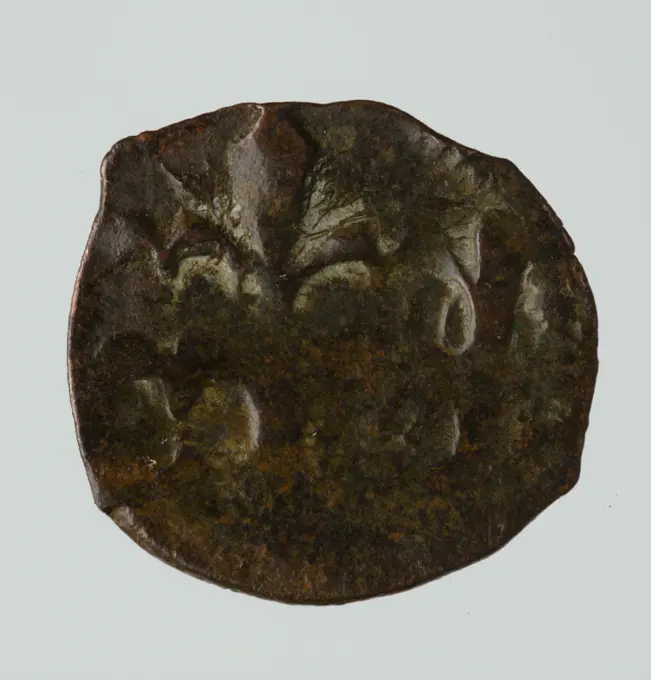
BLIŻEJ KULTURY Mint of Kraków, Władysław Warneńczyk (King of Poland, 1434 1444)
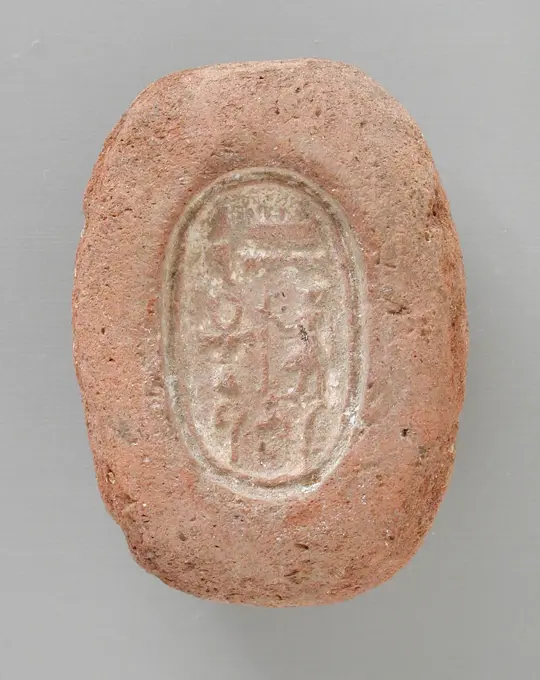
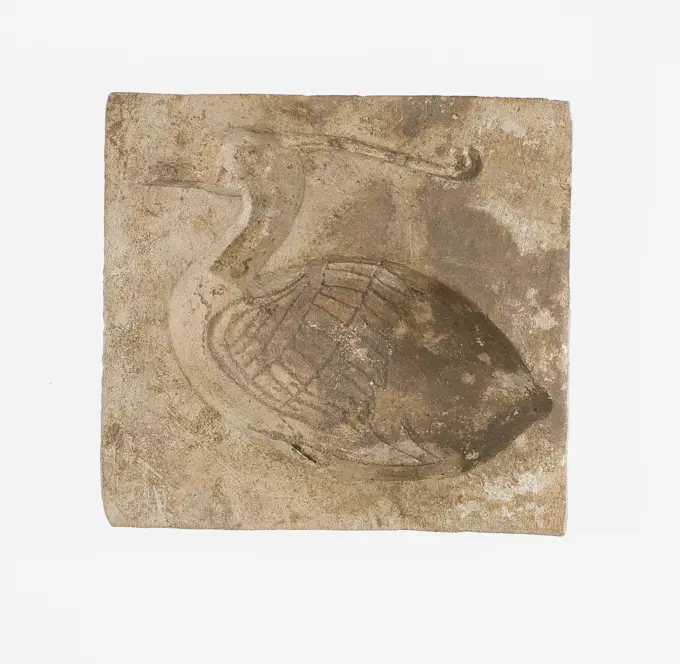
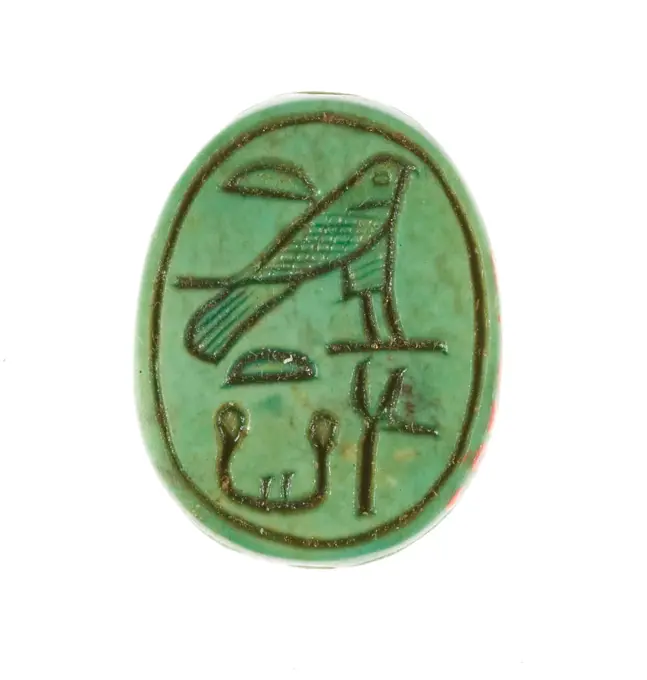
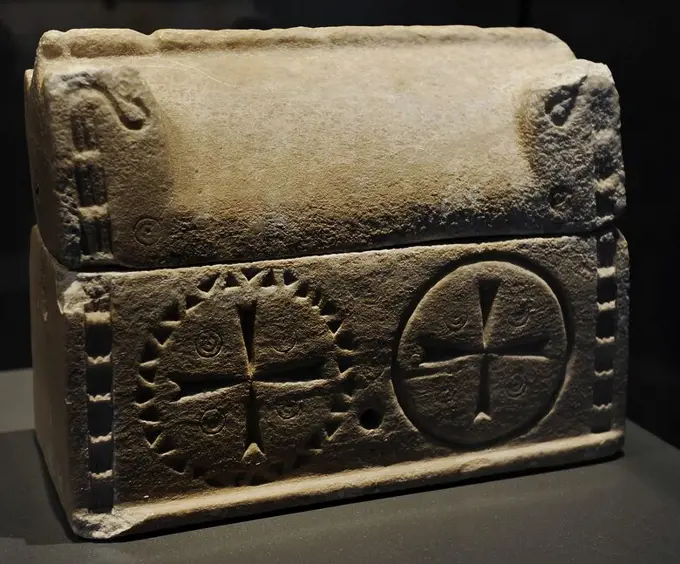
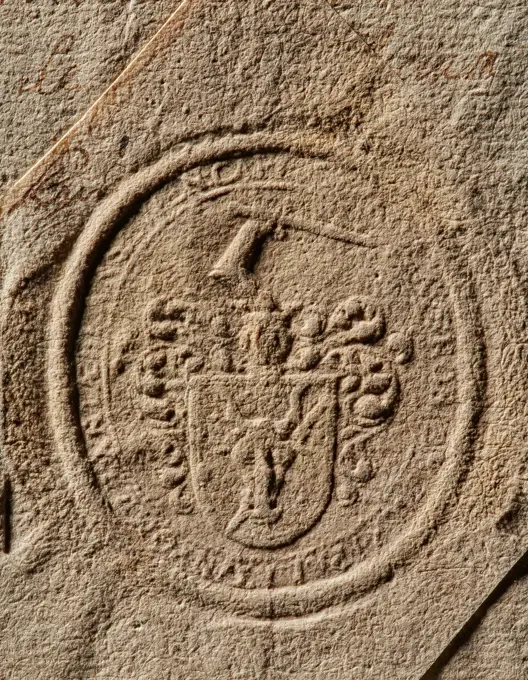
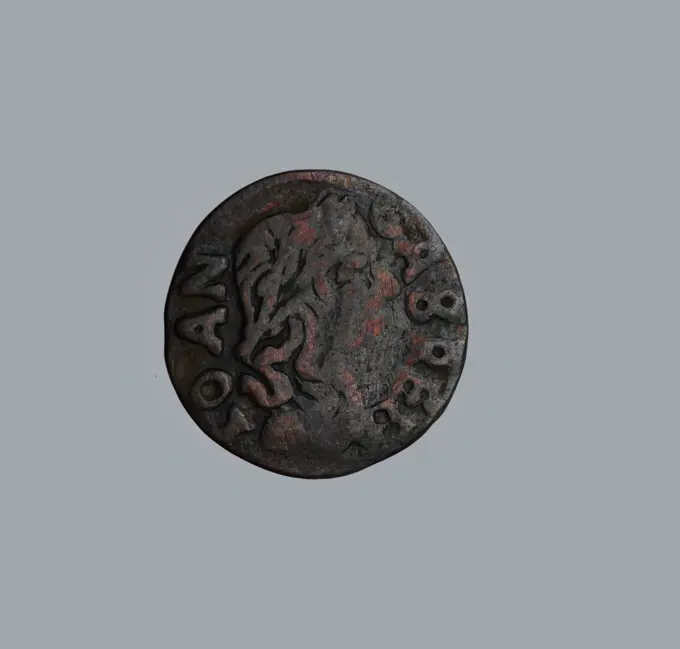
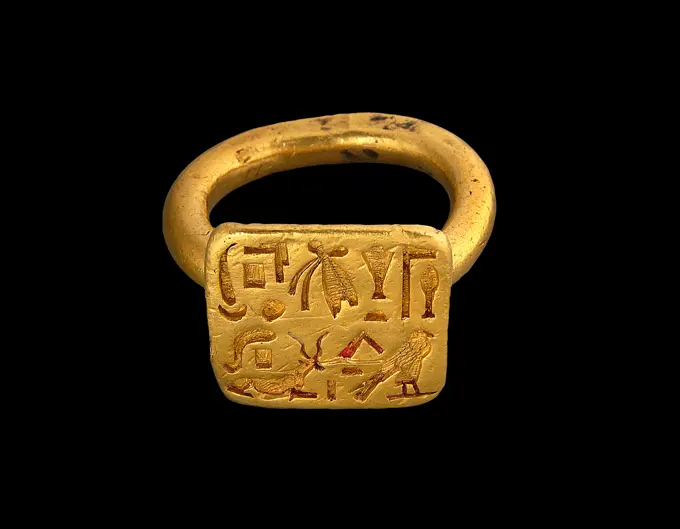
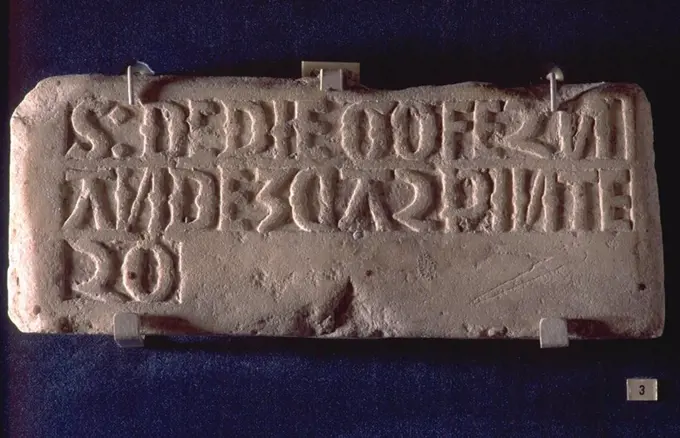
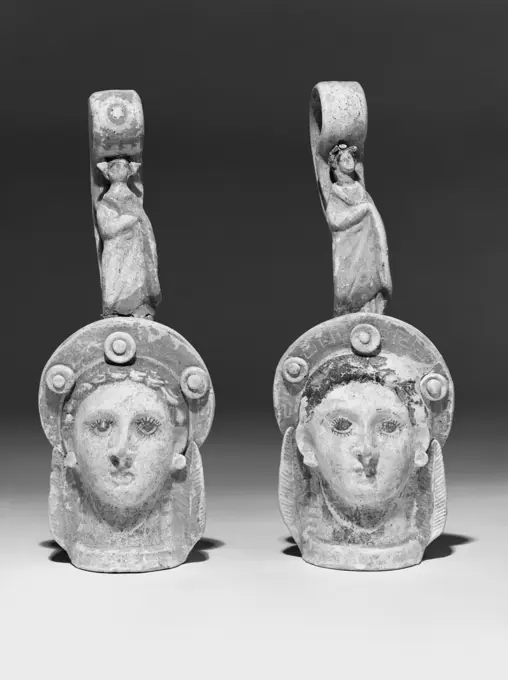
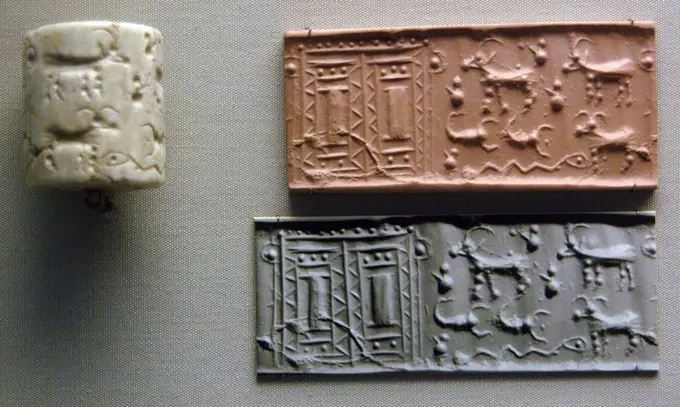
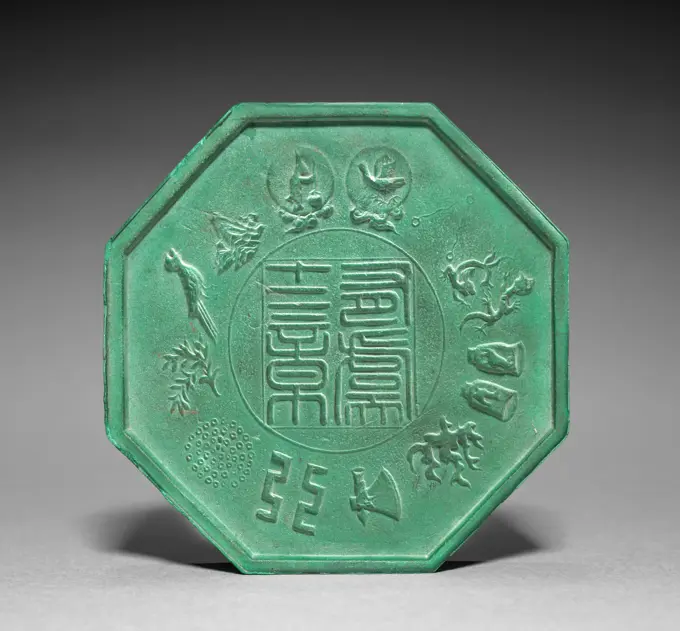
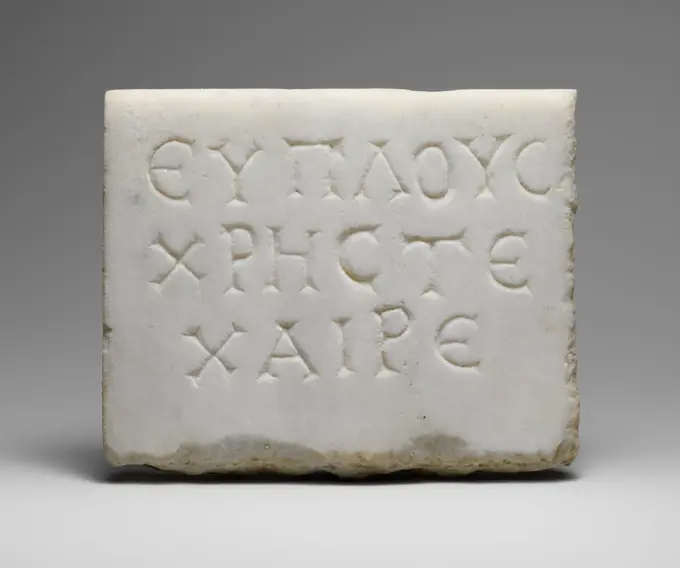
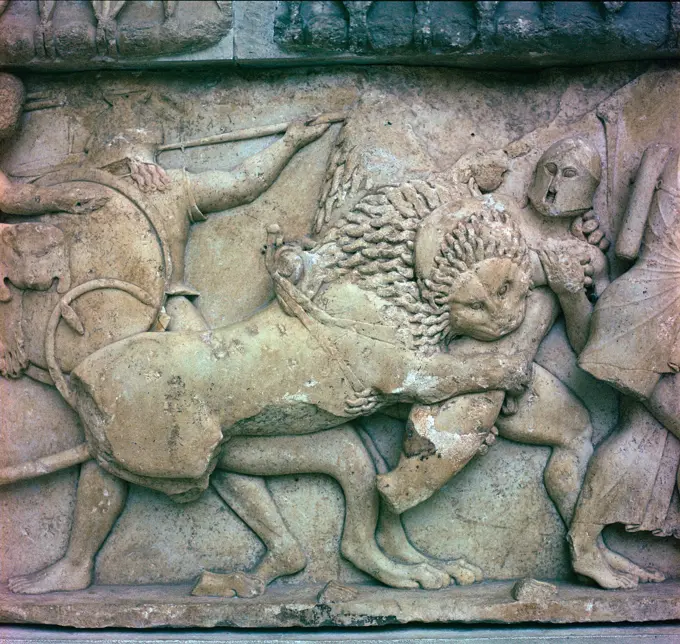
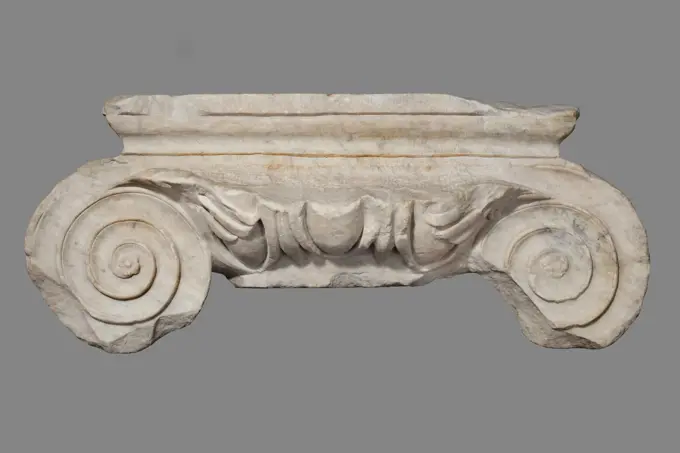
Joński kapitel pilastra. unknown, authorMold mentioning the God Amen. Egypt, New Kingdom, 19th - 26th Dynasty (1315 - 525 BCE). Tools and Equipment; molds. TerracottaMold for Figure of Bird ca. 1390-1353 B.C. New Kingdom. Mold for Figure of Bird. ca. 1390-1353 B.C.. Limestone. New Kingdom. From Egypt, Upper Egypt, Thebes, Malqata, Factories, MMA excavations, 1911-12. Dynasty 18Speelhuisensning from Thailand worth a Salung, 1760-1871 ,, 1760 - 1871 coin Square of porcelain playing houses in cross shape, which is also used as a mint. Front: image, including a Chinese character. Ridays: eight Chinese characters.  porcelainseal of the customs house in Jordanów. komora celna, signatoryScarab Inscribed for the "Female Horus, Wosretkau" ca. 1479-1458 B.C. New Kingdom. Scarab Inscribed for the "Female Horus, Wosretkau". ca. 1479-1458 B.C.. Steatite (glazed). New Kingdom. From Egypt, Upper Egypt, Thebes, Deir el-Bahri, Temple of Hatshepsut, Foundation Deposit 7 (G), MMA excavations, 1926-27. Dynasty 18Engraved Gem. UnknownByzantine Empire. Sarcophagus-shaped reliquary. 5th-6th centuries AD. Gypsum. From Apamea, Syria. Neues Museum (New Museum). Berlin. Germany.Musée Archaeologique d'Athènes. Reproductions d'antiquités Mycéniennes , Antiquities. Nicholas Catsimpoolas Collectionseal of Stanisław Kobierzycki of Kobierzycko Wielkie and Małe, Starost of Skarszewy. Kobierzycki, Stanisław (1600-1665), signatoryEarflare 11th-13th century Lambayeque (Sicán). Earflare 316435False coin, IIthuanian shilIIng, John II Casimir (1649 1668)Glass Fragment 13th-14th century European. Glass Fragment. European. 13th-14th century. Pot metal glass. Glass-StainedIkona: Święty biskup. nieznany warsztat rosyjski (1700-1970), factoryFart Hapimena goddesses, Hapimena;  664-525 BC ; Half period, 26 dynasty (-664-00-00--525-00-00);bastet (Mitol.), Hapimen (ca 664-525 a.c.), pests (ca 664-525 a.c.), scen.e.e., hieroglifyStamp seal ca. 6th-4th century B.C. Achaemenid. Stamp seal. Achaemenid. ca. 6th-4th century B.C.. Chalcedony, blue. Achaemenid. IranWedjat-Eye Design Amulet Inscribed with the Cartouche Maatkare (Hatshepsut) ca. 1479-1458 B.C. New Kingdom. Wedjat-Eye Design Amulet Inscribed with the Cartouche Maatkare (Hatshepsut). ca. 1479-1458 B.C.. Carnelian. New Kingdom. From Egypt, Upper Egypt, Thebes. Dynasty 18LOSA FUNERARIA (DEPOSITO: MUSEO ARQUEOLOGICO NACIONAL).Sap�que worth a fifth of bronze century of the French Cochinchine, 1879 Albert-desired barr� (1818-1878). Sap�que worth a fifth of bronze century of the French Cochinchine, 1879. Bronze. 1879.Stone Heart Scarab. Egypt, probably 18th - 20th Dynasty (1569 - 1081 BCE) or later. Sculpture. Green stoneCanosan Head Vase. UnknownStar-Shaped VotiveOfferingTrophy composed of an antique cuirass surmounted by a cimelry helmet and placed on a lift beam and a necklace ax, four flags, and a drum, s. d. (Dummy title) Anonymous. Trophy composed of an antique cuirass surmounted by a milestone helmet and placed on a licent beam and a necklace ax, four flags, and a drum (obverse).Umbria Perugia Massa Martana (environs) S. Maria in Pantano. Hutzel, Max 1960-1990 Exterior views of the Medieval architecture of the church: rose window, gothic portal, and tower. Interior views depict details of Medieval fresco fragments, columns and capitals, and a wooden crucifix. Antiquities: Roman gravestones used as altar bases, a Roman column used as a font, a reused historiated relief and frieze. Object Notes: Hutzel photo campaign date: May 28, 1984 German-born photographer and scholar Max Hutzel (1911-1988) photographed in Italy from the early 1960s until his death. The result of this project, referred to by Hutzel as Foto Arte Minore, is thorough documentation of art historical development in Italy up to the 18th century, including objects of the Etruscans and the Romans, as well as early Medieval, Romanesque, Gothic, Renaissance and Baroque monuments. Images are organized by geographic region in Italy, then by province, city, site complex and monument.Historia sagrada. Medallas y monedas samaritanas. Grabado de 1862.Mesopotamia. White calcite. Cylinder seal. From Mesopotamia. Late Uruk. Early Jemdet Nasr Period. 3200-3000BC. British Museum. London. England. United Kingdom.Stamp seal ca. 3rd-7th century A.D. Sasanian. Stamp seal. Sasanian. ca. 3rd-7th century A.D.. Lapis lazuli. Sasanian. IranOctagonal Ink Cake, 1622. Attributed to Cheng Junfang (Chinese, active c. 1570-c. 1624). Green ink cake; overall: 9.2 cm (3 5/8 in.).Inscribed marble plaque. Culture: Roman, Cypriot. Dimensions: 5 3/4 x 6 7/8 x 1 in. (14.6 x 17.5 x 2.5 cm). Date: 2nd-3rd century A.D..The simple marble plaque is inscribed in Greek with the epitaph of a man called Euplous. Museum: Metropolitan Museum of Art, New York, USA.Białystok town seal. Białystok, signatorytombstone in africa morocco graveyard marble and concreteGreen glass oval engraved on both sides 2nd century B.C. Greek Muse sitting on a rock holding a lyre; Aphrodite leaning on a column holding a scepter and a dove. Green glass oval engraved on both sides. Greek. 2nd century B.C.. Glass, green. Hellenistic. GemsButton with vitruvian person button with vitruvian personInscribed marble plaque 2nd-3rd century A.D. Roman, Cypriot The simple marble plaque is inscribed in Greek with the epitaph of a man called Euplous.. Inscribed marble plaque 241990Flat decoration. The decoration is white on a dark fond.Scene from the Gigantomachy on the north frieze of the Siphnian Treasury, 6th century BC. Artist: UnknownToken adorned with a vignette Archives of the French Republic (TF)