Historical Coins Collection

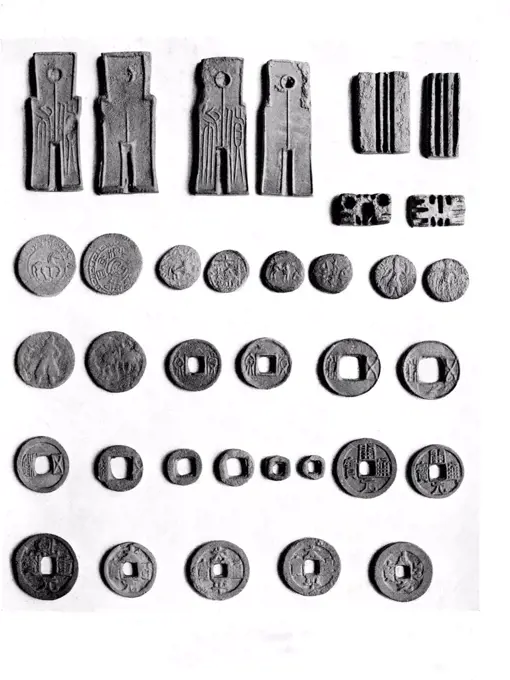
A selection of ancient coins from various periods, featuring inscriptions and figures, highlighting numismatic history.

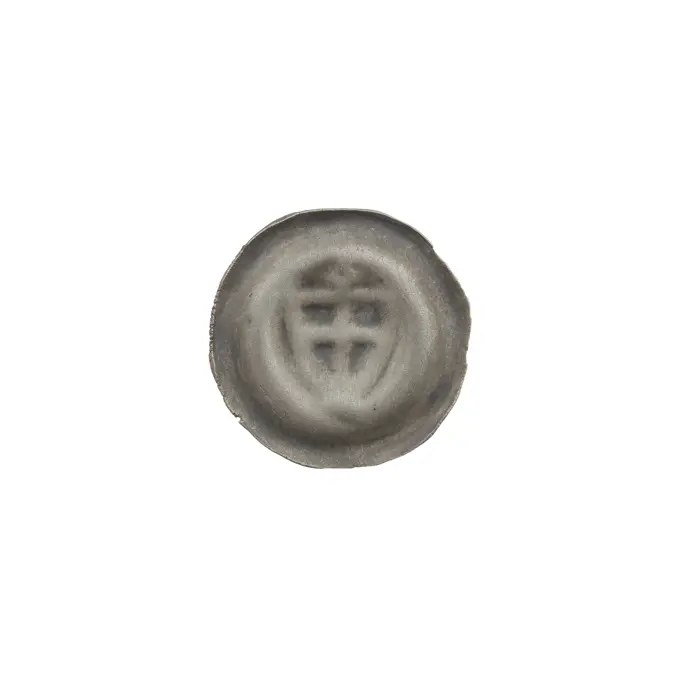
denarius; 210 (210-00-00-210-00-00);
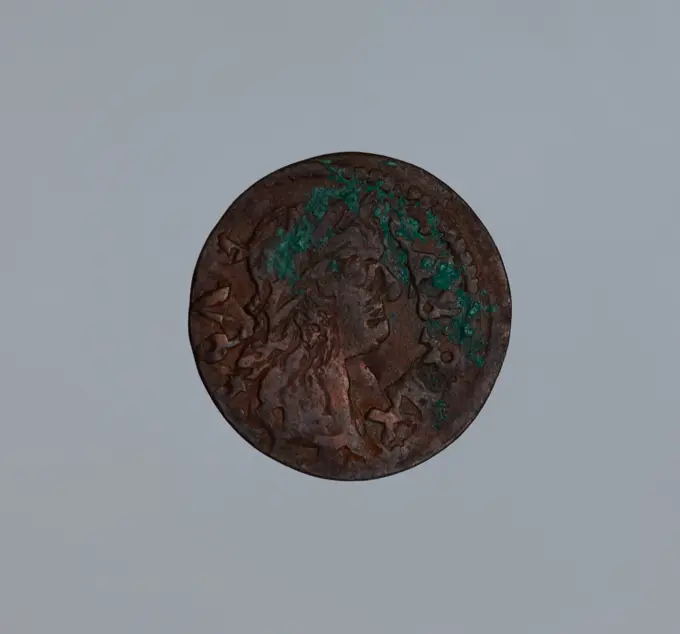
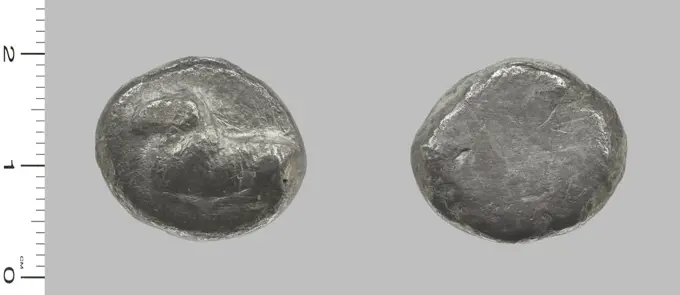
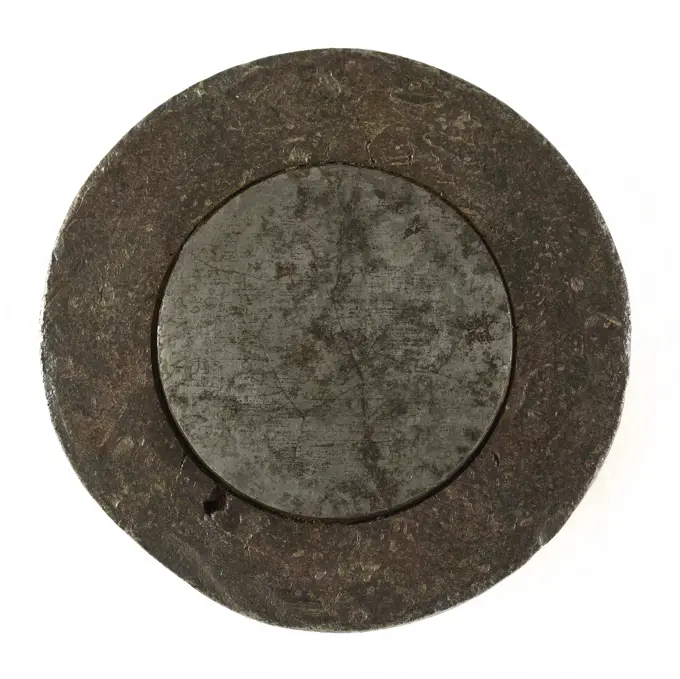
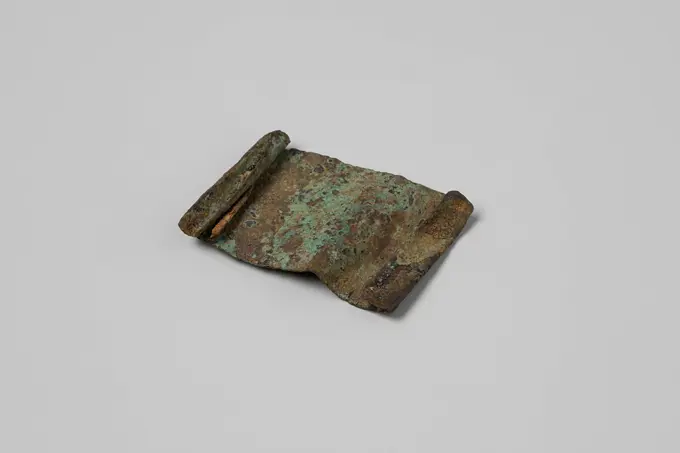
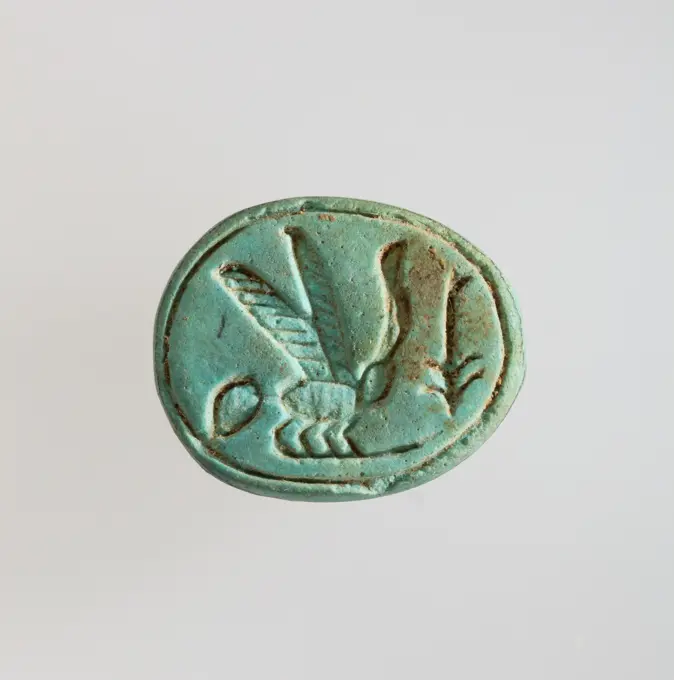
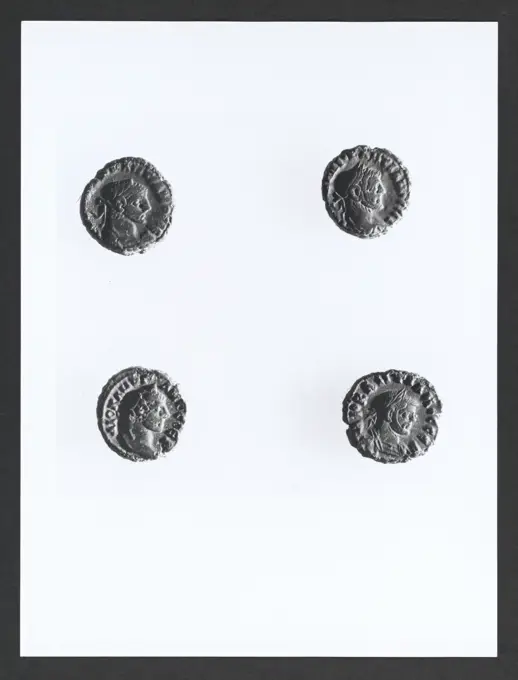
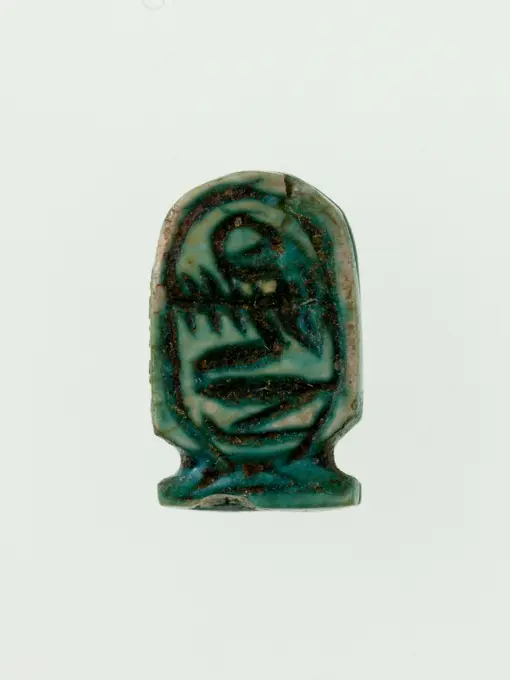
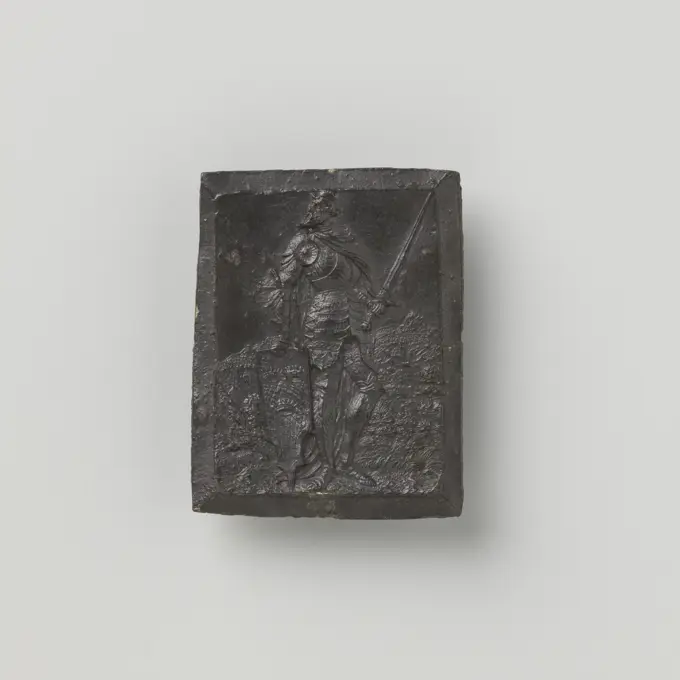
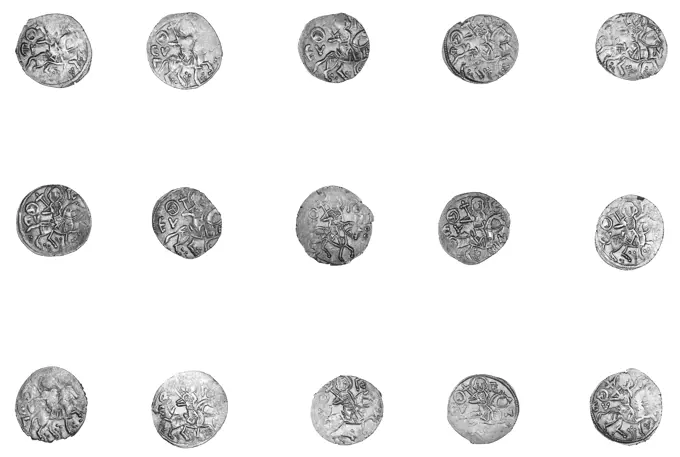
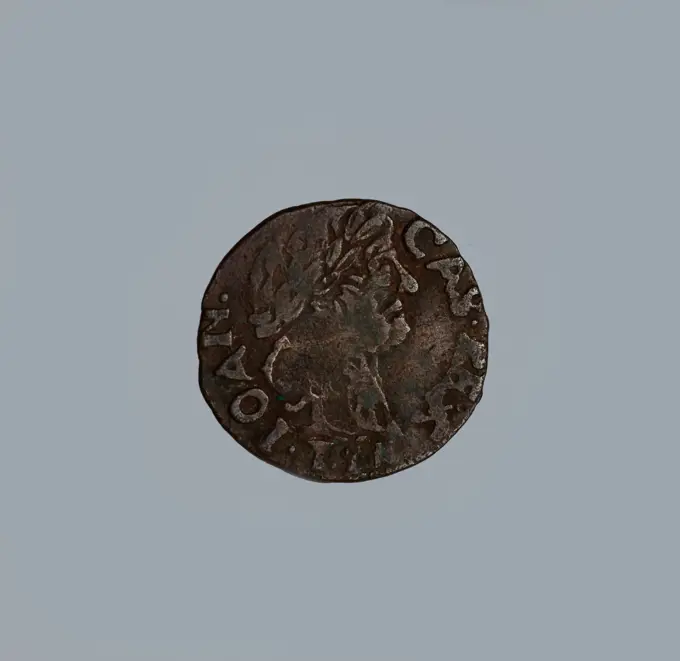
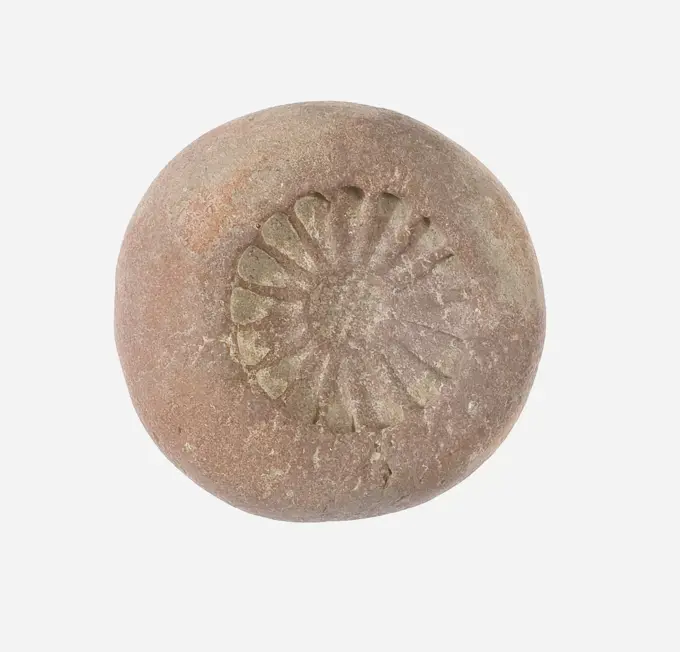
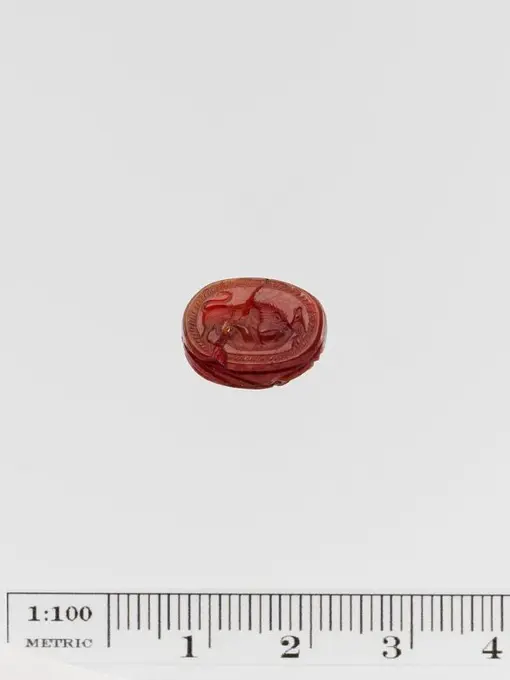
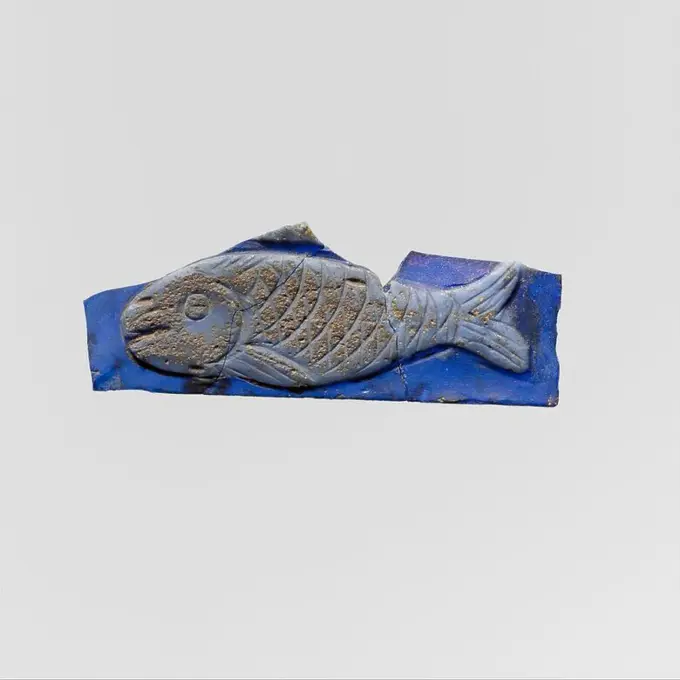
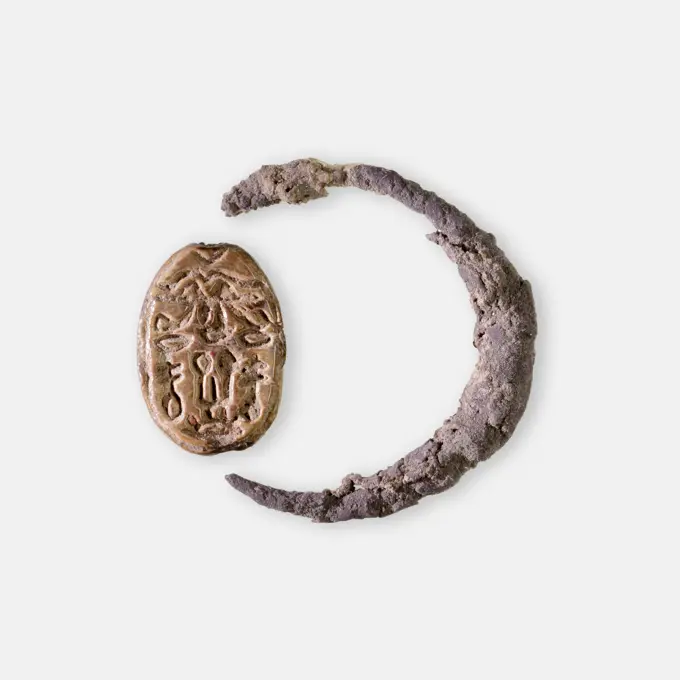
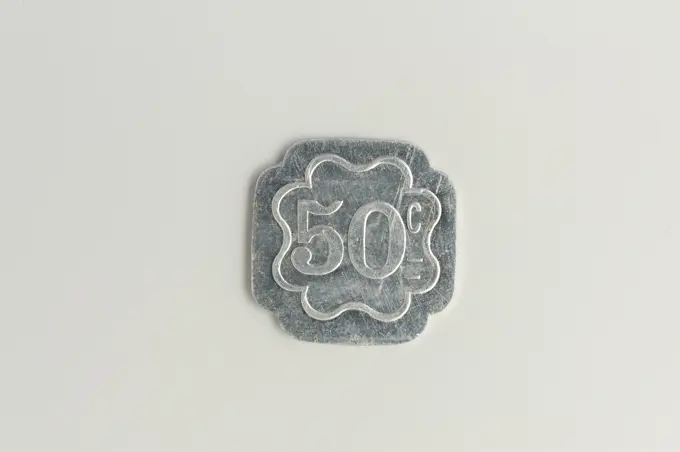
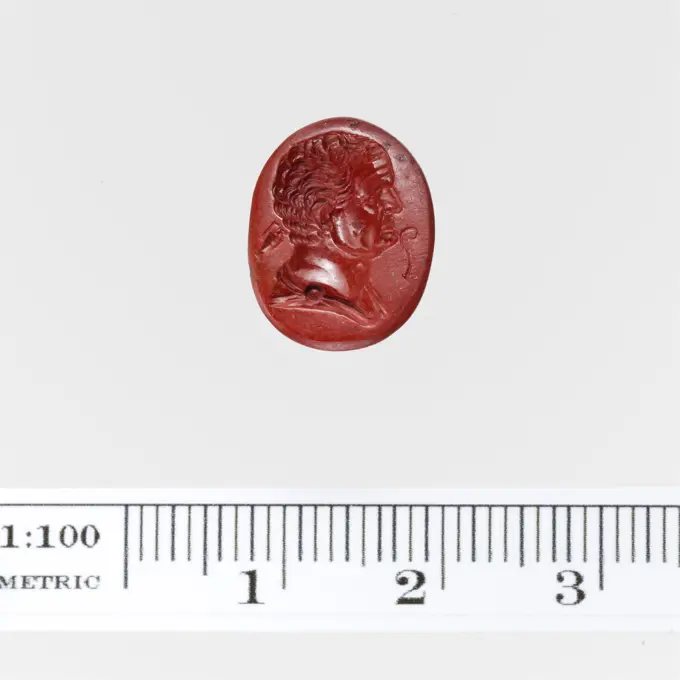
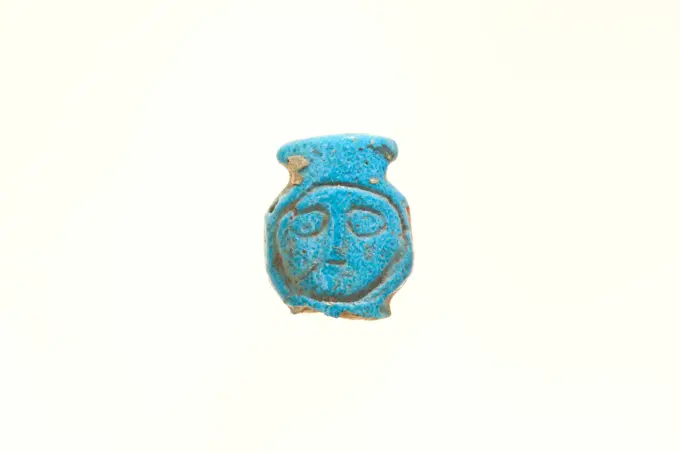
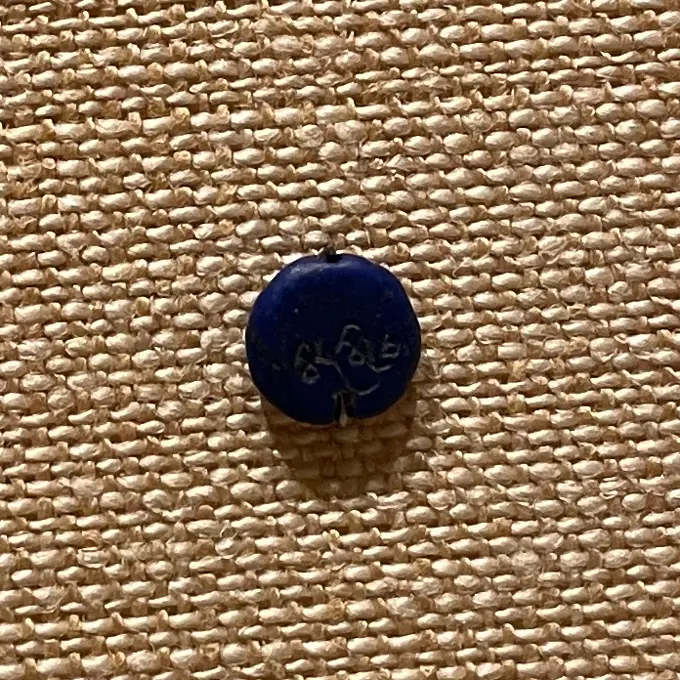
Engraved Gem. UnknownSigned sign for twenty-year service as an officer at the Schutterij in Amsterdam, worn by A. Mendes da Costa, Lieutenant-Colonel, Anonymous, 1892  Silver carrying pin in the form of a rosette, with gilding, contained in fabric cover and with a button at the rear  penning: silver (metal). penning: gilding (material). penning: textile materialsFalse coin, IIthuanian shilIIng, John II Casimir (1649 1668)Ruler: Euelthon, King of Cyprus c. 560-525 B.C.Mint: Salamis, Stater of Euelthon, King of Cyprus fromSalamis, ca. 520 B.C., Silver, 10.62 g, 19mm, Made in Salamis, Cyprus, Greek, 6th century B.C., NumismaticsRod. Medal matrix. Dona Maria Reine from Portugal. Metal, steel, 1833. Museum of Fine Arts of the city of Paris, Petit Palais. 58767-8 Steel, medal, metal, inventory number, numismatics, reverseBatter from the wreck of the East Indiesman Hollandia. Fittings, bands and bracing, flat; Straight flat strip, fold-over rim at Both ends, eroded.Kasja Van Sultan Mohammed Van Atjeh, Sumatra ,, 1824 - 1838 coin Pewter mint. Front: three -faced inscription in Arabic characters. Reverse: three -faced inscription in Arabic characters. Aceh tin (metal) castingFragment stem from fork or spoon from the wreck of the East Indiesman Hollandia. Cutlery, fragment: voice or fork or spoon; Fragm, Sim. NG 1980-27H536A.Abruzzo, L'Aquila, S. Giuliano (L'Aquila environs), Museo, Italy, 20th century, photo, photography, EuropeAE. FanagoriaDenar - Brakteat; approx. 1307/1308- 1317/1318 (1307-00-00-1318-00-00);Part of a crane from the wreck of the East Indians Meresteijn, Anonymous, 1693 - 1702  Part of a crane: tapered around solid tap with a cross -drill hole. Tap, spigot. Netherlands brass (alloy)   Cape of Good HopeBoard knot out of the wreck of the East India Hollandia.boordewnoop. Stud; (1) Circular, flat, Plain, eroded (1.3D).Pilgrim's Badge 14th-16th century French. Pilgrim's Badge. French. 14th-16th century. Lead. Metalwork-LeadRoman Empire, Constantino 2 (337 340) for Constantine 1 Wielki (306 337), 337 340 C. Follis (AE4) Constantine 2Coin A.H. 204/A.D. 819. Coin. A.H. 204/A.D. 819. Copper. Excavated in Iran, Nishapur. CoinsSix buttons of ground steel on a smooth fond, on which seven diamond heads. Six knots of ground steel. Seven diamond heads with pearl edge are laid in flour form on a smooth part.Heart-Shaped Plaque. Culture: China (Xinjiang Autonomous Region, Central Asia). Dimensions: H. 5/8 in. (1.6 cm); W. 1/2 in. (1.3 cm). Date: 7th-9th century.The nomadic communities of Central Asia used such plaques to embellish clothing and horse trappings. As these nomadic cultures herded animals and were constantly moving, their artistic production was expressed in portable objects that marked the wearer's status and wealth. The outstanding preservation of these fragile ornaments suggests they were used in conjunction with burials, where the body was aggrandized with valuable textiles and augmented with gold. Although it is difficult to date and place these objects geographically, their presence in Central Asia and has a long, established history. Museum: Metropolitan Museum of Art, New York, USA.Chalcedony eight-sided cone. Culture: Greek. Dimensions: Length: 13/16 in. (2 cm). Date: ca. 6th century B.C..Lion attacking a wild goat. Museum: Metropolitan Museum of Art, New York, USA.Engraved Scaraboid. UnknownCarved Intaglio Gemstone with theDioscouriScarab ca. 1479-1458 B.C. New Kingdom This scarab exhibits a design composed of a sedge plant and a bee, which is translated as King of Upper and Lower Egypt, a title belonging to the pharaoh.. Scarab. ca. 1479-1458 B.C.. Faience. New Kingdom. From Egypt, Upper Egypt, Thebes, Deir el-Bahri, Hatshepsut Hole, Hathor Shrine, MMA excavations, 1922-23. Dynasty 18General insurance company, Venice, s. d. (Dummy title) Medal of the General Insurance Company, Venice. Copper.Family medal, Johannes Looff, 1674  Silver medal. Front: coat of arms under Pennant with names of the couple; Above it two collapsed hands and name of Jehova in Hebrew Installen Kraalenkrans. Reverse: inscription inside Krans. Middelburg silver (metal) striking (metalworking)Drohiczyn seal. unknown, managerPoppaea Sabina Portrait Medallion; Manufactured by Wedgwood (United Kingdom); unglazed stoneware ("black basalt")Nicolas Brenet (1728-1792). Medal reverse. Prometheus. Metal, silver bronze, 1816. Museum of Fine Arts of the city of Paris, Petit Palais. 58766-11 Silver bronze, medallit, metal, inventory number, numismatics, reverseAbruzzo L'Aquila S. Giuliano (L'Aquila environs) Museo2. Hutzel, Max 1960-1990 Views of the four collections housed in museum: Roman coins; Pre-Columbian art brought from Central America in 17th century; Greek and Roman sculpture; Egyptian sculpture and minor arts. Museum Roman coins; Greek and Roman sculpture; Egyptian sculpture and minor arts; Pre-Columbian sculpture. German-born photographer and scholar Max Hutzel (1911-1988) photographed in Italy from the early 1960s until his death. The result of this project, referred to by Hutzel as Foto Arte Minore, is thorough documentation of art historical development in Italy up to the 18th century, including objects of the Etruscans and the Romans, as well as early Medieval, Romanesque, Gothic, Renaissance and Baroque monuments. Images are organized by geographic region in Italy, then by province, city, site complex and monument.Bead Inscribed for the God's Wife Nefertari ca. 1550-1479 B.C. New Kingdom. Bead Inscribed for the God's Wife Nefertari. ca. 1550-1479 B.C.. Steatite, glazed. New Kingdom. From Egypt. early Dynasty 18Hedgehog amulet ca. 9th-7th century B.C. Assyrian. Hedgehog amulet 324607Bead with figure of Harpokrates 100 BC-100 AD Ptolemaic or Roman Period Gold glass beads were a Hellenistic development. They were created by combining drawn tubes of colorless glass with gold foil. The earliest examples were finished bead by bead. These are all modern stringings; most ancient stringing patterns are lost as the string decays.. Bead with figure of Harpokrates 558842Cartouche amulet of Amenemhat III ca. 1859-1813 B.C. Middle Kingdom. Cartouche amulet of Amenemhat III 557028Ariovistus, Peter Florner, c. 1525 - c. 1550 Rectangular, lead, plaque with beveled edges. A standing knight figure in armor, with turned cloak and a crown on the head, turns the body to the right and sees to the left. In his left hand he holds a sword up, the right relies on a shield with three crosses. Nuremberg lead (metal) Rectangular, lead, plaque with beveled edges. A standing knight figure in armor, with turned cloak and a crown on the head, turns the body to the right and sees to the left. In his left hand he holds a sword up, the right relies on a shield with three crosses. Nuremberg lead (metal)Trebizond Coin; about 13th century; Silver, Byzantine Coinage of the empire of TrebizondsFalse coin, crown shilIIng, 1661, John II Casimir (1649 1668)Engraved Gem. UnknownZawieszka. nieznany warsztat północno mezopotamski, workshopStamp ca. 1295-1070 B.C. New Kingdom, Ramesside. Stamp. ca. 1295-1070 B.C.. Limestone. New Kingdom, Ramesside. From Egypt, Memphite Region, Lisht North, Cemetery, MMA excavations, 1913-14. Dynasty 19-20MountSmall Daisy Mold ca. 1390-1353 B.C. New Kingdom. Small Daisy Mold. ca. 1390-1353 B.C.. Pottery. New Kingdom. From Egypt, Upper Egypt, Thebes, Malqata, various, MMA excavations, probably 1910-11. Dynasty 18Carnelian scarab. Culture: Greek or Etruscan. Dimensions: Length: 1/2 in. (1.3 cm). Date: early 5th century B.C..Lion devouring a deer. Museum: Metropolitan Museum of Art, New York, USA.Amulet - stojąca bogini Izyda. unknown, authorSealThe Kharoshthi script was an ancient abugida used by Gandhara culture to write the Gandhari and Sanskrit languages. It was in use from the middle of the 3rd century BCE until it died out in its homeland around the 3rd century CE. It was also in use in Kushan, Sogdiana and along the Silk Road where there is some evidence it may have survived until the 7th century in the remote way stations of Khotan and Niya. Indo-Scythians is a term used to refer to Sakas (or Scythians), who migrated into Bactria, Sogdiana, Arachosia, Gandhara, Kashmir, Punjab, Gujarat, Maharashtra and Rajasthan, from the middle of the 2nd century BCE to the 4th century CE.Carnavalet museum, tokens collectionBand with RepousseMarkingsLargeConeGlass cameo fragment. Culture: Roman. Dimensions: 13/16 × 2 1/8 × 1/8 in. (2 × 5.4 × 0.3 cm). Date: 1st half of 1st century A.D..Translucent cobalt blue and opaque light blue.Flat plaque or inlay, decorated with an upper layer carved out in relief; smooth, flat back.On cobalt blue ground, a fish in profile facing left, with fins, scales, gills, eye, mouth carved as shallow cuts in surface of the upper opaque light blue layer; above fish, bottom edge of a second relief, perhaps another fish.Bottom straight edge, irregular breaks on sides and top; broken into two fragments and repaired; very few bubbles; dulling, limy weathering, and faint iridescence. Museum: Metropolitan Museum of Art, New York, USA.Design for a medal with sowing man, Lambertus Zijl, 1876 - 1947 Design of plaster, presumably for a medal, with the presentation of a sowing man. Netherlands gypsum Design of plaster, presumably for a medal, with the presentation of a sowing man. Netherlands gypsumScarab Ring of Ruiu ca. 1504-1447 B.C. New Kingdom The burial the House Mistress Ruiu was found in the tomb of her father, Neferkhawet, which was excavated by the Museums Egyptian Expedition in 1935. On the left hand of Ruiu's mummy were three scarab rings. The scarabs were made of glazed steatite and the ring bands were silver. The scarabs had been mounted by passing a silver wire through a hole running from head to tail. The wire was then lashed to the ring with finer silver wire. Silver deteriorates over time when exposed to dampness, and the rings were badly corroded. The scarabs were all originally glazed blue, but the glaze has almost entirely disappeared from wear and from the damp conditions inside the tomb.This ring is inscribed on the base with a pattern of hieroglyphs including two wedjat-eyes at the top with three neb-baskets, a ka flanked by two nefer hieroglyphs, and what appears to be a kha hieroglyph which represents the light of the sun appearing over a hill. This desDisk ornament 13th-16th century Colombia. Disk ornament. Colombia. 13th-16th century. Gold. Colombia. Metal-OrnamentsCarnavalet Museum, Medals CollectionSweret amulet 664-380 B.C. Late Period. Sweret amulet 561533Bead with figure 100 BC-100 AD Ptolemaic or Roman Period Gold glass beads were a Hellenistic development. They were created by combining drawn tubes of colorless glass with gold foil. The earliest examples were finished bead by bead. These are all modern stringings; most ancient stringing patterns are lost as the string decays.. Bead with figure. 100 BC-100 AD. glass, gold foil. Ptolemaic or Roman Period. From EgyptJasper ring stone ca. A.D. 69-79 Roman Portrait bust of the emperor Vespasian.. Jasper ring stone. Roman. ca. A.D. 69-79. Jasper. Imperial, Flavian. GemsBead, figurine (), Hathor ca. 1550-1295 B.C. New Kingdom. Bead, figurine (), Hathor. ca. 1550-1295 B.C.. Faience. New Kingdom. From Egypt, Upper Egypt, Thebes, Deir el-Bahri. Dynasty 18Seal Stone 10th-11th century. Seal Stone. 10th-11th century. Lapis lazuli. Excavated in Iran, Nishapur. Seals