Historical Coins Collection

A variety of ancient Roman coins featuring emperors and intricate designs, each showcasing historical significance.
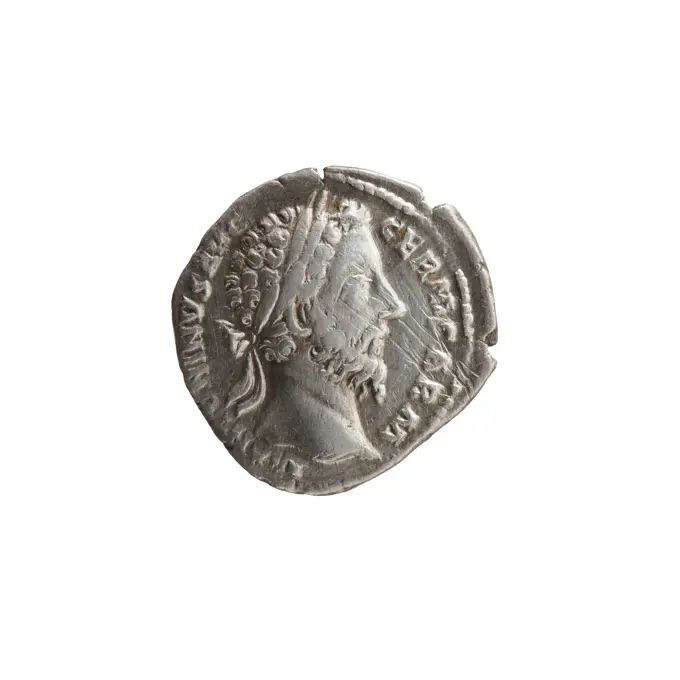
denarius; Marek Aureliusz (121-180; Roman emperor 161-180); 175 (175-00-00-175-00-00);
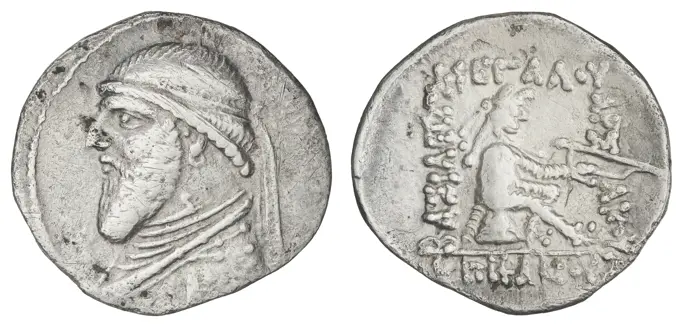
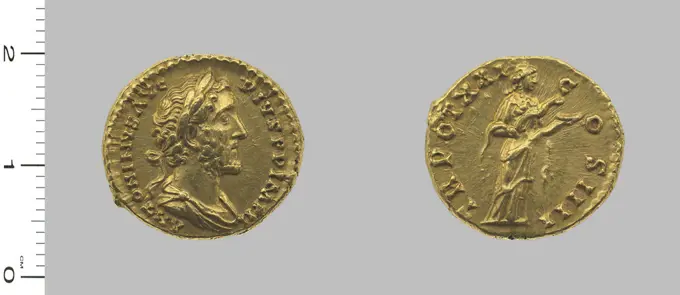
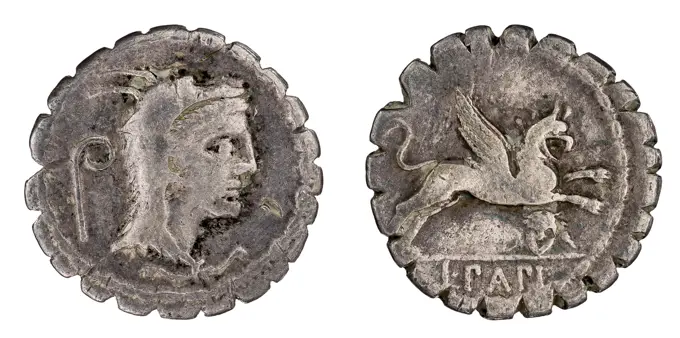
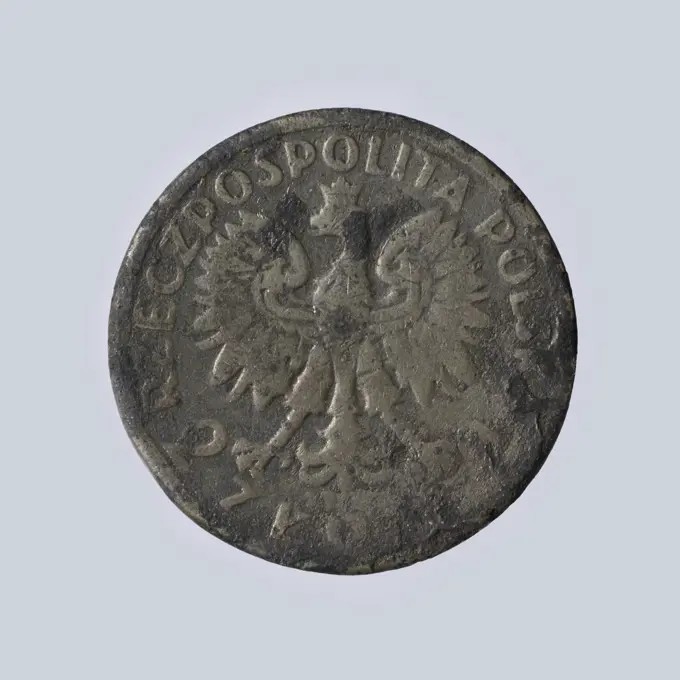
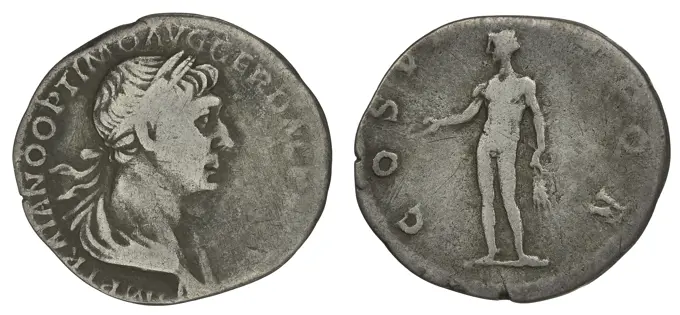
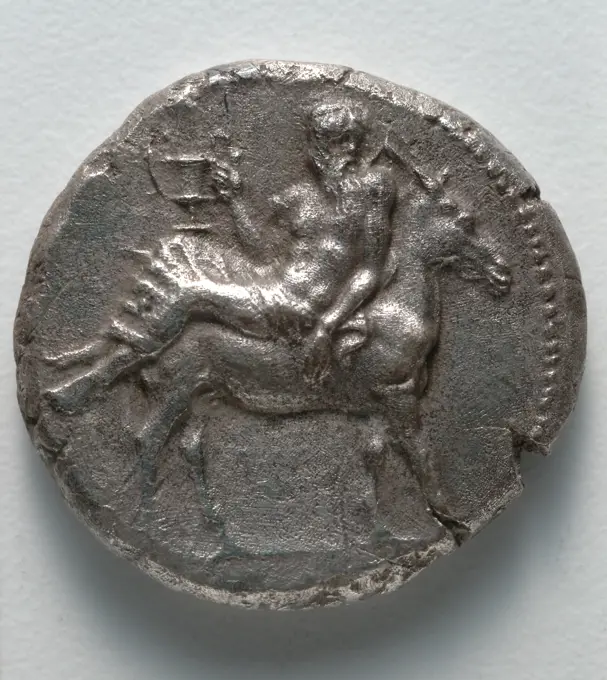
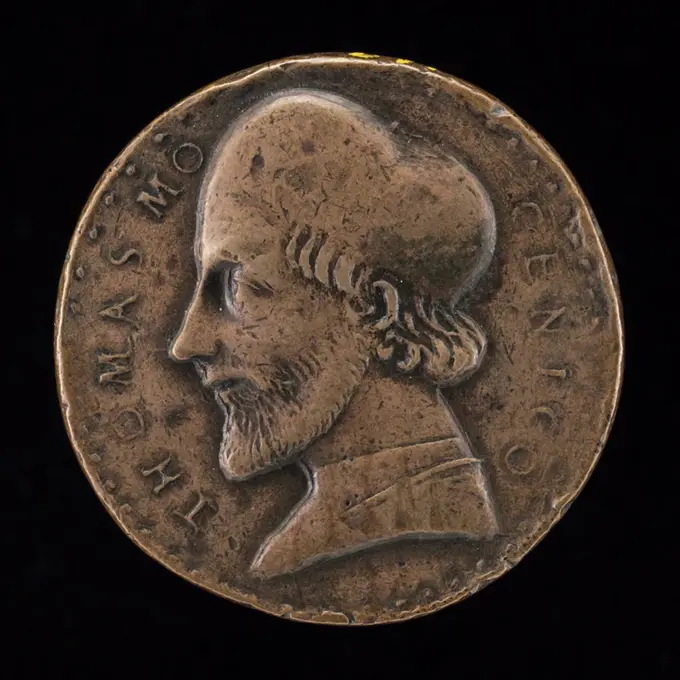
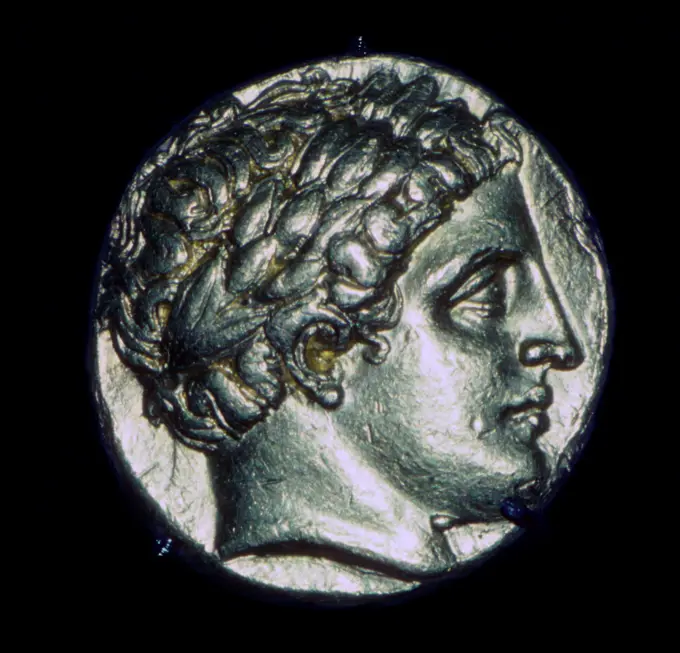
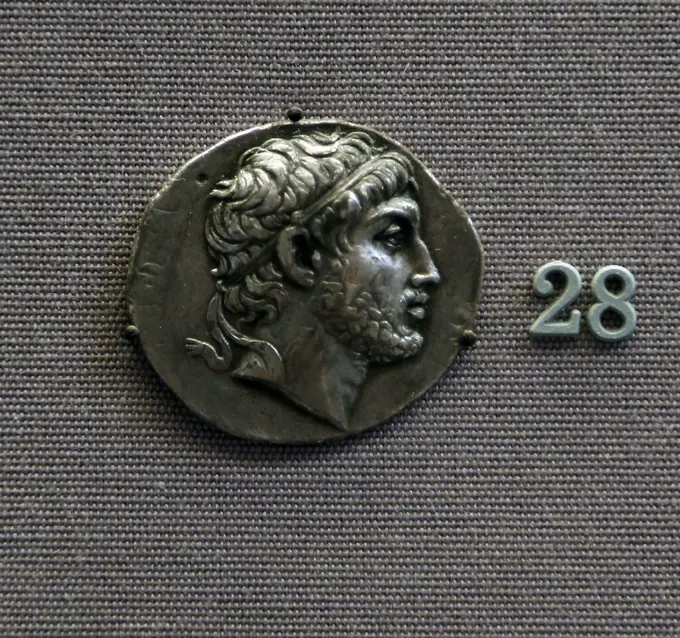
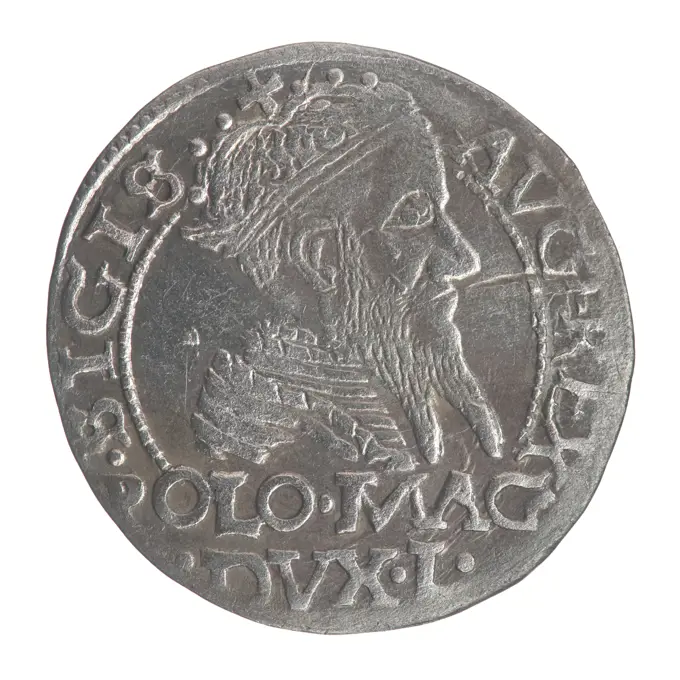
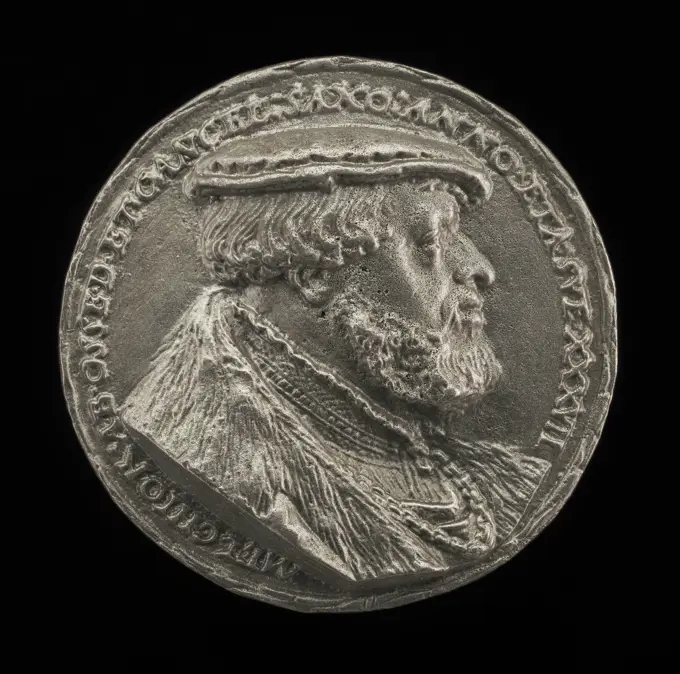
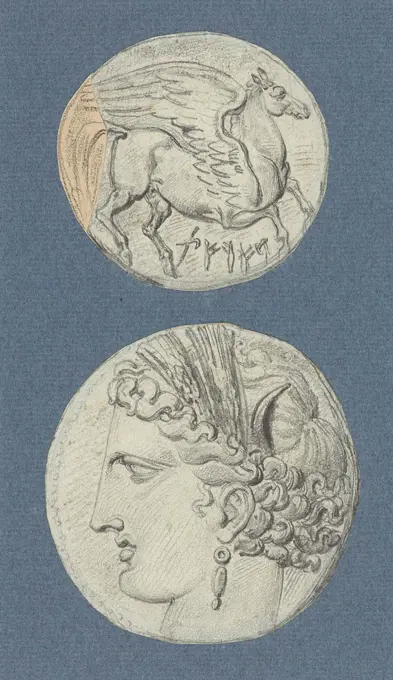
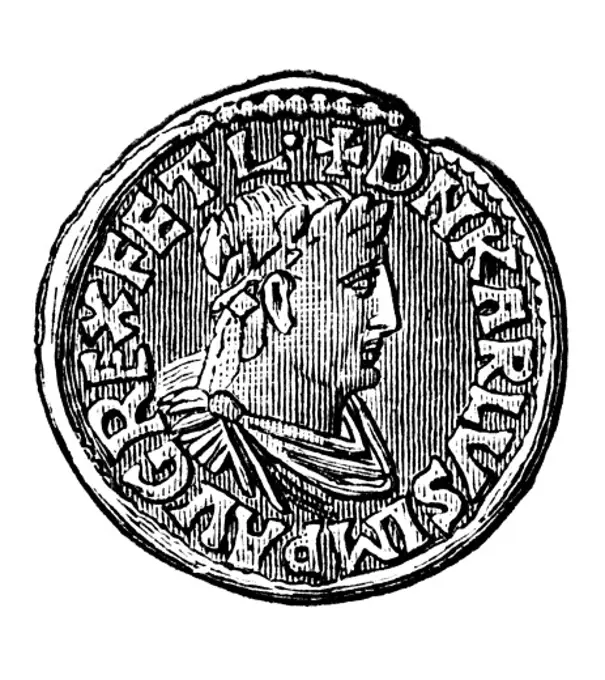
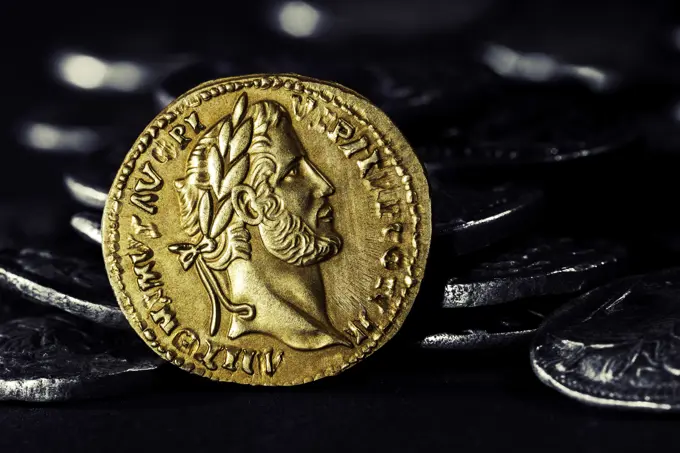
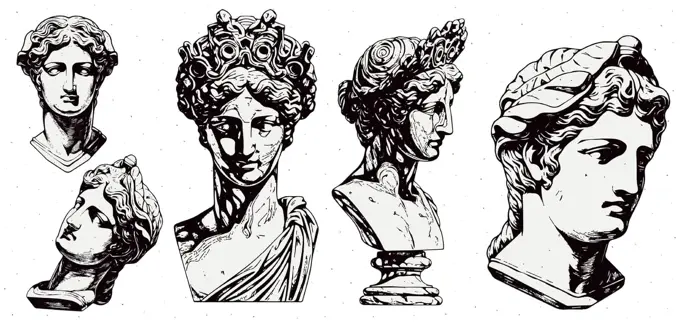
sestertius. Trajan (cesarz rzymski ; 98-117), emperorBanquet de Lille, in memory of the seat of 1792, 8 October 1848 (dummy title) Banquet de Lille, in memory of the seat of 1792, 8 October 1848. Etain, 1848.NUMISMATICA. MONEDA IMPERIO ROMANO. DENARIO DE PLATA, DE AUGUSTO. ANVERSO. CABEZA DESNUDA A LA DERECHA. 25 A.C. (DEPOSITO: MUSEO ARQUEOLOGICO NACIONAL).Tetradrachm of Eumenes I, ruler of Pergamum fromPergamum. Ruler: Eumenes I, ruler of Pergamum 263-241 B.C. Mint: Pergamum Artist: UnknownStanisław August Poniatowski (1764-1795) Koronny Ducat, Warsaw; 1766 Stanis Aw August Poniatowski (1732 1798), Mennica WarsawHalf -Franc Napoleon, An XIII (1805) Pierre-Joseph Tiolier (1763-1851). Half-Febranc Napoleon, An XIII (1805). Silver, 1805.Roman Empire, Constantine and Wielki (306 337), Nicomedia, 330 335 n.e.; Follis (AE3) Constantine 1, Menna NicomediaAlessandro Vittoria, Apollo Placing a Wreath on a Lion (reverse), 1556 1558 Apollo Placing a Wreath on a Lion reversedrachm. Mitrydates II (123-87 p.n.e.), rulerdenarius. Trajan (cesarz rzymski ; 98-117), emperorTetradrachm. UnknownRuler: Antoninus Pius, Emperor of Rome, A.D. 86-161, ruled A.D. 138-161, Mint: Rome, Aureus of Antoninus Pius, Emperor of Rome fromRome, 157-58, Gold, 7.30 g, 6:00, 17.8mm, Made in Rome, Italy, Roman, 2ndcentury, NumismaticsSchool of Medicine from Paris Rambert Dumarest (1750-1806). School of Medicine of Paris. Money.denarius (serratus). Papius, L. (fl. 79 a.C.), monetary officer, Republika Rzymska, issuerFars that coin is coin, 2932222222, Reparasvation oflandslandsGold Dinar coin. AD 690. Damascus SYRIA.denarius; Marek Aureliusz (121-180; Roman emperor 161-180); 173-174 (173-00-00-174-00-00);denarius. Trajan (cesarz rzymski ; 98-117), emperorSolidus of Zeno, Emperor of Rome, fromConstantinopleTetradrachm: Silenus on a Donkey (obverse), 430 BC. Greece, Mende, 5th century BC. Silver; diameter: 2.5 cm (1 in.).Aureus of Constantine I, Emperor of Rome fromRome. Ruler: Constantine I, Emperor of Rome, A.D. 285-337, ruled A.D. 306-337 Mint: Rome Artist: UnknownWilhelm V, 1548-1626, Duke of Bavaria obverse. Dated: 1568. Dimensions: overall (diameter): 3.11 cm (1 1/4 in.) gross weight: 12.8 gr (0.028 lb.) axis: 12:00. Medium: gilded silver. Museum: National Gallery of Art, Washington DC. Author: German 16th Century.Days of February 1848 (dummy title) Anonymous. Days of February 1848 (Apers).NUMISMATICA. MONEDA MONEDAS BIZANTINAS DE ORO Y BRONCE. REAL ACADEMIA DE LA HISTORIA.Gold denarius with head of Emperor Justinian (483-565).Lithuanian penny on stop Poland; Zygmunt II August (Polish king; 1544-1572); 1568 (1568-00-00-1568-00-00);Aureus (Coin) Portraying Emperor Vitellius 69 CE Rome. Portraits of important people appear on local currency all around the world. The same was true in ancient Rome, which began producing its first coinage in the late 4th century BC. Early coins depicted the heads of gods and goddesses on the front side, often in profile, while the back depicted animals, natural resources, symbols, and references to historical events. It was not until 44 BC that the portrait of a living personóJulius Caesaróappeared on coins. Thereafter, profile portraits of rulers or other members of the imperial family became the standard subject on coins throughout the Roman Empire.Inscriptions on coins help identify the ruler. While the front side depicted the sovereignís portrait, the back was often used to communicate the rulerís accomplishments or aspirations. Until Late Antiquity, portraits usually appeared in profile. The tiny images were carved by engravers into bronze dies, with one for the front and anotheTommaso Mocenigo obverse. Dated: c. 1500. Dimensions: overall (diameter): 3.9 cm (1 9/16 in.) gross weight: 33 gr. Medium: bronze//Struck. Museum: National Gallery of Art, Washington DC. Author: Venetian 16th Century.MONEDA DEL SIGLO VII - SOLIDO(24.103) - CONSTANTE II (641-668) - LIBRA CAROLINGIA - ANVERSO 19,29 MM. Location: FABRICA NACIONAL DE MONEDA Y TIMBRE-COLECCION. MADRID. SPAIN.Gold coin of Phillip II of Macedonia, 4th century BC. Artist: UnknownTetradrachm of Philip V. King of Macedon, 221-179 BC. British Museum. London. United Kingdom.Lithuanian penny on stop Poland; Zygmunt II August (Polish king; 1544-1572); 1567 (1546-00-00-1546-00-00);NUMISMATICA. MONEDA REPUBLICA ROMANA. DENARIO DE PLATA, DE LA FAMILIA ITIA. ANVERSO. CABEZA GALEADA DE ROMA A LA DERECHA. 149 A.C. (DEPOSITO: MUSEO ARQUEOLOGICO NACIONAL).Solidus (Coin) Portraying Emperor Julian II. Roman. Date: 361 AD-363 AD. Dimensions: Diam. 2.2 cm; 4.41 g. Gold. Origin: Rome. Museum: The Chicago Art Institute, Chicago, USA. Author: ANCIENT ROMAN.German 16th Century, Melchior von Osse, 1506 1557, Chancellor of Saxony (obverse), 16th century Melchior von Osse, 1506-1557, Chancellor of Saxony obverseSteigerend Pegasus met inscriptie.The back of a large (Carthaginian) Coin: Criminal Pegasus with inscription.Medal struck on the occasion of the 300-year anniversary of the Polish Union, Lithuania and Rus (August 11, 1869);  1869 (1869-00-00-1869-00-00);Grahal-Manzara. Carnavalet 2013-2016 collection sites. Numismatics.Medal portraying Cosimo de Medici (Florence, 1519, Villa di Castello, 1574) by Domenico de' Vetri (Domenico di Polo di Angelo, circa 1480-1547)money / finances, coins, Frankish Empire, denarius, by emperor Charlemagne, obverse, silver, circa 800, wood engraving, by C.L. Becker, 19th century,Roman Coin, Gold Aureus of Antoninus Pius, Gold Coin Roman Coin, Gold Aureus of Antoninus Pius, Gold Coin 153 AD Copyright: xZoonar.com/AleksandarxVukicevicx 22057731Set of antique statue head of greek sculpture sketch engraving style vector illustration pack.