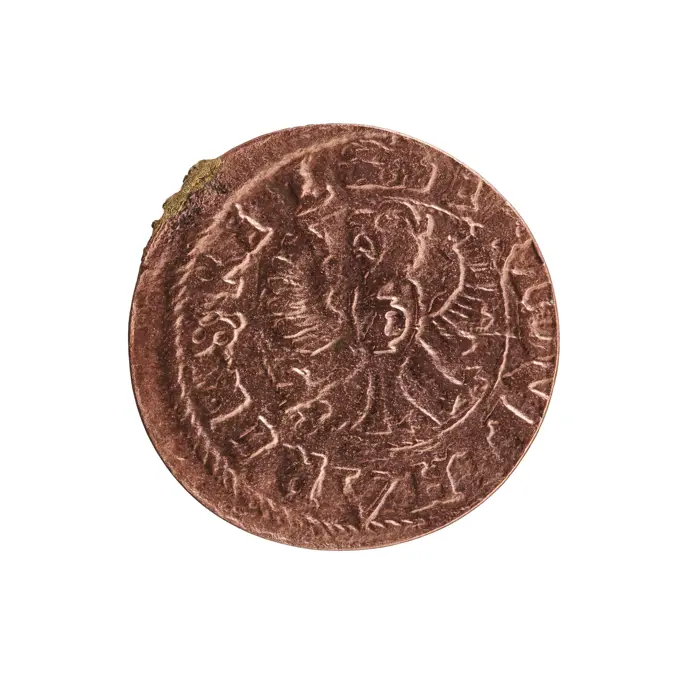
Historical Currency Collection

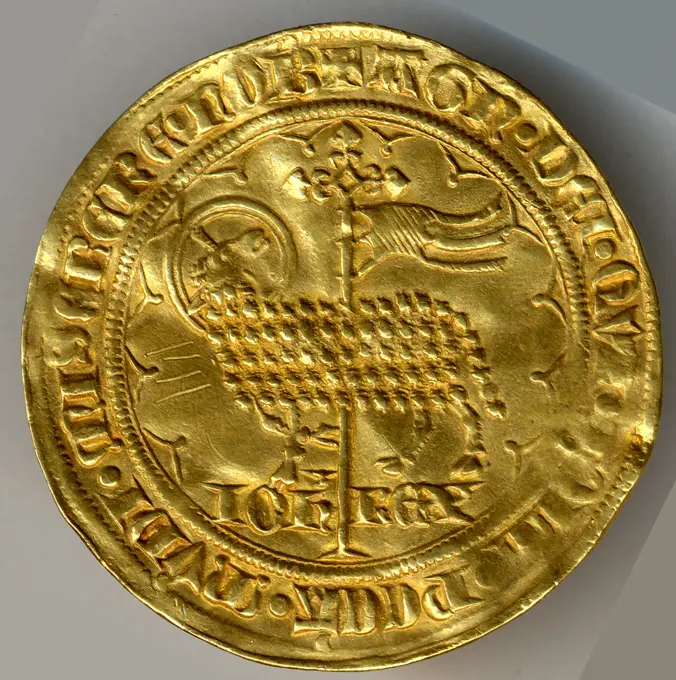
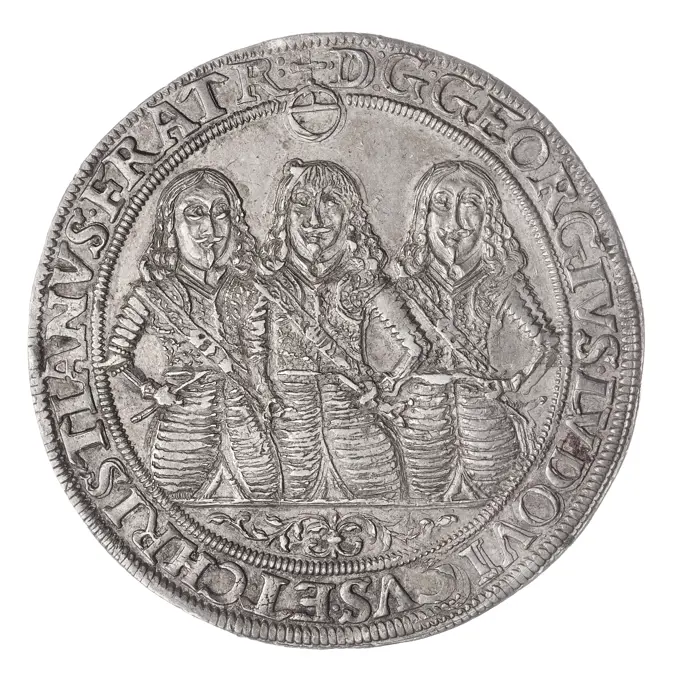
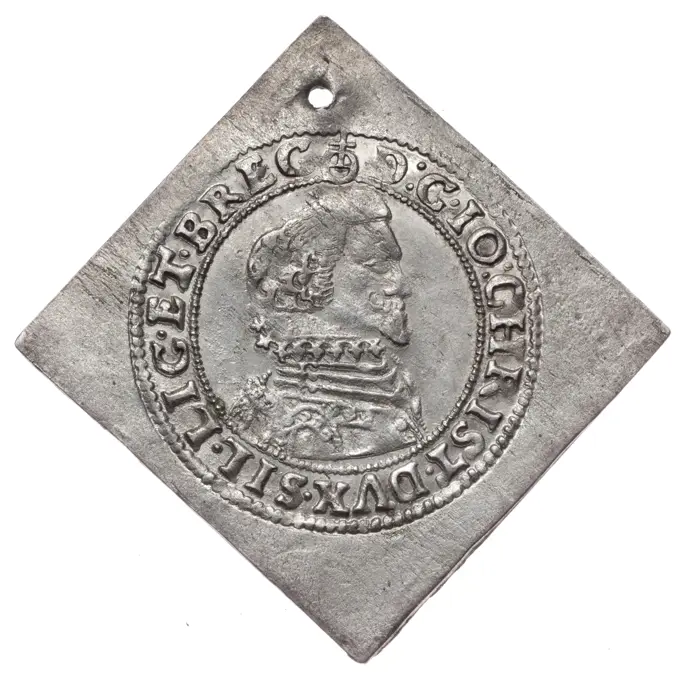
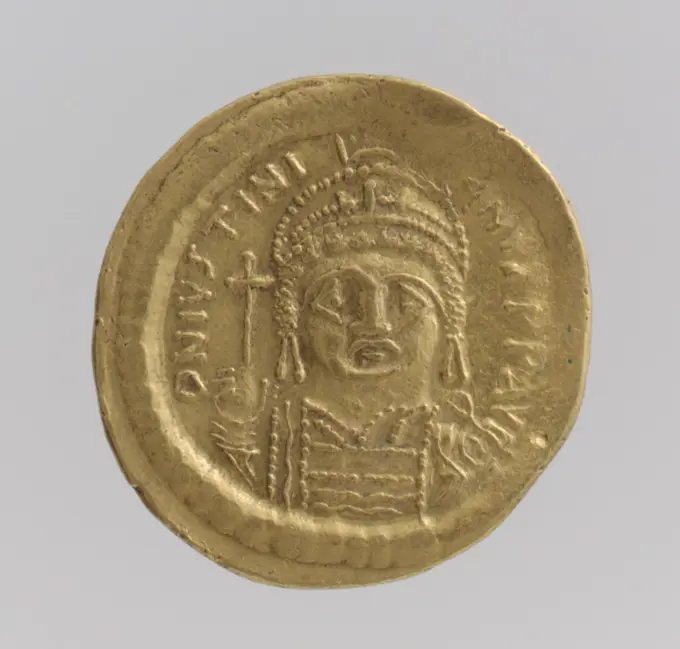
Images of ancient coins featuring various historical figures and designs, capturing the essence of currency and heritage.
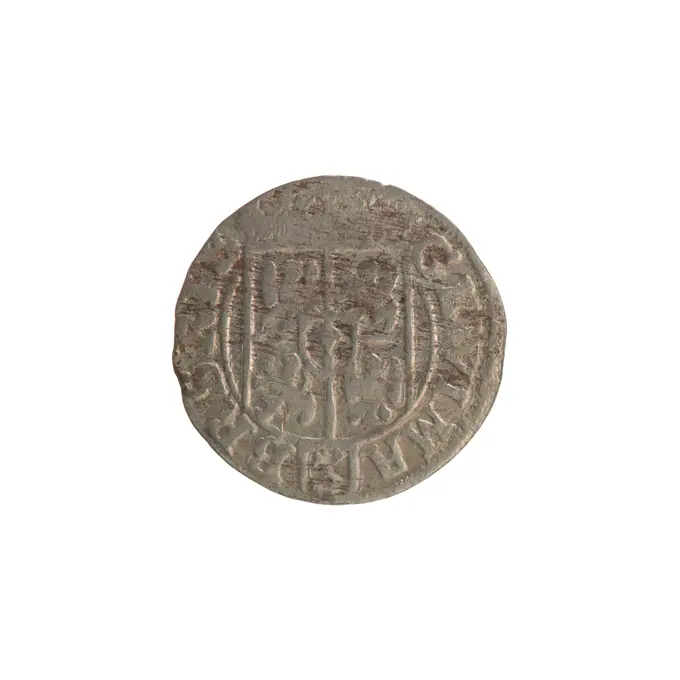
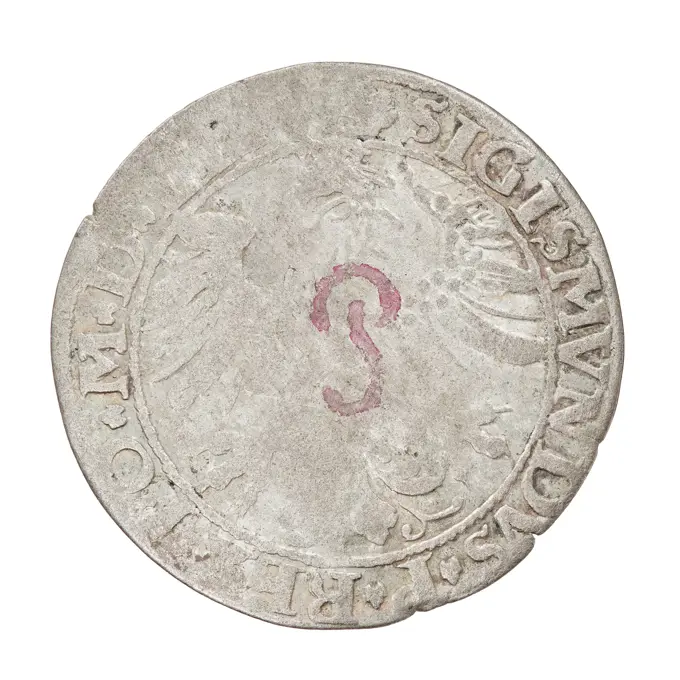
for a track; Ernest Pfahler; 1626 (1626-00-00-1626-00-00);
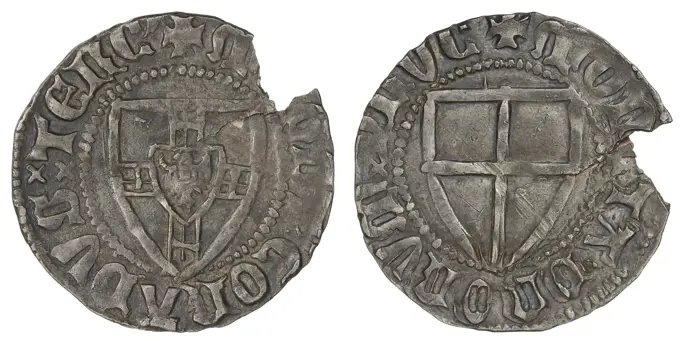
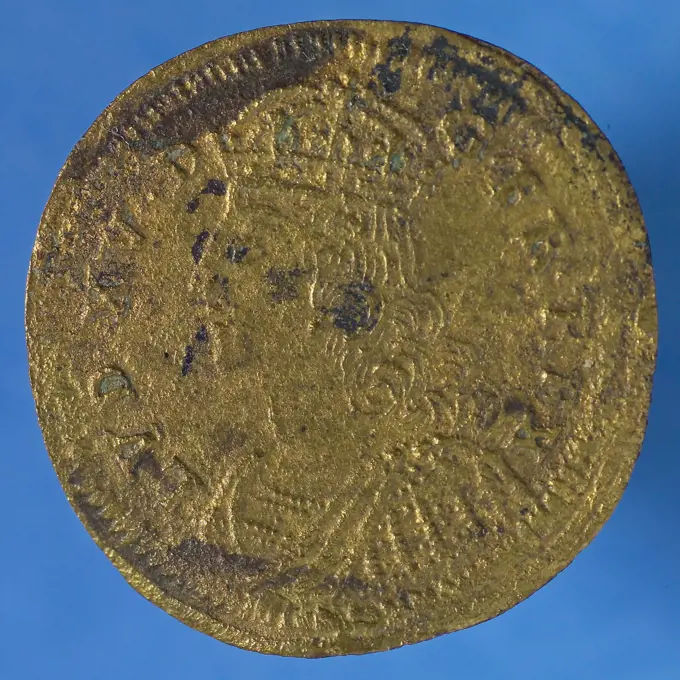
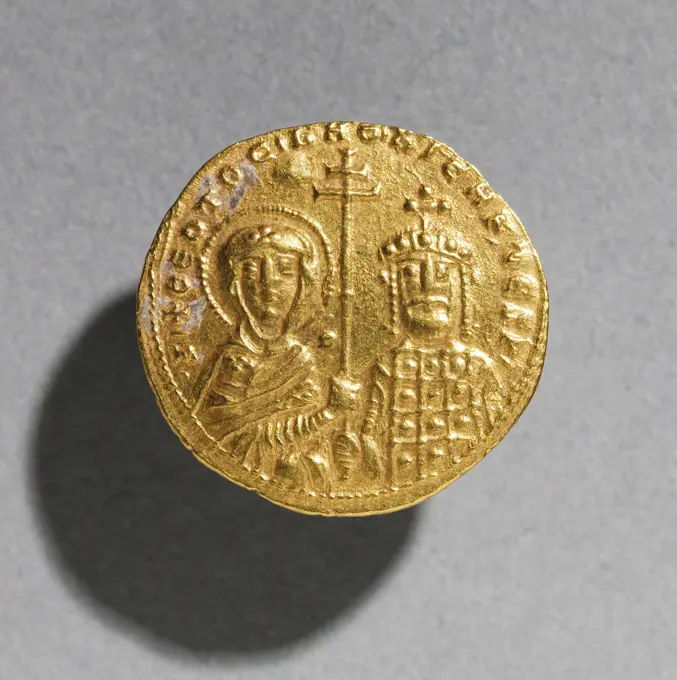
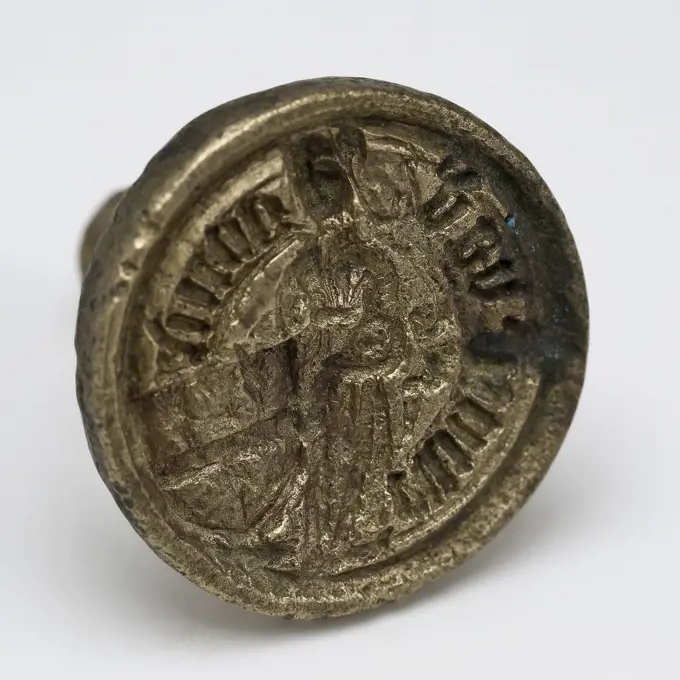
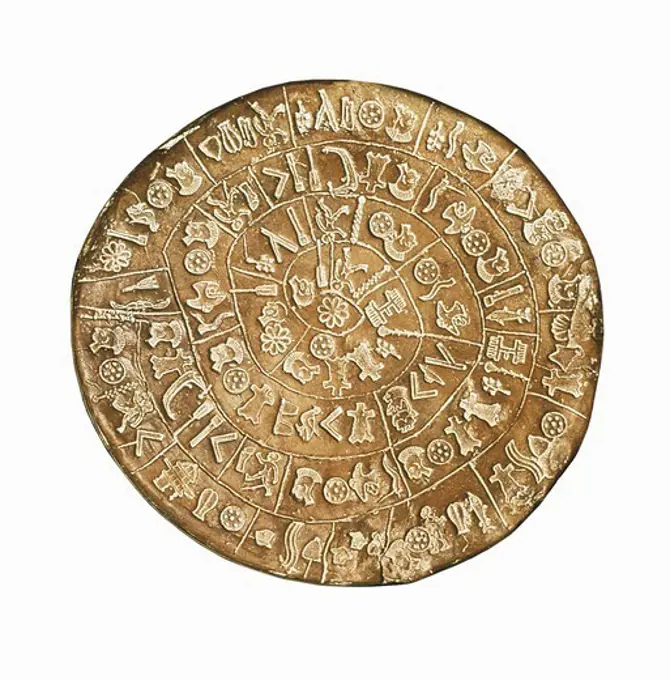
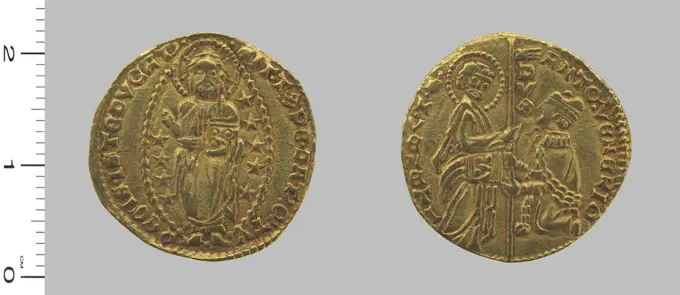
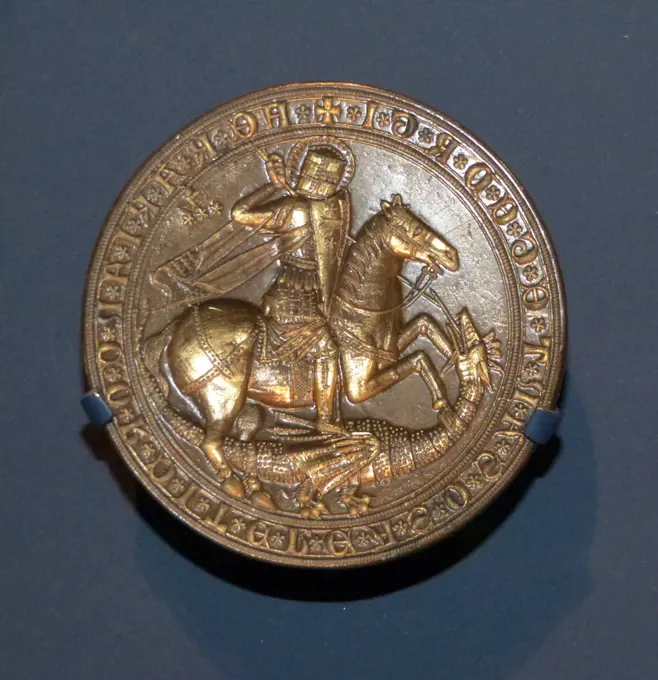
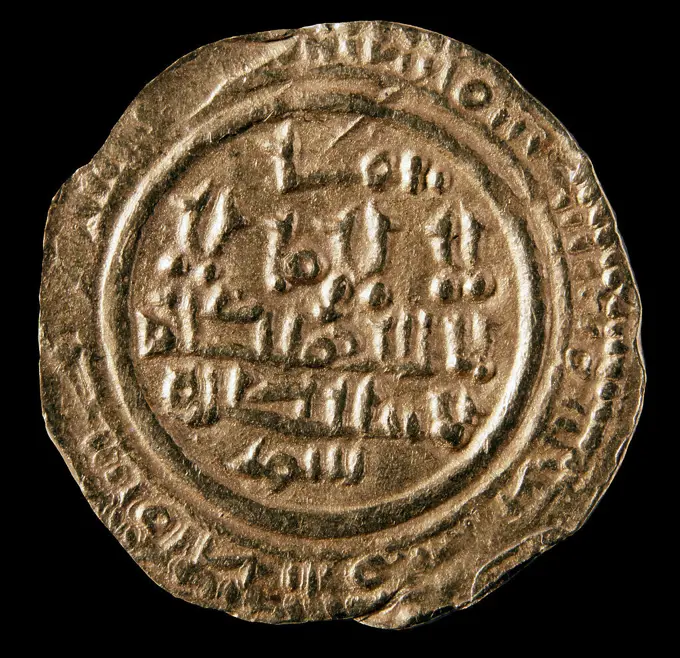
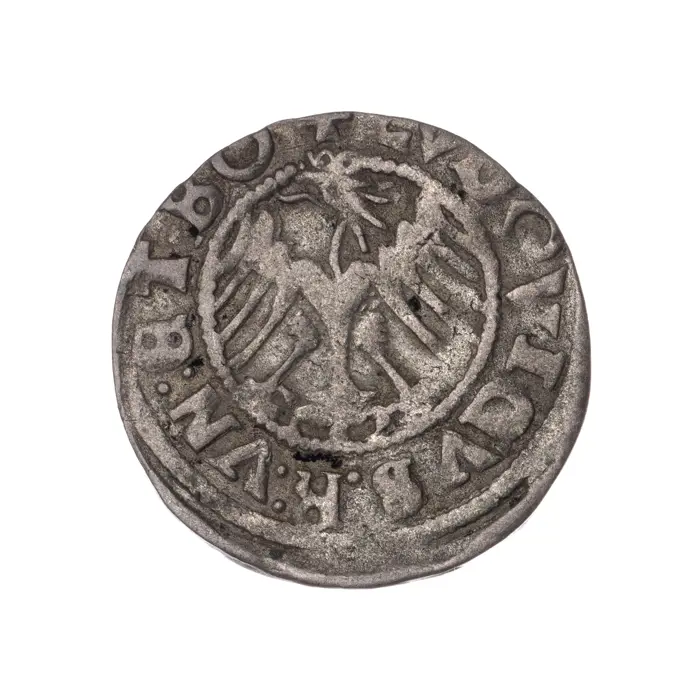
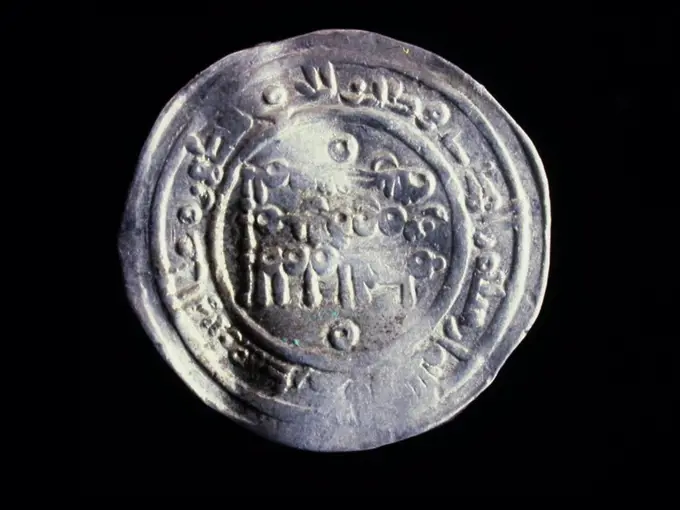
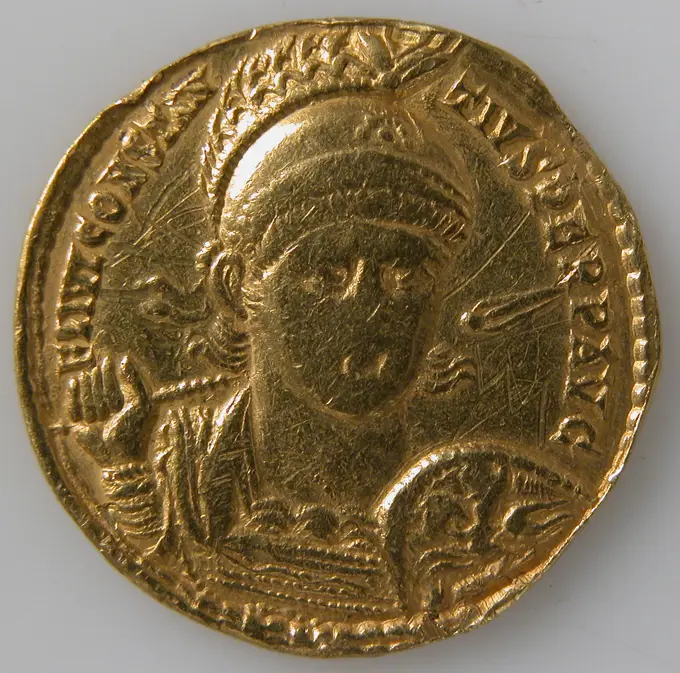
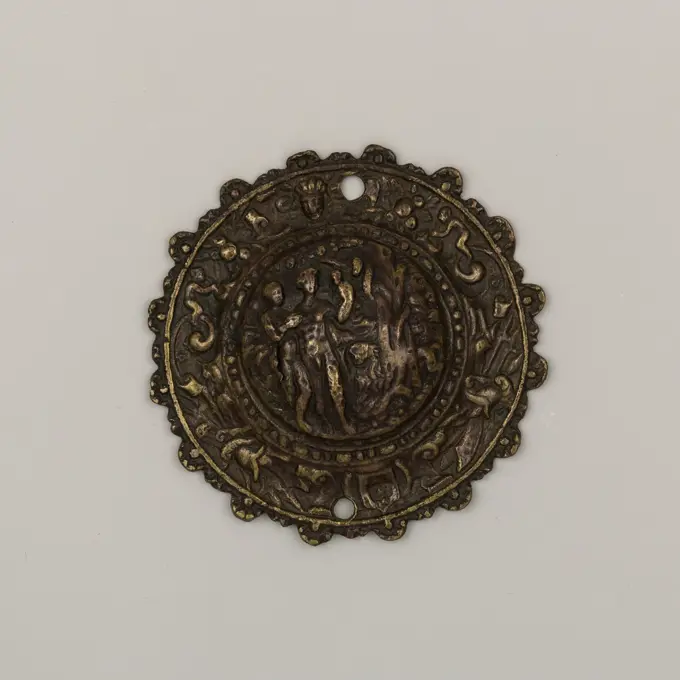
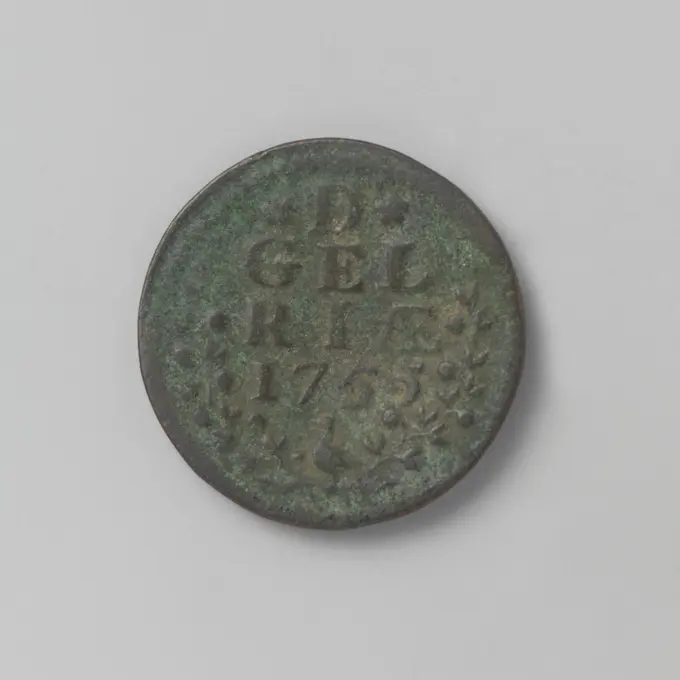
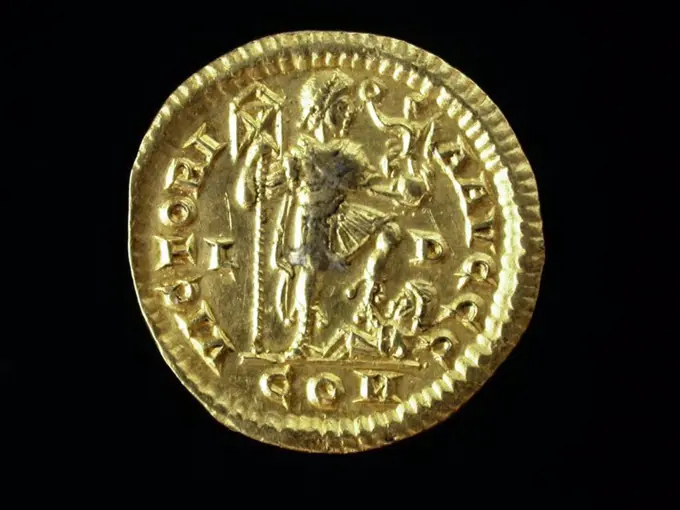
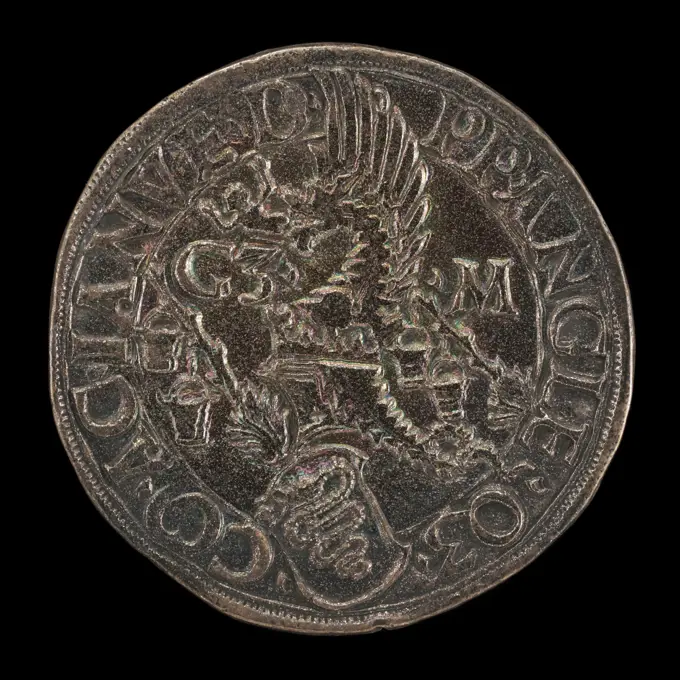
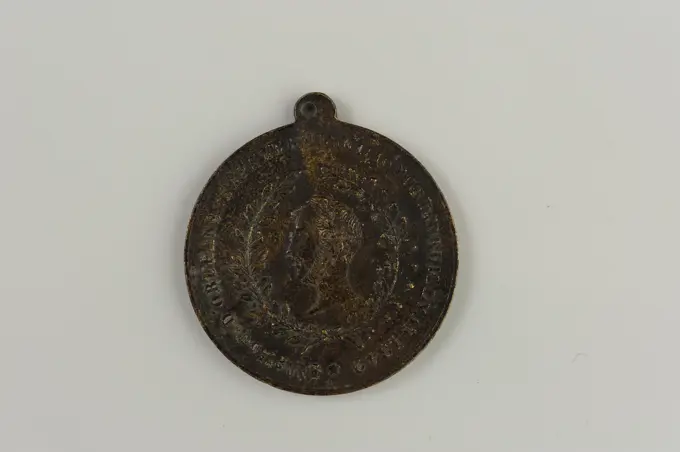
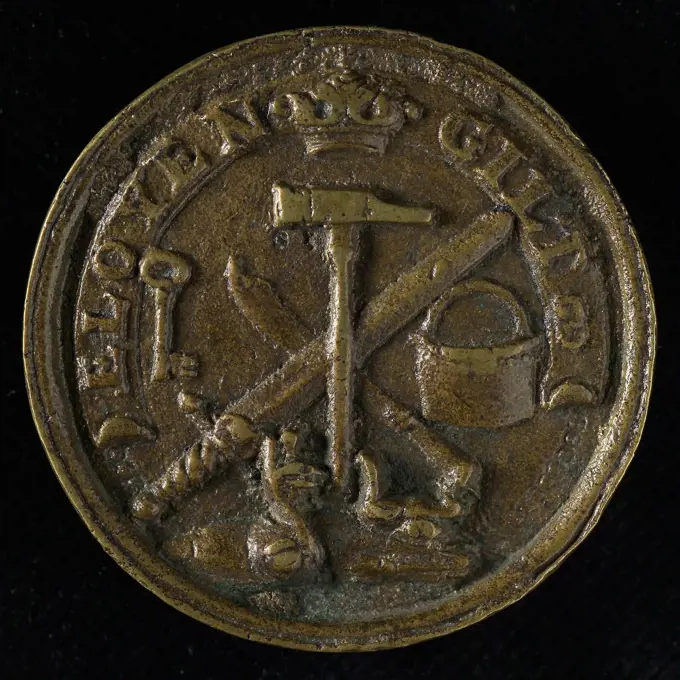
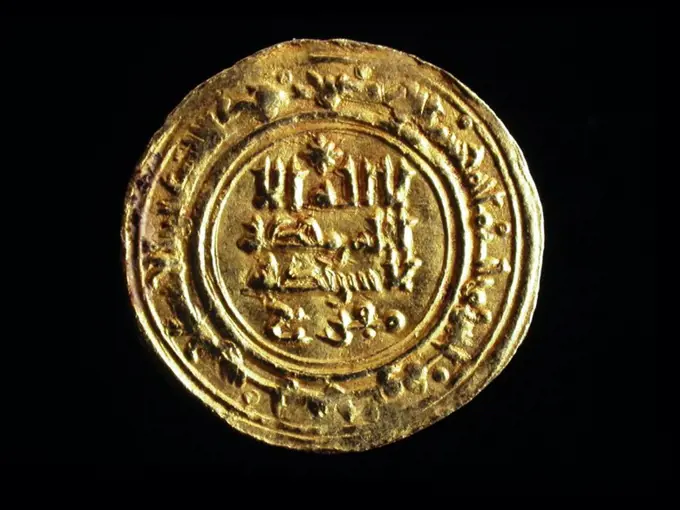
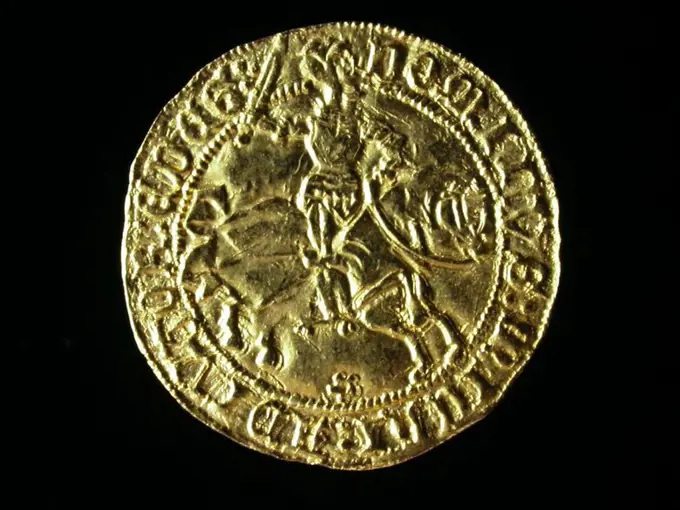
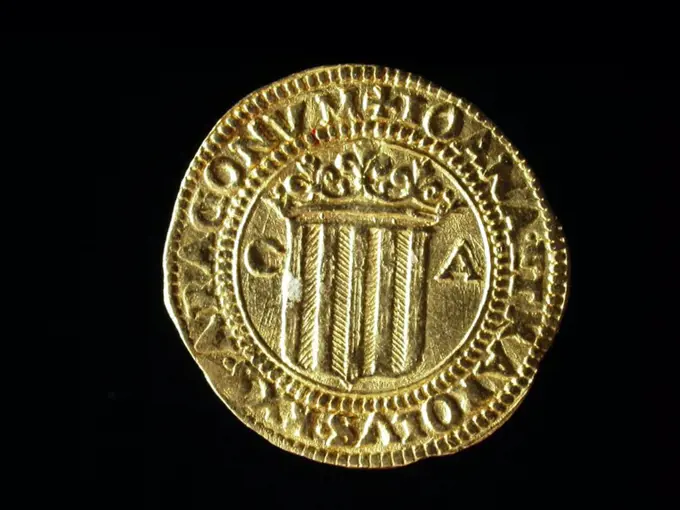
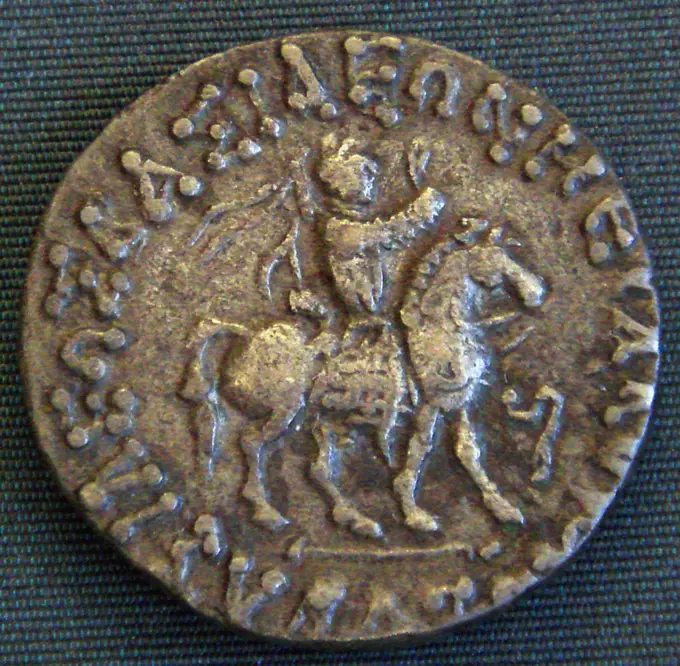
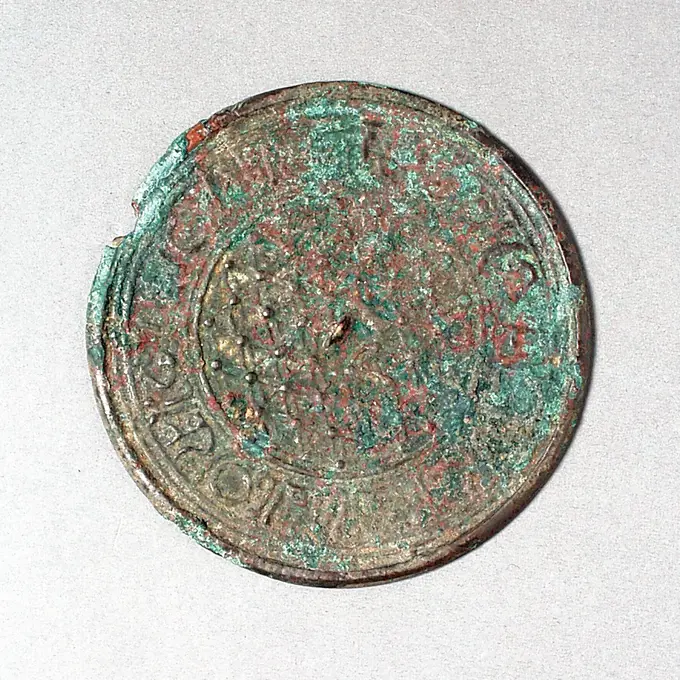
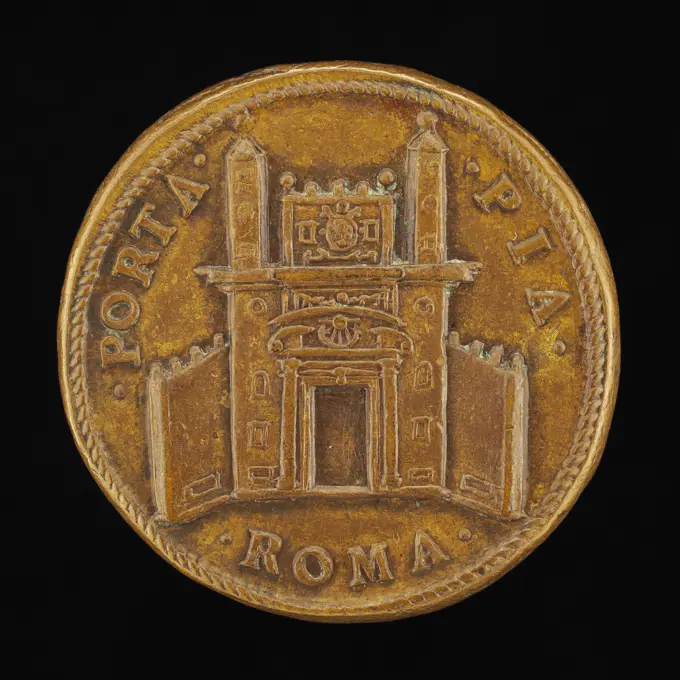
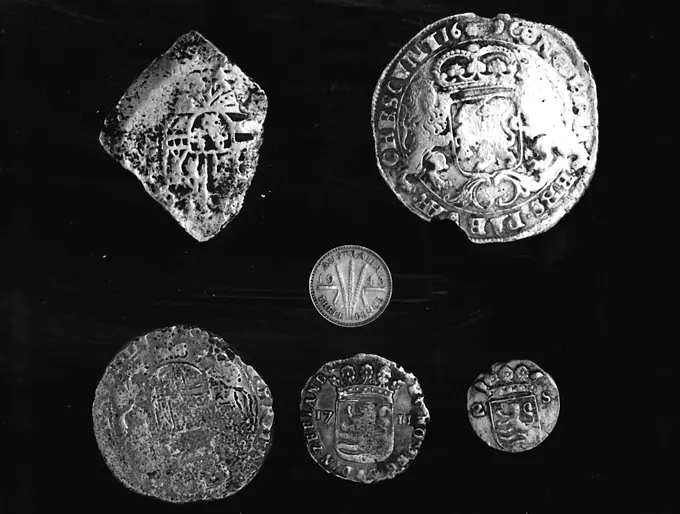
Lithuanian penny; Zygmunt I Stary (King of Poland; 1506-1548); 1535 (1535-00-00-1535-00-00);Rzeczpospolita Polska (1922-1938), 10 Zlotys, Warsaw; 1925 Mint Warsaw, Trzcińska Kamińska, Zofia (1890 1977)Prussia, The Teutonic Order, Michał Küchmeister 1414 1422, Shilling, Toruń; 1416 1422 Kuchmeister von Sternberg, Michael (approx. 1370 1423)3 kreutzers. Chrystian (książę brzesko-legnicko-wołowski ; 1618-1672), ruler, Ludwik IV (książę brzesko-legnicko-wołowski ; 1616-1663), ruler, Jerzy III (książę brzesko-legnicko-wołowski ; 1611-1664), ruler, Pfahler, Christian (fl. 1651-1665), moneyerTest for the 20 francs of the Second Republic, 1848 Antoine Bovy (1795-1877). Test for the 20 francs of the Second Republic, 1848. Etain. 1848.Denar Lithuanian Stefan Batory Mint of Vilnius, Stefan Batoryszel g; Pfahler, Ernest; 1629 (1629-00-00-1629-00-00);Lutheran Municipality in Rotterdam, Anonymous, 1764  Lead medal. Front: to the left desired swan between the year within the interchangeable and cable edge. Reverse: crossed palm and laurel branch in Doornenkroon inside Covering and cable edge Rotterdam lead (metal) casting  RotterdamBliżej Kultury Kazimierz Jagiellończyk (1447 92)False Coin, Crown Six Groschen, 1754, Augustus III SAS (1733 1763)Dutch Burgundian Rijksdaalder from Philips II, 1568; Holland, Philips II, Burgundian Rijksdaalder, 1568. Front: between year under crown crossed gnarled sticks, in the middle flint with sparks. Reverse: Crowned coat of arms of Burgundy, hanging with a chain of the golden fleece.schilling. Zakon krzyżacki (1190-), issuer, Konrad von Jungingen (wielki mistrz ; 1393-1407), grand masterBordeaux, 1797 (dummy title) Bordeaux. Copper, 1797.Drachma; Chosroes II (W Adca Persia; 590-628); 590-628 (591-00-00-628-00-00);Sovereign of Twenty Shillings: Crowned Shield of Royal Arms (reverse), 1550-1553. England, Edward VI, 1547-1553. Gold; diameter: 3.7 cm (1 7/16 in.).Commemorative token, The Exhibition Building Queen Victoria, 1862Unattributed Trebizond Coin. UnknownMichael Leykauff, Medal from the time of Louis XV, jeton utility medal medal exchange medium founding copper, crowned bust Louis XV left legend: LUD. XV. D.G. FR. - ET. NAV. REX. archeology Rotterdam Louis XV Louis XV Louis Quinze Soil discovery Rotterdam 1942.Nomisma with Nicephorus II Phocas (reverse), 963-969. Byzantium, 10th century. Gold; diameter: 2.1 cm (13/16 in.).Bronze seal stamp with female figure, coat of arms and edge lettering, seal stamp stamp equipment ground find bronze brass metal, cast cut driven bronze stamp with eye for attachment to chain Stamp face with shape of woman Lettering and coat of arms Text can not be deciphered. Corresponding print in plaster. Marked on the top of the foot on the foot incised mark: cross with straight and slanting beam archeology Rotterdam City Triangle Bulgersteyn heraldry characteristics seal close seal Soil discovery: Bulgersteyn Rotterdam.Phaistos Disc. s.XV BC. GREECE. Phaistos. A side. Minoan art / Cretan art. GREECE. CRETE. IRAKLION. Iraklion. Archaeological Museum.False coin, crown taler 1582, Stephen Bathory (1571 1586)Ruler: Antonio Venier, Doge of Venice, ca. 1330-1400, ruled 1382-1400, Mint: Venice, 1 Ducat of Antonio Venier, Doge of Venice fromVenice, Gold, 3.52 g, 4:00, 20mm, Made in Venice, Italy, Italian, 14thcentury, NumismaticsPeace between England and Holland, in Westminster closed. Silver medal. Front: Brittania with coat of arms and the Dutch virgin with arrows beam and leads of the Dutch lion each keep a freedom hat on a flagpole that joined by peace with a wreath inside. Reverse: Warship on the high seas, above that blowing on bazuin within circumcision.Bronze Dirham. Ayyubid, late 12th-early 13th century. Tools and Equipment; coins. CoinCarnavalet Museum, Medals CollectionGrosso of Giovanni Dandolo from Francesco Zane;VeniceEighth Silver Silver of the League on behalf of Charles X (1589-1590), 1597 Anonymous. Eighth of Silver Silver from the League on behalf of Charles X (1589-1590), 1597. Money. 1597.Coat of Arms reverse. Dated: c. 1535. Dimensions: overall (diameter): 2.69 cm (1 1/16 in.) gross weight: 6.57 gr (0.014 lb.) axis: 12:00. Medium: bronze. Museum: National Gallery of Art, Washington DC. Author: German 16th Century.Seal matrix of Alberto d'Este about 1388-93. Gilded copper alloy with modern seal impression. Italy, Ferrara.MANCUSO (13.049) DE RAMON BERENGUER I - ANVERSO 19,39 MM - MONEDA DEL SIGLO XI. Location: FABRICA NACIONAL DE MONEDA Y TIMBRE-COLECCION. MADRID. SPAIN.for a penny; Ludwik Jagiello Czyk (Czech king and in "Gierski; 1516-1526), monoau, pawe (fl. 1517-1525); 1521 (1521-00-00-1521-00-00);Potocki, Andrzej (1861-1908), Crowns, city coins, eagle in the Crown (iconogr.), Eagles, Półnoszek ŚwidnickiCarnavalet museum, tokens collectionBolesław Krzywousty (1102-1138), Denar, Kraków; 1107-1113 Boles And Krzywousty (1102 1138)Lombard account token at the cross, XIII-15th century Anonymous. "Lombard Account Token at the Cross, XIII-15th century". Brass. 1200-1400.NUMISMATICA. MONEDA HISPANO-ARABE. DIRHAM DE PLATA, DE AL-HAKAM II. REVERSO. 358 HEGIRA/969 D.C. (DEPOSITO: MUSEO ARQUEOLOGICO NACIONAL).Solidus of Constantius II (Sole Emperor, 353-361) 353-361 Byzantine This coin was struck between 353 and 361, during the reign of Constantius II, who ruled the Roman Empire from its new capital, Constantinople. (The empire would, in later centuries, be called Byzantium.) The view shown here (the obverse) portrays the emperor in military dress, holding a lance and shield. The shield itself depicts the emperor on horseback, trampling a barbarian. The reverse gives an inscription which identifies the coin as most probably being minted in Nicodemia.Constantius II reigned as full emperor from 353 to 361. He gained the throne after the overthrow of the previous emperor, Constans I, and is best remembered for his support of Arianism (a Christian sect later declared heretical) and his subsequent persecution of the Orthodox Church.. Solidus of Constantius II (Sole Emperor, 353-361) 466047Peace of Munster and foundation of the Hogeschool in Harderwijk. Silver medal. Front: Crowned coat of arms of Gelderland within circumcision. Turning side: inscription on canvas surrounded by wine drinks.Bit Boss with Adam and Eve late 16th - early 17th century German, Bohemia or Saxony The central part of this bit boss, an ornamental element decorating the side of a horse bit, depicts Adam and Eve eating fruits given by the serpent, a lion walking behind the tree. This scene is directly inspired by a 1540 engraving by Heinrich Aldegrever, The Temptation of Adam and Eve, made after a drawing by Hans Brosamer. The same composition was also used by German founders on several contemporary bronze plaquettes.. Bit Boss with Adam and Eve. German, Bohemia or Saxony. late 16th - early 17th century. Copper alloy. Equestrian Equipment-BitsLombard account token, XIII-15th century Anonymous. Lombard account token, 13th-15th century. Copper. 1200-1400.Bliżej Kultury Calcutta mintLombard Account Token: Riccardi de Lucca, XIII-15th Century Anonymous. Lombard Account token: Riccardi de Lucca, XIII-15th century. Brass. 1200-1400.Roundel with head of a "hero" surrounded by caprids. Culture: Elamite. Dimensions: Diam. 9.2 cm. Date: ca. 14th-13th century B.C..This roundel, carved out of bitumen, was originally overlaid with silver and gold foil. Finely incised in the center is the head of a hero figure with long hair parted down the middle, ending in three curls on each side. The figure is separated from a row of seven recumbent rams by a double rope pattern band. The outer border is the same rope-pattern. The roundel would have been attached to another object as a decorative element. Several similar roundels were excavated at the Middle Elamite sites of Haft Tepe (ancient Kabnak) and Susa. The style of the hero's face and delineation of his features are seen in Elamite art as well. Museum: Metropolitan Museum of Art, New York, USA.Siege Van Groningen. Silver medal. Front: face of city and besiegers during shelling inscription. Reverse: Inscription.Dutch provincial guilders, 1682; Holland, provincial guilders, 1682. Front: Crowned coat of arms of Holland. Above Kroon Jaartal. Reverse: Standing Dutch virgin with right hand, hat and with left hand supported on altar, on which Bible.Pontefract Castle (Yorkshire), Charles II. Culture: British, Pontrefact. Dimensions: Diameter: 1 3/8 in. (35 mm.). Date: 1648/49.The supplies of bullion brought to Europe from the New World in the sixteenth and seventeenth centuries caused inflation, and in response new coinage was issued with a wider range of denominations. Gold coins like the sovereign, with the value of one pound, twenty shillings, first appeared in 1489. It was replaced by the unite in 1604 and by the guinea in 1663. Initially minted in gold, the crown was also produced in silver from 1551, with standardized dimensions similar to other European coins.As a vehicle of political propaganda, coins usually have a realistic depiction of the sovereign. However, as in the case of the emergency coinage made when towns were under siege, crudely made examples, such as the one from the Royalist city of Pontefract, were struck during the English Civil War. Museum: Metropolitan Museum of Art, New York, USA.GELDERSE GENT, 1755, Province of Gelderland, 1755 coin Copper mint. Front: Inside decoration in three lines D/gel/riae, including year and mint masters. Reverse: Crowned Gelders Coat of Arms. Harderwijk copper (metal) striking (metalworking)NUMISMATICA.MONEDA IMPERIO ROMANO. SOLIDO DE ORO, DE CONSTANTINO. REVERSO. EMPERADOR DE PIE A LA DERECHA, LLEVANDO ESTANDARTE Y VICTORIA SOBRE UN GLOBO. A SUS PIES UN CAUTIVO. (DEPOSITO: MUSEO ARQUEOLOGICO NACIONAL).MONEDA DE 1 DURO (GERONA 1808). Location: MUSEO DEL ROMANTICISMO-NUMISMATICA. MADRID. SPAIN.Milanese 16th Century, Crowned Casque with Dragon Crest (reverse), 16th century Crowned Casque with Dragon Crest reverseCoat of Arms reverse. Dated: 1526. Dimensions: overall (diameter): 3.92 cm (1 9/16 in.) gross weight: 23.89 gr (0.053 lb.) axis: 12:00. Medium: lead. Museum: National Gallery of Art, Washington DC. Author: Matthes Gebel.Carnavalet museum, medal collectionMedal of the guild of the forge of St. Eloy in Amsterdam, guild penny penning identification carrier brass, cast, crowned hammer sword knife key and rifle lock Omschrift legend: ELOYEN - GILT heraldry Amsterdam guild Eloy smit craftOval Insert for EarOrnament, 13th-14thcentury, Gold, 3.41 × 2.81 cm, 2.212 g, 0.014 cm (1 5/16 × 1 1/8 in., 2.212g), Made in Java, Indonesia, Java, Late Classic Period(1000-1400), JewelryNUMISMATICA. MONEDA HISPANO-ARABE. DINAR DE ORO, DE HISAM II. ANVERSO. 38 HEGIRA/99 D.C. (DEPOSITO: MUSEO ARQUEOLOGICO NACIONAL).NUMISMATICA. MONEDA MEDIEVAL CRISTIANA. ORO, DE ALFONSO DE AVILA. ANVERSO. REY A CABALLO A LA DERECHA. (DEPOSITO: MUSEO ARQUEOLOGICO NACIONAL).NUMISMATICA. MONEDA MEDIEVAL CRISTIANA. DOBLE DUCADO DE ORO, DE CARLOS Y JUANA DE CASTILLA. REVERSO. ARMAS DE ARAGON CORONADAS. (DEPOSITO: MUSEO ARQUEOLOGICO NACIONAL).Repression by General Cavaignac days of June, June 26, 1848 (Title) Repression by General Cavaignac Days of June, June 26, 1848. Lead, 1848.Noble: Henry V in Ship with Shield of Arms (obverse), 1413-1422. England, Henry V, 1413-1422. Gold; diameter: 3.2 cm (1 1/4 in.).Commemoration of the massacres of the June 1848 days (dummy title) Commemoration of the massacres of the days of June 1848. Copper Blanc, 1848.money finances coins coin with coat of arms of the Palatinate and Bavaria 16th century,Mouton of Jean the Good 1350-64 French. Mouton of Jean the Good 469170thaler; Jerzy III (Ksi  Brzesko-Legnicka-Wośowski; 1611-1664), Ludwik IV (KSI  Brzesko-Rednicko-Wośców; 1616-1663), Christian (Ksi  Brzesko-Legnicko- Wośowski; 1618-1672), Pfahler, Christian (fl. 1651-1665); 1656 (1656-00-00-1656-00-00);Christian (Prince of Brest-Legnicka-Wołowski-1618-1672), Christian (Prince of Brest-Legnicki-Wołowski-1618-1672)-iconography, Jerzy III (Brest and Legnica prince-1611-1664), Jerzy III (Brest and Legnica prince - 1611-1664) - iconography, Ludwik IV (Prince Legnicki - 1616-1663), Ludwik IV (Prince Legnicki - 1616-1663) - iconography, Piastowie (family), R5 (rarity), brothers, principality of Legnica -Brzes (coat of arms ), portraits, portraits of rulers, message (provenance), semi -stable, four -track coat of arms, coat of arms under a helmet with labrai, shields, coat of arms, three brothers (iconogr.), Three semi -pine en face24 clip from the clip; Jan Christian (KSI  Legnica-Brzeski; 1591-1639), Hase, Burkhardt (fl. 1603-1623); 1622 (1622-00-00-1622-00-00);Jan Chrystian (Prince of Brest - 1591-1639), Jan Christian (Prince of Brest - 1591-1639) - iconography, Piastów (family), R7 (rarity), Duchy of Brest (coat of arms), Duchy of Legnica -Brzeskie (coat of arms), letters, letters, Letters B - H, Bovers of the ruler, portraits, portraits in parade armor, four -track coat of arms, shields, coat of arms, coat of arms under the prince's miterGold Solidus of Justinian I (527-65) 538-565 Byzantine Justinian in 539 was the first Byzantine emperor to adopt a completely frontal portrait, the imperial standard pose for the rest of Byzantine history.Coins connected an emperor to his subjects. He paid the army in coins, received taxes in coins, and was responsible for maintaining their weight and purity. These coins of early Byzantine emperors conveyed imperial ideals through inscriptions and images.. Gold Solidus of Justinian I (527-65). Byzantine. 538-565. Gold. Made in Constantinople. CoinsAzes II (reigned circa 35-12 BCE), may have been the last Indo-Scythian king in northern India. After the death of Azes II, the rule of the Indo-Scythians in northwestern India finally crumbled with the conquest of the Kushans, one of the five tribes of the Yuezhi who had lived in Bactria for more than a century, and who were then expanding into India to create a Kushan Empire.Repression of the June days by General Eug�ne Cavaignac (1802-1857), June 23-26, 1848 (dummy title) Medal. Repression of the June days by General Eug�ne Cavaignac (1802-1857), June 23-26, 1848. Lead, 1848.MirrorCoin dated A.H. 363/ A.D. 973. Coin 457193NUMISMATICA. MONEDA MODERNA. PISTOLET DE ORO, DE FELIPE IV. REVERSO. ESCUDO CON LAS ARMAS DE CASTILLA, LEON, GRANADA, ARAGON, NAPOLES Y SICILIA.1648. (DEPOSITO: MUSEO ARQUEOLOGICO NACIONAL).Tribute to the National Assembly, the generals, the National Guard and the Army, s. d. (Dummy title) Anonymous. Tribute to the National Assembly, the Generals, the National Guard and the Army, around 1848 (Avers).Giovan Federico Bonzagni, The Porta Pia (reverse), 1561 The Porta Pia reverseDays of 22, 23, 24 February 1848 (dummy title) Anonymous. Days of 22, 23, 24 February 1848.$5m Treasure: A doalder of the United Provinces of the Netherlands. April 4, 1955.Triente de Barcinona, oro, 573-586, 009869-N. Museu Nacional d'Art de Catalunya MNAC.era -era fause;  (0-00-00-0-00-00);Norway, Bergen. Hanseatic Museum. Historic city seal, Stockholm c. 1351. UNESCOHalles and Markets of Paris: I. Louis Cahagne, 1698 Halles and Markets of Paris: I. Louis Cahagne, 1698 . Bronze. 1698-1698.Mould for the Eucharist Sacrament representing a deer passing near a tree, terracotta