Historical Cutting Tools

A variety of ancient cutting tools including a knife, a cigar holder, and various archaeological artifacts made from metal and bone, showcasing unique designs.

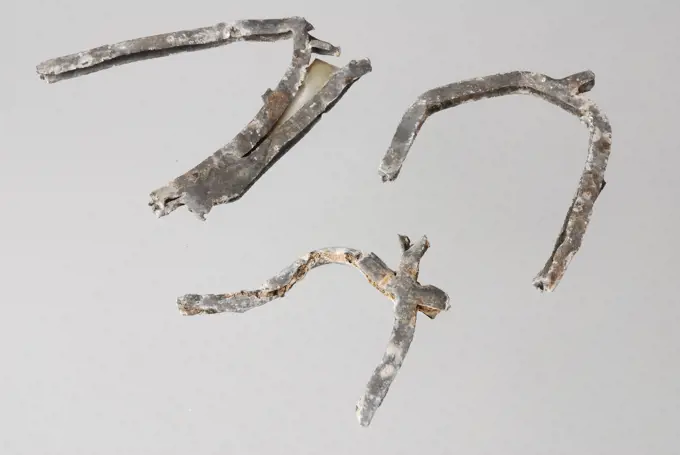
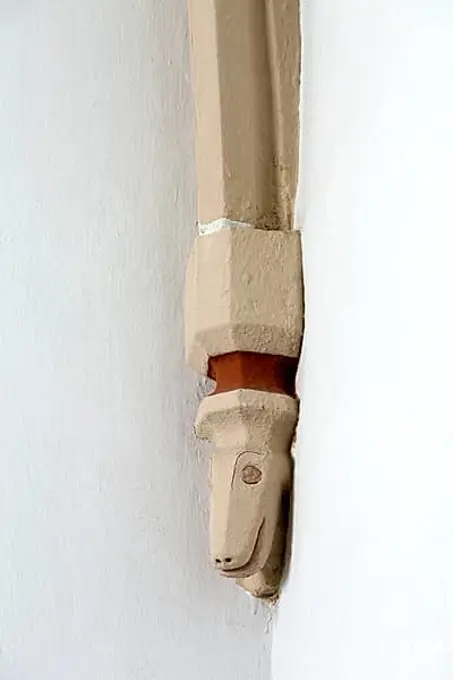
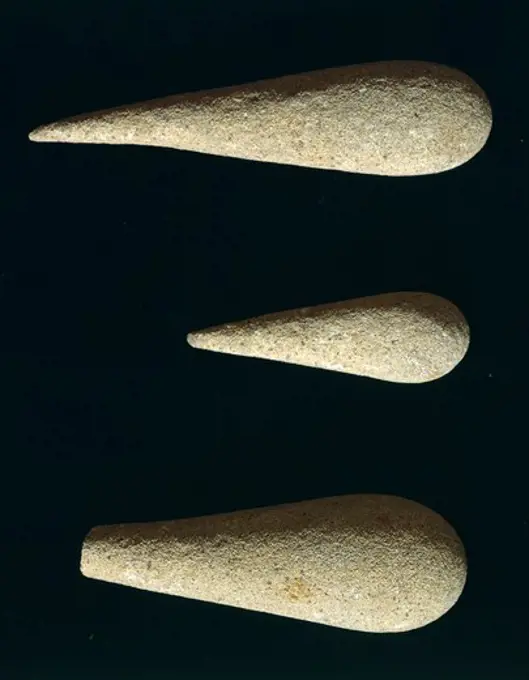
Knife with elongated narrow blade and legs decorated with hexagonal surfaces, knife cutlery soil find bone iron metal, archeology
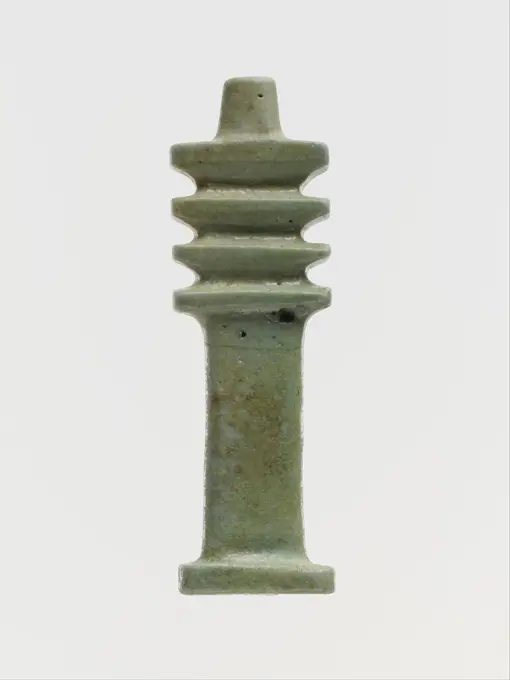
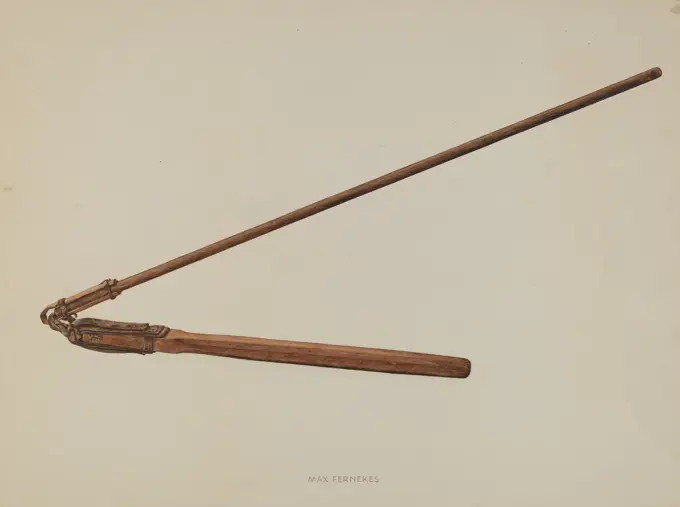
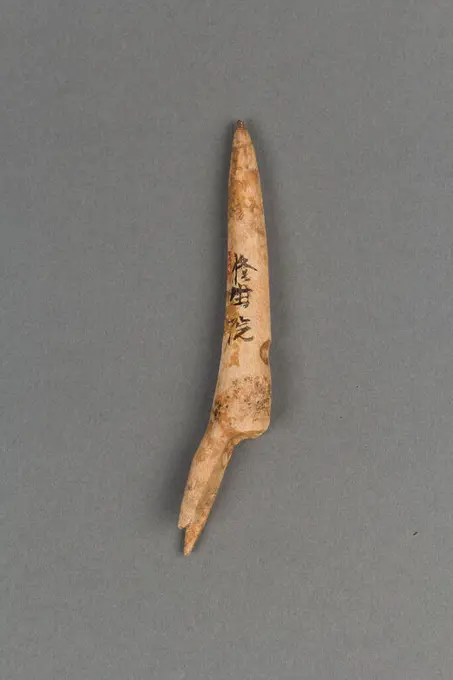
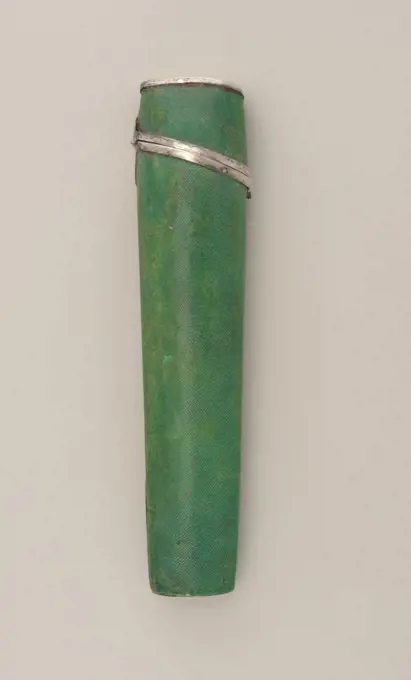
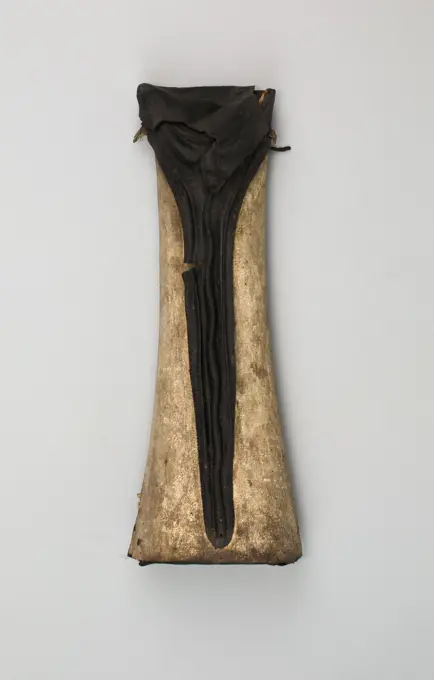
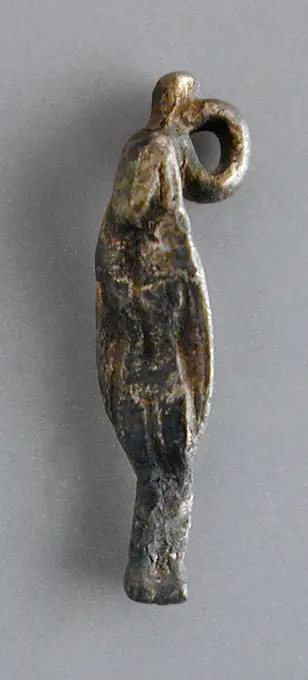
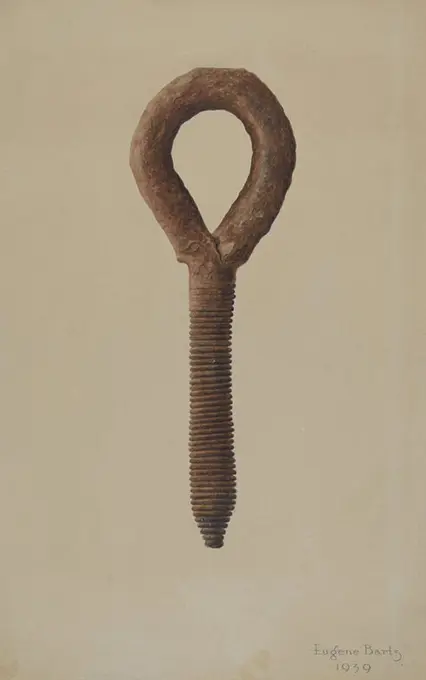
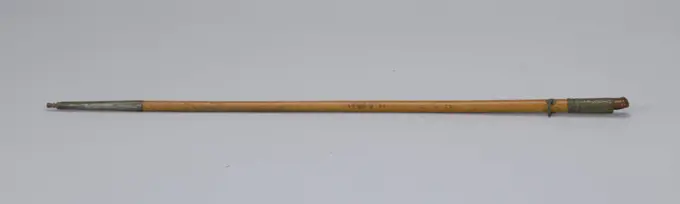
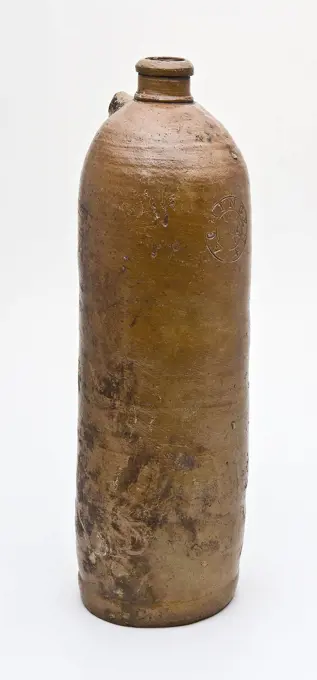
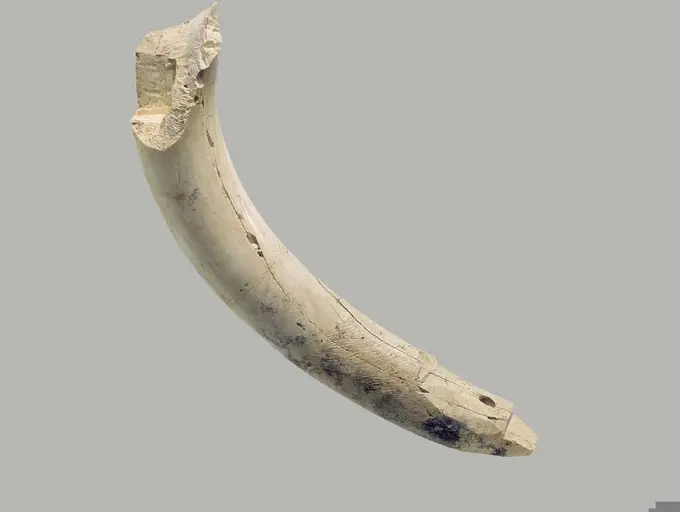
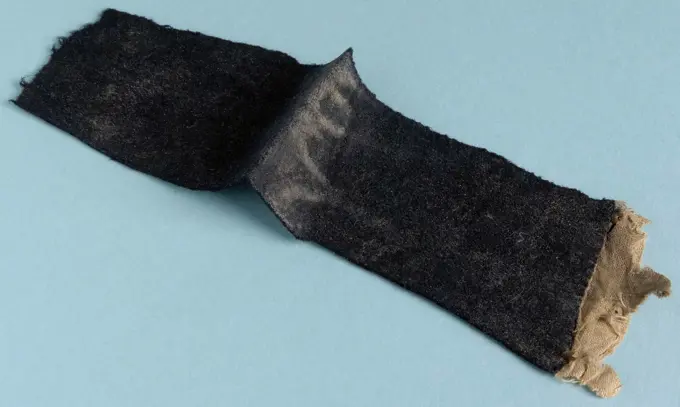
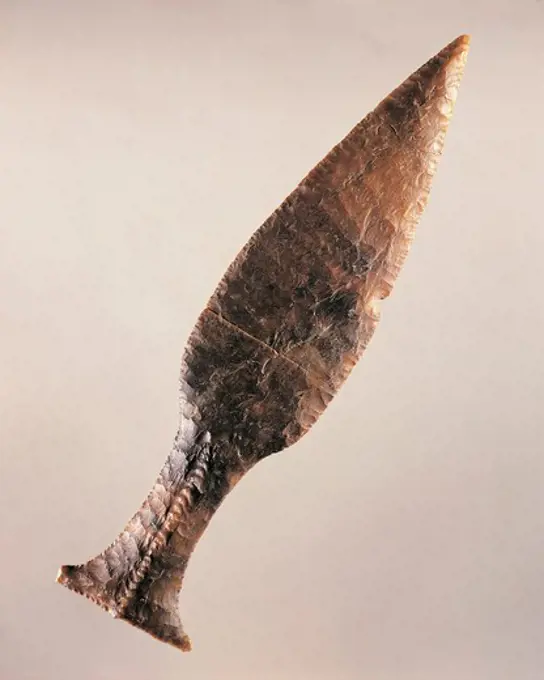
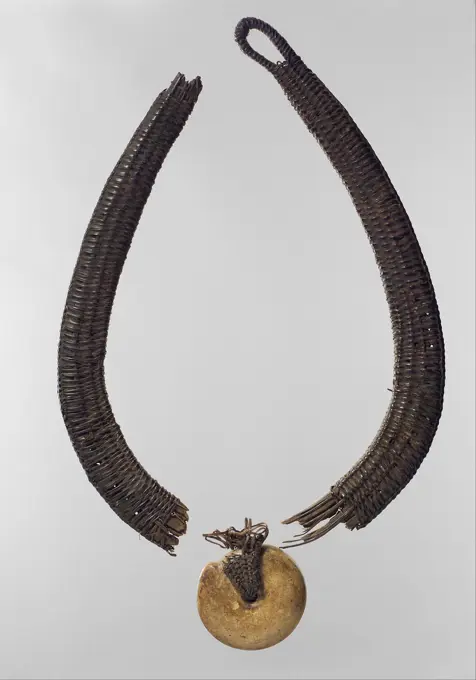
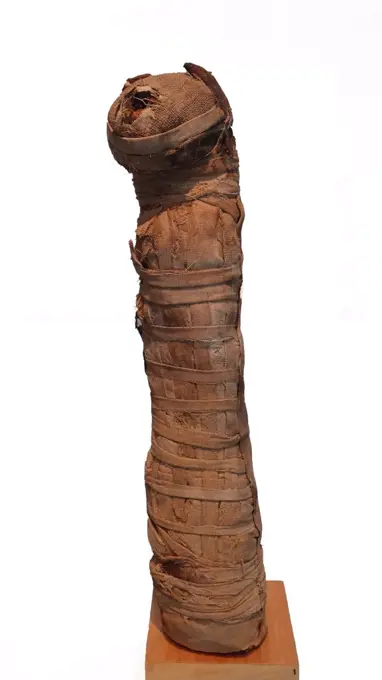
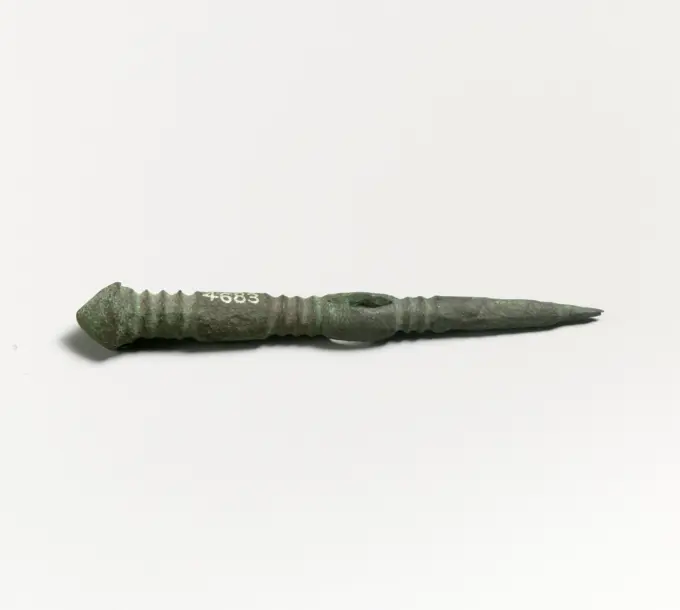
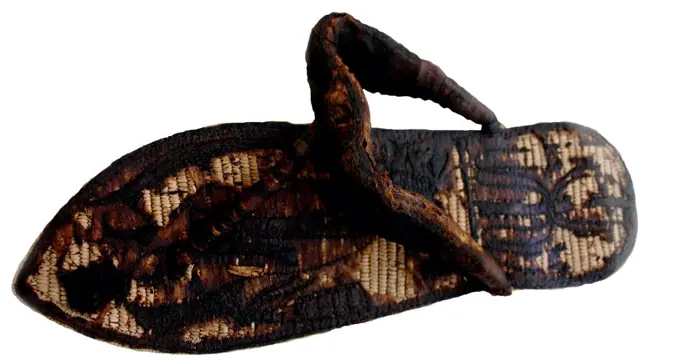
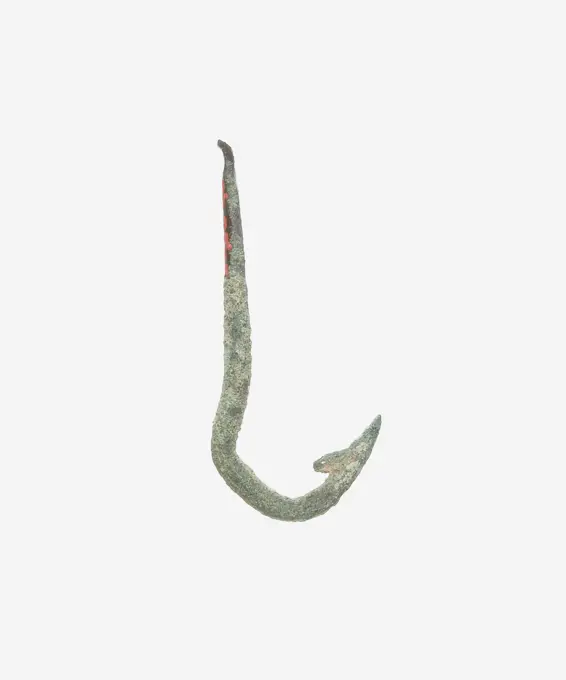
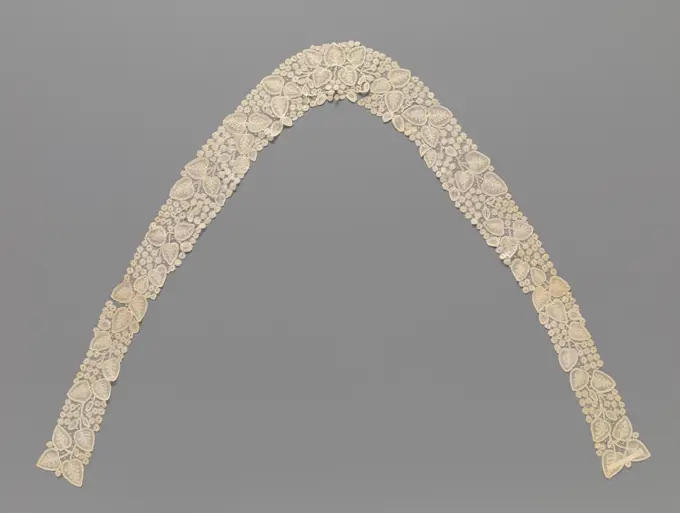
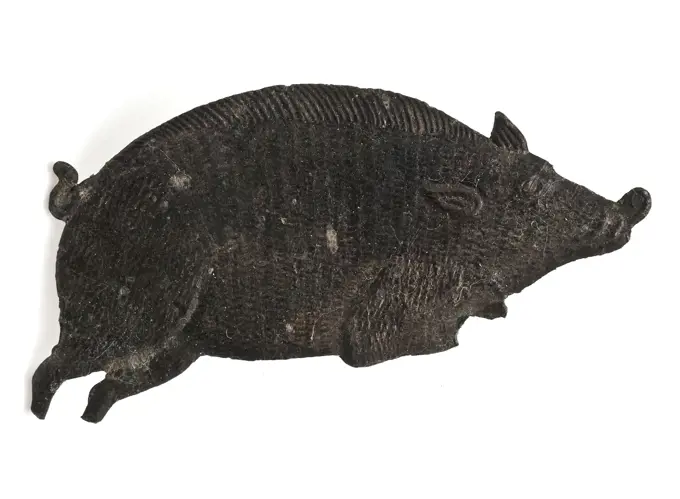
Druggist's Scales 6th-7th century Late Roman. Druggist's Scales 464924 Late Roman, Druggist's Scales, 6th7th century, Copper alloy, Overall: 1 1/4 x 3 11/16 x 1/4 in. (3.1 x 9.3 x 0.7 cm). The Metropolitan Museum of Art, New York. Gift of J. Pierpont Morgan, 1917 (17.191.222)Faience djed-pillar amulet. Culture: Egyptian. Dimensions: H.: 1 3/4 in. (4.5 cm). Date: 664-30 B.C..Symbolic objects used for amulets include a menat-pendant, the djed-sign, and a papyrus capital, all common in Egyptian architecture. A pectoral used on mummies, a bunch of grapes or other clusters of fruit, and an inscribed bead are also represented. Museum: Metropolitan Museum of Art, New York, USA.Parts Click sprayer from the wreck of the East Indians Hollandia, Anonymous, 1700 - in Or Before 1743  Tools and instruments, medical, enema syringe; (3)fragm of needles, broken, corroded: straight-angled tube fragm, tapering, one flanged end internally threaded: fragm of straight tube, tapering. Netherlands tin (metal)   SecondClay pipe, double conical head and heel, heel mark and decorated handle, clay pipe smoking equipment smoke floor earthenware ceramic pottery h 3,2, pressed pressed finished Clay pipe with double conical head and heel. Heel mark Decoration on the stem consists of fields of diamond-shaped stamps in which fleur de lis heel mark: Tudorroos crowned in shield-shaped archaeological field Rotterdam railway tunnel earthenware smoking tobacco Soil discovery: rail tunnel Rotterdam.White clay pipe, marked with stalk decorated with fleur de lis stamps, clay pipe smoking equipment smoke floor pottery ceramics pottery, hand-formed baked White clay pipe marked with fleur de lis stamps decorated handle. Heel mark crooked stamped heel mark: WT above and below the letters star archeology smoking tobaccoBrass book fittings with fanned ends, decorative fittings soil found copper brass metal, whipped riveted engraved Double batter with hook at the end Other end flares out and is lobed. Under the lobes three holes Along the long sides two notches archeology Rotterdam rail tunnel book close adornment Soil discovery: trajectory rail tunnel Rotterdam.Copper wire from the wreck of the East Indians Hollandia, Anonymous, 1700 - in or Before 1743  Varied parts or fragments, wire; fragm, bent, circular in section. Netherlands copper (metal)   SecondAwl () ca. 4600-3600 B.C. Ghassulian. Awl (). Ghassulian. ca. 4600-3600 B.C.. Bone. Chalcolithic. Levant, Teleilat GhassulEccentric Flint in Form of an Arthropod. Belize, Guatemala, Honduras, or Mexico, Maya, 600-900 CE. Stone. ChertMax Fernekes, Flail, c 1938 FlailWeight 3rd-1st millennium B.C.. Weight 321509Adze head ca. 7th-6th century B.C. Iran. Adze head 326168Arrowheads, needles, hooks and harpoons. Culture: Japan. Dimensions: W. 1/2 in. (1.3 cm); L. 3 1/2 in. (8.9 cm).These implements--an arrowhead, fishhooks, needle, and harpoon--were skillfully carved from bone, a material worked by Japanese artisans since Paleolithic times. They were found in the Obara Shell Mound at Ofunato Bay in Iwate Prefecture. According to information gleaned from shell mounds, or middens, the people of the Jomon period relied on a variety of strategies to obtain food. The large number of fishhooks, fashioned with and without barbs, together with the rich array of marine remains found in these rubbish heaps since very early times indicate that some fifty species of fish and shellfish constituted an essential dietary staple. Toggle-head harpoons, a later innovation, facilitated the hunting of sea mammals. Attaching a line to the toggle allowed the hunter to draw in his prey once the toggle had broken away from the harpoon shaft. Further evidence gathered from thesPrzeszo PrzyszociGlass perfume bottle. Culture: Roman. Dimensions: 5 1/16in. (12.8cm)Other: 2 5/8in. (6.7cm)Diam. of rim: 1 1/8 in. (2.9 cm). Date: 2nd-3rd century A.D..Colorless with pale blue green tinge.Rim folded out, over, and in, and flattened on top, with inner lip forming partial constriction to mouth; slightly funnel-shaped, cylindrical neck, with tooling marks around base; piriform body; thick, rounded bottom.Broken in many pieces, but rim and neck, and bottom remain complete; many bubbles; deep pitting and iridescent weathering; some gritty encrustation on interior. Museum: Metropolitan Museum of Art, New York, USA.Lamella; Roman Empire; 3rd century; Silver; 6.4 x 18 cm (2 1,2 x 7 1,16 in.)Fragments piping heads and pipes of earthenware from the Wrrak The East Indians Hollandia, 1700 - in Or Before 1743  Pipe frags - 12 stem - 2 bowl, ceramic.  pipe clayEmbarrassment. Bronze, chine, Iv-IIY s. Av. J.-c. Paris, Museum Causori. Asian art, Chinese art, bronze, Asian civilization, Chinese civilizationFish-Shaped Vinaigrette 1813-1823 Birmingham. Silver and silver gilt .Unique natural driftwood isolated on a white background for the decoration unique natural driftwood stick isolated on white background for decoration copyright: xzoonar.com/muharremxadakx 22721550Oracle bone China. Oracle bone. China. Inscribed bone. Shang dynasty (ca. 1600-1046 B.C.). BoneBronze fibula or mantle pin, curved and narrow model, fibula fastener soil find bronze metal, molded whipped drawn bronze fibula or mantle pin (). Curved and narrow model. At the end long 'shoe' as securing the needle. Fragment of curled end of the needle, archeology Spijkenisse roman time early Middle Ages dress fastening pins Soil discovery Spijkenisse.Case, Shagreen (shark skin), silver, silk, copper, Case for three implements, oval in section. Green painted shark skin. Lid attached to body with hinge and lock. Silver mounts. Inside covered with red silk., France, ca. 1798-1809, cutlery, Decorative Arts, CaseDouble Pin Korea. Double Pin 44827Burin -Carpenter's Chisel from a Foundation Deposit for Hatshepsut's Temple ca. 1479-1458 B.C. New Kingdom. Carpenter's Chisel from a Foundation Deposit for Hatshepsut's Temple. ca. 1479-1458 B.C.. Wood, bronze or copper alloy. New Kingdom. From Egypt, Upper Egypt, Thebes, Deir el-Bahri, Temple of Hatshepsut, Foundation Deposit 2b (B), MMA excavations, 1921-22. Dynasty 18Bishop (title awarded), -4600. Polished bone (omoplate of aurochs); On the edge, wear polishing. Carnavalet museum, history of Paris.Implement with Face 500 B.C.-A.D. 300 Indonesia (Java). Implement with Face 51641Knife lift from the wreck of the East Indiesman Hollandia.knife, Handle, Cylindrical: tapering; ID. NG 1979-403H, Ferrules, ID. NG 1980-27H426.Hold from Hilt from the wreck of the East Indied Flying Heart. Handle from a blank weapon consisting of a round wooden core vertically wounded by two-knit copper wire and one diagonal three-stranded copper wire. The copper wire of this handle is DOF. The handle is drilled rectangular.Tree branch against black backgroundQuiver for Crossbow Bolts Made 1460-1520 Europe, ancient. Used to carry and store crossbow bolts (arrows), very few bolt quivers survive from the fifteenth century. This rare example is covered in the hairy hide of a boar or domestic pig, used as a hard-wearing, water-resistant covering over a wooden core. Much of the stiff bristly hair has now worn off but originally covered the entire quiver. Period paintings and illustrations show what such quivers originally looked like, for example, the crossbowman in the foreground of Christ Carrying the Cross wears one hung from his belt.. Wood, leather, and boar skin .Knife lift from the wreck of the East India Hollandia. Knife-Handle, Tangplate; cracked, riot. NG 1980-27H1149, 4 Rivet-Holes.Fragments of a chest of a musket from the wreck of the East Indies' t Vliegend Hart, c. 1700 - c. 1735 framework The two wood fragments were once part of a wicker of a musket. The colors are gray/black/brown and it is probably some softwood. One of the fragments shows a slight angle due to secondary distortion and is split on one side. There are shilling on the surface. Both fragments were originally in a concretion together with the remains of a musket.  softwood. metalAmulet. Egypt, probably Late Period - Roman Period (711 BCE - 395 CE). Jewelry and Adornments; amulets. BronzeFlask 101 CE-300 CE Syria. Glass, blown technique . Ancient RomanCopper Chisel with Head 2nd-7th century Moche. Copper Chisel with Head 315432Shroud Deck Eye. Dated: 1939. Dimensions: overall: 34.1 x 22 cm (13 7/16 x 8 11/16 in.). Medium: watercolor, graphite, and colored pencil on paperboard. Museum: National Gallery of Art, Washington DC. Author: Eugene Bartz.Hairpin Point 200-500 Roman. Hairpin Point 465099 Roman, Hairpin Point, 200500, Copper alloy, Overall: 1 11/16 x 1/16 in. (4.3 x 0.2 cm). The Metropolitan Museum of Art, New York. Gift of J. Pierpont Morgan, 1917 (17.191.51)Cane, Malacca (rattan), burlwood, gilded brass, iron, Ridged stick with broken handle. Mounting decorated with design of palmette and ornament in bands. Brass chord loop, iron ferule and tip., France, 18th century, costume & accessories, Decorative Arts, CaneFragment; (possibly) belonging to the retable of Soest, c. 1475 - c. 1499   wood (plant material)   wood (plant material)Stoneware mineral water pitcher, cylindrical with round shoulder, sausage ear and short neck, mineral water pitcher jar product packaging container soil find ceramic stoneware glaze salt glaze, hand turned glazed baked Stoneware mineral pitcher cylindrical with round shoulder short neck and sausage ear. Stand area with traces of deduction and soul. brown glazed. Marked under the ear and marked on the front with medallion. Mark under ear pottery brand: NO 122 archeology Rotterdam Kralingen-Crooswijk Struisenburg Oostmaaslaan Boslaan Buizengat advertising indigenous pottery import drinking water drinking medicine medicine packaging Soil discovery: Buizengat Oostmaaslaan Boslaan Rotterdam an old landfill of municipal waste.Three fragments of lead frame of stained-glass windows, window glass building material soil find glass lead metal, w 1.1 cast Fragments of lead frame of stained glass windows Profiled lead in which glass panel can be clamped on both sides Fragment of window glass still remains in fragment archeology Landpoortstraat Geervliet Bernisse indigenous glasswork adorn living building glazed stained glass court of Putten archaeological find in the soil Geervliet pit Landpoortstraat 1 September 1983.Messenheft from the wreck of the East Indians Hollandia, Anonymous, 1700 - in Or Before 1743  Knife, handle, cylindrical: tapering; slightly domed end, turned decoration of wavy lines and a band of squares, concentric circles at both ends, ferrule. Netherlands wood (plant material)   SecondHeft, , 1500 - 1600 Messenheft laid with Balein and square pictures of mother -of -pearl, ending in a horny head cut from Hoorn. A stump of the knife is left. South of the Netherlands baleen. horn (animal material) Messenheft laid with Balein and square pictures of mother -of -pearl, ending in a horny head cut from Hoorn. A stump of the knife is left. South of the Netherlands baleen. horn (animal material)Lead ornament in the form of a branch 6th-5th century B.C. Greek, Laconian Small flat votive figurines of cast lead have been found in great quantities at the ancient sanctuaries of Laconia; over one hundred thousand, dating from the seventh century B.C. to the Classical period, were dedicated to the goddess Artemis Orthia in Sparta.. Lead ornament in the form of a branch 251715 Greek, Laconian, Lead ornament in the form of a branch, 6th5th century B.C., Lead, Height: 1 7/16 in. (3.6 cm). The Metropolitan Museum of Art, New York. Gift of A. J. B. Wace, 1924 (24.195.149)Knife lift from the wreck of the East India Hollandia. Knife, handle, cylindrical: tapering; ID. NG 1980-27H512A.Cup and ball toy -Fragment Tobacco Pipe, Huijvenaar (De Oude), Jacobus, 1760 - 1795 Fragment tobacco pipe with a crown and the letters I h n and n. Of the excavations on the Hofstede Arentsburg 1827-1831 under the supervision of Professor Reuvens. Schoonhoven pipe clay Fragment tobacco pipe with a crown and the letters I h n and n. Of the excavations on the Hofstede Arentsburg 1827-1831 under the supervision of Professor Reuvens. Schoonhoven pipe clayBlade before 16th century Maya (). Blade 317320Serpent (tunjo). Culture: Muisca. Dimensions: Length 6-3/8 in.. Date: 10th-16th century. Museum: Metropolitan Museum of Art, New York, USA.Fragments Pipe states from the wreck of the East Indiesman Hollandia. Pipe, voice; Fragments, Decoration ID. NG 1980-27H501 INSCRIPTION ? G? VSCHU? T?, GOUDA?.Furniture element made from a hippopotamus incisor. Culture: Assyrian. Dimensions: 6.38 in. (16.21 cm). Date: ca. 9th-8th century B.C..In addition to elephant tusks, hippopotamus teeth were also carved into small decorative objects and furniture inlays. This incisor, which was probably used as a furniture element, was found in a large storeroom at Fort Shalmaneser, a royal building at Nimrud that was probably used to store tribute and booty collected by the Assyrians while on military campaign. Hippopotamus ivory is whiter and more finely grained than elephant ivory. It is also harder and denser, making it more difficult to carve. Its smaller size means that there is a greater constraint on the objects into which it can be carved. The hippopotamus growth rings seen at the break in the upper tip of this incisor, called lamellae, are wavy and discontinuous and can be distinguished from the smooth growth rings of elephant tusks, making it easy to differentiate between the two types of ivSickle Blade, 1980-1801 BC. Egypt, Middle Kingdom, Dynasty 12. Flint; overall: 5 cm (1 15/16 in.).COLUMNAS DEL TEMPLO DE DIANA. Location: MUSEO ARQUEOLOGICO-COLECCION. Sevilla. Seville. SPAIN.Messenheft from the wreck of the East Indians Hollandia, Anonymous, 1700 - in Or Before 1743  Knife, handle, cylindrical: tapering; id. NG 1979-403H, ferrule, id. NG 1980-27H426. Netherlands wood (plant material). copper (metal)   SecondPassant of Speyk Passant epaulettes of Speyk epaulettes. Elongated piece of blue sheet, with a border dirt and worn white linen on one short side. Folded in the middle.Doppelhacke - Hoe on white Doppelhacke - Hoe on white Copyright: xZoonar.com/lantapixx 7220580Spatula (usual name), -276. Hammered copper alloy. Carnavalet museum, history of Paris.Knife -Sweden, Stockholm, flint knife from KopingeComposite Bow with Forty Arrows. Culture: Turkish. Dimensions: L. 25 1/2 in. (64.8 cm); Wt. 13 oz. (365 g). Date: A.H. 1132/ A.D. 1719-20. Museum: Metropolitan Museum of Art, New York, USA.Fringe, Medium: silk Technique: woven, Pink fringe with a plain-woven heading and looped skirt threads., France, 17th century, trimmings, FringeFragment of a torus molding from the shrine of a royal woman within the temple of Mentuhotep II. Dimensions: h. 27 x w. 33 cm (10 5/8 x 13 in.). Dynasty: Dynasty 11. Reign: early reign of Mentuhotep II. Date: ca. 2051-2030 B.C..A torus is a half-round or three-quarter round, tube-shaped molding that appears along the outer edges of a building, either horizontally or vertically. The torus may be a depiction of the wood framework of simple houses with the bindings for the attachment of reed mats. Museum: Metropolitan Museum of Art, New York, USA.Saw on woodNecklace: Pendant 16th-18th century Chokwe peoples The broad expanse of open savanna in present-day Democratic Republic of Congo and Angola became a major center of trade between European and African peoples as early as the seventeenth century. The region was intersected by multiple trade routes that connected the Atlantic coast to the Central African interior and facilitated the exchange of European goods for African slaves and forest products such as ivory, rubber, and wax. Chiefs who managed to control this trade became exceptionally wealthy and powerful individuals.. Necklace: Pendant. Chokwe peoples. 16th-18th century. Wood, ceramic, raffia. Angola. Wood-OrnamentsFragments Pipe states from the wreck of the East India Hollandia.Pipe, voice; fragment.Kohl Tube 6th-7th century Byzantine. Kohl Tube 475418Body ornament Japan By the Middle Jmon period, the food supply in Japan had stabilized enough that the Jmon people could focus their activities more on crafts and spiritual life. This led to the development of a wide variety of body ornaments, including necklaces and hairpins, some of which feature very elaborate designs. It is speculated that body ornamentation may have served a religious or spiritual purpose, but it may also have represented social rank and status.. Body ornament. Japan. Bone. Final Jmon period (ca. 1000-300 B.C.). BoneFlute 19th century Native American (Brazilian). Flute 501335One Edged Comb 7th century Frankish. One Edged Comb 465422 Frankish, One Edged Comb, 7th century, Bone, iron pins, Overall: 6 5/8 x 1 9/16 x 1/2 in. (16.9 x 4 x 1.3 cm). The Metropolitan Museum of Art, New York. Gift of J. Pierpont Morgan, 1917 (17.193.115)Bone punches. Neolithic art. Decorative Arts. SPAIN. CATALONIA. BARCELONA. Vic. Vic Episcopal Museum. Proc: SPAIN. CATALONIA. BARCELONA. Vilanova de Sau. Cave of Les Grioteres.Egyptian mummified cat. Late Period-Ptolemaic Period (715-30 B.C.). In the Late Period animal worship reached its zenith, with thousands of mummies to be found in immense cemeteries.Sotck exchange. XIXth. GAL1961.34.71CLAVOS GALVANIZADOS.Fob 18th century French. Fob 101485Fragment of a Revetment 100 BCE-100 CE Roman Empire. In ancient Rome, there was a high demand for colorful glass that could dazzle banquet guests alongside the expensive silver and gold serving wares meant to impress. Fragments like this one would have once been a part of larger mosaic dishes. The mosaic pattern was made by sagging molten glass into bowl-shaped molds, a technique used on many of these fragments is similar to millefiori, ìthousand flowersî in Italian, a modern glass-making method in which tiny rods of colored glass are bundled together, wrapped in a sheet of glass, fused, and then thinly sliced to reveal swirls of a flower-like patterns. They were arranged side by side, sometimes together with bits of colored glass, and fused together with heat.. Glass, mosaic glass technique . Ancient RomanPolished gneiss axe. North Africa, Neolithic. 6,5cm.Stylus-Shaped Instrument With Knobbed End. Unknown 4th century A.D. Stylus-shaped rod with knobbed end.Turritella terebra Seashell on a black sand background Close-up of Turritella terebra sea shell on a black sand background Copyright: xZoonar.com/SerhiixZarevx 21921275Bronze eyelet-type pin ca. 14th century B.C. Mycenaean "Eyelet" type with molded rings on shaft.. Bronze eyelet-type pin 244408Fragment Pijpenkop, Jan Pietersz Schoonevelt, 1720 - 1730 Fragment Pijpenkop. Of the excavations on the Hofstede Arentsburg 1827-1831 under the supervision of Professor Reuvens. Gouda pipe clay Fragment Pijpenkop. Of the excavations on the Hofstede Arentsburg 1827-1831 under the supervision of Professor Reuvens. Gouda pipe clayBarbed and Tanged Arrowhead Made 1600 BCE-1045 BCE China. Jade .Sandal from Treasure of Tutankhamen, Egypt, Cairo, The Egyptian MuseumRhomboidal Palette, 4000-3500 BC. Egypt, Predynastic Period, Naqada I Period. Graywacke; overall: 8 x 2.2 cm (3 1/8 x 7/8 in.).Carved Weaving NeedleSoncino roots on a white backgroundFragment of a wine bottle from the wreck of the East India Flying Heart. Dispiled glass shard.Wooden sign Shadow Puppet (Wayang Kulit) of a Prop (Ricikan), from the set KyaiDrajatShadow Puppet (Wayang Kulit) of a Prop (Ricikan), from the set KyaiDrajatFish Hook ca. 1390-1353 B.C. New Kingdom. Fish Hook. ca. 1390-1353 B.C.. Bronze. New Kingdom. From Egypt, Upper Egypt, Thebes, Malqata, Palace of Amenhotep III, MMA excavations, 1911-12. Dynasty 18Chisel before 16th century Tairona. Chisel 317311Collar of mixed side with heart -shaped leaves between bunches of rosette flowers, anonymous, c. 1875 - c. 1899 Collar of natural -colored mixed side - bobbin in combination with a needle -seal - Brussels Duchesse. V-shaped model with rounded wide angle and formed by a narrow strip that is slightly wider in the middle section. The pattern consists of heart-shaped leaves, placed in three and five times. The fields between the leaves are filled with bunches of rosette flowers. The motifs have been hit in linen and mains. The large motifs are accentuated by contour threads, which consist of roughly sutured wire bundles. Around a scrap edge. Brussels (possibly) linen (material) mixed lace / mixed Brussels / needle lace ground Collar of natural -colored mixed side - bobbin in combination with a needle -seal - Brussels Duchesse. V-shaped model with rounded wide angle and formed by a narrow strip that is slightly wider in the middle section. The pattern consists of heart-shaped leaves, placedTin toy wild boar, miniature toy relaxant model soil find tin metal, cast Pewter image of wild boar detail well visible archeology Rotterdam City Triangle Kralingen-Crooswijk Struisenburg Admiralty quay play Soil foundry comes from Admiraliteitskade.Shadow Puppet (Wayang Kulit) of a Prop (Ricikan), from the set KyaiDrajatClub -A851737 U12T MIGHTY OAK CABLE W/ BREEZE TUBING ROD SHEAR (Project Engineer) DEC 20 85 EG&G/NTS PHOTO LAB Publication Date: 12/20/1985  BREEZE TUBING; CABLE WITH BREEZE TUBING; CABLES; CABLES (NON ELECTRIC COMPANY); EDGERTON, GERMESHAUSEN & GRIER; EG&G; EQUIPMENT; EQUIPMENT & INSTRUMENTS; EQUIPMENT (SNL); INSTRUMENTS & EQUIPMENT; MIGHTY OAK; MIGHTY OAK NUCLEAR TEST; MIGHTY OAK TEST; NEVADA; NEVADA TEST SITE; NTS; NUCLEAR ENERGY TECHNOLOGY; NUCLEAR TESTING; NUCLEAR TESTS; TEST SITES; TUBING; TUBING, WATER; UGT; UNDERGROUND TESTING; IMP CREW-FIELD OPERATIONS  historical images. 1972 - 2012. Department of Energy. National Nuclear Security Administration. Photographs Related to Nuclear Weapons Testing at the Nevada Test Site.North aisle, console with mythical creature, St., Sankt, SaintPrehistory, Italy, Neolithic. Household tools. From Marche Region.