Historical Decorative Chairs

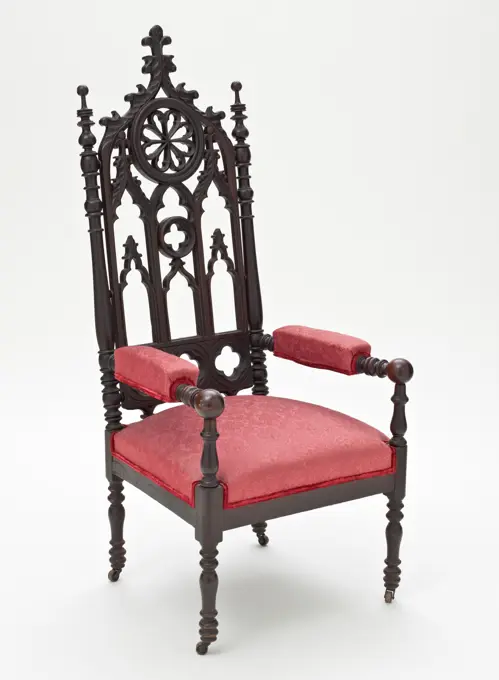
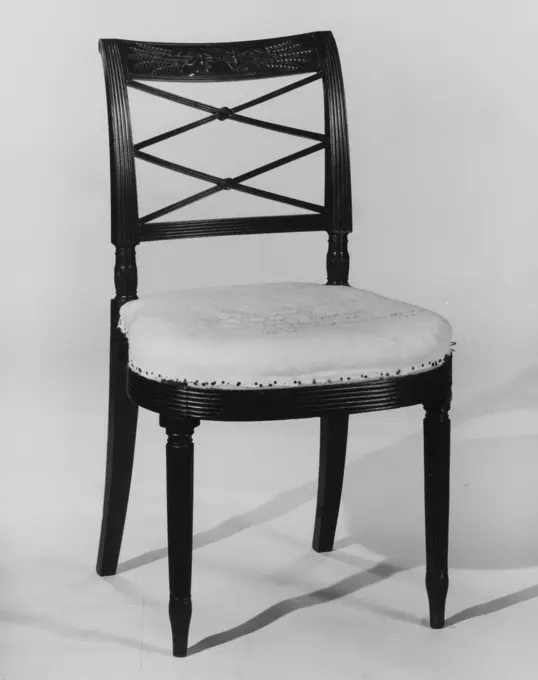
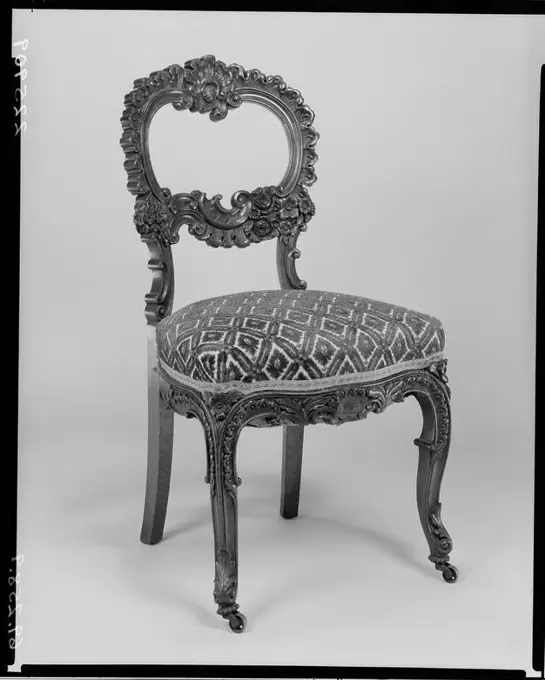
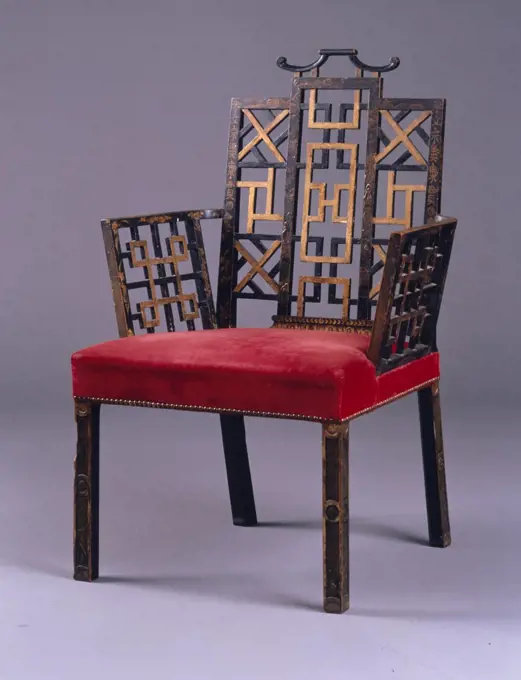
A selection of antique chairs from different centuries, showcasing intricate woodwork and upholstery styles. Each chair reflects the craftsmanship and design trends of its time.
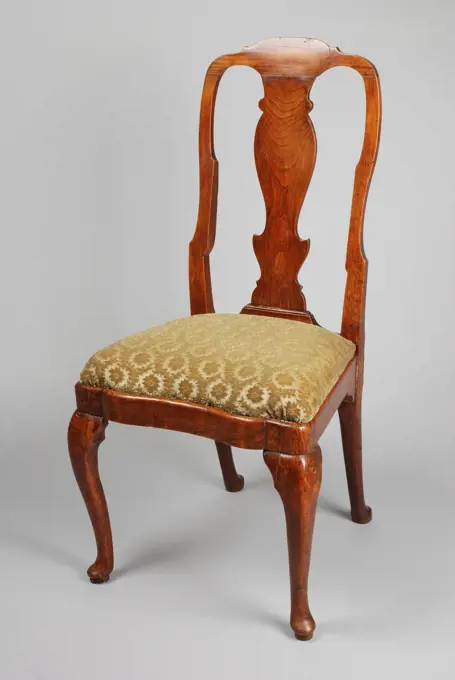
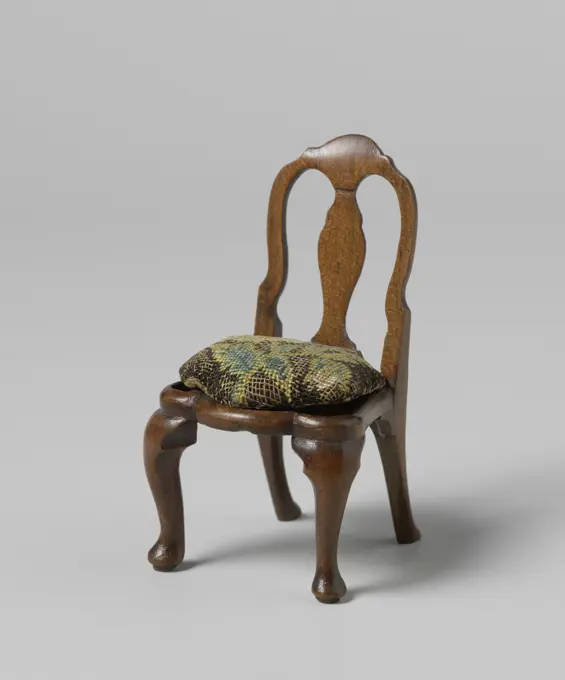
Straight elm wood rococo chair, chair seat furniture furniture interior design wood elm wood velor, Green velor upholstery on seat openwork backrest with symmetrical center panel rococo
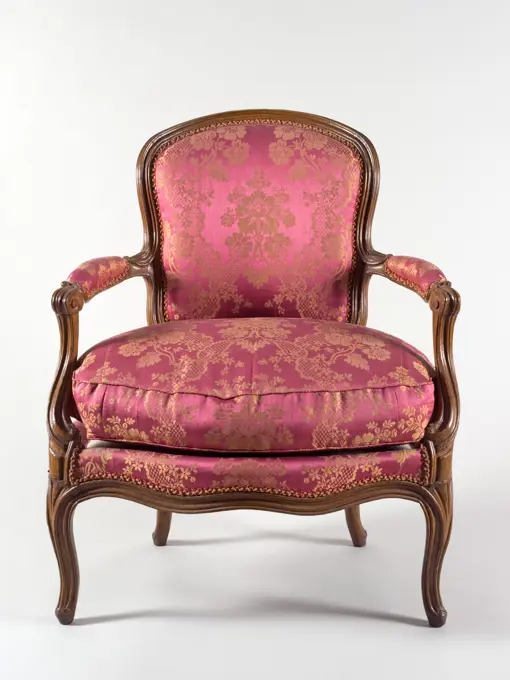
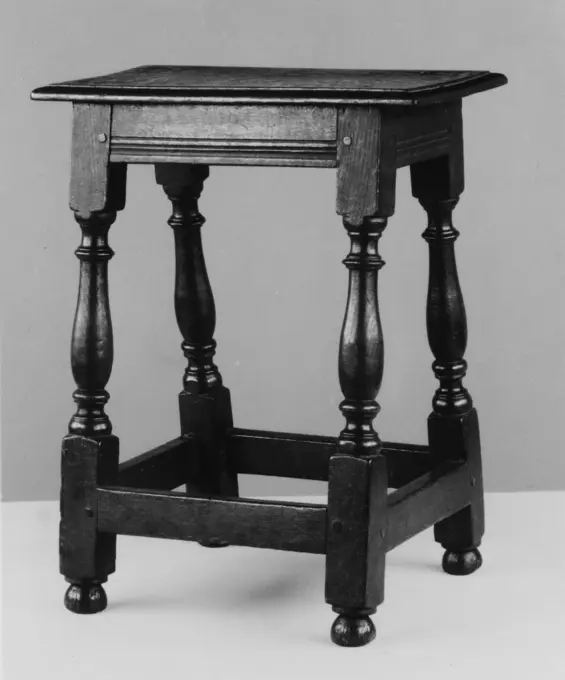
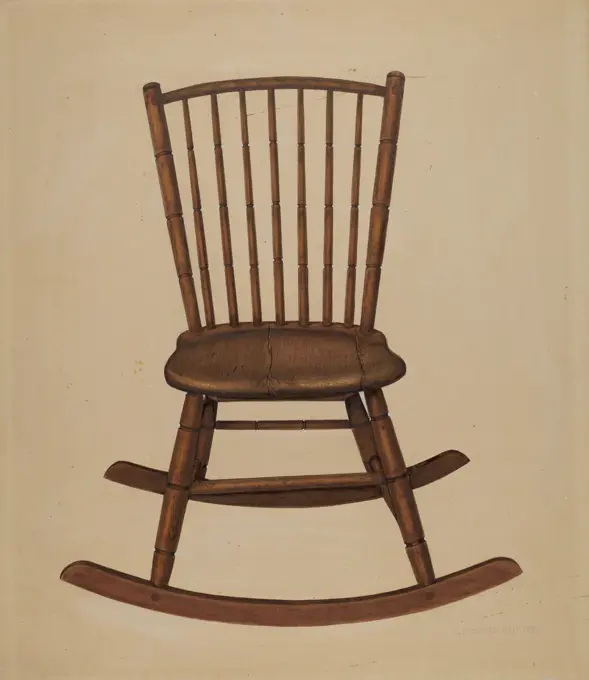
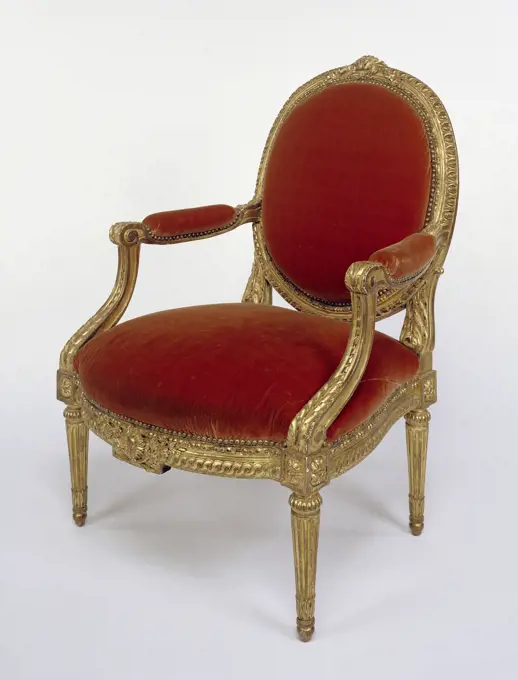
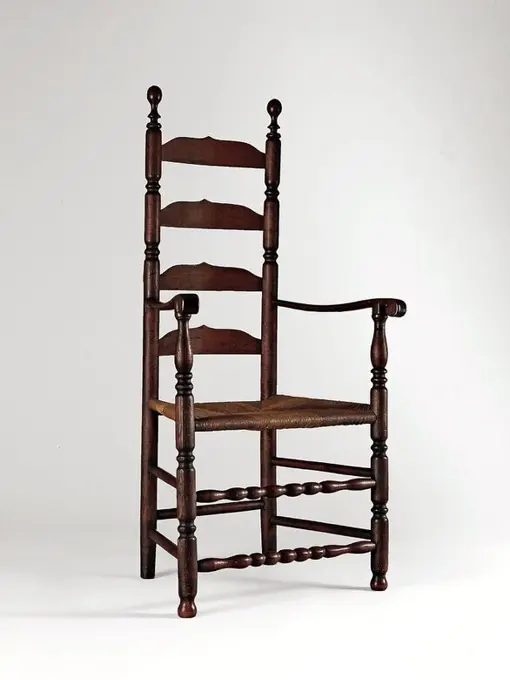
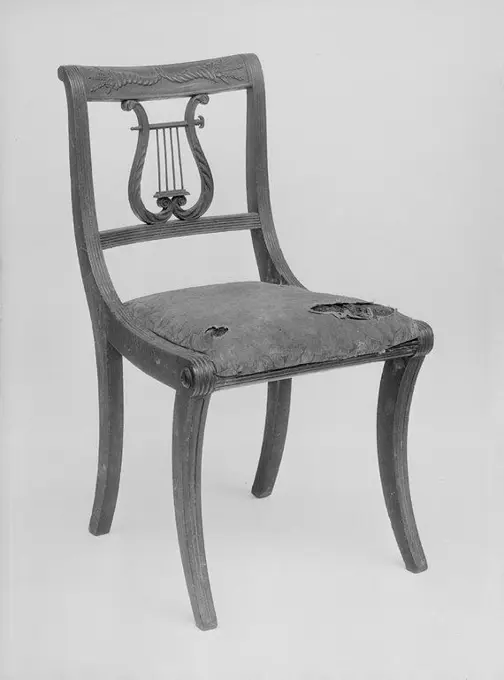
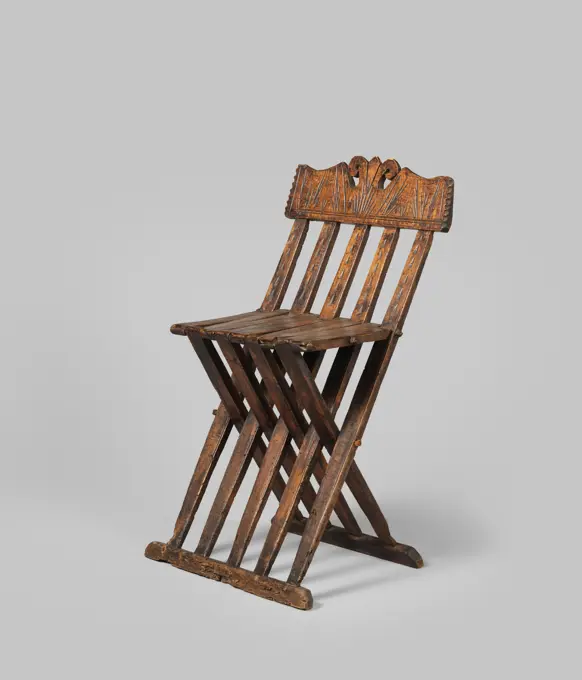
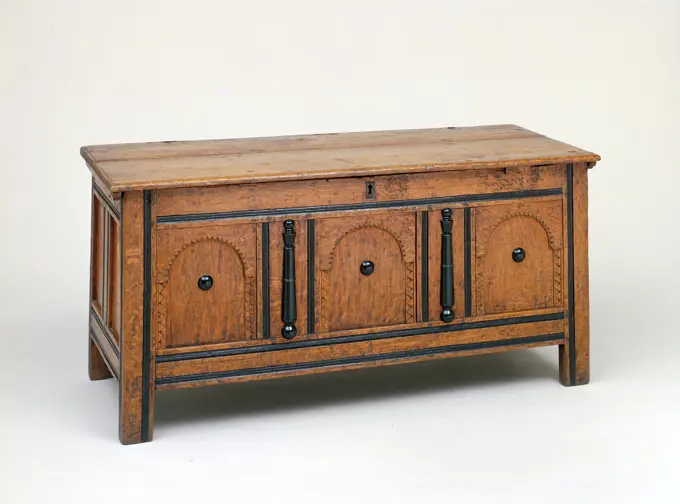
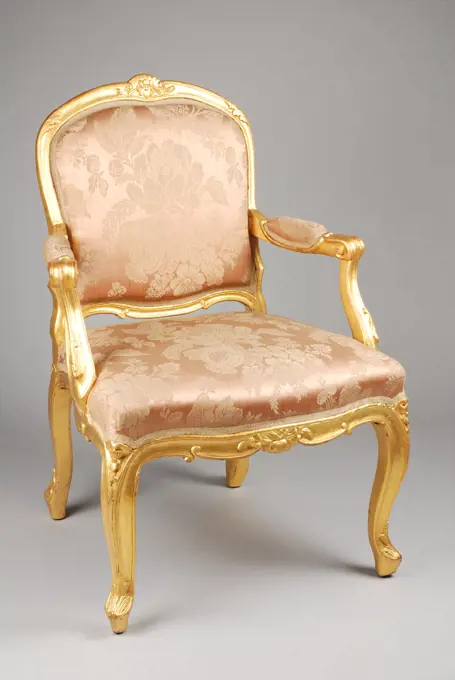
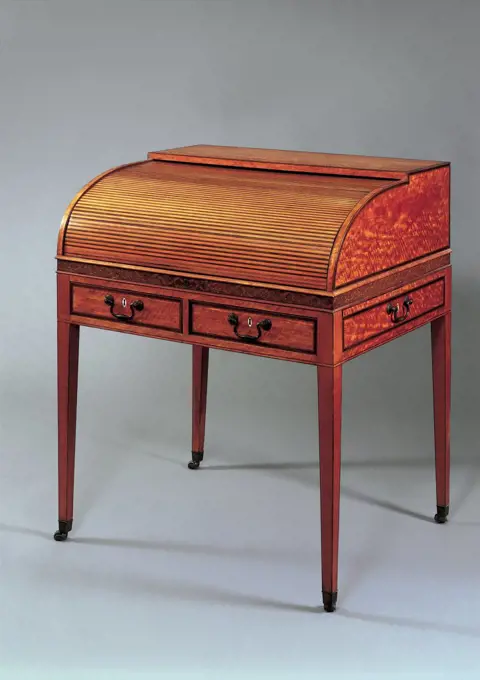
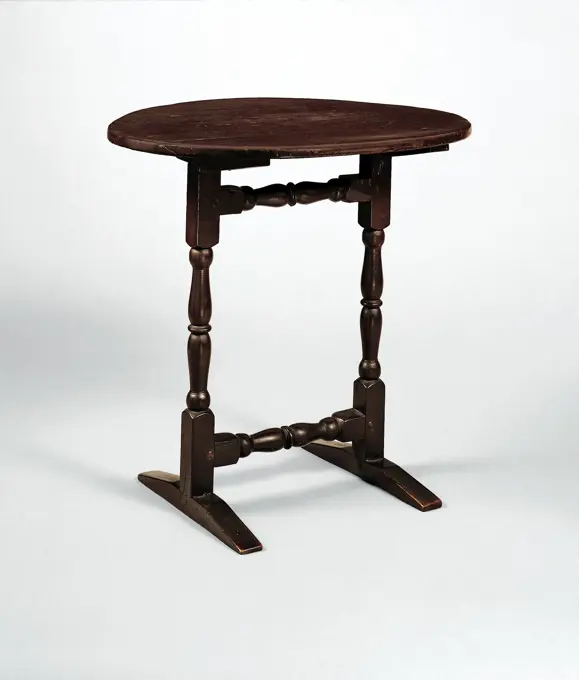
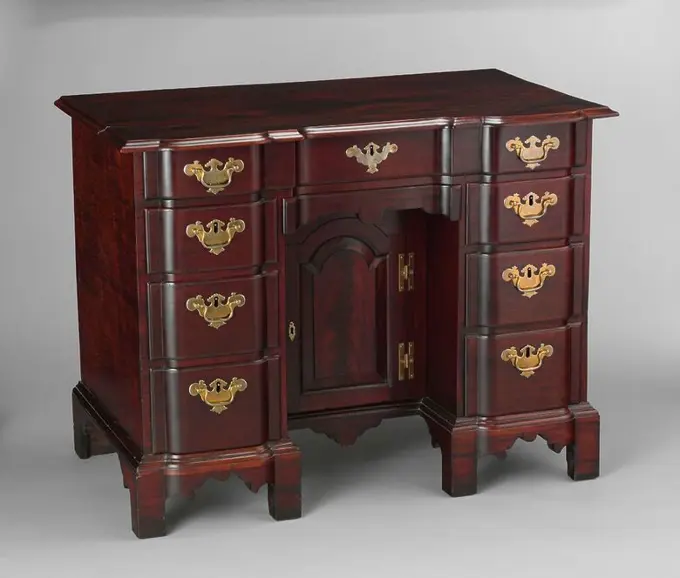
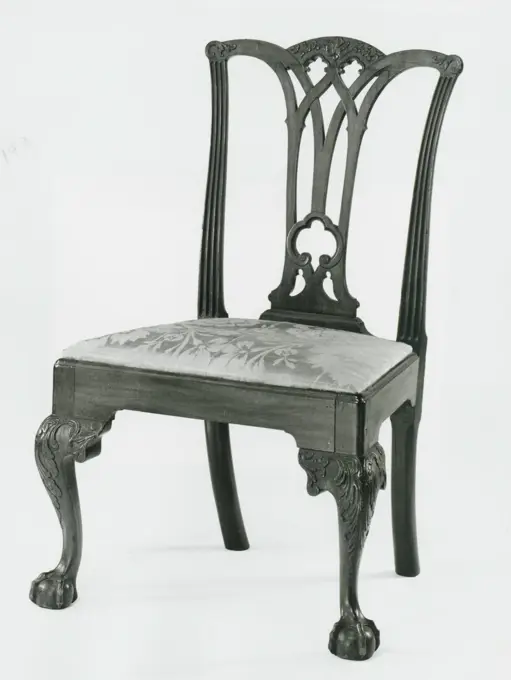
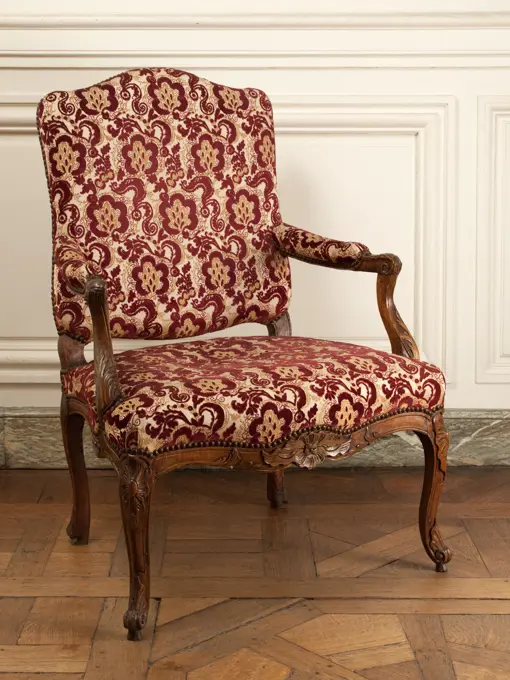
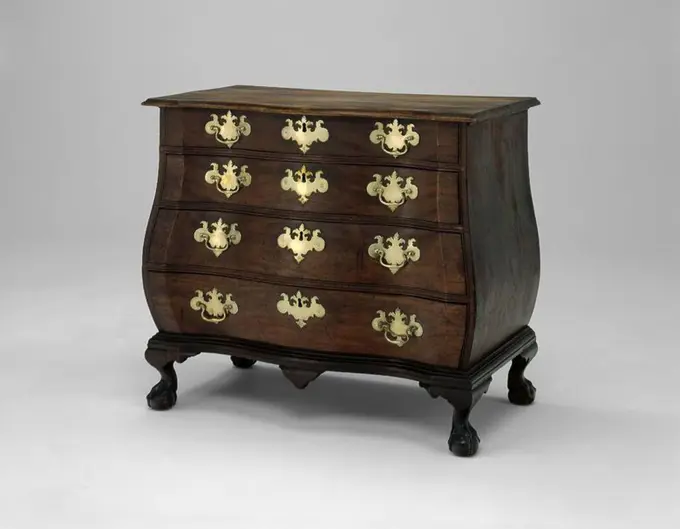
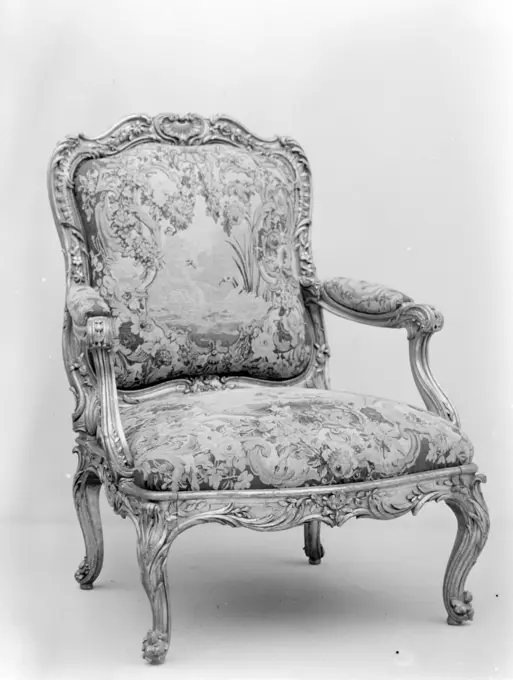
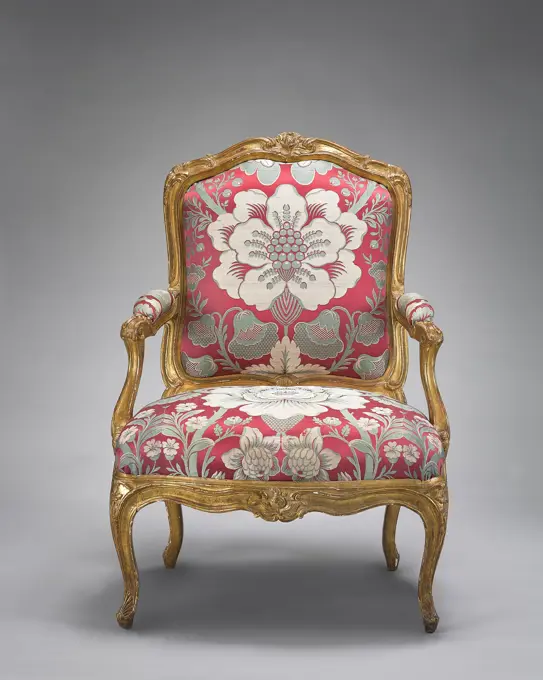
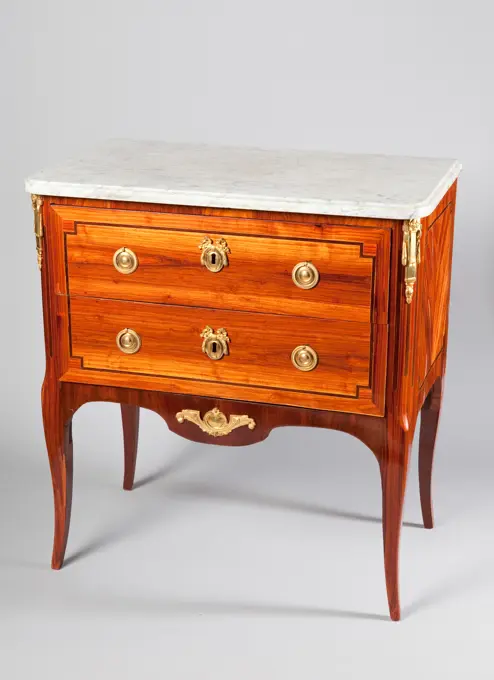
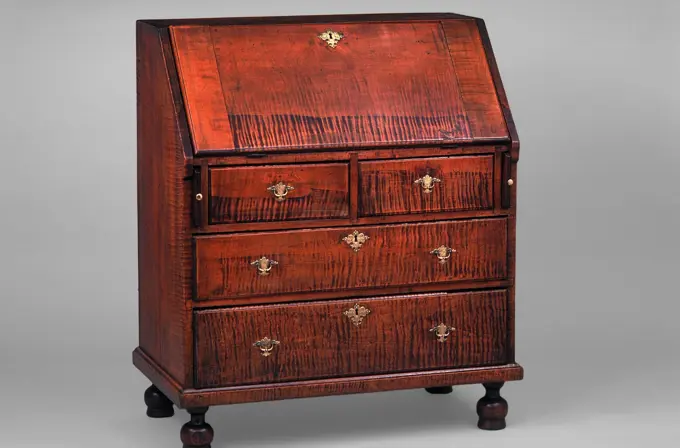
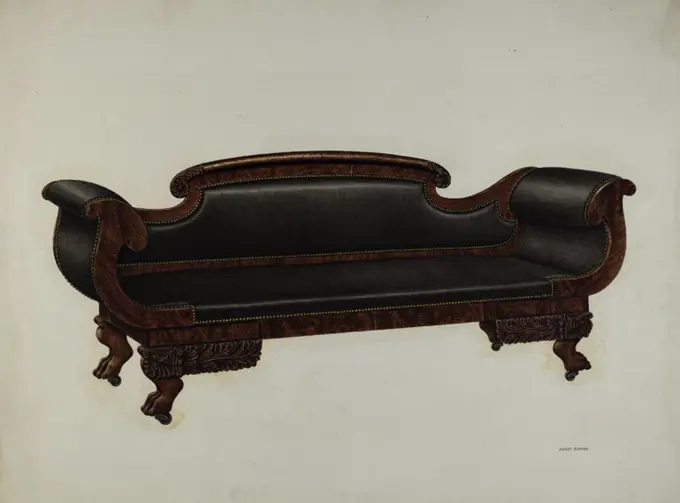
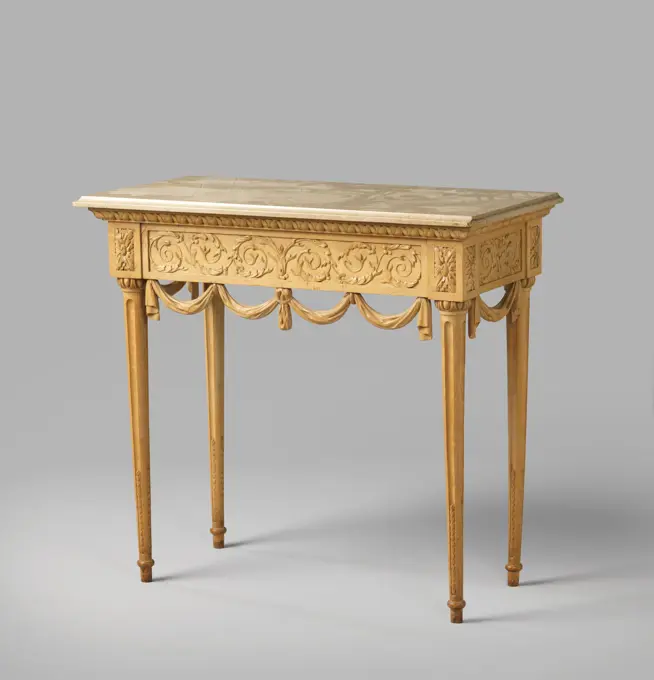
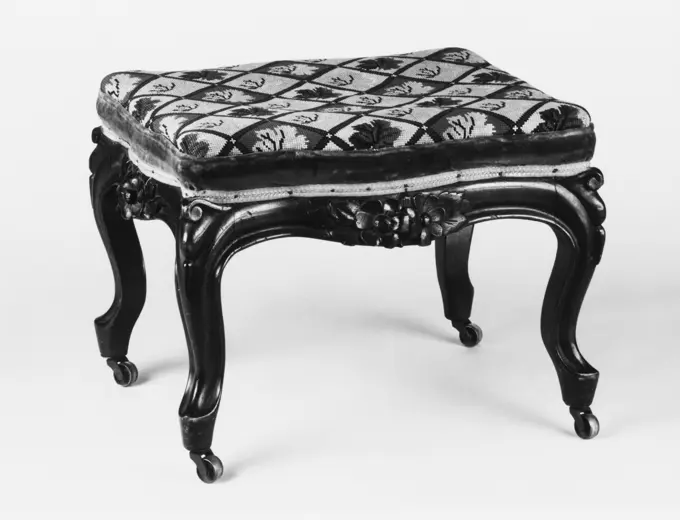
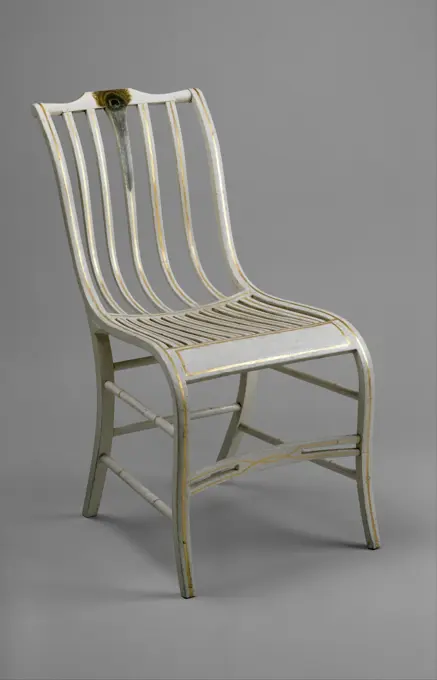
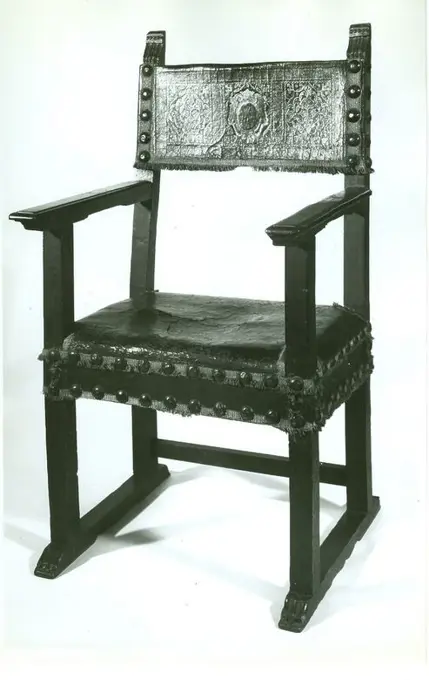
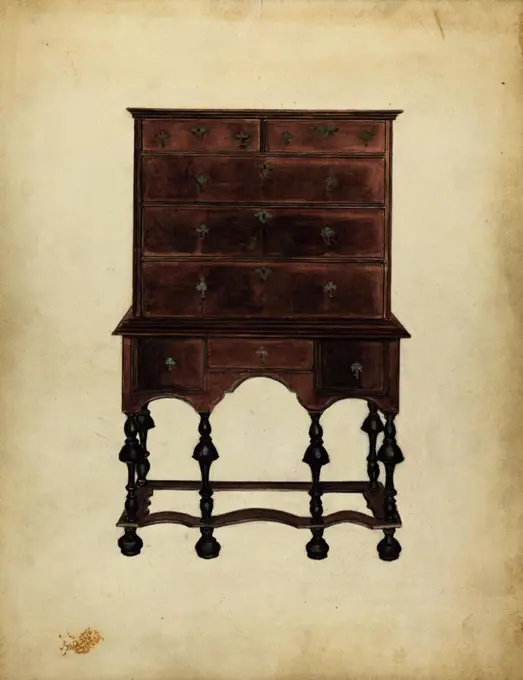
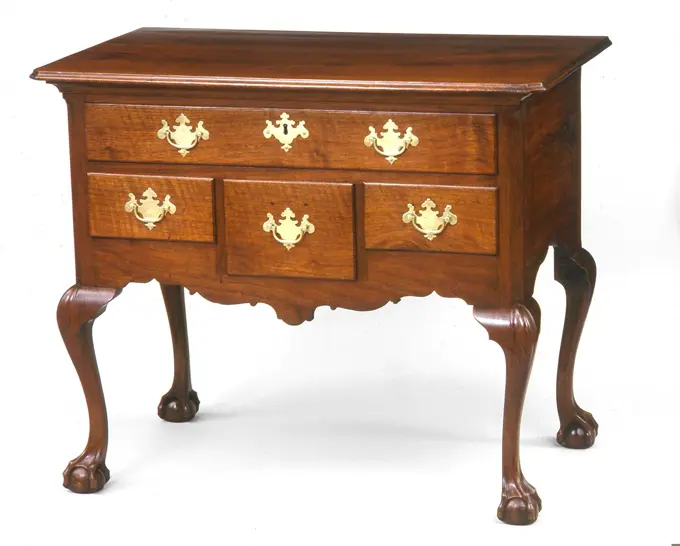
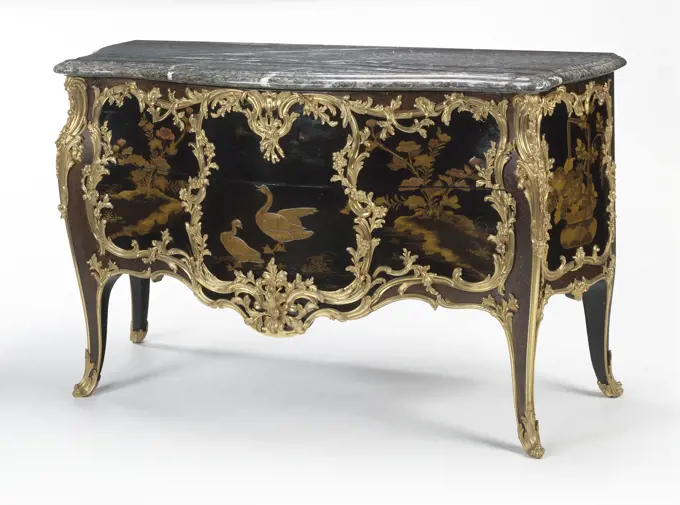
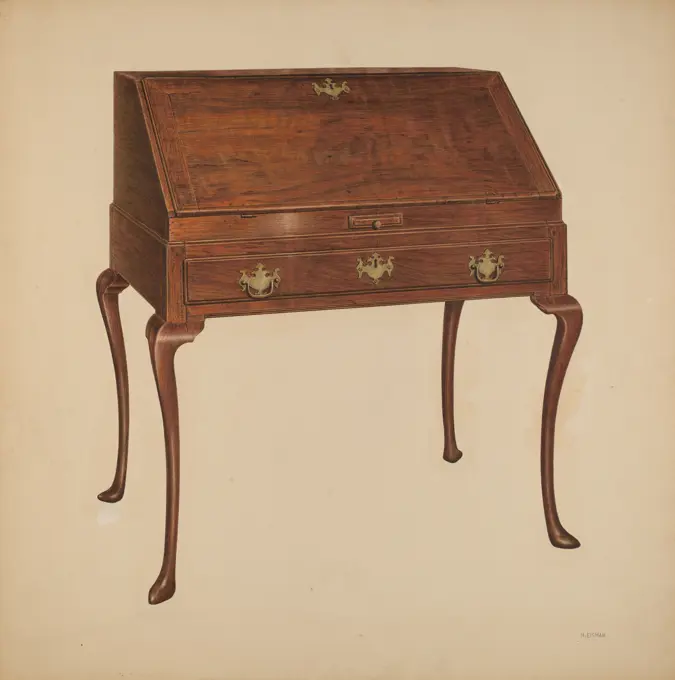
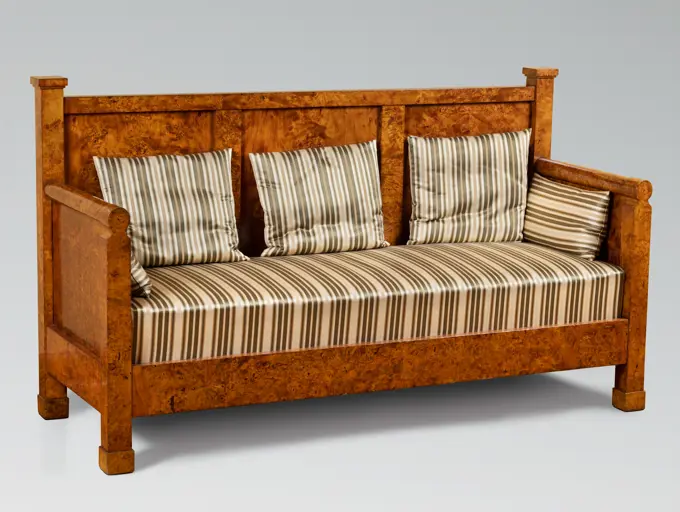
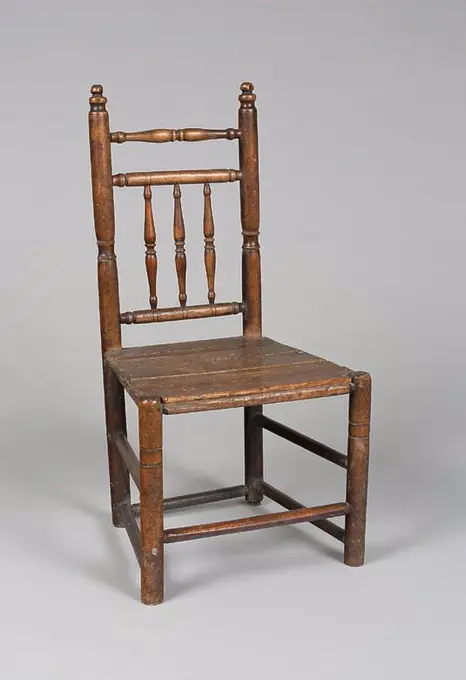
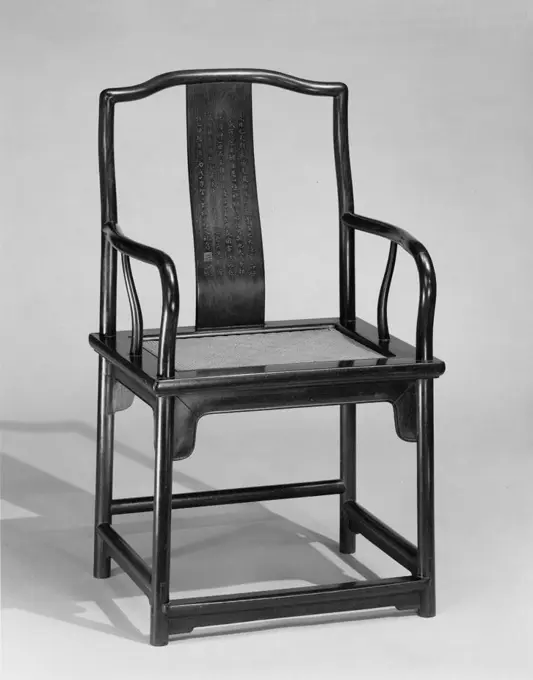
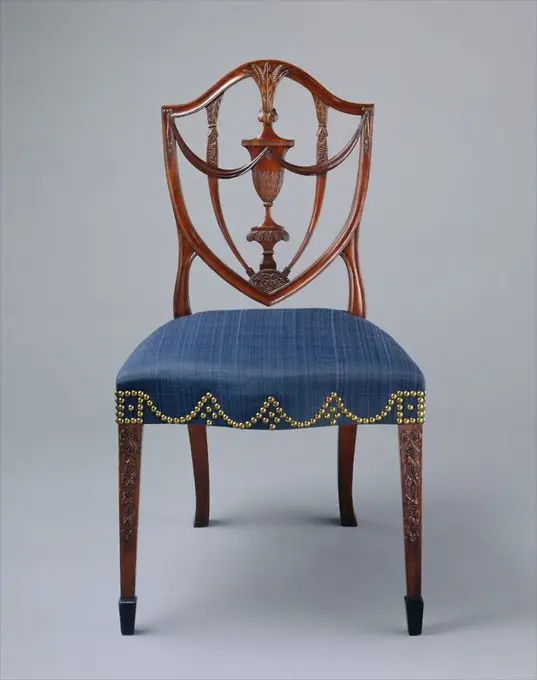
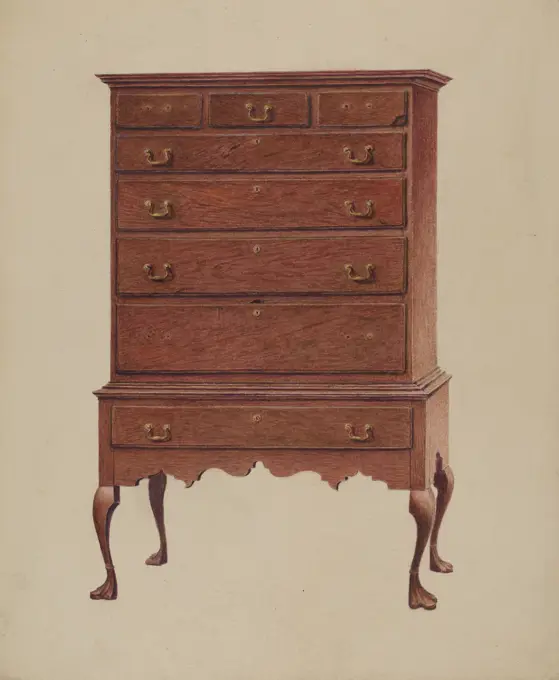
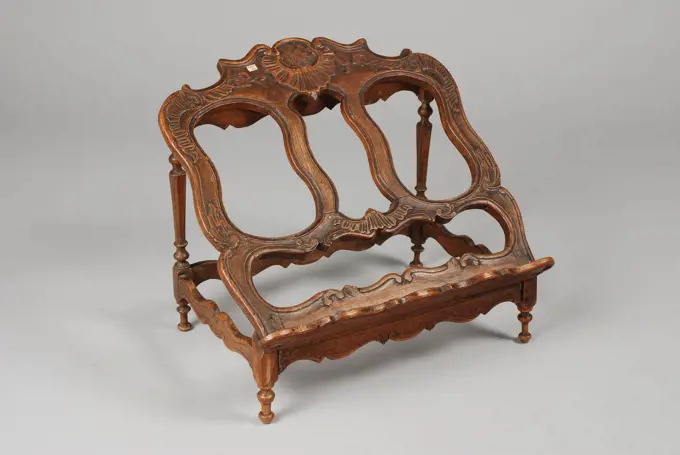
Armchair. unknown, contractor. Oeben, originally from Germany, specialized in furniture with complicated mechanical parts. When the surface of this desk is pushed back, the inner compartment with a writing panel slides forward. Oeben was also renowned for his delicate floral marquetry.Chair with swans. Chair from a set of ten seats and four armchairs from partially solid and partly glued mahogany on moors wood core. Loose coated seats. The square hind legs deviate backwards. Nine chairs and an armchair have square, slightly rounded, front legs; The rest has rounded front legs. The stretched S-shaped backs have a sculpted intermediate rule with a palmet flanked by two degrees, with the biods of doubling swans. The flat filler-shaped armrests run high in the back.Kinderbank, anonymous, 1850 - 1875 Bench of a children's orulement (BK-1967-182), resting on four spherical legs, decorated with turning. Below are four castors. The side rules are only bent and the front and rear rule are double bent. The recurring armrest stars are decorated with volutes; The armrests are largely upholstered. The upholstered backrest consists of two overhoeks placed higher parts, which flank a lower center piece. The sides of all these parts are made up of S and C-Voluten. Northern NetherlandsNetherlands wood (plant material). walnut (hardwood). pine (wood). textile materials Bench of a children's orulement (BK-1967-182), resting on four spherical legs, decorated with turning. Below are four castors. The side rules are only bent and the front and rear rule are double bent. The recurring armrest stars are decorated with volutes; The armrests are largely upholstered. The upholstered backrest consists of two overhoeks placed higher parts, which flank a lower center piecArmchair with a dark back panel. Armchair made of oak resting on four legs. The front and hind legs are interconnected by means of intermediate rules. The front legs rest on a narrower feet of dark colored wood and walk through in the arm struts. The hind legs run through in the back styles. From the middle of the back styles, armrests walk off that broaden and rest on the arm struts. The backrest consists of a wide upper shell with rounded corners with a back panel below that has been ventured in the middle with a dark colored type of wood. The seat is covered with a light green, salmon and white leather upholstery.Armchair. United States, probably New York City, circa 1840-1850. Furnishings; Furniture. WalnutSide Chair 1805-15 Workshop of Duncan Phyfe Scottish. Side Chair 1682Commode. German-born Matthijs Horrix was the leading cabinet-maker in The Hague and the preferred purveyor of furniture to the stadtholders court. He specialized in furniture with marquetry decoration in the French style, and even named his shop in The Hague In de commode van Parijs (In the commode of Paris).Side Chair 1740-60 American. Side Chair 1580Side Chair. Culture: American. Dimensions: 35 x 19 1/2 x 20 in. (88.9 x 49.5 x 50.8 cm). Maker: Attributed to Joseph Meeks & Sons (American, New York, 1829-35). Date: 1859. Museum: Metropolitan Museum of Art, New York, USA.Ruth Bialostosky, Rectangular Table, c 1939 Rectangular TableMahoniehout arm chair, covered with Trijp, Theo Nieuwenhuis, c. 1910  Amsterdam mahogany (wood). ebony (wood). beech (wood). wool  Amsterdam mahogany (wood). ebony (wood). beech (wood). woolGate Leg Table. American; Boston, Massachusetts. Date: 1710-1730. Dimensions: 73.3 × 143.5 × 135.3 cm (28 7/8 × 56 1/2 × 53 1/4 in.) (open). Walnut and pine. Origin: Boston. Museum: The Chicago Art Institute, Chicago, USA.George II Black and Gilt-Japanned Open Armchair, Originally Part of the Famous Suite of Japanese Furniture  Antiques-FurnitureChristie's, London Archair at the Queen. Beech, around 1760. Paris, Carnavalet museum. Decorative vocabulary is limited to the simplest moldings and scrolls. The evening filling has a decor of Grège flowers on a raspberry background. Armchair at the Queen, Hetre, furnitureJoint stool 1650-1700 British Because joint stools were subject to hard useage, relatively few have survived. Most--like this example-were imported from Europe. Makers left their individual imprint through distinctive patterning on the legs.. Joint stool 4552Leonard Battee, Chair, c 1937 ChairChair;  beginning of the 19th century (1800-00-00-1810-00-00);Four Armchairs and One Settee; Jacques-Jean-Baptiste Tilliard (French, 1723 - 1798 (master 1752)); Paris, France; about 1770 - 1775; Carved and gilded walnut. Modern silk velvet upholstery;Armchair. Dated: c. 1936. Dimensions: overall: 29.8 x 22.7 cm (11 3/4 x 8 15/16 in.) Original IAD Object: 49 1/2"high, 21 1/4"wide at front. 17 1/4"at back, 19" deep. Seat 15"high.. Medium: watercolor, graphite, and some heightening on paper. Museum: National Gallery of Art, Washington DC. Author: American 20th Century.Orange armchair in style baroqueTracing table with double y-shaped cross and legs that end in bulbs., Anonymous, c. 1600 - c. 1699 Training table made of oak with a double y-shaped cross and legs with vase-shaped sections. The lower houses and the rules are delayed in a horizontal direction; The upper in vertical direction, they correspond with a vertically placed from the panel in the middle of the front and rear rule. A sawn -out corrugated edge runs along the bottom of the rules. The legs rest on bulbs. Northern NetherlandsNetherlands wood (plant material). oak (wood) Training table made of oak with a double y-shaped cross and legs with vase-shaped sections. The lower houses and the rules are delayed in a horizontal direction; The upper in vertical direction, they correspond with a vertically placed from the panel in the middle of the front and rear rule. A sawn -out corrugated edge runs along the bottom of the rules. The legs rest on bulbs. Northern NetherlandsNetherlands wood (plant material). oak (wood)Pine wood cradle, couch sofa seat furniture furniture interior design wood pine wood oak, Partially marbled with biblical representations on the front baluster legs and bows in the lines on the front 1759 bible religion Hindeloopenhome wooden chair isolated on whiteHighboy. Dated: c. 1938. Dimensions: overall: 52.4 x 36.7 cm (20 5/8 x 14 7/16 in.) Original IAD Object: none given. Medium: watercolor, colored pencil, graphite and heightening on paperboard. Museum: National Gallery of Art, Washington DC. Author: Ferdinand Cartier.Pier Table c 1790-1810 Baltimore. Mahogany, yellow poplar, white oak, yellow pine, and marble . Artist unknownArmchair. Culture: American. Dimensions: 47 x 26 x 24 in. (119.4 x 66 x 61 cm). Date: 1710-50. Museum: Metropolitan Museum of Art, New York, USA.Gaming Table, c. 1735. Germany, Mainz, 18th century. Wood and ivory marquetry; overall: 78.7 x 94 x 54.6 cm (31 x 37 x 21 1/2 in.); part 1: 92.1 x 54 x 2.6 cm (36 1/4 x 21 1/4 x 1 in.).Side Chair 1805-15 Attributed to the Workshop of Duncan Phyfe Scottish. Side Chair 1784Chair, One of a Pair, 17th century, 41 1/4 x 24 x 18in. (104.8 x 61 x 45.7cm), lacquered wood, China, 17th centuryWriting Cabinet with imitation Eastern Lakwerk, Anonymous, 1700 - 1725 Writing cabinet with imitation Eastern paintwork in gold on colored stock and gilding. The S-shaped legs with decorated swelling and boxers run through the scalloped line with flower and leaf work; The rule above shows a rosette between two fields with window decoration. Decorations made of plaster. The cabinet has a pull -out leaf at the bottom, above which a battery -shaped drawer, schuingesteld writing sheet and a door with paintwork, batter and arched top under red roof. Great Britain wood (plant material). beech (wood). spruce (wood). gilding (material). gypsum. copper (metal). velvet (fabric weave). lacquering / gilding Writing cabinet with imitation Eastern paintwork in gold on colored stock and gilding. The S-shaped legs with decorated swelling and boxers run through the scalloped line with flower and leaf work; The rule above shows a rosette between two fields with window decoration. Decorations made of plaFolding chair from beech wood. Folding chair from beech wood, with five slats in the back and nine in the seat. The upper solid of the back shows a simple notch cut decoration with a cut-out styled lily in the middle. See also: BK-15387 and BK-15388.Armchair 1880-1890 England. Satinwood and brass, with original printed cotton upholstery . Arthur Heygate Mackmurdo (Designer)Chest, c. 1680-1700, 24 x 50 1/2 in. (60.96 x 128.27 cm), Oak, pine, United States, 17th-18th centuryArmchair. Armchair from walnut, partially plated. The front legs end as a struts, which are decorated at the top of leaf consoles, and supports the armrests, ending in volutes. The most outward prosposal, preside and back sports are decorated with, among other things, browse motifs, rosettes and volutes. The back styles, awarded with leaf motifs, tilting backwards. The upper sport of the back carries a coat of arms with flowers, bullets and a star. The legs are square. See also BK-16646-A, B and D.Chair, belonging to an eleven -piece amblement, anonymous, c. 1750 Chair, made of walnut, belonging to an eleven -piece ameblement, consisting of a bank and ten chairs. The seat of neighboring duration with leaf and floral motifs in silk on linen grid, with a soft filling. Amsterdam (possibly) Walnut (Hardwood). Seat: Silk. seat: Chair, made of walnut, belonging to an eleven -piece ameblement, consisting of a bank and ten chairs. The seat of neighboring duration with leaf and floral motifs in silk on linen grid, with a soft filling. Amsterdam (possibly) Walnut (Hardwood). Seat: Silk. seat:Gilt straight rococo armchair with armrest, armchair armchair chair seating furniture interior furniture wood beechwood goldpainted silk, With pink silk damask upholstered on the hood and the front seat line carving flowers wide seat rococoGame table. unknown, authorDesk, by Naples workmanship, 18th Century, wood veneered and painted. Italy, Campania, Naples, San Martino Museum. Whole artwork. Writing table desk drawers piece of furniture furniture fittings design wood decoration.Side chair. Culture: French. Dimensions: 32-1/2 x 19 x 18 in. (82.5 x 48.3 x 45.7 cm). Date: first half 17th century. Museum: Metropolitan Museum of Art, New York, USA.Plate, Anonymous, 1750 - 1775 Table decorated with marquetery of pink, rosewood and olijvehout and other types of wood, ivory and gilded bronze. The round table rests on three S-shaped legs, at the bottom with rocaille fittings, which turn into styles and divide the rules into three fields. The front field forms a door and shows a sitting woman with sheep; The two other fields show landscapes with trees and houses, with windows of mother -of -pearl. The leaf, with a gilded bronze edge with gallery, is decorated with ruins. France wood (plant material). rosewood (wood). rosewood (wood). olive (wood). pine (wood). ivory. mother of pearl. bronze (metal) gilding Table decorated with marquetery of pink, rosewood and olijvehout and other types of wood, ivory and gilded bronze. The round table rests on three S-shaped legs, at the bottom with rocaille fittings, which turn into styles and divide the rules into three fields. The front field forms a door and shows a sitting woman with sheep; The Trestle Table 1700-1725 American. Trestle Table. American. 1700-1725. Maple, pine. Made in New England, United StatesArmchair (one of a set of six) 1769-71 John Mayhew British This is one of six armchairs supplied by Mayhew and Ince described in their 1769 invoice as "large Antique Elbow Chairs with oval backs carv'd with Double husks and ribbon knot on top.". Armchair (one of a set of six). British and French. 1769-71. Gilded fruitwood; wool and silk (22-24 warps per inch, 9-10 per centimeter)BOUCAULT, Jean (1705-1786-01-22, Reine armchair (username), 1765. Sculpted beech, redoority; garnish: tapestry of Aubusson. Musée Carnavalet, Histoire de Paris. The last fifteen years of the reign of Louis XV are the scene of a renewal of forms and decorative vocabulary. Abandoning the rocky style, some carpenters offer seats of a new style, known as "transition". Thus, this pair of queen's armchairs retains a structure characteristic of the Louis XV style with its flat backrest and its circular seat. However, the lowered hanger file is raidi. It extends to the seat with a slight drop in its lower part. Although it comes back, supporters and consoles stiffen. The upper line of the belt abandons the curve for strict rigidity, while the movement of the lower line stretches to form two lowered arcs which meet in the center in two fine scrolls framing a mirror. If the feet keep a curved structure, the fluted facade flourishes in two small voltues flattened at the upper part to support a sqBureau Table. Culture: American. Dimensions: 30 x 38 7/8 x 22 5/8 in. (76.2 x 98.7 x 57.5 cm). Date: 1750-90.The block-front form was widely popular in Massachusetts, and many pieces have a history of ownership in Boston. Those similar to this example--with horizontal proportions, Rococo brasses, and flat blocking--can be dated somewhat later than others. The pattern of the detailing on this table, a central semicircle flanked by ogee curves, was one of the most common. Museum: Metropolitan Museum of Art, New York, USA.Armstoel, anonymous, 1500 - 1600 Arm chair of nuthout, partially gilded. The front legs end as struts, which are decorated at the top with leaf consoles, and who support the armrests, ending in volutes. The sawn -out presence, prefigure and back sports are decorated with, among other things, stabbed leaf motifs, rosettes and volutes. The backstyles, crowned with leaf motifs, Hellen backwards. The upper sport of the back wears a coat of arms with flowers, bullets and a star. The legs are square. See also BK-16646-A, C and D. Italy wood (plant material). walnut (hardwood). gilding (material) gilding Arm chair of nuthout, partially gilded. The front legs end as struts, which are decorated at the top with leaf consoles, and who support the armrests, ending in volutes. The sawn -out presence, prefigure and back sports are decorated with, among other things, stabbed leaf motifs, rosettes and volutes. The backstyles, crowned with leaf motifs, Hellen backwards. The upper sport of the back wearArm chair, covered with batikt parchment, Carel Adolph Lion Cachet, 1902 Arm chair of oak and ebony, covered with batikt parchment. Amsterdam oak (wood). ebony (wood). parchment (animal material). brass (alloy)   Turin Arm chair of oak and ebony, covered with batikt parchment. Amsterdam oak (wood). ebony (wood). parchment (animal material). brass (alloy)   TurinSideChairQueen's armchair ". Sculpted walnut, modern garnish. 1700-1730. Paris, Carnavalet museum. 74226-8 Armchair, modern garnish, marquetry, furniture, drowning sculpter, 18th century, furnitureChest of Drawers. Attributed to John Cogswell; American, 1738-1819; Boston, Massachusetts. Date: 1760-1790. Dimensions: 79.7 × 91.8 × 50.8 cm (31 3/8 × 36 1/8 × 20 in.). Mahogany with white pine. Origin: Boston. Museum: The Chicago Art Institute, Chicago, USA.Armchair (part of a set) ca. 1754-56 Frame by Nicolas-Quinibert Foliot The Danish statesman of German origin Baron Johann Hartwig Ernst Bernstorff (1712-1772) remarked about King Frederick V of Denmark (1723-1766) that he "loved France with a passion."¹ The same could be said of Bernstorff, who was a true Francophile and was credited with speaking the language better than many French people.² During his tenure as Danish ambassador at the court of Versailles, from 1744 until 1751, Bernstorff developed a marked preference for the arts of France and lived in a beautifully furnished hôtel in the rue Bourbon in Paris.³ In 1752, not long after he was recalled to Copenhagen to assume the post of minister of foreign affairs, Bernstorff began building a grand town house in a new part of the city named Frederiksstaden, after the king. Although the exterior of the house, designed by Johann Gottfried Rosenberg (ca. 1709-1776), betrays German influence, the interior decoration was according to the Anonymous, shepherdess in confessional (main title). Wood, Bordeaux velvet. Petit Palais, Museum of Fine Arts of the City of Paris.Armchair. American; Coastal Connecticut or Long Island, New York. Date: 1680-1710. Dimensions: 160 × 54.6 × 40 cm (41 3/4 × 21 1/2 × 15 3/4 in.). Ash. Origin: Connecticut. Museum: The Chicago Art Institute, Chicago, USA.Anonymous, chassis chair (common name), 1760. carved and golden beech; Garnish: lampas. Carnavalet museum, history of Paris. This chair takes up the characteristics of the Louis XV seat to its peak, but it could be a later copy. The slightly curved backrest is topped with an original pattern, rock -inspired inspiration, and representing a closed grenade nestled in a flower with stem and stylized leaves. The seat, adorned in the center of the belt of a similar pattern, rests on arched feet crowned with a foil. Chassis assembly is a filling technique that allows you to change the fillings according to the seasons. However, the particular typology of this chair forced the sculptor to keep the base of the relatively released support consoles in order to allow the mobility of the seat. He therefore adorned the assistant consoles and the lateral crosspieces of independent patterns a radiant sheet on the console and a cheek of acanthus on the belt.DrawerDeskErnest Busenbark, Secretary, c 1938 SecretaryCardTable.  Maker: John Dunlap II, American, 1784-1869Sofa. Dated: c. 1940. Dimensions: overall: 45 x 57.9 cm (17 11/16 x 22 13/16 in.) Original IAD Object: 88"long; 34"greatest height; 24"greatest depth.. Medium: watercolor, colored pencil, and graphite on paperboard. Museum: National Gallery of Art, Washington DC. Author: Harry Eisman.Secretary with marqueterievering: on the doors vases with flowers and bouquets on the side panels. Gray Marble leaf, Anonymous, 1770 Secretary glued with multiple types of wood on an oak core. The beveled corner styles show a diamond pattern, in the middle and top with flour; On the two doors of the base cabinet vases with flowers and bouquets on the side panels. A meander band runs along the top. The writing sheet shows a round decorative edge, hung on a bow, with flowers all around and in the middle. All fields are pissed off with a band with braid tire on the corners. Scalloped sill; Gray marble leaf. Northern Netherlands wood (plant material). oak (wood). boxwood. maple (wood). purpleheart (wood). ebony (wood). marble (rock) Secretary glued with multiple types of wood on an oak core. The beveled corner styles show a diamond pattern, in the middle and top with flour; On the two doors of the base cabinet vases with flowers and bouquets on the side panels. A meander band runs along thBoard chair. unknown, authorBureau with sloping valve bombarded drawer block., Anonymous, 1750 Bureau Lijmd with walnut on oak core on angular sawn legs. The bombarded part contains two large drawers and at the top two small, adjacent drawers, all surrounded by semicircular frames and provided with so -called "English batter". Above, left and right at the front, two copper buttons are visible. At the top is the spot valley, with an ombieged midfield and a "English" key plate. The drawers and the door behind the valve are inlaid with piping. Northern Netherlands wood (plant material). oak (wood). walnut (hardwood). copper (metal) Bureau Lijmd with walnut on oak core on angular sawn legs. The bombarded part contains two large drawers and at the top two small, adjacent drawers, all surrounded by semicircular frames and provided with so -called "English batter". Above, left and right at the front, two copper buttons are visible. At the top is the spot valley, with an ombieged midfield and a "English" key plate. The dArmchair late 16th century Italian, Florence. Armchair 197332Buffet (France); Designed by Louis Majorelle (French, 1859 - 1926); carved and veneered walnut , marble, wrought iron, stained glassPenant table with scanning legs and acanthus and draperieversingen along the rules, anonymous, c. 1775 - c. 1800 Penant table made of oak with renewed marble leaf. The conical legs are decorated from below with leaf work. The houses above the legs have a rosette. The front and side rules have symmetrical acanthus leaf vines and a stabbed drapery at the bottom. The table was originally painted blue and white. Northern NetherlandsNetherlands wood (plant material). oak (wood). marble (rock) Penant table made of oak with renewed marble leaf. The conical legs are decorated from below with leaf work. The houses above the legs have a rosette. The front and side rules have symmetrical acanthus leaf vines and a stabbed drapery at the bottom. The table was originally painted blue and white. Northern NetherlandsNetherlands wood (plant material). oak (wood). marble (rock)Cupboard whose two doors are glued with a turtle field and styles in the form of Tuscan columns. Cushion -shaped attachment with valve cover. Cut decorations such as cartouches with lobe ornament, anonymous, 1650 - 1700 Cabinet leaked with brown heart and ebbs on cedar core. The furniture rests on Tuscan columns, connected by a cross. The styles are formed by Tuscan columns. Both doors show ebben cornissingen with a turtle -glued field in the middle. Cartouches with lobe ornament have been applied to Frisian. The cushion -shaped attachment serves as storage space and is closed by a valve cover. As a rule, there are two drawers with copper tractors. The cupboard rests on bolpoten. Southern Netherlands (possibly) wood (plant material). ebony (wood). kingwood (wood). cedar (wood). copper (metal) Cabinet leaked with brown heart and ebbs on cedar core. The furniture rests on Tuscan columns, connected by a cross. The styles are formed by Tuscan columns. Both doors show ebben cornissingen witFootstool 1845-55 John A. Ellis and Company. Footstool. American. 1845-55. Mahogany. Made in East Cambridge, Massachusetts, United StatesCabinetSide Chair ca. 1810 Samuel Gragg. Side Chair 1671Livery cupboard ca. 1585 British Such short ("court") pieces of furniture were made to display the wealth of their owners in the form of silver vessels ("cups"), visible store on each of the three tiers ("boards").. Livery cupboard. British. ca. 1585. Oak and walnut, inlaid with sycamore and holly. Woodwork-FurnitureTable with intermediate leaf, Karel Petrus Cornelis de Bazel, c. 1894 - c. 1900 Table of oak resting on four sluing stated legs. Halfway between the legs there is a square table top. At the top, the legs are interconnected by curved rules in which there are four drawers. The drawers have a pearl edge along the edges and have a cut button in the middle with ebony. The round table top with a profiled edge rests on it. Amsterdam oak (wood). ebony (wood) Table of oak resting on four sluing stated legs. Halfway between the legs there is a square table top. At the top, the legs are interconnected by curved rules in which there are four drawers. The drawers have a pearl edge along the edges and have a cut button in the middle with ebony. The round table top with a profiled edge rests on it. Amsterdam oak (wood). ebony (wood)Furniture set: four chairsWriting table. unknown, creatorDressing Table. American; Philadelphia, Pennsylvania. Date: 1830-1840. Dimensions: 213.4 x 90.1 x 50.8 cm (84 x 35 1/2 x 20 in.). Mahogany, maple, and walnut. Origin: Philadelphia. Museum: The Chicago Art Institute, Chicago, USA.Armchair (segglione). Culture: Italian. Dimensions: H. 113 cm, W. 62.2 cm, D. 61 cm. Date: 16th or 17th century (leather); late 16th or early 17th century and later parts (woodwork). Museum: Metropolitan Museum of Art, New York, USA.Office Swivel Chair. Dated: c. 1936. Dimensions: overall: 35.4 x 19.2 cm (13 15/16 x 7 9/16 in.) Original IAD Object: 20"high; 19"wide. See data sheet for dets.. Medium: watercolor, colored pencil, gouache, graphite, andpen and ink on paper. Museum: National Gallery of Art, Washington DC. Author: George Kirschner.Chest of Drawers. Dated: c. 1939. Dimensions: overall: 29.9 x 23.4 cm (11 3/4 x 9 3/16 in.). Medium: watercolor, pen and ink, and graphite on paperboard. Museum: National Gallery of Art, Washington DC. Author: Harry Eisman.Jewel coffer on stand (petit coffre à bijoux). Culture: French, Paris and Sèvres. Decorator: Eight plaques decorated by Jean-Jacques Pierre the Younger (French, active 1763-1800); One plaque decorated by Michel-Gabriel Commelin (French, 1746-1802). Dimensions: 37 1/2 x 21 3/4 x 14 1/2 in. (95.3 x 55.2 x 36.8cm). Factory: Porcelain plaques by Sèvres Manufactory (French, 1740-present). Maker: Coffer attributed to Martin Carlin (French, near Freiburg im Breisgau ca. 1730-1785 Paris). Date: ca. 1770.In 1770, the year the Austrian archduchess Marie-Antoinette (1755 - 1793) married Louis-Auguste, the dauphin of France, she received among her wedding presents a jewel coffer on stand mounted with porcelain plaques. That piece (Château de Versailles) appears to have been the prototype for the eight other examples of this model known today, three of which are in the Museum's collection. (footnote 1) Made by or attributed to Martin Carlin, these coffers were marketed by Simon-Philippe Poirier, whDressingtableSideboard with two doors on which medallions with a sliced fruit basket surrounded with black piping, anonymous, c. 1900 - c. 1925 Sideboard made of fruit wood. The hexagonal sideboard has beveled corners at the front and rests on six high legs. The twisted legs, with a brass cover at the bottom, broaden upwards and have a black painted band at the top. Five sides, except the rear, consist of a framework with a panel surrounded by a black painted piping. The front contains two doors with a wide drawer above which the edges are trimmed with a black painted piping. In the middle of the doors there is a medallion within which a sliced fruit basket. There is a black painted piping around it in a diamond shape. The drawer contains a brass ring as a handle. On the top of the dresser a gray -veined marble leaf is laid in.  fruitwood. oak (wood). brass (alloy). marble (rock) Sideboard made of fruit wood. The hexagonal sideboard has beveled corners at the front and rests on six high legs. The tvintage bench and mirror on white backgroundCommode; Attributed to Joseph Baumhauer (French, died 1772); Paris, France; about 1750; Oak veneered with ebony; set with panels of Japanese lacquer on Japanese arborvitae, painted with vernis Martin; gilt-bronze mounts; campan mélangé vert marble top; 88.3 x 146.1 x 62.6 cm (34 3,4 x 57 1,2 x 24 5,8 in.)Wall table, Anonymous, c. 1655 - c. 1675 furniture. table Table of nuthout with four overhoeks placed S-shaped legs, ending in Voluten. The legs and rules are decorated with cutting work from Acanthus leaf, palm branch, festons and lobe ornaments. The front rule shows, among other things, an eagle with spread wings and left to the left. Netherlands wood (plant material). walnut (hardwood). linden. pine (wood)Harry Eisman, Desk, 1940 DeskConsole table. unknown, authorMechanical table. Culture: French. Dimensions: Overall: 27 1/2 × 32 1/4 × 18 3/8 in. (69.9 × 81.9 × 46.7 cm). Maker: Jean-François Oeben (French, born Germany, Heisenberg 1721-1763 Paris); and Roger Vandercruse, called Lacroix (French, 1727-1799). Date: ca. 1761-63.Oeben, born in Heinsberg near Aachen, was known for his naturalistic floral marquetry and for his skills as a mécanicien which are apparent in the elaborate mechanism of this table with its sliding top. He made a number of such sophisticated tables. This particular one, with the unusual pierced openings in the curving legs, was intended for Madame de Pompadour. The main charge of her coat of arms, a tower, appears at the top of the gilt-bronze mount at each corner. The table was left unfinished at the time of Oeben's death in 1761 and completed by his brother-in-law Roger Vandercruse known as Lacroix. Museum: Metropolitan Museum of Art, New York, USA.Sofa. unknown, creatorArm chair with a brown leather upholstery, Hendrik Petrus Berlage, 1902 Arm chair of oak -wood resting on four legs. The front and hind legs are interconnected by means of an H-shaped cross with pen and hole connections, the pens of which stick through the legs. The forgotten front legs continue in the arms. The armrests end up in a flat round shape on the front that looks like a curl through the sliced lines. The slanted billioned backstyles end in bird heads and rest on the cross. The handrail rests on Stutten near the seat and these also serve as hind legs. The handrail is connected both above and below by an intermediate rule. The top line sticks through the backstyles with pen and hole connections and contains a sliced star shape in the middle. There is a panel between the lines that is covered with brown leather and is secured with copper nails. Below is an open space. Both the seat and the armrests are covered with the same brown leather and are secured with copper nails. NetherCabinet;  3. W. 18th century (1750-00-00-1775-00-00);Side Chair. American; New England. Date: 1660-1700. Dimensions: 87 × 45.4 × 37.2 cm (34 1/4 × 17 7/8 × 14 5/8 in.). Maple and birch. Origin: New England. Museum: The Chicago Art Institute, Chicago, USA.Italian 16th Century, Walnut Savonarola Chair with Letters AG, c 1520 1540 Italian 16th Century, Walnut Savonarola Chair with Letters A.G., c. 1520/1540, walnut, Widener Collection 1942.9.382Armchair 17th century China The calligraphy by the two leading talents of Suzhou, Zhu Yunming (1461-1527) and Wen Zhengming (1470-1559), imparts a literary and aesthetic dimension to these functional objects.. Armchair 42743Side Chair. Culture: American. Dimensions: 37 7/8 x 27 7/8 x 18 in. (96.2 x 70.8 x 45.7 cm). Maker: Attributed to Samuel McIntire (1757-1811). Date: 1794-99.This vase-back chair originally was made for the wealthy Salem merchant Elias Hasket Derby. The chair is part of a larger set, two pieces of which are at Bayou Bend (Museum of Fine Arts, Houston), and one in the Karolik Collection (Museum of Fine Arts, Boston). The design of these chairs is an enriched version of plate 2 from George Hepplewhite's "Cabinet-Maker and Upholsterer's Guide" (London, 1788). The carved grape clusters in the lunette at the base of the splat and suspended from bowknots at the top of each leg are a motif traditionally associated with the work of Samuel McIntire, a Salem carver and architect. Museum: Metropolitan Museum of Art, New York, USA.Console Table. Bruno Paul; German, 1874-1968. Date: 1910-1920. Dimensions: 101.6 × 76.2 × 50.8 cm (40 × 30 × 20 in.). Wood. Origin: Germany. Museum: The Chicago Art Institute, USA.Ralph Boyer, Early American highboy, 1935 1942 Early American highboyKussenkast, Anonymous, c. 1650 - c. 1675 Cabinet glued with rosewood wood on oak core, resting on bol feet. On, in the corners of diagonally placed, cushions with pillows are half -columns and detached columns; The capitals with heads and leaf work decorated. The frieze of the main frame is glued at the front with floral motifs and with two birds as a middle part. On the profile above lion masks with cherubs. The cornice has an open worker in the middle. At the bottom of a wide drawer, diverted in two by cropping. Netherlands wood (plant material). oak (wood). rosewood (wood). poten: elm (wood) Cabinet glued with rosewood wood on oak core, resting on bol feet. On, in the corners of diagonally placed, cushions with pillows are half -columns and detached columns; The capitals with heads and leaf work decorated. The frieze of the main frame is glued at the front with floral motifs and with two birds as a middle part. On the profile above lion masks with cherubs. The cornice has an open woRed and gold victorian old antique chair isolated at a white background Red and gold victorian old antique chair isolated at a white background Copyright: xZoonar.com/EllesxRijsdijkx 21425875Desk and Bookcase. American; Boston, Massachusetts. Date: 1740-1750. Dimensions: 238.7 × 104.8 × 61 cm (94 × 41 1/2 × 24 in.). Mahogany, red oak, and white pine. Origin: Boston. Museum: The Chicago Art Institute, Chicago, USA.Three sidechairsAsh wood rococo table top, lectern standard furniture interior design ash wood wood 34,5, Ash wood rococo table stand openwork standard with slanted reading surface and raised edge decorated with carving Erasmus foundation Van Rijckevorsel Parklaan Rotterdam City center New Work Liège rococo Long-term loan Erasmus Foundation