Historical Decorative Chairs

A selection of antique chairs from different centuries, showcasing intricate woodwork and upholstery styles. Each chair reflects the craftsmanship and design trends of its time.
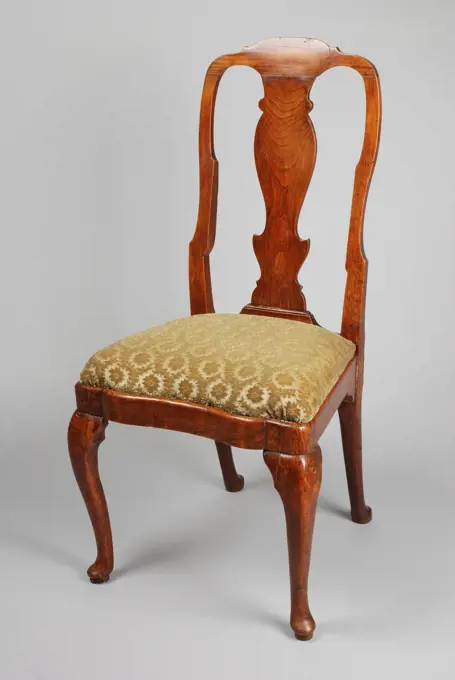
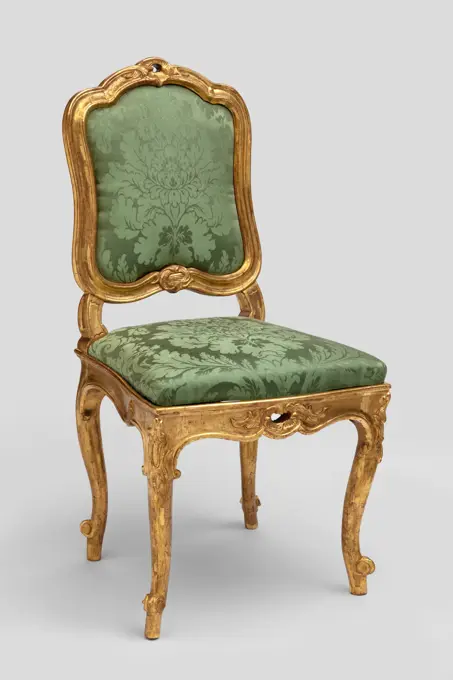
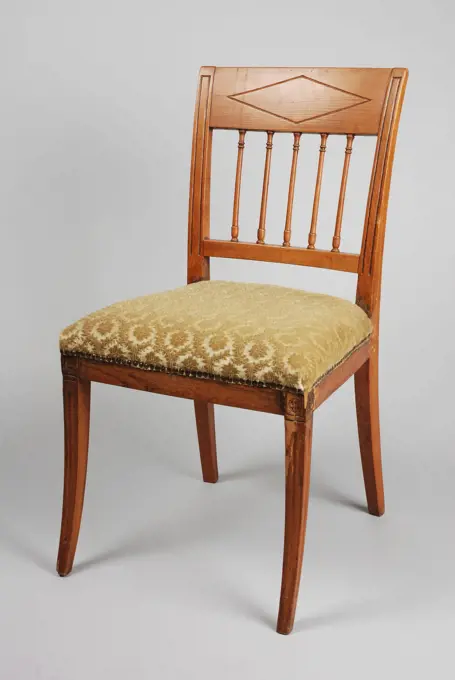
Straight elm wood rococo chair, chair seat furniture furniture interior design wood elm wood velor, Green velor upholstery on seat openwork backrest with symmetrical center panel rococo
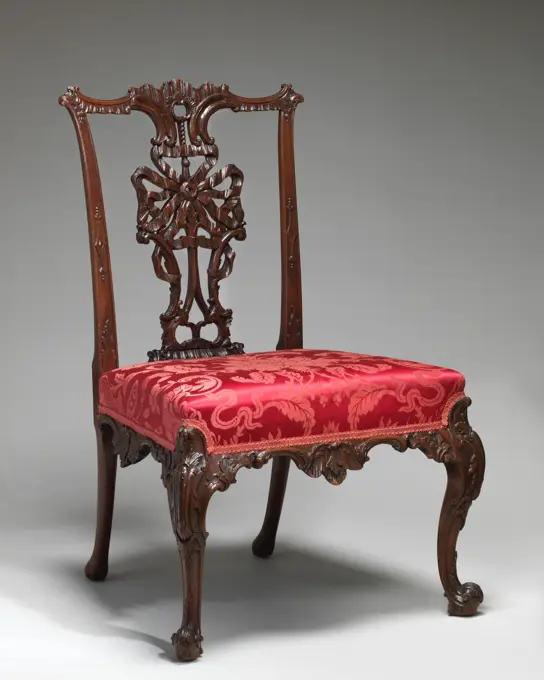
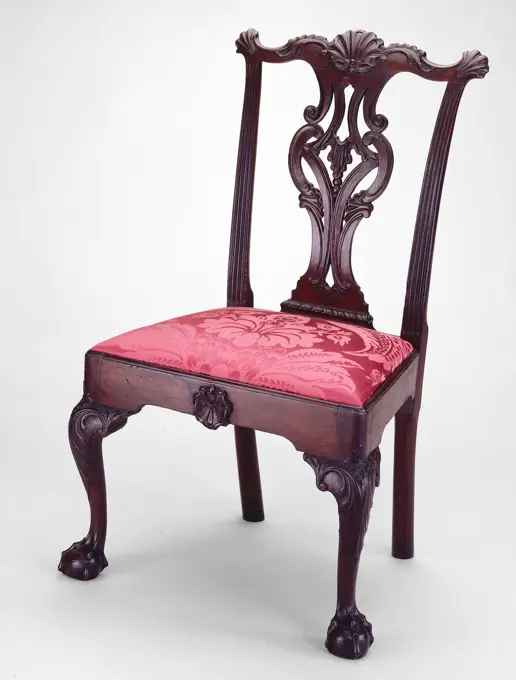
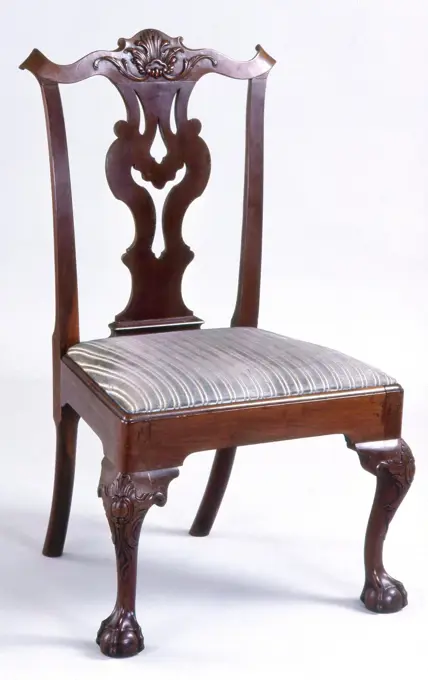
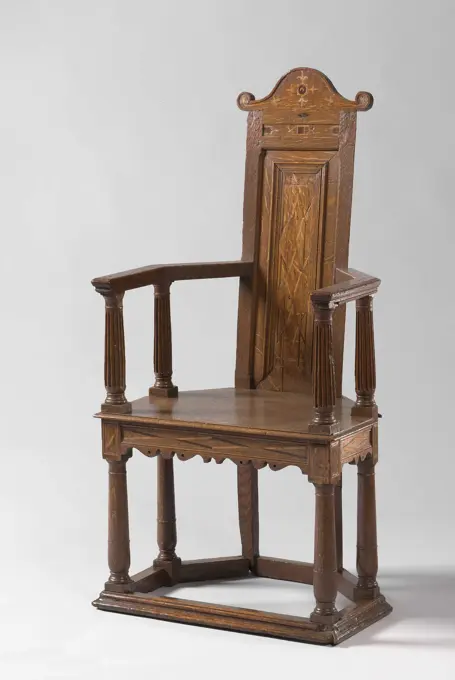
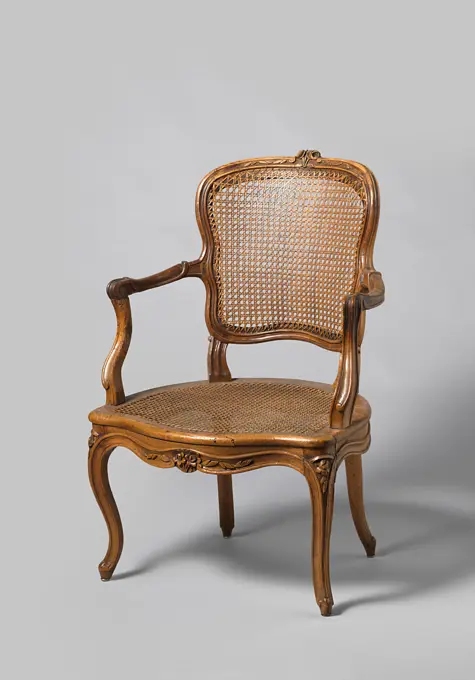
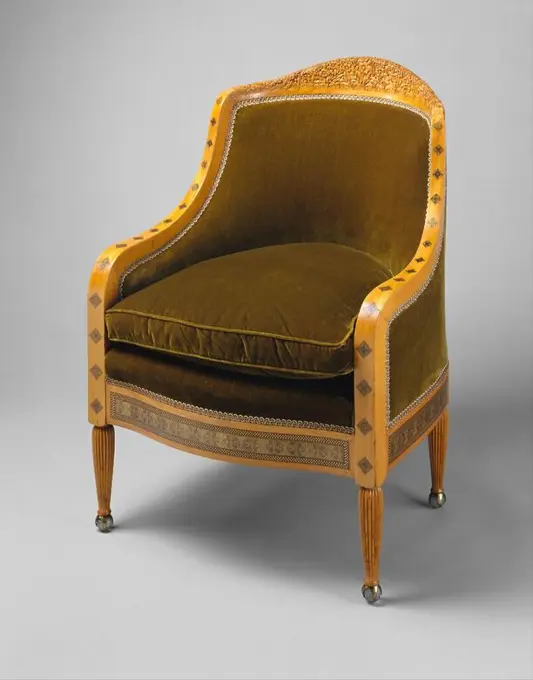
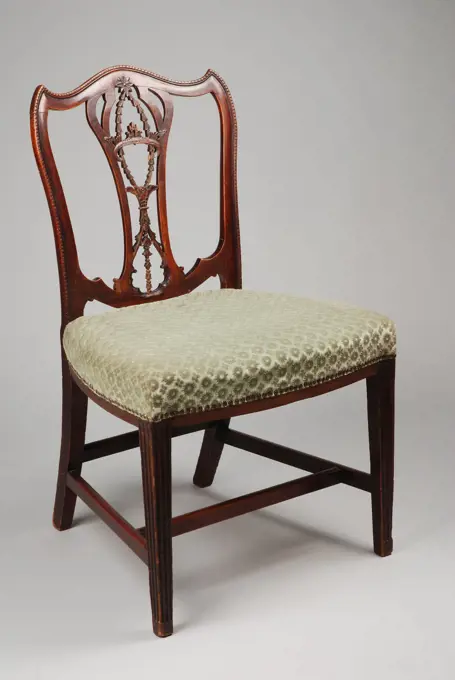
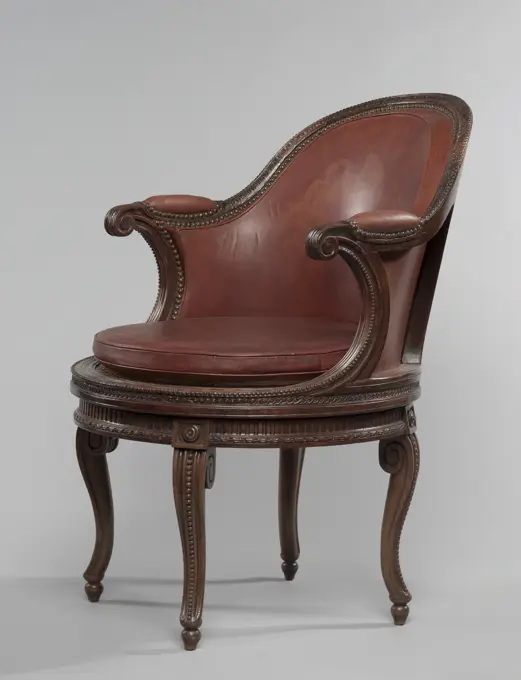
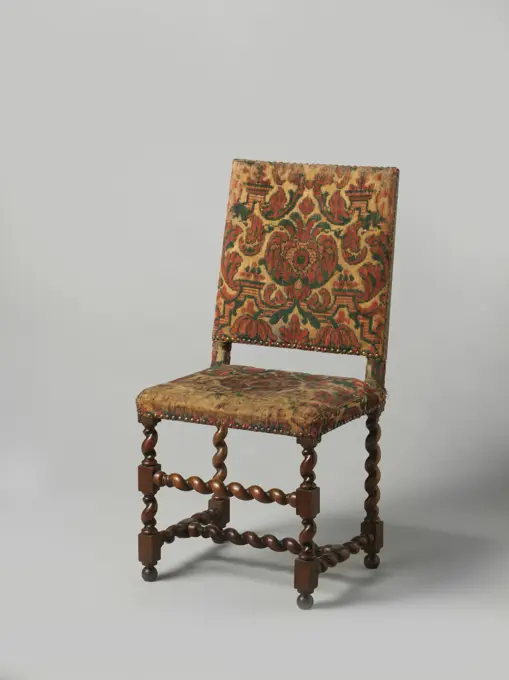
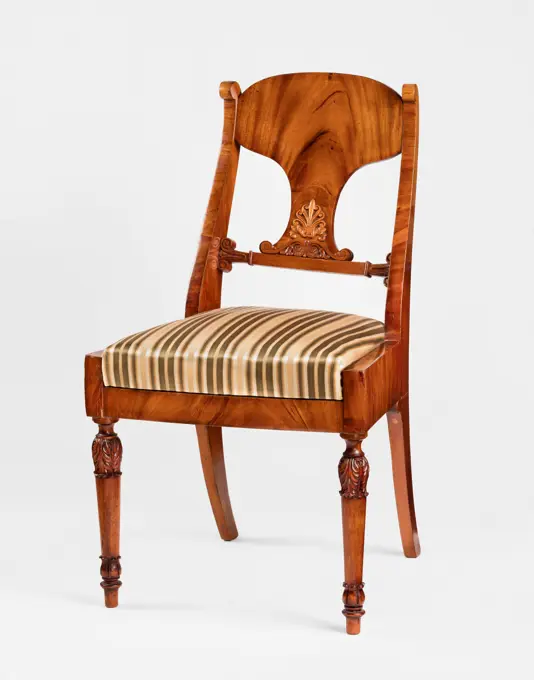
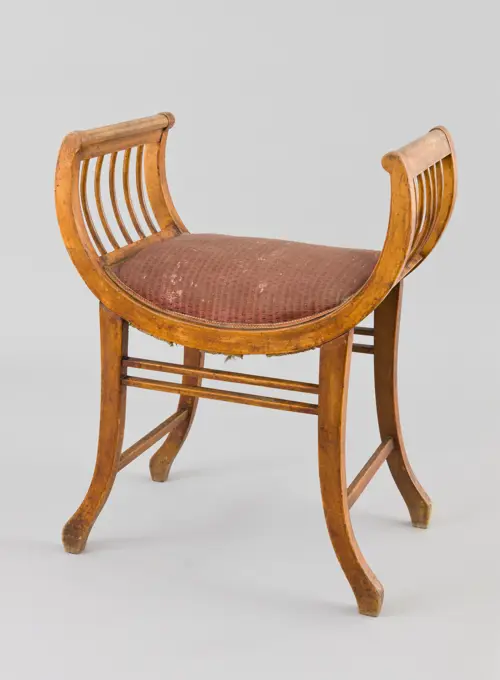
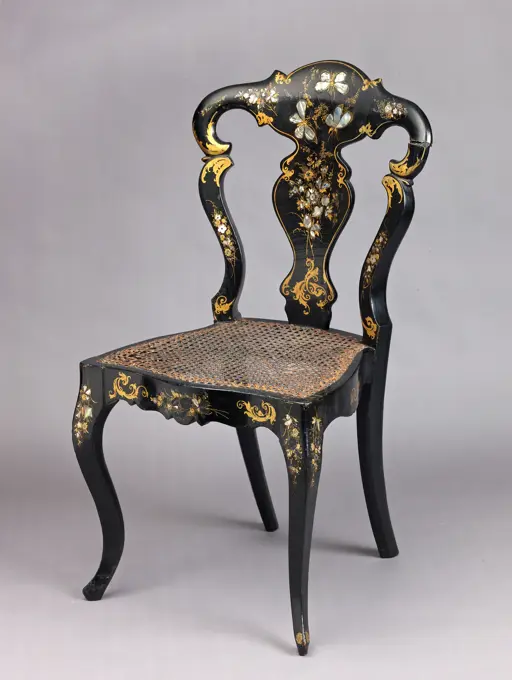
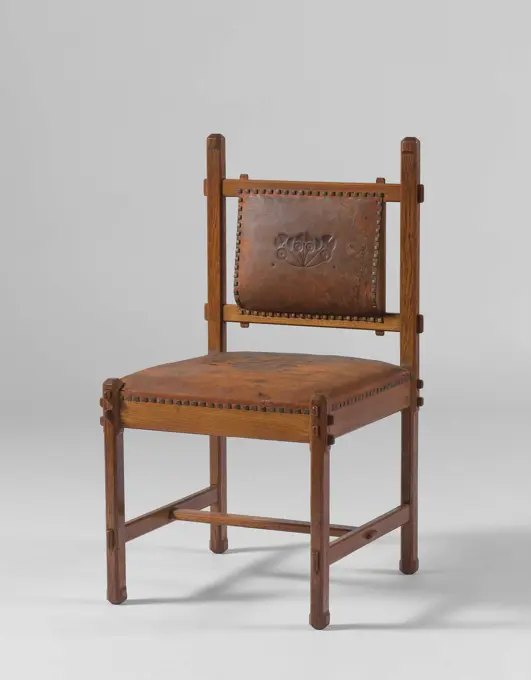
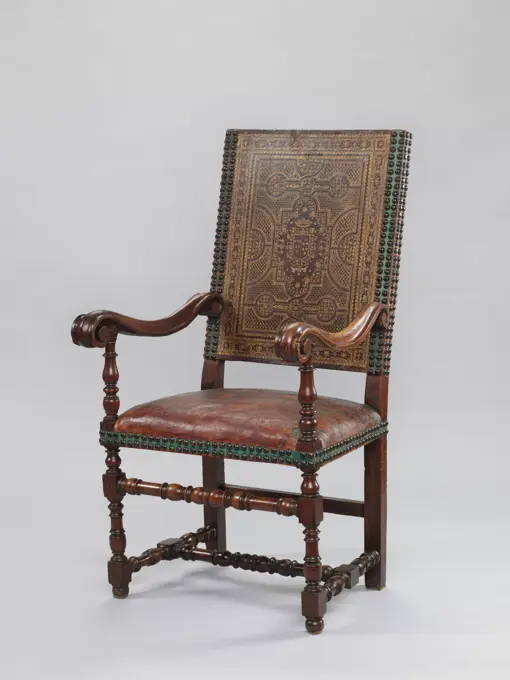
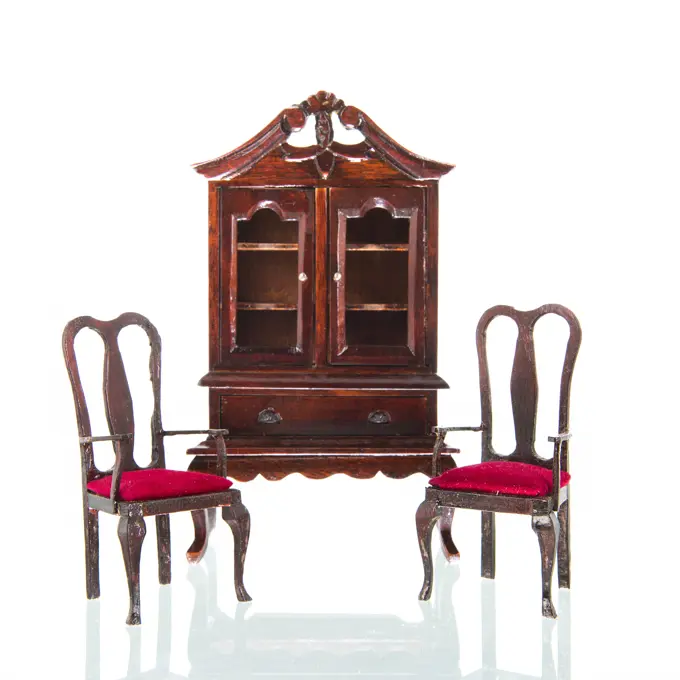
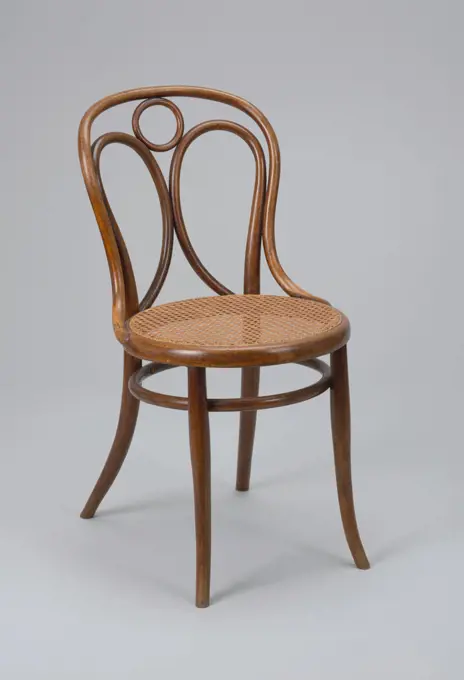
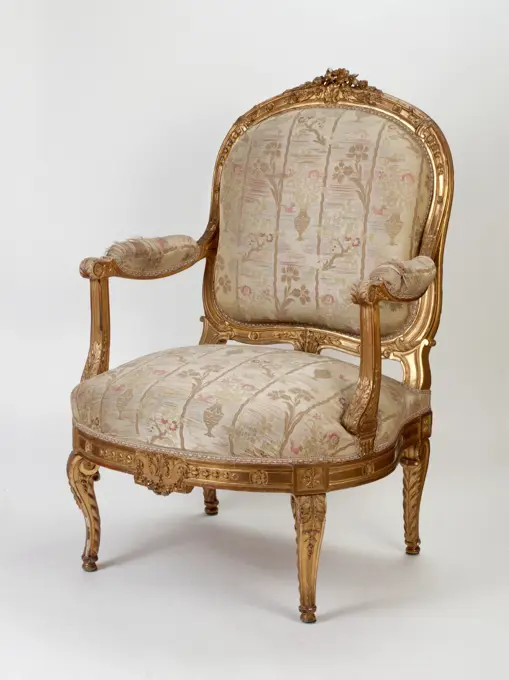
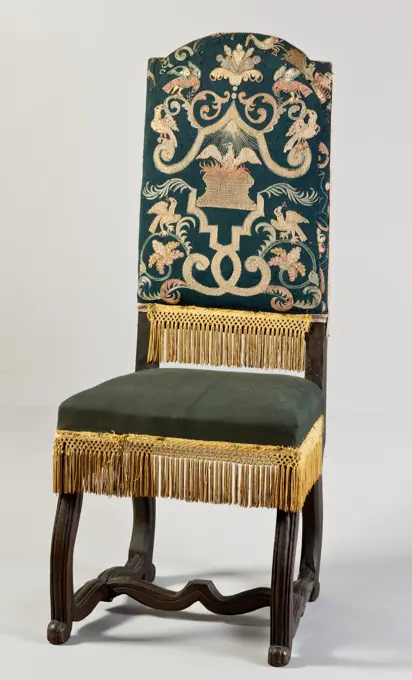
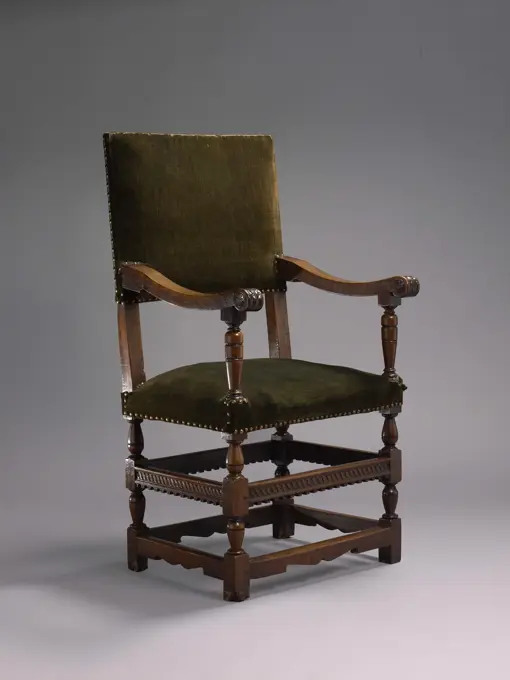
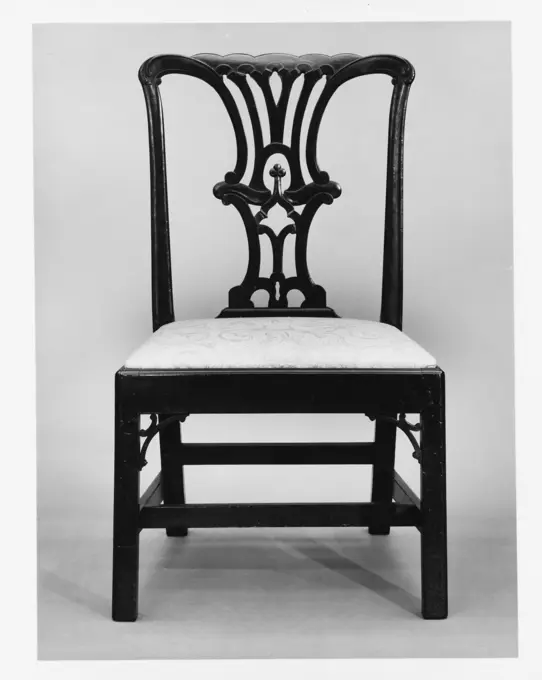
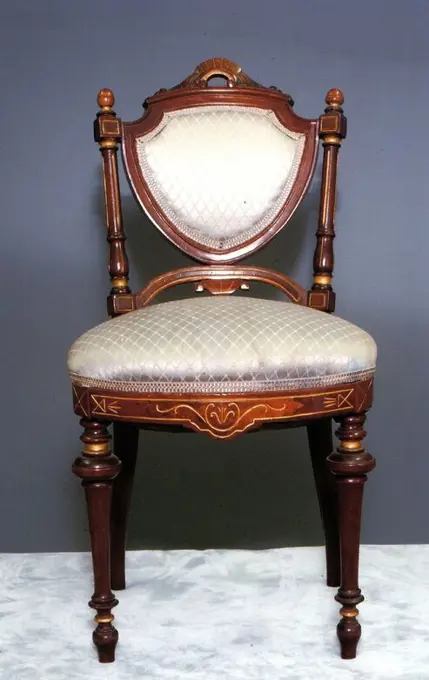
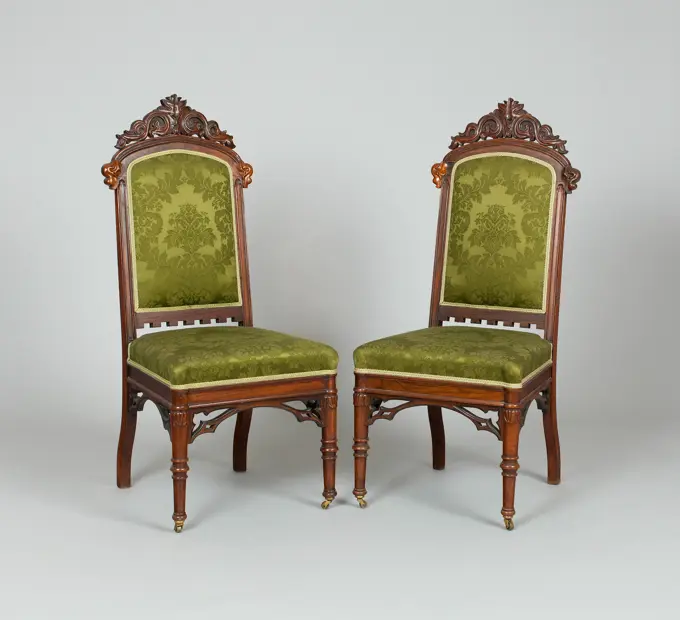
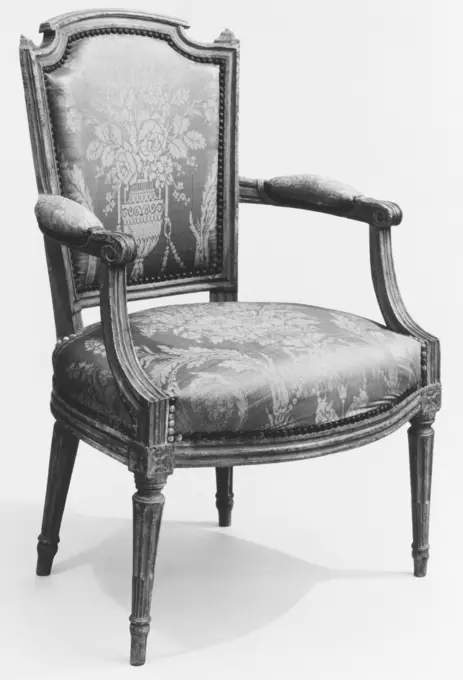
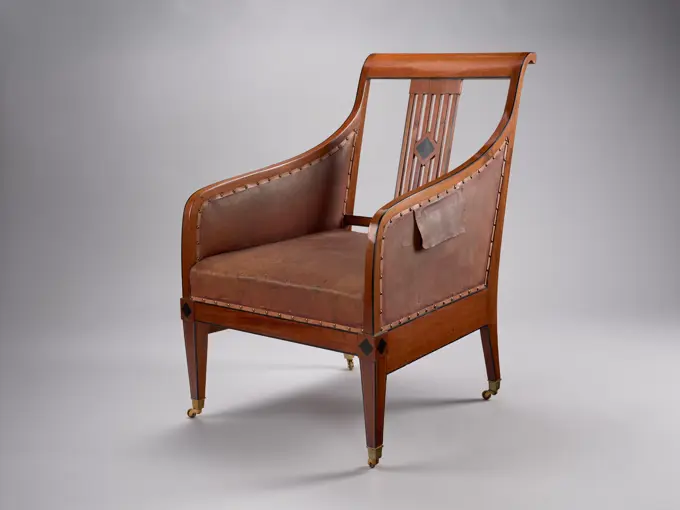
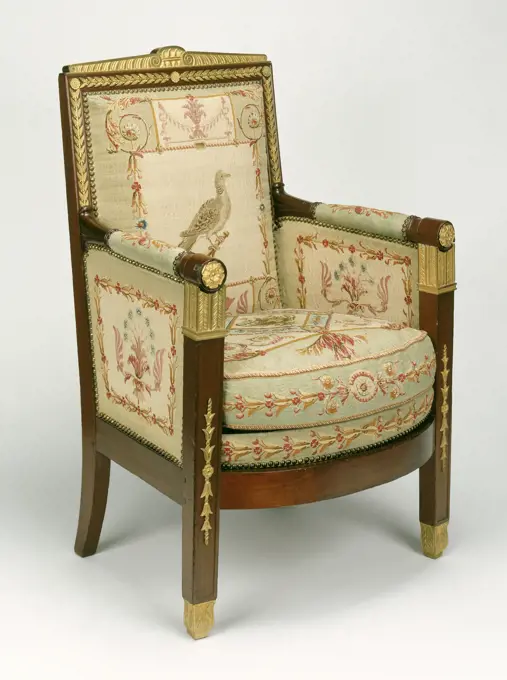
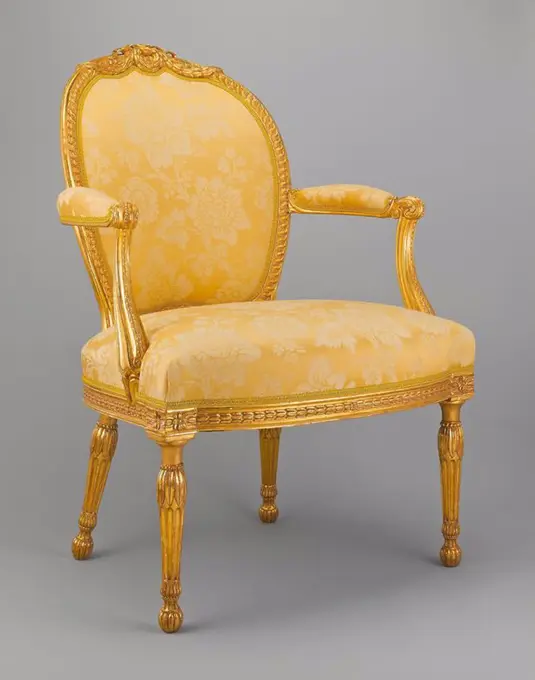
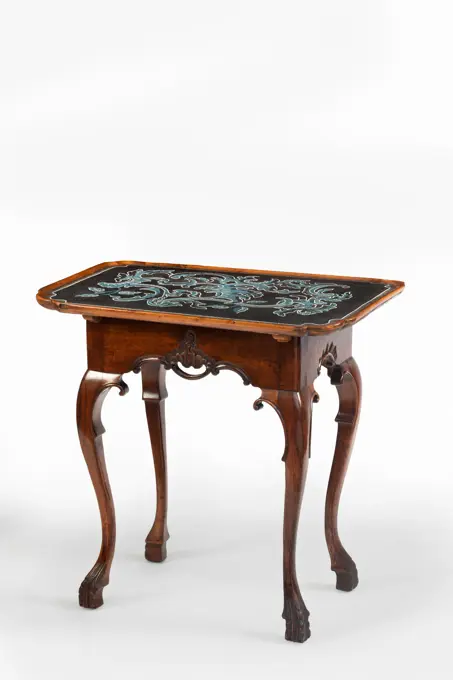
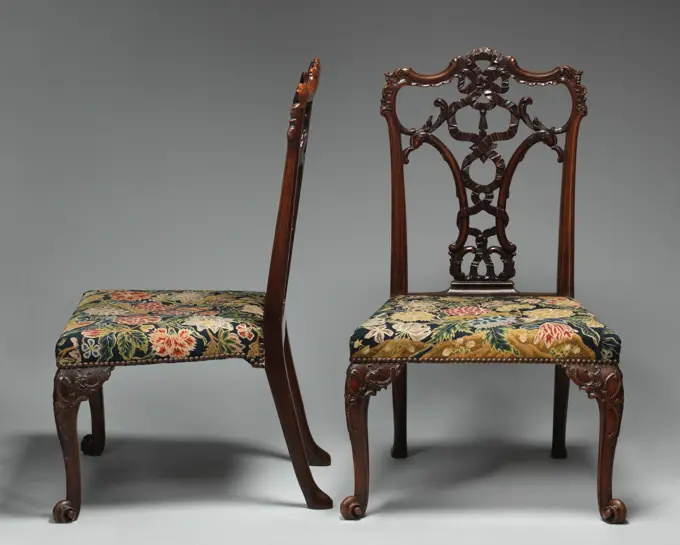
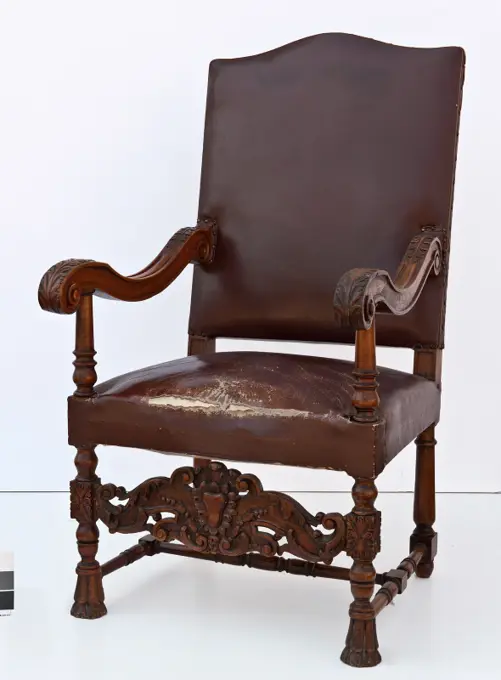
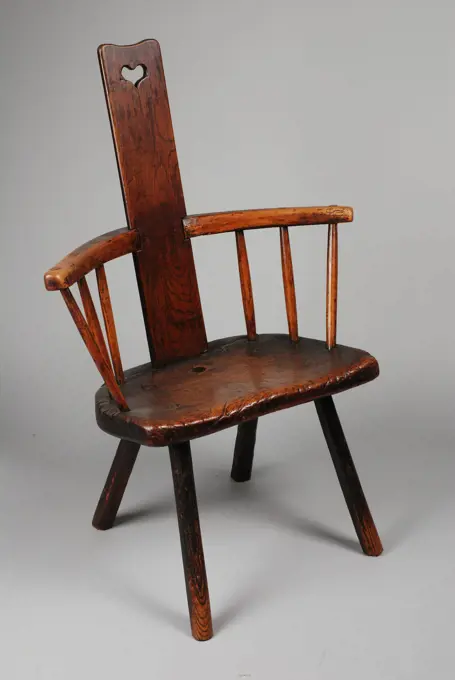
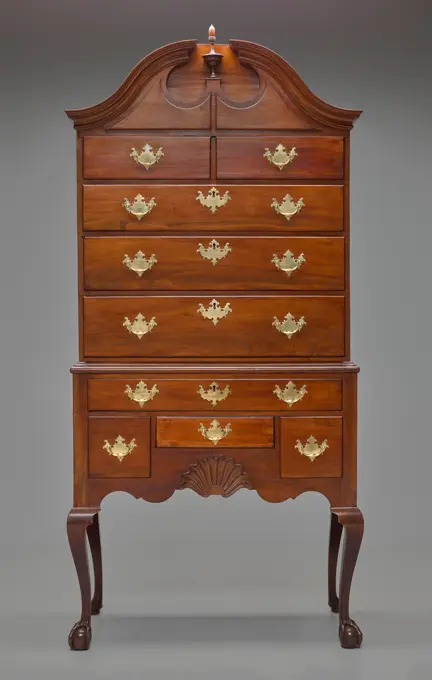
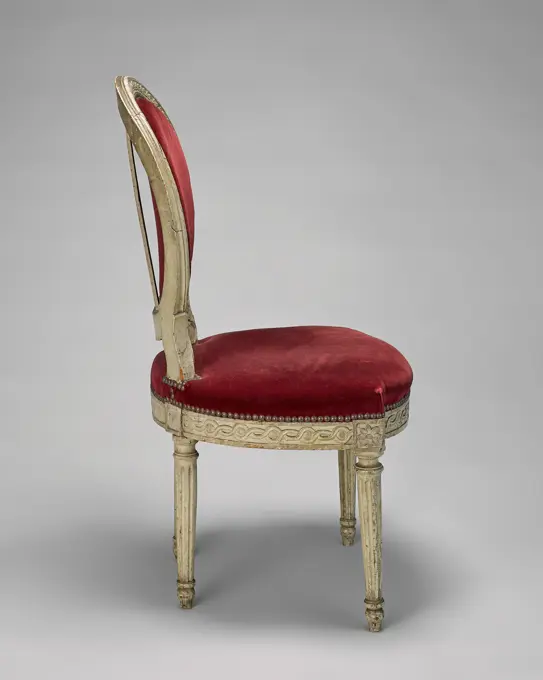
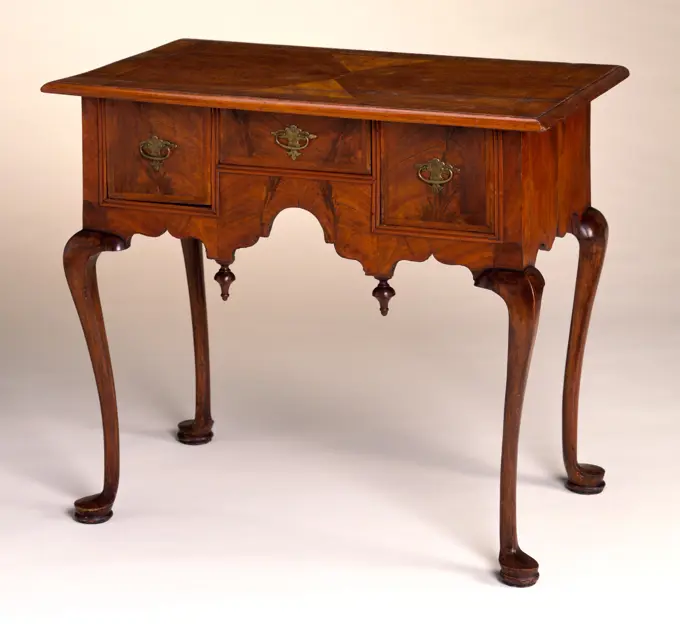
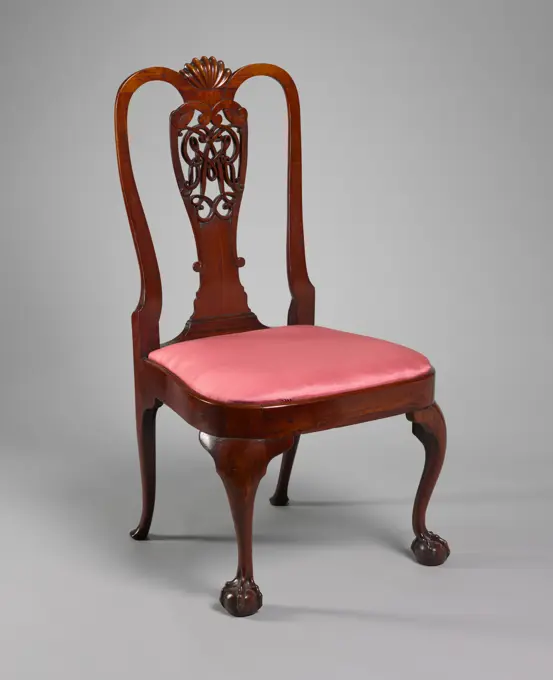
Side Chair, c. 1760. America, New York, 18th century. Mahogany; overall: 105.4 x 57.2 x 54.3 cm (41 1/2 x 22 1/2 x 21 3/8 in.).Rush Bottom Chair. Dated: c. 1937. Dimensions: overall: 35.7 x 24.9 cm (14 1/16 x 9 13/16 in.) Original IAD Object: none given. Medium: watercolor, gouache, colored pencil, and graphite on paper. Museum: National Gallery of Art, Washington DC. Author: Dana Bartlett.Side chair mid-18th century British The design is based on one of several "ribband back chairs" in the first edition of Thomas Chippendale's Gentleman and Cabinet-Maker's Director (1754).. Side chair. British. mid-18th century. Mahogany, modern damask. Woodwork-FurnitureSide Chair. Culture: American. Dimensions: 42 x 20 1/4 x 16 1/2 in. (106.7 x 51.4 x 41.9 cm). Date: 1730-90. Museum: Metropolitan Museum of Art, New York, USA.Side Chair c 1750-1755 Philadelphia. This chair, part of a set of at least eight, was originally purchased by John Wister for his house, Grumblethorpe, in Germantown, Pennsylvania. Wister built the house in 1744, and the chairs were most likely made soon after its completion. The style of the chair is transitional, between the late Baroque and the early Rococo. The pierced chair back and the ruffled shell on the seat rail were popular treatments on Baroque-style chairs. The elaborate carving, rectangular backs, and trapezoidal seat were mainstays of chair design in the Rococo period.. Mahogany with tulip poplar . Artist unknownChair of mahogany, lined with green tripe. Chair of mahogany, covered with green tripe, belonging to an amele. The hind legs deviate from the conical, fluted legs. The sitting window is round; The oval healed back window rests on C-shaped struts with acanthus leaf, are decorated with a vase, in the middle of branches with leaves, hung on rings. See also: BK-18323-a / e and g / n.Straight elm wood rococo chair, chair seat furniture furniture interior design wood elm wood velor, Green velor upholstery on seat openwork backrest with symmetrical center panel rococoChair;  1850-1860 (1850-00-00-1860-00-00);Furniture, Anonymous, 1650 - 1700 Chair of walnut, covered with black velvet and cracking tie risles. The furniture has flung legs, which are connected by an H-shaped cross and an upper sport, all also hurled. The tapisserie decoration on the upholstery shows flowers and lilies in green, salmon color, liver color and blue. The lining of the backs is yellow damask. The canals are old. One chair from a series of six (inv.no. BK-KOG-1797-A to -F). Northern Netherlands wood (plant material). walnut (hardwood). velvet (fabric weave) tapestry / damask Chair of walnut, covered with black velvet and cracking tie risles. The furniture has flung legs, which are connected by an H-shaped cross and an upper sport, all also hurled. The tapisserie decoration on the upholstery shows flowers and lilies in green, salmon color, liver color and blue. The lining of the backs is yellow damask. The canals are old. One chair from a series of six (inv.no. BK-KOG-1797-A to -F). Northern Netherlands wood (plant Chair in Neo-Rococo style of djatihout, seat and back stretched with reeds, anonymous, 1850-1875 Chair in neo-Rococo style of djatihout and with reeds stretched seat and back. S-shaped curved front legs and and curved pre-line and egg-shaped back, resting on C-Volute-shaped struts and completely surrounded by asymmetrically opened cutting work of C and S-Voluten with flower and leaf motifs. Indonesia wood (plant material). Chair in neo-Rococo style of djatihout and with reeds stretched seat and back. S-shaped curved front legs and and curved pre-line and egg-shaped back, resting on C-Volute-shaped struts and completely surrounded by asymmetrically opened cutting work of C and S-Voluten with flower and leaf motifs. Indonesia wood (plant material).SidechairChair. unknown, authorArmchair. American; Philadelphia, Pennsylvania. Date: 1735-1745. Dimensions: 107.9 × 60.4 × 47.6 cm (42 1/2 × 23 3/4 × 18 3/4 in.). Walnut. Origin: Philadelphia. Museum: The Chicago Art Institute, Chicago, USA.. Separate chairs came into general use only in the 16th century. Initially they were solid objects. This chair is a transitional type because the legs are still not directly touching the floor. They were comfortable seats for women wearing wide skirts. This is the only surviving Dutch chair of this type.Arm chair of walnut with S-shaped overhoeks placed legs with cutting of flowers and leaves. Back and seat of braided reeds. With loose pillow., Anonymous, 1750 - 1775 Arm chair of nuthout (ameblement) with back and seat of braided reeds. The stretched S-shaped overhoeks placed legs with profiling pass into the sitting window without interruption and are decorated with stuck flowers. Sculpted pre-line with flower and leaf work. Placed backwards army stars S-shaped; Holded armrests ending in Voluten. Top line window with stabbed volutes. With loose pillow. See also: BK-16851-A to H. France wood (plant material). walnut (hardwood). Arm chair of nuthout (ameblement) with back and seat of braided reeds. The stretched S-shaped overhoeks placed legs with profiling pass into the sitting window without interruption and are decorated with stuck flowers. Sculpted pre-line with flower and leaf work. Placed backwards army stars S-shaped; Holded armrests ending in Voluten. Top line window with stabbChair of mahogany, covered with green tripe. Chair of mahogany, covered with green tripe, belonging to an amele. The hind legs deviate from the conical, fluted legs. The sitting window is round; The oval healed back window rests on C-shaped struts with acanthus leaf. The rule and the upper spray are decorated with a vase, in the middle of branches with leaves, hung on rings. See also: BK-18323-a / c and e / n.Armstoel van notenhout met S-vormige overhoeks geplaatste poten met snijwerk van bloemen en bladeren. Rug en zitting van gevlochten riet. Met los kussen..Armchair of walnut (Ameublement) with back and seat of braided reeds. The stretched S-shaped overhoeks places places set with profiling go without interruption in the seating frame and are decorated with stabbed flowers. Scalloped rule with flower and leafwork. Backwards placed armrest tricks S-shaped; Holded armrests ending in Volutes. Upper rule window with volutes. With loose cushion. See also: BK-16851-A to H.Armchair. Culture: American. Dimensions: 35 5/8 x 25 1/4 x 26 1/8 in. (90.5 x 64.1 x 66.4 cm). Maker: Tiffany Glass and Decorating Company (American, 1892-1902); Louis Comfort Tiffany (American, New York 1848-1933 New York). Date: ca. 1891-93.This armchair and its mate (64.202.2) were once part of a suite that included a large sofa and two smaller ladies' armchairs (Detroit Institute of Arts and The Cleveland Museum of Art). They are attributed to Louis Comfort Tiffany because of similarities shared with furniture Tiffany designed for Louisine and H. O. Havemeyer's Fifth Avenue house in New York in 1891-92. In addition, its distinctive indigo-inspired "micro-mosaic" marquetry was discussed in a catalogue description of a "settle" displayed by the Tiffany Glass and Decorating Company at the Chicago Columbian Exposition of 1893: ". our wood mosaic . is produced by an entire new method of work. The patterns upon this piece of furniture are made of thousands of squares of natural wood, onMahogany straight Chippendale chair, straight-seat chair seat furniture furniture interior design wood mahogany beechwood velvet brass, Openwork back in which crown and garlands light green velor upholstery rejuvenated front legs with cannelures ChippendaleDesk Chair with Swivel Mechanism, c. 1780. France, Paris, 18th century. Walnut with caning and leather upholstery; overall: 88.4 cm (34 13/16 in.).Chair. Culture: British. Dimensions: Height: 54 1/4 in. (137.8 cm). Date: ca. 1690-95. Museum: Metropolitan Museum of Art, New York, USA.Chair with pendulum, covered with tripe with a pattern of red and green grenades. Woodwood chair, lined with tripe. The chair has swapped legs, which are also connected by an H-shaped cross and middle sport. The tripe shows a pattern of red and green grenades on a shaved pool shaved. The frills has small raised tassels above a frills. The rear styles are covered. One from a series of three seats (inv.no. BK-KOG-1443-A T / M -C).Side Chair, c. 1790-1800. America, Massachusetts, Boston, late 18th Century. Mahogany; overall: 90.8 x 48.3 x 52.1 cm (35 3/4 x 19 x 20 1/2 in.). Chairs of this or similar design seem to have been made by several Boston cabinetmakers. This chair may have belonged to one or more members of the distinguished Derby family or West family-or both-of nearby Salem, Massachusetts.Chair. unknown, creatorMahogany writing table. After 1780 marquetry went out of fashion in Paris. Unembellished panels of wood with an attractive grain were increasingly used as veneer; mahogany was a particular favourite. This development was followed throughout Europe, and also by Roentgen, who sold his furniture in Paris, among other places.Chair of rosewood decorated with porcelain plaques, anonymous, 1800 - 1900  Chair of rosewood decorated with porcelain plaques.  rosewood (wood). porcelain. velvet (fabric weave)Small table. unknown, authorArm chair of beech wood, with mats seat; Doll chair, Anonymous, 1700 - 1800 Arm chair made of beech wood, with mats seat. The legs and backstyles have sections. The armrests are slightly rolled; The bottom is straight. The back has three flat back sports. The rear and side sports are round; The forSport has sections. Northern Netherlands wood (plant material). beech (wood). cherry (wood). Arm chair made of beech wood, with mats seat. The legs and backstyles have sections. The armrests are slightly rolled; The bottom is straight. The back has three flat back sports. The rear and side sports are round; The forSport has sections. Northern Netherlands wood (plant material). beech (wood). cherry (wood).Chair in Neo Renaissance style with hidden parts and with a covered seat, anonymous, c. 1880 - c. 1920 Arm chair belonging to a set of three chairs and an armchair made of walnut with a covered seat. The flared legs are connected by a flung H-shaped cross and a also flung for sport. The covered back window rests on articulated struts. The armchair has flagging armrest stars and armrests. See: BK-19959-116-A/D.  wood (plant material). walnut (hardwood). textile materials Arm chair belonging to a set of three chairs and an armchair made of walnut with a covered seat. The flared legs are connected by a flung H-shaped cross and a also flung for sport. The covered back window rests on articulated struts. The armchair has flagging armrest stars and armrests. See: BK-19959-116-A/D.  wood (plant material). walnut (hardwood). textile materialsArmchair 1730-80 American. Armchair 208Armchair;  XVIII/XIXW. (1791-00-00-1810-00-00);Chair with overhoeks placing s-shaped legs on boxing hooves. Chair belonging to Ameublement consisting of six coated walnut chairs and one armchair, resting on overhoeks stated S-shaped legs on boxing hooves, which proceed in the seating. It was rounded at the front, sitting room wears decorations in floral pattern; As well as the upper spray of the elongated coated back window that is slightly scalloped from below and from the side. The stretched S-shaped armrests are supported by backwards stated S-shaped struts with volute and acanthus blade decoration.SeatTaboeret van Nuthout lined with Petit-Point. The grieved legs end in by claws mapped balls and are sideways connected by tested styles; In the middle a twisted trans controller. At the front and back, Ajour is looking down carving with broken vultuts, flower drinks and two cherubs with a crowned shield, on which an anchor and star. The taboo is covered with petit point up to the upper houses with Petit-Point, showed a midfield with two coats of arms, framed by tendrils with seated corner characters.Papier-mchè side chair ca. 1830-60 British (). Papier-mchè side chair. British (). ca. 1830-60. Wood, papier-mché, black lacquer, painted and gilded, mother-of-pearl, caned seat.. Woodwork-FurnitureDesk chair, Etienne Meunier, c. 1760 - c. 1770 Office chair, with reeds covered and glued with pink and rosewood on a beukewood core. The chair is strongly scumed at the rear and at the front. The S-shaped bent legs pass into the sitting window and wear gilded bronze batter, with rocaille motifs. The leg at the front carries a mask of the time. The armrest stars are stretched S-shaped and turn into the round, backwards, upper sill of the back. They carry, as well as the rule at the rear. Paris wood (plant material). beech (wood). rosewood (wood). purpleheart (wood). kingwood (wood). bronze (metal) gilding Office chair, with reeds covered and glued with pink and rosewood on a beukewood core. The chair is strongly scumed at the rear and at the front. The S-shaped bent legs pass into the sitting window and wear gilded bronze batter, with rocaille motifs. The leg at the front carries a mask of the time. The armrest stars are stretched S-shaped and turn into the round, backwards, upper sillChair ca. 1830 Austrian. Chair. Austrian. ca. 1830. Walnut veneer on walnut (). Woodwork-FurnitureArmstoel, anonymous, 1585 - 1600 Armchair of walnut. The legs are rectangular in diameter; The hind legs are placed backwards. The front legs are connected by a flat sport, which shows two lions with stretched bodies in relief; The lions wear a cartouche within which a coat of arms. The armrest stars show vase -shaped sections; The armrests are flat. The backstyles of the rectangular back window are crowned by Guirls. The back and seat are covered with green floral damask. See: BK-16845-A. Spain (possibly) wood (plant material). walnut (hardwood). gilding (material) gilding / damask Armchair of walnut. The legs are rectangular in diameter; The hind legs are placed backwards. The front legs are connected by a flat sport, which shows two lions with stretched bodies in relief; The lions wear a cartouche within which a coat of arms. The armrest stars show vase -shaped sections; The armrests are flat. The backstyles of the rectangular back window are crowned by Guirls. The back and seat areChair;  Kon. XVIII century (1765-00-00-1790-00-00);Veldtafel, Anonymous, 1600 - 1650 Applian table or paid table made of oak with a sliding leaf. The box -shaped upper has canceled corner styles, a profiled base and tranquility on four legs with houses and vase -shaped sections. The legs are connected by profiled bottom rules, which are decorated on the inside and outside with a stabbed braid. The lock is located in the front of the box. Inside against each of the side walls, a hanging container with scratching lid; Below that three drawers. Northern NetherlandsNetherlands wood (plant material). oak (wood) Applian table or paid table made of oak with a sliding leaf. The box -shaped upper has canceled corner styles, a profiled base and tranquility on four legs with houses and vase -shaped sections. The legs are connected by profiled bottom rules, which are decorated on the inside and outside with a stabbed braid. The lock is located in the front of the box. Inside against each of the side walls, a hanging container with scratching lid; . Armchair from rosewood. The furniture is covered. The four amonges are bracelet-shaped shaped, the four wide, flat spiders display cut-away rollerwork. The armrest tricks have a double articulation; The armrests have been slightly rolled and end up in a voluntarily with rosettes. The rear styles have lion masks with rings in the mush.Hitchcock Rocker. Dated: 1935/1942. Dimensions: overall: 34.9 x 22.8 cm (13 3/4 x 9 in.) Original IAD Object: none given. Medium: watercolor, colored pencil, gouache, and graphite on paper. Museum: National Gallery of Art, Washington DC. Author: David S. De Vault.. Chair, part of a pair of oak with straight legs with beveled corners, a square seat covered with brown leather with a stamped stylized flower in the middle, in the back a brown leather panel with a stamped stylized branch. Amsterdam, Gebroeders Vogel, 1907, to the design of A.J. Kropholler with the cooperation of M. Kropholler and J.F. Steel, the leather upholstery to design of S. Jessurun de Mesquita. Manufactured for Mr Romijn.Arm chair with swans, Anonymous, 1830 Arm chair from a set of ten chairs and four arm chairs of partly solid and partly glued mahogany on elm core. Loose covered seats. The square hind legs areas backwards. Nine chairs and an armchair have square, slightly rounded at the front, front legs; The rest has rounded front legs like this. The stretched S-shaped backs have a sculpted intermediate rule with a palmet flanked by two swans bending back with the necks. The flat volute -shaped armrests run high in the back. Northern NetherlandsNetherlands wood (plant material). mahogany (wood). elm (wood). textile materials Arm chair from a set of ten chairs and four arm chairs of partly solid and partly glued mahogany on elm core. Loose covered seats. The square hind legs areas backwards. Nine chairs and an armchair have square, slightly rounded at the front, front legs; The rest has rounded front legs like this. The stretched S-shaped backs have a sculpted intermediate rule with a palmet flanked bSide Chair 1760-90 American. Side Chair 1641Arm chair with swans, Anonymous, 1830 Arm chair from a set of ten chairs and four arm chairs of partly solid and partly glued mahogany on elm core. Loose covered seats. The square hind legs areas backwards. Nine chairs and an armchair have square, slightly rounded at the front, front legs; The rest has rounded front legs like this. The stretched S-shaped backs have a sculpted intermediate rule with a palmet flanked by two swans bending back with the necks. The flat volute -shaped armrests run high in the back. Northern NetherlandsNetherlands wood (plant material). mahogany (wood). elm (wood). textile materials Arm chair from a set of ten chairs and four arm chairs of partly solid and partly glued mahogany on elm core. Loose covered seats. The square hind legs areas backwards. Nine chairs and an armchair have square, slightly rounded at the front, front legs; The rest has rounded front legs like this. The stretched S-shaped backs have a sculpted intermediate rule with a palmet flanked bWomen's Secretary;  2. PO. 18th century (1751-00-00-1800-00-00);Chair of mahogany, covered with green tripe. Chair of mahogany, covered with green tripe, belonging to an amele. The hind legs deviate from the conical, fluted legs. The sitting window is round; The oval healed back window rests on C-shaped struts with acanthus leaf. The rule and the upper spray are decorated with a vase, in the middle of branches with leaves, hung on rings. See also: BK-18323-a / b and d / n.Stoel, Carel Adolph Lion Cachet, c. 1915 - c. 1925 Chair. Netherlands wool Chair. Netherlands woolChair. unknown, creatorDRIVING PAY TABLE, Anonymous, 1600 - 1650 Driepootstafel made of oak with an octagonal foldable leaf, on three slender vases legs connected by a T-shaped cross. The legs have houses that are scanned above, below, as well as the rules decorated with flat chain ornament. One of the side legs is vertically sawn through and rotatable as a support for the fold -out leaf. The support pieces are open. Northern NetherlandsNetherlands wood (plant material). oak (wood) Driepootstafel made of oak with an octagonal foldable leaf, on three slender vases legs connected by a T-shaped cross. The legs have houses that are scanned above, below, as well as the rules decorated with flat chain ornament. One of the side legs is vertically sawn through and rotatable as a support for the fold -out leaf. The support pieces are open. Northern NetherlandsNetherlands wood (plant material). oak (wood)Armchair;  1. PO. XVII century; 4. W. 19th century (upholstery) (1600-00-00-1650-00-00);Queen ann style furniture Queen ann style furniture isolated over white background Copyright: xZoonar.com/IvonnexWierinkx 16126818No. 19, Gebrüder Thonet, Bent wood, woven caning, Curvilinear, laminated bentwood frame, the back elements shaped into one circular and two elliptical loops; circular caned seat; circular stretcher below seat; the four legs curving out at feet., Vienna, Austria, ca. 1860, furniture, Decorative Arts, Side chair, Side chairSide chair, 1745-1765, 37 x 21 x 17in. (94 x 53.3 x 43.2cm), Mahogany, maple as a secondary wood, United States, 18th centuryArmchair (caquetoire) second half 16th century and 19th century French. Armchair (caquetoire). French. second half 16th century and 19th century. Walnut; cut silk velvet (cushion).. Woodwork-FurnitureJacob Georges (1739-1814). Archair at the Queen. Carved and golden beech; Garnish: Modern silk. 1770. Paris, Carnavalet museum. Dore, gilding, armchair, queen's armchair, stuck in sculpt, furniture, modern evening, fabric, 18th -18th 18th 18th 18th 18th 18th century, furnitureChair. Armchair from walnut. The furniture is covered and has paws with houses and planned sections. The four Middelports have expressions and braid tires and of the teeth of teeth. The four amonges are bracely shaped. The armrest supports are baluster-shaped; The armrests have been slightly rolled and end up at the head in volutes with flat acanthus leaf and rosettes aside.SideChairSide Chair 1765-90 American. Side Chair. American. 1765-90. Mahogany, cherry, white pine. Made in New York, United StatesSide Chair. Culture: American. Dimensions: 35 1/2 x 17 x 17 in. (90.2 x 43.2 x 43.2 cm). Date: ca. 1865-70. Museum: Metropolitan Museum of Art, New York, USA.Armchair. unknown, authorPair of Side Chairs c 1849 New York City. Rosewood . Alexander Jackson DavisChair. unknown, creatorPair of armchairs ca. 1785 Nicolas Delaporte. Pair of armchairs 205301Venetian furniture suit  chairArmchair;  1790-1810 (1790-00-00-1810-00-00);One Settee and Ten Armchairs; Frames attributed to François-Honoré-Georges Jacob-Desmalter (French, 1770 - 1841), Tapestries by Beauvais Manufactory (French, founded 1664); Paris, France; about 1810; Mahogany and beech; gilt-bronze mounts; silk and wool tapestry upholstery;Anna Aloisi, Sofa, 1936 SofaArmchair. Attributed to Thomas Chippendale; English, 1718-1779; London, England. Date: 1770-1775. Dimensions: 96.5 × 67.3 × 73.7 cm (38 × 26 1/2 × 29 in.). Giltwood and modern upholstery. Origin: England. Museum: The Chicago Art Institute, Chicago, USA.Anonymous, Chinese chair - Decor of Hauteville II, Maison de Juliette Drouet in Guernesey (attributed title), 1700. Maison de Victor Hugo - Hauteville House.Tray top table. Selow, Johann Michael van (fl. 1756-1772), furniture factorySide Chair Made 1898-1899 Germany. Bog oak and leather . Richard Riemerschmid (Designer)Gaspar Homar / Butaca, siglo XX. Colección privada.Dressing table ca. 1690 British. Dressing table. British. ca. 1690. Oak, veneered. Woodwork-FurnitureElmwood directoire chair, chair furniture furniture interior design wood elmwood velvet, In topline reclining rhombus in back five twisted bars covered with green velvet curved legs with cannelure and rosette directoireChildren's office. Bench of a children's family publement (BK-1967-182), resting on four spherical legs, decorated with turning. Below are four swivel velks. The side rules are only bent and the front and rear rule are double bent. The resigned armrest struts are decorated with volutes; The armrests are largely upholstered. The upholstered backrest consists of two overhoeks placed higher parts, which flank a lower center piece. The sides of all these parts are made up of S and C volutes.Armchair (one of a pair) ca. 1760 Possibly by Louis I Cresson French Armchairs with a flat (rather than a curved) back were known as « fauteuils à la reine » for the French Queen Marie Leszczynska (1703-1768) who allegedly favored them during the mid-eighteenth century. They are part of the same set as the two bergères (1971.206.5 and 1971.206.6) also in the Mets collection. In contrast to the bergères, however, intended to be used in the center of the room, these armchairs were?most likely placed against the paneling (meublant) and considered as part of the wall decoration.Made around 1760, these chairs bear the mark L.CRESSON underneath their frames which probably refers to the joiner (menuisier) Louis I Cresson. It is difficult, however, to attribute this stamp with certainty to a particular member of the Cresson family since ten of them were masters of the Parisian Corporation des Menuisiers-Ébénistes (Parisian guild of furniture makers) in the eighteenth century, four of whom werPedestal Back Sidechair with Carved Kylix. United States, Rhode Island, 1790-1815. Furnishings; Furniture. Mahogany, maple, upholstery (replaced)Joint stool. Culture: American. Dimensions: 22 1/2 x 20 1/2 x 14 in. (57.2 x 52.1 x 35.6 cm). Date: 1700-1725.Joint stools provided basic everyday seating in seventeenth- and early-eighteenth-century households. The vitality of the baluster turnings on this stool make it an outstanding example of the William and Mary style. Its high seat made it convenient for a sitter to rest his or her feet on the stretcher of the table it was pulled up to for dining. Museum: Metropolitan Museum of Art, New York, USA.Chair with swans. Chair from a set of ten seats and four armchairs from partially solid and partly glued mahogany on moors wood core. Loose coated seats. The square hind legs deviate backwards. Nine chairs and an armchair have square, slightly rounded, front legs; The rest has rounded front legs. The stretched S-shaped backs have a sculpted intermediate rule with a palmet flanked by two degrees, with the biods of doubling swans. The flat filler-shaped armrests run high in the back.Side Chair (one of a pair) ca. 1755-60 After a design by Thomas Chippendale Whether Thomas Chippendale (1718-1779) invented the "ribband-back" chair is not known, but it is certainly the one chair design most frequently associated with his name. The present example, one of a pair of side chairs in the Museum 1 , is based on a design that was included in all three editions of his famous book, The Gentleman and Cabinet-Maker's Director. 2 The plate illustrates three "ribband back" chairs of similar design. In the first edition, he describes the three chairs without modesty as "the best I have ever seen (or perhaps have ever been made)." 3 In the third edition, he noted that "Several Sets have been made, which have given entire Satisfaction." 4 Little did he know just how many sets would be made by other cabinetmakers, both in London and the provinces, or that ribbonback chairs would continue to be popular throughout the Chippendale Revival in the nineteenth century and even into Armchair. unknown, authorCard Table c 1816-1830 Chester. Cherry with Bird's-eye maple . Artist unknownRoundaboutChairOak chair, chair furniture furniture interior design oak wood without elm wood wood 100,0, Oak chair with straight plank-shaped backrest with heart-shaped hole half round seat and curved armrest on both sides of the backrest three bars between seat and armrest.High Chest ofDrawers. Maker, attributed to: Benjamin Peabody, 1717-1794Chair, belonging to an eleven -piece amblement, anonymous, c. 1750 Chair, made of walnut, belonging to an eleven -piece ameblement, consisting of a bank and ten chairs. The seat of neighboring duration with leaf and floral motifs in silk on linen grid, with a soft filling. Amsterdam (possibly) Walnut (Hardwood). Seat: Silk. seat: Chair, made of walnut, belonging to an eleven -piece ameblement, consisting of a bank and ten chairs. The seat of neighboring duration with leaf and floral motifs in silk on linen grid, with a soft filling. Amsterdam (possibly) Walnut (Hardwood). Seat: Silk. seat:Anonymous, convertible chair (main title). Painted wood, Bordeaux velvet. Petit Palais, Museum of Fine Arts of the City of Paris.Furniture, Anonymous, 1700 Table glued with walnut on oak core, with hexagonal baluster legs on houses that are on round bobbins. The legs are connected by a scalloped double y-shaped cross. As a rule, a drawer is applied to the front. The leaf is veneered in the absentia. Northern Netherlands wood (plant material). oak (wood). walnut (hardwood) Table glued with walnut on oak core, with hexagonal baluster legs on houses that are on round bobbins. The legs are connected by a scalloped double y-shaped cross. As a rule, a drawer is applied to the front. The leaf is veneered in the absentia. Northern Netherlands wood (plant material). oak (wood). walnut (hardwood). Armchair of oak, lined with leather. The furniture has square legs, from the front and aside by two flat sports. The legs and the sports are decorated at the front with a braid ornament. The sitting room carries circle palms. The armrest tricks are baluster-shaped. The armrests end in a volute. The back has a double with copper nails attached to blackboard paper. On this five diamond-shaped stamps with moresken and a climbing lion on the middle stamp.Armchair. Armchair of Nuthout (Z.G. Caquetoire). The front legs are columnar. The legs are connected to the bottom by rules. The trapezoidal sitting brake has a bent blade bent on the sides; The shape of the four armrests, with vase-shaped sections, and the narrative distance between the hind leg corresponds to this. The back has a flat panel with moresken and bears on top of a shell with vase-shaped crowning in the middle of degenerated leaf volutes. The back styles are channeled.Dressing Table with Cabriole Legs. United States, Massachusetts, Boston, circa 1730-1750. Furnishings; Furniture. Walnut veneer, maple, pineDressingTableStand c 1790-1810 New Hampshire. Birch . Artist unknown. Armchair belonging to a set of six armchairs from mahogany with a triangular ground surface, forming a round bench together. Flowered silk coating with passing element. The two overhoeks placed front legs, the hind leg, rules, struts, armrests and the ruling of the backrest are curved, profiled and almost all end in a volute. The armrests close the backrest and shapes a triangular crown that, just like the rule and the swellings of the front legs, shell-shaped acanthus leaves.Gateleg table. Culture: British. Dimensions: Overall: 27 1/4 × 29 3/4 in. (69.2 × 75.6 cm). Date: second half 18th century. Museum: Metropolitan Museum of Art, New York, USA.Arm chair with S-shaped legs, modern covering in diamond pattern, anonymous, c. 1750 Arm chair of walnut with modern upholstery in a diamond pattern, filled with a flower. The S-shaped legs, the bottom rule, the backward placed S-shaped armrest stars and the upper sill of the scalloped back window are decorated with cutting work. The armrests carry pillows. The upholstery is trimmed with a tire. France walnut (hardwood). textile materials. beech (wood) Arm chair of walnut with modern upholstery in a diamond pattern, filled with a flower. The S-shaped legs, the bottom rule, the backward placed S-shaped armrest stars and the upper sill of the scalloped back window are decorated with cutting work. The armrests carry pillows. The upholstery is trimmed with a tire. France walnut (hardwood). textile materials. beech (wood)Fronts of Rosherman wood, horend with a cradle, anonymous, 1685 - 1700 Chassis of rosewood. The chassis has four flinged legs with houses on round foot bobbins. The ends of the cross sills carry stabbed lobe masks, as well as those of Hobbelschenen. Northern Netherlands rosewood (wood) Chassis of rosewood. The chassis has four flinged legs with houses on round foot bobbins. The ends of the cross sills carry stabbed lobe masks, as well as those of Hobbelschenen. Northern Netherlands rosewood (wood)