Historical Decorative Items

An assortment of ornate candlesticks and ceremonial objects, showcasing intricate designs and materials from various historical periods, including gold and silver.

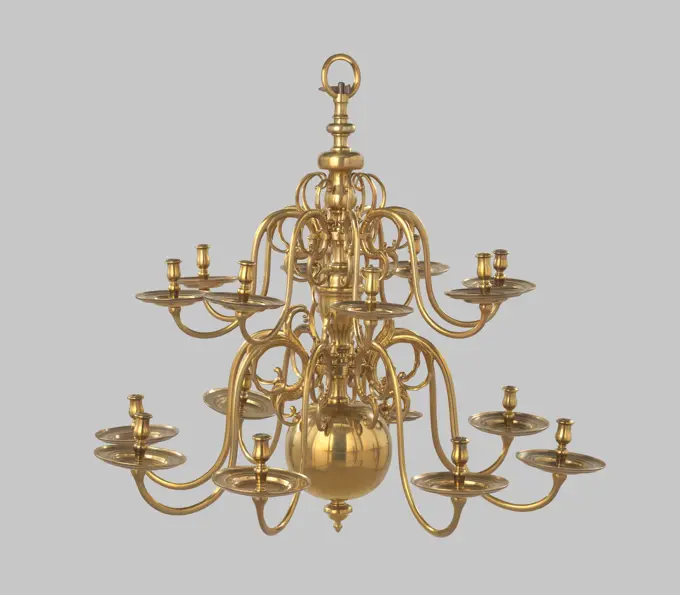
Arm of a candle crown, anonymous, 1700 - 1800 The S-shaped arm runs towards the trunk in a stylized dolphin head and outside in a thickening, in which the screw hole is applied. The round -profiled and grooved -rings -decorated candle holder was screwed with the fat -lined fat catcher with grooved rings. The arm, the fat catcher and the candle holder are cast using the same models as the other arms, fat catchers and candle holders. This is the third arm of the middle stand ring, marked on the ridge with three points. Northern Netherlands brass (alloy) casting The S-shaped arm runs towards the trunk in a stylized dolphin head and outside in a thickening, in which the screw hole is applied. The round -profiled and grooved -rings -decorated candle holder was screwed with the fat -lined fat catcher with grooved rings. The arm, the fat catcher and the candle holder are cast using the same models as the other arms, fat catchers and candle holders. This is the third arm of the middle stand ri
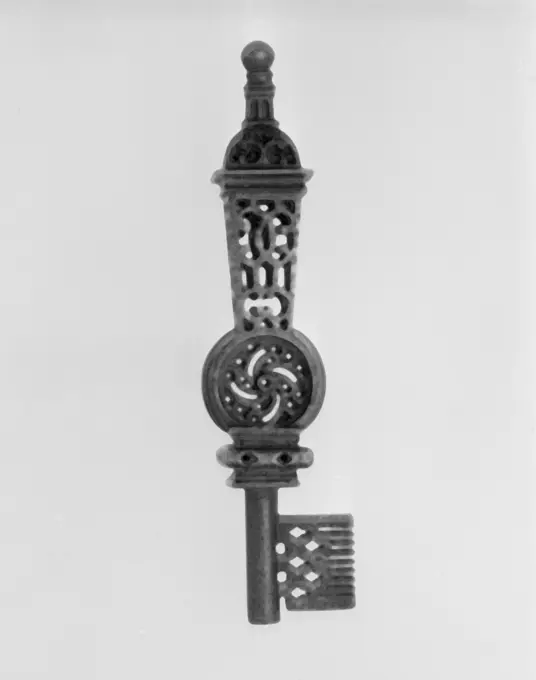
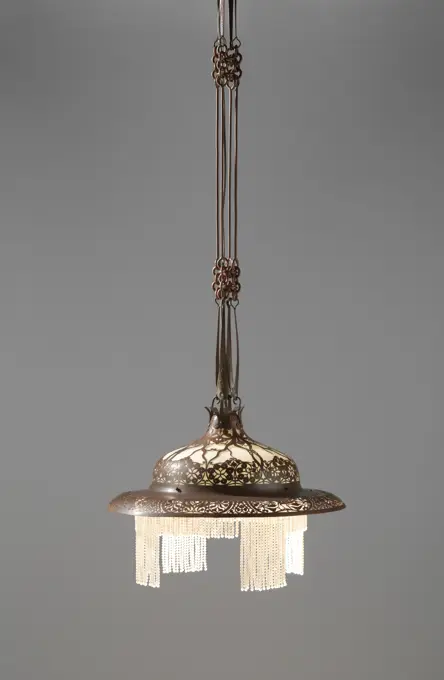
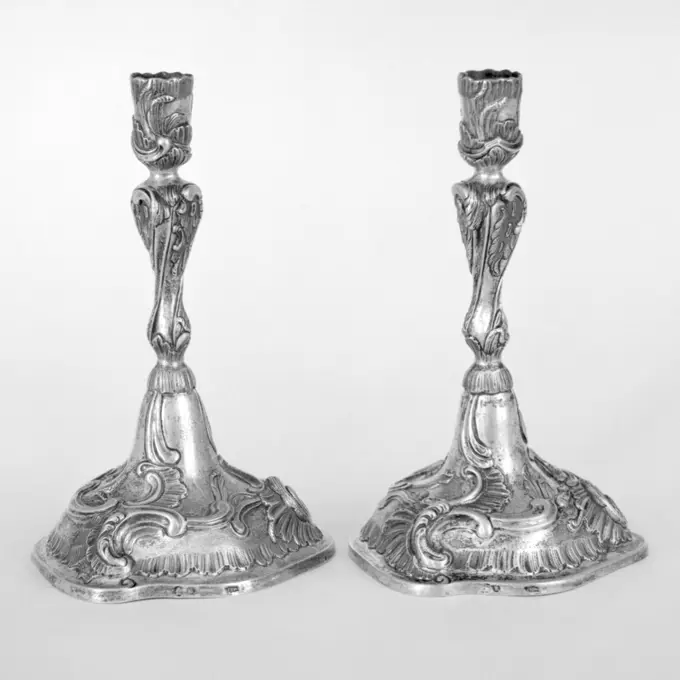
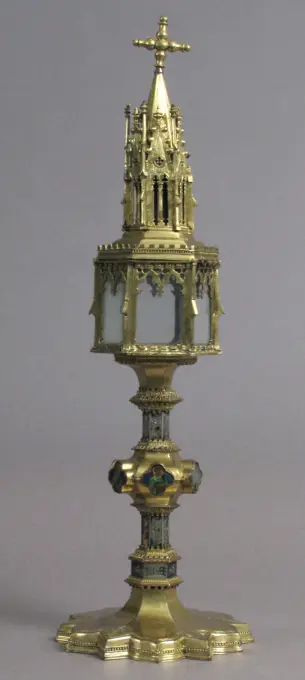
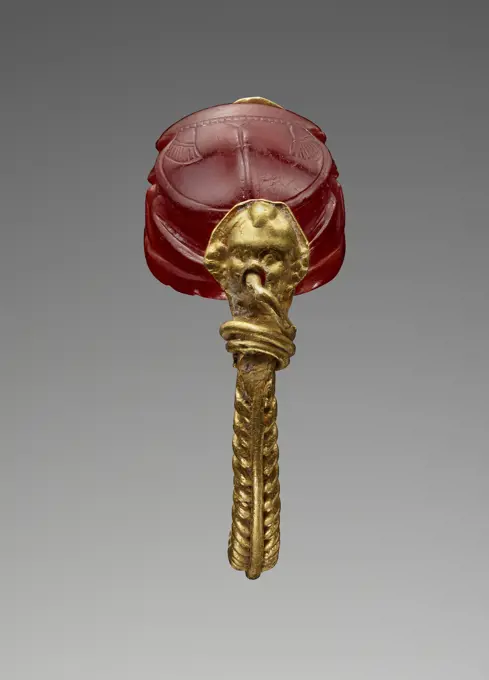
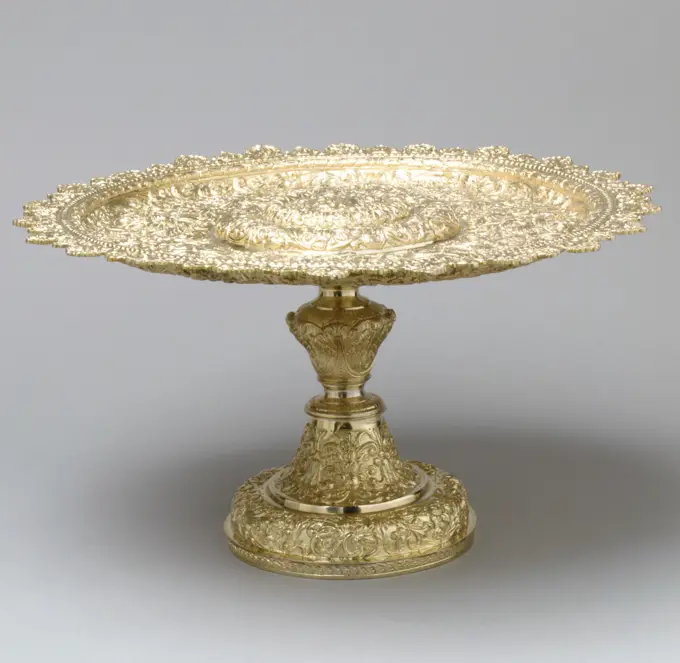
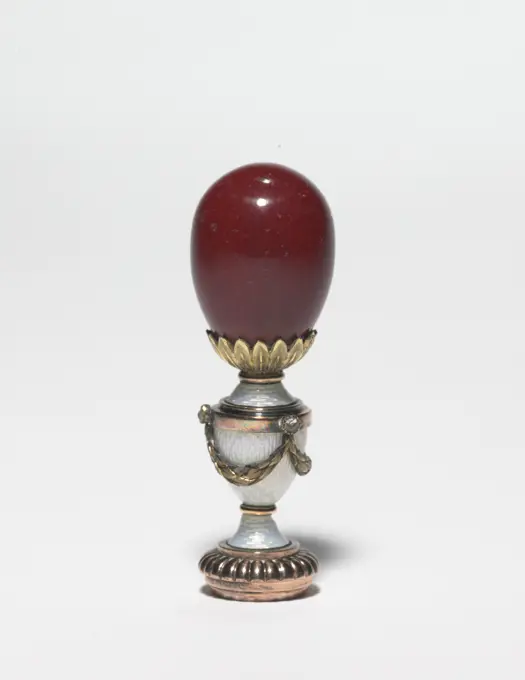
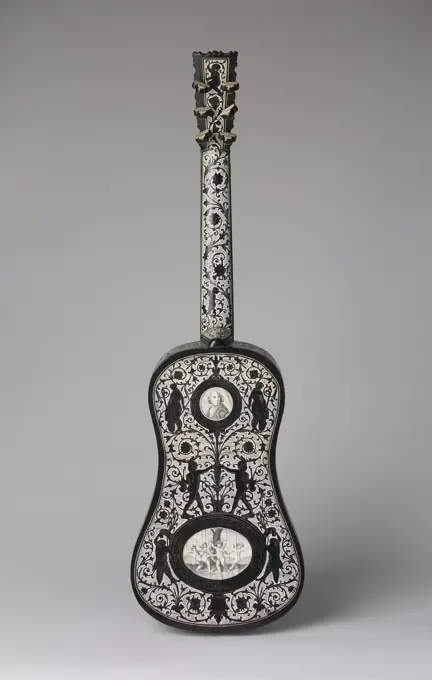
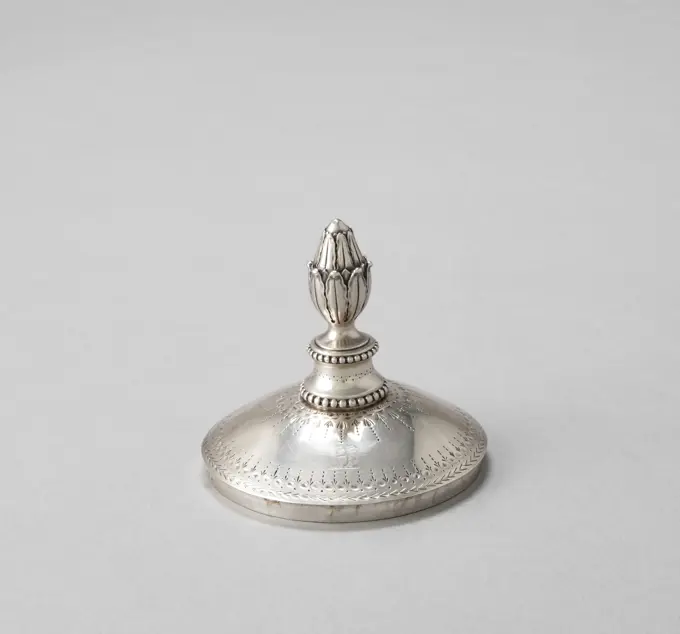
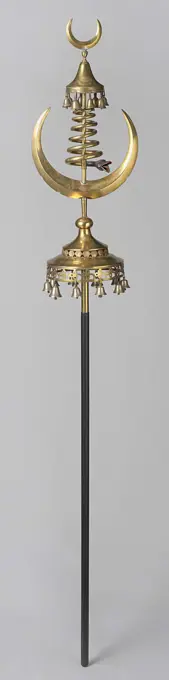
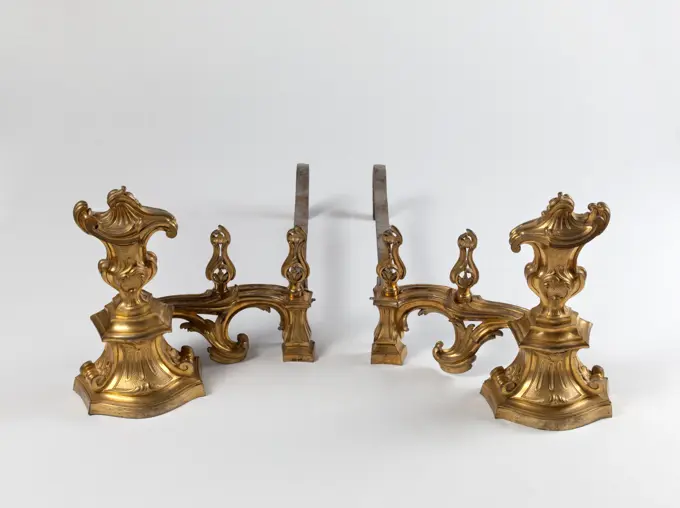
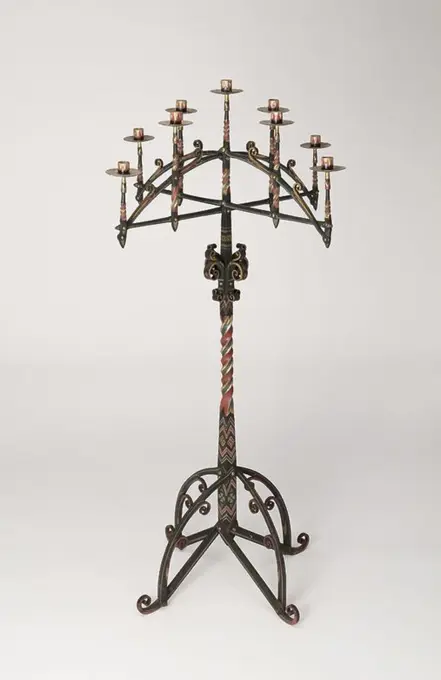
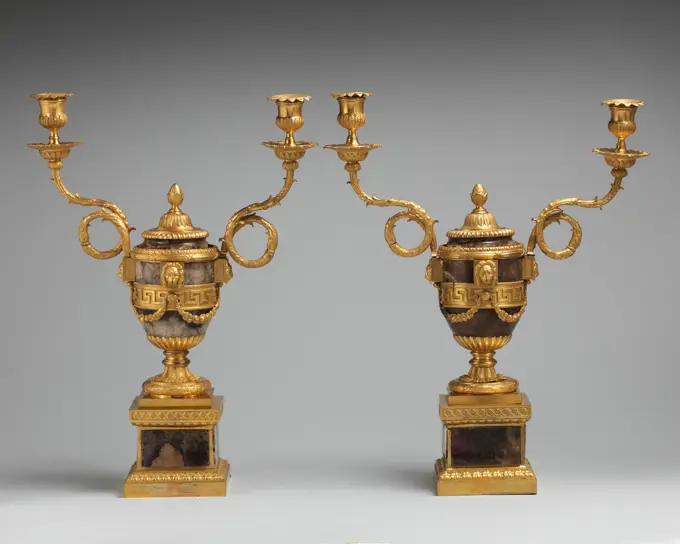
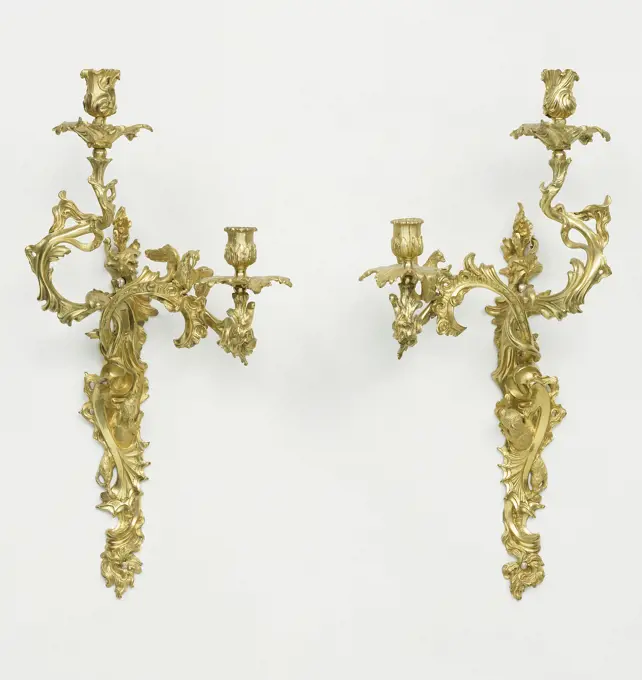
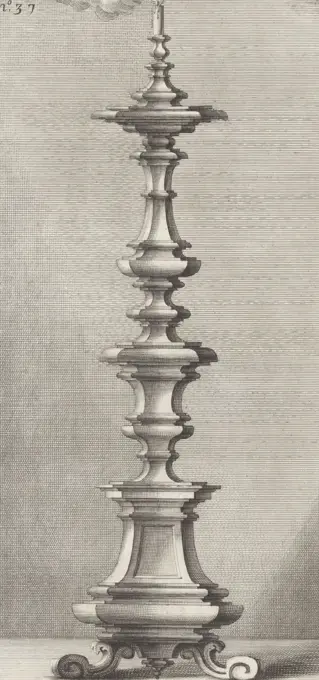
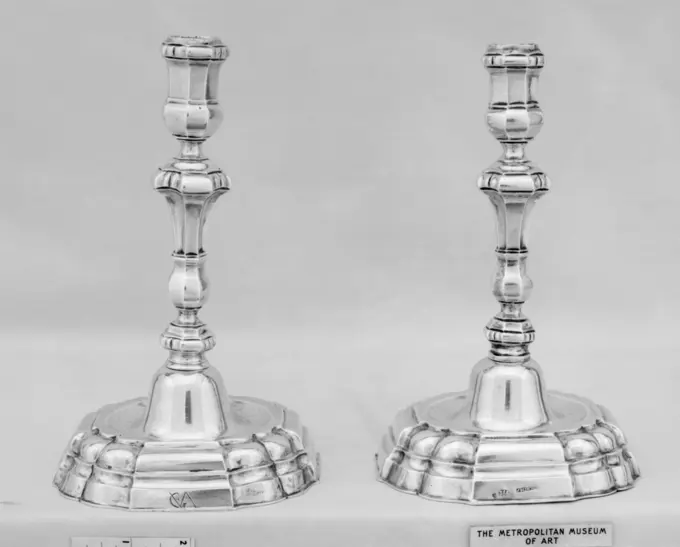
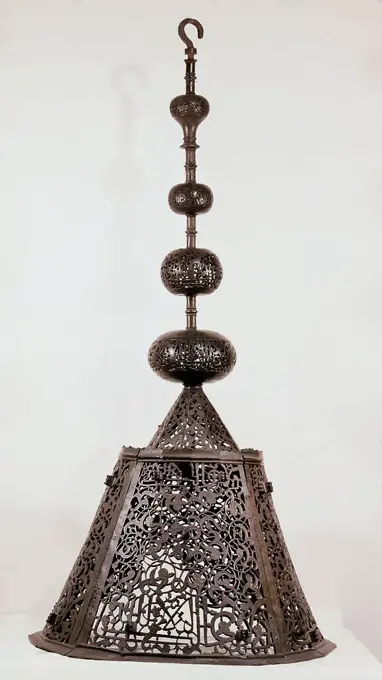
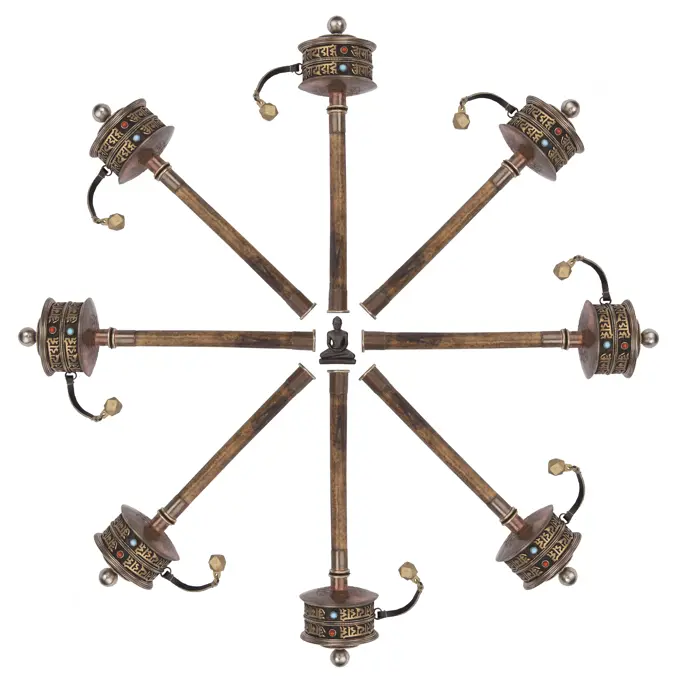
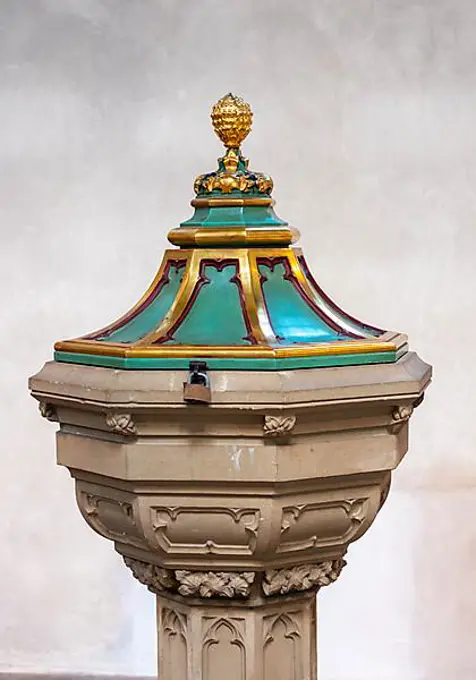
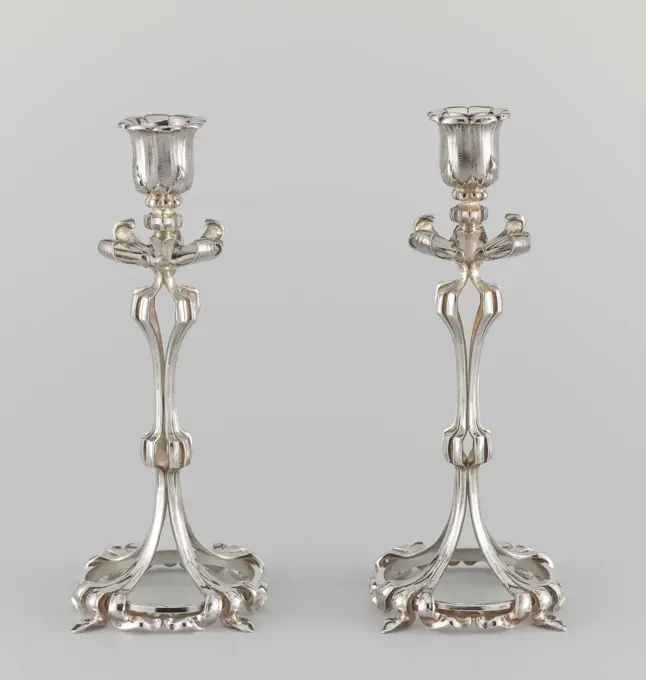
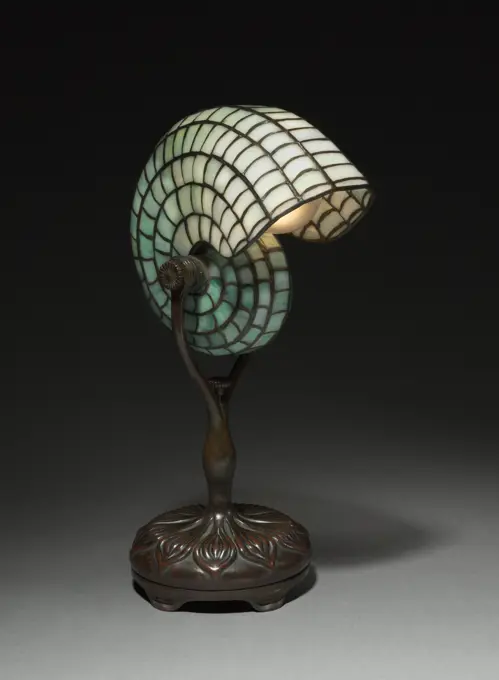
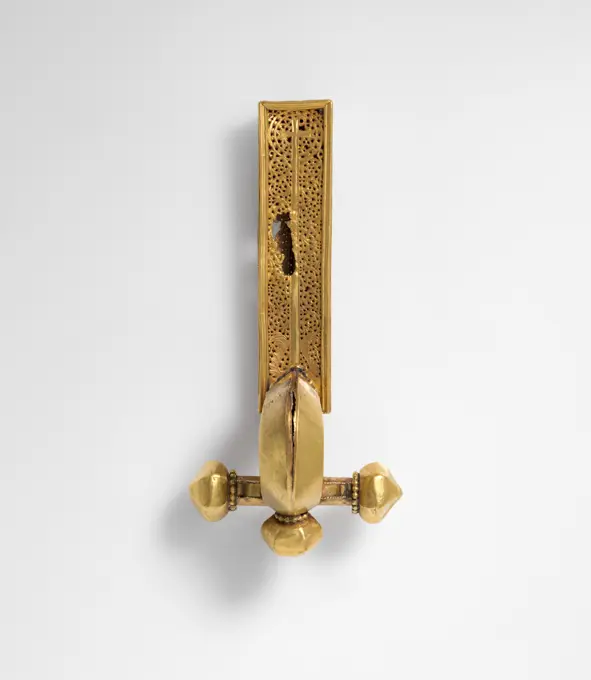
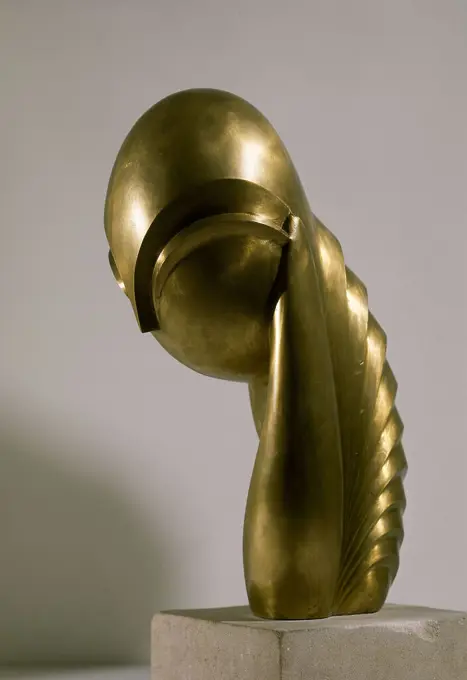
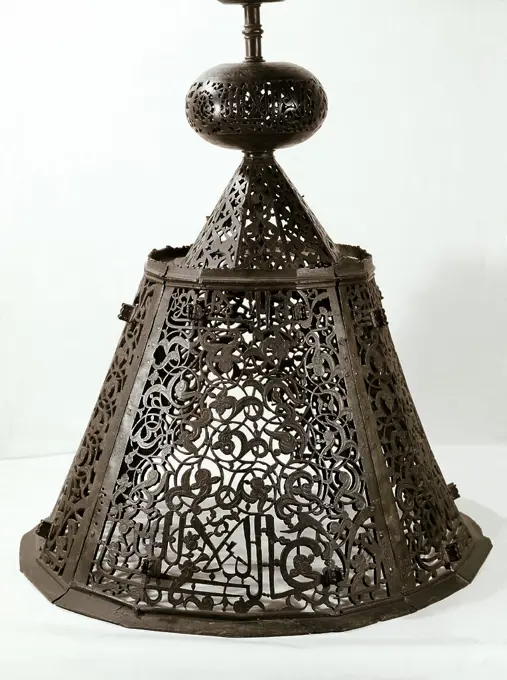
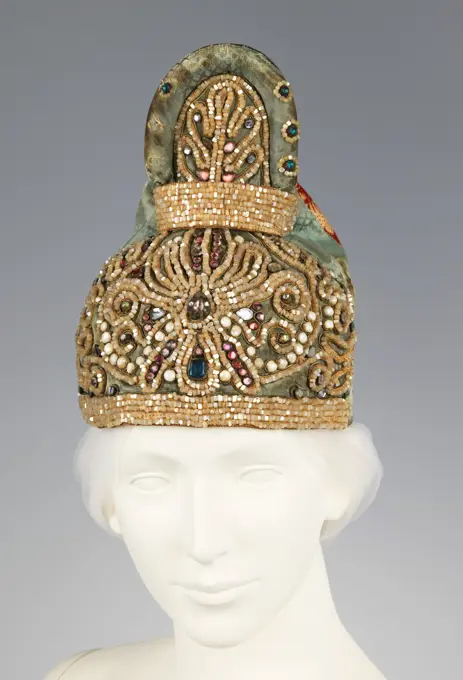
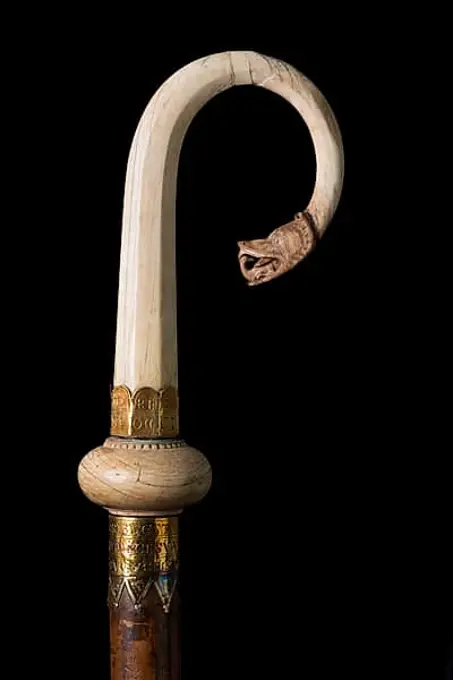
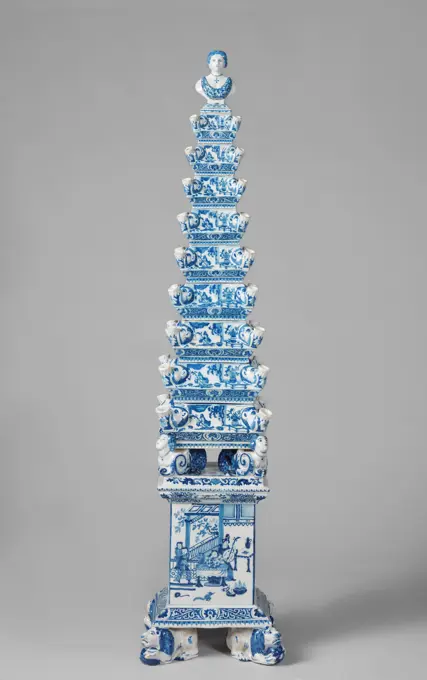
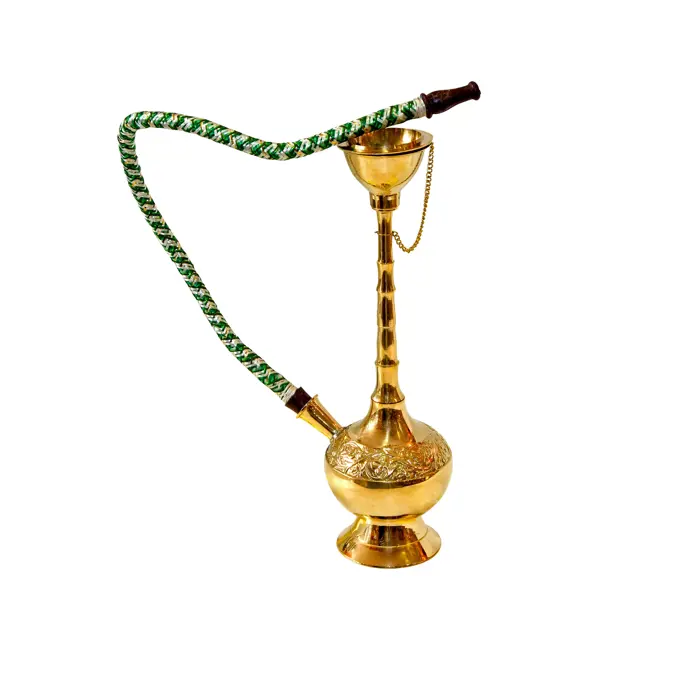
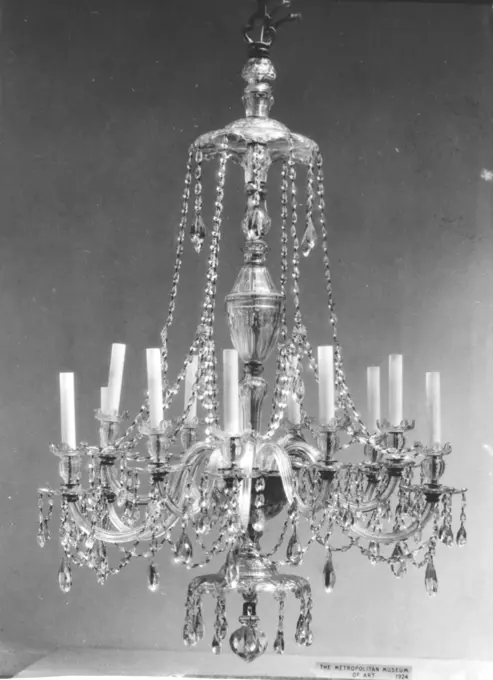
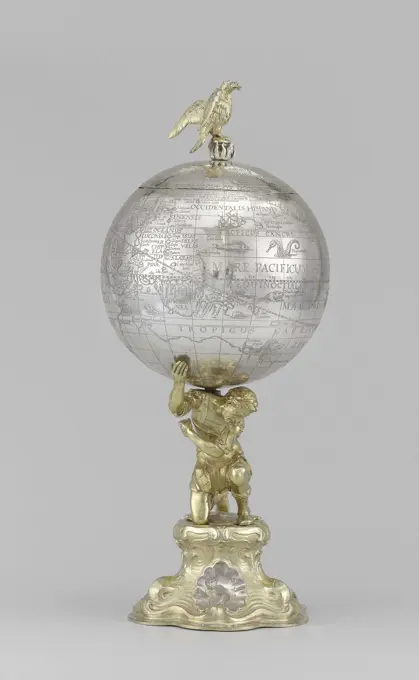
A kneeling Julius Caesar carries a terrestrial globe on his right shoulder. He is here represented as the founder of the Roman Empire. The names of the other great empires of antiquity - Assyria, Persia and Greece - are inscribed in escutcheons on the cups base. To drink from the cup, the top section of the terrestrial globe is removed.Key 16th century European. Key 201700Candlestick with Horsemen and Arabic Inscriptions Conveying Good Wishes and Blessings Upon the Sultan 13th-14th century. Candlestick with Horsemen and Arabic Inscriptions Conveying Good Wishes and Blessings Upon the Sultan 444527Sconce. unknown, authorWineglass ca. 1860-75 Dr. Antonio Salviati Company. Wineglass. Italian, Venice (Murano). ca. 1860-75. Glass. GlassCandle holder. Candlestick on a square, vaulted foot with beveled corners. The trunk of the candlestick and the edge of the foot have been profiled. The candlestick is labeled: STK. = Amsterdam, MT. = Citroen 1975, no. 970 and a ax. The candlestick is the same as the candlestick with Invnr. BK-NM-4329.Candle Bracket, c. 1750-1760. Attributed to Jean Joseph de Saint-Germain (French, 1720-1791). Gilt bronze; overall: 52.7 x 30.5 cm (20 3/4 x 12 in.).Sierstuk met slangenkop.Award in the form of a hose head. Perhaps this hose head is the crowning ahead of a slip.Chain of a copper hanging lamp, c. 1916 Chain of a copper hanging lamp. The chains consist of links and three rods, the lower and upper ones of which are etched and strictered tivulus. Amsterdam copper (metal) etching Chain of a copper hanging lamp. The chains consist of links and three rods, the lower and upper ones of which are etched and strictered tivulus. Amsterdam copper (metal) etchingKandelaar, Willem van Strant, 1741 Candlestick on a square, profiled, curved foot with designated corners. The trunk is profiled and baluster -shaped. The candlestick is marked: stk. = Amsterdam, Jrl. = G (1741), Mt. = Willem van Strant and an ax. Amsterdam silver (metal) Candlestick on a square, profiled, curved foot with designated corners. The trunk is profiled and baluster -shaped. The candlestick is marked: stk. = Amsterdam, Jrl. = G (1741), Mt. = Willem van Strant and an ax. Amsterdam silver (metal)Pair of candelabra.The veiled female figures are vestal virgins, who were priestesses from Roman antiquity. In France these kinds of candelabra were made of gilded and patinated bronze, while in the Netherlands they were imitated in gilded and black painted wood.Chisel with carved handle of nude with sun in hair standing in a half shell holding a swag 17th century Italian. Chisel with carved handle of nude with sun in hair standing in a half shell holding a swag. Italian. 17th century. Steel gilt, ivory. Metalwork-SteelHat, 24 1/2 x 8 1/4 x 8 1/4 in. (62.23 x 20.96 x 20.96 cm) (with chains dangling), Silver, ChinaMountFob late 18th century European. Fob 122380Cast candlestick (one of a pair) 1740-50 German, Brunswick (Braunschweig). Cast candlestick (one of a pair) 206176Reliquary 15th century Italian. Reliquary 464180Hat standard of light varnished wood, anonymous, c. 1915 - c. 1935 Hat standard of slightly varnished wood. High, with composite baluster tribe, one ring and clamp, bulb support and thick, vaulted foot with profile. Netherlands whole: Wood (plant material) Hat standard of slightly varnished wood. High, with composite baluster tribe, one ring and clamp, bulb support and thick, vaulted foot with profile. Netherlands whole: Wood (plant material)Candlestick 1790-1820. Candlestick. 1790-1820. Brassrook chess piece vintage wooden rook chess piece isolated on white Copyright: xZoonar.com/YuryxZapx 1053976986stPair of Wall Lights. Unknown maker, FrenchChandelier 1810-20 British or Irish. Chandelier. British or Irish. 1810-20. Cut glass, gilt bronze. Possibly made in Ireland; Possibly made in EnglandHandle with Standing Figures ca. 1st century B.C. India (Bengal). Handle with Standing Figures 65009Side chair (sgabello a dorsale) late 16th century Italian, Rome or Florence (). Side chair (sgabello a dorsale). Italian, Rome or Florence (). late 16th century. Walnut, carved.. Woodwork-FurniturePipe Tamper with rattling elements 1875-1889 Native American (Northern Plains) Carved from a single block of wood, this rare dance tapper represents a trend during the last quarter of the 19th century for re-imagining the traditional enemy effigy victory stick to include features of fashionable Euro-American walking sticks. The pointed end was tapped against a tomahawk blade or other sonorous objects.. Pipe Tamper with rattling elements 501217Scarab; Master of the Boston Dionysos; Etruria; 520 - 510 B.C; Carnelian and gold; 0.7 × 1.2 × 0.9 cm (1,4 × 1,2 × 3,8 in.)Pair Of Candelabra (Netherlands), 1766; Made by Valentijn Casper Bömke (Dutch, n.d.); cast, molded, and raised silververy old vintage christmas ball bauble or peak for the top of the christmas treeOil Lamp 1790-1800. Oil Lamp. 1790-1800. Sheffield silver plate. Made in South Yorkshire, Sheffield, EnglandScreen to Unknown, Berlin. K Nieglichen Eisengiesserei, Gliwice, Royal Foundry Zeliwa; after. 19th century (1850-00-00-1850-00-00);Tazza 19th century, early 17th century original British, after Portuguese original This electrotype is after an arly seventeenth-century original at the Academy of Fine Arts, Lisbon, at the time of reproduction.. Tazza 186583Pendant 11th-16th century Chiriqui (). Pendant 312700Bridleless Curb Bit. Culture: German. Dimensions: H. 10 1/2 in. (26.7 cm); W. 7 3/4 in. (19.7 cm); Wt. 2 lb. 8.2 oz. (1139.7 g). Date: late 16th - first half 17th century.According to contemporary equestrian manuals, the mouthpiece of this bit was designed for a horse with a thick tongue and an insipid mouth (meaning that the horse does not 'taste' its bit, so by rolling the rings on its bars, the toothless part of its mouth, it will make the horse salivate). The curious system at the back of the cheekpieces, connected to the bosses, was used for pinching the upper lip between the tab and the back of the purchase, allowing this bit to be used without the need of a headstall to hanging it. These rare bridleless curb bits, described in some equestrian manuals written in the second half of the 16th century, were certainly somewhat experimental, and only used in non-military contexts. They seem to have been invented, and probably mostly used, in Germany. Museum: Metropolitan Museum of AHand Seal: Original Fitted Presentation Box, 1904-1908. Karl Gustav Hjalmar Armfelt (Finnish), firm of Peter Carl Fabergé (Russian, 1846-1920). Holly wood; silk and velvet-lined; fitted for Hand Seal; box: 2.6 x 6.7 x 3.6 cm (1 x 2 5/8 x 1 7/16 in.).Guitar ca. 1800 Italian This highly decorated guitar is also an early example of a six-string, single-course guitar. The elaborate decoration features classical figures, musical instruments, and floral motifs made from ebony and fit into an ivory ground covering the back, sides, neck, and headstock of the guitar. A second guitar at the Yale Collection of Musical Instruments features the same decoration, only in reverse, indicating that the decoration was made at the same time by cutting through thin layers of stacked ebony and ivory. A portrait in the center of the upper back is believed to be of Giovanni Paisiello based on his 1791 portrait. Paisiello was a composer of opera and many of his works were transcribed for use on other instruments and his pieces were a favorite of guitarists. The fingerboard is covered with tortoiseshell over red paint with inlay of an ivory satyr where the neck meets the body. A carved wooden rosette may be a replacement and is surrounded by an ivory hexagTea Urn (lid), 1781. Henry Greenway (British). Silver and ivory; overall: 47.3 x 26.1 x 25.6 cm (18 5/8 x 10 1/4 x 10 1/16 in.).Monstrance, 1854-1874. Designer: John Francis Bentley. Manufacturer: Hart & SonTurkish Schelleboom from A. Maas.A Turkish Schelleboom. Behind by Den Eleve Musician A. Maas, Kapelmeester J. Barnevel, Major Boelen, Colonel F () Stroecker. 12th Diatal Infantry.Gueridon with trunk consisting of scales, buds and flower skools, anonymous, 1700 - 1799 Gueridon of tropical wood. The gueridon is three s-shaped bent, ending in claw-and-ball. The multiple articulated tribe is made up of scaly conical parts, twisted and ribbed buttons and flower flows. The round leaf has a profiled edge and is decorated at the bottom with a series of lobes. Indonesia wood (plant material). Gueridon of tropical wood. The gueridon is three s-shaped bent, ending in claw-and-ball. The multiple articulated tribe is made up of scaly conical parts, twisted and ribbed buttons and flower flows. The round leaf has a profiled edge and is decorated at the bottom with a series of lobes. Indonesia wood (plant material).Fire. Chiseled and gilded bronze in Mati and Bruni gold, 1715. Paris, Carnavalet museum. 77640-15 Accessory, bronze, bruni, cheminee, chenet, chisel, gilding, mati, gold, gold style, 18th century, fire, fireItalian 17th 19th Century, Andiron with Figure of Jupiter, 17th 19th century Andiron with Figure of JupiterGainePendant with rider on postament, anonymous, c. 1850 - c. 1900 Gold pendant. Proposing a rider in antique traditional costumes standing on a postament decorated with rubies and hanging on two chains. Furthermore decorated with pearls, and email. Southern Germany gold (metal). pearl. ruby (mineral) Gold pendant. Proposing a rider in antique traditional costumes standing on a postament decorated with rubies and hanging on two chains. Furthermore decorated with pearls, and email. Southern Germany gold (metal). pearl. ruby (mineral)Altar Cross with Stand, 1140-1150. Germany, Lower Saxony, Hildesheim, Romanesque period, 12th century. Bronze: cast, gilded, engraved, and chased; overall: 43.4 x 22.5 x 8 cm (17 1/16 x 8 7/8 x 3 1/8 in.).Table with tray;  Table: beginning of the 20th century; TACA: 19th century (1801-00-00-1920-00-00);A gas lit chandelier, exhibited at the 1873 International Exhibition in Vienna, and manufactured by Ratcliff and Tyler of Birmingham     Date: 1873Card Stand Manufactured by Bradley & Hubbard Mfg. Co. American 1880-85Candlestick (one of a pair) 18th century Johan Jorgen Schowert. Candlestick (one of a pair) 194613Candelabra (one of a pair). William White; English, 1825-1900. Date: 1855-1865. Dimensions: 139.4 × 74.3 × 73.7 cm (54 7/8 × 29 1/4 × 29 in.). Painted bronze. Origin: England. Museum: The Chicago Art Institute, Chicago, USA.Arm with candle holder of candle crown of two heights with six arms each, c. 1475 - c. 1500 Candle arm belonging to a candle crown of two heights with maria figure at the top. The arm is bent twice and is decorated with two grape bunches and two vine leaves. The round fat catcher has openwork, serrated vertically placed edges at the bottom, to mask the confirmation on the arm. This is done by a round iron pin, which is screwed into the end of the arm. This is the third arm of the upper ring, numbered with 3 vertical notches. The fat catcher is unnumbered. Southern Netherlands brass (alloy). kaarsenpin: iron (metal) casting / forging Candle arm belonging to a candle crown of two heights with maria figure at the top. The arm is bent twice and is decorated with two grape bunches and two vine leaves. The round fat catcher has openwork, serrated vertically placed edges at the bottom, to mask the confirmation on the arm. This is done by a round iron pin, which is screwed into the end of the GraceAndiron, one of a pair, c. 1800, 24in. (61cm), Brass, United States, 18th-19th centuryCandelabrum (one of a pair) second half 18th century Attributed to Matthew Boulton British One of the materials often used by Boulton and Fothergill's metalwork manufactory was Derbyshire spar, also known as Blue John, a type of fluorite mined near Castleton in Derbyshire.. Candelabrum (one of a pair). British. second half 18th century. Gilt bronze, Derbyshire spar. Metalwork-Gilt BronzeMorion-Cabasset ca. 1575 Italian. Morion-Cabasset 34266Tall Clock ca. 1800 Jacob Diehl. Tall Clock 8149Pair of Wall Lights; about 1735; Gilt bronze;Cáliz, siglo XIV. Museo parroquial de Traiguera.Italy, Giardini, Giovanni, Rome, Limpach, Maximilian Joseph, Disegni diversi inventati e delineati da Giovanni Giardini da Forlì, Various church objects, Candlestick with burning candle, verso - stamped, Numbered top left: no. 37., print, ornamental print, prints, ornamental prints, height 298 mm, width 153 mm, Czech, print maker, printmaker, 1714 - 1714, paper, papier, etching, etchings, Italian, 1646 - 1722, intermediary draughtsman, after a drawing by, Work conceptionGoldsmith's art, Spain, 17th century. Gold, enamel and pearls pendant.bronze column made in 3 D graphicsPair of candlesticks ca. 1750 Andrés Goicoechea. Pair of candlesticks 192339Krzyż do błogosławienia. unknown, authorArm of a candle crown in two heights, Anonymous, 1650 - 1675 chandelier The S-shaped arm is equipped with a ridge on the trunk side with an opening to secure it with a pin in the stand ring. At the trunk, the arm is decorated at the end with a stylized dolphin head and with two curls, the design of which is derived from the lobe ornament. To the outside, the arm ends in a thickening, in which a hole provided with a thread is applied to attach the candle holder with the fat catcher. The arm is cast using the same model as the other arms of the wreath and has the same size. The candle holder has a round narrowing upwards and in an excellent edge -transmitting vase shape on the baluster foot with a threaded end, in which the center hole at the bottom. The fat catcher is deepened once at the top to the middle. At the bottom she is profiled on the edge and around the hole on the somewhat spherical center. The fat catcher always has its own size and is cast with the help of the same model asChinese-style Decoration with old-aged coin, Chinese Knot and tasselKruidsmoles, Joseph Glassl, C. 1700 - c. 1750 The object consists of the cupboard with slider of yellow copper, the grinding with iron clamp, dec funer of yellow copper, the crank of iron with ivory handle and copper button. The cabinet is screwed on the short sides to two narrow pieces, where the four legs decorated with buttons are attached to the excellent parts. The surfaces have engraved performances: On one long wall a jumping deer between rock and two spruce with the inscription 'So dürstet meine zeele zu gott, on the other long surface two rocks with turbulent bars on which a sailing ship with a flag on the Voorsteven With the eye of God, as well as the inscription 'Sie Erhohen Mich'. On one short side a plant with bloodtapy lilies () And the inscription 'Vom Wein Derr Jungfrauen', on the other short side around the button the signature Joseph Glanzl and the place indication A. Lienz. On the slider an engraved landscape with a radiant sun, a moon, a falling star, a star and flyLAMPARA DE 1305 PROCEDENTE DE LA MEZQUITA DE LA ALHAMBRA DE GRANADA. Location: MUSEO ARQUEOLOGICO NACIONAL-COLECCION, MADRID, SPAIN.Circle of Tibetan Buddhist Prayer Wheels - Isolated on a white background.Hairpin 18th century China. Hairpin 60897Baptismal font in Altenberg Cathedral (also Bergischer Dom), former monastery church of Altenberg Abbey, built by the Cistercians since 1133, since 1857 simultaneous church for the Protestant and Catholic churches, Odenthal, North Rhine-Westphalia, Germany, Europe. Two virtually identical candlesticks of silver. Stem made up of four series of three tanks that turn into the underside to curl the open foot ring and act as feet. Just above the footrest, the tendrils together flow into a nodus that is at half height of the trunk, to split into groups of two again. This schedule is repeated in a second larger nodus, which is located under the top of the trunk. From this the branches open like curling petals, from which the candle holder move as a tulip-like chalice.Standard from a baptismal or wash basin. A standard of a baptismal or washing basin of forged iron, on which traces of gilded polychromy can be recognized under the later painting.Candlestick 1880-90. Candlestick. 1880-90. Pressed purple marble glass. Made in EnglandGas Lamp ca. 1855. Gas Lamp 3881Russian bassoon mouthpiece, Hanken, 1850 - 1950 Copper mouthpiece of BasHoorn. Rotterdam copper (metal) Copper mouthpiece of BasHoorn. Rotterdam copper (metal)Rouletteman. Round table with a smooth leg that runs into a four-legged. On the leaf of the table, a twelve-pointed star is engraved with the numbers 1 to 12. On the center of the tabletop there is a straight cylindrical strain that balances a man on his left foot. The man is stuck on a bow with pear-shaped ends. The table is noticed.Verschnörkelter dreiflammiger Goldkronleuchter, französisch, um 1785 Verschnörkelter dreiflammiger Goldkronleuchter, französisch, um 1785 LicenseRF Copyright: xZoonar.com/GallóxGusztávx 23309026Nautilus Reading Lamp, c. 1899-1902. Tiffany Glass & Decorating Company (American, New York, 1892-1902). Bronze, leaded glass; overall: 34.5 x 21.3 x 13.4 cm (13 9/16 x 8 3/8 x 5 1/4 in.).Column with cut -in ornament, fragment ,, 1100 - 1200  Venice (possibly) marble (rock)  Venice (possibly) marble (rock)RELICARIO S BERNARDO S XVI. Location: CONVENTO DE SAN CLEMENTE-MUSEO. Toledo. SPAIN.Sconce 1790-1800. Sconce. 1790-1800. MapleWooden oriental pot isolated on white background. Candle arm belonging to a candle wreath of two heights with maria figure at the top. The arm is bent twice and is decorated with four grape fees and five winger leaves. The round fat catcher has opened, knurled vertically placed edges on the bottom, to mask the attachment to the arm. This is done by a round iron pin, which has been screwed into the end of the arm. This is the sixth arm of the lower ring, unnumbered.in oman     the sky of   lantern    and   abstract illuminationLamp (USA); steel; GIft of the Estate of Natalie K. Blair; 1952-66-3-a,bCrossbow Brooch ca. 430 Late Roman or Byzantine Crossbow brooches were in vogue as sumptuous imperial gifts from 280 to the mid-sixth century. One of seven extant with pierced openwork, this brooch represents an intermediate stage in the development of such objects, datable to about 480. Our example, like one from the grave of Omharus, king of the Gepids, has a Latin cross in the center of the top panel, making it overtly Christian. The point of the pin is inserted into a socket in the brooch's foot, and the looped pinhead fits into a perforation at the back center of the head. The pinhead is released by unscrewing the left hexagonal terminal. Because of its sophistication as a mechanism, the screw became a status symbol in jewelry. Listen to experts illuminate this artwork's story Listen Play or pause #2800. Crossbow Brooch Supported by Bloomberg Philanthropies We're sorry, the transcript for this audio track is not available at this time. We are working to make it available as soon aClock 17th century German. Clock. German. 17th century. Base metal silver plated, iron, brass. HorologyHolder of oil and vinegar with two bottles and a stray bus, fa. Diemont, 1803 The striker oval holder of the oil and vinegar set has a vaulted wall on the sides. He rests on four, rejuvenating, bent, ribbed legs. There are traffic jams above these legs and along the top of the holder. The wall is opened with a pattern of (partially damaged) lying bars between two smooth tires, above which a pattern of pointed arches. Rounded triangular ears have been saved in the short sides. Amsterdam silver (metal) The striker oval holder of the oil and vinegar set has a vaulted wall on the sides. He rests on four, rejuvenating, bent, ribbed legs. There are traffic jams above these legs and along the top of the holder. The wall is opened with a pattern of (partially damaged) lying bars between two smooth tires, above which a pattern of pointed arches. Rounded triangular ears have been saved in the short sides. Amsterdam silver (metal)Mademoiselle Pogany III. 1957. Bronze (H. 44.5 cm). Paris, national museum of modern art. Author: CONSTANTIN BRANCUSI (1876-1956). Location: MUSEO DE ARTE MODERNO DE LA VILLA DE PARIS. France.LAMPARA DE 1305 PROCEDENTE DE LA MEZQUITA DE LA ALHAMBRA DE GRANADA. Location: MUSEO ARQUEOLOGICO NACIONAL-COLECCION. MADRID. SPAIN.Headdress first quarter 19th century Russian This object is from the collection of Natalia de Shabelsky (1841-1905), a Russian noblewoman compelled to preserve what she perceived as the vanishing folk art traditions of her native country. Traveling extensively throughout Great Russia, she collected many fine examples of textile art of the wealthy peasant class. From the 1870s until moving to France in 1902, Shabelsky amassed a large collection of intricately embroidered hand-woven household textiles and opulent festival garments with rich decoration and elaborate motifs. The Brooklyn Museum holdings include many fine examples including the majority of the garments. Portions of Shabelsky's collection are also housed at the Museum of Fine Arts, Boston, the Cleveland Art Museum, and the Russian Museum of Ethnography in St. Petersburg.Headdresses, or kokoshniks had the greatest abundance of ornamentation of any type of garment in Russia. They were most often made of damask woven with gilt Brass oillamp India Copyright: xAnirudhaxCheoolkar/DinodiaxPhotoxTreasury, crozier of St Anno, Anno staff, ivory, around 1063, dragon or serpent protects dove/dragon eats dovePlumb line.Flower pyramid, the metal pot (attributed to), after Lambertus van Eenhoorn, c. 1692 - c. 1700 Fold of flower pyramid from FaiSence, blue painted in the glaze. Musicing, sitting and playing figures in the garden. Base resting on four lying lions. Delft . Fold of flower pyramid from FaiSence, blue painted in the glaze. Musicing, sitting and playing figures in the garden. Base resting on four lying lions. Delft .Hallway Light, Lamps & LightingVase with etched surfaces and irization in gilded brass frame, anonymous, c. 1900 Double -conical body with etched surfaces and irization. Frontor of gilded brass, decorated with three bulbs and six medallions of red glass with blew gold leaf. Bohemia glass. brass (alloy) glassblowing / iridescence / etching / gilding Double -conical body with etched surfaces and irization. Frontor of gilded brass, decorated with three bulbs and six medallions of red glass with blew gold leaf. Bohemia glass. brass (alloy) glassblowing / iridescence / etching / gildingBlurred image of Decorative outdoor lighting lamps Edison lampsNarghile Gold Arabic smoking pipe with clipping path Copyright: xZoonar.com/Baloncicix 7274571Design for a Vase. Artist: Anonymous, French, 19th century. Dimensions: sheet: 16 5/16 x 10 7/8 in. (41.4 x 27.6 cm). Date: 19th century. Museum: Metropolitan Museum of Art, New York, USA.Chandelier ca. 1790 British or Irish. Chandelier. British or Irish. ca. 1790. Cut glass. Possibly made in Ireland; Possibly made in England