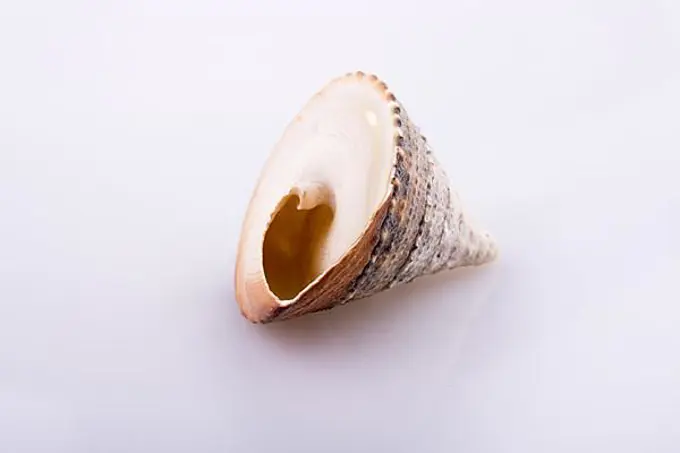
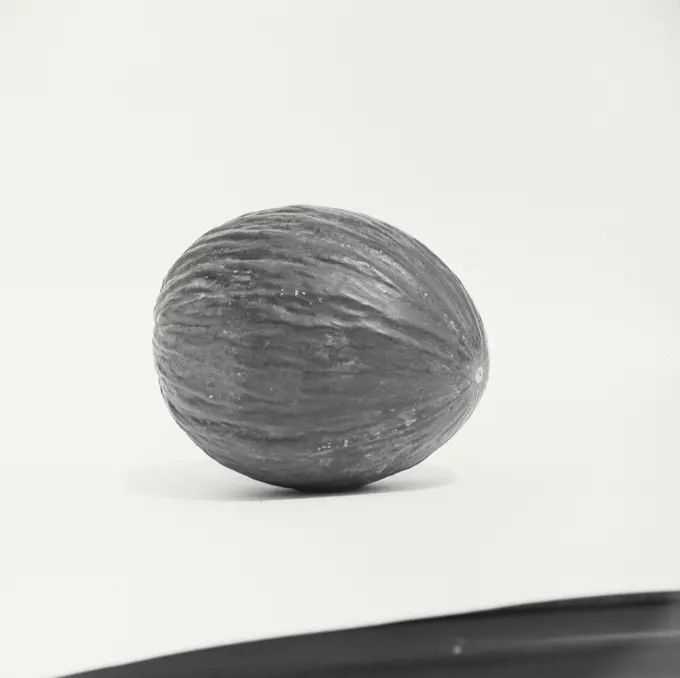
Historical Decorative Objects

Antique decorative items including a gold pendant, intricate glass paperweights, and jade discs. Features delicate craftsmanship reflecting cultural history.
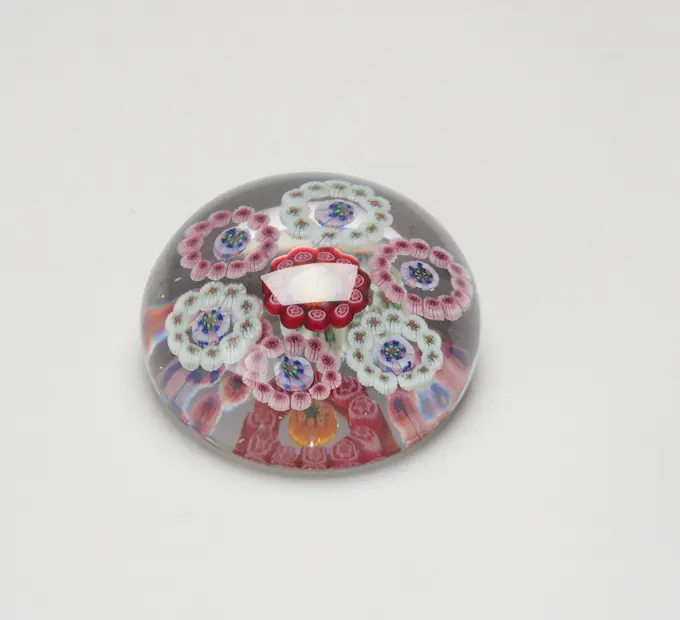
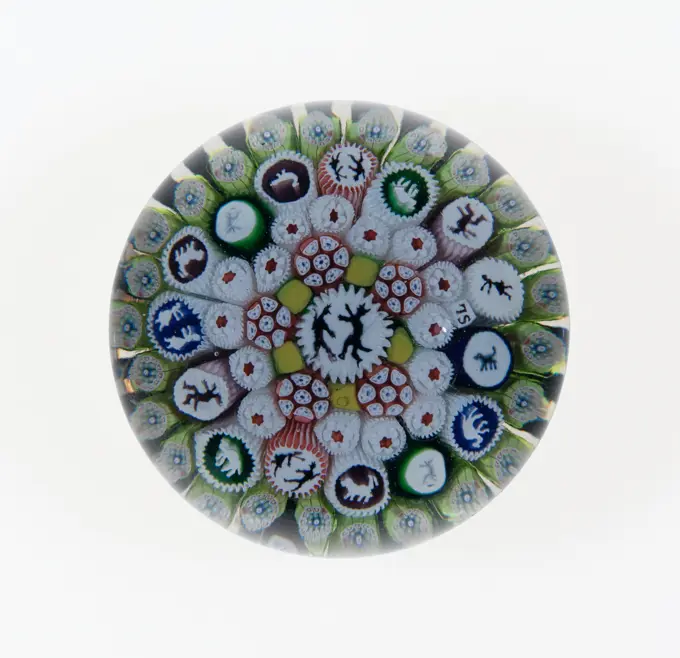
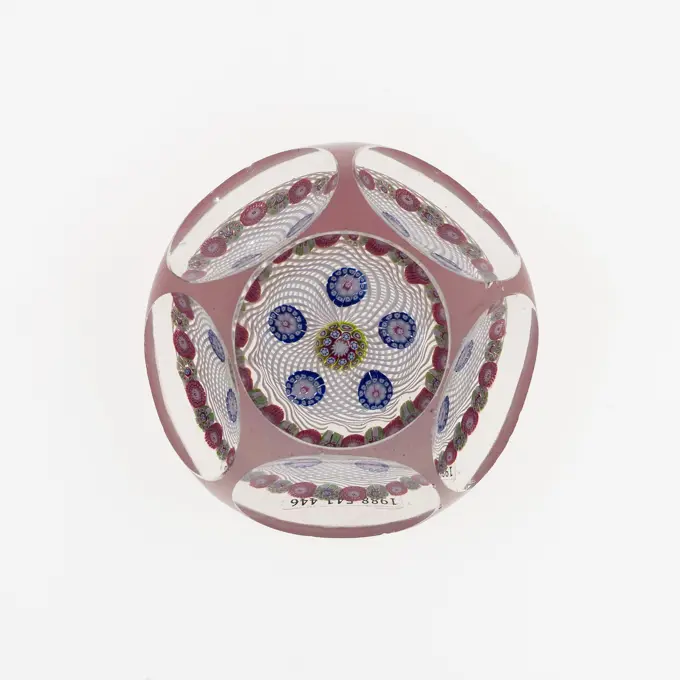
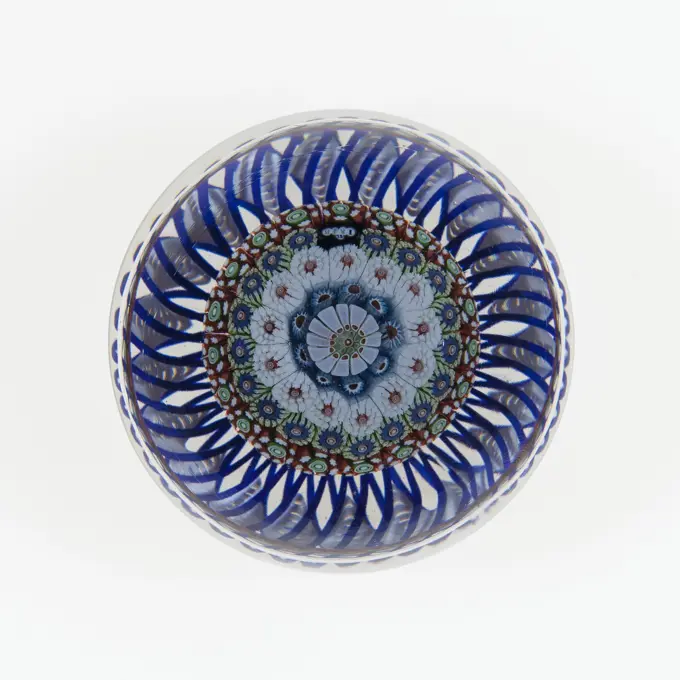
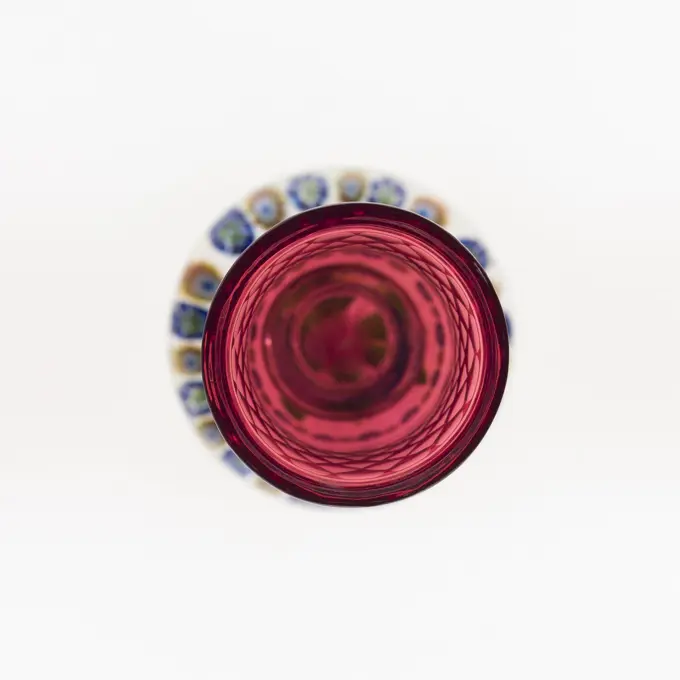
Paperweight, 19th century, Baccarat Glass Works, 1 1/2 x 2 3/4 x 2 3/4 in. (3.81 x 6.99 x 6.99 cm), Glass, France, 19th century
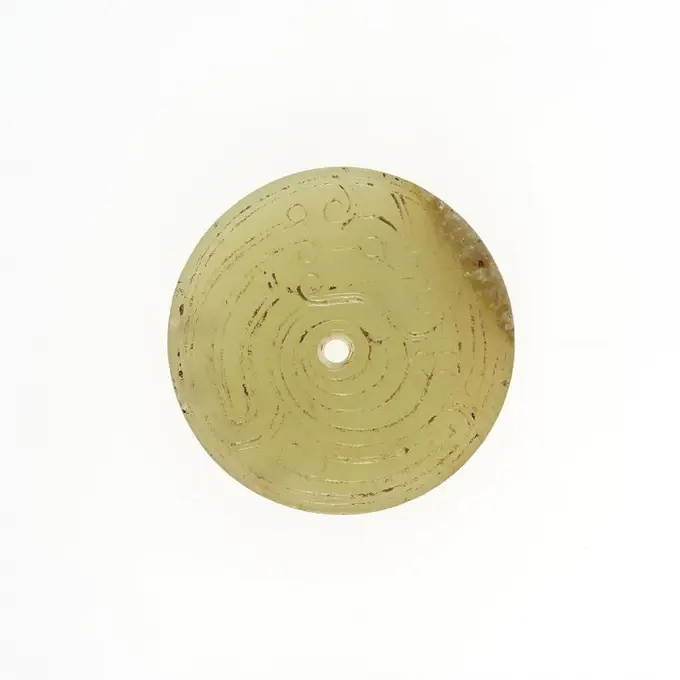
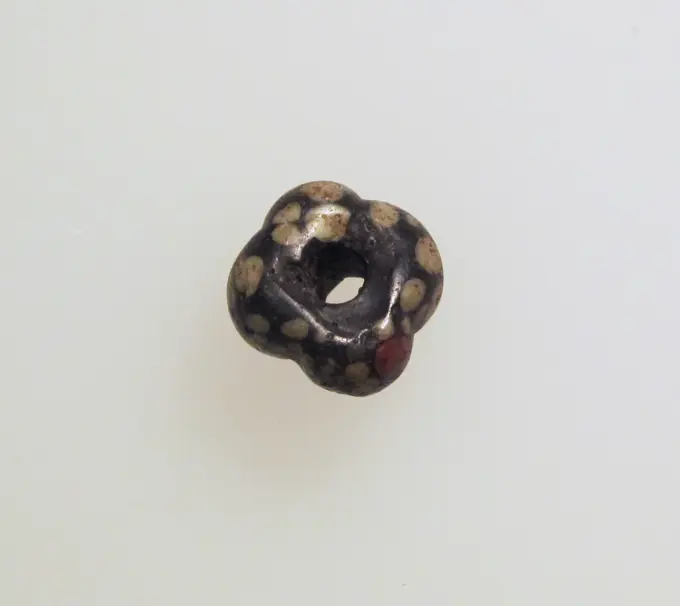
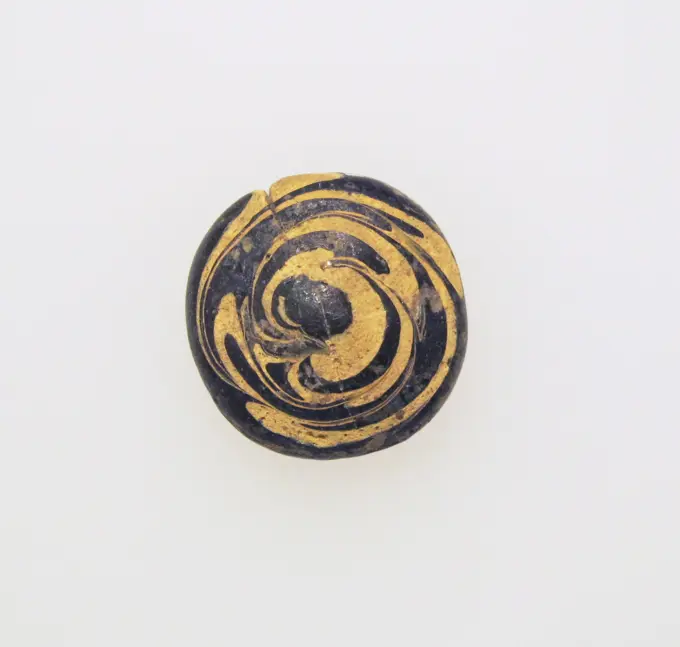
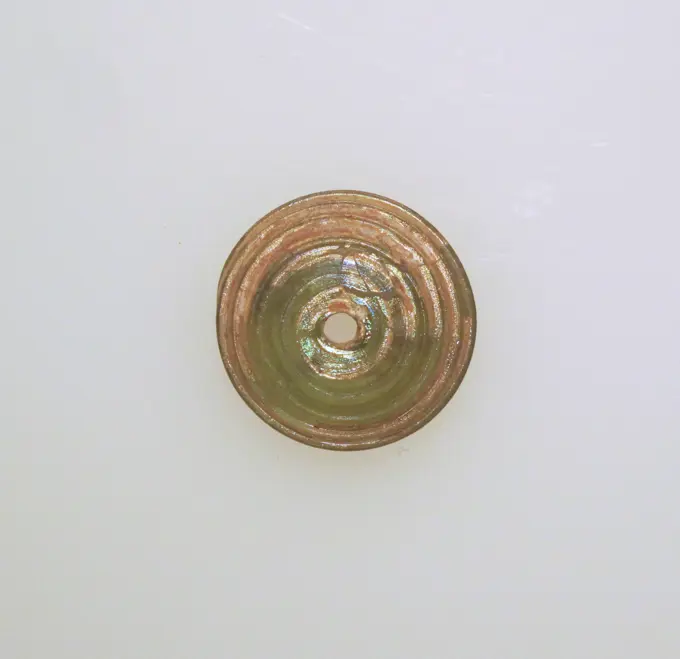
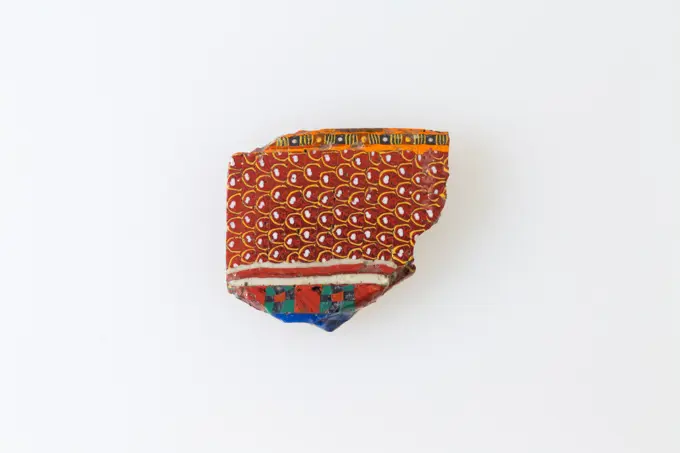
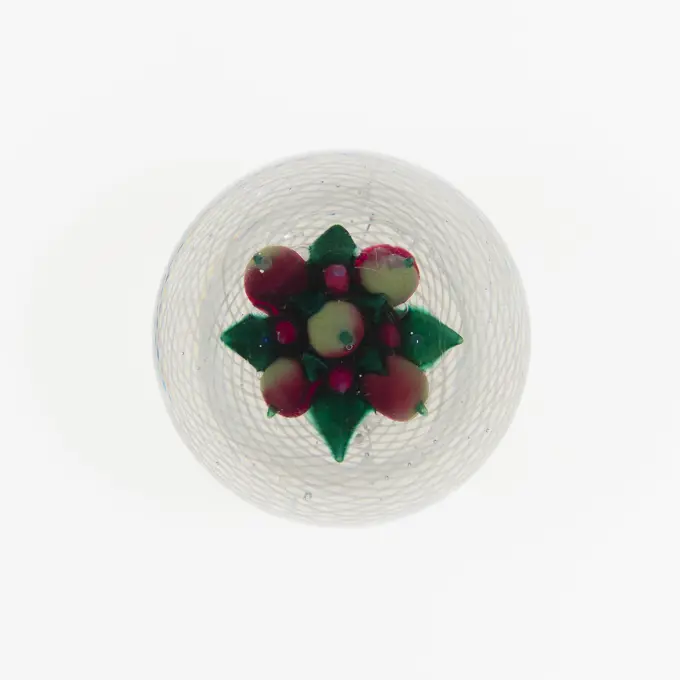
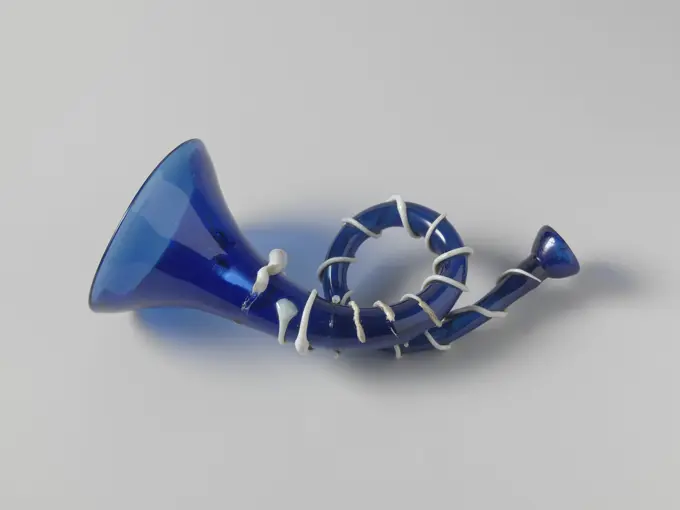
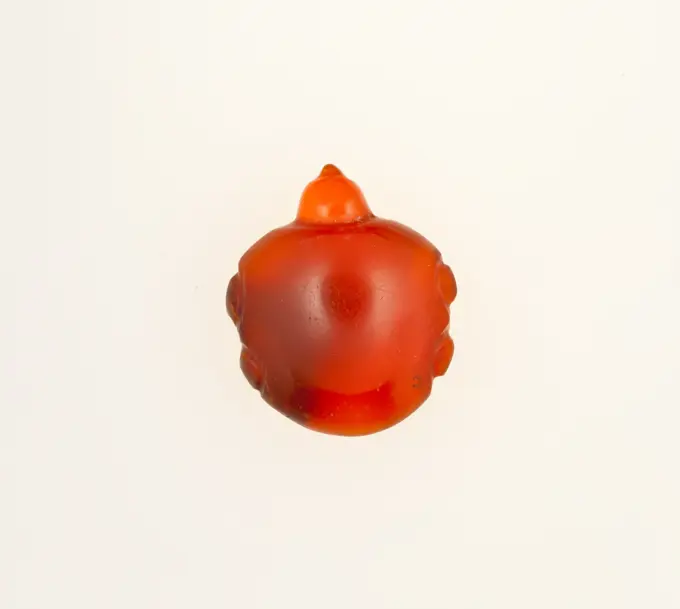
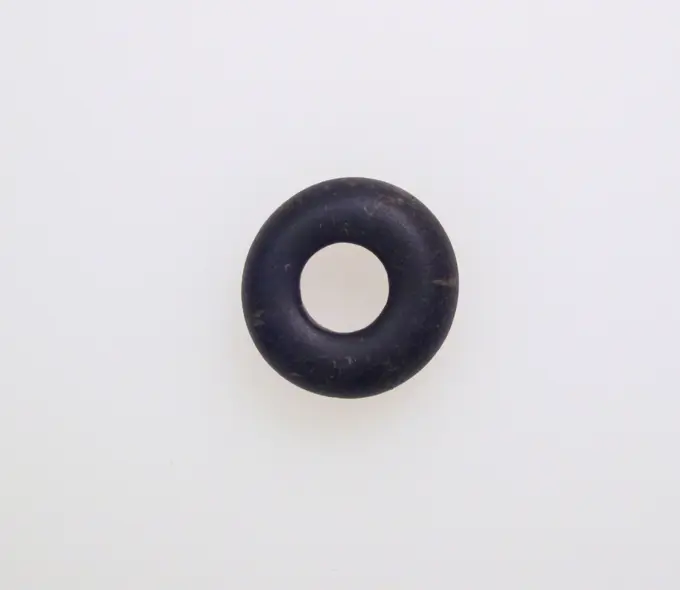
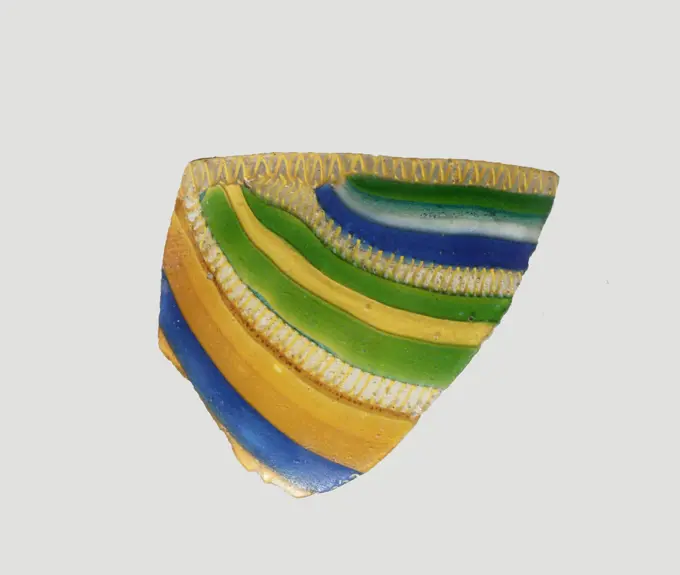
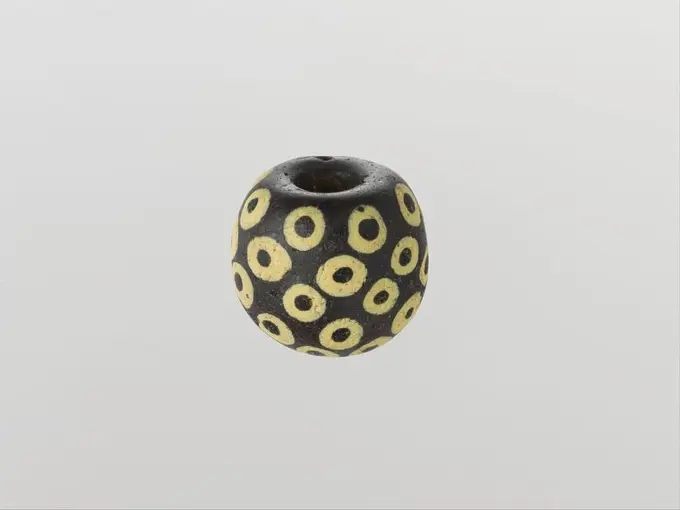
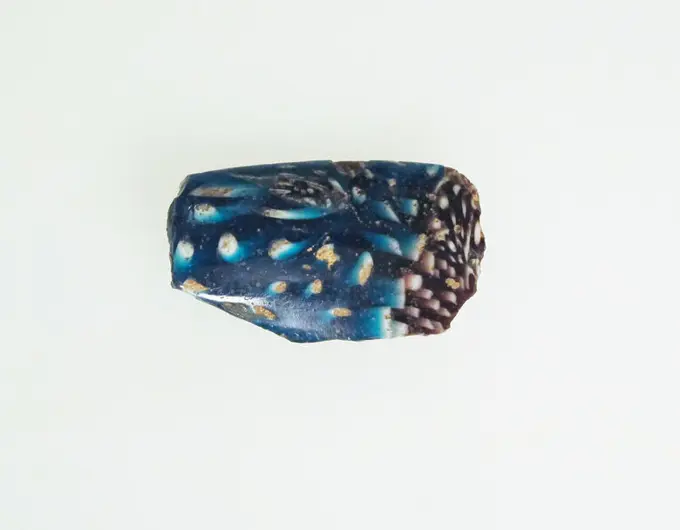
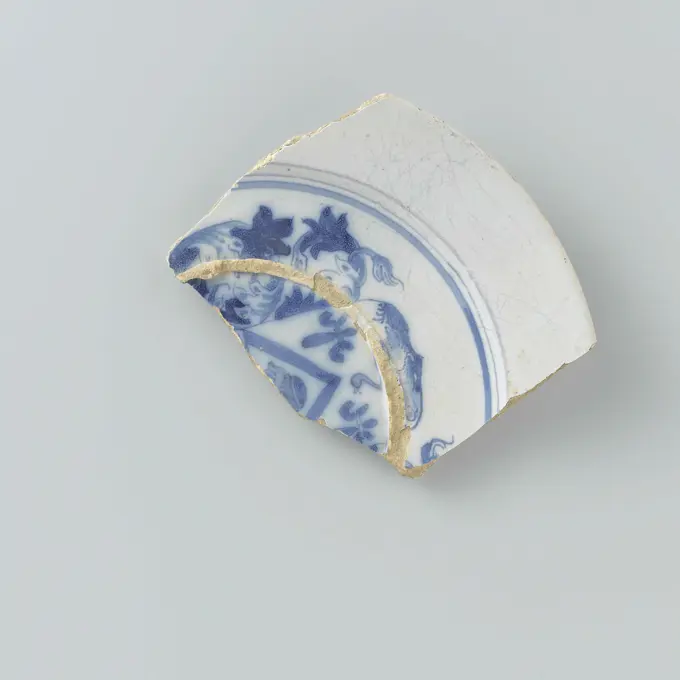
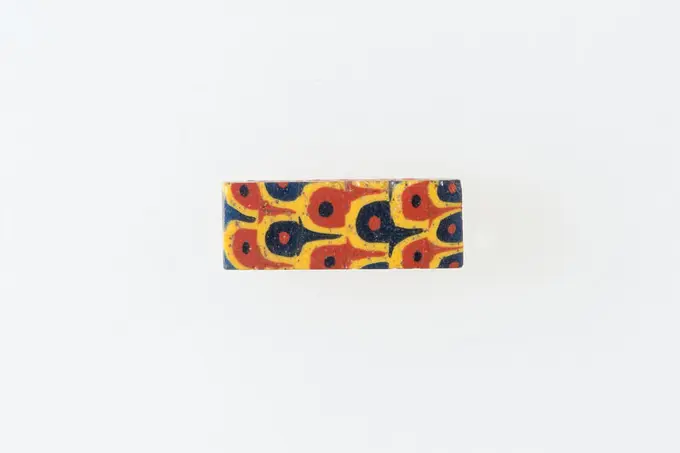
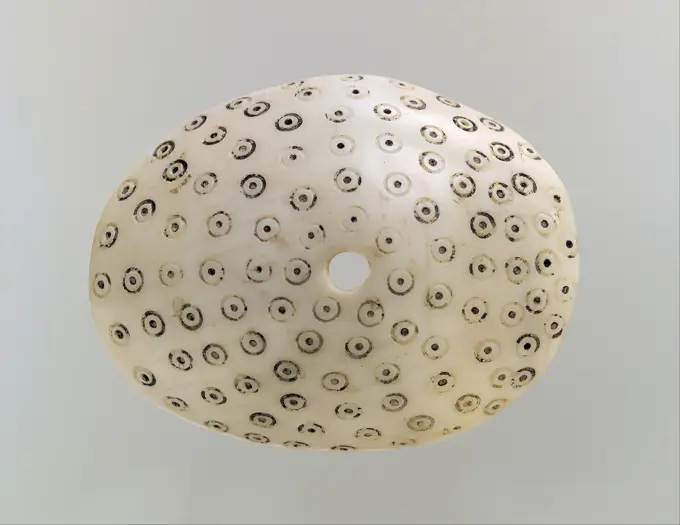
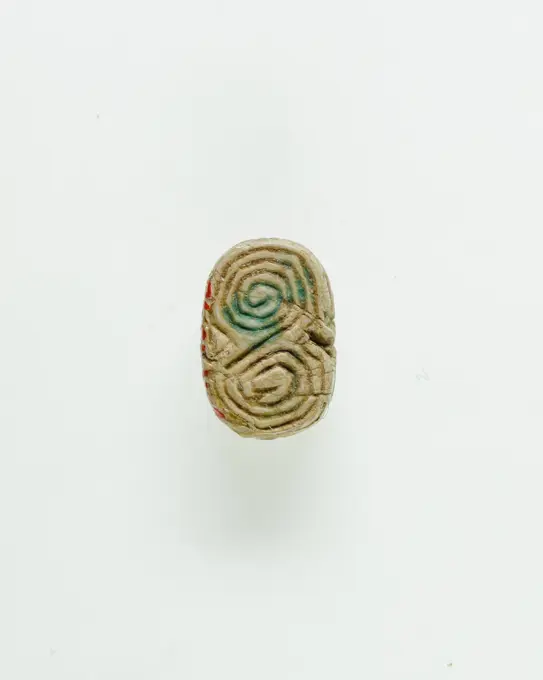
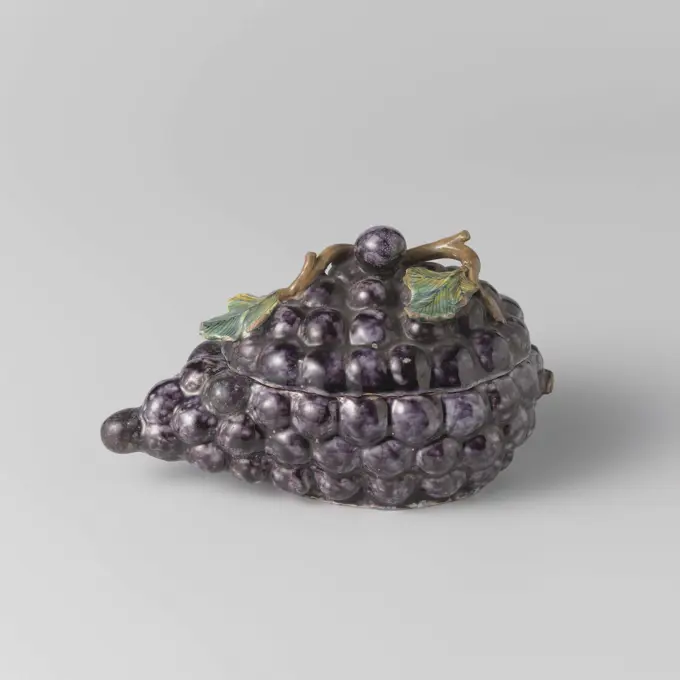
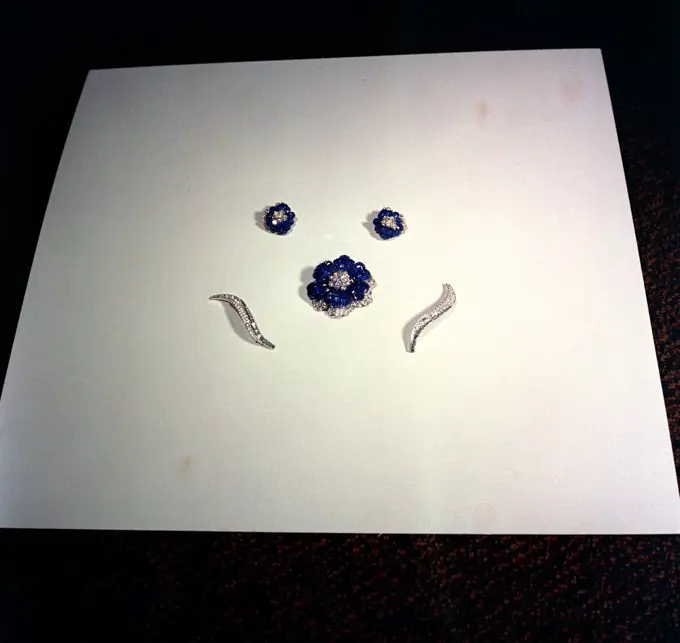
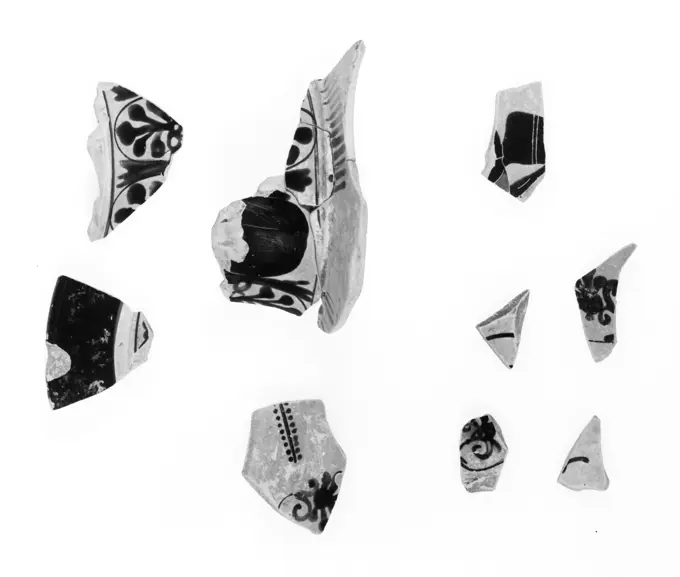
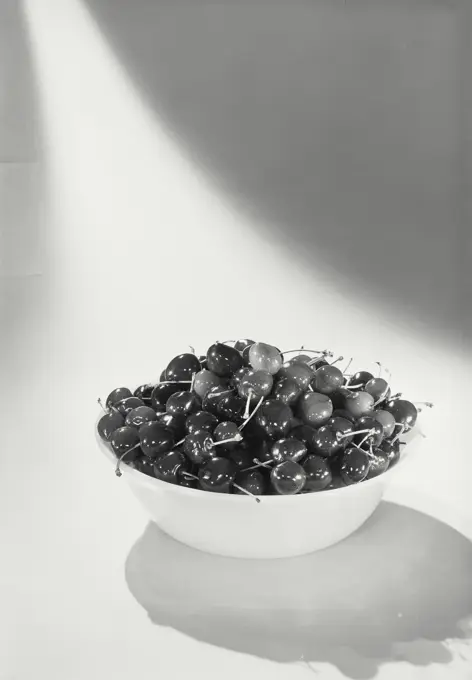
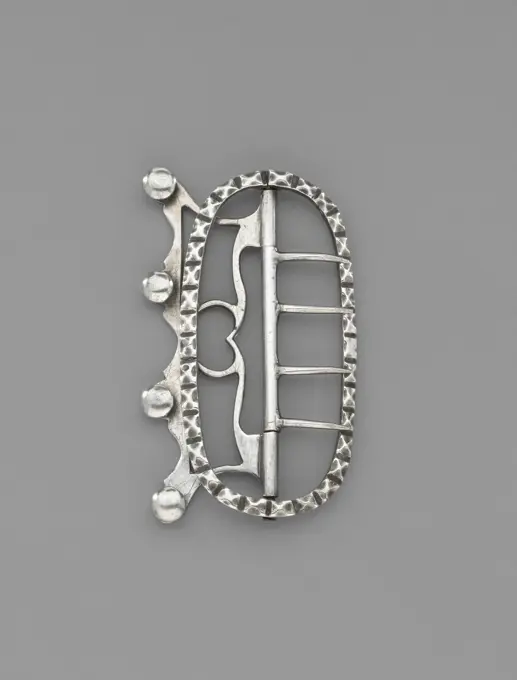
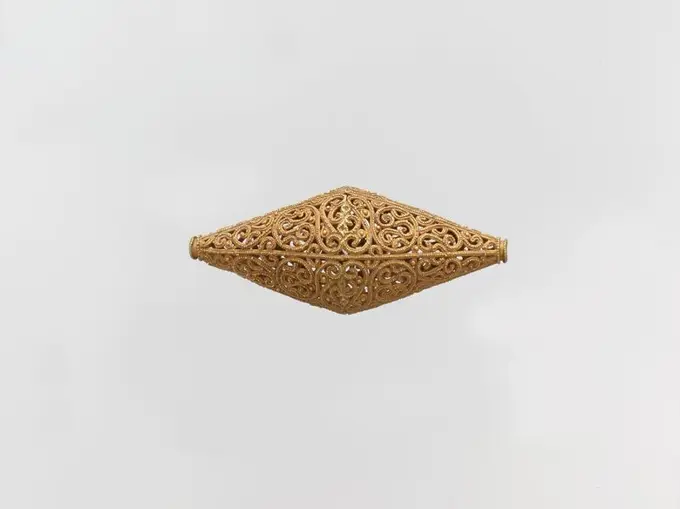
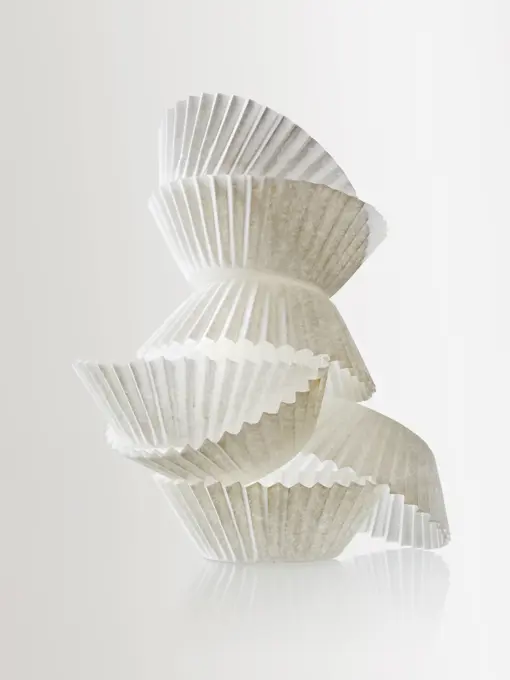
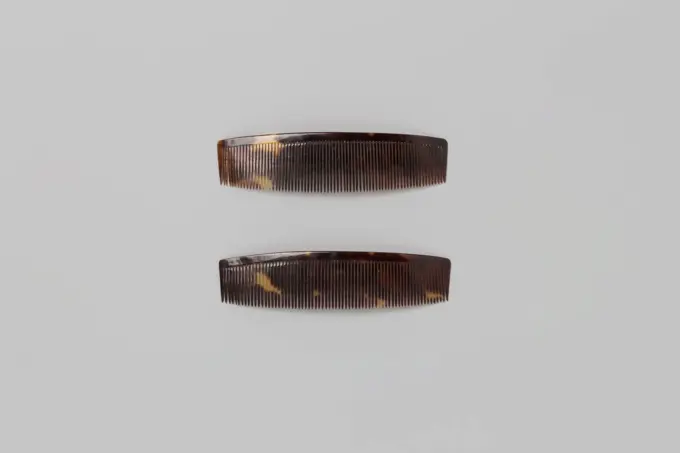
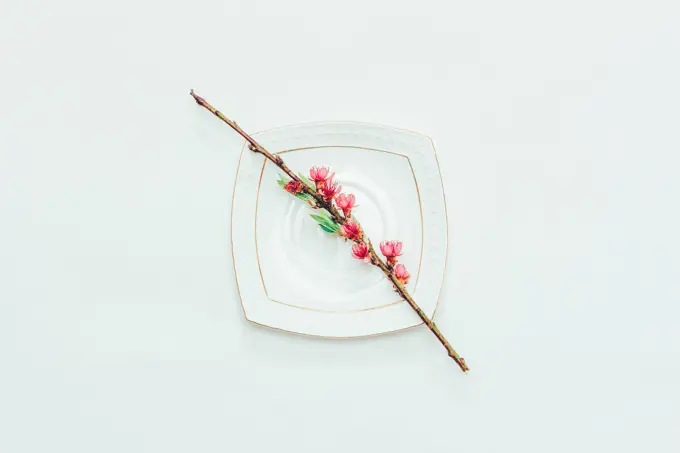
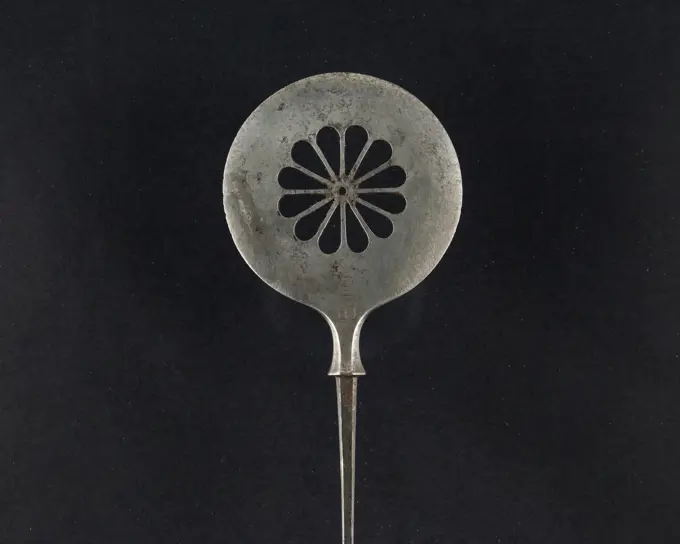
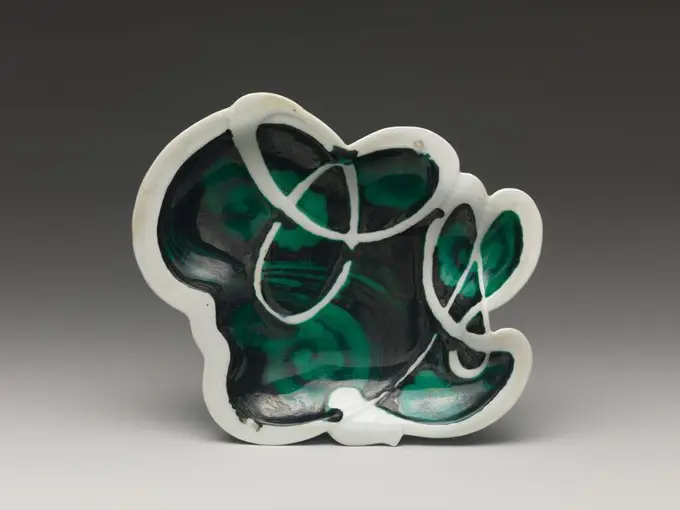
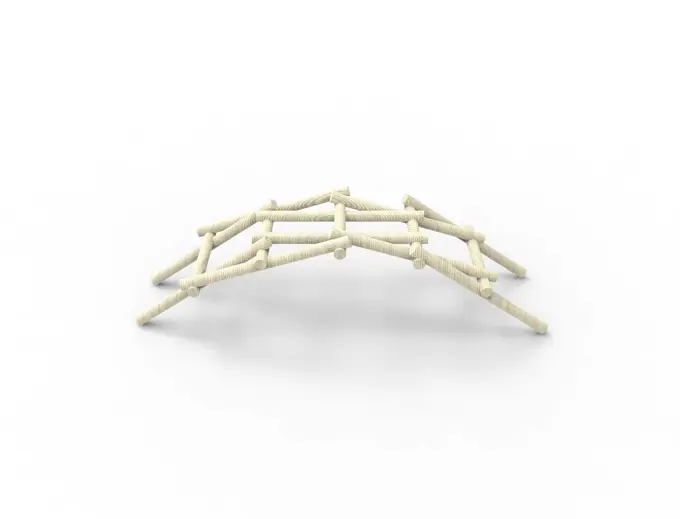
Pendant. Pendant. Gold. Gold and SilverPaperweight 1848 Saint-Louis. The colorful geometric clusters embedded in this paperweight reflect the nineteenth-century European fascination with optical effects. Sir David Brewster invented the kaleidoscope in 1815, and its colorful and changing patterns brought great visual entertainment. Paperweights such as this example reformed this childlike pastime for a sophisticated adult audience. Depicted in glass were tiny glittering flowers, small black and blue cameos of figures, and even miniature bottlecaps. These were delicately arranged within the orb for the observant eye to discover.From the late 1840s to early 1860s, French manufacturers of fine glass and crystalósuch as Baccarat (Alsace), Clichy (Paris), and Saint-Louis (Lorraine)ócatered to the vast public enthusiasm for beautiful yet functional desk accessories. Paperweights, which were designed to secure loose papers against drafts, were among their most popular products.. Glass . Compagnie de Saint LouisDisc with Coiled Dragon. China. Date: 1000 BC-800 BC. Dimensions: Diam. 1 5/16 in.; W. 3/16 in. Jade. Origin: China. Museum: The Chicago Art Institute, Chicago, USA.Bead 1st century B.C.-5th century A.D.. Bead. 1st century B.C.-5th century A.D.. Glass. GlassPinhead. Pinhead. Glass. GlassBlack podium on the black background with pearls. Podium for product, cosmetic presentation. Creative mock up. Pedestal or platform for beauty products. Minimalist design, vertical view.. Black podium on the black background with pearls. Podium for product, cosmetic presentation. Creative mock up. Pedestal or platform for beauty products.Glass spindle whorl ca. 1st-2nd century A.D. Roman Translucent light yellow green, with trails in same color.Tall, domed body; slightly convex bottom; vertical hole larger on bottom.Spiral trail on top surface and underside. Intact; pinprick bubbles; some dulling and creamy iridescent weathering.. Glass spindle whorl. Roman. ca. 1st-2nd century A.D.. Glass; rod-formed and wound. Early to Mid Imperial. GlassPaperweight 1840-1865 France. Glass . Compagnie de Saint LouisPaperweight, 19th century, Baccarat Glass Works, 1 1/2 x 2 3/4 x 2 3/4 in. (3.81 x 6.99 x 6.99 cm), Glass, France, 19th centuryPaperweight 1840-1865 France. This paperweight uses a traditional glass-making technique called millefiori to great effect. Italian for ìone thousand flowers,î millefiori was first developed in fifteenth-century Venice. In the nineteenth century, French glassmakers revived the technique with a cultural twist. Arranged to evoke traditional French gardens such as the Tuileries in Paris, paperweights like this example brought a little of this landscaping magic indoors.From the late 1840s to early 1860s, French manufacturers of fine glass and crystalósuch as Baccarat (Alsace), Clichy (Paris), and Saint-Louis (Lorraine)ócatered to the vast public enthusiasm for beautiful yet functional desk accessories. Paperweights, which were designed to secure loose papers against drafts, were among their most popular products.. Glass . Compagnie de Saint LouisInlay fragment, border pattern of feather design 100 BC-100 AD Ptolemaic Period-Roman Period A mosaic glass technique allowed multiples of an image to be created: a figural or design composition was made by bundling colored glass canes, which were then drawn out into a long bar. The bar was then sectioned at right angles, probably by striking the bar with appropriate tools, to produce small inlay tiles. The tile would then be smoothed and polished on the face intended to appear outwards.. Inlay fragment, border pattern of feather design. 100 BC-100 AD. Glass. Ptolemaic Period-Roman Period. From EgyptPaperweight 1875-1900 United States. Glass . New England Glass CompanyGlass horn, anonymous, c. 1700 - c. 1800 Smooth bent tube, ending in a wide sound cup; On the narrow side, a stuffed mouthpiece. Around the tube a white wire, the transition from the tube to the sound cup indicated by a corrugated white wire. Low Countries glass glassblowing Smooth bent tube, ending in a wide sound cup; On the narrow side, a stuffed mouthpiece. Around the tube a white wire, the transition from the tube to the sound cup indicated by a corrugated white wire. Low Countries glass glassblowingMultiple Wedjat eye amulet Third Intermediate Period-Late Period ca. 1070-343 B.C. View more. Multiple Wedjat eye amulet. ca. 1070-343 B.C.. Faience. Third Intermediate Period-Late Period. From Egypt, Upper Egypt, Thebes, Asasif, Tomb MMA 813, MMA excavations, 1929-30. Dynasty 21-30Torn paper with blank space for your messageVase, porcelain, China, early 18th century, ceramics, Decorative Arts, VaseTurtle amulet ca. 1550-1450 B.C. New Kingdom. Turtle amulet. ca. 1550-1450 B.C.. Carnelian. New Kingdom. From Egypt. Dynasty 18, earlyPaperweight 1840-1865 Baccarat. Glass . Baccarat GlassworksPaperweight 1801-1900 Clichy. This paperweight uses a traditional glass-making technique called millefiori to great effect. Italian for ìone thousand flowers,î millefiori was first developed in fifteenth-century Venice. In the nineteenth century, French glassmakers revived the technique with a cultural twist. Arranged to evoke traditional French gardens such as the Tuileries in Paris, paperweights like this example brought a little of this landscaping magic indoors.From the late 1840s to early 1860s, French manufacturers of fine glass and crystalósuch as Baccarat (Alsace), Clichy (Paris), and Saint-Louis (Lorraine)ócatered to the vast public enthusiasm for beautiful yet functional desk accessories. Paperweights, which were designed to secure loose papers against drafts, were among their most popular products.. Glass . Clichy GlasshouseBead Roman. Bead. Roman. Glass. GlassPaperweight 1840-1860 Saint-Louis. This paperweight uses a traditional glass-making technique called millefiori to great effect. Italian for ìone thousand flowers,î millefiori was first developed in fifteenth-century Venice. In the nineteenth century, French glassmakers revived the technique with a cultural twist. Arranged to evoke traditional French gardens such as the Tuileries in Paris, paperweights like this example brought a little of this landscaping magic indoors.From the late 1840s to early 1860s, French manufacturers of fine glass and crystalósuch as Baccarat (Alsace), Clichy (Paris), and Saint-Louis (Lorraine)ócatered to the vast public enthusiasm for beautiful yet functional desk accessories. Paperweights, which were designed to secure loose papers against drafts, were among their most popular products.. Glass . Compagnie de Saint LouisBracelet ca. 1802-1700 B.C. Middle Kingdom. Bracelet. ca. 1802-1700 B.C.. Black, white and green faience. Middle Kingdom. From Egypt, Memphite Region, Lisht North, Tomb 954, Burial 954E, MMA excavations, 1921-22. Dynasty 13 to 1700 B.C.Glass mosaic fragment. Culture: Roman. Dimensions: 1 1/4 × 11/16 × 1/16 in. (3.2 × 1.7 × 0.2 cm). Date: late 1st century B.C.-early 1st century A.D..Translucent cobalt blue and opaque white.Shallow convex curving side, thin-walled.Marbled mosaic pattern formed from sections of a single cane in a blue ground with numerous white rods.Polished exterior; slight pitting of surface bubbles on exterior; dulling, weathering, dulling and small patches of creamy iridescence on interior; iridescent weathering on jagged edges. Museum: Metropolitan Museum of Art, New York, USA.Three soaring white zephyr marshmallow on white background. flying food levitationGlass striped mosaic bowl fragment late 1st century B.C.-early 1st century A.D. Roman Rim fragment.Translucent blue, turquoise blue, largely layered with yellow appearing green, honey yellow layered with white, opaque yellow, and white, with colorless glass.Applied coil rim with rounded, vertical lip; slightly convex side, curving inward at bottom. Rim in colorless glass with two yellow spiral threads; body decorated with bands slanting from top left to bottom right, forming a pattern: yellow, blue, yellow, green, colorless with double spiral yellow threads, green, yellow, green colorless with two yellow spiral threads, blue, white, turquoise, and green.Pinprick bubbles; exterior polished, with pitting of surface bubbles; dulling and creamy weathering on interior; some iridescent weathering on jagged edges.. Glass striped mosaic bowl fragment. Roman. late 1st century B.C.-early 1st century A.D.. Glass; cast. Early Imperial. GlassClose-up of grey silk travel pillow with rosebud sachetFlüssiges 24r-Goldgel auf grünem Hintergrund verschmiert. Schönheitskosmetik Abstrich wie reine transparente Aloe-Lotion, Gesichts-Gelee-Serum, Draufsicht. Liquid 24r gold gel smear on green background. Beauty cosmetic smudge such as pure transparent aloe lotion, facial jelly serum, top view Copyright: xZoonar.com/IrinaxKvyatkovskayax 22736437Paperweight 1840-1865 . This paperweight uses a traditional glass-making technique called millefiori to great effect. Italian for ìone thousand flowers,î millefiori was first developed in fifteenth-century Venice. In the nineteenth century, French glassmakers revived the technique with a cultural twist. Arranged to evoke traditional French gardens such as the Tuileries in Paris, paperweights like this example brought a little of this landscaping magic indoors.From the late 1840s to early 1860s, French manufacturers of fine glass and crystalósuch as Baccarat (Alsace), Clichy (Paris), and Saint-Louis (Lorraine)ócatered to the vast public enthusiasm for beautiful yet functional desk accessories. Paperweights, which were designed to secure loose papers against drafts, were among their most popular products.. Glass . Clichy GlasshouseMinimal luxury white display podium blank for show products or cosmetics with grass and stone texture on the floor, 3d illustrationhalved coconut with copy spaceGlass eye bead. Culture: Greek, Eastern Mediterranean. Dimensions: Diam.: 1 1/8 in. (2.9 cm). Date: ca. 4th century B.C..Blue bead covered with blue and white eyes. Museum: Metropolitan Museum of Art, New York, USA.Germany, Lamp on ceilingPaperweight 1801-1900 France. Technological improvements to optical scientific instruments in the mid-nineteenth century spurred a veritable obsession across Europe with identifying and classifying the natural world. Amateur botanists were eager to collect and preserve floral specimens, which they intently researched and catalogued. In response to this broad appeal, French glassmakers made paperweights that portrayed the very botanical subjects that were so enthusiastically sought. Many weights represented specimens with horticultural correctness, but others were entirely fanciful creations. Paperweights like this example speak to the periodís fascination with taxonomic systems.From the late 1840s to early 1860s, French manufacturers of fine glass and crystalósuch as Baccarat (Alsace), Clichy (Paris), and Saint-Louis (Lorraine)ócatered to the vast public enthusiasm for beautiful yet functional desk accessories. Paperweights, which were designed to secure loose papers against drafts, weGlass mosaic bowl fragment. Culture: Roman. Dimensions: 1 13/16 × 1 1/16 × 3/16 in. (4.7 × 2.7 × 0.4 cm); estimated diameter 5 7/8 in. (15 cm). Date: late 1st century B.C.-early 1st century A.D..Translucent deep turquoise blue and purple, and opaque white.Outsplayed rim, with rounded edge; straight side.Composite mosaic pattern formed from large sections of two canes: one in a purple ground with a scatter of white rods, and the other in a blue ground with a scatter of white rods and a small central circular cane in a purple ground with white rods.Polished on interior, with pitting of surface bubbles; dulling on exterior with weathering of white rods. Museum: Metropolitan Museum of Art, New York, USA.. Fragment of a plate of faience. The flat is painted in blue under the glaze with a coat of arms with cover curves, surrounded by concentric circles. A semi-circle damage runs through the performanceA stock photograph of a colour condom.Pharmacist spot, painted multi-colored .. concave cylindrical pot of multi-colored painted majolica, with a cored neck and foot. The pot is painted with blue horizontal lines and a wide orange-yellow ring in the middle.Beautiful sea shell on a white backgroundIrene Lawson, Comb, c 1940 CombBanded agate inlay fragment late 1st century B.C.-early 1st century A.D. Roman Flat and smooth on both sides; small hole drilled at angle in one side near edge; broken, jagged edges.. Banded agate inlay fragment. Roman. late 1st century B.C.-early 1st century A.D.. Glass; carved and polished. Early ImperialHair comb of blonde imitation turtle or horn with narrow, smooth back on which five points, anonymous, c. 1800 - c. 1810 Hair comb of blonde imitation turtle or horn with narrow, smooth back on which five points. Ten teeth. Netherlands (possibly) celluloid (cellulosic). cellulose acetate. horn (animal material) sawing / filing / polishing Hair comb of blonde imitation turtle or horn with narrow, smooth back on which five points. Ten teeth. Netherlands (possibly) celluloid (cellulosic). cellulose acetate. horn (animal material) sawing / filing / polishingBrooch -Netsuke of God of Thunder (Raijin) in Clouds 18th century Japan. Netsuke of God of Thunder (Raijin) in Clouds. Japan. 18th century. Wood. Edo period (1615-1868). NetsukeClose up of a homemade mouth guard on a bright background, protection or safety conceptInlay fragment, feather design. Dimensions: l. 1.3 × w. 0.4 cm (1/2 × 3/16 in.). Date: 200 BC-100 AD.A mosaic glass technique allowed multiples of an image to be created: a figural or design composition was made by bundling colored glass canes, which were then drawn out into a long bar. The bar was then sectioned at right angles, probably by striking the bar with appropriate tools, to produce small inlay tiles. The tile would then be smoothed and polished on the face intended to appear outwards. Museum: Metropolitan Museum of Art, New York, USA.Abstract minimal kitchen colorful bowl copy spaceSuite of Choker, Bracelet, Brooch and Earrings. Italy, circa 1840-1850. Jewelry and Adornments; brooches. Coral, goldUruguayische Kokarde isoliert Uruguayische Kokarde isoliert Copyright: xZoonar.com/MariaxGabrielaxBertolinix 22542548Abstract bubblesDecorative boss ca. 8th century B.C. Assyrian This curved object, carved from a thick piece of shell and decorated with small circles and dots, was part of a group of 18 similar pieces found in a well in the Northwest Palace of Ashurnasirpal II at Nimrud. They were probably thrown into the well when the palace was sacked, in 614 B.C. and then again two years later. Their function is mysterious. All were pierced in the center and in some examples a nail remained in the central hole, which must have fastened the shell to a backing in some other material, perhaps wood. Other objects found in the same well can be identified as horse trappings, such as the small shell ornaments and studs also in the Metropolitan Museums collection (54.117.16-.19). These were probably part of a leather harness, which disintegrated in the well sludge. Horses in the reliefs of the palace of Sargon II at Dur Sharrukin (modern Khorsabad) are represented with similar double-fan shaped ornaments on their bridles,Still life of big red Christmas bow.Vintage Photograph. A still life of a Spanish melon.Chinese Bi Disks made from black and white jade.Cigarettes in ash tray.Fragment from Thick Walled Marbled Vessel ca. 1427-1400 B.C. New Kingdom. Fragment from Thick Walled Marbled Vessel. ca. 1427-1400 B.C.. Glass. New Kingdom. From Egypt, Upper Egypt, Thebes, Valley of the Kings, Tomb of Amenhotep II (KV 35). Dynasty 18Saucer decorated with cards to the Japanese New Year's poetic game (poems from the anthology "Hyakunin Isshu"); Kutani; around 1915-1925 (1915-00-00-1925-00-00);Glass double cosmetic flask (kohl tube) 4th century A.D. Roman, Syrian Translucent yellow green; handles in translucent blue green, and trail in translucent turquoise blue.Rim folded in and down sides of neck; body comprising two tubes, side by side, made from a single inflated gather by pinching sides vertically to make diaphragm; pontil mark on bottom; basket handle made from three separate rods, two attached to side of body over trail, drawn up and outward, then turned sharply in and dropped onto rim, the third rod then applied to top of one handle, drawn up and down, with acute angle at apex, and attached to top of other handle.Single fine trail applied as a pad near bottom of body, drawn up and wound in a spiral slightly over seven times around body, ending below rim.Broken and repaired around body with one small hole; large, elongated bubbles in body, more bubbles and impurities in handle; faint iridescent weathering.. Glass double cosmetic flask (kohl tube) 256719Double hair comb or ridge of solid fine turtle, with a long row of narrow teeth. Double hair comb or ridge of solid fine turtle, with a long row of narrow teeth.Paperweight 1840-1865 France. Glass . Compagnie de Saint LouisInlay, hieroglyph 664-610 B.C. Late Period, Saite A quantity of faience hieroglyphs and border elements was found in the tomb or courtyard of Nespekashuty. These are displayed in galleries 127 and 130. They are of similar size and manufacture, so seem to have belonged to a single object, likely of wood. Some of the signs belong to the standard offering formula, others mention Osiris and Anubis, so they certainly suggest an item of funerary furniture - a box, a screen, or a coffin although coffins are not usually inlaid in faience and remnants of Nespekashuty's were painted.Unfortunately, there are no signs indisputably pointing to Nespekashuty's names or titles. Although it seems likely that the fairly elaborate piece of equipment to which they testify belonged to the main burial of this tomb, and not to the Third Intermediate Period burials found in the courtyard or to the material apparently cleared from the Hathor Shrine at Deir el Bahri or to the other sets of late shabtis found inScarab Decorated with Scroll ca. 1981-1850 B.C. Middle Kingdom Scrolls and spirals -whether single or interlocking, or in combination with hieroglyphs or floral motifs- already decorate the earliest types of scarabs and are common throughout the first half of the second millennium B.C. While their meaning and source of inspiration remains unknown, scroll designs are also appealing to the eye. A wide variety of combinations, some of which more complex than others, is found on Egyptian scarabs of the Middle Kingdom and scrolls become particularly popular during late Dynasty 12 and Dynasty 13 (ca. 1850-1640 B.C.). While these designs continue to appear on scarabs in the Second Intermediate Period (ca. 1640-1550 B.C.) and on contemporary Canaanite imitations, details in the composition or on the scarabs back or its legs allow the seal-amulet to be more precisely dated. Scarab Decorated with Scroll. ca. 1981-1850 B.C.. Steatite, traces of green glaze. Middle Kingdom. From Egypt, Memphite Rpainted easter egg with cut out patternsStamp rackHarpoon Head 3rd-4th century Old Bering Sea (). Harpoon Head 310585Terrine of multi-colored padded faience, in the form of a grape food. Terrine in the form of a grape food. With accompanying lid and underfaith.Golden milk in a white cup decorated with a pink daisyFloral Repoussé Decoration Matchsafe; Made by Samuel Kirk & Son; USA; silver; 5.7 x 3.3 x 1.5 cm (2 1/4 x 1 5/16 x 9/16 in. )First Lady Jacqueline Kennedy's (JBK) jewelry. A pair of floral shaped earrings, with matching brooch (center), and a set of two pins, belonging to First Lady Jacqueline Kennedy. Mrs. Kennedy wore the earrings and brooch during arrival ceremonies for Mohammad Reza Shah Pahlavi, the Shahanshah of Iran, and his wife, the Empress Farah Pahlavi, on 11 April 1962.Black olivesAttic Black-Figure Neck Amphora Fragment. Unknown. Hair comb of turtle with an incredible round back, which is opposed to the thirteen teeth.Red onions collection, isolated on white background Red onions collection, isolated on white background. Copyright: xZoonar.com/AntonxVasiljevx 21706983Photo on aromatherapy and mental health.Pair of Sword-Grip Ornaments (Menuki). Culture: Japanese. Dimensions: L. of each 1 9/16 in. (4 cm); Wt. of each 0.3 oz. (8.5 g). Date: 18th century. Museum: Metropolitan Museum of Art, New York, USA.Vintage photograph. Bowl of cherries on white background with shadowStockbuckle. Maker, attributed to: Mark Nelson, American, 1733-1787Fluorite on feltBiconical Bead with Scrolls. Dimensions: 2 x 3/4 in. (5.1 x 1.9 cm). Date: 11th century.This bead and bead 1980.457 feature superb patterns of scrolling vines whose bifurcations elegantly extend the design to fit the required space. The patterns recall those of the beveled style of the ninth century, although these possess clearer lines, perhaps owing to the medium. Museum: Metropolitan Museum of Art, New York, USA.Creative concept photo of old vintage camera with paper on grey background.blackberry  isolated on white backgroundHair BrushesBauchige Lampen Bauchige Lampen Copyright: xZoonar.com/FinestxPicturex 2102273Colourful blurred marble like ball macroBrown bright ink droplet waterMuffin shapes, paper shapes, baking shapes, cupcake frills, molds, paperbacks ** Muffin Tin, Paper Muffin Cups, Muffin Tins, Paper Muffin Cup KTN-J7VDouble hair comb or comb from plain fine turtle, with a long row of narrow teeth, anonymous, c. 1800 - c. 1899 Double hair comb or comb from plain fine turtle, with a long row of narrow teeth. Netherlands (possibly) . sawing / filing / polishing Double hair comb or comb from plain fine turtle, with a long row of narrow teeth. Netherlands (possibly) . sawing / filing / polishingHair comb made of turtle with narrow, slightly well -wandering back, anonymous, c. 1885 - c. 1900 Hair comb made of turtle with narrow, slightly well -wandering back, thirty teeth. Netherlands (possibly) horn (animal material) sawing / filing / polishing Hair comb made of turtle with narrow, slightly well -wandering back, thirty teeth. Netherlands (possibly) horn (animal material) sawing / filing / polishingGlass fragment with painted and gilded decoration. Culture: Roman. Dimensions: Overall: 5/8 x 7/8 x 1/16 in. (1.6 x 2.2 x 0.2 cm). Date: 4th century A.D..Painted glass fragment with gilded decoration. Museum: Metropolitan Museum of Art, New York, USA.Paperweight, 19th century, Saint Louis Glass Works, 2 1/4 x 2 7/8 x 2 7/8 in. (5.72 x 7.3 x 7.3 cm), Glass, France, 19th centuryGreen sea urchin, shore sea urchin (Psammechinus miliaris) on white backgroundShards of signs from the wreck of the East Indians Hollandia, Anonymous, 1700 - in Or Before 1743 plate (dishes) Porcelain, plate, type 1; fragm of rim, sim NG 1980-27H1662. Netherlands porcelain   SecondHair comb of imitation turtle and horn with a narrow, unadorned round back, anonymous, c. 1800 - c. 1900 Hair comb of imitation turtle and horn with a narrow, unadorned round back, which protrudes a bit on both sides of the teeth. Ten teeth. Netherlands (possibly) celluloid (cellulosic). horn (animal material) sawing / filing / polishing Hair comb of imitation turtle and horn with a narrow, unadorned round back, which protrudes a bit on both sides of the teeth. Ten teeth. Netherlands (possibly) celluloid (cellulosic). horn (animal material) sawing / filing / polishingFlowering branch of a peach with pink flowers on a white saucer on a white background close-up, top view Flowering branch of a peach with pink flowers on a white saucer on a white background close-up, top view Copyright: xZoonar.com/gutaperx 16141168Arrowhead (Yanone) 18th century Japanese Although today Japanese warriors are renowned most for their swordsmanship, archery, especially from horseback, has been an essential part of samurai warfare and culture for centuries. Arrows were fitted with heads of varying shape according to their intended use in war, the hunt, or target practice. Arrowheads made for use on the battlefield incorporated different designs intended for specialized purposes such as the piercing of armor or to cause maximum damage to horses and unarmored personnel.Large arrowheads, pierced and elaborately chiseled with landscapes, birds, flowers, dragons, and Buddhist divinities, were created to be admired for the beauty of their metalwork and design rather than for use in archery. Such highly elaborate examples may have been made for presentation or as a votive offerings to a shrine.. Arrowhead (Yanone). Japanese. 18th century. Steel. Archery Equipment-ArrowheadsRetro cartoon with texture. Isolated on White.Paperweight 1840-1865 Baccarat. Technological improvements to optical scientific instruments in the mid-nineteenth century spurred a veritable obsession across Europe with identifying and classifying the natural world. Amateur botanists were eager to collect and preserve floral specimens, which they intently researched and catalogued. In response to this broad appeal, French glassmakers made paperweights that portrayed the very botanical subjects that were so enthusiastically sought. Many weights represented specimens with horticultural correctness, but others were entirely fanciful creations. Paperweights like this example speak to the periodís fascination with taxonomic systems.From the late 1840s to early 1860s, French manufacturers of fine glass and crystalósuch as Baccarat (Alsace), Clichy (Paris), and Saint-Louis (Lorraine)ócatered to the vast public enthusiasm for beautiful yet functional desk accessories. Paperweights, which were designed to secure loose papers against drafts, Dish with Abstract Design. Culture: Japan. Dimensions: H. 1 in. (2.5 cm); W. 5 1/8 in. (13 cm); L. 6 1/8 in. (15.6 cm). Date: second half of the 17th century. Museum: Metropolitan Museum of Art, New York, USA.Leonardo Da vinci self supporting bridge isolated in white background Leonardo Da vinci self supporting bridge isolated in white background. Copyright: xZoonar.com/HugoxKurkx 13860004Electronis Warfare Technician Second Class Dave Kronebusch, activated from the Fleet Information Warfare Center in LittleCreek, Virginia, reaches to catch a tool to change a light bulb on the outside perimeter of the Radio Mir transmitter site. The site is located 906 meters above sea level on Grdonj Hill, and supports the Stabilization Force Information Command Center in Sarajevo, Bosnia. Found at 106.2 MHZ on the dial, Radio Mir (which translated means Radio Peace) broadcasts service information, spotlights political developments, and plays music for the local Bosnian population. The site is currently maintained by a six-person Reserve unit from Virginia. It is their responsibilty to.... Electronis Warfare Technician Second Class Dave Kronebusch, activated from the Fleet Information Warfare Center in LittleCreek, Virginia, reaches to catch a tool to change a light bulb on the outside perimeter of the Radio Mir transmitter site. The site is located 906 meters above sea level on GrdonjSiphon nozzle ca. 1295-1070 B.C. New Kingdom, Ramesside. Siphon nozzle 559490