Historical Decorative Plaques

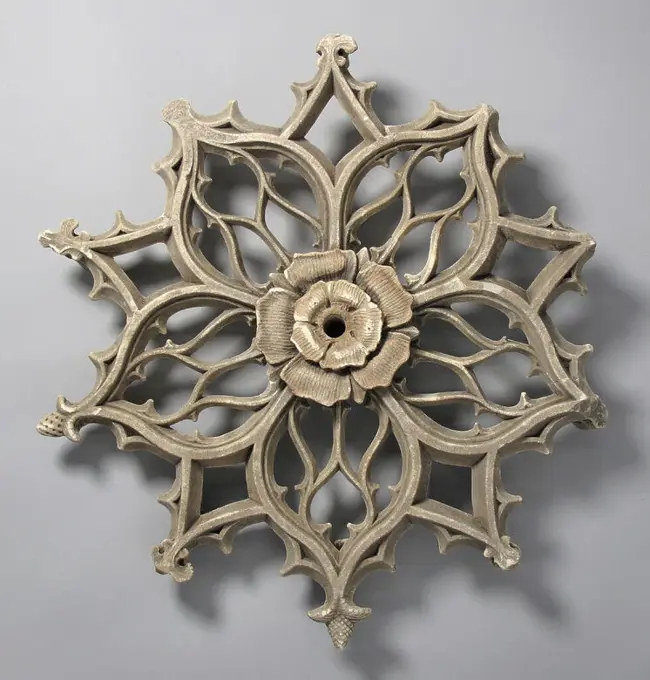
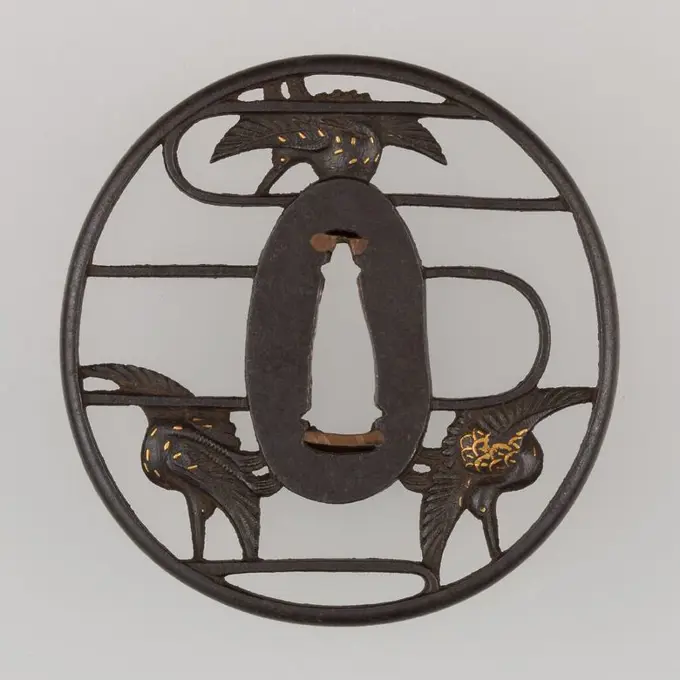
A collection of ornate plaques from various eras, featuring intricate carvings and designs in wood and brass, representing historical craftsmanship.
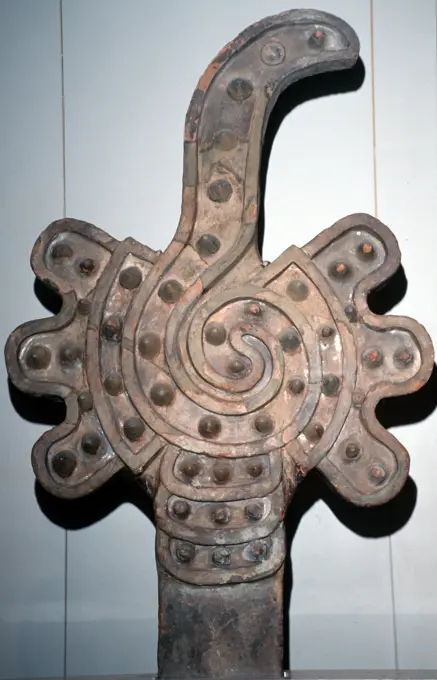
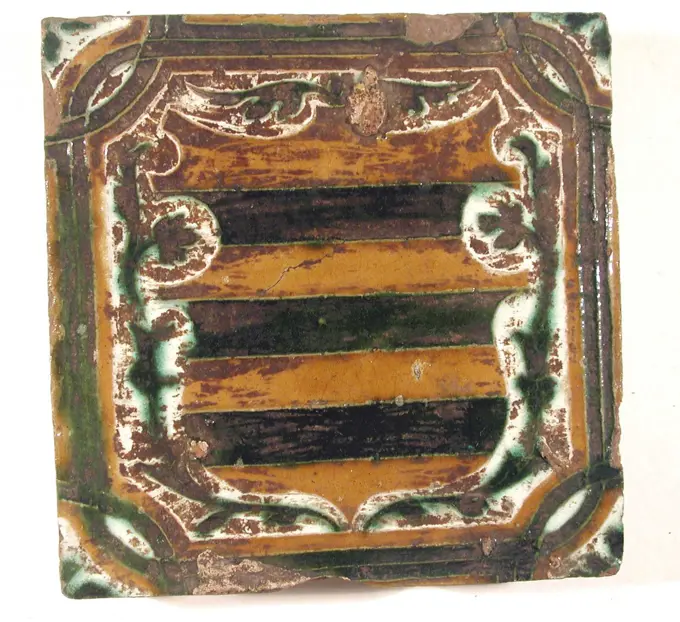
Mexico, Nuevo Leon, Monterrey. Museum of Mexican History. Almena, Mexica (1325-1521 AD) Modeled Earth, mesoamerican
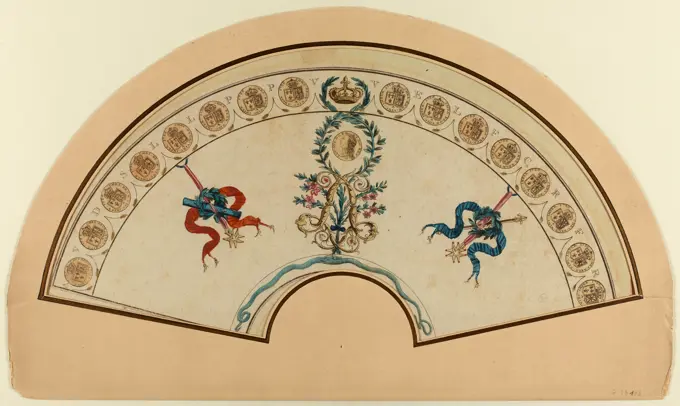
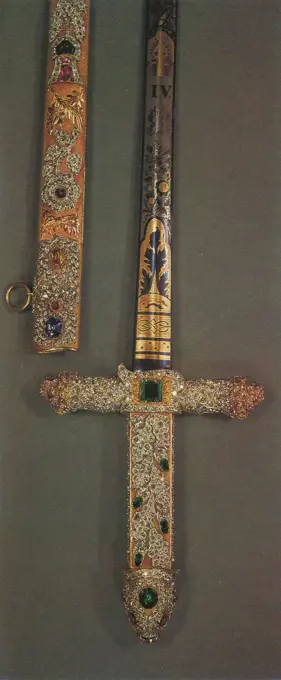
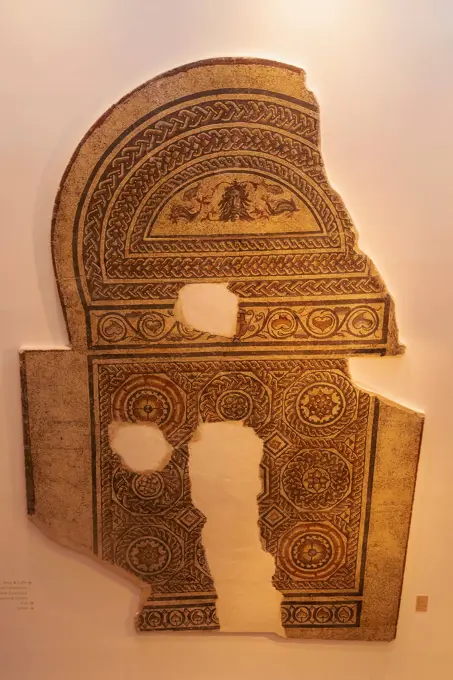
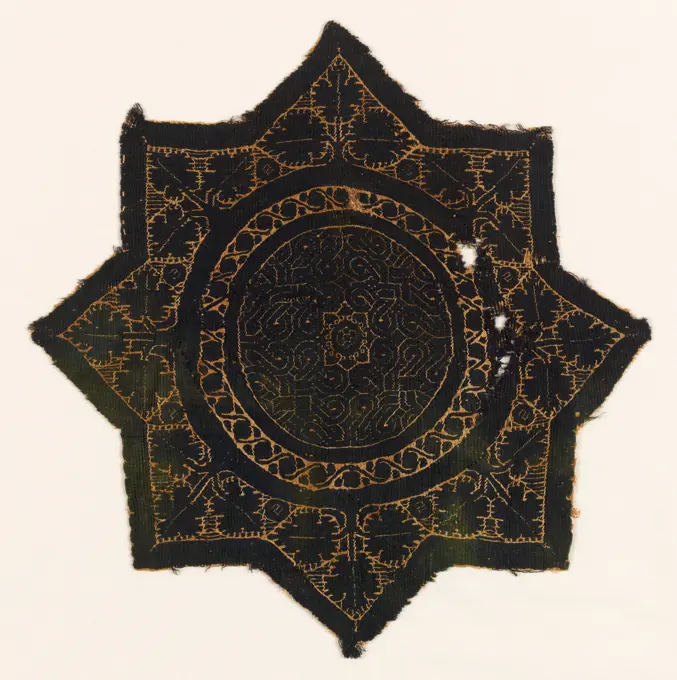
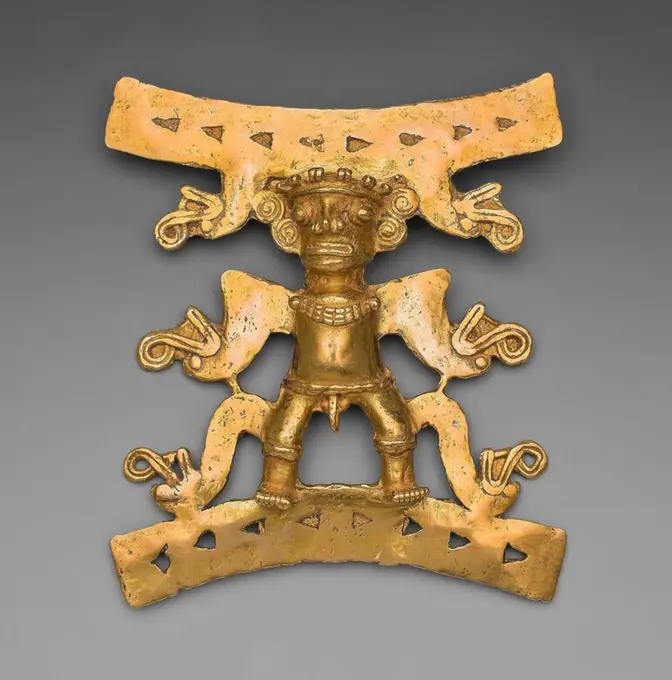
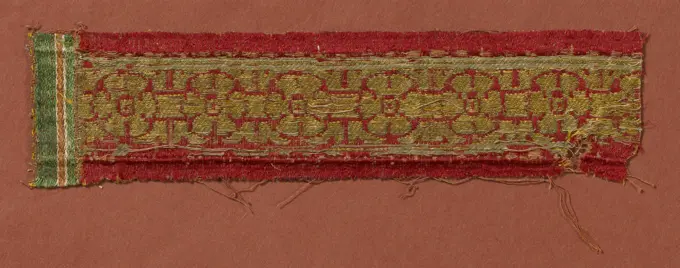
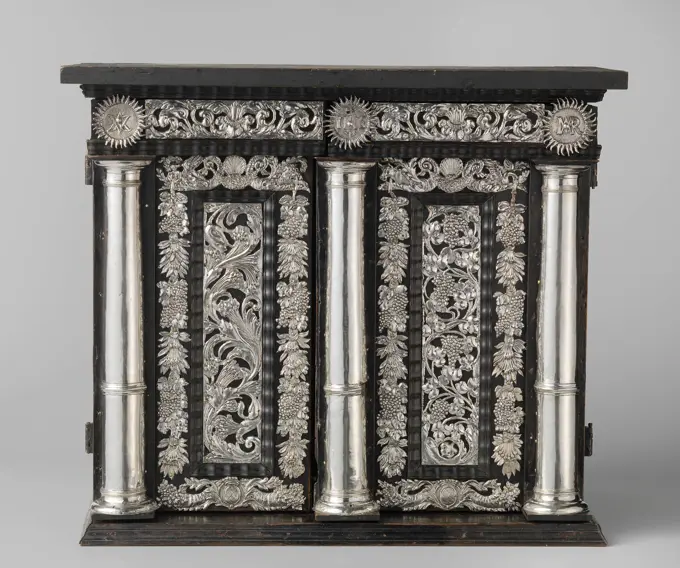
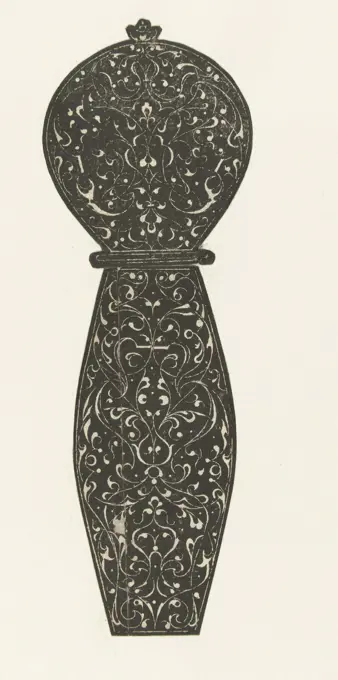
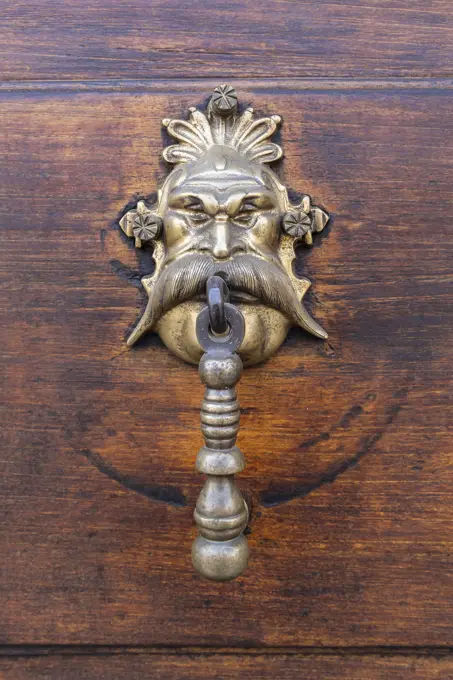
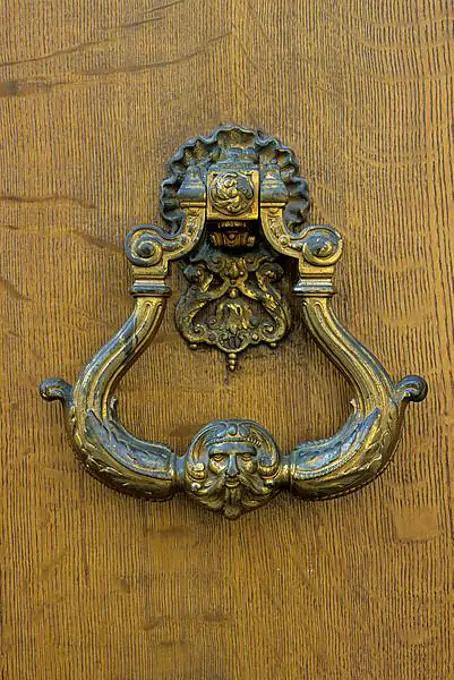
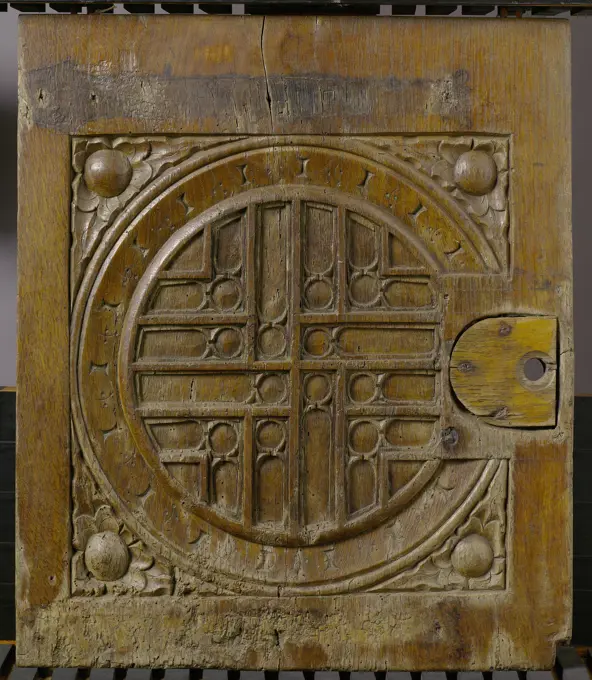
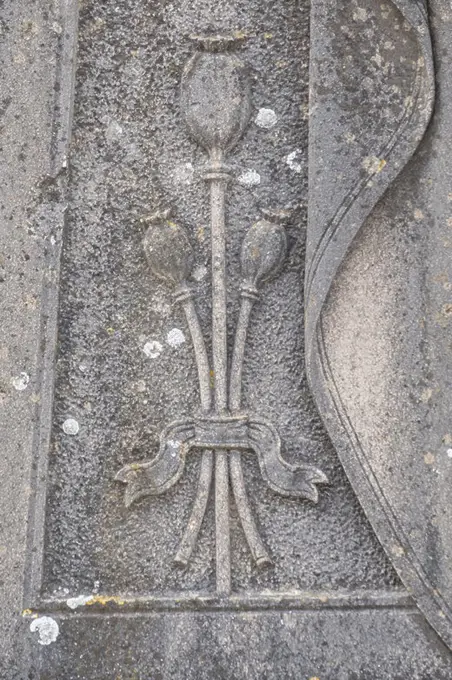
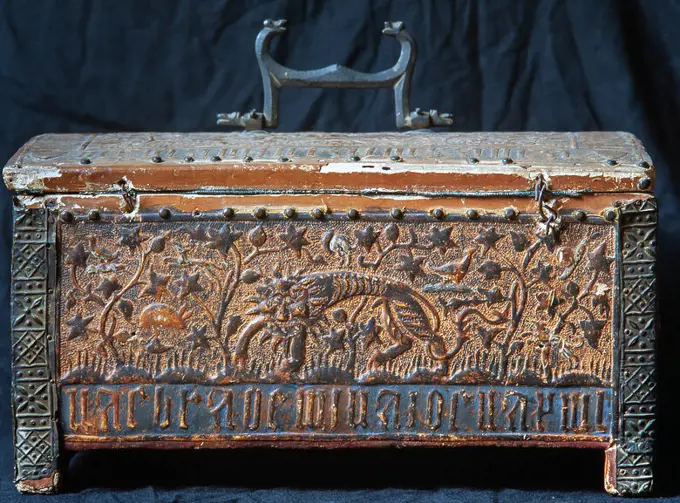
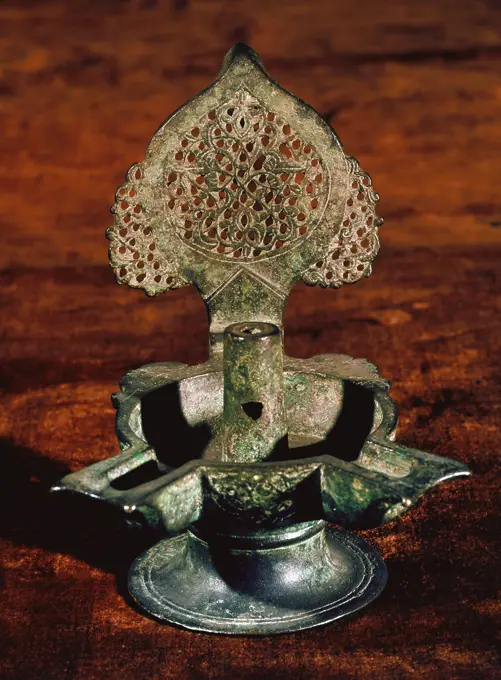
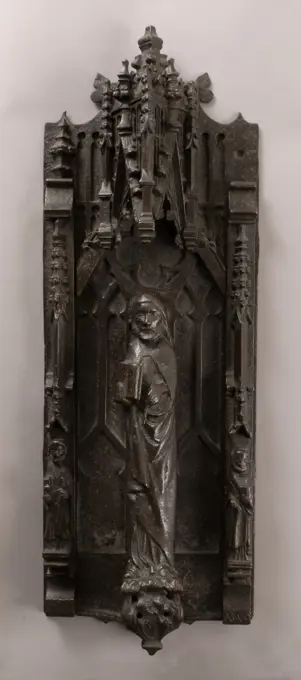
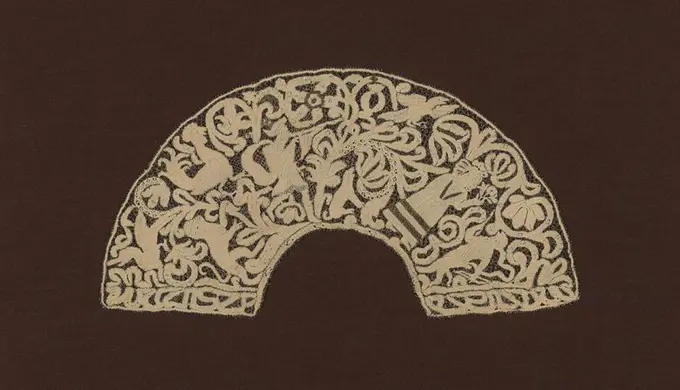
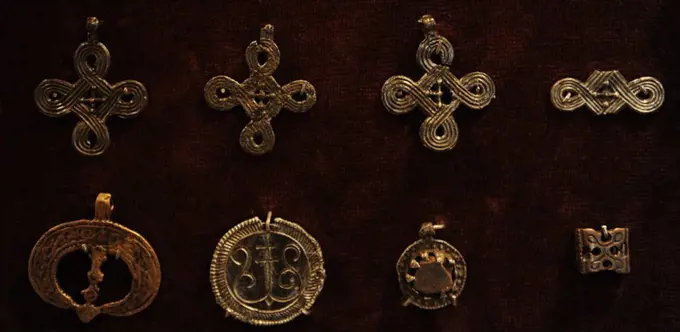
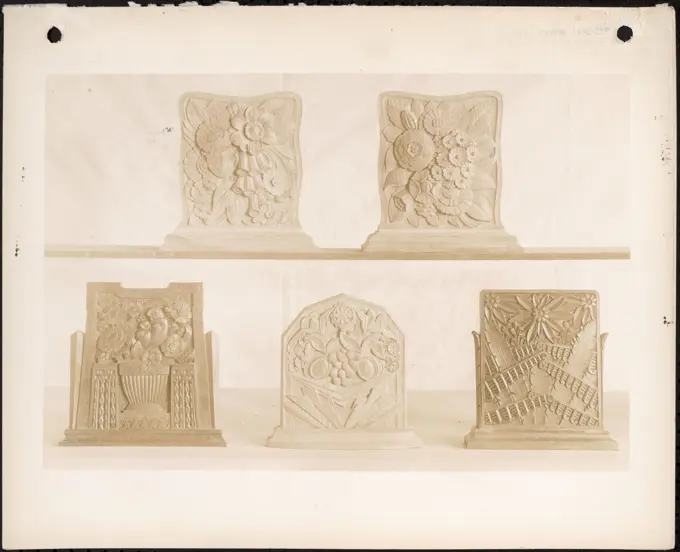
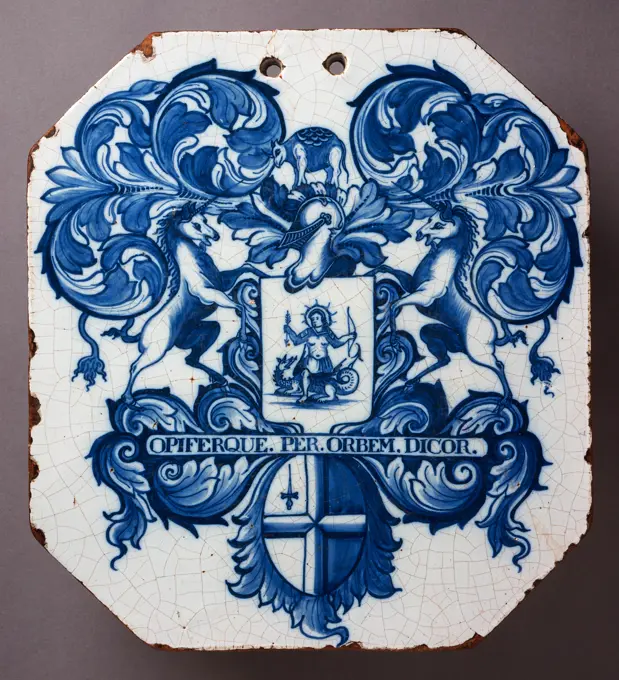
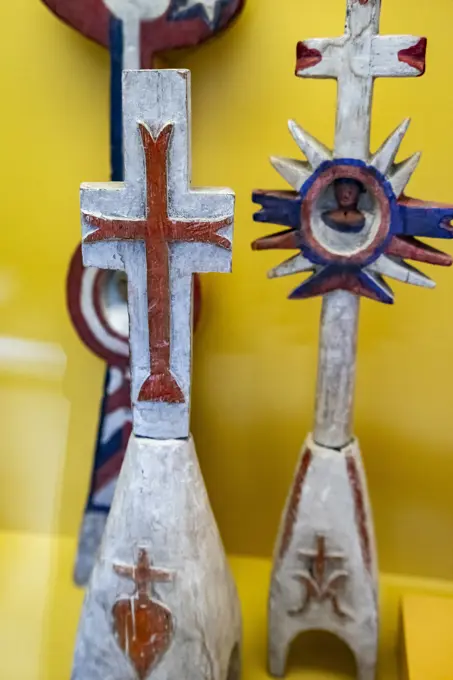
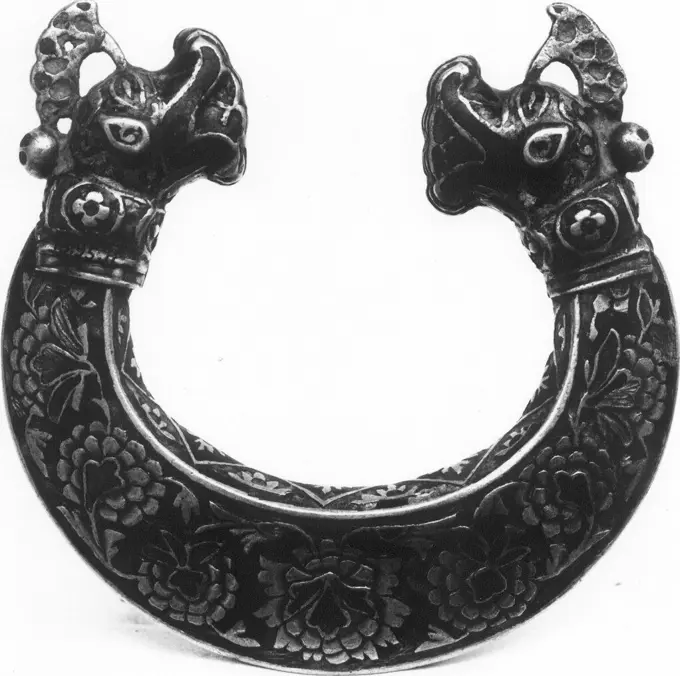
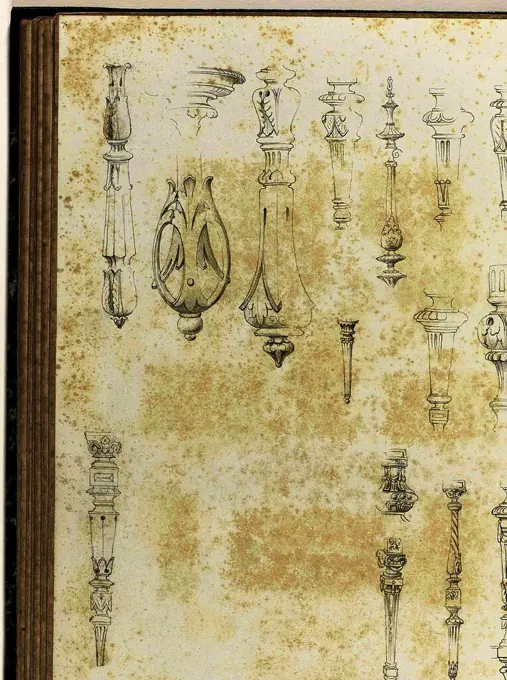
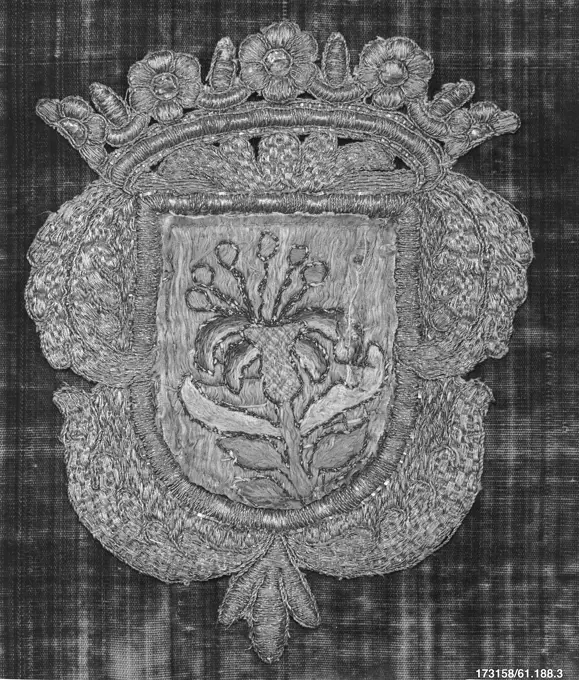
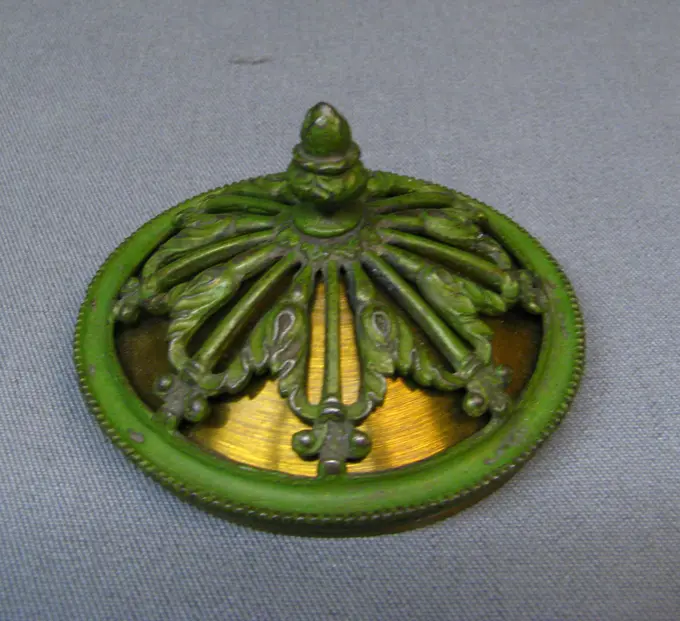
Cross. Dated: c. 1939. Dimensions: overall: 47.8 x 29.1 cm (18 13/16 x 11 7/16 in.) Original IAD Object: 15 3/4"x7 1/2". Medium: watercolor, colored pencil, and graphite on paper. Museum: National Gallery of Art, Washington DC. Author: Carl O'Bergh.Section of a Coffin Platform: Horizontal Panel, 550-577. China, Northern Qi dynasty (550-577). Limestone; overall: 45.7 x 211.4 x 10.8 cm (18 x 83 1/4 x 4 1/4 in.).Probably Paduan 15th or 16th Century, Door Knocker, 1475 1525 Door KnockerFitting, exhibit in the exhibition, German Museum of Locks and Fittings, Velbert, Bergisches Land, North Rhine-Westphalia, Germany, EuropeEngraving in the form of a fan decorated with the emblems of royalty and coins Louis XVI period (TF)Chair seat cover 18th century Dutch. Chair seat cover 219431Silla Carlos IV, siglo XVIII M.A.D.B. Detalle.Boundary marker of a temple with a golden stone plateMount, Gilt bronze, One of three matching bracket pilaster mounts. Empire style with pendant tongues decorated with palmetto below a frieze of rosettes., USA, France, mid-late 19th century, metalwork, Decorative Arts, MountBajorelieves de amorcillos con motivos florales, clásicos. 4.'Hilt and scabbard of the Jewelled State Sword', 1953. Artist: Unknown.vintage golden frame vintage golden frame on the wall Copyright: xZoonar.com/OxanaxRishnyakx 4359787British or Irish (), Louis XV style frame, Unknown framemaker, mid-18th century, Carved wood, later oil gilding over original gilding and sanded friezeARQUETA DE MARFIL HISPANOMUSULMANA - SIGLO X - PERIODO CALIFAL - VISTA TRASERA. Location: VICTORIA AND ALBERT MUSEUM. LONDON. ENGLAND.Bliżej Kultury unknownProcessional Cross 1479 Italian Dated to 1479 by an inscription, this cross displays the insignia of the order of Saint Bernardine of Siena (d. 1444) on the central axis, and depicts Franciscan saintsCatherine of Siena, Clare, Saint Francis, Bernardine of Siena, and Louis of Toulouseon the terminals.. Processional Cross 464468Processional Cross. Dated: c. 1936. Dimensions: overall: 35.6 x 25.1 cm (14 x 9 7/8 in.) Original IAD Object: Scale: 1/6. Overall 8'4". Medium: watercolor, colored pencil, pen and ink, and graphite on paperboard. Museum: National Gallery of Art, Washington DC. Author: David P Willoughby.Girdle Clasp. Date: 19th century. Museum: Metropolitan Museum of Art, New York, USA.Bolt and bolt plate French 18th century View more. Bolt and bolt plate. French. 18th century. Gilt bronze. Metalwork-Gilt BronzeOrnament French 18th century View more. Ornament. French. 18th century. Gilt bronze. Metalwork-Gilt Bronze. Tsuba in the shape of a turtle; The skin structure is shown by means of a special editing of the surface (ISHIME).Altar cross, 17th century, Goldsmith's art and textile art from the 16th to the 20th century, St., Saint, SaintEngland, Dorset, Dorchester, Dorset Museum, Interior of Wall Mounted Roman Mosaic'Portable Cross'. Russia, 15th - early 16th century. Dimensions: 172x65 cm. Museum: State Hermitage, St. Petersburg.Medallion; warp; s-spun linen. wefts; s-spun linen, s-spun woolBoss. Culture: French. Dimensions: Overall: 20 in. (50.8 cm). Date: 15th-16th century. Museum: Metropolitan Museum of Art, New York, USA.Tobacco box third quarter 18th century Johann Heinrich Giese. Tobacco box 207679Sword Guard (Tsuba). Culture: Japanese. Dimensions: H. 2 7/8 in. (7.3 cm); W. 2 3/4 in. (7 cm); thickness 3/16 in. (0.5 cm); Wt. 2.4 oz. (68 g). Date: late 18th-early 19th century. Museum: Metropolitan Museum of Art, New York, USA.Kwadraptyk: Wielkie święta cerkiewne. Nieznany warsztat staroobrzędowców bezpopowców, factoryPendant Depicting a Male Figure with Saurian Heads Emerging from Body. Veraguas; Possibly Punta Burica, Panama. Date: 1000-1550. Dimensions: H. 12.7 cm (5 in.). Gold. Origin: Panama. Museum: The Chicago Art Institute, Chicago, USA.EPOCA VISIGODA. HEBILLA EN BRONCE en forma de cruz. Procedente de Salamanca (Castilla-León, España). Museu Episcopal de Vic. Provincia de Barcelona. Comarca de Osona. Cataluña.Tile, purple on white, vase with round floral ornaments, framed by régence decoration, wall tile tile sculpture ceramic earthenware glaze, baked 2x painted glazed Fourteen identical purple ornament tiles square yellow shard tile bakery Piet Heijn Rotterdam City Triangle Valkesteeg régence Valkesteeg RotterdamBorder Made 1401-1500 Italy. Silk, gold gilt strip wound around linen fiber core, intergrated compound-weave of warp-float faced satin weave and twill weave with supplementary patterning wefts .Artistic stonemasons at the historical site of Carcassonne Artful stonemasons at the historical site of CarcassonneTabernacle cabinet. Tabernacle cabinet from ebony with silver fittings. The three protruding columns are covered with silver. On the doors and cornices, openwork, driven silver fittings.Hilt of a swine decorated with white arabesque on a black fond.Commemorative crossAntigua Guatemala, Sacatepequez, Guatemala. Antique brass door knocker in the shape of a mustached face.Han Temple, 1st century BCE - 1st century CE, 14 1/2 x 15 x 10in. (36.8 x 38.1 x 25.4cm), Earthenware, China, 1st century BCE - 1st century CEst, castle - interior views - Schweizerhof - Imperial Treasury - secular treasury - Reichskrone, Josef Wlha -, photographerDoor knockerUrn of Fra Francesc Botella (d.1376), 2nd half of 14th century. Anonymous. Catalonia. Gothic. From the Convent of Santa Eulalia del Camp (later Santa Maria de Monsio), Barcelona. National Art Museum of Catalonia. Barcelona. Catalonia. Spain.16th century reliquary, Museo de la Caballada, Church of the Holy Trinity, Atienza, Guadalajara, Spain.Lock 15th-16th century German The decoration of Gothic iron locks and keys was often elaborate and of the highest standard of workmanship. The motifs were frequently drawn from Gothic architecture, reproducing on a miniature scale complicated tracery patterns and even tiny statuettes. A number of these tiny locks were compound, with some of the mechanisms concealed from view, and required two or even three keys used in sequence to open them. It has been suggested that the greatly expanded use of locks on doors, or coffrets and other types of storage chests was a result of the increasing urbanization of life and the new emphasis on material wealth and private ownership which developed in the late Middle Ages.. Lock 468891castle lock spain knocker lanzarote abstract door wood in the red brown Fries with single ornaments, leaf from the episode "Zierhat Boichengen. Arranged by Johann Halueren Goltschmidgenge". .Christ Crucified. Dated: probably before 1588. Dimensions: overall (corpus, height including foot rest): 37.2 x 25.4 x 7.8 cm (14 5/8 x 10 x 3 1/16 in.) overall (cross): 93 x 37.2 cm (36 5/8 x 14 5/8 in.) overall (corpus, height excluding foot rest): 33.5 x 25.4 x 7.8 cm (13 3/16 x 10 x 3 1/16 in.). Medium: bronze. Museum: National Gallery of Art, Washington DC. Author: GIOVANNI BOLOGNA.Door of a cupboard, decorated with rectangular rods within a circle with trench tape decorations, anonymous, 1500 - 1550 Door of a cupboard made of oak, decorated with rectangular rods within a circle with slot tape decorations. Subjects have been saved for the key plates. There are rosettes in the corners. The seizure is missing. Northern Netherlands wood (plant material). oak (wood) Door of a cupboard made of oak, decorated with rectangular rods within a circle with slot tape decorations. Subjects have been saved for the key plates. There are rosettes in the corners. The seizure is missing. Northern Netherlands wood (plant material). oak (wood)Manacor, municipal cemetery, Mallorca, Balearic Islands, Spain.Figure Pendant 5th-10th century Tolima. Figure Pendant 309128Caja, siglo XV. Colección privada.Door Knocker with Plate and Nail. Culture: European. Dimensions: Knocker, L: 8 1/2in.(21.6cm); H: 2 1/2in.(6.4cm)Plate, L: 10 1/2in.(26.7cm); W: 4 1/4in. (10.8cm)Nail, L: 3 3/4in. (9.5cm). Date: 15th-16th century. Museum: Metropolitan Museum of Art, New York, USA.Unknown photographer, beam fragment in Baalbek (without dat.): View. Photo, 12 x 19 cm (including scan edges) unbek. Fotograf : Gebälkfragment in Baalbek (ohne Dat.)Door knocker on an old gateDetail ornate dresser drawersFireback Jupiter seated on eagle, hob plate cast iron, cast Rectangular with arch Around broad border with flower garlands between the frame and the pearl necklace. In the middle figure seated on an eagle with arrows in the hands (Jupiter) living environment interior heating JupiterCANDIL DE BRONCE. Location: INSTITUTO VALENCIA DE DON JUAN-COLECCION. MADRID. SPAIN.Cap Crown (Belgium); linenst, castle - interior views - Schweizerhof - Imperial Treasury - secular treasury - Reichskrone, Josef Wlha -, photographerDoor Knocker 15th-16th century European. Door Knocker. European. 15th-16th century. Iron. Metalwork-IronVignette with forest violins, 1876 - 1924 print   paper. watercolor (paint) brush flowers: violetFan Leaf. Italy. Date: 1726-1750. Dimensions: 24.2 x 47 cm (9 1/2 x 18 1/2 in.). Linen and gilt-metal-strip-wrapped silk, bobbin part lace with some needle lace fillings. Origin: Italy. Museum: The Chicago Art Institute, Chicago, USA.Two knife handles, Michiel le Blon, 1597 - c. 1626.Display cabinet in Louis XV style with famille Verte Porcelain standing on Volutes; Drucker expansion (room 364). .Wall tile 16th century Spanish, Andalusia Tin-glazed earthenware, of which lusterware is one type, was developed in the Middle East in the ninth and tenth centuries to imitate the porcelains produced in China. The opaque white glaze concealed the clay body, which could range from pale buff to brick red, allowing for brilliant effects created by painting the white surface with metal oxides that fired to a range of colors. This technique, as well as the use of metallic lusteran iridescent, coppery painted glazespread throughout the Muslim world, arriving among the potters of Valencia in the thirteenth century. The so-called Hispano-Moresque lusterware, with its fusion of Islamic and Gothic styles and motifs, often in shaped imitating those of metal vessels, was treasured by the elite in Spain during the fifteenth century and exported to the courts of Europe. The Valencian industry declined in the late sixteenth century, as colorful Italian Renaissance maiolica gained in popularity amonArt. Middle ages. Northern Europe. Latvia. Bussines with ancient Russia. 12th-13th centuries. Crosses of bronze and tin and bronze pendants. Museum of History and Navigation. Riga. Latvia.Yin Yang symbol and Pa Kua. Amuletic Board. Tiger head. 19th cent. CHINA.Arlington project, Melvin Chapin, supt., wood carving , Book ends. The Massachusetts WPA Federal Art Project Photograph CollectionDescription: Uganda 40140/1939 Location: Uganda Date: 1939 africaPill Slab with the Arms of the Society of Apothecaries and the City of London. England, Lambeth, circa 1690. Furnishings; Accessories. Earthenware with tin glaze and enamel (Delftware)Fang culture crosses, Equatorial Guinea, 1900-1950, wood and pigments, Anthropology National Museum, Madrid, SpainPhotography - Kaunas region - folk sculpture; Bułhak, Jan (1876-1950); around 1910 (1905-00-00-1915-00-00);Golden Artifact In The Gold Museum In La Candelaria, The Old Town Of Bogota, ColombiaPierced Window Screen (Jali) early 17th century A screen for filtering light through a window, this panel is carved with two strikingly lively geometric designs, one set within the other.. Pierced Window Screen (Jali). early 17th century. Marble. Attributed to India. StoneDecorative project for a stained glass window: lily flowers in a bulk. (Dummy title)One Armchair.Decorative vintage skeleton keys isolated sketches, adorned by curly elements. Nice in medieval stylized design, security, tattoo and interior accessories design. Vintage medieval skeleton keys sketchesEllipsoid stamp seal: tulips ca. 4th century A.D. Sasanian. Ellipsoid stamp seal: tulips. Sasanian. ca. 4th century A.D.. Yellow chalcedony. Sasanian. IranMirrorBracelet (Kangan) 18th-19th century. Bracelet (Kangan) 446712Spain, Seville, Statuette representing a Phoenician goddess, bronzeDjambiya with scabbard and belt, Spain, 20th century, Castle of San Carlos, seventeenth century, Palma, Mallorca, Spain.North Italian 16th Century, Madonna, c 1500 MadonnaIslamic period. Medieval. Plates (possiby parts of a book-stand). Wood; carved. Egypt. 11th-12th centuries. The State Hermitage Museum. Saint Petersburg. Russia.Uuk kap Ilgich, late 19th century, 24 1/2 x 14 in. (62.23 x 35.56 cm), Silk, wool, cotton; chain stitch, slanted buttonhole stitch, cross-stitch, Uzbekistan, 19th centuryFine example of Ottoman art patterns in viewWomen's head, Applique. .Ornaments at a street lamp, Ludwigstrasse, Munich, Bavaria, Germany, EuropeSixteen candle holders. Artist: anonymous. Draughtsman: anonymous. Dating: c. 1866 - c. 1900. Measurements: h 418 mm × w 290 mm. Museum: Rijksmuseum, Amsterdam.Coat of arms 17th century Spanish. Coat of arms. Spanish. 17th century. Silk and metal thread. Textiles-EmbroideredCover possibly Austrian, Vienna 19th centurymortuary crown symbol, Sencelles cemetery, Mallorca, Balearic Islands, Spain.Roundel ca. 1360-77 British. Roundel. British. ca. 1360-77. Stained Glass. Glass-StainedPair of frame fragments. Culture: French. Dimensions: each: 27 1/4 × 6 1/2 in. (69.2 × 16.5 cm). Date: ca. 1715-23. Museum: Metropolitan Museum of Art, New York, USA.Man ,. Messenger CollectionKnife with a hand in the form of a man with musket and hunting dog, anonymous, c. 1600 - c. 1650 It consists of a men's figure cast in two parts in clothing from the 17th century with a musket and a hunting dog. Netherlands brass (alloy) casting It consists of a men's figure cast in two parts in clothing from the 17th century with a musket and a hunting dog. Netherlands brass (alloy) castingKnocker ca. 1560-1620 German. Knocker. German. ca. 1560-1620. Iron. Metalwork-IronSilver Pin 15th-16th century Inca. Silver Pin 315617Bracket; wood, carvedRELICARIO CON ESMALTE DE LIMOGES S XIV. Location: CONVENTO DE SAN CLEMENTE-MUSEO. Toledo. SPAIN.