Historical Decorative Plaques

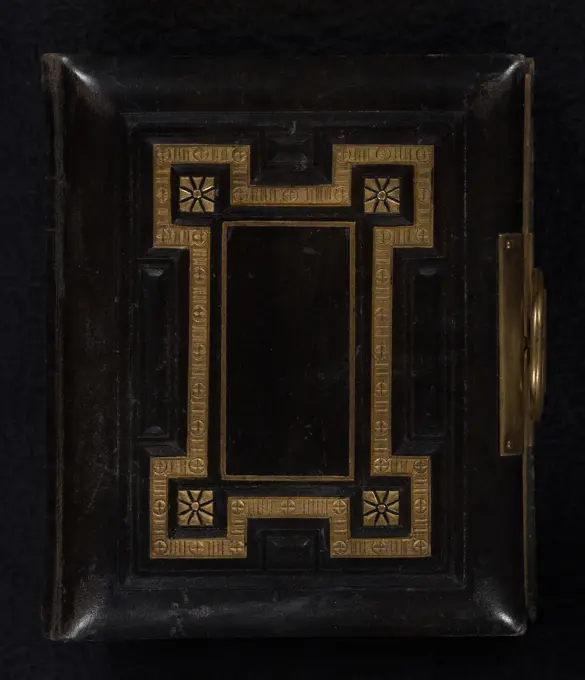
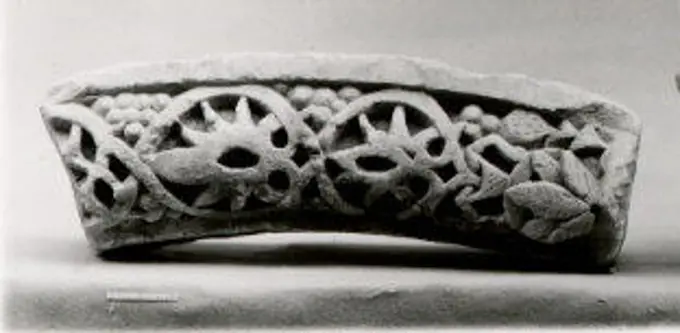
A collection of ornate plaques from various eras, featuring intricate carvings and designs in wood and brass, representing historical craftsmanship.
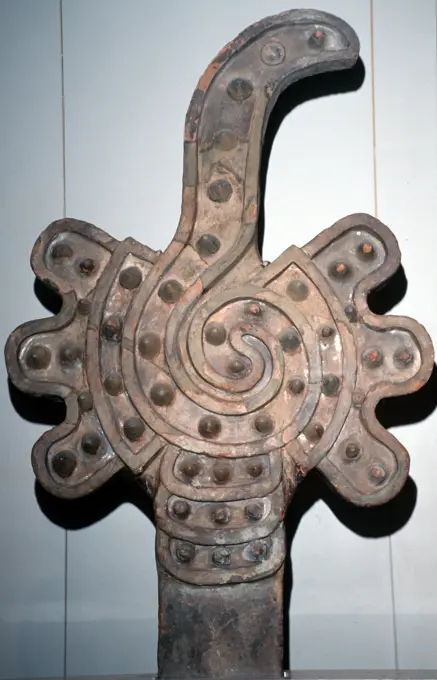
Mexico, Nuevo Leon, Monterrey. Museum of Mexican History. Almena, Mexica (1325-1521 AD) Modeled Earth, mesoamerican
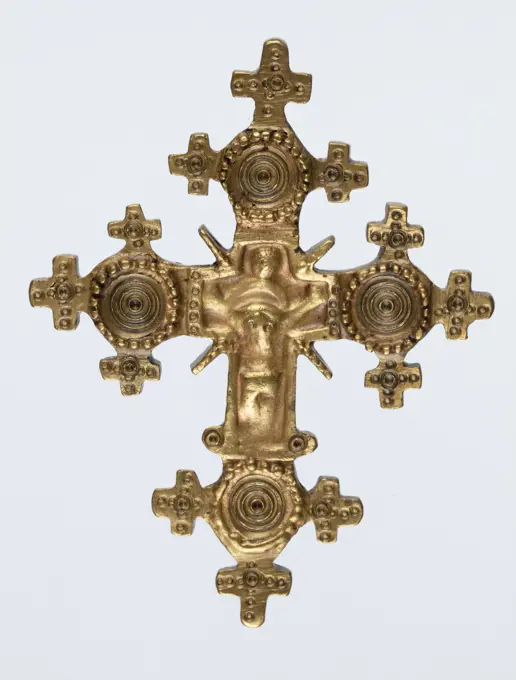
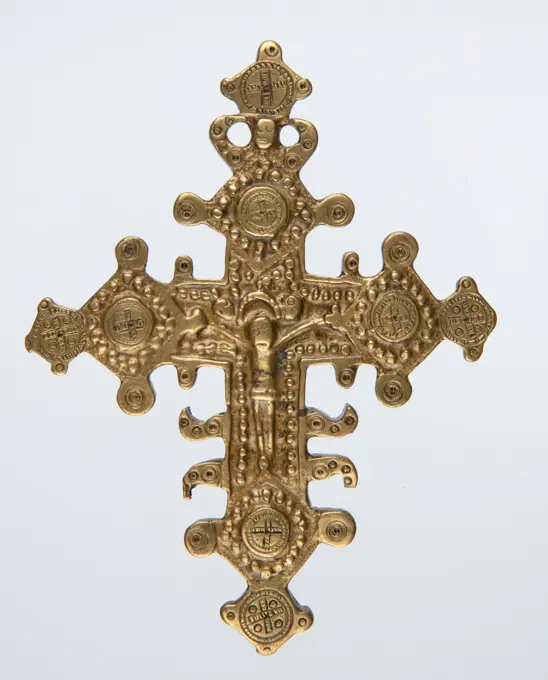
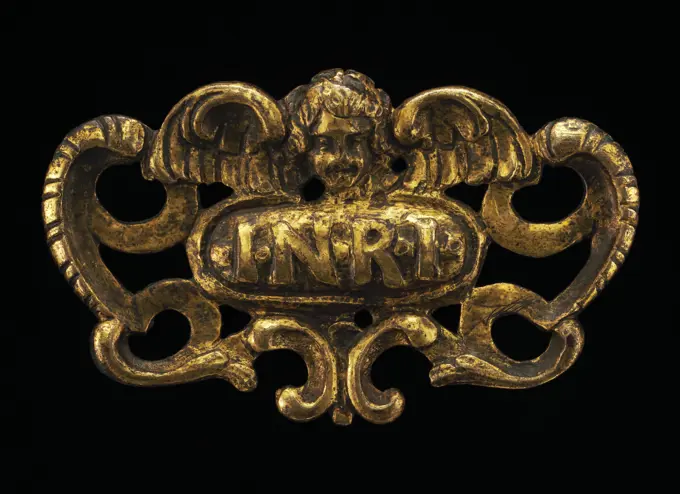
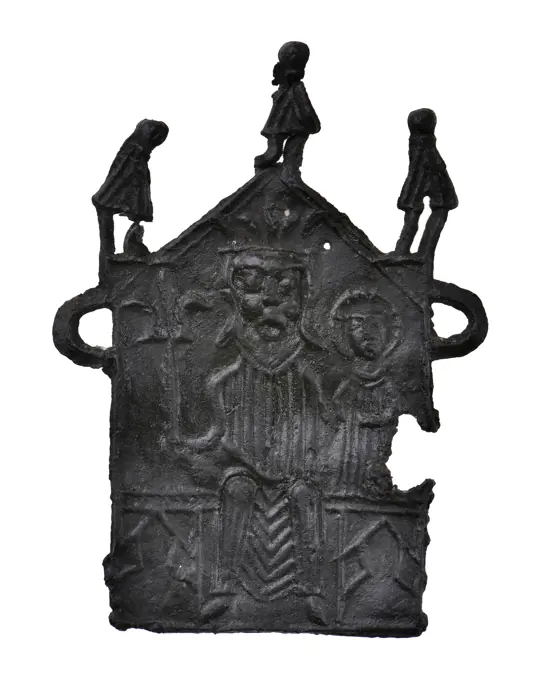
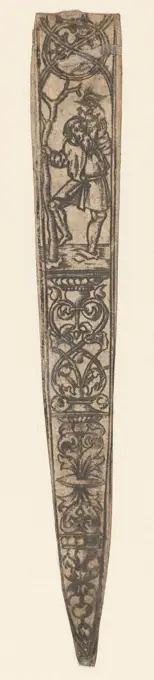
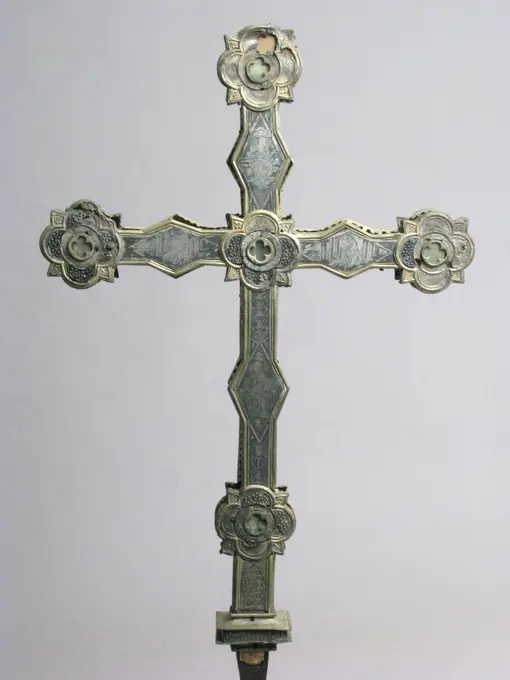
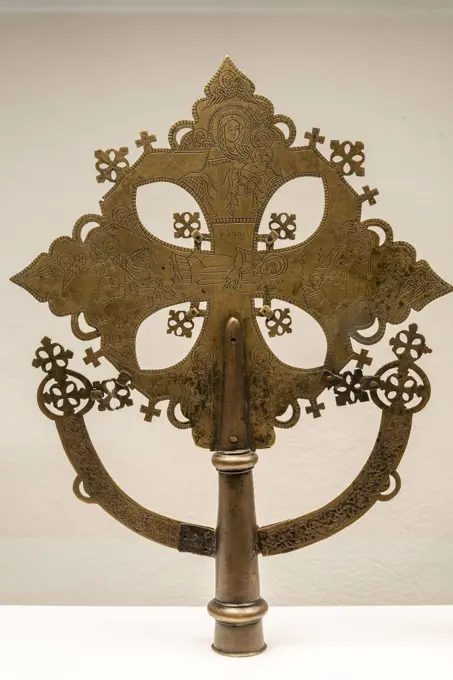
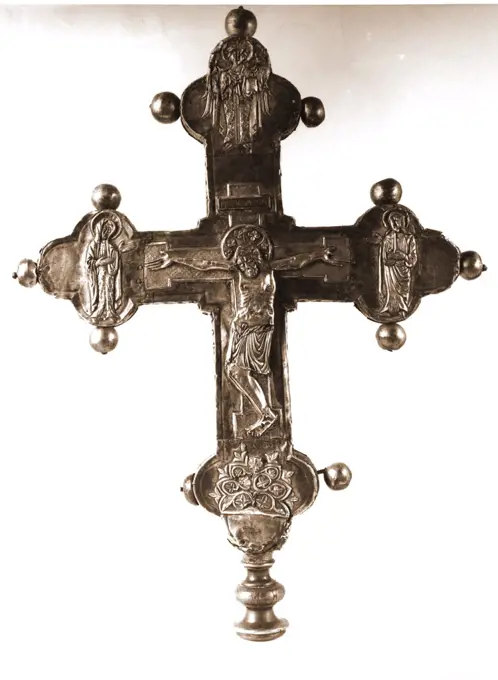
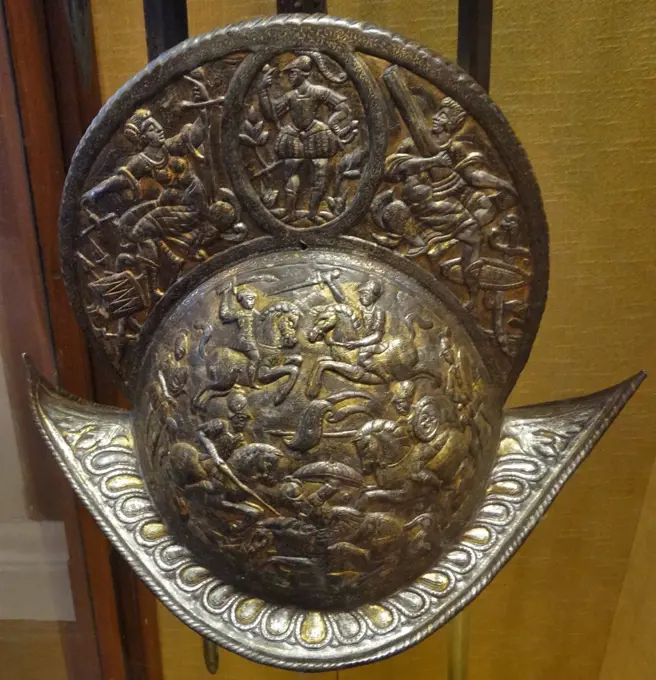
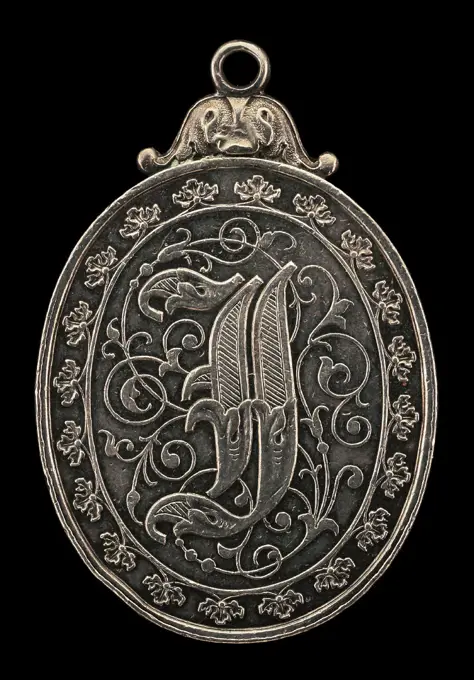
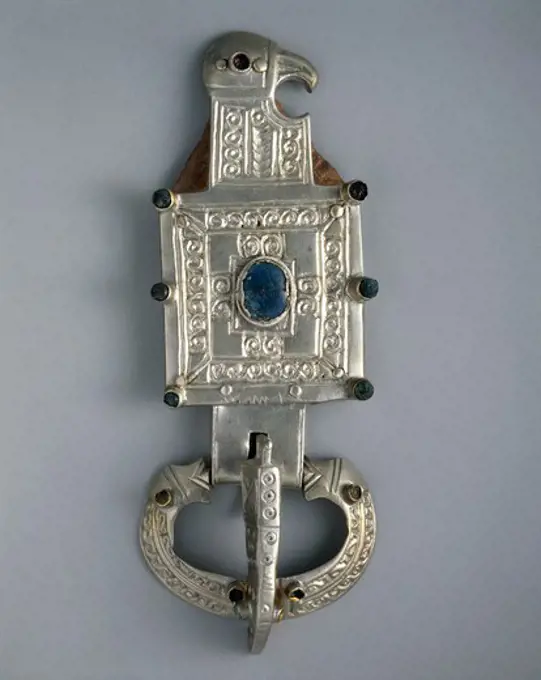
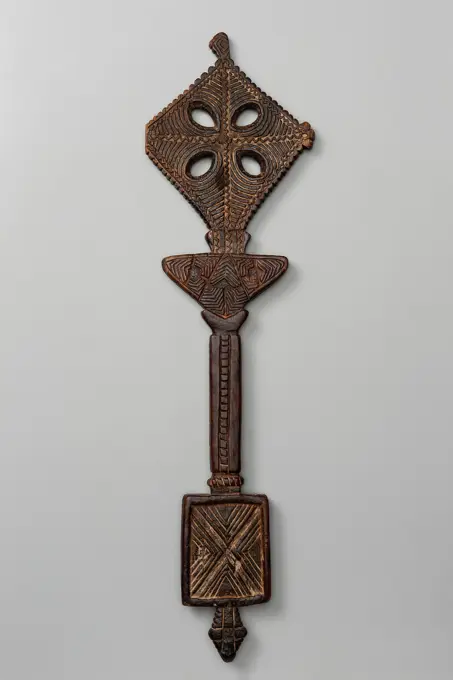
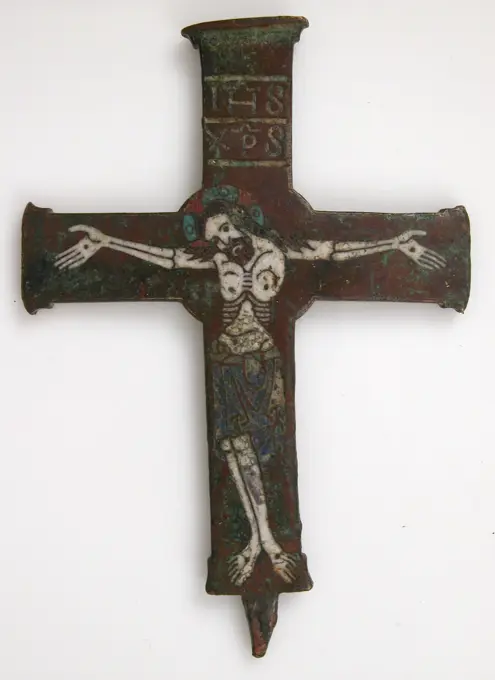
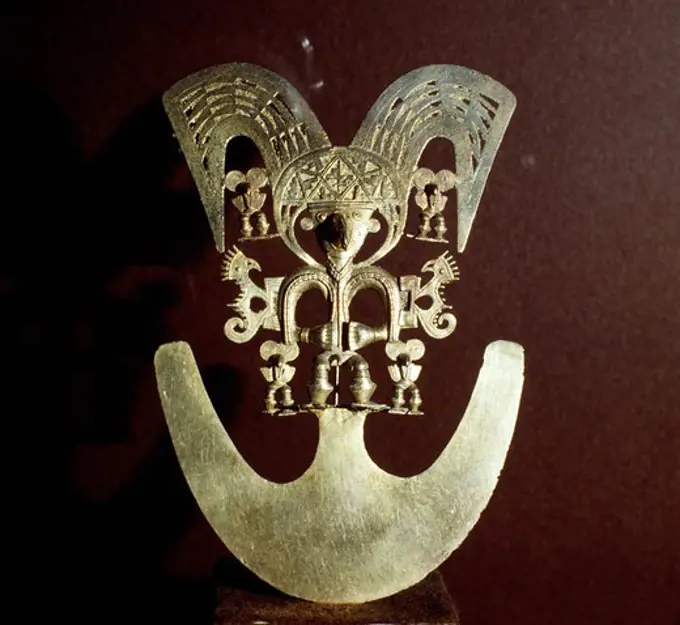
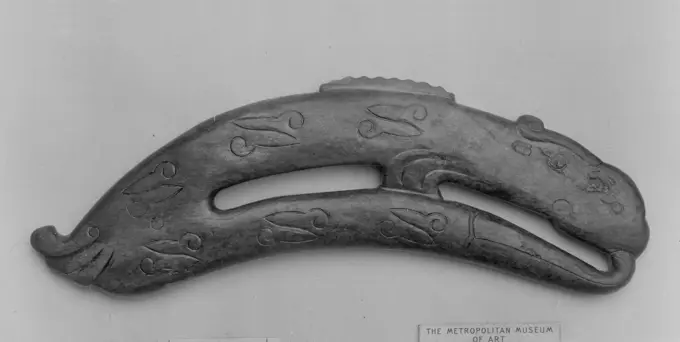
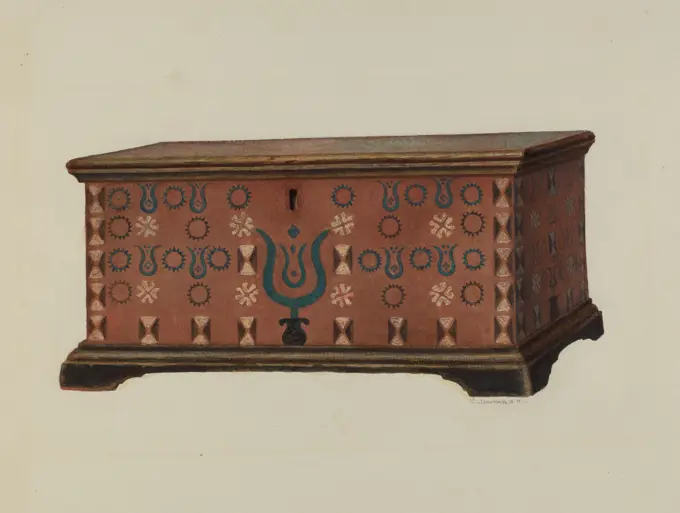
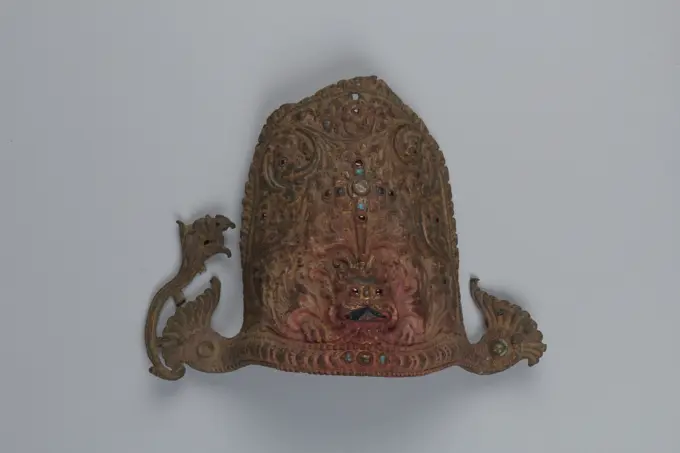
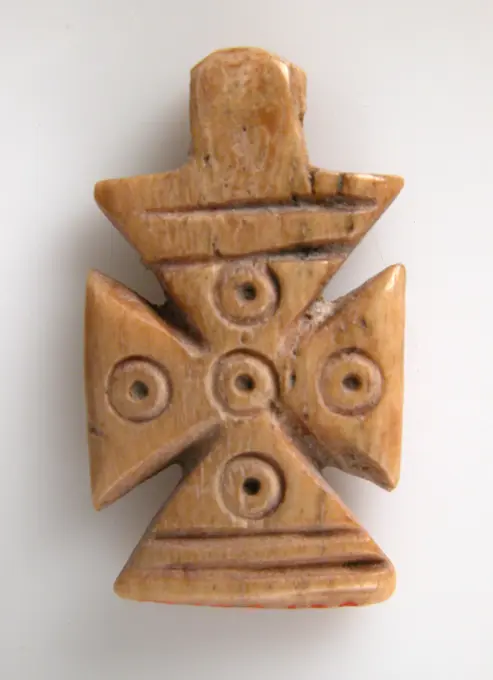
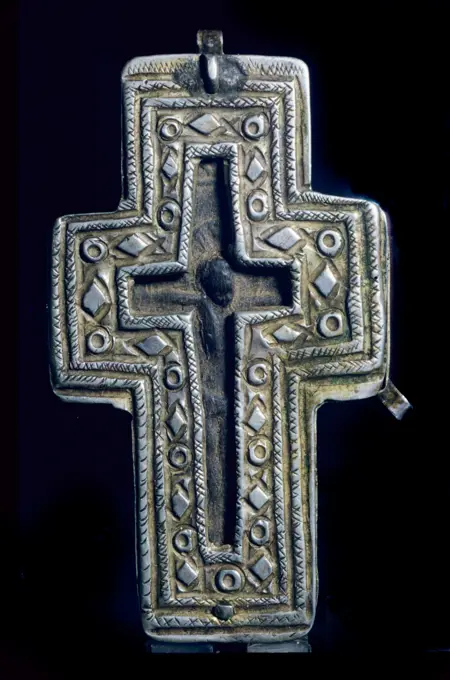
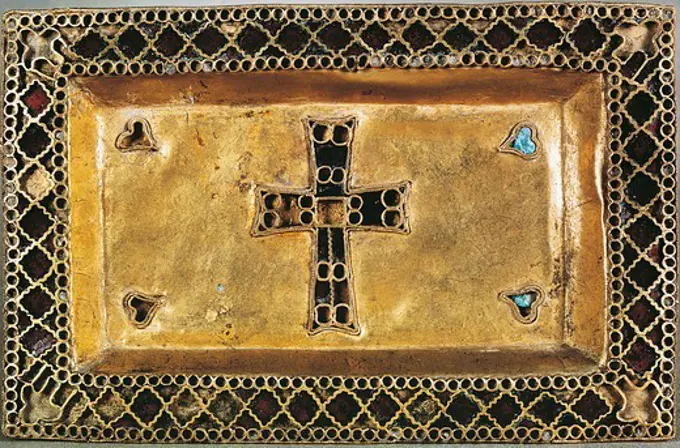
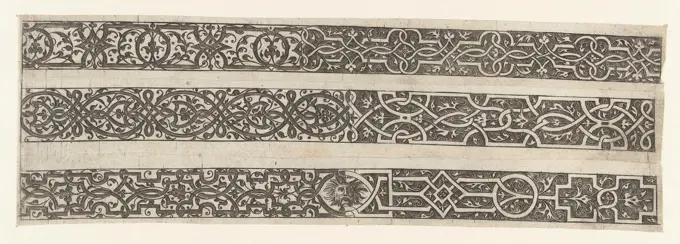
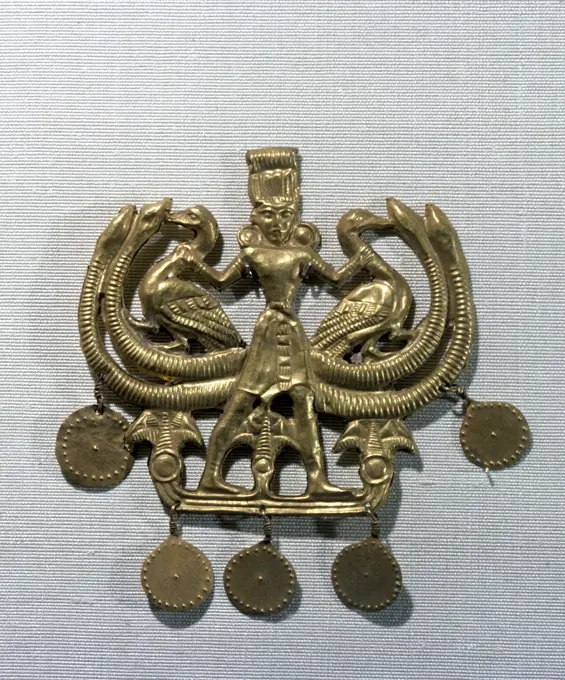
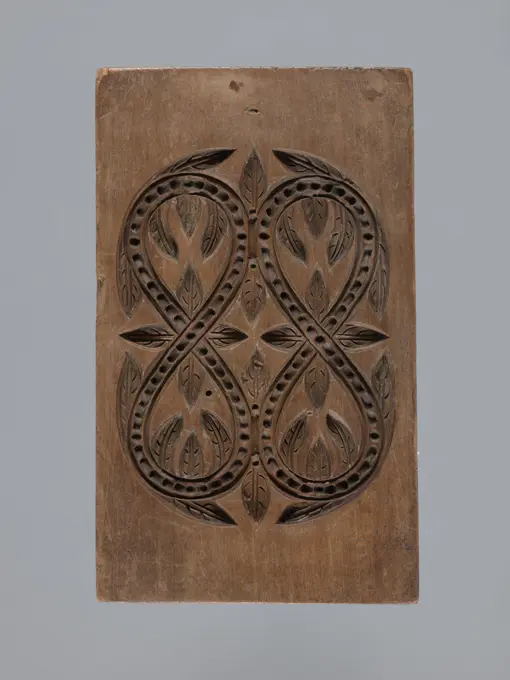
Double-sided gingerbread form with a roofing and flight ornament on both sides;  XVIII-XIX century (1701-00-00-1900-00-00);MountMexico, Nuevo Leon, Monterrey. Museum of Mexican History. Almena, Mexica (1325-1521 AD) Modeled Earth, mesoamericanPanel 14th-15th century. Panel 445073Appliqué Plaque with a Standing Eagle 12th century This small but powerfully rendered plaque depicting a heraldic bird highlights the varied uses of brass in the medieval Islamic world. The perforations in the body and wings of the bird indicates that thisobject once functioned as an appliqué, perhaps ornamenting leather horse trappings or a belt.. Appliqué Plaque with a Standing Eagle 446286Mount, Brass, England, ca. 1760, metalwork, Decorative Arts, MountMount; partially silvered brassCoat of arms 1672, 1672 Cartouche () With coat of arms and the year 1672. A lion's head above the cartouche (). It is probably a fragment of a vessel.  oak (wood)   Amsterdam Cartouche () With coat of arms and the year 1672. A lion's head above the cartouche (). It is probably a fragment of a vessel.  oak (wood)   AmsterdamMarca de Fábrica, Fábrica de Ignaci Pons, siglo XVIII. Museo Comercal de Manresa.Door Pull Plate 16th century European. Door Pull Plate. European. 16th century. Iron. Metalwork-IronAbruzzo, L'Aquila, Celano, Museum, Italy, 20th century, photo, photography, EuropeSlot plat. A slot plate. Gothisch.BOY WITH VOLLECTIONS TREATS;  XVII W (1600-00-00-1700-00-00);MountBatter from a door puller, c. 1400 - c. 1950   iron (metal)   iron (metal)Bliżej Kultury unknownMountSword Guard (Tsuba). Culture: Japanese. Dimensions: Diam. 3 3/8 in. (8.6 cm); thickness 3/16 in. (0.5 cm); Wt. 4.6 oz. (130.4 g). Date: 18th century. Museum: Metropolitan Museum of Art, New York, USA.Bliżej Kultury unknownMountBliżej Kultury unknownMount; bronze (gilt)Italian 17th Century, Tablet of the Superscription, from a Crucifix, c 1600 Tablet of the Superscription, from a CrucifixSheath with a woman with an omnipot. A candelabler with leaf refines, mascarons and three children's heads is a woman with an ointment pot (Mary Magdalene).Tin insignia Maria with child, insignia ground find tin lead metal, cast Pewter insignia seated Mary with Christ child with two bear eyes archeology Rotterdam City Triangle Meent Binnenrotte pilgrimage Soil discovery Inner rotte angle Meent.Stand;  19th century (1801-00-00-1900-00-00);Badge or Harness Pendant ca. 1400 Spanish Heraldry, or coat-of-arms, were vitally important in Europe throughout the Middle Ages and the Renaissance. Heraldic emblems were used to identify noble families, cities, regions, and even countries. In addition to being displayed on shields and flags, heraldry was incorporated into architectural decoration on the interior and the exterior of buildings, on furniture, works of art, clothing, and horse equipment. Harness pendants, like this example, would have been attached to a headstall, bridle, or other straps making up the tack of a horse ridden by a nobleman or noblewoman, or a member of their household. Many harness pendants also have decoration that is simply ornamental, or have symbols that are not specifically heraldic in nature.. Badge or Harness Pendant. Spanish. ca. 1400. Copper, gold, enamel. Miscellaneous-BadgesLock. Culture: French. Dimensions: Overall (a.): 7 1/2 x 5 1/2 in. (19.1 x 14 cm)Overall (b.): 7 3/8 in. (18.7 cm)Overall (c, d. each,): 7 1/8 in. (18.1 cm). Date: 15th-16th century.The decoration of Gothic iron locks and keys was often elaborate and of the highest standard of workmanship. The motifs were frequently drawn from Gothic architecture, reproducing on a miniature scale complicated tracery patterns and even tiny statuettes. A number of these tiny locks were compound, with some of the mechanisms concealed from view, and required two or even three keys used in sequence to open them. It has been suggested that the greatly expanded use of locks on doors, or coffrets and other types of storage chests was a result of the increasing urbanization of life and the new emphasis on material wealth and private ownership which developed in the late Middle Ages. Museum: Metropolitan Museum of Art, New York, USA.Dress pins made from gilded silver linked pins. Dated 8th CenturySheath with Christoforus. Christoforus stands on a candelala with vases and leaf rights.Reliquary Cross 16th century Italian. Reliquary Cross 464351 Italian, Reliquary Cross, 16th century, Silver, silver-gilt, niello, glass, Overall: 22 5/8 x 11 3/4 x 1 3/4 in. (57.5 x 29.9 x 4.4 cm). The Metropolitan Museum of Art, New York. Gift of J. Pierpont Morgan, 1917 (17.190.370)door in italy old ancian wood and traditional            texture nailMount (France), ca. 1820; bronze; diam.: 3.5 cm (1 3/8 in.)Professionelles Kreuz Professional Cross, Ethiopia, Gondar, 18th century, brass and bronze alloy, MEB, Barcelona, Catalonia, Spain LicenseRF Copyright: xZoonar.com/BartomeuxBalaguerxRotgerx 23171175Turquoise bracelet circular center Auguste fannel (1818-1900). "Turquoise circular center bracelet". Graphite, Gouache, watercolor on gray cardonette, 1870-1880. Museum of Fine Arts of the city of Paris, small palace.Furniture;  XVI/XVII century (1580-00-00-1620-00-00);Abruzzo, L'Aquila, Celano, Museum, Italy, 20th century, photo, photography, EuropeBadge of graduation of the Officers' School of the Union of Active Combat, the so called Umbrella Miciński, W., Tetmajer, Włodzimierz (1861 1923)Door knocker from the 19th century, Bavaria, Germany, EuropeCrown Panel Depicting a Tathaghata 1101-1200 Western Tibet. Wood .Crozier 15th-16th century Italian. Crozier. Italian. 15th-16th century. Wax, wood. SculptureFragment 14th-15th century. Fragment 445149Ornament, Medium: linen Technique: needle lace, Raised needle lace in a design of a double-headed eagle with a crown., Venice, Italy, 17th century, lace, OrnamentPilgrim's Badge 14th century European. Pilgrim's Badge 463116Fragment, Medium: silk Technique: bobbin lace, continuous braid-like, Rounded point border with rosette design in center of each point., Genoa, Italy, 16th century, lace, FragmentAGRAPH, rue Titon. zinc. End of the 19th century. Paris, Carnavalet museum. 52302-2 AGRAPH, Ring, Titon Street, Dog Tete, ZincModel, Espagnolette; wood, carvedBoston, 40 Beacon Street, interior detail, ceiling medallion, front parlor, second floor, Daniel P. Parker house , Houses, Interiors, Ceilings, Medallions Ornament areas, Parker, Daniel, 1781-. Frank Cousins Glass Plate Negatives CollectionElement. Egypt, 10th-11th century. Wood. Wood, carvedPlate 1835-40 American. Plate. American. 1835-40. Lacy pressed glass. Possibly made in Curling, Massachusetts, United StatesFragmentos de frisos clásicos con adornos florales y geométricos clásicos.Bullet Pouch 16th-17th century Tibetan. Bullet Pouch 27375Half suit of armour from a group of parade armours. The surface of this armour is richly embossed with mythological figures including Mars, Hercules and the Nemean Lion. From Milan, made from iron, gold, silver and brass.Foliate Letter J reverse. Dated: possibly 18th or 19th century. Dimensions: overall (oval, width): 3.06 cm (1 3/16 in.) overall (height without suspension loop): 3.7 cm (1 7/16 in.) overall (height with suspension loop): 4.6 cm (1 13/16 in.) gross weight: 22.68 gr (0.05 lb.) axis: 12:00. Medium: silver. Museum: National Gallery of Art, Washington DC.Peter Connin, Iron Holder, c 1940 Iron HolderPiece 16th-17th century Italian. Piece 224383Bliżej Kultury unknownPanel, 1715-1723. France, Regency Period, 18th Century. Wood; overall: 12.8 x 77.5 cm (5 1/16 x 30 1/2 in.).Woman ,. Messenger CollectionDouble Crocodile Gold Disc 1876.Half of the Enkolpion; unknown provincial workshop (1600-1970); 12th century (1101-00-00-1200-00-00);MountBuckle with plaque depicting an eagle head, Crimea. Jewellery. Gotho-Alanic Civilization, 4th-9th Century.List fragment: gilt list of pâte ornaments, upper rule., C. 1700 - c. 1899 frame Gilded list of oak leaves with acorns. List part, above rule. Written on the back: 'Bottom, no. 4'.  wood (plant material). gold leaf gildingCross to be ogoska; Unknown Ethiopian workshop (1400-1970); 18th century (1701-00-00-1800-00-00);Chojnacki, Stanisław (1915-2010) - gift, gift (provenance), Ethiopian crosses, hand crossesCross ca. 1180-90 North Spanish or French. Cross. North Spanish or French. ca. 1180-90. Champlevé enamel, copper. Made in Spain or Limoges, France. Enamels-Champlevéan ornately decorated gold cross, sheffield, south yorkshire, englandGolden artifact from Tierradentro Culture, Colombia, Bogota, Museo del Oro, Pre-Columbian ArtGirdle pendant China. Girdle pendant. China. Jade. Han dynasty (206 B.C.-A.D. 220). JadeAustin L Davison, Pa German Chest, c 1938 Pa. German ChestIndra's Crown 14th-15th century Nepal. Indra's Crown. Nepal. 14th-15th century. Copper alloy with traces of gilding, inlaid with glass. MetalworkCut of oak wood with ornaments and bird head, anonymous, 1600 - 1800 Cut work of oak wood with ornaments and bird head. Netherlands oak (wood) Cut work of oak wood with ornaments and bird head. Netherlands oak (wood)Pa. German Picture Frame. Dated: c. 1940. Dimensions: overall: 45.7 x 35.5 cm (18 x 14 in.) Original IAD Object: 10" high; 13 1/2" wide. Medium: watercolor, graphite, and gouache on paper. Museum: National Gallery of Art, Washington DC. Author: Raymond McGough.Abruzzo, L'Aquila, Castelvecchio Subequo, S. Francesco, Italy, 20th century, photo, photography, Europeblur in iran the old decorative flower  tiles from antique mosque like backgroundPendant Cross 5th-8th century This small crosses would haven been strung on a necklace or string and worn around the neck. All but the smallest is decorated with a pattern of incised circles. Similar patterns of concentric circles are found throughout early Byzantine art. These circles may have represented the reflective qualities of mirrors, which in the ancient and early Byzantine world were believed to deflect evil.Crosses were everywhere in the early Byzantine world. They marked religious, secular, and domestic buildings, public works, clothes and jewelry, and objects in the home. The cross was a sign of Christ's triumph over death and the hope of eternal life and was frequently ascribed apotropaic, or protective, powers by the faithful.. Pendant Cross 446229Wooden frame with arabic scriptBliżej Kultury Kotarbiński, Mieczysław (1890 1943)Set of Fire Linings, c. 1770-1780. France, style of Louis XVI, 18th Century. Cast iron; average: 93.4 x 134.6 x 44.5 cm (36 3/4 x 53 x 17 1/2 in.); panel: 79.1 x 81.9 x 2.9 cm (31 1/8 x 32 1/4 x 1 1/8 in.).Byzantine silver and wooden cross, 5th cent. Greece.Celtic No 1 Plate LXIII From The Grammar of Ornament by Owen Jones published by Day & Son London 1865Box 1775-81 Possibly by Pierre Blanchard. Box 200424Mount5th century gold and polychrome glass plate from the Treasure of Gourdon, France. Goldsmith's art.Three Frisians with Moresken, in the bottom is a mascaron; Vararum Protractionum Quas Vulgo Maurusias Vocant (...); Three ornament tires with Moresken.Drie Frisians with Moresken, of which the left part consists of black moresken on a white background and the right part of white moresken on a dark fonf. In the upper fries, the limit between the two parts is left from the center. One of 15 sheets from a series of 23 with title page.Glass Fragment late 15th century European. Glass Fragment. European. late 15th century. Colorless glass. Glass-StainedStrap Hinge 15th-16th century European. Strap Hinge. European. 15th-16th century. Iron. Metalwork-IronPair of consoles (consoles d'appliques). Culture: French. Dimensions: Overall (each): 27 1/2 × 10 3/4 × 7 in. (69.9 × 27.3 × 17.8 cm). Date: 18th century.The bold scrolls and thick pendent swags of laurel are components of a style called gout grec, which flourished in the early 1760s and was popularized by several series of ornament engravings by the architect and designer Jean-Charles Delafosse (1734-1791). Museum: Metropolitan Museum of Art, New York, USA.Caja de novia. Siglo XV. Escuela de Pere Garcia de Benavarri. M.A.D.B.Hitching Post. Dated: c. 1937. Dimensions: overall: 28.7 x 22.2 cm (11 5/16 x 8 3/4 in.). Medium: graphite on paperboard. Museum: National Gallery of Art, Washington DC. Author: Milton Grubstein.Europe, Greece. Ancient Greece. Aegina Treasure. Minoan. Master of animals. Ducks. Gold pendant. Bronze Age.German family album with 36 photos, Anonymous, C. Martfeld, 1860 - 1920  Photo album with 40 pages with a total of 36 photos. The album contains portraits of men, women and children.  photographic support. cardboard. leather. metal albumen print / gelatin silver print historical persons. adult man. adult woman. child. adolescent, young woman, maidenPa. German Waffle Iron. Dated: c. 1938. Dimensions: overall: 25 x 37.2 cm (9 13/16 x 14 5/8 in.) Original IAD Object: 30" long. Medium: graphite on paperboard. Museum: National Gallery of Art, Washington DC. Author: Roy Weber.Double Column 13th-14th century French. Double Column 463721Kistslot, anonymous, c. 1500 - c. 1600 An iron box lock, consisting of the lock with two shots. Two were cut from plate iron on the lock plate, dolphins winded each other that enclose the keyhole. The final plate is on the sides by two columns, which serve here as staples, and below and above through two flat tires, the raised sides of which are fitted with notches. Coming from the E. Vita Israels collection. Netherlands (possibly) iron (metal) cutting An iron box lock, consisting of the lock with two shots. Two were cut from plate iron on the lock plate, dolphins winded each other that enclose the keyhole. The final plate is on the sides by two columns, which serve here as staples, and below and above through two flat tires, the raised sides of which are fitted with notches. Coming from the E. Vita Israels collection. Netherlands (possibly) iron (metal) cuttingValentine - FriendshipPrayer Nut with Scenes from the Life of St. James the Greater, c. 1500-1530. Adam Dircksz (Netherlandish, active c. 1500), and Workshop. Boxwood; overall: 5.8 x 4.8 cm (2 5/16 x 1 7/8 in.). Prayer nuts or "paternosters" are generally made from boxwood and carved with extreme refinement and delicacy with openwork Gothic tracery. They came into fashion as private devotional accessories in the Netherlands in about 1500 to 1530. About 50 prayer nuts are still known to survive.Fragment of Archivolt 6th-7th century In the 500s Apa (Father) Jeremias founded a Coptic monastery at Saqqara, the ancient Egyptian necropolis (cemetery) of the city of Memphis, near the oldest pyramids. He and the earliest monks lived in tombs at the site. As the monastery grew, several grand churches with lavish decoration were built, as well as many chapels, public buildings, and complexes of cells (rooms) for each monk. The monastery continued to grow after the Arab conquest with materials from early Byzantine tomb structures being reused for additional monastic structures. Inscriptions record prayers to numerous holy figures. Sculptural elements from Saqqara are often carved with deeply undercut patterns to intensify the play of light and shadow and to mask the solidity of the architecture. This sculptural style was popular throughout the Byzantine world in the 500s.. Fragment of Archivolt. 6th-7th century. Limestone; carved in relief. Found Egypt, Saqqara. SculpturePendant in the shape of a cross, anonymous, c. 900 - c. 1100 Cross of gold, with email. The cross arms are closed by circles in which characters occur. The other enamelled decoration is geometric. Byzantium (possibly) gold (metal). Cross of gold, with email. The cross arms are closed by circles in which characters occur. The other enamelled decoration is geometric. Byzantium (possibly) gold (metal).Figure Pendant 11th-16th century Chiriqui. Figure Pendant. Chiriqui. 11th-16th century. Gold. Costa Rica or Panama. Metal-Ornaments