My Boards
View Pictures
  • My Boards
← Religion & Culture

Historical East Asian Figures

This cluster features depictions of notable historical rulers from East Asia, showcasing traditional attire and artistic styles, emphasizing cultural heritage and significance.

Emperor Saga 786 842 52nd emperor of Japan from 809-823
170 assets in this story
1850-28057
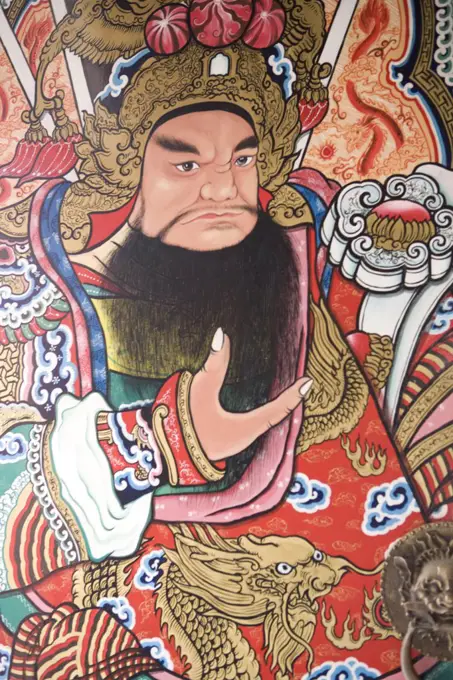
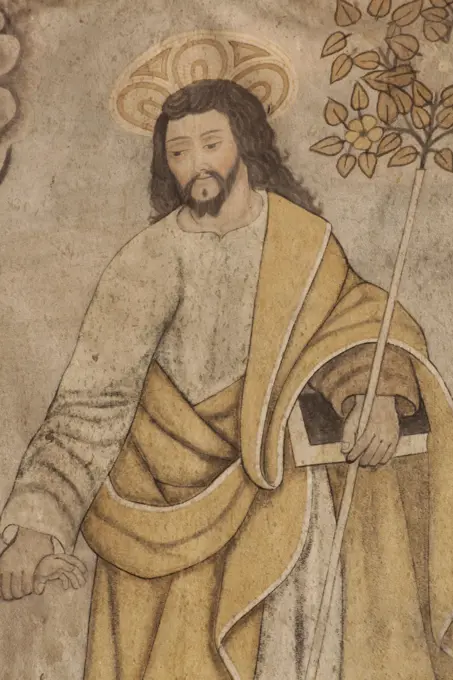
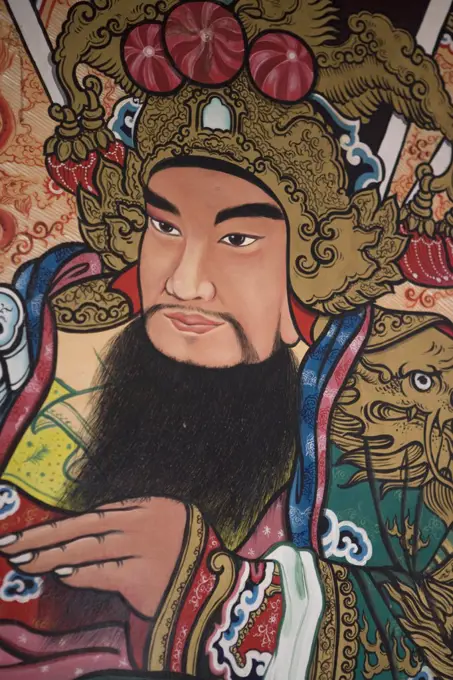
Thailand, North, Chiang Mai, Pung Tao Gong Ancestral Temple. Close Up Of A Colourful Mural Depicting A Male Deity.
6145-51817593
The Actor Sakata Hangoro II Katsukawa Shunsho (Japanese, 1726-1793). The Actor Sakata Hangoro II, ca. 1780. Color woodblock print on paper, 13 x 5 1/2 in. (33 x 14 cm).   Asian Art ca. 1780
6176-66901894
Seated portrait of Emperor Ming Xuanzong - Ming Dynasty, China
1899-18712299
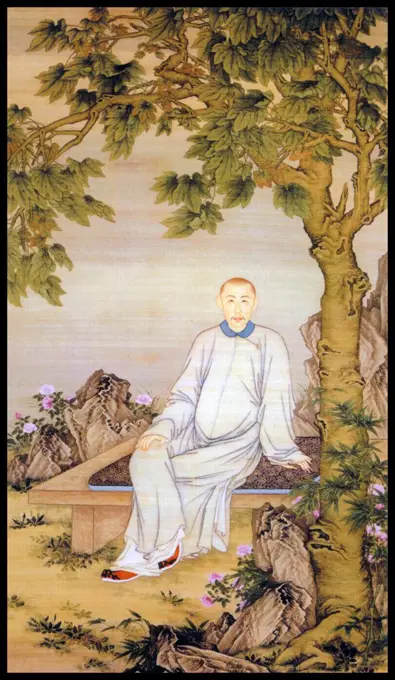
Aisin-Gioro Yinli was the seventeenth son of the Qing Dynasty Kangxi Emperor. Prince Yinli was born on March 2 during the thirty-sixth year of Emperor Kangxi's reign, his mother was the Imperial Consort Chunyuqin of the Chen Clan. When Yinli's half-brother, the Yongzheng Emperor ascended to the throne, Prince Yinli was granted the title of Prince Guo and was also given the tasks of administrating the institution of scholars. During the third year of Emperor Yongzheng's reign, Prince Yinli was given a higher salary due to his honesty and diligence. In February during the sixth year of Emperor Yongzheng's reign, Yinli was promoted to a Duke. In the following years, Prince Yinli was appointed to the Grand Council (1735-1736) and given even more tasks, including escorting the Dalai Lamas back to Tibet, and to inspect the soldiers along the route. He was also a Tibetan Buddhist patron and scholar. When the Emperor fell seriously ill, Prince Yinli was given the task of supporting the new emp
6145-29267037
A Greek physician. Photograph, ca. 1900, of a Greek drawing, 14--.
1746-29017611
Printed miniature scroll painting of a deity at Tenman Shrine. The scroll depicts a man, possibly Sugawara Michizane as Tenjin, facing right, sitting in the Tenman Shrine. Dated 19th Century
6145-30135008
There is a water pipelic sultan on a fan-shaped dress; A servant behind him waves him cooled with a range in the right hand and holds a cloth in his left hand. The sultan on his doily is colored, the servant is only present in sketch.
1746-30017424
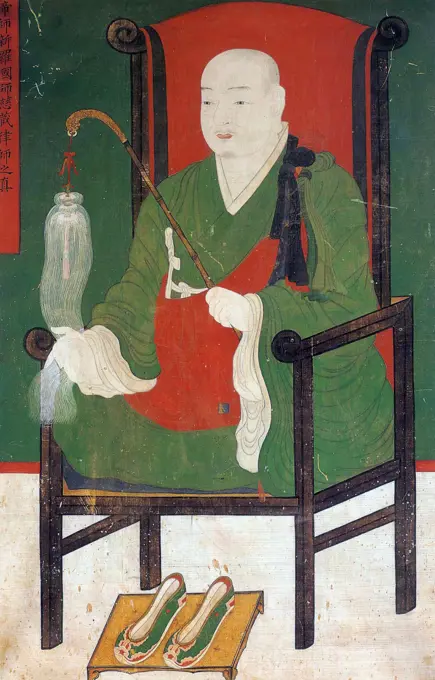
Painting of Korean monk Jajang, who founded the Tongdosa temple in Korea in 646. Jajang (590-658) was a monk born Kim Seonjong, into the royal Kim family, in the kingdom of Silla. He is credited with founding the temple of Tongdosa in 646 CE, near in what is now Busan, South Korea.
6145-29251642
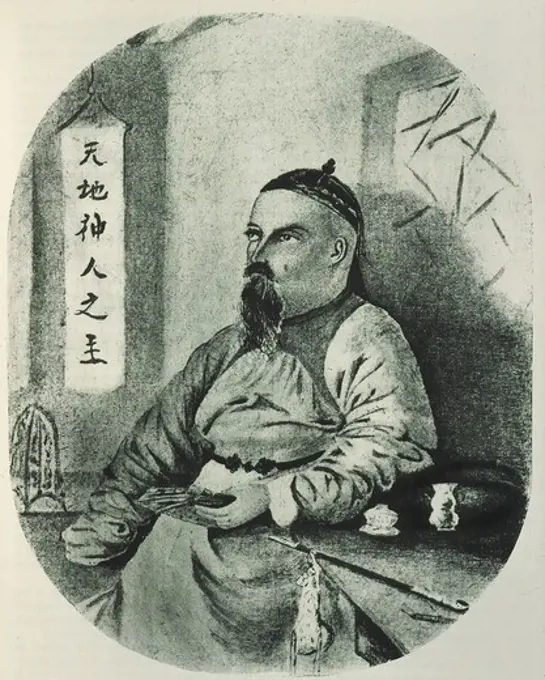
A man or deity. Watercolour attributed to a Chinese painter.
1899-18718366
Jin Ping Mei or The Plum in the Golden Vase (also The Golden Lotus) is a Chinese novel composed in the vernacular (baihua) during the late Ming Dynasty. The author was Lanling Xiaoxiao Sheng. Jin Ping Mei is sometimes considered to be the fifth classical novel after the Four Great Classical Novels. It is the first full-length Chinese fictional work to depict sexuality in a graphically explicit manner, and as such has a notoriety in China akin to Fanny Hill or Lady Chatterley's Lover in English. Jin Ping Mei takes its name from the three central female characters Pan Jinlian, whose name means 'Golden Lotus'); Li Ping'er (literally, 'Little Vase'), a concubine of Ximen Qing; and Pang Chunmei ('Spring plum blossoms'), a young maid who rose to power within the family. Within more conservative Chinese societies, Jin Ping Mei is considered to be pornographic material, due to its contents.
1788-111201072
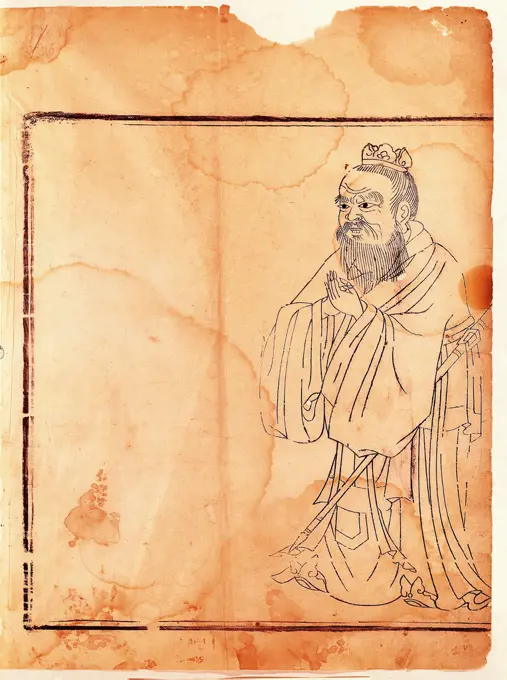
Portrait of Confucius (551-479 BC), illustration
1899-18712570
Horyu-ji (Temple of the Flourishing Law) is a Buddhist temple in Ikaruga, Nara Prefecture, Japan. Its full name is Horyu Gakumonji, or Learning Temple of the Flourishing Law, the complex serving both as a seminary and a monastery. In 1993, Horyu-ji was inscribed as a UNESCO World Heritage Site under the name Buddhist Monuments in the Horyu-ji Area. The Japanese government lists several of its structures, sculptures and artifacts as National Treasures. The kondo, or great hall of the temple, dating in part to the 7th century, is famous for its 7th century Buddhist murals. Unfortunately, on January 26, 1949, a fire in the kondo caused very severe damage to the murals, many of which were destroyed. The murals of the kondo comprise fifty walls; four larger walls, eight mid-sized walls and thirty-eight small wall areas inside the building. The original murals were removed after the fire incident in 1949 and are kept in storage. Twenty small wall paintings that escaped the fire remain in pla
1899-18712156
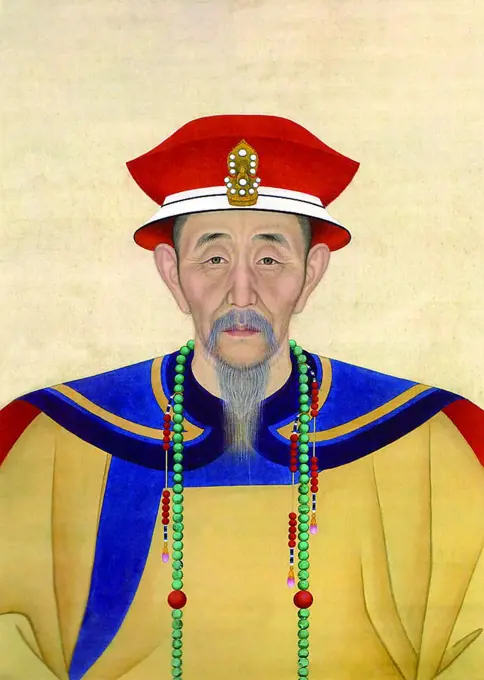
Emperor Kangxi (4 May 1654 -20 December 1722) was the fourth ruler of the Qing Dynasty and the second Qing emperor to rule over China proper, from 1661 to 1722. Kangxi's reign of 61 years makes him the longest-reigning Chinese emperor in history (although his grandson, the Qianlong Emperor, had the longest period of de facto power) and one of the longest-reigning rulers in the world. However, having ascended to the throne at the age of seven, he was not the effective ruler until later, with that role temporarily fulfilled for six years by four regents and his grandmother, the Grand Empress Dowager Xiaozhuang.
6176-67069751
'Chang Tao-Ling', 1922. Chang Tao-Ling (34-156) Founder of the Han Dynasty Taoist school of wu-tou-mi tao, Way of the Celestial Masters, which emphasized the connection between sin and suffering, and introduced repentance and healing, sometimes pictured riding a tiger. From "Myths and Legends of China", by E. T. C. Werner. George G. Harrap & Co. Ltd., London, Calcutta, Sydney, 1922
1848-19255490
Kleidung, Mode in Japan, Samurai, von links, ein Offizier der Bogenschützen, alte Samurai-Krieger-Kostüme, ein Offizier mit Bartmaske, ein Offizier mi...
1899-18712804
The Liao Dynasty, also known as the Khitan Empire, was a state that ruled over the regions of Manchuria, Mongolia, and parts of northern China proper. It was founded by the Yelü clan of the Khitan people in the same year as the Tang Dynasty collapsed (907), even though its first ruler, Yelü Abaoji (Yaruud Ambagai Khan), did not declare an era name until 916. Although it was originally known as the Empire of the Khitan, the Emperor Yelü Ruan officially adopted the name 'Liao' (formally Great Liao’) in 947. Another name for China in English, Cathay, is derived from the name Khitan. This is also the origin of the Russian word for China, ????? or Kitay, and that of several other East European languages. The Liao Empire was destroyed by the Jurchen of the Jin Dynasty in 1125. However, remnants of its people led by Yelü Dashi established the Xi (Western) Liao Dynasty 1125-1220, also known as Kara-Khitan Khanate, which extended its influence over Central Asia into Persia and survived until t
7222-71301234
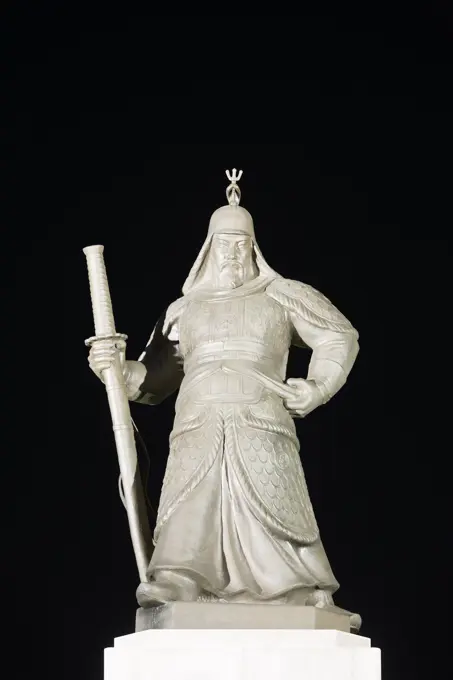
Asia, South Korea, Seoul, Admiral Yi Sun-sin (1545-98) statue
1899-18792658
Zeng Guofan (traditional Chinese: 國藩; simplified Chinese: 国藩; pinyin: Zēng Guófān; Wade-Giles: Tseng Kuo-fan, Styled Bóhán 伯函 and variably Díshēng 滌生; Posthumous name: Wenzheng 文正; created Marquis Yiyong of the First Class 一等毅勇侯, 世襲罔替) (November 21, 1811 - March 12, 1872) was an eminent Han Chinese official, military general, and devout Confucian scholar of the late Qing Dynasty in China. Zeng raised the Xiang Army to fight effectively against the Taiping Rebellion and restored the stability of Qing Dynasty along with other prominent figures, including Zuo Zongtang and Li Hongzhang, setting the scene for the era later known as the 'Tongzhi Restoration' (同治中兴). He was known for his strategic perception, administrative skill and noble personality on Confucianist practice, but also sometimes for his ruthlessness on the execution of his policies. Zeng also exemplified loyalty in an era of chaos, but is also regarded as a pre-cursor to the rise of warlordism.
866-19204
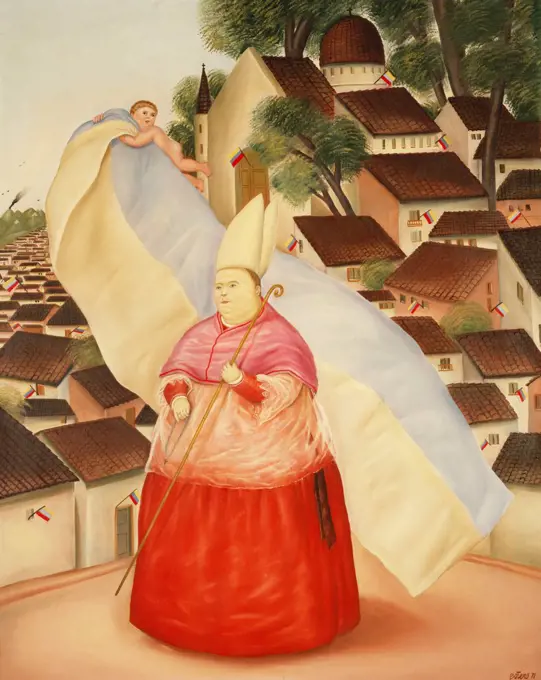
The Bishop of Bogota; El Bispo de Bogota. Fernando Botero (b. 1932). Oil on canvas. Signed and dated 1971. 117.5 x 94.2cm.
1899-18718839
Sorghaghtani Beki or Bekhi, also written Sorkaktani, Sorkhokhtani, Sorkhogtani, Siyurkuktiti (c. 1198-1252), a Kereyid princess of the Nestorian Christian faith and daughter-in-law of Temujin (later known as Genghis Khan), was one of the most powerful and competent women in the Mongol Empire. Married to Tolui, Genghis' youngest son, she raised her sons to be leaders, and maneuvered the family politics so that all four of her sons, Mongke Khan, Hulagu Khan, Ariq Boke, and Kublai Khan, were to inherit the legacy of their grandfather. As a moving spirit behind the Mongol Empire, Sorghaghtani is responsible for much of the trade openings and intellectual exchange made possible by this, the largest contiguous empire in world history. As such, she may count among the most influential women in world history.
1746-29999772
Illustration showing the ARABIAN NIGHTS, Aladdin and the Wonderful Lamp. The magician going through the streets calling New lamps for old.
1848-19349452
Temür ibn Taraghai Barlas, 8 April 1336, 19 February 1405, was a Central Asian military leader and conqueror of the Islamic faith at the end of the 14...
1899-18711420
Emperor Longqing, 13th ruler of the Ming Dynasty (r. 1567-1572). Personal Name: Zhu Zaihou, Zhū Zǎihòu. Posthumous Name: Zhuangdi, Zhuāngdì. Temple Name: Muzong, Mùzōng. Reign Name: Ming Longqing, Ming Lóngqìng. The Longqing Emperor was the 13th emperor of the Ming dynasty in China between 1567-1572. His era name means 'Great Celebration'. Emperor Longqing's reign lasted a mere six years and was succeeded by his son. It was said that Longqing also suffered from speech impairment which caused him to stutter and stammer when speaking in public. He is generally considered one of the more liberal and open-minded emperors of the Ming Dynasty, however Longqing lacked the talent keenly needed for rulership and he eventually became more interested in pursuing personal gratification rather than ruling itself.
1899-18788770
Tao Yuanming also known as Tao Qian (365-427) was a Chinese poet of the Six Dynasties period (ca. 220 - 589 CE). Tao Yuanming later changed his name to Tao Qian and is generally regarded as the greatest poet during the centuries between the Han and Tang dynasties. He is also the foremost of the 'recluse' poets, or the poets who seem to have written their greatest work while in reclusion and/or those poets in whose poems the theme of countryside solitude particularly resonates. In Tao Yuanming's poems can be found superlative examples of the theme which urges its audience to drop out of official life, move to the country, and take up a cultivated life of wine, poetry, and avoiding people with whom friendship would be unsuitable, but in Tao's case this went along with actually engaging in farming. Tao's poetry also shows an inclination to fulfillment of duty, such as feeding his family. Tao's simple and plain style of expression, reflecting his back-to-basics lifestyle, first became bett
6176-67044313
Kublai Khan (1215-1294) of the Mongol Empire and founder of the Yuan Dynasty, 1912. Artist: Unknown.
1899-18711418
Emperor Jiajing, 12th ruler of the Ming Dynasty (r. 1521-1567). Personal Name: Zhu Houcong, Zhū Hòucōng. Posthumous Name: Sudi, Sùdì. Temple Name: Shizong, Shìzōng. Reign Name: Ming Jiajing, Ming Jiājìng. The Jiajing Emperor was the 12th Ming Dynasty Emperor of China who ruled from 1521 to 1567. His era name means 'Admirable Tranquility'. After 45 years on the throne (the second longest reign in the Ming Dynasty), Emperor Jiajing died in 1567 - possibly due to mercury overdose - and was succeeded by his son, the Longqing Emperor. Though his long rule gave the dynasty an era of stability, Jiajing's neglect of his official duties resulted in the decline of the dynasty at the end of the 16th century.
1899-19135219
China: The second wife (died 1891) of Li Hongzhang, 1871
1899-19135772
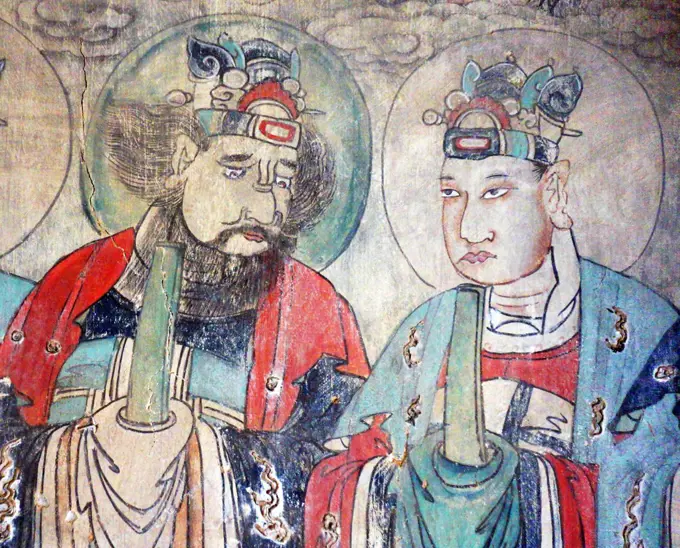
China: Two ministers of the Jade Emperor (detail), Chapel of the Jade Emperor, Jia Xian, Shaanxi, Qing Dynasty fresco (1644-1912)
1899-18712217
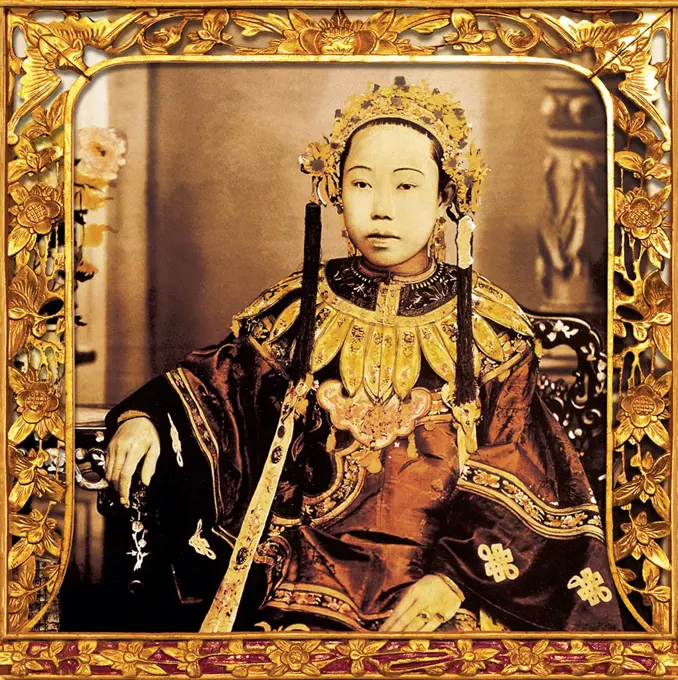
Empress Dowager Cixi (Wade-Giles: Tz'u-Hsi, 29 November 1835 - 15 November 1908) of the Manchu Yehe Nara Clan, was a powerful and charismatic figure who became the de facto ruler of the Manchu Qing Dynasty in China for 47 years from 1861 to her death in 1908.
7058-70090183
Laguna Pueblo, New Mexico, USA. San Jose Mission church, interior with historically significant retablo.
1899-18854844
The Suzhou Confucian Temple (Chinese: 州文庙), also named the Suzhou Stone Inscription Museum and Suzhou Prefecture School (Chinese: 州府学; a state-run school), was built by Fan Zhongyan, the Prefect of Suzhou, in 1035 CE. It was the first temple school in China and is notable for containing the four greatest steles of the Song Dynasty. Suzhou, the city of canals and gardens, was called the ‘Venice of the East’ by Marco Polo. An ancient Chinese proverb states: ‘In Heaven there is Paradise; on Earth there is Suzhou’. The city’s love affair with gardens dates back 2,500 years and continues still. At the time of the Ming dynasty (1368-1644) there were 250 gardens, of which about a hundred survive, although only a few are open to the public.
6145-29262501
A Mevlevi, or whirling dervish, performing a ritual mystic dance. Drawing, ca. 1850 ().
4220-21929531
Confucius (551479 BC) -  Chinese teacher, editor, politician, and philosopher of the Spring and Autumn period of Chinese history.     Date: 551479 BC
1899-18789431
Lin Zexu was a Chinese scholar and official during the Qing dynasty. He is recognized for his conduct and his constant position on the 'high moral ground' in his fight against the opium trade in Guangzhou. Although the non-medicinal consumption of opium was banned by Emperor Yongzheng in 1729, by the 1830s China's economy and society were being seriously affected by huge imports of opium from British and other traders based in the city. Lin's forceful opposition to the trade on moral and social grounds is considered to be the primary catalyst for the First Opium War of 1839-42. Because of this firm stance, he has subsequently been considered as a role model for moral governance, particularly by Chinese people.
7216-70672516
Madonna and child, Coloane, Macau (Editorial Usage Only)
1899-18791964
The Yao nationality (its great majority branch is also known as Mien; Pinyin: Yáo zú; Vietnamese: người Dao) is a government classification for various minorities in China. They form one of the 55 ethnic minority groups officially recognized by the People's Republic of China, where they reside in the mountainous terrain of the southwest and south. They also form one of the 54 ethnic groups officially recognized by Vietnam. In the last census, they numbered 2,637,421 in China, and roughly 470,000 in Vietnam. In Thailand they number 40,000 and in Laos 20,000.
6145-29706158
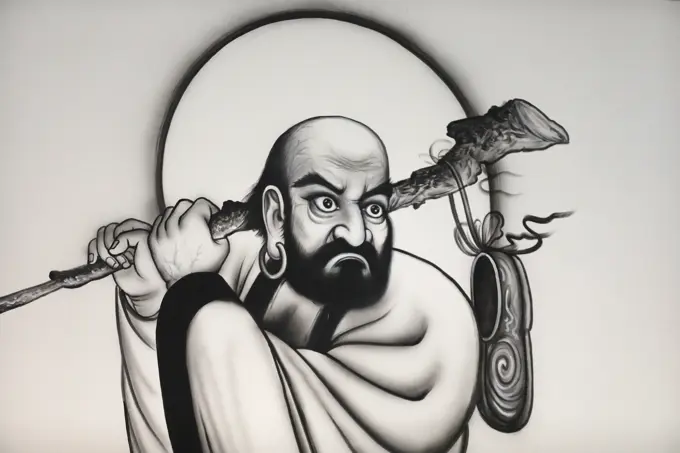
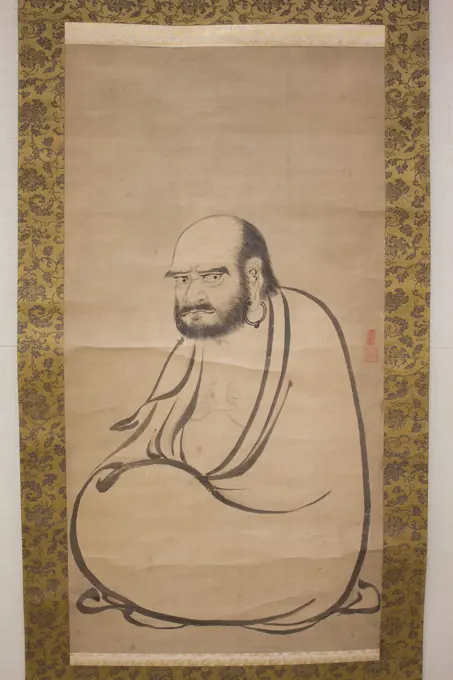
Bodhidharma (Daruma) 17th century Attributed to Kano Sanraku  Japanese Bodhidharma was an Indian monk credited with transmitting Zen Buddhist teachings to China in the 500s. Known as "Daruma" in Japan, he is revered as the first patriarch of Zen. Here he is shown seated, casting his powerful gaze directly at the viewer and biting his lower lip. Following a longstanding approach to the depiction of Bodhidharma in East Asia, the artist emphasizes the figure's unkempt facial and body hair, as well as bulging eyes framed by pronounced eyebrows. He wears simple robes and large earrings. The two red seals at the right edge of the picture, reading "Shri" and "Mitsuyori," are consistent with those found on works by Kano Sanraku, a follower of the great Momoyama-period master Eitoku (1543-1590) who led the Kyoto branch of Kano School (Kygano) in the early decades of the 1600s.. Bodhidharma (Daruma). Attributed to Kano Sanraku  (Japanese, 1559-1635). Japan. 17th century. Hanging scroll
4495-16293237
Sultan Murad I, with supplicant kissing his foot, 16th century, detail, ms H1523 p 75A, Topkapi Palace Museum, Istanbul, Turkey
1899-18711393
Emperor Zhengtong, 6th and 8th ruler of the Ming Dynasty (r. 1435-1449; 1457-1464). Personal Name: Zhu Qizhen, Zhū Qízhèn. Posthumous Name: Ruidi, Ruìdì. Temple Name: Yingzong, Yīngzōng. Reign Name: Ming Zhengtong, Ming Zhèngtǒng (1436-1449); Ming Tianshun, Ming Tiānshùn (1457-1464). Zhu Qizhen was an emperor of the Ming Dynasty. He ruled as the Zhengtong Emperor from 1435 to 1449, and as the Tianshun Emperor from 1457 to 1464. His first era name means 'Right Governance' and the second one means 'Obedient to Heaven'. The Tianshun Emperor died at the age of 37 in 1464 and was buried in the Yuling mausoleum of the Ming Dynasty Tombs.
1885-30109
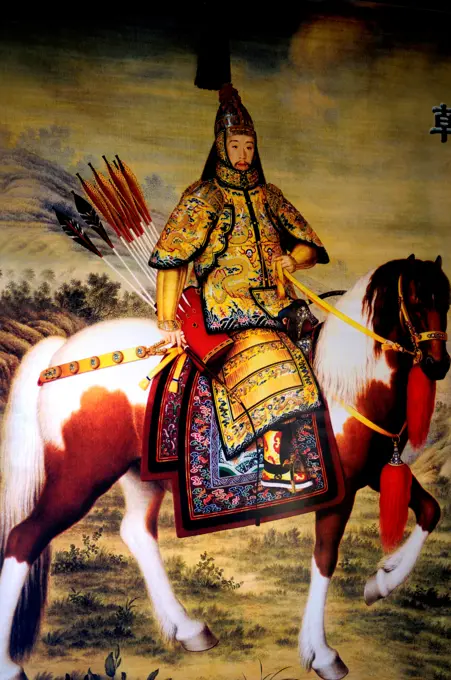
A portrait of Emperor Qianlong of the Qing dynasty
1899-18716704
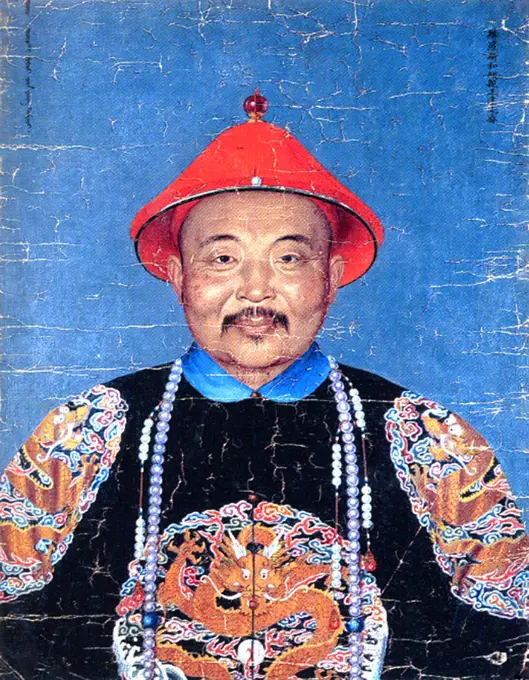
Qing Imperial court portraits of senior Manchu military officers, known as Bannermen, mid-18th century. From the time China was brought under the rule of the Qing dynasty (1644 - 1683), the banner soldiers became more professional and bureaucratised. Once the Manchus took over governing, they could no longer satisfy the material needs of soldiers by garnishing and distributing booty; instead, a salary system was instituted, ranks standardised, and the Bannermen became a sort of hereditary military caste, though with a strong ethnic inflection. Banner soldiers took up permanent positions, either as defenders of the capital, Beijing, where roughly half of them lived with their families, or in the provinces, where 18 garrisons were established. The largest banner garrisons throughout most of the Qing dynasty were at Beijing, followed by Xi'an and Hangzhou. Sizable banner populations were also placed in Manchuria and at strategic points along the Great Wall, the Yangtze River and Grand Can
4069-5648
Evariste RZgis HUC, 1813-60 French Roman Catholic missionary and explorer who journeyed from China to Tibet
1848-50151495
Buryat, woman from The Republic of Buryatia, Russia, in festive dress, Russia, 1881, digitally restored reproduction of a 19th century original, exact date not known, Europe
6188-64619379
Miniature painting of mughal emperor aurangzeb Copyright: xBhagwandasxRupani/DinodiaxPhotox
1746-201
Prince Siddhartha: Siddhartha Guataman (c563-c483 BC) founder of Buddhism. Became supreme Buddha c528 BC. Buddha as mendicant in saffron robes
6188-64577904
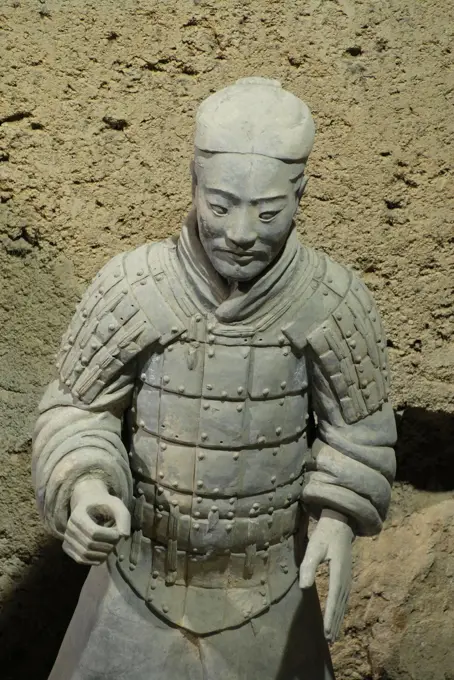
Statues of Terracotta warriors in pit 3, Terracotta army, Qin Dynasty, Xian, China China Copyright: xChouxChiang/DinodiaxPhotox
1848-49227033
Raja riding a horse, c. 1890, East India, Bengal, Kolkata, Temple Kalighat, Historic, digitally restored reproduction from a 19th century original
1848-50948638
Statue of Confucius in front of Confucius Temple, Shimenkan, Nanjing, Jiangsu Sheng, China, Asia
4409-17230994
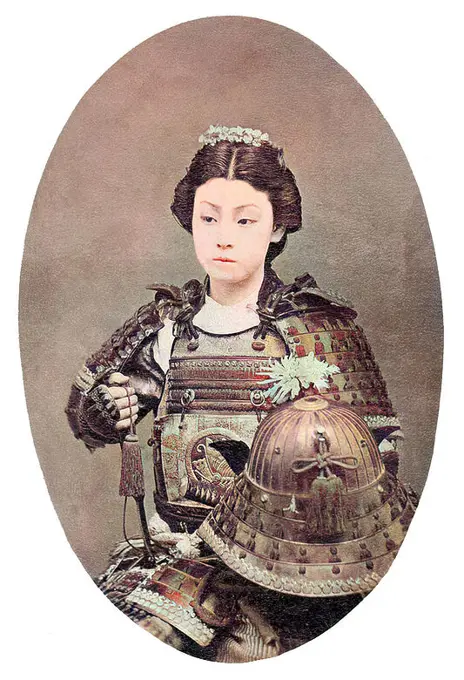
Japan: Portrait of a Japanese actress dressed as an onna bugeisha or female warrior, member of the samurai class, c. 1870.
6176-67036592
Confucius (551-479 BC), Chinese philosopher. From a rubbing of a marble slab in a Confucian temple. Artist: Unknown.
6145-29259735
A man or deity. Watercolour attributed to a Chinese painter.
1746-19984399
Servant of the Empress of Korea 1900
1850-28059
Thailand, North, Chiang Mai, Pung Tao Gong Ancestral Temple. Close Up Of A Colourful Mural Depicting A Male Deity.
1788-1568
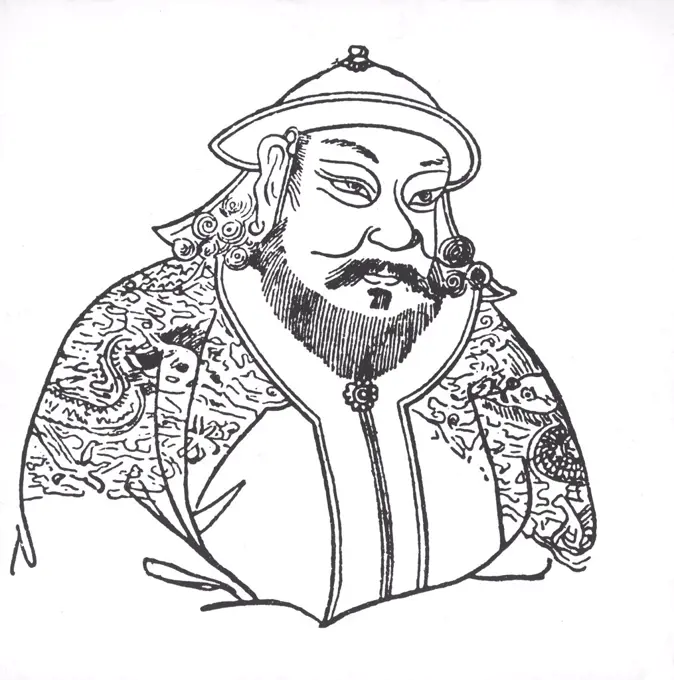
Mongolia - 13th century. China's first Yüan emperor Kublai Khan, 1215-1294. Drawing
1899-18791962
Peranakan Chinese and Baba-Nyonya are terms used for the descendants of late 15th and 16th-century Chinese immigrants to the Indonesian-Malay Archipelago during the Colonial era. Members of this community in Melaka address themselves as 'Nyonya Baba' instead of 'Baba-Nyonya'. Nyonya is the term for the women and Baba for the men. It applied especially to the ethnic Chinese populations of the British Straits Settlements of Malaya and the Dutch-controlled island of Java and other locations, who had adopted partially or in full Malay customs to be somewhat assimilated into the local communities. In colonial times they were the elites of Singapore, arguably more loyal to the British than to China. Most have lived for generations along the straits of Malacca and not all intermarried with the local Indonesians and Malays. They were usually traders, the middleman of the British and the Chinese, or the Chinese and Malays, or vice versa because they were mostly English educated. Because of this
1899-18792237
Abul Hasan Qutb Shah (Abul Hasan Tana Shah) (Urdu: ابوالحسن قطب شاہ) was the eighth and last ruler of the Qutb Shahi dynasty, who ruled the kingdom of Golconda in south India. He ruled from 1672 to 1687. In 1687 the Mughal emperor Aurangzeb led a campaign to reassert the rule of Mughals in Golconda. Tana Shah defended the fort for eight months, but Aurangazeb succeeded in capturing Golconda in September 1687. Abul Hasan Qutb Shah surrendered and handed over the Nur-ul-Ain Diamond, The Hope Diamond, Wittelsbach Diamond and The Regent Diamond making the Mughal Emperor Aurangzeb the richest monarch in the world. Tana Shah was taken as a prisoner and was imprisoned in the Daulatabad fort (near Aurangabad) where he died after 12 years of captivity. When the Sultan died, he was not buried alongside his ancestors and other Qutb Shahi kings but in a modest grave at Khuldabad near Aurangabad. With the defeat of Abul Hasan Qutub Shah the Qutb Shahi dynasty ended and a new Nizam dynasty began in
1899-18855114
Ikkyū (休宗純 Ikkyū Sōjun, 1394-1481) (self-named: 'Crazy Cloud') was an eccentric, iconoclastic Japanese Zen Buddhist monk and poet. He had a great impact on the infusion of Japanese art and literature with Zen attitudes and ideals.
1899-18792458
The Druk Gyalpo (Dzongkha: འབྲུག་རྒྱལ་པོ་; Wylie: brug rgyal-po; 'Dragon King') is the head of state of Bhutan. He is also known in English as the King of Bhutan. Bhutan, in the local Dzongkha language, is known as Dryukyul which translates as 'The Land of Dragons'. Thus, while Kings of Bhutan are known as Druk Gyalpo ('Dragon King'), the Bhutanese people call themselves the Drukpa, meaning 'Dragon people'. The current ruler of Bhutan is the 5th Hereditary King His Majesty Jigme Khesar Namgyel Wangchuck, who is the 5th Druk Gyalpo. He wears the Raven Crown which is the official Crown worn by the Monarchs of Bhutan. He is correctly styled 'Mi'wang 'Ngada Rimboche' ('His Majesty') and addressed ''Ngada Rimboche' ('Your Majesty').
6176-66089976
A student from the college of interpreters at the university of Tokyo. Japan, Asia. Journey to Japan by Aime Humbert 1863-1864 from Le Tour du Monde 1867
5513-19708601
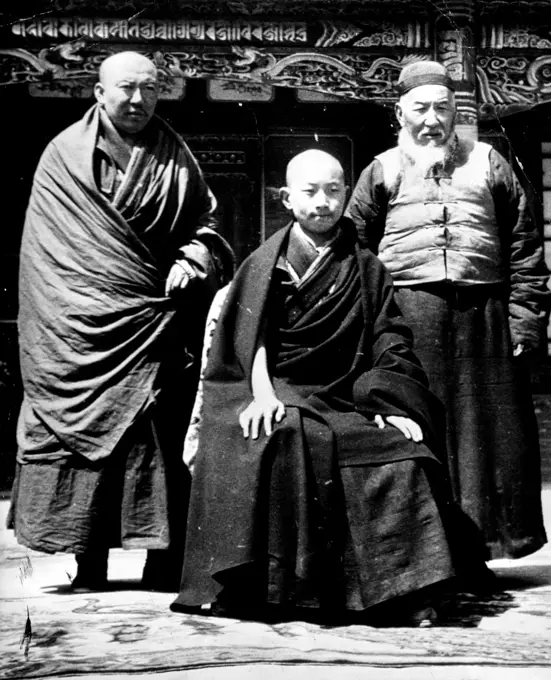
Boy Tibetian Ruler With Advisors - Eleven-year-old Panchan Lama (center) spiritual ruler of 9,000,000 Tibetian Buddhists, is flanked by his advisors is Lo Sang Yan-Zen, 73, the regent. Other advisor is not identified. April 23, 1948. (Photo by AP Wirephoto).
6137-28691326
 Phu Son Tu buddhist temple.  Bodhidharma Daruma (5th - 6th century ) was a Indian Buddhist monk, and is traditionally credited as the transmitter of Zen.  Tan Chau. Vietnam.
4430-10640
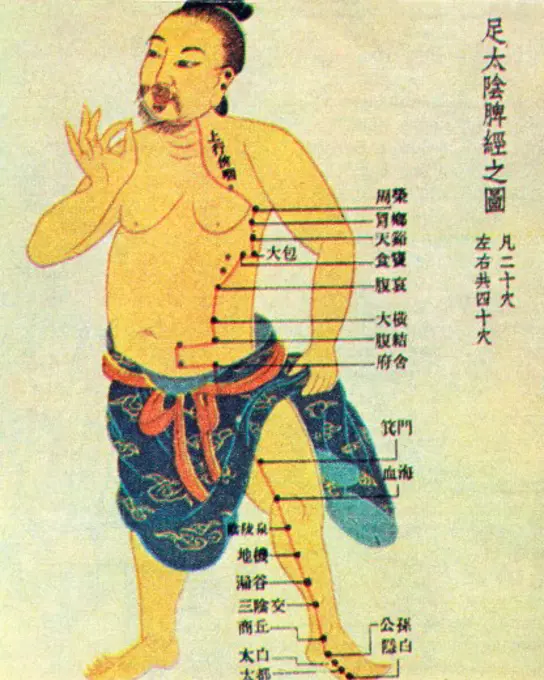
medicine Chinese acupuncture card Ming Dynasty (1369 - 1644) kidney meridian print,
7228-71241990
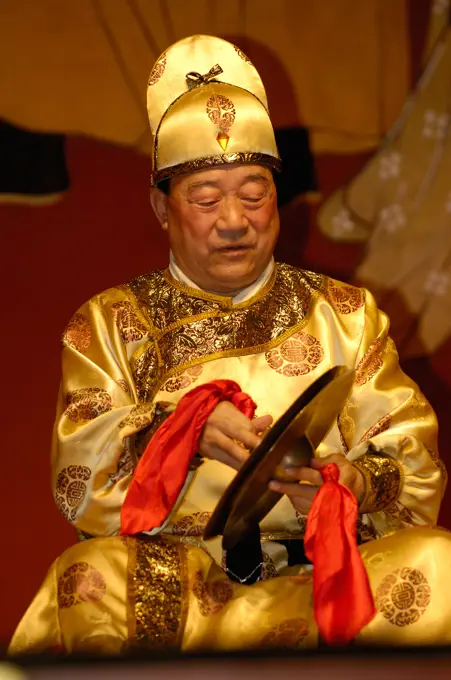
Concert of traditional Chinese music instruments. Shaanxi Grand Opera House. Xi'an, Shaanxi Province. CHINA
1899-18792460
The Druk Gyalpo (Dzongkha: འབྲུག་རྒྱལ་པོ་; Wylie: brug rgyal-po; 'Dragon King') is the head of state of Bhutan. He is also known in English as the King of Bhutan. Bhutan, in the local Dzongkha language, is known as Dryukyul which translates as 'The Land of Dragons'. Thus, while Kings of Bhutan are known as Druk Gyalpo ('Dragon King'), the Bhutanese people call themselves the Drukpa, meaning 'Dragon people'. The current ruler of Bhutan is the 5th Hereditary King His Majesty Jigme Khesar Namgyel Wangchuck, who is the 5th Druk Gyalpo. He wears the Raven Crown which is the official Crown worn by the Monarchs of Bhutan. He is correctly styled 'Mi'wang 'Ngada Rimboche' ('His Majesty') and addressed ''Ngada Rimboche' ('Your Majesty').
442-9716
Paintings on the door of a temple, Thian Hock Keng Temple, Chinatown, Singapore
1899-18711553
Emperor Zhongzong of Tang (26 November 656-3 July 710), personal name Li Xian, at times during his life Li Zhe and Wu Xian, was the fourth Emperor of the Tang Dynasty of China, ruling briefly in 684 and again from 705 to 710. Emperor Zhongzong was the son of Emperor Gaozong of Tang and Empress Wu (later known as Wu Zetian). He succeeded his father in 684. His mother, however, deposed him less than two months later in favor of his younger brother Emperor Ruizong. The former emperor, demoted to a princely rank, was sent into exile in the provinces and placed under house arrest. Six years later, Emperor Ruizong in turn relinquished the throne to his mother and Empress Dowager Wu officially proclaimed herself 'Emperor', while Emperor Ruizong was made crown prince. By 698 the court was caught in the middle of a bitter power struggle. Empress Wu liberated the former emperor from his 14 years of seclusion and recalled him to the capital in April 698. He was reinstated as crown prince in Octob
6176-66085904
To yann, head of Chinese congregations, Vietnam. Asia. Old 19th century engraved illustration A campaign in Tonkin by Charles Edouard Hocquard from Le Tour du Monde 1889
5513-18348828
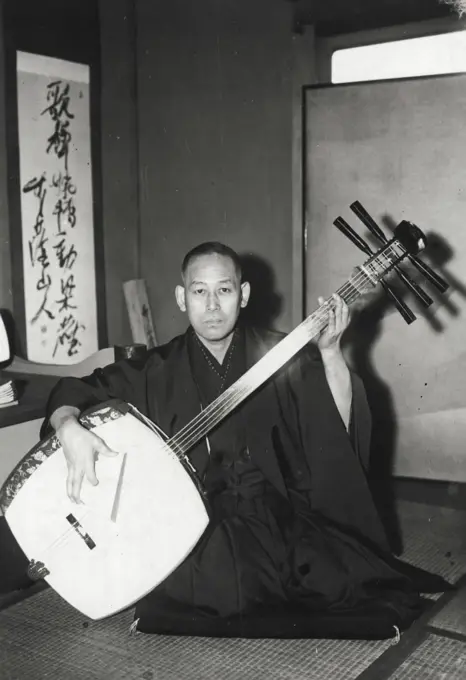
Mr. Matsumoto, inventor and his newly made ***** samisen.The three stringed samisen which has served ***** threat and the Kabuki stage for three hundred ***** is no longer to be true to its name. Mr. Shozan *****, 50 years of age, a semisen expert of Osaka has ***** succeeded in making an instrument with five strings. Sumoto began the study of the samisen when he was 6 years and began to teach at the age of 14. For years he has an improved samisen in mind and his ideas have now been ***** cut successfully. The new samisen in four times as stage as the ordinary instrument, and is suitable for an *****, It is said that the tones are as melodious as ***** of the piano or harp. February 5,  1935.
1899-18718635
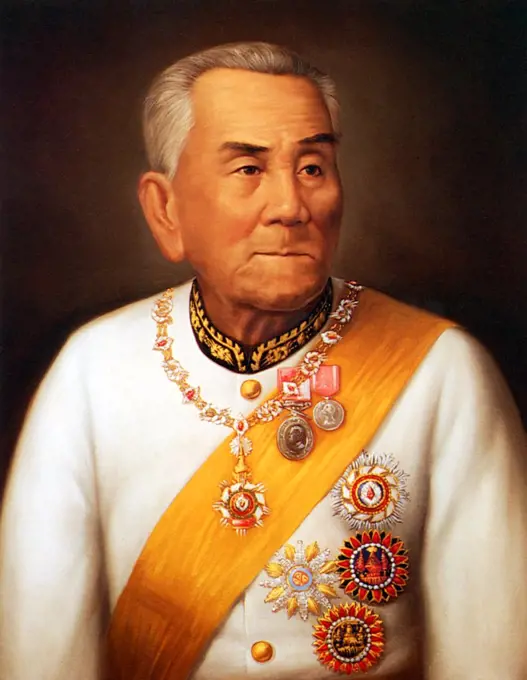
A scion of the Chao Chet Ton Dynasty that ruled Chiang Mai and the former Lan Na Kingdom as a tributary of the Siamese Chakri Dynasty in Bangkok from 1775 to 1939.
1899-68921403
Tac Say Church, also known as Father Diep Church.  Francis Xavier Truong Buu Diep was a famous  Vietnamese Catholic priest killed in 1946.  Bac Lieu. Vietnam.
PREVIOUS
of 2
NEXT
2401 S. Ervay, Suite 206
Dallas, Texas 75215
United States
Get Started
Free ResearchMy BoardsMy Cart
For Creators
How To License Your ContentContributor PortalFrame of Mind
Resources
API accessPricing
Contact
+1 866 236 0087help@viewpictures.co.uk Contact form
©2026 View Pictures. All Rights Reserved. -A
This site is protected by reCAPTCHA and Google Privacy Policy and Terms of Service apply.