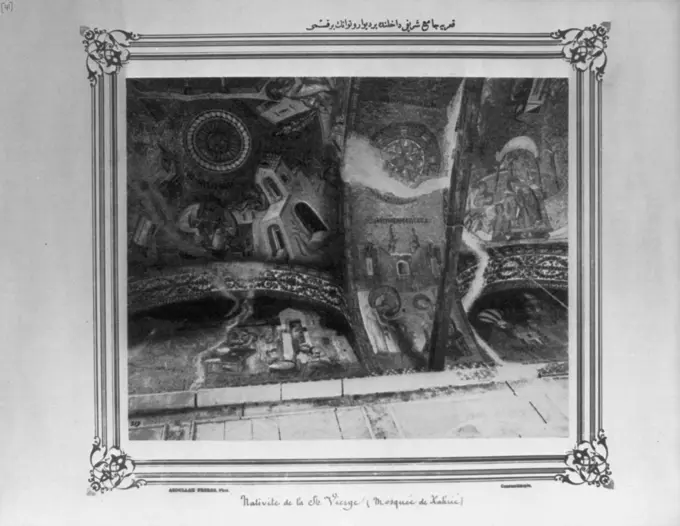
Historical Frescoes of Italy

Collection of black-and-white photographs featuring various frescoes from Italian churches and monasteries, showcasing detailed artistry from the Medieval to Baroque periods.

Marches Macerata Visso S. Maria, Collegiate Church0. Hutzel, Max 1960-1990 Detailed views of the 14th century exterior architecture of the church, including portals, and details of columns and capitals. There are general interior views, with detailed photos showing the paintings, both on the screen behind the main altar and behind side altars. There are also many photos of painting fragments from the late Medieval and early Renaissance periods. Sculptural photos include a wooden crucifix and basins or altars (perhaps antique) with human face motifs. Object Notes: Hutzel photo campaign date: June 30, 1984. German-born photographer and scholar Max Hutzel (1911-1988) photographed in Italy from the early 1960s until his death. The result of this project, referred to by Hutzel as Foto Arte Minore, is thorough documentation of art historical development in Italy up to the 18th century, including objects of the Etruscans and the Romans, as well as early Medieval, Romanesque, Gothic, Renaissan
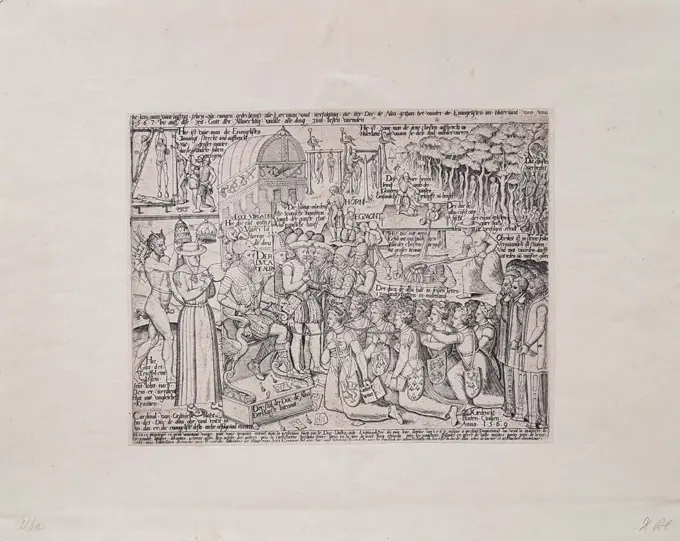
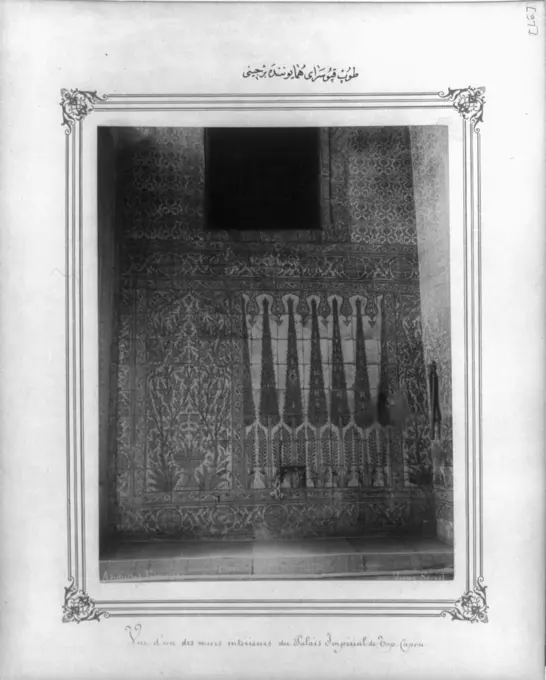
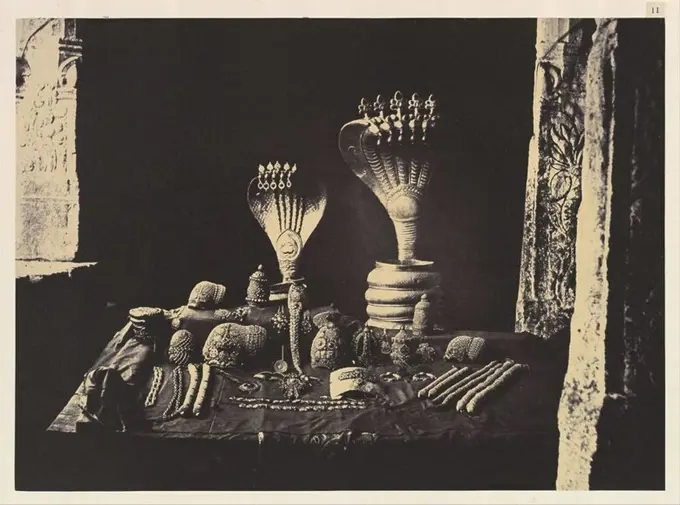
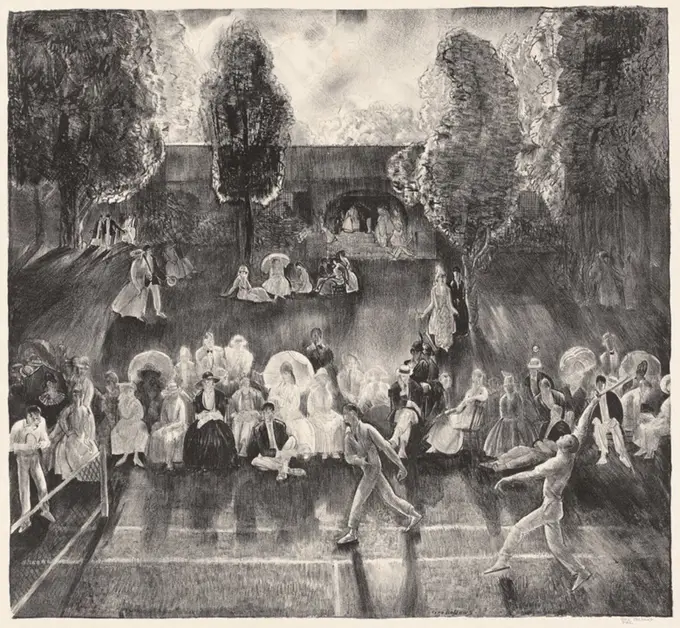
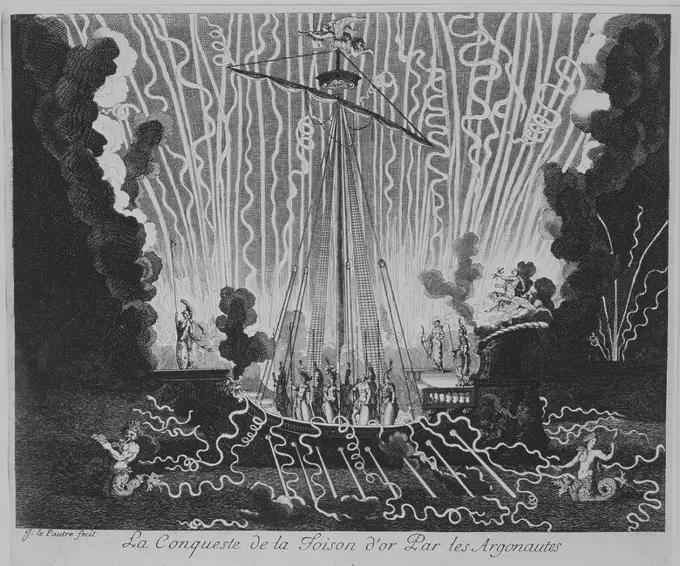
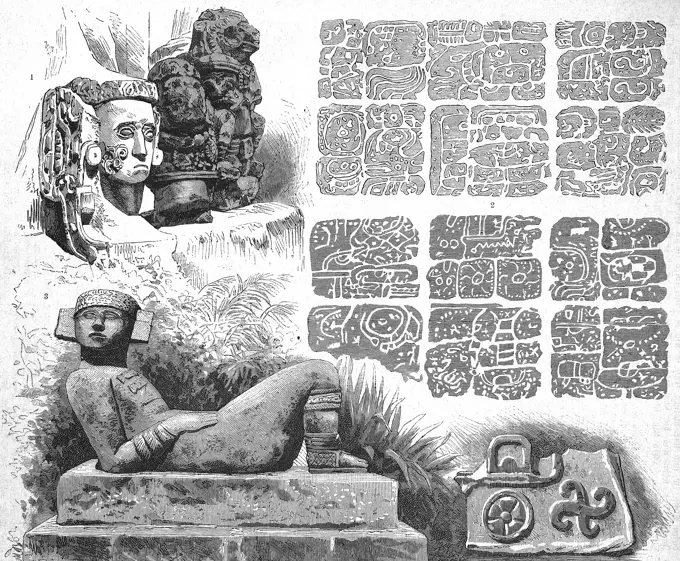
Campania Caserta Caserta Palazzo Reale91. Hutzel, Max 1960-1990 Post-medieval: Architecture & architectural sculpture, sculpture, statues, paintings, frescoes, stuccoes, furnishings & decorative art General Notes: Discrepancy in number of prints & negatives. Hutzel notes 824 prints & negatives. Negatives for 1-62 of one batch seem to be missing (would make a total of 824) German-born photographer and scholar Max Hutzel (1911-1988) photographed in Italy from the early 1960s until his death. The result of this project, referred to by Hutzel as Foto Arte Minore, is thorough documentation of art historical development in Italy up to the 18th century, including objects of the Etruscans and the Romans, as well as early Medieval, Romanesque, Gothic, Renaissance and Baroque monuments. Images are organized by geographic region in Italy, then by province, city, site complex and monument.Emilia-Romagna Ferrara Pomposa Abbazia di Pomposa, Museo82. Hutzel, Max 1960-1990 Medieval: Fragments: capitals (Byzantine, 6th century), also capitals carved with human faces; marble friezes (10th century, later inscriptions); cornices, (with spolia) 11-12th centuries; ciborium; frescos. Post-medieval: Terracotta statuary, "neo-classical" (Hutzel); frescos: Bolognese, 14th century Antiquities: Amphora; grave monuments German-born photographer and scholar Max Hutzel (1911-1988) photographed in Italy from the early 1960s until his death. The result of this project, referred to by Hutzel as Foto Arte Minore, is thorough documentation of art historical development in Italy up to the 18th century, including objects of the Etruscans and the Romans, as well as early Medieval, Romanesque, Gothic, Renaissance and Baroque monuments. Images are organized by geographic region in Italy, then by province, city, site complex and monument.Umbria Perugia Schifanoia S. Michele Arcangelo2. Hutzel, Max 1960-1990 Medieval: Architecture (14th century); pavement. Post-medieval: Frescos (14th-16th centuries) Object Notes: Undocumented Hutzel name. According to his notes, Schifanoia is a part of Narni. German-born photographer and scholar Max Hutzel (1911-1988) photographed in Italy from the early 1960s until his death. The result of this project, referred to by Hutzel as Foto Arte Minore, is thorough documentation of art historical development in Italy up to the 18th century, including objects of the Etruscans and the Romans, as well as early Medieval, Romanesque, Gothic, Renaissance and Baroque monuments. Images are organized by geographic region in Italy, then by province, city, site complex and monument.Lazio Roma Rome Palazzo Venezia3. Hutzel, Max 1960-1990 Medieval: Architectural sculpture, sculptural fragments, sculpture. Post-medieval: Architectural sculpture, sculpture, stucco, gilding, architecture, tapestries Antiquities: Sculptural fragment Object Notes: Cortile, above all interesting for Roman, early medieval and Renaissance monuments, sarcophagi, fountain settings, statues, portrait busts, etc. German-born photographer and scholar Max Hutzel (1911-1988) photographed in Italy from the early 1960s until his death. The result of this project, referred to by Hutzel as Foto Arte Minore, is thorough documentation of art historical development in Italy up to the 18th century, including objects of the Etruscans and the Romans, as well as early Medieval, Romanesque, Gothic, Renaissance and Baroque monuments. Images are organized by geographic region in Italy, then by province, city, site complex and monument.Abruzzo L'Aquila L'Aquila Collegiate complex (S. Bernardino, Church. S. Bernardino, Cloister)3. Hutzel, Max 1960-1990 Post-medieval: Architecture, architectural sculpture, sculpture, paintings, frescoes. Views of the cloister from several vantage points and detailed views of the columns and capitals. Views of exterior and interior, with extensive coverage of mausoleum by Silvestro dell'Aquila. German-born photographer and scholar Max Hutzel (1911-1988) photographed in Italy from the early 1960s until his death. The result of this project, referred to by Hutzel as Foto Arte Minore, is thorough documentation of art historical development in Italy up to the 18th century, including objects of the Etruscans and the Romans, as well as early Medieval, Romanesque, Gothic, Renaissance and Baroque monuments. Images are organized by geographic region in Italy, then by province, city, site complex and monument.Campania Caserta Ventaroli S. Maria in Foro Claudio9. Hutzel, Max 1960-1990 German-born photographer and scholar Max Hutzel (1911-1988) photographed in Italy from the early 1960s until his death. The result of this project, referred to by Hutzel as Foto Arte Minore, is thorough documentation of art historical development in Italy up to the 18th century, including objects of the Etruscans and the Romans, as well as early Medieval, Romanesque, Gothic, Renaissance and Baroque monuments. Images are organized by geographic region in Italy, then by province, city, site complex and monument.Umbria Perugia Perugia Galleria Nazionale dell'Umbria0. Hutzel, Max 1960-1990 Views of Umbrian painting and sculpture. German-born photographer and scholar Max Hutzel (1911-1988) photographed in Italy from the early 1960s until his death. The result of this project, referred to by Hutzel as Foto Arte Minore, is thorough documentation of art historical development in Italy up to the 18th century, including objects of the Etruscans and the Romans, as well as early Medieval, Romanesque, Gothic, Renaissance and Baroque monuments. Images are organized by geographic region in Italy, then by province, city, site complex and monument.Fresco in the apostolic palace in Vatican City, representing the meeting of Pope Leo I and Atilla by Rafaël, c. 1880 - c. 1900 photograph Part of French artists' album. Apostolic palace paper. photographic support. lacquer (coating) albumen print painting (including book-illumination, miniature-painting) (+ plaster ~ arts) Vatican CITY. Apostolic palaceth, Karlskirche, relief on a triumphal column, Gerlach , Wiedling Buch- und Kunstverlag, publishing houseUmbria Perugia Perugia Galleria Nazionale dell'Umbria0. Hutzel, Max 1960-1990 Views of Umbrian painting and sculpture. German-born photographer and scholar Max Hutzel (1911-1988) photographed in Italy from the early 1960s until his death. The result of this project, referred to by Hutzel as Foto Arte Minore, is thorough documentation of art historical development in Italy up to the 18th century, including objects of the Etruscans and the Romans, as well as early Medieval, Romanesque, Gothic, Renaissance and Baroque monuments. Images are organized by geographic region in Italy, then by province, city, site complex and monument.Campania Benevento Sant'Agata de' Goti Chiesa dell'Annunziata05. Hutzel, Max 1960-1990 Medieval: Architecture (13-14th centuries). Post-medieval: Marble portal (1563), with bas-relief in lunette; paintings on panel and canvas; frescos (14-15th centuries) German-born photographer and scholar Max Hutzel (1911-1988) photographed in Italy from the early 1960s until his death. The result of this project, referred to by Hutzel as Foto Arte Minore, is thorough documentation of art historical development in Italy up to the 18th century, including objects of the Etruscans and the Romans, as well as early Medieval, Romanesque, Gothic, Renaissance and Baroque monuments. Images are organized by geographic region in Italy, then by province, city, site complex and monument.Lazio Viterbo Viterbo S. Francesco7. Hutzel, Max 1960-1990 Interior views only of gothic church largely reconstructed after WWII bombing. No general views of interior, but many views of stained glass windows, frescoes, tombs, mosaic work, capitals. German-born photographer and scholar Max Hutzel (1911-1988) photographed in Italy from the early 1960s until his death. The result of this project, referred to by Hutzel as Foto Arte Minore, is thorough documentation of art historical development in Italy up to the 18th century, including objects of the Etruscans and the Romans, as well as early Medieval, Romanesque, Gothic, Renaissance and Baroque monuments. Images are organized by geographic region in Italy, then by province, city, site complex and monument.Abruzzo L'Aquila Bominaco S. Pellegrino, Oratory17. Hutzel, Max 1960-1990 Medieval: Architecture, sculpture (12-13th century) Post-medieval: Fresco cycle (13th century) (Count: 252) German-born photographer and scholar Max Hutzel (1911-1988) photographed in Italy from the early 1960s until his death. The result of this project, referred to by Hutzel as Foto Arte Minore, is thorough documentation of art historical development in Italy up to the 18th century, including objects of the Etruscans and the Romans, as well as early Medieval, Romanesque, Gothic, Renaissance and Baroque monuments. Images are organized by geographic region in Italy, then by province, city, site complex and monument.Lazio Viterbo Caprarola Palazzo Farnese92. Hutzel, Max 1960-1990 German-born photographer and scholar Max Hutzel (1911-1988) photographed in Italy from the early 1960s until his death. The result of this project, referred to by Hutzel as Foto Arte Minore, is thorough documentation of art historical development in Italy up to the 18th century, including objects of the Etruscans and the Romans, as well as early Medieval, Romanesque, Gothic, Renaissance and Baroque monuments. Images are organized by geographic region in Italy, then by province, city, site complex and monument.Abruzzo L'Aquila L'Aquila Museo Nazionale d'Abruzzo52. Hutzel, Max 1960-1990 Tabernacle from S. Maria delle Grotte in Fossa with scenes of the Presentation at the Temple, the Flagellation, the Annunciation, and the Betrayal by Judas. Museo Nazionale housed in Castle: several exterior views (The Archeological Museum is one gallery (Sala IV) of the Museo). Remaining views of museum collection, including paintings, processional crosses, reliquaries, chalices, ceramics, textiles, manuscripts, and a number of eighth century Abruzzan Madonna sculptures. Works from the church Madonna del Soccorso also stored in Museo. Museo Nazionale d'Abruzzo Roman inscriptions, sculpture and relief German-born photographer and scholar Max Hutzel (1911-1988) photographed in Italy from the early 1960s until his death. The result of this project, referred to by Hutzel as Foto Arte Minore, is thorough documentation of art historical development in Italy up to the 18th century, including objects of the EtruscansMarches Ancona Fabriano Pinacoteca Comunale. Hutzel, Max 1960-1990 Medieval: Painted crucifix. Post-medieval: Paintings on panel and canvas, including cassone; sculpture in wood (14th century German). General Notes: Two prints, nos. 29 and 39, are missing. German-born photographer and scholar Max Hutzel (1911-1988) photographed in Italy from the early 1960s until his death. The result of this project, referred to by Hutzel as Foto Arte Minore, is thorough documentation of art historical development in Italy up to the 18th century, including objects of the Etruscans and the Romans, as well as early Medieval, Romanesque, Gothic, Renaissance and Baroque monuments. Images are organized by geographic region in Italy, then by province, city, site complex and monument.Campania Caserta Casertavecchia (environs) S. Pietro ad Montes0. Hutzel, Max 1960-1990 Medieval: Architecture, frescoes Specific Location: Piedimonte di Casolla Object Notes: No information provided by Hutzel. See TCI, Campania, p. 251. General Notes: This monument is actually found in the village of Piedimonte di Casolla, but has been filed in the Hutzel collection under the city of Casertavecchia (environs). German-born photographer and scholar Max Hutzel (1911-1988) photographed in Italy from the early 1960s until his death. The result of this project, referred to by Hutzel as Foto Arte Minore, is thorough documentation of art historical development in Italy up to the 18th century, including objects of the Etruscans and the Romans, as well as early Medieval, Romanesque, Gothic, Renaissance and Baroque monuments. Images are organized by geographic region in Italy, then by province, city, site complex and monument.Photo production of the fresco de hermits in the desert to Pietro Lorenzetti in the Camposanto in Pisa, Italy, Fratelli Alinari, after Pietro Lorenzetti, 1857 - 1900 photograph  Pisapublisher: Florence cardboard. paper albumen print picture, painting CampaignLazio Roma Riofreddo Oratorio dell'Annunziata4. Hutzel, Max 1960-1990 Two exterior views of romanesque church, and three interior views of nave and altar. Remaining views of frescoes. General Notes: There are three color prints and matching negatives assigned H-numbers 34, 35, 36. German-born photographer and scholar Max Hutzel (1911-1988) photographed in Italy from the early 1960s until his death. The result of this project, referred to by Hutzel as Foto Arte Minore, is thorough documentation of art historical development in Italy up to the 18th century, including objects of the Etruscans and the Romans, as well as early Medieval, Romanesque, Gothic, Renaissance and Baroque monuments. Images are organized by geographic region in Italy, then by province, city, site complex and monument.Marches Macerata San Ginesio Collegiata7. Hutzel, Max 1960-1990 Object Notes: There may be a problem with this monument and the Oratorio di S. Biagio, which is the name of its crypt. The Oratorio has its own folder, but negatives do not appear to be in place. Second, a photo marked "S. Ginesio, S. Tommaso" is with the Collegiata prints, but its identification is unknown. German-born photographer and scholar Max Hutzel (1911-1988) photographed in Italy from the early 1960s until his death. The result of this project, referred to by Hutzel as Foto Arte Minore, is thorough documentation of art historical development in Italy up to the 18th century, including objects of the Etruscans and the Romans, as well as early Medieval, Romanesque, Gothic, Renaissance and Baroque monuments. Images are organized by geographic region in Italy, then by province, city, site complex and monument.Lazio Roma Subiaco Sacro Speco6. Hutzel, Max 1960-1990 Exterior views (Medieval core collection). Interior views of monument, with extensive coverage of 14th c. frescoes of the Sienese school in the upper church and many views of the rock cut chapels of the lower church, including Sacro Speco, where young S. Benedetto lived for three years in solitude; Cappella di S. Gregorio Magno, adorned with 13th c. Byzantine frescoes; Scala Santa and Cappella della Madonna, both decorated with Sienese school frescoes, and Grotta dei Pastori, with 8th c. Byzantine fresco. _ German-born photographer and scholar Max Hutzel (1911-1988) photographed in Italy from the early 1960s until his death. The result of this project, referred to by Hutzel as Foto Arte Minore, is thorough documentation of art historical development in Italy up to the 18th century, including objects of the Etruscans and the Romans, as well as early Medieval, Romanesque, Gothic, Renaissance and Baroque monuments. Images are organizeTuscany Grosseto Massa Marittima S. Cerbono (Duomo)07. Hutzel, Max 1960-1990 Medieval: Architecture, architectural sculpture (13th-early 14th century); Fresco (14th century); Panels/Crucifix (14th century); pascal candle; sculpture including the Arca di S. Cerbone; architectural relief (c. 1267); Tabernacle (mid-14th century). Post-medieval: Paintings, fresco (14th century), sculpture Antiquities: Relief German-born photographer and scholar Max Hutzel (1911-1988) photographed in Italy from the early 1960s until his death. The result of this project, referred to by Hutzel as Foto Arte Minore, is thorough documentation of art historical development in Italy up to the 18th century, including objects of the Etruscans and the Romans, as well as early Medieval, Romanesque, Gothic, Renaissance and Baroque monuments. Images are organized by geographic region in Italy, then by province, city, site complex and monument.Umbria Perugia Vallo di Nera S. Maria96. Hutzel, Max 1960-1990 Medieval: Exterior, architecture and architectural sculpture (12th-13th centuries). Post-medieval: Fresco painting, partially destroyed after 1973 earthquake (12th-17th centuries) General Notes: Hutzel sent sheet from earlier photo campaign of same site, comprising 92 prints. Sheet indicates mainly painting material. Able to locate only 3 prints. German-born photographer and scholar Max Hutzel (1911-1988) photographed in Italy from the early 1960s until his death. The result of this project, referred to by Hutzel as Foto Arte Minore, is thorough documentation of art historical development in Italy up to the 18th century, including objects of the Etruscans and the Romans, as well as early Medieval, Romanesque, Gothic, Renaissance and Baroque monuments. Images are organized by geographic region in Italy, then by province, city, site complex and monument.Lazio Latina Cori S. Oliva42. Hutzel, Max 1960-1990 Extensive coverage of exterior and interior including many views of Roman columns; many views of the renaissance frescoes and of the Renaissance cloister. General Notes: There were two sets of prints for this location; they have now been integrated into a single numerical sequence. There German-born photographer and scholar Max Hutzel (1911-1988) photographed in Italy from the early 1960s until his death. The result of this project, referred to by Hutzel as Foto Arte Minore, is thorough documentation of art historical development in Italy up to the 18th century, including objects of the Etruscans and the Romans, as well as early Medieval, Romanesque, Gothic, Renaissance and Baroque monuments. Images are organized by geographic region in Italy, then by province, city, site complex and monument.Campania Napoli Naples S. Lorenzo Maggiore179. Hutzel, Max 1960-1990 Medieval: Sculpture, architecture, architectural sculpture (including Roman spolia) 13-14th century Chapter house; sarcophagi, gravestones; wall painting. Fragment of mosaic; sculptural fragments in the Sala Capitolare. Post-medieval: Architecture, architectural sculpture, ceiling painting fresco cycle; prints depicting Venice c. 1845 (4), sculpture; life-size creche figures dressed in original Neapolitan costume Church restored in 1882, 1926, 1944; excavations under the transept undertaken between 1958-1962, and in the cloister in 1976, have revealed remains of a Roman macellum (market), street, and the paleochristian basilica of the 6th c. AD. Antiquities: Pottery: black-glazed, archaic banded, domestic wares, bucchero; architectural terracottas, statuettes, lamps, sculpture fragments Object Notes: 3 color negatives with no prints at the end. General Notes: Most objects/paintings/frescoes unidentified. Three batchesUmbria Perugia Cerreto di Spoleto S. Giacomo4. Hutzel, Max 1960-1990 German-born photographer and scholar Max Hutzel (1911-1988) photographed in Italy from the early 1960s until his death. The result of this project, referred to by Hutzel as Foto Arte Minore, is thorough documentation of art historical development in Italy up to the 18th century, including objects of the Etruscans and the Romans, as well as early Medieval, Romanesque, Gothic, Renaissance and Baroque monuments. Images are organized by geographic region in Italy, then by province, city, site complex and monument.Marches Urbino Palazzo Ducale, Galleria Nazionale delle Marche02. Hutzel, Max 1960-1990 Post-medieval: First floor: Polyptychs, triptychs, crucifixes, panel paintings, sculpture, frescoes now housed in Museo; stucco decoration in private chapels Object Notes: See also Urbino, Museo Albani. With both sites the negs arrived separately from the prints, yet all negs were labelled as Urbino, Palazzo Ducale, making it difficult to match some negatives to their prints. German-born photographer and scholar Max Hutzel (1911-1988) photographed in Italy from the early 1960s until his death. The result of this project, referred to by Hutzel as Foto Arte Minore, is thorough documentation of art historical development in Italy up to the 18th century, including objects of the Etruscans and the Romans, as well as early Medieval, Romanesque, Gothic, Renaissance and Baroque monuments. Images are organized by geographic region in Italy, then by province, city, site complex and monument.Etching depicting the suppression of the Netherlands by the Duke of Alba and the Catholic Inquisition, showing military and religious figures, created in 1569.Lazio Roma Rome Episcopal Complex (S. Giovanni in Laterano, Baptistery, Cathedral, Cloister)57. Hutzel, Max 1960-1990 Exterior views of 5th c. baptistery, restored in the 17th c. Interior views of baptismal urn (16th c.), carved walls, ceiling and wall painting; of mosaics and bronze doors in Cappella del Battista; of altar and mosaics in Cappella di S. Venanzio; of mosaic and statue in Cappella di S. Giovanni Evangelista. Architecture, architectural sculpture, sculpture, sculptural fragments, fresco painting, painting, coffering, tiling, stucco. Views 756-886 are of the cathedral. Medieval: Architecture, architectural sculpture, sculptural fragments, architectural fragments, tombstones, mosaics, sculpture, fresco painting, sculptural relief. Object Notes: Hutzel includes guidebook in German on the site. prints matched to negs General Notes: Views 756 thru 886 are of the Baptistery. German-born photographer and scholar Max Hutzel (1911-1988) photographed in Italy from the early 1960s uLazio Roma Rome S. Pietro in Vincoli. Hutzel, Max 1960-1990 Views of central nave, apse fresco, throne. Detail views of Michelangelo's Moses. German-born photographer and scholar Max Hutzel (1911-1988) photographed in Italy from the early 1960s until his death. The result of this project, referred to by Hutzel as Foto Arte Minore, is thorough documentation of art historical development in Italy up to the 18th century, including objects of the Etruscans and the Romans, as well as early Medieval, Romanesque, Gothic, Renaissance and Baroque monuments. Images are organized by geographic region in Italy, then by province, city, site complex and monument.Lazio Rieti Poggio Mirteto S. Paolo2. Hutzel, Max 1960-1990 Medieval: Architecture, post-restoration (12th century) Post-medieval: Interior: nave and chapels; votive frescoes (13-14th century); apse frescoes depicting Coronation of the Virgin, prophets, saints, and Conversion of St. Paul, by Lorenzo Torresani (1521) German-born photographer and scholar Max Hutzel (1911-1988) photographed in Italy from the early 1960s until his death. The result of this project, referred to by Hutzel as Foto Arte Minore, is thorough documentation of art historical development in Italy up to the 18th century, including objects of the Etruscans and the Romans, as well as early Medieval, Romanesque, Gothic, Renaissance and Baroque monuments. Images are organized by geographic region in Italy, then by province, city, site complex and monument.Tuscany Siena Montalcino S. Agostino12. Hutzel, Max 1960-1990 Medieval: Architecture, architectural sculpture (14th century). Post-medieval: Frescoes (12th century) depicting saints, life of S. Agostino, the resurrection General Notes: When these negatives were sent there was confusion with identifying these prints and negatives and those of S. Antimo. Some intermingling MAY still exist. German-born photographer and scholar Max Hutzel (1911-1988) photographed in Italy from the early 1960s until his death. The result of this project, referred to by Hutzel as Foto Arte Minore, is thorough documentation of art historical development in Italy up to the 18th century, including objects of the Etruscans and the Romans, as well as early Medieval, Romanesque, Gothic, Renaissance and Baroque monuments. Images are organized by geographic region in Italy, then by province, city, site complex and monument.Showcase with various sculpture objects; Showcases sculpture. This is the device of the display case before emptying in October 1959. On the right a sculpture called the ratspan seller by Ambrosius van SWOL. On the left a picture of a beggar with wooden leg, by an anonymous manufacturer. In the middle a skull with a pouch: Memento Mori, made by sculptor Albert Jansz Vinckenbrinck.Tile in the Imperial Topkapı Sarayı (palace) / Abdullah FrèresLazio Roma Genazzano S. Croce1. Hutzel, Max 1960-1990 Views of crenellated city wall (13th century) and facade of S. Croce. Interior views are all frescoes: scenes of the Apocalyspe in the lower register (15th century); Madonna of the Misericordia in the upper register; Apostles and other saints; Crucifixion and Madonna and Saints in the apse (16th century). Object Notes: Hutzel photo campaign date: May 3, 1983 German-born photographer and scholar Max Hutzel (1911-1988) photographed in Italy from the early 1960s until his death. The result of this project, referred to by Hutzel as Foto Arte Minore, is thorough documentation of art historical development in Italy up to the 18th century, including objects of the Etruscans and the Romans, as well as early Medieval, Romanesque, Gothic, Renaissance and Baroque monuments. Images are organized by geographic region in Italy, then by province, city, site complex and monument.Lombardy Milano Milan S. Ambrogio33. Hutzel, Max 1960-1990 Medieval: Founded 386-389 by S. Ambrogio, bishop at the time of emperor Teodosio. Remodelled 789, 859, 1098-1128, 1196. Decoration of basilica drastically altered over centuries, until 1858 when restored to original aspect. Restoration lasted until 1890. Exterior views of architecture and architectural sculpture, some of which contains re-used Roman fragments and architectural elements. German-born photographer and scholar Max Hutzel (1911-1988) photographed in Italy from the early 1960s until his death. The result of this project, referred to by Hutzel as Foto Arte Minore, is thorough documentation of art historical development in Italy up to the 18th century, including objects of the Etruscans and the Romans, as well as early Medieval, Romanesque, Gothic, Renaissance and Baroque monuments. Images are organized by geographic region in Italy, then by province, city, site complex and monument.Marches Macerata San Severino Marche La Maesta. Hutzel, Max 1960-1990 Exterior views of this church (c. 1300) include the gothic main portal, a romanesque nave portal, and a pair of 14th-century doorknockers. Interior views focus on the votive frescoes and a damaged painting of the Archangel Raphael with Tobias. Object Notes: Hutzel photo campaign date: April 9, 1983 German-born photographer and scholar Max Hutzel (1911-1988) photographed in Italy from the early 1960s until his death. The result of this project, referred to by Hutzel as Foto Arte Minore, is thorough documentation of art historical development in Italy up to the 18th century, including objects of the Etruscans and the Romans, as well as early Medieval, Romanesque, Gothic, Renaissance and Baroque monuments. Images are organized by geographic region in Italy, then by province, city, site complex and monument.Unknown photographer, fireplace cladding, arts and crafts (before 1900): View of two fireplace cladding from marble and four craftsmanship wood carvings. Photo on paper on cardboard, 47.3 x 57.3 cm (including scan edges) unbek. Künstler : Kaminverkleidung, Kunstgewerbe-ObjekteUmbria Perugia Vallo di Nera S. Maria0. Hutzel, Max 1960-1990 Medieval: Exterior, architecture and architectural sculpture (12th-13th centuries). Post-medieval: Fresco painting, partially destroyed after 1973 earthquake (12th-17th centuries) General Notes: Hutzel sent sheet from earlier photo campaign of same site, comprising 92 prints. Sheet indicates mainly painting material. Able to locate only 3 prints. German-born photographer and scholar Max Hutzel (1911-1988) photographed in Italy from the early 1960s until his death. The result of this project, referred to by Hutzel as Foto Arte Minore, is thorough documentation of art historical development in Italy up to the 18th century, including objects of the Etruscans and the Romans, as well as early Medieval, Romanesque, Gothic, Renaissance and Baroque monuments. Images are organized by geographic region in Italy, then by province, city, site complex and monument.Bliżej Kultury unknownMadura. The Great Pagoda Jewels. Artist: Linnaeus Tripe (British, Devonport (Plymouth Dock) 1822-1902 Devonport). Dimensions: Image: 21.9 x 30.1 cm (8 5/8 x 11 7/8 in.)Mount: 45.1 x 57.3 cm (17 3/4 x 22 9/16 in.)Mat: 21 1/8 × 23 15/16 in. (53.6 × 60.8 cm). Date: January-February 1858.Linneaus Tripe enlisted in the army of the East India Company at the age of seventeen. While in England on furlough in 1851 and 1853, he purchased cameras and photographic apparatus. The views he made of ancient temples in Hullabede and Belur in 1854 attracted the attention of the directors of the company, who in 1855 requested that the Indian presidencies use photographers rather than draftsmen to record regional antiquities. The following year Tripe was appointed government photographer to the Madras presidency, and in 1857-58 he made an extended photographic tour of the southern districts, producing six volumes of handsome photographs, most of them of temples, in 1858.This photograph is plate 11 in Umbria Terni Ferentillo S. Maria4. Hutzel, Max 1960-1990 General views of town and basilica-style church, with its tall, pointed campanile. The church has a plain facade. Interior has slightly pointed arches and a wooden ceiling. There are few paintings. One large fresco depicts a series of female martyrs. Paintings appear to have been done from late Medieval to Renaissance. Object Notes: No Hutzel photo campaign notes. Negatives are missing. German-born photographer and scholar Max Hutzel (1911-1988) photographed in Italy from the early 1960s until his death. The result of this project, referred to by Hutzel as Foto Arte Minore, is thorough documentation of art historical development in Italy up to the 18th century, including objects of the Etruscans and the Romans, as well as early Medieval, Romanesque, Gothic, Renaissance and Baroque monuments. Images are organized by geographic region in Italy, then by province, city, site complex and monument.Lazio Viterbo Corchiano S. Biagio. Hutzel, Max 1960-1990 Medieval: Early Romanesque architecture (12th century); facade renovated in the 15th century. Post-medieval: Renaissance portal; frescos Object Notes: Unable to locate negatives for this site German-born photographer and scholar Max Hutzel (1911-1988) photographed in Italy from the early 1960s until his death. The result of this project, referred to by Hutzel as Foto Arte Minore, is thorough documentation of art historical development in Italy up to the 18th century, including objects of the Etruscans and the Romans, as well as early Medieval, Romanesque, Gothic, Renaissance and Baroque monuments. Images are organized by geographic region in Italy, then by province, city, site complex and monument.Lazio Roma Rome S. Maria degli Angeli8. Hutzel, Max 1960-1990 Several exterior views of church facade, formed from exedra of calidarium of Roman baths (Terme di Diocleziano). Interior, designed by Michelangelo from fromer tepidarium and renovated by Vanvitelli (1749), is extensively documented. Views of vestibule, nave, altars, sacristy, chapels, frescoed ceilings, paintings, sculpture, courtyard. Antiquities: Sarcophagus; fragments of antiquities on exterior wall. German-born photographer and scholar Max Hutzel (1911-1988) photographed in Italy from the early 1960s until his death. The result of this project, referred to by Hutzel as Foto Arte Minore, is thorough documentation of art historical development in Italy up to the 18th century, including objects of the Etruscans and the Romans, as well as early Medieval, Romanesque, Gothic, Renaissance and Baroque monuments. Images are organized by geographic region in Italy, then by province, city, site complex and monument.Portrait of Emma and Wilhelmina Welcoming; Delighted Gouda, 1897..Umbria Terni Amelia Palazzo Comunale8. Hutzel, Max 1960-1990 Medieval: Architectural sculpture: sarcophagus, capitals. Post-medieval: Architecture & architectural sculpture. Piazza del Municipio (Piazza Matteotti) with view of Palazzo Comunale; portal; coats of arms & insignia. Interior views of frescoes, friezes, 16th & 17th century paintings in Salons I & II Antiquities: Architecture & architectural sculpture, 1st century B.C.-1st century A.D. Remains & fragments of former Roman palace & of sepulchres, capitals, statues, gravestones, sarcophagi, sacrificial altar. Object Notes: The Palazzo Comunale stands on the site of a Roman palace of the pre-Christian era. The Antiquities fragments & remains are displayed in the courtyard of the Palazzo and in the grotto-like rooms of the former Roman palace. Hutzel photo campaign date: September 9, 1985. German-born photographer and scholar Max Hutzel (1911-1988) photographed in Italy from the early 1960s until his death. The result of this projLazio Roma Velletri S. Clemente, Cathedral88. Hutzel, Max 1960-1990 Medieval: Architecture (4th c., rebuilt c. 1300, reconstructed 1659-62); architectural sculpture and mosaic (13th century); Roman urn (1-2nd c. A.D.); wall painting; includes reused Roman and 8-11th century fragments). Post-medieval: Architecture, architectural sculpture, frescoes, sculpture Object Notes: Bibliographic material housed in Center library. Hutzel photo campaign date: October 30, 1982. There was another photo campaign previous to 1982, possibly 1962. There is one set of prints and a second "A" set with the same numbers and ideally the negatives would correspond to each set; however, they are commingled to a certain extent (particularly the later numbers of those in the Medieval core collection, whose print sequence fits into the "A" set, but whose negatives are filed under the other set). German-born photographer and scholar Max Hutzel (1911-1988) photographed in Italy from the early 1960s until his death.Abruzzo L'Aquila Castelvecchio Subequo S. Francesco, Museum2. Hutzel, Max 1960-1990 Reliquaries, processional cross (15th century) statues- including a silver Madonna and Child with Angels, sculpture-including wooden statue of Christ, and frescoes Roman sculpture fragments, bronze sculpture, bronze plate, iron sword, roman coins German-born photographer and scholar Max Hutzel (1911-1988) photographed in Italy from the early 1960s until his death. The result of this project, referred to by Hutzel as Foto Arte Minore, is thorough documentation of art historical development in Italy up to the 18th century, including objects of the Etruscans and the Romans, as well as early Medieval, Romanesque, Gothic, Renaissance and Baroque monuments. Images are organized by geographic region in Italy, then by province, city, site complex and monument.Lazio Roma Rome SS. Giovanni e Paolo8. Hutzel, Max 1960-1990 Views of basement level christian tomb (confessio) with frescoes and of oratory with altar. Views of apse frescoes in current, ground level basilica, paintings from cappella di S. Paolo alla Croce, and collection of papal portraits from the octagonal vestibule preceding sacristy. Views of sculpture in cloister garden. Antiquities: Views of basement level remains of roman palazzo with second and third century frescoes decorating former triclinium, tablinium, ninfeo, and oratorium. Sarcophagus and fragments in cloister garden. Object Notes: Church museum has separate file and record. German-born photographer and scholar Max Hutzel (1911-1988) photographed in Italy from the early 1960s until his death. The result of this project, referred to by Hutzel as Foto Arte Minore, is thorough documentation of art historical development in Italy up to the 18th century, including objects of the Etruscans and the Romans, as well as early MeView of a relief with an image of Goldenlakenkamp from Hotel Boughterulde and other sculptures, Séraphin -Médéric Mieusement, 1850 - 1900 photograph  The Hague photographic support. cardboard albumen print sculpture. horseAnefo photo collection. Embroidery old no. 38. 12 December 1945Bliżej Kultury unknownForum Romanum, Relief on the Roman Forum in Rome, depicting Emperor Trajan addressing the people from the rostra in front of the Temple of Julius Caesar, photograph, photo, page, photos, photographically illustrated books, height 94 mm, width 150 mm, photographer, 1863 - 1873, photographic paper, photo paper, albumen print, albumine printTennis. Dated: 1920. Dimensions: image: 47 x 51 cm (18 1/2 x 20 1/16 in.) sheet: 50.5 x 55.5 cm (19 7/8 x 21 7/8 in.). Medium: lithograph in black. Museum: National Gallery of Art, Washington DC. Author: George Bellows.1052 Three Monkys by Lifthand artist at Nikko. .Illustrated Papyrus Illustrated Papyrus, 4th-3rd century B.C.E. Papyrus, pigment, ink, 37.1647Ea1: 13 9/16 × 6 9/16 in. (34.5 × 16.6 cm).  Because papyrus was a costly material, it was normally reserved for important documents such as administrative records and funerary literature. For the same reason, talented artists usually drew the illustrations. This crudely drawn parade of important Egyptian deities is therefore quite surprising. Egyptian, Classical, Ancient Near Eastern Art 4th-3rd century B.C.E.Lazio Viterbo Bagnoregio S. Agostino1. Hutzel, Max 1960-1990 Post-medieval: Architecture, architectural sculpture, sculpture, frescoes (15th century) General Notes: Two sets of prints made from one set of negatives have been fused into a single numerical sequence that conforms to the Hutzel guide. There is one guide for all monuments in Bagnoregio. German-born photographer and scholar Max Hutzel (1911-1988) photographed in Italy from the early 1960s until his death. The result of this project, referred to by Hutzel as Foto Arte Minore, is thorough documentation of art historical development in Italy up to the 18th century, including objects of the Etruscans and the Romans, as well as early Medieval, Romanesque, Gothic, Renaissance and Baroque monuments. Images are organized by geographic region in Italy, then by province, city, site complex and monument.Lazio Roma Rome S. Bernardino0. Hutzel, Max 1960-1990 Post-medieval: 17th century architecture (1625), paintings on canvas, fresco paintings, church furnishings German-born photographer and scholar Max Hutzel (1911-1988) photographed in Italy from the early 1960s until his death. The result of this project, referred to by Hutzel as Foto Arte Minore, is thorough documentation of art historical development in Italy up to the 18th century, including objects of the Etruscans and the Romans, as well as early Medieval, Romanesque, Gothic, Renaissance and Baroque monuments. Images are organized by geographic region in Italy, then by province, city, site complex and monument.Abruzzo L'Aquila Tagliacozzo Palazzo Ducale3. Hutzel, Max 1960-1990 Exterior views of the renaissance palace built in the 14th and 15th centuries by the Orsini family, with much attention to windows. Interior views of a loggia (15th century) with poorly preserved frescoes by Lorenzo da Viterbo. More impressive is the Orsini chapel with its coffered ceilings and Viterbo's frescoes of the Redemption, Annunciation, Adoration of the Magi, Baptism and Crucifixion. (See view in H-29 for a possible self-portrait among the Magi) German-born photographer and scholar Max Hutzel (1911-1988) photographed in Italy from the early 1960s until his death. The result of this project, referred to by Hutzel as Foto Arte Minore, is thorough documentation of art historical development in Italy up to the 18th century, including objects of the Etruscans and the Romans, as well as early Medieval, Romanesque, Gothic, Renaissance and Baroque monuments. Images are organized by geographic region in Italy, then by Lazio Frosinone Veroli Madonna degli Angeli. Hutzel, Max 1960-1990 Most views are of this rural church are of the interior frescoes: Mary Salome, S. Mauro, S. Biagio, S. Demetrio, the Madonna Lactans, and the Eternal Father. German-born photographer and scholar Max Hutzel (1911-1988) photographed in Italy from the early 1960s until his death. The result of this project, referred to by Hutzel as Foto Arte Minore, is thorough documentation of art historical development in Italy up to the 18th century, including objects of the Etruscans and the Romans, as well as early Medieval, Romanesque, Gothic, Renaissance and Baroque monuments. Images are organized by geographic region in Italy, then by province, city, site complex and monument.Lazio Frosinone Veroli S. Andrea Apostolo, Cathedral2. Hutzel, Max 1960-1990 Views of metalwork objects housed in Treasury of S. Andrea Apostolo, including busts, reliquaries, crosses, polittico, boxes. Antiquities: relief sculpture; busts General Notes: Museum, which contains Treasury, is located in the last chapel of the right nave. Thirteen views of (non-metalwork) sculpture from Museum have been assigned numbers at end of Treasury sequence, but there are no negatives corresponding to these prints, nor is there authoritative evidence that these objects are housed in the Cathedral Museum. German-born photographer and scholar Max Hutzel (1911-1988) photographed in Italy from the early 1960s until his death. The result of this project, referred to by Hutzel as Foto Arte Minore, is thorough documentation of art historical development in Italy up to the 18th century, including objects of the Etruscans and the Romans, as well as early Medieval, Romanesque, Gothic, Renaissance and Baroque Painting 'Rebekka am Brunnen' by Johann Victor Krämer from 1910 showing a biblical figure at a well, emphasizing narrative, composition, and 20th-century artistic style.Abruzzo Teramo Atri Cattedrale, Museo Capitolare1. Hutzel, Max 1960-1990 Medieval: Metalwork, woodwork Salone 2 Post-medieval: Woodwork, metalwork (processional cross, reliquary, enamel) predella, architectural elements, sculpture; ceramics (6 plates, one vase, all attributed to Francesco Grue General views of galleries. German-born photographer and scholar Max Hutzel (1911-1988) photographed in Italy from the early 1960s until his death. The result of this project, referred to by Hutzel as Foto Arte Minore, is thorough documentation of art historical development in Italy up to the 18th century, including objects of the Etruscans and the Romans, as well as early Medieval, Romanesque, Gothic, Renaissance and Baroque monuments. Images are organized by geographic region in Italy, then by province, city, site complex and monument.A part of a ceiling and a wall inside of the Kariye Camii (mosque) / Abdullah Frères, Phot, ConstantinopleBirth of the Dauphin, Toulouse, 1682: Capture of the Golden Fleece. Artist: Jacques LePautre (French, ca. 1653-ca. 1684). Dimensions: Sheet: 8 7/16 × 10 3/8 in. (21.5 × 26.3 cm). Date: 1682. Museum: Metropolitan Museum of Art, New York, USA.Emilia-Romagna Forli Rimini S. Agostino1. Hutzel, Max 1960-1990 Medieval: Early Northern Italian frescos (Trecento) German-born photographer and scholar Max Hutzel (1911-1988) photographed in Italy from the early 1960s until his death. The result of this project, referred to by Hutzel as Foto Arte Minore, is thorough documentation of art historical development in Italy up to the 18th century, including objects of the Etruscans and the Romans, as well as early Medieval, Romanesque, Gothic, Renaissance and Baroque monuments. Images are organized by geographic region in Italy, then by province, city, site complex and monument.Fresco of Putto with attributes of Bacchus by Raphael and his workshop in Villa Farnesina. Unknown maker"Pursuit of Happiness" dancers. Hayes, Vertis. 1937. Photographs. Schomburg Center for Research in Black Culture, Photographs and Prints Division. Artists , United States, African American artists, African American art, Artists, Black, Federal Art Project, United States. Works Progress Administration, murals, Harlem Hospital Center (New York, N.Y.)Paris (5), France a fountain in the square of Cluny ,  (French - Paris ( Ve arr. ) , France Une fontaine dans le square de Cluny). Museum, bas-relief, fountain, carved decor, park , garden, Habitat , Architecture, France parisLazio Roma Rome Gesu e Maria5. Hutzel, Max 1960-1990 Post-medieval: Architecture, architectural sculpture, sculpture, painting, frescoes, stucco, gilding General Notes: Located next to S. Giacomo in Augusta, built by Rainaldi in 1675. Church was built for the Bolognetti family, and has come to be called "church of the beautiful tomb monuments" (Hutzel notes), making it resemble a Baroque theater. Restoration of fresco cycle depicting life and death of a martyr from 13th century Roman school. Site has been sent in duplicate. One set of negatives (37) and two sets of prints (72). There should be one more print, but no. 15 from the original set is missing. German-born photographer and scholar Max Hutzel (1911-1988) photographed in Italy from the early 1960s until his death. The result of this project, referred to by Hutzel as Foto Arte Minore, is thorough documentation of art historical development in Italy up to the 18th century, including objects of the Etruscans and the Romans, as wellInterior of the Egyptian temple; Unknown, Boudier, Edouard Louis (Ca 1845-1903); 1880-1890 (1880-00-00-1890-00-00);Umbria Terni Amelia Palazzo Pietrella. Hutzel, Max 1960-1990 Post-medieval: Renaissance door leading to cellar. Second storey contains private collection of furniture (including a small bench) & other expensive items from 13-14th centuries & 17th century Roman mosaic floor, black & white, geometric design with stylized flower ornament German-born photographer and scholar Max Hutzel (1911-1988) photographed in Italy from the early 1960s until his death. The result of this project, referred to by Hutzel as Foto Arte Minore, is thorough documentation of art historical development in Italy up to the 18th century, including objects of the Etruscans and the Romans, as well as early Medieval, Romanesque, Gothic, Renaissance and Baroque monuments. Images are organized by geographic region in Italy, then by province, city, site complex and monument.07/13/1908. Project of the commemorative monument of the Moncloa Executions in 1808, original by Don Tomás Gómez Acebo.Plaster model of architectural decorations, and a model of the Fifth Avenue facade in the background.. 1905. Photographs. New York Public Library Archives. New York Public Library, New York Public Library. Humanities and Social Sciences Library, Library architecture, Architectural decorations & ornaments, Rosettes, FestoonsCampania Napoli Nola Chiesa dell' Annunziata. Hutzel, Max 1960-1990 German-born photographer and scholar Max Hutzel (1911-1988) photographed in Italy from the early 1960s until his death. The result of this project, referred to by Hutzel as Foto Arte Minore, is thorough documentation of art historical development in Italy up to the 18th century, including objects of the Etruscans and the Romans, as well as early Medieval, Romanesque, Gothic, Renaissance and Baroque monuments. Images are organized by geographic region in Italy, then by province, city, site complex and monument.Central American antiquities, found on the Yukatan peninsula, bust of the Ricte-Ganchi, Hieroglyhic script, statue of the chaac-mol, historical, digitally restored reproduction of a template from the 19th century, around 1890, Record date not statedWorld Exhibition , Greek figures No, Josef Löwy -, photographer, Viennese photographer association, publishing houseDer Sarg des Alten Dessauers in der Schloßkirche zu Dessau, 1880, Leopold I., genannt Der Alte Dessauer geb. 3. Juli 1676 in Dessau, gest 9. April 1747 ebenda, aus dem Haus Askanien war von 1693 bis zu seinem Tod Fürst von Anhalt-Dessau, Illustration, Reproduktion von einer Vorlage aus dem 19. Jahrhundert. Authentisch, Datei restauriert für optimale Verwendung, genaues Datum der Vorlage unbekannt, Historisch(MERCADO ROMANO) - PINTURA POMPEYANA. Location: NATIONAL MUSEUM OF ARCHAEOLOGY. NEAPEL. ITALIA.Figures. FiguresStone carvingsOld French Market, New Orleans George "Pop" Hart (American, 1868-1933).. Watercolor   American ArtΟλυμπια. Αετωμα του ναου του Διος - Olympie. Fronton du Temple de Jupiter , Sculpture, Antiquities, Gods, Horses, Temple of Zeus Olympia, Greece, Zeus Greek deity. Nicholas Catsimpoolas CollectionPortrait of H. Waller, born 1820, sub -award in Utrecht, regent of the Burgerweeshuis, died 1894. Left from the left, sitting.