Historical Glass and Ceramic Fragments

A collection of ancient glass and ceramic fragments, showcasing diverse textures and colors, dating from the 12th to 14th century.

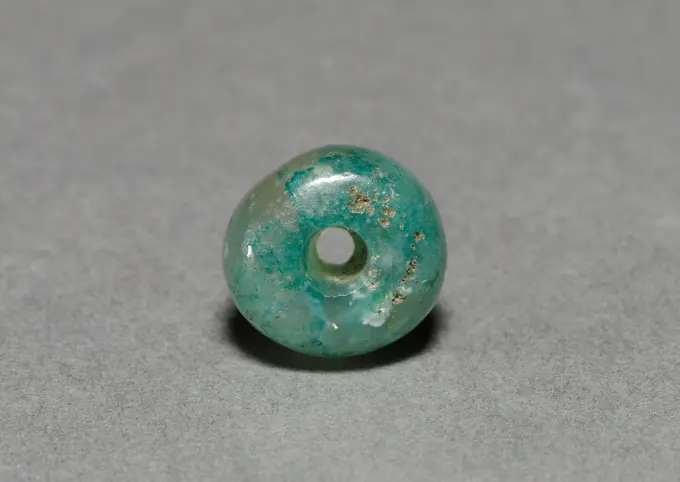
Umbilicus. Glass. Paris, Carnavalet museum. 51538-13 Umbilicus, glass
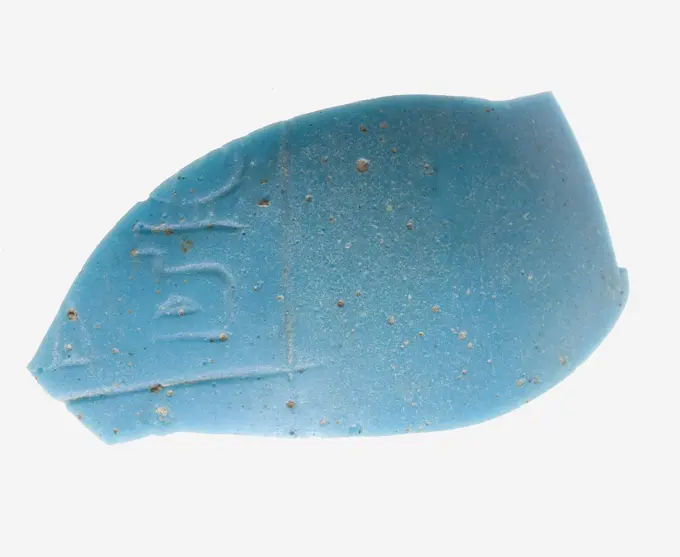
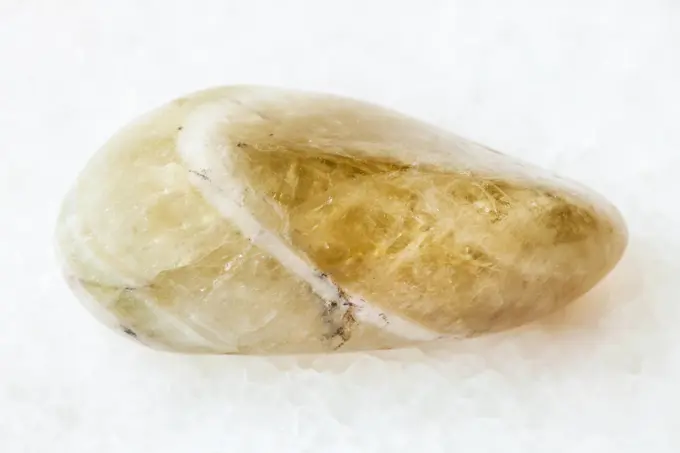
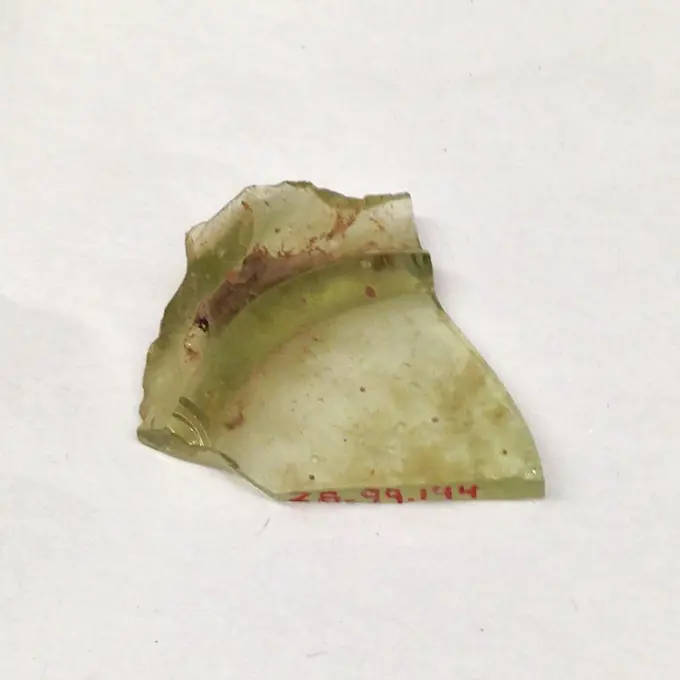
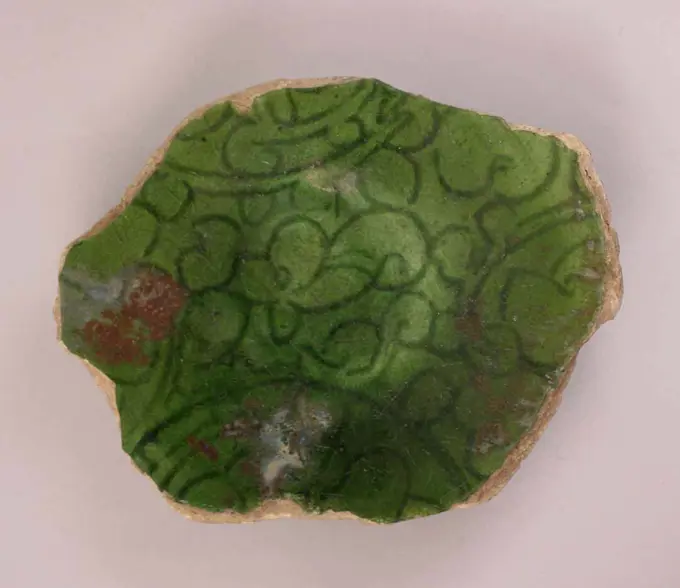
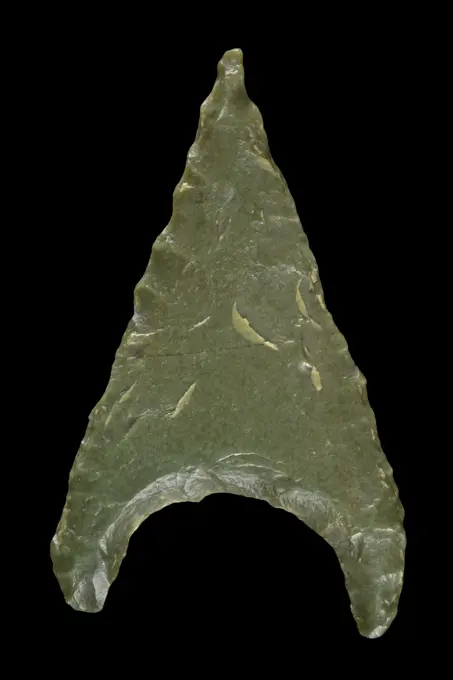
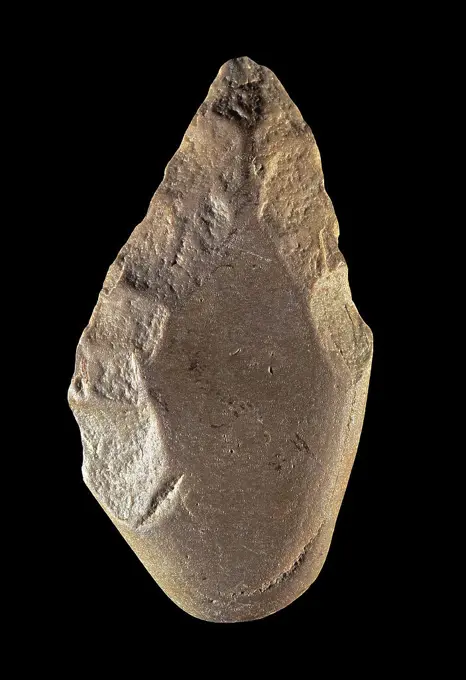
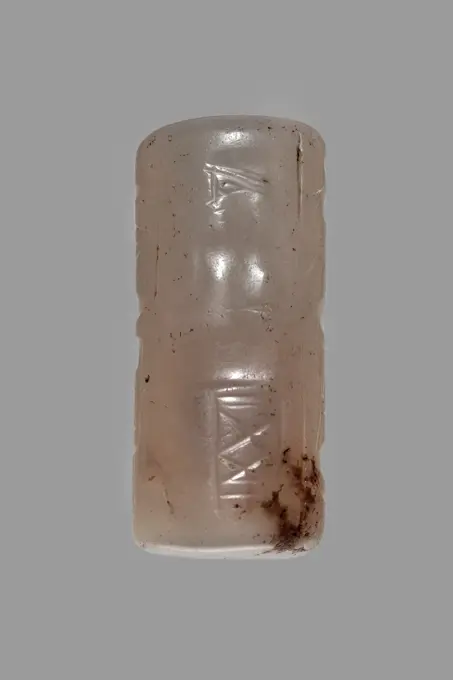
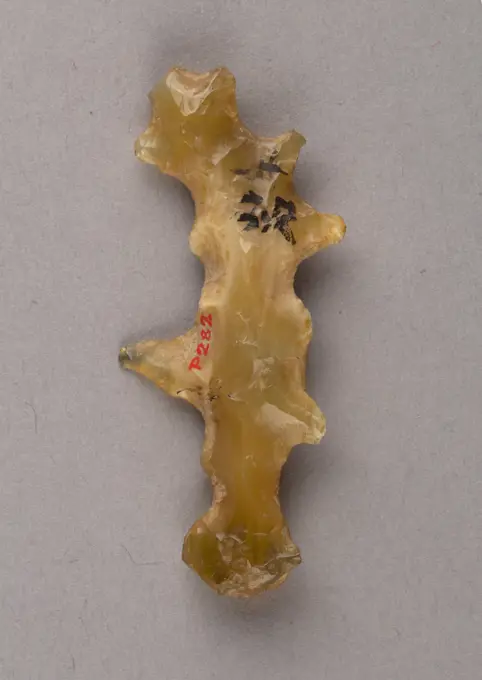
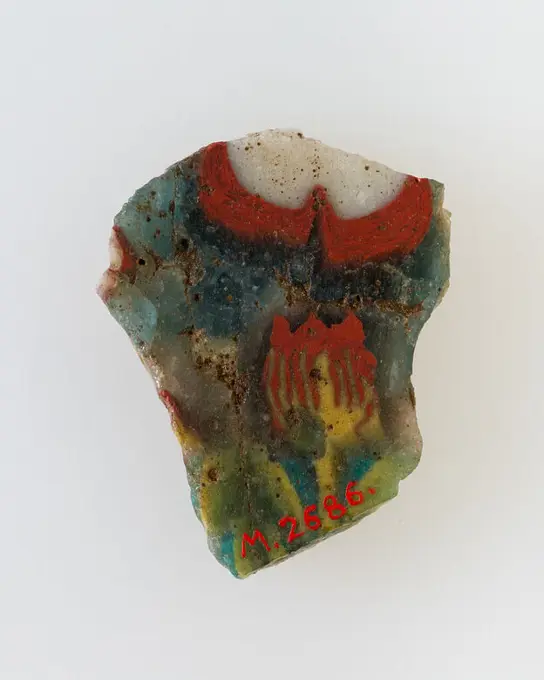
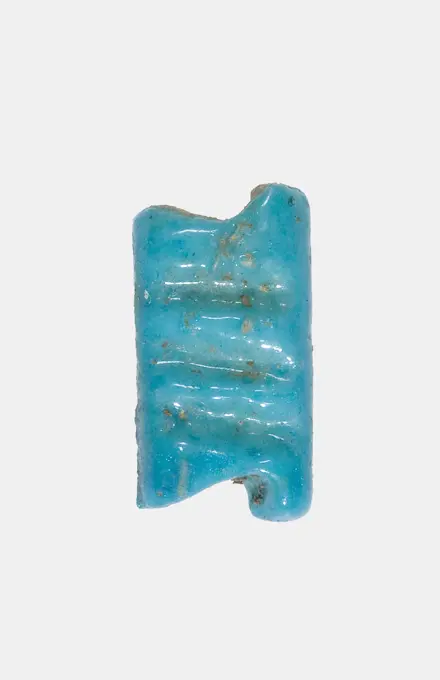
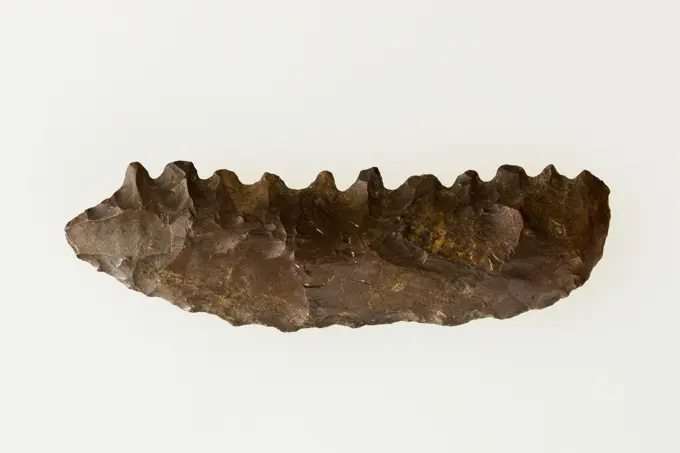
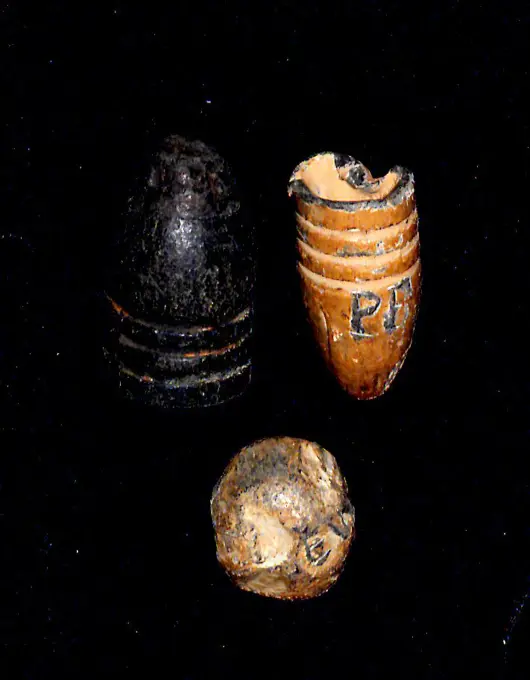
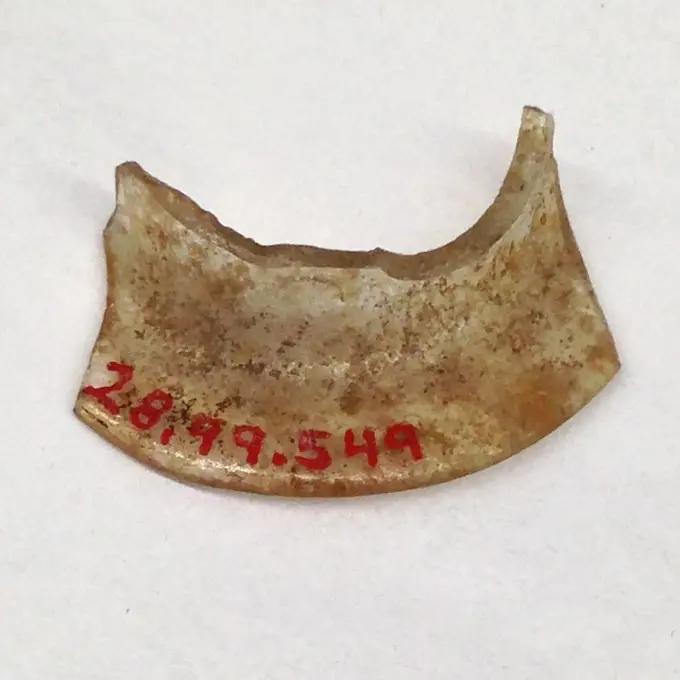
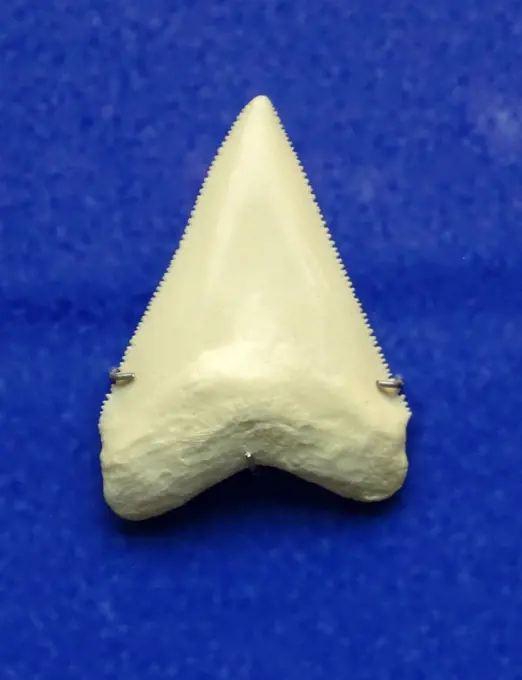
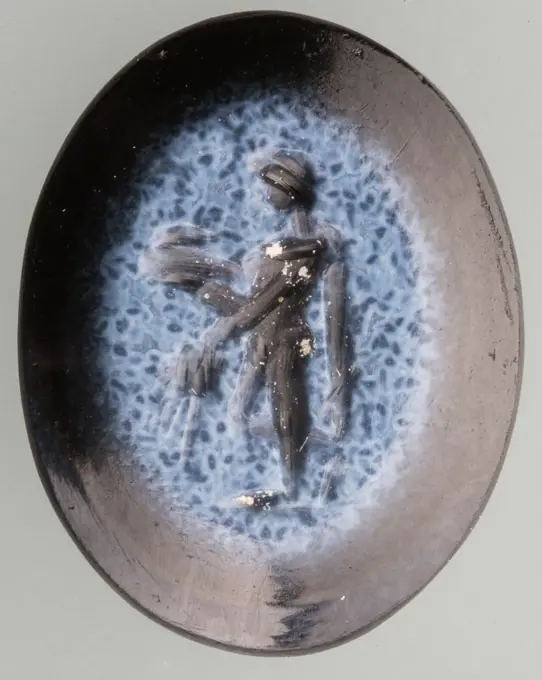
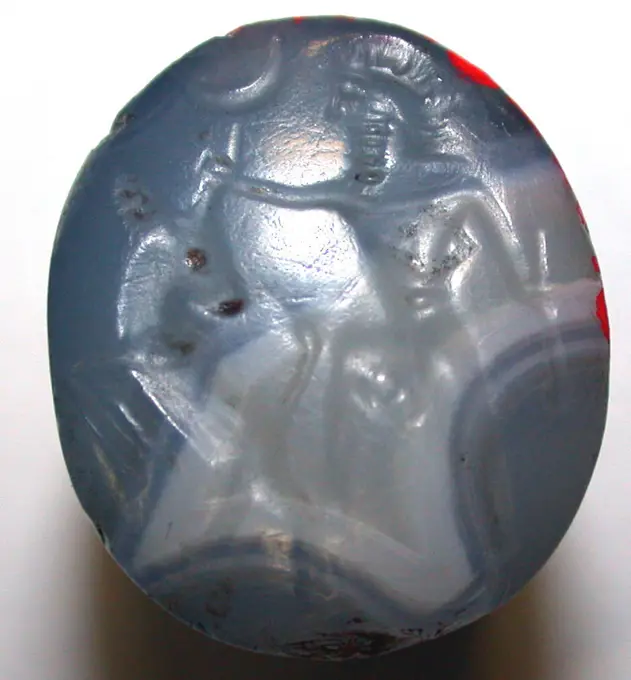
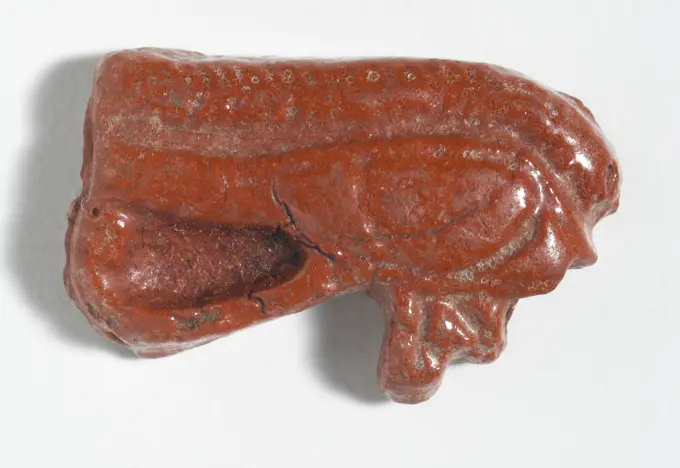
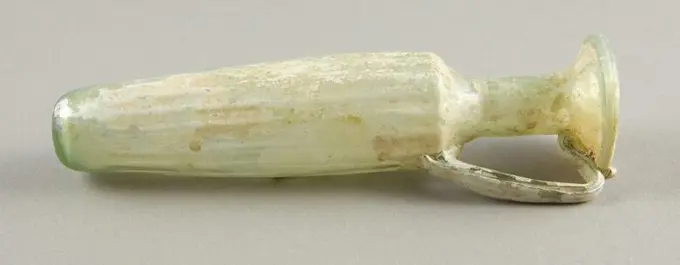
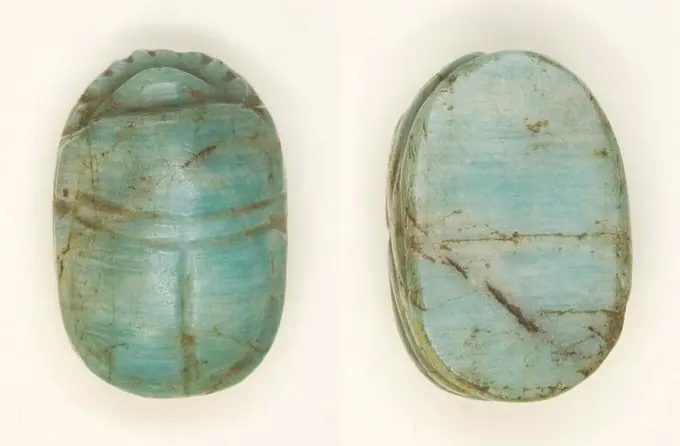
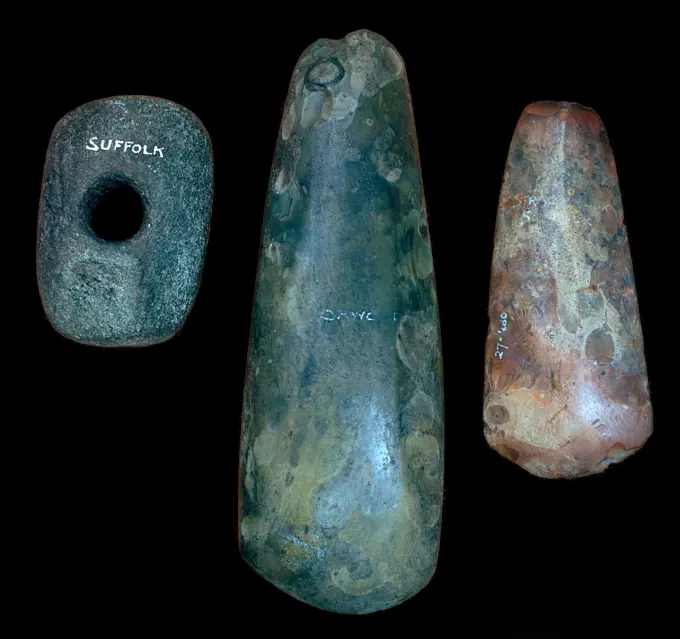
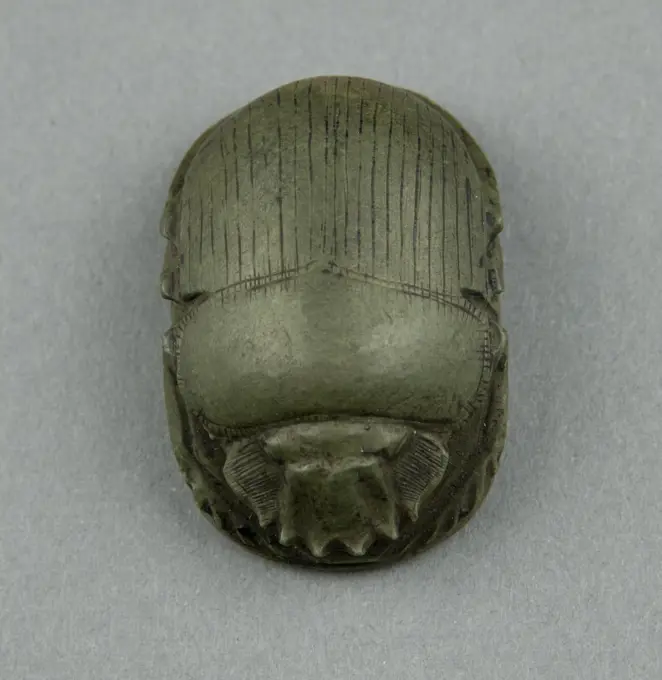
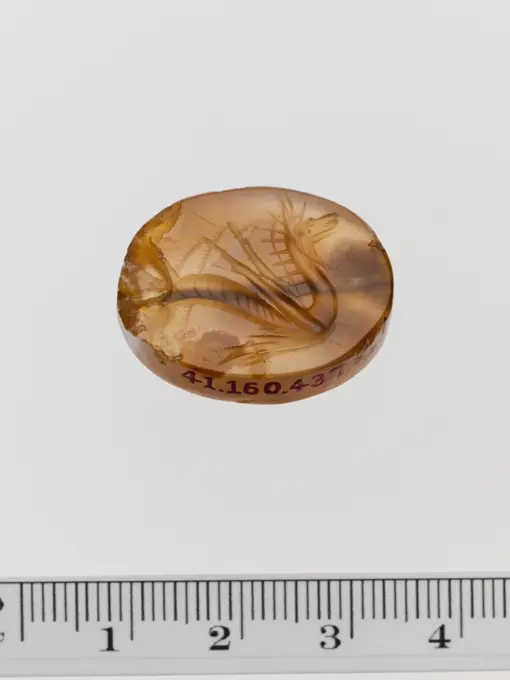
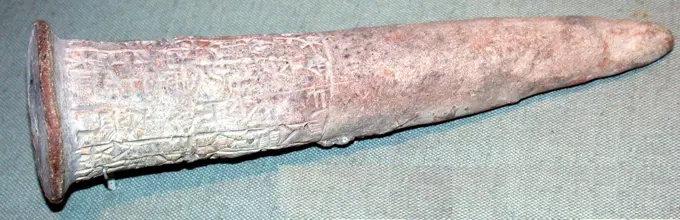
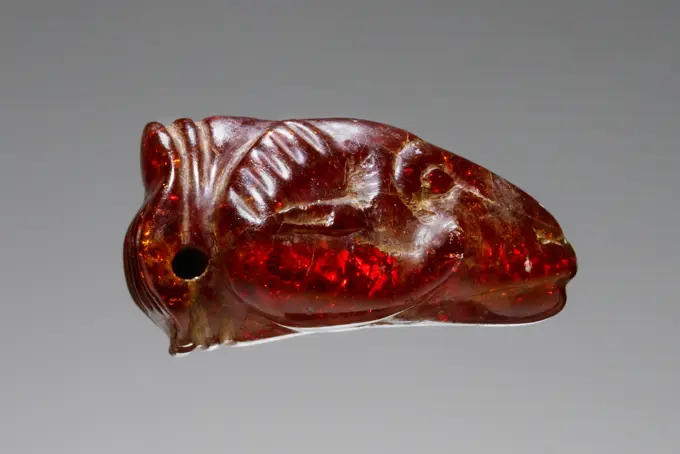
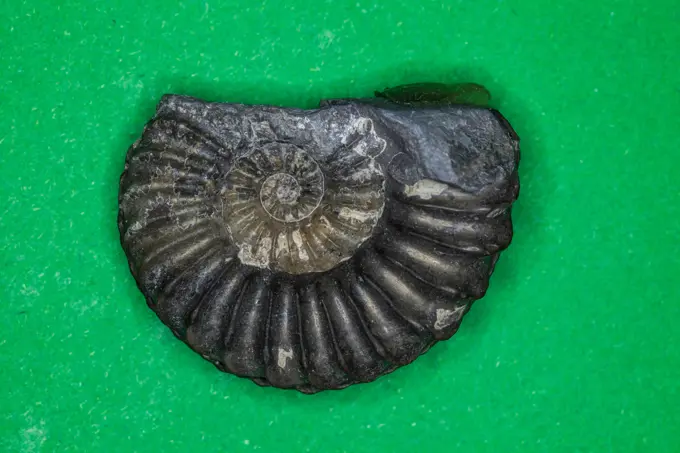
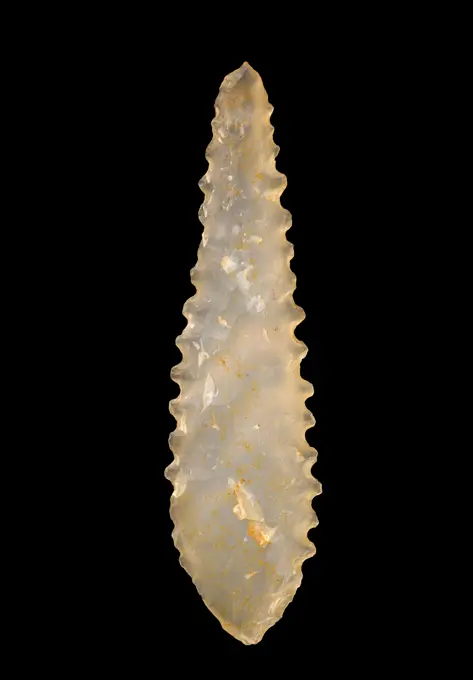
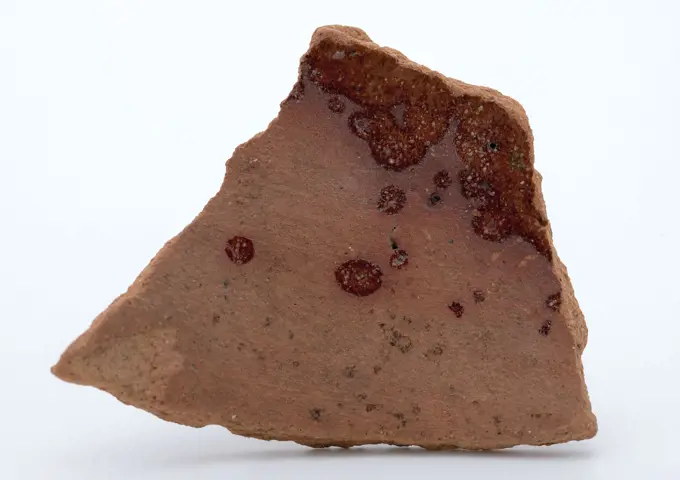
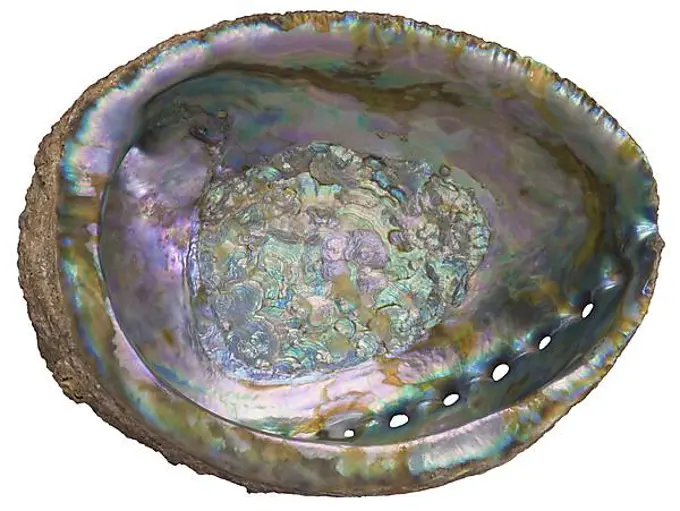
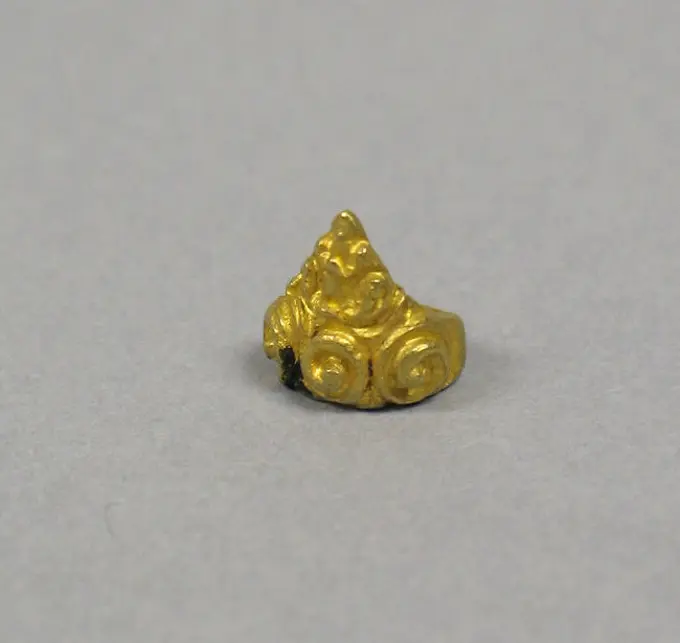
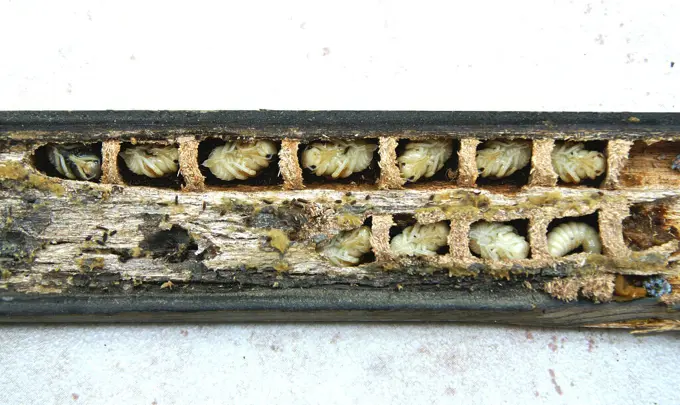
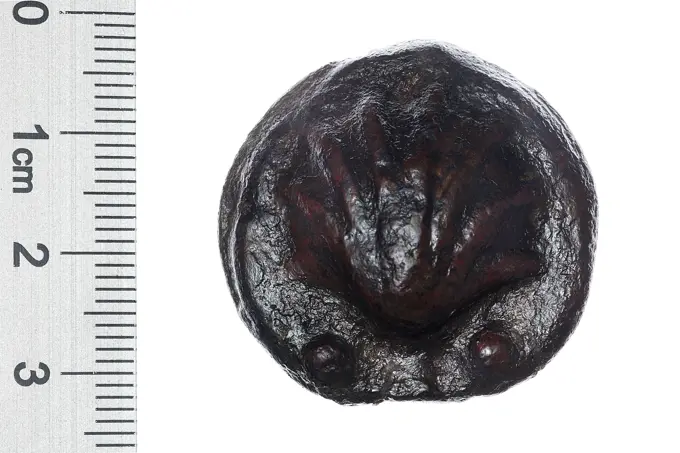
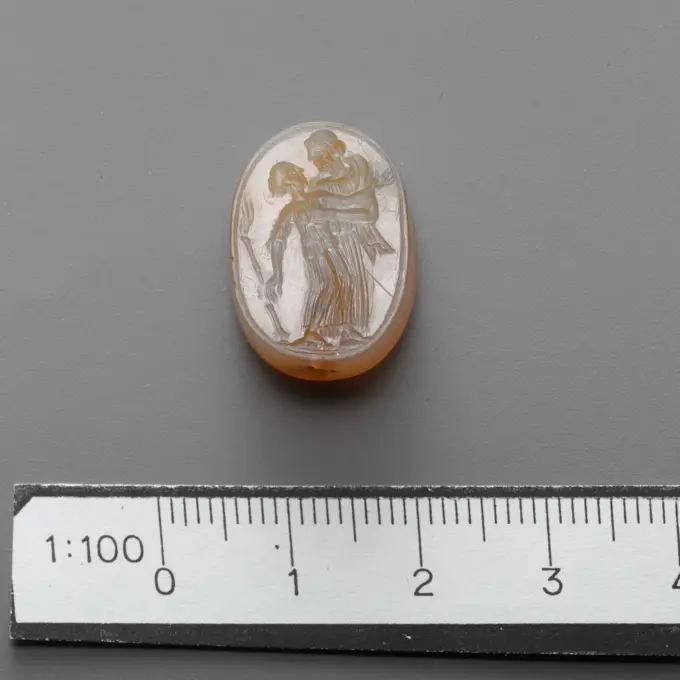
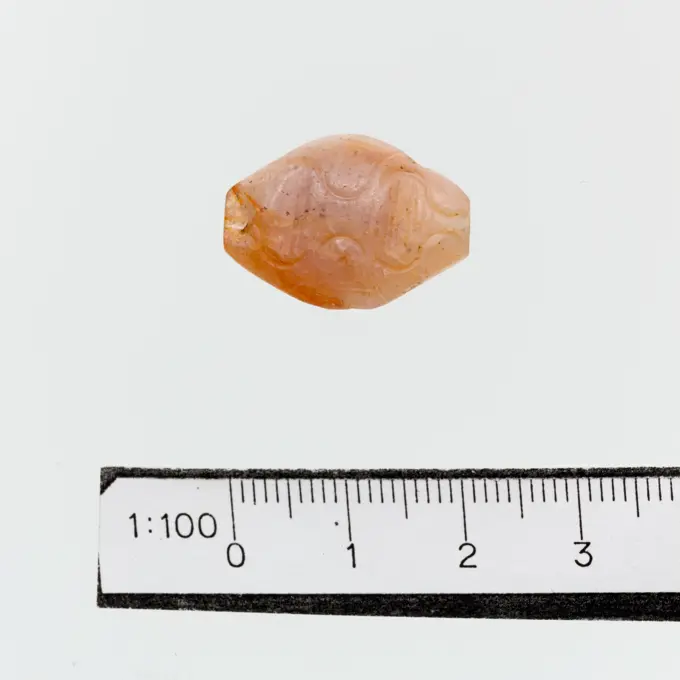
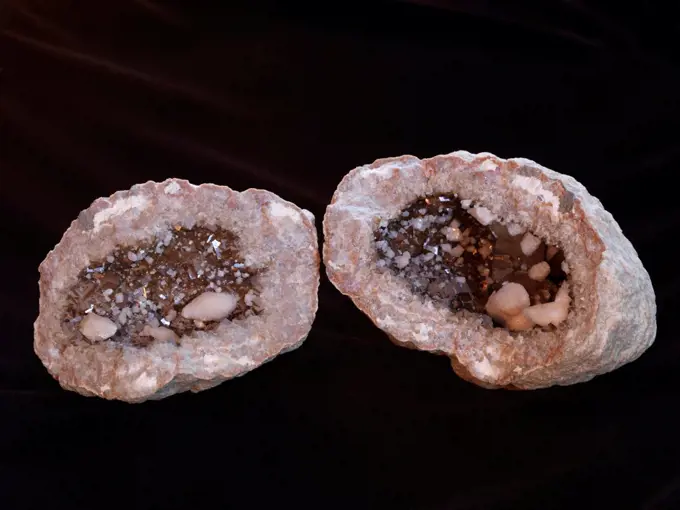
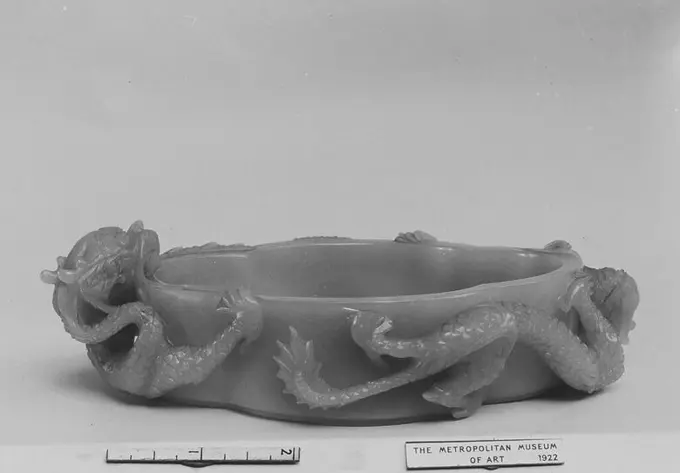
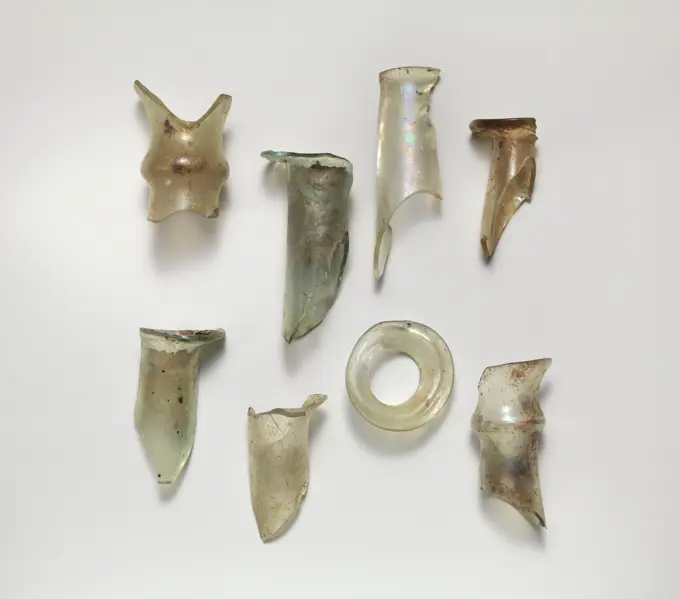
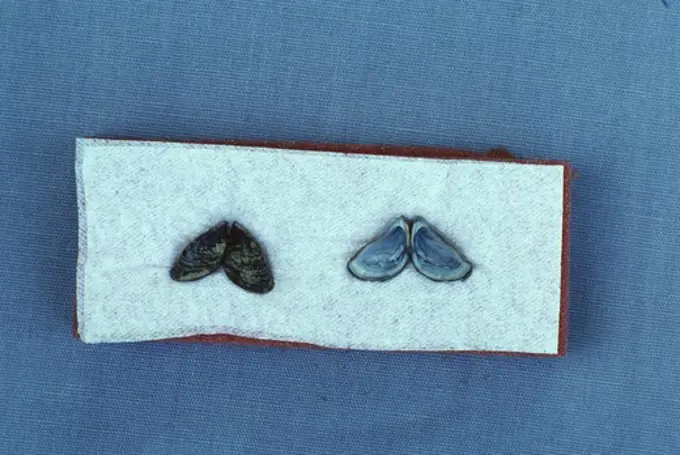
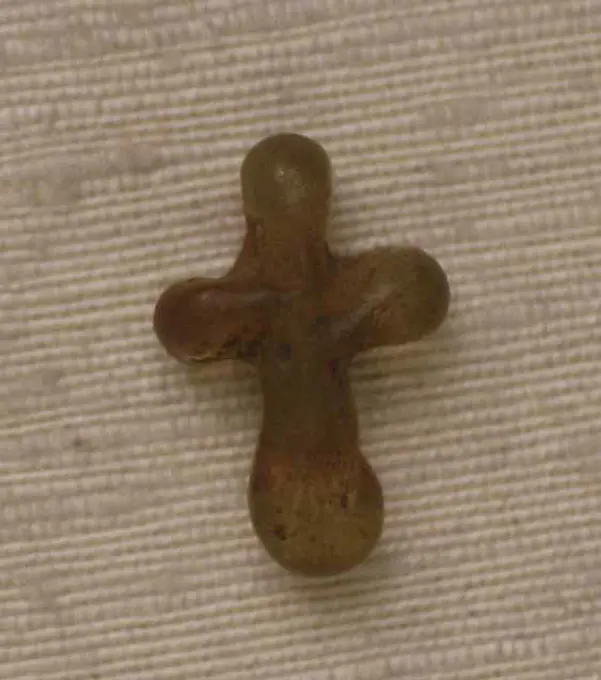
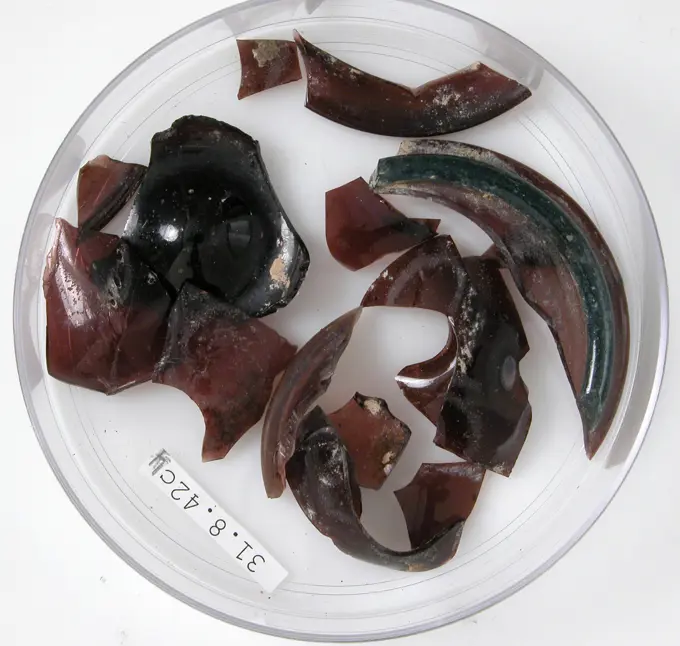
Fragment of a vessel. The shape of the glass fragment allows the assignment to a vessel. The brown reason is crossed by yellowish-beiges threads. For the production, different colored glasses were molded into tubes and rods. These were compressed and heated, causing a long bar. The glass sliced now had different amorphous or floral patterns. Thereafter, several of these platelets were folded, heated again and pressed into a vascular shape. Burry for the elaborate manufacturing process and its fragility was one of the luxury articles of antiquity.Scarab. Dimensions: L. 1.5 × W. 1 × H. 0.8 cm (9/16 × 3/8 × 5/16 in.). Dynasty: Dynasty 13-17. Date: ca. 1850-1700 B.C.. Museum: Metropolitan Museum of Art, New York, USA.Fragment 12th-13th century. Fragment 451510Deployment;  VIII-XII century () (701-00-00-1200-00-00);Arabian (culture), Islam (culture), message (provenance)Inscribed Fragment of Vase ca. 1390-1353 B.C. New Kingdom. Inscribed Fragment of Vase. ca. 1390-1353 B.C.. Glass. New Kingdom. From Egypt, Upper Egypt, Thebes, Malqata, Palace of Amenhotep III, magazines, MMA excavations, 1910-11. Dynasty 18Bead in the Shape of a Fish, c. 6th-8th century, 1/4 x 9/16 x 3/16 in. (0.6 x 1.4 x 0.5 cm), Stone, Myanmar (Burma), 5th-9th centurypebble of Prasiolite gemstone on white macro shooting of natural rock specimen - pebble of Prasiolite green quartz , Vermarine gemstone on white marble background from Brazil Copyright: xZoonar.com/ValeryxVoennyyx 12077020macro shooting of natural mineral rock specimen - polished Diopside gemstone on dark granite background Kovdor region, Karelia, RussiaFragment ca. 1150-ca. 1250 European or Middle Eastern. Fragment 694271Close up iridescent, multicolored welo opal on gray backgroundArrowhead with peduncle in cut stone. Neolithic period. North Africa. 3 cm.unpolished Bronzite Enstatite rock on white closeup of sample of natural mineral from geological collection - unpolished Bronzite Enstatite rock on white marble background from Rai-Iz massif, Polar Urals, Russia Copyright: xZoonar.com/ValeryxVoennyyx 16070104Fragment of a Bowl 13th-14th century. Fragment of a Bowl 446397Glass mosaic bowl fragment late 1st century B.C.-early 1st century A.D. Roman Fragment of base ring.Translucent deep purple, appearing black, and opaque yellow.Beveled bottom edge; slightly convex curving side, flaring downward.Marbled mosaic pattern in purple ground with irregular yellow lines and streaks.Polished exterior; pitting of surface bubbles, with some surface cracks; dulling, pitting, and faint iridescent weathering on interior; weathering on bottom edge and jagged edges, but top edge ground flat and polished.. Glass mosaic bowl fragment. Roman. late 1st century B.C.-early 1st century A.D.. Glass; cast. Early Imperial. GlassFragment. Culture: European or Middle Eastern. Dimensions: L. 1 in. (2.5 cm). Date: ca. 1150-ca. 1250. Museum: Metropolitan Museum of Art, New York, USA.Votive Menat fragment ca. 1479-1458 B.C. New Kingdom. Votive Menat fragment. ca. 1479-1458 B.C.. Faience. New Kingdom. From Egypt, Upper Egypt, Thebes, Deir el-Bahri, Hatshepsut Hole, Hathor Shrine, MMA excavations, 1922-23. Dynasty 18Winged arrowhead in jasper. Neolithic period. North Africa. 3,2 cm.HACHA NEOLITICA. Location: MUSEO ARQUEOLOGICO-COLECCION, CORDOBA, SPAIN.Left Hand PendantBake  cylindrical from the scenes banquet; Unknown Assyrian workshop; 2. PO. 2 thousand BC ; Dennutasrian period (-1500-00-00--1001-00-00);Czartoryska, Maria Ludwika (1883-1958), Czartoryska, Maria Ludwika (1883-1958)-collection, Działyńska, Izabela (1830-1899), Działyńska, Izabela Elżbieta née Czartoryski (1830-1899)-collection, iSztar (mitol.) , antelopes, banquet scenes, palm branches, cylindrical seals, transmission (provenance), rhombuses, fish, stools (iconog.), AnimalsPlaque in the Form of a Slaughtered Ox ca. 1153-1147 B.C. New Kingdom, Ramesside Ramesses IV initiated several building projects and sent large expeditions to mining regions and quarries early on in his reign. His plans and ambitions were cut short by his death in the sixth year of his reign, but he had been able to complete and decorate his tomb in the Valley of the Kings. He also began work on a gigantic processional temple in Thebes, in which a number of intact foundation deposits were found with literally hundreds of plaques and other objects, like this plaque in the shape of a slaughtered ox.. Plaque in the Form of a Slaughtered Ox. ca. 1153-1147 B.C.. Faience. New Kingdom, Ramesside. From Egypt, Upper Egypt, Thebes, Asasif, Temple of Ramesses IV, MMA excavations, 1915-16. Dynasty 20Amulet of a Hare 664 BCE-332 BCE Egypt. Glazed steatite . Ancient EgyptianHarpoon head Japan The Jōmon period is the earliest period in Japanese history, lasting from roughly 14,000 to 300 BCE. The Jōmon people were primarily hunter-gatherers, hunting land animals and gathering vegetables and nuts on the land as well as hunting and fishing at sea. Harpoon heads such as this one testify to the importance of seafood in the diets of some Jōmon communities, especially those close to the sea. Fish bones found at Jōmon archaeological sites indicate that the Jōmon hunted fish not only close to the shore but also farther out in the open sea, where larger fish could be caught. There is even evidence that the Jōmon ate pufferfish, a poisonous fish considered a delicacy in modern Japan.. Harpoon head 62263Sample of Japanese Jadeite 20th century China. Sample of Japanese Jadeite 62121Floral plaque. Dimensions: H. 3.4 × W. 2.8 cm (1 5/16 × 1 1/8 in.). Date: 100 BC-100 AD.This fragment was part of a glass floral plaque for wall or furniture inlay like 26.7.1249. Museum: Metropolitan Museum of Art, New York, USA.Amulet of an Unidentified Animal. Egypt, Old Kingdom - New Kingdom (2687 - 1081 BCE). Jewelry and Adornments; amulets. Unidentified stoneAmulet ca. 1802-1450 B.C. Late Middle Kingdom-Early New Kingdom. Amulet. ca. 1802-1450 B.C.. Faience. Late Middle Kingdom-Early New Kingdom. From Egypt, Memphite Region, Lisht North, Cemetery south of pyramid, House A1, so-called "faience factory", MMA excavations, 1920-22. Dynasty 13-18, earlySmall Pendant Second half of the 8th-second half of the 10th century Indonesia (Java). Small Pendant. Indonesia (Java). Second half of the 8th-second half of the 10th century. Gold. Central Javanese period. Jewelrytumbled tiger-eye gem stone on white marble macro shooting of natural mineral rock specimen - tumbled tiger-eye gem stone on white marble background Copyright: xZoonar.com/ValeryxVoennyyx 11947623Bifacial Sickle Insert ca. 6900-3100 B.C. Neolithic-Predynastic Period This small piece of flint was a key element to a successful agricultural season in ancient Egypt. Grain was a staple of the economy, as bread and beer made from grain were consumed daily. They also formed the foundation of eternal sustenance, as funerary offerings. Ancient Egyptians used sickles made from flint and wood to reap grain. Pieces of flint such as this one were shaped to fit into a wooden haft along with a number of other such inserts, and secured with an adhesive. The flint pieces provided a sharp edge to cut the grain stalks. With use, the flint would wear down and develop a shiny gloss. The flint inserts could be re-sharpened or replaced as needed. Bifacial sickle inserts like this constitute some of the earliest evidence for farming in Egypt. They were made mainly during the 5th- 4th millennia BC, after which they were replaced by sickle inserts made on thin blades with less invasive retouch. The sickFragment 10th-12th century. Fragment 452494Civil War bullets , Antietam, Battle of, Md., 1862, Charles F. Walcott Archaleogical CollectionFragment ca. 1150-ca. 1250 European or Middle Eastern. Fragment 696641Axe. China. Date: 3000 BC-2500 BC. Dimensions: 20 × 10.2 × 0.5 cm (7 7/8 × 4 × 3/16 in.). Jade. Origin: China. Museum: The Chicago Art Institute, USA.raw nephrite stone slab on dark background macro shooting of natural mineral rock specimen - raw nephrite stone slab on dark granite background Copyright: xZoonar.com/ValeryxVoennyyx 11380708Transitional shark tooth from a Great White Shark. Dated 18th CenturyGood resultsStamp seal (oval conoid) with two-figure contest second half of 8th - 6th century B.C. Babylonian. Stamp seal (oval conoid) with two-figure contest 327694Bead, before 1519. Mexico, Pre-Columbian. Jade; diameter: 1.2 cm (1/2 in.).Eye of Horus Amulet. Egypt, Late Period - Ptolemaic Period (724 - 31 BCE). Jewelry and Adornments; amulets. FaienceFragment 8th-9th century. Fragment 448797Jug. Roman; coast of Syria or Palestine. Date: 201 AD-400 AD. Dimensions: 17.2 × 5.4 × 5.4 cm (6 13/16 × 2 1/8 × 2 1/8 in.). Glass, blown technique. Origin: Syria. Museum: The Chicago Art Institute, Chicago, USA. Author: Ancient Levantine.seashell  isolated on white backgroundScarab: Uninscribed. Egyptian. Date: 2055 BC-1773 BC. Dimensions: 1.6 × 1 × 0.5 cm (5/8 × 3/8 × 3/16 in.). Amazonite. Origin: Egypt. Museum: The Chicago Art Institute, Chicago, USA. Author: Ancient Egyptian.Fragment. Culture: European or Middle Eastern. Dimensions: L. 1 1/2 in. (3.8 cm). Date: ca. 1150-ca. 1250. Museum: Metropolitan Museum of Art, New York, USA.object on white - champagne glasses close upLance tips. Bronze, China, IV-IIe s. av. Paris, Cernuschi museum. Asian art, Chinese art, weapon, bronze, Asian civilization, Chinese civilization, spearhead, lancecrystal of topaz stone on white macro shooting of natural mineral rock specimen - crystal of topaz stone on white marble background from Brazil Copyright: xZoonar.com/ValeryxVoennyyx 11949784Amber head from Asarps, SwedenFragment 14th-15th century. Fragment 445507Seal; stone (crystal), brass; 3 x 1.5 cm (1 3/16 x 9/16 in.); Bequest of Sarah Cooper Hewitt; 1931-6-22Fragment ca. 1150-ca. 1250 European or Middle Eastern. Fragment 694322Neolithic stone tools, 31st century BC. Artist: UnknownHeart Scarab 1069 BCE-664 BCE Egypt. Stone . Ancient EgyptianCuneiform tablet: fragment of a table containing numbers ca. late 1st millennium B.C.. Cuneiform tablet: fragment of a table containing numbers 328925Chalcedony scaraboid seal ca. 450-400 B.C. Greek Ketos-like sea monster.. Chalcedony scaraboid seal. Greek. ca. 450-400 B.C.. Chalcedony. Classical. GemsFoundation cone with cuneiform inscription of Enmetena of Lagash ca. 2500-2350 B.C. Sumerian. Foundation cone with cuneiform inscription of Enmetena of Lagash 327592Fragment. Culture: European or Middle Eastern. Dimensions: L. 2 7/8 in. (7.3 cm). Date: ca. 1150-ca. 1250. Museum: Metropolitan Museum of Art, New York, USA.Pendant: Ram's Head. UnknownDead Eleagnus leaf on black background FranceAmmonit Ammonit Versteinerung pyritisiert, 150 Mio. Jahre alt, Bayern Copyright: xZoonar.com/Dr.xNorbertxLangex 13512365Fragment of a Dish 14th-15th century. Fragment of a Dish 446340Scaraboid of a Frog; Ankh Sign on Underside. Egyptian. Date: 1550 BC-1295 BC. Dimensions: 1 × 1.3 × 1 cm (3/8 × 1/2 × 3/8 in.). Faience. Origin: Egypt. Museum: The Chicago Art Institute, Chicago, USA. Author: Ancient Egyptian.Earring, Smaller Hatched Loops 8th-12th century Indonesia (Central Java). Earring, Smaller Hatched Loops 64336Fragment 11th-12th century. Fragment 446502Toothed shape. Arrowhead in chipped stone. Neolithic period. Found between 1970 and 1980 in the southern Sahara at El Golea Timimoun, eastern erg. Algeria. 5,5 cm.Titanite. minerals. South America; Brazil; Minas Gerais State; CapelinhaMiniature figurine, 1500 BCE, 1 1/4 in. (3.2 cm), Earthenware, Mexico, Pre-ClassicFragment of red pottery, partly with glaze, fragment crockery holder kitchen utensils earthenware ceramics earthenware glaze lead glazing, hand-formed hand-turned baked Fragments of red pottery Frying pans jars pots of grass and bottom of small jug Spicy or only partly glazed with lead glaze archeology Rotterdam Stadscentrum Stadsdriehoek Hoogstraat indigenous pottery water washing cooking nutrition food preparation handicraft pottery Bottomvondst Hoogstraat Rotterdam 15 June 1983.Iridescent Abalone Shell InteriorOwl Ornament 6th-7th century Moche (Loma Negra). Owl Ornament 313472Vase; glassEar Ornament Garuda, Meru 8th-12th century Indonesia (Central Java). Ear Ornament Garuda, Meru 64405Carpenter bee, larvae nest. Xylocopa violacea. Gallery and cells excavated in wood railing. Photo taken in July 2017. Color picture.sextans (aes grave). Anonimowy, monetary officer, Republika Rzymska, issuerChalcedony scaraboid in silver ring mid-5th century B.C. Greek Hades abducting PersephoneHades, the ruler of the underworld, abducted Persephone, the daughter of the goddess Demeter. Persephone spent half the year with him and half on earth.. Chalcedony scaraboid in silver ring 243611Fragment ca. 1150-ca. 1250 European or Middle Eastern. Fragment 694362polished Leopard skin jasper gem stone isolated closeup of sample of natural mineral from geological collection - polished Leopard skin jasper Jaguar Stone gem stone isolated on white background Copyright: xZoonar.com/ValeryxVoennyyx 14989957Seal Minoan, Crete. Seal 252164 Minoan, Crete, Seal, Chalcedony, Other: 5/8 x 13/16 x 5/16 in. (1.6 x 2.1 x 0.8 cm). The Metropolitan Museum of Art, New York. Bequest of Richard B. Seager, 1926 (26.31.213)Earflare before 16th century Mexican. Earflare 317115Iridescent brown Calcite Keokuk Geode with secondary growth of pink scalenohedral Calcite crystals, Iowa.Fragment of an Amulet - Head of PataikosFish Ornament. Culture: Peru; central coast (). Dimensions: L. 2 in. (5.1 cm). Date: 11th-12th century. Museum: Metropolitan Museum of Art, New York, USA.HAUES-DIFITSDish. Culture: China. Dimensions: H. 7 in. (17.8 cm); W. 4 3/4 in. (12.1 cm). Museum: Metropolitan Museum of Art, New York, USA.Fragment European or Middle Eastern ca. 1150-ca. 1250 View more. Fragment. European or Middle Eastern. ca. 1150-ca. 1250. Glass, ceramic. Glass-VesselsFragment European or Middle Eastern ca. 1150-ca. 1250 View more. Fragment. European or Middle Eastern. ca. 1150-ca. 1250. Glass, ceramic. Glass-VesselsFragment European or Middle Eastern ca. 1150-ca. 1250 View more. Fragment. European or Middle Eastern. ca. 1150-ca. 1250. Glass, ceramic. Glass-VesselsFragment European or Middle Eastern ca. 1150-ca. 1250 View more. Fragment. European or Middle Eastern. ca. 1150-ca. 1250. Glass, ceramic. Glass-VesselsZebra Mussel Shell, Outside & Inside (Dreissena polymorpha) Muskegon Lake MIAgate barrel 2nd half of the 5th century B.C. Greek heron. Agate barrel 254460 Greek, Agate barrel, 2nd half of the 5th century B.C., Agate, H.: 1 1/8 in. (2.9 cm). The Metropolitan Museum of Art, New York. Purchase, Joseph Pulitzer Bequest, 1942 (42.11.17)Coffee bean on sack(burlap)Narrow otter clam, Narrow otter-shell (Lutraria angustior) shell on beachBottom and Foot of a Vessel. Culture: Coptic. Dimensions: Storage (petri dish diam.): 5 9/16 in. (14.2 cm). Date: 4th-early 5th century. Museum: Metropolitan Museum of Art, New York, USA.Ukraine, Pripyat, Chernobyl. Empty glass bottles.Cross 3rd-12th century. Cross 446047Costume Ornament. Culture: Peru; central coast (). Dimensions: Overall: 2 in. (5.08 cm). Date: 11th-12th century. Museum: Metropolitan Museum of Art, New York, USA.Rust spot on blue painted wall, Finland ferry Helsinki to Travemünde, chimney and loading area, Baltic Seapolished quartz gemstone with Tourmaline on dark macro shooting of natural mineral rock specimen - polished quartz gemstone with Tourmaline crystals tourmalinated quartz on dark granite background Copyright: xZoonar.com/ValeryxVoennyyx 11392031Glass Fragments 4th century Coptic. Glass Fragments 479169