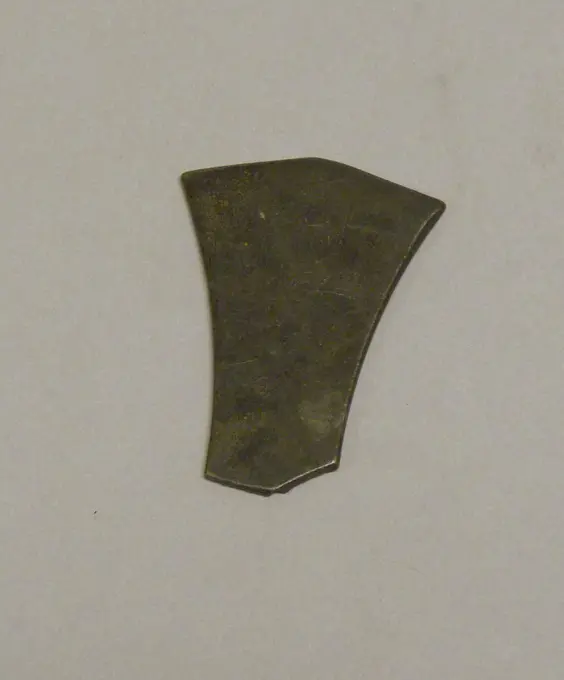
Historical Glass and Ceramic Fragments

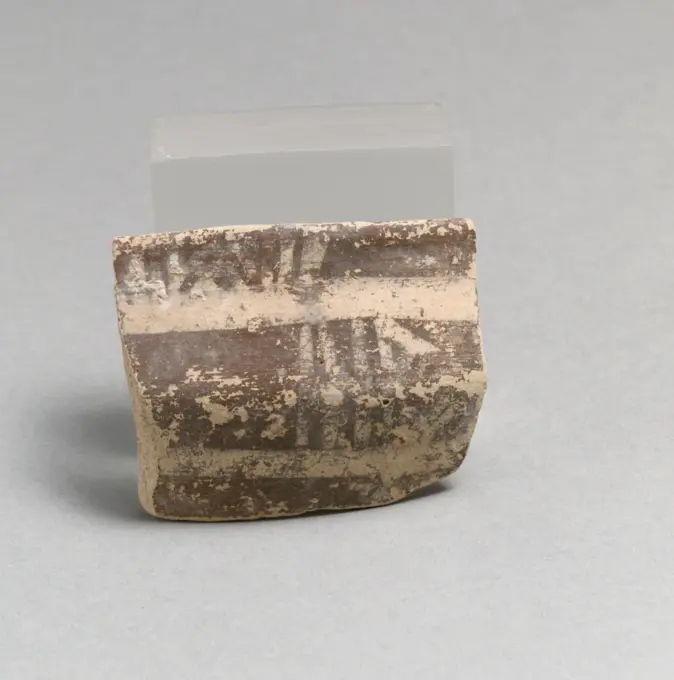
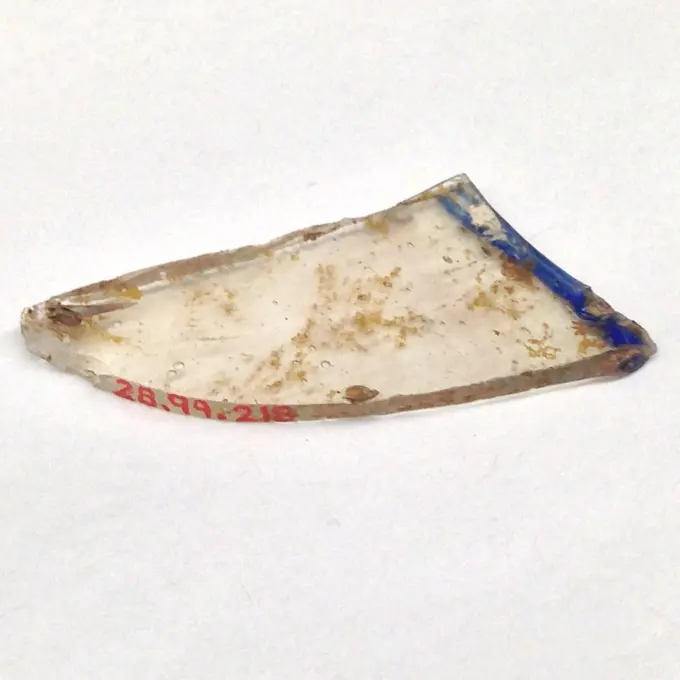
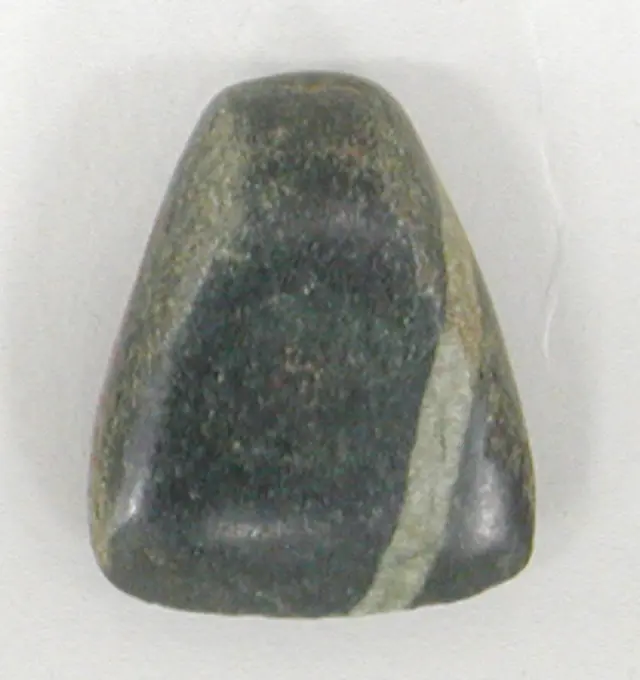
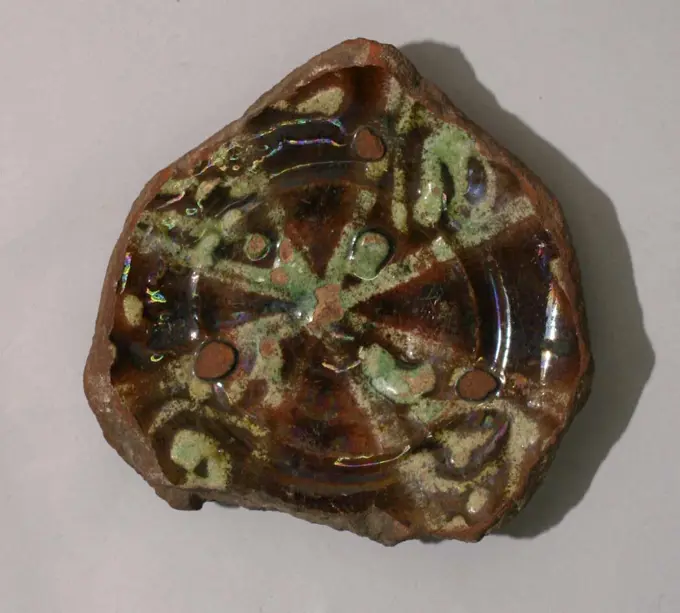
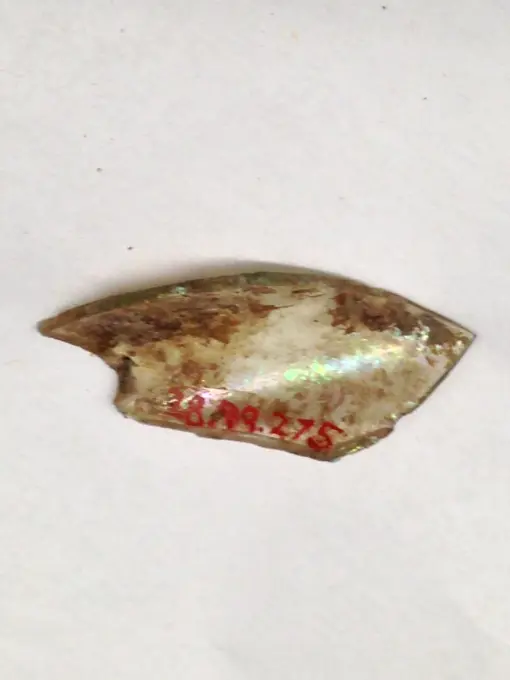
A collection of ancient glass and ceramic fragments, showcasing diverse textures and colors, dating from the 12th to 14th century.

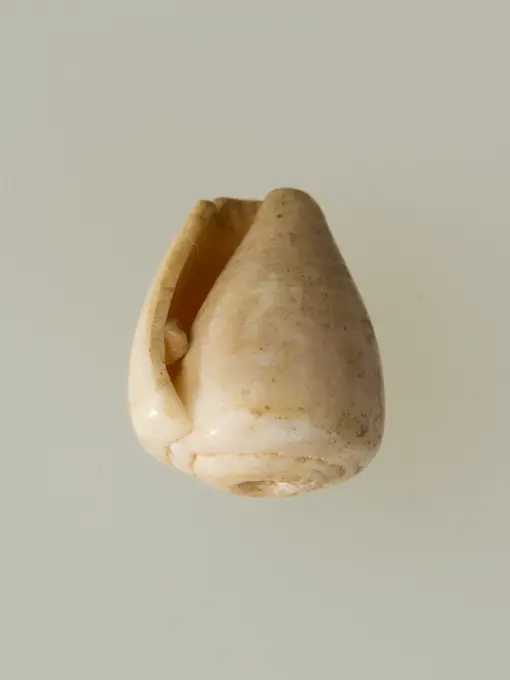
Umbilicus. Glass. Paris, Carnavalet museum. 51538-13 Umbilicus, glass
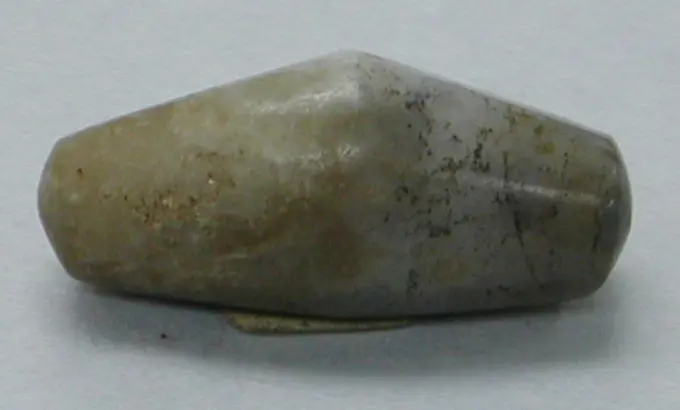
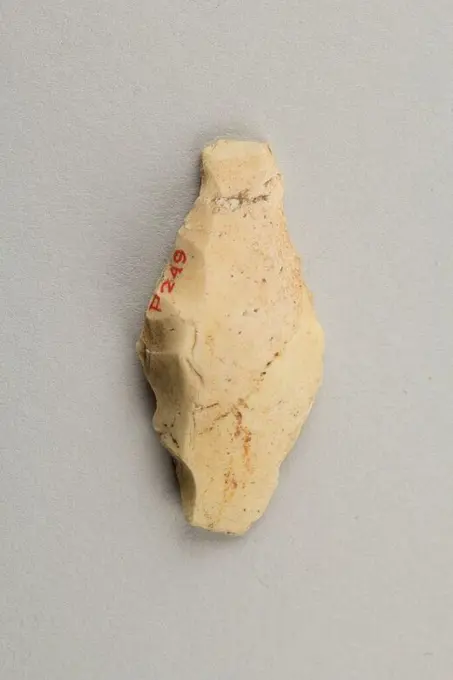
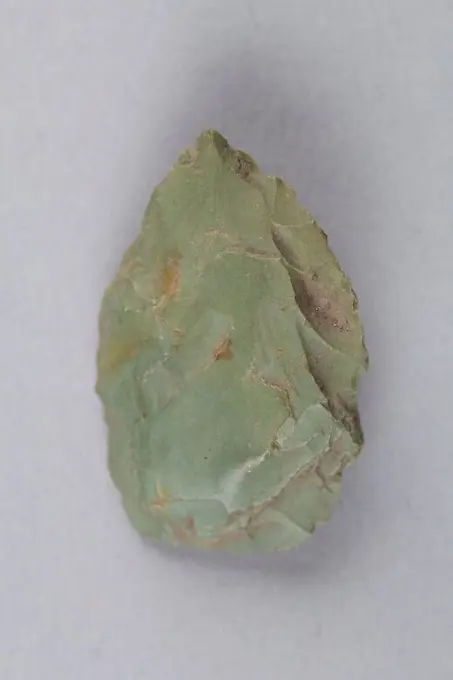
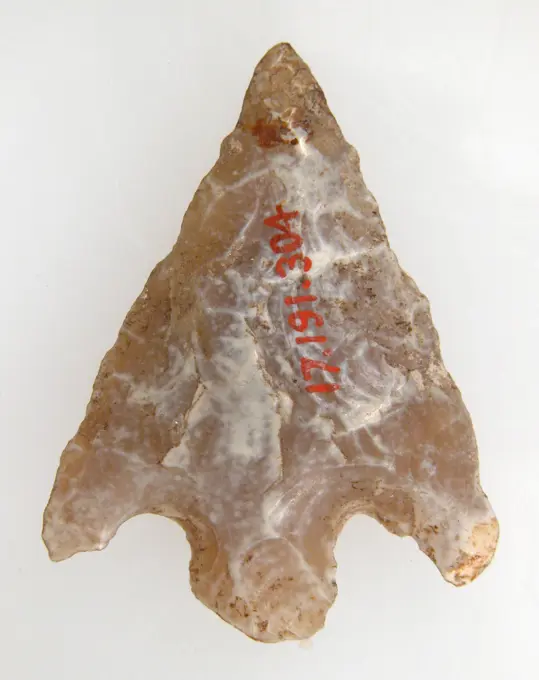
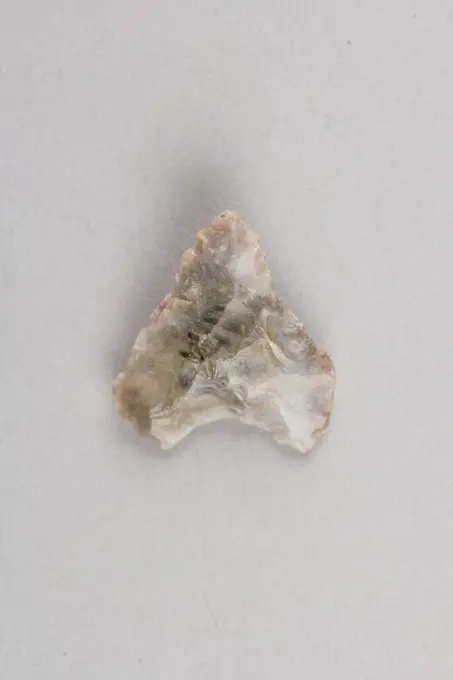
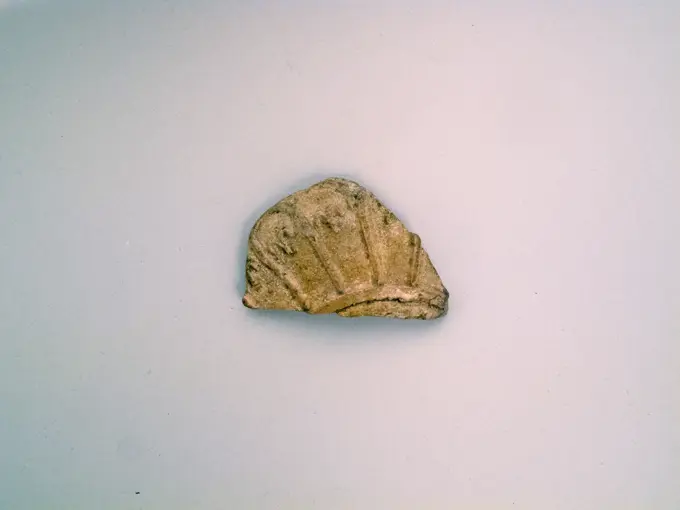
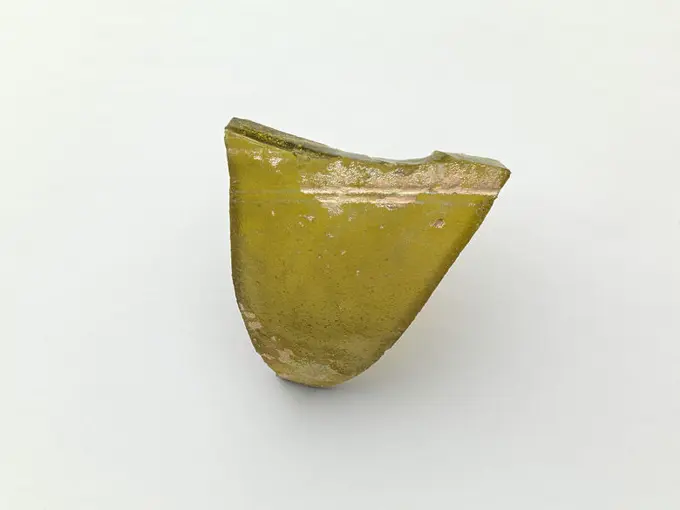
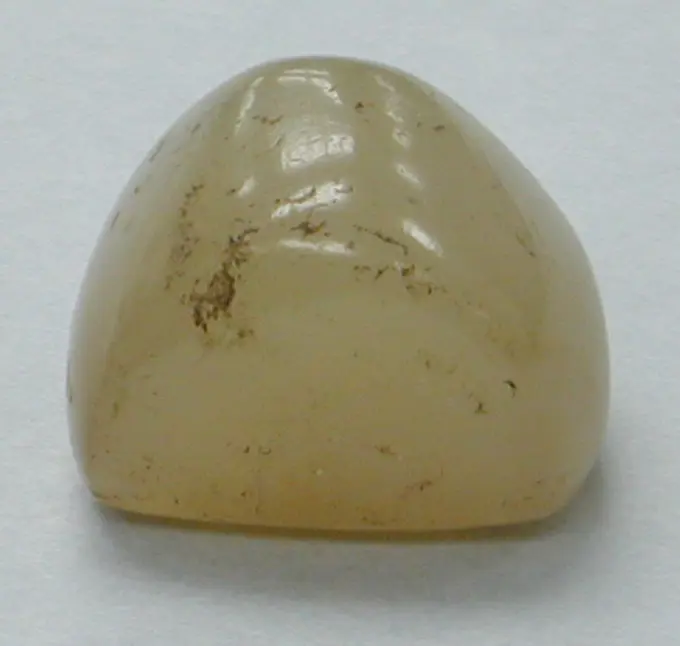
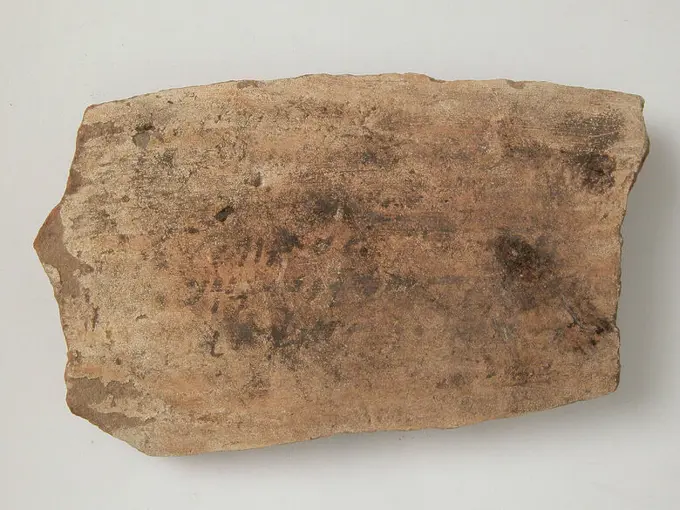
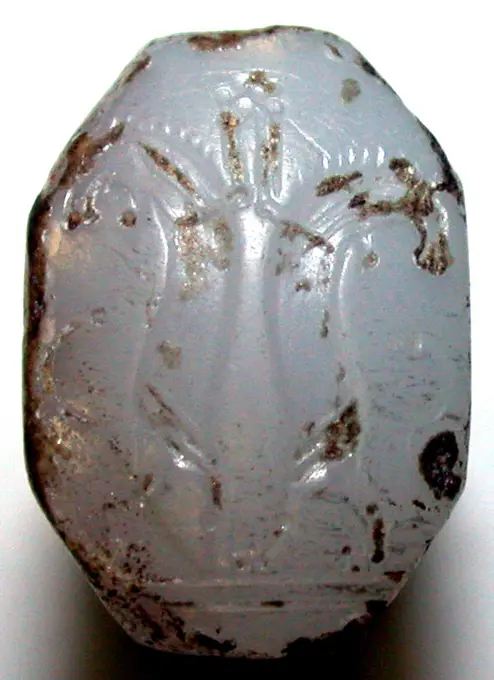
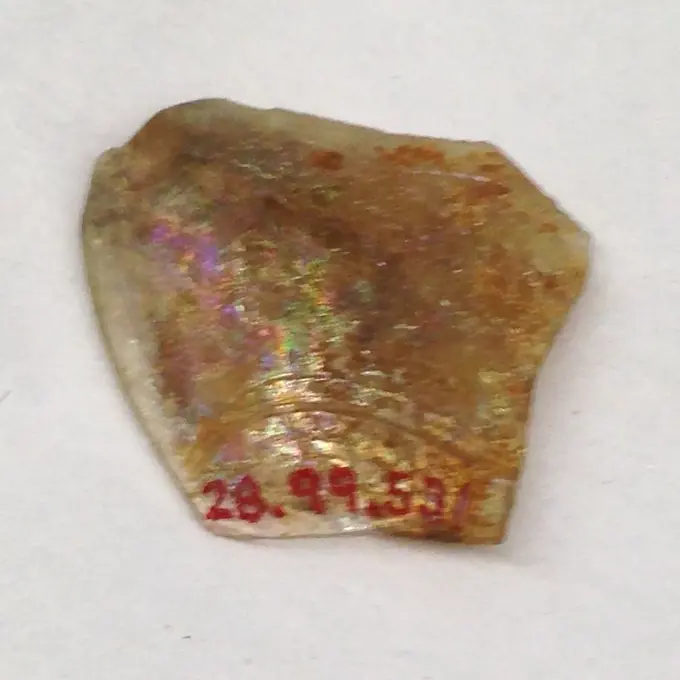
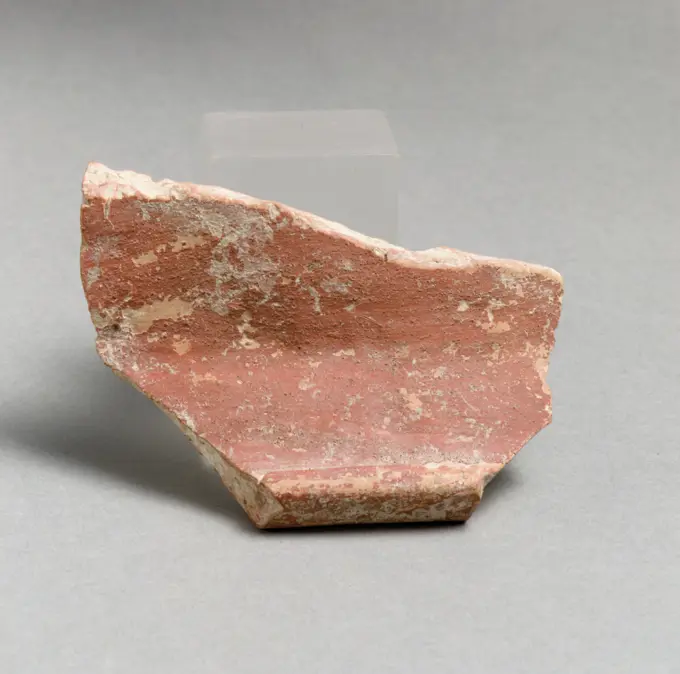
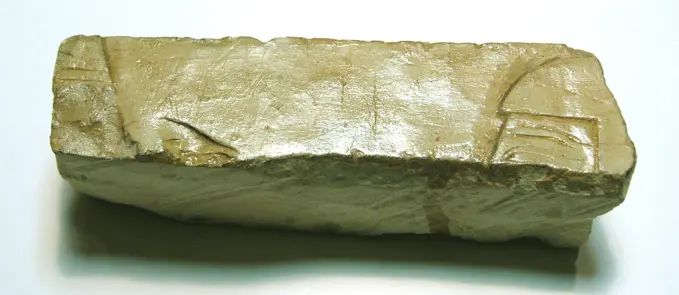
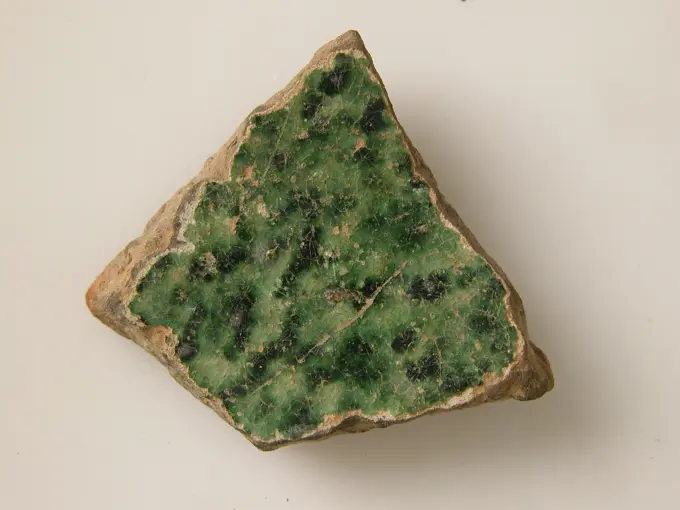
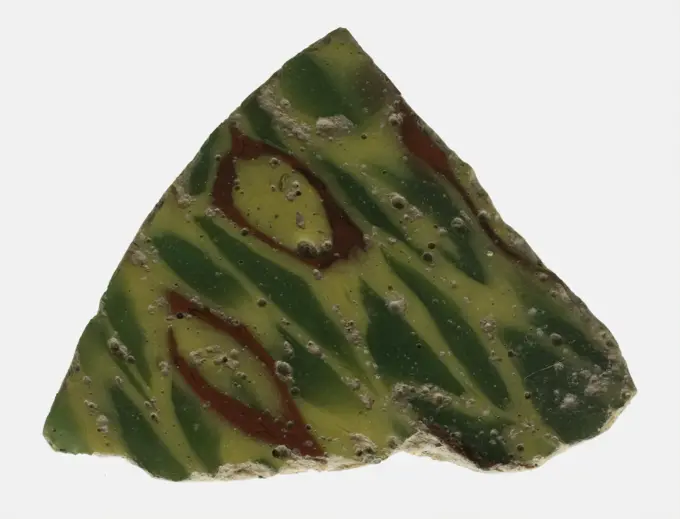
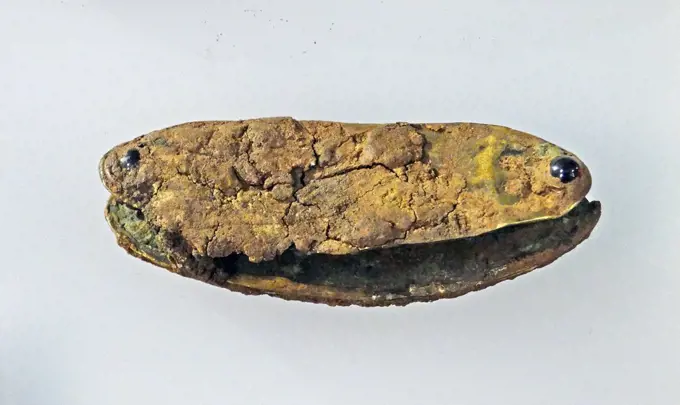
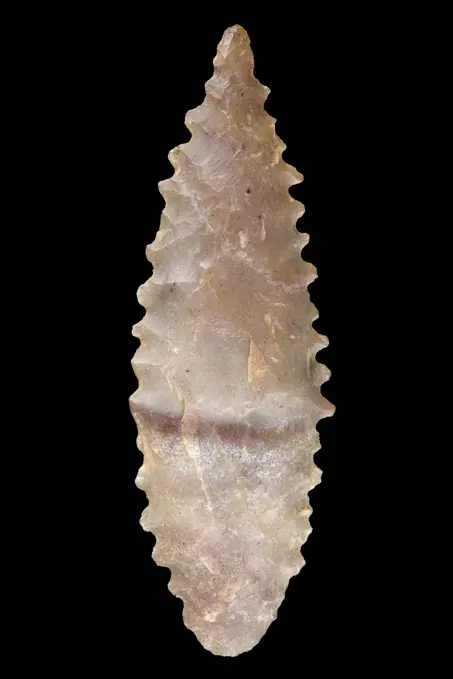
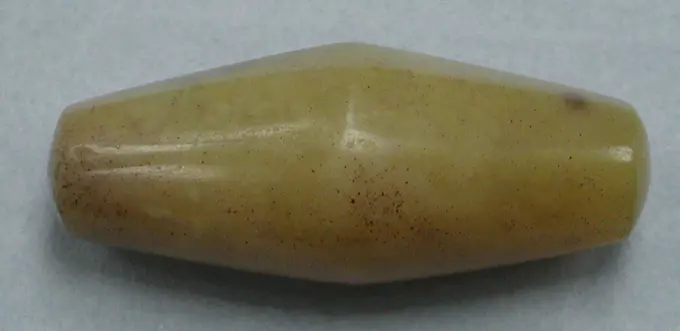
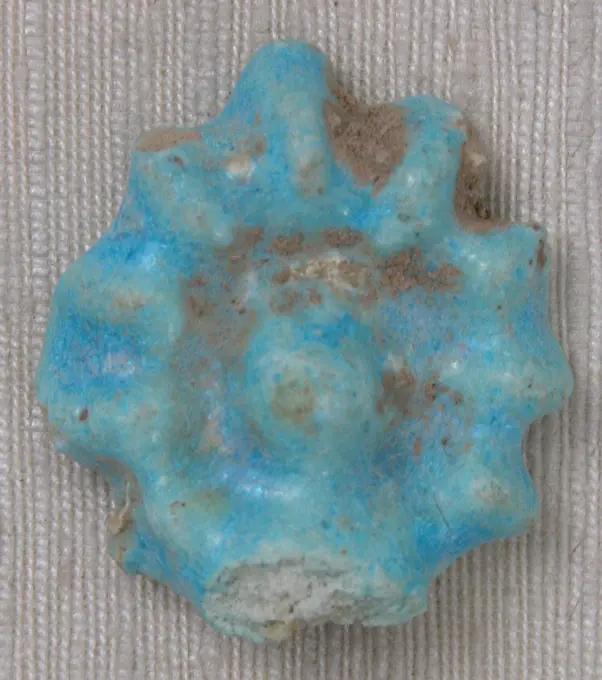
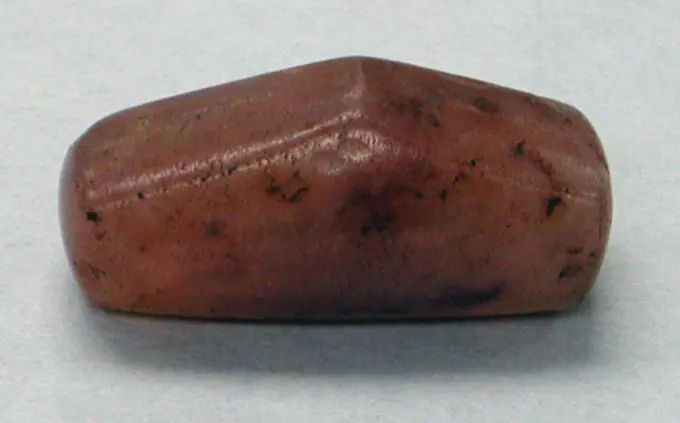
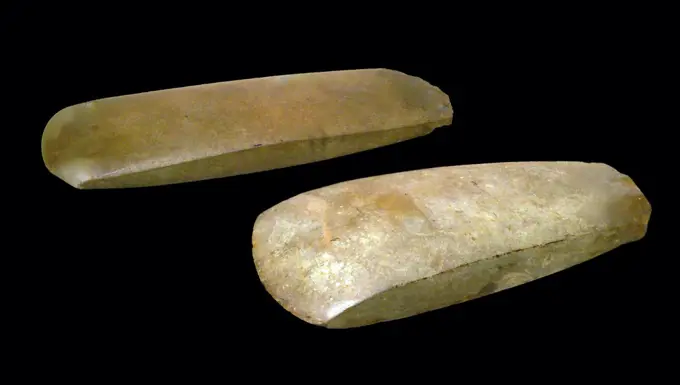
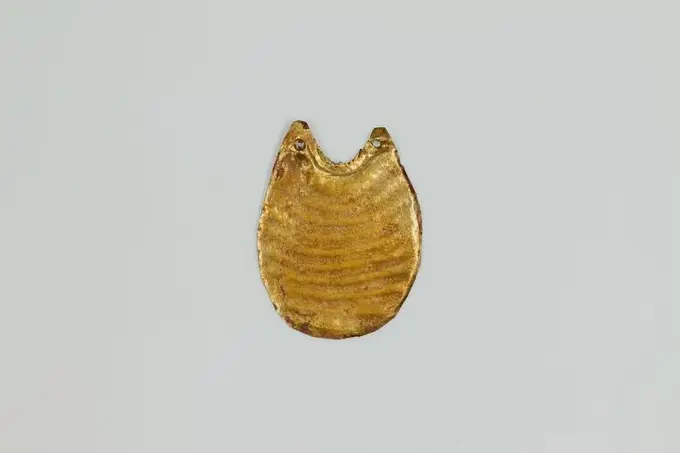
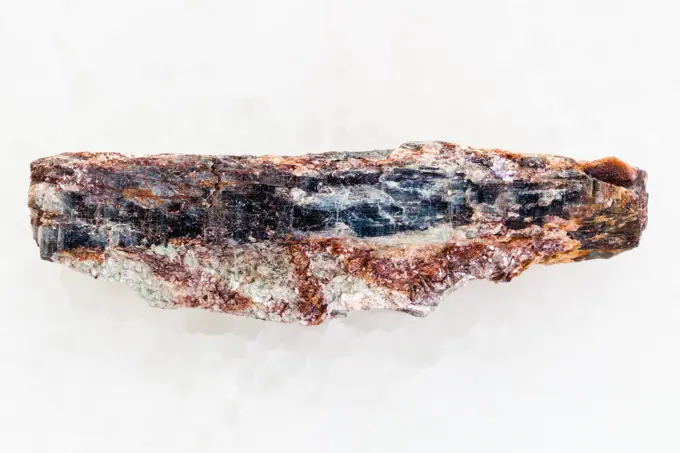
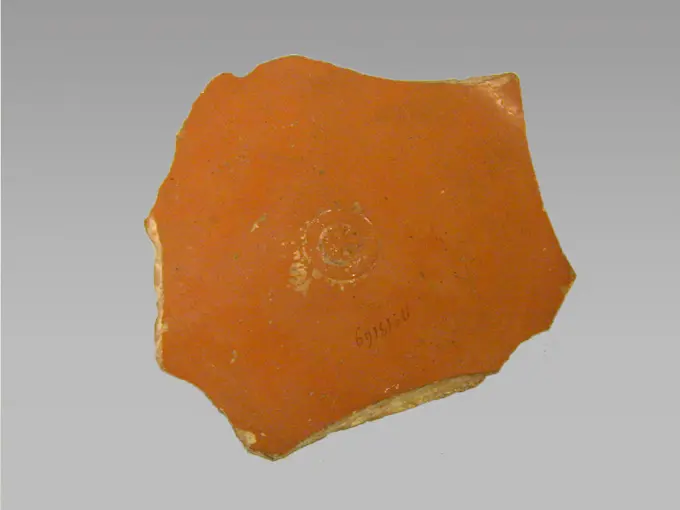
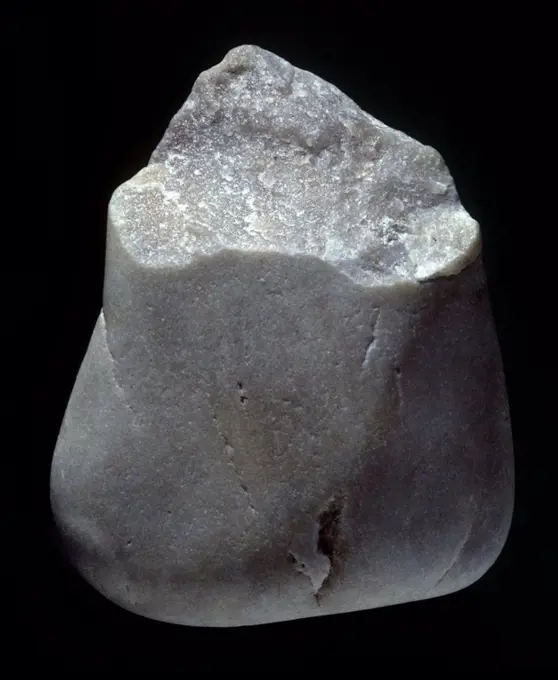
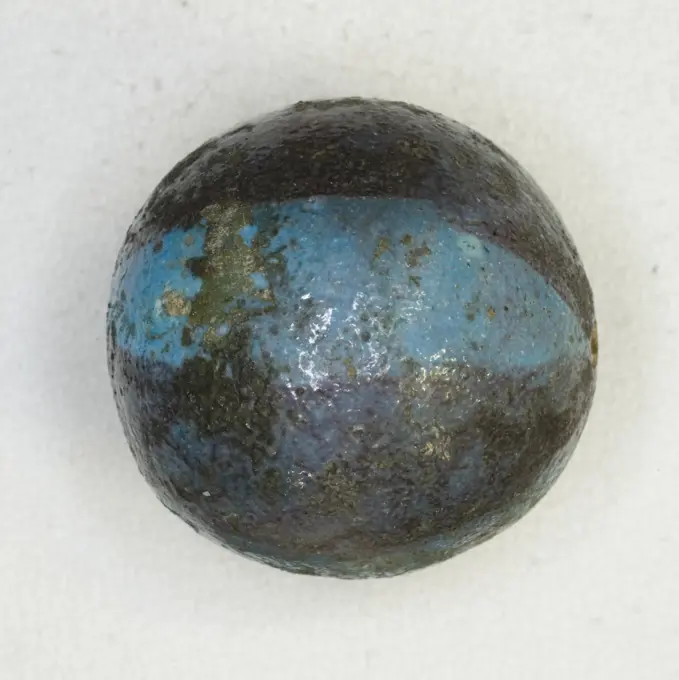
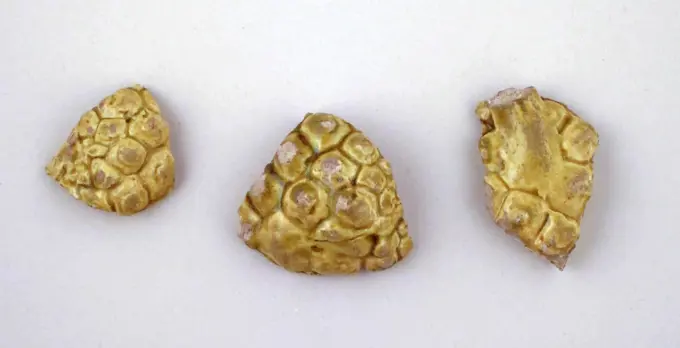
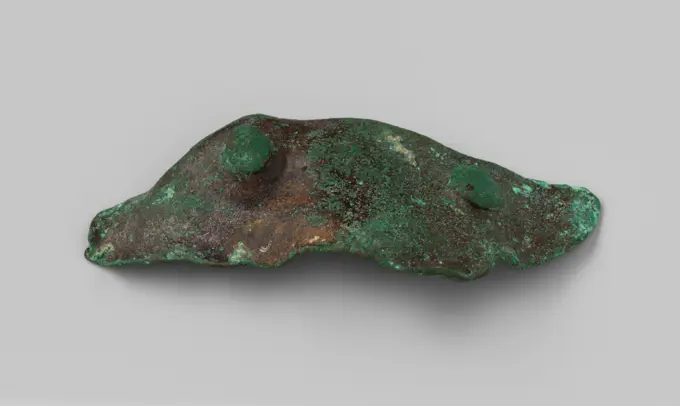
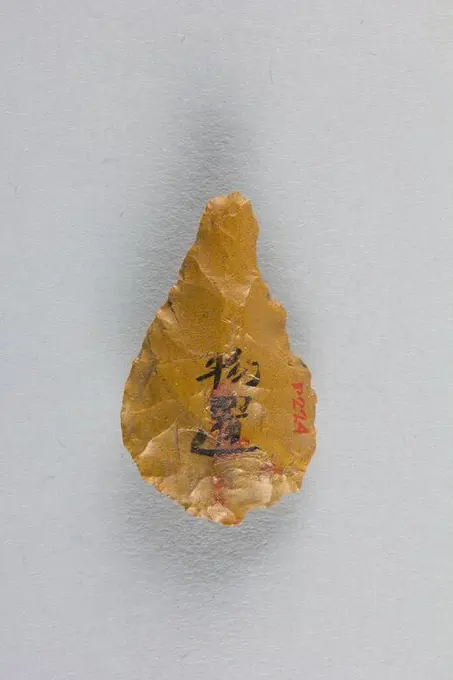
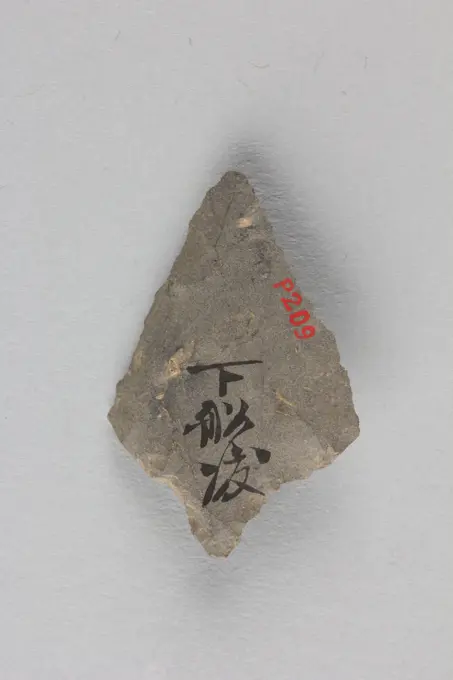
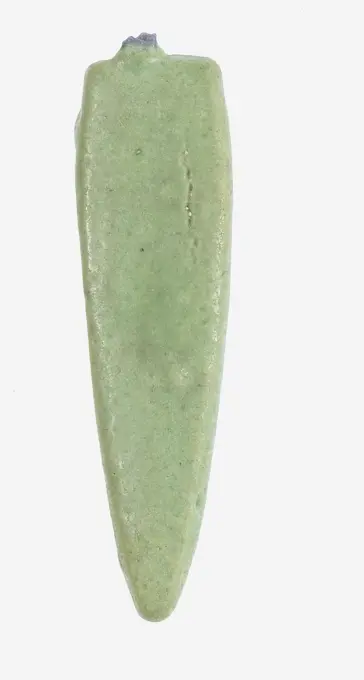
Fragment ca. 1150-ca. 1250 European or Middle Eastern. Fragment 695169Umbilicus. Glass. Paris, Carnavalet museum. 51538-13 Umbilicus, glassFragment. Culture: European or Middle Eastern. Dimensions: L. 2 1/4 in. (5.7 cm). Date: ca. 1150-ca. 1250. Museum: Metropolitan Museum of Art, New York, USA.Fragment of a Bowl. Byzantine; Greece, Serres or Cyprus. Date: 1201-1400. Dimensions: 8.6 × 7.6 × 3.8 cm (3 3/8 × 3 × 1 1/2 in.). Ceramic. Origin: Istanbul. Museum: The Chicago Art Institute, Chicago, USA.Fragment probably 13th-14th century. Fragment 451582Stone Pulidor before 16th century Mexican. Stone Pulidor 317090Oyster shell with sea figures and a rock with plants. Sea marine oyster shell, one of a couple, embossed decorated with figures at sea, near a rock with plants that is engraved as well as the waves and blackened. On the right a woman sitting on a fish with a man beside and a woman behind him. On the left two children on and at a fish and a boy blowing on a horn behind it. In a floating shelf designed on the waves: C: Bellekin.f. Two putti in the air.Glass Fragment 4th-early 5th century Coptic. Glass Fragment 477305offering lady, Niebla-Lucena, V-III BC, anthropomorphic terracotta figure, post colonial era, Huelva Museum, Huelva, Andalusia, Spain.Fragment 8th-9th century. Fragment 448791Arrowhead. Culture: Japan. Dimensions: W. 5/8 in. (1.6 cm); L. 1 1/4 in. (3.2 cm). Museum: Metropolitan Museum of Art, New York, USA.Arrowhead. Culture: Japan. Dimensions: W. 3/4 in. (1.9 cm); L. 1 1/8 in. (2.9 cm). Museum: Metropolitan Museum of Art, New York, USA.Fragment (fold of a robe); (possibly) belonging to the retable of Soest, c. 1475 - c. 1499   wood (plant material)   wood (plant material)Arrowhead 2500-1500 B.C.; A.D. 400-700 Frankish. Arrowhead 465015 Frankish, Arrowhead, 25001500 B.C.; A.D. 400700, Flint, Overall: 1 1/4 x 15/16 x 1/4 in. (3.2 x 2.4 x 0.6 cm). The Metropolitan Museum of Art, New York. Gift of J. Pierpont Morgan, 1917 (17.191.304)Pendant with the Cartouche of Kheperkare (Sesostris I) Made 1956 BCE-1911 BCE Egypt. Shell . Ancient EgyptianFragment flint blade, blade knife cutting tool soil find flint, knocked Late stone age archeology Maglemose culture Rotterdam Maasvlakte prehistory stone time late stone age cut Soil discovery Maasvlakte Maglemose culture.Sickle Blade, 1980-1801 BC. Egypt, Middle Kingdom, Dynasty 12. Flint; overall: 5 cm (1 15/16 in.).Arrowhead. Culture: Japan. Dimensions: W. 3/4 in. (1.9 cm); L. 7/8 in. (2.2 cm). Museum: Metropolitan Museum of Art, New York, USA.Two terracotta rim fragments from a closed vase ca. 2900-2300 B.C. Minoan From Vasiliki, CreteTwo rim fragments from a closed vase.. Two terracotta rim fragments from a closed vase 247755Fragment ca. 1150-ca. 1250 European or Middle Eastern. Fragment 696591Bastnaesite. minerals. Africa; RwandaModified flake -Vase fragment 2nd century A.D. Roman, Gaul Inscribed, red gloss sigillata.. Vase fragment. Roman, Gaul. 2nd century A.D.. Terracotta. Mid-Imperial. VasesCoin Weight 11th-13th centuryStone Pulidor before 16th century Mexican. Stone Pulidor 317061Indian arrowhead from Georgia and North & South Carolina , Archaeological assemblages, Charles F. Walcott Archaleogical CollectionBottle;  IX-XI century (801-00-00-1100-00-00);Semerau -Siemianowski, Władysław - collection, bottles, gift (provenance), art of IslamStone arrow head. Barcelona. Spain 2013Vase fragment Roman Fragment of yellow enamelled vase with raised pattern around shoulder.. Vase fragment. Roman. Terracotta. VasesBead 8th-13th century. Bead 450854Attic Red-Figure Duck Askos Fragment. UnknownGlass bowl fragment. Culture: Greek, Syro-Palestinian. Dimensions: H.: 2 1/2 x 2 in. (6.4 x 5 cm). Date: mid-2nd-early 1st century B.C..Translucent olive green.Triangular body fragment of thick-walled hemisperical bowl.Two parallel fine horizontal grooves on exterior surface; recessed area on interior at bottom.Broken on all sides, with weathering on two edges; pinprick bubbles; dulling, pitting, and iridescence, with small patches of creamy white weathering. Museum: Metropolitan Museum of Art, New York, USA.Stone Pulidor before 16th century Mexican. Stone Pulidor. Mexican. before 16th century. Stone. Mexico, Mesoamerica. Stone-ImplementsOstrakon. Culture: Coptic. Dimensions: Overall: 2 3/8 x 4 1/8 x 3/8 in. (6.1 x 10.4 x 0.9 cm). Date: 4th-7th century. Museum: Metropolitan Museum of Art, New York, USA.Stamp seal (octagonal pyramid) with animal contest 6th - 4th century B.C. Achaemenid. Stamp seal (octagonal pyramid) with animal contest 327697Sickle Blade, 1980-1801 BC. Egypt, Middle Kingdom, Dynasty 12. Flint; overall: 5 cm (1 15/16 in.).Fragment ca. 1150-ca. 1250 European or Middle Eastern. Fragment 696623Vase fragment ca. 3000-2000 B.C. Aegean. Vase fragment. Aegean. ca. 3000-2000 B.C.. Terracotta. Early Helladic. VasesVase fragment Minoan. Vase fragment 247844Stone Celt before 16th century Mexican. Stone Celt 317228Plaque. Egypt, New Kingdom (circa 1569 - 1081 BCE). Sculpture; plaques. Faiencepolished olivinite stone isolated on white macro shooting of natural mineral rock specimen - polished olivinite stone isolated on white background from Kovdor region, Kola Peninsula, Russia Copyright: xZoonar.com/ValeryxVoennyyx 11514924Fragment ca. 1150-ca. 1250 European or Middle Eastern. Fragment 696570macro shooting of natural mineral stone - polished Piemontite (Manganepidot and manganesian epidote) gemstone isolated on white backgroundFragment. Culture: European or Middle Eastern. Dimensions: L. 1 1/8 in. (2.9 cm). Date: ca. 1150-ca. 1250. Museum: Metropolitan Museum of Art, New York, USA.Fragment ca. 1150-ca. 1250 European or Middle Eastern. Fragment 694374Stone Chisel before 16th century Maya () Greenstone axe heads, commonly known as “celts,” were some of the most important works of art across ancient Mesoamerica and Central America. Created from jadeite mined from the Motagua River Valley of southern Guatemala, or using local green stones from highland Mexico, celts were first created by the Olmec peoples of the Gulf Coast after 1000 B.C. The Olmec conceived of green celts as sprouts of maize and thus “planted” celts in dedicatory offerings, activating ceremonial spaces and perpetuating agricultural fertility. For the later Maya peoples, celts also served as dedicatory materials, but more so as adornments for the royal bodies of kings and queens. Often the celts would be thinned into celt-shaped plaques, strung together in pairs and triads in order to create belt assemblages that would have clinked with the sound of jades striking one another. Tombs from the Classic Period (ca. AD 250-900) contain celts of jadeite and various greenstFragment of a Bowl 14th-15th century. Fragment of a Bowl. 14th-15th century. Earthenware; glazed over slip. Attributed to Egypt. CeramicsFragment. Culture: European or Middle Eastern. Dimensions: L. 1 1/2 in. (3.8 cm). Date: ca. 1150-ca. 1250. Museum: Metropolitan Museum of Art, New York, USA.Fragment. Culture: European or Middle Eastern. Dimensions: L. 2 1/2 in. (6.4 cm). Date: ca. 1150-ca. 1250. Museum: Metropolitan Museum of Art, New York, USA.Raised relief fragment 664-610 B.C. Late Period, Saite see 23.3.468. Raised relief fragment. 664-610 B.C.. Limestone, varnish. Late Period, Saite. From Egypt, Upper Egypt, Thebes, Deir el-Bahri, Tomb of Nespekashuty (TT 312, MMA 509), 1st chamber E. wall; 5th register, S. side, MMA excavations, 1922-23. Dynasty 26Pottery Fragment 4th-7th century Coptic. Pottery Fragment 475430Fragment of a Plate 100 BCE-100 CE Roman Empire. In ancient Rome, there was a high demand for colorful glass that could dazzle banquet guests alongside the expensive silver and gold serving wares meant to impress. Fragments like this one would have once been a part of larger mosaic dishes. The mosaic pattern was made by sagging molten glass into bowl-shaped molds, a technique used on many of these fragments is similar to millefiori, ìthousand flowersî in Italian, a modern glass-making method in which tiny rods of colored glass are bundled together, wrapped in a sheet of glass, fused, and then thinly sliced to reveal swirls of a flower-like patterns. They were arranged side by side, sometimes together with bits of colored glass, and fused together with heat.. Glass, mosaic glass technique . Ancient RomanGold hilt plates from the handles of swords from the Anglo-Saxon Staffordshire Hoard. Dated 6th CenturyToothed shape. Arrowhead in chipped stone. Neolithic period. Found between 1970 and 1980 in the southern Sahara at El Golea Timimoun, eastern erg. Algeria. 4,2 cm.Polishing Stone (pulidor) before 16th century Mexican. Polishing Stone (pulidor) 317022Vase fragment Roman, Gaul Inscribed.. Vase fragment. Roman, Gaul. Terracotta. Vasespebble of Jasper China gemstone isolated natural mineral gem stone - pebble of Jasper China gemstone isolated on white background close up Copyright: xZoonar.com/ValeryxVoennyyx 8555574Beads 8th-13th century. Beads 458002Fragment ca. 1150-ca. 1250 European or Middle Eastern. Fragment. European or Middle Eastern. ca. 1150-ca. 1250. Glass, ceramic. Glass-VesselsFragment ca. 1150-ca. 1250 European or Middle Eastern. Fragment 695400Fragment. Culture: European or Middle Eastern. Dimensions: L. 2 1/2 in. (6.4 cm). Date: ca. 1150-ca. 1250. Museum: Metropolitan Museum of Art, New York, USA.North American Indian Archaic Stone chipped Spear Point, Paleolithic. Artist: Unknown.Stone Pulidor before 16th century Mexican. Stone Pulidor 317143Copper Animal Plaque 3rd century B.C.-A.D. 2nd century Vicús. Copper Animal Plaque 315648Polished stone axe-heads from the Neolithic period.Sample of Siberian Nephrite 20th century China. Sample of Siberian Nephrite 62127Fragment 13th century Crusader. Fragment. Crusader. 13th century. Stained Glass. Glass-StainedFragments of Splashed Ceramic 9th century. Fragments of Splashed Ceramic 853308Fragment 3rd-8th century This ceramic fragment was excavated in Ctesiphon, the Sasanian metropolis and administrative capital conquered by Arab Muslim armies in 637. The city continued to be inhabited throughout the era, when it was known in Arabic as al-Madain, or "the cities", because of the expansive area it encompassed. Arab and Persian historians and poets indulged in describing al-Madain/Ctesiphons grand monuments. Muslim rulers also celebrated the glory of these monuments, which through time had acquired symbolic significance due to their association with the citys imperial past. This was the case of the Taq-i Kisra, an impressive colossal ivan (a vaulted hall with one side open) that was partially dismantled to reuse its bricks in caliphal buildings in the new capital of Baghdad. Finds like this fragment attest to the continued occupation of Ctesiphons urban area in the first centuries of the Islamic period, during which a pilgrimage site developed at Salman Pak, an area nFragment of a Bowl 100 BCE-100 CE Roman Empire. In ancient Rome, there was a high demand for colorful glass that could dazzle banquet guests alongside the expensive silver and gold serving wares meant to impress. Fragments like this one would have once been a part of larger mosaic dishes. The ribbon pattern was made by bundling rows of parallel rods of glass, which were then fused to create swirling patterns.. Glass . Ancient Romantumbled simbircite gemstone on white macro shooting of natural mineral rock specimen - tumbled simbircite gemstone on white marble background from Ulyanovsk region, Russia Copyright: xZoonar.com/ValeryxVoennyyx 11949967Vase fragment Roman Fragment of yellow enamelled vase with raised daisy pattern.. Vase fragment. Roman. Terracotta. VasesBead in the Shape of a Tortoise, c. 6th-8th century, 5/16 x 9/16 x 1/2 in. (0.8 x 1.4 x 1.3 cm), Stone, Myanmar (Burma), 5th-9th centuryPalette. Egypt, Pre-Dynastic Period (circa 5500 - 3050 BCE). Tools and Equipment; palettes. SlateFragment of a Column early 15th or 19th century. Fragment of a Column 447039Fragment 9th century. Fragment 451530Goldweight Seed Pod, 19th-20th century, 2 1/8 x 1 in. (5.4 x 2.54 cm), Brass, Ghana, 19th-20th centuryArrowhead in cut stone with peduncle and wings. Neolithic period. North Africa. 3,9 cm.Collar amulet. Dimensions: l. 1.8 cm (11/16 in.) × h. 2.2 cm (7/8 in.). Dynasty: Dynasty 26-29. Date: 664-380 B.C.. Museum: Metropolitan Museum of Art, New York, USA.rough Schist stone with Kyanite crystal on white macro shooting of natural mineral rock specimen - rough Schist stone with Kyanite crystal on white marble background Copyright: xZoonar.com/ValeryxVoennyyx 11947535Glass Fragment 4th-early 5th century Coptic. Glass Fragment 479121Vase fragment Roman, Gaul Inscribed.. Vase fragment. Roman, Gaul. Terracotta. VasesPIEZA DE AJUAR PALEOLITICO: CANTO TRABAJADO DE CUARCITA (DEPOSITO: MUSEO ARQUEOLOGICO NACIONAL).Gold hilt collars from a sword, from the Staffordshire Hoard. Dated 6th CenturyGreen jasper scraper. Neolithic period. Mali. 5,8cm.Ball Bead Made 2055 BCE-1069 BCE Egypt. Faience . Ancient EgyptianFragment ca. 1150-ca. 1250 European or Middle Eastern. Fragment 695426Amulet of a Crocodile 664 BCE-525 BCE Egypt. Faience . Ancient EgyptianVase fragments Roman. Vase fragments. Roman. Terracotta. VasesShell pendant or bead ca. 3850-2960 B.C. Predynastic Period. Shell pendant or bead 571036Detailed and colorful image of red jasper mineralExcerpt copper sheet metal with rivets from the wreck of the East Indians Hollandia, Anonymous, 1700 - in Or Before 1743 fragment Varied parts or fragments, sheet metal fragments: worked, with rivets; fragm, eroded, with 2 rivets, sim. 80H2947. Netherlands copper (metal)   SecondArrowhead. Culture: Japan. Dimensions: W. 3/4 in. (1.9 cm); L. 1 1/8 in. (2.9 cm). Museum: Metropolitan Museum of Art, New York, USA.Vase fragment Roman, Gaul Frontal face.. Vase fragment 250418Arrowhead in cut stone with peduncle and wings. Neolithic period. North Africa. 2,9 cm.Arrowhead Japan. Arrowhead 62394Pendant: Lotus Sepal ca. 1390-1353 B.C. New Kingdom. Pendant: Lotus Sepal. ca. 1390-1353 B.C.. Faience. New Kingdom. From Egypt, Upper Egypt, Thebes, Malqata, Palace of Amenhotep III, MMA excavations, 1910-11. Dynasty 18Foliate and lacy point in cut stone. Neolithic period. North Africa. 3,9 cm.Ax 500 B.C.-A.D. 300 Indonesia. Ax. Indonesia. 500 B.C.-A.D. 300. Bronze. Bronze and Iron Age period. Metalwork